Leaf Coloring Pages
Leaf Coloring Pages show how many shapes and textures leaves can have, from simple outlines to detailed botanical forms. This set includes maple, oak, palm, fern, and monstera styles, plus wreaths, mandalas, and seasonal scenes. Some pages are easy enough for young children, while others have veins, lobes, and layered details for older colorists. You will also find playful leaf characters, study sheets, and fall pages with acorns, pumpkins, and drifting leaves.
Print on sturdy white paper if you want to use markers, or choose lighter paper for crayons and colored pencils. For a cleaner look, set your printer to fit to page and use draft mode when you want to save ink. If you are coloring with younger children, larger page sizes and thick outlines can make the pages easier to handle.
Related coloring pages
Printable Leaf Coloring Pages
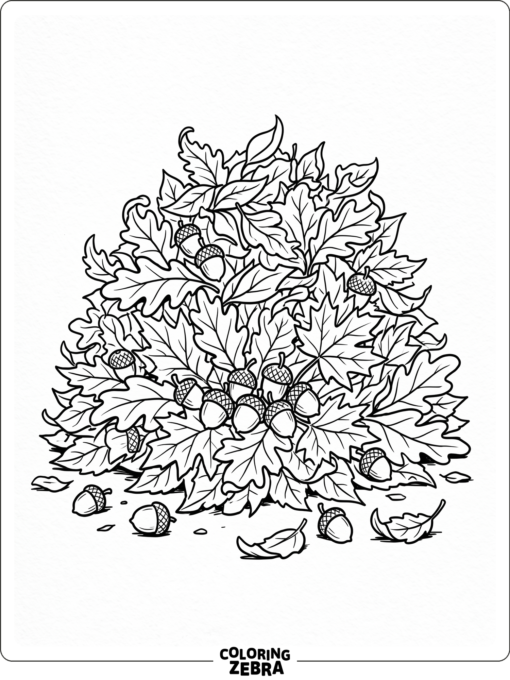

Fall Leaves Coloring Sheet
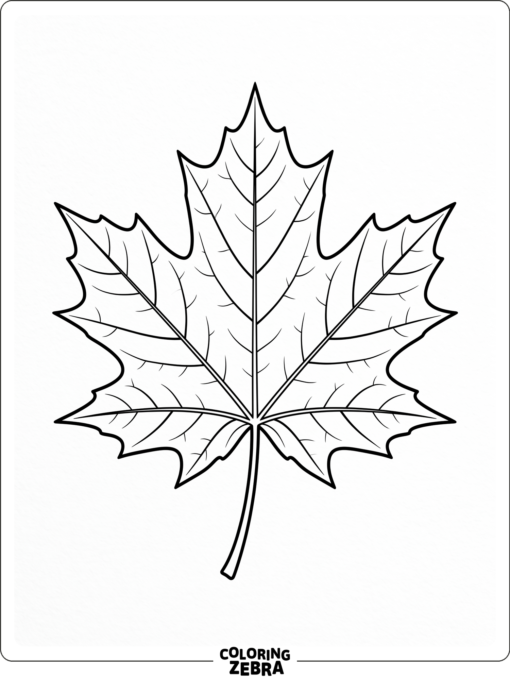

Maple Leaf Coloring Page
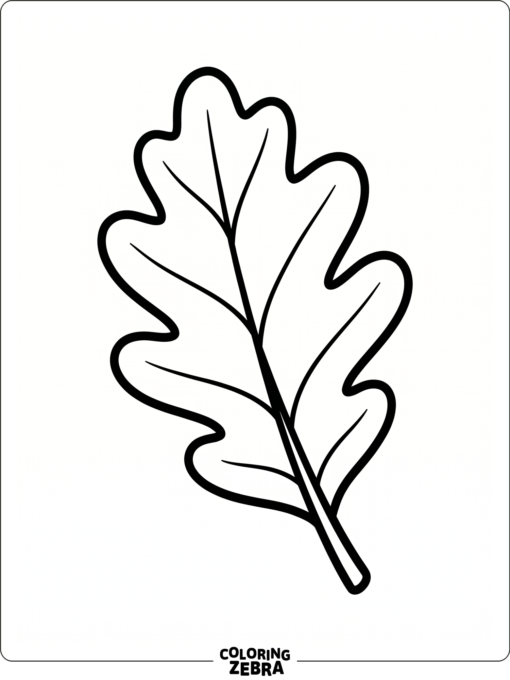

Easy Leaf Printable
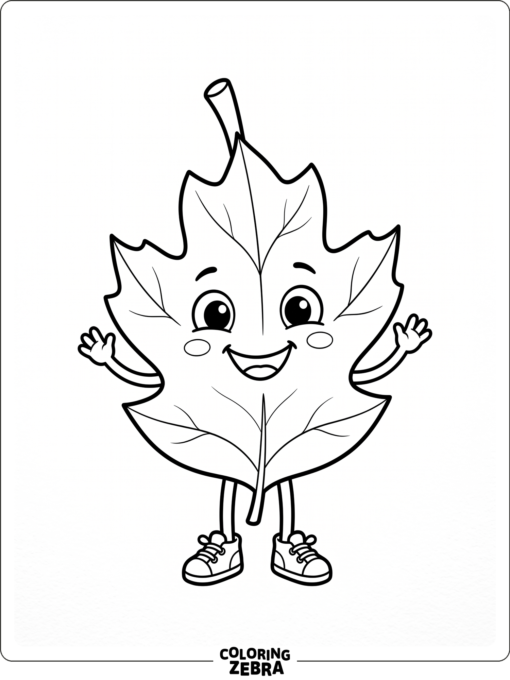

Leaf Coloring Page for Kids

Blank Leaf Printable
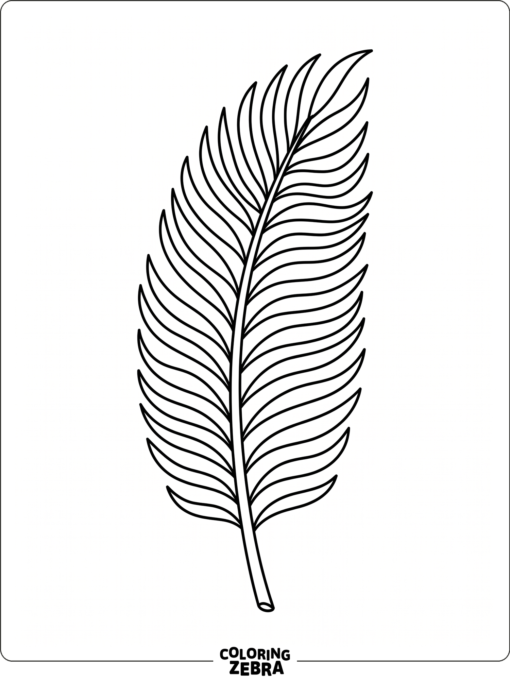

Palm Leaf Coloring Page
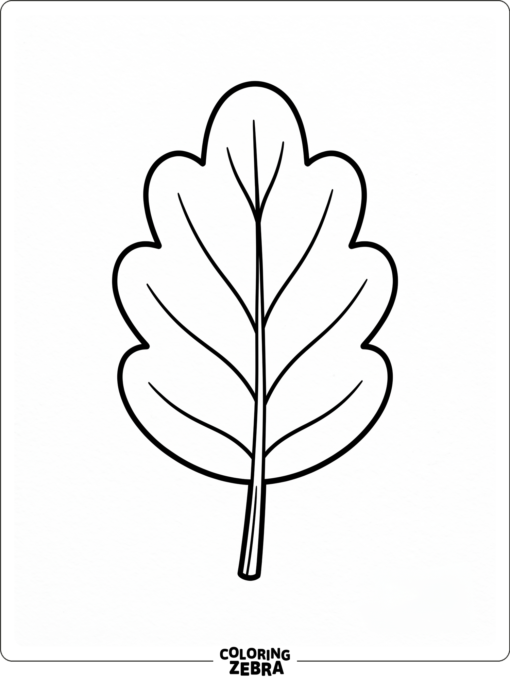

Simple Leaf Coloring Sheet
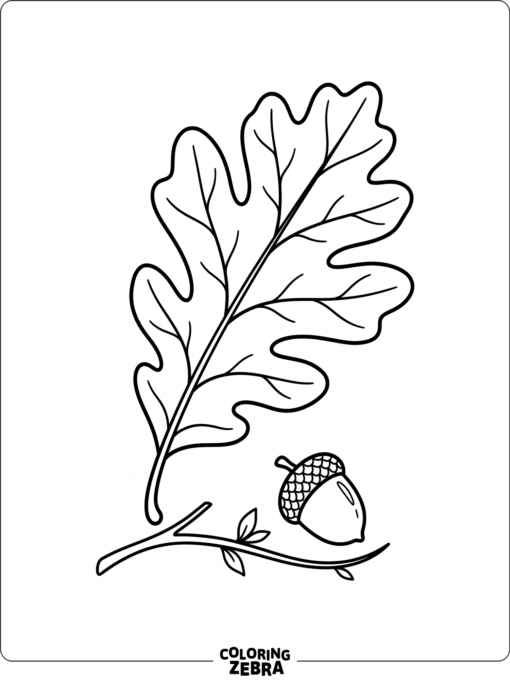

Oak Leaf Coloring Page


Preschool Leaf Printable
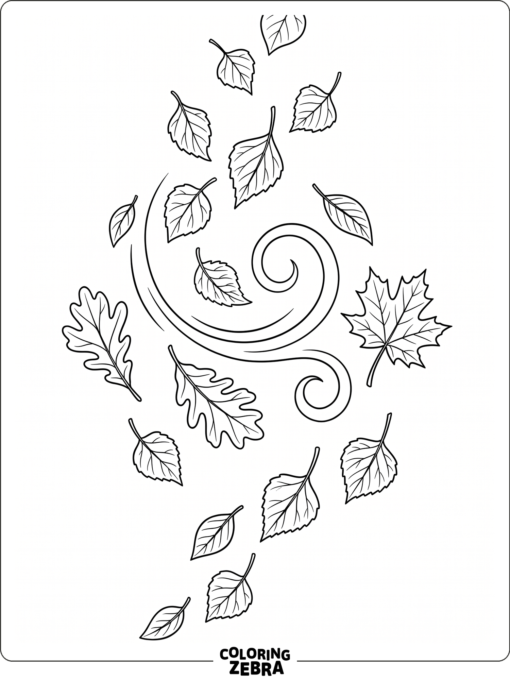

Falling Leaves Coloring Sheet
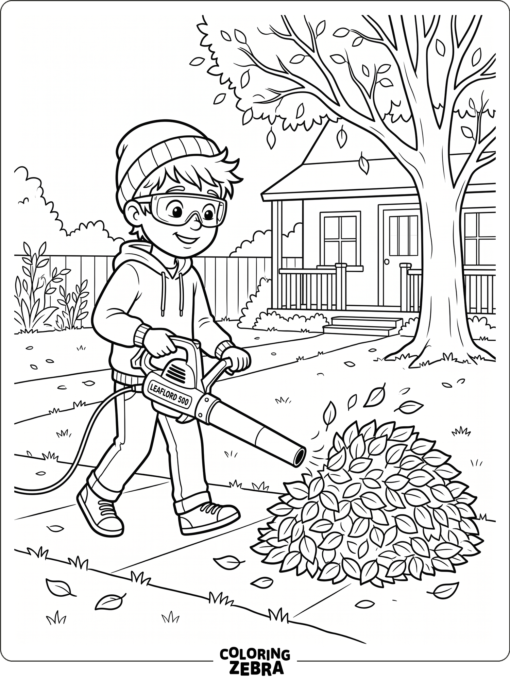

Leaf Blower Coloring Page
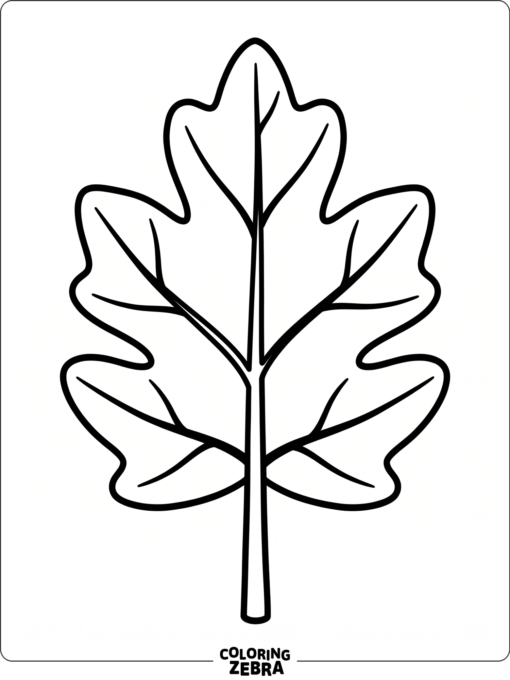

Large Leaf Printable
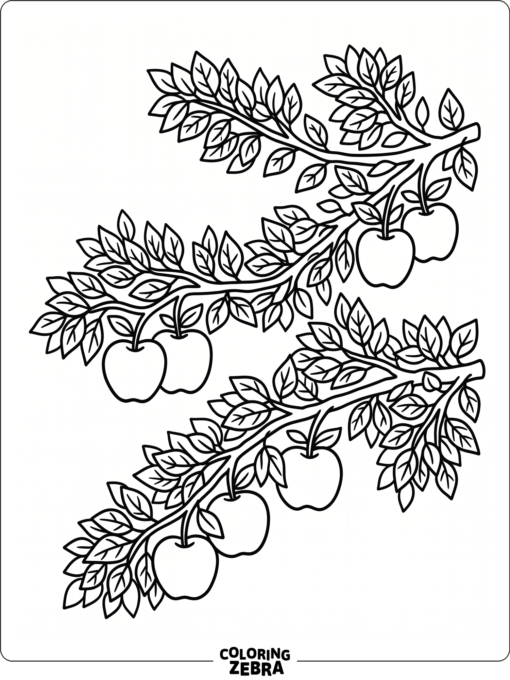

Tree With Leaves Coloring Page
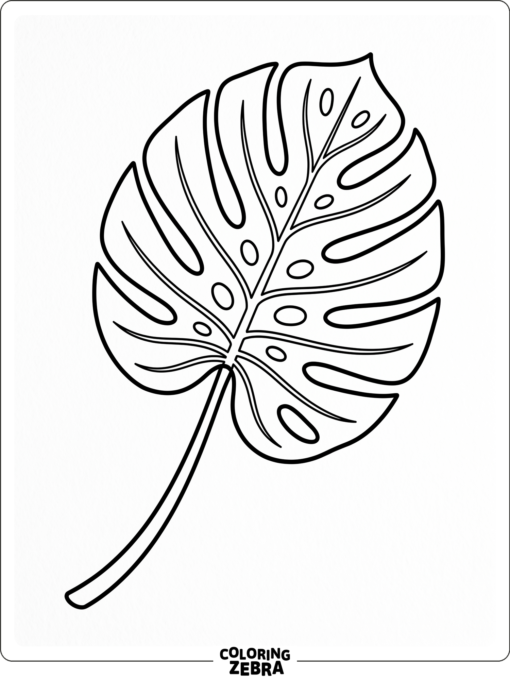

Monstera Leaf Coloring Page


Leaf Coloring Page for Adults
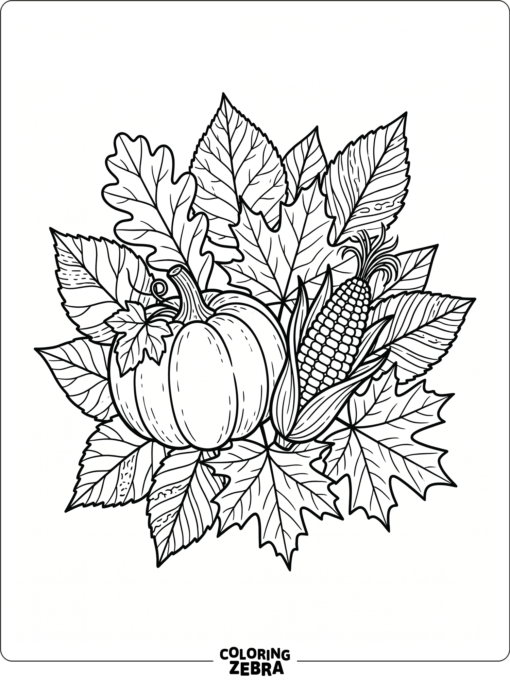

Thanksgiving Leaves Coloring Page

Jungle Leaf Coloring Page

Tropical Leaf Coloring Page

L Is for Leaf Printable

Fall Tree Leaves Coloring Page
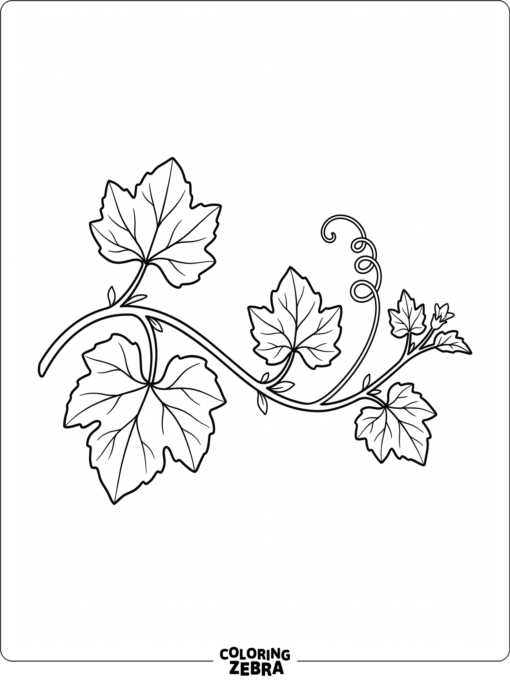

Pumpkin Leaf Coloring Page


Palm Frond Coloring Page
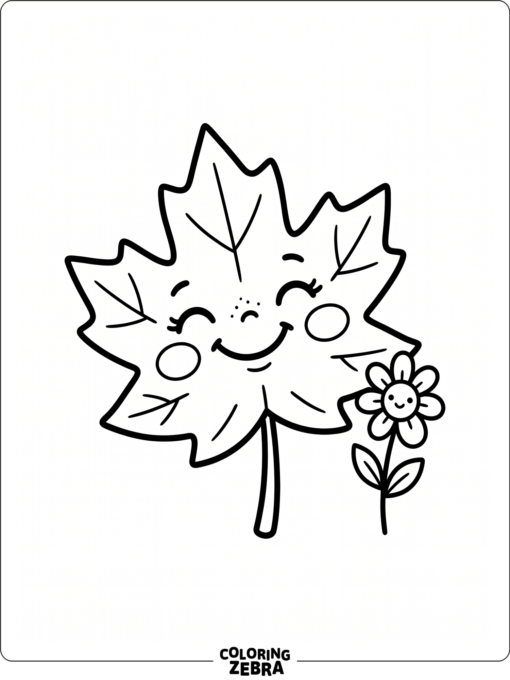

Cute Leaf Coloring Page
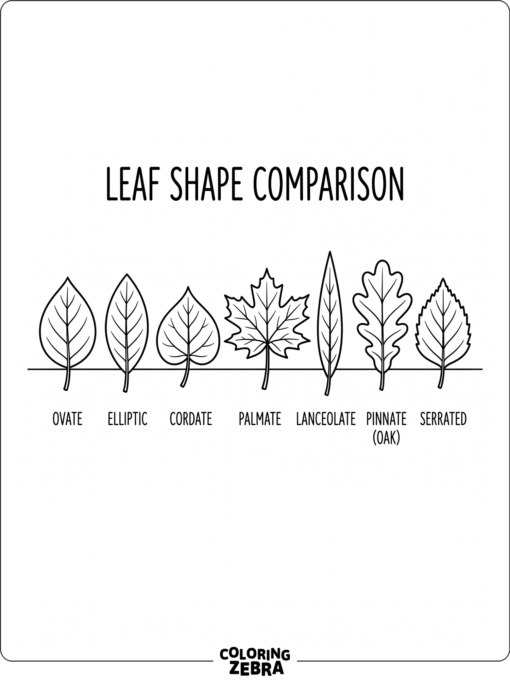

Leaf Shape Coloring Page
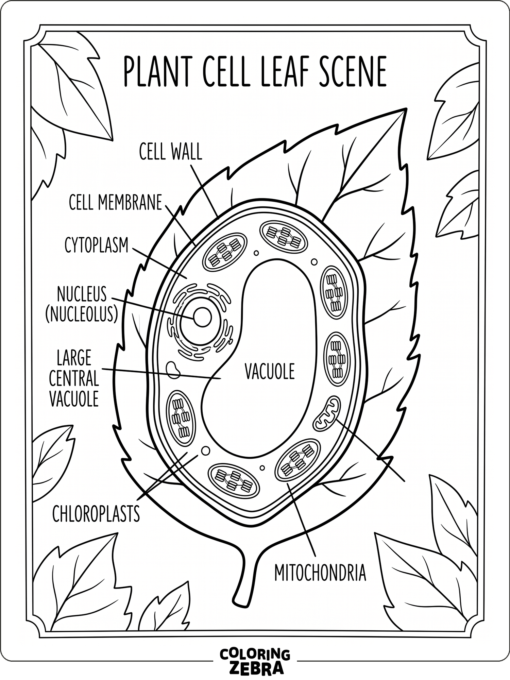

Chloroplast Leaf Study Page


Parts Of A Leaf Coloring Page
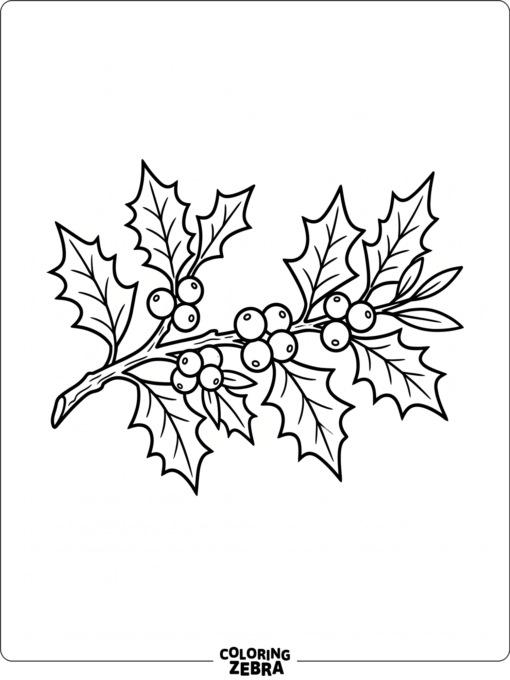

Holly Leaf Coloring Page
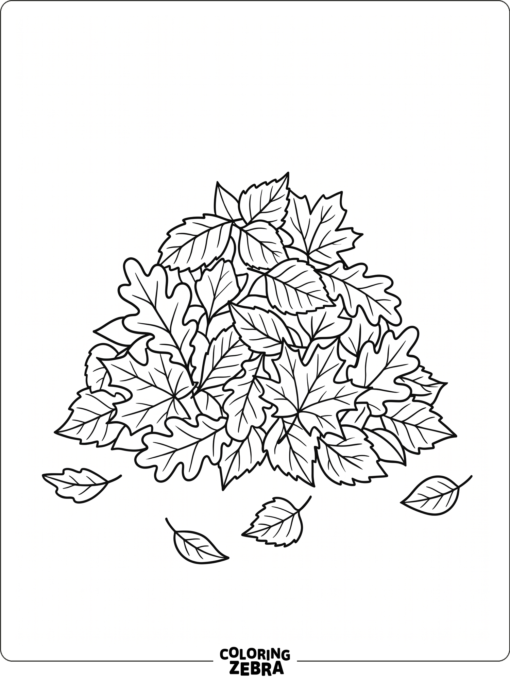

Leaf Pile Coloring Page
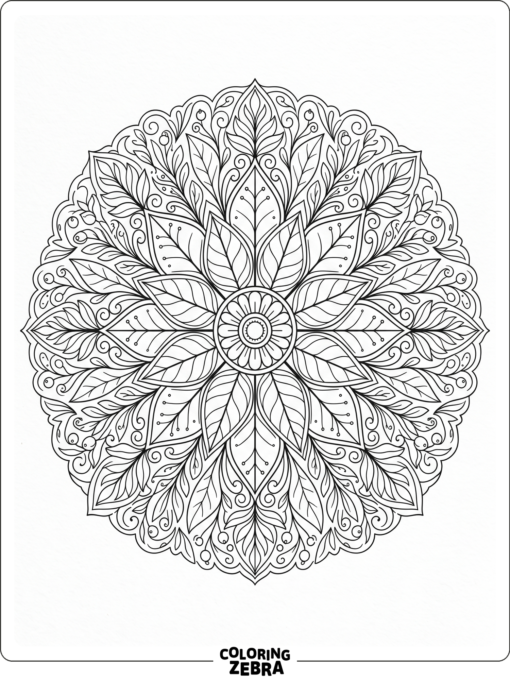

Leaf Mandala Coloring Page
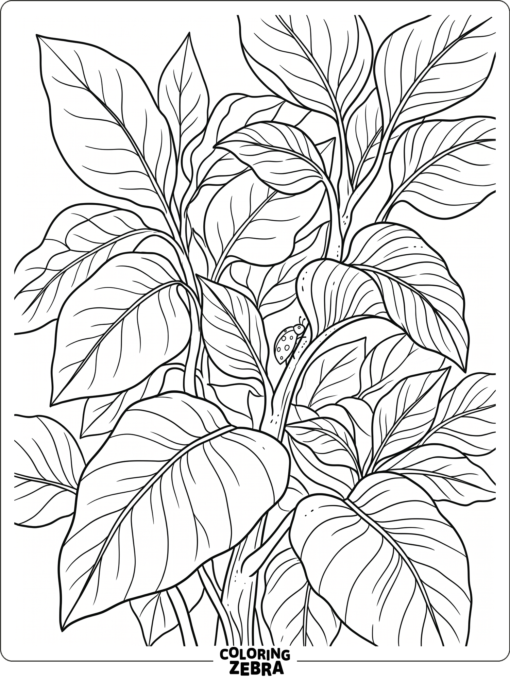

Leaf Bug Coloring Page
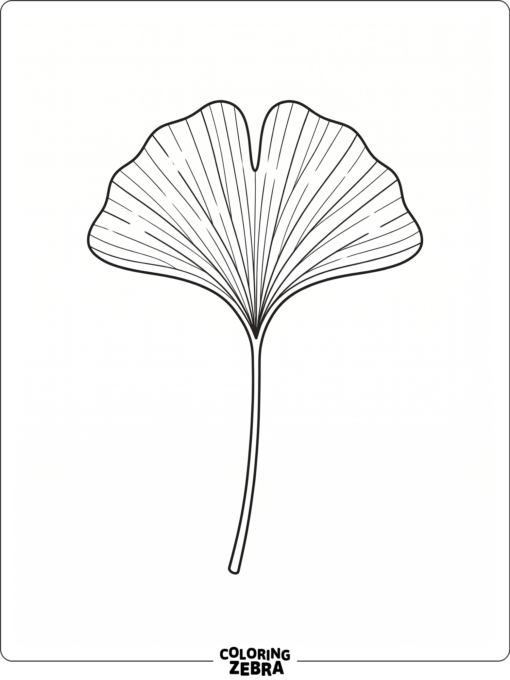

Ginkgo Leaf Coloring Page
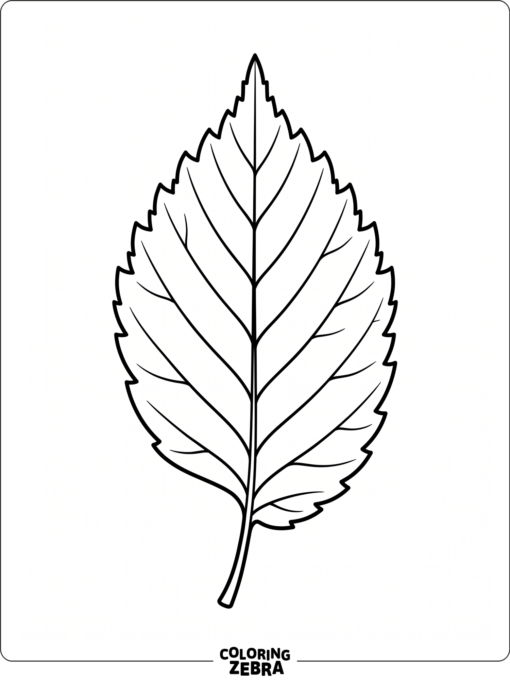

Elm Leaf Coloring Page
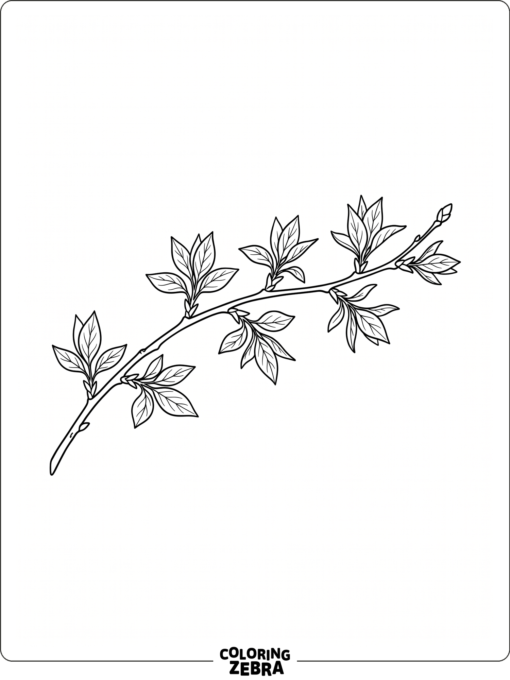

Spring Leaves Coloring Page
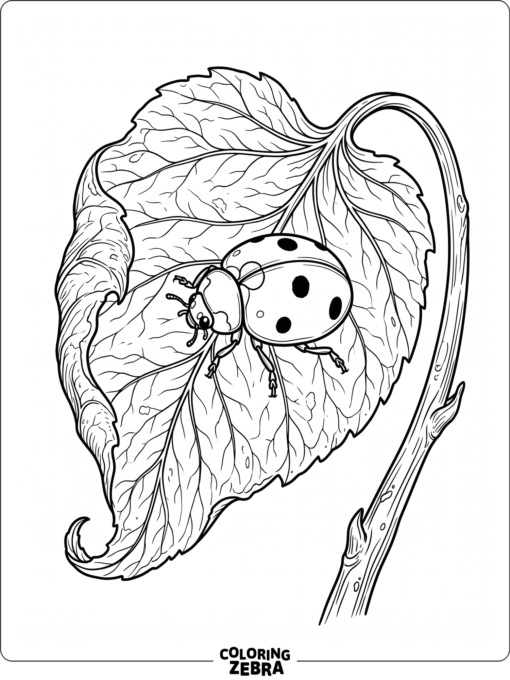

Ladybug On A Leaf Coloring Page
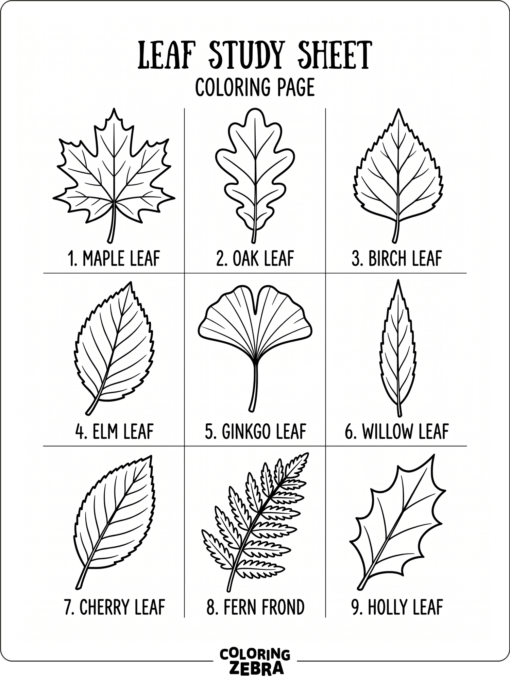

Leaf Identification Coloring Page
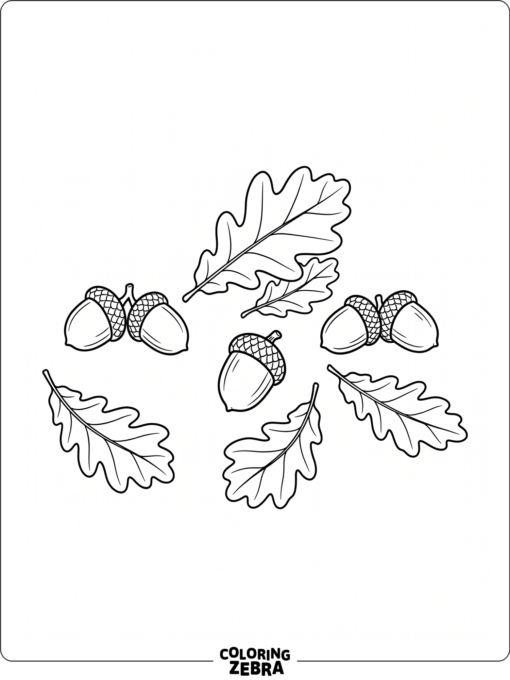

Leaves And Acorns Coloring Page

Heart Leaf Coloring Page

Single Leaf Coloring Page


Fig Leaves Coloring Page
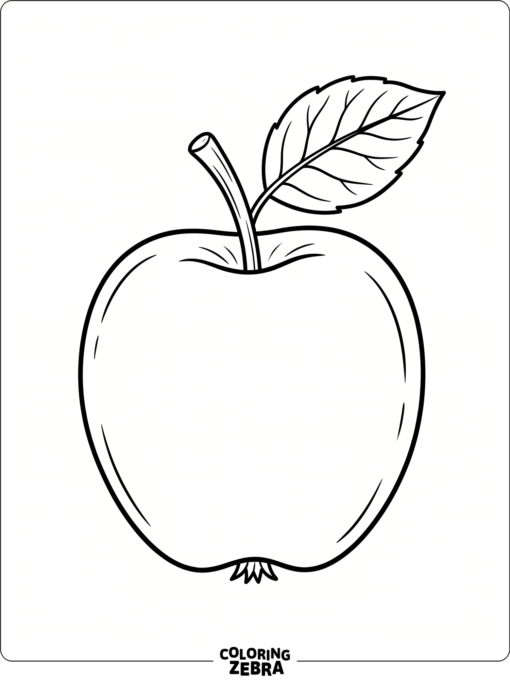

Apple With Leaf Coloring Page
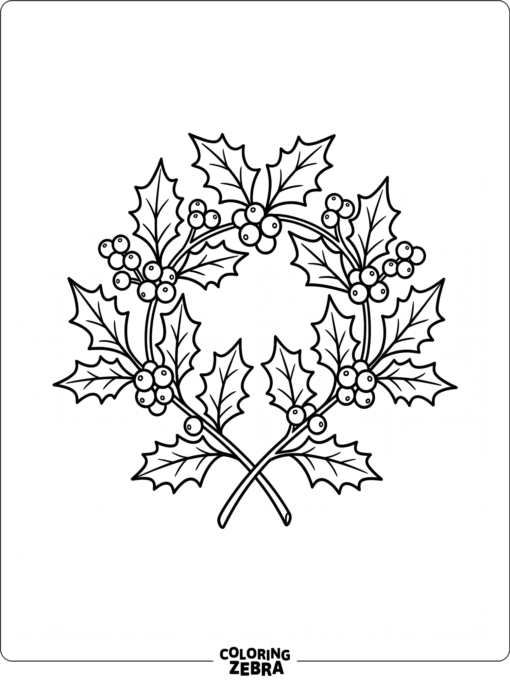

Holly Leaves And Berries Coloring Page
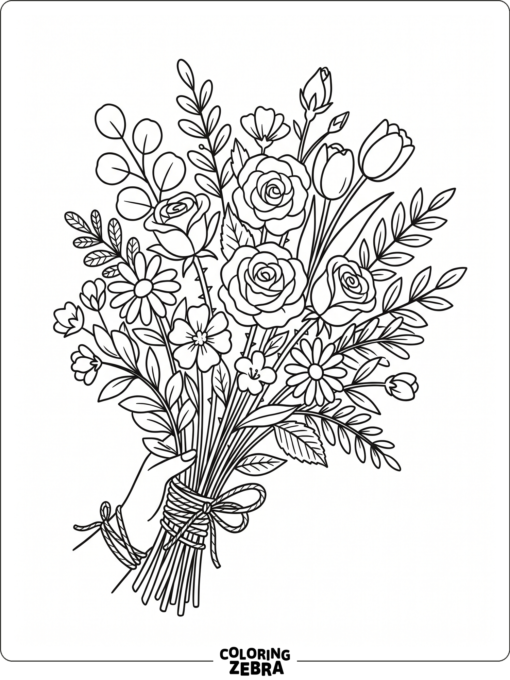

Flowers And Leaves Coloring Page
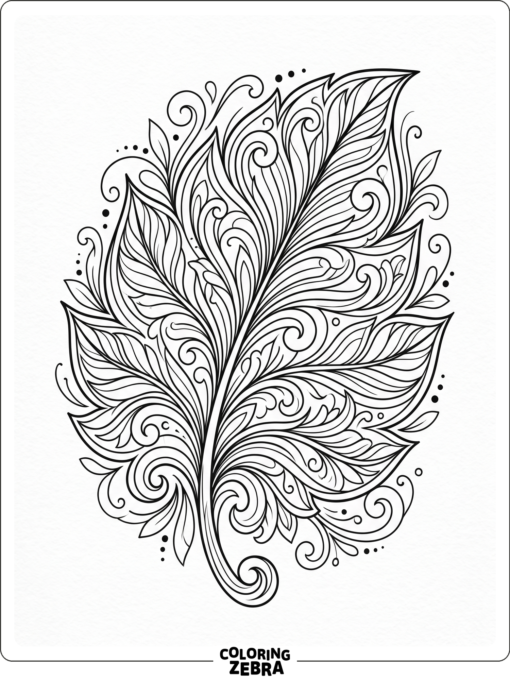

Detailed Leaf Coloring Page For Adults
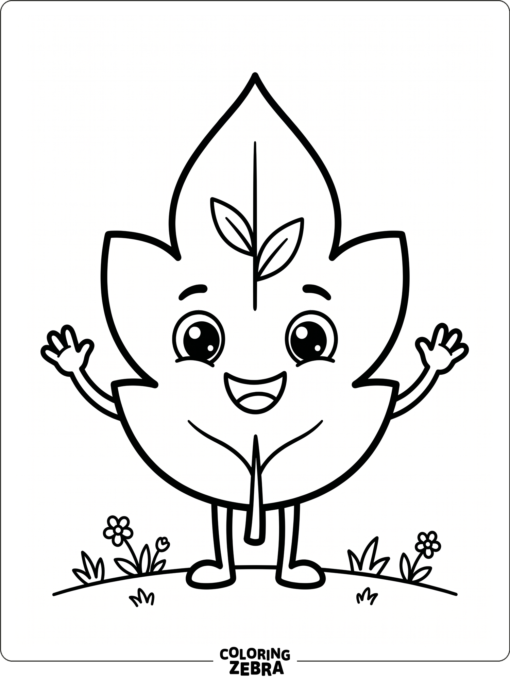

Cartoon Leaf Coloring Page
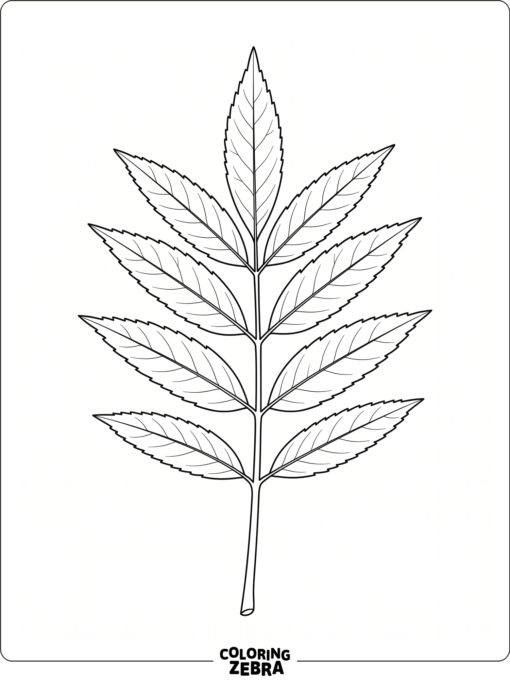

Ash Leaf Coloring Page


Large Maple Leaf Coloring Page


September Leaves Coloring Page
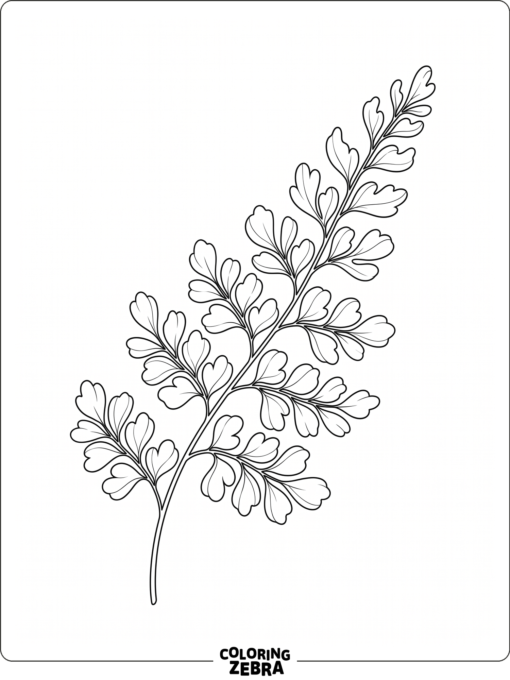

Fern Leaf Printable
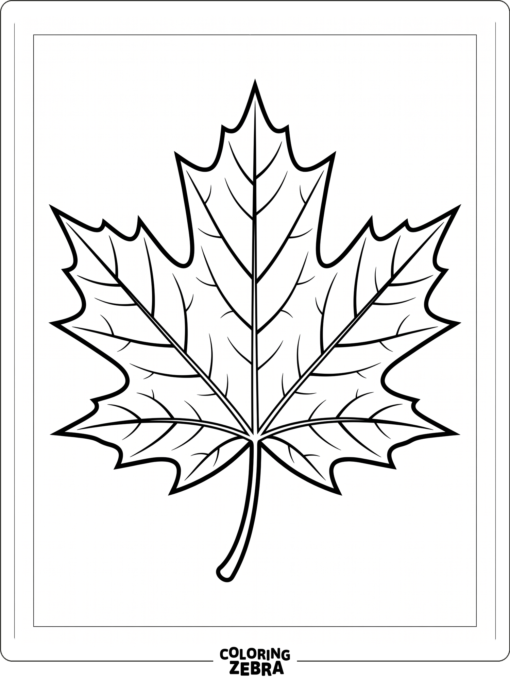

Canada Maple Leaf Coloring Page
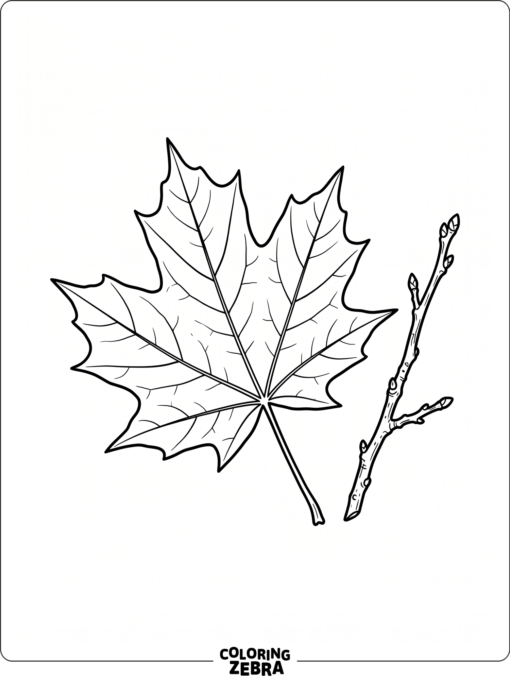

Sugar Maple Leaf Outline
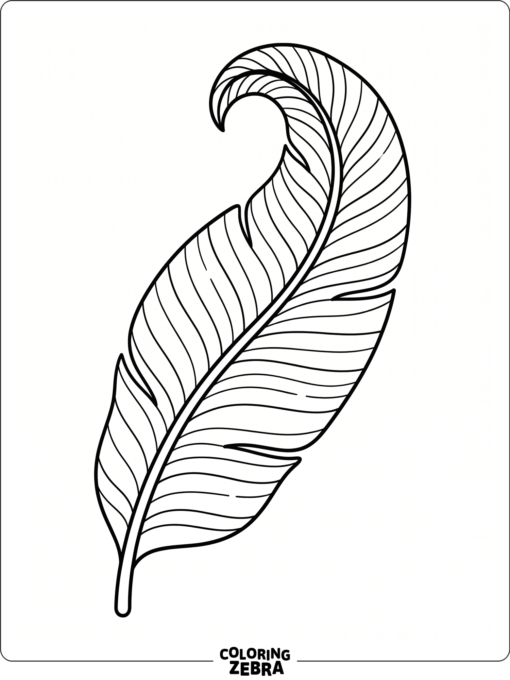

Banana Leaf Coloring Sheet
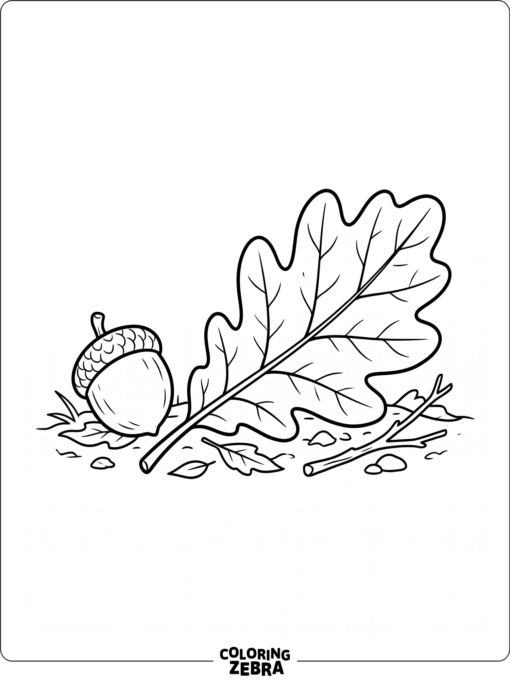

Leaf and Acorn Coloring Page
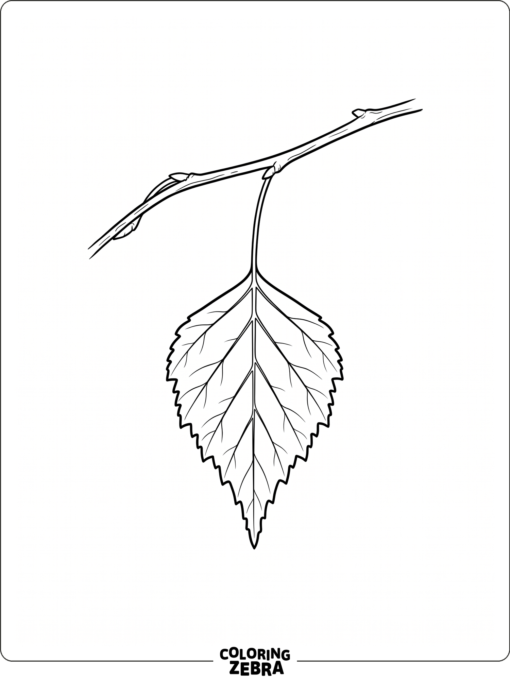

Birch Leaf Printable
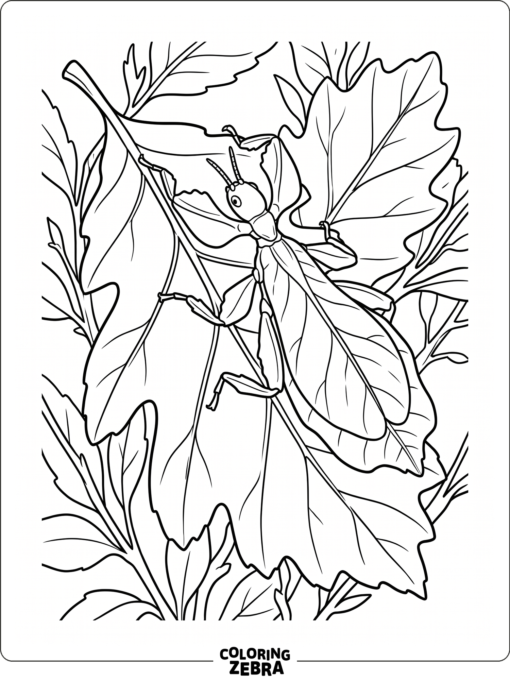

Leaf Insect Coloring Page


Leaves and Pumpkins Coloring Page
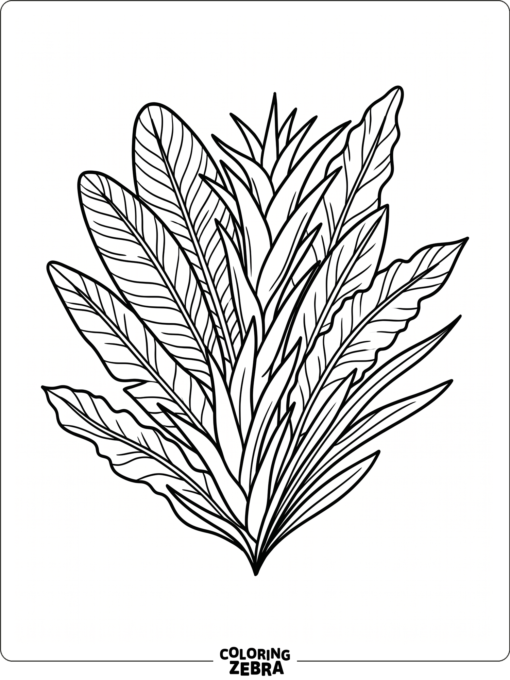

Rainforest Leaves Coloring Page
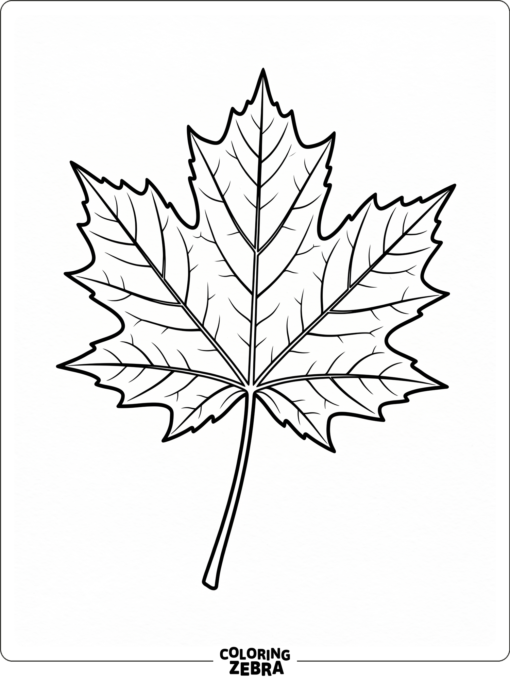

Leaf and Stem Coloring Page
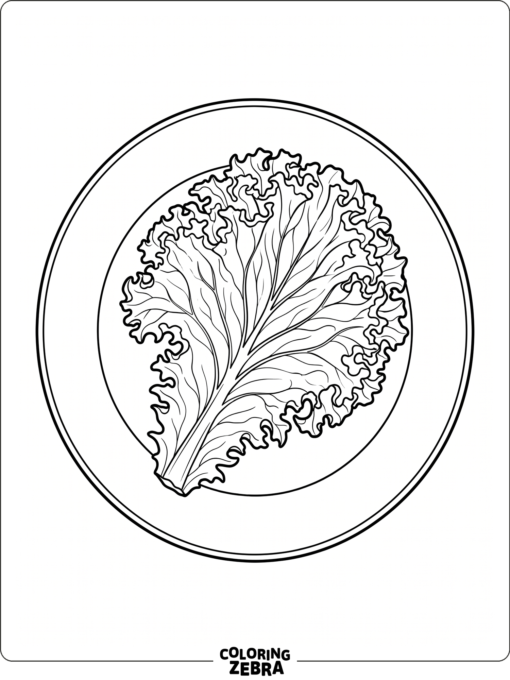

Lettuce Leaf Coloring Sheet


Raking Leaves Coloring Page
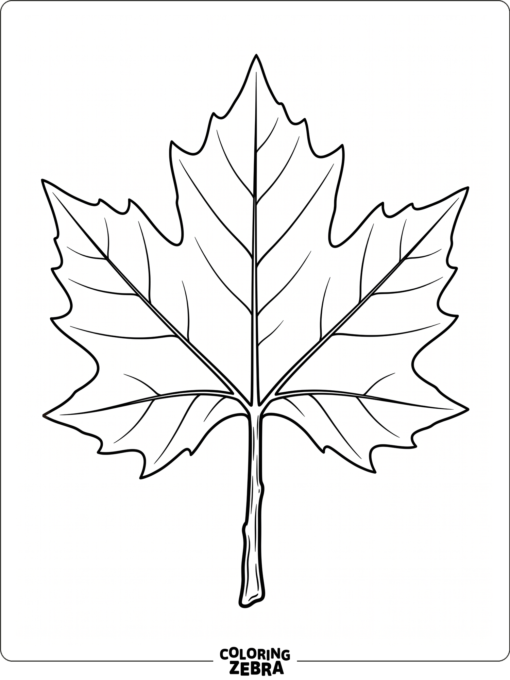

Sycamore Leaf Printable
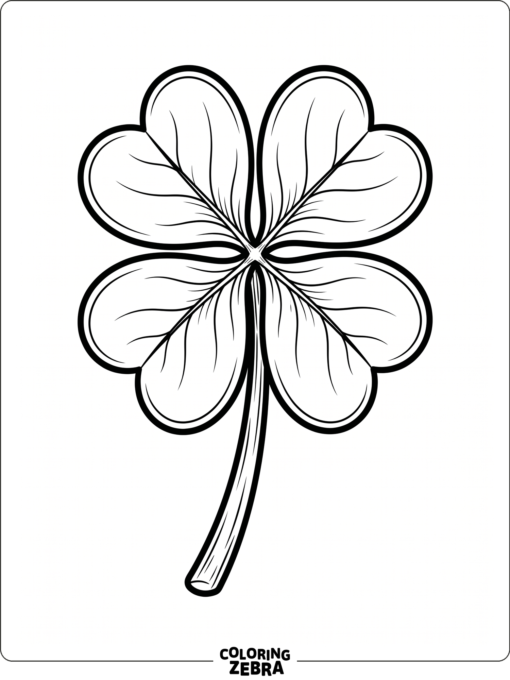

Four Leaf Coloring Page


Eucalyptus Leaves Coloring Page
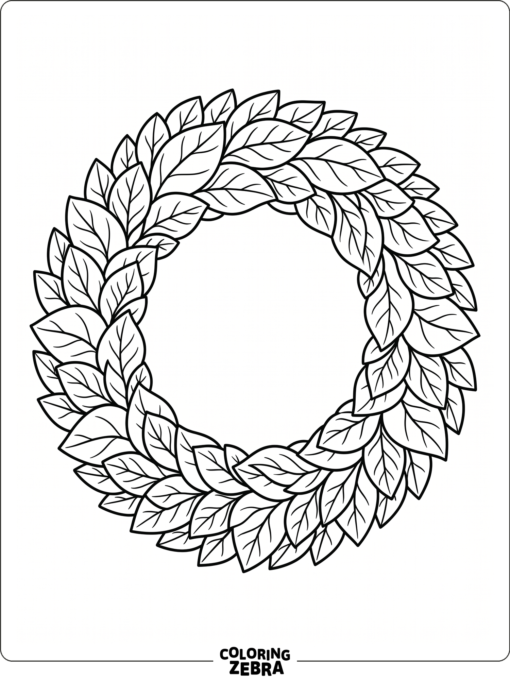

Wreath Leaves Coloring Page
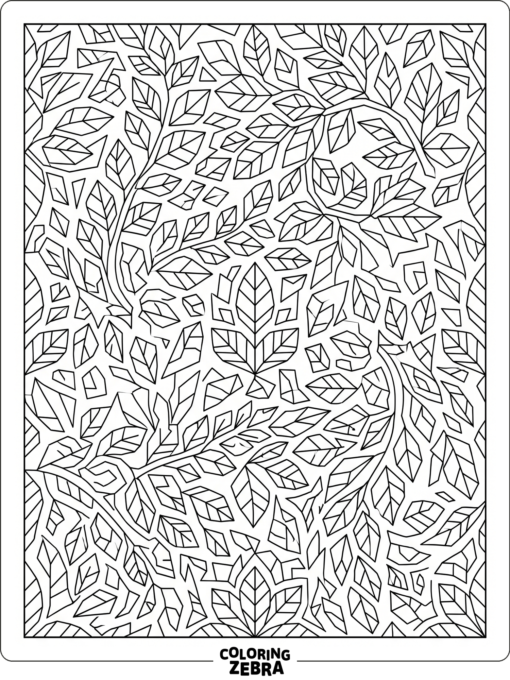

Leaf Mosaic Coloring Page
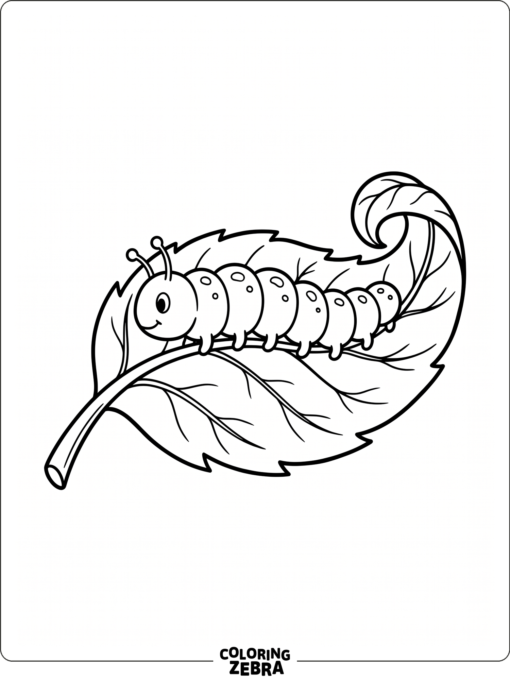

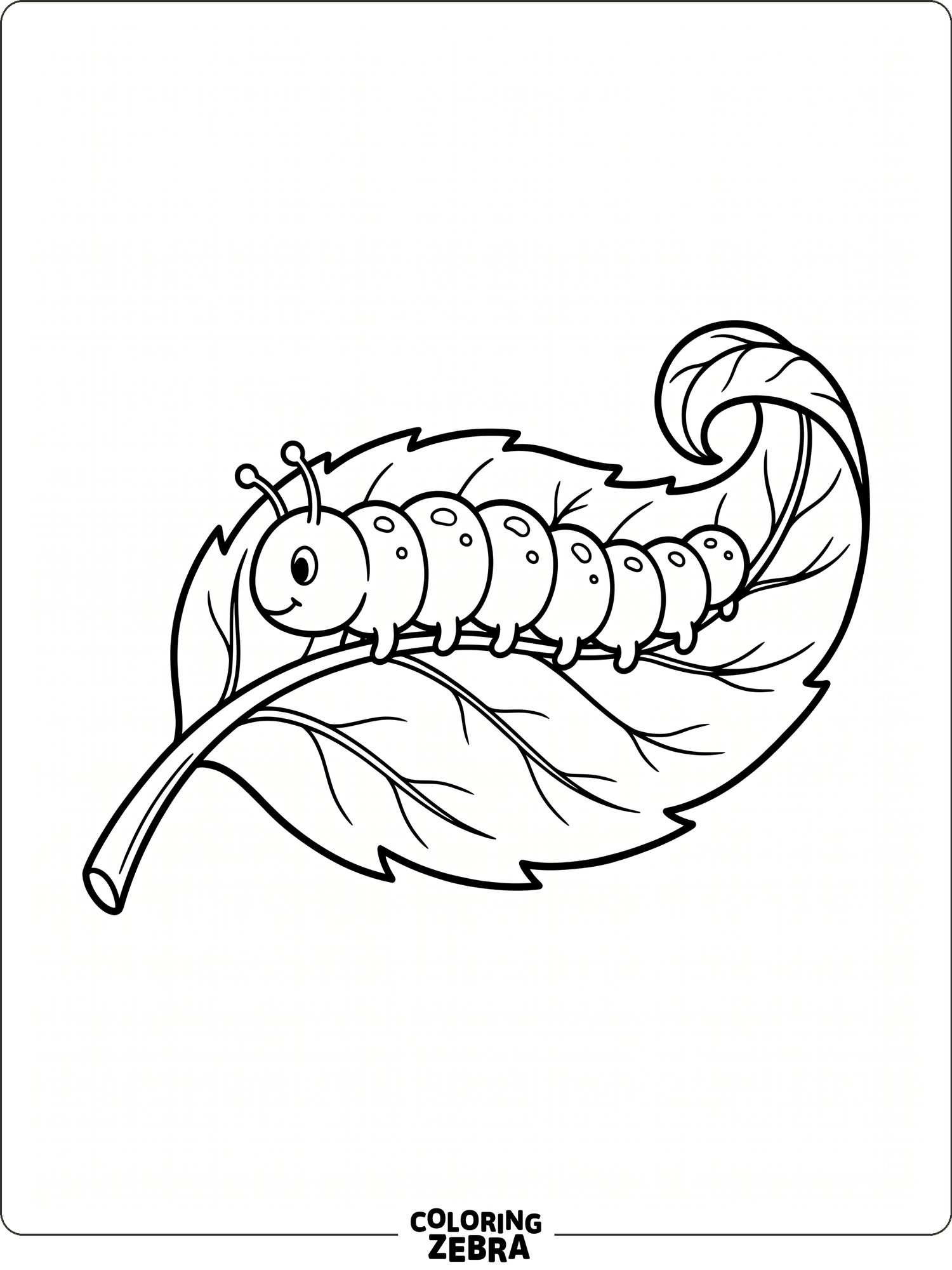
Caterpillar on Leaf Coloring Page
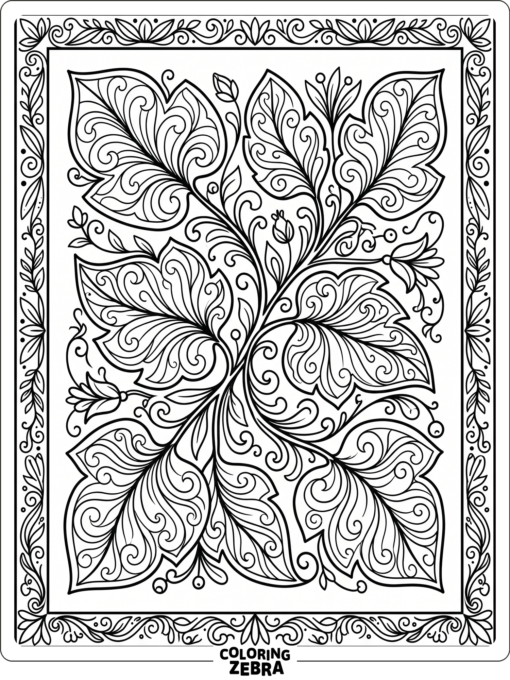

Leaf Design Coloring Page
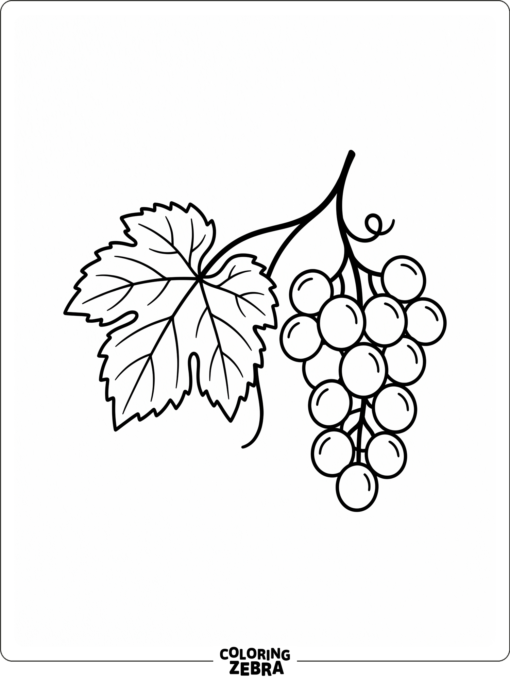

Grape Leaf Coloring Sheet
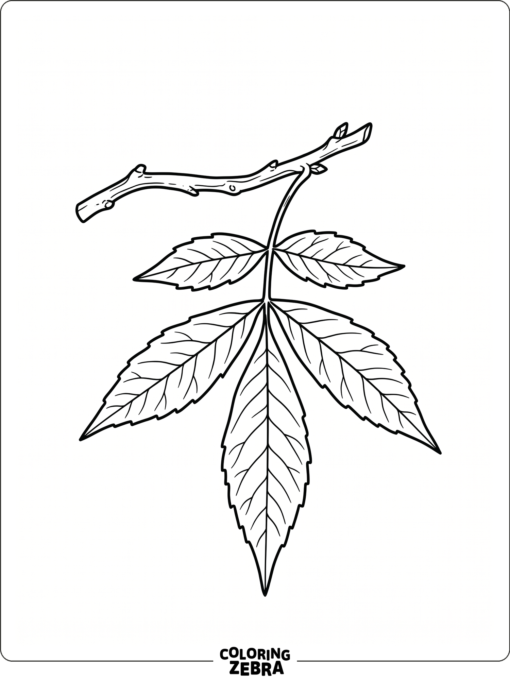

Hickory Leaf Printable
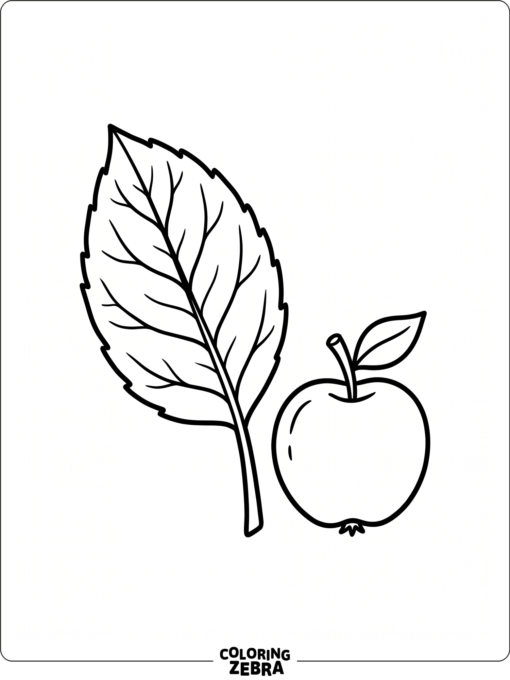

Apple Leaf Coloring Page
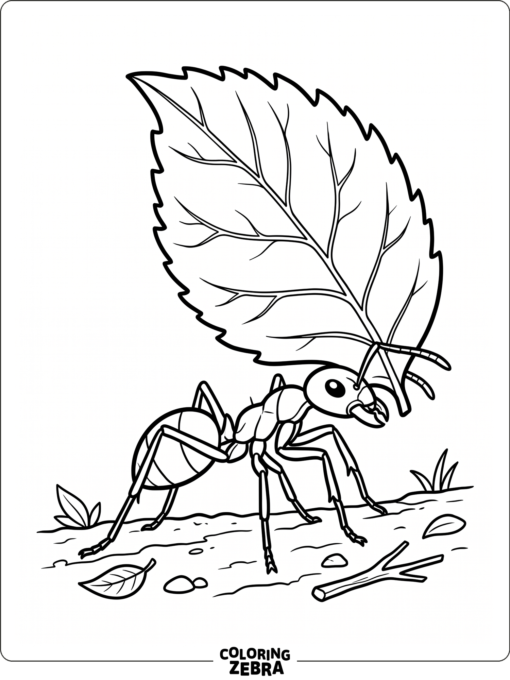

Leaf Cutter Ant Coloring Page
What is included in this set
Leaf Coloring Pages is a broad collection, not a single style of outline. Some sheets feature one leaf with open space and clear veins, while others show a pile of fall leaves, a tree covered in autumn color, or a leaf blower gathering leaves into a heap. There are also decorative options like a symmetrical mandala, a leafy wreath, a mosaic made from small leaf shapes, and ornate designs with flowing vein patterns.
The variety makes the collection useful for different ages and interests. Younger children can start with a blank leaf shape, a simple leaf attached to a stem, or a large outline with thick borders. Older kids and adults may prefer the more detailed pages with crisp veins, split cutouts, repeating patterns, and mixed plant forms. The set also includes playful character-style leaves with smiling faces, which add a lighter option for casual coloring.
Leaf shapes and botanical variety
One of the strongest parts of the collection is the range of leaf shapes. You will see maple leaves with pointed lobes, oak leaves paired with acorns, a fan-shaped ginkgo leaf, an elm leaf with a pointed form, and a sycamore leaf with wide rounded lobes. The set also includes ash, birch, hickory, eucalyptus, fig, grape, holly, banana, and fern forms, along with monstera and palm leaves that show broad tropical structure.
This variety is helpful for anyone who wants to notice how leaves differ in the natural world. Some are narrow and delicate, some are broad, and some are split into leaflets or fronds. A study sheet with several different shapes gives an easy way to compare them side by side, while a labeled diagram points out the vein, blade, and stem. Those pages work well for nature lessons, quiet observation, or simple plant-part review.
Seasonal scenes and autumn details
Many pages lean into the feeling of fall. There are leaves drifting through a light breeze, fallen leaves gathered into a simple heap, a child raking leaves into a pile, and pumpkins surrounded by foliage. Other pages pair leaves with apples, acorns, berries, grapes, flowers, and branches, which keeps the scenes connected to gardens and orchards as well as to woodland settings.
These autumn-themed sheets are easy to color in warm reds, golds, oranges, and browns, but they also work well in cooler greens if you want a spring or summer look. A tree with apples hanging from branches or a pumpkin vine with broad leaves adds extra seasonal context without crowding the page. That makes the collection useful beyond one holiday or one time of year.
Details that support learning
Several pages show the structure of a leaf clearly enough to support basic botanical vocabulary. Visible veins, stems, blades, lobes, leaflets, and edges help children notice how plant parts fit together. A simple diagram can be a starting point for identifying leaves in a backyard, schoolyard, or park, and a comparison sheet can help users see how compound leaves differ from single leaves.
These pages also connect leaves to small living things. A ladybug sits on one page, a caterpillar rests on another, and a leaf insect blends into a leaf surface. Those details can lead to short conversations about camouflage, habitats, and why insects often use leaves as shelter or food sources. A leaf cutter ant carrying a fragment adds another interesting example of how plants and insects interact.
Simple pages and detailed pages
When choosing pages, it helps to match detail level to the colorist. Simple outlines with rounded edges, thick lines, and large open spaces are best for crayons or first-time colorers. Medium-detail pages with a few veins or small companions like berries and acorns offer a balanced option. Intricate pages with decorative curves, repeated shapes, and woven patterns are better for colored pencils or fine-tip markers.
For a polished result, try a limited palette. Greens can stay natural, or you can compare yellow-green spring leaves with deeper forest tones and bright autumn colors. If you want a more graphic look, use two or three colors and repeat them across the page. That approach works especially well on wreaths, mosaics, and patterned leaf designs.
Ways to use the finished pages
Finished pages can be used in many simple, practical ways. They work as classroom displays, homeschool nature journals, seasonal bulletin boards, or quiet-time art pages at home. A labeled sheet can support a plant unit, while a decorative page can become wall art, a binder cover, or a card front.
If you are building a lesson around plants, compare several pages and ask which leaf shapes are broad, narrow, rounded, or pointed. If you are using them for a seasonal activity, pair the autumn pages with a short walk to look for fallen leaves, acorns, or trees still holding color. That makes Leaf Coloring Pages useful as both a visual art resource and a simple starting point for noticing nature more closely.
People Often Ask Us…
-
What leaf shapes are shown here?
-
How are maple and oak leaves different?
-
What do leaf veins and lobes mean?
-
Why do some leaves look different in fall?
-
Why are leaf pages useful for learning?