
Rain Coloring Pages
Rain Coloring Pages offer a wide mix of weather scenes, from a few simple raindrops to storm clouds, puddles, and rainy streets. Some pages are playful and cute, while others feel more natural with meadows, gardens, and forests. You’ll also find umbrellas, raincoats, boots, and window scenes that make the theme easy to recognize. The set gives kids and adults plenty of ways to explore different kinds of rain.
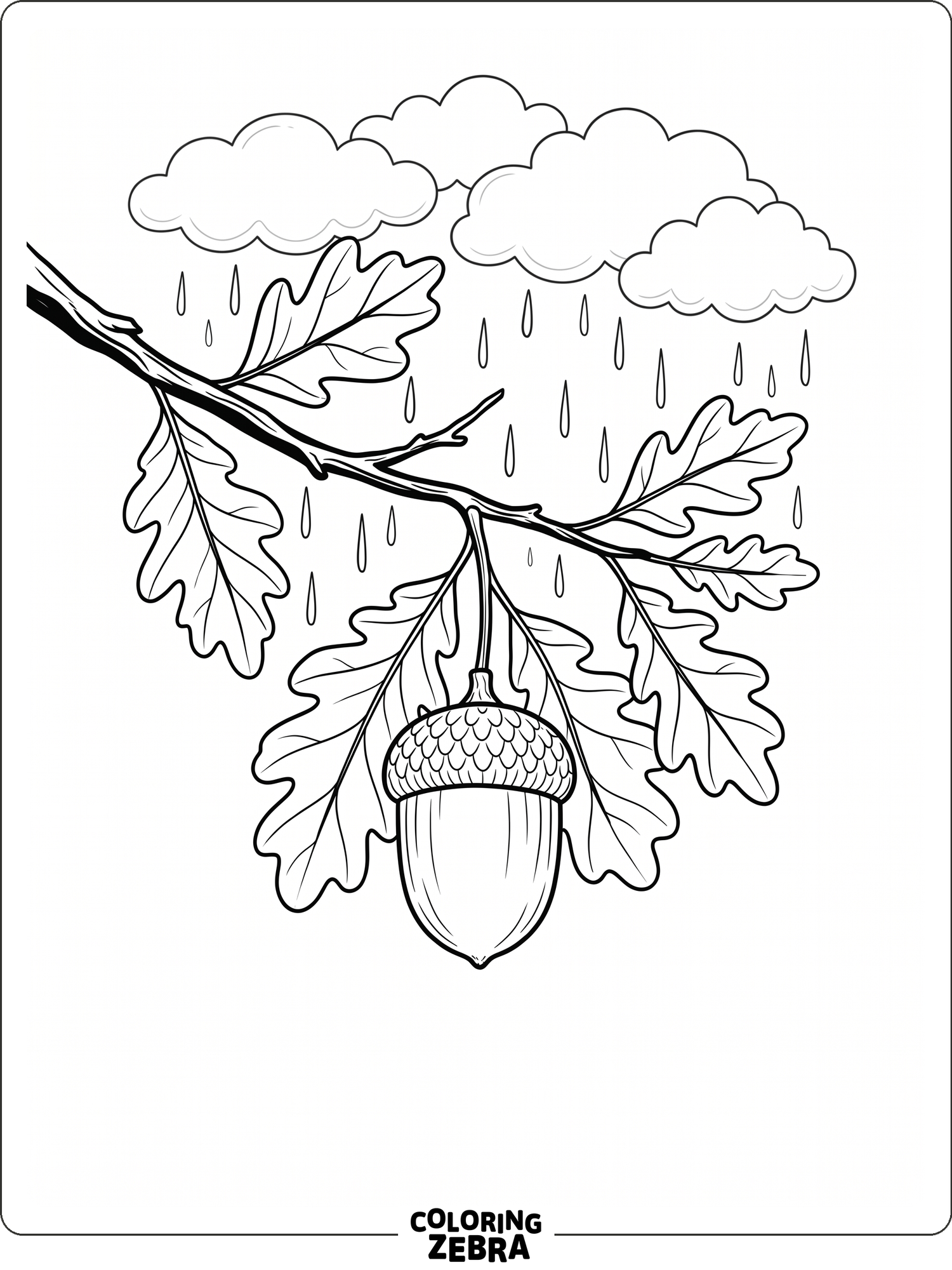
Print on standard letter paper for the most flexible coloring area, or use heavier paper if you want pages that handle markers better. For younger children or low-ink printing, choose draft mode and set the layout to fit to page so the simplest scenes stay clear and easy to color. If you are printing multiple sheets, keep a few pages with bold clouds and raindrops for quick coloring and save the detailed landscapes for slower sessions.
Related coloring pages
Printable Rain Coloring Pages
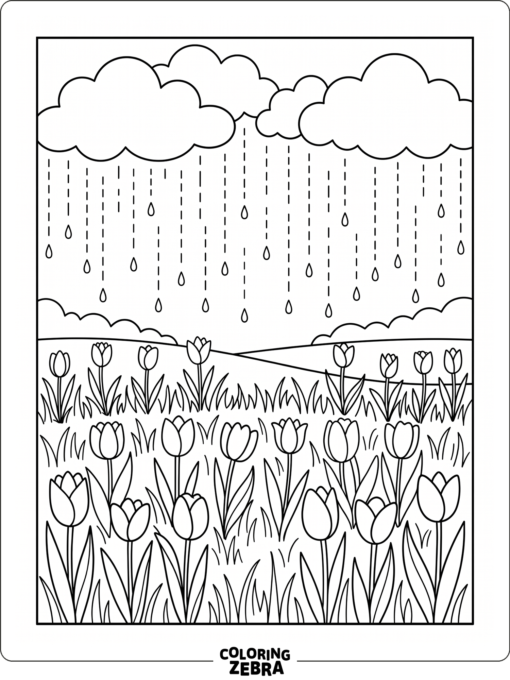

April Showers Coloring Page


Raindrop Coloring Page
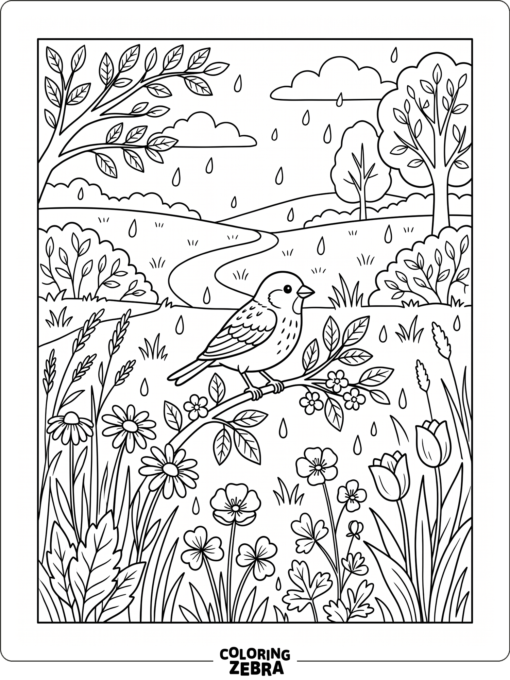

Spring Rain Coloring Page
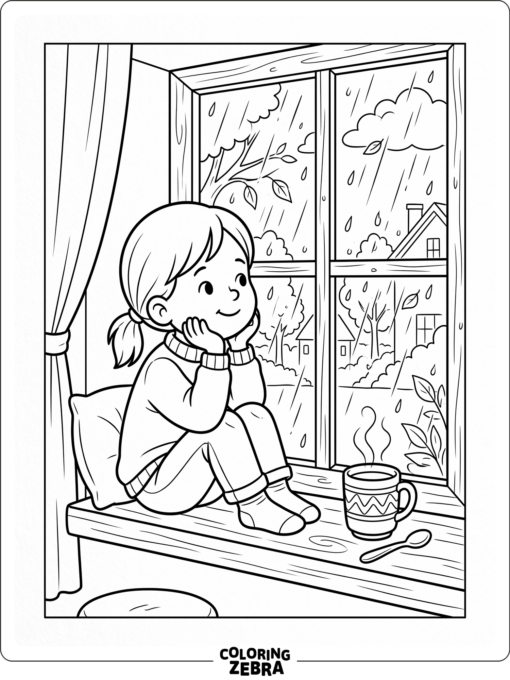

Rainy Day Coloring Page
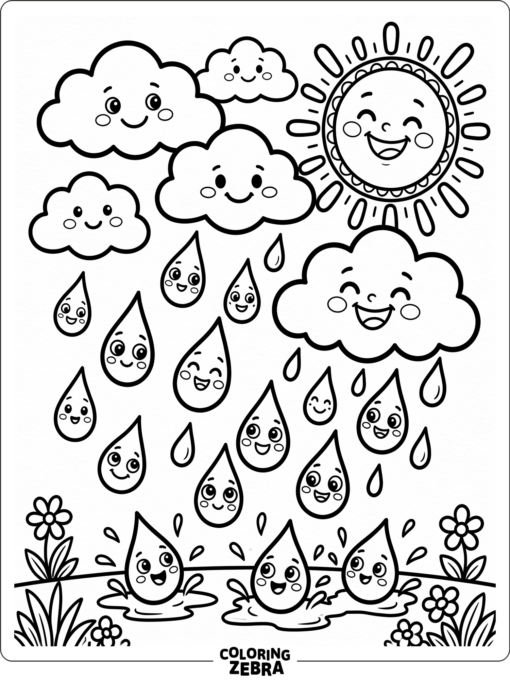

Cute Rain Coloring Page
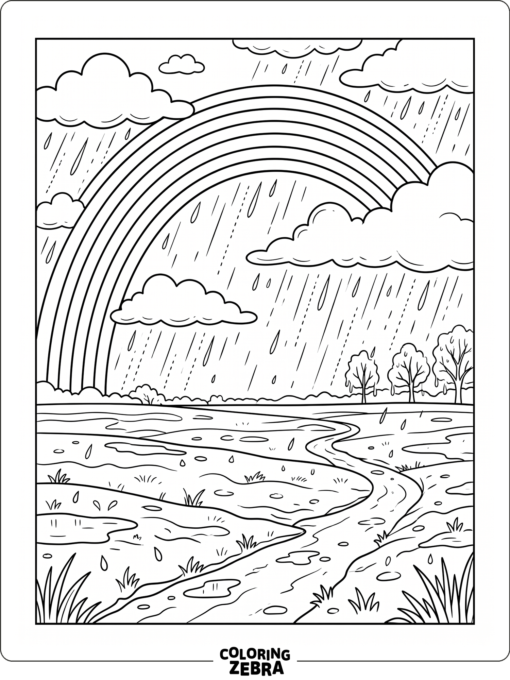

Rain And Rainbow Coloring Page


Rain Umbrella Coloring Page


Rain Storm Coloring Page
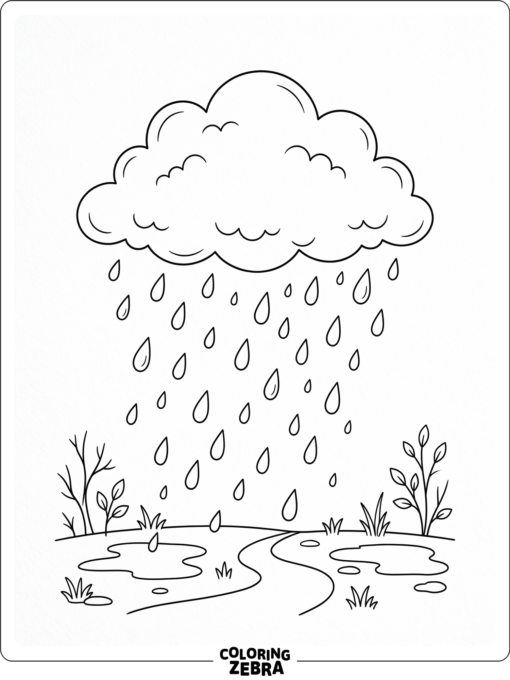

Simple Rain Coloring Page
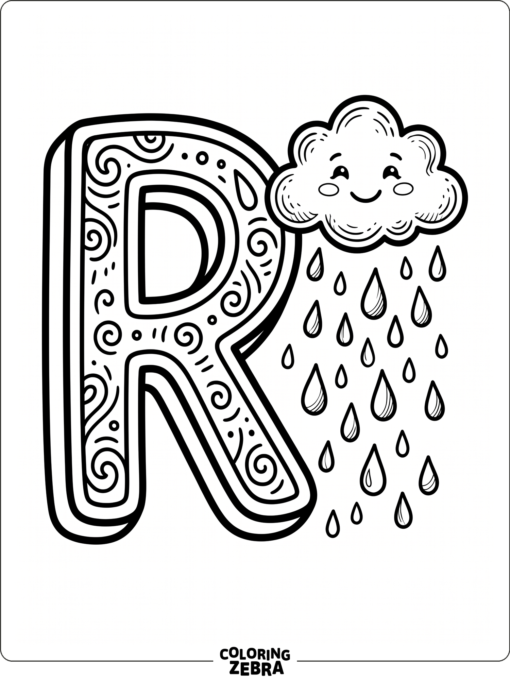

R Is For Rain Coloring Page
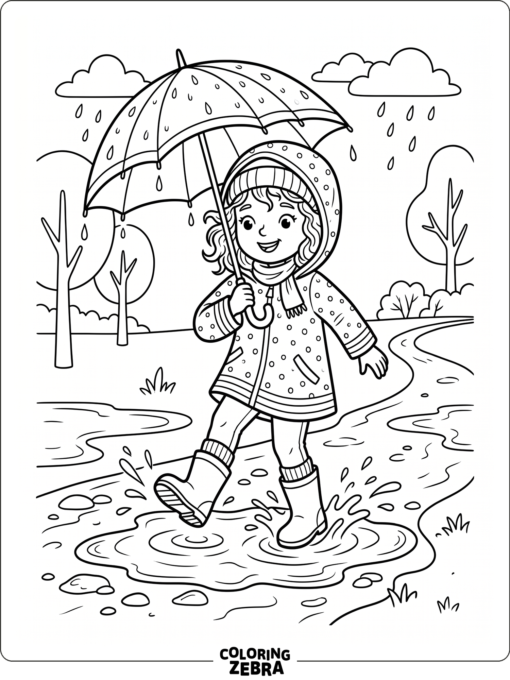

Girl In Rain Coloring Page


Rain Puddle Coloring Page
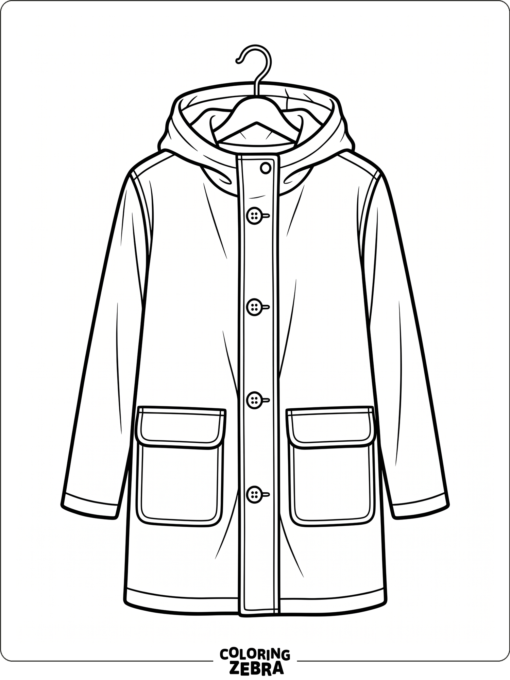

Rain Coat Coloring Page
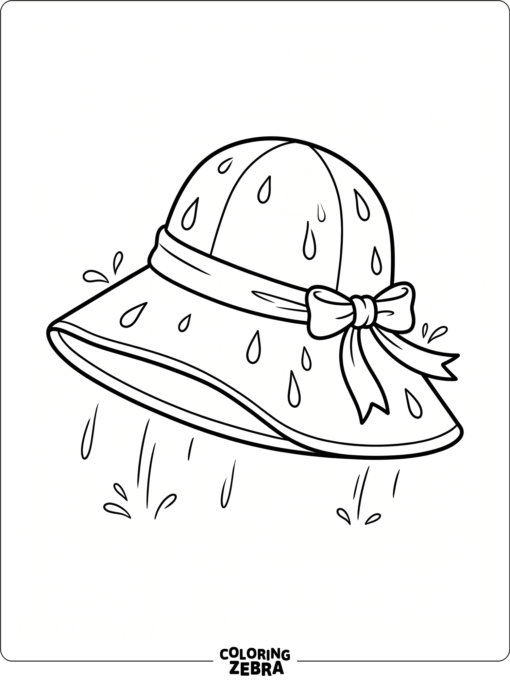

Rain Hat Coloring Page
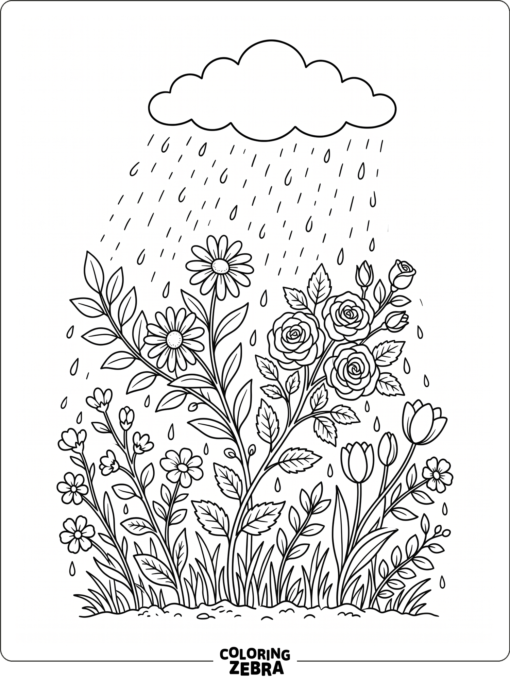

Rain On Flowers Coloring Page


Rain Boots With Flowers Coloring Page
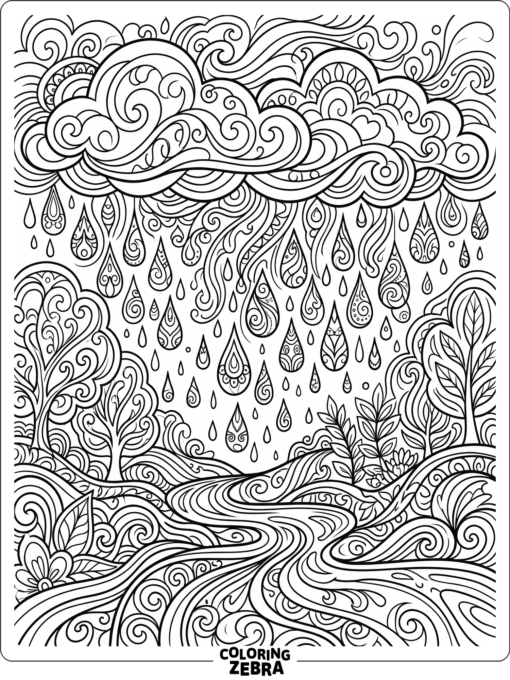

Rain Coloring Page For Adults
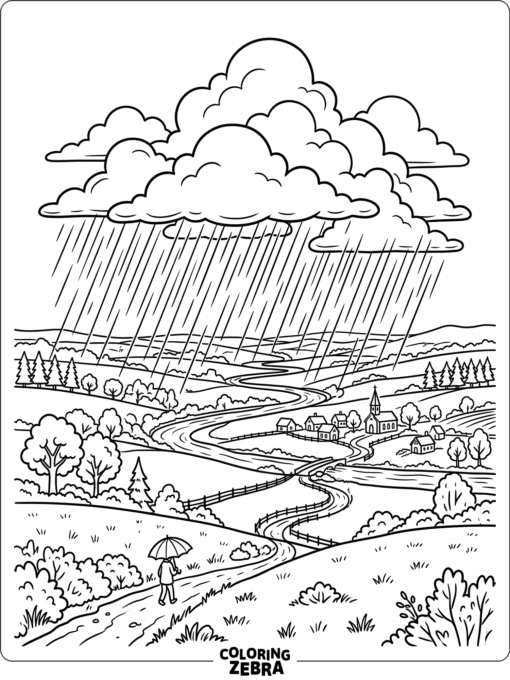

Clouds And Rain Coloring Page
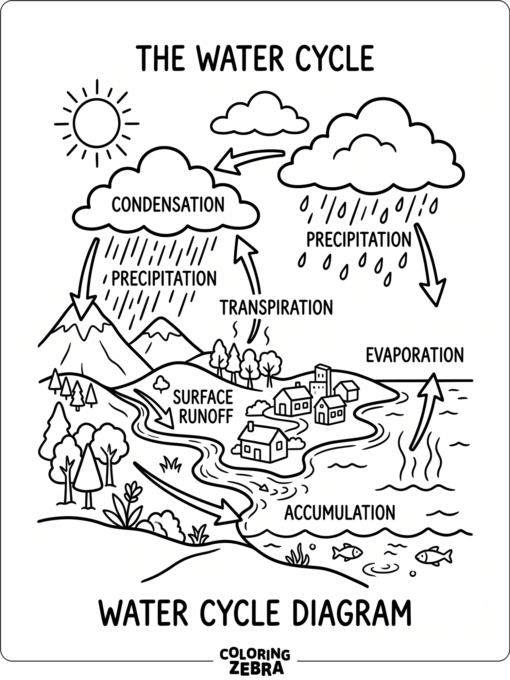

Rain Cycle Coloring Page
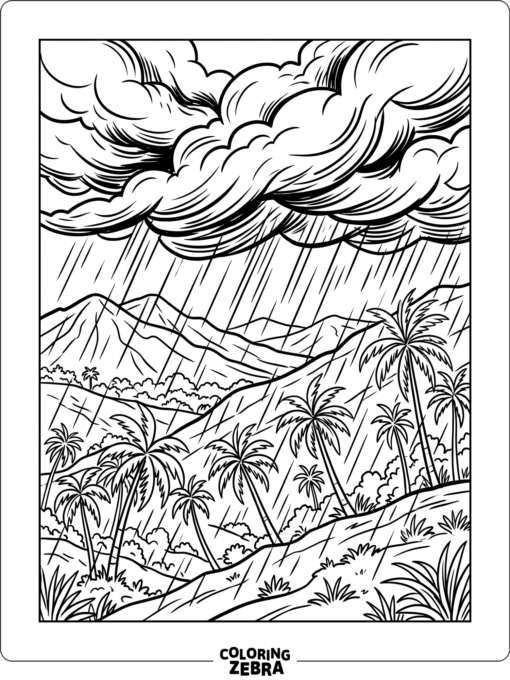

Monsoon Coloring Page
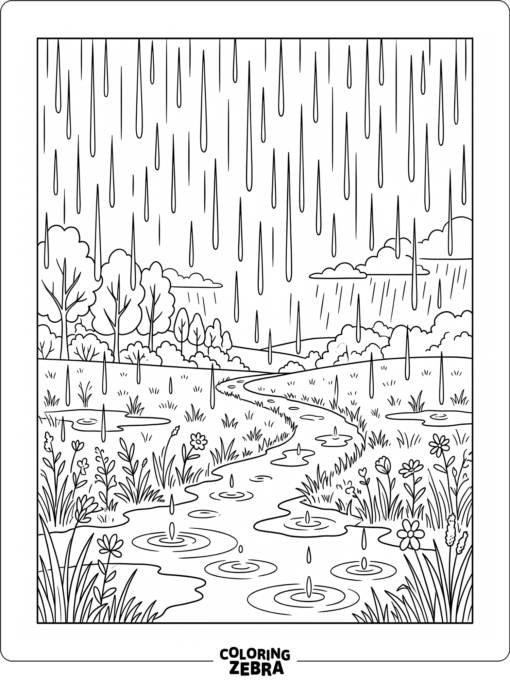

Rainfall Coloring Sheet
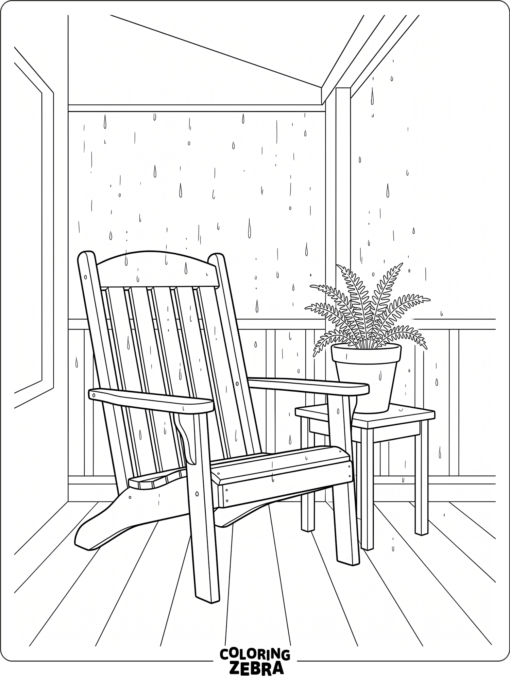

Drizzle Coloring Page


Misty Rain Coloring Sheet
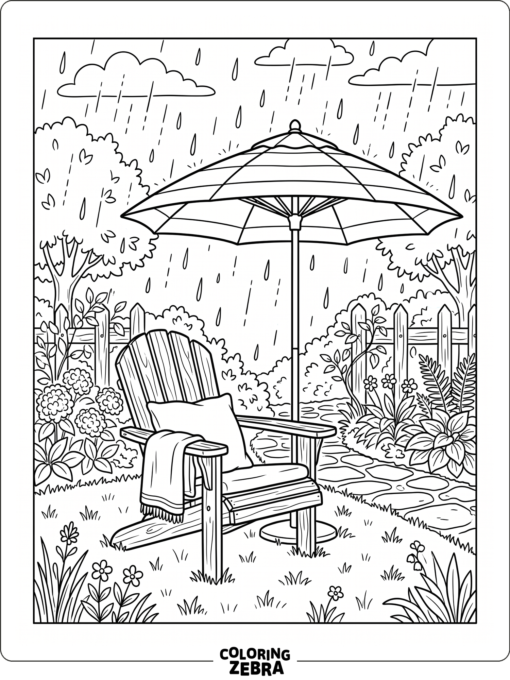

Rain Shower Coloring Page
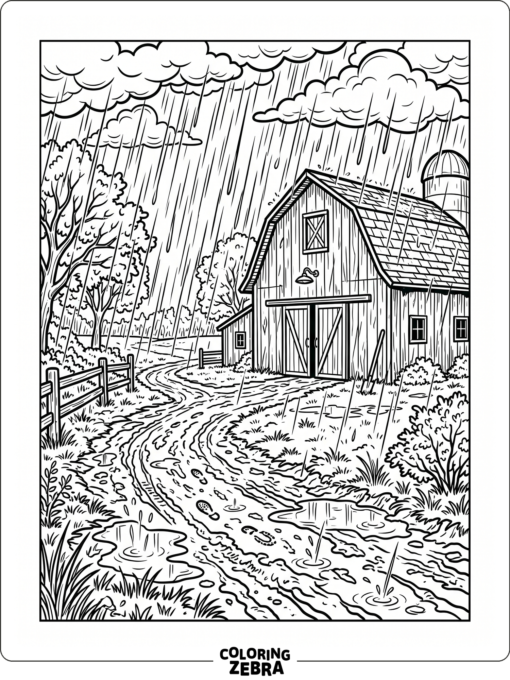

Heavy Rain Coloring Sheet
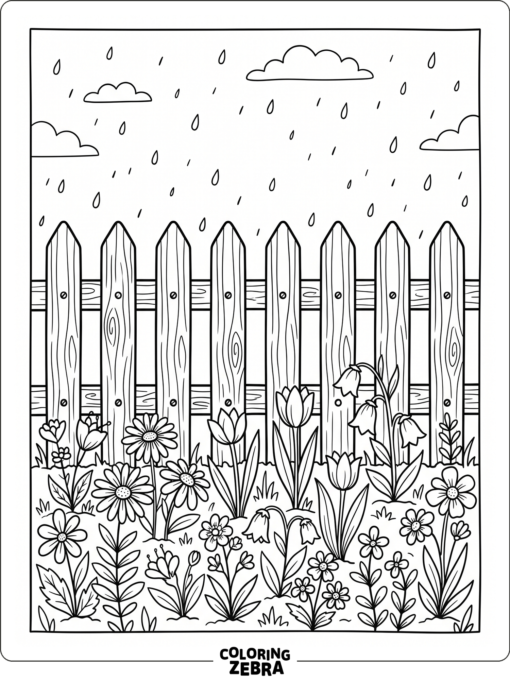

Light Rain Coloring Page
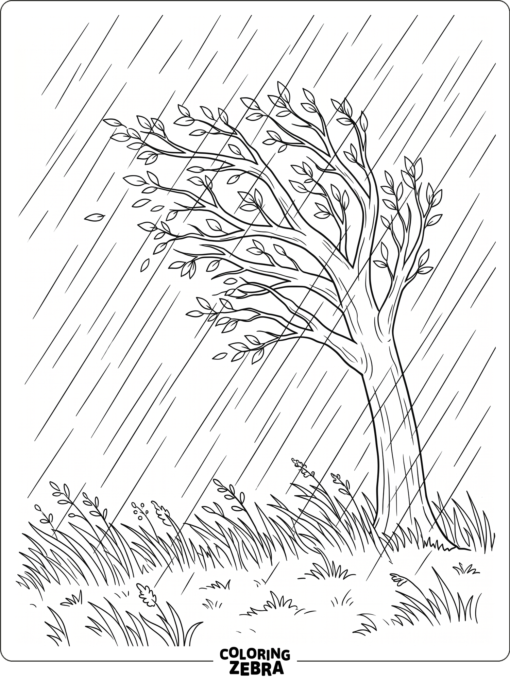

Windy Rain Coloring Page
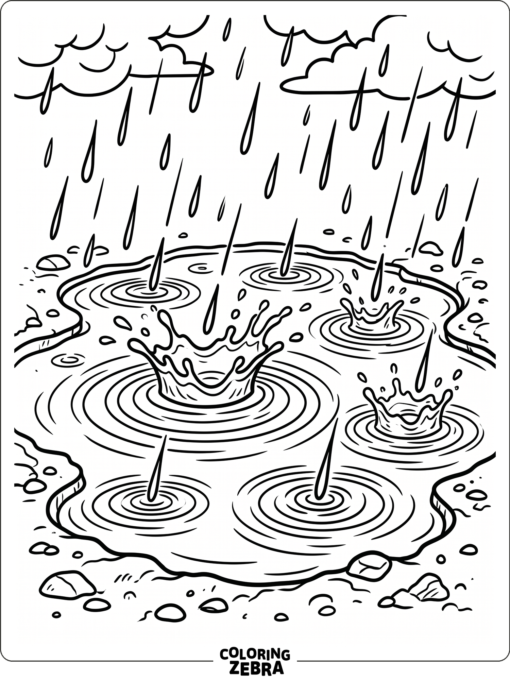

Rain Splashing Coloring Page
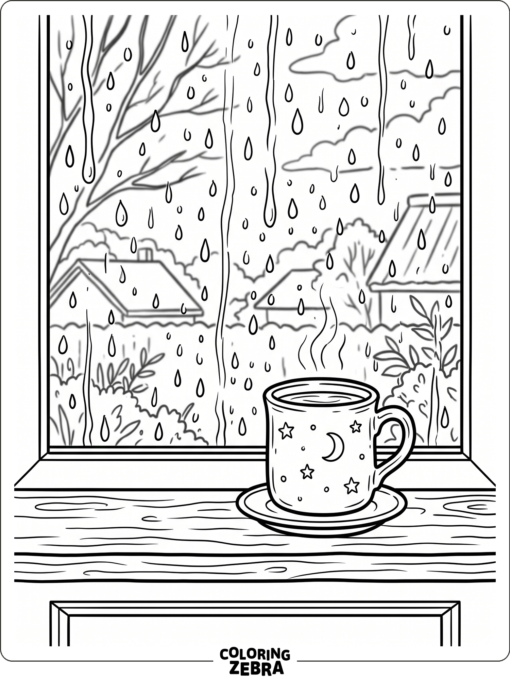

Rain Window Coloring Page
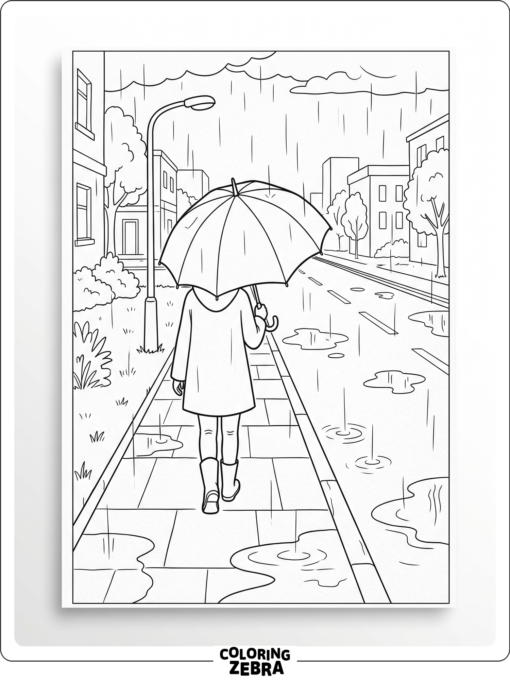

Rainy Street Coloring Page
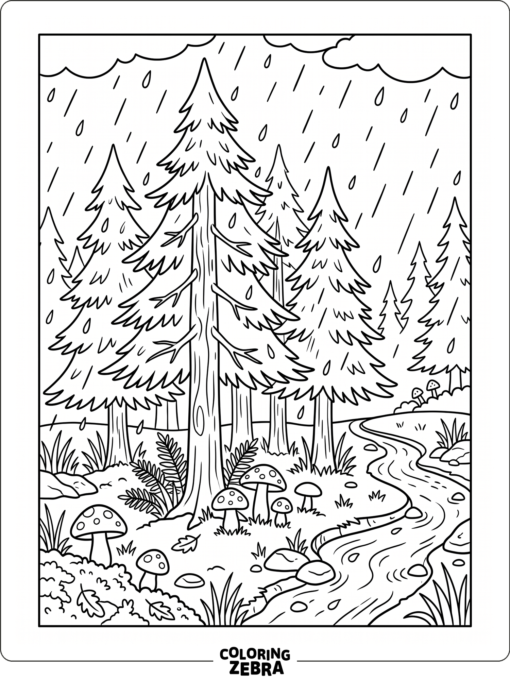

Rainy Forest Coloring Page


Rainy Garden Coloring Page
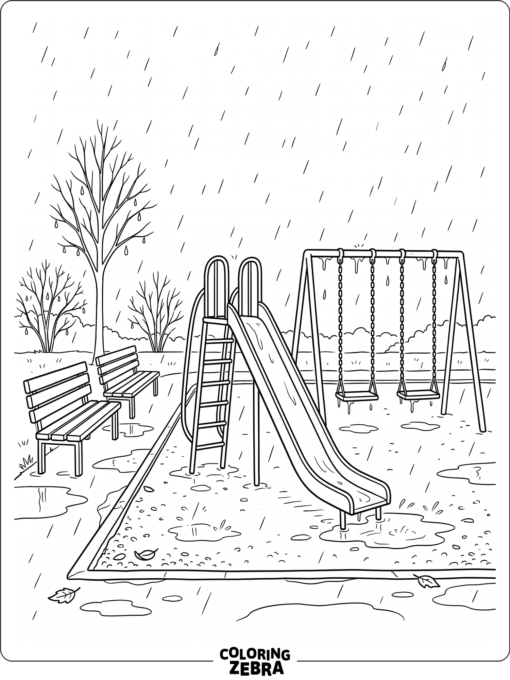

Rainy Playground Coloring Page
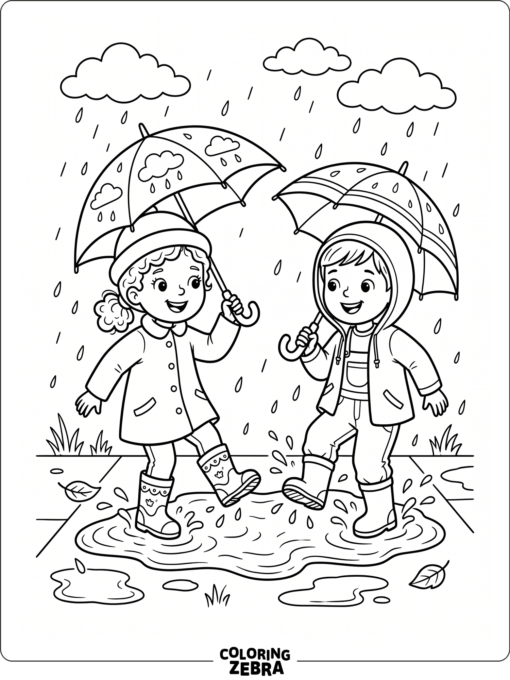

Rainy Day Kids Coloring Page
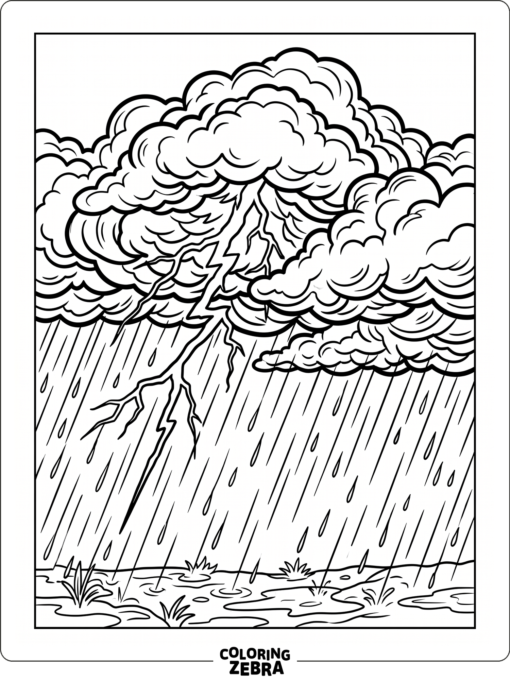

Rain and Lightning Coloring Page
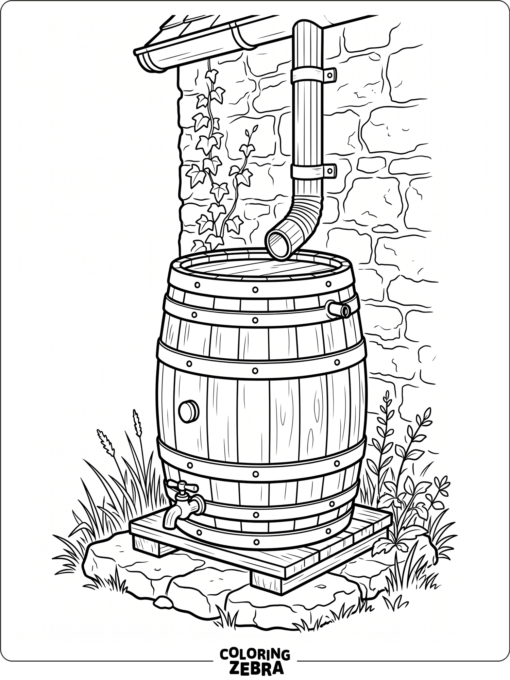

Rain Barrel Coloring Page
What you will see in this set
These rain coloring pages cover a surprisingly wide range of weather moments, which makes the collection feel varied instead of repetitive. Some pages keep things simple with a cloud and a few falling drops, while others show puddles, ripples, umbrellas, and rain gear in everyday scenes. The set also includes child-friendly images such as a child watching the rain from a window and kids splashing through puddles, along with more natural settings like meadows, gardens, forests, fields, and a rainy street.
The visual range is part of what makes the theme interesting to color. You can move from light drizzle over flowers to heavy rain beside a barn and muddy path, then jump to misty hills, palm trees in monsoon rain, or a playground with swings and a slide. A few pages add extra interest with a rainbow, decorative cloud patterns, a lightning bolt, the letter R, and a rain cycle diagram.
Rain imagery and weather vocabulary
This set works well because it uses familiar weather symbols that are easy to recognize and color. Clouds, raindrops, puddles, umbrellas, raincoats, rain hats, and rain boots all appear in the collection, so the theme stays consistent even as the scenes change. The repeated details also help children connect images to words they may already hear when talking about rainy weather.
As you color a cloud and rain image, it can be helpful to notice how different shapes suggest different weather conditions. Small drops and soft streaks suggest a gentle shower, while darker clouds, wind, and longer rain lines signal stronger weather. Puddles and ripples add a second layer of movement, showing where rain has landed and how water spreads across the ground.
From gentle showers to stormy weather
The collection shows several levels of rainfall, which gives it more range than a basic icon set. Light rain appears over spring flowers, garden fences, porches, and open meadows. Moderate rainfall moves into forests, streets, and grassy fields, where the scene feels busier and the rain lines are more noticeable.
There are also heavier weather scenes for anyone who wants a darker, more dramatic page. A storm cloud with wind, a lightning bolt, and heavy rain beside a barn create strong contrast for coloring. Monsoon rain over hills and palm trees adds another weather mood, while misty rain through pines and quiet hills offers a softer, atmospheric option.
Seasonal and natural settings
Many of the pages place rain in places that feel familiar and seasonal. Spring flowers, garden vegetables, and leafy plants show how rainfall supports growth. Meadows and open landscapes give the pages room to feel airy, while forests, mushrooms, and tree trunks add texture and depth.
There are also ordinary neighborhood scenes that make the theme easy to relate to. A rainy street with puddles, a porch chair with a plant, and a window with rain beads all show how weather changes the spaces people see every day. These scenes work especially well if you want a mix of simple objects and fuller backgrounds.
Educational connections to weather and the water cycle
The rain cycle diagram adds a clear learning angle without turning the set into a worksheet. It gives a visual bridge to the water cycle, where moisture collects in clouds and later falls as precipitation. That idea connects naturally to the other pages, especially the clouds, puddles, and wet landscape scenes.
Finished pages can also lead to simple weather conversations. A child can point out what a raindrop does when it lands in a puddle, why windows bead up during a storm, or how a rain barrel under a downspout collects water from a roof. Those details make the collection useful for talking about weather vocabulary like cloud, drizzle, shower, storm cloud, and umbrella.
How to color the different page styles
The simpler pages are a good fit for younger colorers or quick coloring sessions. A single cloud, a cluster of raindrops, or a puddle scene can be colored with basic blues, grays, and a few bright accents. Smiling raindrops and cute clouds also leave room for playful color choices without requiring a lot of detail.
For the fuller scenes, it helps to think about layers. You can color the sky first, then add the rain, then finish the ground, plants, and objects like boots, umbrellas, or chairs. In gardens and meadows, soft greens and spring colors work well, while streets, barns, and forest pages can use deeper browns and grays to make the rain stand out.
If you want a calmer look, keep the palette limited and use light shading for drizzle and mist. If you want more contrast, make the storm clouds darker and leave the raindrops bright against the background. Either approach fits the variety in this collection and helps each page feel distinct.
Ways to use the finished pages
These pages can be used in several simple, practical ways after coloring. A completed rainy-day scene can go on a wall, become part of a weather unit, or be added to a seasonal binder. Pages with umbrellas, boots, and coats also make good prompts for talking about what to wear when the forecast changes.
- Use the simpler sheets for quick coloring breaks.
- Save the landscape pages for longer quiet-time activities.
- Pair the weather symbols with vocabulary practice.
- Use the rain cycle diagram to start a water cycle conversation.
- Mix light rain, storm scenes, and rainbow pages for a varied display.
With so many scenes in one set, rain coloring pages can fit both casual coloring time and weather-themed learning. The mix of icons, outdoor landscapes, rainy streets, and child-friendly moments gives the collection enough variety to stay engaging across different ages and interests.
People Often Ask Us…
-
What causes rain to fall from clouds?
-
What’s the difference between drizzle and heavy rain?
-
How does the water cycle fit this theme?
-
Why do puddles form after rain?
-
How do rainbows appear after rain?