
Tree Coloring Pages
Tree Coloring Pages offer a wide look at trunks, branches, leaves, fruit, and seasonal changes. Some pages are simple and open, while others add bark texture, roots, blossoms, and small scene details. You’ll find familiar shapes like oak and pine alongside willow, birch, baobab, banyan, mangrove, and palm designs. The variety makes this set useful for both relaxed coloring and nature study.
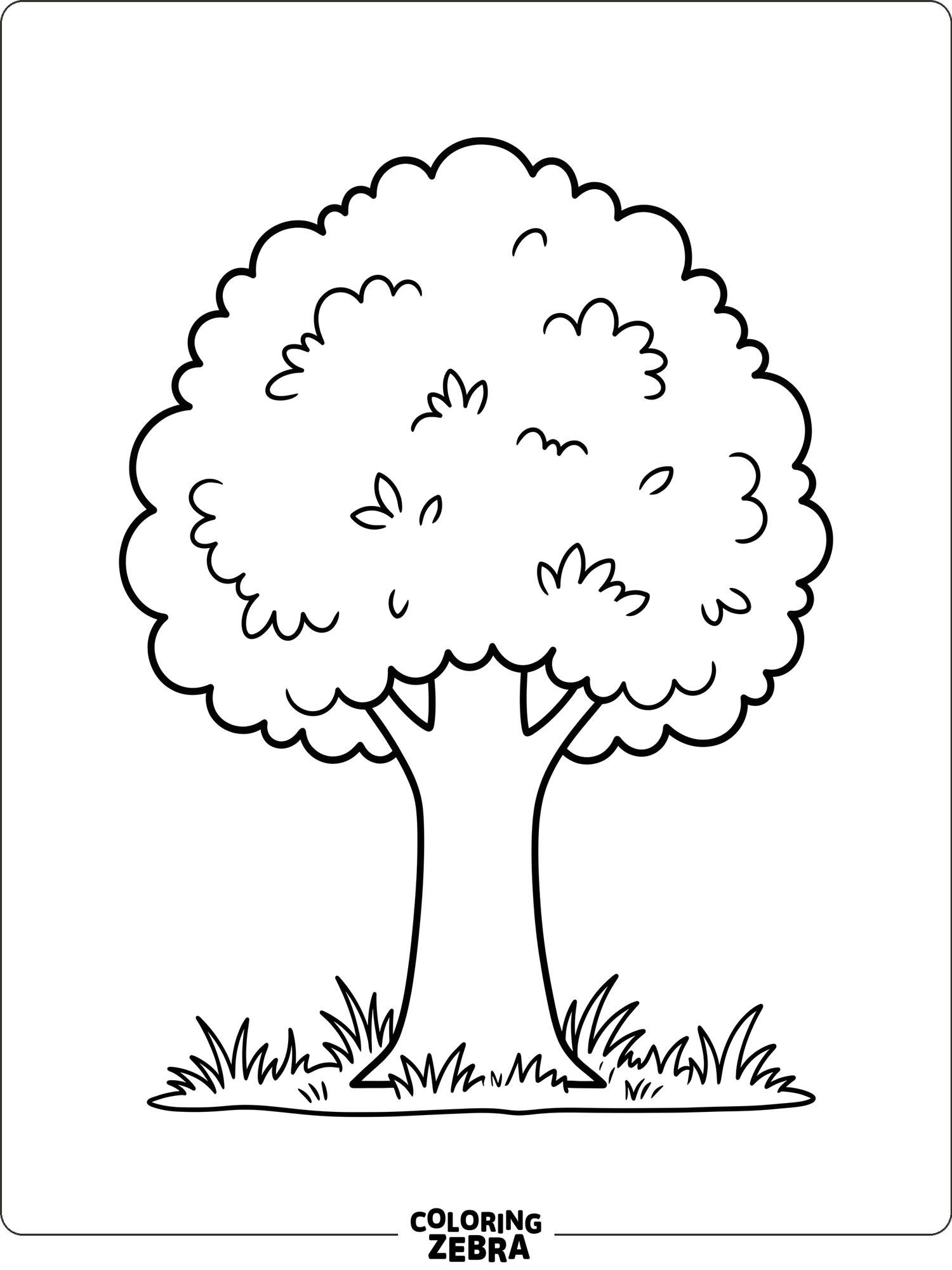
Print on standard letter paper for easy coloring, or choose heavier paper if you plan to use markers. For a softer look and less ink use, select draft mode or print at a slightly smaller size. If you want extra comfort, print one page per sheet so the details stay clear.
Related coloring pages
Printable Tree Coloring Pages
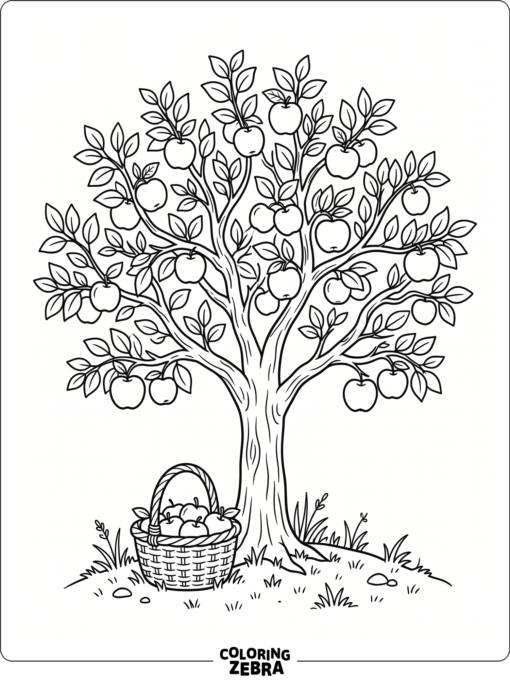

Apple Tree Coloring Sheet
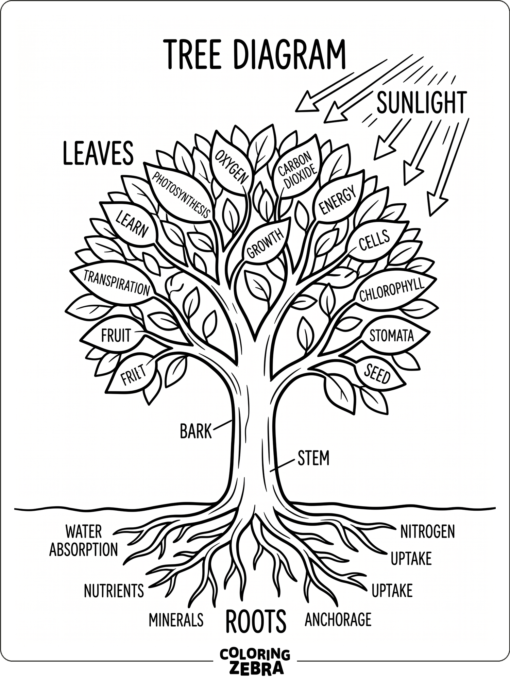

Photosynthesis Coloring Page
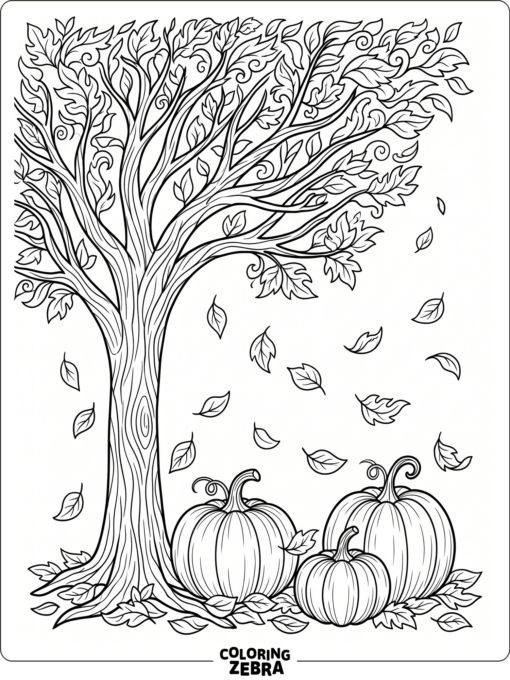

Fall Tree Printable
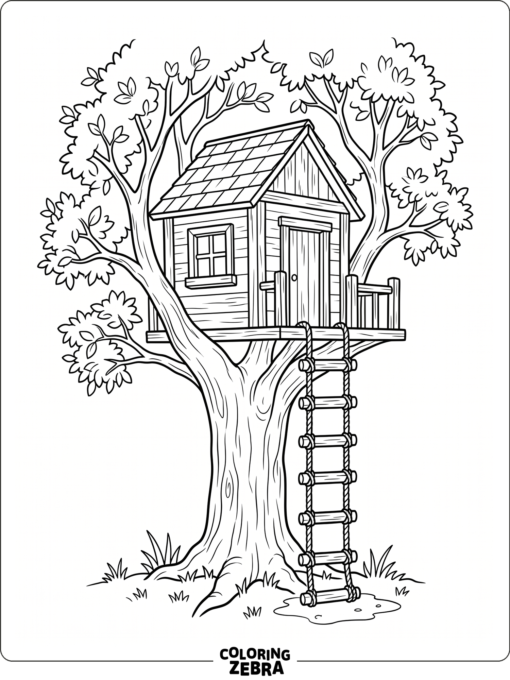

Treehouse Coloring Page
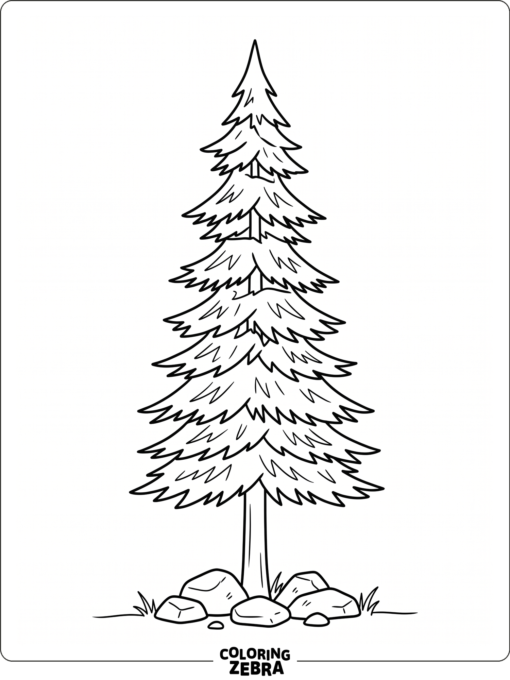

Pine Tree Coloring Sheet
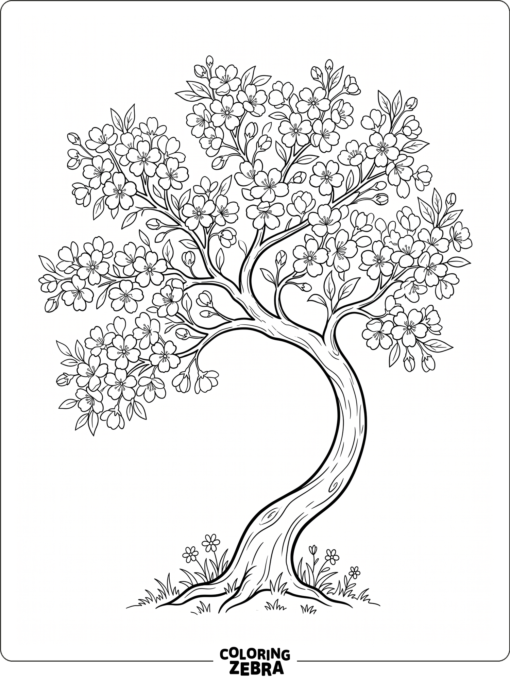

Cherry Blossom Tree Printable
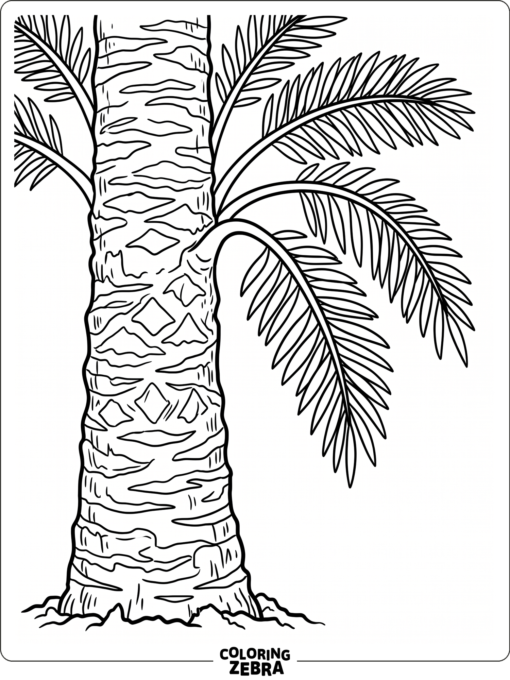

Tree Trunk Coloring Page
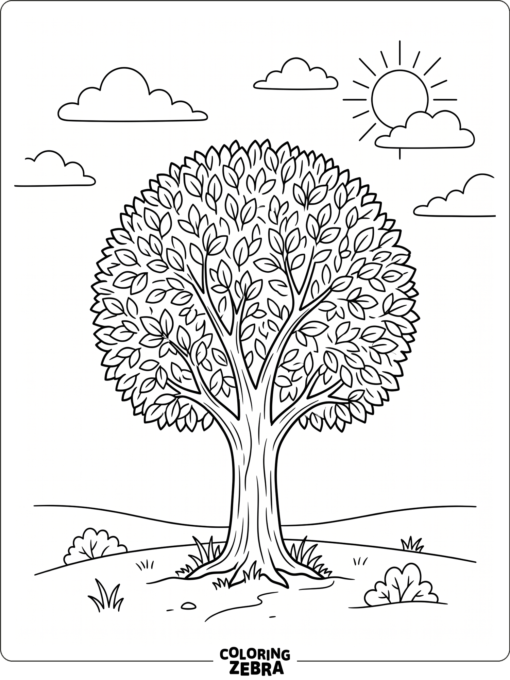

Easy Tree Coloring Page
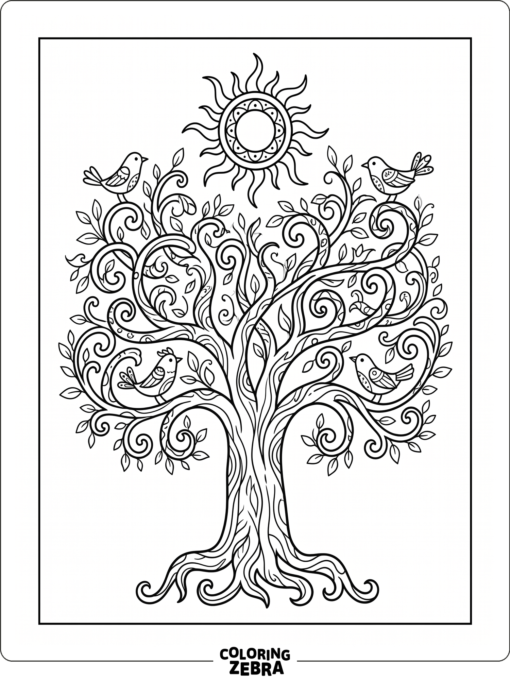

Tree of Life Coloring Page
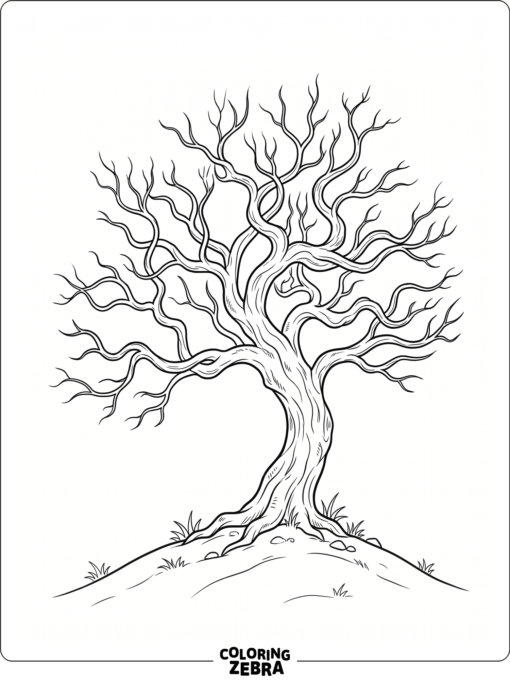

Bare Tree Coloring Page


Tree Branch Coloring Page
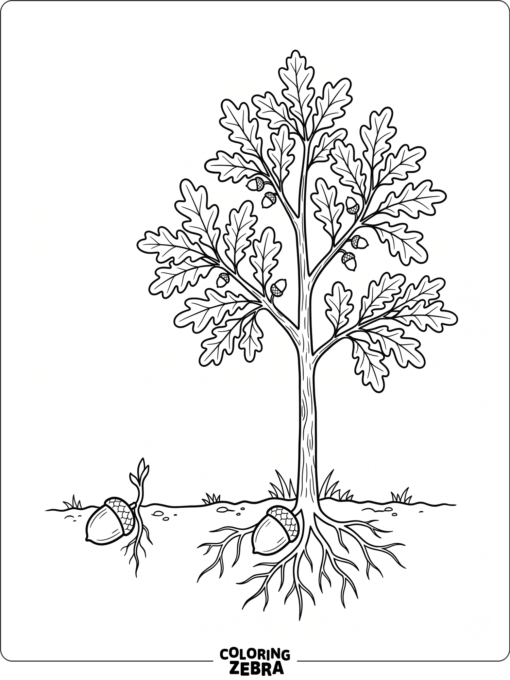

Oak Tree Coloring Sheet
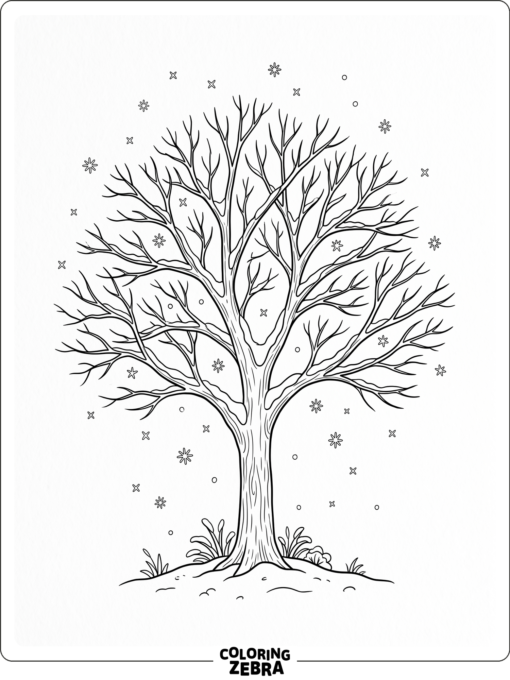

Winter Tree Coloring Page


Tree Coloring Page for Kids
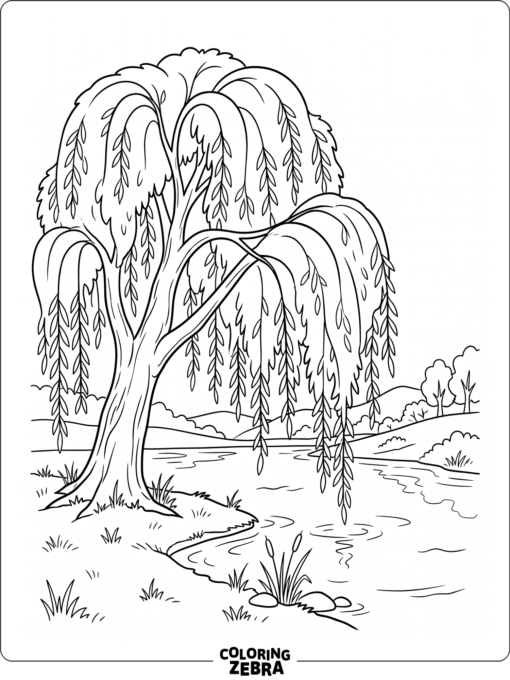

Willow Tree Printable
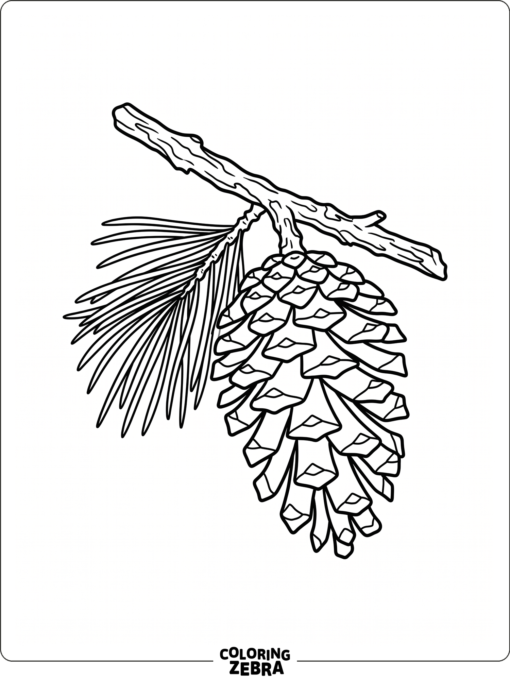

Pine Cone Coloring Page
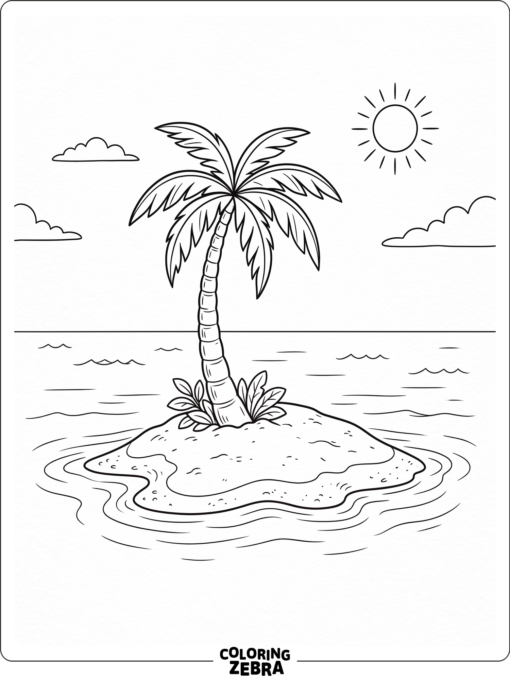

Tree Coloring Page for Adults
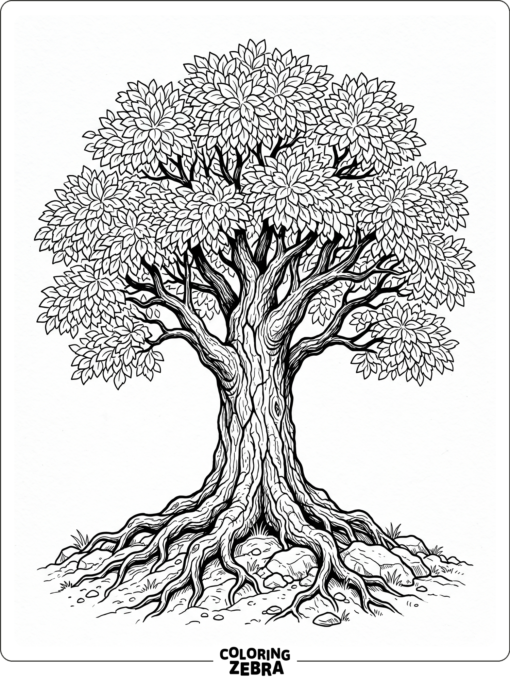

Realistic Tree Coloring Page
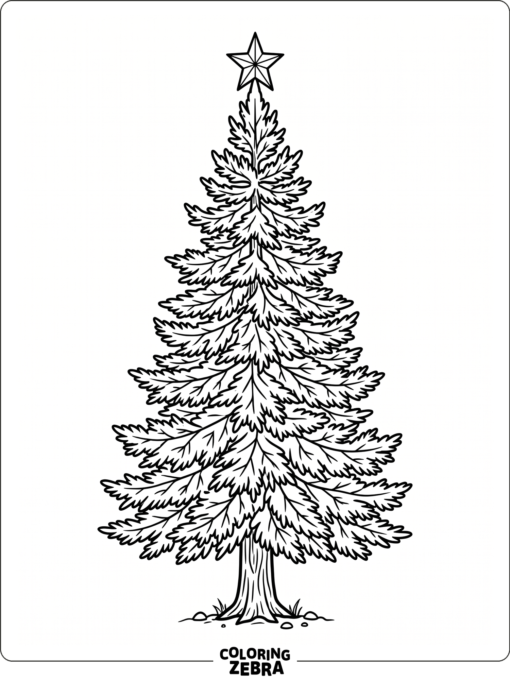

Evergreen Tree Coloring Page
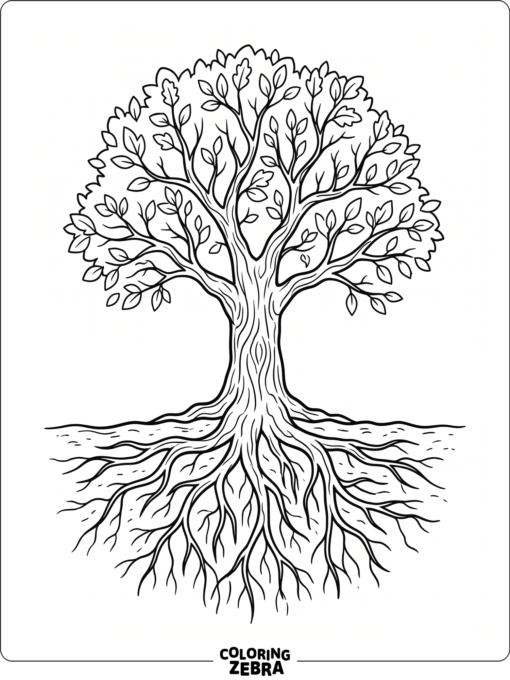

Tree With Roots Coloring Page
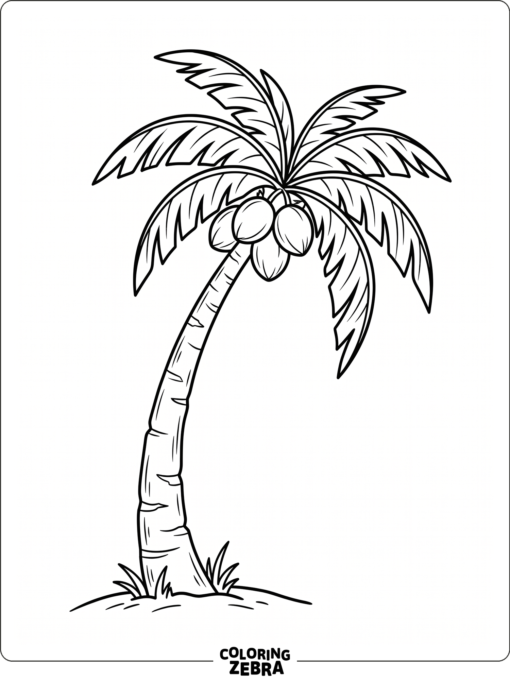

Coconut Tree Coloring Page
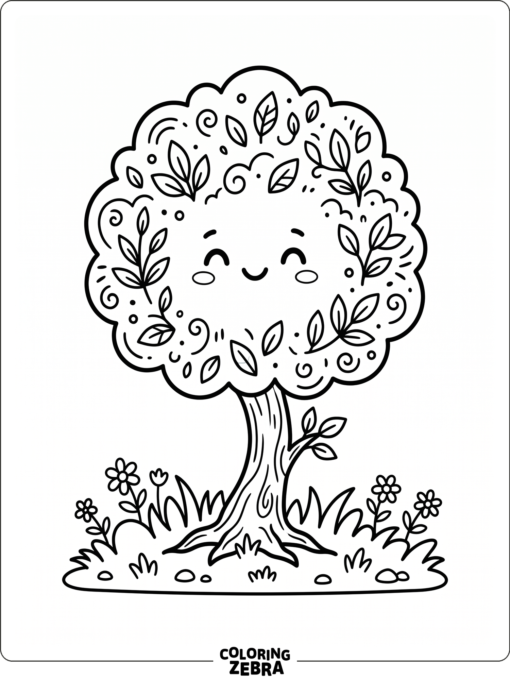

Easy Tree Printable
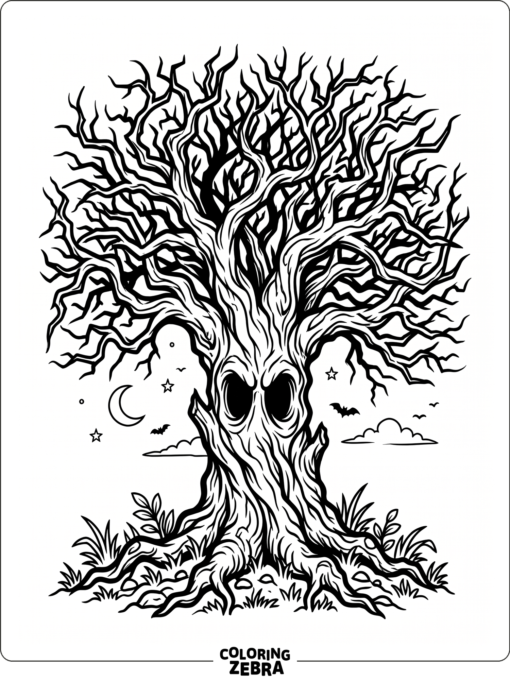

Spooky Tree Coloring Page
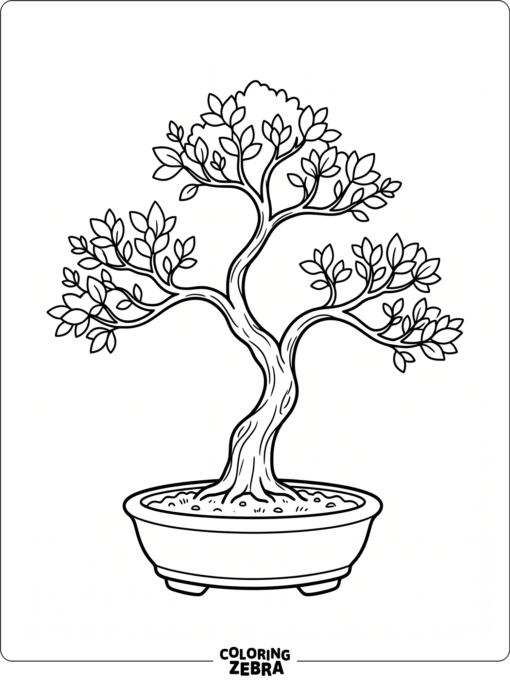

Bonsai Tree Coloring Sheet
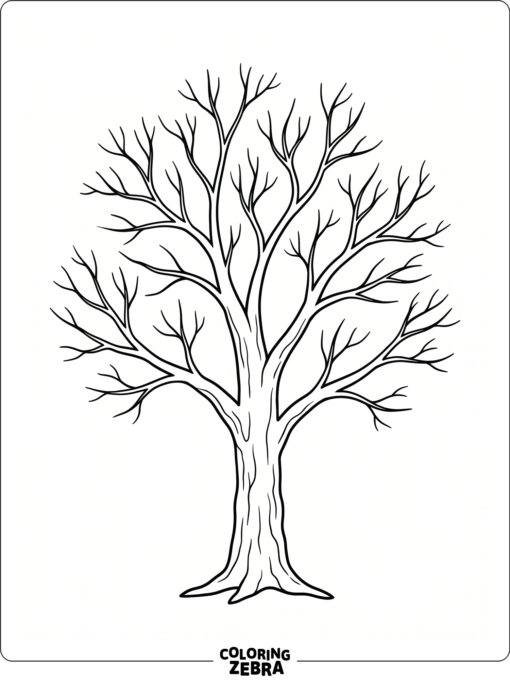

Tree Outline Coloring Page


Parts of a Tree Coloring Page
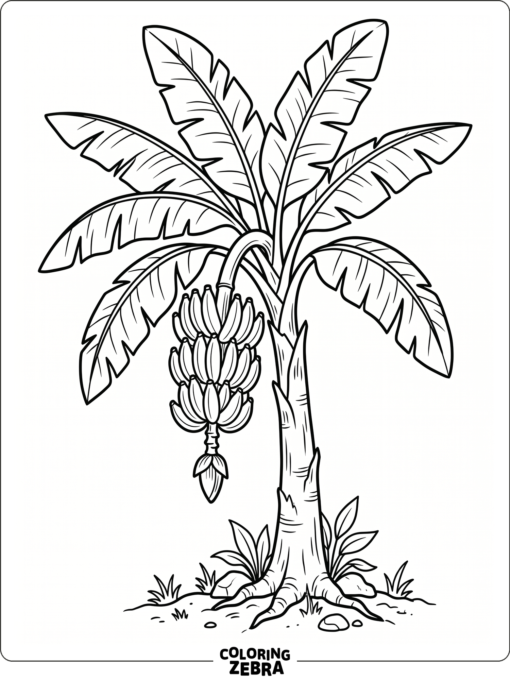

Banana Tree Coloring Page
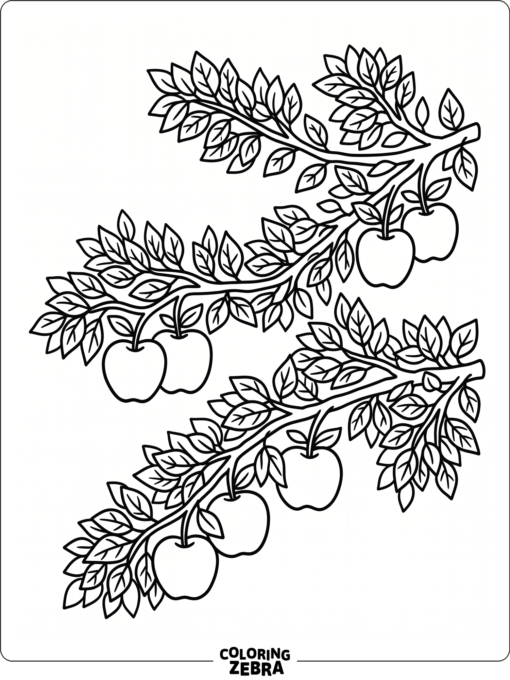

Tree With Leaves Coloring Sheet


Redwood Tree Outline
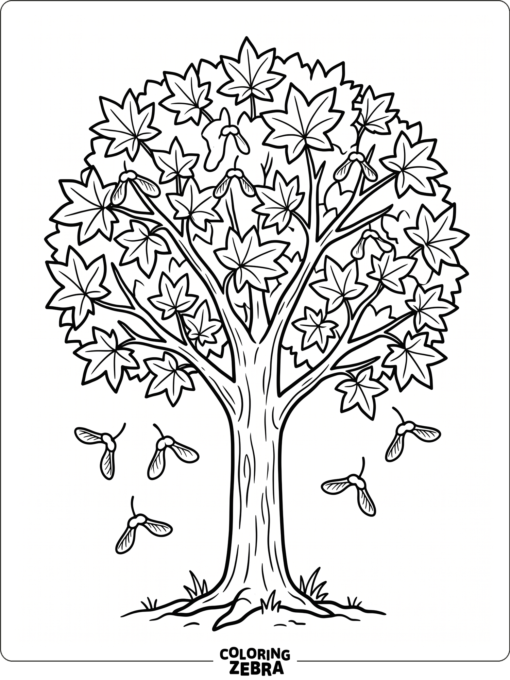

Maple Tree Coloring Page
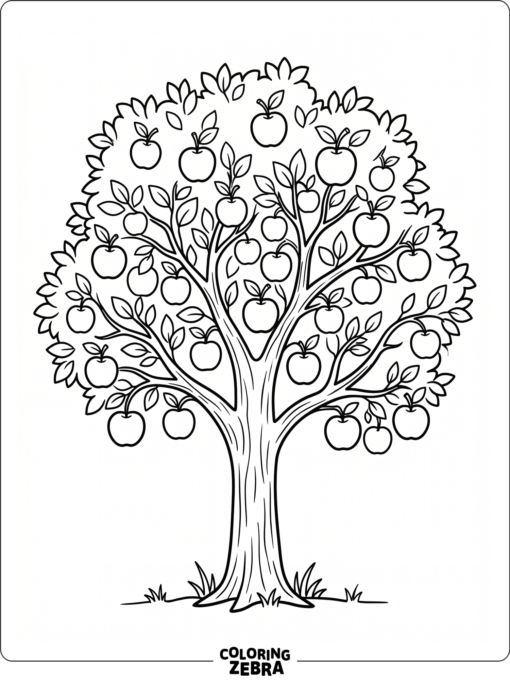

Fruit Tree Coloring Sheet


Preschool Tree Coloring Page
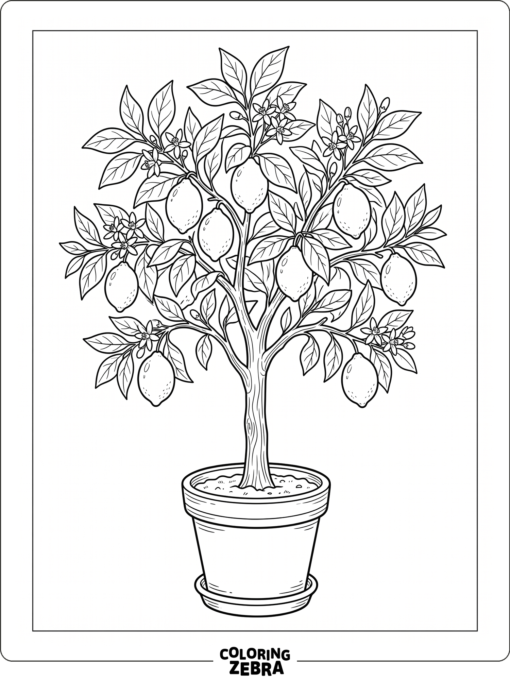

Lemon Tree Coloring Sheet
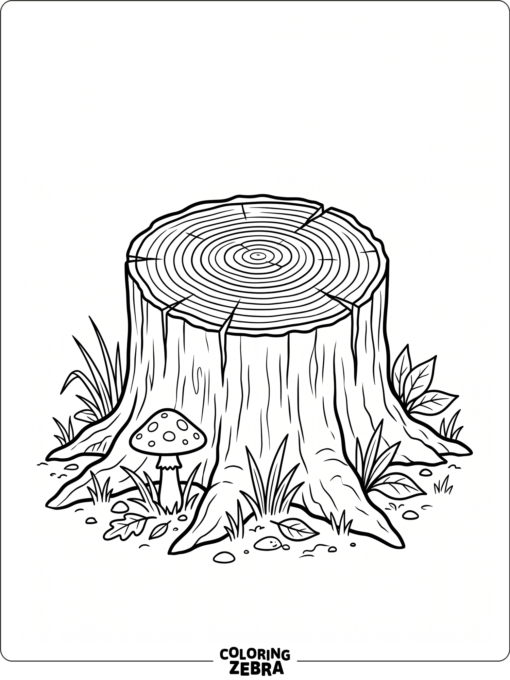

Tree Stump Outline
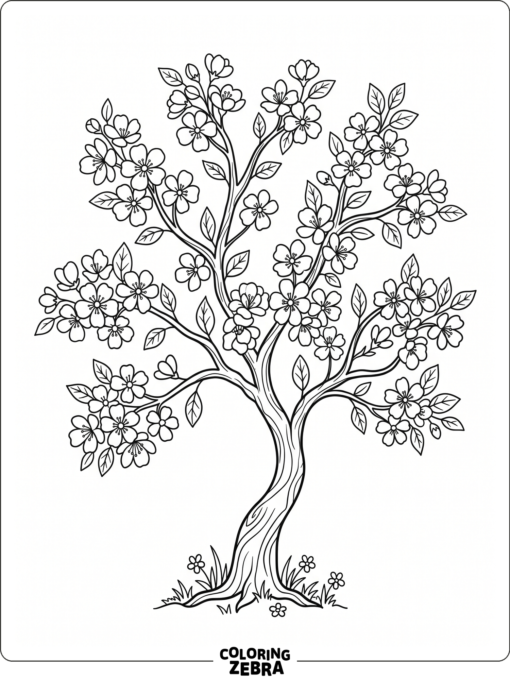

Flower Tree Coloring Page
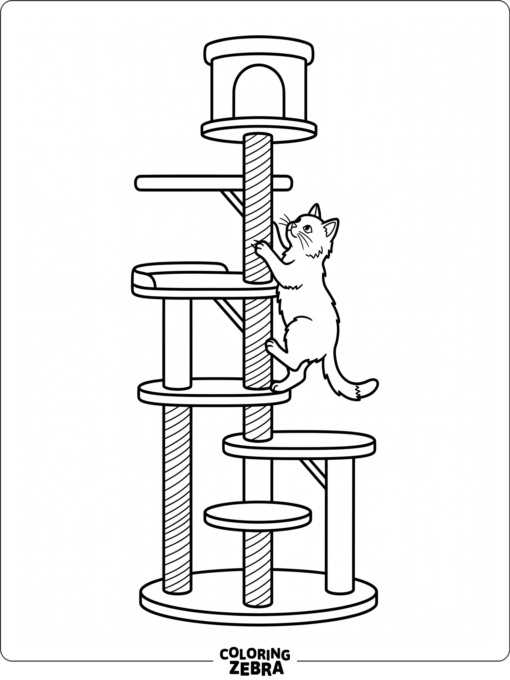

Cat Tree Coloring Page
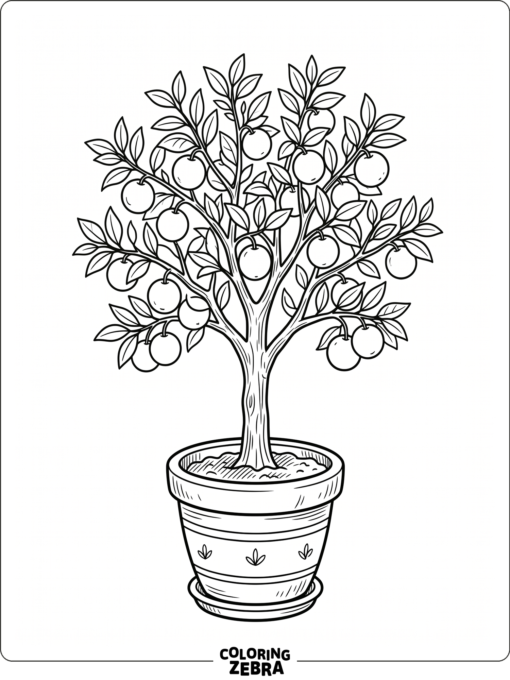

Orange Tree Coloring Sheet
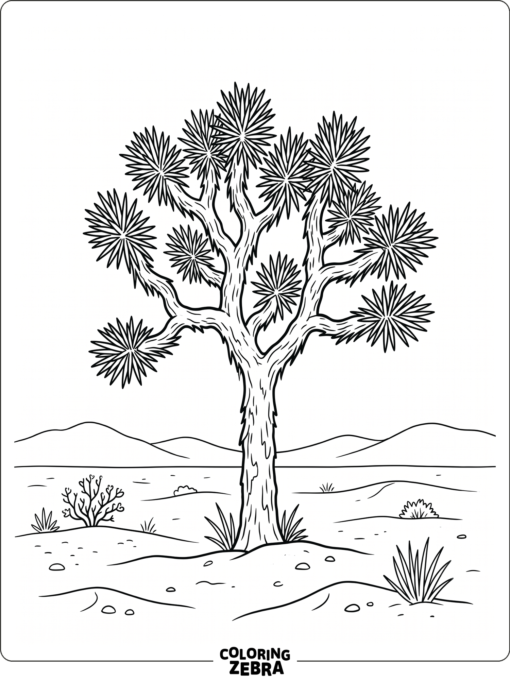

Joshua Tree Coloring Page
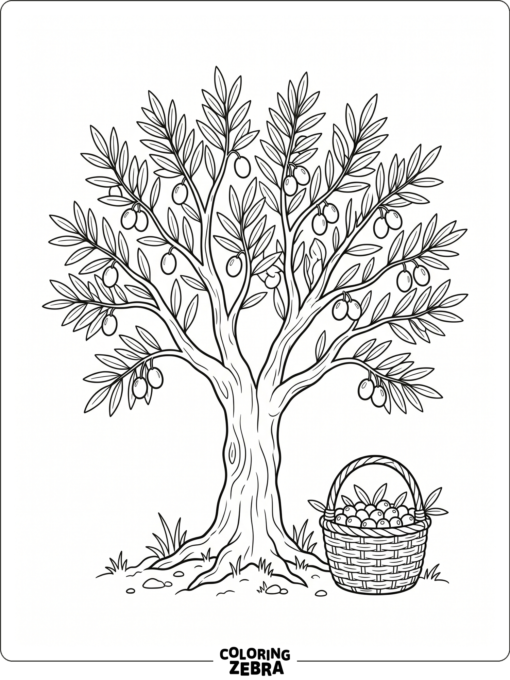

Olive Tree Printable
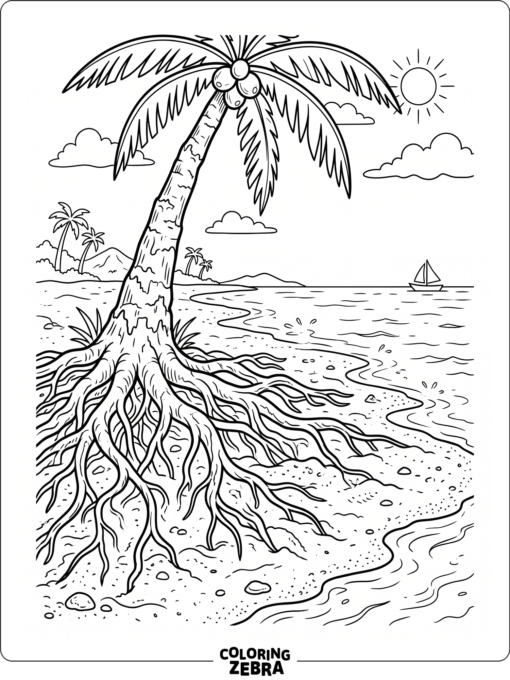

Tree Roots Coloring Page
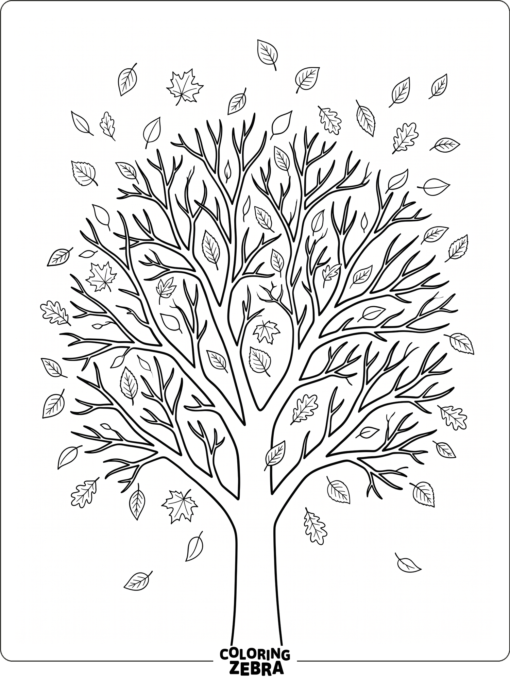

Fall Tree Leaves Coloring Page
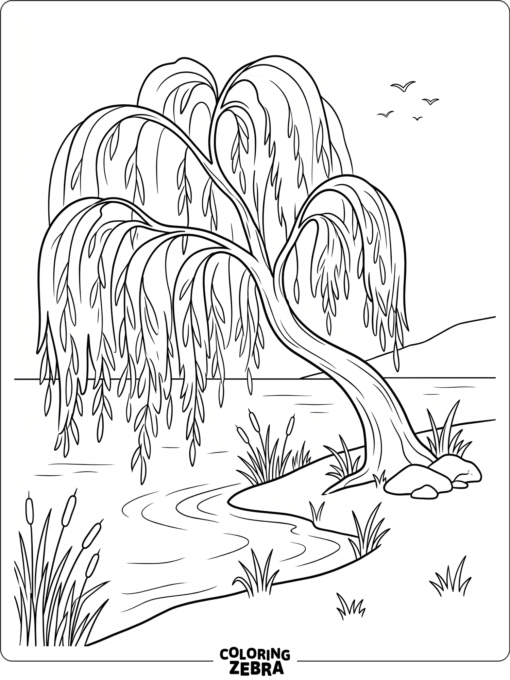

Weeping Willow Tree Coloring Page
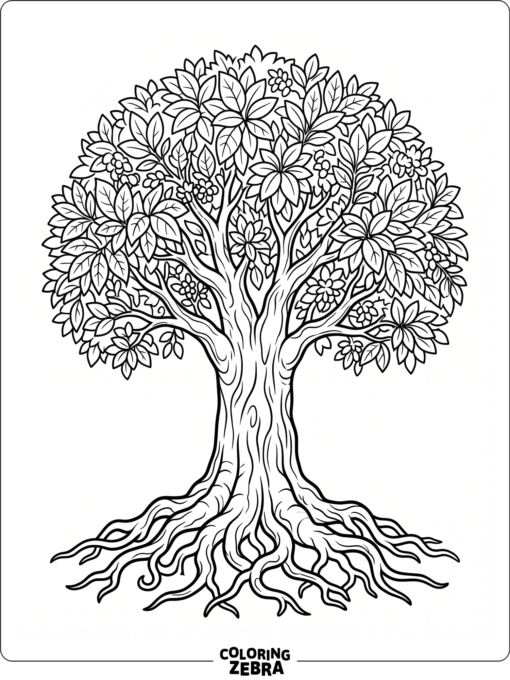

Jungle Tree Coloring Page
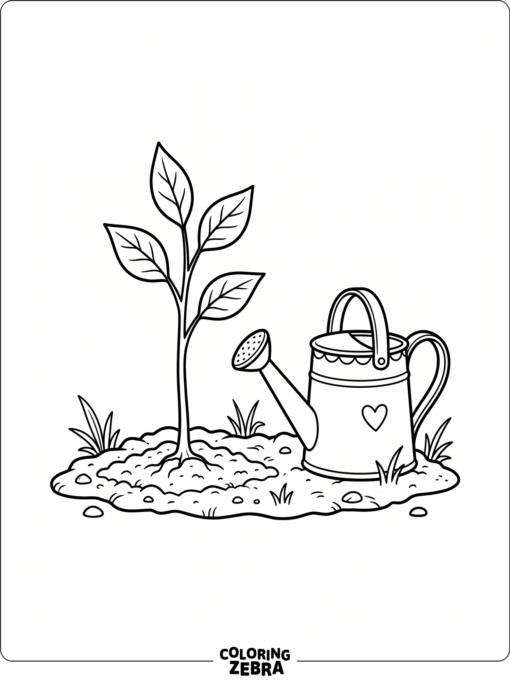

Baby Tree Coloring Page
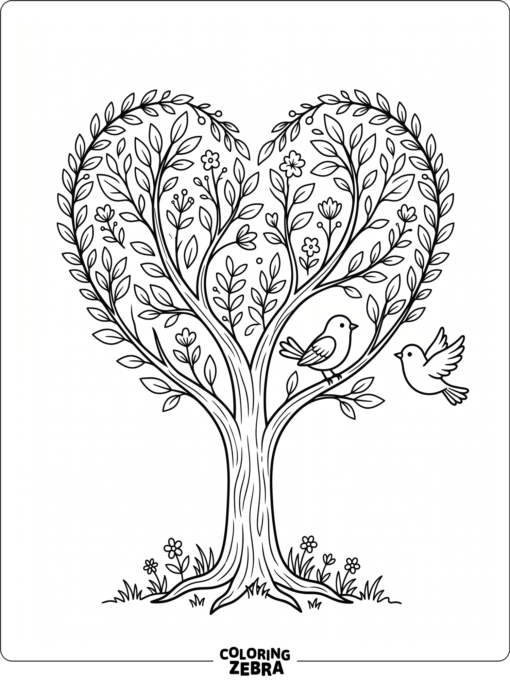

Heart Tree Coloring Page
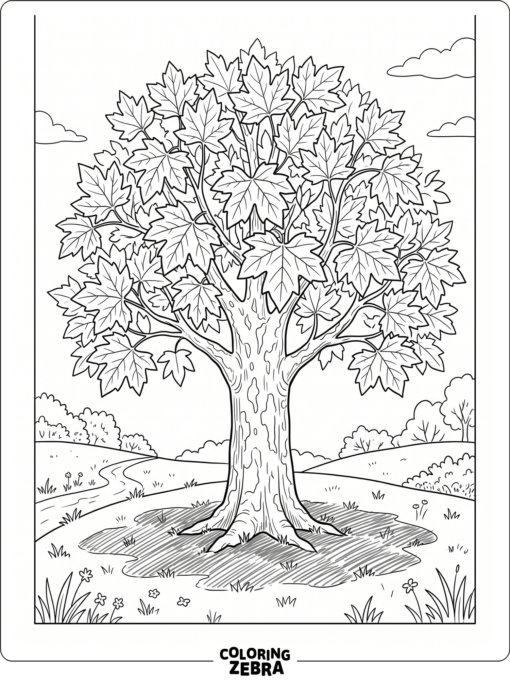

Sycamore Tree Coloring Sheet
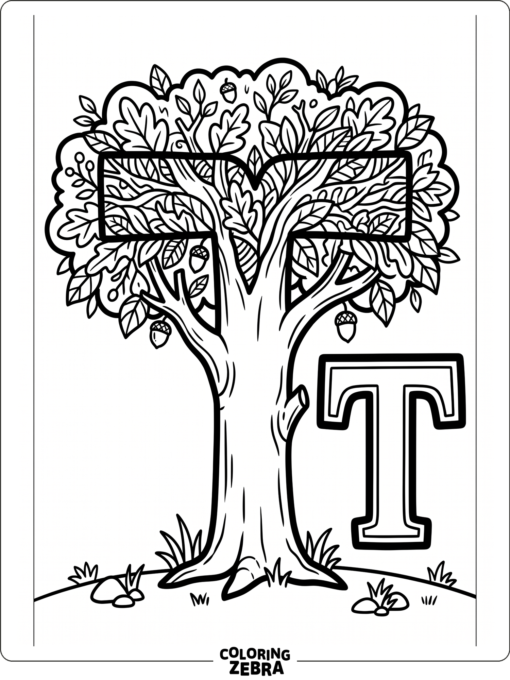

T Is for Tree Coloring Page
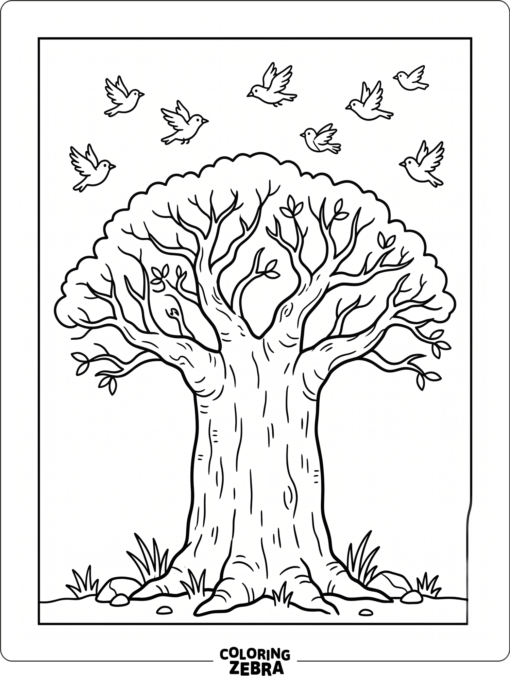

Baobab Tree Coloring Page
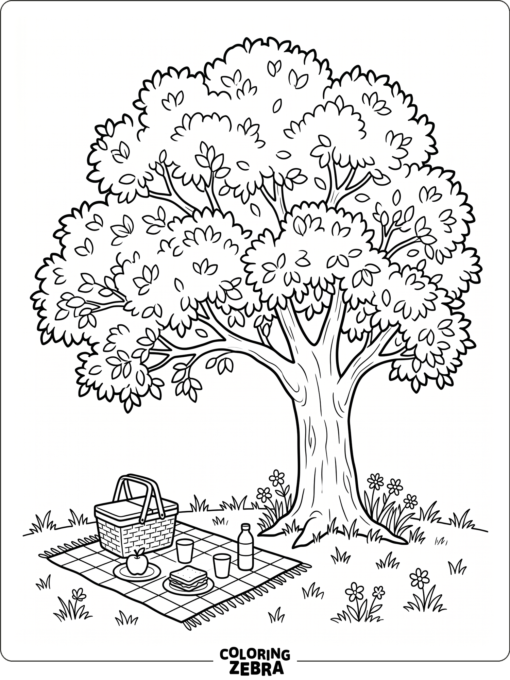

Summer Tree Coloring Page
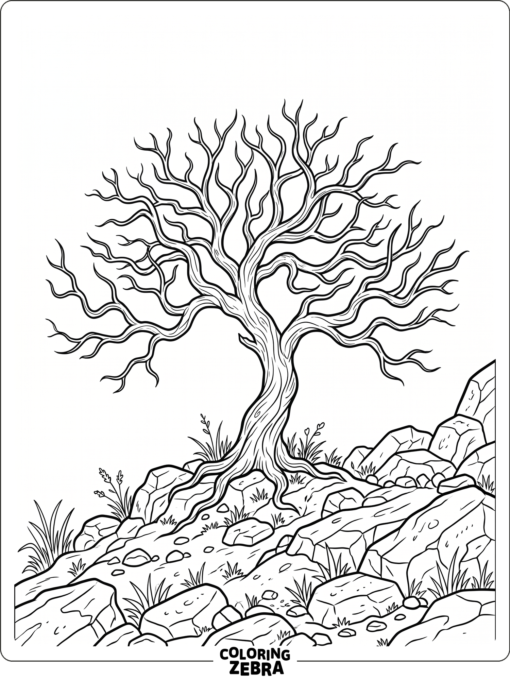

Dead Tree Printable
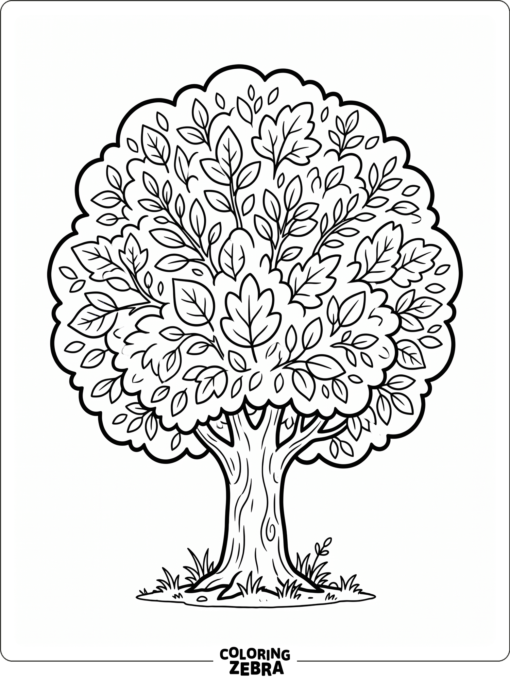

Deciduous Tree Coloring Sheet
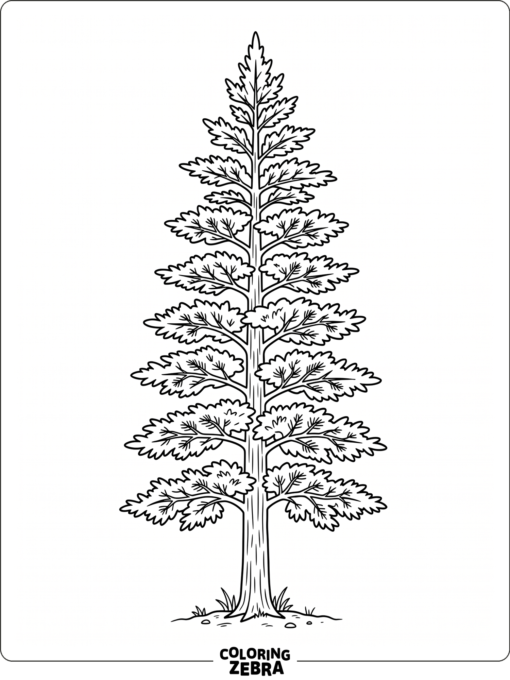

Cedar Tree Outline
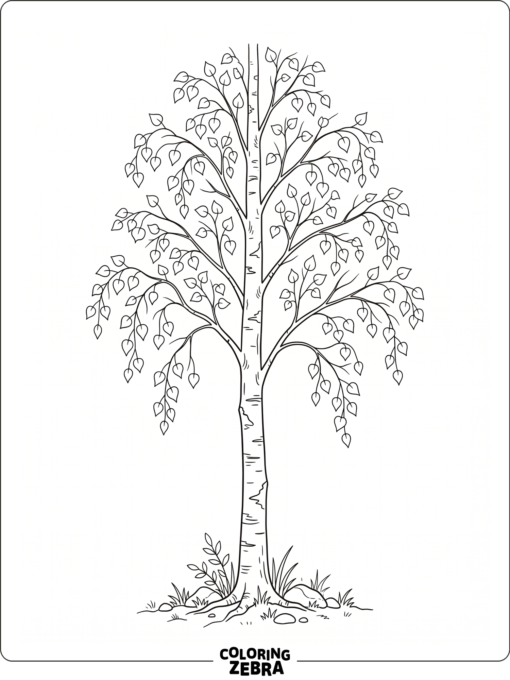

Birch Tree Coloring Page

Tree Mandala Coloring Page
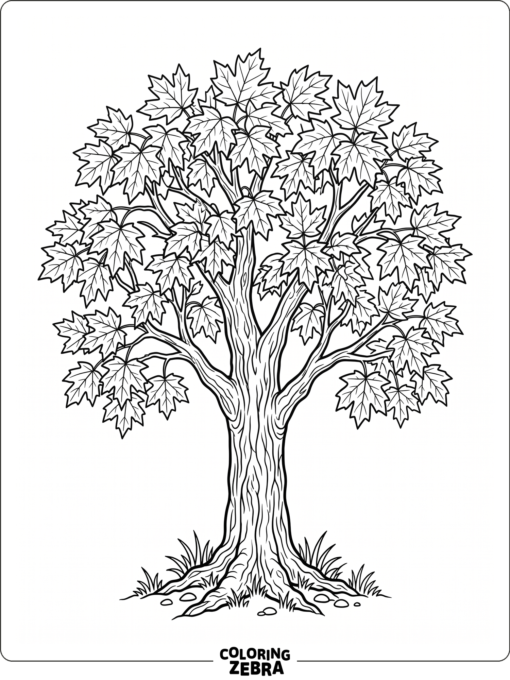

Sugar Maple Tree Outline

Tree Ornament Coloring Page
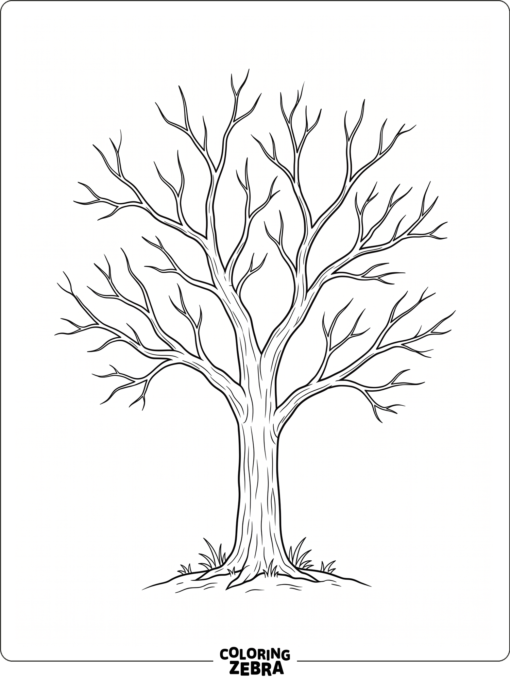

Empty Tree Coloring Page
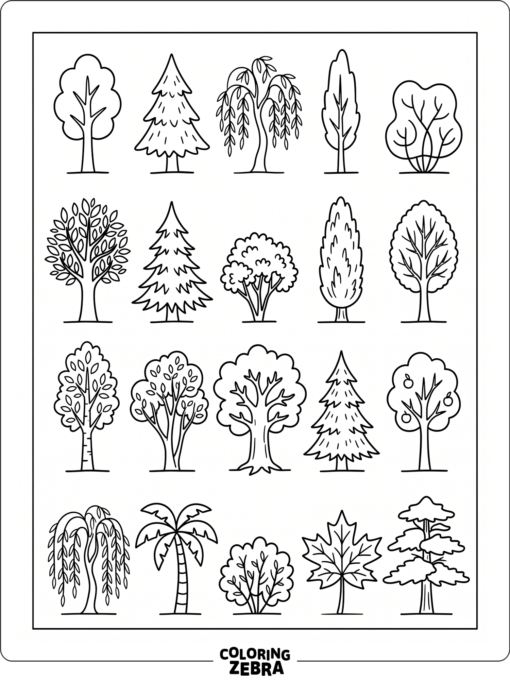

Types of Trees Coloring Page
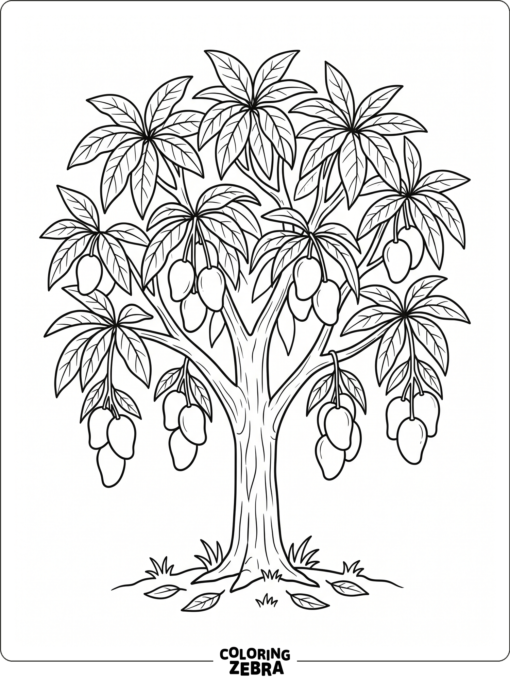

Mango Tree Coloring Page
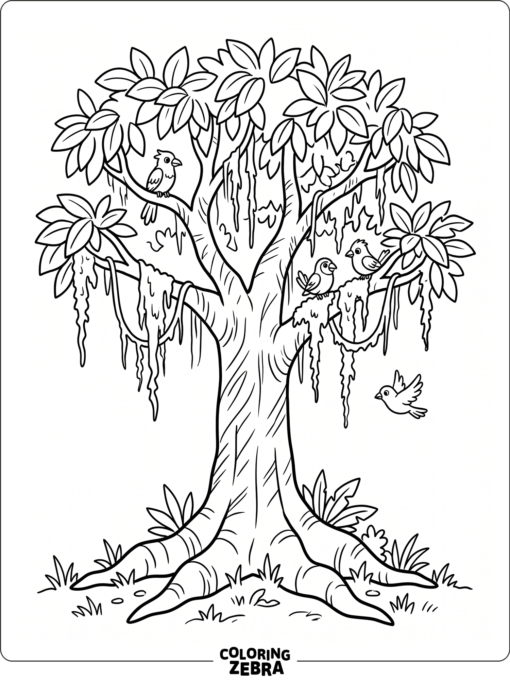

Forest Tree Coloring Page
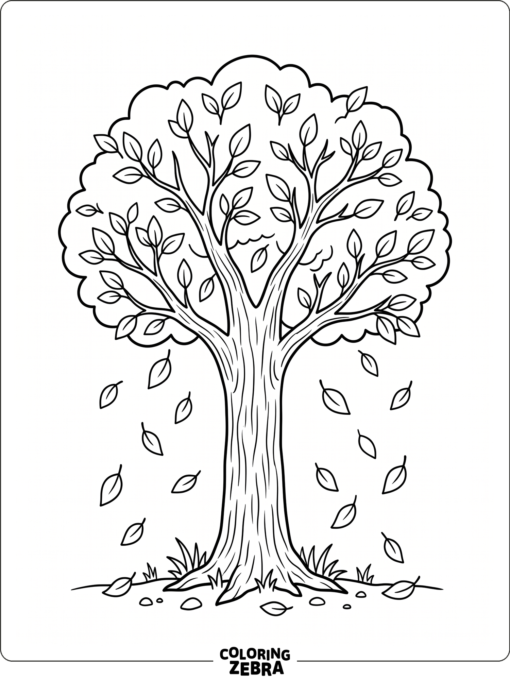

Tree With Falling Leaves Coloring Page


Tree Topper Coloring Page
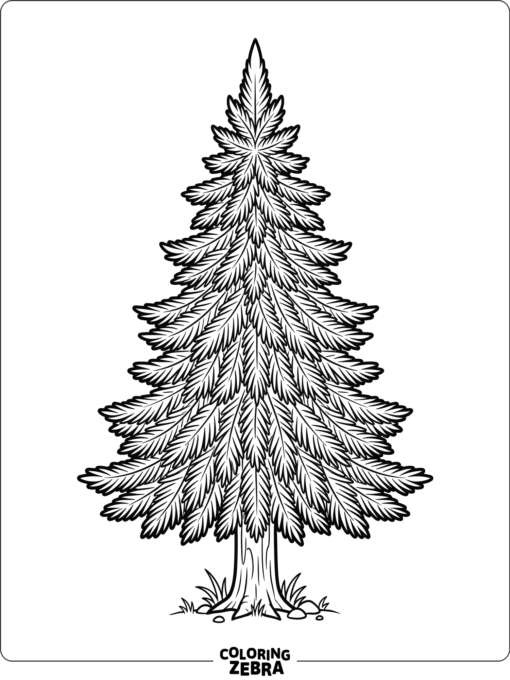

Spruce Tree Coloring Sheet
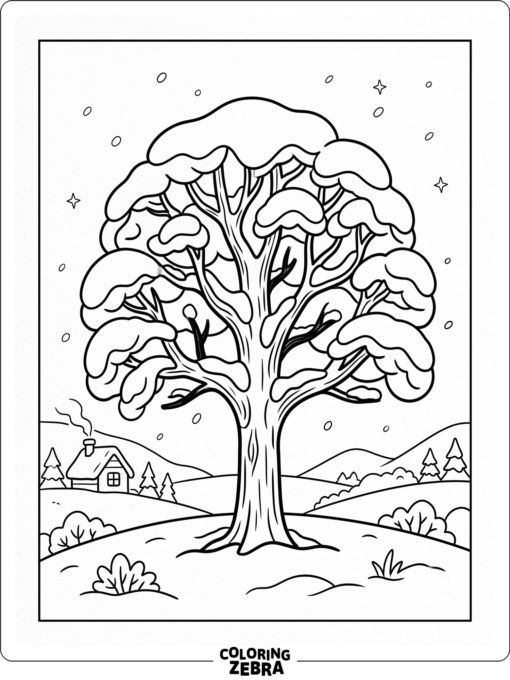

Snowy Tree Coloring Page
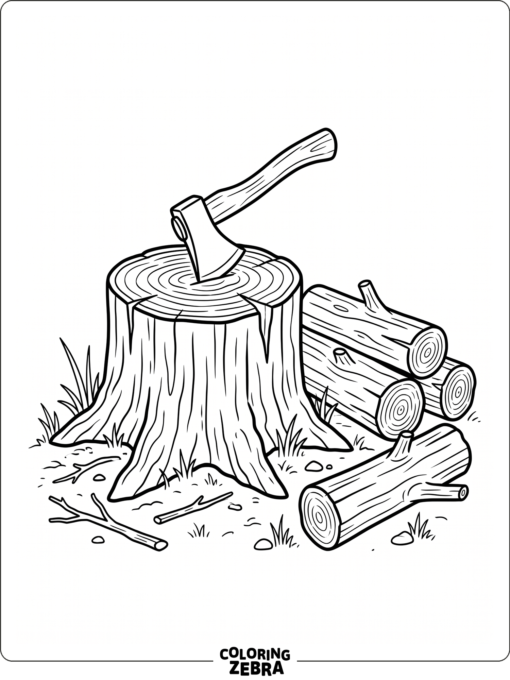

Deforestation Coloring Page
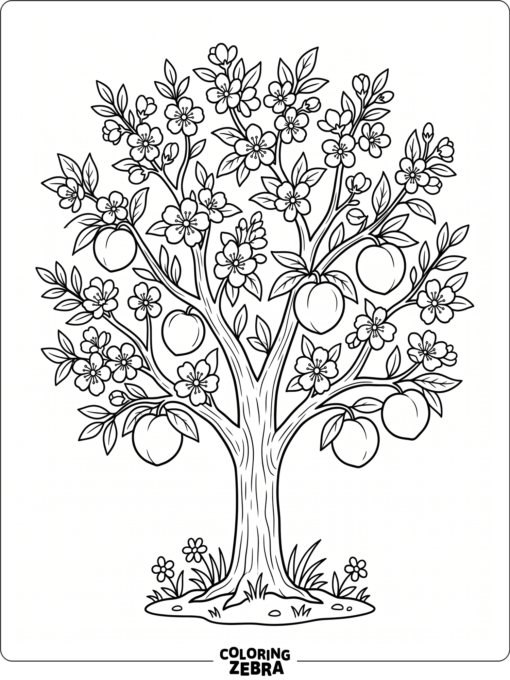

Peach Tree Coloring Page
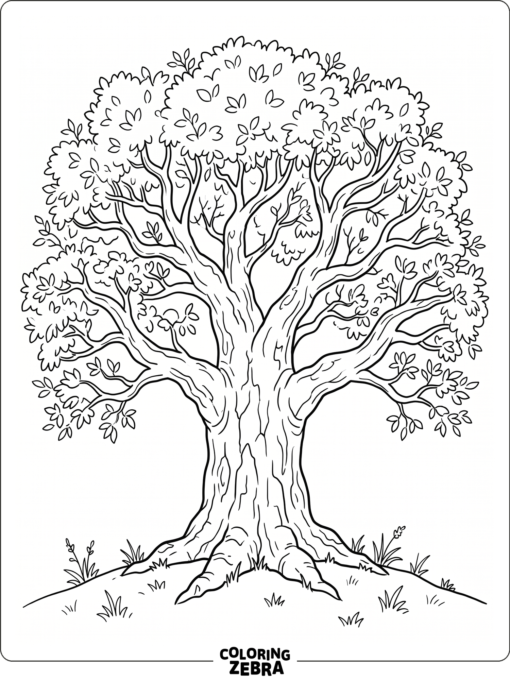

Big Tree Coloring Page
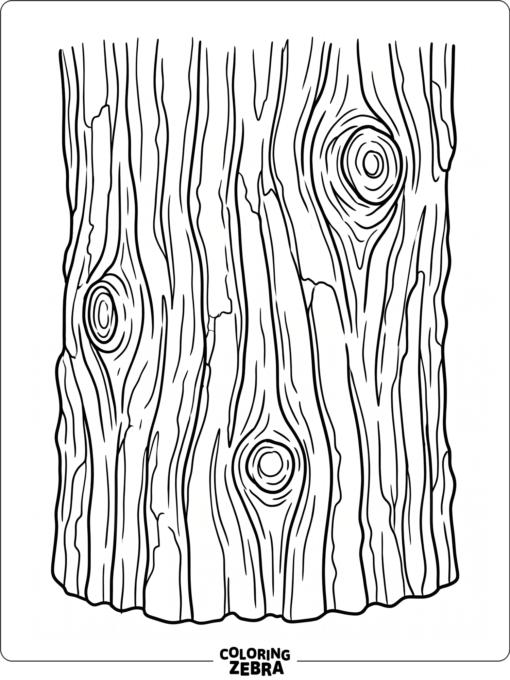

Tree Bark Coloring Page
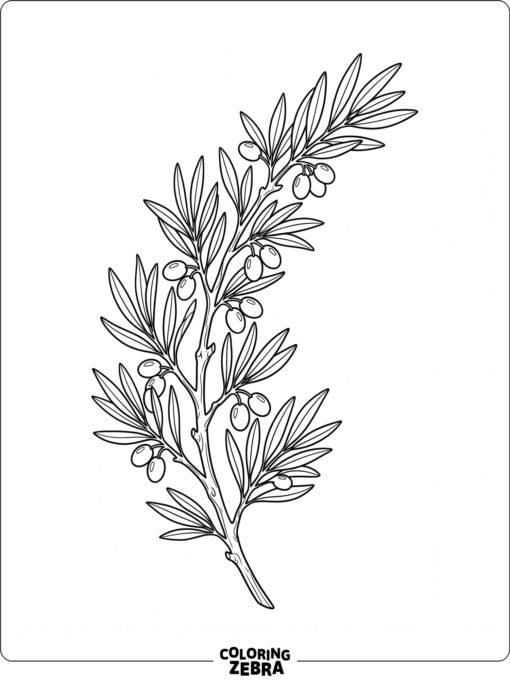

Olive Branch Coloring Page
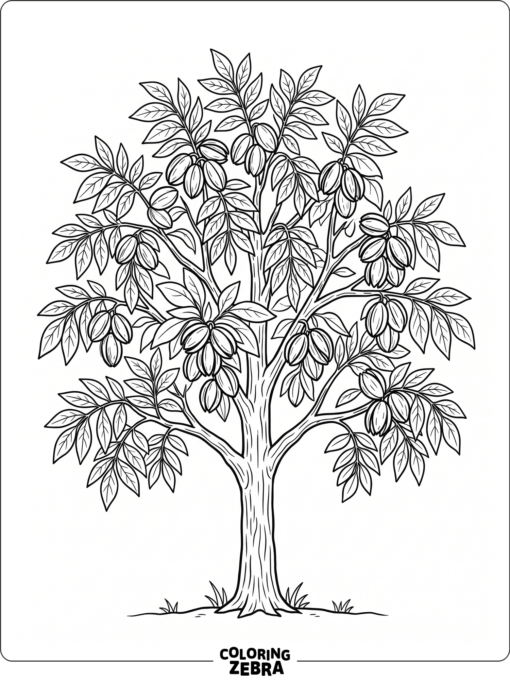

Pecan Tree Coloring Page
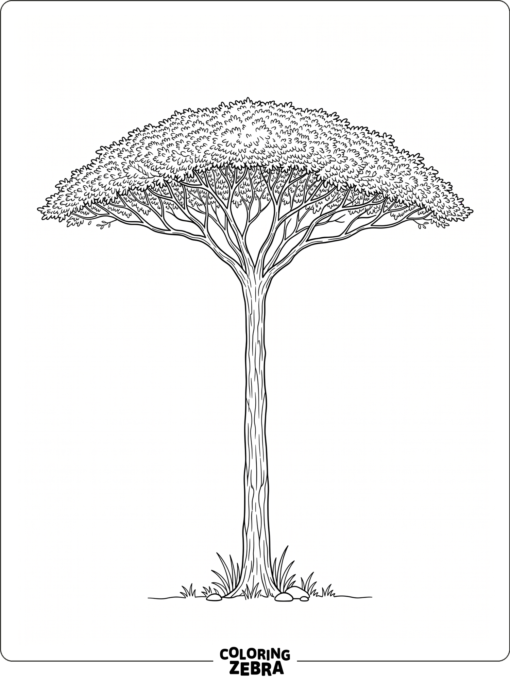

Acacia Tree Coloring Page
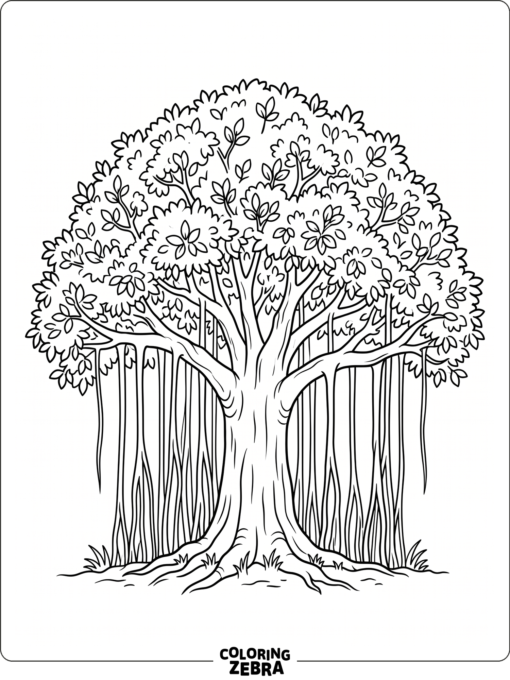

Banyan Tree Coloring Page
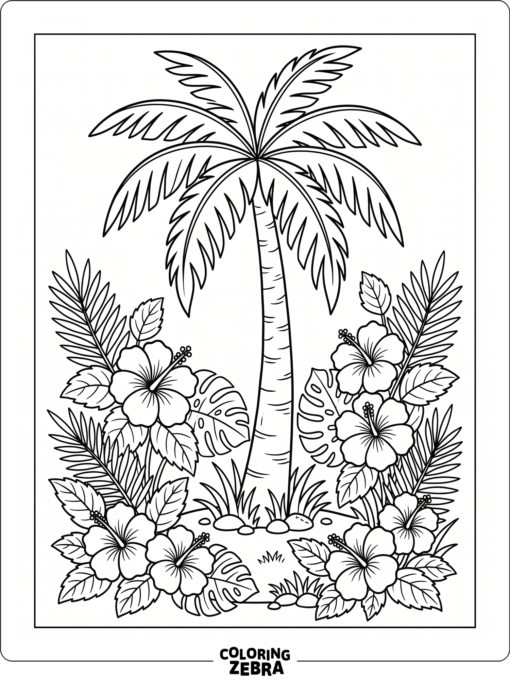

Tree With Flowers Coloring Page
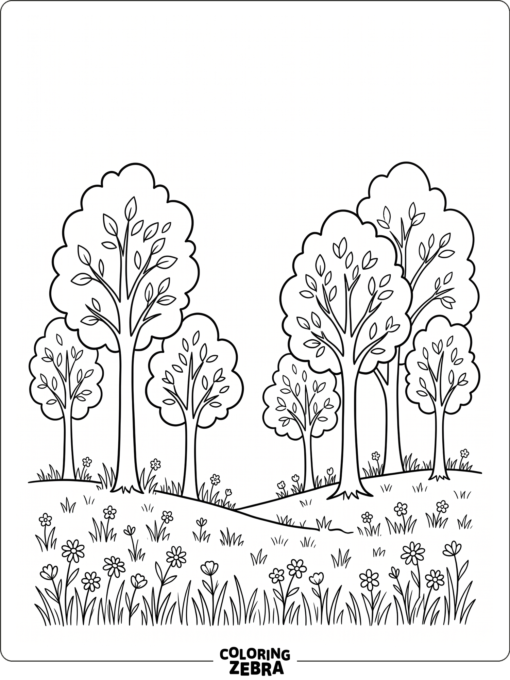

Trees and Grass Coloring Page
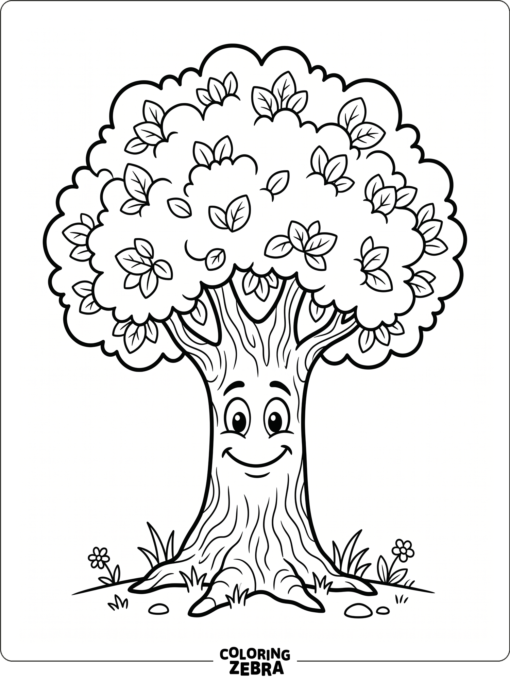

Cartoon Tree Coloring Page
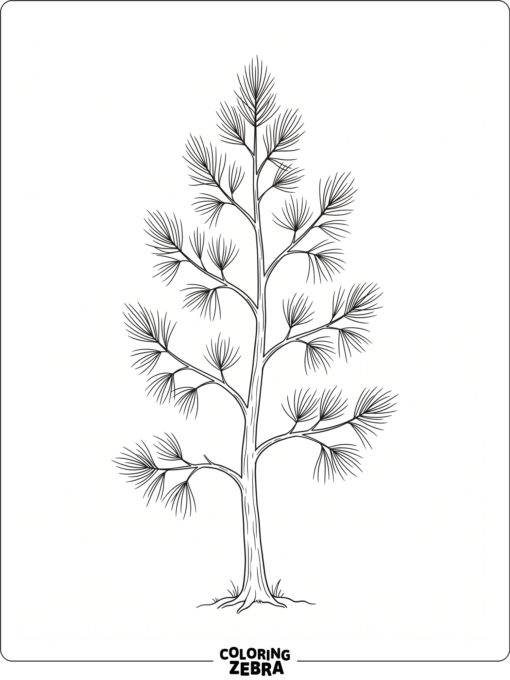

White Pine Tree Coloring Sheet
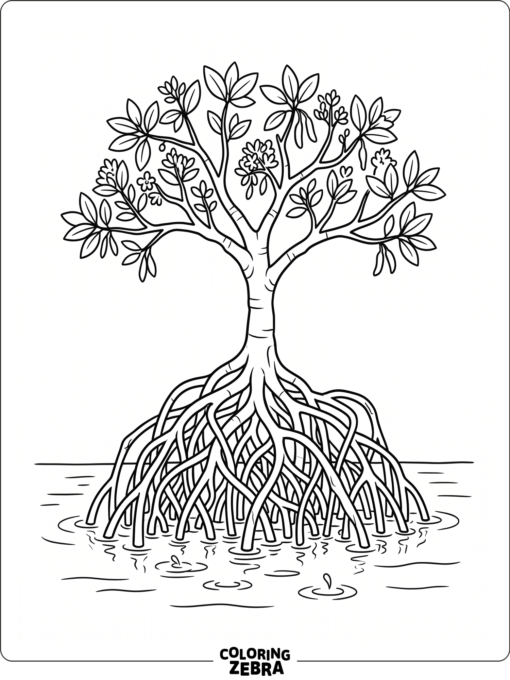

Mangrove Tree Coloring Page
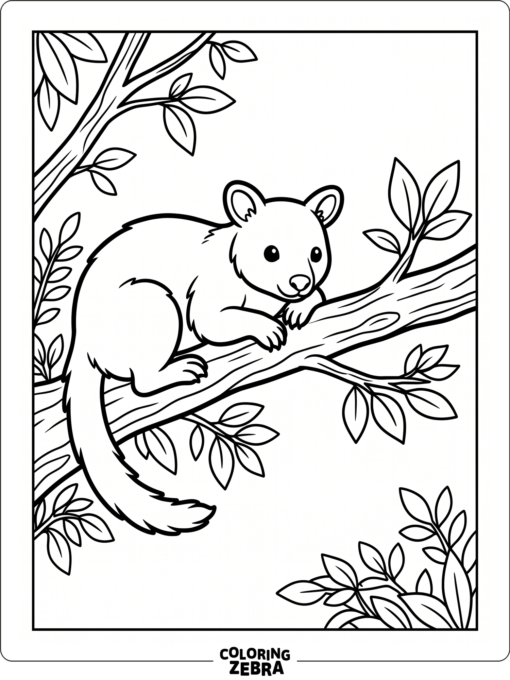

Tree Kangaroo Printable
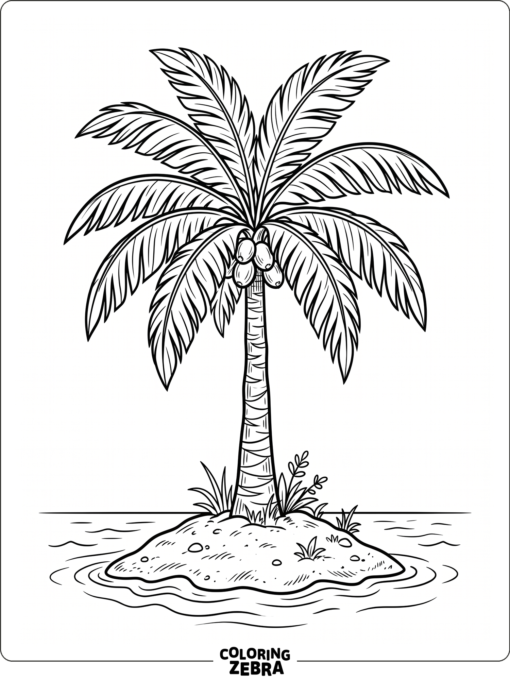

Tropical Tree Coloring Page
What you’ll find in this collection
These Tree Coloring Pages cover far more than a single basic outline. The set includes rounded deciduous trees, tall evergreens, fruit trees, bare winter branches, and decorative designs with open spaces that are easy to color. Some pages stay simple for younger children, while others include layered leaves, textured bark, roots below ground, and surrounding scene details that invite slower, more careful coloring.
The mix of subjects makes the collection especially useful if you want variety without leaving the tree theme. You can move from a plain sapling to a broad oak, then to a willow near water or a tropical palm with wide fronds. That range keeps the pages visually different while still staying focused on one clear natural subject.
Tree types and shapes represented
The set includes many recognizable forms, which makes it a strong choice for anyone who enjoys coloring pages of trees with distinct silhouettes. Broadleaf trees appear in several styles, including rounded crowns, spreading limbs, and sturdy trunks. You’ll also see conifers and evergreens with dense layered branches, narrow needles, and upright shapes that are easy to identify at a glance.
Several special tree forms stand out too. The willow has long hanging branches, the birch shows slim limbs and white bark, and the baobab, banyan, and mangrove each have memorable structures that look very different from a typical yard tree. There are also acacia, spruce, cedar, redwood, Joshua tree, sycamore, and bonsai pages, giving the collection a strong botanical feel without becoming overly technical.
Fruit and flowering details
Fruit-bearing pages add another layer of interest. Apples, lemons, peaches, mangoes, bananas, coconuts, oranges, olives, pecans, and cherries appear in different compositions, sometimes with baskets, pots, or blossoms nearby. These details make the pages more varied and give colorists a chance to think about fruit color, leaf shape, and how branches support hanging clusters.
Blossom scenes are especially appealing if you like softer, lighter coloring styles. The cherry blossom tree, flowering tree pages, and peach blossoms can all be shaded with gentle pinks, creams, and spring greens. A few pages also include a bird nest, which adds a natural finishing touch without crowding the main subject.
Tree anatomy and learning pages
Several images are designed like simple study sheets. A tree diagram shows roots, trunk, branches, leaves, and sunlight arrows, and another page focuses on the parts of a tree in a clear line-art layout. These pages are helpful for introducing basic structure without making the lesson feel complicated. They can support vocabulary such as canopy, roots, trunk, and branches, while still leaving plenty of room for coloring.
Close-up views also make the set useful for looking at texture. Bark lines, exposed roots, tree stumps, and branches with buds help show that not every tree page needs a full landscape. Some illustrations focus on one feature at a time, which makes them ideal for discussions about how trees grow and how different species look from the ground up.
Seasonal scenes and changing color themes
Seasonal variety is one of the strongest parts of the collection. Fall pages include drifting leaves, pumpkins, and trees with leaves scattered around the base. Winter scenes show bare branches, falling snow, and trees covered in snow, which creates a strong contrast with the fuller summer pages. Spring images often lean toward blossoms, buds, and birds, while summer pages show full canopies, grass, and picnic-style settings.
This range is useful because it lets the same subject feel different across the year. A leafless tree on a hill looks dramatic and simple, while a summer tree with a full crown feels lush and full of shade. The changing scenes give colorists a chance to use warm autumn tones, cool winter grays and blues, fresh spring pastels, or deep green summer shades.
Scene details that add variety
Many pages include extra elements that help set the scene. A treehouse with a rope ladder, a cat climbing a branch, a tree kangaroo resting above, and birds in or near the crown all make the pages feel more alive without overcrowding them. Other sheets include rocks, water, grass, flowers, baskets, a stump, a picnic blanket, or a simple path beneath the tree.
Those details can guide coloring choices in a useful way. For example, a tree beside water may suggest cooler background tones, while a desert tree like the Joshua tree pairs naturally with sandy ground. A potted orange tree or bonsai page can be colored more like a home or container plant, which gives the set a balanced mix of indoor and outdoor themes.
Ways to color the different styles
Because the illustrations range from simple outlines to detailed botanical scenes, it helps to choose coloring tools based on the page. Broad open shapes work well with crayons or colored pencils, while bark ridges, small leaves, and hanging roots may be easier to handle with sharpened pencils or fine markers. If a page has a decorative crown or mandala-inspired pattern, using a limited palette can keep the design clean and balanced.
For realistic tree coloring pages, you can vary browns, greens, and grays to reflect trunk texture, leaf clusters, and seasonal changes. For cartoon-style or friendly trees, brighter shades and softer outlines work nicely. Some pages, such as the smiling tree, heart-shaped crown, or symbolic tree with birds and sun, also lend themselves to playful color choices rather than naturalism.
- Use lighter pressure on simple tree outlines so the page stays open and uncluttered.
- Build texture slowly on bark, roots, and branches with layered pencil strokes.
- Choose one accent color for leaves, fruit, or flowers to unify a busy page.
How the set can be used
This collection works well for family coloring time, classroom nature lessons, homeschool notebooks, or quiet independent work. The pages can also support simple discussions about deciduous versus evergreen trees, broadleaf trees versus needle-bearing conifers, and why some trees lose their leaves while others stay green year-round. Because the set includes both anatomy pages and scenic pages, it can serve as a flexible nature resource rather than a single-style activity.
Finished pages can be grouped by season, by tree type, or by level of detail. A child may enjoy the simple round-crowned trees and friendly cartoon pages, while an older student or adult may prefer the bark studies, root diagrams, and species with stronger visual structure. However you use them, Tree Coloring Pages offer a clear and varied way to explore trunks, canopies, fruit, blossoms, and the many shapes trees can take in nature.
People Often Ask Us…
-
What is the difference between deciduous and evergreen trees?
-
Which tree parts are shown in tree anatomy pages?
-
How can you tell different tree types apart?
-
Why do trees look different in each season?
-
What do fruit and blossom trees show visually?