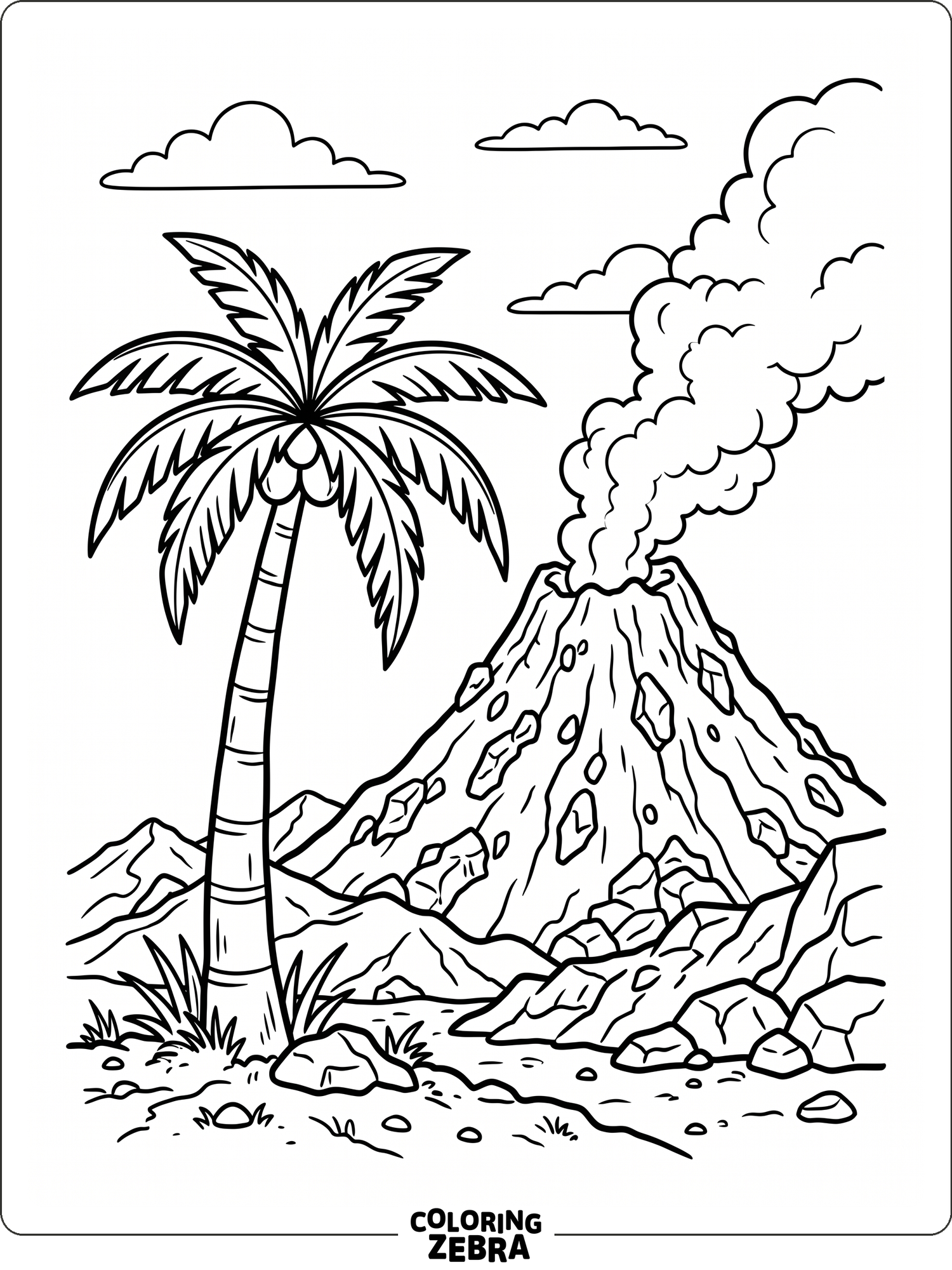
Volcano Coloring Pages
Volcano Coloring Pages make it easy to explore fiery landscapes, smoky peaks, and dramatic lava scenes. This set mixes simple outlines with detailed geology views, so kids can choose between quick coloring and careful shading. You’ll find erupting mountains, ocean-side islands, snowy summits, and even science-style cross sections. The variety also makes it a strong match for earth science learning and imaginative coloring.
Print on thicker paper if you want to use markers without bleed-through. For lighter ink use, select draft mode or grayscale, and choose “fit to page” if you want every outline to stay centered. If younger children are coloring, a slightly larger print size can make the details easier to fill in.
Related coloring pages
Printable Volcano Coloring Pages
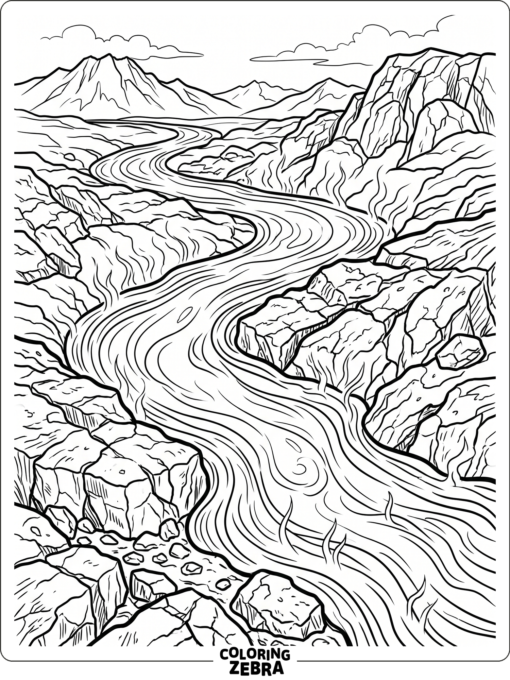

Lava Coloring Page
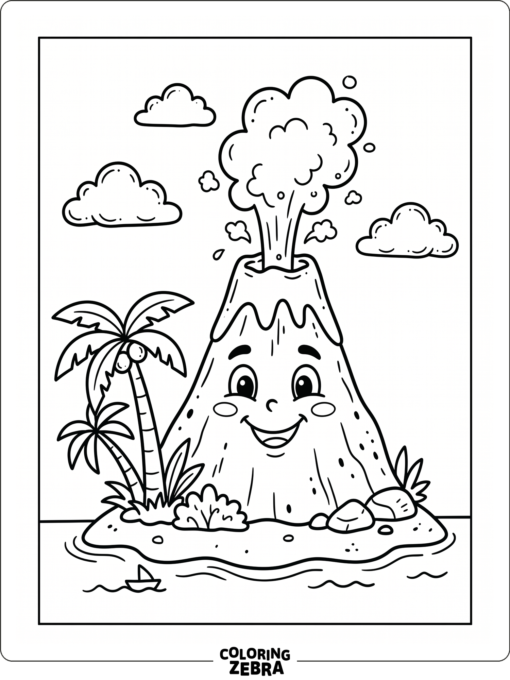

Volcano Coloring Page for Kids
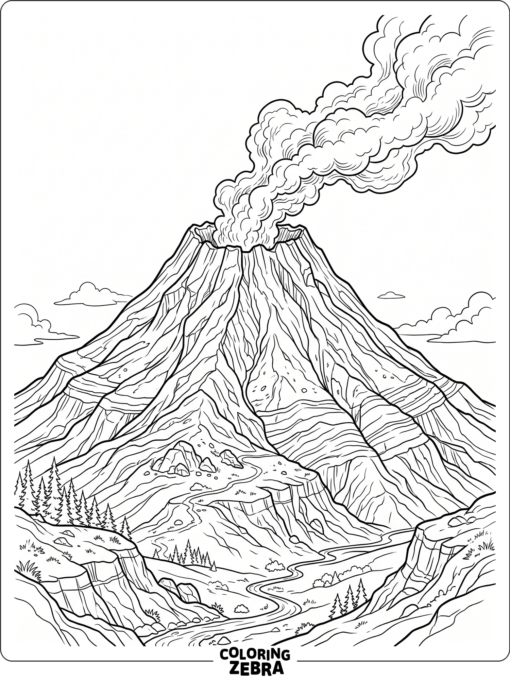

Realistic Volcano Coloring Page
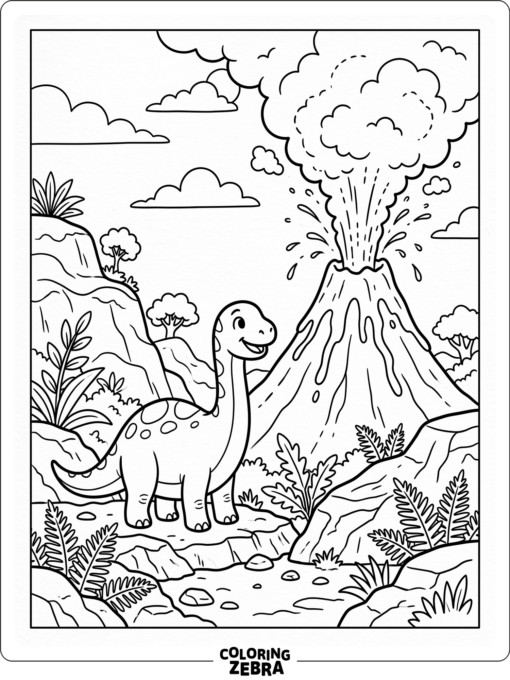

Dinosaur Volcano Coloring Page


Mount Fuji Coloring Page


V Is For Volcano Coloring Page
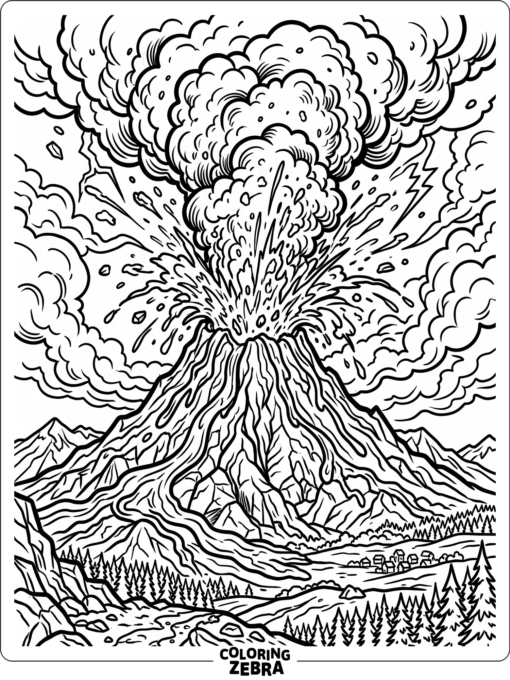

Volcano Eruption Coloring Page
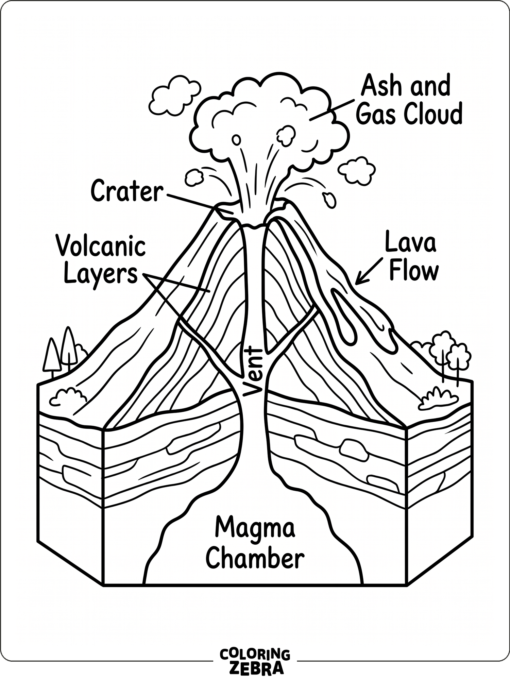

Parts Of A Volcano Coloring Page


Preschool Volcano Coloring Page
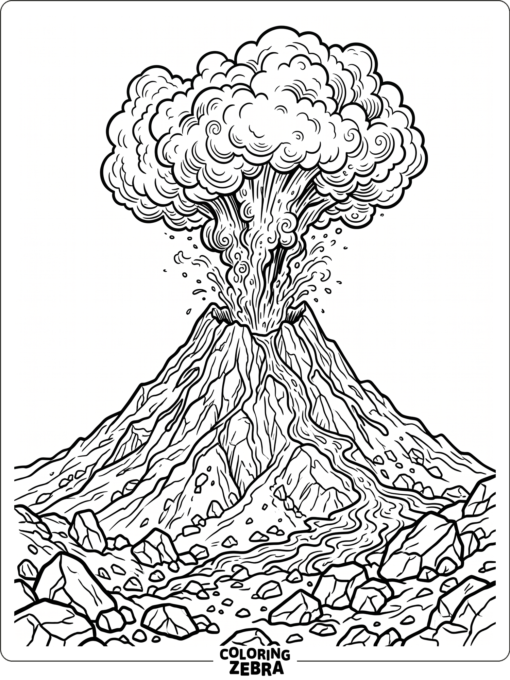

Volcanic Eruption Coloring Page
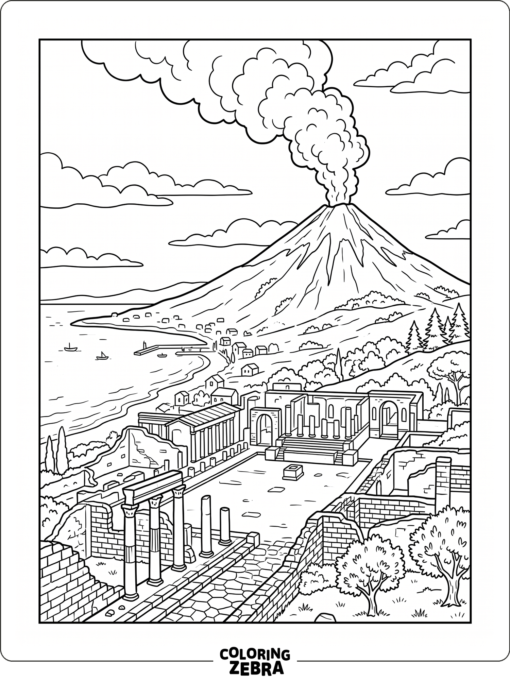

Mount Vesuvius Coloring Page
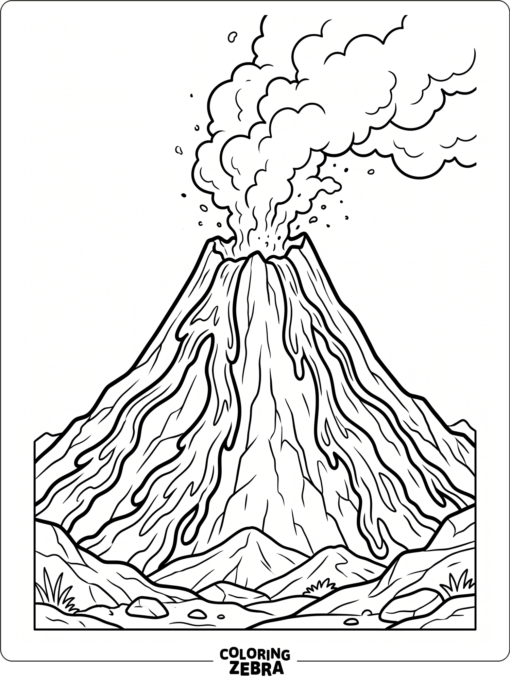

Volcano Lava Coloring Page
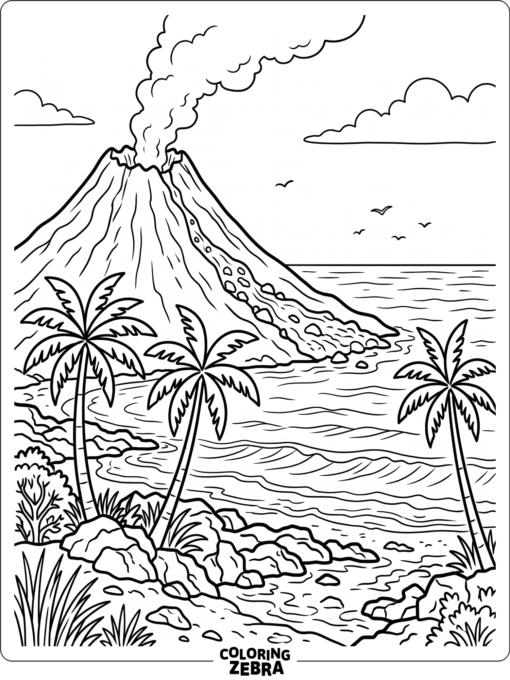

Hawaii Volcano Coloring Page
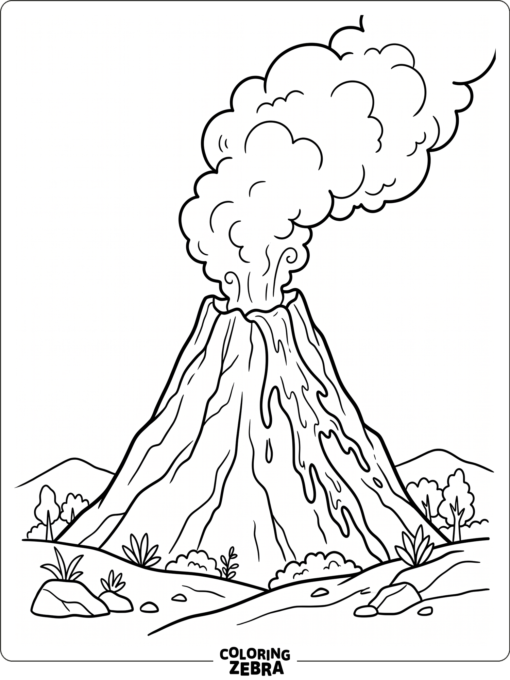

Volcano With Lava Coloring Page
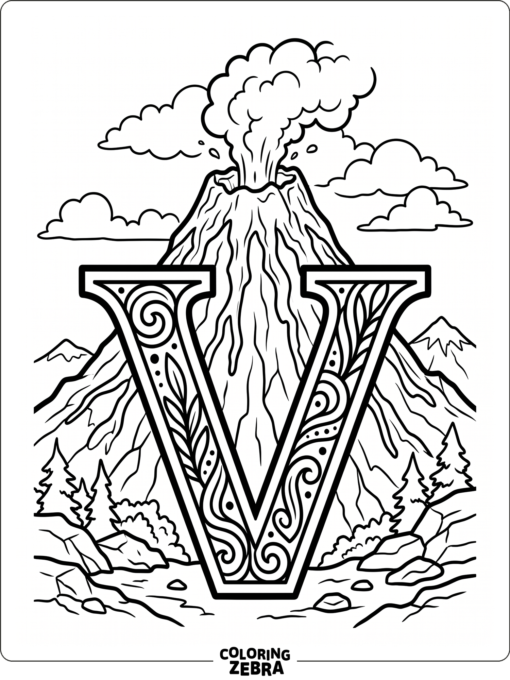

V For Volcano Coloring Page
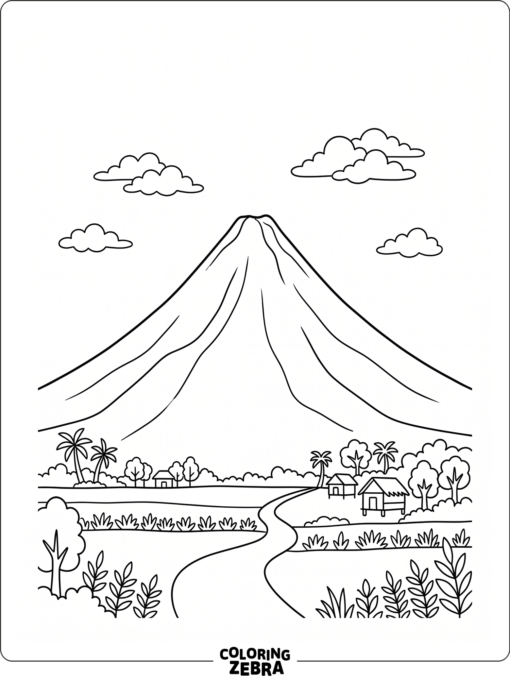

Mayon Volcano Coloring Page
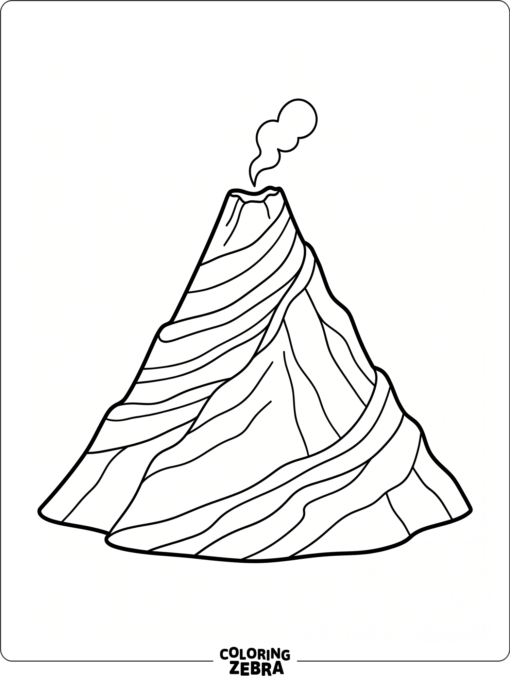

Stratovolcano Coloring Page
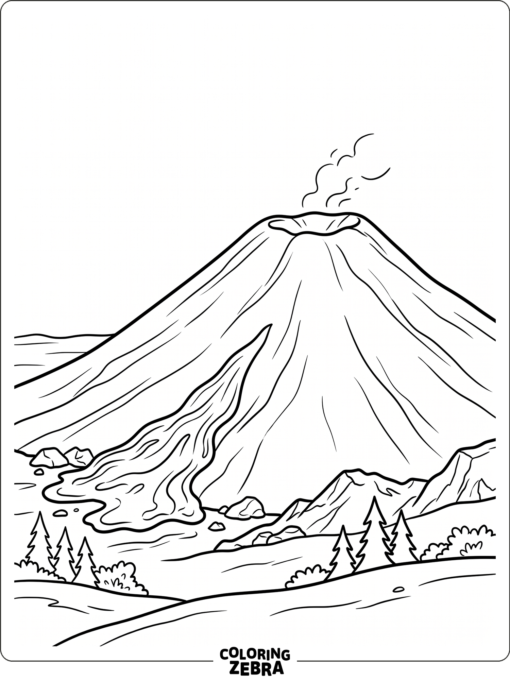

Shield Volcano Coloring Page


Cinder Cone Volcano Coloring Page
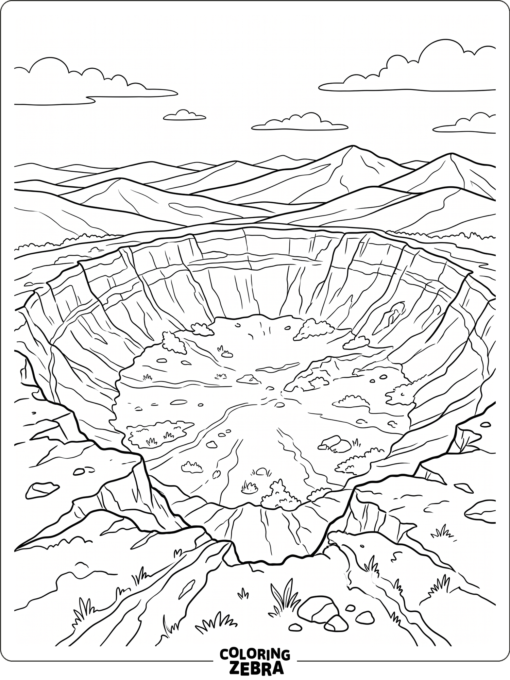

Caldera Coloring Page
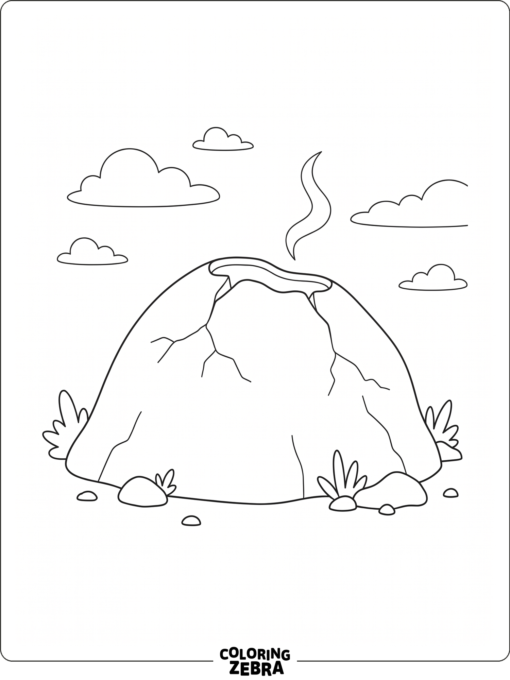

Lava Dome Coloring Page


Supervolcano Coloring Page
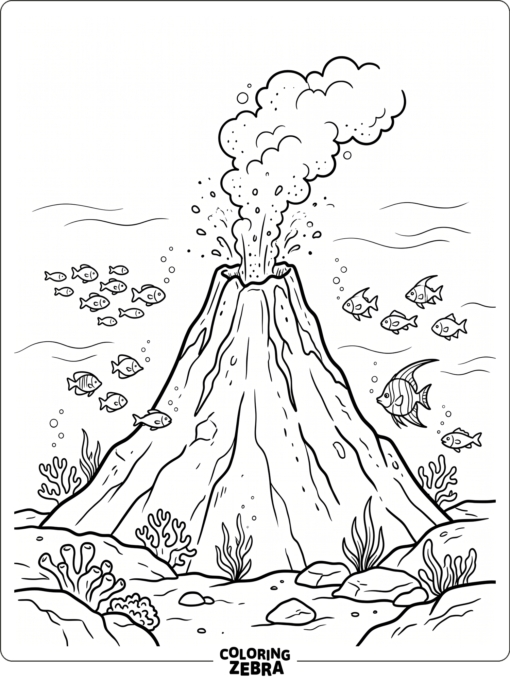

Underwater Volcano Coloring Page
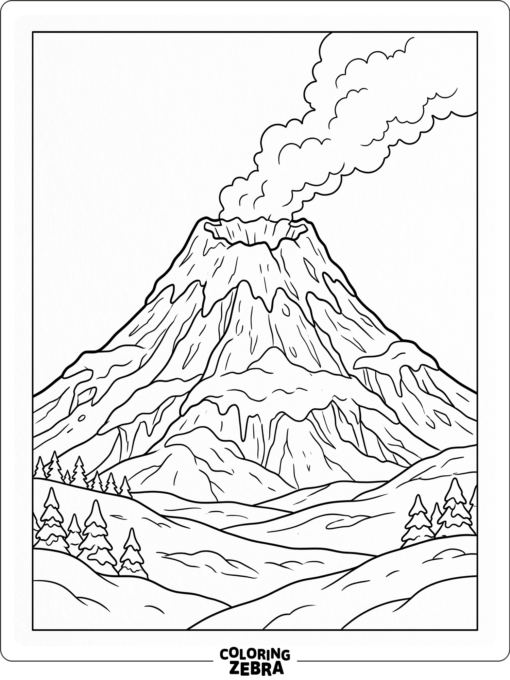

Ice Volcano Printable
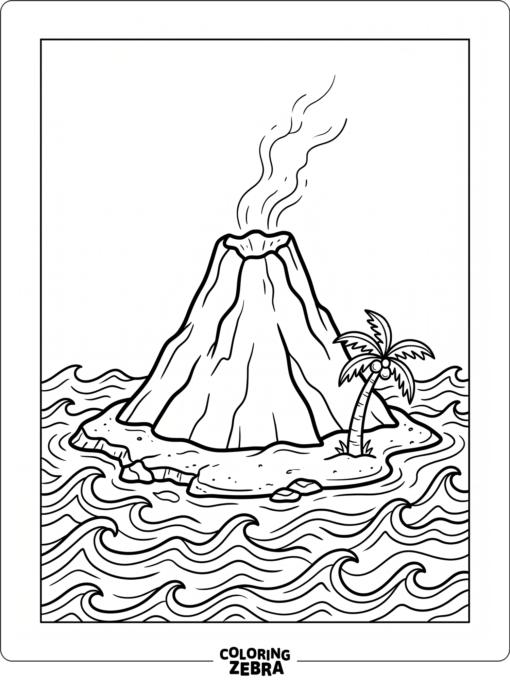

Volcanic Island Coloring Sheet
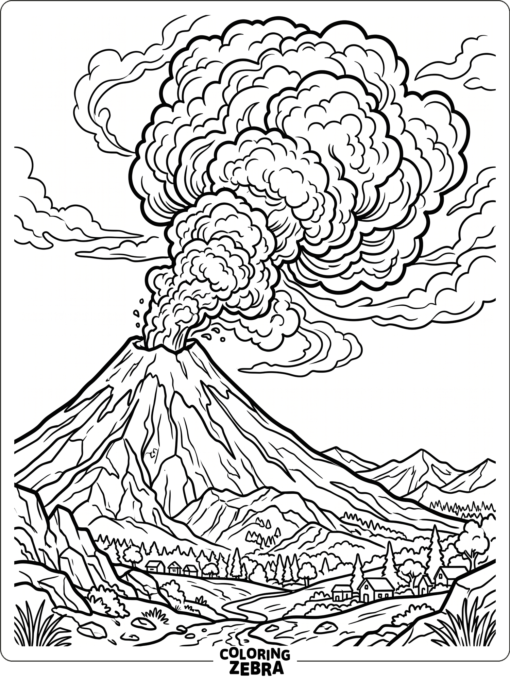

Volcanic Ash Cloud Printable
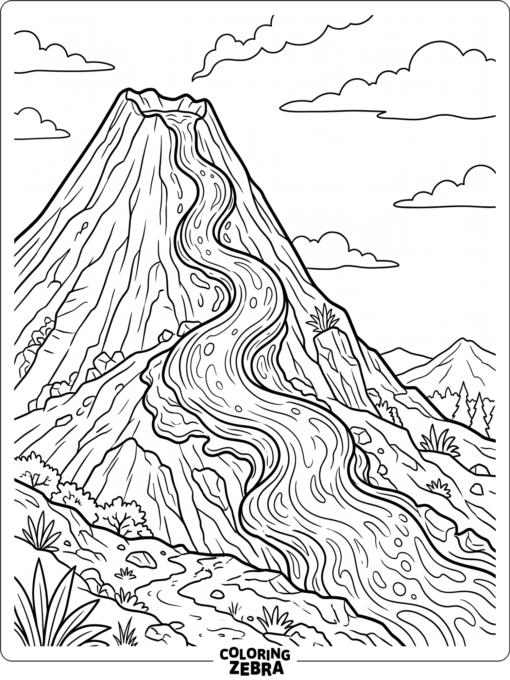

Lava Flow Coloring Page
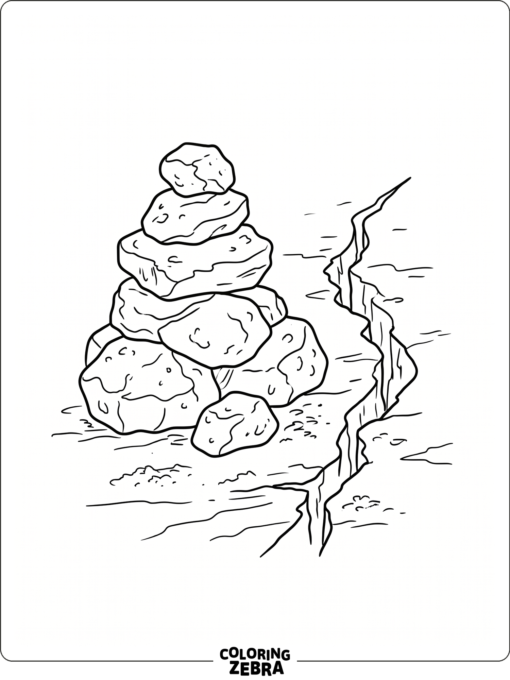

Lava Rock Coloring Sheet
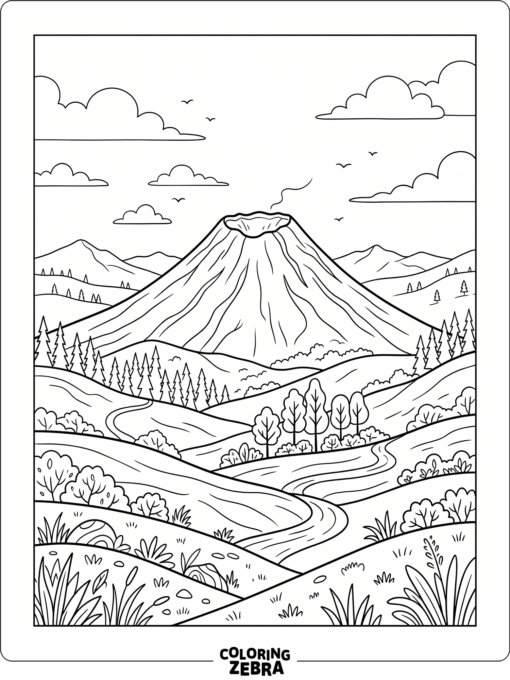

Volcano Landscape Coloring Page
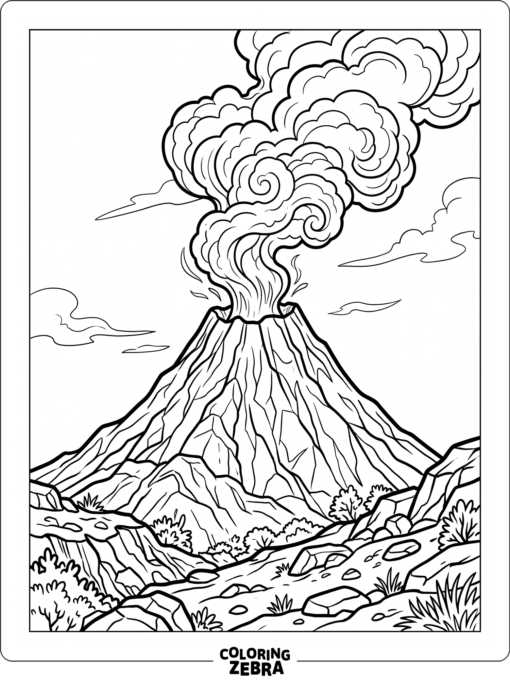

Volcano Mountain Coloring Page
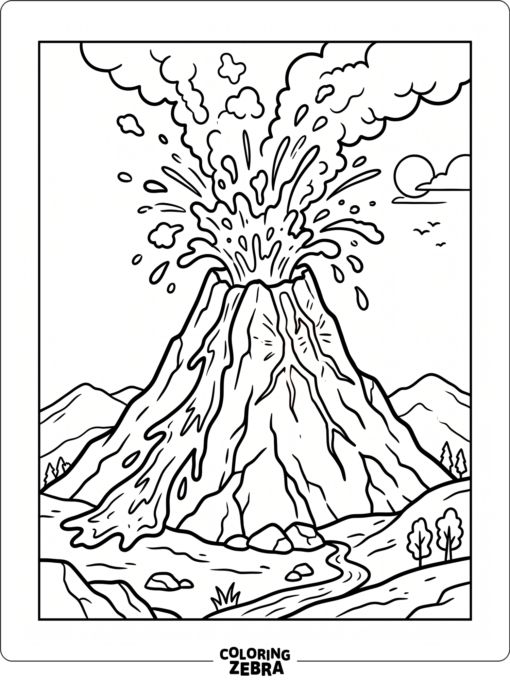

Active Volcano Coloring Page
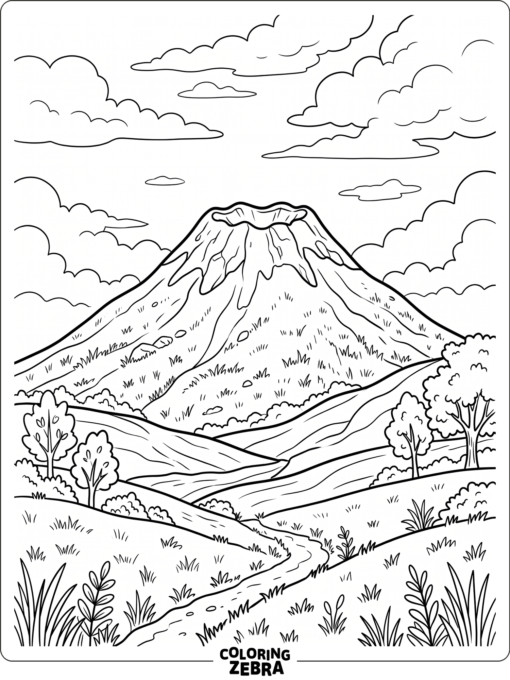

Dormant Volcano Coloring Page
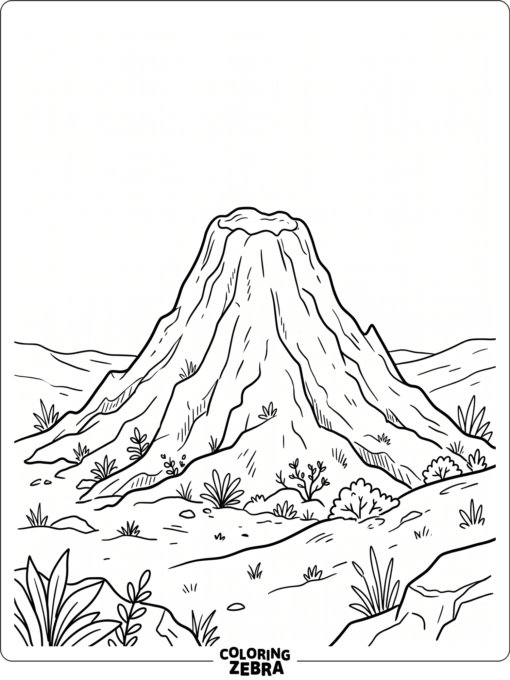

Extinct Volcano Coloring Page


Volcano Smoke Coloring Page
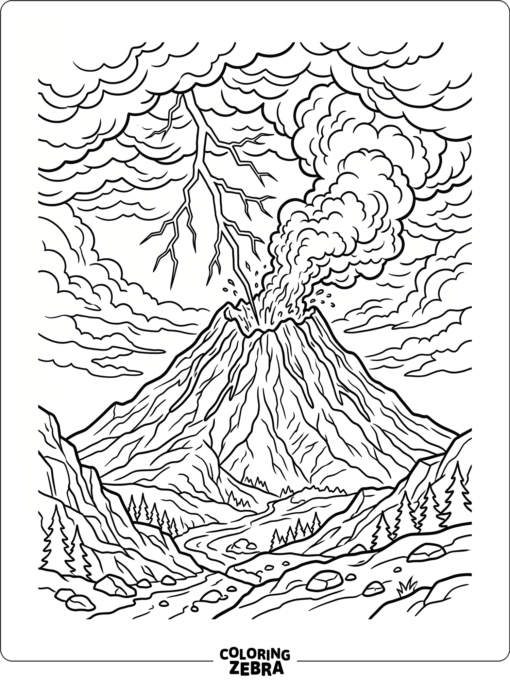

Volcano and Lightning Coloring Page
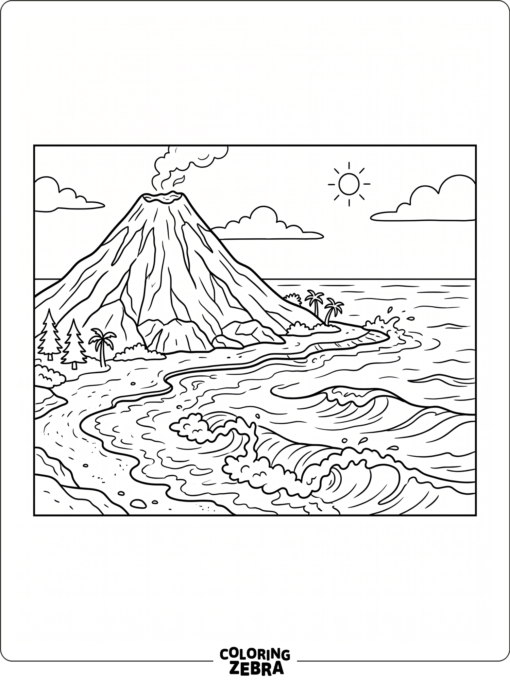

Volcano and Ocean Coloring Page
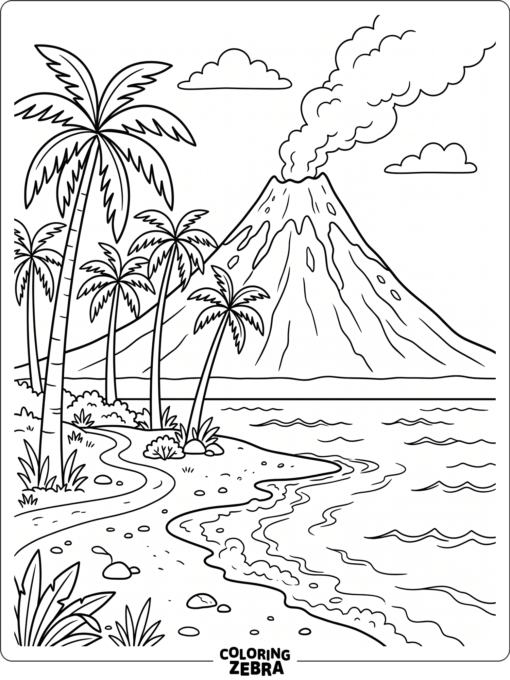

Volcano and Palm Trees Coloring Page
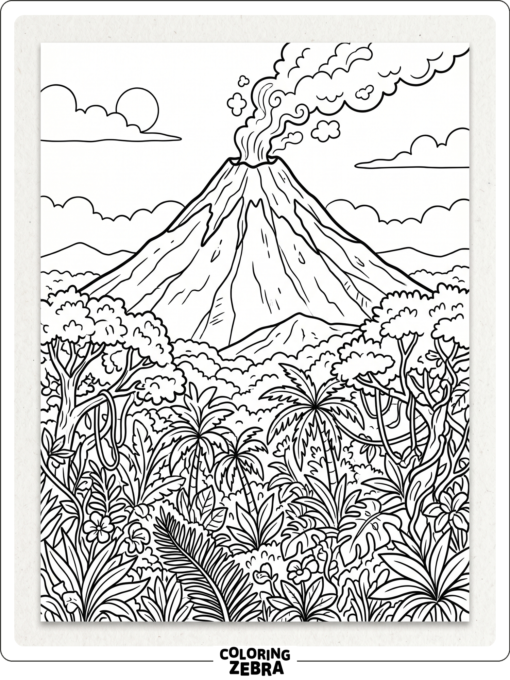

Volcano in the Jungle Coloring Page


Volcano Safety Coloring Page
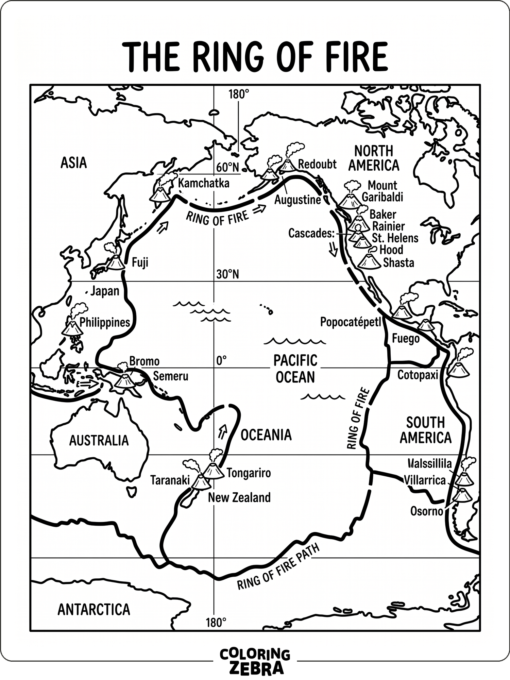

Ring of Fire Volcano Coloring Page
A varied volcano coloring collection
This set works well because it shows many kinds of volcanic scenes instead of repeating the same cone over and over. Volcano Coloring Pages can feature smoke-only peaks, bold lava bursts, slow lava streams, and rocky ground with cracks, which gives children several ways to compare shapes and eruption styles. Some pages are simple enough for younger kids, while others have layered slopes, ash clouds, and landscape details that suit older students who like more complex line art.
The scenery changes from page to page, too. You will see ocean views, islands, palm trees, hills, clouds, jungle plants, and rugged mountain backgrounds, which helps each printable feel different. That mix is useful for kids who enjoy coloring a scene as much as the volcano itself.
What appears in the artwork
The collection includes classic eruption scenes with smoke, lava, ash, and scattered rocks, along with calmer views such as a dormant mountain with grassy slopes or an extinct one with worn edges and small plants. There are also playful and educational extras, including a dinosaur near an eruption, a child standing by a warning sign, and bold letter V designs that make the subject easy to recognize.
- Volcano cones, craters, vents, and lava flows for basic earth science vocabulary
- Cross-section and map-style illustrations for classroom-style learning
- Clouds, lightning, snow, palm trees, and jungle plants for varied backgrounds
- Special scenes such as underwater settings, volcanic islands, and a volcano on the seafloor
That range makes the printable set feel broader than a single themed worksheet. It gives children a chance to color both realistic landforms and simple picture scenes.
Volcano types shown in the set
Several pages hint at different volcano shapes, which is helpful for children learning that not every volcano looks the same. A stratovolcano usually appears steep and layered, while a shield volcano has broad, gentle slopes. A cinder cone is smaller and sharper, a lava dome looks rounded, and a caldera has a wide collapsed opening. The supervolcano image adds an oversized crater that can spark conversation about scale and structure.
These differences are useful when comparing outline drawings. A child can color a smooth cone with soft shading, then use darker tones and stronger contrast on a steeper volcanic mountain. That comparison helps the collection double as a simple geology lesson.
How volcanoes work
These volcano printables also support basic earth science ideas. Magma is molten rock underground, and once it reaches the surface, it is called lava. A vent is the opening that lets material escape, the crater is the bowl-shaped top, and the magma chamber is the underground reservoir that feeds an eruption. Ash clouds and lava rocks usually suggest a more explosive event, while a lava flow can look slower and more directional.
Cross-section artwork is especially useful because it shows the inside and outside of a volcano at the same time. That makes it easier to explain how eruptions happen and why new rock can form after lava cools.
Volcanoes in different environments
One of the strongest features of this collection is the setting. There are pages with a volcano beside the ocean, on a tropical island, and near palm trees and shorelines. Other scenes show snowy or icy tops, a wide volcanic landscape with hills and trees, and an underwater volcano rising from the seafloor. Those settings help children see that volcanoes can appear in warm coasts, cold mountains, and even beneath the ocean.
If you want to talk about volcanic islands, the island scenes make that idea easier to picture. The ocean views are also a natural way to connect coloring time with geography and landform vocabulary.
Activity and safety themes
The pages also suggest different activity levels. Some volcanoes are clearly active with smoke and lava bursting from the top, while others look dormant or extinct. That contrast is useful when introducing the idea that a volcano can seem quiet for a long time and still be part of a larger geologic system. The helmet-and-warning-sign scene adds a safety note without making the set feel too serious.
Children often notice the lightning, ash, and cracked ground first, so those details are a good place to start with color. Gray and charcoal tones work well for smoke and ash, while bright orange, red, and yellow can make lava lines stand out.
The Ring of Fire connection
The map of volcanoes along the Ring of Fire expands the collection beyond single illustrations. It introduces a geography idea that many volcanoes cluster around the edges of the Pacific Ocean. A map-style page can be a helpful way to show that volcanoes are connected to the movement of Earth’s crust, not just random mountains with smoke on top.
For children who like more than drawing, that image can start a conversation about where volcanic regions are located and why certain places have more eruptions than others.
Coloring ideas and ways to use the pages
These volcano coloring sheets work well with a range of coloring approaches. Simple outlines can be filled with crayons or colored pencils, while detailed scenes may look best with layered pencil shading, especially on slopes, clouds, and rocky cracks. For younger kids, bold red-orange lava and dark gray smoke can make the main subject easy to identify. For older children, blending browns, blacks, and muted greens can add depth to the landforms and vegetation.
You can also use the finished pages in more than one way. A child might sort them by active, dormant, and extinct volcanoes, compare steep and broad shapes, or keep the map page with a science notebook. Parents and teachers can turn the set into a simple review of crater, vent, lava flow, ash cloud, and caldera terms. Because the collection includes both playful scenes and detailed landforms, Volcano Coloring Pages can support quiet coloring time and basic earth science discussion at the same time.
People Often Ask Us…
-
What causes a volcano to erupt?
-
What is the difference between magma and lava?
-
What are the main parts of a volcano?
-
Why do volcanoes have different shapes?
-
What is the Ring of Fire?