Forest Coloring Pages
Forest Coloring Pages invite you into a wide mix of woodland scenes, from simple trails and tall pines to detailed habitats full of animals and plants. Some pages feel calm and natural, while others add fairy houses, glowing trees, or fantasy creatures. You will also find seasonal settings, clear streams, rocky paths, and forest clearings that change the mood from page to page. That variety makes the set easy to enjoy for both quick coloring and longer, more detailed sessions.
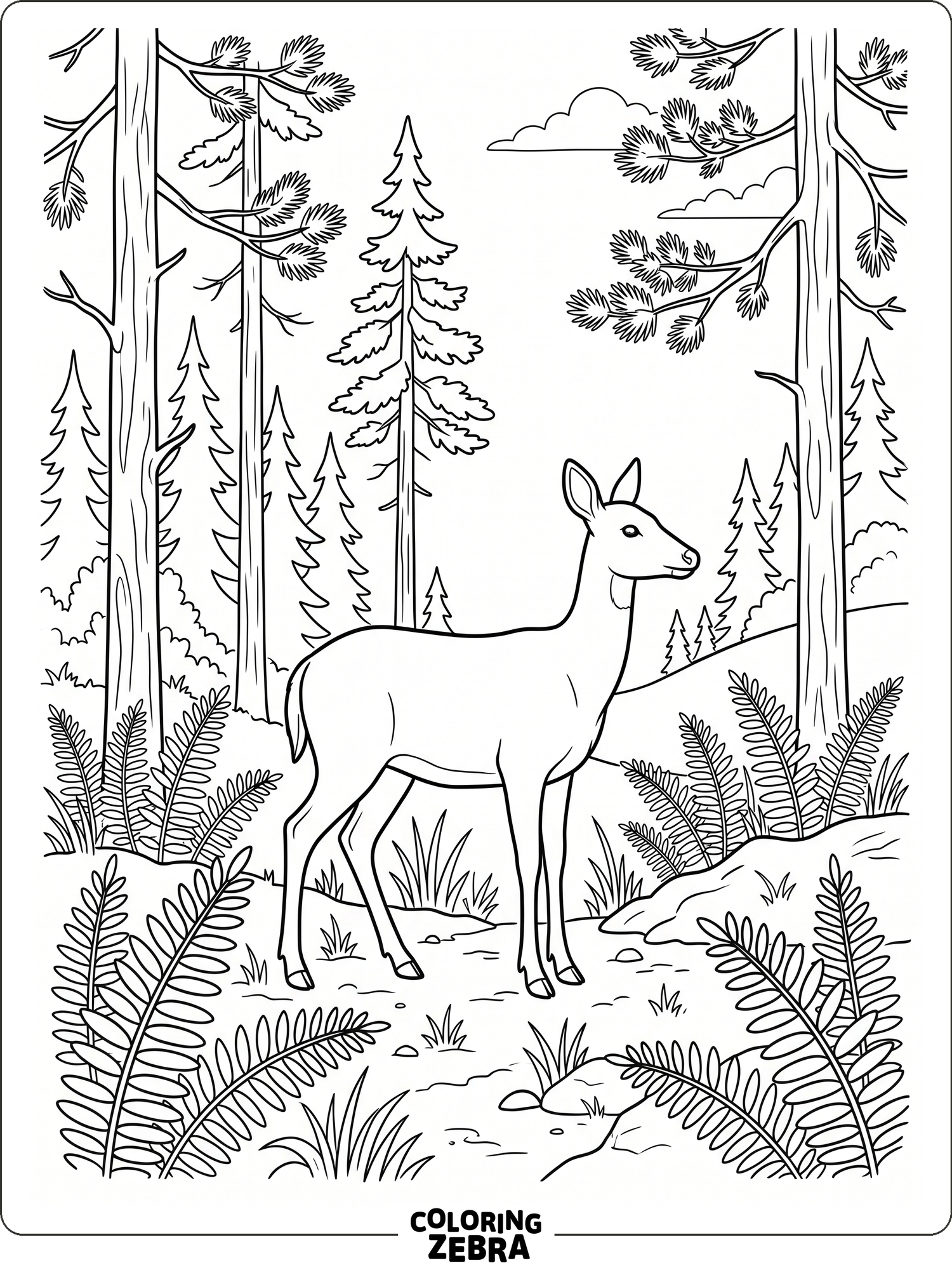
Print on standard letter paper for the cleanest fit, and choose “fit to page” so paths, branches, and small details stay inside the margins. If you want to save ink, use draft mode for practice pages and save the richer settings for the more detailed woodland scenes. Thicker paper works well when kids use markers or layer heavy pencil shading.
Related coloring pages
Printable Forest Coloring Pages


Forest Animal Coloring Page
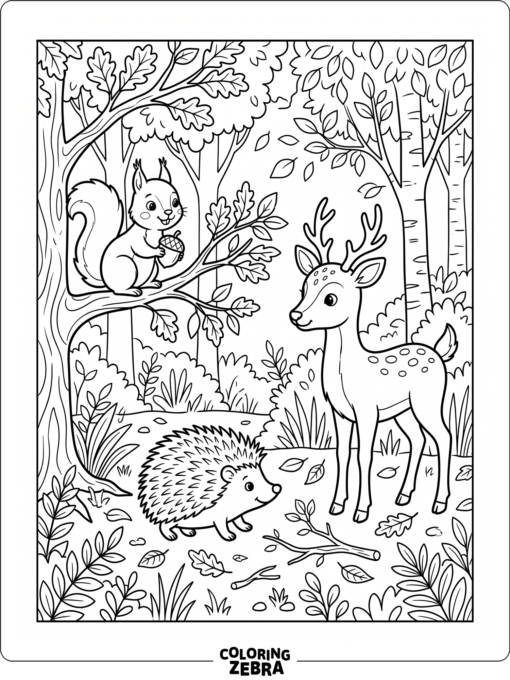

Woodland Animal Coloring Page


Enchanted Forest Fairy House Coloring Page


Enchanted Forest Coloring Page
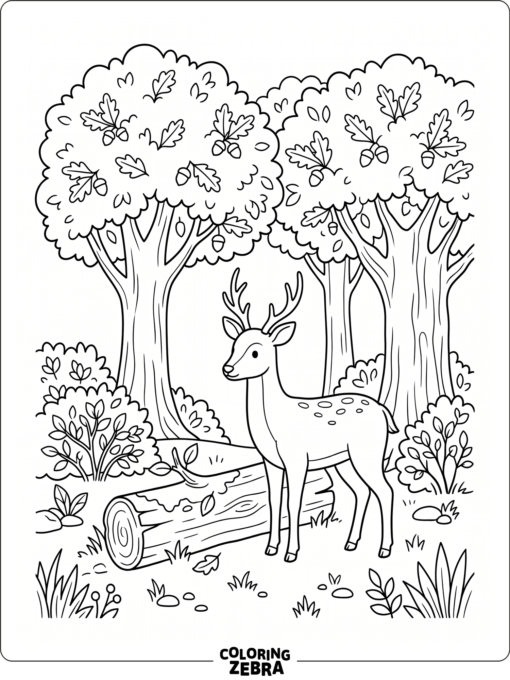

Woodland Coloring Page
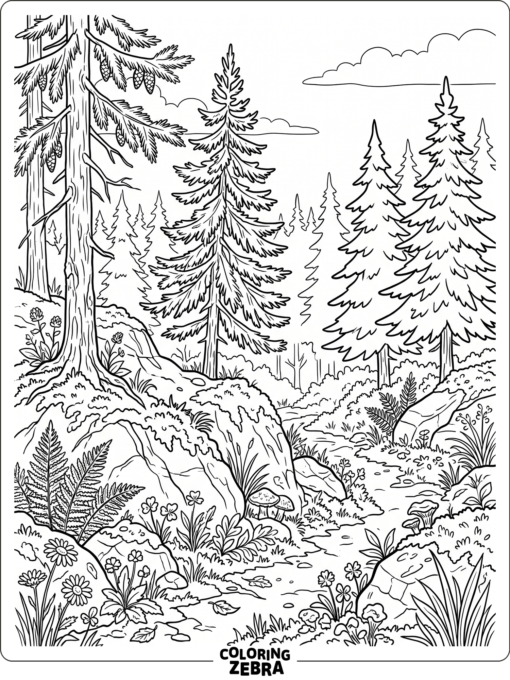

Realistic Forest Coloring Page


Magical Forest Coloring Page
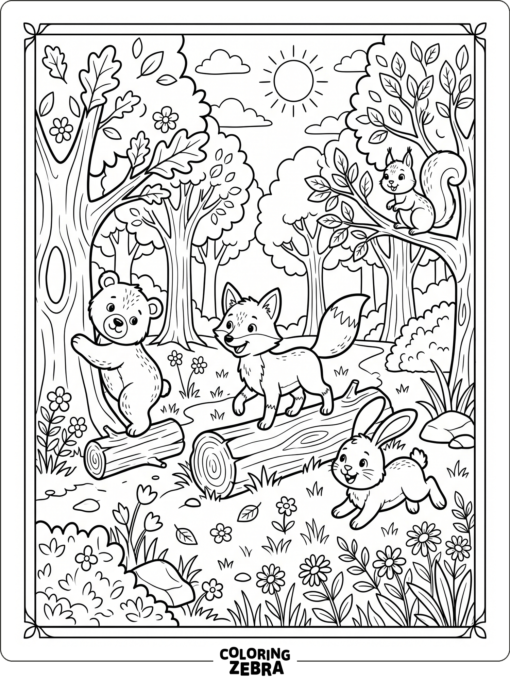

Forest Coloring Page for Kids
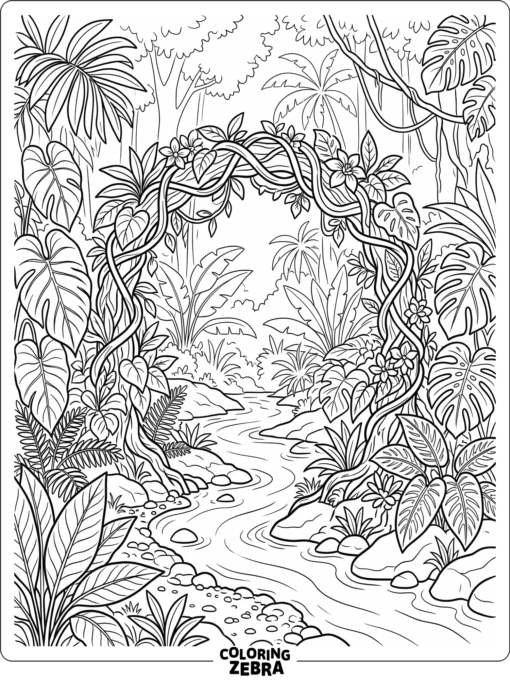

Rainforest Coloring Page
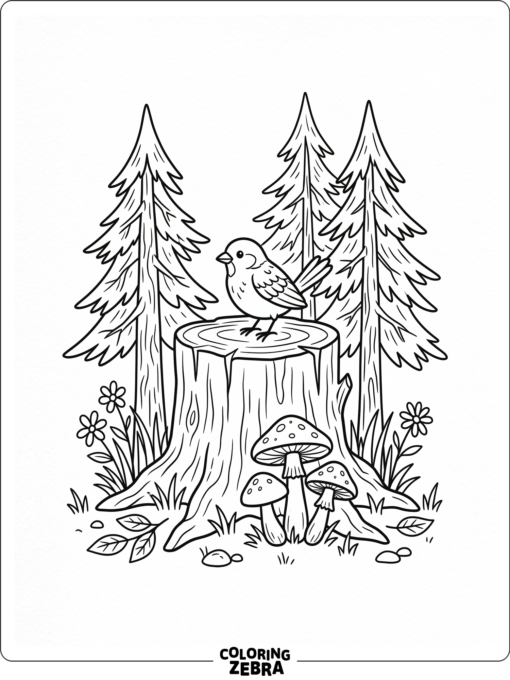

Simple Forest Coloring Page
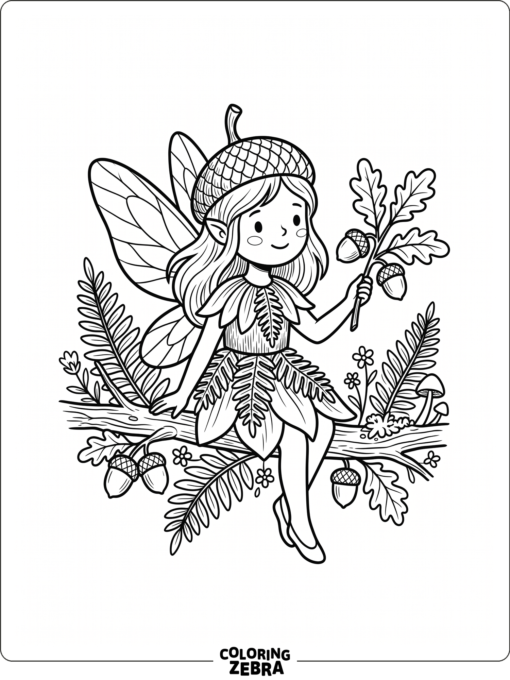

Forest Fairy Coloring Page
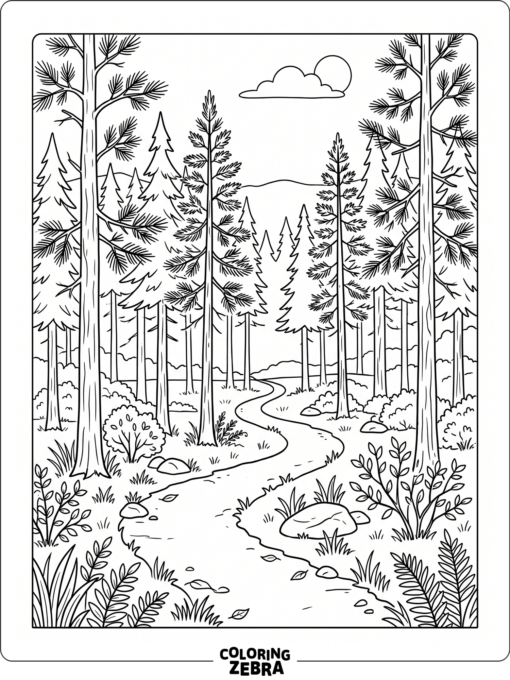

Easy Forest Coloring Page
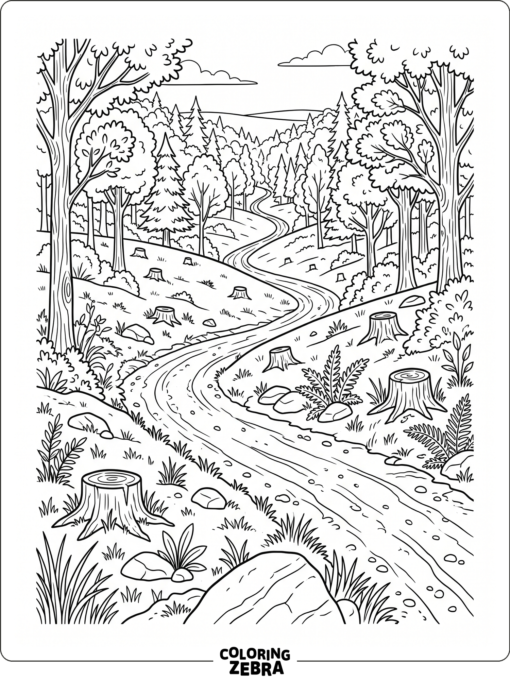

Woods Coloring Page


Mushroom Forest Coloring Page
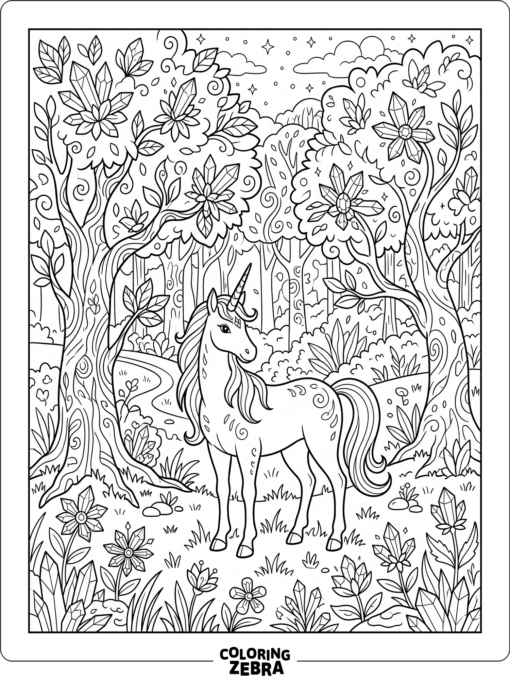

Fantasy Forest Coloring Page
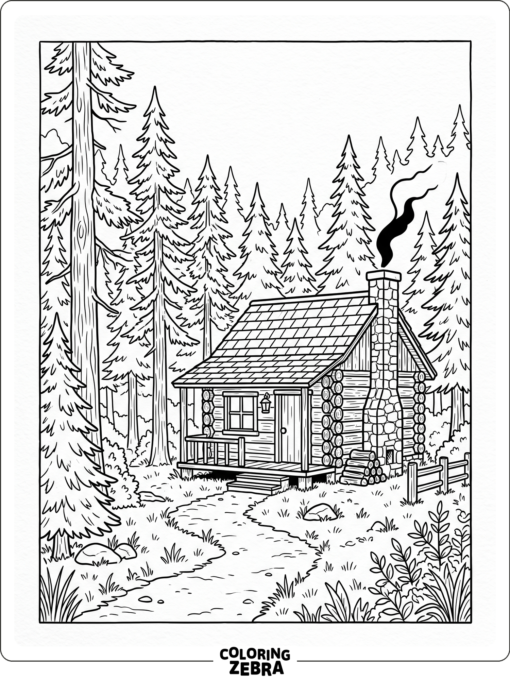

Cabin in the Woods Coloring Page
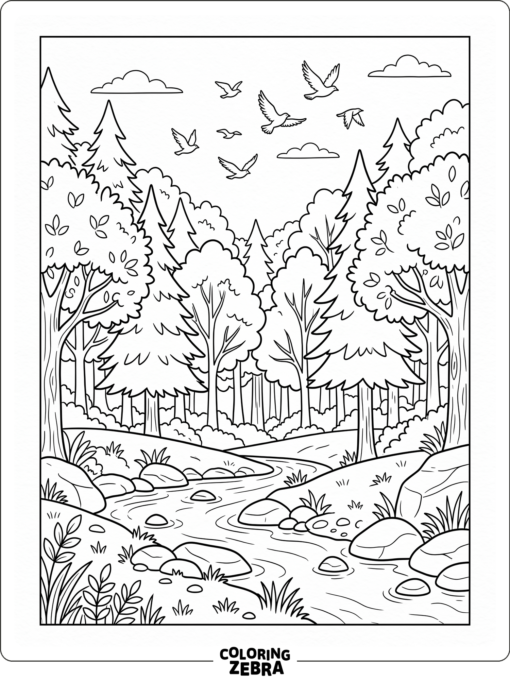

Forest Scene Coloring Page


Cute Forest Animals Coloring Page
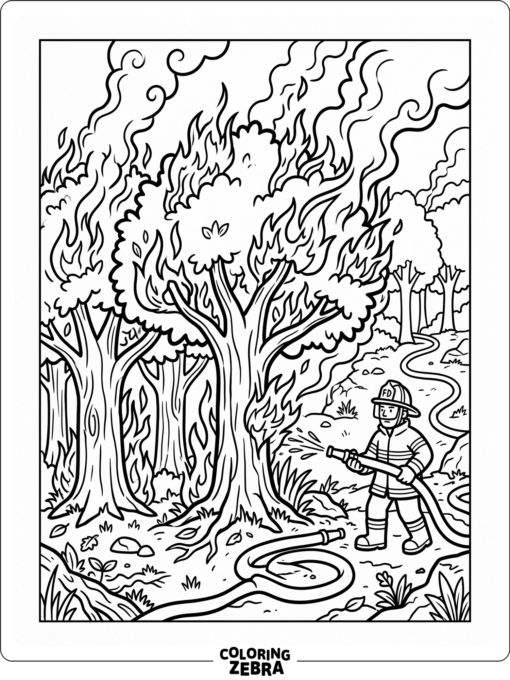

Forest Fire Coloring Page
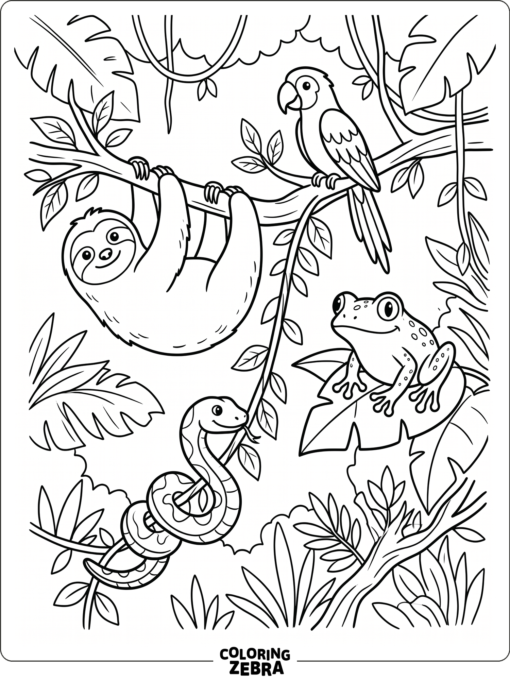

Rainforest Animals Coloring Page


Realistic Forest Animals Coloring Page
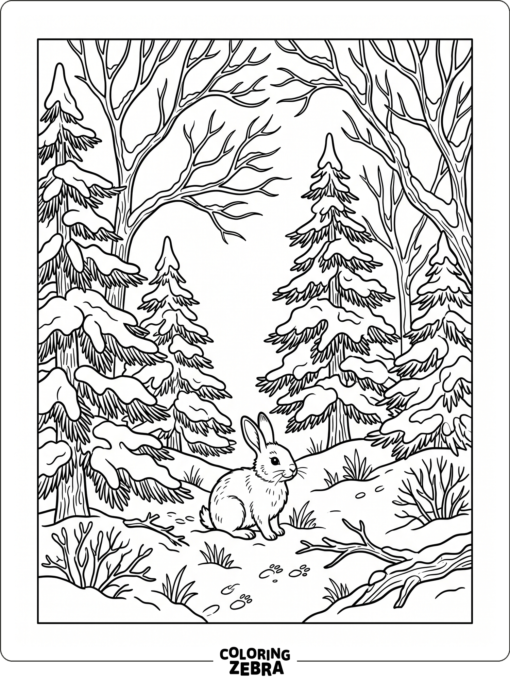

Winter Forest Coloring Page
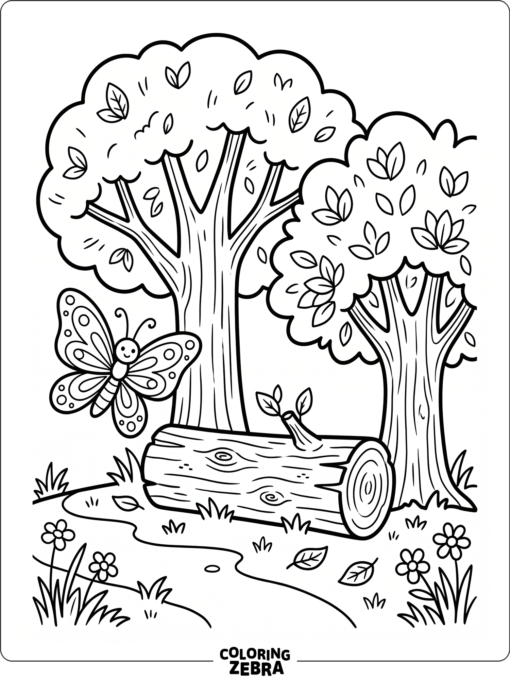

Preschool Forest Coloring Page
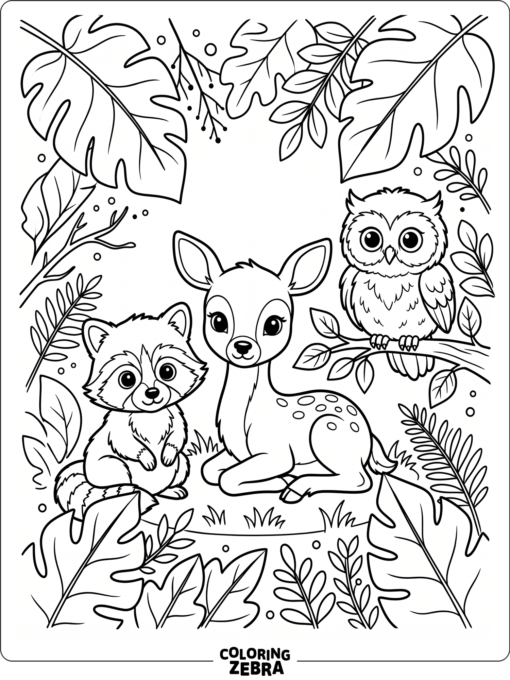

Baby Woodland Animal Coloring Page


Tropical Forest Coloring Page
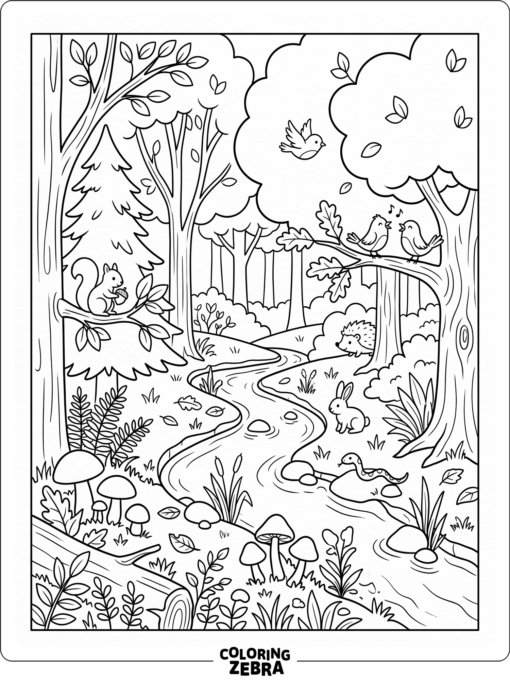

Forest Ecosystem Printable
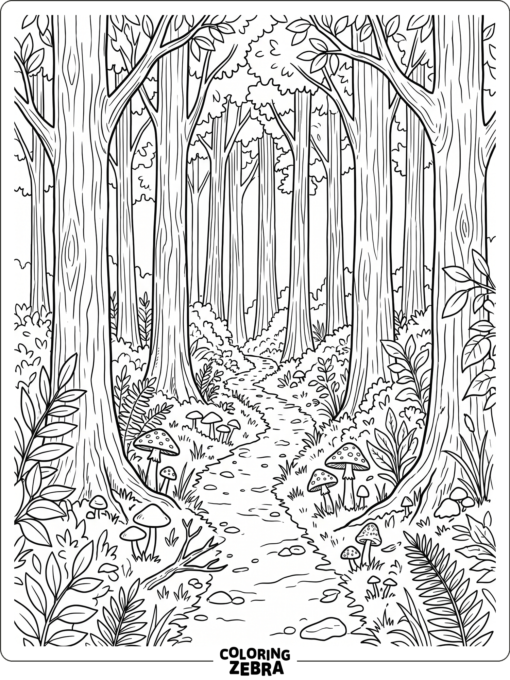

Forest Landscape Coloring Sheet
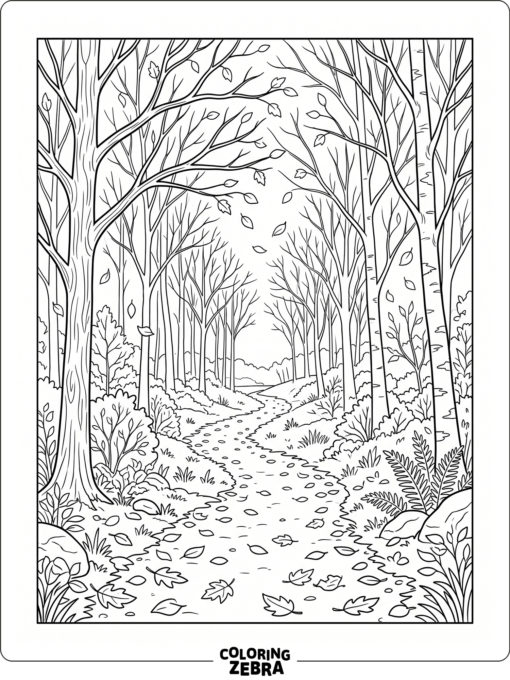

Fall Forest Coloring Page
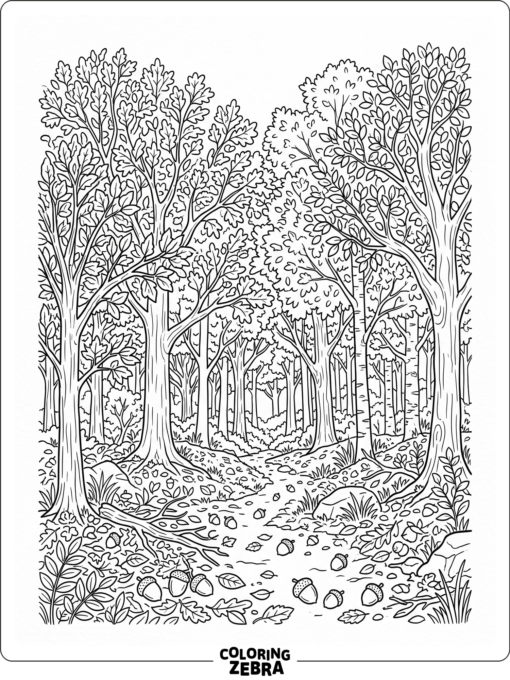

Deciduous Forest Outline
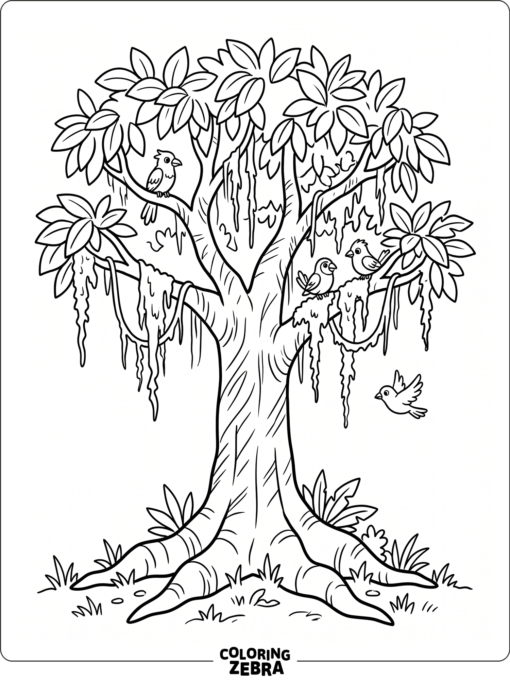

Forest Tree Coloring Page
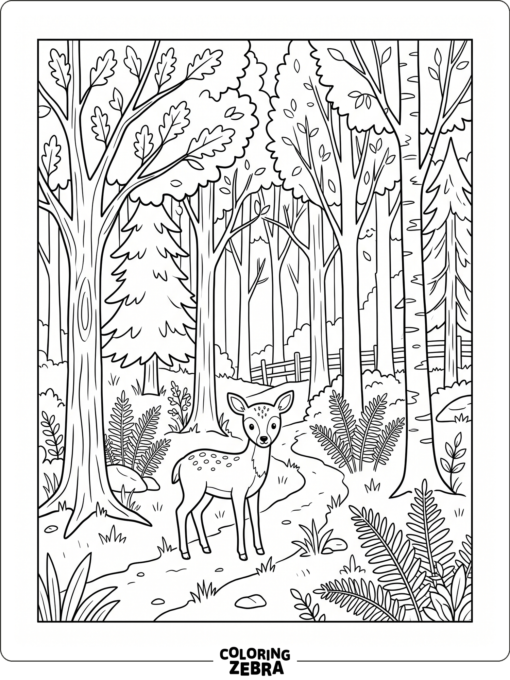

Temperate Forest Coloring Sheet
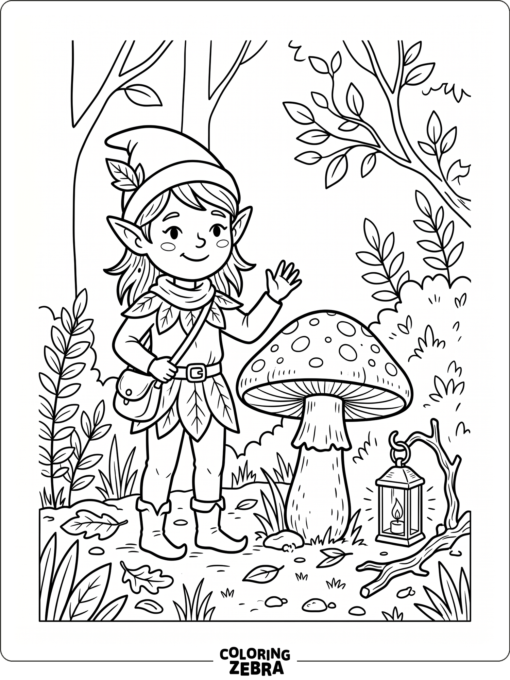

Forest Elf Coloring Page


Snowy Forest Printable
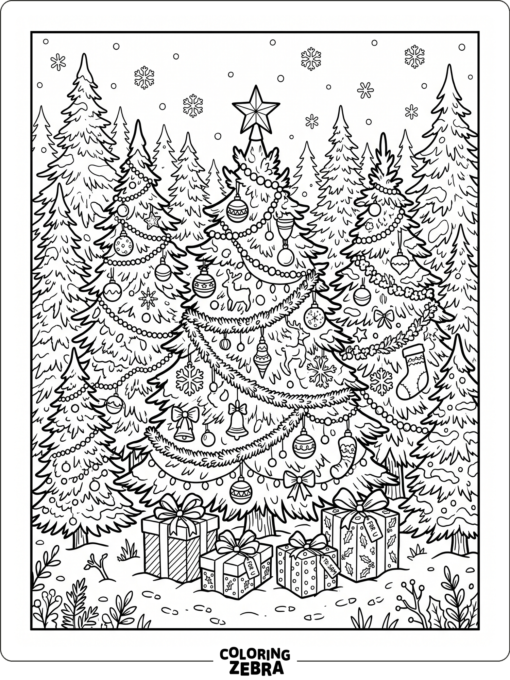

Christmas Forest Coloring Page
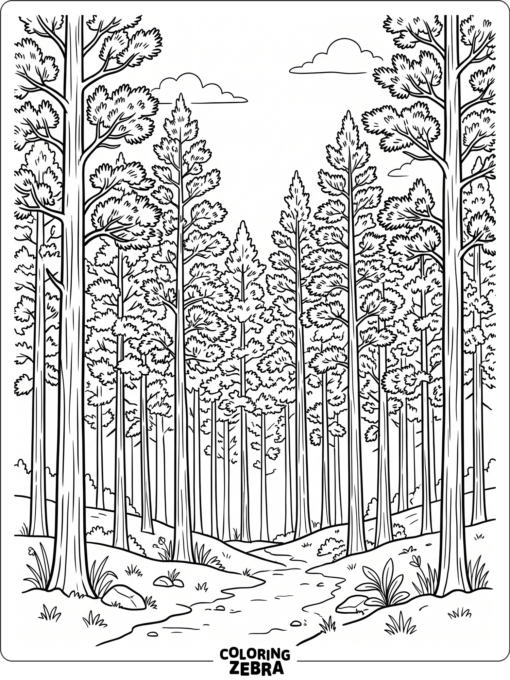

Pine Forest Coloring Sheet
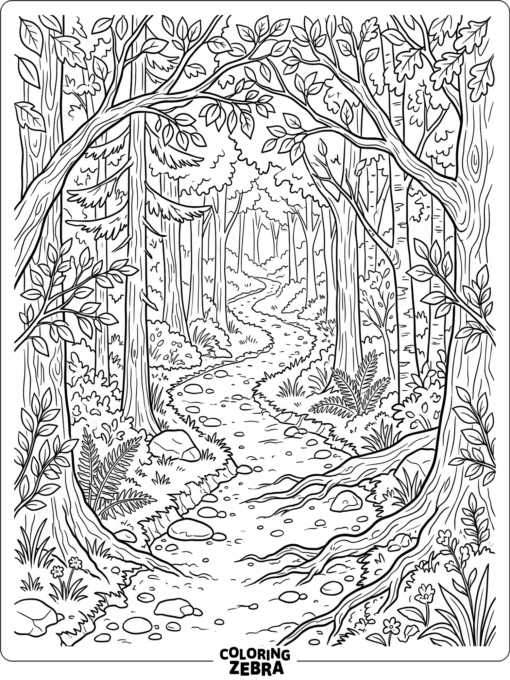

Forest Path Coloring Page
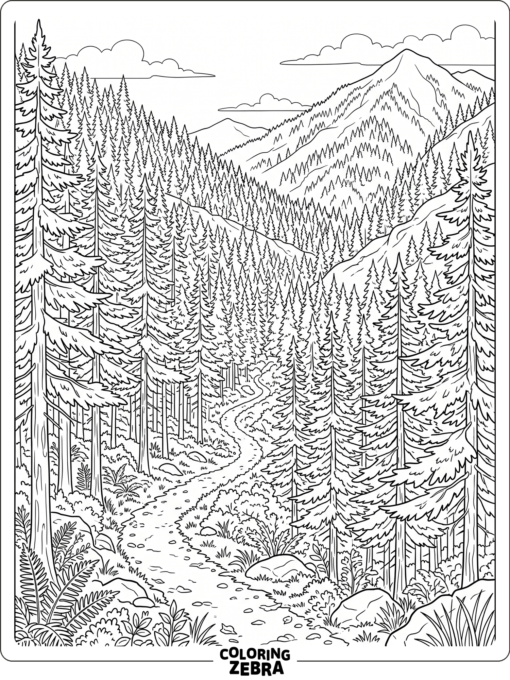

Mountain Forest Coloring Page
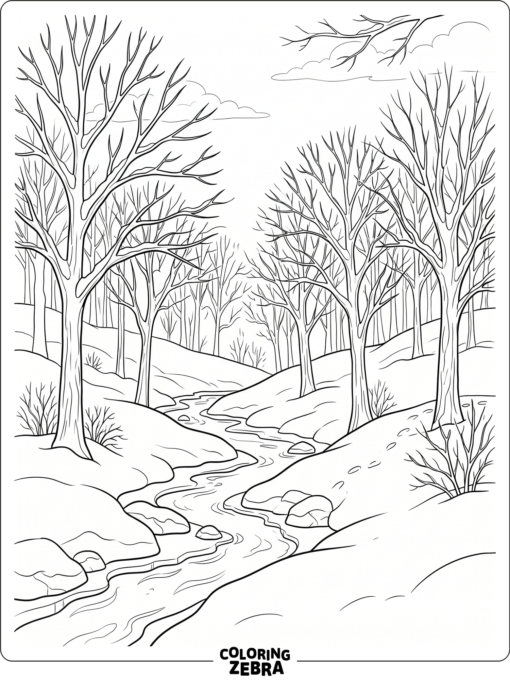

Winter Woodland Coloring Page
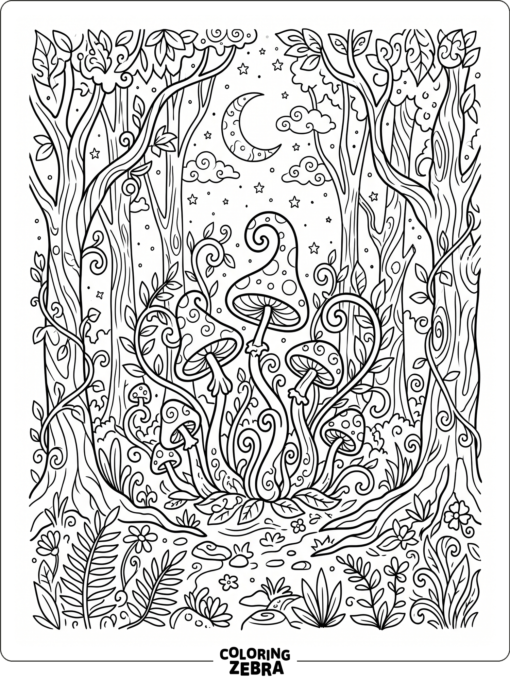

Whimsical Forest Printable
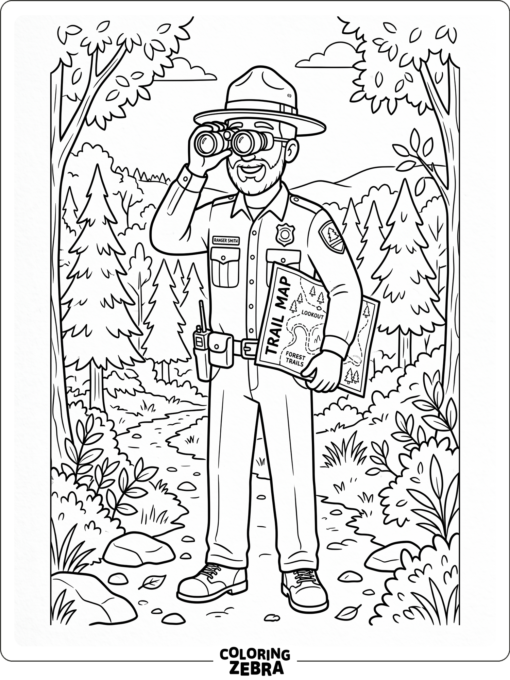

Forest Ranger Coloring Page
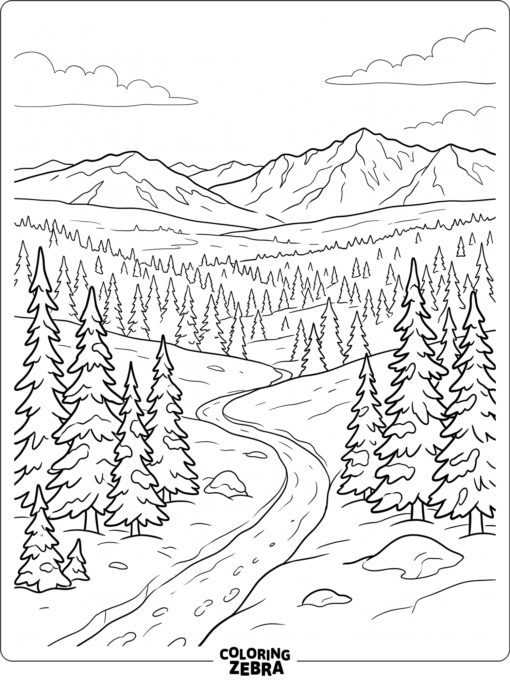

Taiga Coloring Page


Cottage in the Woods Coloring Page


Bamboo Forest Coloring Page
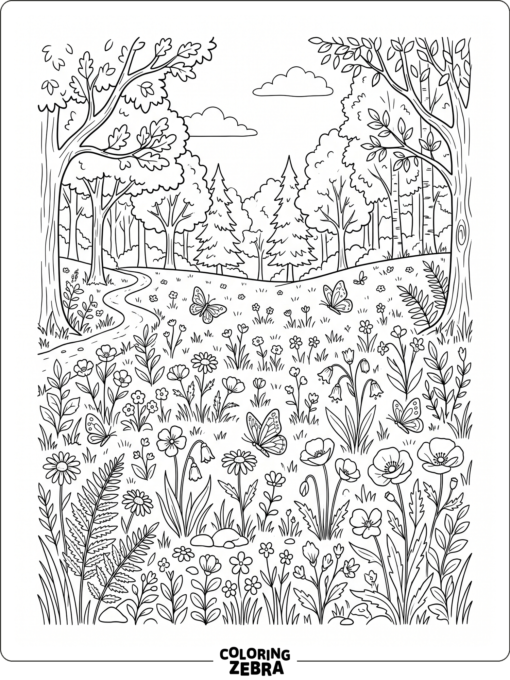

Forest With Flowers Coloring Page
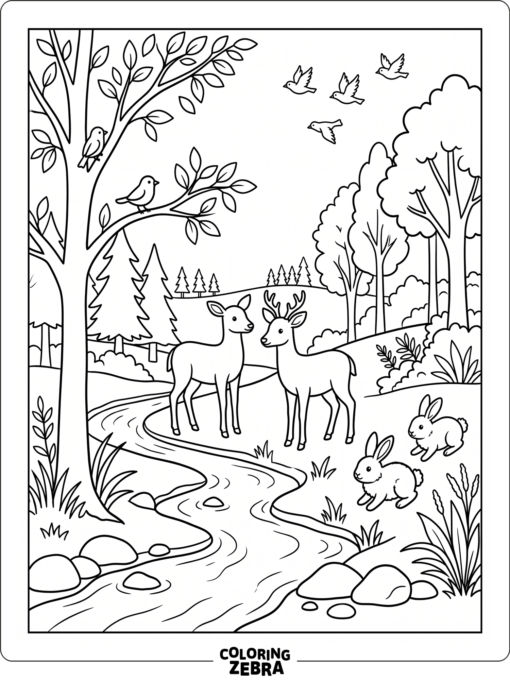

Forest Wildlife Coloring Page
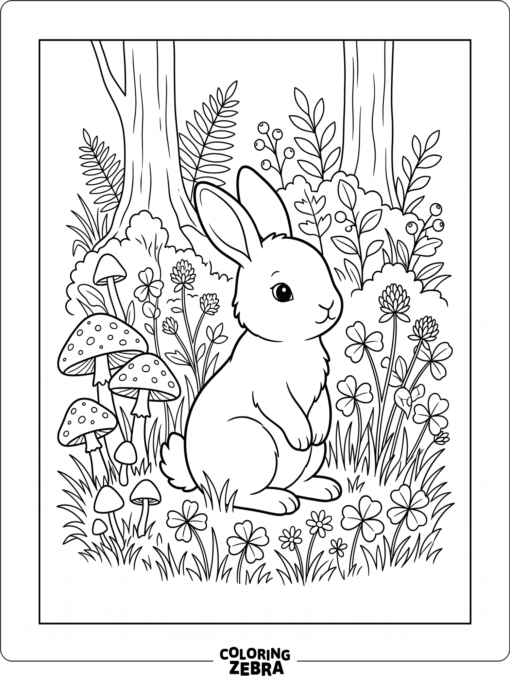

Bunny in Forest Coloring Page
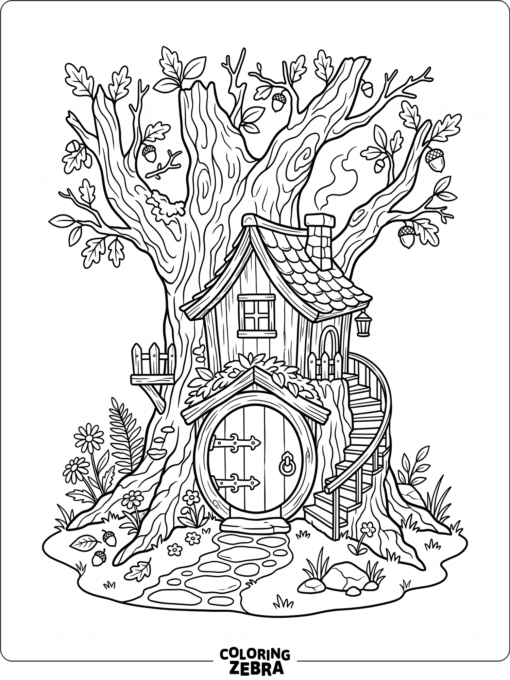

Forest House Coloring Page
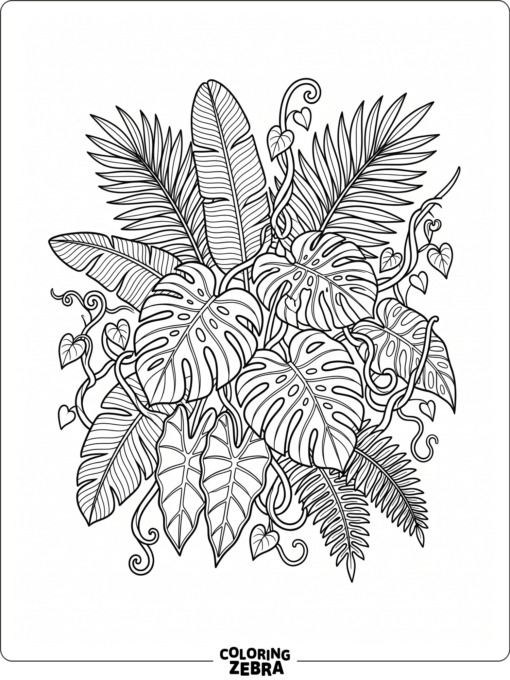

Forest Plants Coloring Page


Mystical Forest Coloring Page
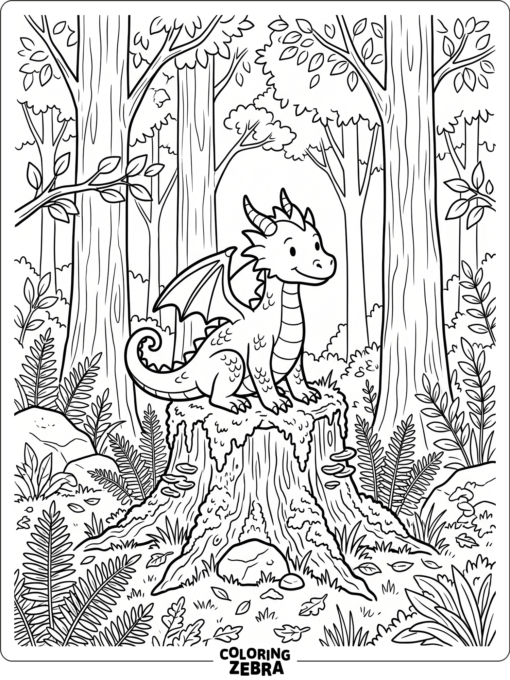

Forest Dragon Coloring Page
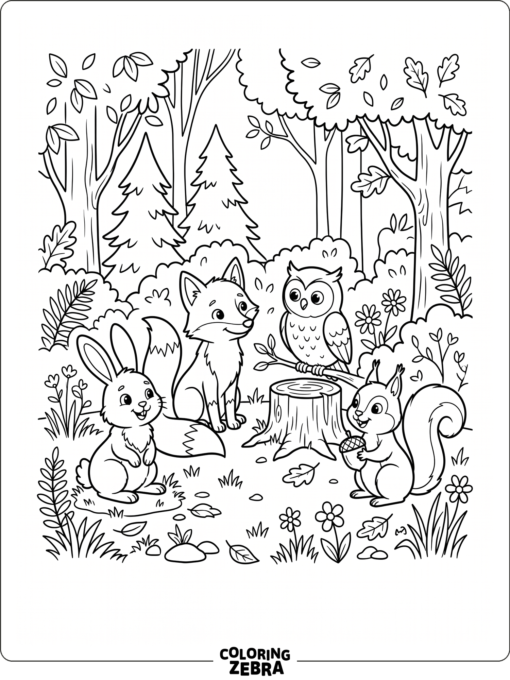

Forest Creatures Coloring Page
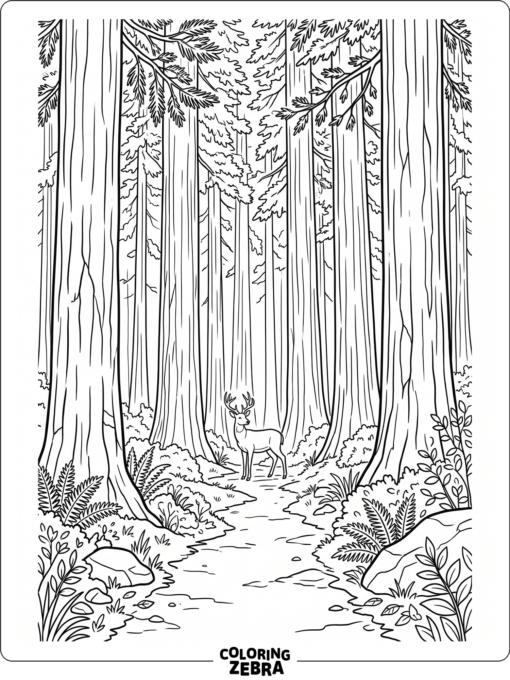

Redwood Forest Coloring Sheet


Forest Biome Coloring Page
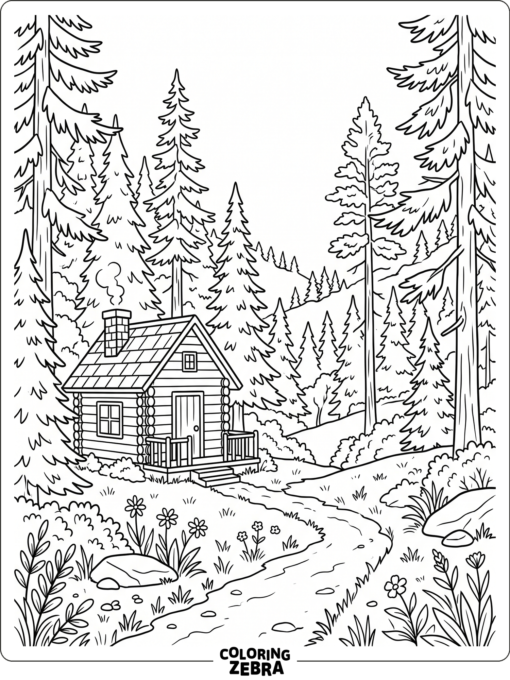

Coniferous Forest Coloring Page
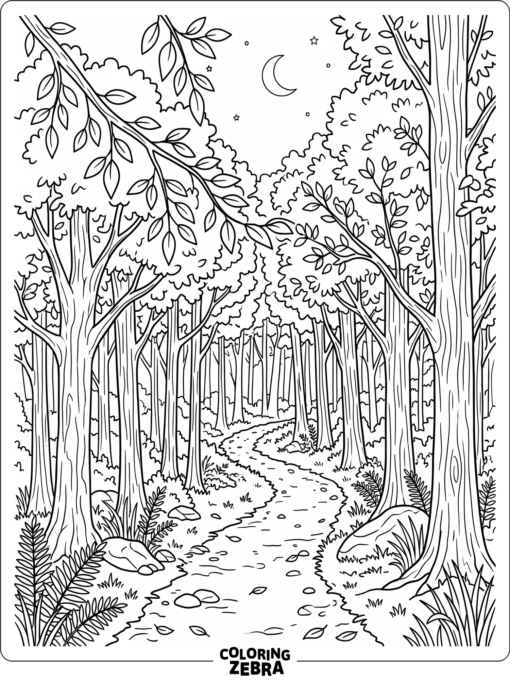

Dark Forest Coloring Page
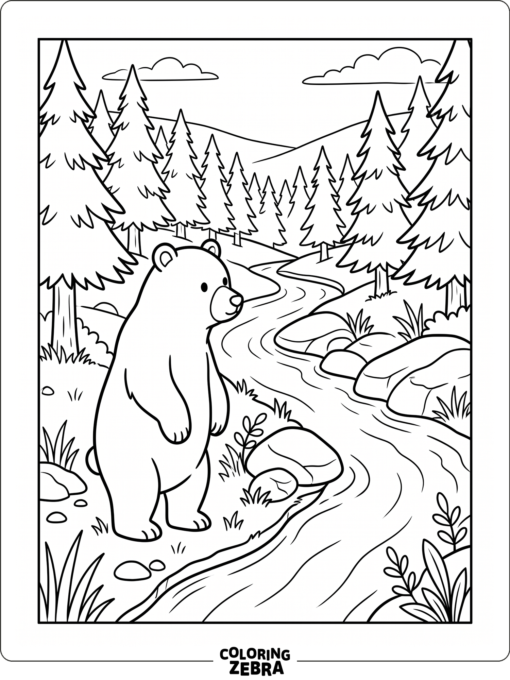

Bear in Forest Coloring Page
What you’ll find in this forest set
Forest Coloring Pages work so well because the collection includes many different kinds of woodland scenes instead of repeating the same view. Some sheets are very simple, such as a trail through tall trees, a preschool-friendly forest, or a lone bunny beside mushrooms. Others show richer landscapes with streams, rocks, roots, hills, and dense canopies. The mix gives you a range of page types, from quick animal pages to full forest habitats.
Several designs focus on wildlife, including foxes, rabbits, owls, deer, squirrels, hedgehogs, raccoons, bears, birds, butterflies, and more. Other pages shift toward atmosphere, using winding dirt tracks, clearings, tree stumps, and layered plants like ferns, moss, saplings, vines, and acorns. That balance makes the collection appealing whether you like coloring animals, scenery, or both.
Forest scenes and recurring details
The strongest visual patterns in the set are easy to spot. Tall trees, pine trunks, fir branches, leafy canopies, and exposed roots appear again and again, along with mushrooms, wildflowers, bushes, and fallen leaves. Many pages also include paths and trails, which naturally pull the eye through the picture and make the scene feel connected.
Water is another recurring element. Streams, small waterfalls, rocks, and muddy paths appear in several forest scene coloring pages, and those details add texture without overwhelming the page. A quiet stream beside a deer or a bear near the water gives the illustration a clear focal point, while a wide landscape with hills and trees creates a more open composition. Even the simpler pages benefit from these small touches because they help establish the woodland setting right away.
Animals commonly shown in woodland pages
The animal choices are one of the main reasons this collection feels so broad. A fox and rabbit sharing space with an owl creates a classic woodland grouping, while deer, squirrels, hedgehogs, and raccoons add variety in size and shape. Bears, birds, and butterflies bring in different silhouettes, which is useful if you want a page that feels active but still easy to color.
Some pages show animals gathered in a clearing, while others place one creature in a focused scene. That difference matters when choosing how to color. A single deer in a quiet forest can be shaded softly with blended greens and browns, while a group of forest animals may work better with stronger contrast between fur, feathers, leaves, and background trees. The rainforest and tropical forest pages expand the animal selection even more with parrots and monkeys.
Different kinds of forests in the collection
This set is not limited to one type of woodland. The pages include conifer forest coloring pages with pine, fir, spruce, and evergreen trees, plus deciduous and temperate forest scenes with mixed trees and seasonal ground cover. There are also taiga-style winter pages, mountain forest slopes, bamboo forest stalks, and rainforest or tropical forest illustrations with thick vegetation.
Those differences make the collection useful for comparing ecosystems. A conifer scene usually feels taller and narrower, with clustered branches and evergreen needles, while a deciduous forest often looks more open and varied. Rainforest and tropical forest pages show denser plant growth, vines, and layered leaves, while bamboo forest art uses strong vertical stalks and narrow clearings. If you are choosing pages for a classroom or homeschool activity, these details can help children notice how forest habitats change from one region to another.
Realistic woodland and magical forest imagery
One of the most appealing parts of the set is the way it shifts between realistic woodland and fantasy forest illustrations. Realistic pages include deer near streams, cabins among pine trees, rocky slopes, and forest paths lined with plants. Magical pages add glowing trees, lantern paths, fairy houses, crystal flowers, unicorns, dragons, and tiny stump homes.
That contrast gives the collection a lot of range without losing the core forest theme. A fairy sitting on a mushroom still belongs in the woods because the setting uses the same trunks, ferns, and mushrooms found in the more natural pages. If you want a calmer look, stay with realistic scenes and use earth tones. If you want a more whimsical result, brighter accents on lanterns, stars, and fantasy plants can make the page stand out.
Seasonal and special-topic scenes
Seasonal variety adds another layer of interest. Winter forest coloring pages show snowy trees, snowdrifts, bare branches, and frozen-looking paths, while autumn pages use falling leaves and warmer ground tones. An evergreen page decorated with ornaments and gifts offers a separate holiday-style woodland scene, and a forest fire page introduces smoke, flames, and a hose for a more serious environmental image.
These pages can be useful in different ways. Winter illustrations are good for soft blues, gray shadows, and white space around the trees. Autumn scenes work well with gold, rust, orange, and deep green. The fire scene can open a conversation about safety and stewardship, especially when paired with a ranger page that shows binoculars and a trail map.
Helpful forest facts to notice while coloring
As you move through Forest Coloring Pages, it helps to look at the forest as a habitat with layers. The canopy sits high above, the understory fills the middle, and the forest floor holds mushrooms, moss, logs, stones, and fallen leaves. Those layers explain why so many pages include ferns at the base of the trees or roots reaching into the ground.
Water is also part of the habitat. Streams and small waterways attract wildlife and break up large stretches of trees, which is why they appear in so many woodland scenes to color. Animals like deer and rabbits often fit into open clearings, while birds, owls, and squirrels can be shown in branches or near tree trunks. In the rainforest and bamboo scenes, thicker vegetation suggests a different habitat structure, even when the page stays simple.
Ways to use finished pages
Finished woodland animal coloring pages can become wall art, binder inserts, homeschool nature notebooks, or seasonal decorations. A group of related pages also works well for comparing forest habitats, especially if you want to talk about conifer, deciduous, temperate, taiga, rainforest, tropical forest, or bamboo settings. For younger kids, the easiest pages are ideal for practice with staying in the lines and naming forest objects. For older colorists, the detailed landscapes, fantasy pages, and mixed animal scenes offer more room for layering and shading.
However you use them, these woodland scenes offer a broad look at forest life, from simple trails and animal portraits to magical clearings and ecosystem pages. That range is what makes the collection so versatile, and it is also what keeps Forest Coloring Pages interesting from the first page to the last.
People Often Ask Us…
-
What kinds of forests are shown here?
-
Why do forest scenes show mushrooms and moss?
-
How do conifer and deciduous forests differ?
-
What makes a rainforest scene different?
-
What does a forest symbolize?