Math Coloring Pages
Math Coloring Pages make it easy to mix visual play with real skill practice. This set ranges from simple counting scenes to fraction circles, graphs, and number lines. You’ll see apples, counters, shapes, symbols, and bold numbers across the pages. That variety keeps the collection useful for many stages of learning.
Print on standard letter paper using your printer’s normal black-and-white setting for crisp outlines. If you want to save ink, choose draft mode and let the cleaner pages carry the color. Scaling to fit the page works well when you want a fuller border or more room for coloring.
Related coloring pages
Printable Math Coloring Pages

Addition Practice Coloring Pages

Math Color By Number
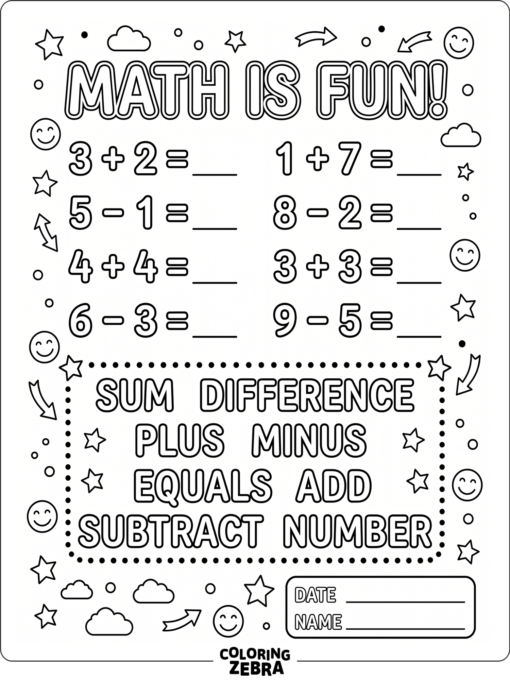

Math Word Coloring Pages
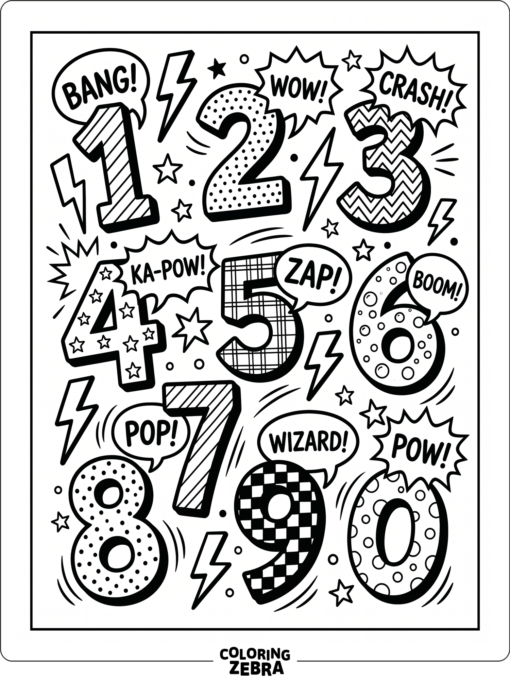

Pop Art Math Coloring Sheets
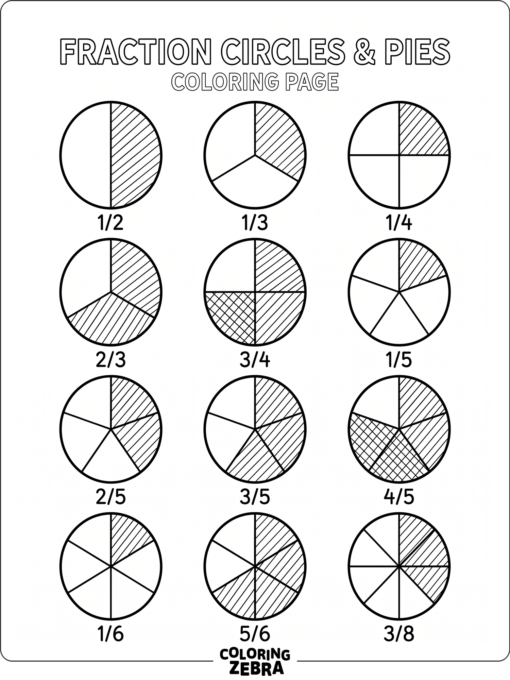

Fractions Coloring Pages
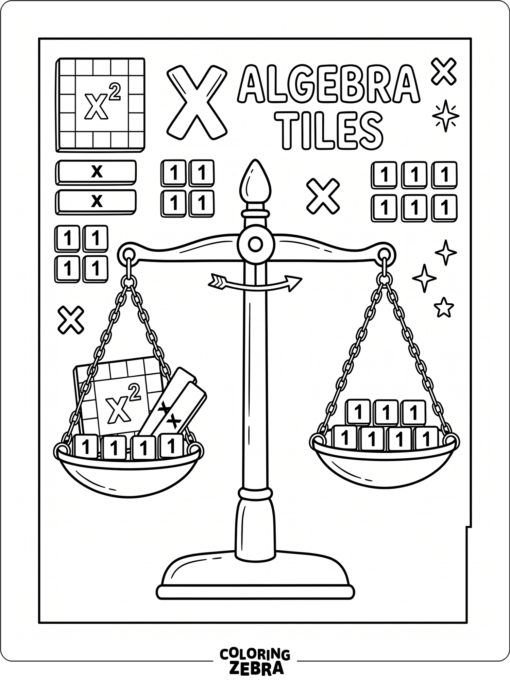

Algebra Coloring Pages
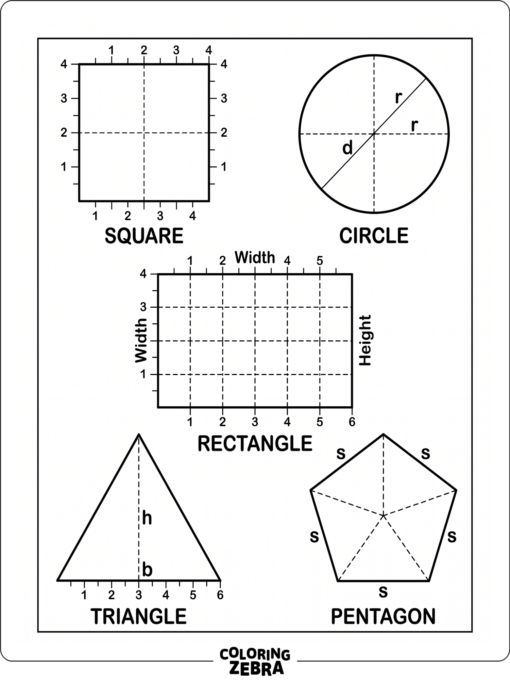

Geometry Coloring Pages
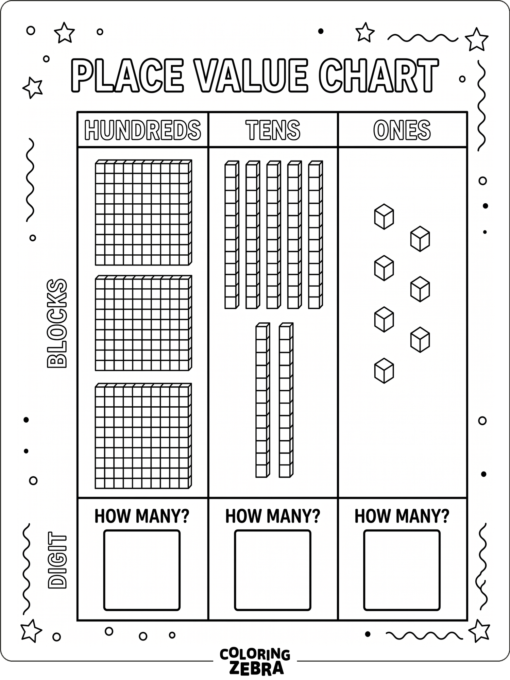

Place Value Coloring Pages
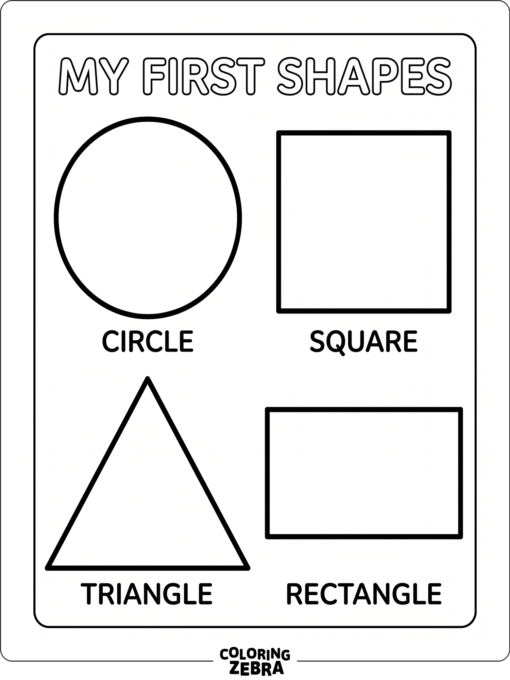

Shapes Coloring Pages
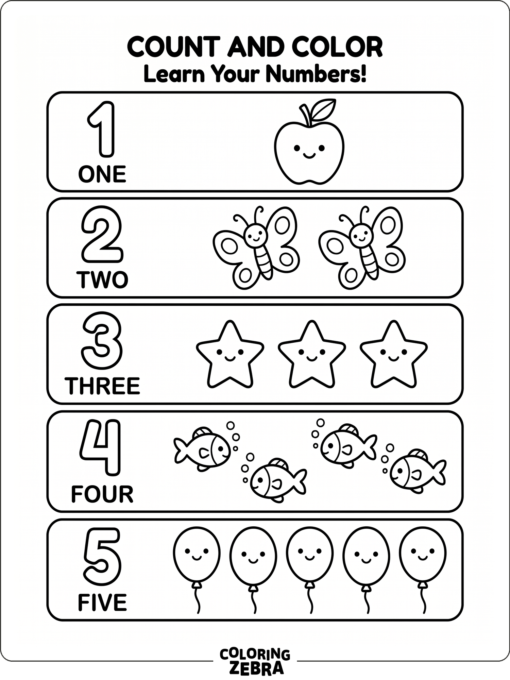

Number Recognition Coloring Pages
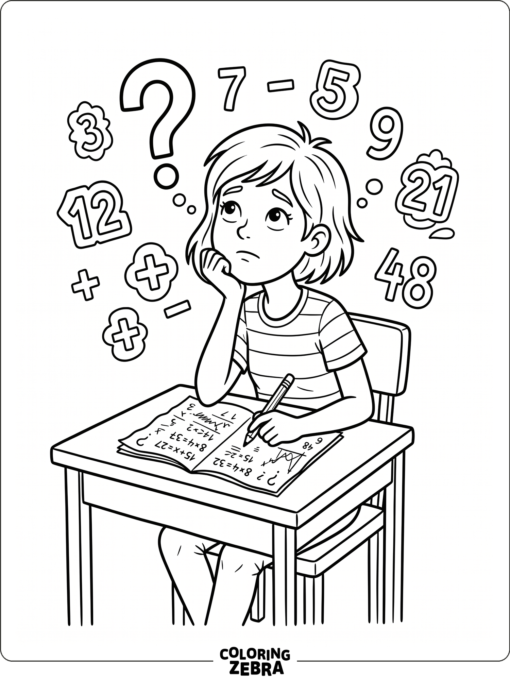

Mental Math Coloring Pages
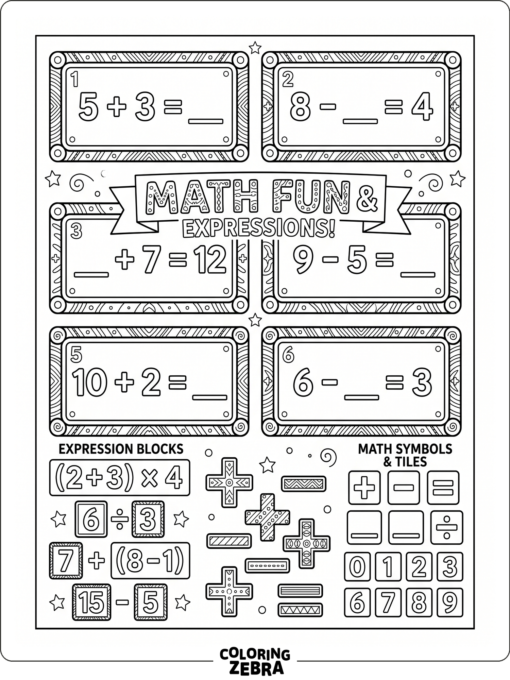

Equations and Expressions Coloring Pages
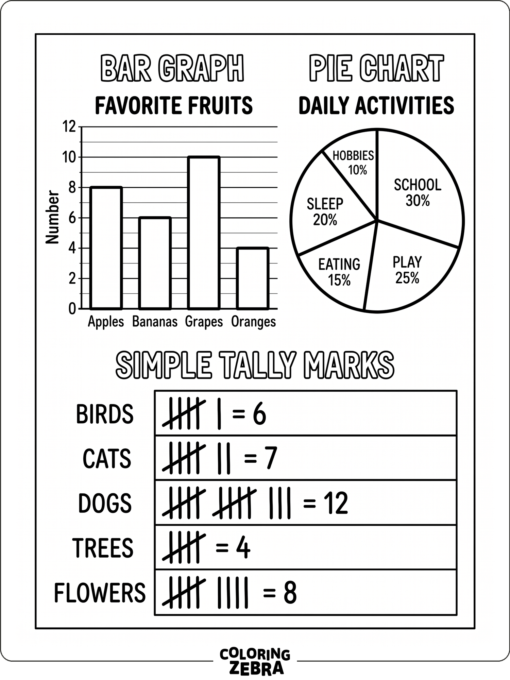

Statistics Coloring Pages
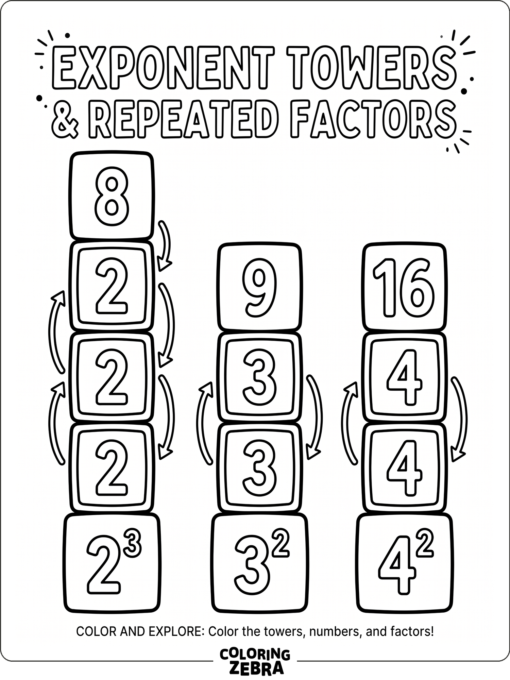

Laws of Exponents Coloring Pages
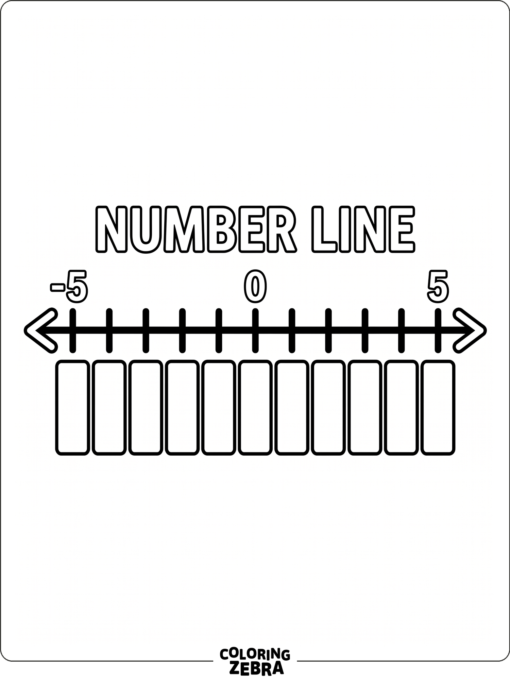

Number Line Practice Sheet
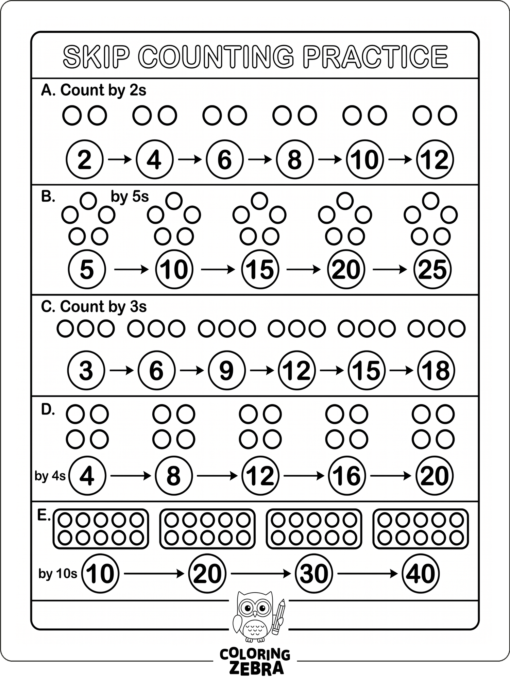

Skip Counting Practice
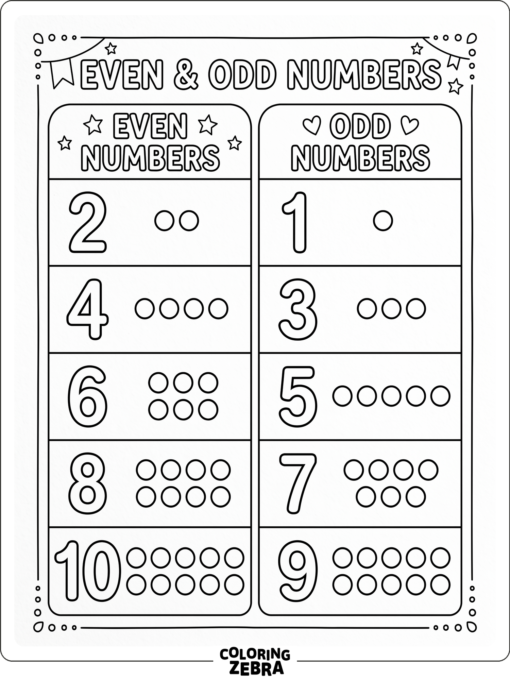

Even and Odd Numbers Sheet
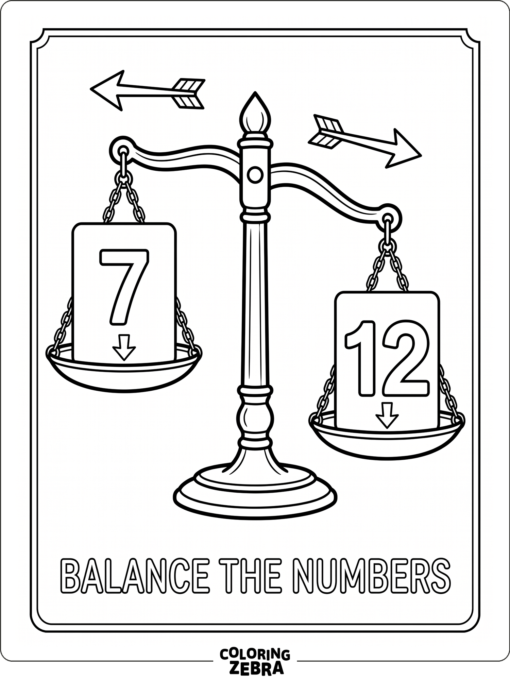

Greater Than Less Than Practice
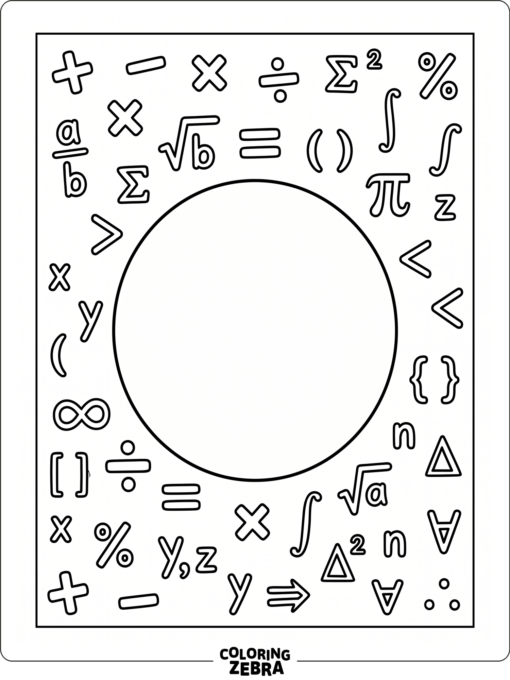

Math Symbols Coloring Page
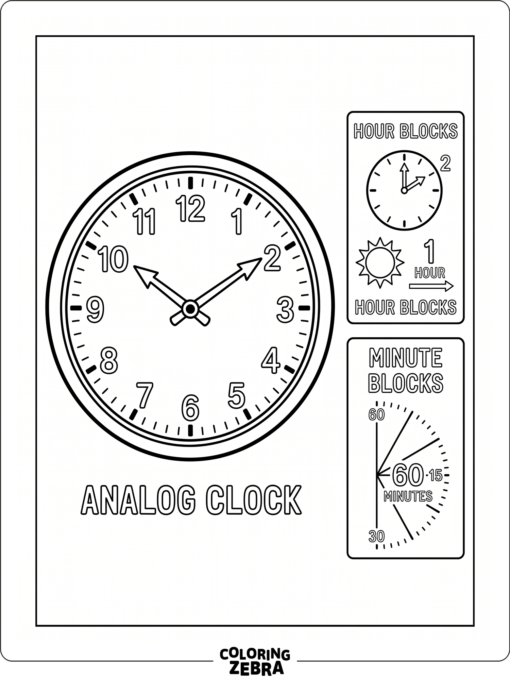

Telling Time Coloring Sheet
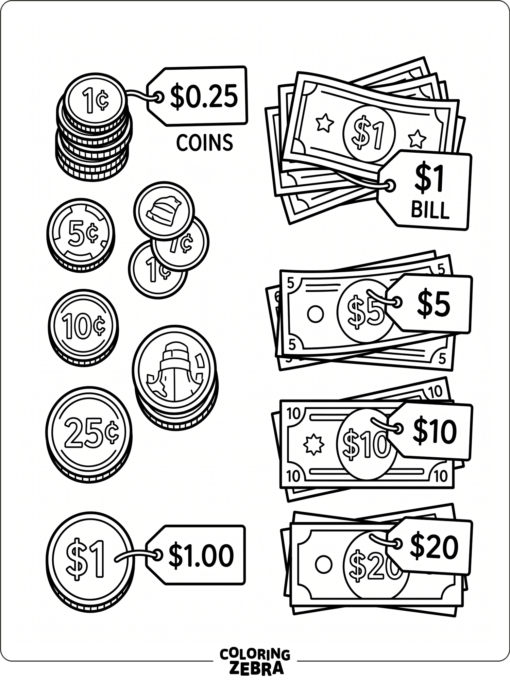

Money Math Coloring Page
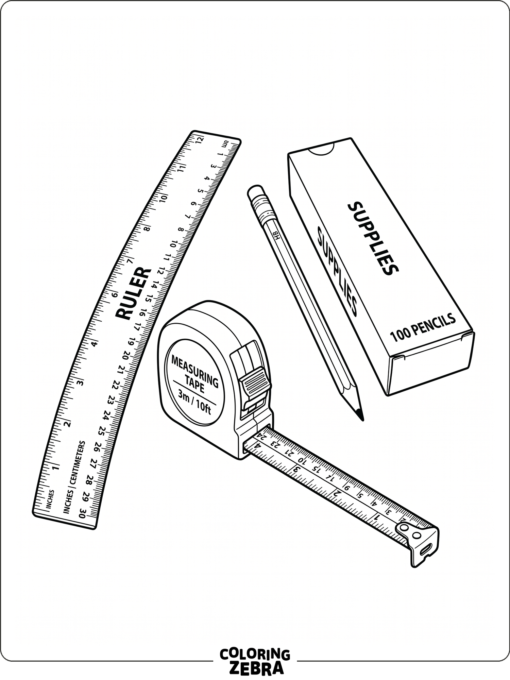

Measurement Practice Sheet
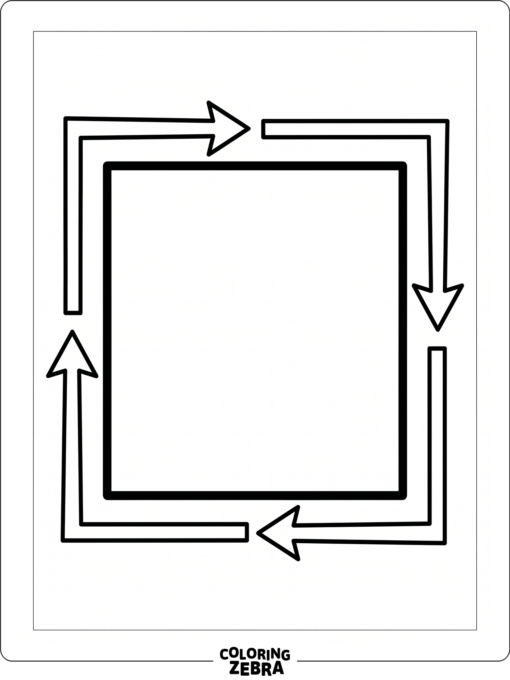

Perimeter Coloring Page

Area Coloring Sheet
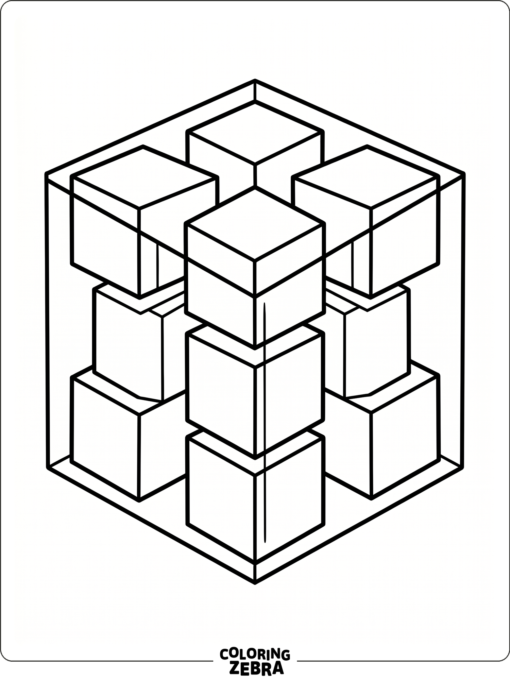

Volume Practice Sheet
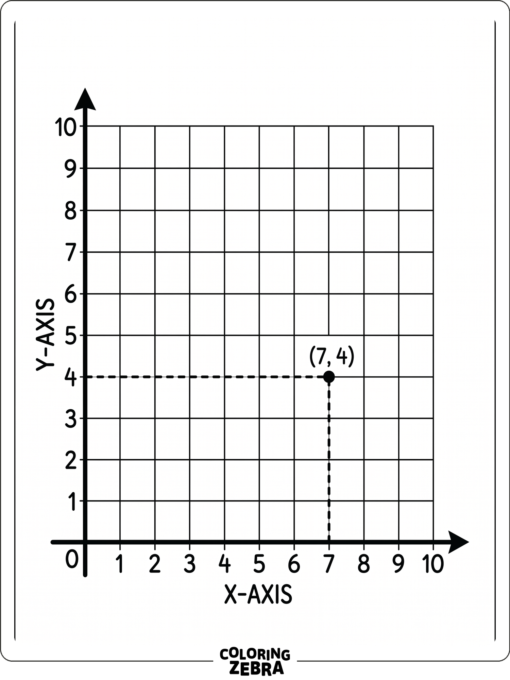

Ordered Pairs Coloring Page
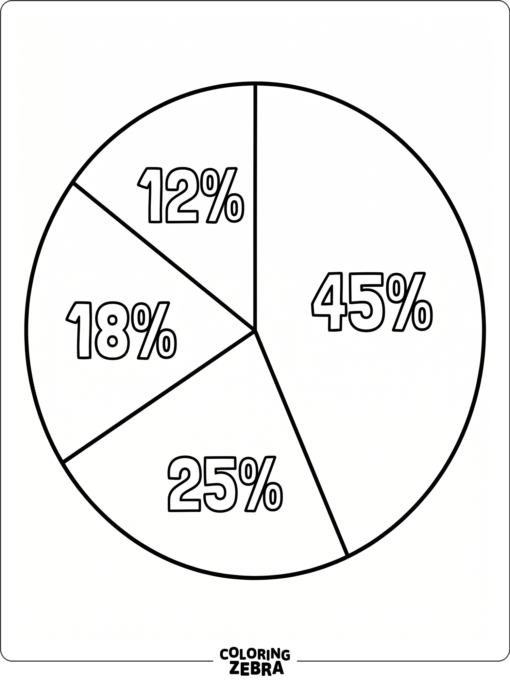

Percentages Coloring Page
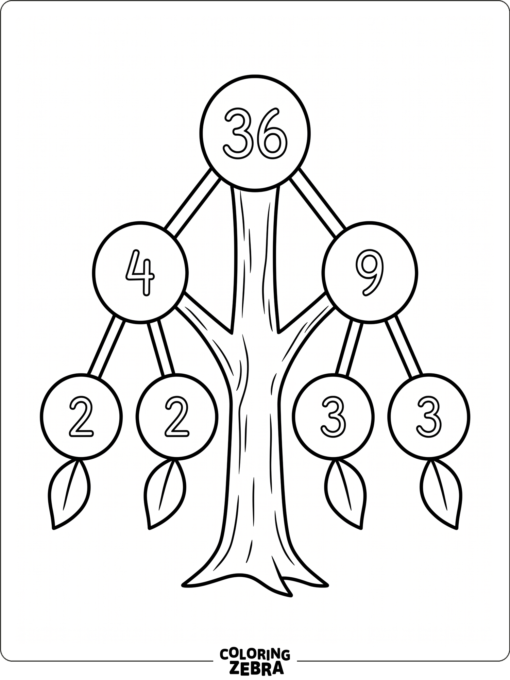

Factors and Multiples Coloring Page
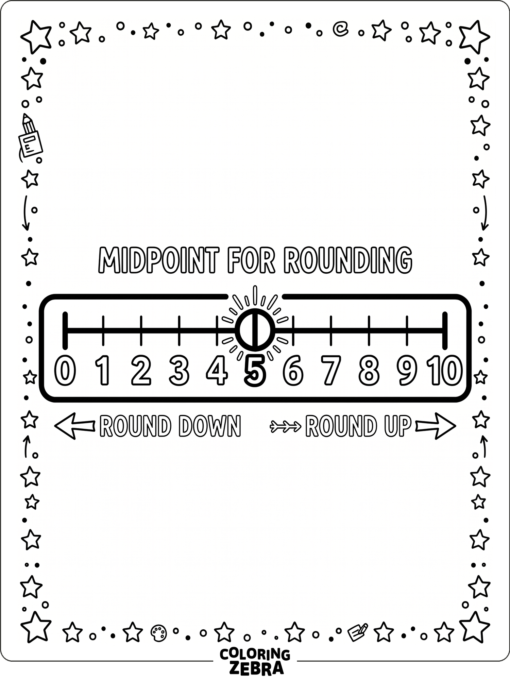

Rounding Numbers Coloring Page
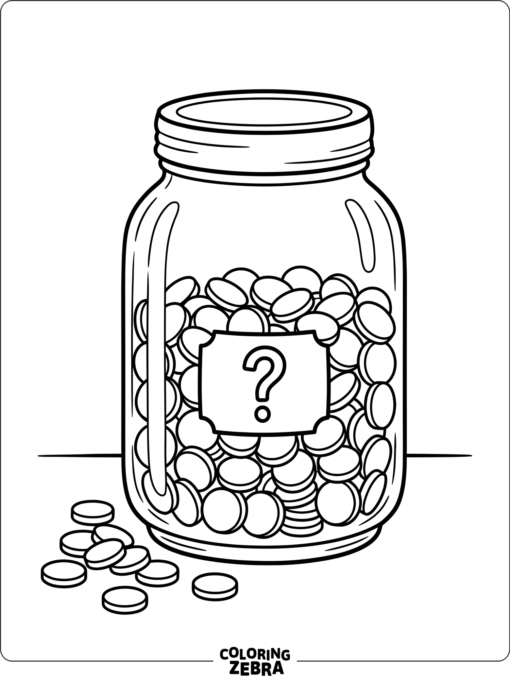

Estimation Coloring Page

Slope Coloring Page
What the Pages Cover
These Math Coloring Pages span far more than basic counting sheets, which makes the collection useful for a wide range of early learners. The set moves from number recognition and simple addition into place value, skip counting, even and odd numbers, fractions, measurement, graphs, and early algebra. That broad mix gives the pages real instructional value while still keeping the format simple and approachable.
The strongest advantage of this kind of printable is that it pairs concepts with visual repetition. Children can color numbers, symbols, and objects while noticing how quantities relate to one another. That repeated visual association can help reinforce arithmetic facts, vocabulary, and the meaning behind each worksheet element.
Visual Features in the Collection
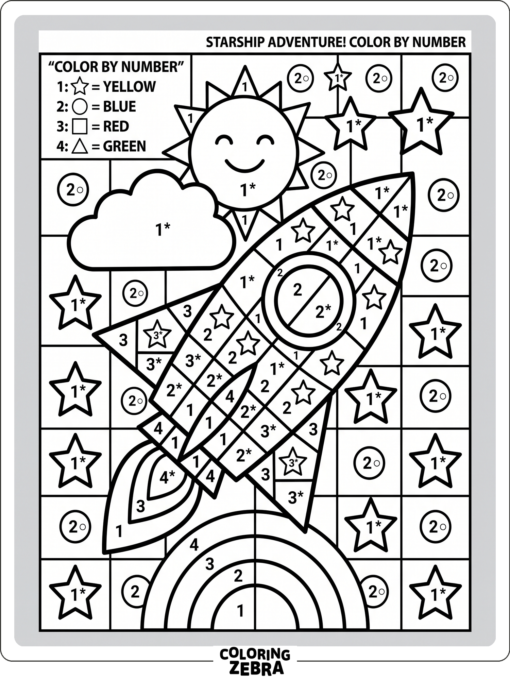
The printable set includes a clean worksheet-style look with bold outlines and labeled math objects. You will find calculators, equation blocks, letter-and-symbol pages, and pop-art numbers with speech bubbles. There are also number grids, stars, circles, and other compact layouts that work well for color-by-number practice.
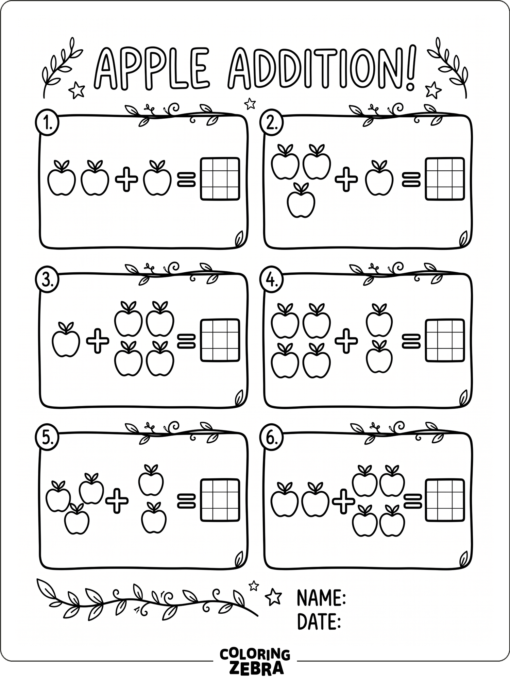
Several pages focus on concrete math representations. Apples, counters, cubes, coins, blocks, and a pencil-and-ruler scene make the ideas feel anchored in familiar objects. Those visuals help younger children connect a symbol on the page to something they can count, compare, or measure.
Other pages shift toward more abstract structure. Fraction circles and pie slices show parts of a whole, while algebra tiles and factor trees introduce pattern thinking and repeated multiplication. The mix of simple and advanced-looking sheets means the set can support many different skill levels without feeling disconnected.
Arithmetic and Number Sense
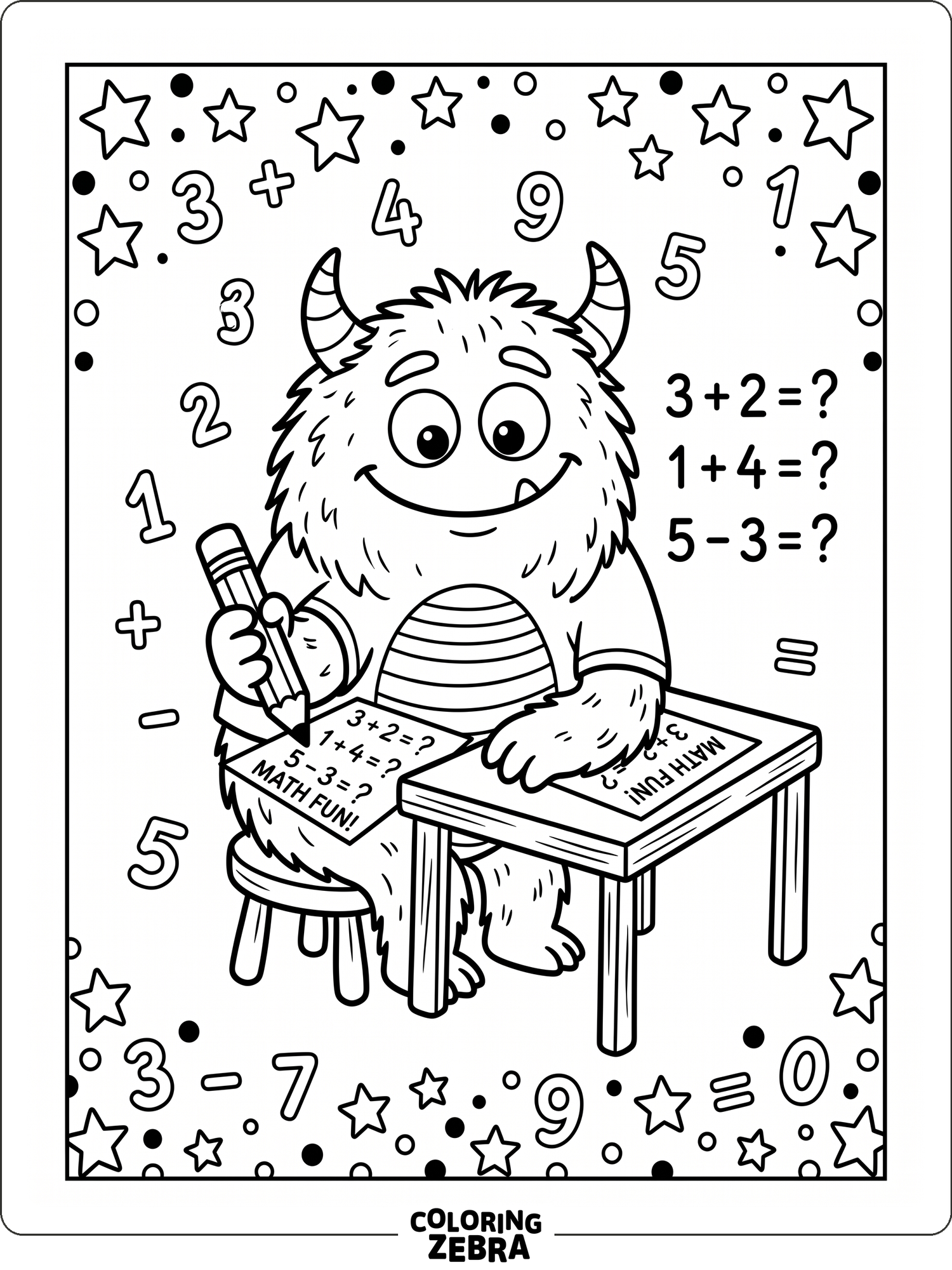
Arithmetic appears in several forms, especially through addition scenes, basic operation symbols, and problem-solving prompts. Some pages use plus signs and equation cards, while others show a student working through a problem with a question mark nearby. These layouts are helpful because they let the learner focus on one concept at a time instead of reading a crowded worksheet.
Number sense is just as prominent. The collection includes number recognition pages, grouped dots for skip counting, even and odd columns, a balanced comparison scene, and a clean number line. Pages like these support counting, sequencing, comparison, and estimation, which are core skills for building fluency in math.
The rounding number line and the estimation jar are especially useful because they show approximation in a visual way. Instead of treating rounding as a rule to memorize, the pages present it as a decision based on position, quantity, and proximity.
Fractions, Geometry, and Measurement
Fractions appear through circle models and pie slices, which are familiar shapes for showing equal parts. Those pages can help learners see how wholes are divided and how pieces relate to the complete shape. The pie-chart page also connects fractions with data display, which is a nice bridge between geometry and interpretation.
Geometry is represented through clean shape outlines, labeled forms, perimeter arrows, area sections, and a volume box built from stacked cubes. This is a strong range because it shows geometry as more than naming shapes. It also introduces measurement ideas like boundary, surface coverage, and space inside a figure.
Everyday measurement shows up in the clock, coins and bills, ruler, and measuring tape pages. Those scenes are practical and easy to understand, which makes them ideal for linking classroom math to real life. Time, money, and length are all familiar concepts, and the worksheets keep the visuals clear enough for guided practice.
Graphs, Tables, and Early Data Skills
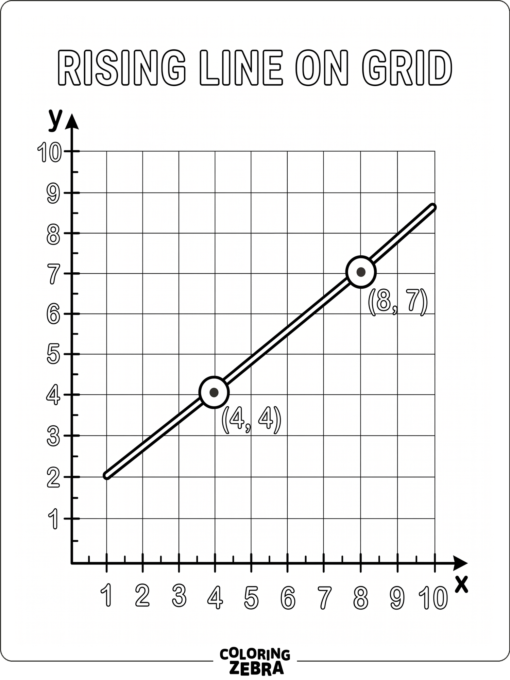
The data section adds another layer of depth to the collection. Bar graphs, tally marks, pie charts, and line graphs give learners a chance to read information visually instead of only solving equations. The coordinate grid and plotted point page extends that idea into ordered thinking and basic graphing.
These pages are valuable because they teach comparison and interpretation. A child can see which bar is taller, which slice is larger, or how one point sits relative to another on a grid. That kind of work supports early statistics vocabulary and prepares learners for more formal data analysis later on.
Why the Labels and Symbols Matter
The worksheets are especially effective because they are labeled and instructional rather than heavily decorative. Common symbols like plus, percent, and question marks appear alongside math objects, making the meaning of each page easy to follow. The labels also help children associate vocabulary with visual structure, which is helpful for independent work or review.
Factor trees, exponents, and algebra tiles point the set beyond beginner practice. Those topics introduce repeated multiplication, number decomposition, and expression building in a gentle way. For older elementary learners, that makes the collection useful as a bridge into more advanced number work without abandoning the coloring format.
Ways to Use Finished Pages
Once colored, the pages can be used as review sheets, bulletin board displays, binder inserts, or quick check-ins during math time. A finished page can also serve as a conversation starter: ask the child to name the shapes, count the objects, explain the graph, or describe what the number line shows.
- Use counting sheets for warm-up practice.
- Use fraction and shape pages to review geometry vocabulary.
- Use graph pages to ask comparison questions.
- Use measurement pages to connect classroom math with everyday objects.
- Use factor and exponent sheets as a light introduction to early algebra ideas.
For families and teachers looking for flexible printable practice, Math Coloring Pages offer a useful balance of structure and variety. The collection supports repetition without becoming repetitive, and it covers enough topics to grow with the learner. That makes the set a practical choice for reinforcement, skill review, and steady math vocabulary building across multiple grades.
People Often Ask Us…
-
What topics do these pages include?
-
Are these only for young kids?
-
Do they include fractions and geometry?
-
What everyday math is shown?
-
Are the pages labeled or instructional?