Orangutan Coloring Pages
Orangutan Coloring Pages bring rainforest charm to your coloring routine with poses that feel both sweet and curious. You’ll find everything from baby orangutans hugging branches and peeking from jungle leaves to mother-and-baby scenes on logs. The set also spans calm resting poses with long arms, expressive close-up faces, and clean line art that’s easy to take anywhere.
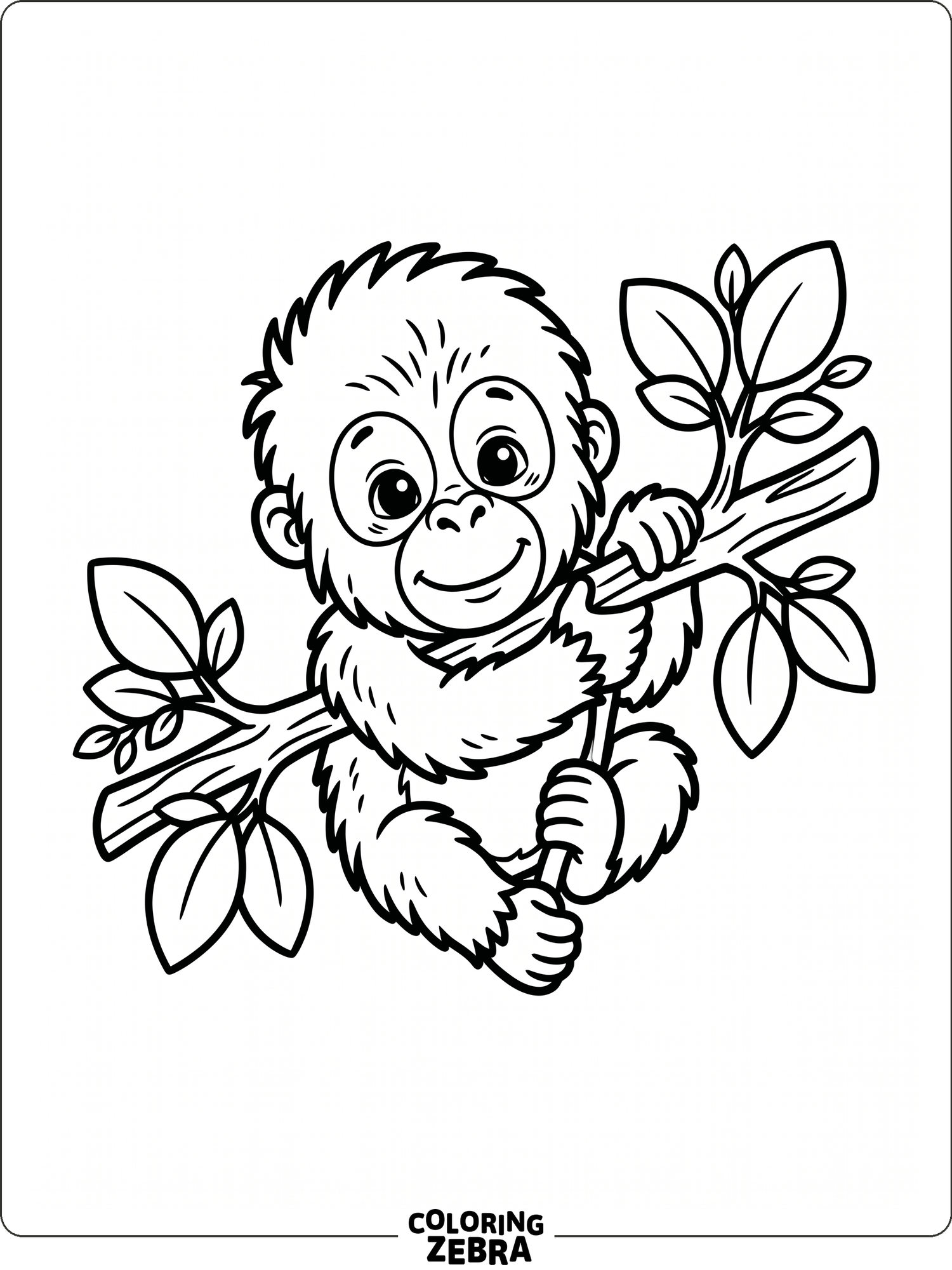
Print on heavier paper (like 120–160 gsm) so the details and layered fur stay crisp. Choose “fit to page” or set the print size to letter for a clean border, and use a slightly lower ink density if your printer tends to bleed. For best results, color lighter areas first, then add darker fur and leaf shadows last.
Related coloring pages
Orangutan Coloring Pages: Baby, Realistic, and Easy Jungle Scenes
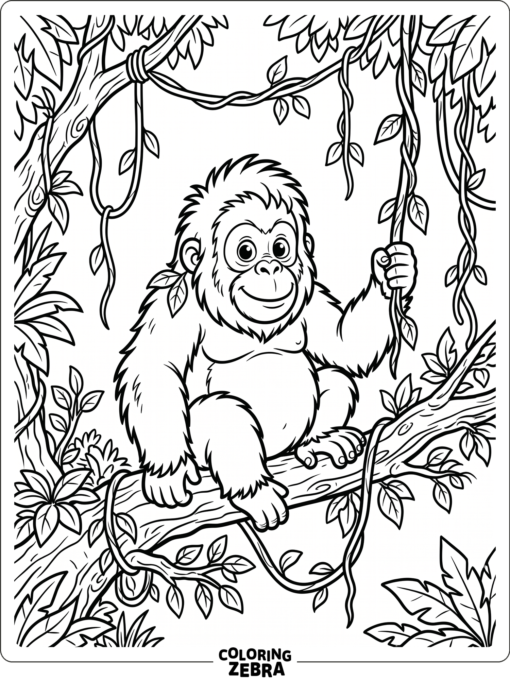

Orangutan Coloring Sheet
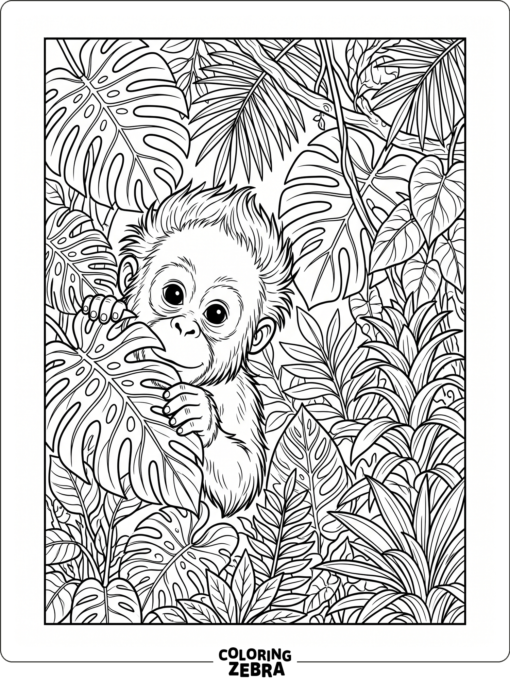

Baby Orangutan Coloring Sheet
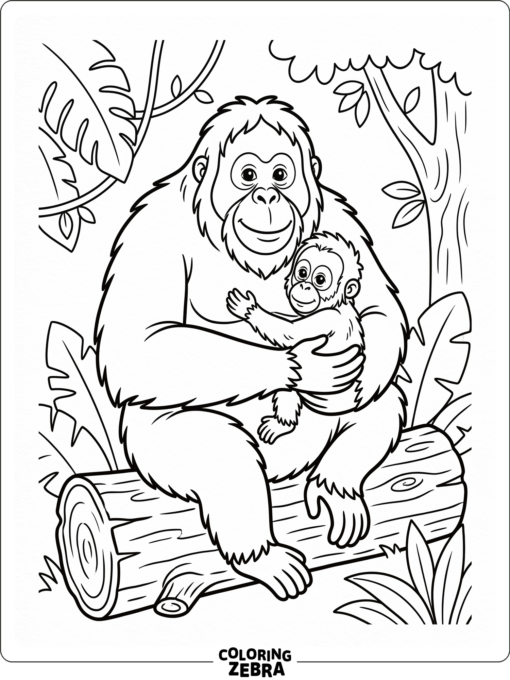

Orangutan Family Coloring Page
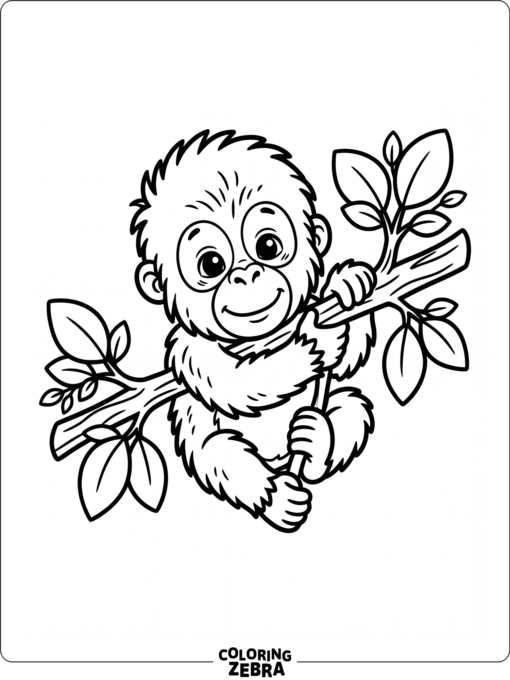

Printable Orangutan Page
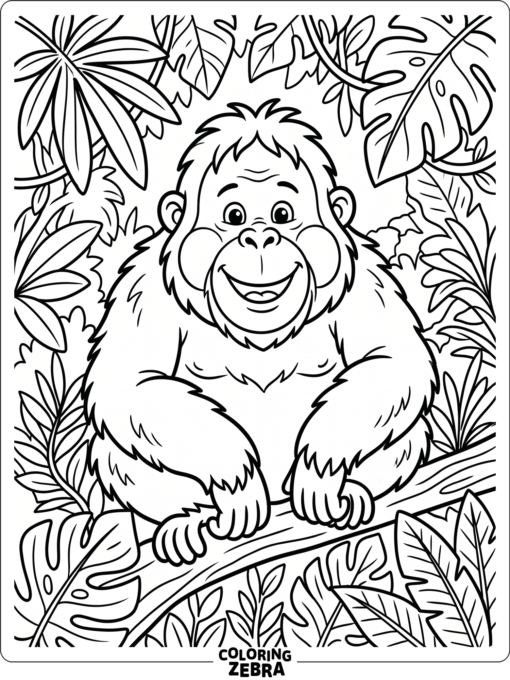

Orangutan Coloring Page Free
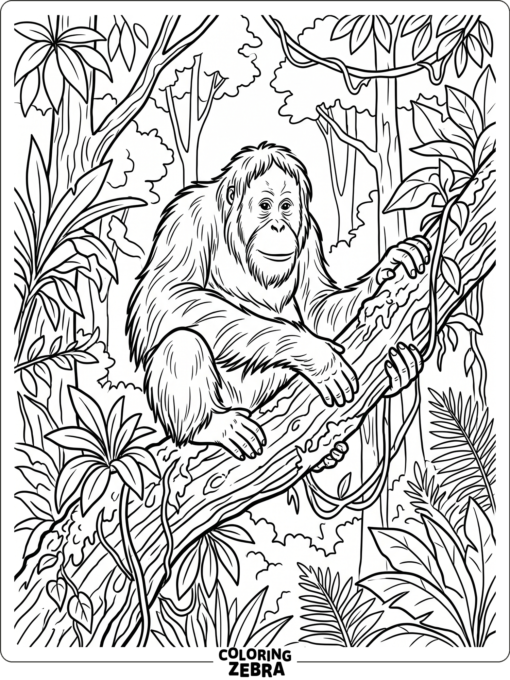

Realistic Orangutan Coloring Page
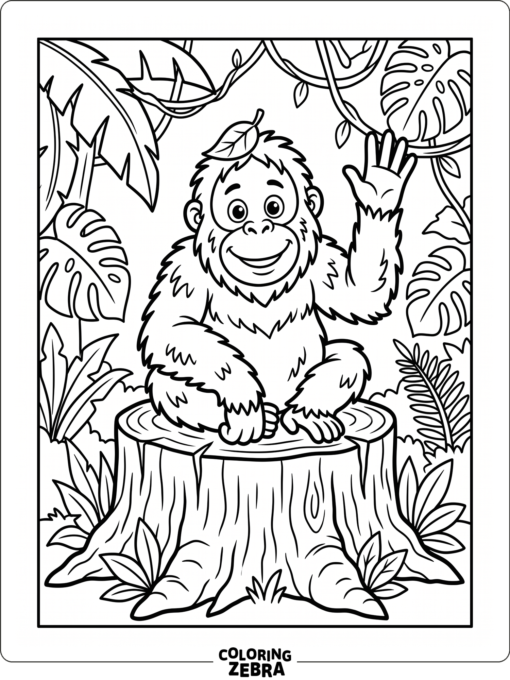

Cartoon Orangutan Coloring Page
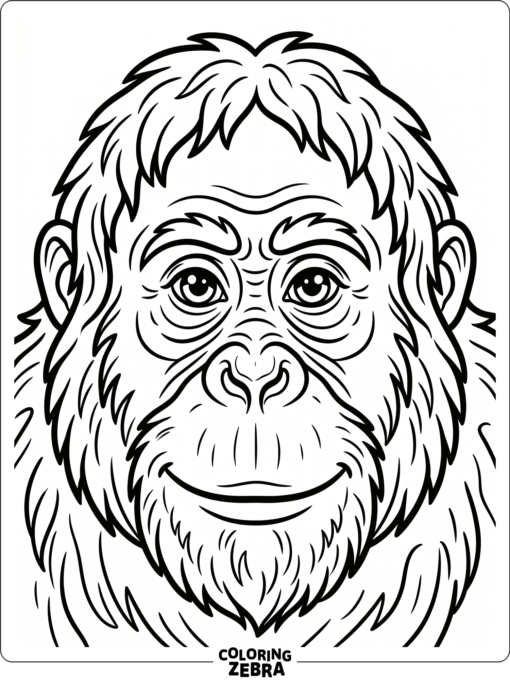

Orangutan Face Coloring Page
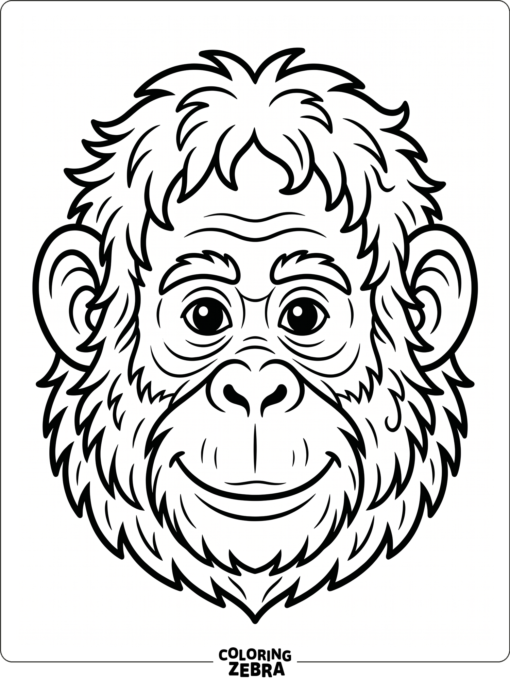

Orangutan Head Coloring Page
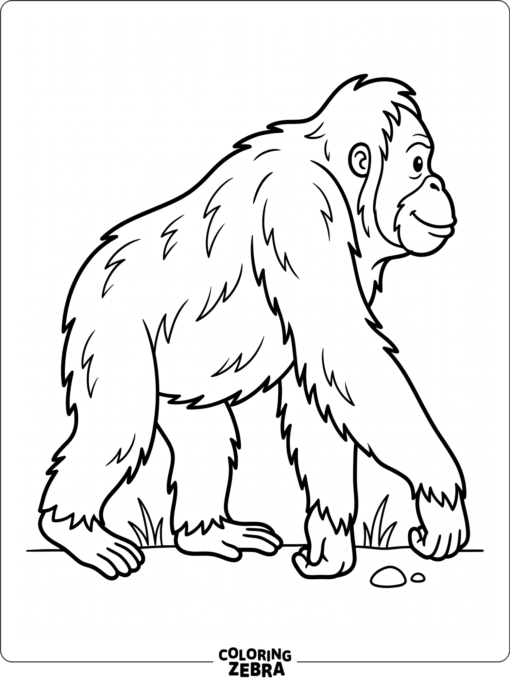

Orangutan Outline Coloring Page
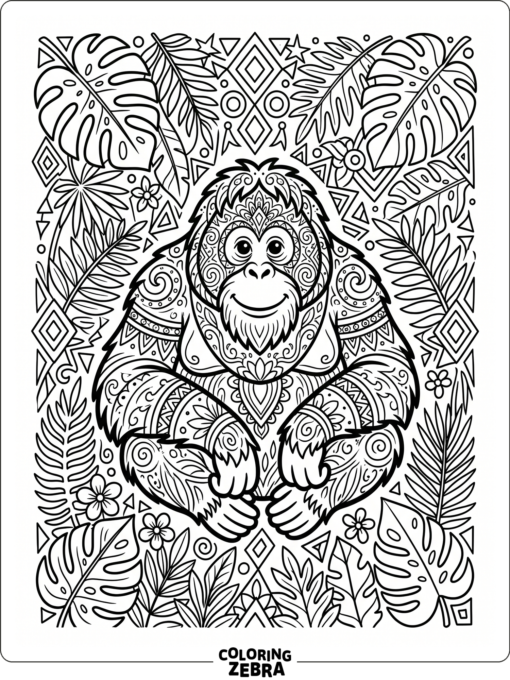

Orangutan Coloring Page for Adults
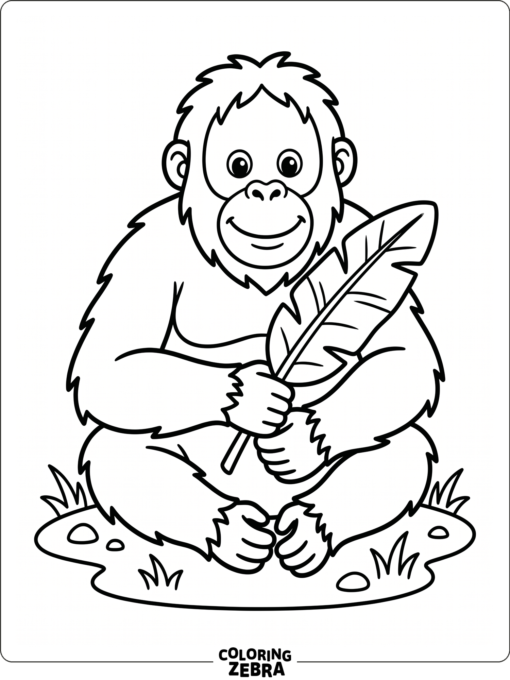

Easy Orangutan Coloring Page
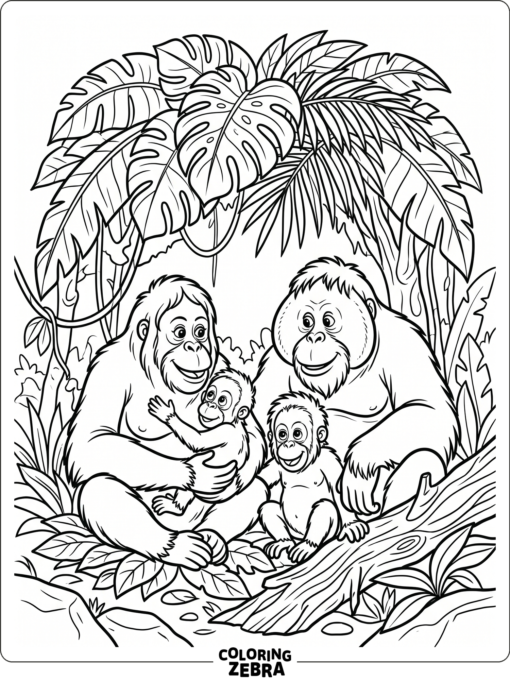

Orangutan Family Coloring Page
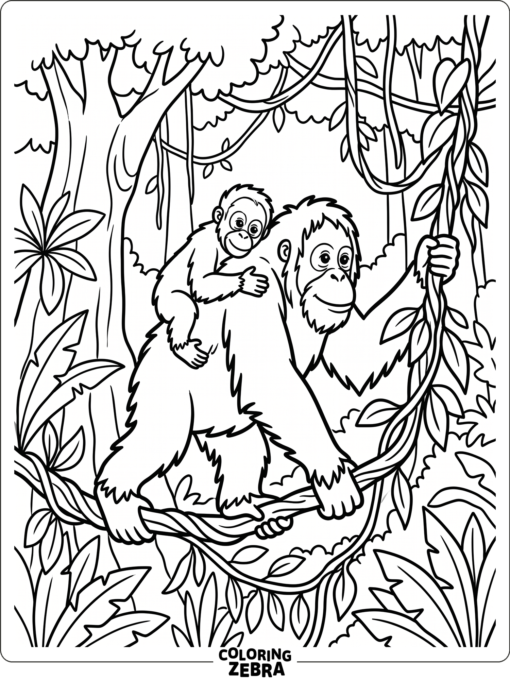

Orangutan Mother and Baby Coloring Page
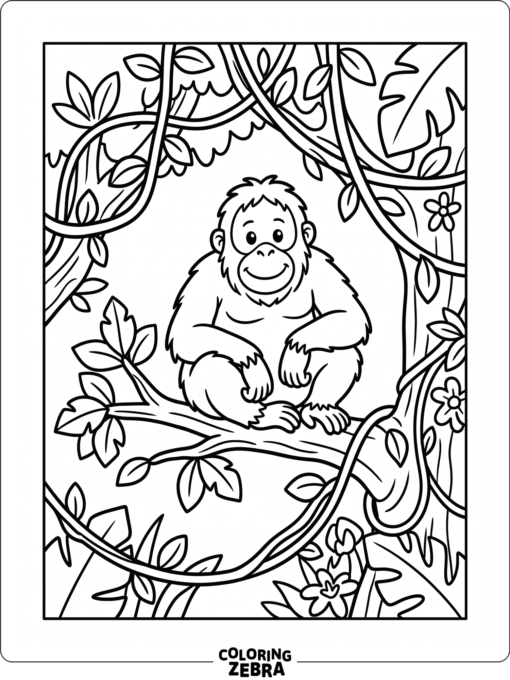

Orangutan in a Tree Coloring Page
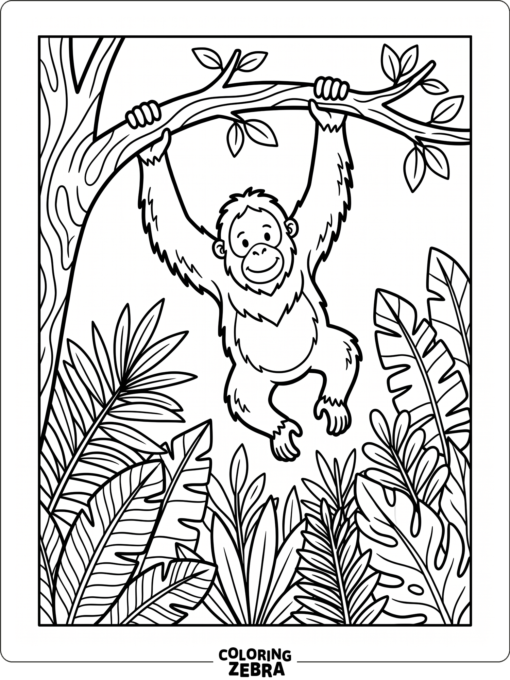

Orangutan Hanging From Branch Coloring Page
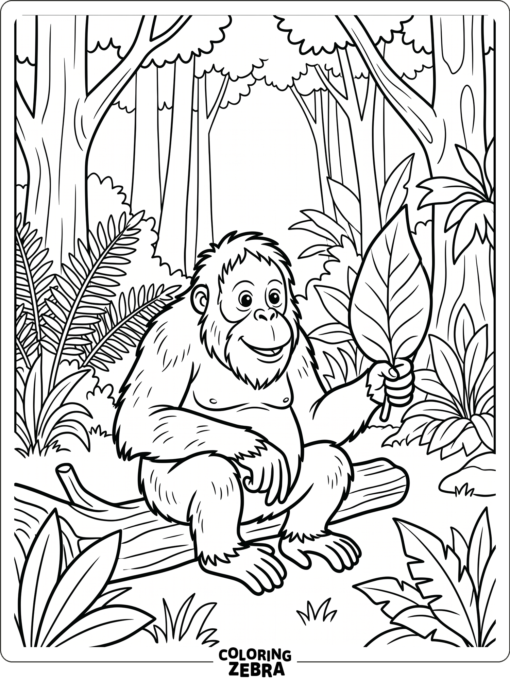

Orangutan Jungle Coloring Page
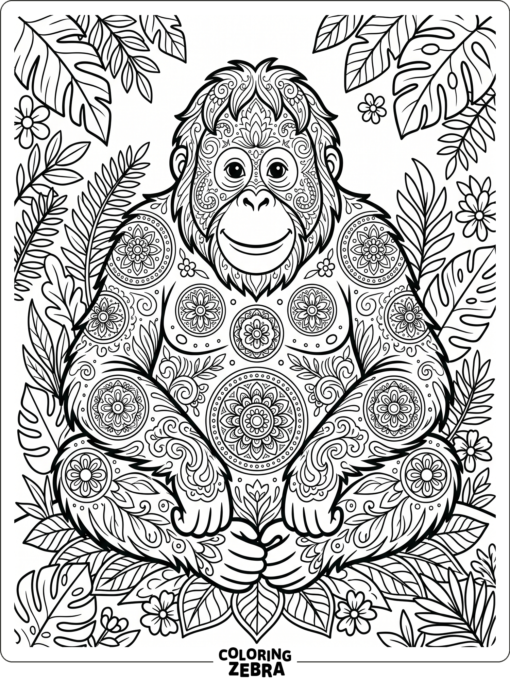

Orangutan Mandala Coloring Page
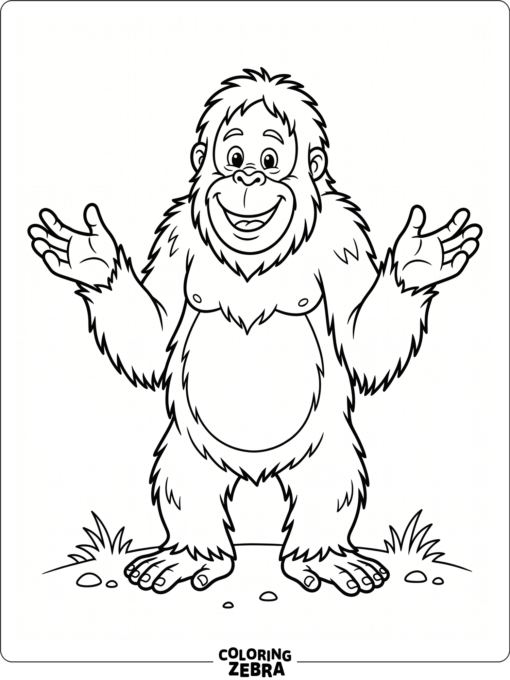

Orangutan for Kids Coloring Page
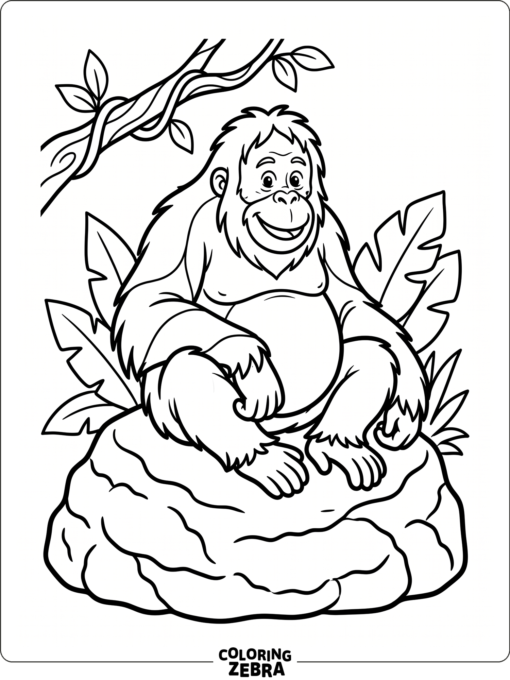

Orangutan Smiling Coloring Page
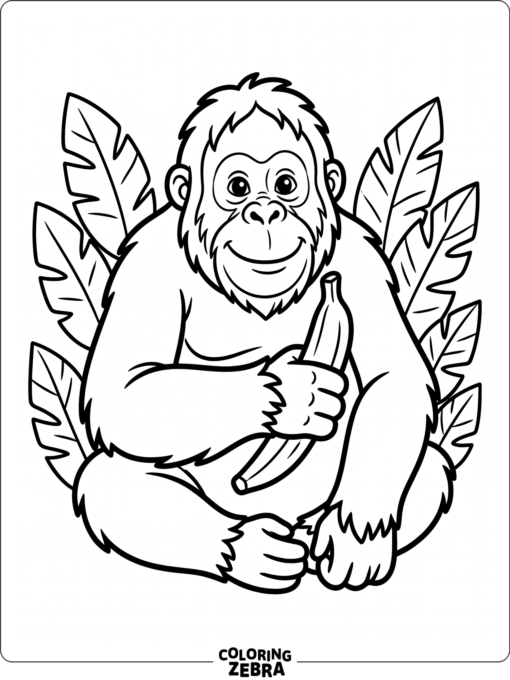

Orangutan With Banana Coloring Page
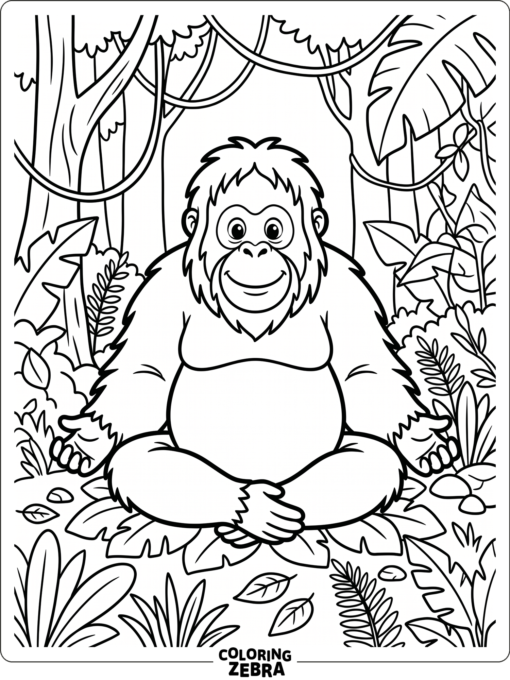

Orangutan Sitting Coloring Page
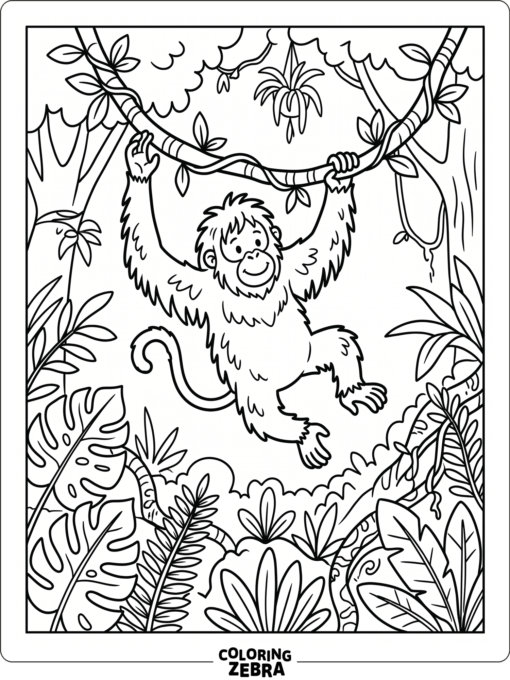

Orangutan Swinging Coloring Page
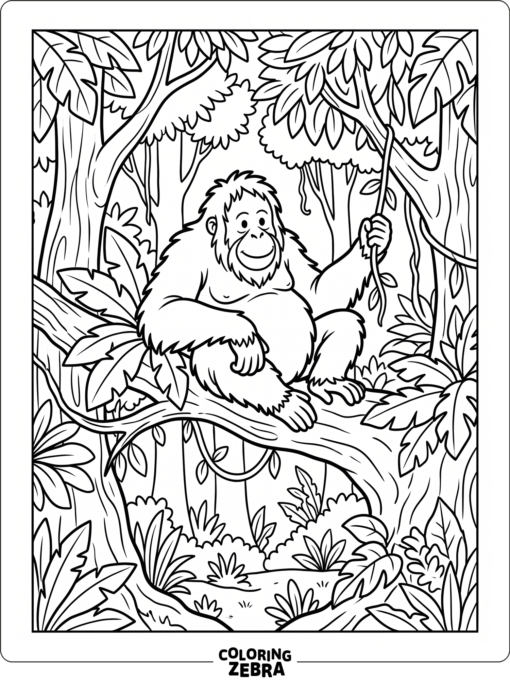

Orangutan Habitat Coloring Page
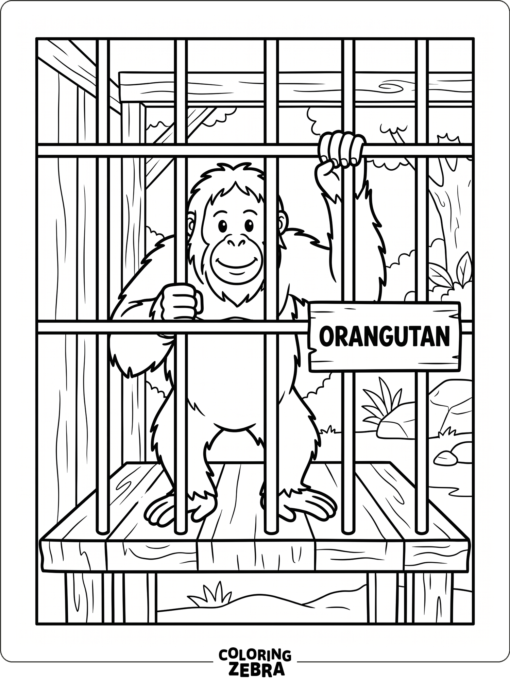

Orangutan Zoo Coloring Page
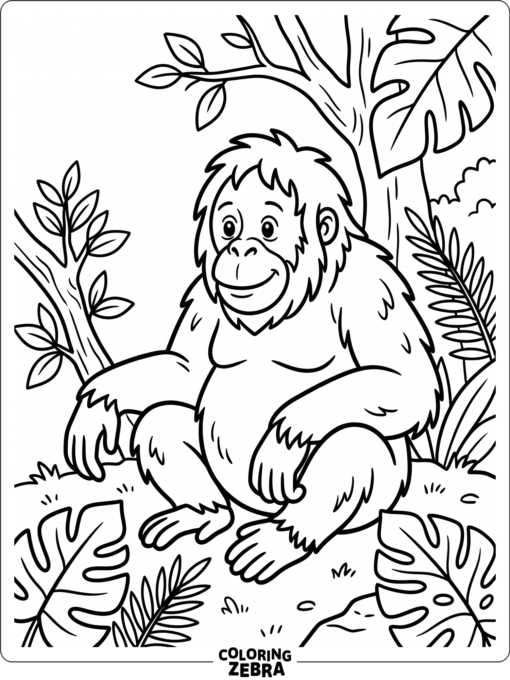

Orangutan Line Art Coloring Page
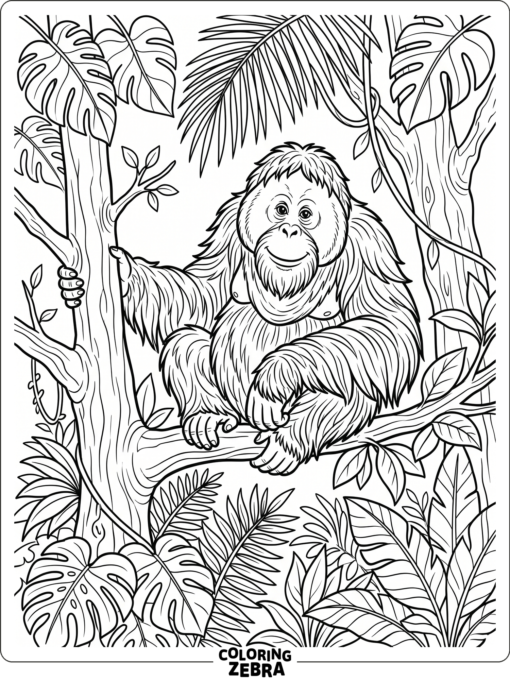

Detailed Orangutan Coloring Page
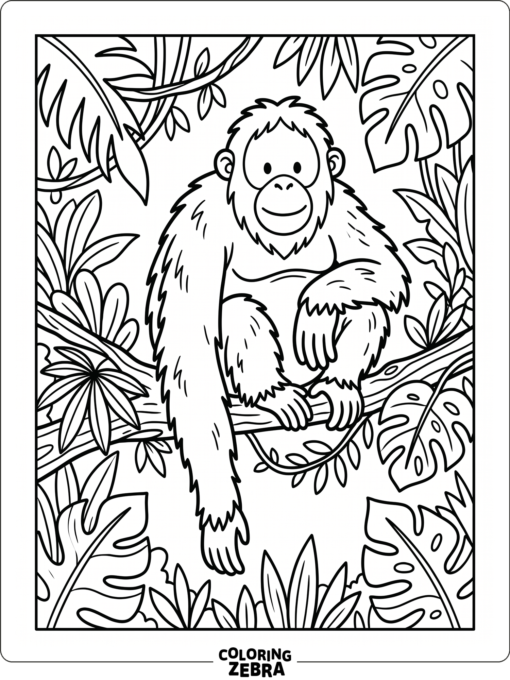

Simple Orangutan Printable
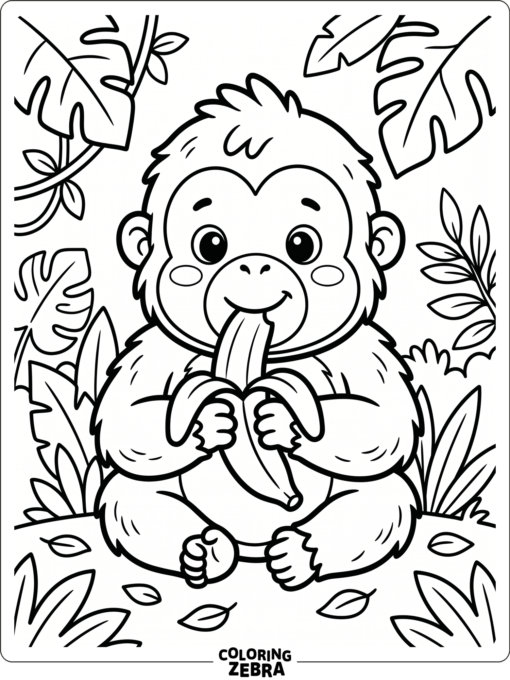

Kawaii Orangutan Coloring Sheet
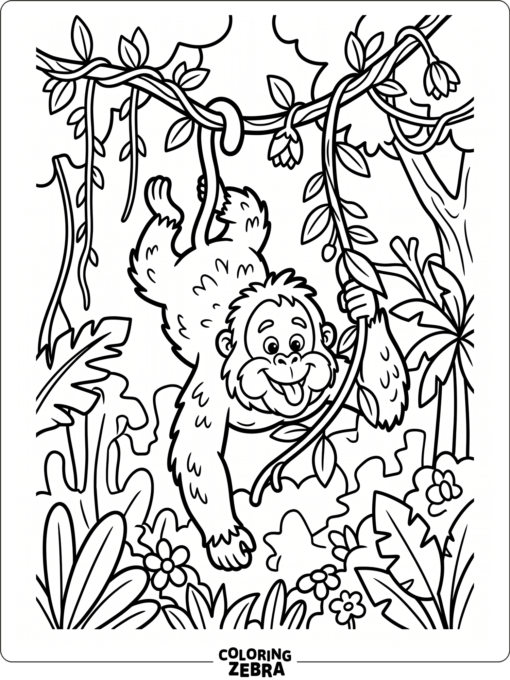

Funny Orangutan Coloring Page
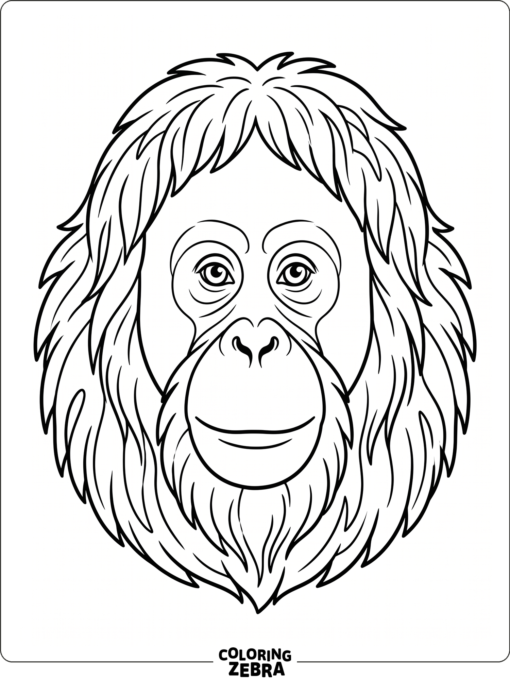

Orangutan Portrait Outline
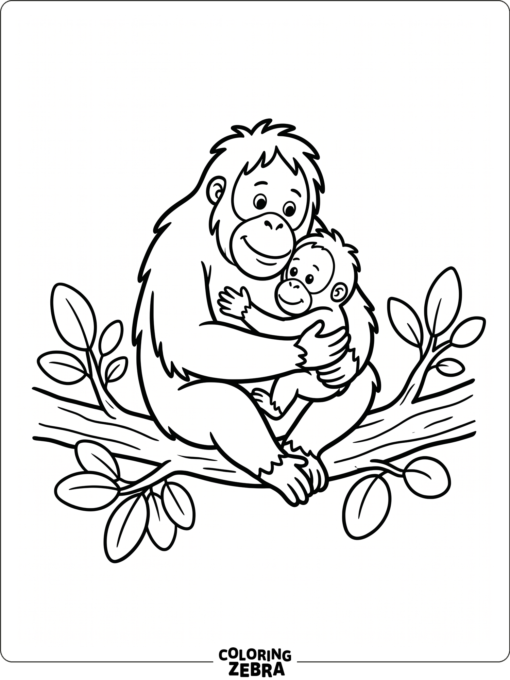

Orangutan and Baby Coloring Page
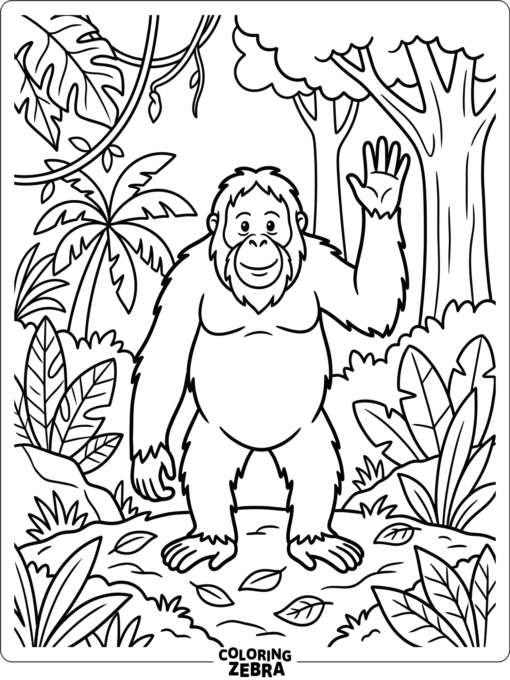

Orangutan Monkey Coloring Sheet
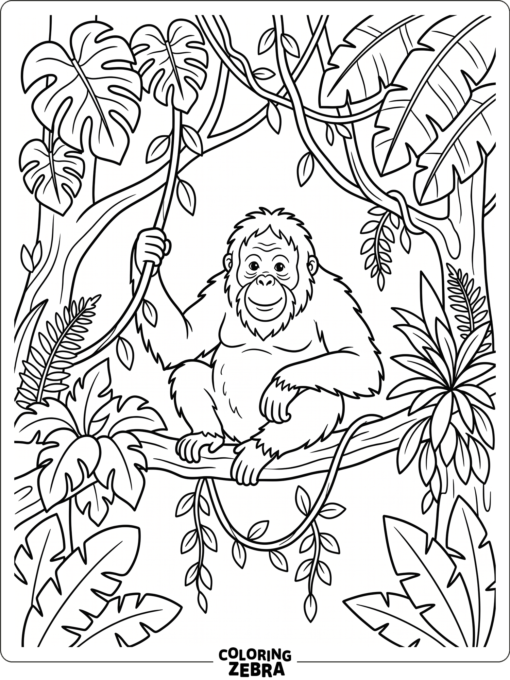

Orangutan Rainforest Coloring Page
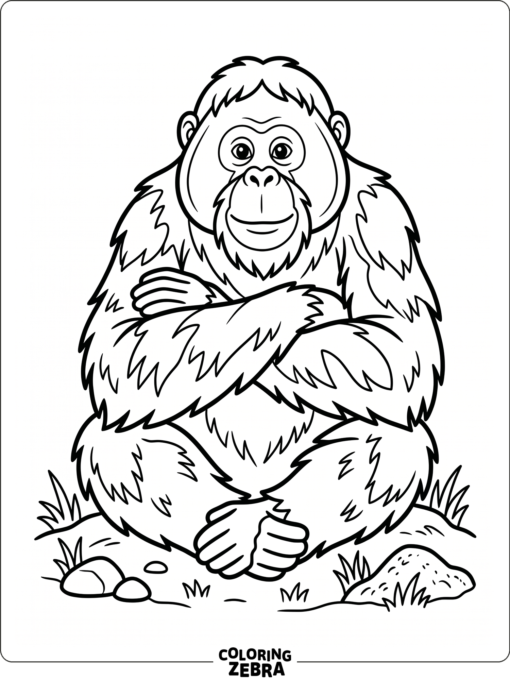

Adult Orangutan Coloring Page
What you will color across this orangutan sheet set
Orangutan Coloring Pages in this collection are built around variety you can actually feel on the page. Some sheets focus on gentle moments, like a baby orangutan hugging a small branch or a mother orangutan holding her baby on a log. Those scenes are especially fun for blending fur tones and adding soft leaf highlights around the characters.
Other pages lean calm and grounded: you might see an orangutan resting on a thick tree limb with long arms stretched comfortably, or a large adult orangutan sitting calmly with crossed arms. These are great for practicing fur direction and texture. Layered fur details, visible in several realistic and detailed-style options, invite you to add darker line accents and warm midtones that make the body shape pop.
There are also playful rainforest moments that make coloring feel like storytelling. Look for an orangutan swinging on a vine, hanging from a branch above jungle plants, or waving from a jungle stump. A close-up orangutan face with expressive eyes works well when you want to slow down and focus on facial features, while head shots with shaggy fur help you experiment with swirl patterns and thicker outlines.
For readers who like cut-and-dry, easy-to-color designs, the set includes simpler outline options: a clean line art orangutan sitting with jungle leaves, an orangutan in profile with minimal clutter, and straightforward poses near a palm leaf. These are ideal for younger colorers or for anyone who wants a relaxing, low-pressure coloring session.
If you enjoy decorative flair, you may notice ornate pages with leaves and geometric patterns, including mandala circles and leaf accents. These styles are excellent for trying out color repetition, symmetrical shading, and patterned backgrounds without having to draw extra elements yourself.
Match your coloring mood to the right scene
Because the collection includes both cute and more realistic pages, it’s easy to pick a sheet based on your energy level. A kawaii orangutan holding a banana with a sweet round face is a great choice when you want bright, simple color choices. For a slightly more detailed challenge, try the realistic orangutan sitting on a thick tree limb or the detailed forest pose with layered fur and foliage.
When you want something cozy, choose the family-style images under large jungle leaves. Mother-and-baby scenes, including an orangutan family under big leaf canopies, let you color a gentle “shelter” effect by keeping the leaf shapes dark and using lighter greens behind the faces.
Prefer minimal background work? Go for sheets where the orangutan stands near a single leaf or sits on the ground with clean surrounding elements. You can still add personality using different browns and oranges for the fur, but you won’t feel buried by tiny leaves.
How to color fur, faces, and jungle leaves so they look great
-
Fur: Use short strokes that follow the body curve. On detailed pages, layer a medium base tone, then add darker strokes along contours like elbows, shoulders, and the underside of arms.
-
Eyes and expressions: For close-up faces, keep pupils dark and leave small highlights uncolored. If your page has expressive eyes, you can frame them with slightly deeper shadow tones to give a lifelike sparkle.
-
Leaves and vines: Try two greens plus a hint of yellow-green. Leaves near the “foreground” can be darker and more saturated, while background leaves can be lighter for depth, especially on rainforest clearing scenes.
-
Banana accents: On pages with an orangutan holding a banana, color the peel with a warm gradient and add a few darker spots. Then you can outline the banana shape so it reads clearly against the fur.
Printing tips for clean lines and comfortable coloring
-
Paper choice: Heavier paper helps with both marker and colored pencil. If you plan to use gel pens or alcohol markers, consider paper closer to 160 gsm to reduce show-through.
-
Printer settings: Use “actual size” or “fit to page” depending on your layout. If your printer has a draft mode, avoid it for the detailed fur and leaf textures, since faint lines can be harder to color.
-
Ink saving: If you notice heavy ink coverage, you can print in a lighter quality mode for the simple outline sheets, while keeping higher quality for realistic or ornate designs.
-
Coloring comfort: For long sessions, print multiple pages and keep similar styles together. For example, pair a simple outline profile sheet with one detailed fur close-up so your pencil strokes stay consistent across the set.
Ideas to personalize the pages
Turn each orangutan scene into your own mini rainforest. Add tiny leaf veins, vine curls, or speckles in the background to make the environment feel alive without cluttering the main character. For the ornate orangutan sheets with geometric patterns, pick one primary accent color for the shapes and use a second color for leaf highlights so the pattern stays readable.
You can also create a “character theme.” Choose one fur palette (for example, honey-brown with cinnamon shadows) and carry it across multiple sheets, like the baby orangutan hugging a branch and the close-up face portrait. If you like variety, do the opposite: assign different fur tones to each orangutan pose so every page feels like a new individual.
These Orangutan Coloring Pages are also great for screen-free downtime. They work well for solo relaxation, quiet classroom breaks, or a family coloring night where everyone picks a different style, from easy outlines to detailed rainforest habitats.
No matter which pose you start with, the combination of baby cuddles, swinging vines, restful tree limbs, and expressive faces gives you plenty of ways to practice shading and texture while staying in a fun, rainforest-friendly theme.
People Often Ask Us…
-
Which Orangutan Coloring Pages are best for markers versus colored pencils?
-
What age range is the Orangutan Coloring Pages set suited for?
-
How do I color fur so the baby orangutan hugging a branch looks soft instead of flat?
-
What’s a quick way to add depth to background jungle leaves in scenes like an orangutan resting in a forest habitat?
-
Can I use Orangutan Coloring Pages for classroom activities, and how should I organize them by skill?