Rhino Coloring Pages
Rhino Coloring Pages offer a wide mix of wildlife scenes, cute character art, and bold fantasy twists. You’ll find rhinos in grasslands, near rocks and bushes, under trees, and beside signs or a pond. Some pages focus on realistic body shapes and horn details, while others lean into playful, decorative, or action-packed styles. That variety makes the set interesting whether you want a simple outline or a more detailed animal study.
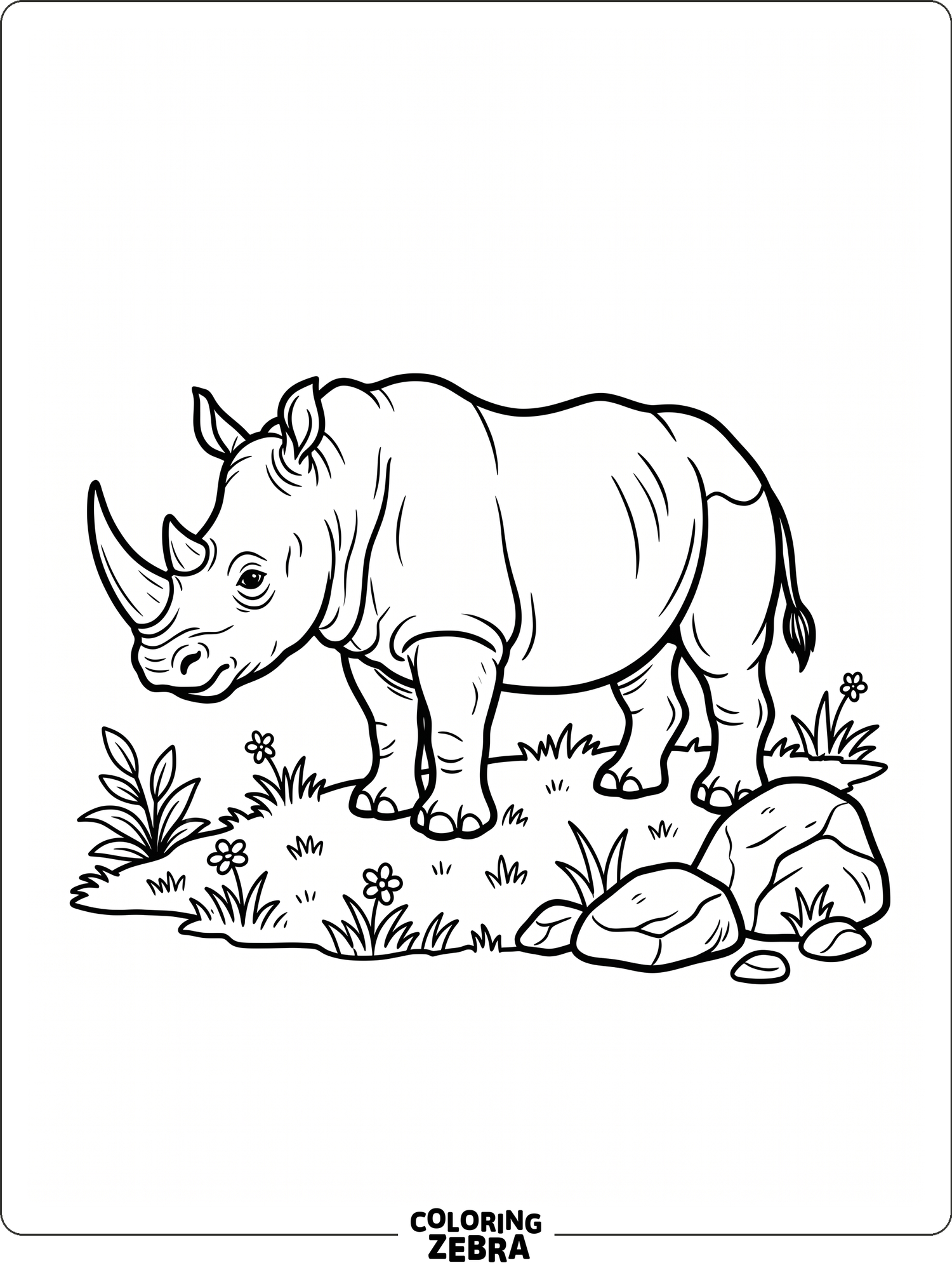
Print on thicker paper if you plan to use markers or layering, and choose borderless or fit-to-page settings when you want the full scene to print cleanly. For lighter ink use, switch to draft mode on simple outline pages, but keep high quality on ornate designs and detailed line art.
Related coloring pages
Printable Rhino Coloring Pages
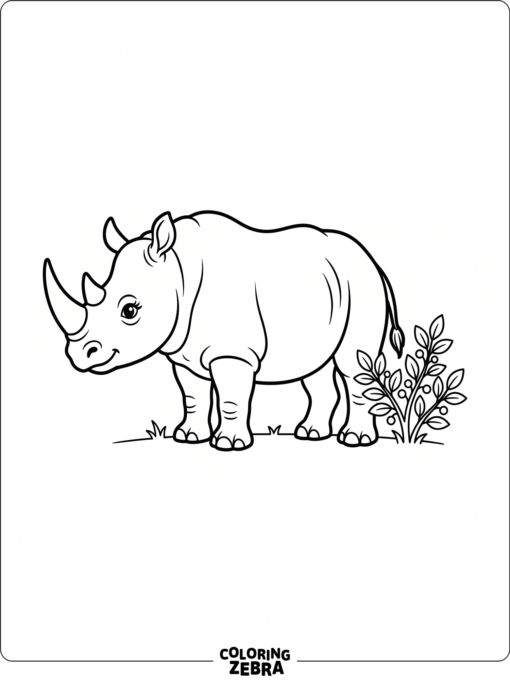

Rhino Coloring Sheet
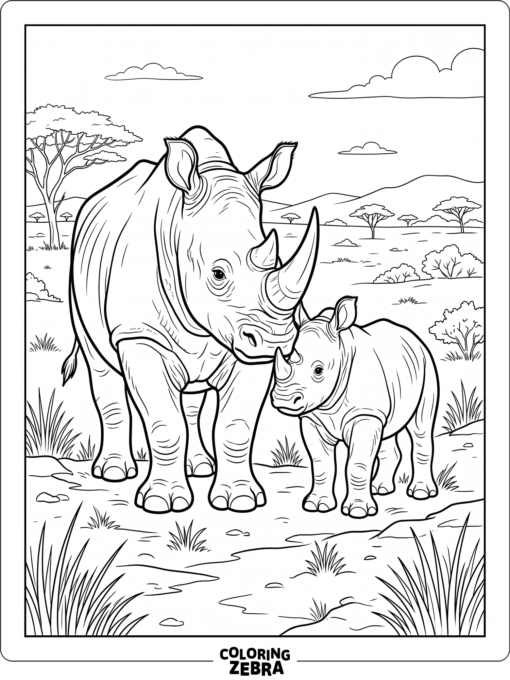

Baby Rhino Coloring Page
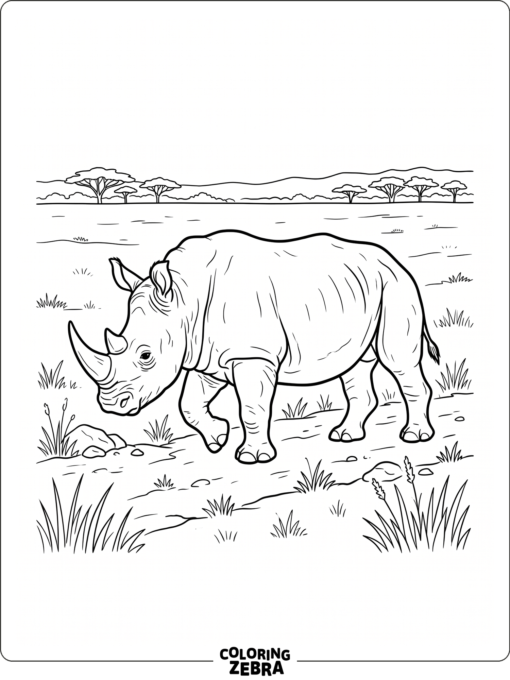

Realistic Rhino Coloring Page
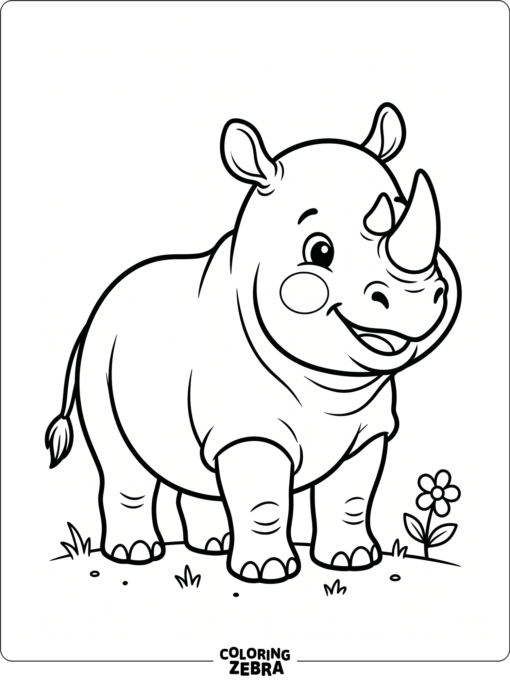

Cute Rhino Coloring Page
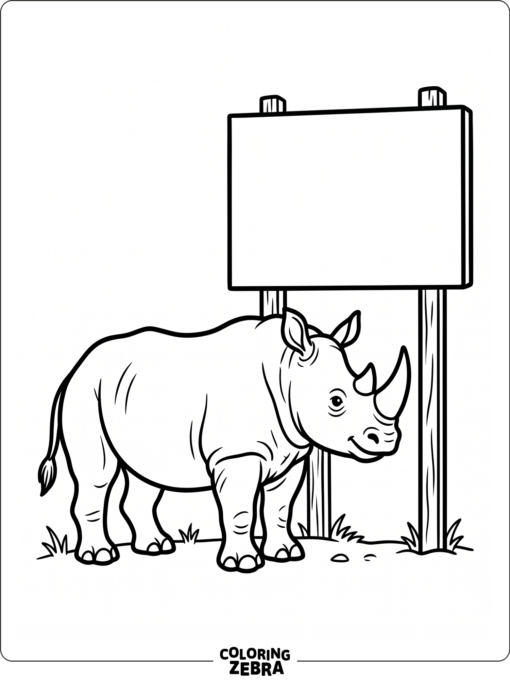

Rhino Coloring Page Printable
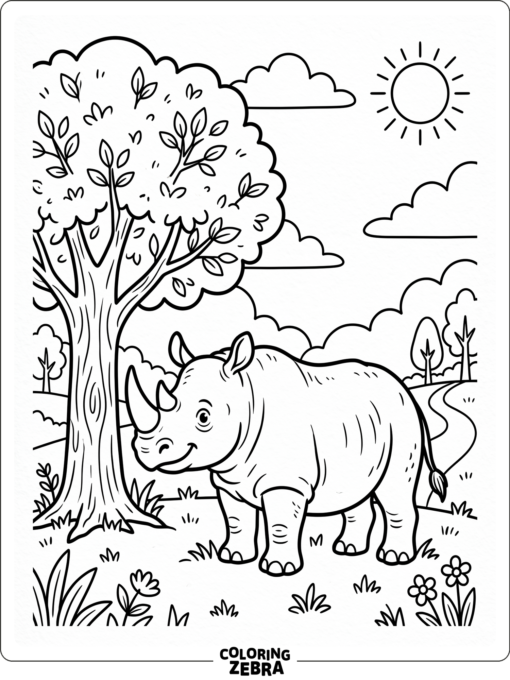

Rhino Coloring Pages for Kids
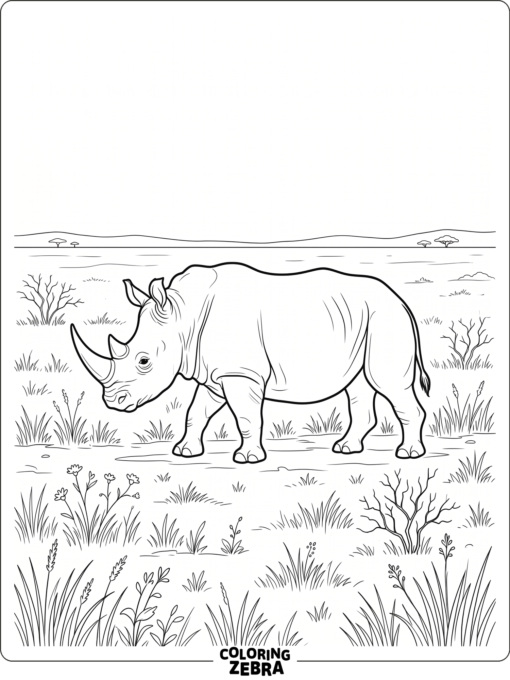

Free Printable Rhino Coloring Pages
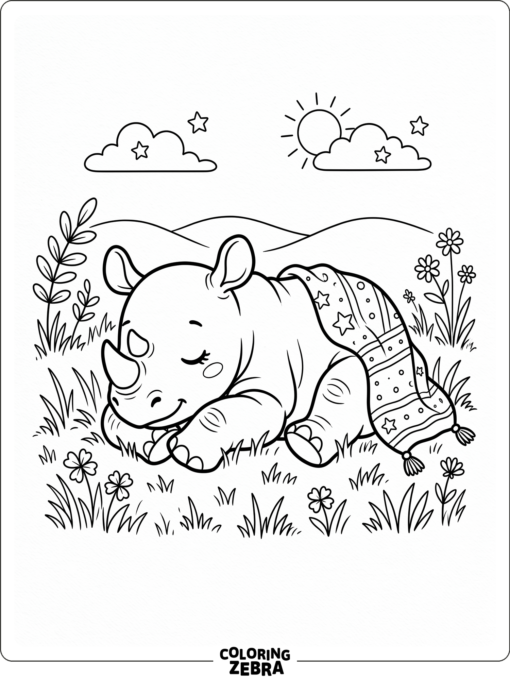

Cute Baby Rhino Coloring Page
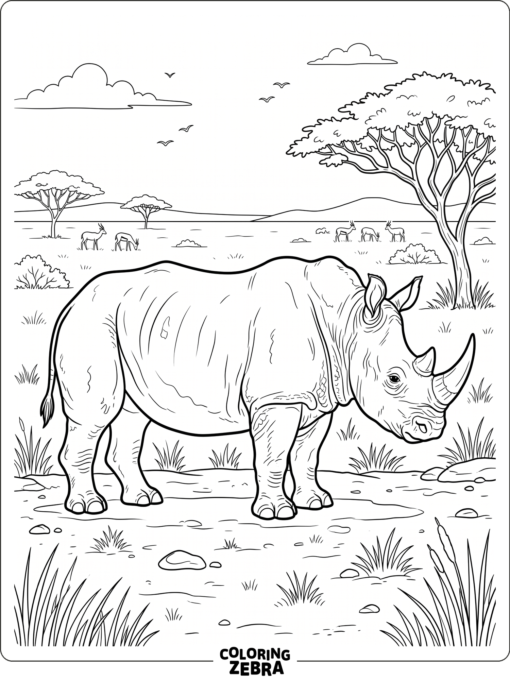

Rhinoceros Coloring Pages Printable
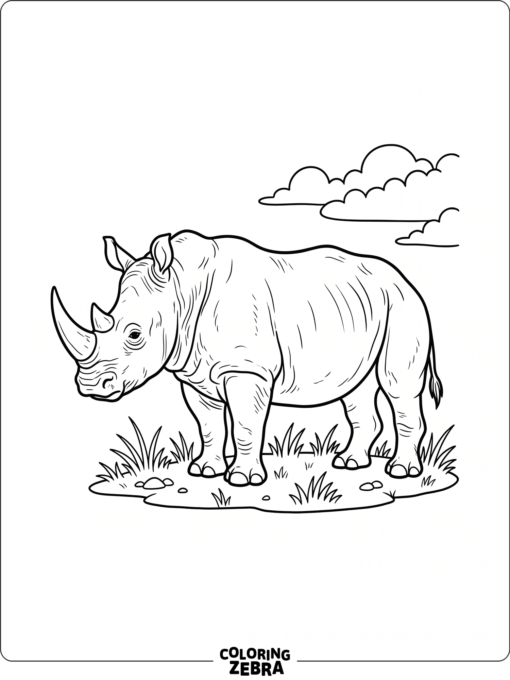

Rhino Coloring Pages Free
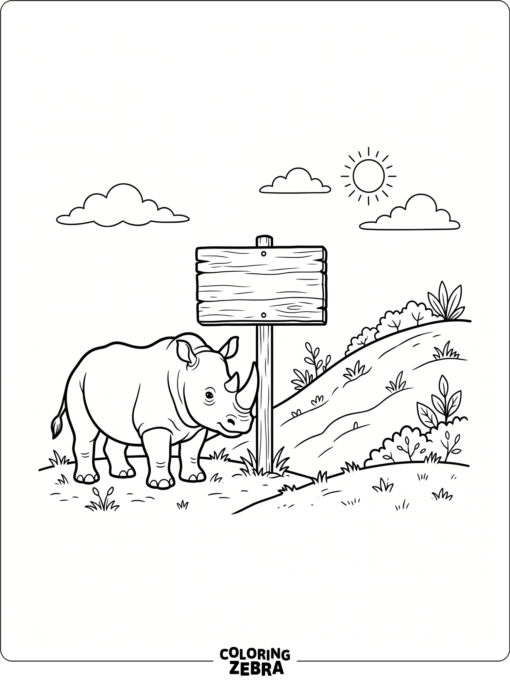

Rhino Coloring Pages to Print
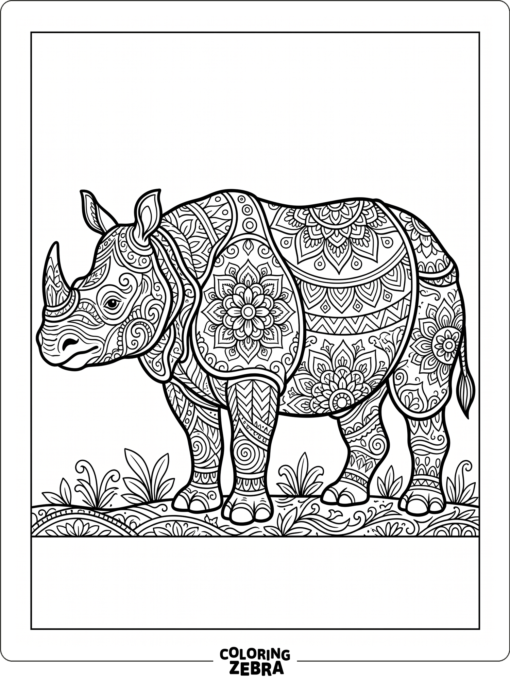

Rhino Coloring Pages for Adults
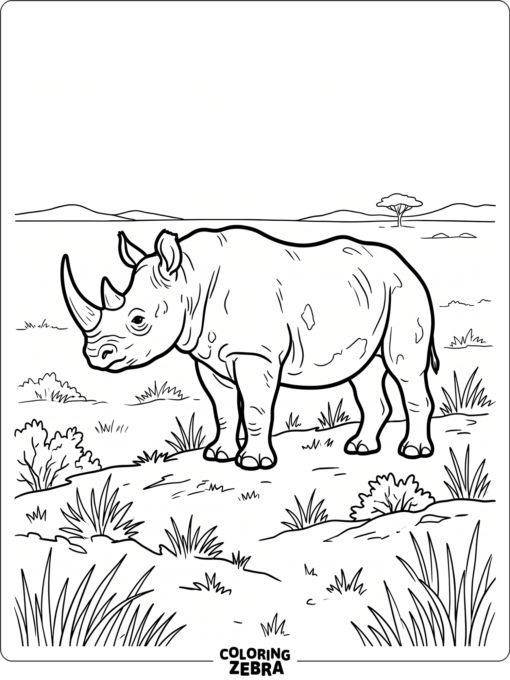

Black Rhino Coloring Pages
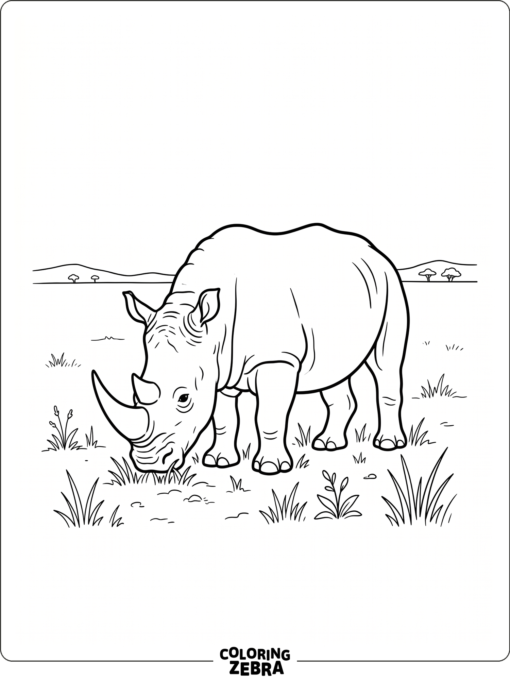

White Rhino Coloring Pages
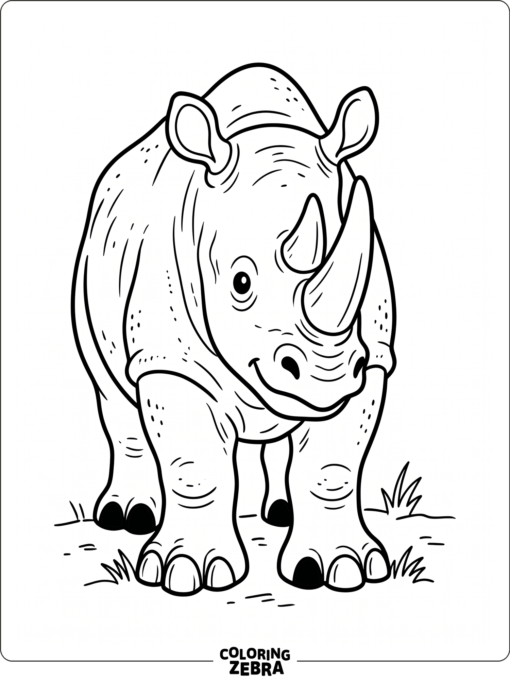

Easy Rhino Coloring Page
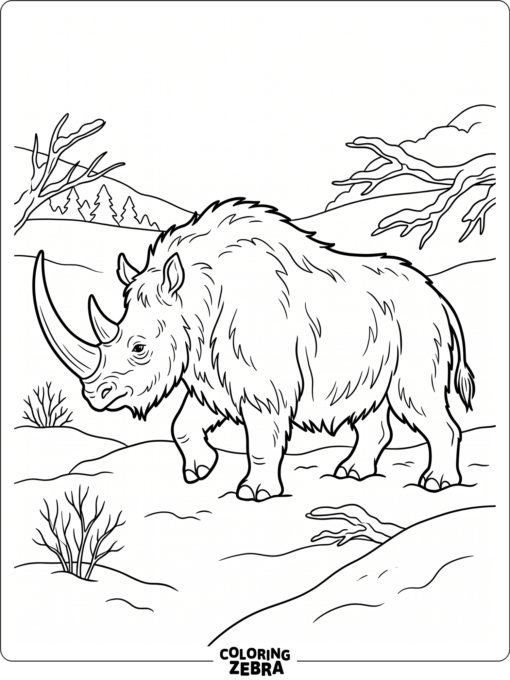

Wooly Rhino Coloring Page
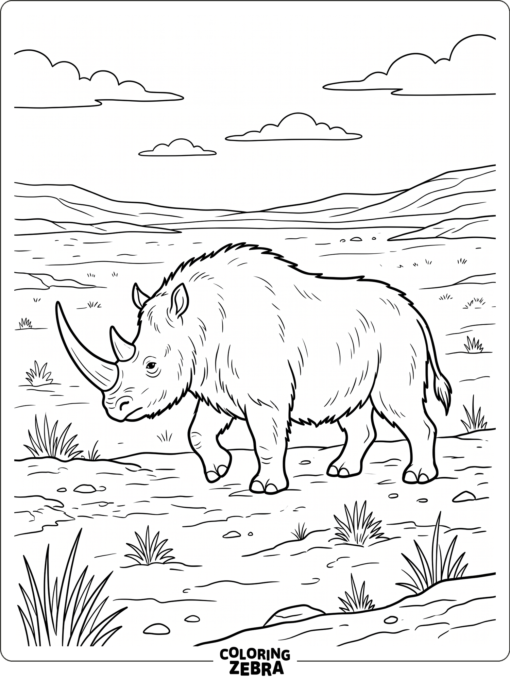

Woolly Rhino Coloring Pages
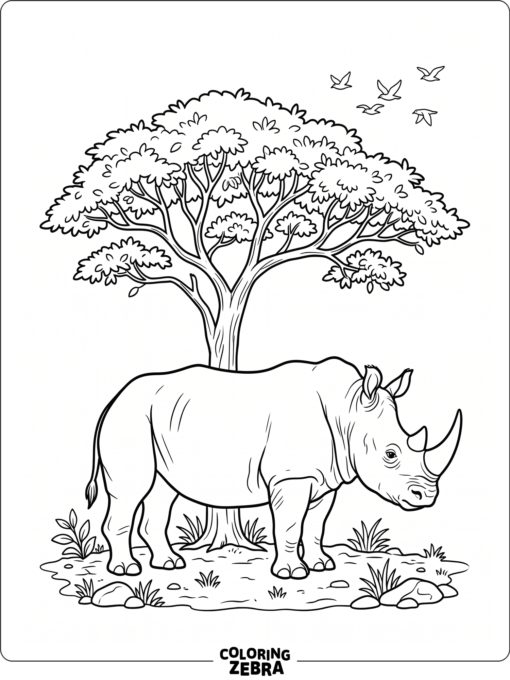

Rhinoceros Coloring Page
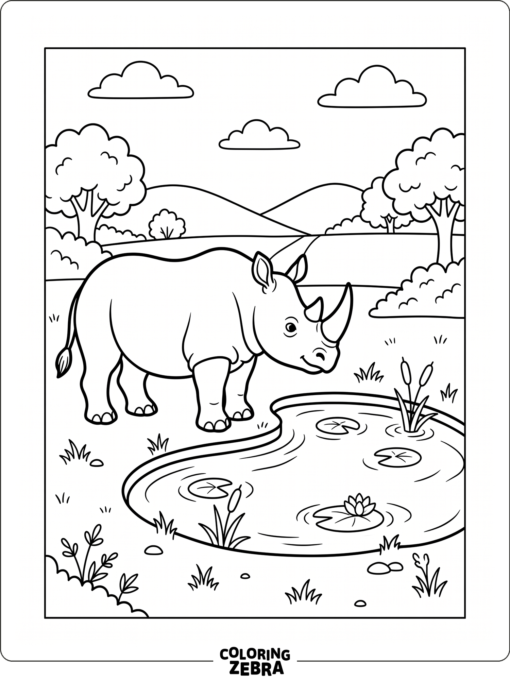

Rhinoceros Coloring Sheet
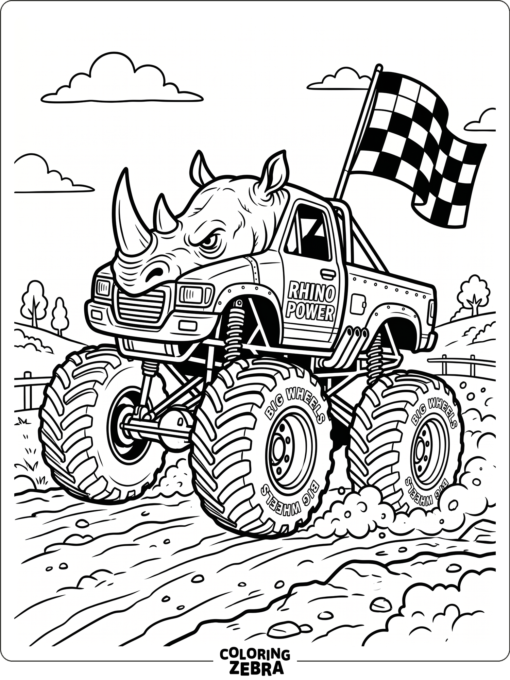

Rhino Monster Truck Coloring Page
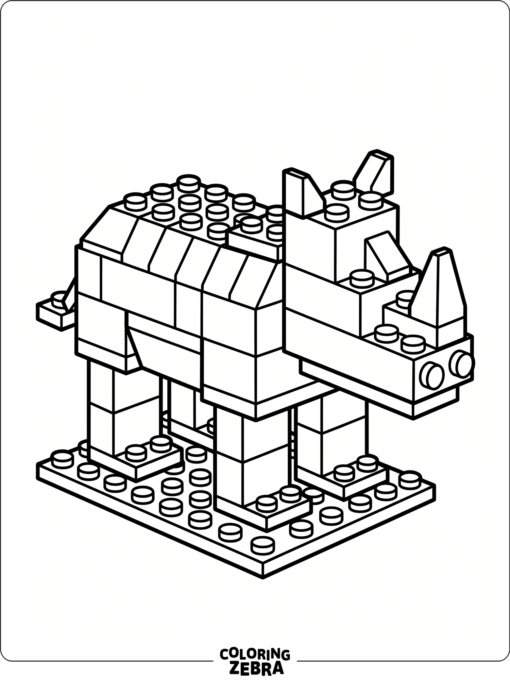

Lego Rhino Coloring Page
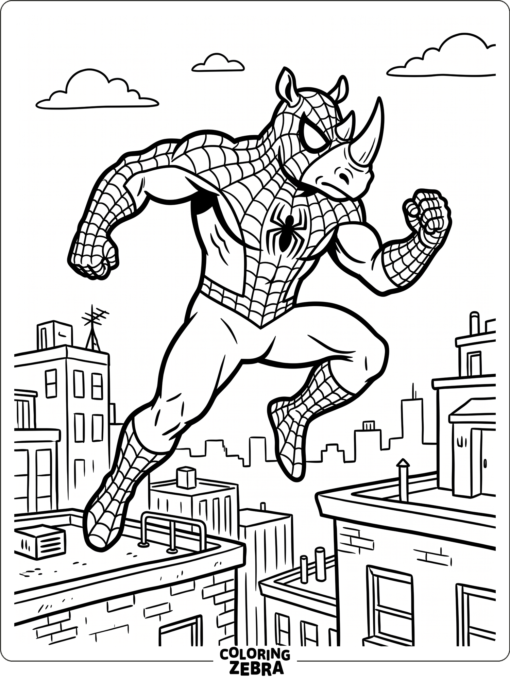

Spider-Man Rhino Coloring Page
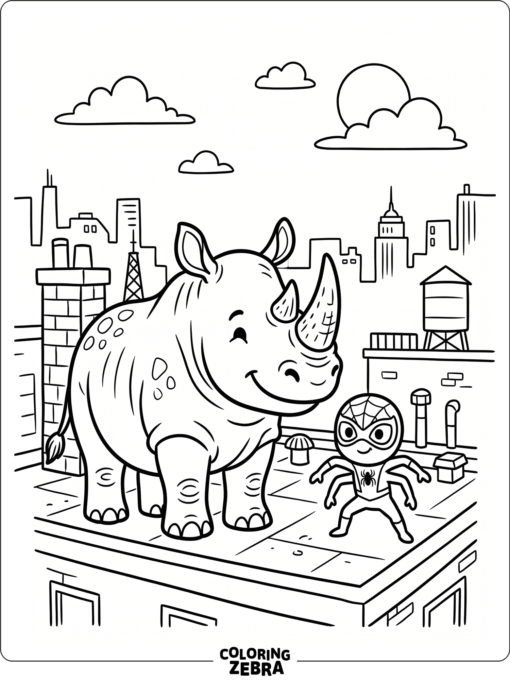

Spidey And Friends Rhino Page
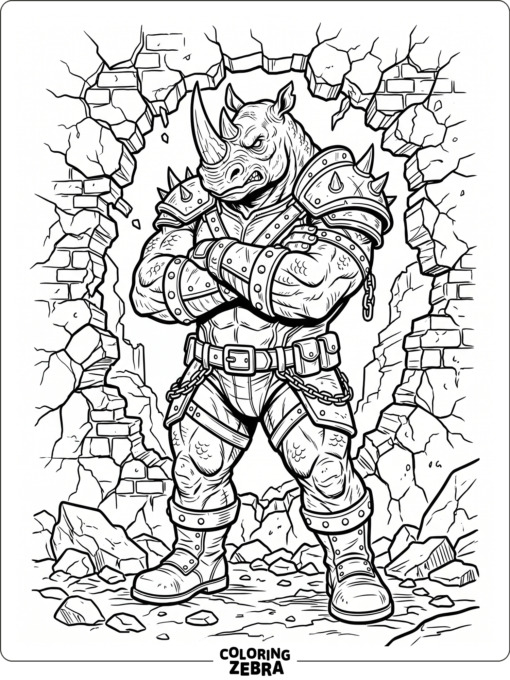

Marvel Rhino Coloring Sheet
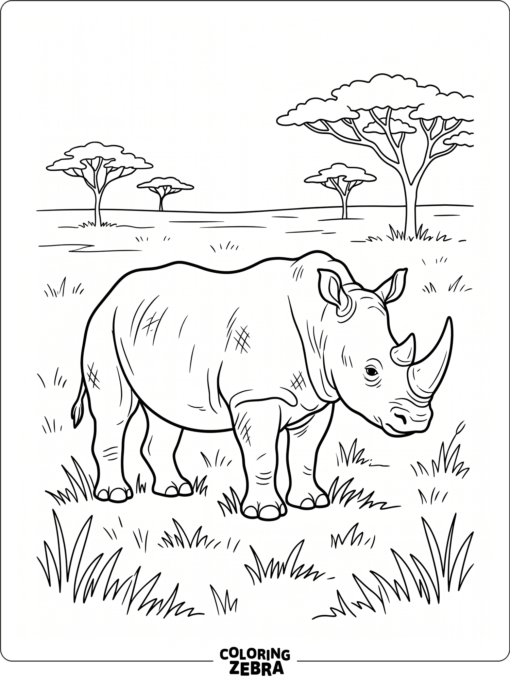

Printable Realistic Rhino Page
What’s Included in This Rhino Coloring Pages Set
This collection of Rhino Coloring Pages covers a strong range of styles, from realistic wildlife studies to playful and imaginative scenes. Some sheets show a single rhino standing in open grass, while others add rocks, clouds, a tree, a pond, or a wooden or blank sign. The result is a printable set that feels varied without losing its focus on the animal itself.
You’ll also find pages built around different forms and moods. A mother and baby pair creates a gentle family scene, while another baby rhino rests beside a blanket for a softer, simpler composition. At the same time, the set includes a rhino monster truck, a blocky rhino figure, a superhero version, and even a villain pose near a cracked wall. That mix gives children and older colorists plenty of directions to explore.
Rhino Shapes, Features, and Poses
These rhino printables highlight the animal’s heavy body, thick legs, and distinctive horn structure. Several pages use a profile view, which is useful for showing the long body shape and the curve of the horn. The front-view rhino stands out differently, with bold outlines, large feet, and a sturdier, more symmetrical look.
The poses vary enough to keep the set visually interesting. Some rhinos walk across open grassland, some stand still in dry grass, and others graze in open fields. A few compositions place the rhino near a bush, beside rocks, or under a tree, giving the page a natural frame without crowding the animal. This makes it easier to choose between simple coloring sheets and more detailed wildlife scenes.
Natural Habitat Details to Notice
Many of the pages lean into safari-style backgrounds, using savanna grass, acacia trees, open field space, and scattered plants to suggest a real habitat. Those details are especially useful if you want to color more than the rhino itself. You can keep the animal realistic with gray, brown, or taupe tones, then use warm earth colors for grass, rocks, and tree trunks.
Sparser pages leave more open space, which is helpful for younger kids or for anyone who prefers a calm coloring session. A simple rhino outline with grass and open space, for example, can be finished quickly while still feeling complete. On the other hand, a scene with clouds, a pond, or a stand of acacia trees gives you more room to build a full landscape.
Species and Historical Context
This set includes black rhino, white rhino, and woolly rhino pages, which makes it more informative than a standard animal coloring pack. Black and white rhinos are different modern species, and their names do not work as simple skin-color labels. Woolly rhinos, by contrast, point to prehistoric life and colder habitats rather than modern African wildlife.
That contrast is one reason rhinoceros coloring pages can work well for both art and learning. Children can compare modern savanna scenes with an ice-age animal on snowy ground or a cold plain. It is an easy way to discuss how animals adapt to different environments and how some species are now only known from the past.
From Realistic Wildlife to Imaginative Variations
The collection does not stay in one visual lane. A realistic rhino standing in grass or walking through open land gives a strong reference for body shape and proportion. A cute rhino with round cheeks and a small flower, however, shifts the tone toward friendly character art. That variety makes the set useful for different ages and coloring moods.
Ornamental and mandala-inspired line art adds another layer of interest. The ornate rhino design invites careful pattern work, repeated shapes, and slow coloring with fine tips or colored pencils. If you prefer bold, graphic pages, the superhero, villain, monster truck, and blocky rhino versions offer strong outlines and playful energy without losing the animal theme.
These kinds of pages also show how broad rhino printable pages can be. One child may want a realistic savanna animal, while another may prefer a heroic figure on a rooftop or a friendly rhino in a park. The collection supports both approaches without forcing one style on every sheet.
Coloring Ideas for Different Page Styles
For realistic pages, use a limited palette and think about texture. Soft gray, dusty brown, and muted tan work well for the body, while the horn can be shaded slightly darker at the base. Dry grass, rocks, and savanna plants look good with warm greens and ochres.
For cute or whimsical pages, brighter color choices can make the animal feel lighter and more cheerful. A small flower, a park tree, or a simple background can be colored in pastel shades or bold primary colors. Ornate pages benefit from repetition, so you might assign one color family to the body patterns and another to the decorative shapes inside the line art.
For fantasy scenes, let the setting guide the palette. A rooftop page can use cooler grays and city tones, while a superhero outfit can include strong contrasting colors. A woolly rhino on snowy ground looks especially good with pale blues, grays, and white highlights that emphasize the colder setting.
Helpful Facts to Pair With the Pages
Rhinos are large herbivorous mammals, so they fit naturally into discussions about grazing and plant-heavy habitats. Their horn is made of keratin, the same protein found in hair and nails, which is a helpful fact to share while coloring. Modern rhinos are often linked with conservation conversations because several species have faced serious population declines.
It can also help to point out that baby rhinos usually stay close to their mothers. That makes the mother-and-calf page especially useful if you want to talk about family structure in wildlife. Another useful observation is body shape: a rhino’s thick legs, broad feet, and heavy torso help support its size, and the profile and front-view pages make those proportions easier to notice.
If you are using Rhino Coloring Pages in a classroom, homeschool lesson, or quiet activity at home, they can be turned into a simple animal study, a habitat lesson, or a finished wall display. The realistic sheets work well for posters and reports, while the decorative and fantasy pages are ideal for personal art collections, binder inserts, or a themed bulletin board. The range of species, poses, and settings keeps the whole set useful long after the first page is colored.
People Often Ask Us…
-
What is the difference between a black rhino and a white rhino?
-
Why do rhinos have horns?
-
Where do rhinos live in the wild?
-
What is a woolly rhino?
-
Are rhinos herbivores?