Chameleon Coloring Pages
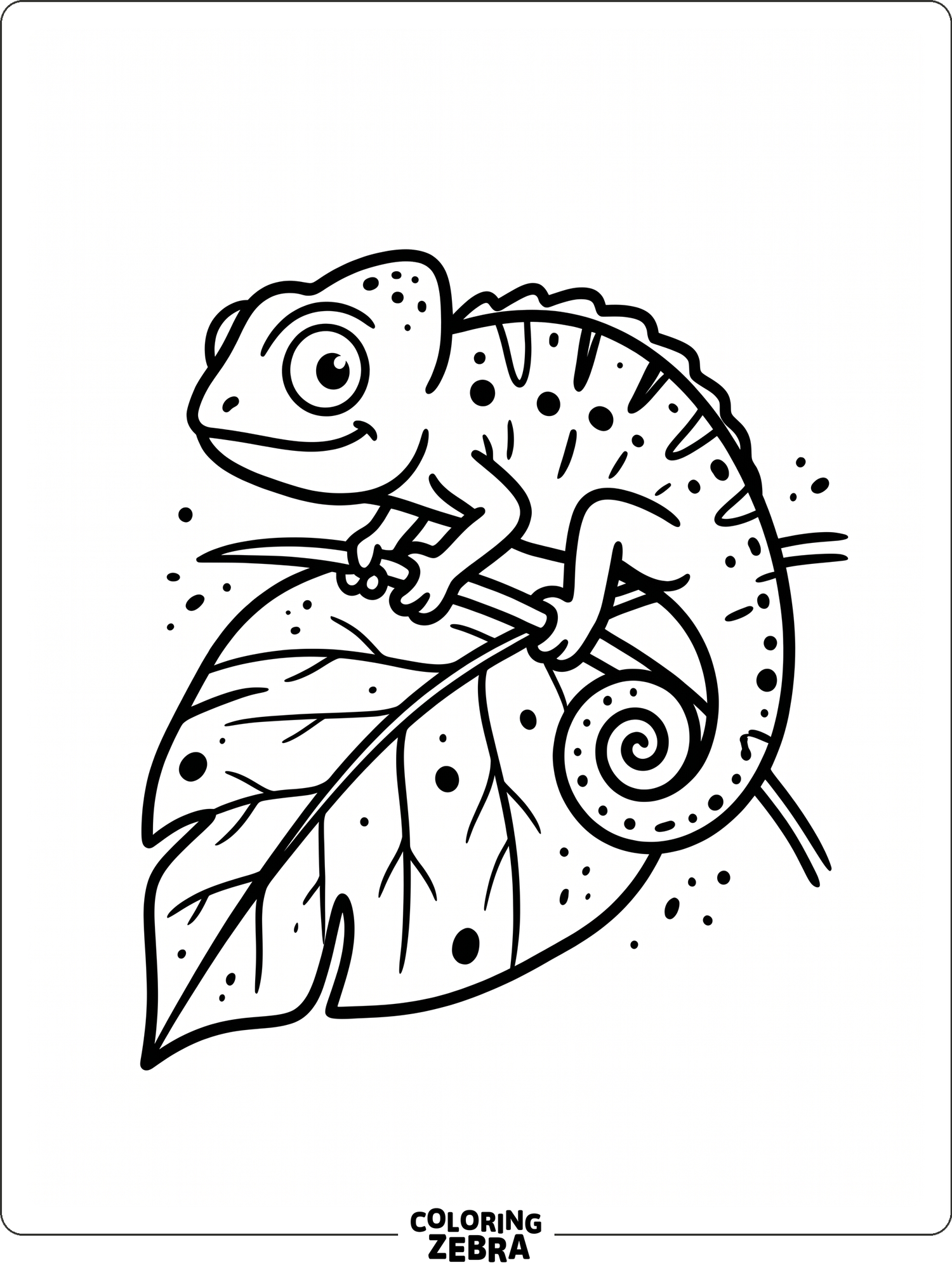
Chameleon Coloring Pages highlight one of the most recognizable lizards in nature, with curled tails, gripping feet, and expressive eyes. This set mixes simple outlines with decorative scenes, so there is plenty to notice on every page. You will find chameleons on leaves, branches, vines, flowers, and tree trunks, plus a few playful extras. The variety makes it easy to choose a page that feels quick, cute, or more detailed.
Print on standard white paper for the cleanest lines, or choose thicker paper if you plan to use markers. For smaller children, set the page to fit to paper and use draft mode only if the outlines still print clearly. If you want to save ink, print a few pages in black and white first and color them with crayons or colored pencils.
Related coloring pages
Printable Chameleon Coloring Pages

Chameleon Branch Coloring Page

Printable Chameleon Outline
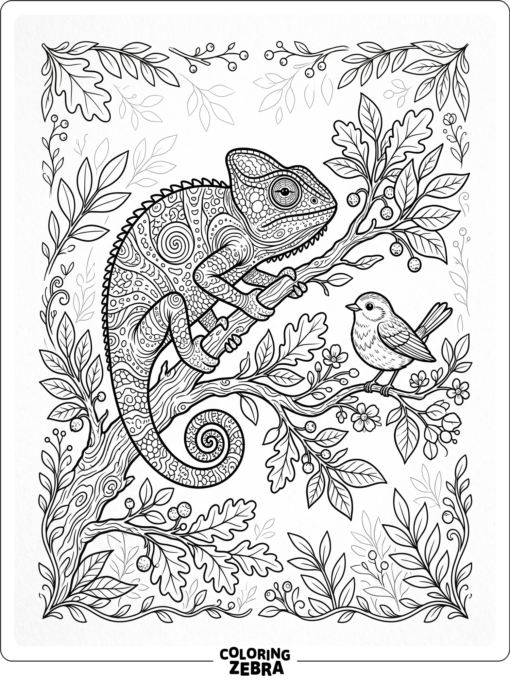

Mixed Up Chameleon Picture
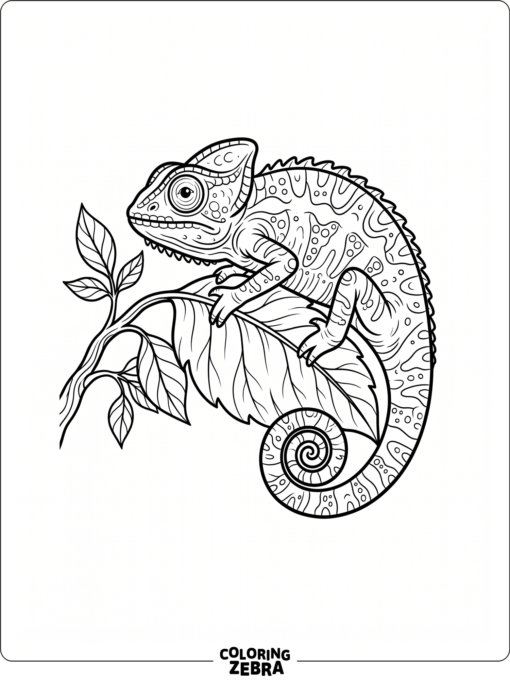

Free Chameleon Coloring Page
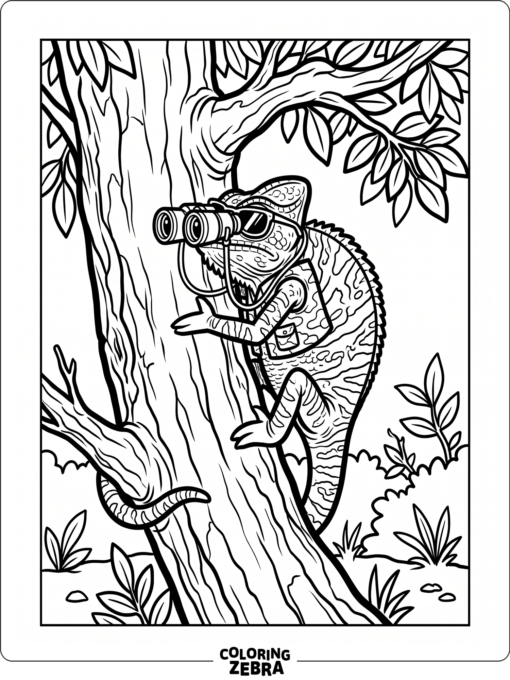

Espio-Inspired Chameleon Page
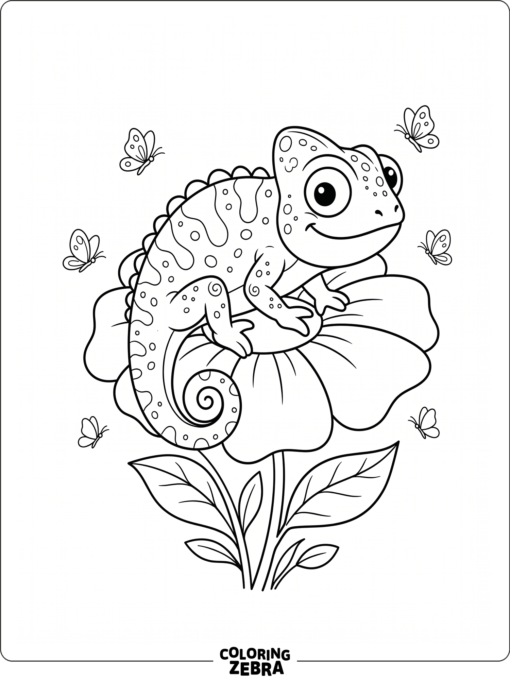

Cute Chameleon Coloring Page
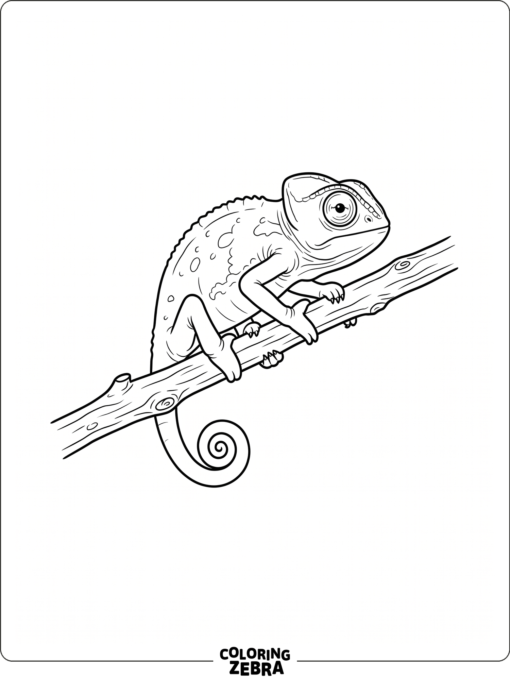

Baby Chameleon Outline
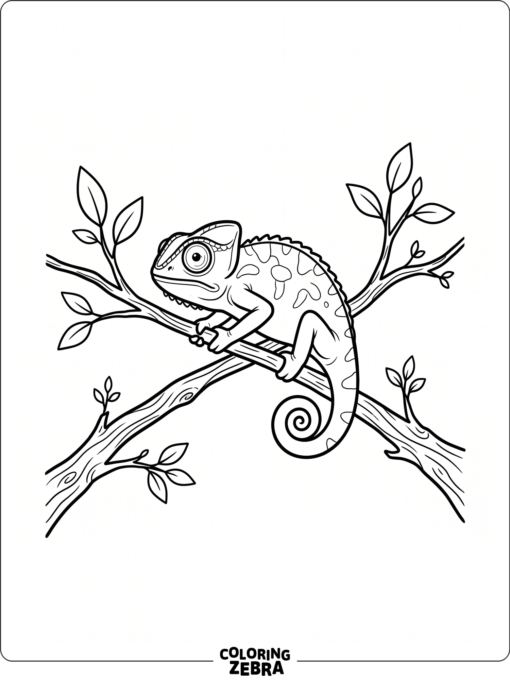

Simple Chameleon Coloring Page
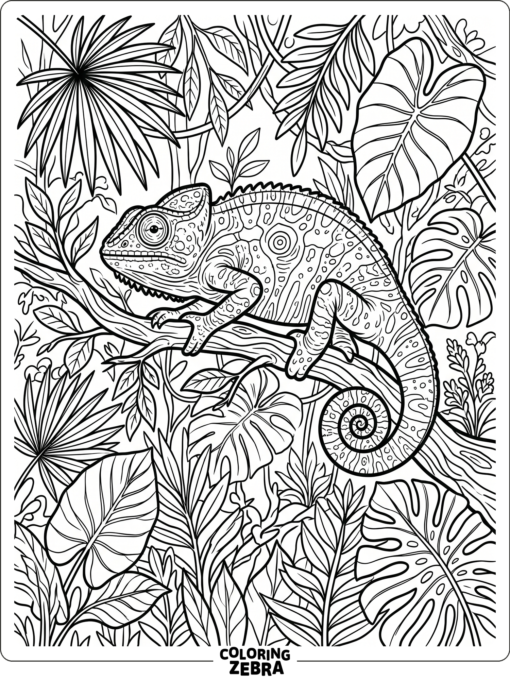

Chameleon Coloring Sheet
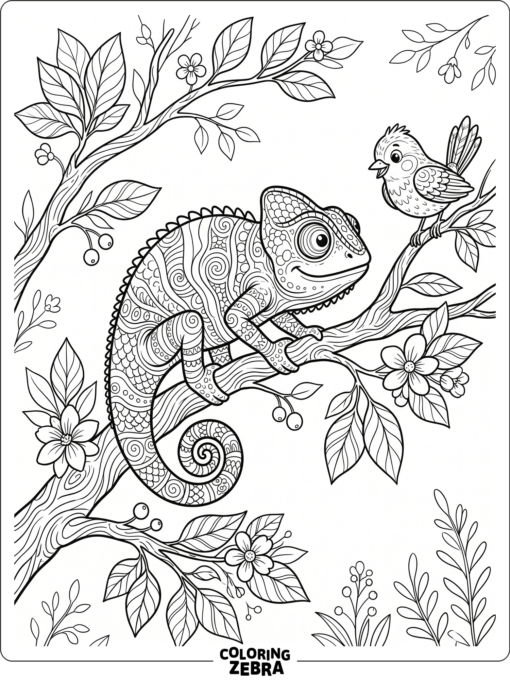

The Mixed Up Chameleon Page
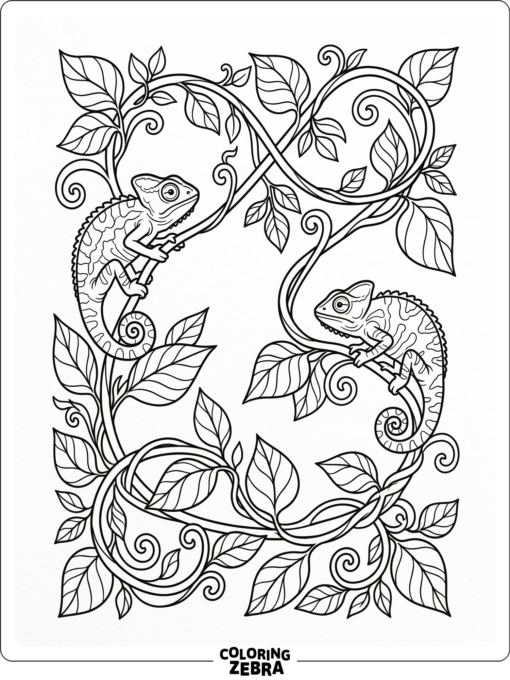

Chameleons Coloring Page
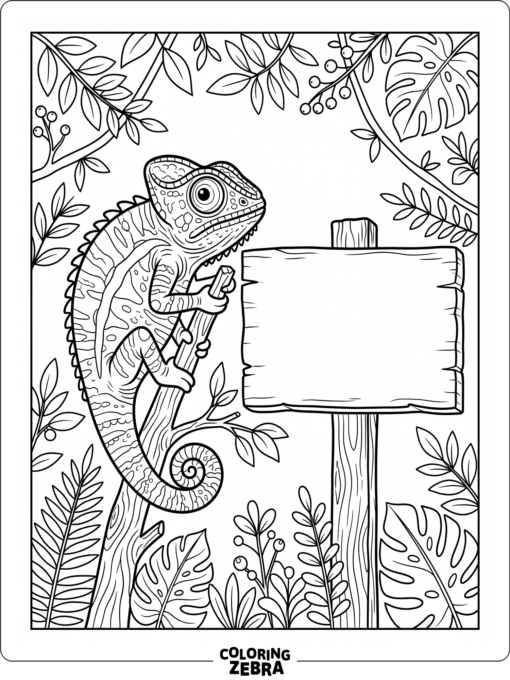

Chameleon Coloring Page PDF
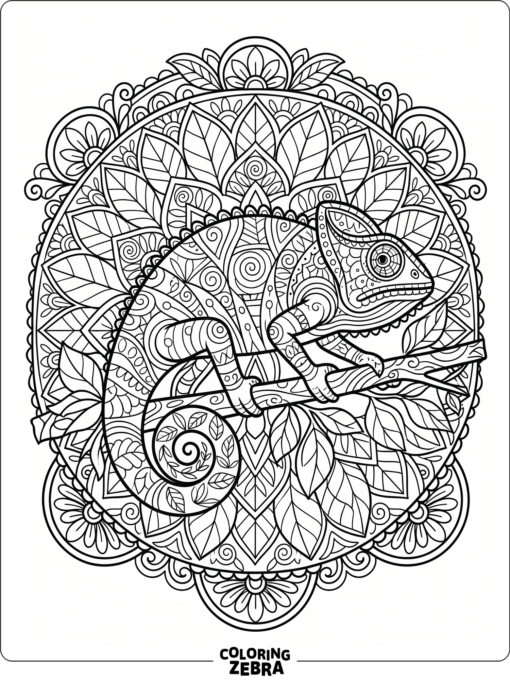

Chameleon Mandala Coloring Page
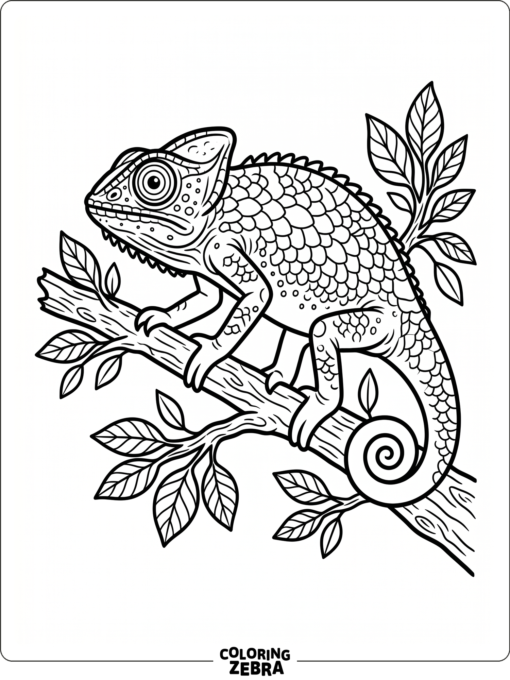

Chameleon Page To Print
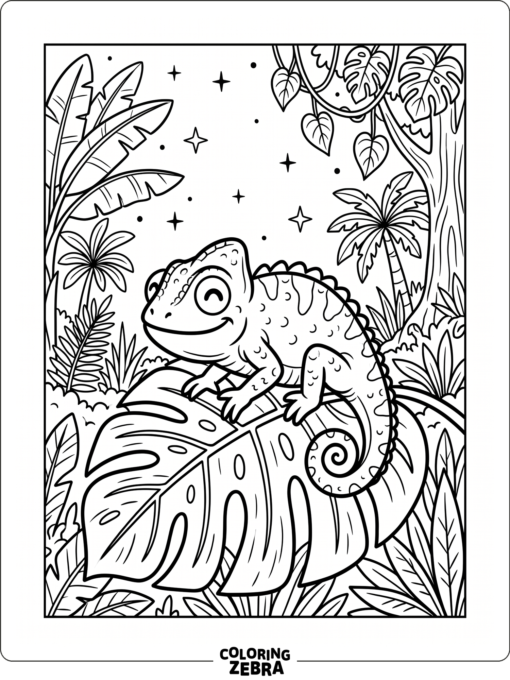

Chameleon Coloring Page For Kids
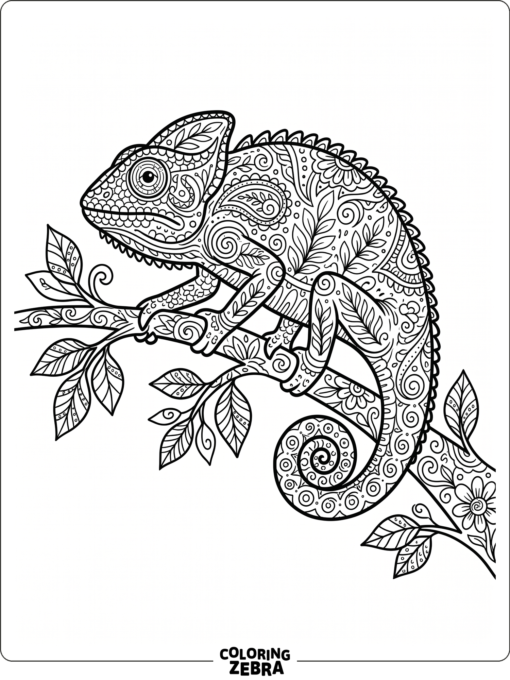

Adult Chameleon Coloring Sheet
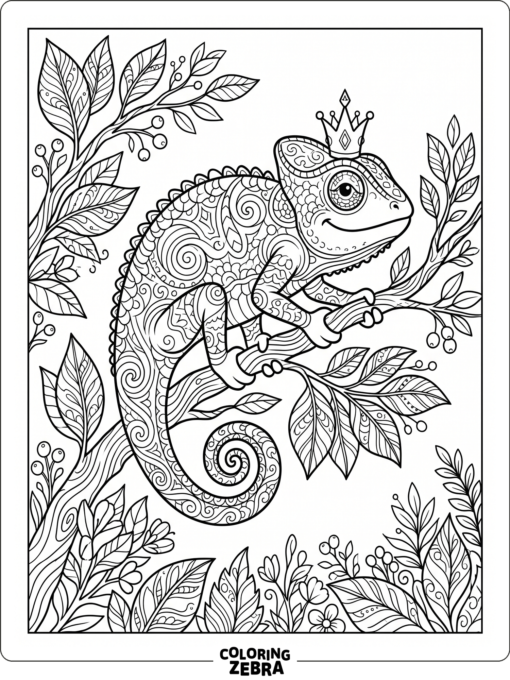

Pascal-Inspired Chameleon Page
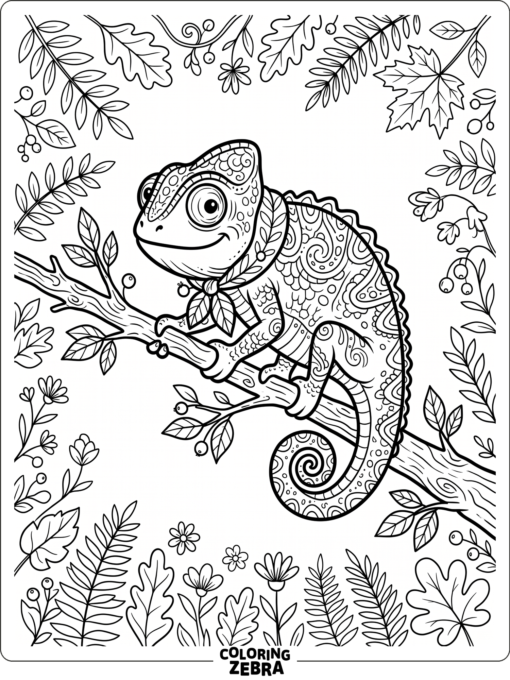

Eric Carle Style Chameleon Page
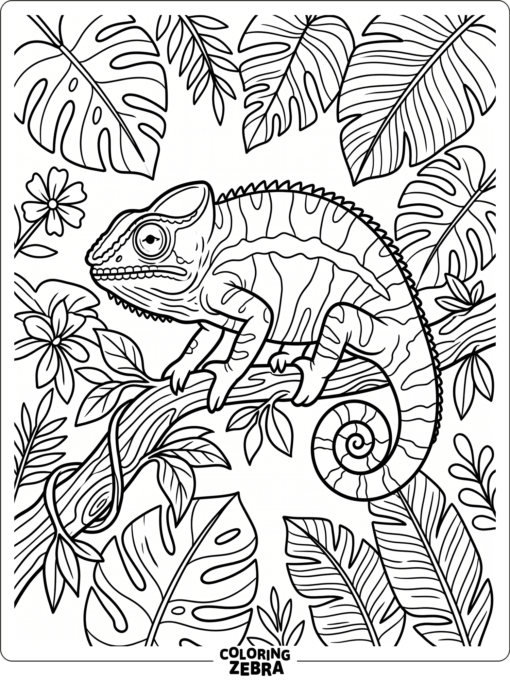

Panther Chameleon Coloring Page
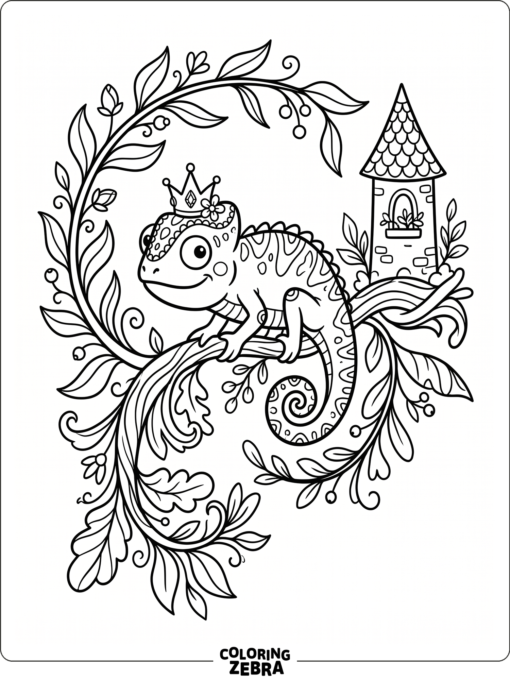

Rapunzel Chameleon Page
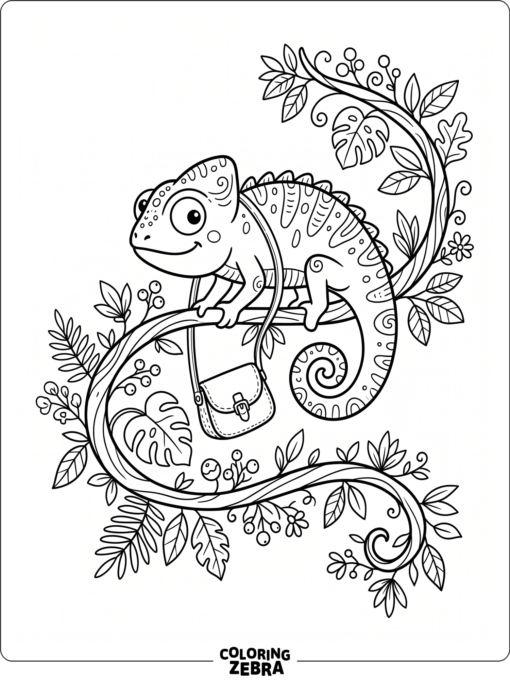

Pascal Chameleon Printable
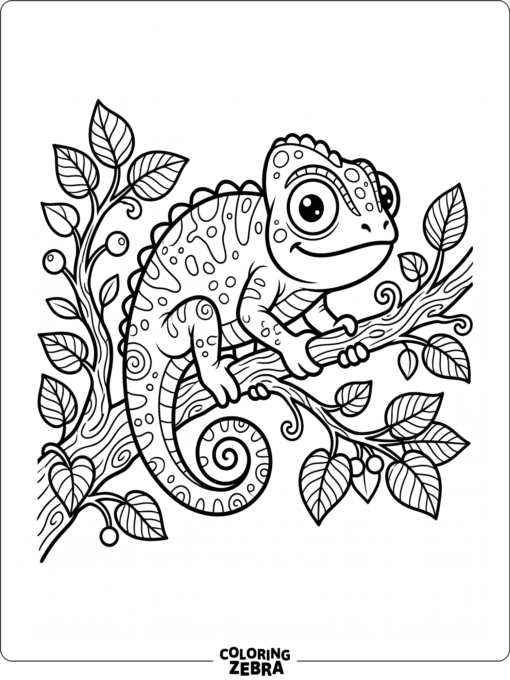

Preschool Chameleon Coloring Sheet

A Color Of His Own Chameleon Page
What makes these reptile pages stand out
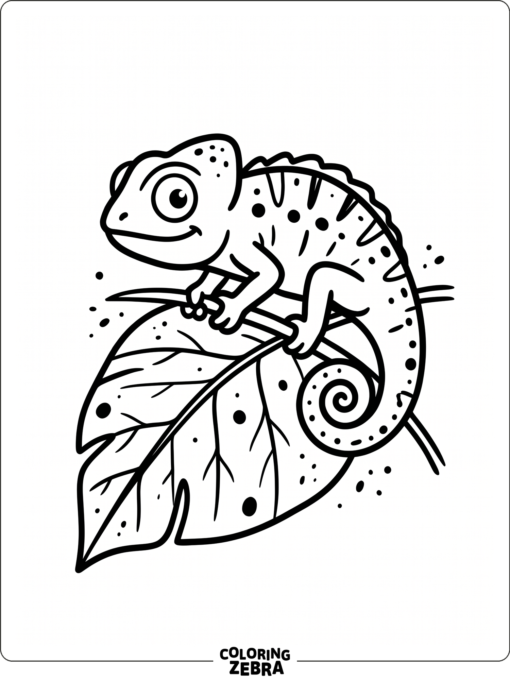
These Chameleon Coloring Pages offer a strong mix of simple, friendly outlines and more decorative line art, which makes the collection appealing for different ages and coloring moods. Some images are very open and easy, like a chameleon on a leaf or a minimal chameleon on a branch, while others add extra visual interest with tropical foliage, a small bird, paint splashes, or a blank sign. That balance gives the set a nice rhythm: one page may feel quick and relaxed, while the next has more tiny details to slow down and enjoy.
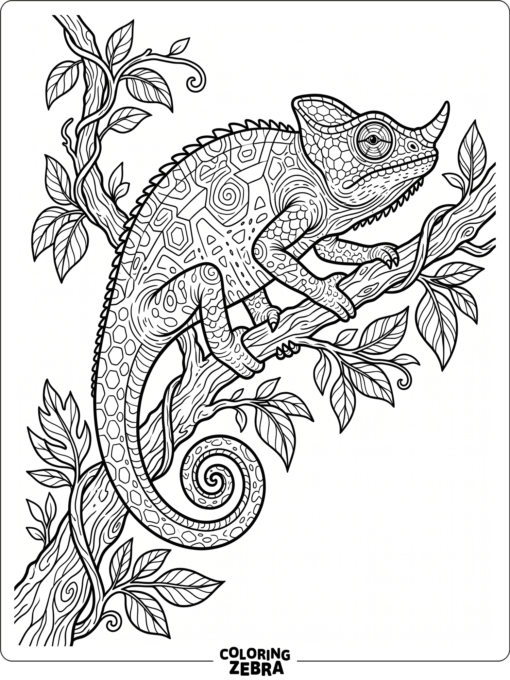
Several scenes place the lizard on natural supports such as leaves, vines, twigs, branches, and a tree trunk. That choice fits the animal well, since chameleons are known for climbing and perching in plants and trees. The pages also include a baby chameleon holding onto a twig, a pair of chameleons perched on twisting vines, and a panther chameleon resting on a branch. Those variations keep the collection from feeling repetitive and make it easier to pick a page that matches a child’s attention span or an adult’s preference for a calmer or busier outline.
What appears in the collection
The set centers on natural poses rather than fantasy scenes, which gives it a grounded animal-and-nature feel. You will see a chameleon peeking from behind a tree trunk, a cute chameleon sitting on a flower, a smiling chameleon on a leaf, and an ornamental chameleon on a branch. There are also a few pages with small storytelling touches, including a bird near the chameleon, a tiny crown, a leaf scarf, a small satchel, and a tower beside a vine. These little additions make each printable page feel distinct without overwhelming the main subject.
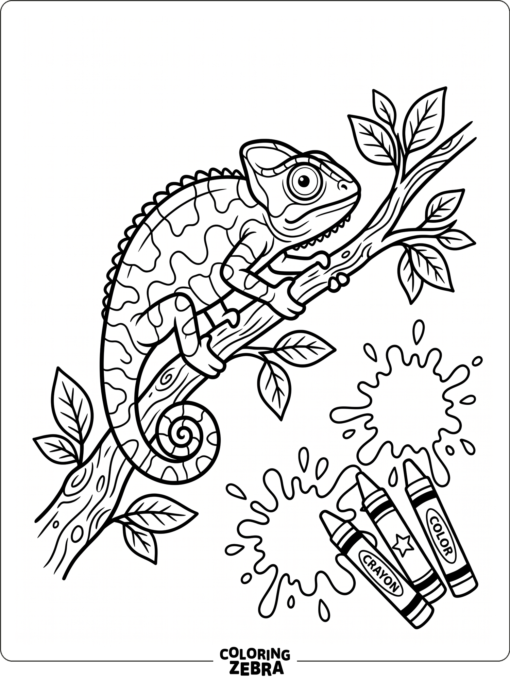
The range also includes a mandala leaf frame and a chameleon changing colors beside paint splashes. Those two designs are especially useful if you want something more decorative than a basic outline. The mandala-style border gives the page a patterned frame that works well for careful coloring, while the paint splashes add a lively accent that can be colored boldly. Because the full set includes both simple and ornate versions, the collection works well for mixed-use settings like classrooms, rainy-day activities, and quiet coloring sessions at home.
Chameleon facts that match the artwork
Chameleons are reptiles, which means they are lizards, not amphibians or insects. Many people recognize them for their color-changing ability, although the reasons for color shifts vary by species and situation. Chameleons also have independent eye movement, zygodactyl feet that help them grip branches, and long prehensile tails that support climbing. Those traits fit the shapes shown in the pages, especially the curled tails and the way the animals cling to twigs, vines, and leaves.
A panther chameleon appears in the collection as a named species, which is a helpful detail for readers who enjoy real animal variety. This is a good place to mention that chameleons usually use their long, sticky tongues to catch prey and that their body shape is especially suited to life in trees. These facts can turn a coloring session into a light nature lesson without making the page feel like a textbook.
How to approach different styles on the pages
For the simplest outlines, crayons or broad colored pencils work well because they keep the process quick and relaxed. A page with a chameleon on a leaf or branch can be finished in a few colors, while a smiling or cute version may invite softer, brighter choices. If the page has ornamental details, a mandala leaf border, or dense tropical leaves, finer pencils can help you add contrast without coloring outside the lines. The more decorative drawings also reward careful shading on the tail, body ridges, and surrounding foliage.
Pages with extra props can be used in more playful ways. A blank sign can hold a child’s name or a short message after coloring, while a tiny crown or leaf scarf can inspire a more whimsical palette. The bird, satchel, and tower details give each scene a little narrative energy, even though the pages stay focused on the animal itself. That makes the collection useful for teachers, parents, and anyone looking for reptile coloring pages with enough variety to keep a stack of printables interesting.
Ways to use the finished pages
- Hang a few colored pages together as a small animal-themed display.
- Use the simple pages for quick coloring practice and the detailed ones for longer sessions.
- Pair the artwork with a short lesson about climbing adaptations, eye movement, or color change.
- Let children compare a minimal chameleon coloring sheet with a more ornamental design.
- Create a nature binder or portfolio with finished chameleon coloring pages printable for later review.
If you want to extend the activity, ask children to point out the leaves, vines, branches, and tree trunk elements in each picture before they color. That encourages careful observation and helps them notice how each chameleon is posed differently. The result is a printable set that feels varied, memorable, and easy to reuse across home, classroom, or hobby settings.
People Often Ask Us…
-
Why can chameleons change color?
-
How are chameleons different from other lizards?
-
What is a panther chameleon?
-
Do chameleons live in trees?
-
How do chameleons catch food?