Cheetah Coloring Pages
Cheetah Coloring Pages spotlight sleek big cats, bold spots, and a wide mix of poses. Some pages are realistic and detailed, while others are simple outlines that are easy to color. You’ll also find cub scenes, decorative patterns, and a few playful surprise themes. The collection works well for anyone who likes wildlife art with variety.
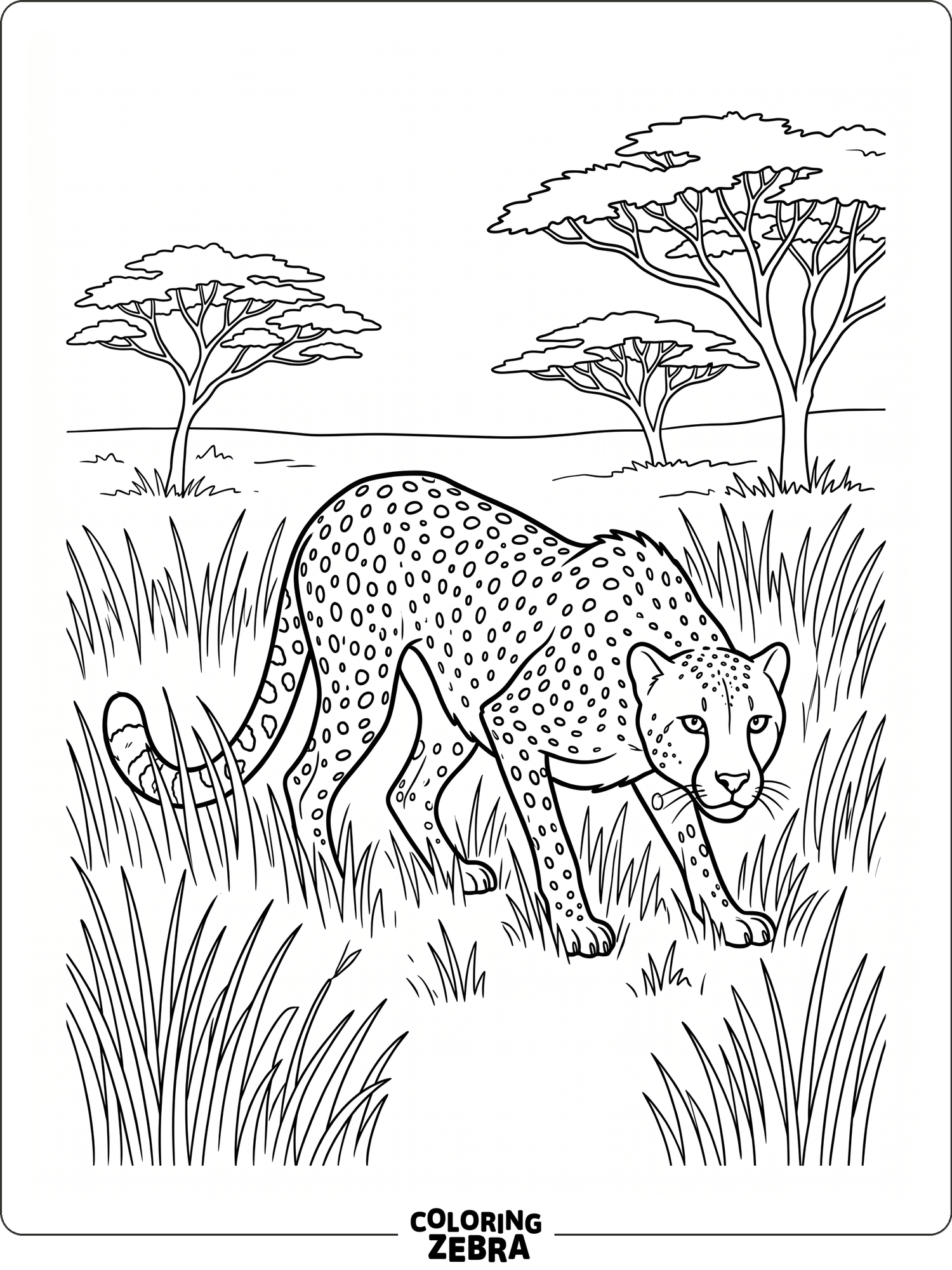
Print on heavier paper if you plan to use markers, or choose standard paper for crayons and colored pencils. For lighter ink use, select draft mode and print only the pages you want in the size that fits your project best.
Related coloring pages
Printable Cheetah Coloring Pages
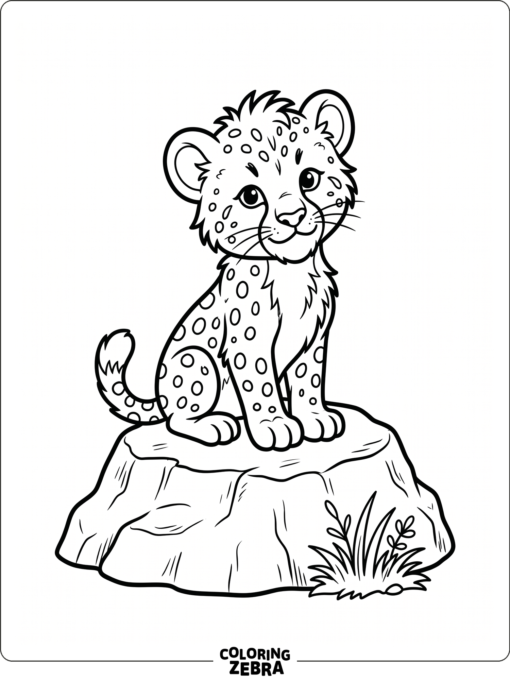

Baby Cheetah Coloring Page
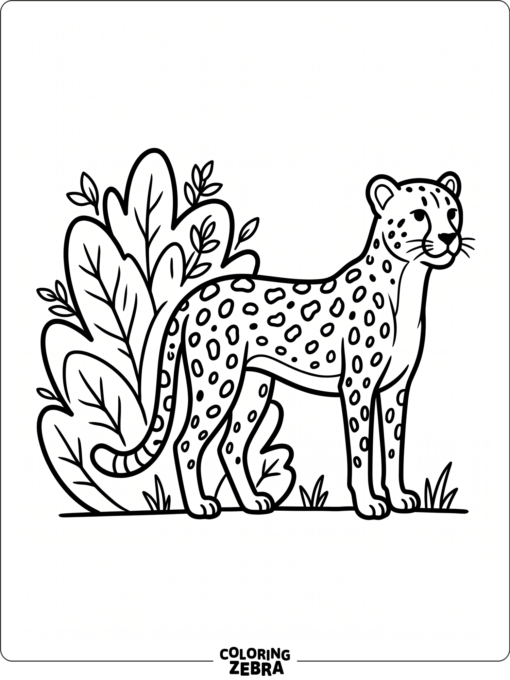

Cheetah Coloring Page for Kids
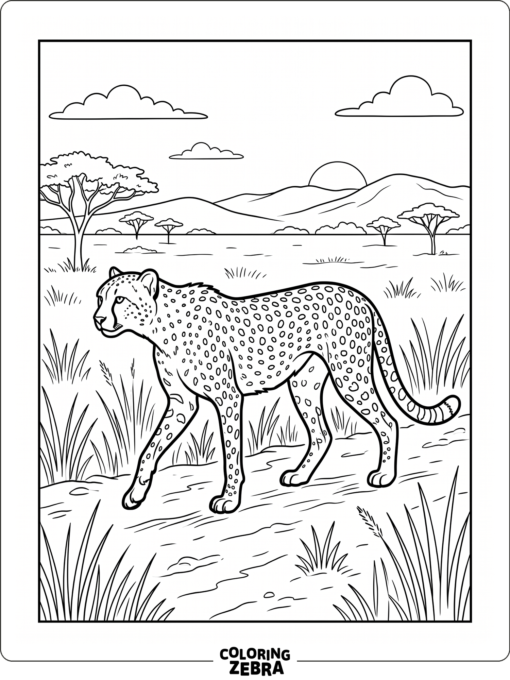

Realistic Cheetah Coloring Pages
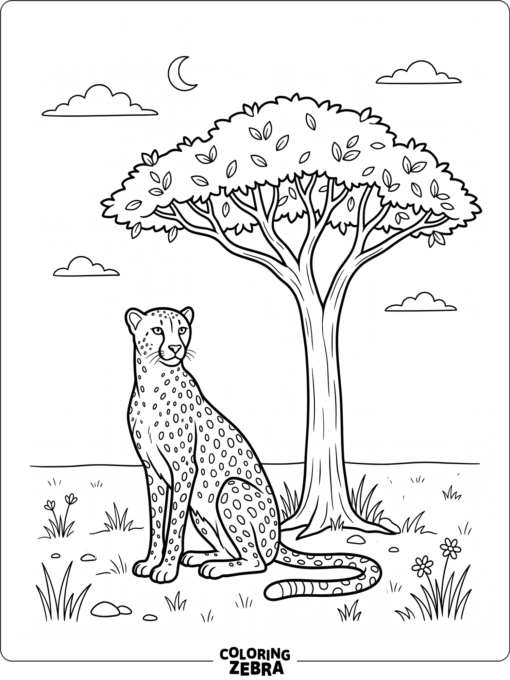

Cheetah Coloring Page Printable
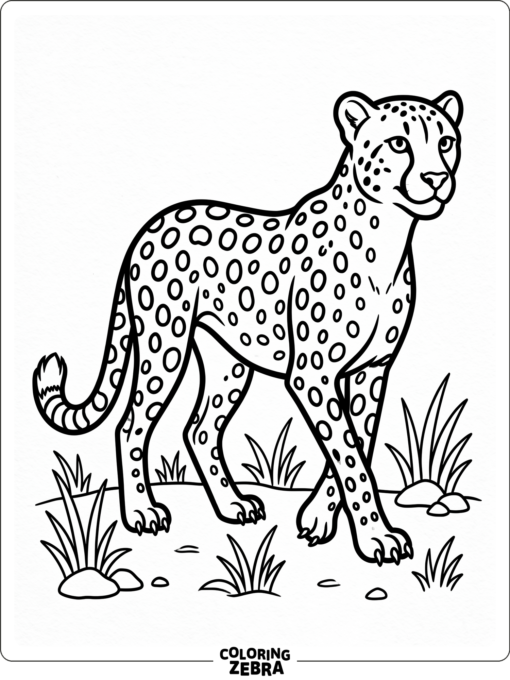

Easy Cheetah Coloring Pages
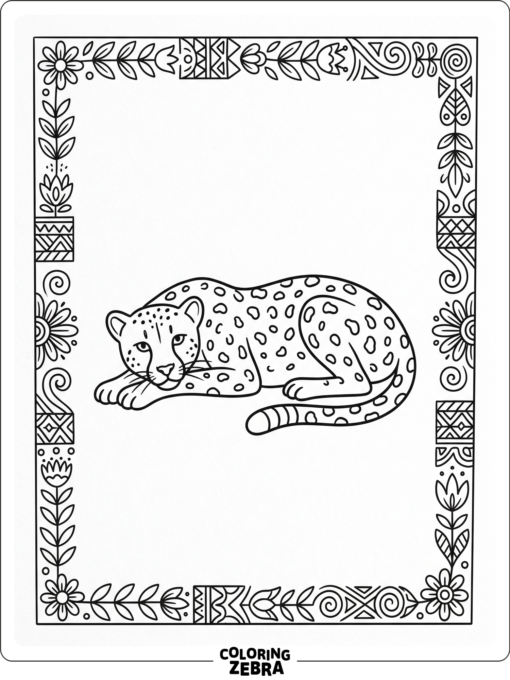

Cheetah Coloring Page PDF
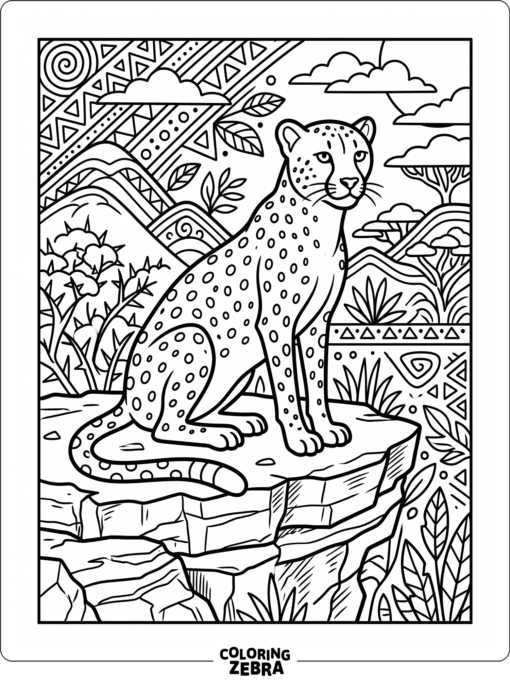

Cheetah Coloring Pages for Adults
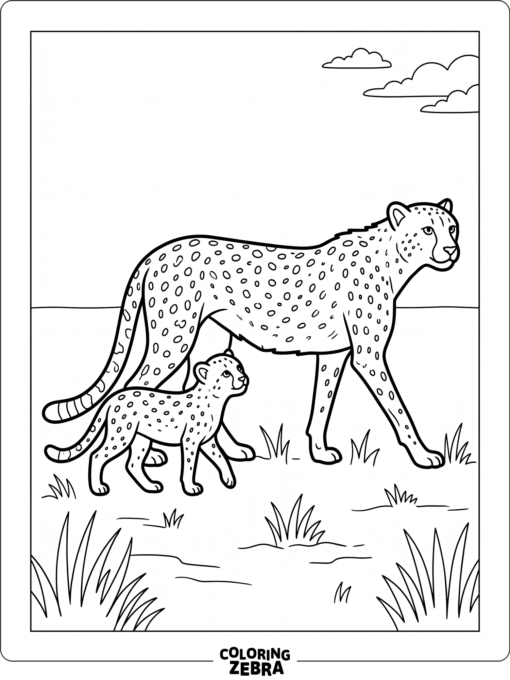

Cheetah Family Coloring Page
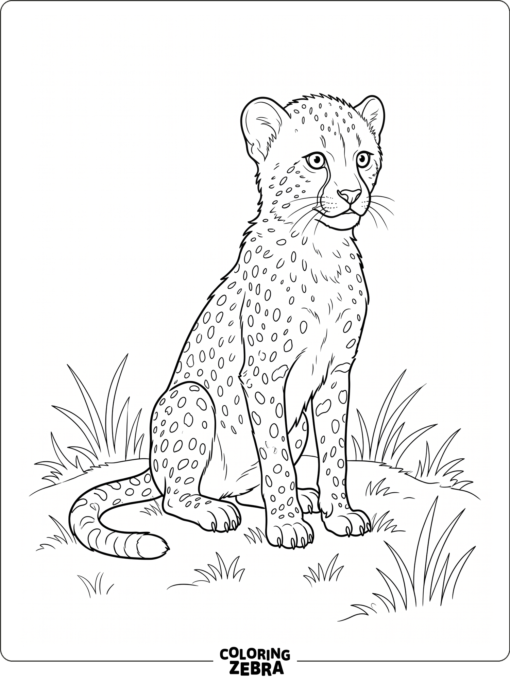

Baby Cheetah Realistic Cheetah Coloring Pages
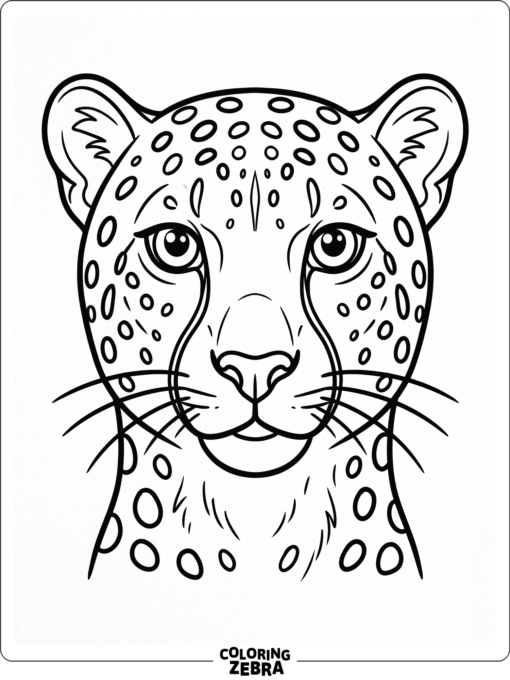

Cheetah Face Coloring Page
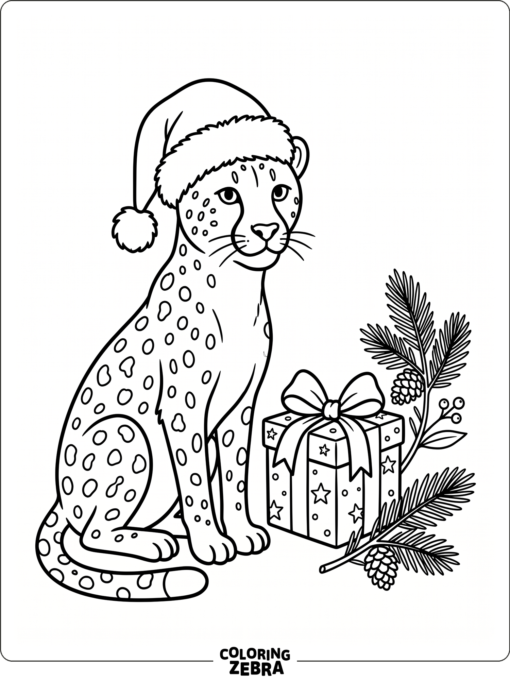

Christmas Cheetah Coloring Page
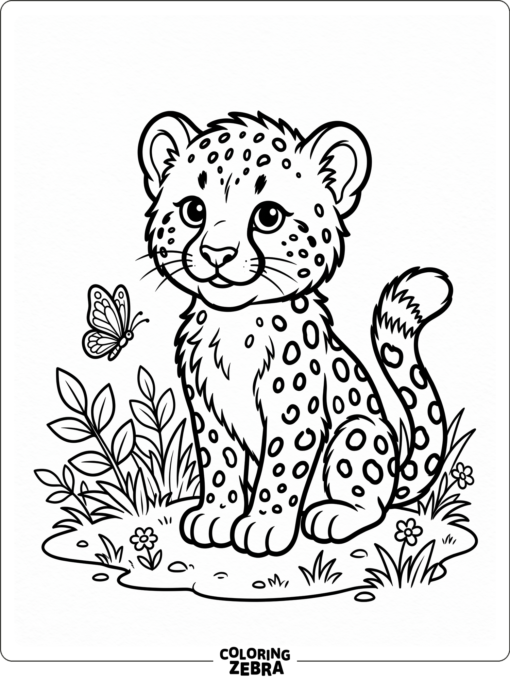

Cute Cheetah Cub Coloring Page
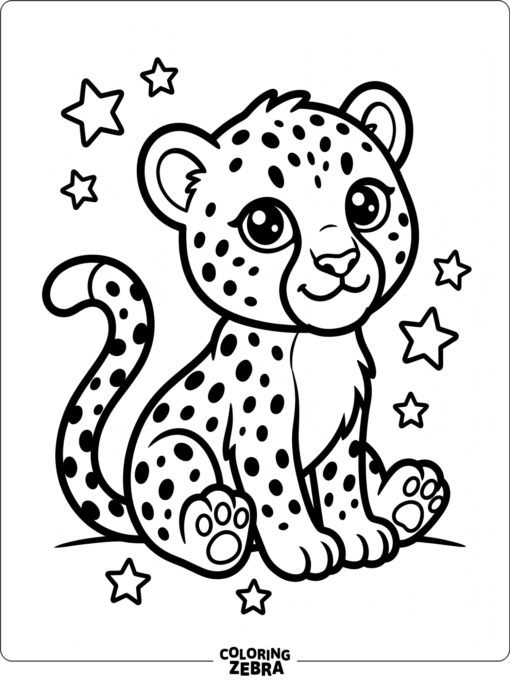

Cute Easy Cheetah Coloring Pages
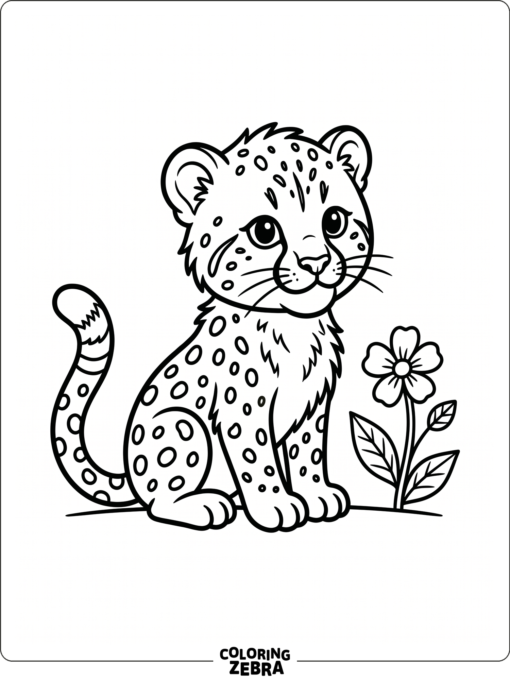

Printable Cute Baby Cheetah Coloring Pages
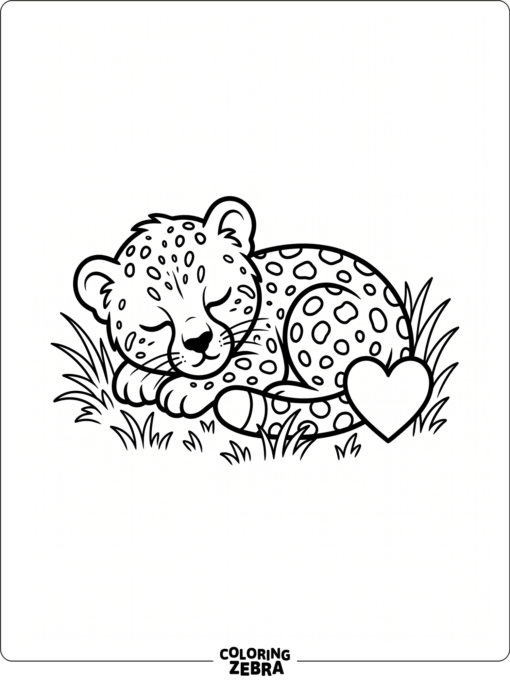

Cheetah Cub Cute Baby Cheetah Coloring Pages
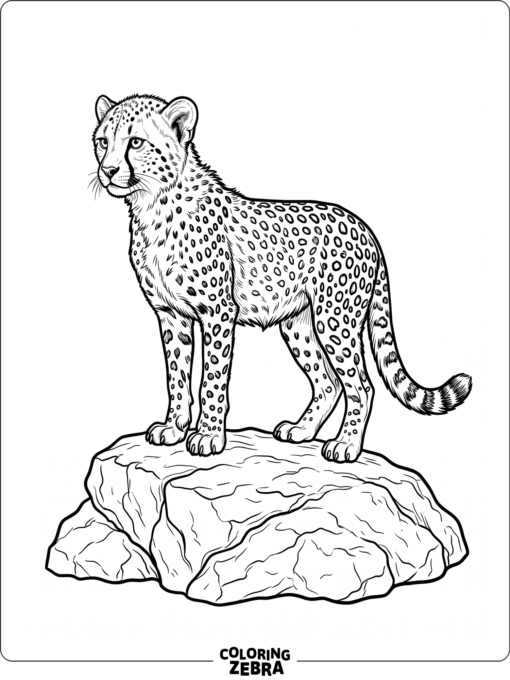

Realistic Cheetah Cub Coloring Page
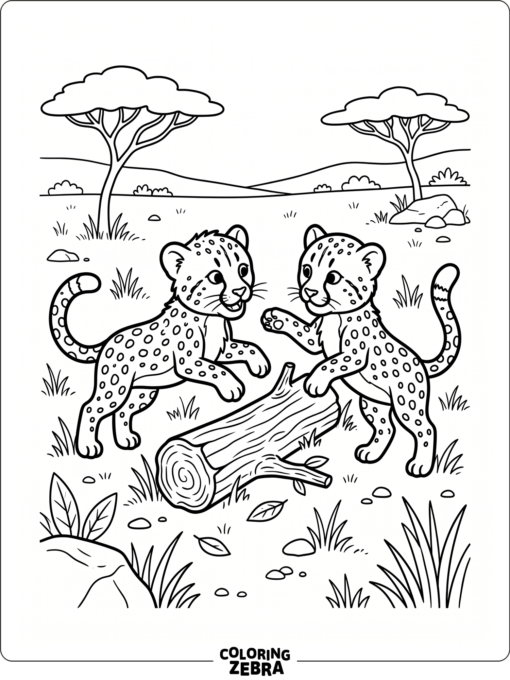

Cheetah Kids Coloring Page
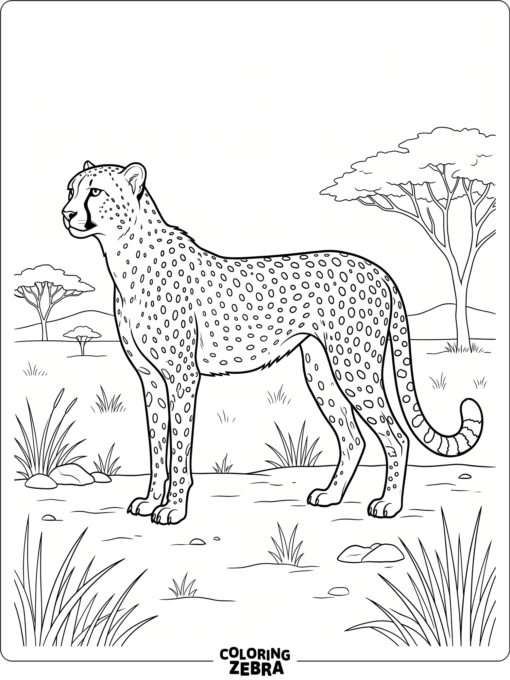

Realistic Printable Cheetah Coloring Page
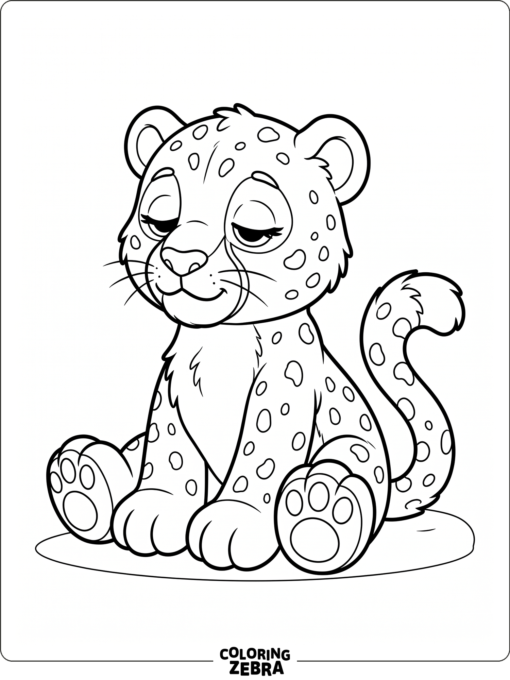

Cheetah Squishmallow Coloring Page
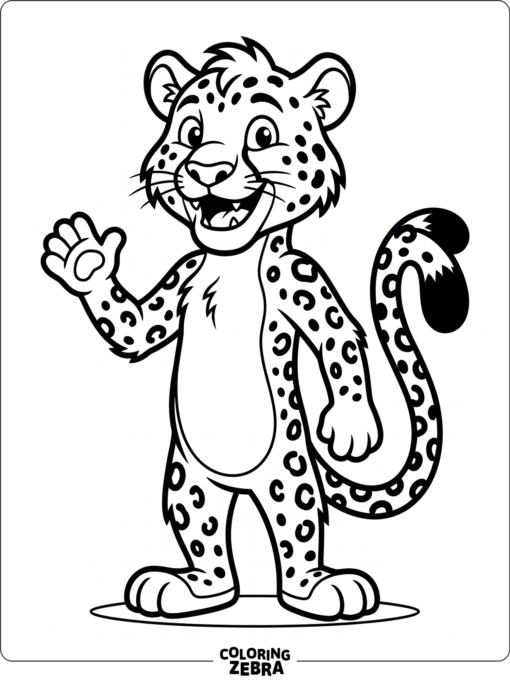

Chester Cheetah Coloring Page
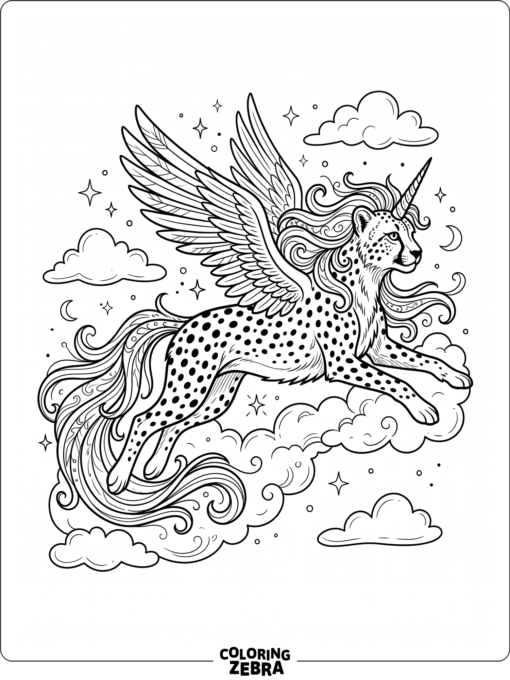

Unicorn Cheetah Coloring Page
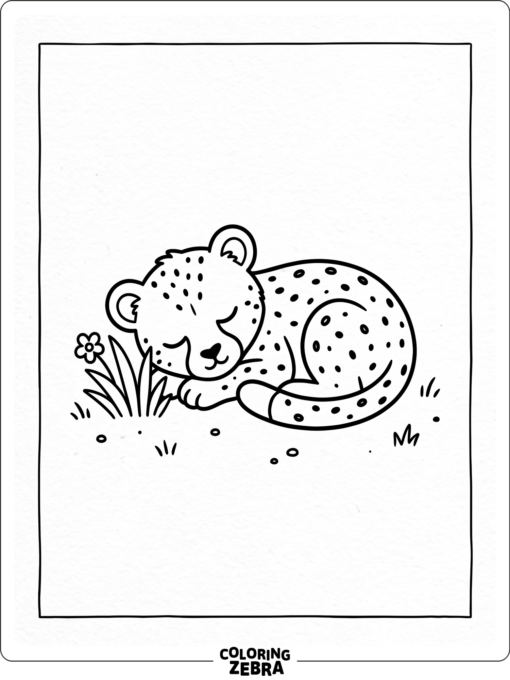

Baby Cheetah Coloring Sheet
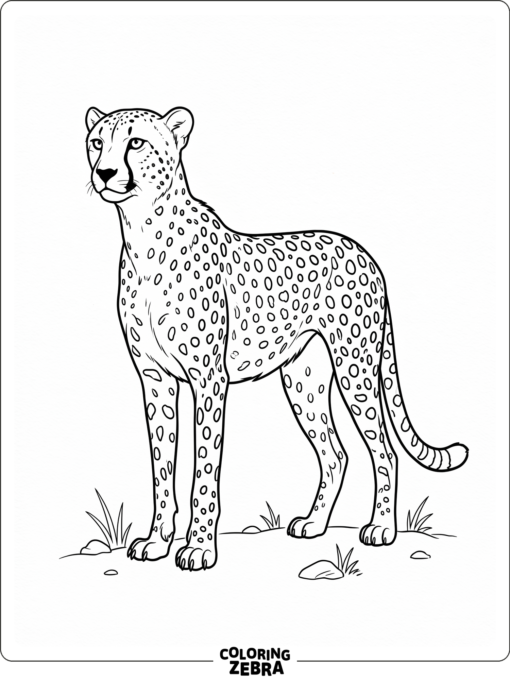

Cheetah Outline Drawing for Coloring
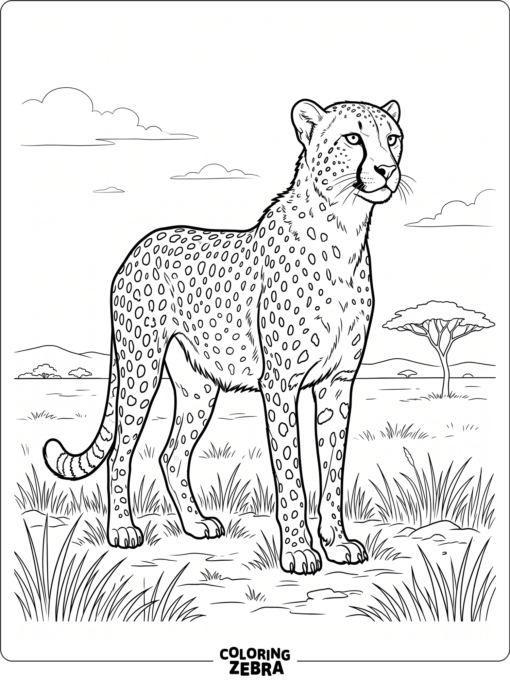

Cheetah On Savanna Coloring Page
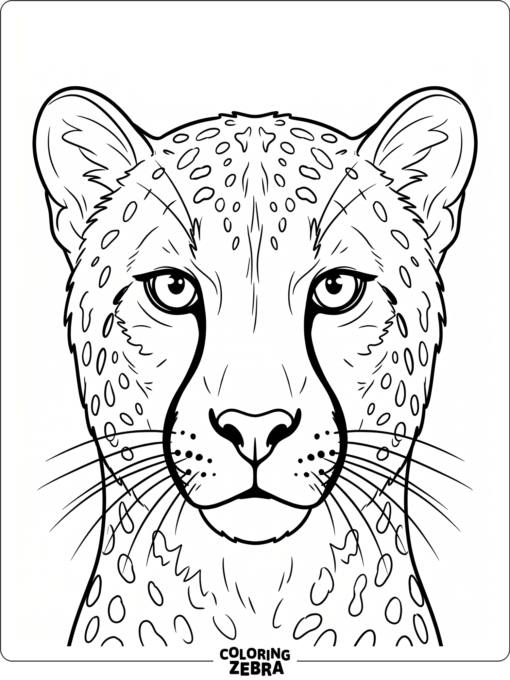

Cheetah Close Up Portrait Coloring Page
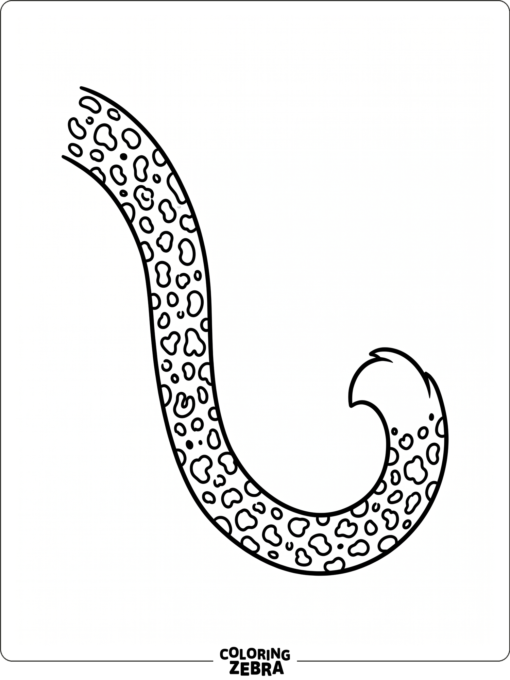

Cheetah Tail Pattern Coloring Page
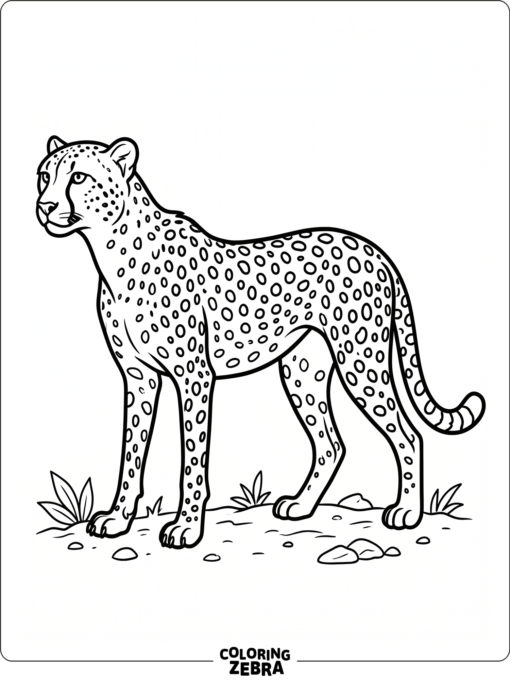

Cheetah Camouflage Spots Coloring Page
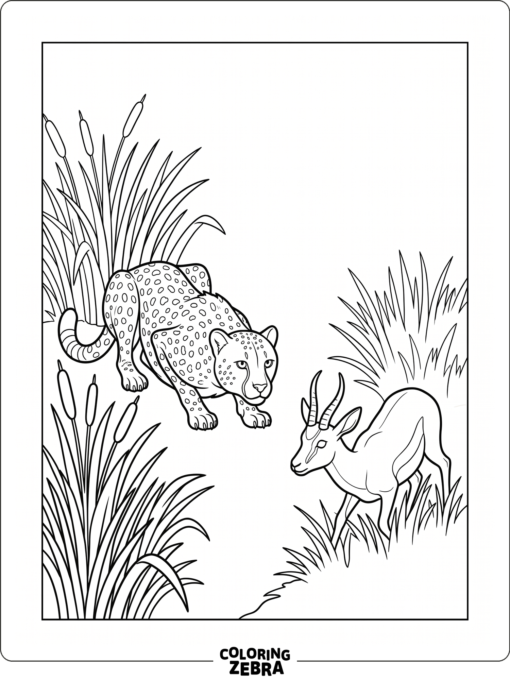

Cheetah Hunting Scene Coloring Page
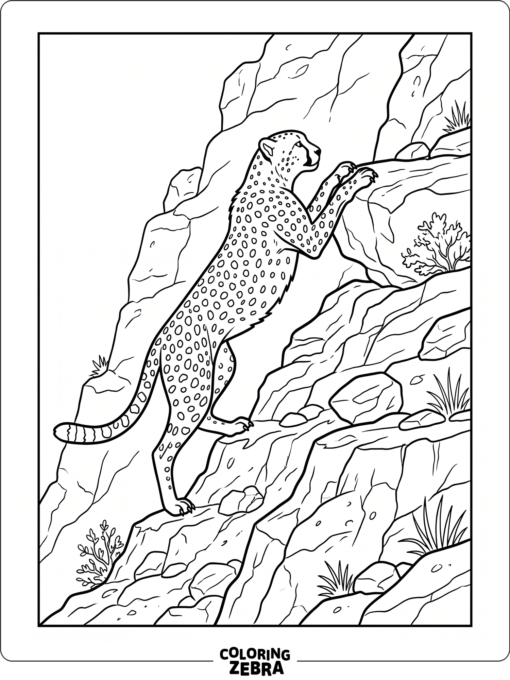

Cheetah Climbing Rock Coloring Page
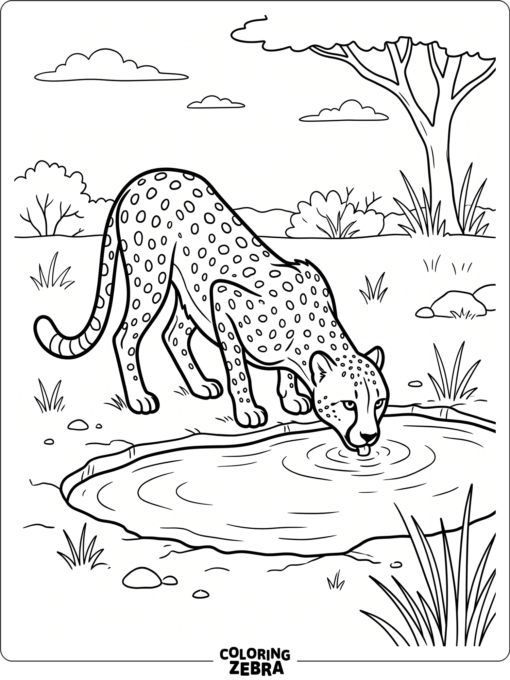

Cheetah Drinking Water Coloring Page
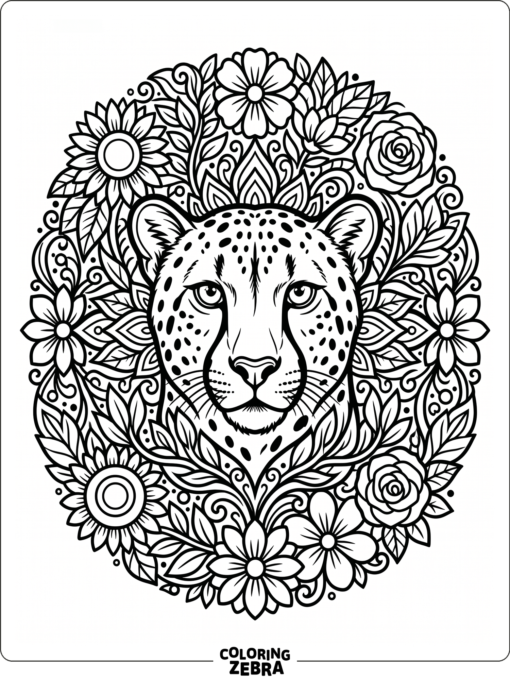

Cheetah Mandala Coloring Page
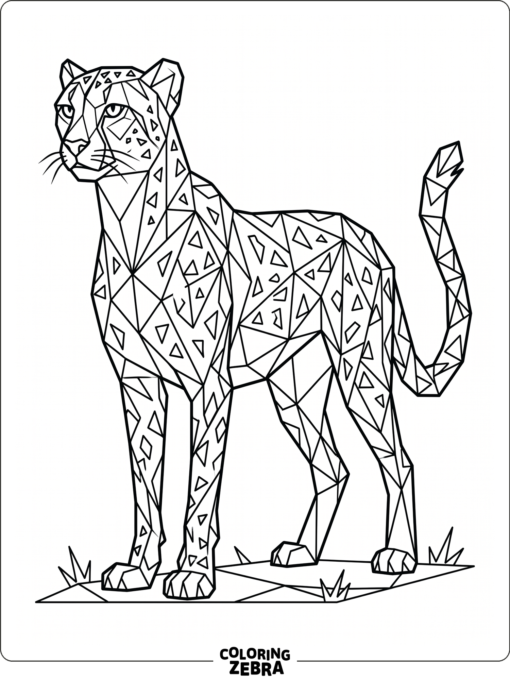

Geometric Cheetah Coloring Design
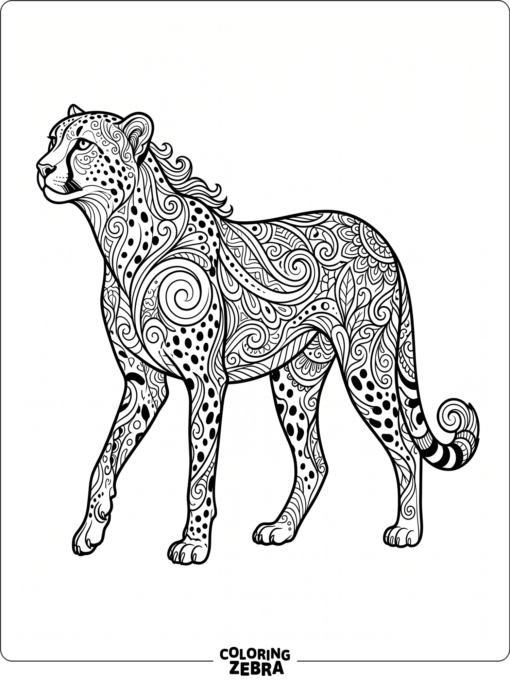

Cheetah Zentangle Coloring Sheet
What’s Included in the Cheetah Coloring Pages Set
This set of Cheetah Coloring Pages offers a wide range of subjects, from realistic wildlife poses to simple outlines that are easier to color. You’ll see cheetahs crouching in grass, walking through savanna scenes, resting in framed designs, and standing in profile with their spotted coats clearly shown. The collection also includes baby cheetahs, cub pairs, and a mother-and-cub page, which adds a softer family-focused angle to the animal theme.
Several sheets lean into decorative styling instead of strict realism. Those pages feature stars, hearts, flowers, mandala flowers, zentangle swirls, and geometric shapes, so the same animal can feel either natural or artistic depending on the design. A few novelty versions, such as the Santa hat, gift, and unicorn horn pages, add a playful twist without losing the cheetah focus.
Cheetah Features Shown in the Pages
The artwork highlights the traits people often notice first: spots, whiskers, long tails, and a narrow profile built for speed. Some pages focus on the face, making the tear-mark lines and alert eyes especially visible, while others show the body from the side so the shape of the legs, spine, and tail is easier to study while coloring. A cheetah body filled with clear spots is especially useful if you want to practice careful pattern work.
Pose variety is another strong part of the set. The animal appears crouching, sitting, standing, walking, climbing, resting, and drinking, which gives each sheet a different mood. That makes the cheetah coloring sheets useful for kids who like simple outlines as well as older colorists who want more detailed shapes and pattern accents.
Habitat Scenes and Background Details
Many of the scenes place the cat in open grassland or savanna-style settings, which fits the animal’s lean body and fast running style. Simple trees, bushes, rocks, logs, ledges, and an acacia tree create a recognizable habitat without crowding the page. The watering hole scene adds variety and gives colorists a chance to use blues, browns, and greens alongside the animal’s spotted coat.
These background details are helpful because they suggest how the cheetah moves through its environment. Open terrain matches the species’ need for speed, while rocks and ledges create a different feel for pages that show climbing or resting. Even a small amount of scenery can make a wildlife coloring page feel more complete.
Coloring Ideas for Different Styles
For realistic cheetah coloring pages, a good starting point is a warm golden-tan base with darker spots and subtle shading around the face, legs, and tail. If you prefer a simpler look, use clean outlines, a single background color, and just a few accent shades for the grass or tree shapes. The cub pages can look especially sweet with soft tan tones and gentle contrast.
Decorative cheetah line art invites a different approach. Mandala and zentangle versions look strong with repeated color families, while geometric pages work well with sharp contrasts and a limited palette. Cute cheetah coloring pages, plush-style drawings, and mascot designs can also take brighter colors if you want a more playful finish.
Why Cheetahs Make Such Interesting Subjects
Cheetahs are known as the fastest land animals, and their long legs, flexible spine, and slender shape are part of what makes them so recognizable. Their spots are solid black rather than rosette-shaped, which is one of the easiest ways to tell them apart from other big cats. The tear-like dark marks on the face are another signature feature and give the portraits extra character on the page.
It also helps that cheetahs often appear calm and alert rather than aggressive. They rest a lot between bursts of activity, so pages showing a resting pose or a crouched stance can feel just as authentic as a running scene. In family scenes, cubs are easy to identify by their smaller bodies and the protective position of the mother.
Ways to Use Finished Pages
Completed cheetah outline coloring pages can be turned into bedroom decor, classroom wall displays, wildlife notebooks, or safari-themed bulletin boards. A set of finished pages also works well for comparing styles, since one child may prefer a simple standing pose while another enjoys the detailed portrait or patterned version. If you are building an animal unit, these pages can open the door to simple conversations about savanna habitats, predator-prey relationships, and how young cubs stay close to their mother.
These pages also make good quiet-time projects because the mix of easy and detailed designs lets different ages work at their own pace. Whether you want a realistic cheetah coloring pages set or a more playful mix of decorative art, the collection gives you plenty of options without losing the cheetah theme.
Common Questions About Cheetahs
What makes a cheetah different from a leopard? Cheetahs have a slimmer body, smaller spots, and a different head shape, while leopards are heavier and have rosette-shaped markings.
Why do cheetahs have spots? The spots help with camouflage in grass and open habitat, especially for cubs and animals resting in the shade.
Do cheetahs climb trees often? They are mostly ground-dwelling, but they can climb rocks or low ledges when needed.
What do cubs look like? Cheetah cubs are smaller, rounder, and often shown close to the mother for safety.
People Often Ask Us…
-
What makes a cheetah different from a leopard?
-
Why do cheetahs have black tear marks?
-
Where do cheetahs live?
-
What do cheetah cubs look like?
-
Can cheetahs climb trees?