Camel Coloring Pages
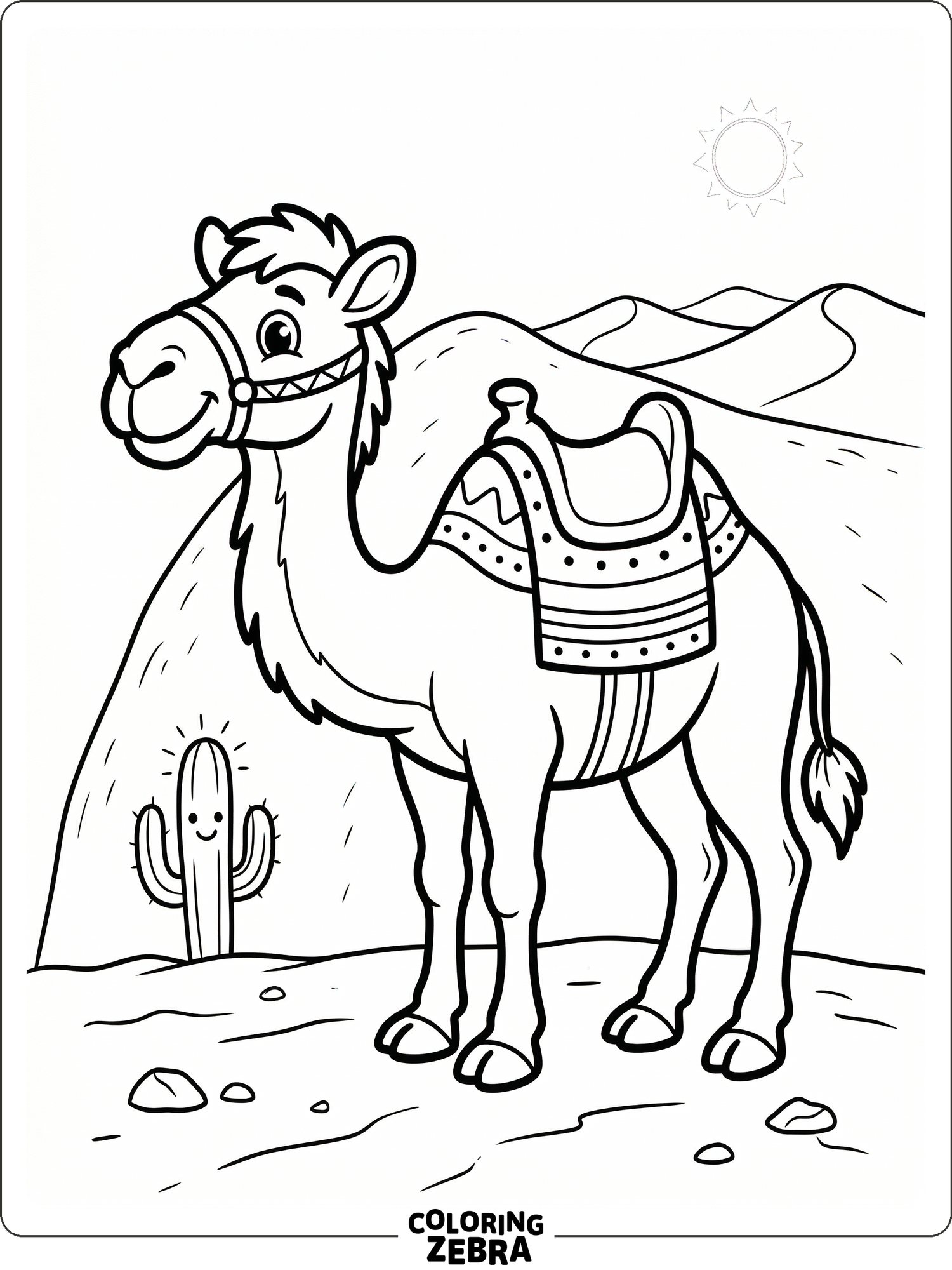
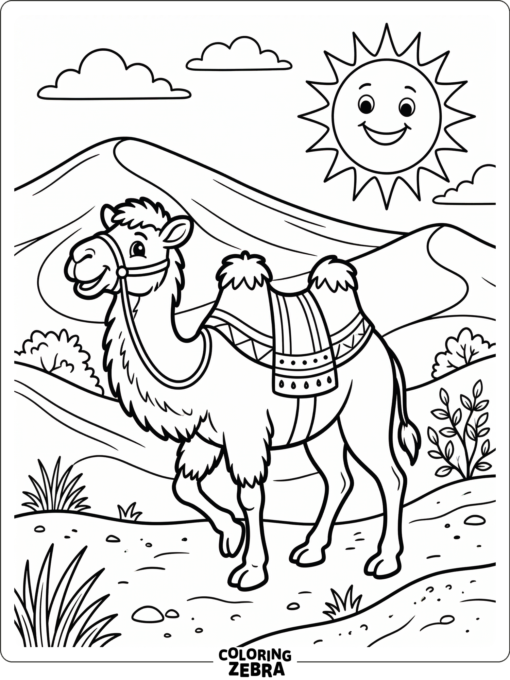
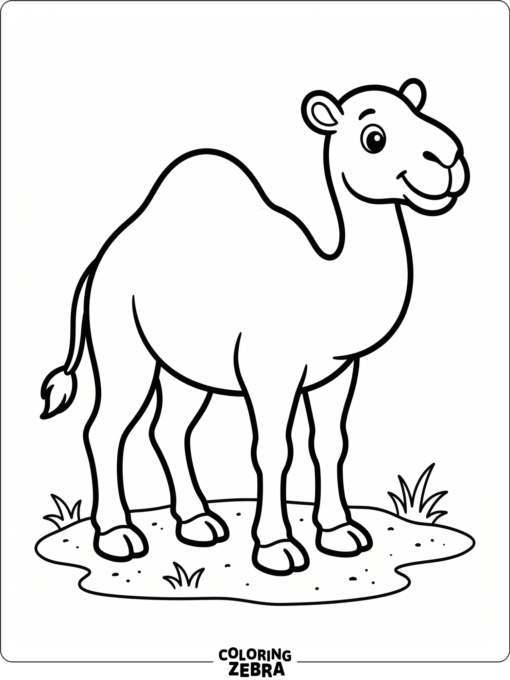
Camel Coloring Pages bring desert life to the page with a mix of cute, friendly camels and more lifelike, textured fur scenes. You will find profile walkers beside soft dunes, close-up faces with long eyelashes, and bold, clean outlines with room to invent your own background. There are also playful variations, like a scarf-wearing camel, sunglasses camel, and even a camel in a Santa hat. From baby camels near desert grass to multiple camels traveling with packs, this collection is great for both relaxing color time and classroom print sets.
Print on heavier paper if you want richer blending, such as 160–200 gsm or standard cardstock for markers. Set your printer to “Fit to page” while keeping margins visible, and choose high quality for the realistic, fur-texture pages. To save ink, use grayscale printing for sketchier outlines, then color with your preferred palette.
Related coloring pages
Camel Coloring Pages: Desert Dunes, Cute Faces, and Realistic Camels

Camel Coloring Page PDF

Easy Camel Coloring Page
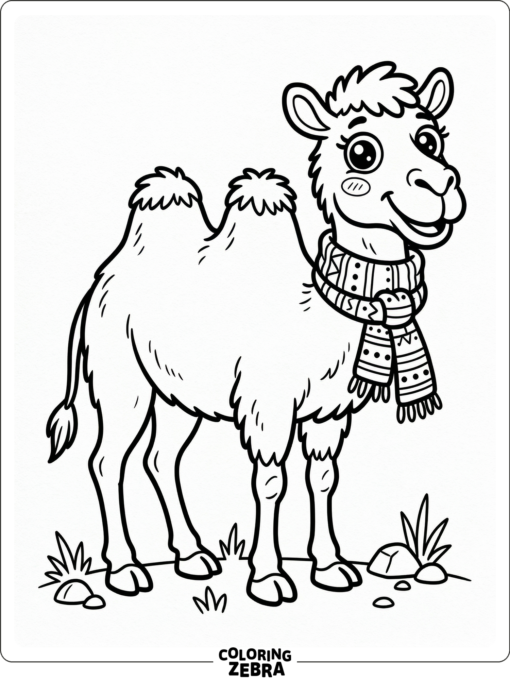

Cute Camel Coloring Page
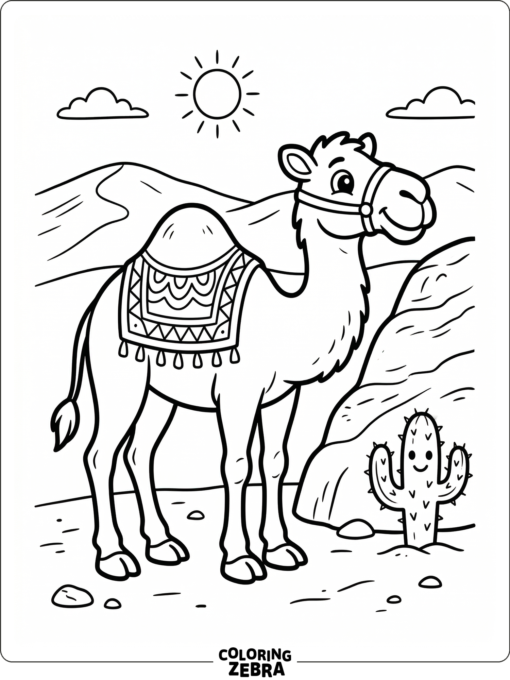

Cartoon Camel Coloring Page
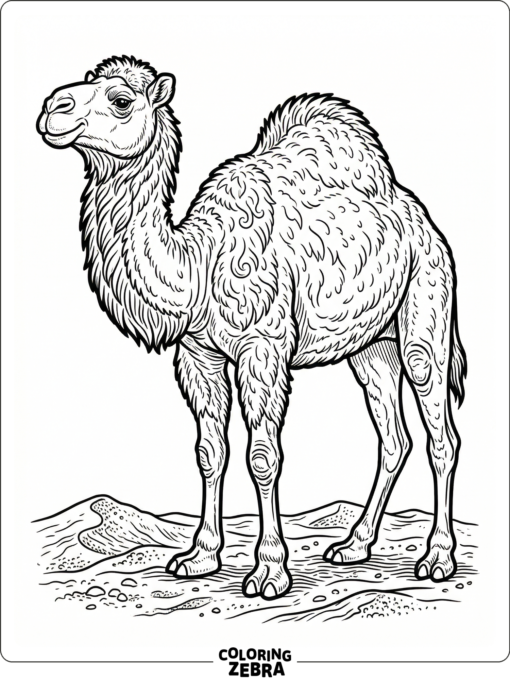

Realistic Camel Coloring Page
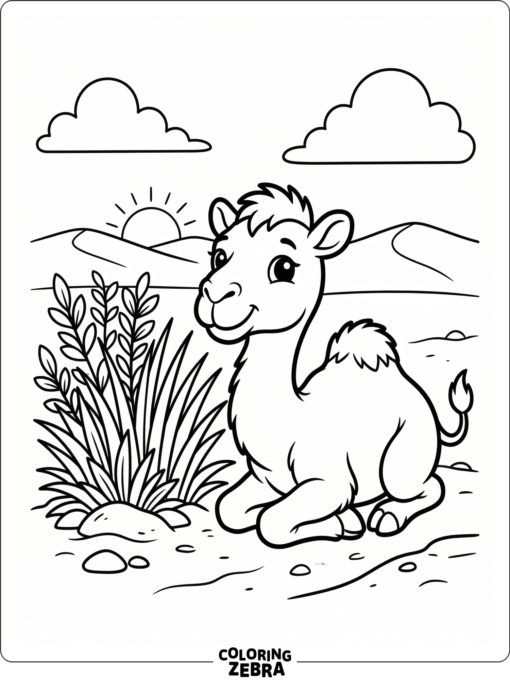

Baby Camel Coloring Page
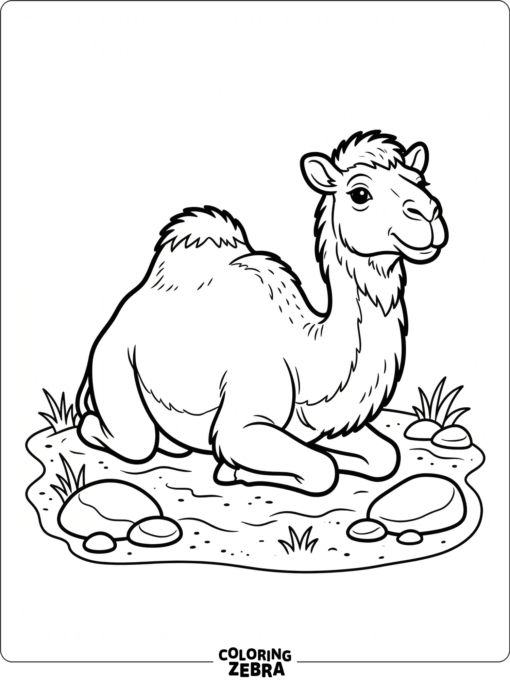

Camel Coloring Sheet
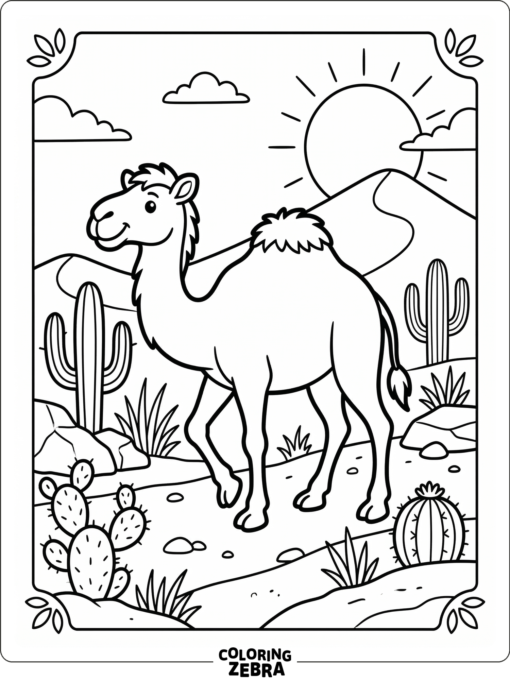

Camel Printable Coloring Sheet
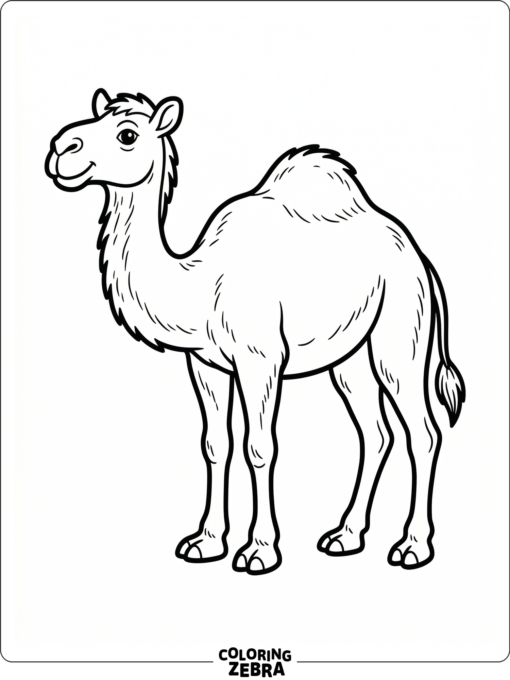

Camel Outline Coloring Page
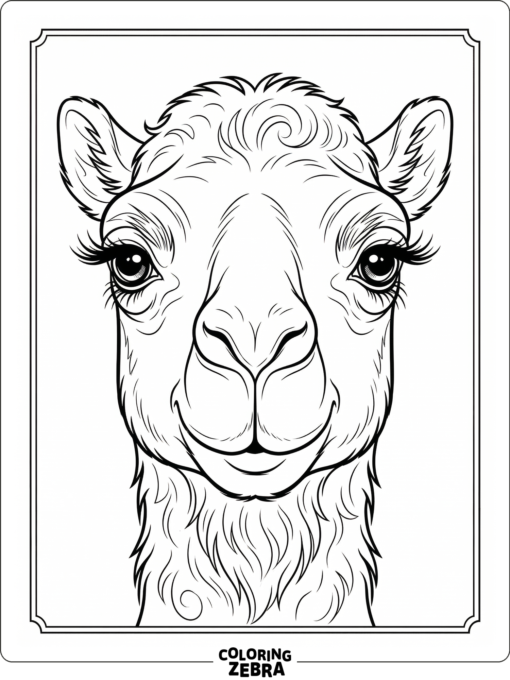

Camel Face Coloring Page
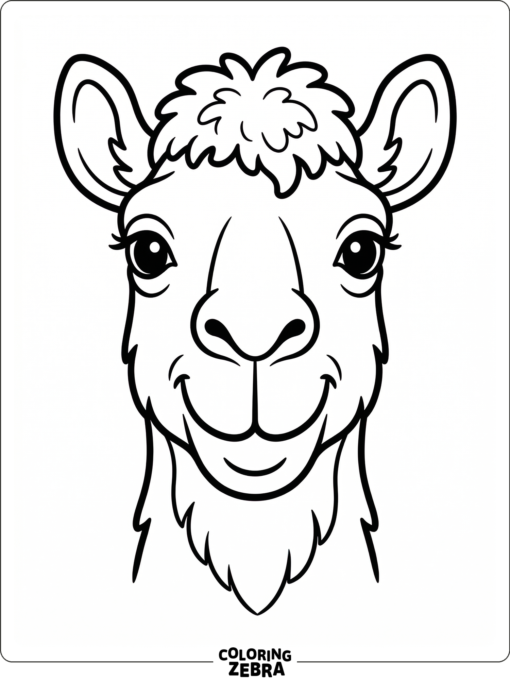

Camel Head Coloring Page
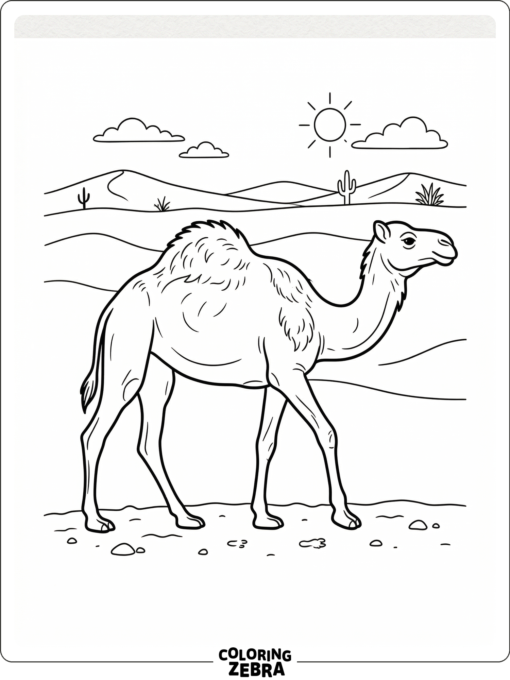

Camel Hump Coloring Page
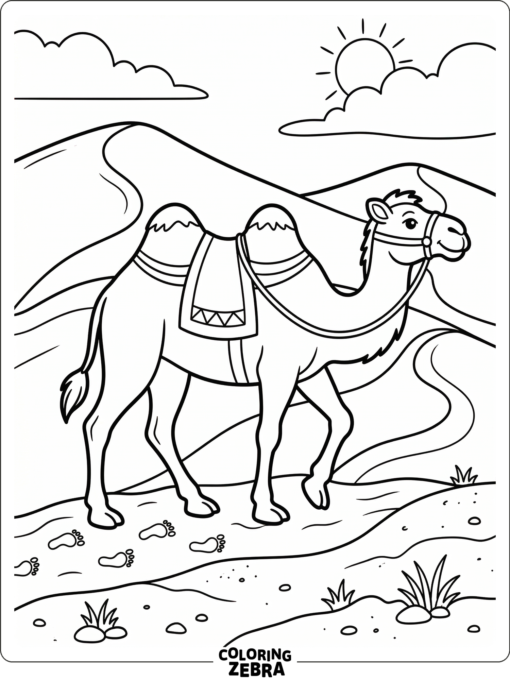

Camel In Desert Coloring Page
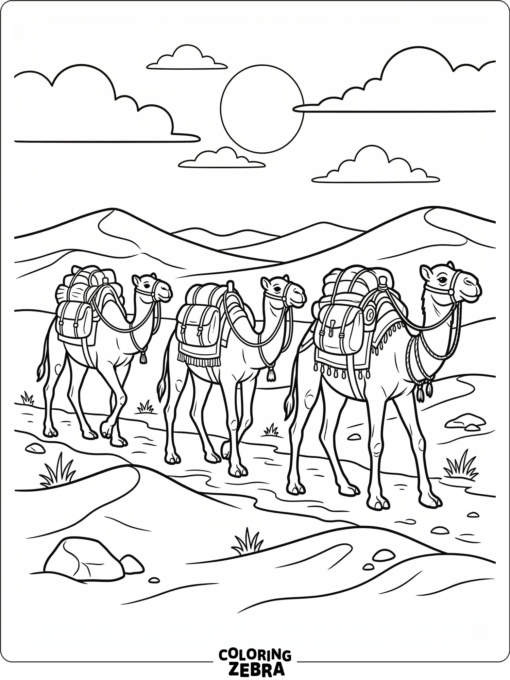

Camel Caravan Coloring Page
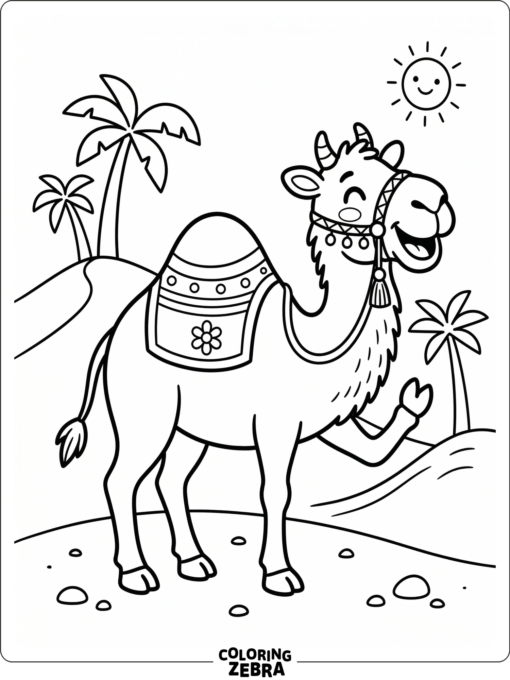

Camel Coloring Page For Kids
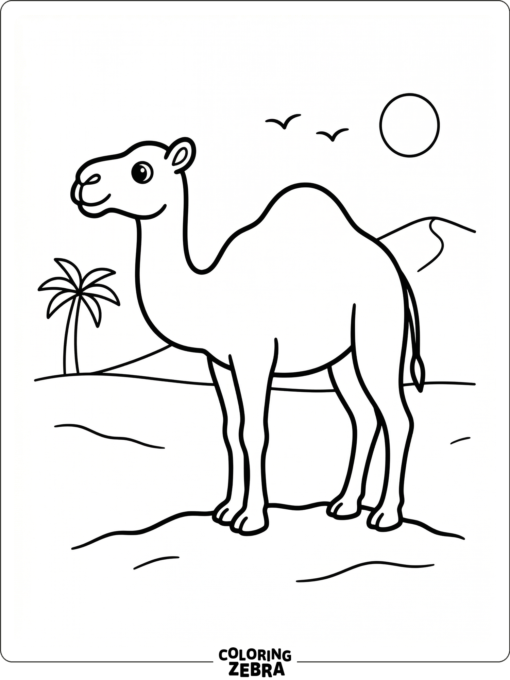

Simple Camel Coloring Page
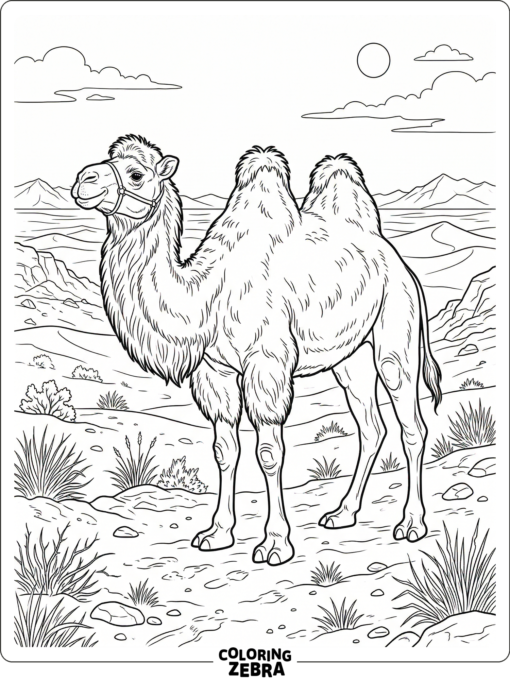

Bactrian Camel Coloring Page
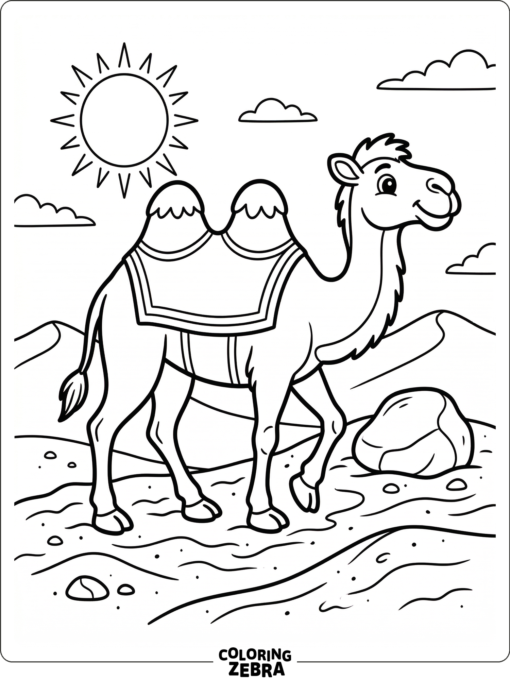

Two Hump Camel Coloring Page
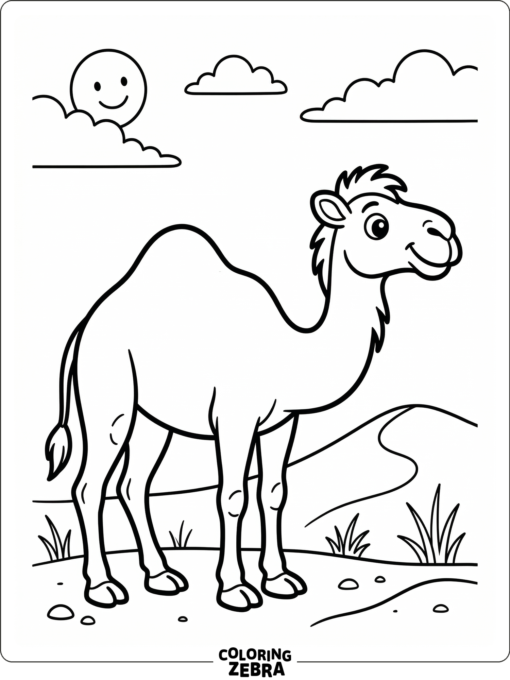

One Hump Camel Coloring Page
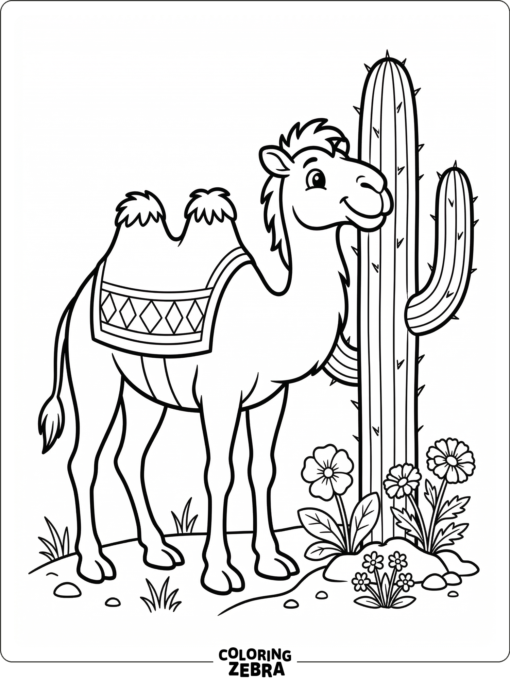

Camel And Cactus Coloring Page
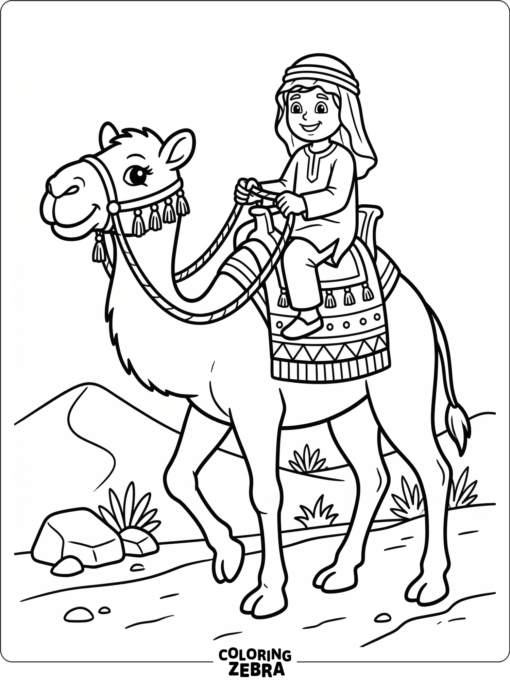

Camel Rider Coloring Page
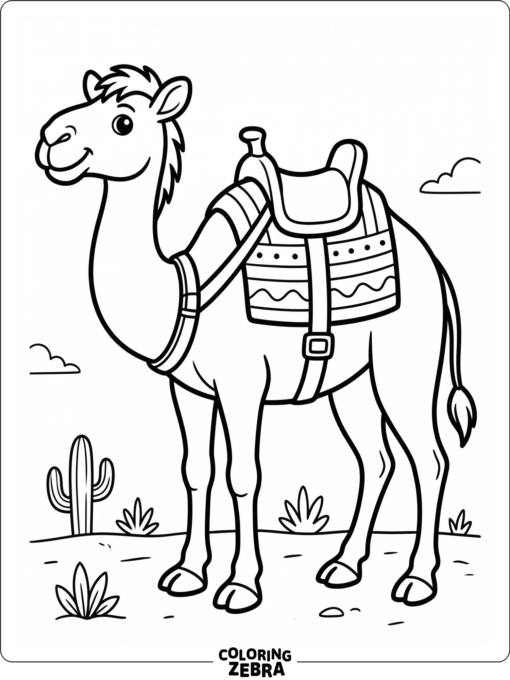

Camel With Saddle Coloring Page
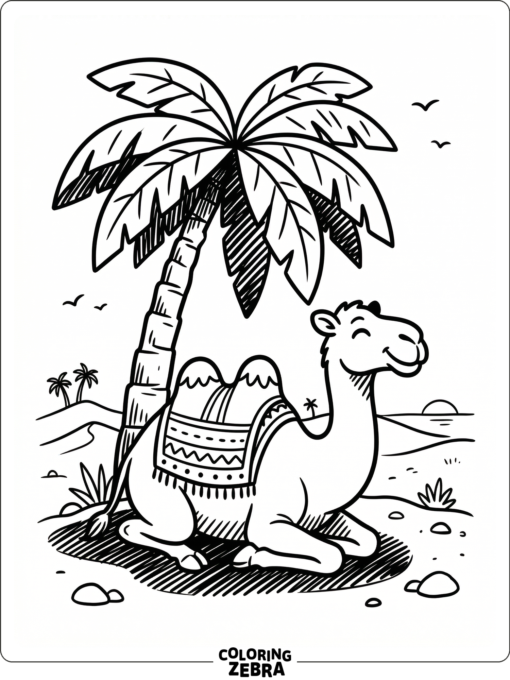

Camel Under Palm Tree Coloring Page
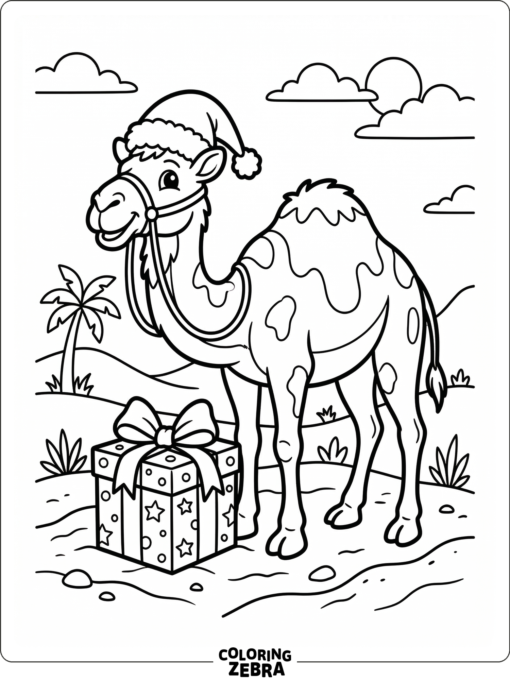

Christmas Camel Printable
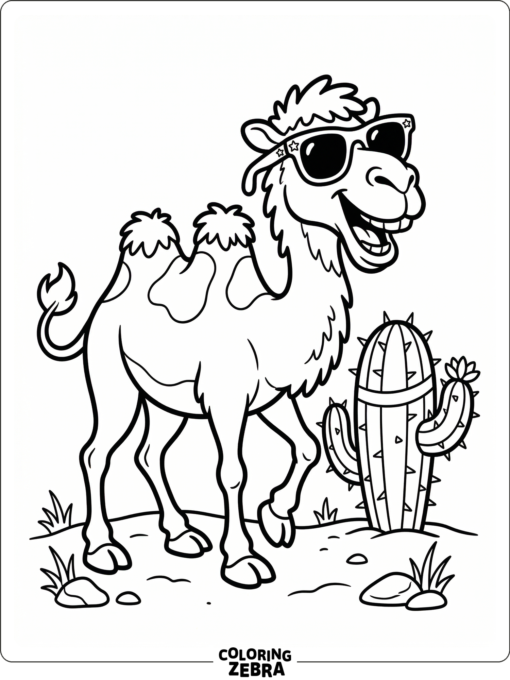

Funny Camel Coloring Sheet
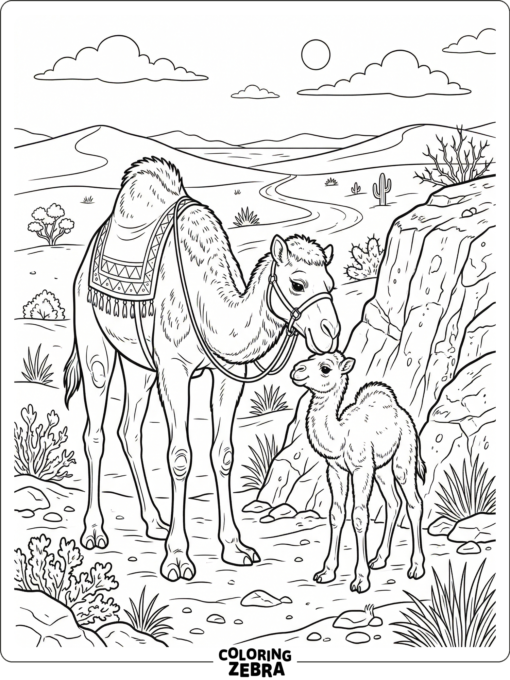

Camel and Baby Coloring Page
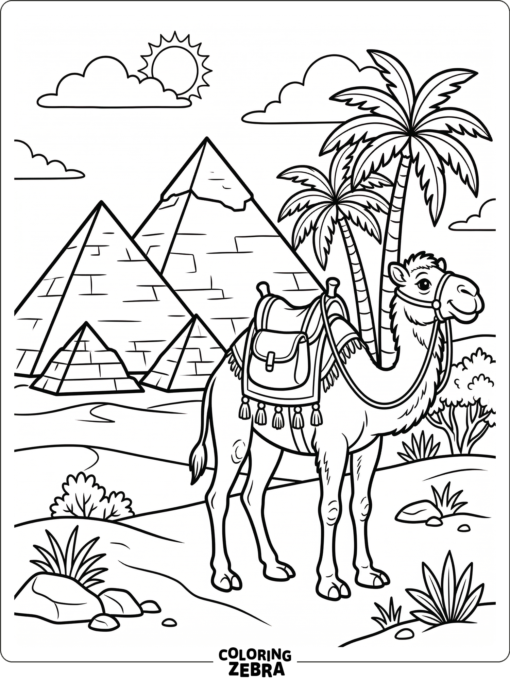

Camel in Egypt Coloring Page
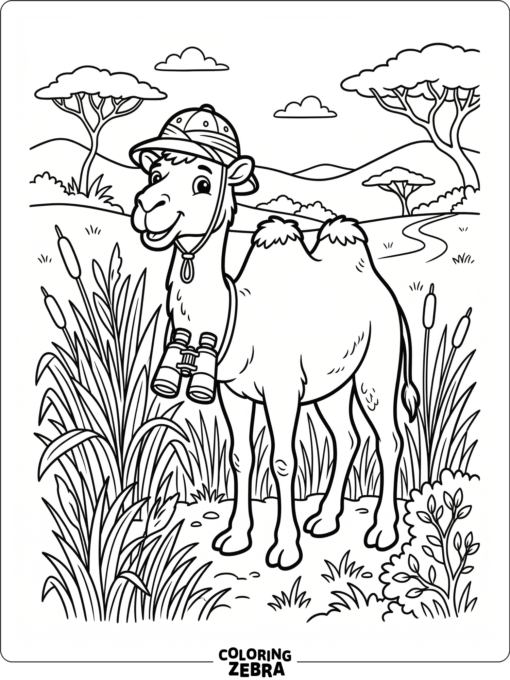

Camel in Safari Coloring Page
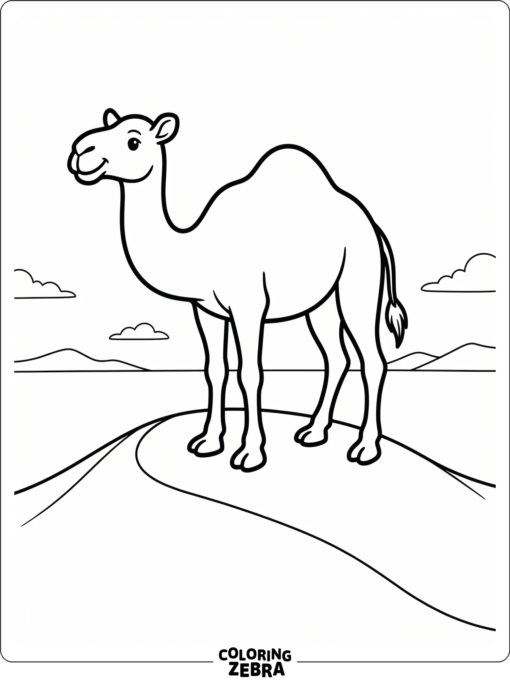

Camel Standing Coloring Page
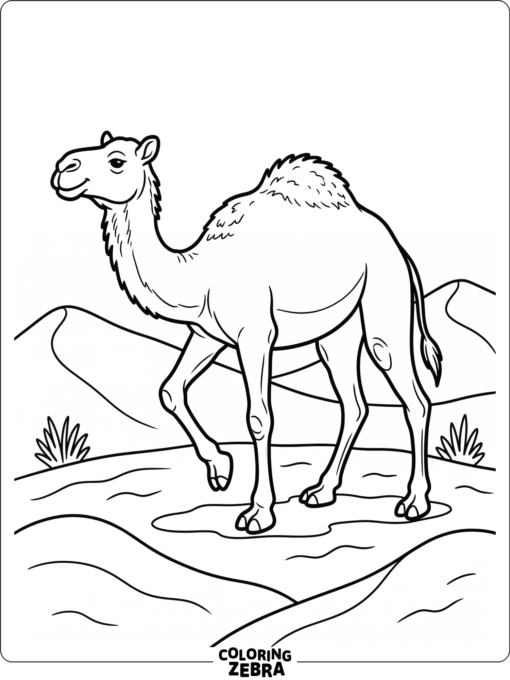

Camel Walking Coloring Page
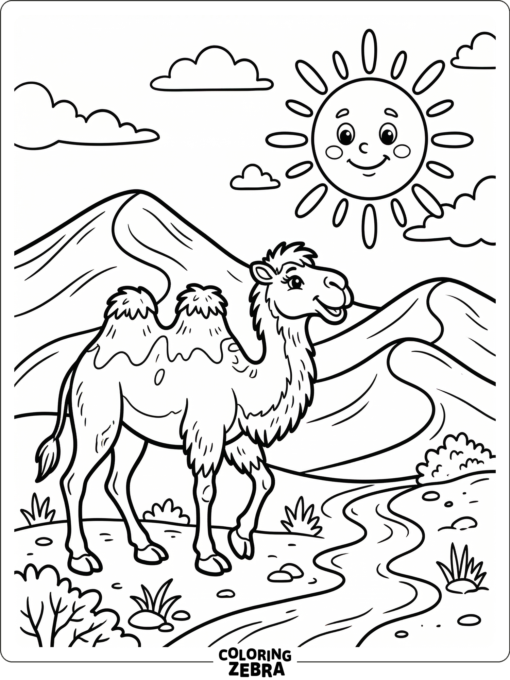

Desert Camel Coloring Page
What you will find in Camel Coloring Pages
One of the most fun things about camel coloring pages is how many different “looks” you can choose from. This set ranges from super simple, kid-friendly camels with rounded shapes and a friendly face to more detailed scenes that show texture, realistic proportions, and desert lighting. That means you can pick a page that matches your mood: quick and easy for a short session, or more focused and detailed when you want to slow down.
Scenes across dunes, hills, and desert plants
Many pages place a camel in a classic desert setting: dunes that curve in soft waves, a small hill in the distance, and open sand around the animal. You will also see desert plants and accents like sparse grass, small stones, and even a cactus. Because those background elements are often simple and clearly outlined, the pages are great for practicing color blending in sand tones without getting overwhelmed.
Look for variations such as:
- Camels standing beside cactus and desert flowers, with clean spaces for you to add your own sky or heat-haze effects.
- Camels resting on sand with a few small stones nearby, which helps you practice gentle shadowing under the body.
- Camels walking across dunes and leaving footprints in the sand, offering an easy way to experiment with lighter and darker sand layers.
- Camels under bright sun, where the illustration often includes strong contrast lines and makes warm color palettes feel especially satisfying.
Friendly faces, close-ups, and different views
Not every page is a full-body scene. Several feature close-up camel faces with calm expressions, long eyelashes, and an inviting “profile” look. Others show a front-view camel head with ears and a curved muzzle, so you can color the details around the eyes and snout carefully. If you like anatomy-like shapes, there are also pages that focus on a hump in side view with a simple desert line behind it.
These view changes are useful because they teach you how to vary color placement. For example:
- For profile camels, you can blend highlights along the neck and shoulder line while keeping the underside slightly darker.
- For close-up faces, spend time on the eye area and the gentle curve of the muzzle to make expressions pop.
- For hump-focused pages, try creating a gradient across the hump rather than using one flat color.
Cute characters and themed surprises
This set also includes playful, character-like pages that feel extra fun to color. You might see a camel with a scarf, a camel with big eyes, or a cartoon camel waving near a cactus and desert rock. There is even a funny camel in sunglasses, which makes it easy to add bright accents and personal style.
Seasonal or playful additions expand the theme beyond the usual desert-only look. A camel in a Santa hat and a camel wearing safari gear bring an unexpected twist while still fitting the same desert atmosphere. These pages are excellent for making themed gifts, decorating a classroom bulletin board, or adding a little surprise to a relaxing coloring session.
Families, travelers, and action
If you enjoy stories, you will appreciate the variety in poses and group scenes. Some pages show a mother camel standing close to her baby camel, with the smaller animal near a patch of desert grass. Others depict three camels traveling in a line with packs across the desert, creating a natural “journey” composition.
Action-focused pages include camels walking over sand beside a small rock, camels crossing the desert leaving footprints, and camels in motion across dunes. Those scenes are great for practicing movement with color: use slightly darker tones under moving legs and lighter tones where sand “catches” the light.
Rider and equipment details
For more interest in accessories, some pages feature a rider sitting on a camel holding reins and a blanket. You may also find a camel wearing a saddle with straps and a blanket. These add new areas for color variety, like strap shading, blanket patterns, and the way fabric drapes over the camel’s body. If you like creative control, this is where you can invent a pattern for the blanket or coordinate strap colors with your dune palette.
Realistic texture vs. bold outlines
You will see contrasting styles within the same theme. Some printables emphasize realistic camel fur texture and lifelike desert positioning. Others use bold, minimal outlines with no background details, giving you the freedom to build your own scene from scratch. A close-up camel face with clean lines and long eyelashes can sit comfortably in the middle, with enough detail to color carefully while still feeling approachable.
Try this strategy for choosing which page to color:
- If you want a quick win, start with minimal camel silhouettes and clean-line backgrounds.
- If you want a richer, meditative session, choose realistic fur texture pages and work slowly across the body.
- If you want practice with design, color the scarf, saddle, Santa hat, or sunglasses and match them to a consistent desert color scheme.
Tips for coloring and customizing your results
Because the scenes are often grounded in desert colors, you can make your finished pages look cohesive. Consider building a palette around warm sand (light tan, golden ochre, soft beige), deeper shadows (burnt umber, cocoa brown), and small accent colors from cactus flowers or sky highlights.
For footprints and dune ridges, use gentle transitions rather than harsh bands. A light base color with a slightly darker layer in the grooves usually looks more natural. For camels standing beside stones or sparse grass, try keeping those details simpler than the camel itself so the animal remains the focal point.
How to use these Camel Coloring Pages at home or in class
These printables work well for screen-free breaks, quiet time, or travel-themed lessons. Teachers can use the variety to differentiate difficulty: simple rounded camels for younger students, and realistic or multi-element scenes (like riders, groups of camels, and pyramids-in-the-distance style pages) for older kids or advanced coloring groups.
They also make great group activities. Assign each student a different camel style: one realistic fur page, one cartoon page with a scarf, and one bold-outline page where everyone draws their own desert background. When you compare finished sheets, you can talk about how line weight, shading choices, and background additions change the final look.
Ideas for personalization
- Add a sun glow behind camels walking under a bright sun by using light yellow or pale orange near the top.
- Turn cactus pages into “day vs. night” by coloring one page with warm daylight tones and another with cooler blue-gray shadows.
- For pages with open space, invent your own dunes pattern or include extra desert elements like small rocks, birds, or distant hills.
Whether you choose a baby camel near desert grass, a two-humped camel on sand with sparse plants, or a front-view camel head with a calm gaze, these Camel Coloring Pages offer plenty of room for both creativity and careful detail. Print a mix of easy and detailed styles so you always have the right page for your time and your mood.
People Often Ask Us…
-
What’s the best paper and coloring tools for Camel Coloring Pages with realistic fur and texture?
-
Which Camel Coloring Pages are easiest for toddlers and early learners, and how should I set them up?
-
How can I avoid muddy colors on desert dunes when coloring camel scenes with bright sun?
-
What’s a good classroom activity using Camel Coloring Pages that include riders, saddles, and patterned blankets?
-
How should I organize and display Camel Coloring Pages for scrapbooks or gifts after printing?