Crocodile Coloring Pages
Crocodile Coloring Pages is a set featuring crocodiles and alligators in simple, cute, and realistic styles. Many pages show open mouths, wide grins, and calm resting poses beside ponds, reeds, and rocks. You can also find playful details such as bow ties, backpacks, balloons, and sign-style frames. This variety helps you pick an easy outline, a textured animal, or a habitat scene depending on the colorist.
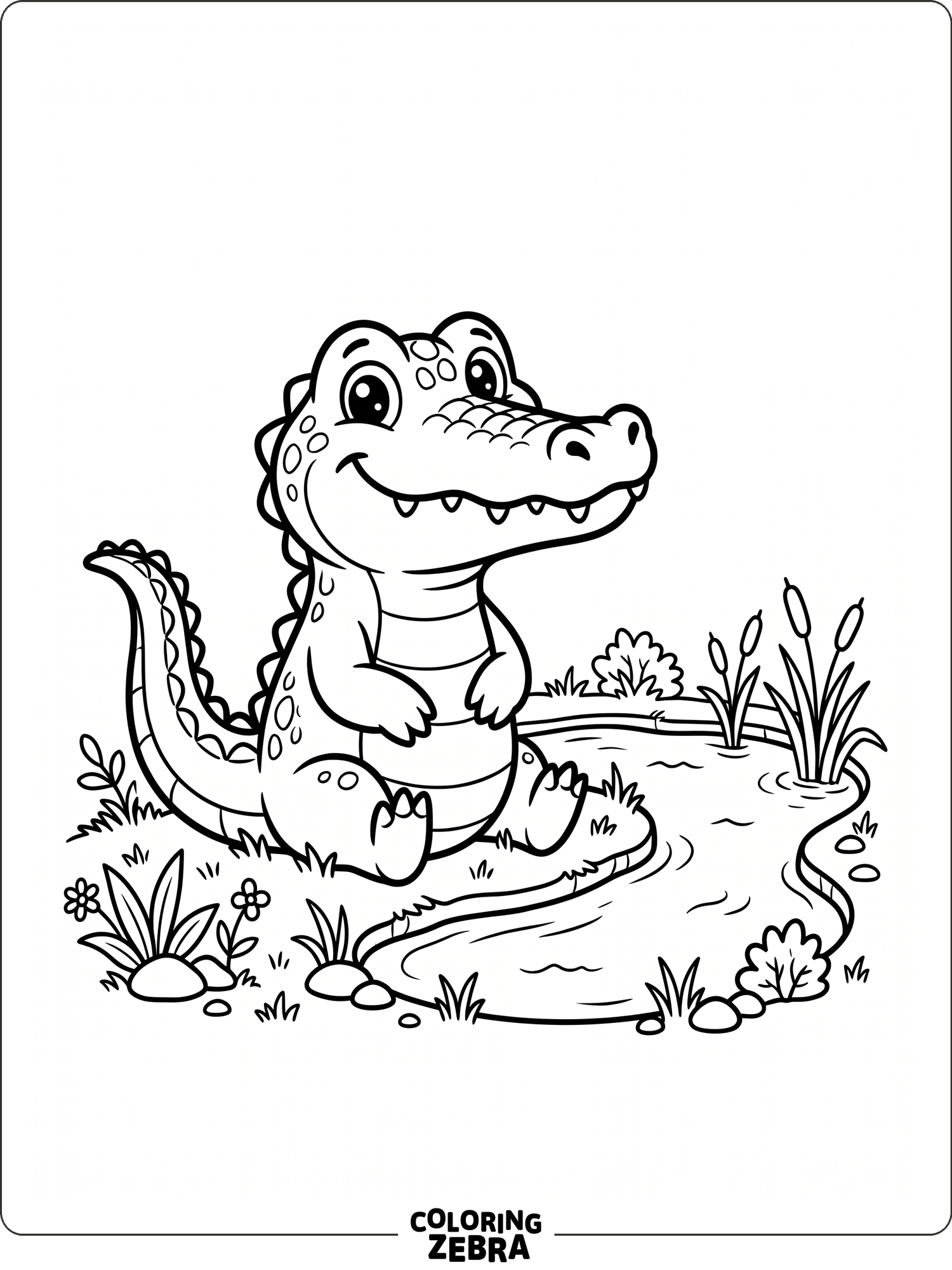
Print on medium to heavy white paper for smoother coloring and fewer marker bleed-through issues. For the cleanest results, set your printer to fit-to-page and use draft mode only if you want to save ink on simpler outlines. If you plan to use crayons or colored pencils, leave a little extra drying time before stacking the pages.
Related coloring pages
Printable Crocodile Coloring Pages
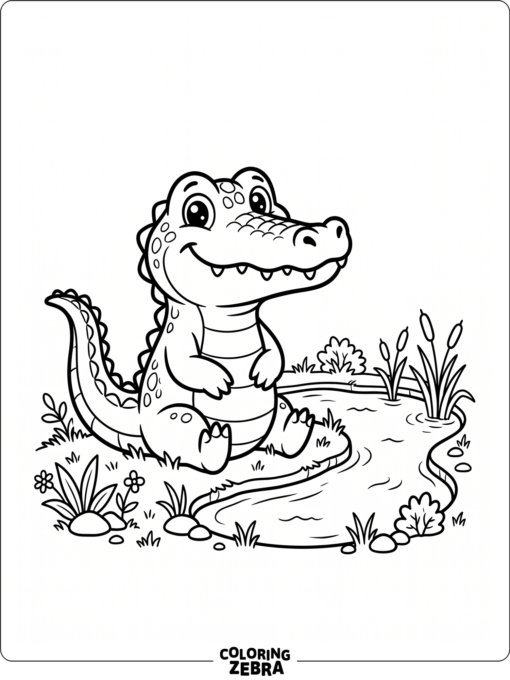

Alligator Riverbank Outline
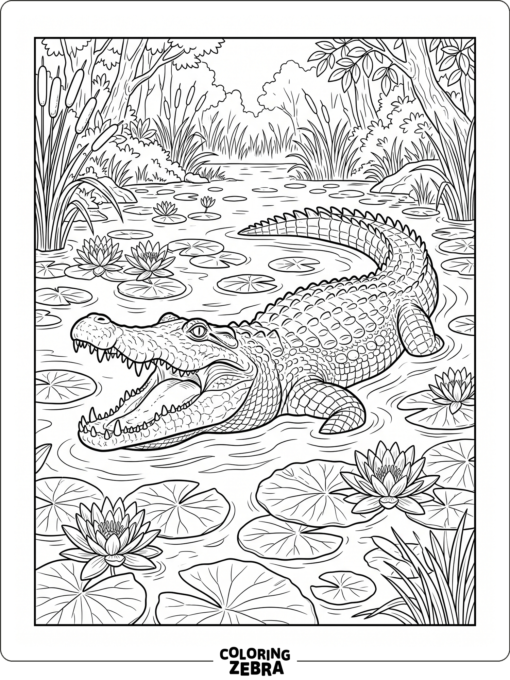

Crocodile Swamp Coloring Page
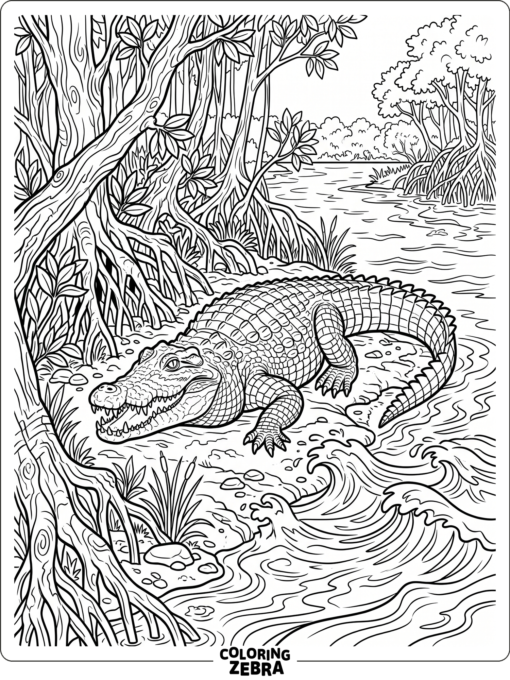

Saltwater Crocodile Coloring Sheet
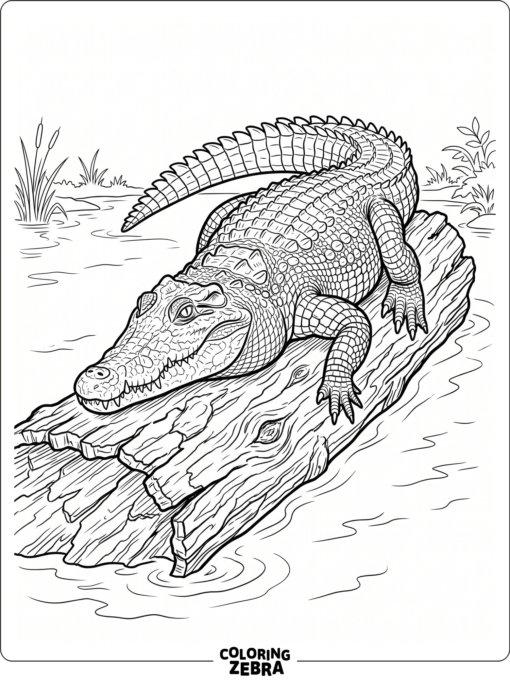

Realistic Crocodile Outline
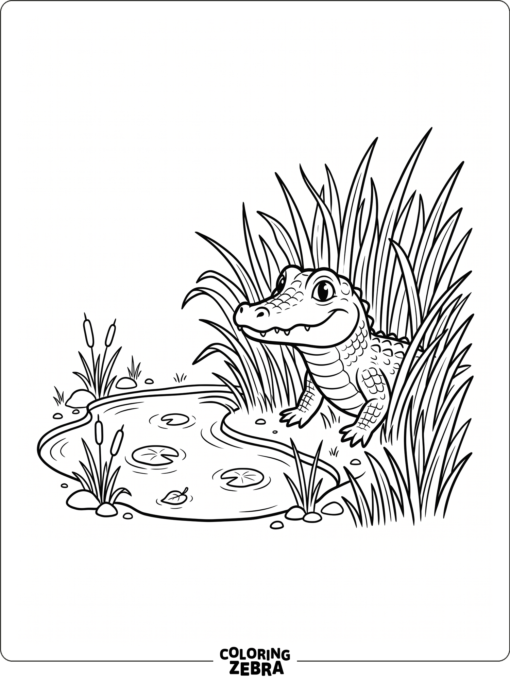

Baby Alligator Coloring Page
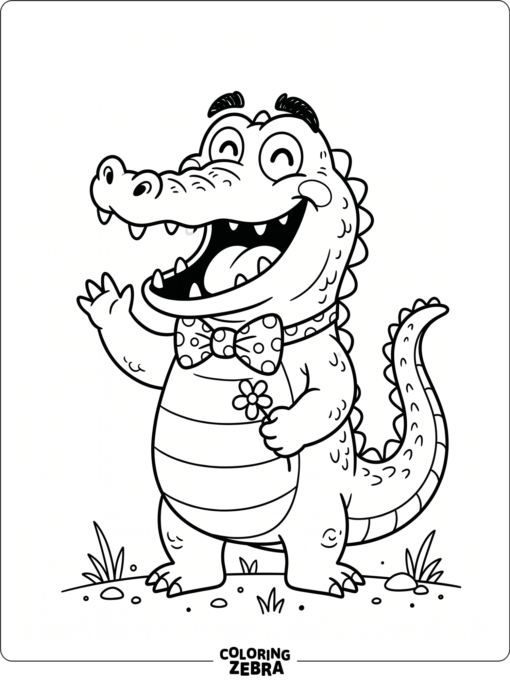

Silly Crocodile Coloring Page
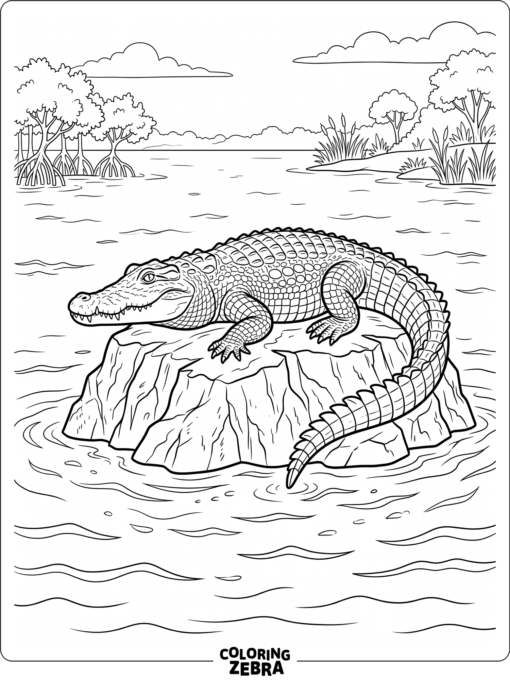

Printable Crocodile Outline
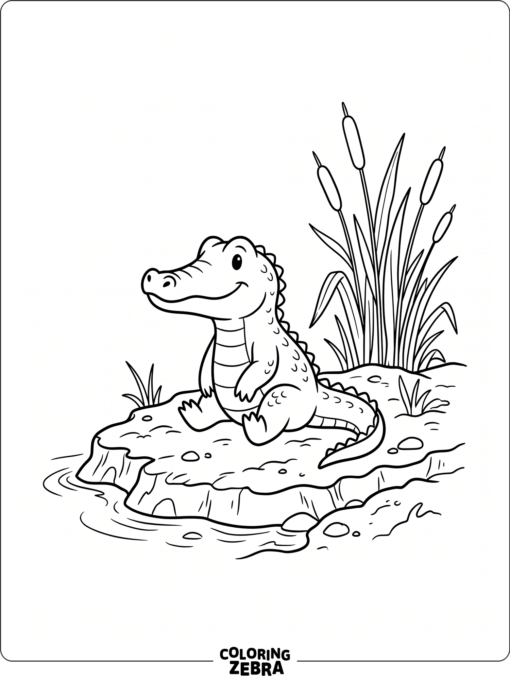

Baby Crocodile Coloring Page
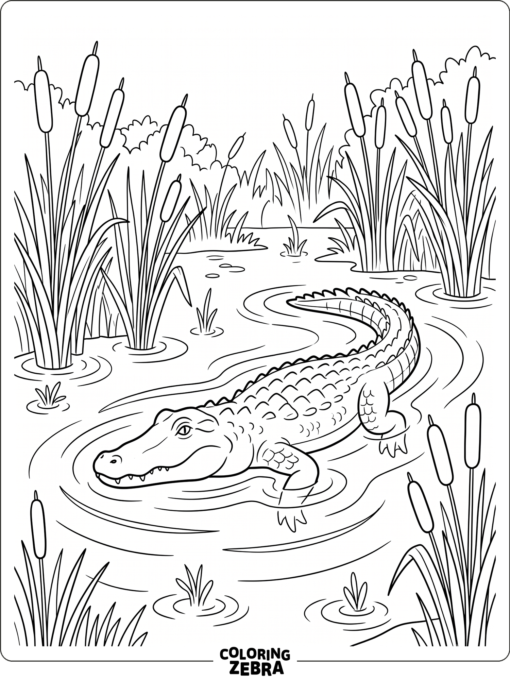

American Alligator Coloring Page
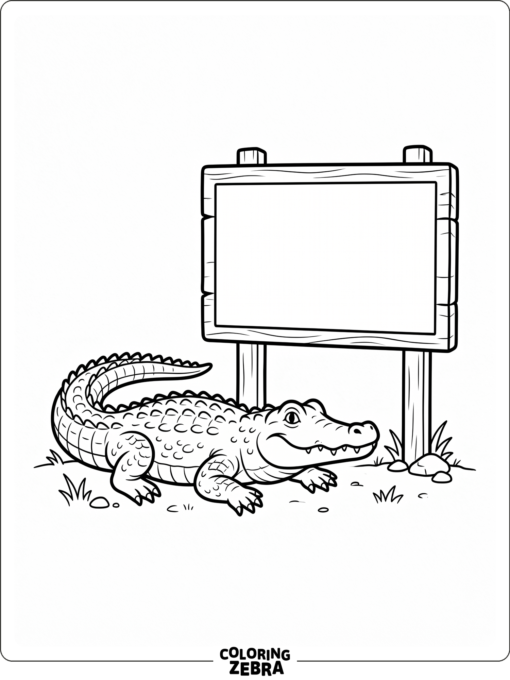

Free Crocodile Printable
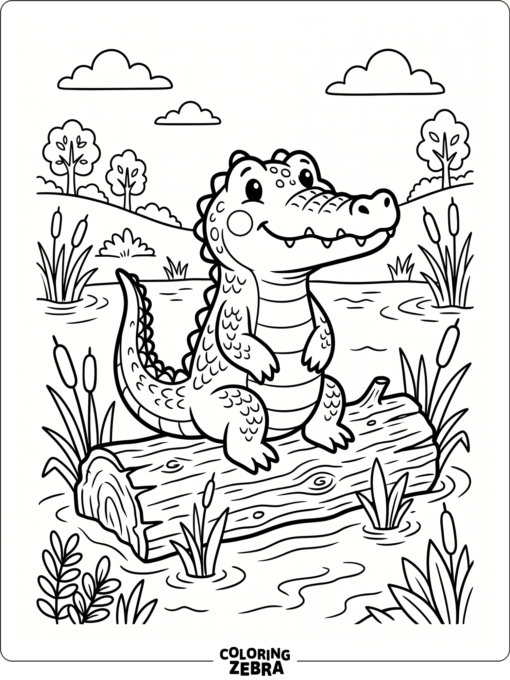

Cute Crocodile Coloring Sheet
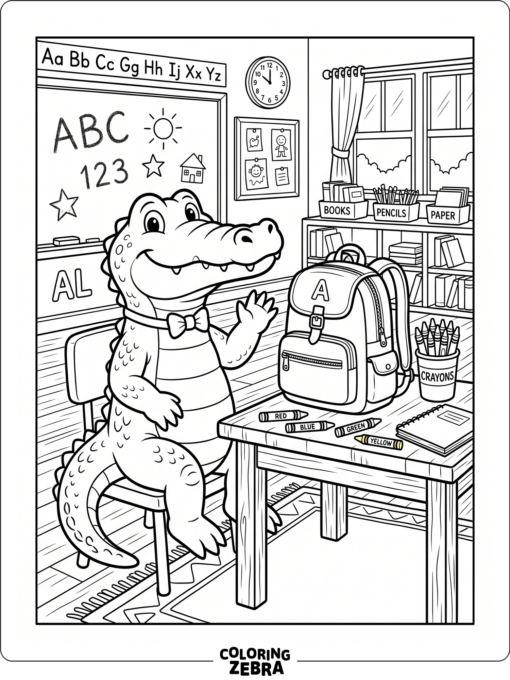

Alligator Page For Preschool
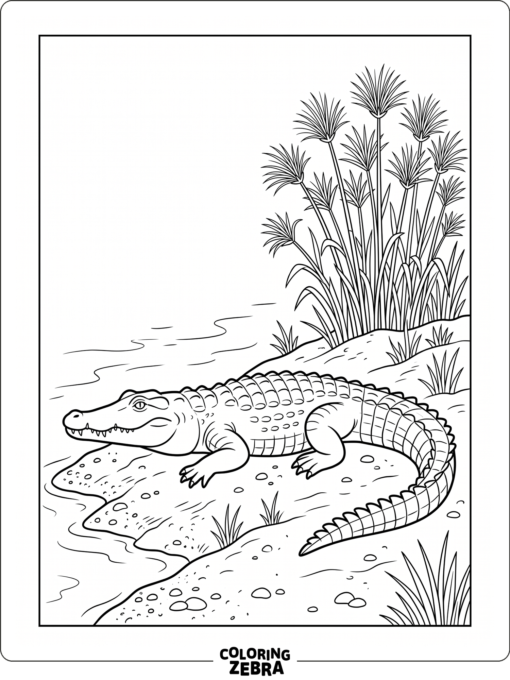

Nile Crocodile Coloring Page
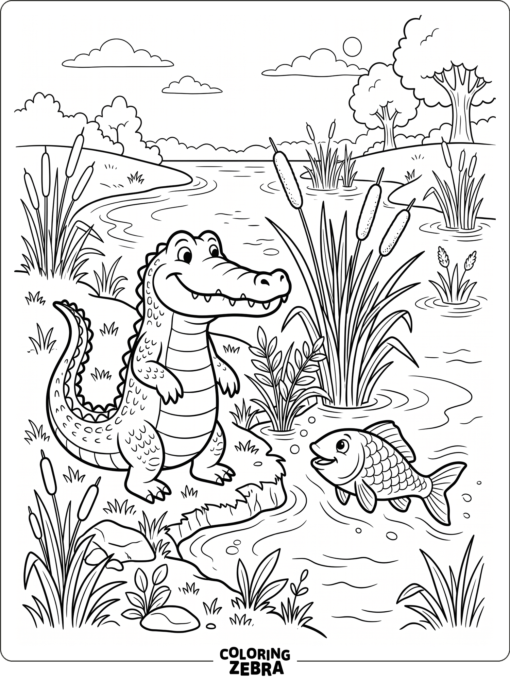

Alligator Coloring Page For Kids
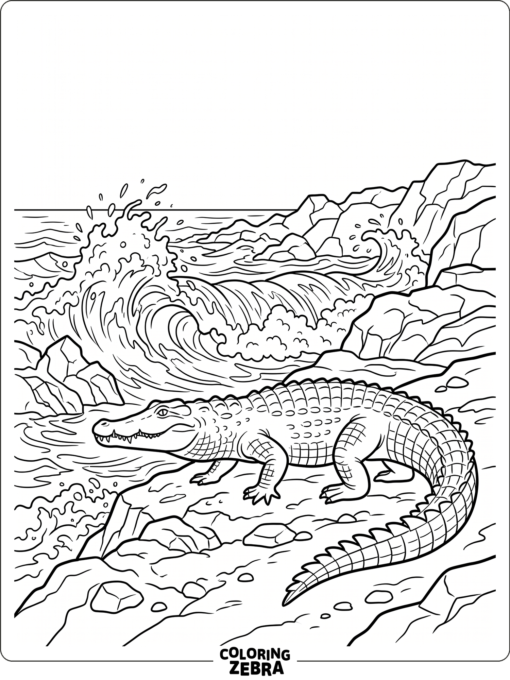

Salt Water Crocodile Coloring Page
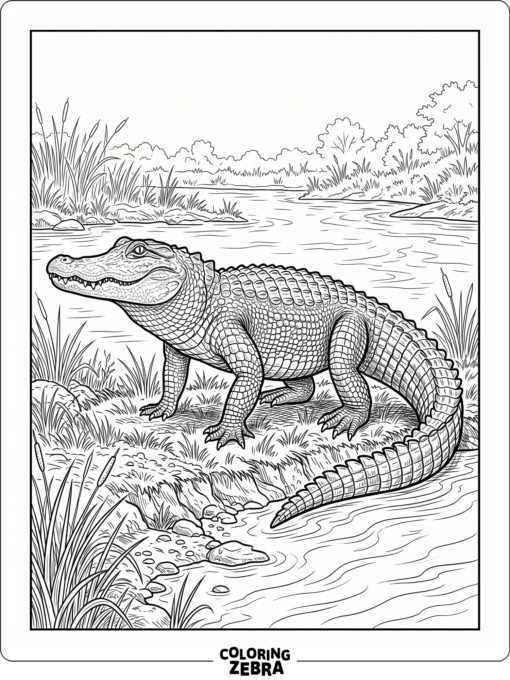

Realistic Alligator Printable
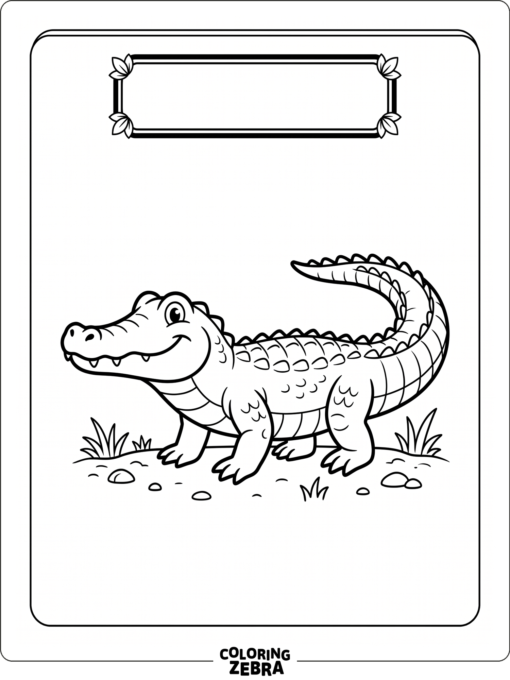

Alligator Printable PDF
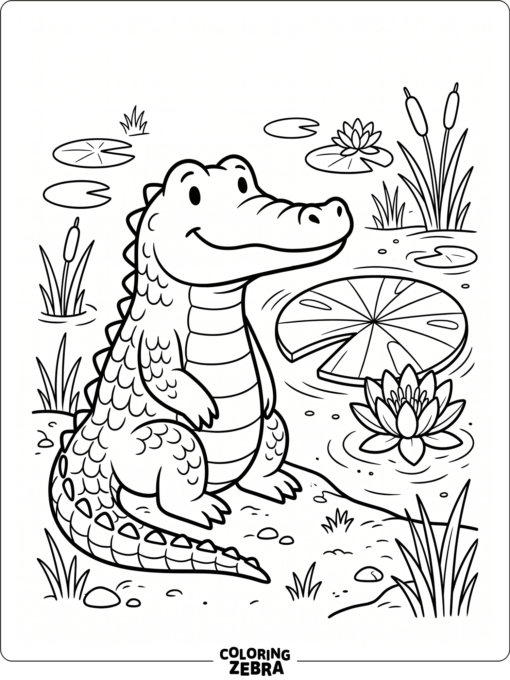

Easy Alligator Coloring Page
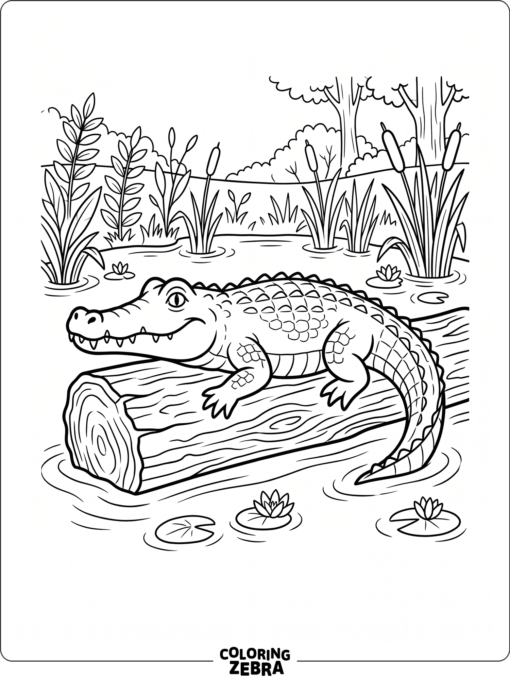

Easy Crocodile Coloring Page
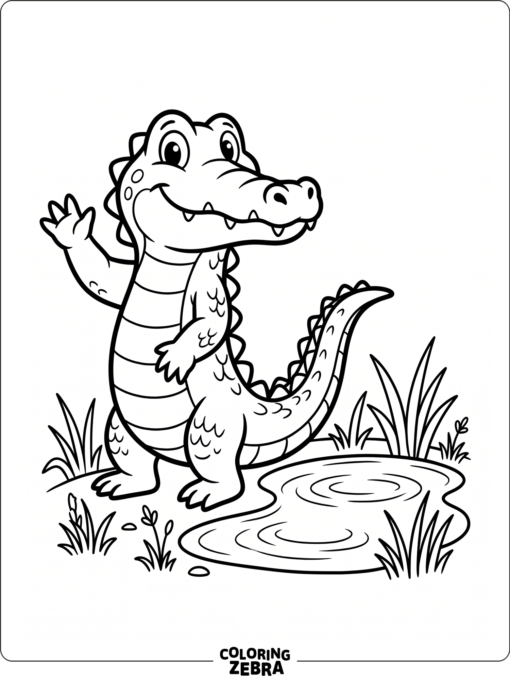

Cartoon Alligator Coloring Page
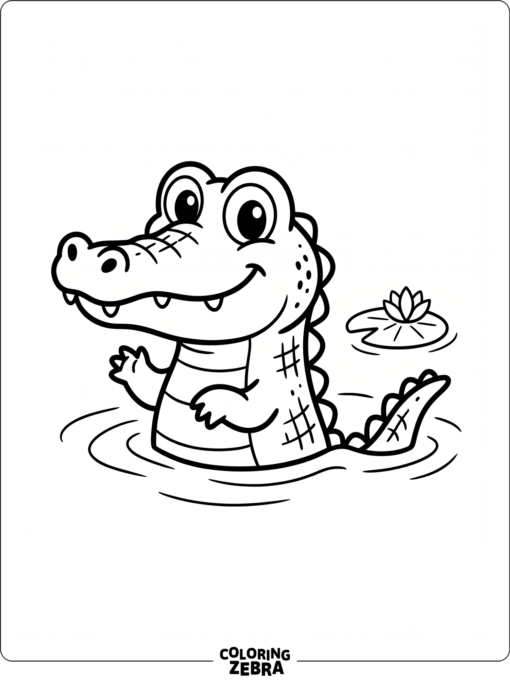

Preschool Crocodile Coloring Page
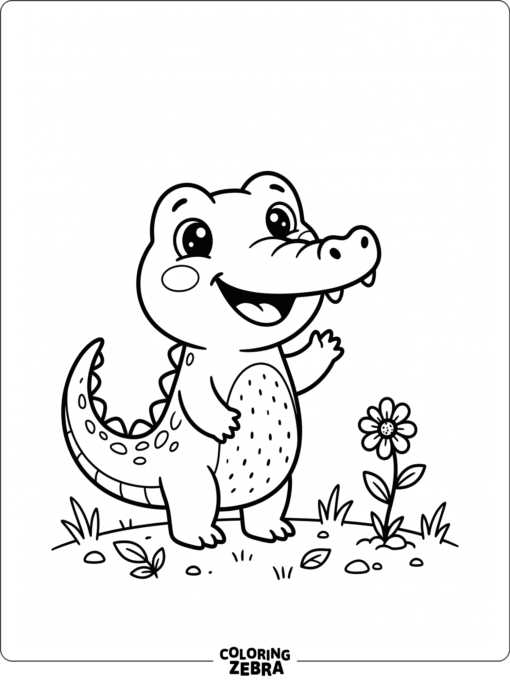

Preschool Cute Alligator Coloring Page
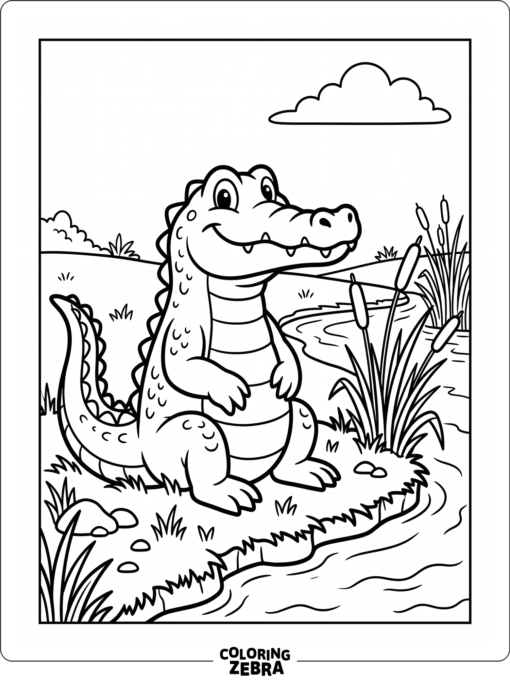

Crocodile Coloring Page For Kids
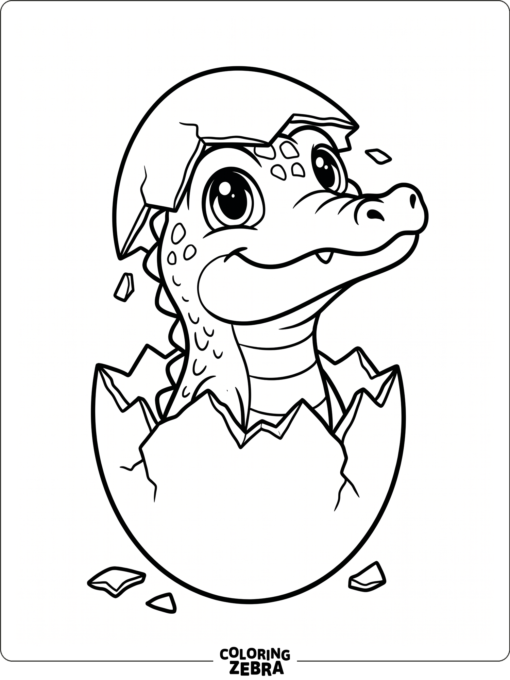

Cute Baby Alligator Coloring Page
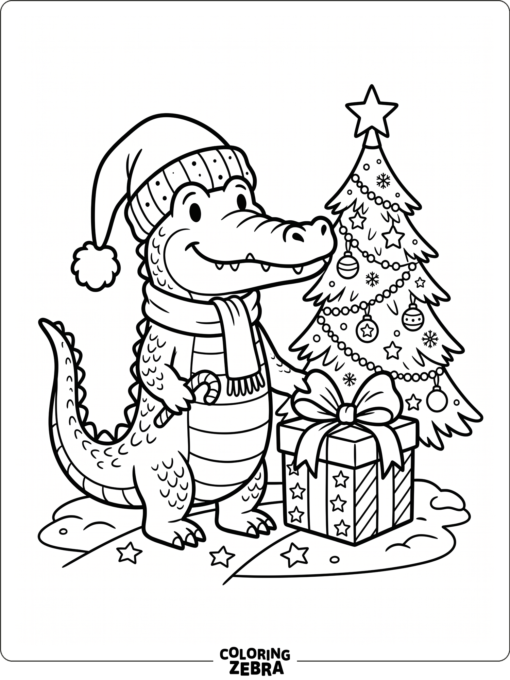

Christmas Alligator Coloring Page
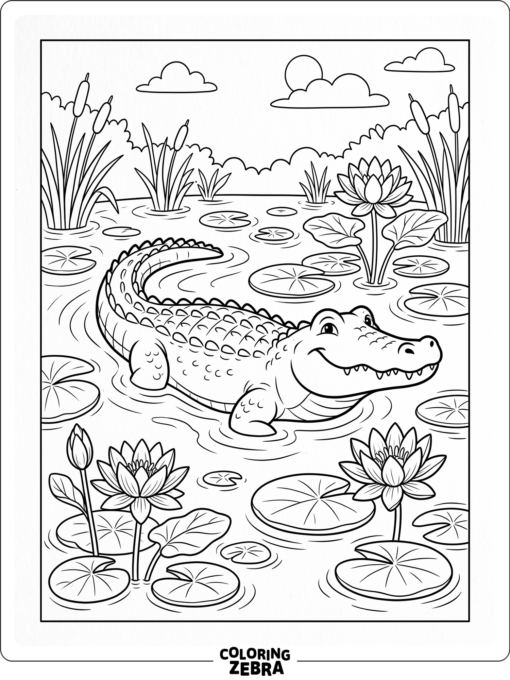

Alligator Coloring Sheet
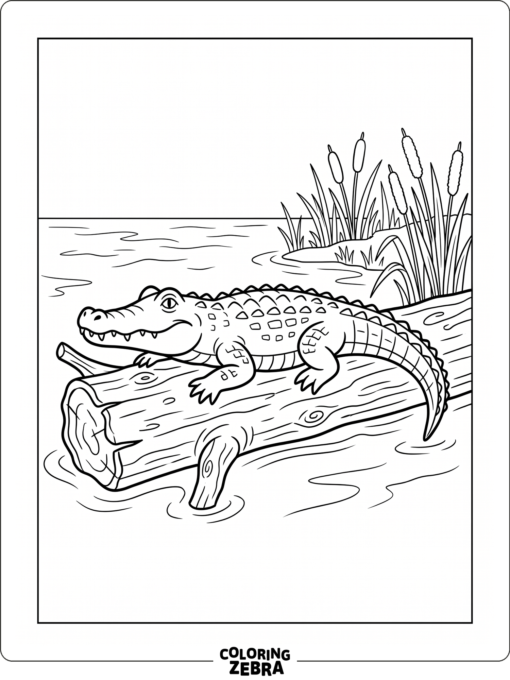

Crocodile Coloring Sheet
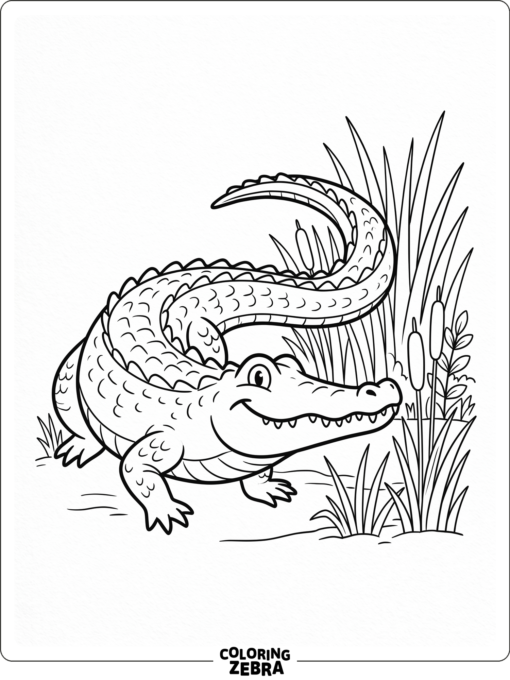

Coloring Page Of Crocodile
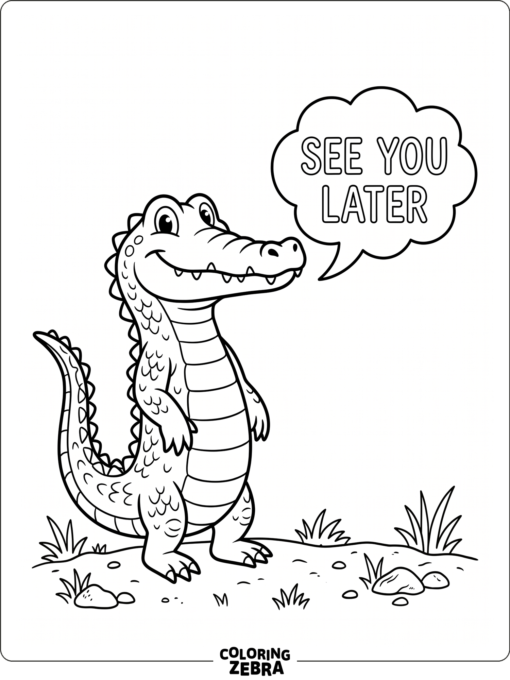

See You Later Alligator Coloring Page
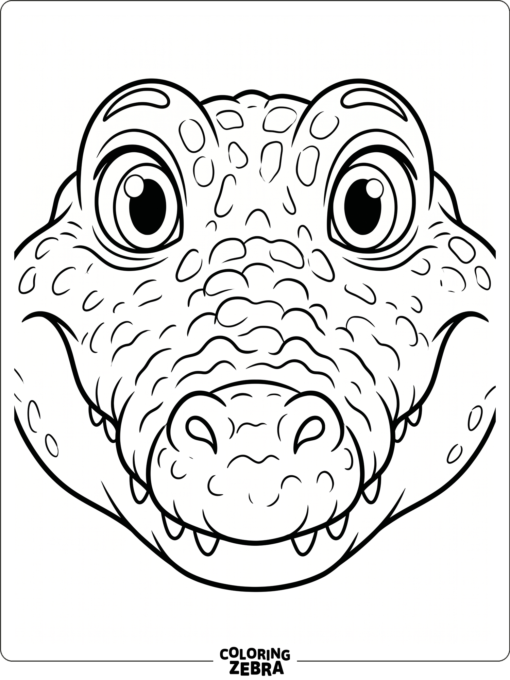

Alligator Face Coloring Page
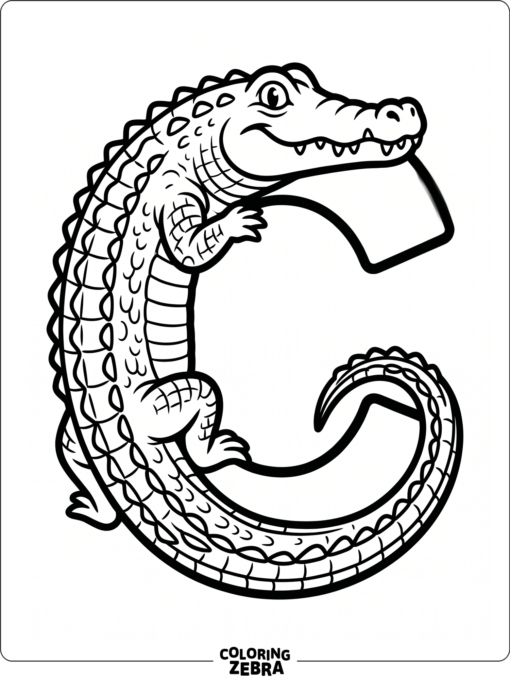

C Is For Crocodile Coloring Page
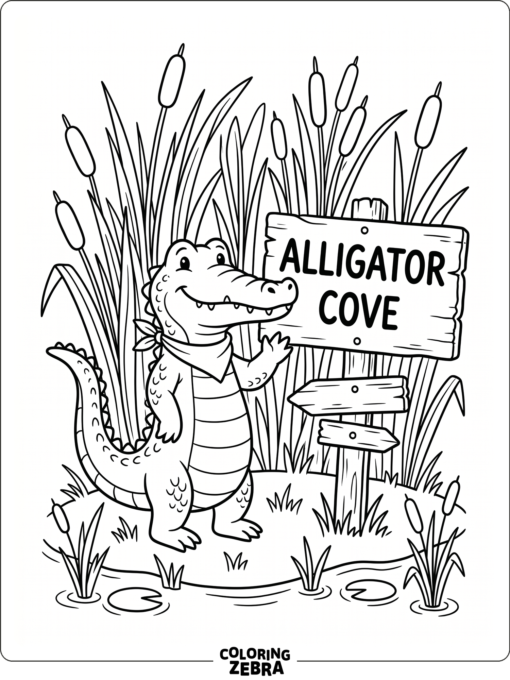

Alligator Coloring Page To Print
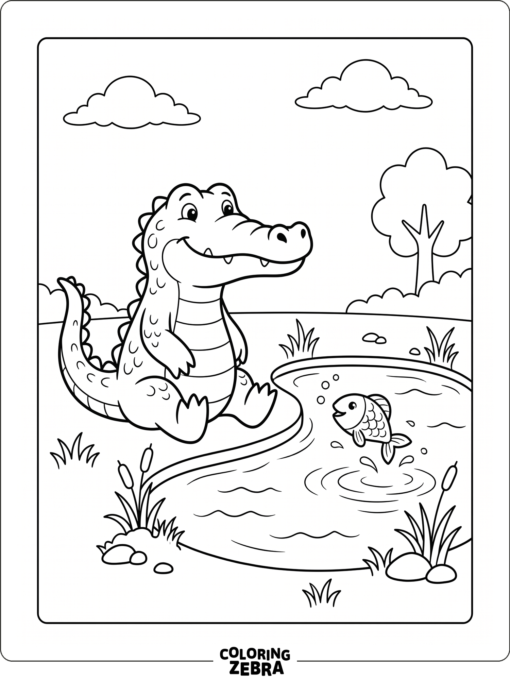

Simple Alligator Coloring Page
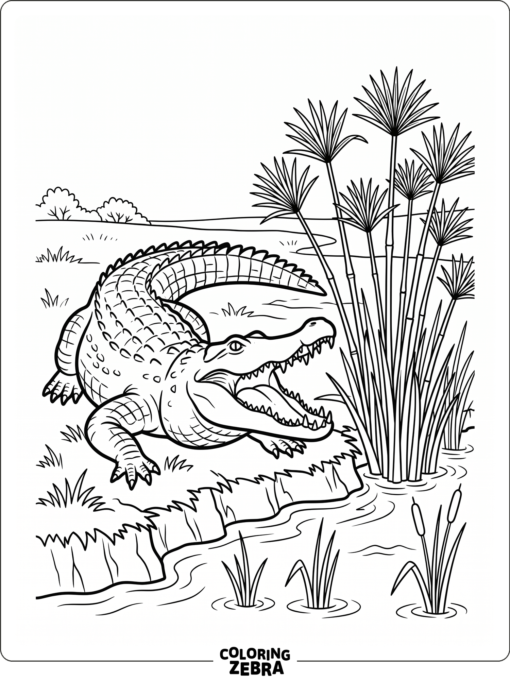

Nile Crocodile Scary Crocodile Coloring Page
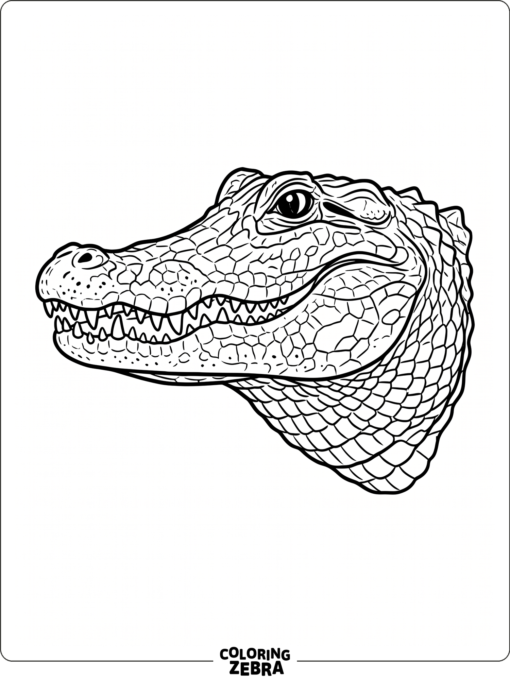

Alligator Head Coloring Page
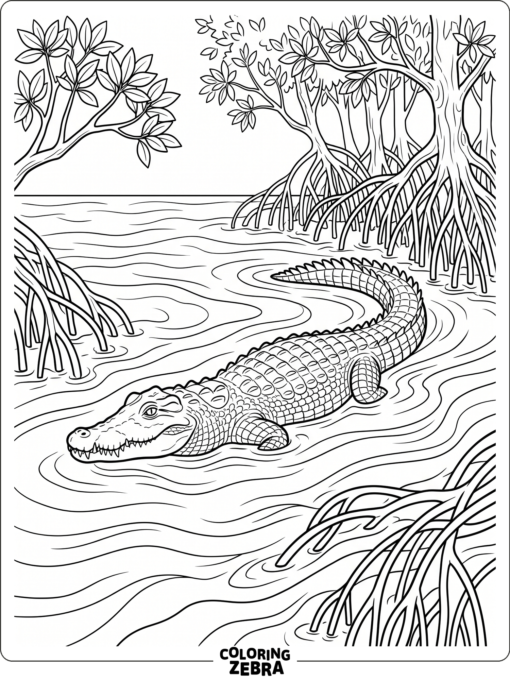

American Crocodile Coloring Page
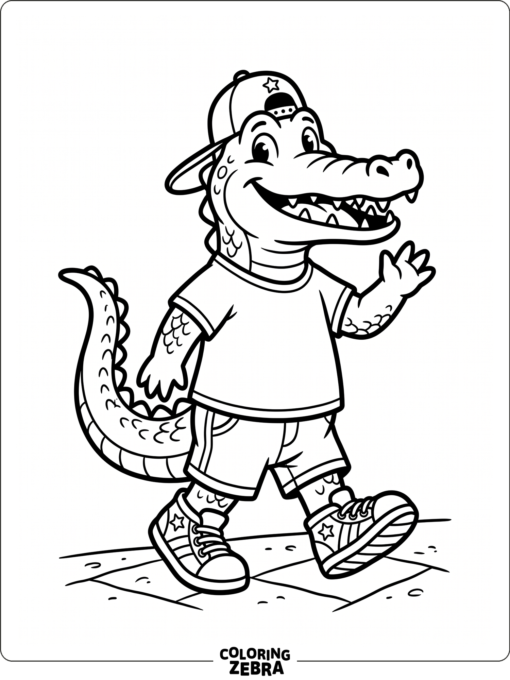

Cartoon Crocodile Coloring Page
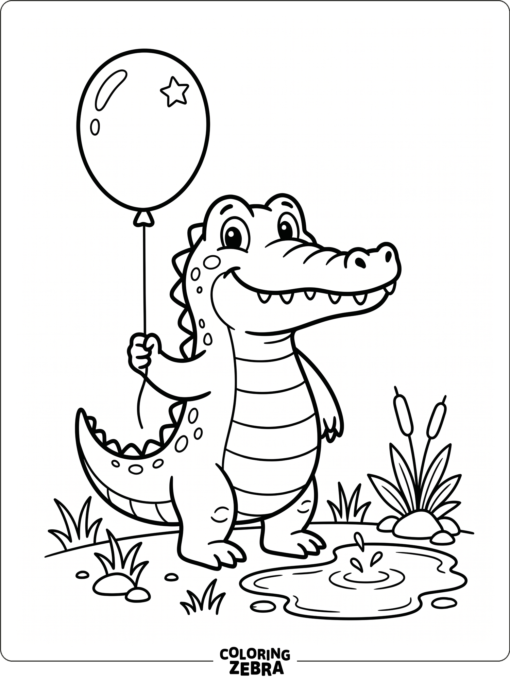

Preschool Alligator Coloring Page
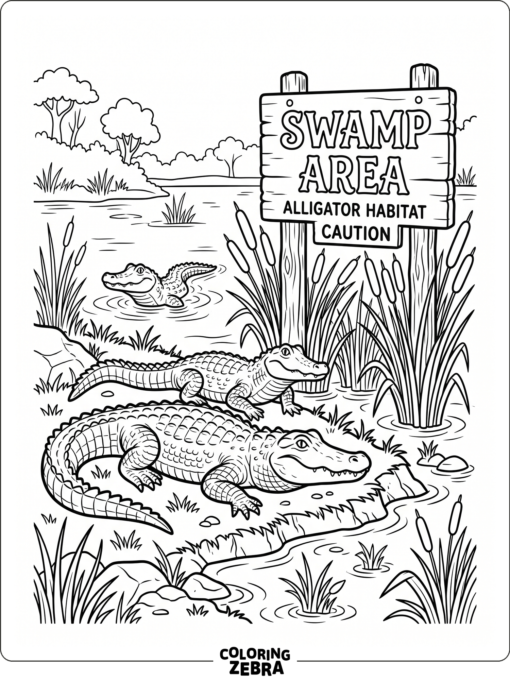

Free Printable Coloring Page Of Alligators
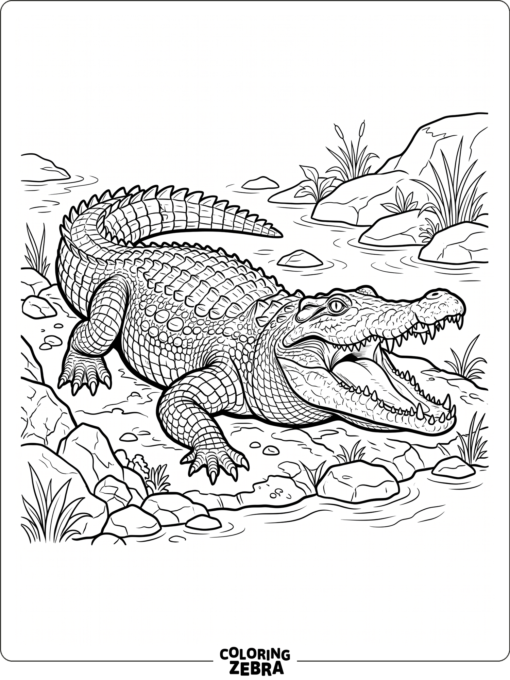

Realistic Scary Crocodile Coloring Page
What appears in this crocodilian set
This collection works well because it does not stay limited to one look or one species. The theme centers on crocodile coloring pages with crocodiles and alligators in both playful and realistic drawings, so the pages feel varied instead of repetitive. You will see animals sitting beside ponds, resting on logs, swimming through marsh water, peeking from grass, and relaxing near rocks or riverbanks. Some images are extremely simple, while others include detailed skin texture, curved tails, and strong jaws.
The set also gives you a nice range of expressions. A few reptiles have open mouths and visible teeth, which makes them stand out on the page, while others have calm faces or big cartoon eyes. That mix is especially helpful for families and classrooms because different ages can pick different levels of detail. Younger colorists may prefer a smiling alligator with a backpack or a friendly crocodile with a balloon, while older kids may enjoy a textured alligator head or a rough-skinned crocodile beside waves and rocks.
Habitat details that make each page interesting
Many of the pages place the animals in recognizable wetland settings. You will find pond edges, marshes, reeds, lily pads, papyrus plants, cattails, muddy banks, puddles, mangrove roots, and quiet riverbanks. These background elements matter because they help show where crocodilians live and how they are often pictured in nature art. Even a simple outline feels more complete when the animal is paired with water plants, stones, or a log.
Those environment details also make coloring choices more interesting. Green reeds, brown logs, gray rocks, and blue or muddy water can separate the animal from the background without making the page complicated. A page with lily pads can become a gentle swamp scene, while a mangrove-root setting looks more dramatic and wild. If you want a softer look, keep the background light and use only a few colors. If you want more contrast, use darker water tones and stronger shadows around the bank.
Crocodiles and alligators in the same collection
Because the set includes both species, it gives a broader view than a single-animal gallery. Crocodiles and alligators are both crocodilians, and both are large reptiles with long tails, scaly skin, and powerful jaws. The naming in the page set is useful because some illustrations are identified as American alligators, American crocodiles, Nile crocodiles, or saltwater crocodiles. That makes the collection helpful for anyone who wants crocodilian coloring pages but also enjoys alligator-themed sheets.
If you are using the pages for a little learning on the side, you can point out that these animals often live near water and that wetlands like swamps, marshes, rivers, and mangroves are common places to see them in art. You can also compare the close-up faces with the full-body views to notice how the snout, teeth, tail, and claws are drawn. The collection is not strictly scientific, but it does give a strong visual starting point for talking about reptile body features.
Styles from realistic to playful
The biggest strength of the set is the contrast in style. Some pages are drawn like natural-history illustrations, with rough skin and a grounded pose on a log, riverbank, or rock. Others look more cartoon-like, with rounded shapes, friendly eyes, or accessories such as sneakers, a cap, a bow tie, or a Santa hat. That range makes the set easy to match to different moods and occasions without needing a separate theme.
For realistic reptile pages, try using layered greens, olive, brown, and gray. Small scale patterns can look better with short pencil strokes than with flat coloring. For cute alligator coloring pages, brighter colors work well because the bold outlines and simple shapes can handle stronger contrast. If a page includes speech bubbles, blank signs, or a title box, you can leave those areas open and use them for a name, a short caption, or a classroom label.
Baby animals and life-stage scenes
The baby crocodile and baby alligator images add another useful layer to the set. A hatchling peeking from a cracked egg, a small reptile sitting in grass, or a baby on a muddy bank gives a different scale from the adult pages. These scenes are especially appealing because they show a softer, smaller version of the animal without losing the reptile details. They are also a natural way to mention that crocodilians hatch from eggs.
When coloring baby scenes, lighter shades often look best. Soft green, tan, and pale yellow can make the smaller animals feel distinct from the larger adults. If the baby is placed beside water or grass, you can keep the background simple so the hatchling remains the focus. That makes the page easy for younger kids while still feeling tied to the broader wildlife theme.
How to color different kinds of pages
- Simple outlines: Use bold, clean color blocks and avoid overworking tiny spaces.
- Realistic reptiles: Add texture with layered pencil strokes and gentle shading along the back and tail.
- Open-mouth poses: Try pale pink or cream inside the mouth and darker tones around the snout for contrast.
- Habitat scenes: Mix greens, browns, and blue-gray water to separate plants, banks, and rocks.
- Playful characters: Use brighter, cheerful color combinations for accessories and clothing.
Ways to use the finished pages
Finished pages can work as wall art, binder covers, homeschool nature pages, or a simple reptile unit display. The sign-style pages and alphabet content with the letter C are especially useful if you want a neat title sheet or a learning handout. A group of finished alligator coloring pages can also be arranged by style, such as cute, realistic, baby, and habitat-based scenes.
If you want to build a small display, combine one detailed crocodile coloring pages sheet with one easy cartoon alligator page and one wetland background page. That creates variety while keeping the subject consistent. You can also invite kids to compare the different reptile drawings and talk about which features look most natural and which ones feel more playful. In that way, the collection supports coloring, observation, and discussion without needing extra materials.
People Often Ask Us…
-
What is the difference between a crocodile and an alligator?
-
What habitats do crocodiles live in?
-
Why are their mouths often open?
-
What do baby crocodiles look like?
-
Are there different kinds of crocodiles shown here?