Leopard Coloring Pages
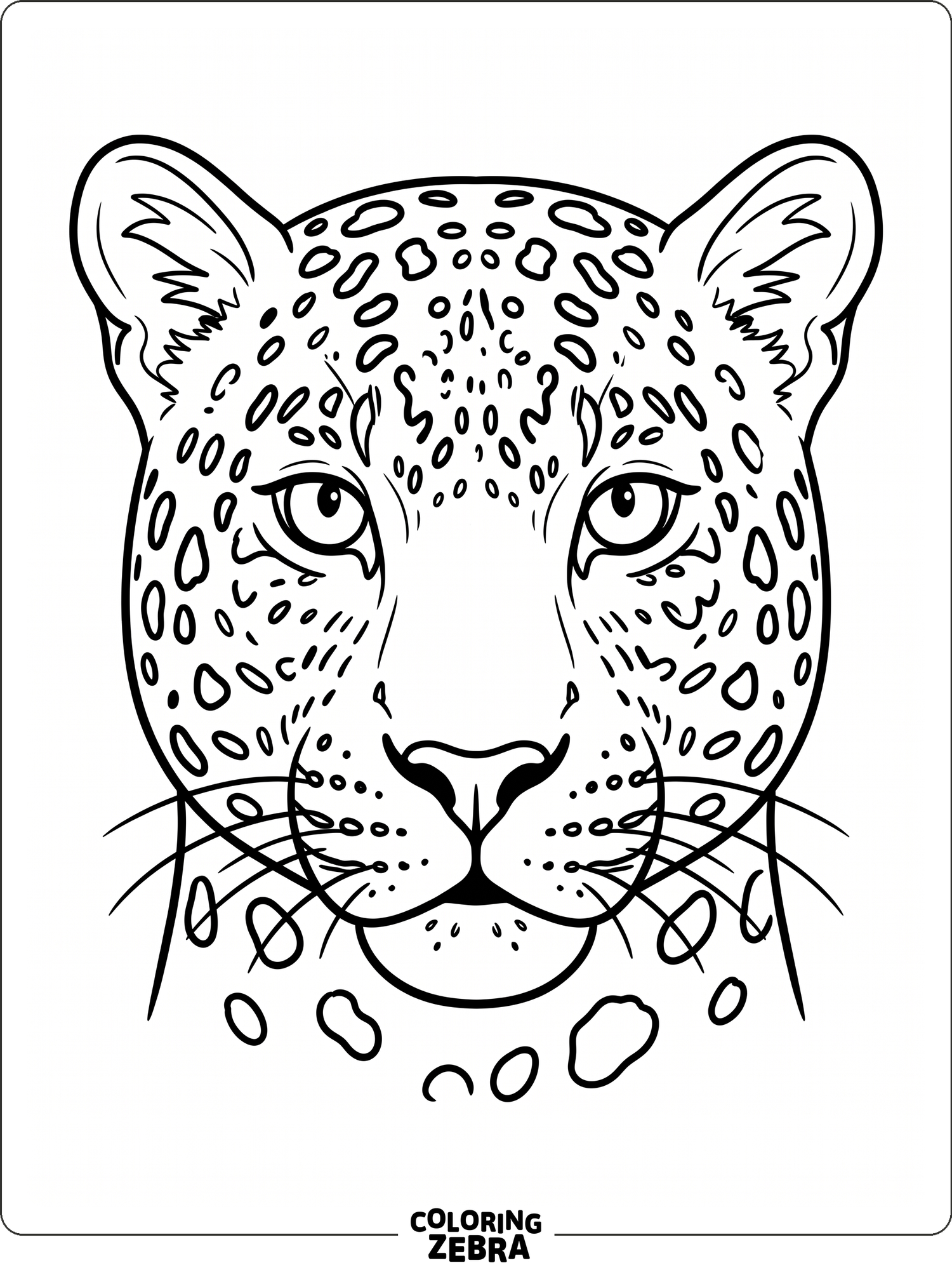
Leopard Coloring Pages offer a wide mix of big cat designs, from close-up faces to playful cubs and snowy mountain scenes. Some pages feel realistic, while others lean cute, cartoon, or fantasy. You’ll also find a leopard print pattern page, plus jungle and snowy habitat backgrounds. This variety makes the set enjoyable to color one page at a time.
Print on standard letter paper for easy home use, or choose slightly heavier paper if you want to layer colored pencils or markers. Use fit-to-page settings so each outline stays centered, and lower printer ink settings if you want a lighter draft for kids to color.
Related coloring pages
Printable Leopard Coloring Pages
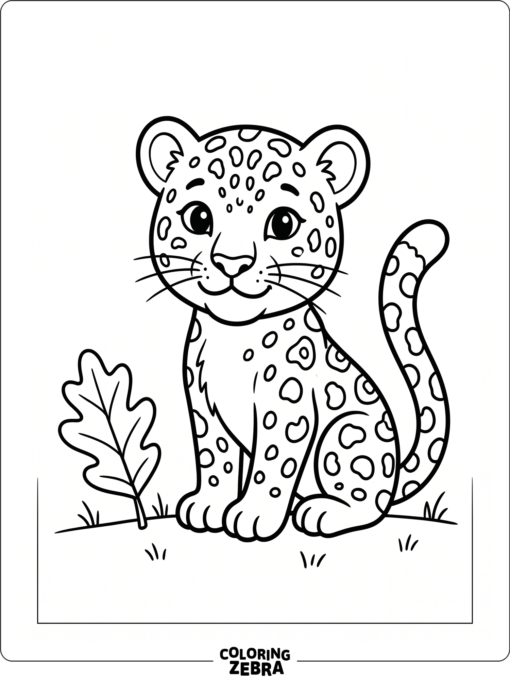

Cute Leopard Coloring Page
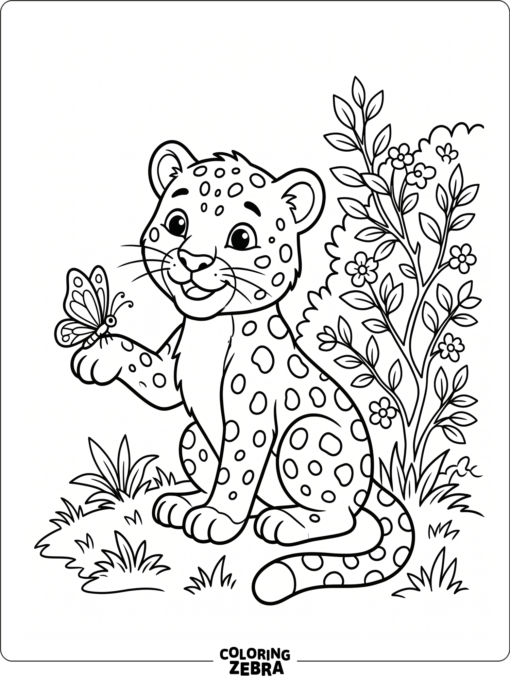

Leopard Coloring Page For Kids
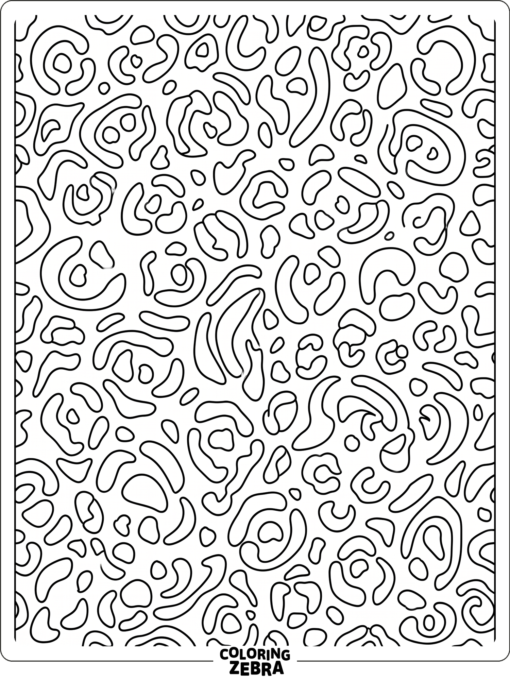

Leopard Print Pattern
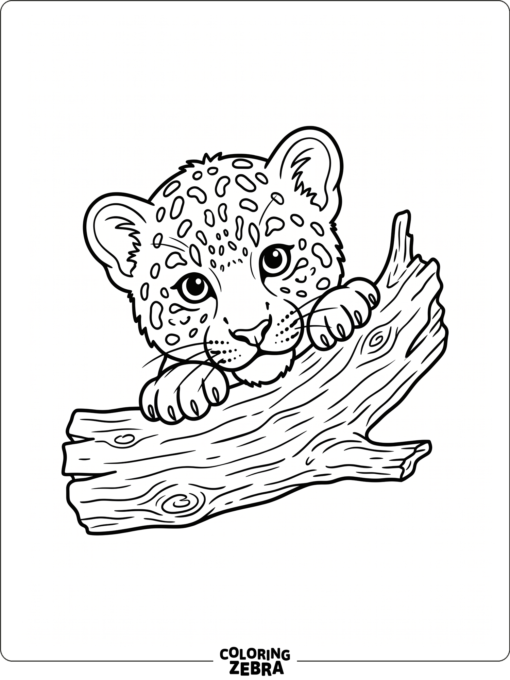

Baby Leopard Coloring Page
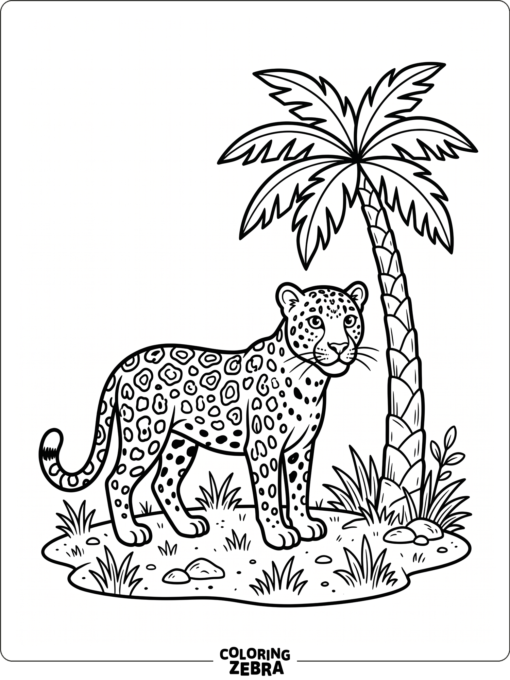

Easy Leopard Coloring Page
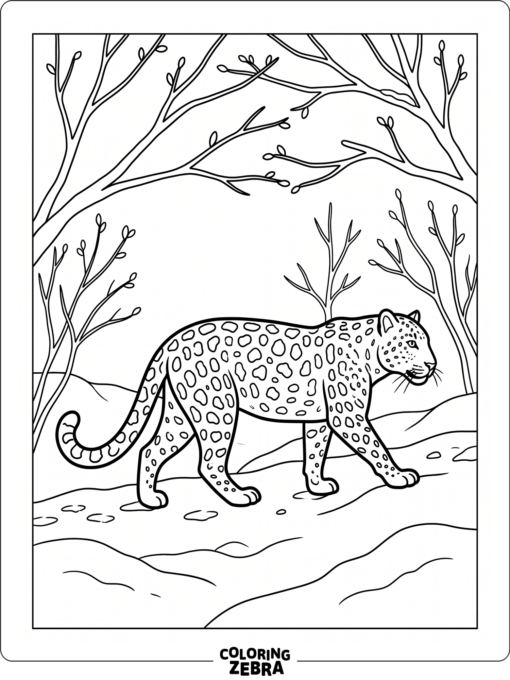

Amur Leopard Coloring Sheet
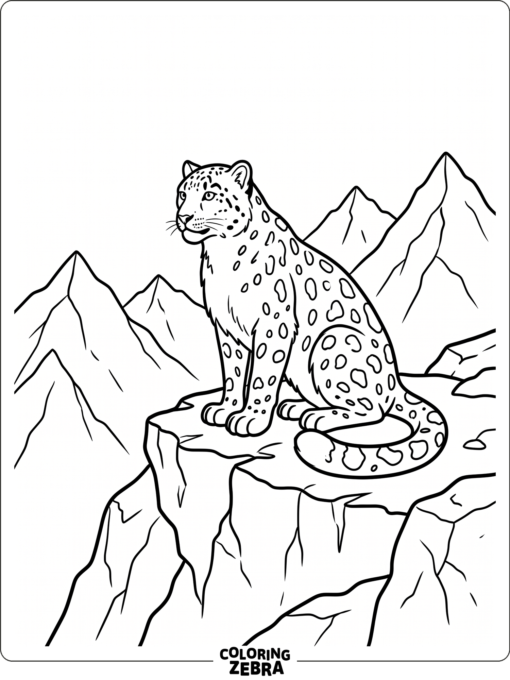

Snow Leopard Mountain Page
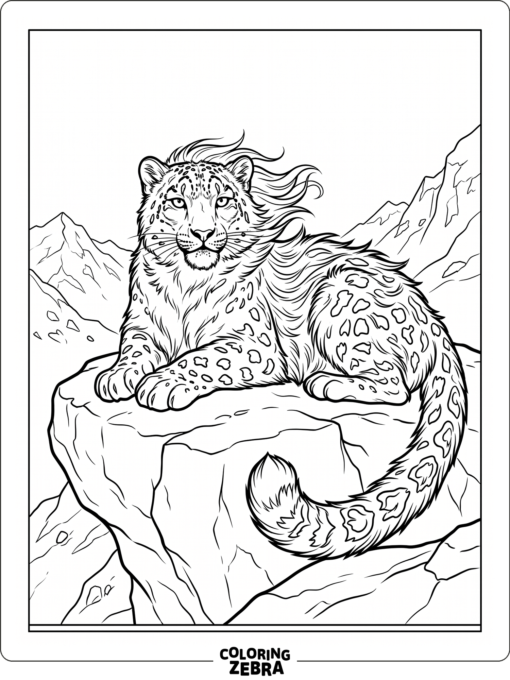

Snow Leopard Coloring Sheet
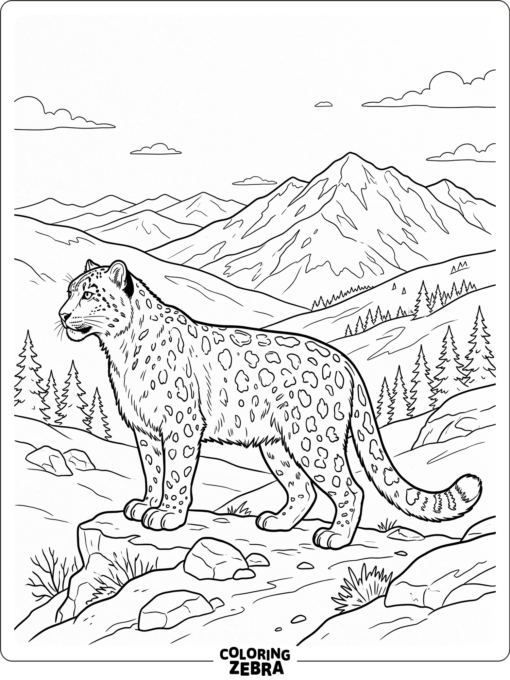

Realistic Snow Leopard Coloring Page
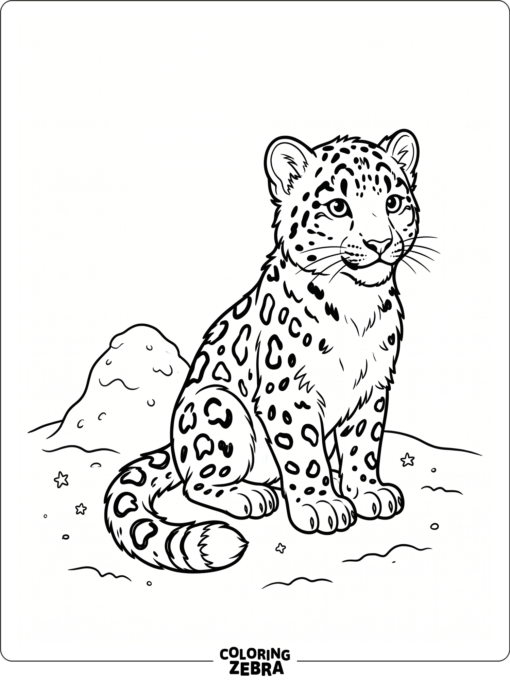

Baby Snow Leopard Coloring Page
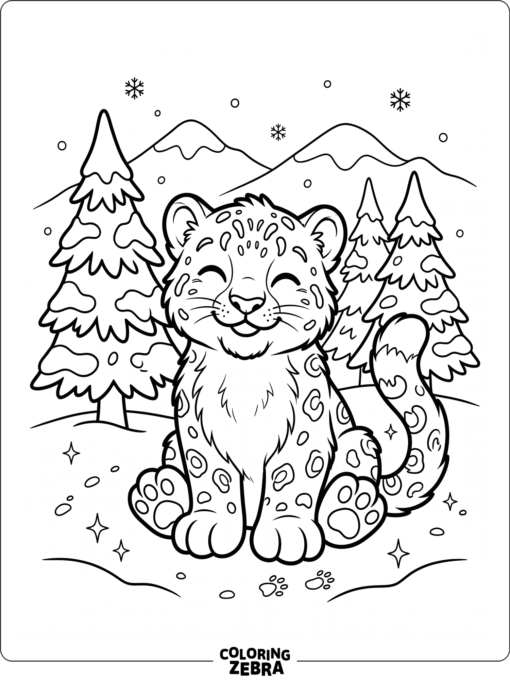

Cute Snow Leopard Coloring Page
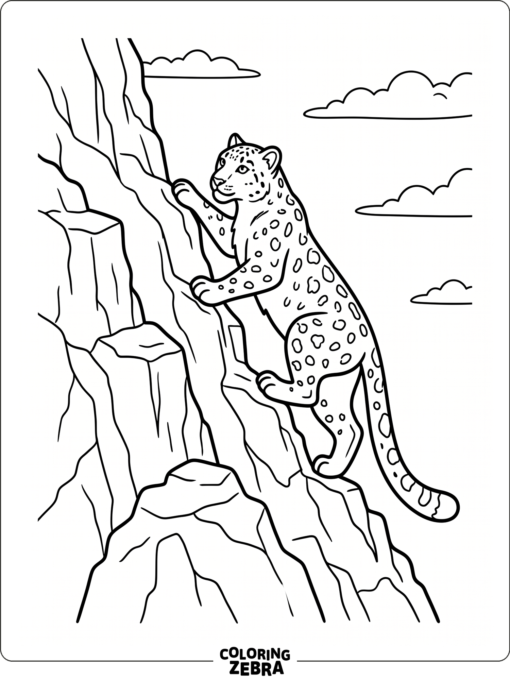

Snow Leopard Printable Coloring Page
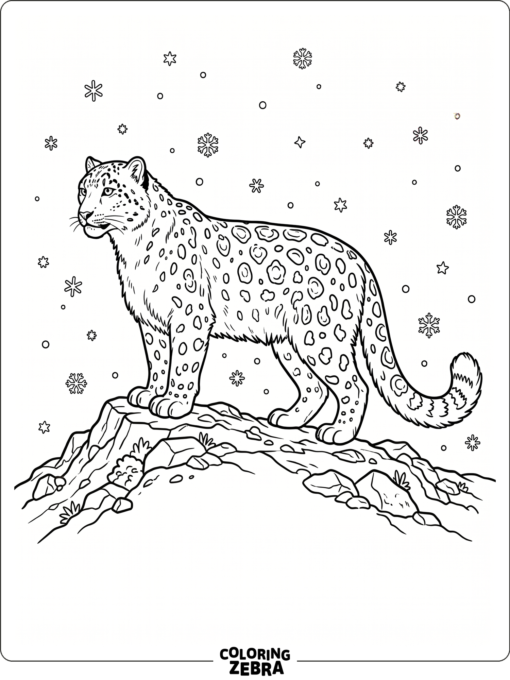

Snow Leopard Free Coloring Page
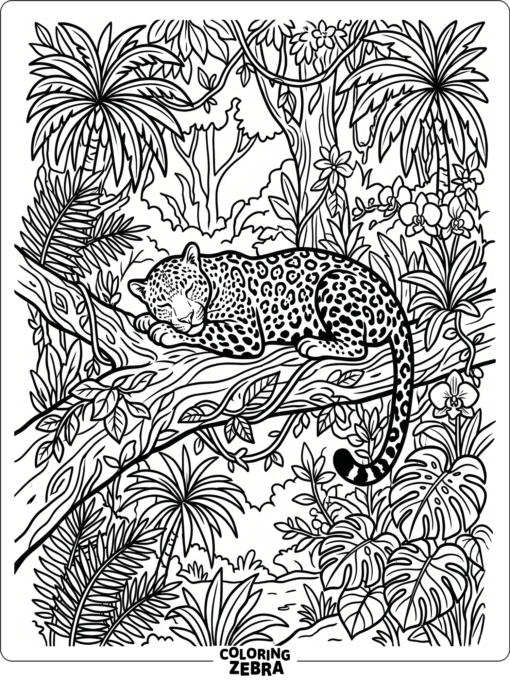

Leopard Coloring Page PDF
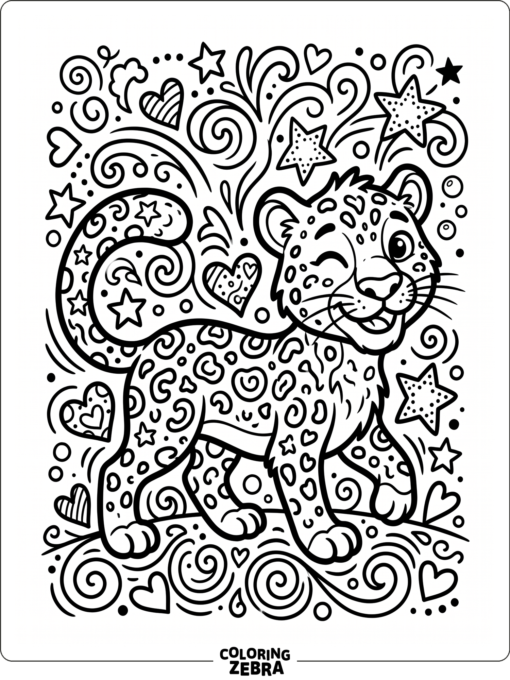

Lisa Frank Leopard Coloring Page
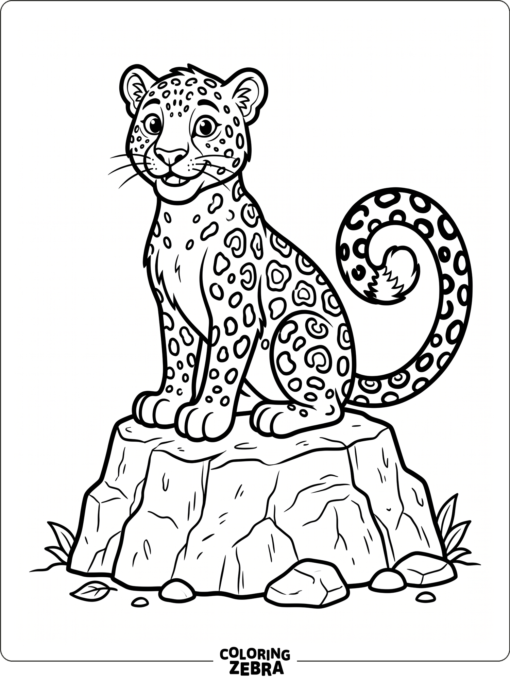

Cartoon Leopard Printable
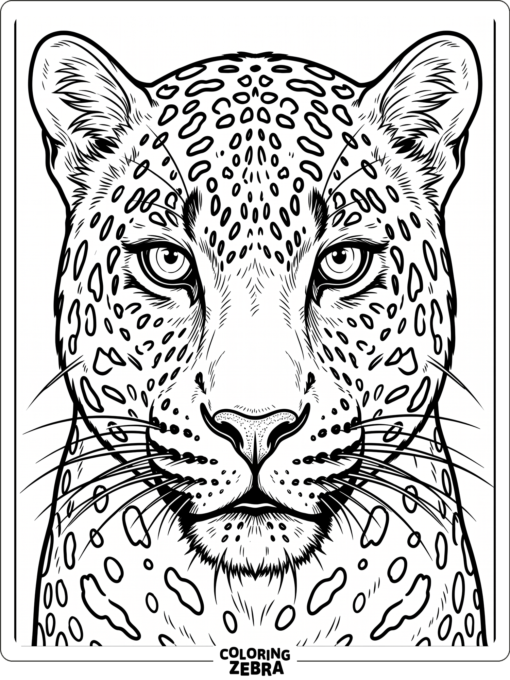

Leopard Face Outline
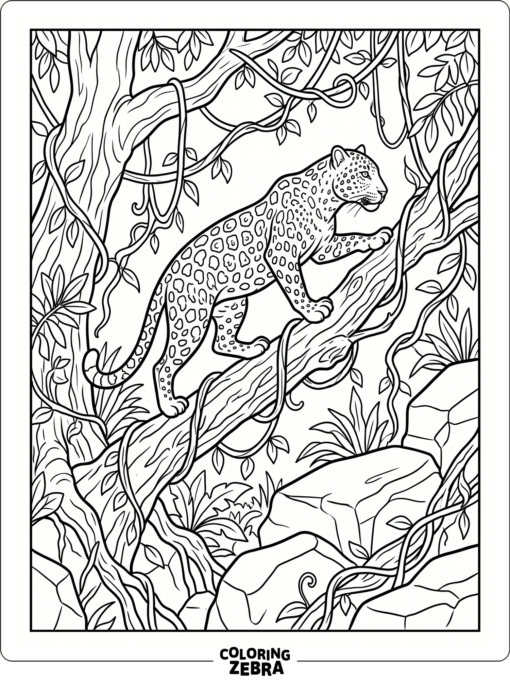

Hard Leopard Coloring Sheet
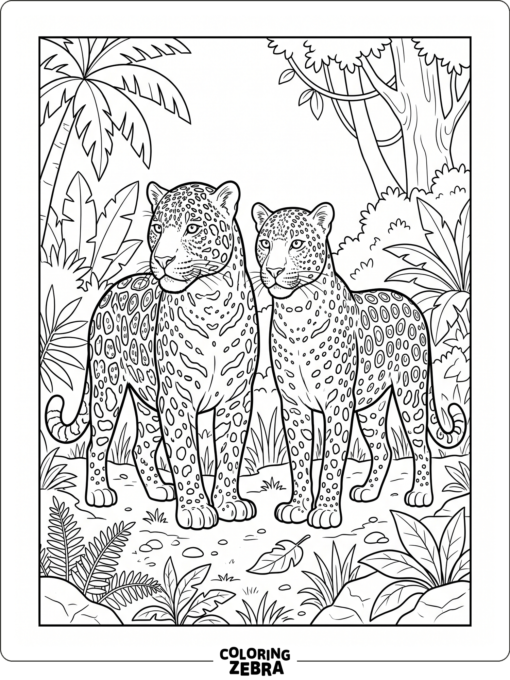

Jaguar And Leopard Picture
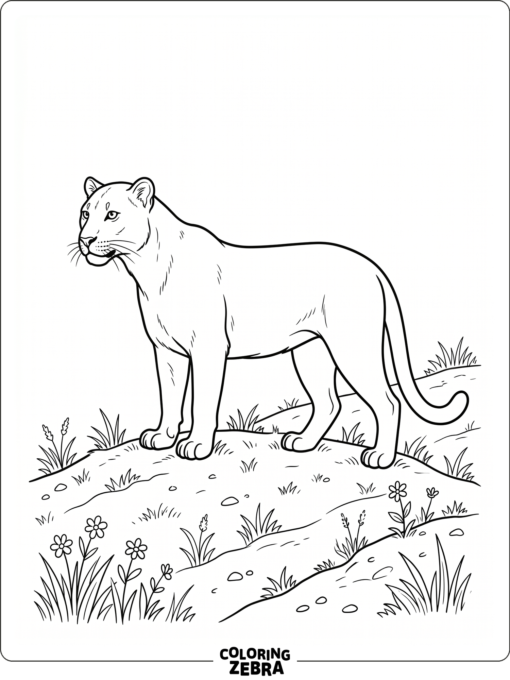

Leopard Without Spots Coloring Page
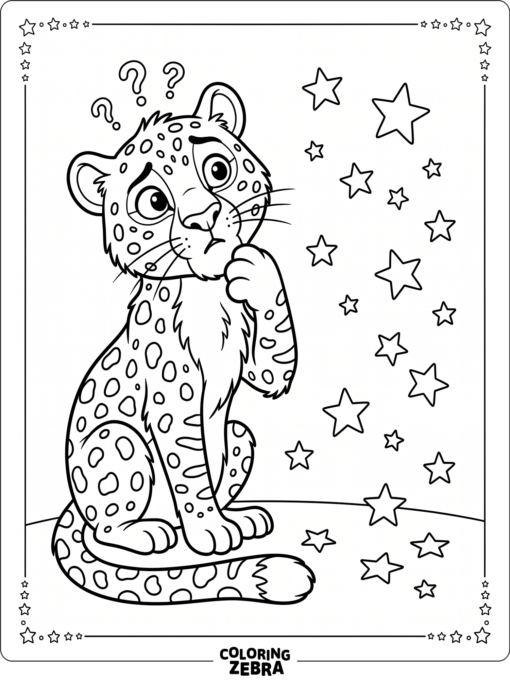

How Leopard Got His Spots Page
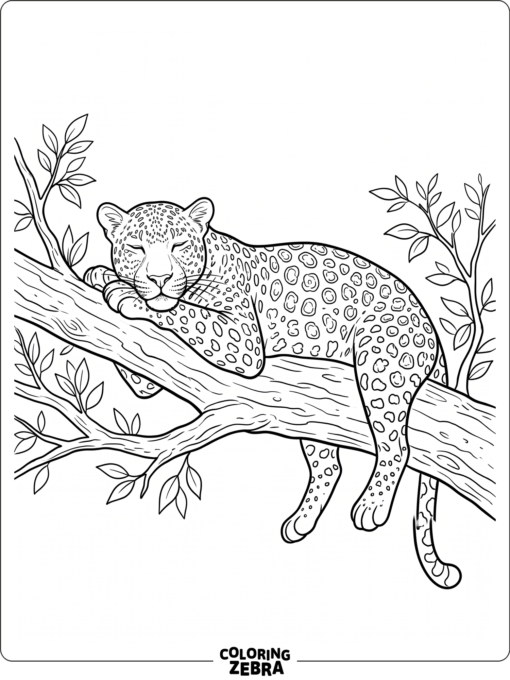

Adult Leopard Coloring Page
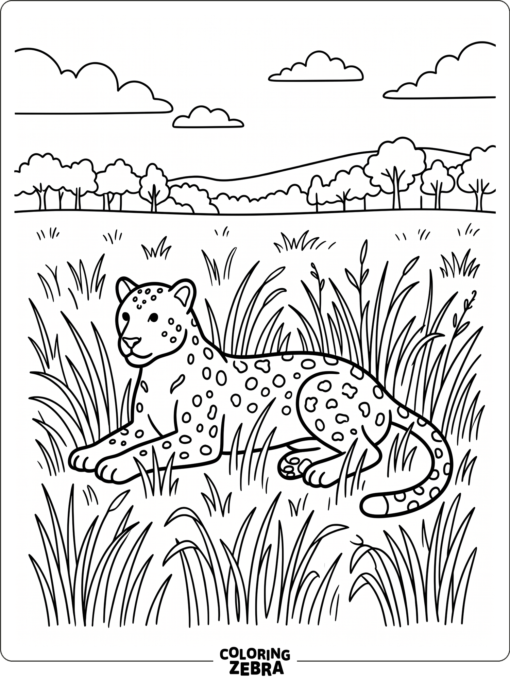

Leopard Outline Picture
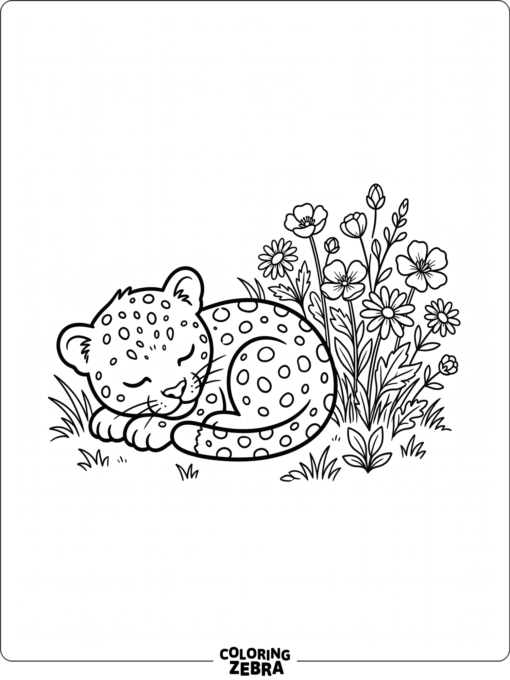

Cute Baby Leopard Printable
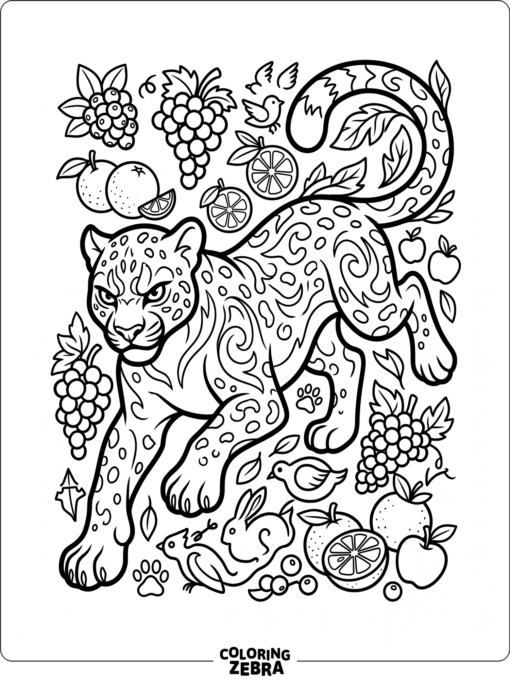

Leopard Fruit Blox Fruits Coloring Page
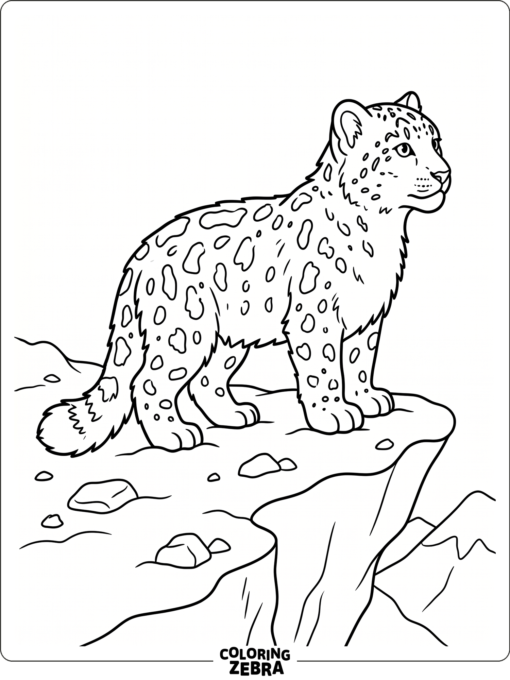

Snow Leopard Cub Coloring Page
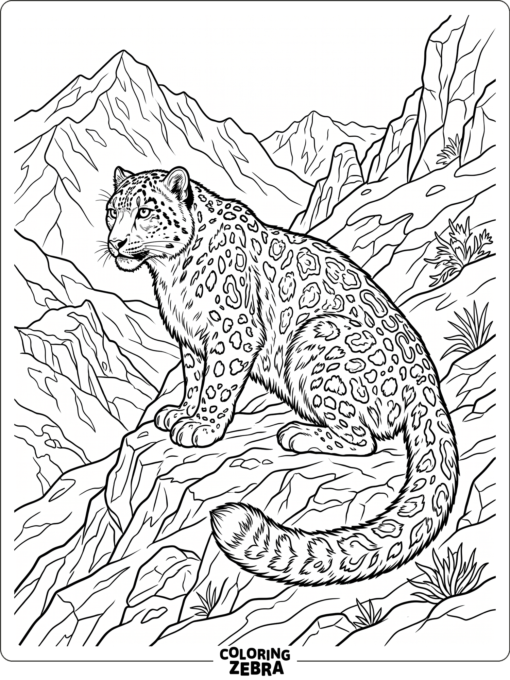

Snow Leopard Coloring Page For Adults
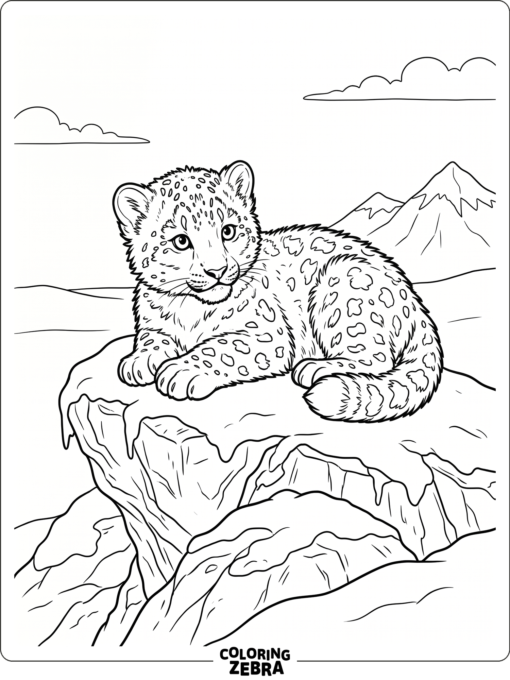

Realistic Baby Snow Leopard Coloring Page
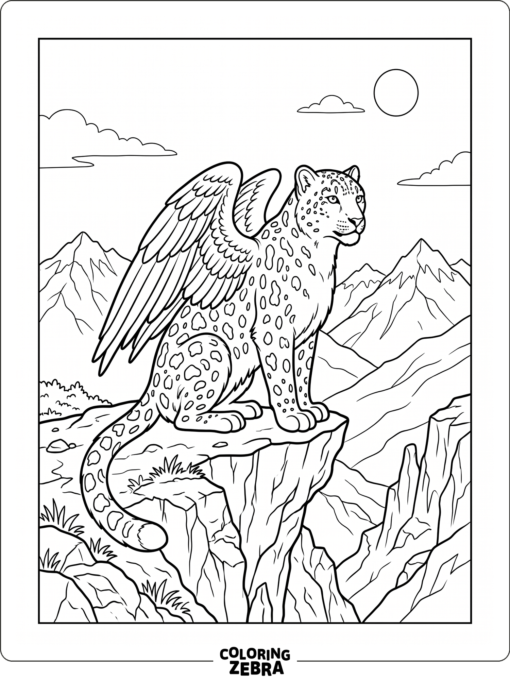

Snow Leopard Winged Cat Coloring Page
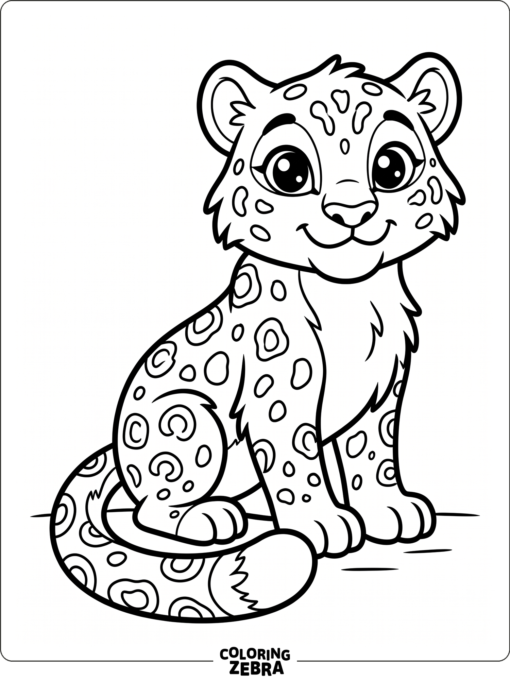

Animal Jam Snow Leopard Coloring Page
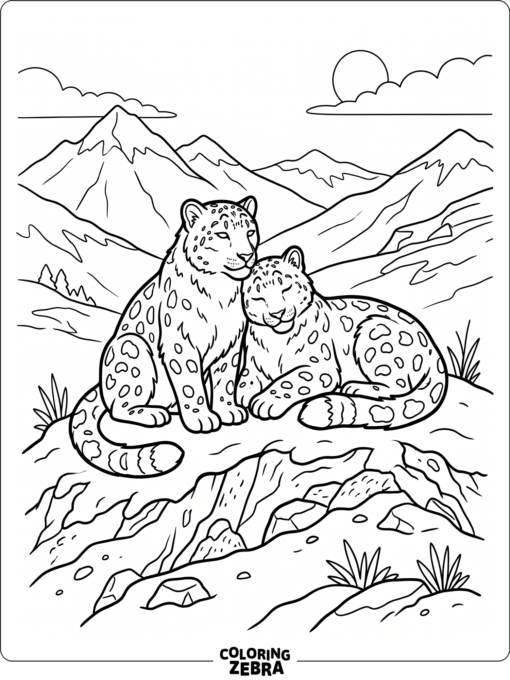

Snow Leopards Coloring Page
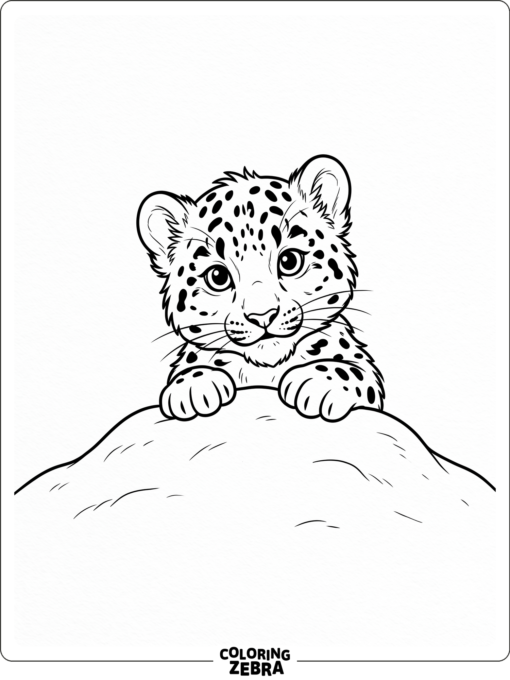

Cute Baby Snow Leopard Printable
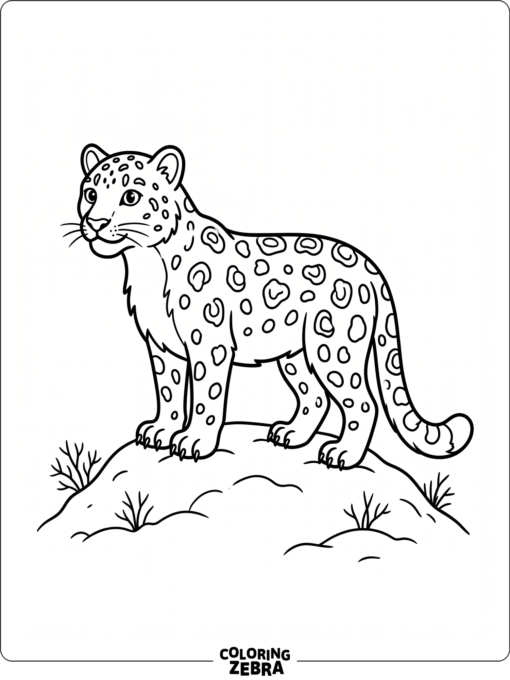

Easy Snow Leopard Coloring Page
What you’ll find in this collection
This set includes a broad range of big cat scenes, so the pages do not all feel the same. You’ll see close-up faces with bold spots, full-body leopards standing or resting, cubs and baby leopards, and even a separate leopard print pattern page. The collection also includes snow leopard coloring pages, which shift the mood from jungle greenery to rocky slopes and snowy ledges. That contrast makes the set especially appealing if you want both familiar wildlife imagery and a few unexpected scene changes.
Several pages focus on the leopard’s face, which is helpful for noticing details like alert eyes, round ears, whiskers, and the shape of the muzzle. Other pages show the animal in natural poses such as walking, climbing, lying in grass, or perched on a branch. The variety of pose and viewpoint gives each printable a different level of challenge, from simple outlines to more detailed animal studies.
Leopard features worth noticing
One of the easiest ways to color this subject well is to pay attention to the spotted coat. In wildlife terms, those markings are often called rosettes, and they are one of the clearest visual clues that separate a leopard from many other cats. Some pages show the spots in a bold, graphic style, while others use softer linework that leaves more room for interpretation. There is also a leopard with no spots in the set, which reads as a stylized or simplified design rather than a natural realism claim.
Cubs and baby leopards usually appear rounder, smaller, and softer in outline than the adults. That makes them a nice choice for younger colorists or anyone who wants an easier page. The snow leopard images also stand out because they emphasize thicker-looking fur, long tails, and mountain-ready body shapes rather than jungle camouflage. If you are comparing animal features, this collection gives you a clear way to notice how a big cat can look different depending on its age and habitat.
Settings and scene variety
The background details are just as useful as the animals themselves. Jungle-style pages include palm trees, vines, branches, logs, grass, flowers, and leafy ground cover. Those elements give you a chance to build a warm, natural palette with greens, browns, and soft earth tones. The snow leopard pages move in the opposite direction, with snowy ridges, mountain cliffs, ledges, slopes, and snow mounds that suggest a colder, higher-altitude environment.
That habitat contrast helps explain why people often think of leopards and snow leopards together even though they are distinct big cats. Regular leopards are often shown in warm, varied landscapes, while snow leopards are paired with rocky, wintry terrain. In a coloring set, that difference is more than decorative; it gives you a chance to compare how animals are presented according to the environments they inhabit.
Realistic, cute, and imaginative styles
The collection also works well because it does not stay in one artistic lane. Some pages are realistic, especially the standing, walking, and resting leopard poses. Others are clearly designed to be cute, such as baby leopards holding a butterfly, curled beside a flower patch, or shown with rounded features and simpler shapes. A few pages move into storybook or fantasy territory with stars, hearts, fruit, game icons, and even wings on a snow leopard.
If you like coloring by mood, this mix is a real advantage. Realistic pages reward careful shading and spot placement, while cartoon and fantasy versions invite brighter colors and lighter choices. The leopard and jaguar together page also adds an interesting comparison scene, since it invites attention to two different big cats in one jungle clearing. Pages like that are useful when you want a single collection to offer both variety and a clear subject focus.
Coloring ideas for different pages
- For realistic leopards: use warm golds, tan, amber, and deep brown for the spots, then shade the face and tail for depth.
- For cubs: keep the palette softer and lighter, with gentle contrast so the rounded shapes stay friendly and simple.
- For leopard print patterns: try repeating tones, alternating spot sizes, or a bold black-and-cream look for a graphic effect.
- For snow leopards: use cool grays, silvery browns, and off-white fur, then add blue-tinted shadows for snowy scenes.
- For fantasy versions: let the stars, hearts, and accessories guide brighter accent colors without worrying about realism.
Simple learning ideas from the pages
This set can support light animal learning without turning into a worksheet. Children can compare adult leopards with cubs, then compare spotted leopards with snow leopards in snowy mountain settings. They can also notice how body shape changes across the images: a climbing leopard looks more stretched and alert, while a resting leopard appears relaxed and compact. These observations are easy to make while coloring and help build attention to detail.
You can also use the pages to talk about camouflage. Spots help leopards blend into grass, shade, and dappled jungle light, while the lighter, thicker look of a snow leopard suits rocky, snow-covered slopes. That makes the collection useful for simple wildlife discussion, especially if you want a visual example rather than a text-heavy lesson. Leopard Coloring Pages like these give children a direct way to notice how animals match their surroundings.
Ways to use the finished pages
Finished sheets can be turned into wall art, notebook covers, classroom displays, or a wildlife-themed binder. A face close-up makes a strong standalone page, while the leopard print design works well as a pattern sample or background page for crafts. Snow leopard scenes can also be grouped together to create a mini mountain-animal display. If you are assembling a themed pack for home or school, the combination of detailed pages, simple outlines, and playful variations makes this collection easy to reuse in different settings.
For anyone who enjoys big cats, spotted coats, and habitat contrast, this printable set offers a clear range of choices. From jungle branches to snowy cliffs, it shows why leopard imagery stays so recognizable and so satisfying to color.
People Often Ask Us…
-
What is the difference between a leopard and a snow leopard?
-
Do leopards have spots or rosettes?
-
Where do leopards live in the wild?
-
Why are snow leopards adapted to mountains?
-
What do leopard cubs look like?