Number Coloring Pages
Number Coloring Pages use bold numerals, simple outlines, and plenty of open space for coloring and practice. This set includes single digits plus number ranges such as 1–10, 1–20, and a full 1–100 chart. You can use the pages for coloring, tracing, counting with objects, and basic sequencing. With clean classroom layouts and small companion icons, learners can focus on one number at a time.
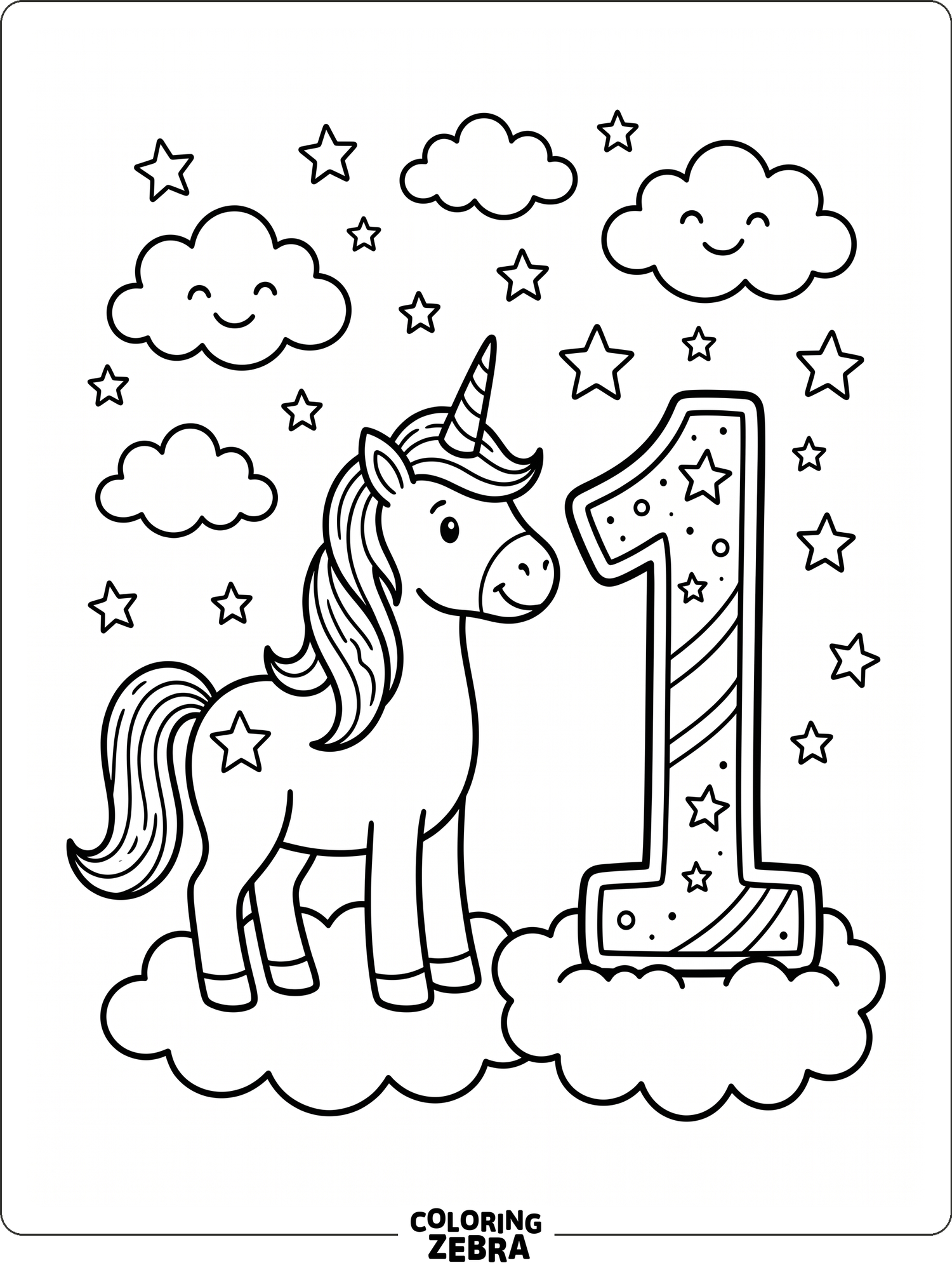
Print on standard letter-size paper and choose “fit to page” if you want all borders and box edges to stay visible. For tracing pages, use thicker paper or light card stock so the dotted numerals remain easy to see. To save ink, consider draft mode for worksheet-style pages that rely on simple, bold linework. Encourage children to color within the large outlines first, then add color to the small stars, balloons, hearts, and other icons for a neat finish.
Related coloring pages
Number Coloring Pages Printable Set
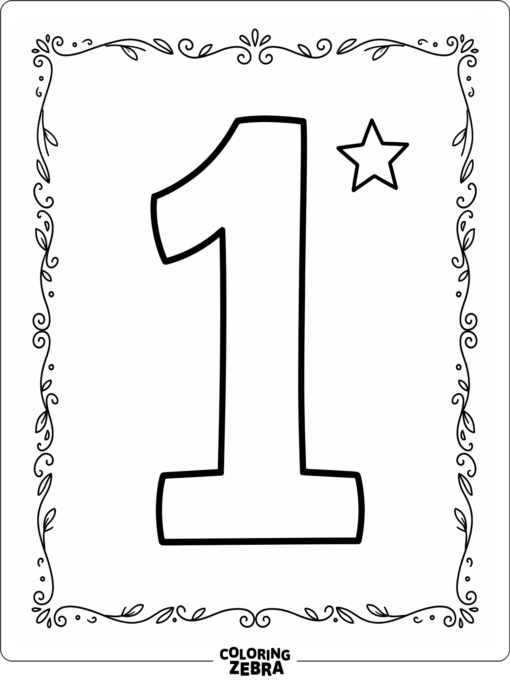

Number 1 Printable
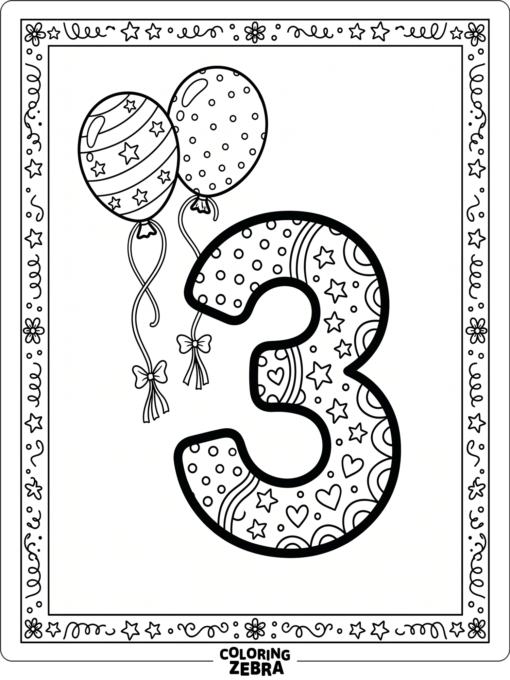

Number 3 Printable

Number 5 Printable

Number 6 Coloring Page

Number 7 Coloring Sheet

Number 8 Printable

Number 9 Coloring Page

Number 10 Printable

Numbers 1-10 Coloring Sheet

Numbers 1-20 Printable
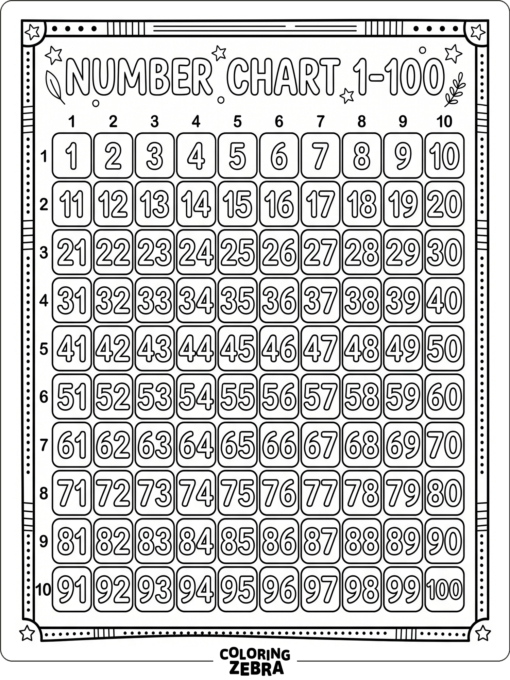

Numbers 1-100 Coloring Page
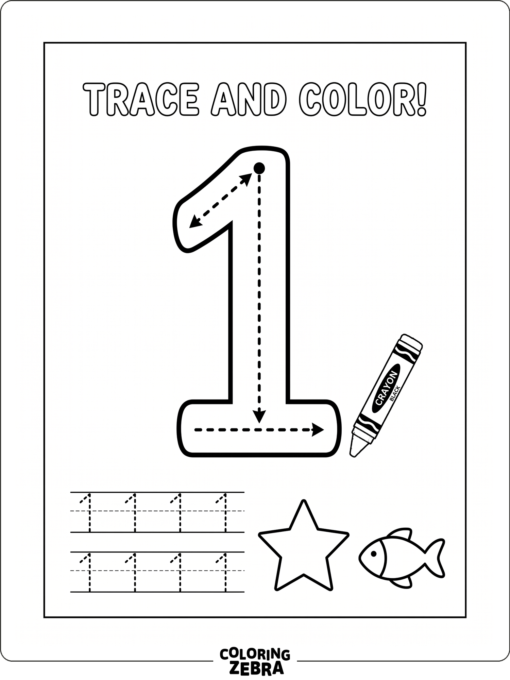

Number Tracing Printable
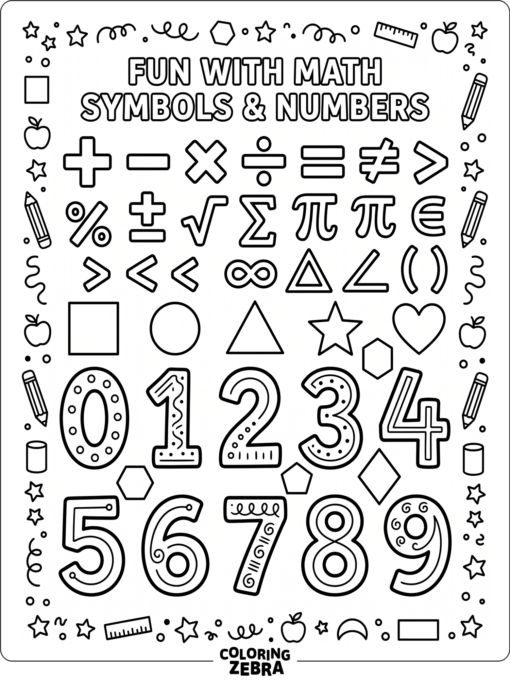

Math Number Coloring Page

Preschool Number Coloring Page
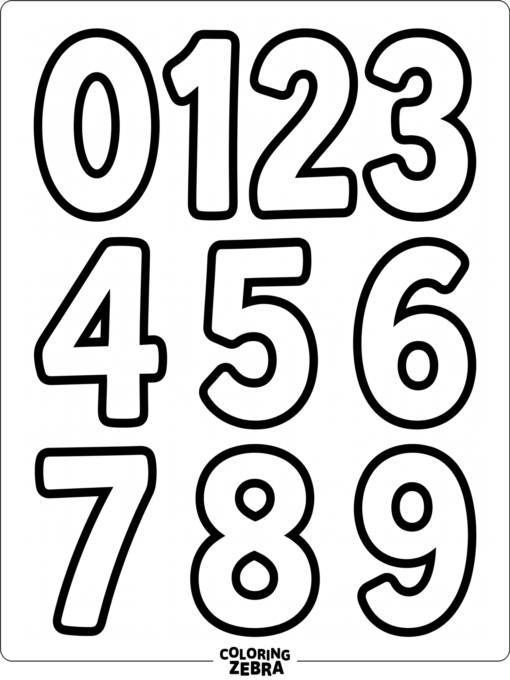

Large Numbers To Color
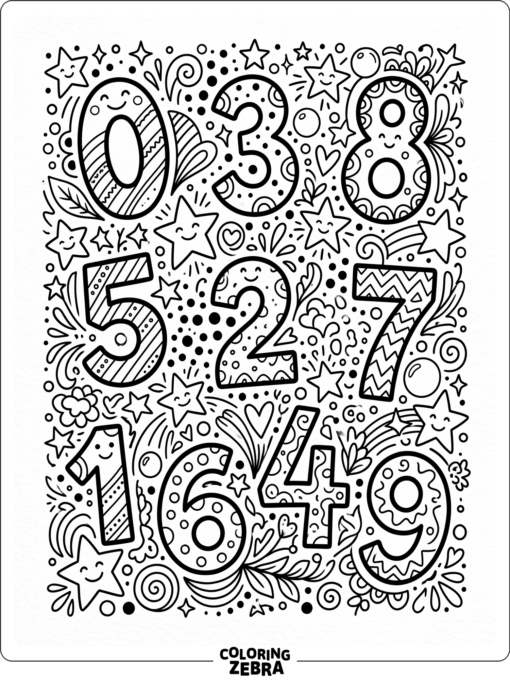

Fun Number Coloring Sheets
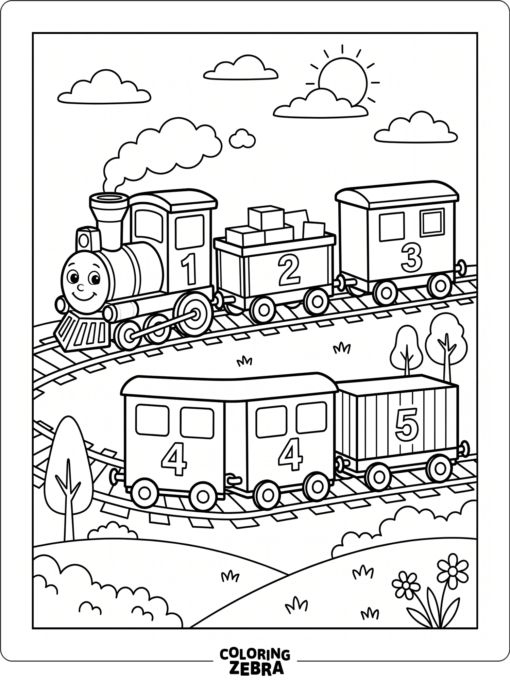

Number Train Printable
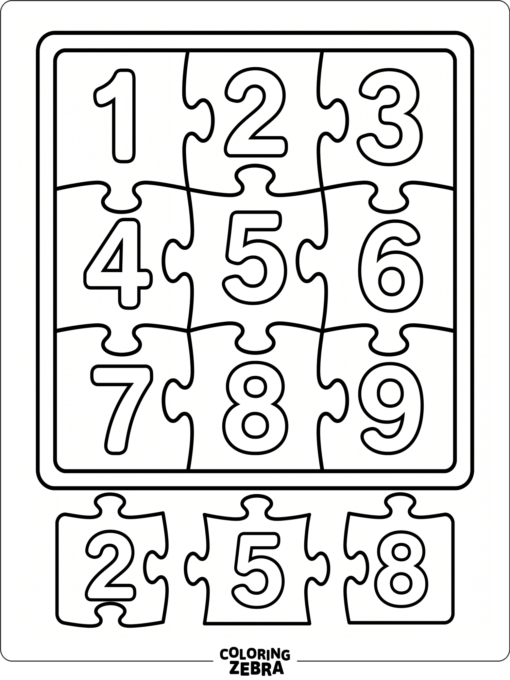

Number Puzzle Coloring Sheet
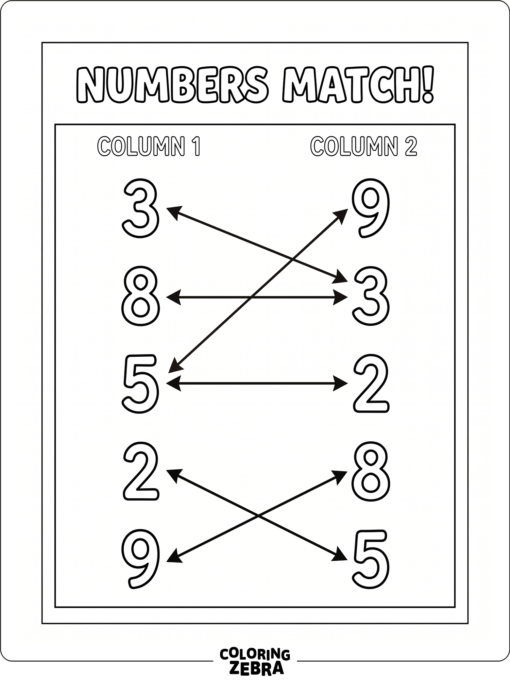

Number Matching Coloring Page
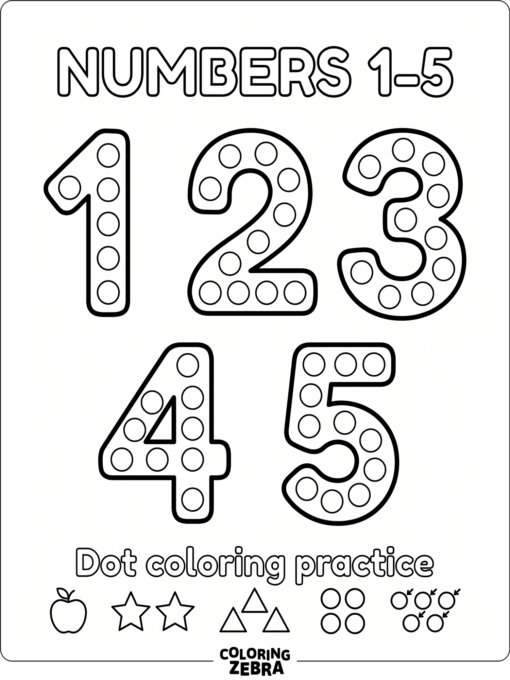

Number Dot Marker Coloring Page
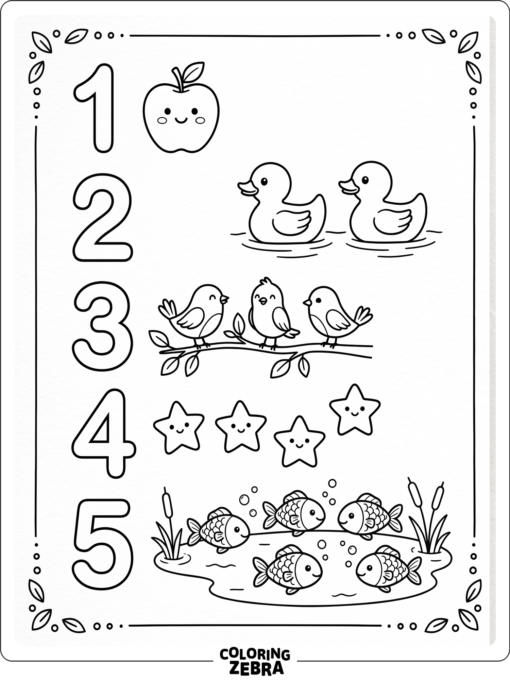

Count and Color Numbers Coloring Page
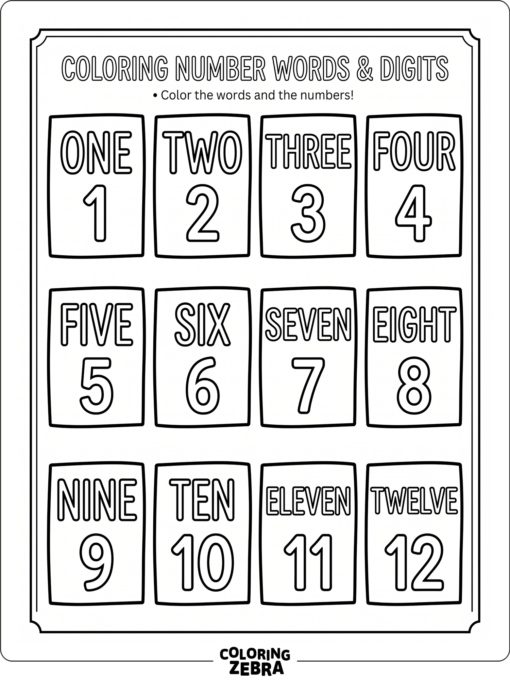

Number Words Coloring Sheet
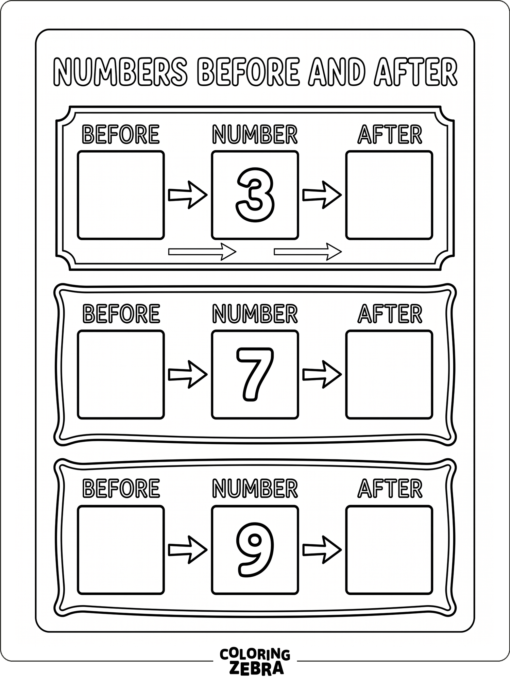

Before and After Numbers Coloring Page
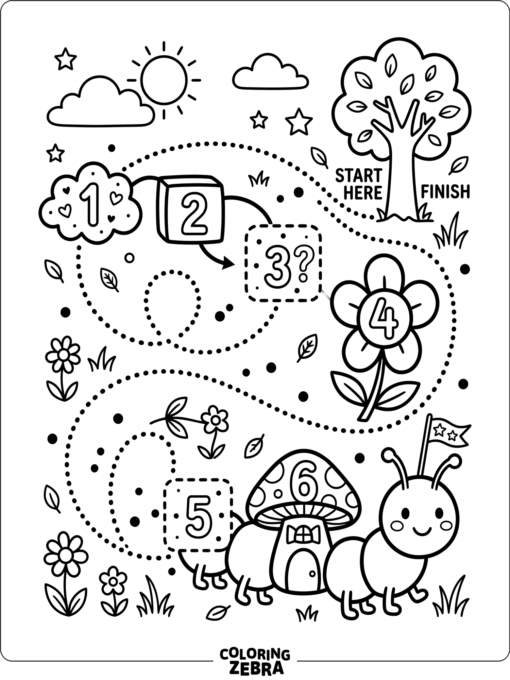

Missing Numbers Coloring Page
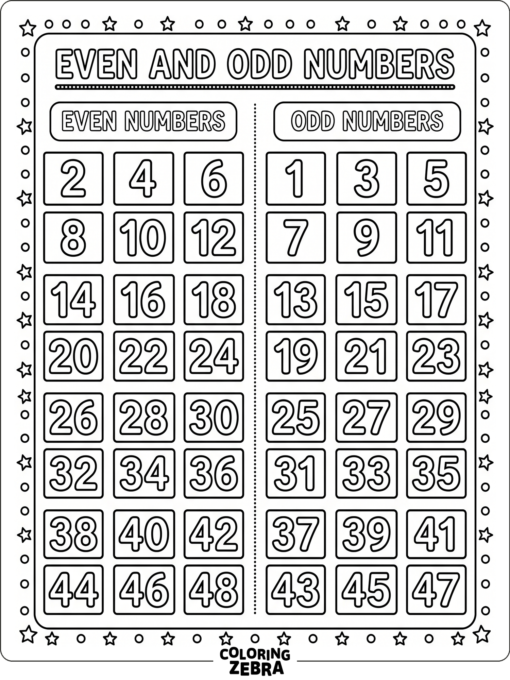

Even and Odd Numbers Coloring Page
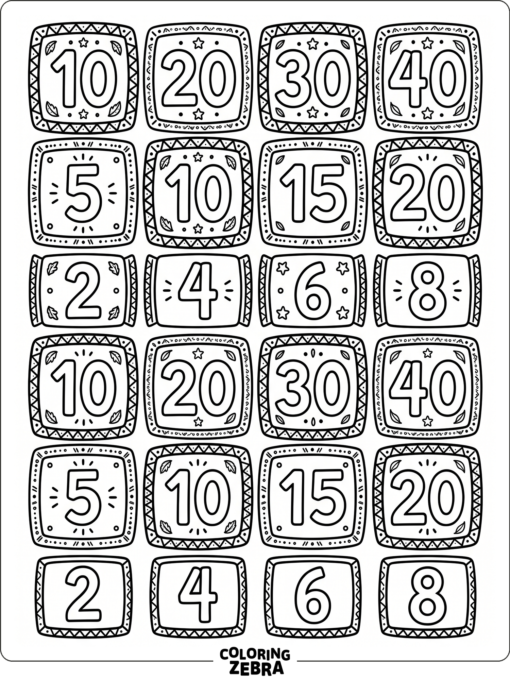

Skip Counting Coloring Page
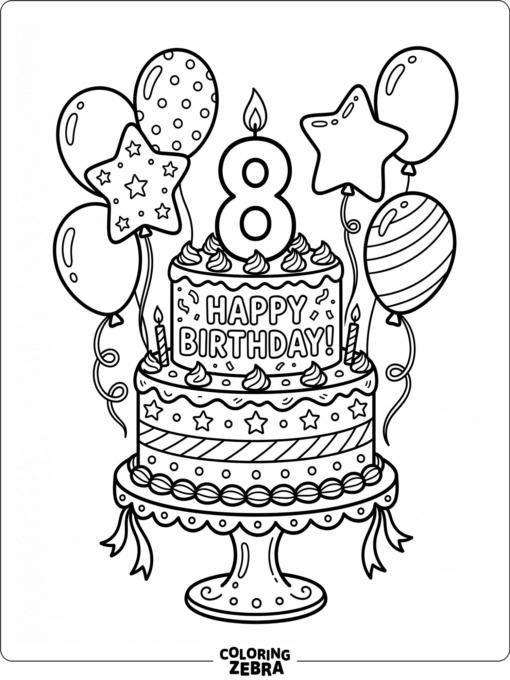

Birthday Number Coloring Page
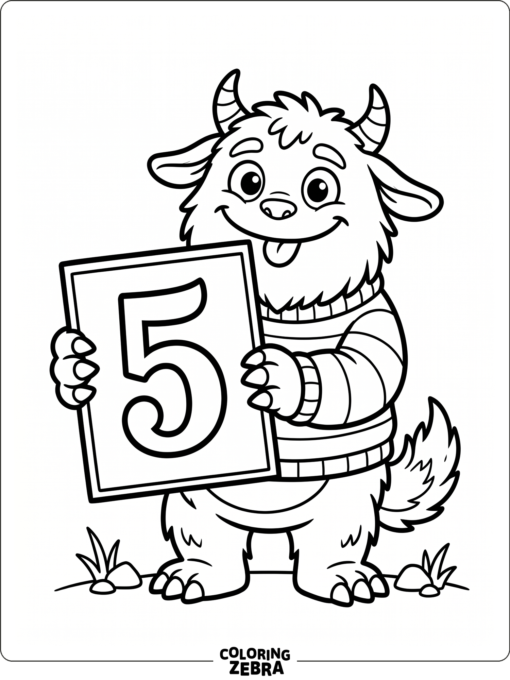

Monster Number Coloring Page
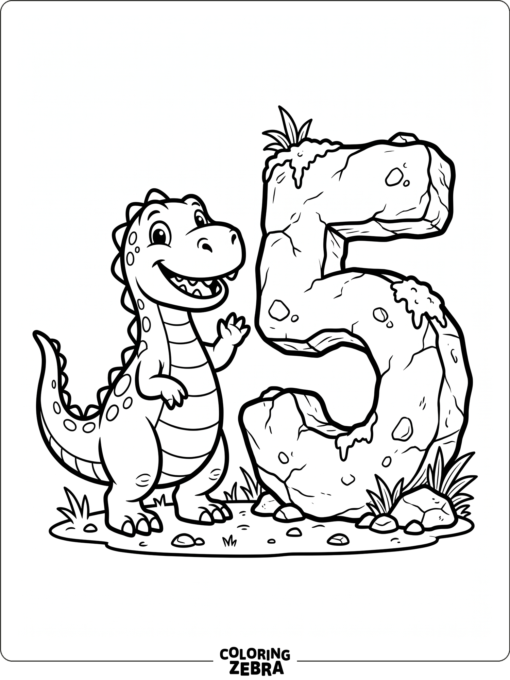

Dinosaur Number Coloring Page
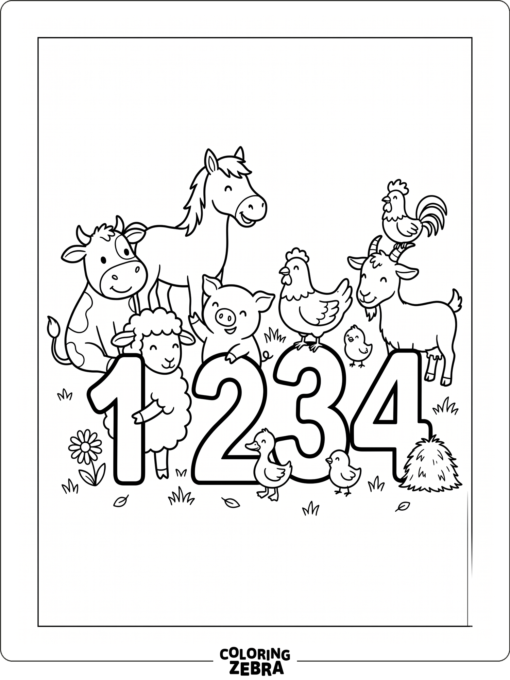

Farm Number Coloring Page
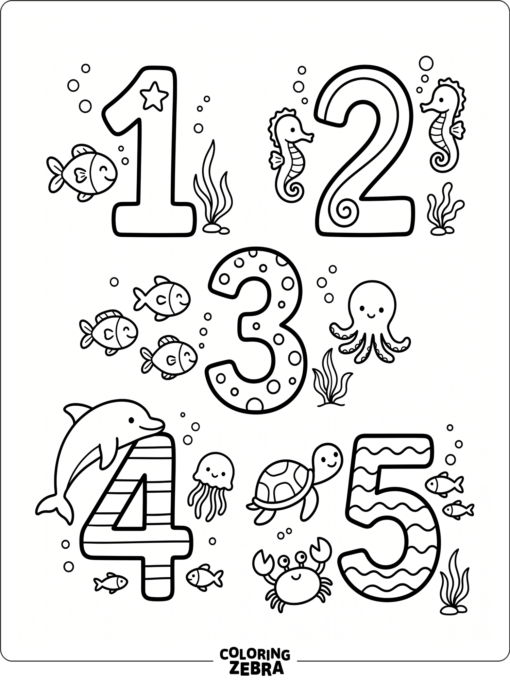

Ocean Number Coloring Page
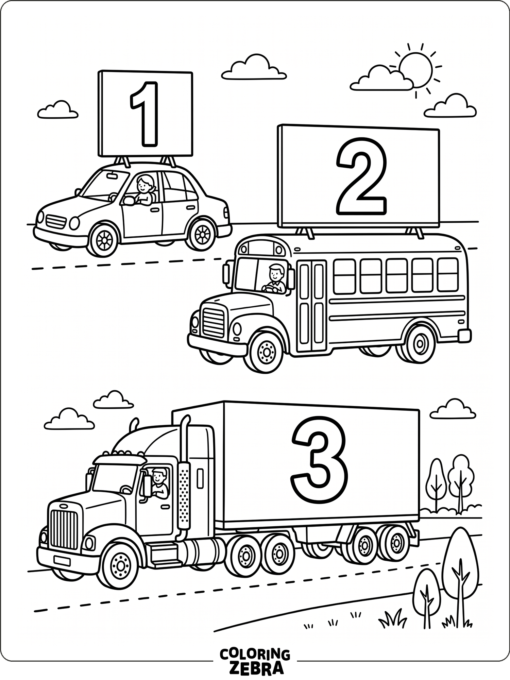

Vehicle Number Coloring Page
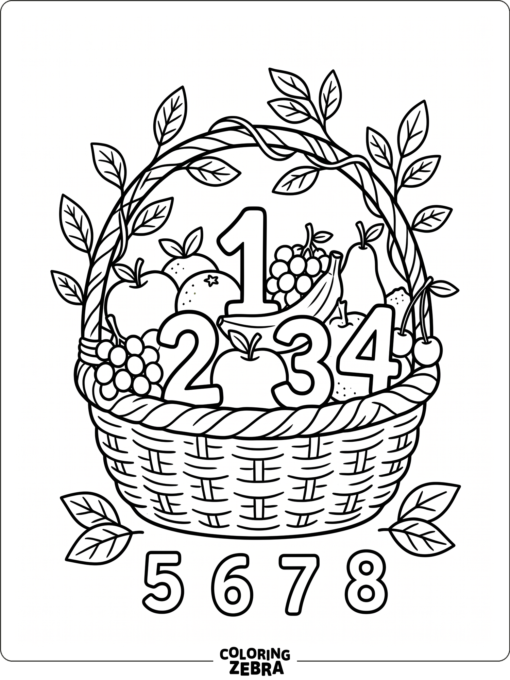

Fruit Number Coloring Page
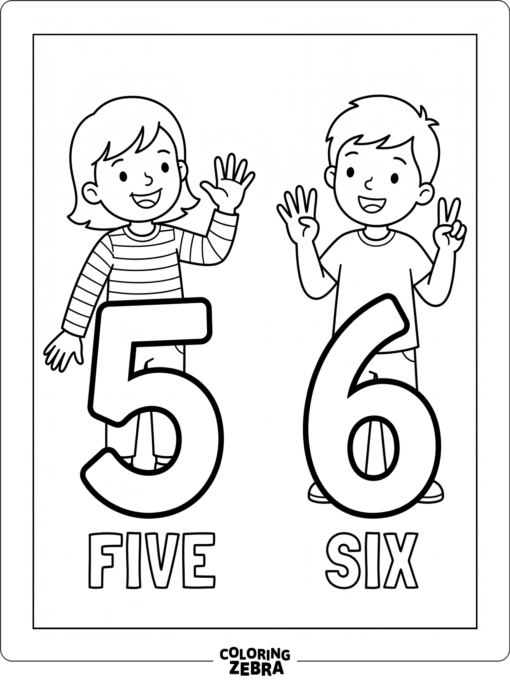

Finger Counting Coloring Page
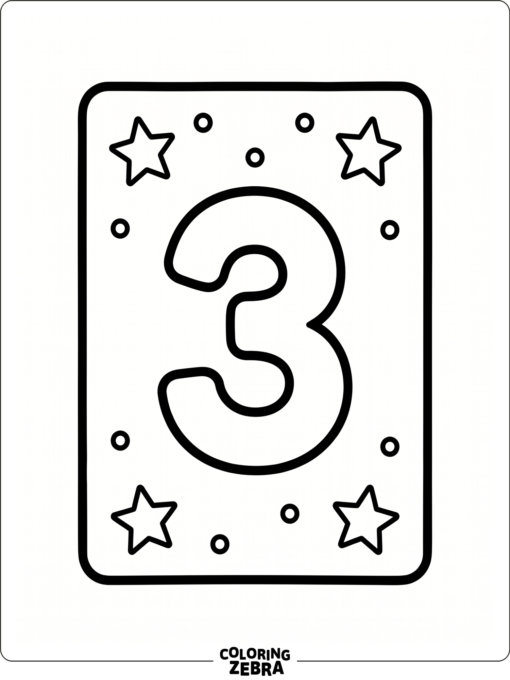

Number Flashcard Printable
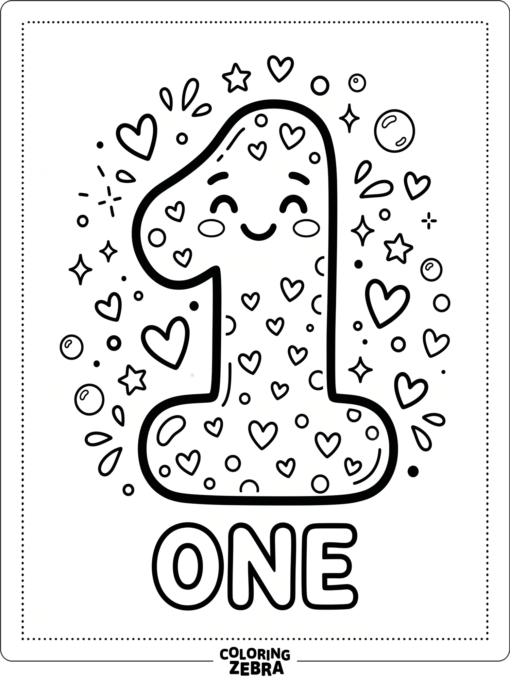

Cute Number Coloring Sheet
What is included in the set
The collection of Number Coloring Pages covers more than single numerals. You will find bold numbers from 1 through 10, larger practice sets like 1 through 20, and a full 1 through 100 chart laid out in simple boxes. Some pages are pure coloring sheets with a single large number, while others look like classroom printables with rows, grids, arrows, and matching boxes. That variety makes the set useful for both quiet coloring time and early math review.
Several pages pair numerals with small icons such as stars, balloons, hearts, flowers, a rocket, confetti, a sun, and a flag. Those details give young learners something extra to notice without making the page feel crowded. In other sheets, the number itself becomes the main character, including smiling styles, a friendly monster holding a sign, and a flashcard look with stars and dots. The result is a mix of playful and practical number practice pages.
Visual style and page design
The artwork stays simple, bold, and easy to color. Thick outlines, clean backgrounds, and open areas around the numbers help preschoolers and kindergarten learners stay inside the lines without frustration. Pages with dot markers or dotted numerals are especially helpful for children who are just beginning tracing work. The clean design also makes the number shapes easy to recognize at a glance, which matters when learners are comparing similar numerals like 6, 8, and 9.
Some pages use neat rows or boxed layouts that look like worksheets rather than decorative art. Others include playful borders, but the center of attention always remains the number or counting task. That balance is part of what makes these printables versatile for home use and classroom centers.
Skills children can practice
These pages support number recognition, counting, tracing, and simple sequencing. A child can point to a numeral, say its name, color it, and then count the objects nearby to match quantity with symbol. That one-to-one connection is a major early math skill, and it becomes easier when the layout stays clear and uncluttered.
The collection also introduces order and pattern awareness. Pages with before-and-after prompts, missing-number boxes, and skip counting sequences help children see how numbers relate to one another. Even and odd number groups offer another layer of early understanding, especially for learners who are ready to sort and compare. For handwriting readiness, the tracing sheets and dotted numbers build familiarity with how each numeral is formed.
How worksheet pages differ from decorative pages
Not every printable in the set is meant to be colored the same way. Decorative sheets invite children to fill in large numerals and the small icons around them, while worksheet-style pages ask for more attention to structure. A page with numbers and words can reinforce vocabulary, and a chart with arrows or missing spaces can turn coloring into a light problem-solving task. That is where number learning becomes especially useful for parents and teachers who want both practice and variety.
Counting pages are another important category. Objects grouped beside numbers, hands showing fingers, and simple theme scenes with cars, buses, trucks, farm animals, ocean animals, fruit, or a birthday cake all help children connect a numeral to a real amount. This is helpful for learners who understand concrete objects before they are ready for abstract math symbols.
Good ways to color the pages
Simple pages with one large number are a good place to start with crayons or markers in a single color family. Children can outline the numeral first, then fill the open background with small repeated patterns such as dots, hearts, or stars. Pages with icons nearby can be colored by category, such as using one color for the number and another for the decorations.
For tracing sheets, keep the coloring light so the dotted forms remain easy to see. If a page includes a train, animals, or a vehicle theme, use a small set of colors to keep the focus on the numeral instead of the background. Flashcard-style pages also work well with simple color choices because they are meant to be clear and quick to read.
Ways to use finished pages
Finished worksheets can become classroom wall displays, counting practice folders, or quick review sheets in a homeschool routine. A 1 through 10 row can be cut apart and rearranged for sequencing practice, while a 1 through 100 chart can stay posted as a reference for number order. Matching pages and puzzle-style sheets can also be reused as review cards once they are colored.
These Number Coloring Pages are especially helpful when you want a child to practice more than one early-math skill at a time. A learner can color, trace, count, compare, and talk about number words on the same sheet. That makes the set flexible for preschoolers learning basic recognition, kindergarten students building writing confidence, and early elementary kids who still need repetition with number order and quantity. Used regularly, these printables can support steady progress without feeling like a formal test.
Simple ways to organize the pages
- By difficulty: single digits, teen numbers, 1 to 20, and 1 to 100
- By activity: coloring, tracing, counting, matching, and sequencing
- By concept: recognition, order, even and odd, and skip counting
- By theme: animals, vehicles, classroom charts, and simple icons
When organized this way, the pages become easier to use for short lessons, independent coloring time, or quick math centers. The variety gives children repeated exposure to numerals in different formats, which helps build confidence and familiarity over time.
People Often Ask Us…
-
What ages are these pages best for?
-
What skills do they teach?
-
How do tracing pages help?
-
Why use even and odd pages?
-
Why are number charts useful?