Science Coloring Pages
Science Coloring Pages offer a wide look at labs, space, living things, and simple classroom experiments. This set mixes familiar symbols like atoms and beakers with detailed scenes such as cell diagrams and volcanoes. You can color a chibi Einstein, a wild scientist, or a telescope pointed at the stars. The variety makes it easy to explore different branches of science in one printable collection.
Print on standard letter paper for the cleanest results, or choose a slightly heavier sheet if you want to use markers. For younger kids, use your printer’s fit-to-page setting so every page stays centered and easy to color. If you want to save ink, switch to draft mode before printing the science printables.
Related coloring pages
Printable Science Coloring Pages
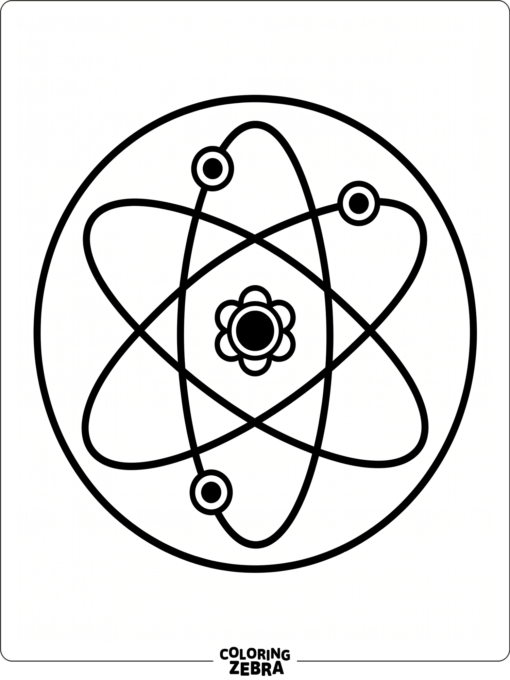

Atomic Science Logo
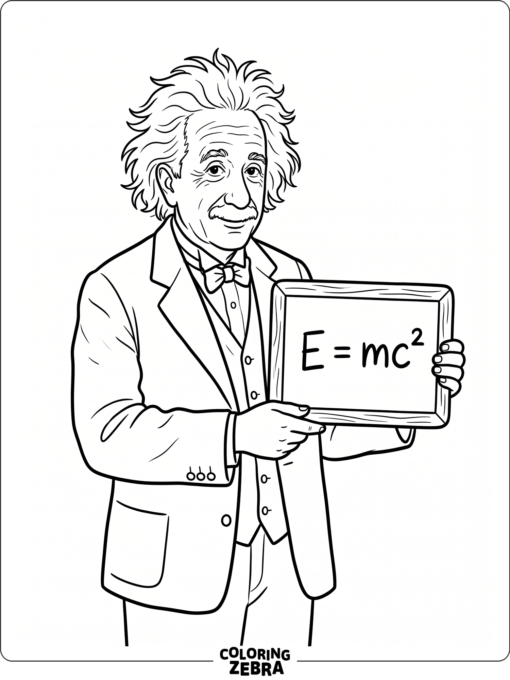

Albert Einstein Coloring Page
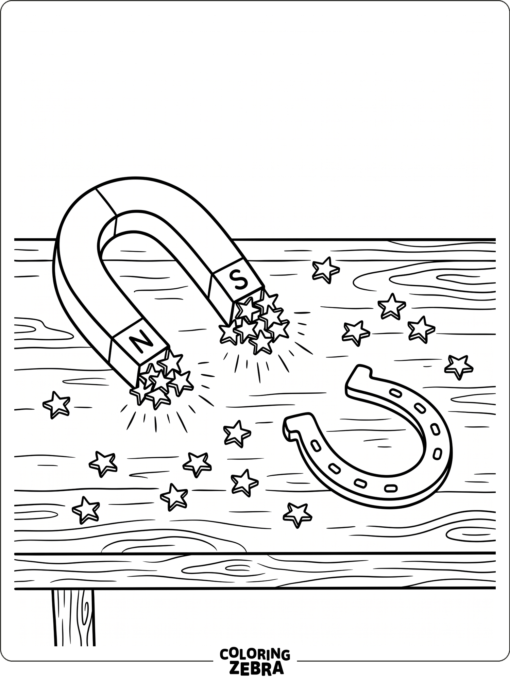

Magnet Coloring Page
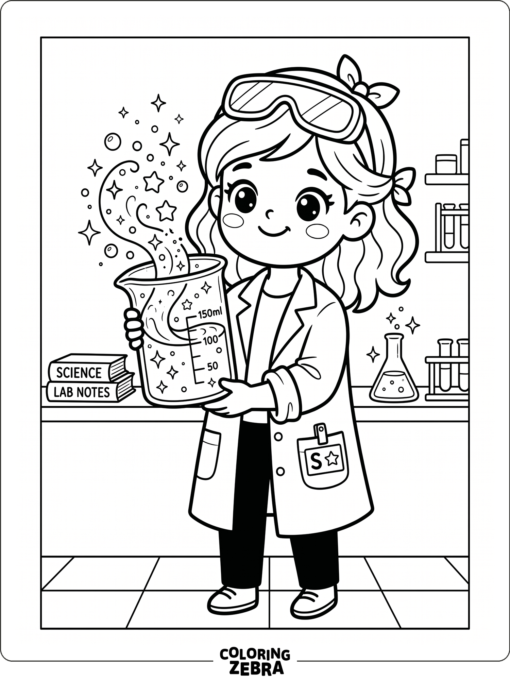

Kawaii Scientist Coloring Page
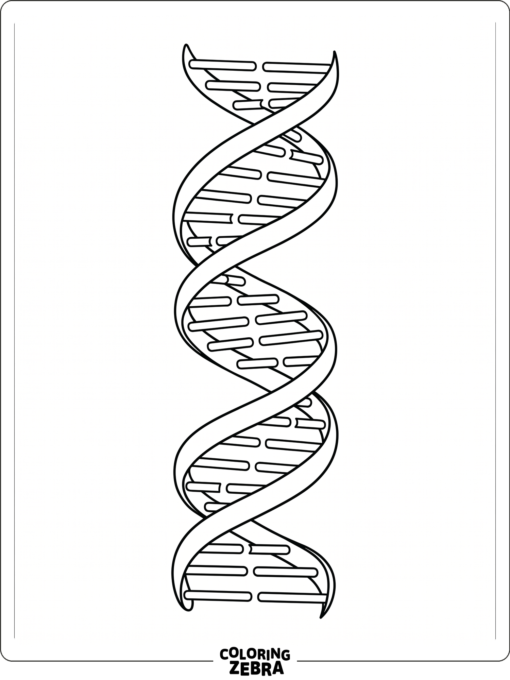

DNA Strands Coloring Sheet
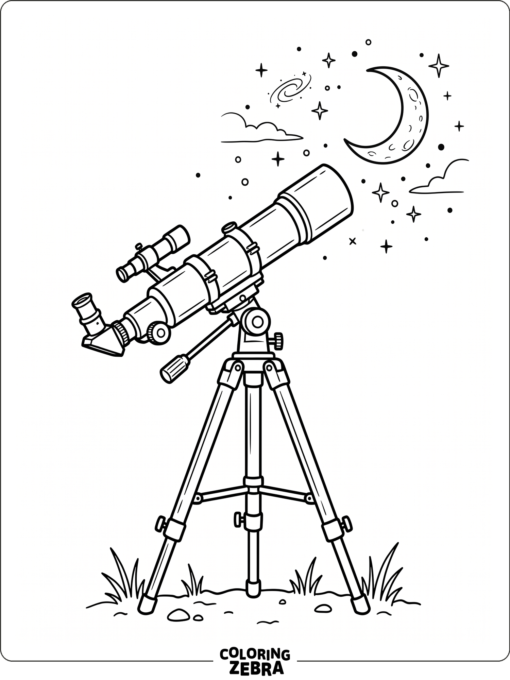

Refractor Telescope Coloring Sheet
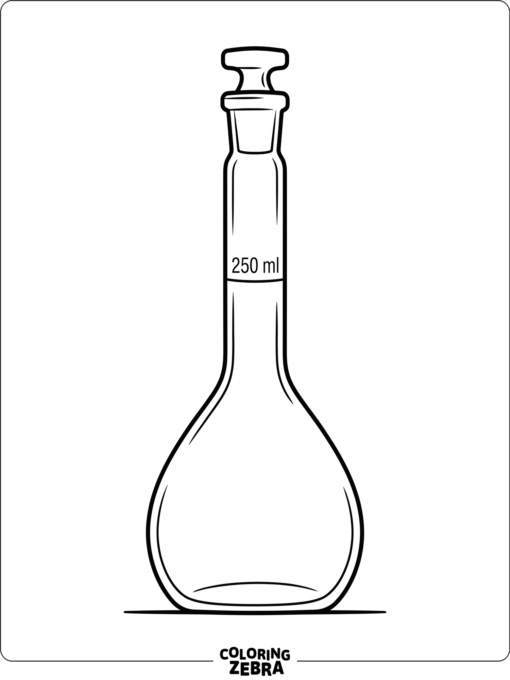

Volumetric Flask Coloring Page
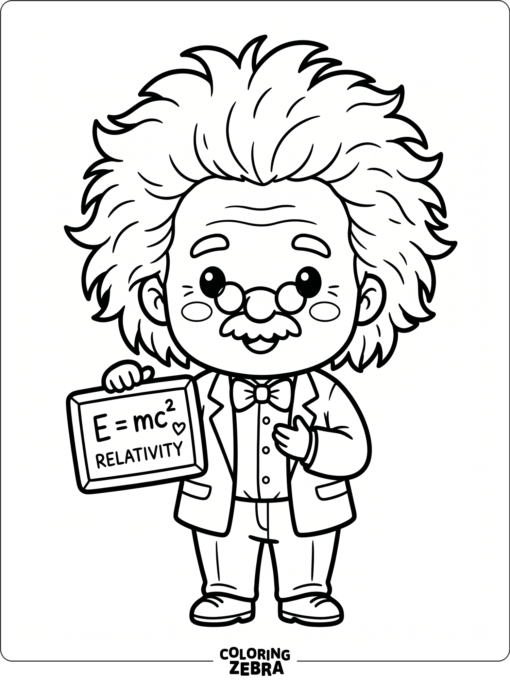

Chibi Albert Einstein Coloring Page
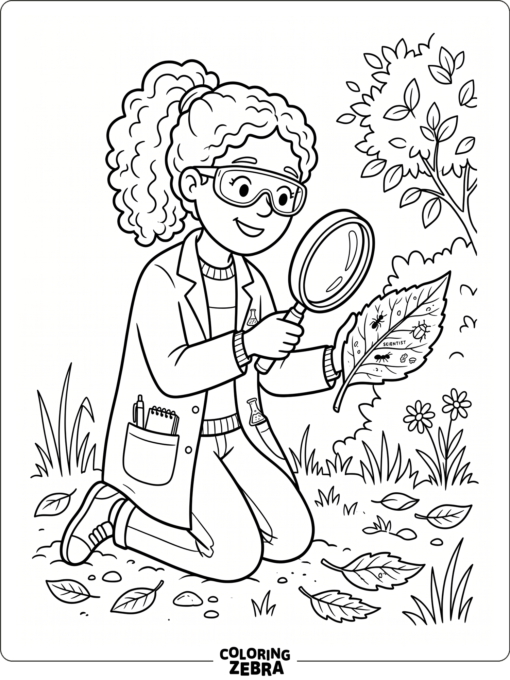

Cute Scientist With Magnifying Glass Coloring Page
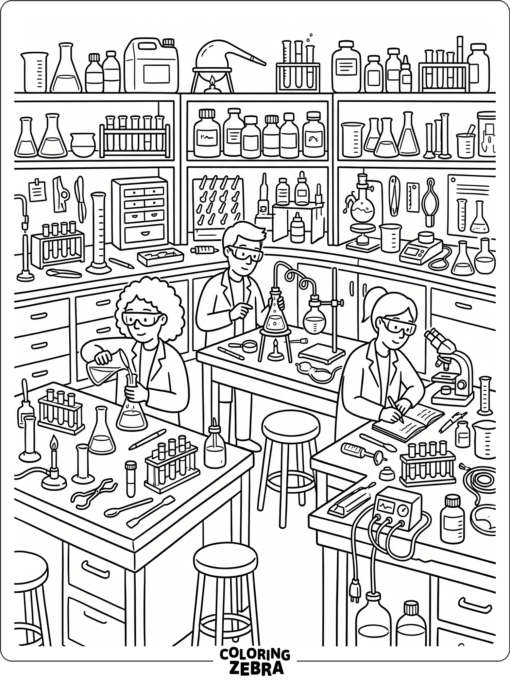

Science Laboratory Coloring Page
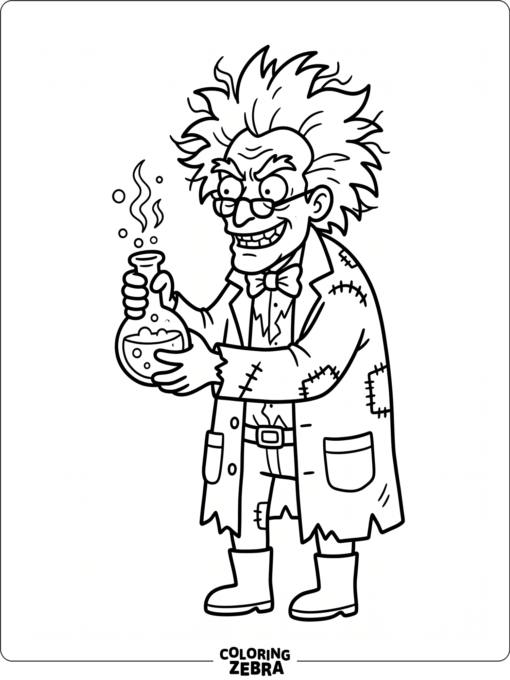

Mad Scientist Stitch Coloring Page
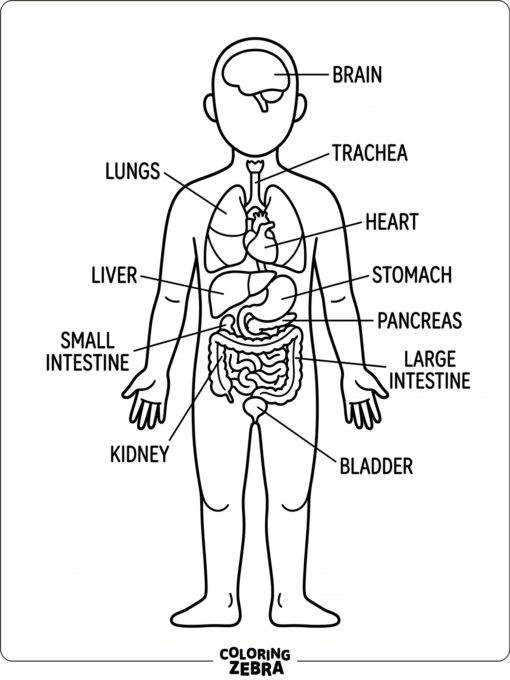

Anatomy Coloring Pages
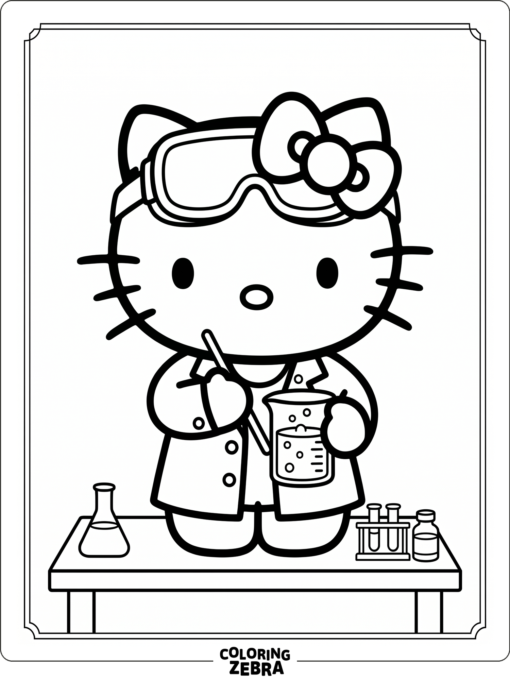

Hello Kitty Scientist Coloring Page
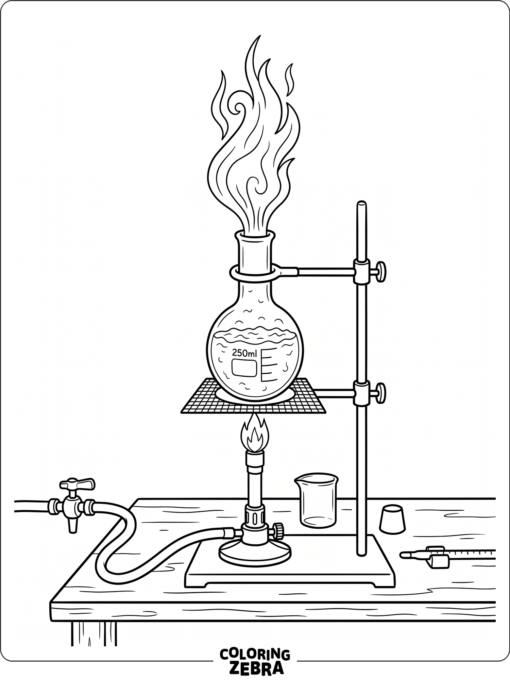

Bunsen Burner Heating A Flask Science Coloring Page
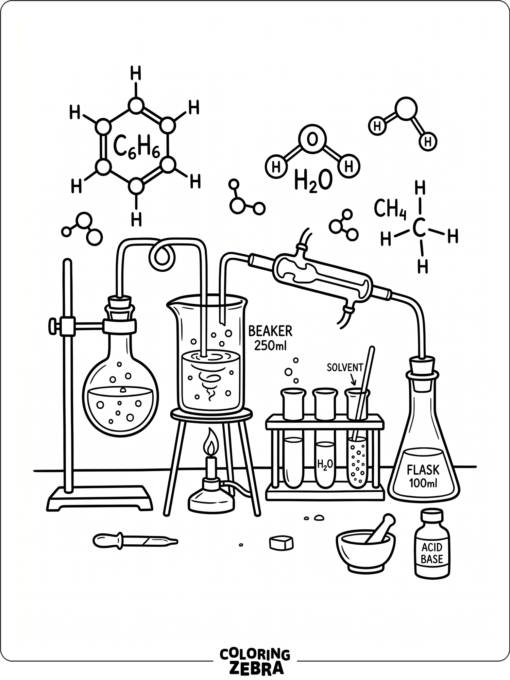

Chemistry Coloring Pages
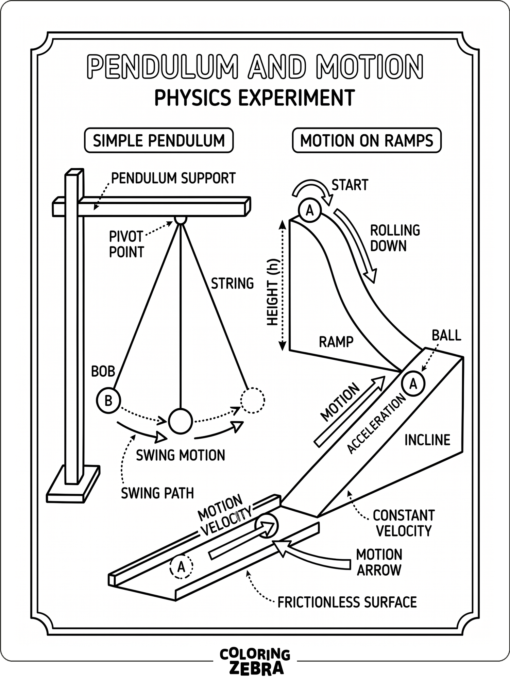

Physics Coloring Pages
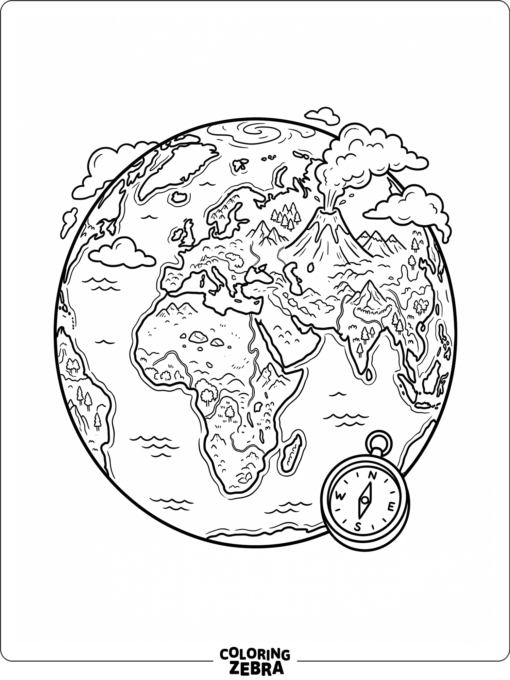

Earth Science Coloring Pages
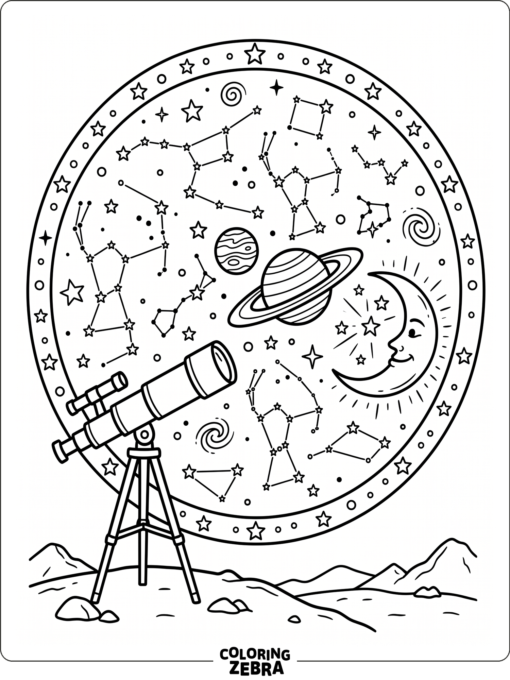

Astronomy Coloring Pages
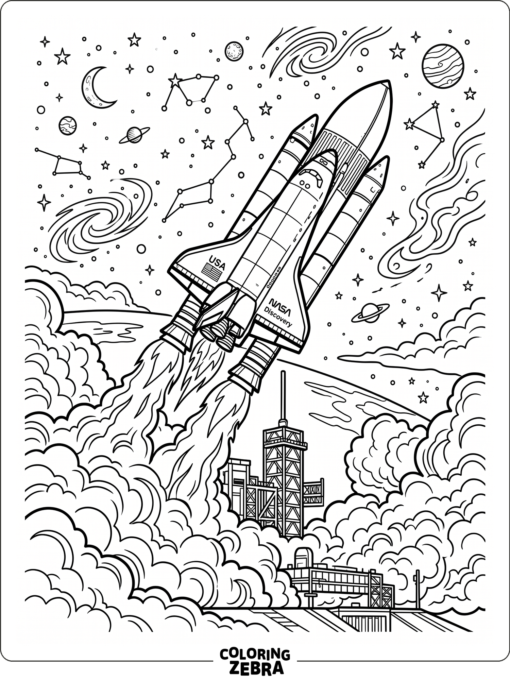

Space Shuttle Coloring Pages

DNA Coloring Page
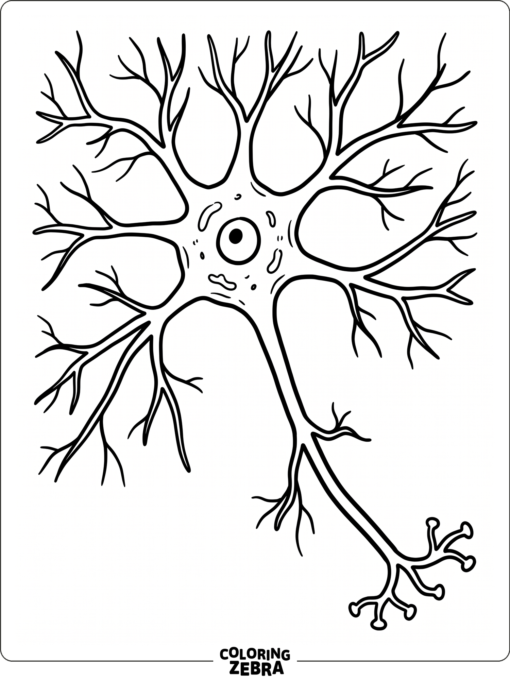

Neuron Anatomy Coloring Page
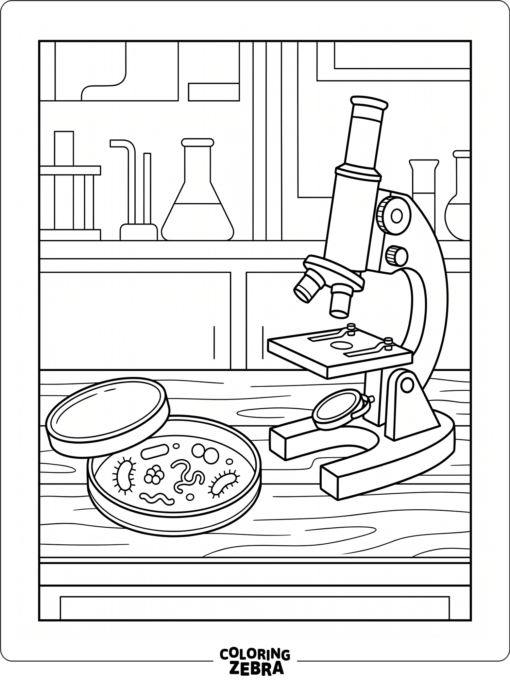

Microbiology Coloring Pages
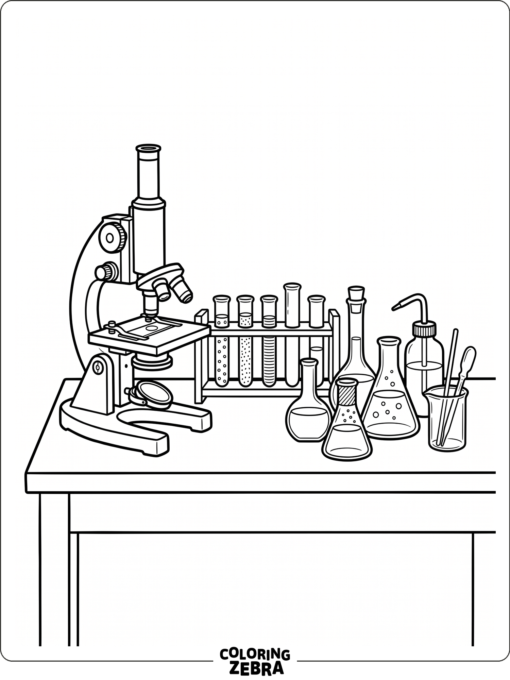

Lab Equipment Coloring Page
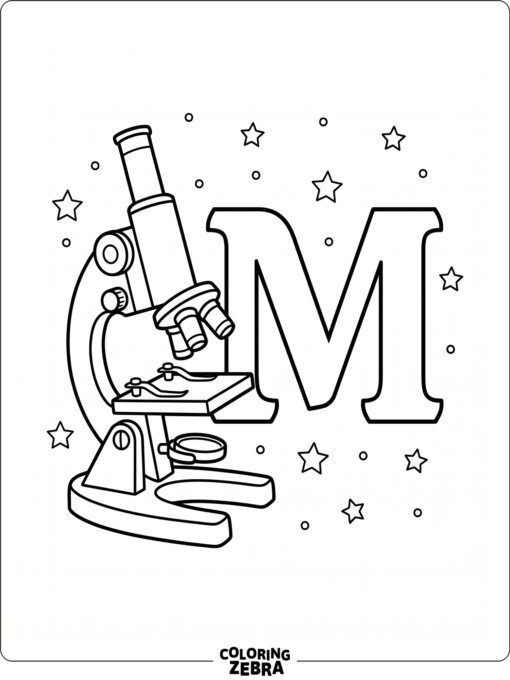

Microscope Coloring Page
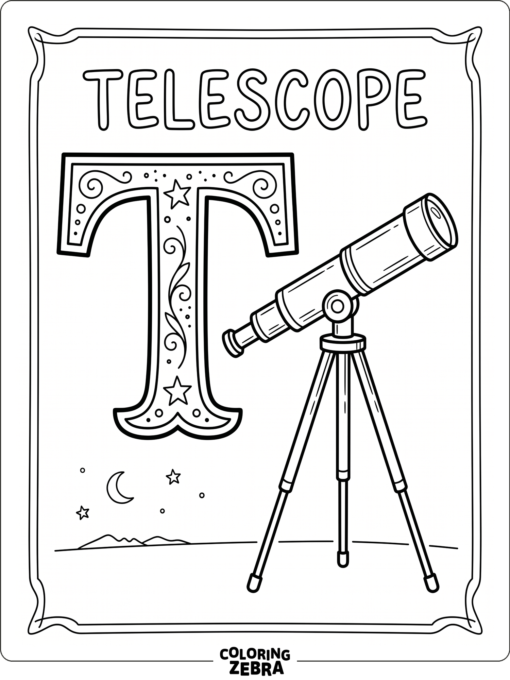

Telescope Coloring Page
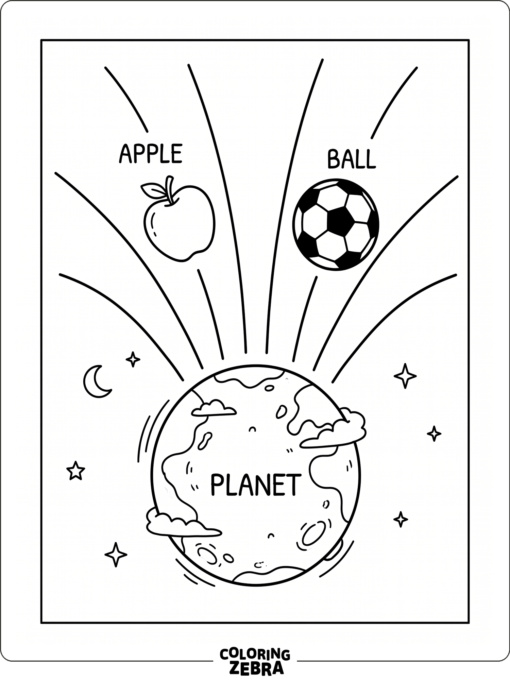

Gravity Coloring Pages
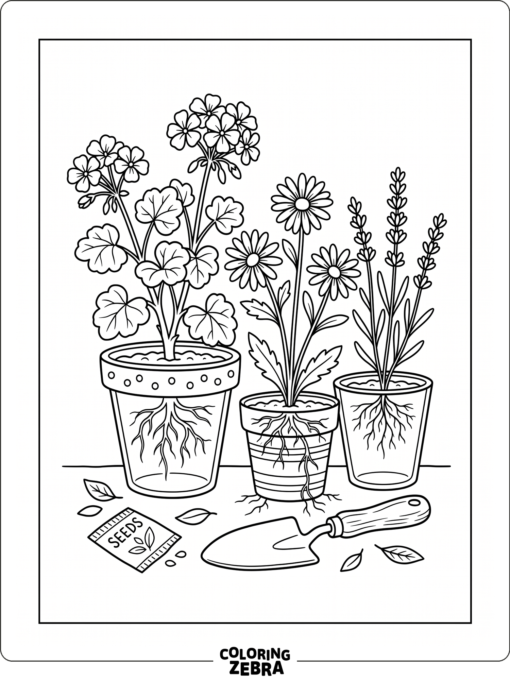

Botany Coloring Page
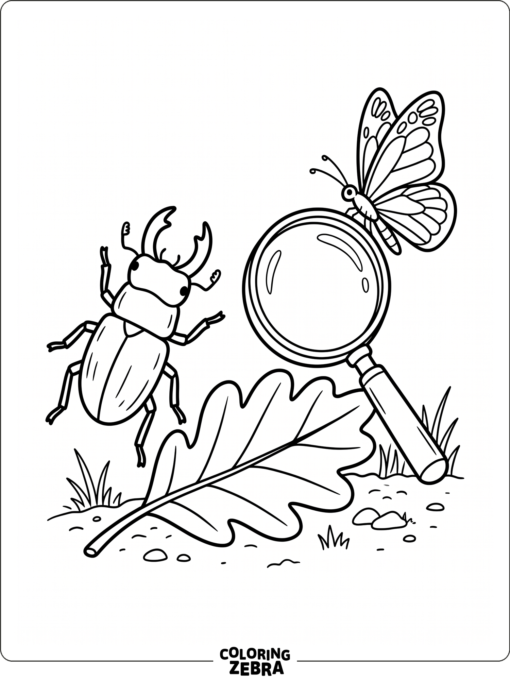

Entomology Coloring Sheet
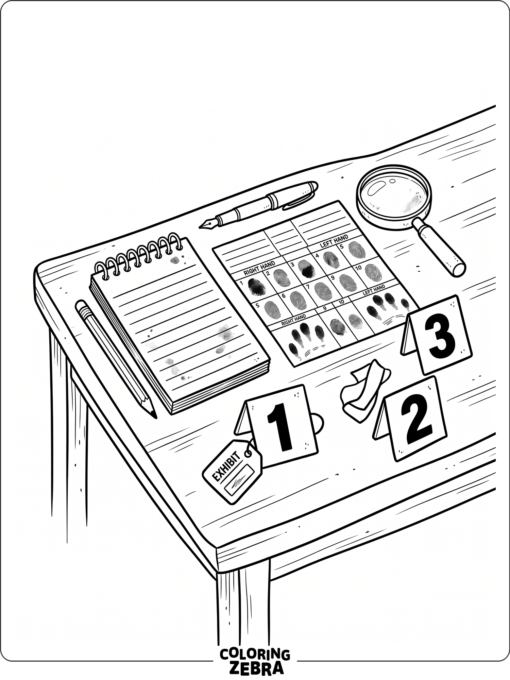

Forensics Coloring Page
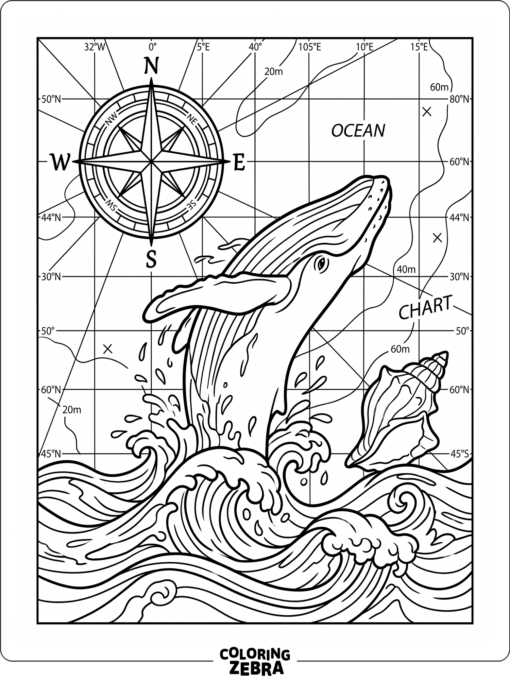

Oceanography Coloring Sheet
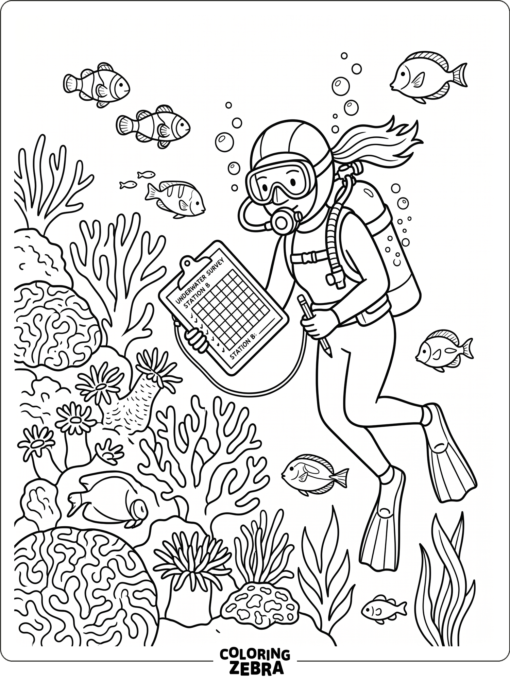

Marine Science Coloring Page
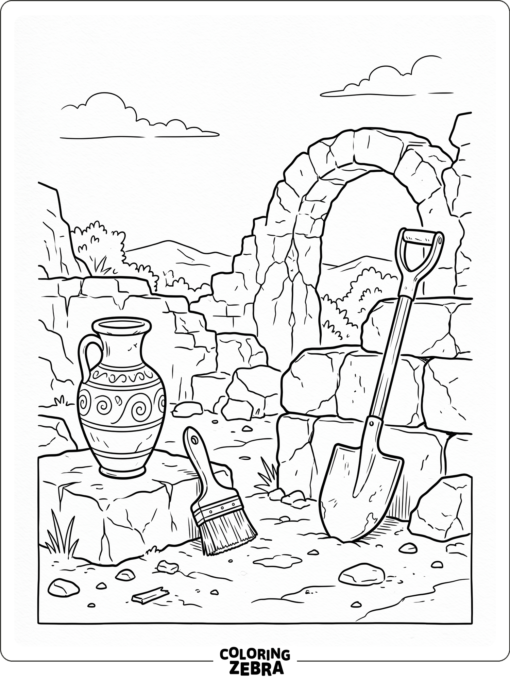

Archaeology Coloring Page
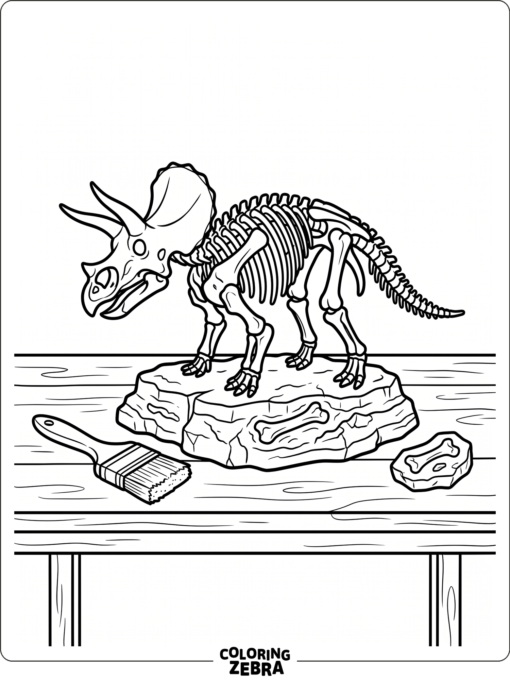

Paleontology Coloring Sheet
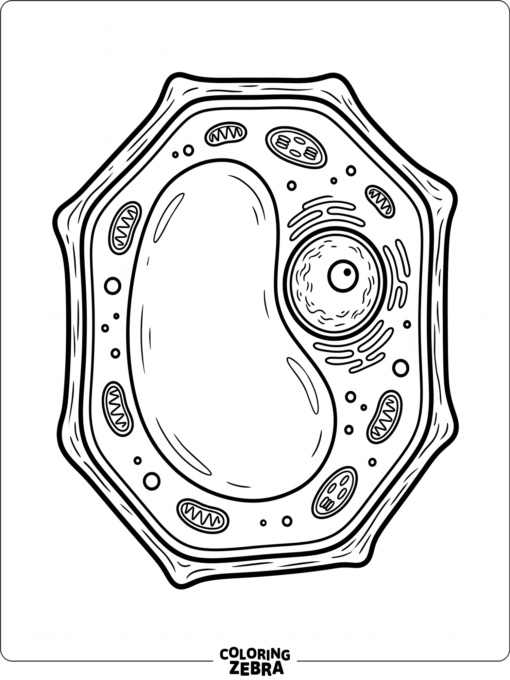

Plant Cell Coloring Page
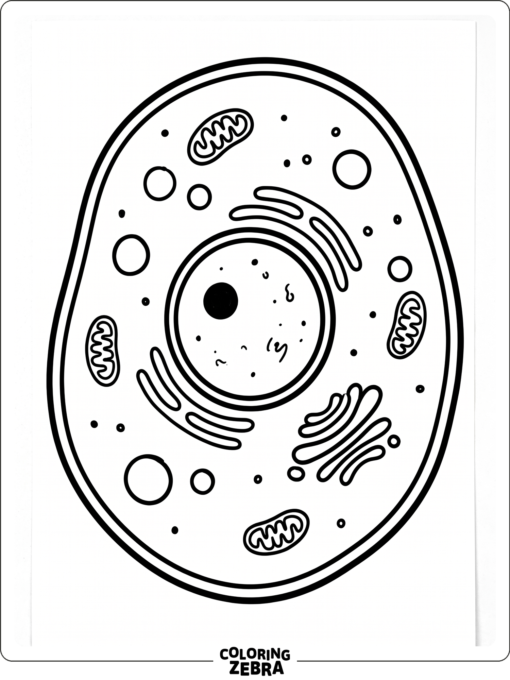

Animal Cell Coloring Page
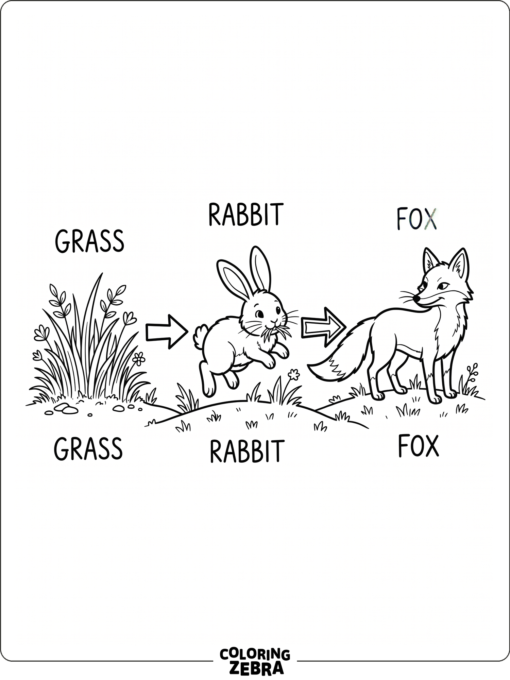

Food Chain Coloring Page
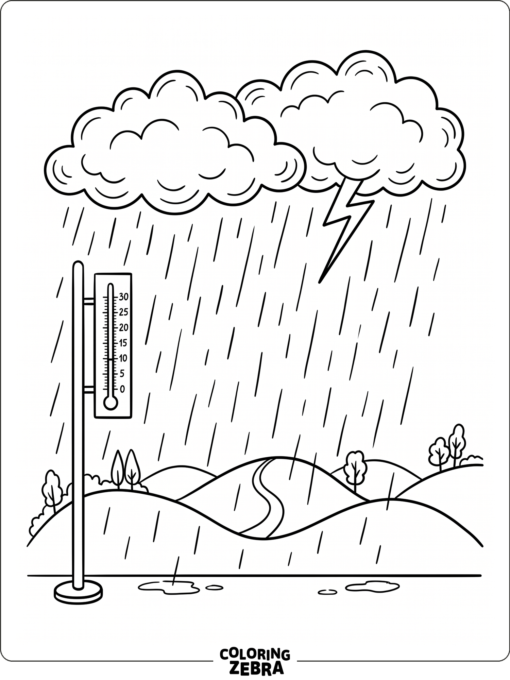

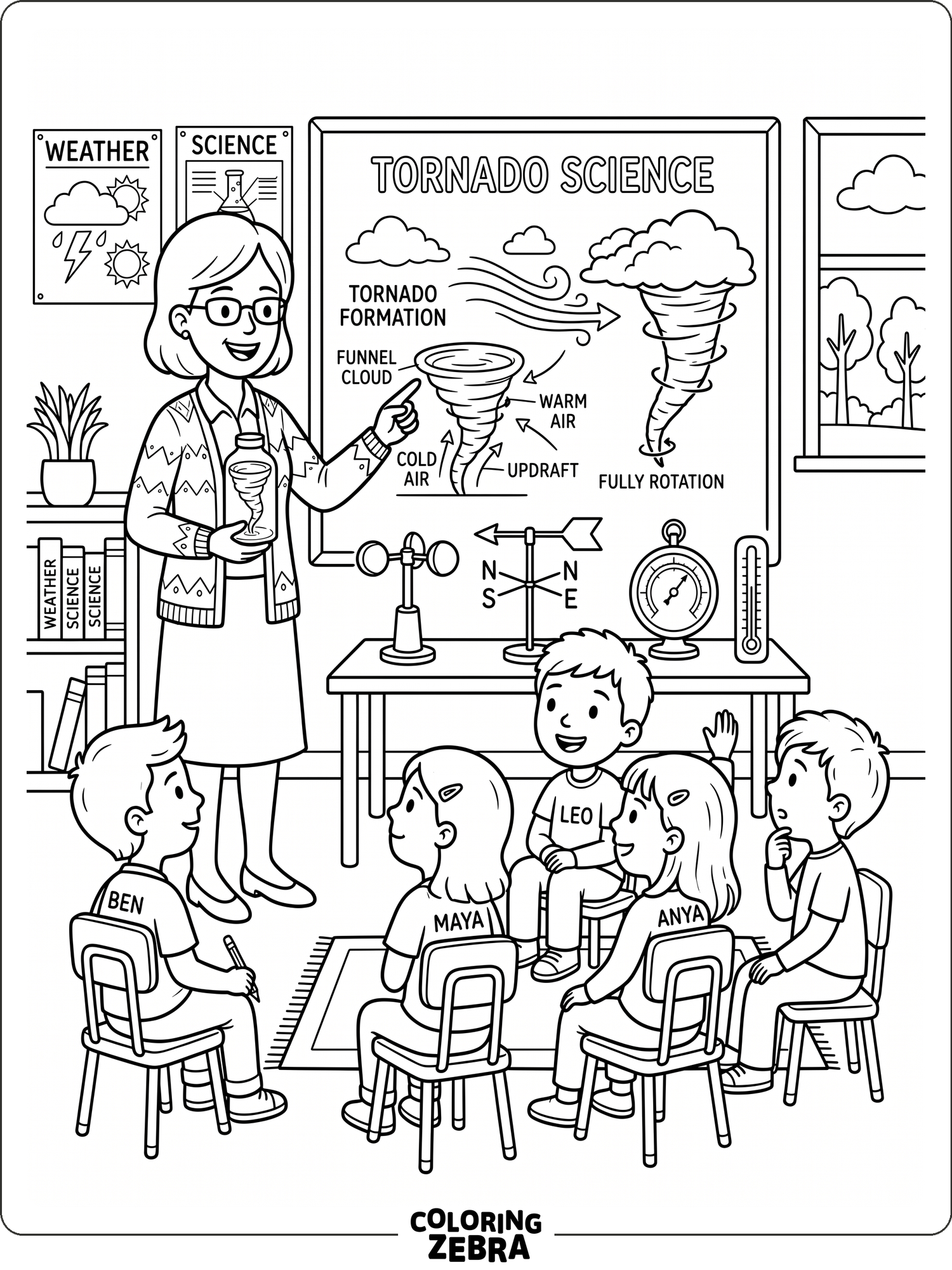
Weather Science Coloring Page
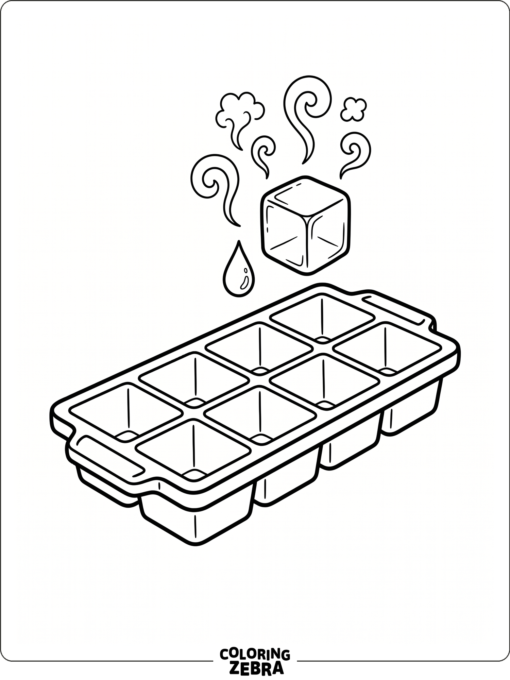

States of Matter Coloring Page
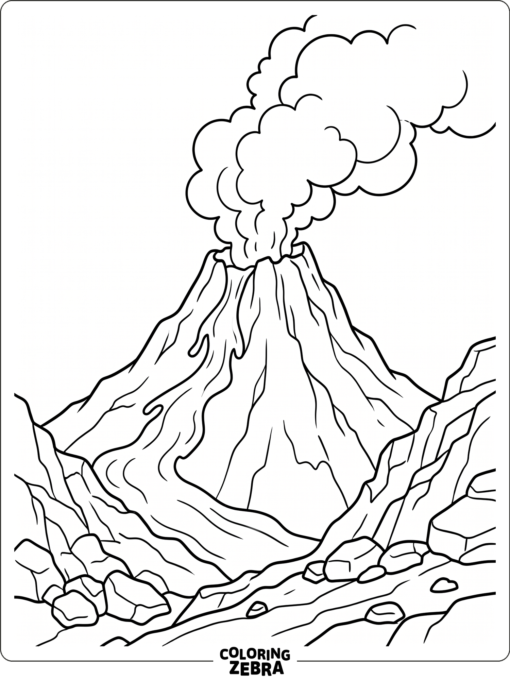

Volcano Science Coloring Page
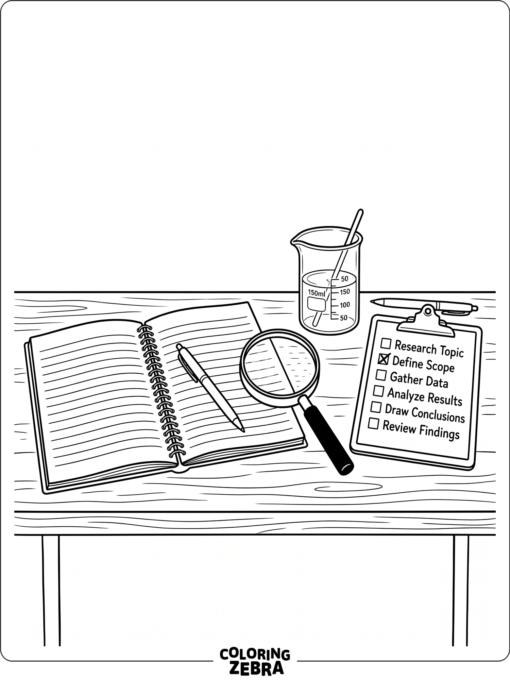

Scientific Method Coloring Page
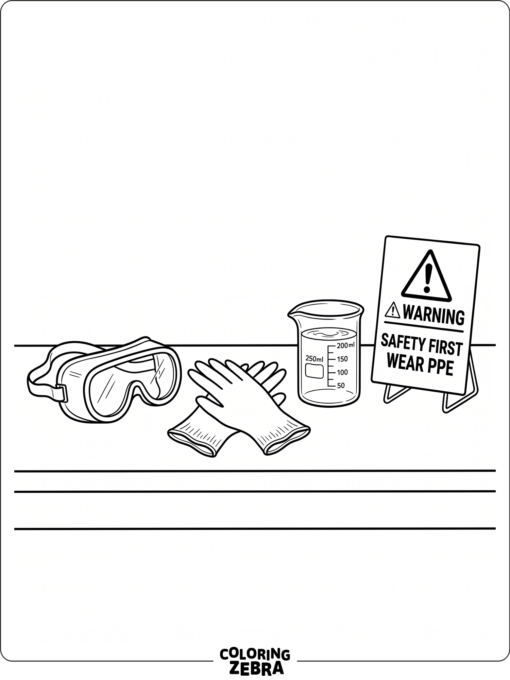

Lab Safety Coloring Page
What is included in Science Coloring Pages
This collection of Science Coloring Pages covers a broad range of subjects instead of focusing on just one branch. You will find classic science symbols like atoms, beakers, gears, and lab glassware alongside character scenes, diagrams, and observation tools. That mix makes the set useful for children who are just learning science vocabulary as well as older kids who want something a little more detailed. It is also easy to sort the pages by topic if you want to match them to a lesson on chemistry, biology, physics, astronomy, or earth science.
Several pages lean into the look of a real classroom or laboratory. There are microscopes, magnifying glasses, chalkboards, notebooks, test tubes, and a Bunsen burner heating a flask. Other pages feel more symbolic, such as the atomic model, the formula board, and the simple science icons with an atom, beaker, and gears. Because the illustrations range from simple icons to fuller scenes, they work well for different age levels and coloring comfort.
Science symbols and lab imagery
The most recognizable science art in this set comes from the tools and symbols that students see in class. Beakers, volumetric flasks, test tubes, and bubbling vials give the chemistry pages a classic laboratory feel. The microscope, slide, and petri dish make the tiny world of cells and bacteria easier to picture. A few pages also use lab safety imagery, including goggles, gloves, and equipment, which is a helpful reminder that real experiments depend on careful habits.
If you are coloring these pages with younger children, simple color choices can make the pictures easier to read. For example, keeping glassware in light blues and grays helps the outlines stay clear. Bright colors work well for molecules, labels, and experiment tools, while bold outlines can make the lab scenes stand out on the page. These pages are especially good for discussing how a science lab is organized and how each tool has a purpose.
Biology and life science pages
Life science appears in many different forms throughout the set. You will find DNA double helices, neurons, plant and animal cell diagrams, a human body chart, insects, bacteria, leaves, roots, and a food chain layout. These pages are especially helpful because they show living systems in more than one way. Some illustrations are simple and symbolic, while others are diagram-based with labels and open spaces that invite careful coloring and attention to structure.
The DNA pages are a strong visual cue for biology because the double helix is such a familiar science symbol. Cell diagrams are equally useful because they help children notice differences between plant and animal cells. The botany, entomology, and food chain pages also support conversations about how living things depend on one another. For a classroom or homeschool setting, these images can be used to reinforce vocabulary after a lesson on plants, animals, or the human body.
Physics and chemistry themes
Physics shows up through motion, gravity, and magnetism. A horseshoe magnet pulls in small metal stars, an apple and ball fall near a planet, and a pendulum sits beside a ramp to show movement in a simple, visual way. Those images give young learners a friendly introduction to force and motion without requiring advanced explanation. A states of matter page also adds a clear science concept with solid, liquid, and gas shown in a minimal style.
Chemistry is represented through the lab glassware, molecules, flask measurements, and the Bunsen burner scene. These pages are useful because they connect the idea of chemistry to the equipment children often see in science lessons. If you want to make a page feel more instructional, try coloring molecules in repeating patterns and using a different color for each type of lab tool. That can help learners remember which object is which while they color.
Astronomy and space scenes
Space pages give the set a wider science range beyond the classroom bench. A refractor telescope aimed at the stars, a telescope on a tripod beneath stars, a star chart with a planet, and a space shuttle lifting off all help introduce astronomy and observation. These images are especially useful for talking about how telescopes help us study objects that are far away and difficult to see with the naked eye.
Einstein appears more than once in the set, including a formula board version and a chibi version with a tiny chalkboard. That makes him a familiar science icon rather than the focus of a full history lesson. He works well as a symbol of discovery, physics, and careful thinking. When coloring these pages, children can use dramatic contrast for space backgrounds, or keep the stars and planets in soft tones for a calmer look.
Earth science, weather, and natural systems
Earth science is another major part of the collection. Volcanoes, lava, rocks, smoke, clouds, rain, and sun show up in different pages, along with oceanography, marine science, geology, archaeology, and paleontology themes. These subjects help children see that science is not limited to a lab. It also explains weather, landforms, oceans, fossils, and the history recorded in rocks and ruins.
A clean volcano scene is especially useful because it combines geology with a dramatic visual shape. The ocean and marine science pages offer a calmer contrast with fish, coral, and diver imagery. Archaeology and paleontology pages add evidence-based thinking by showing tools, pottery, brushwork, and fossil bones. These are good pages for asking children what scientists look for when they study the Earth’s past.
Scientific method and lab safety
One of the most useful educational pages in the set shows the scientific method with tools and notes. It gives children a visual reminder that science involves observing, asking questions, testing, and recording results. Another page focuses on lab safety with goggles, gloves, and equipment, which is a practical way to talk about how scientists protect themselves in real labs and classrooms.
These two pages work especially well after a lesson or before a hands-on experiment. They can help children connect the fun of science illustrations with the habits that make science reliable and safe. If a child is new to experiments, these pages can open a conversation about why careful steps matter as much as the final answer.
How the set supports science learning
The value of Science Coloring Pages is that they help children recognize science concepts before they can fully explain them. A microscope, telescope, DNA strand, magnet, or volcano becomes easier to remember when it has already been seen, colored, and discussed. The mix of simple icons, chibi characters, and diagram-style pages also makes it easy to use the collection in different ways. Younger children can focus on shapes and vocabulary, while older kids can use the pages as a quick review of science branches.
Here are a few practical ways to use the finished pages:
- Sort by branch: group pages into chemistry, biology, physics, astronomy, and earth science.
- Add vocabulary practice: label tools like microscope, telescope, flask, or magnet after coloring.
- Use as lesson openers: let children color a related page before a unit begins.
- Review concepts: revisit pages after learning about cells, weather, or the scientific method.
- Create a science binder: keep completed pages together as a visual reference collection.
Because the set includes both simple and detailed illustrations, it can adapt to many ages and uses. That range is what makes these printable science pages especially practical for home, classroom, and homeschool settings.
People Often Ask Us…
-
What branches of science are shown?
-
Why is the DNA helix important?
-
How do magnets work?
-
What does the scientific method show?
-
Why are cell diagrams useful?