Snake Coloring Pages
Snake Coloring Pages offer a wide mix of snake shapes, styles, and habitats to explore. Some pages use clean outlines for a quick coloring session, while others add scales, swirls, and dramatic poses. You’ll find cute cartoon snakes, realistic species, and fantasy twists throughout the set. This variety works for both beginners and colorists who want more detail.
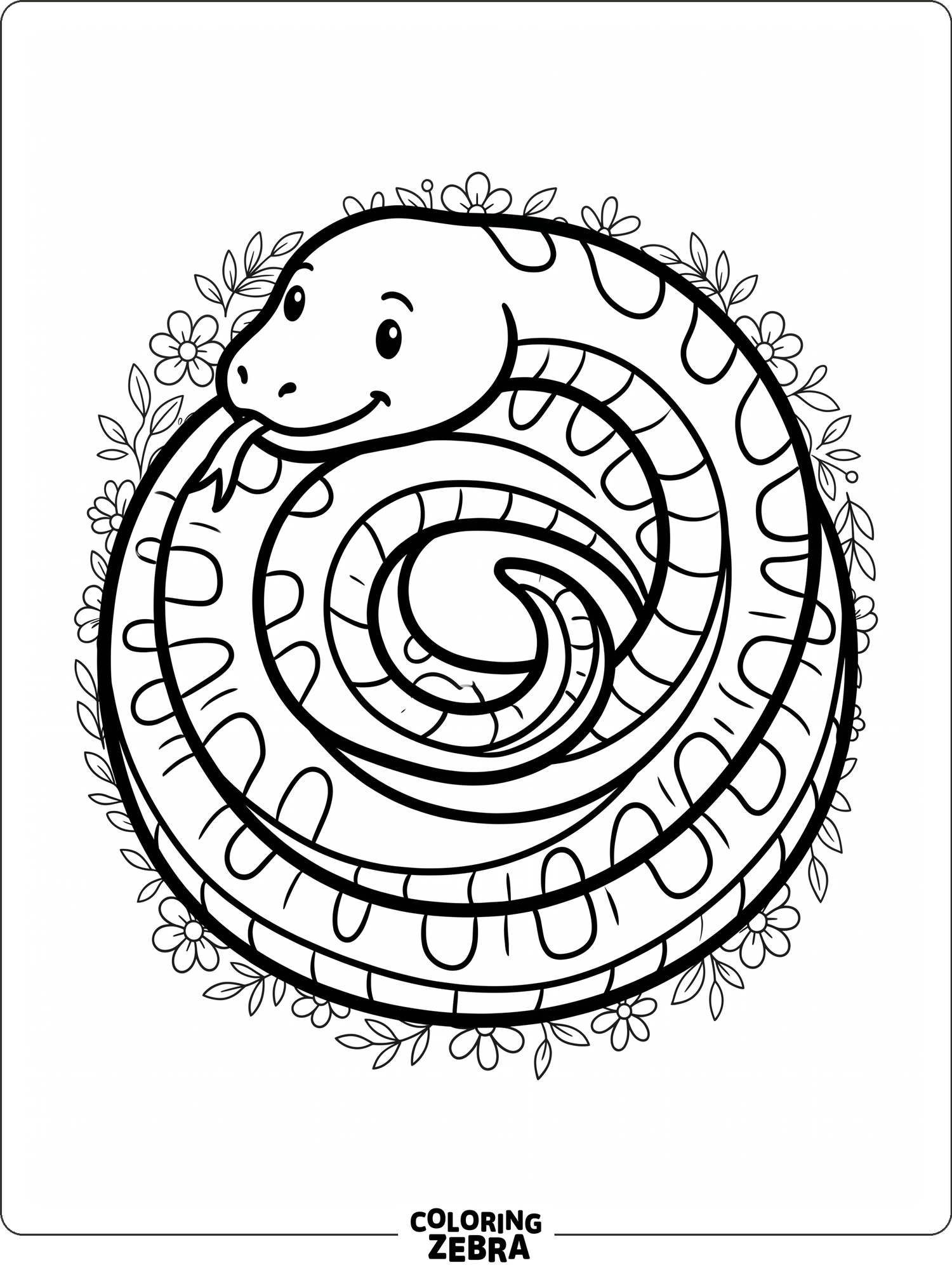
Print on thicker paper if you plan to use markers, gel pens, or watercolor pencils. For easier coloring, choose a fit-to-page setting so each snake outline stays centered and clear. If you want to save ink, print the simpler pages first and reserve the detailed designs for your best paper.
Related coloring pages
Printable Snake Coloring Pages
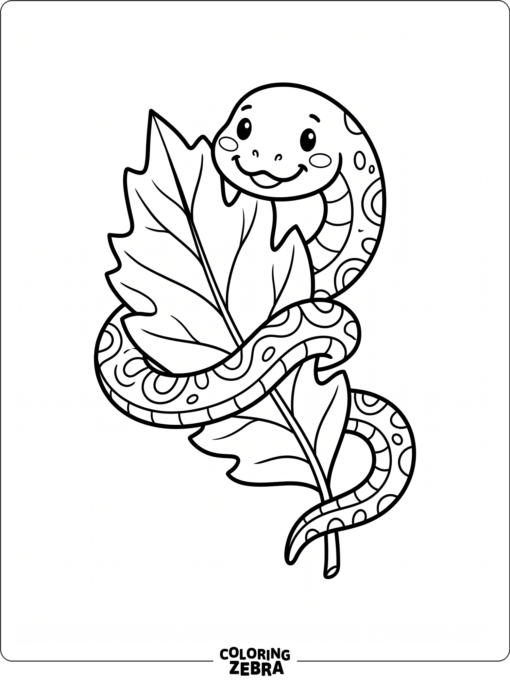

Cute Snake Coloring Pages
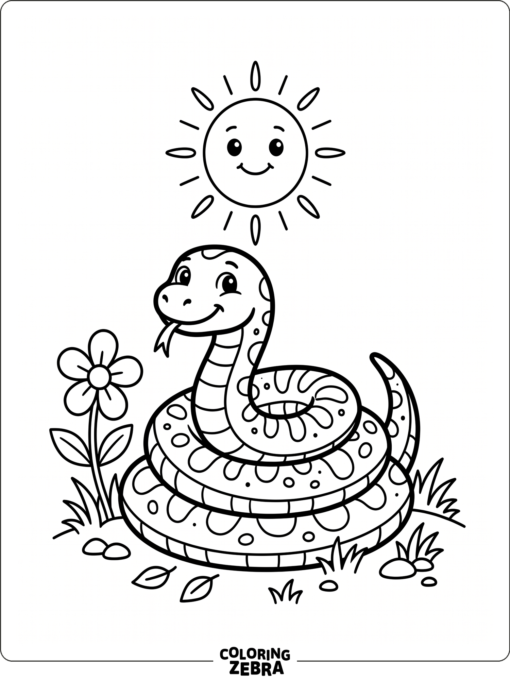

Snake Coloring Page For Kids
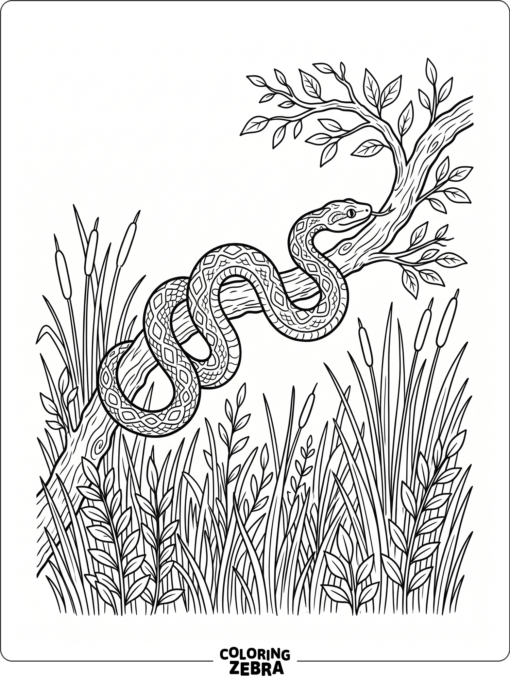

Snake Printable Coloring Pages
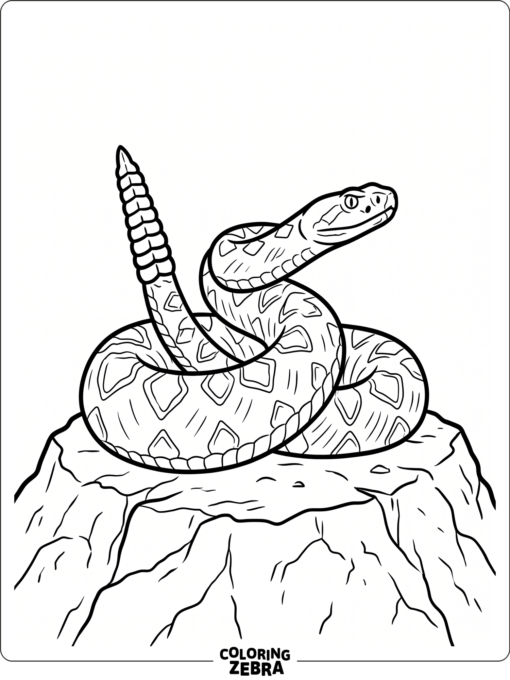

Rattle Snake Coloring Page
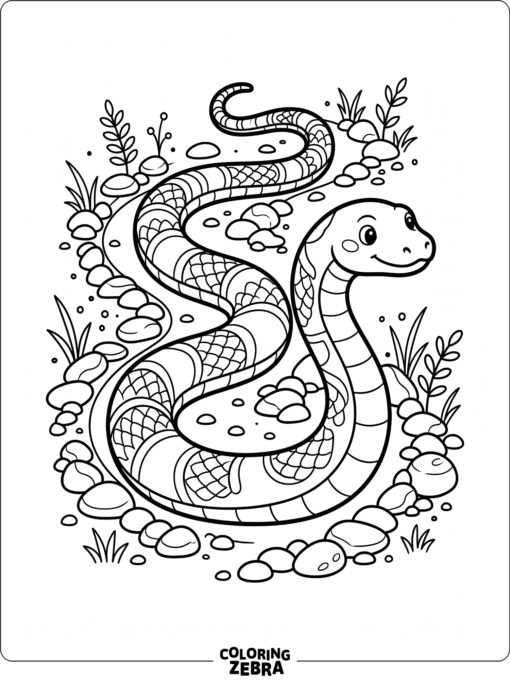

Free Snake Coloring Pages
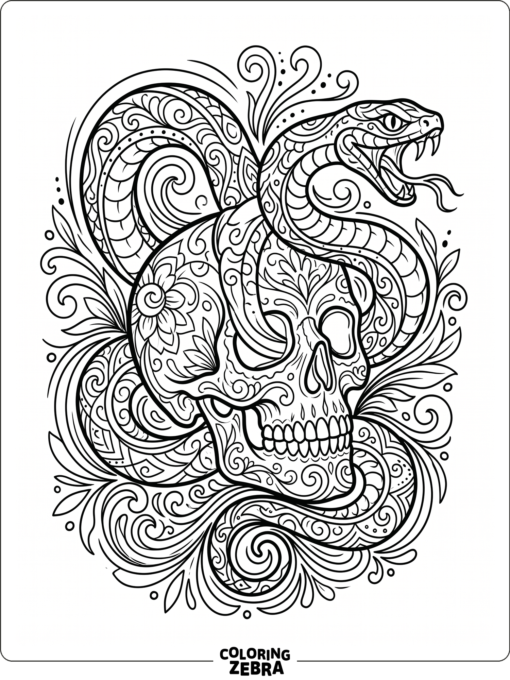

Cool Snake Coloring Pages
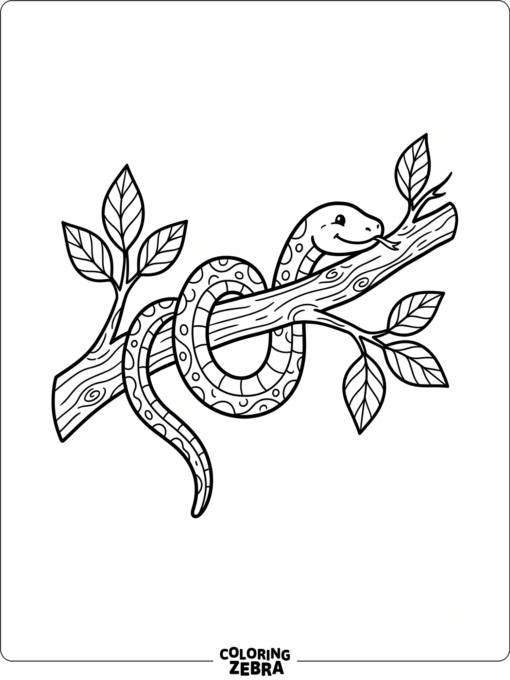

Free Printable Snake Coloring Pages
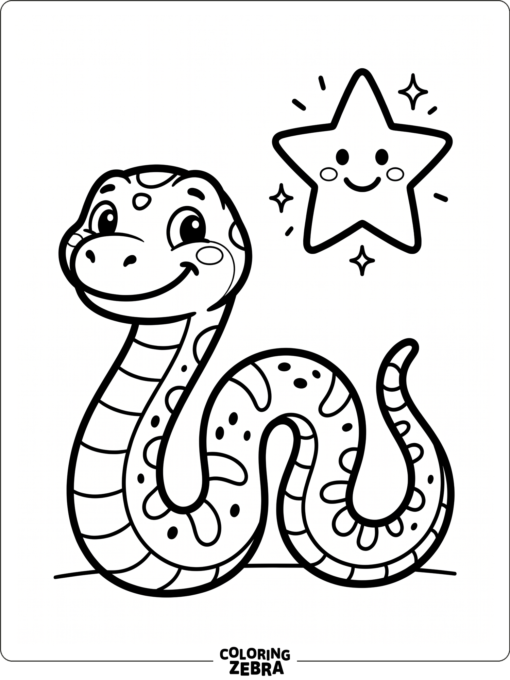

Snake Coloring Pages Kids
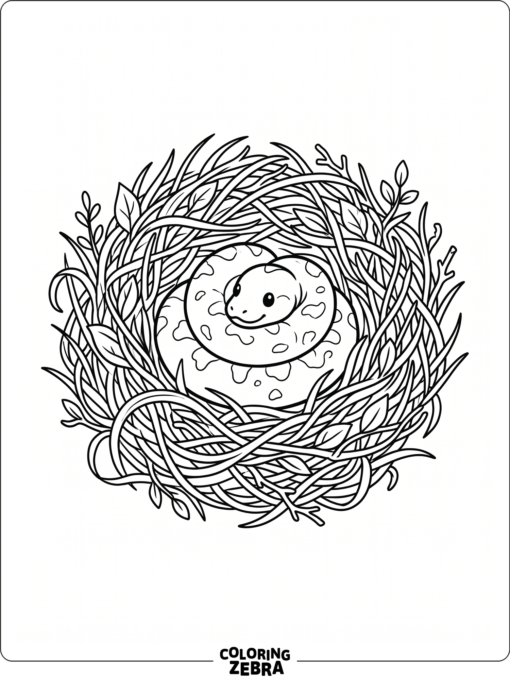

Baby Snake Coloring Page
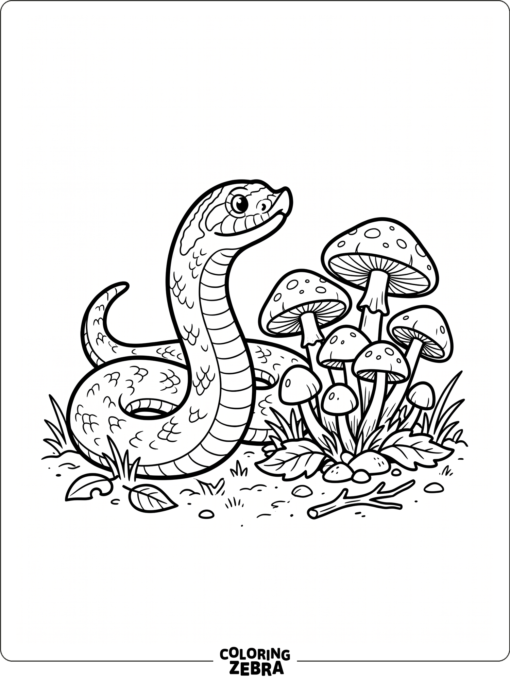

Hognose Snake Coloring Page
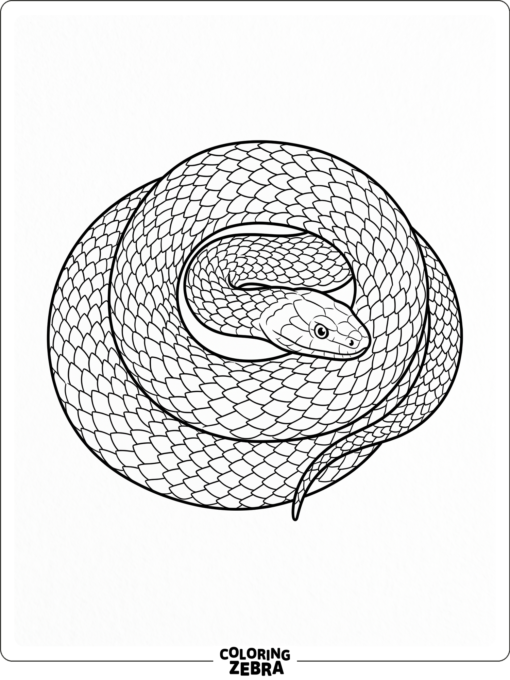

Realistic Printable Snake Coloring Pages
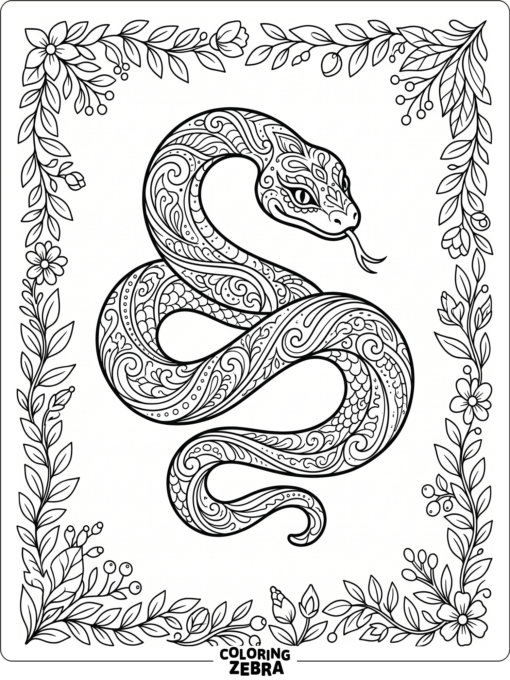

Snake Coloring Pages For Adults
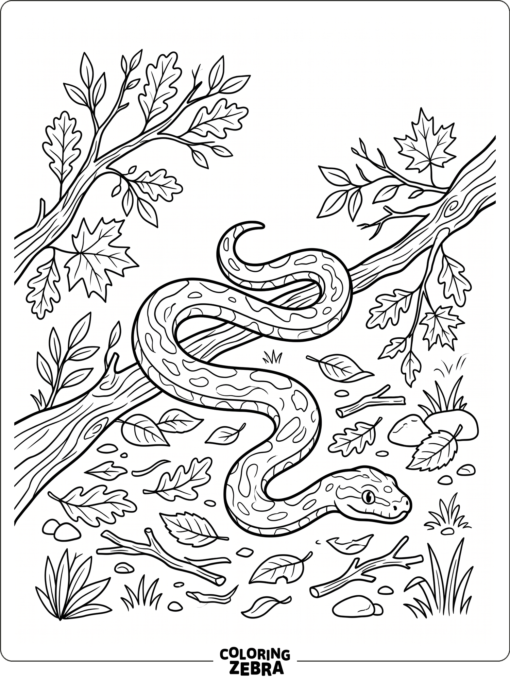

Snake Coloring Pages Pdf
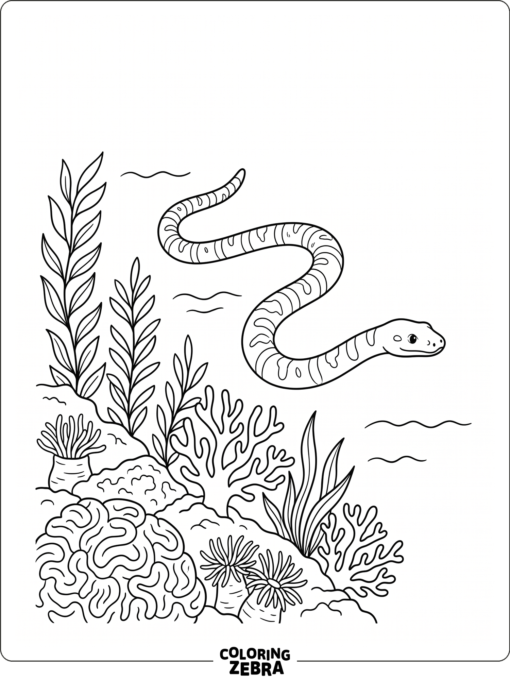

Sea Snake Coloring Page
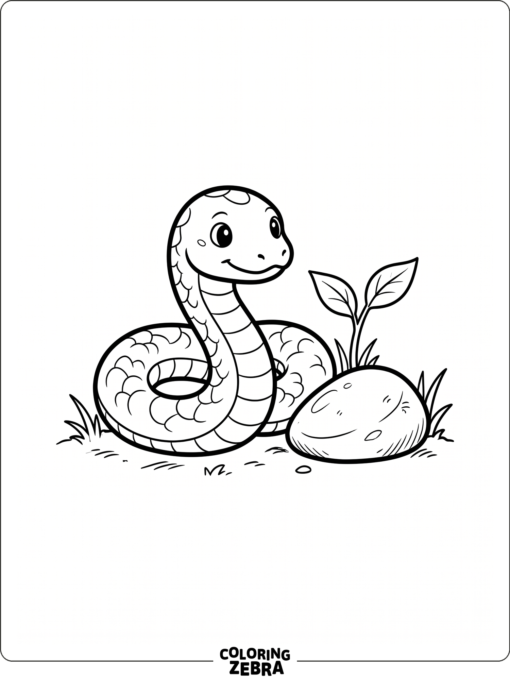

Cute Baby Snake Coloring Pages
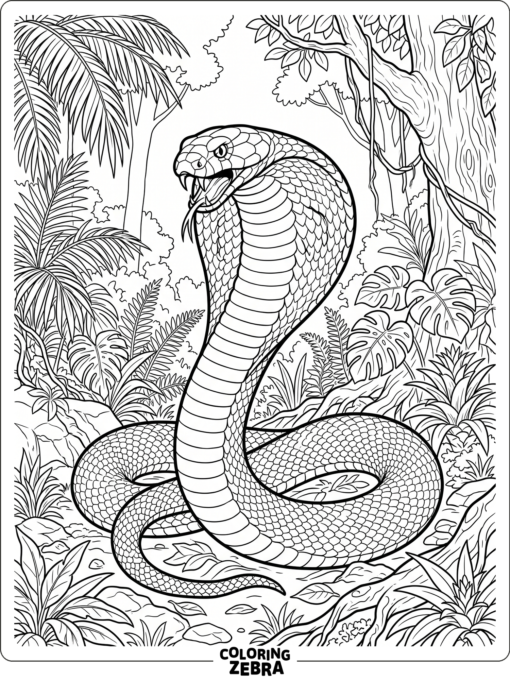

King Cobra Realistic Snake Coloring Pages
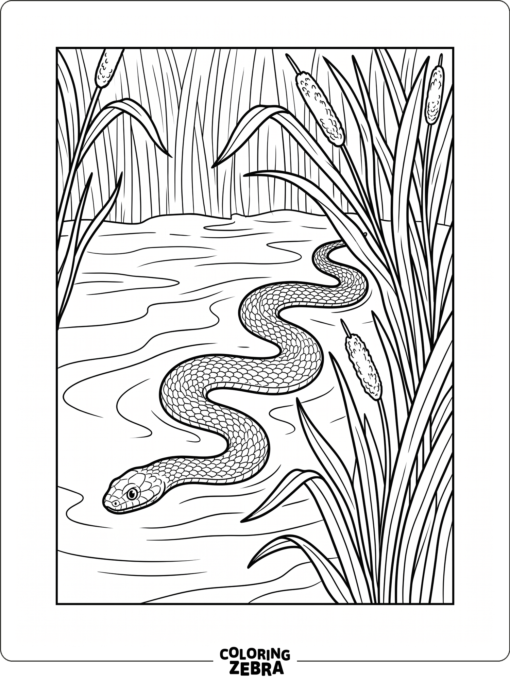

Water Snake Coloring Page
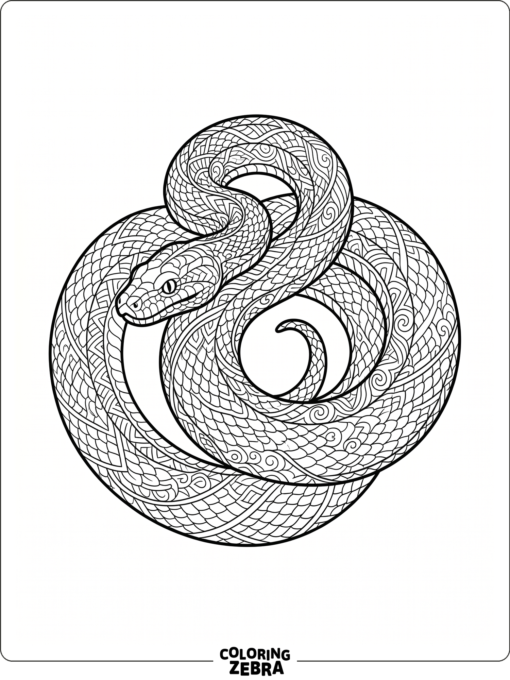

Realistic Snake Coloring Pages For Adults
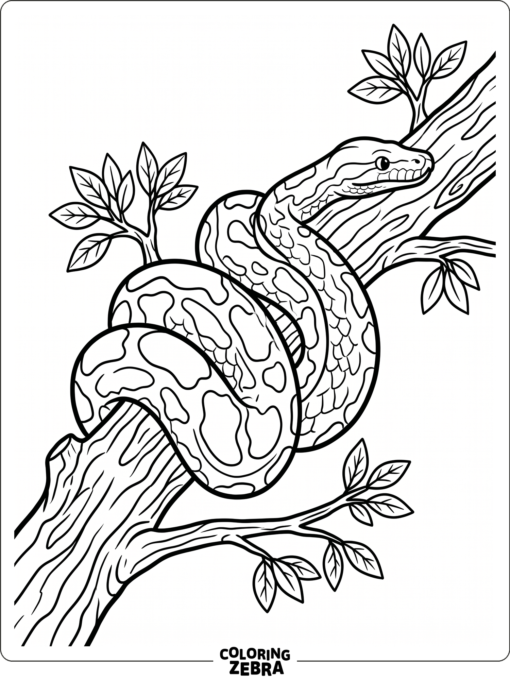

Python Snake Coloring Page
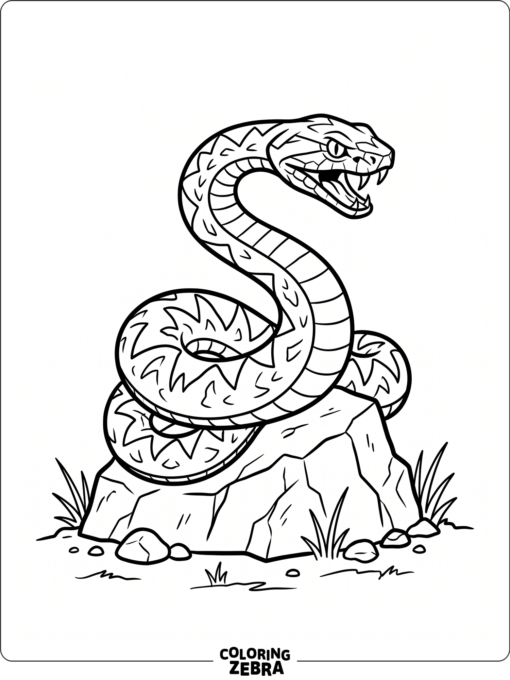

Viper Snake Coloring Pages
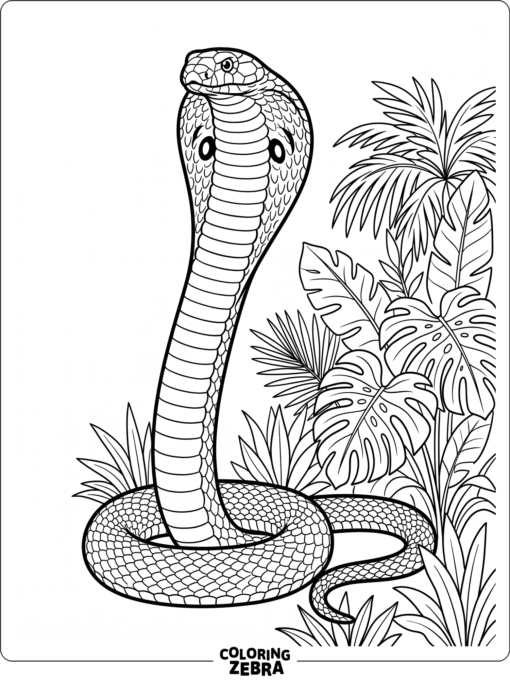

King Cobra Snake Coloring Pages
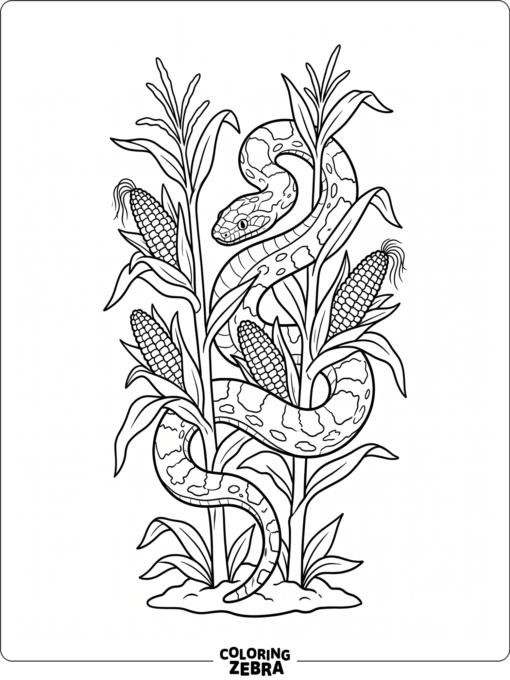

Corn Snake Coloring Page
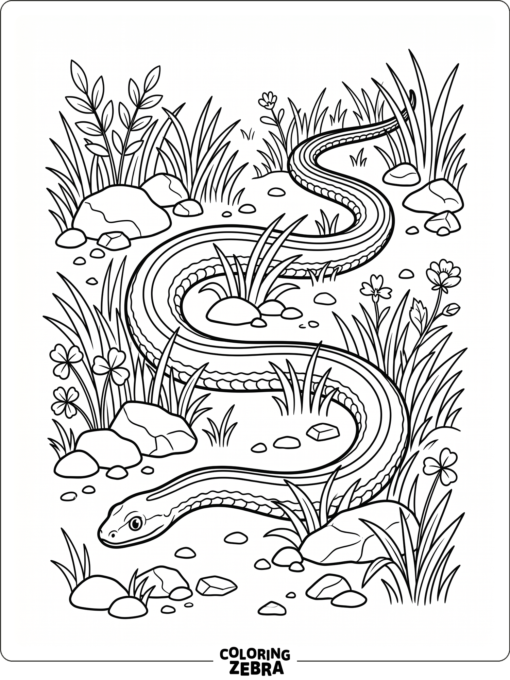

Garter Snake Coloring Page
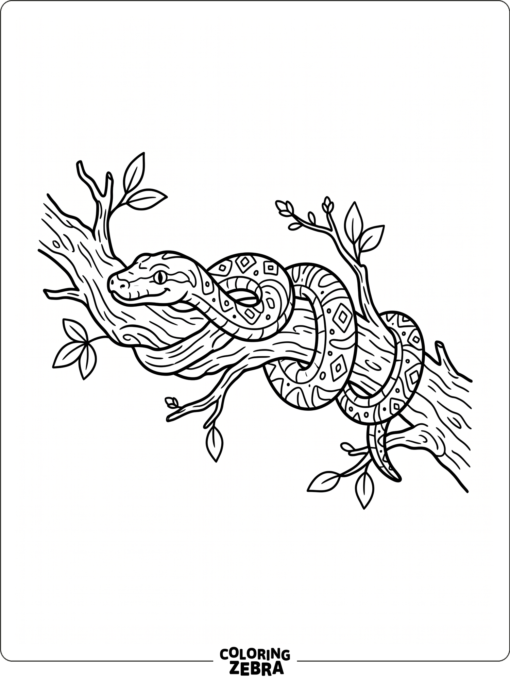

Detailed Snake Coloring Page
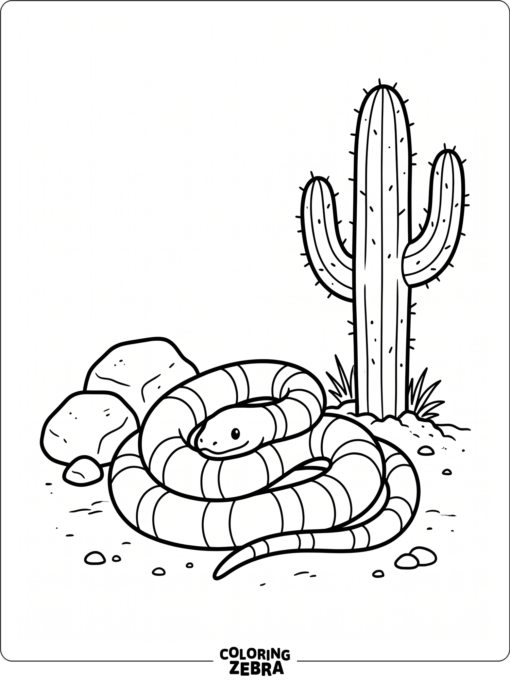

King Snake Coloring Page
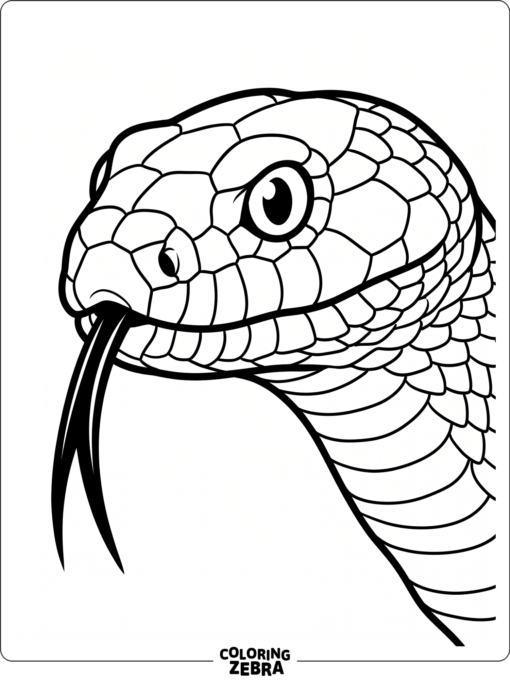

Snake Head Coloring Page
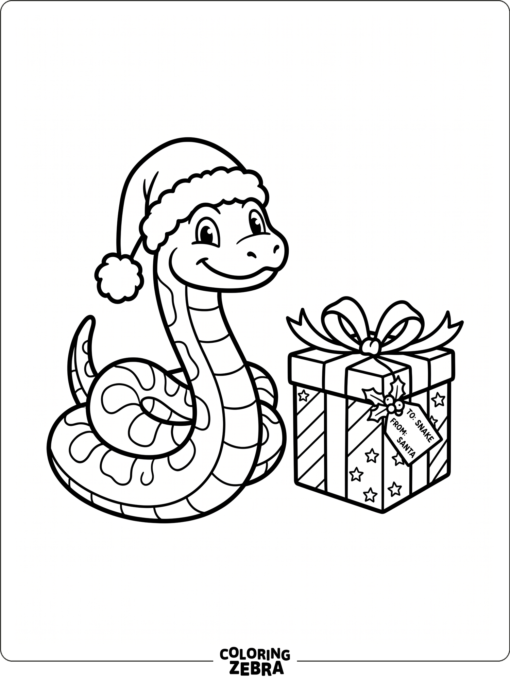

Christmas Snake Printable
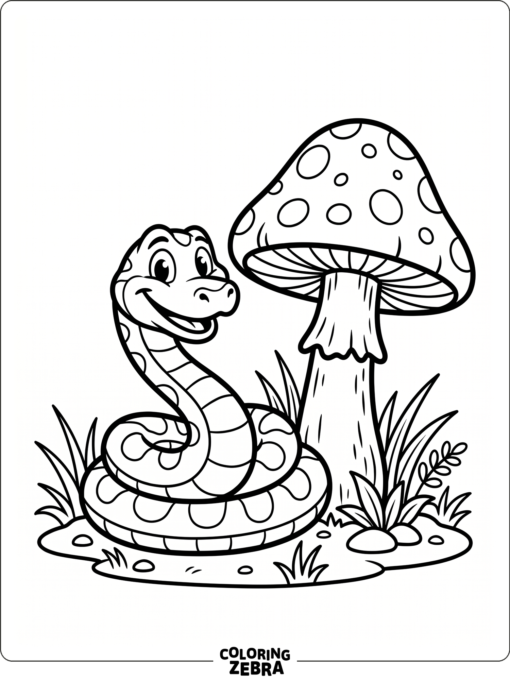

Cartoon Snake Coloring Page
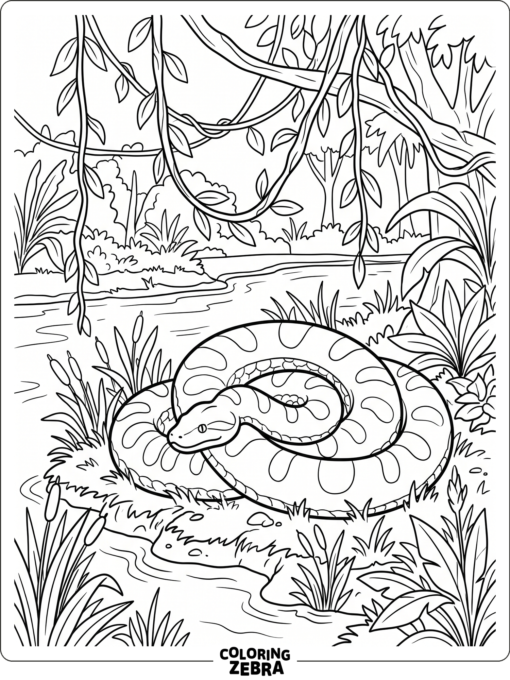

Anaconda Snake Coloring Page
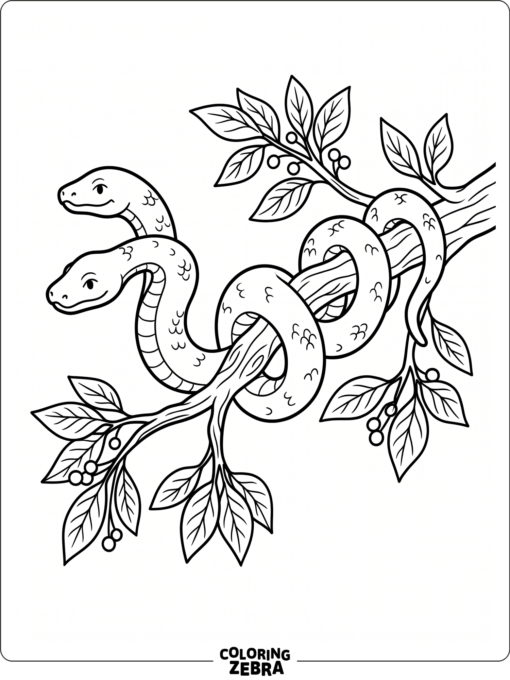

Two-Headed Snake Coloring Page
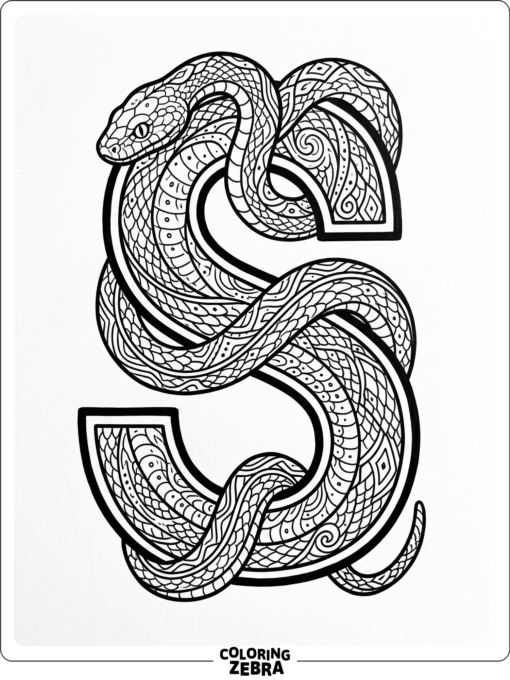

S Is for Snake Coloring Page
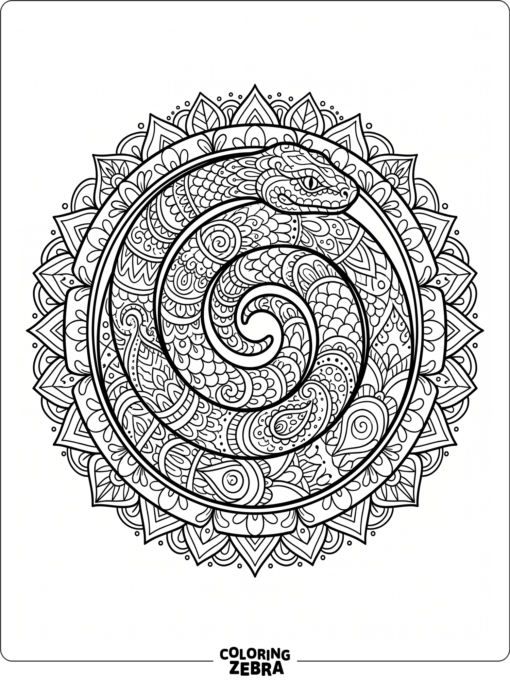

Snake Mandala Coloring Page
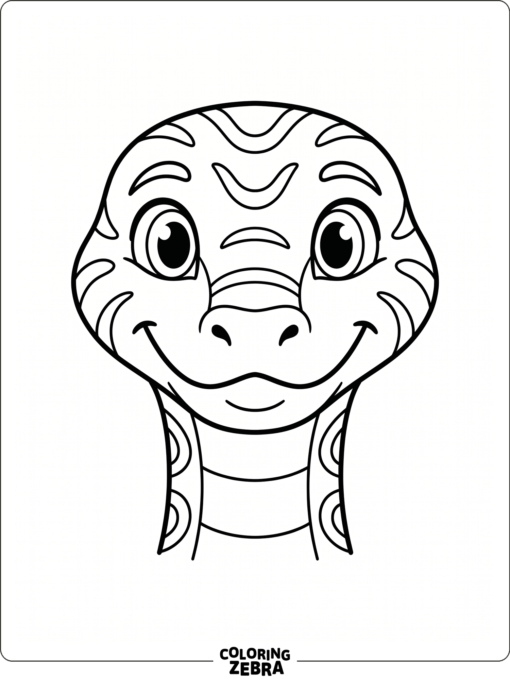

Snake Eyes Coloring Page
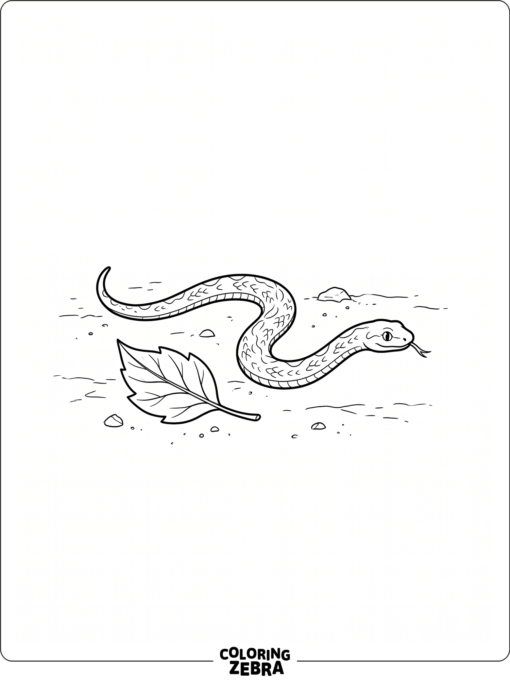

Simple Snake Coloring Page
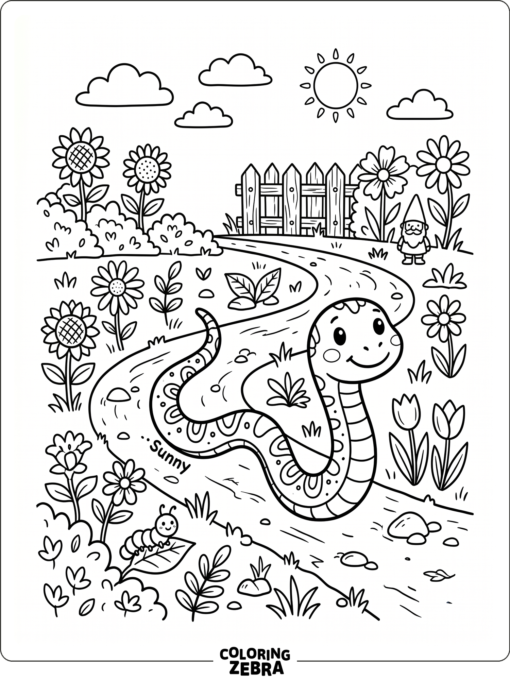

Snake Coloring Sheet for Kids
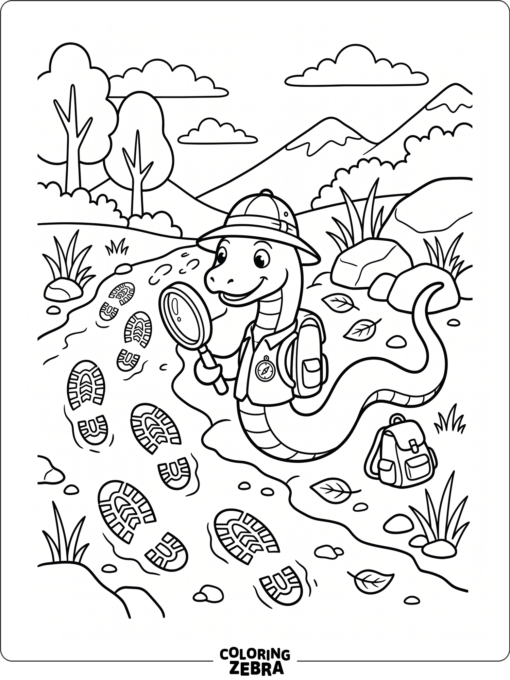

Snake Discovery Coloring Page
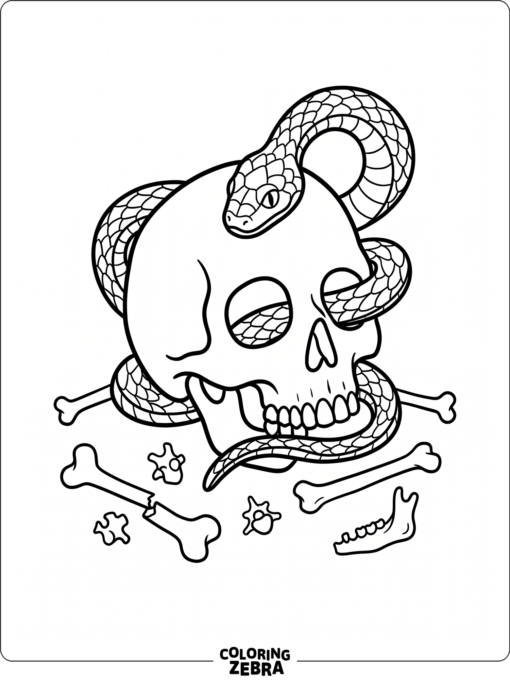

Skull and Snake Coloring Page
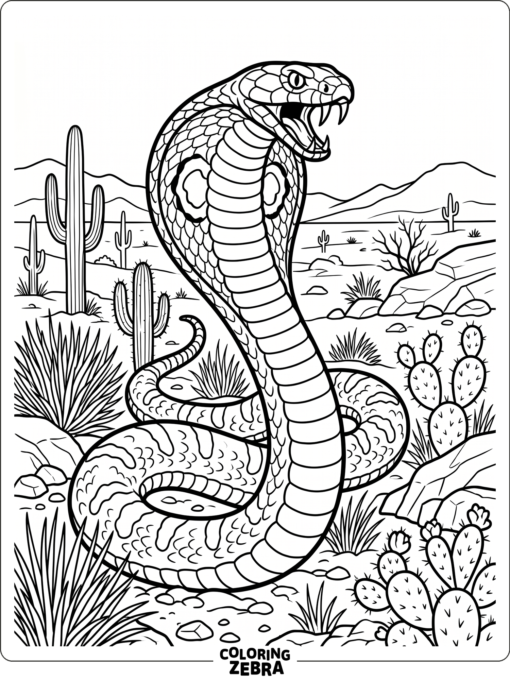

Venomous Snake Coloring Page

Snake Coloring Pages
What makes this snake set interesting
This collection of Snake Coloring Pages stands out because it mixes calm, simple outlines with more detailed reptile art. Some sheets feature a single snake on a plain background, which is ideal for younger colorists or anyone who wants a quick page to finish. Others add leaves, branches, rocks, reeds, flowers, and decorative elements that make each drawing feel distinct. That range gives the set plenty of variety without drifting away from the snake theme.
The artwork also moves between playful and realistic styles. A smiling snake curled around a leaf feels friendly and approachable, while a coiled rattlesnake on a desert rock or a cobra with a raised hood has a stronger wildlife feel. There are also stylized pages like the snake inside a mandala design, the snake wrapped around a skull, and the letter S formed by a snake, which give older colorists something different to work with.
Snake poses and body shapes shown in the pages
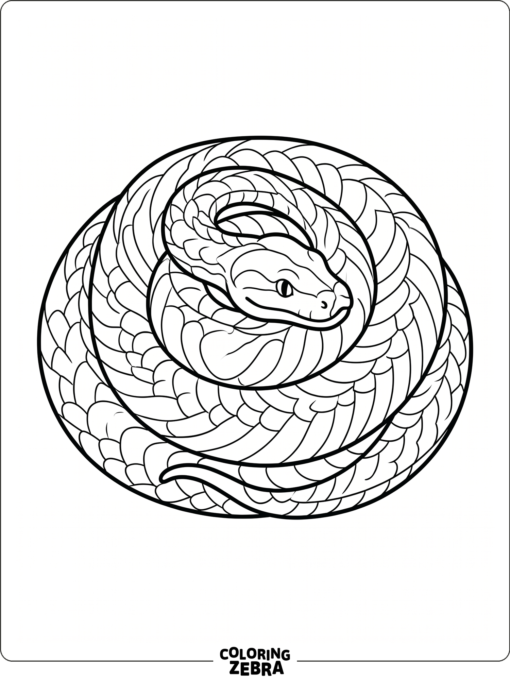
One of the best parts of this set is how many different poses appear. You can color snakes that are coiled tightly, curled into soft loops, sliding across open space, or wrapped around branches and plants. A few stand upright in a classic cobra pose, while others stretch through grass, reeds, or corn stalks. Those changes in posture make the pages more interesting because the body shape affects how you choose your colors and shading.
Body position also helps show how snakes move in real life. A coiled snake suggests rest or readiness, while a snake gliding through reeds or grass hints at silent movement. Swimming snakes and sea snakes add another layer by showing how some species can live and travel in water. Even the tiny baby snake drawings feel different from the larger coiled designs because their rounded forms and smaller scale details create a gentler look.
Species and snake types represented
This set includes several recognizable snake types, which makes it useful for anyone browsing reptile coloring pages with a species focus. The pages suggest rattlesnake, king cobra, python, viper, anaconda, corn snake, garter snake, king snake, water snake, sea snake, hognose snake, and baby snake variations. Some are easy to identify from body shape alone, such as the cobra with its wide hood or the rattlesnake with a raised tail. Others stand out through their markings, thickness, or the environment around them.
That species variety matters because snakes do not all look or move the same. Some have thicker bodies, some are slender, and some show bold bands or spots that make pattern work especially appealing. If you enjoy coloring by animal type, these pages give you a chance to compare forms and note small details like head shape, hood display, and the direction of the body curve. The realistic snake drawings are especially good for pattern recognition, while the cartoon pages are easier to personalize with bright, playful color choices.
Nature scenes and decorative details
The backgrounds are another strong part of the collection. You’ll see snakes in grass, on desert stones, near forest branches, beside pond reeds, around coral and seaweed, and among mushrooms or corn stalks. Those settings help define the character of each page. A desert snake feels dry and rugged, while a water snake near reeds looks cooler and more fluid. A snake in a garden path scene feels calm and approachable, especially when paired with a friendly expression.
Several pages also include symbolic or decorative elements. Decorative swirls, borders, skull imagery, footprints, a magnifying glass, and the letter S create pages that feel more like illustration pieces than plain animal outlines. These details are useful if you want to mix wildlife coloring with a little storytelling. They also give older kids and adults more to work with because the extra shapes can be shaded, patterned, or left bold for contrast.
Simple outlines versus detailed snake line art
There is a clear difference between the easy pages and the more intricate ones. Simple designs usually use clean contours and uncluttered space, which makes them a good choice for beginners or for fast coloring sessions. More detailed snake line art adds layered scales, sharper markings, or ornate framing, which invites slower coloring and more careful shading. That balance is helpful for families, classrooms, or mixed-age groups because everyone can choose a page that fits their comfort level.
For the simpler sheets, broad color areas work well. You can use solid greens, browns, golds, or grays and still get a strong result. For detailed pages, it helps to pick one or two accent colors and repeat them across the body so the scale pattern feels cohesive. If a page includes a close-up snake face, the eyes, tongue, and markings can become the focal point of the design.
Educational ideas tied to the illustrations
These printables also support light learning because snakes are reptiles with long bodies, scales, and a wide range of habitats. The pages show how snake appearance changes from one species to another, especially in the hood of a cobra, the rattle of a rattlesnake, or the heavier build of a python or anaconda. They also hint at behavior, since some snakes climb branches, some burrow or hide in grass, and some swim through water.
Snakes are often recognized by camouflage and patterning, and this collection makes that easy to notice. Bands, spots, and layered scales can help a snake blend into its surroundings or stand out as a distinct species. It is also worth remembering that snakes are reptiles, and venom is species-dependent rather than universal. That makes this collection useful for talking about differences between realistic wildlife art and more imaginative snake drawings without overexplaining the science.
Ways to use finished pages
Completed pages can be used in a few simple ways. They work well as classroom nature displays, homeschool notebook inserts, or animal unit companions. They also make nice wall art for children who enjoy reptiles, especially if you group the pages by style, such as cute cartoon snakes, realistic snake drawings, or decorative fantasy designs. A finished set can even be sorted by habitat, with desert, jungle, water, and garden scenes displayed together.
If you are building a theme around Snake Coloring Pages, consider pairing them with books or lessons about reptiles, habitats, and animal patterns. The set offers enough variety to stay interesting over multiple sessions, and the mix of easy and detailed pages means you can return to it again and again. Whether you want a simple outline or a patterned reptile illustration, these options provide flexible choices.
People Often Ask Us…
-
What snakes are shown here?
-
How do snake poses differ?
-
Which pages look most realistic?
-
Why are snakes shown with plants and rocks?
-
What do snakes symbolize in art?