Spinosaurus Coloring Pages
Spinosaurus Coloring Pages offer a striking mix of sail-backed dinosaurs, river scenes, and playful prehistoric poses. Some pages keep the background simple, while others add reeds, water, mountains, or waterfalls. You’ll also find realistic line art alongside friendly cartoon versions for younger colorists. The variety makes each printable page feel a little different from the last.
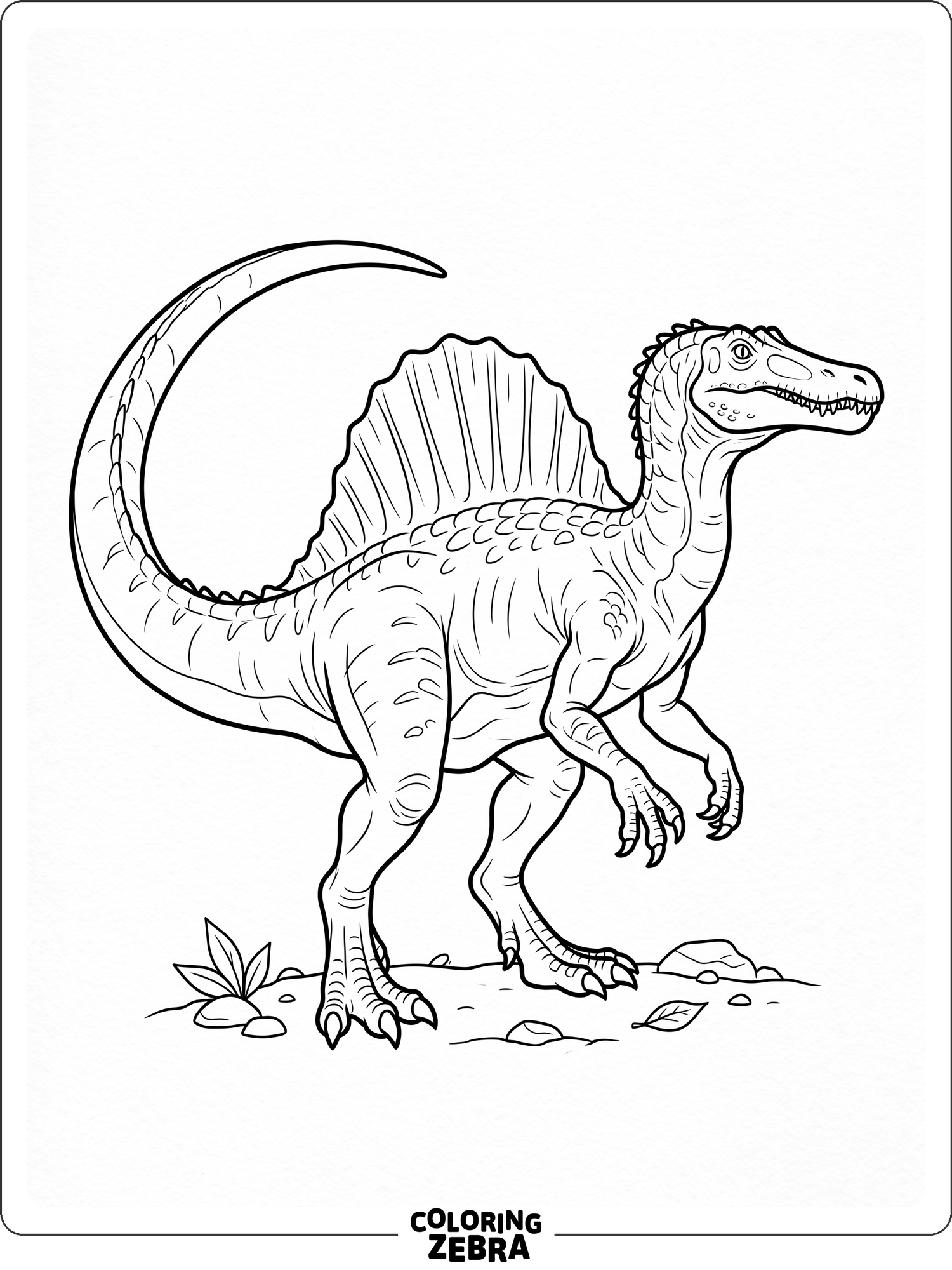
Print on heavier paper if you plan to use markers, or choose standard copy paper for crayons and colored pencils. For cleaner outlines, use high-quality printer settings and scale pages to fit the paper without cutting off the edges. If you want to save ink, start with the simpler designs before printing the more detailed scenes.
Related coloring pages
Printable Spinosaurus Coloring Pages
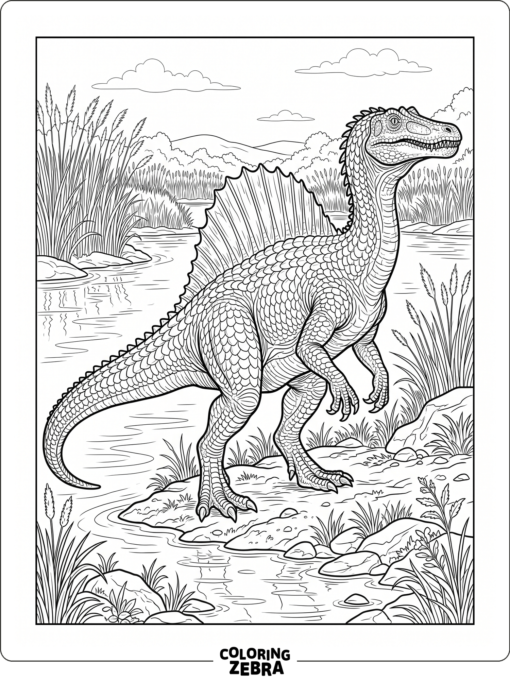

Realistic Spinosaurus Outline
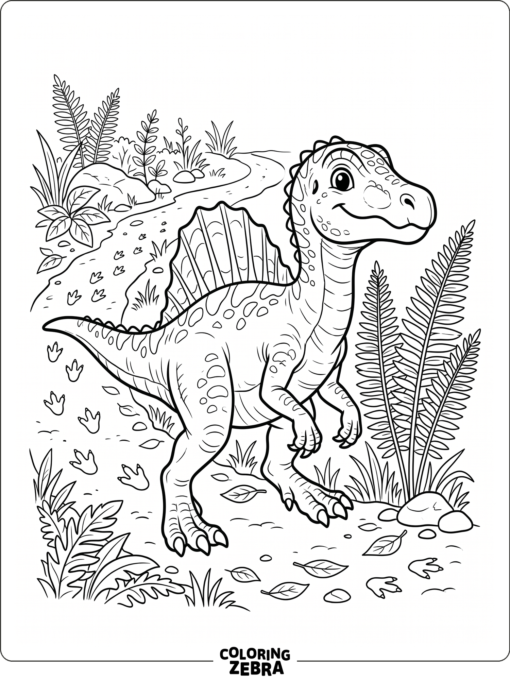

Baby Spinosaurus Coloring Page
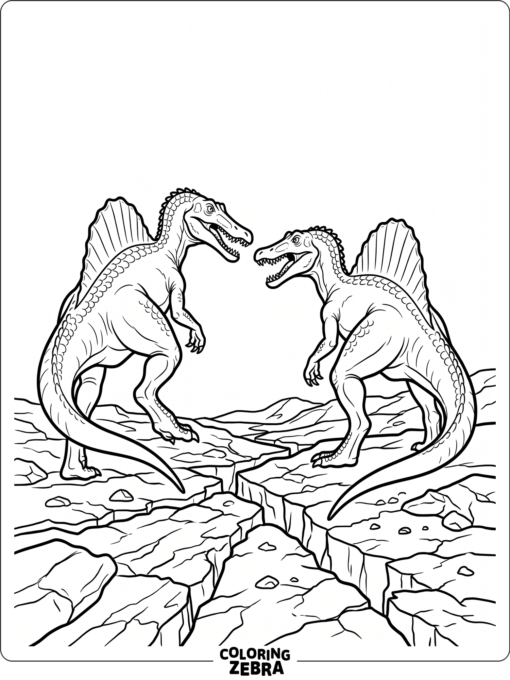

Fighting Spinosaurus Coloring Page
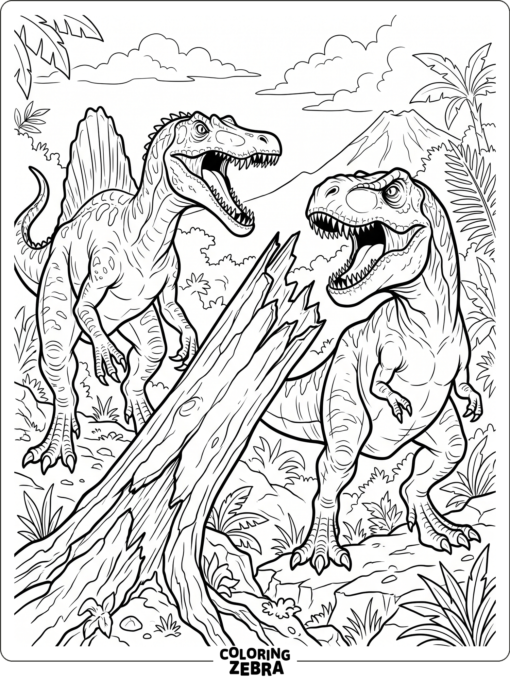

Spinosaurus Vs T Rex Coloring Page
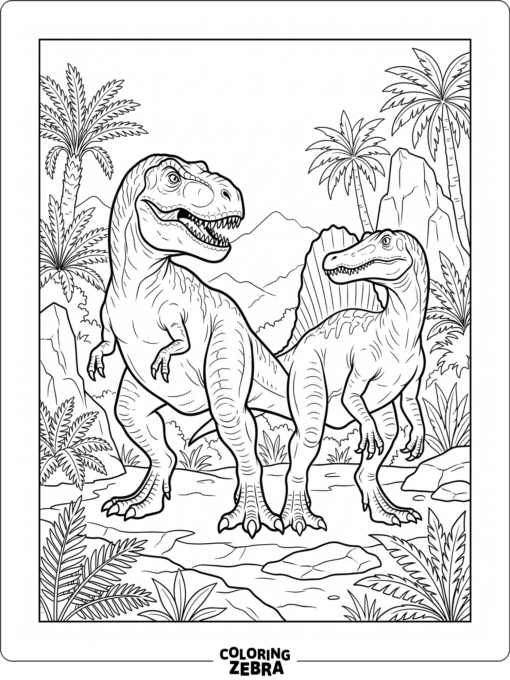

T Rex and Spinosaurus Coloring Page
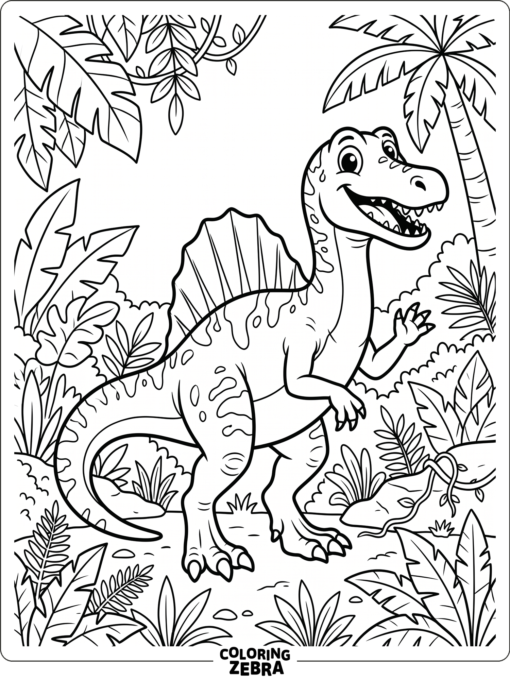

Spinosaurus Dinosaur Coloring Page for Kids
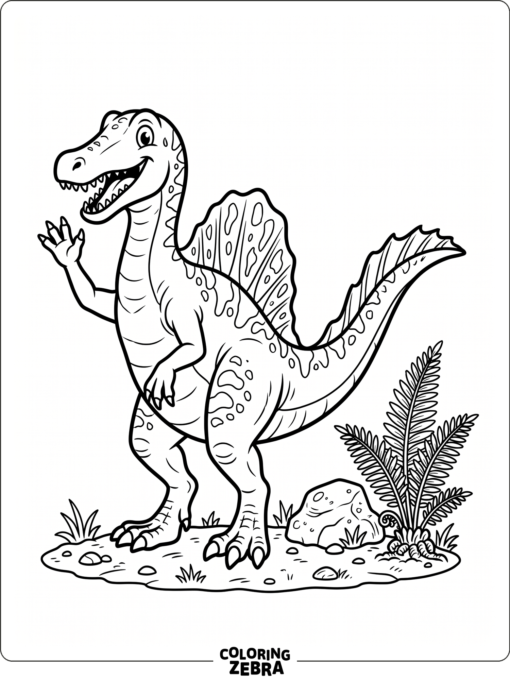

Cartoon Spinosaurus Coloring Page
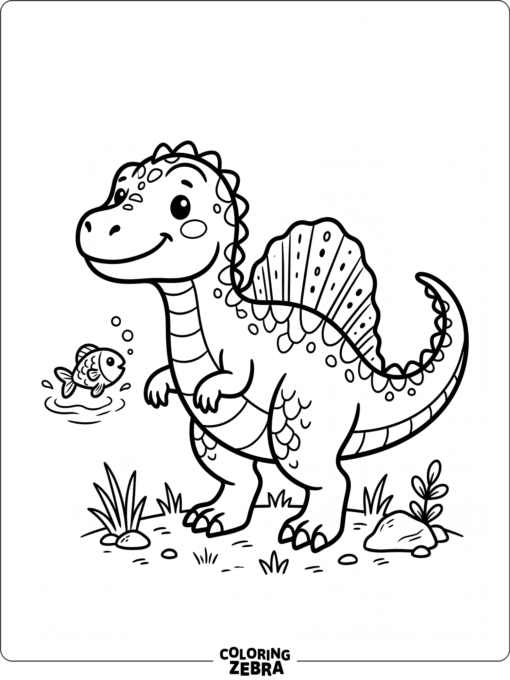

Cute Spinosaurus Coloring Page
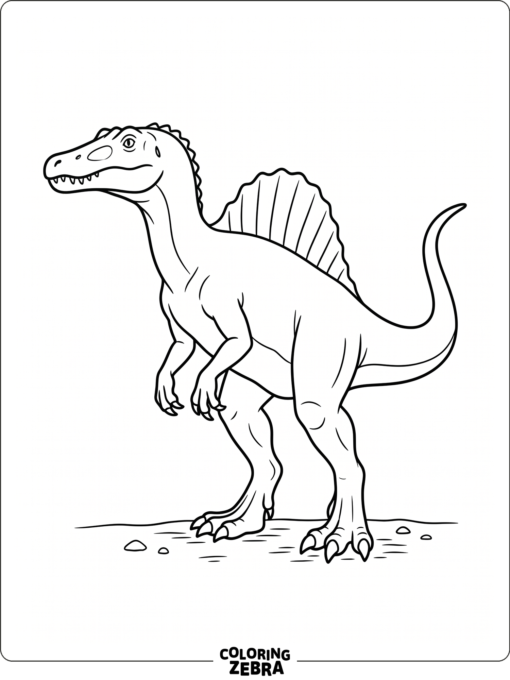

Easy Spinosaurus Coloring Page
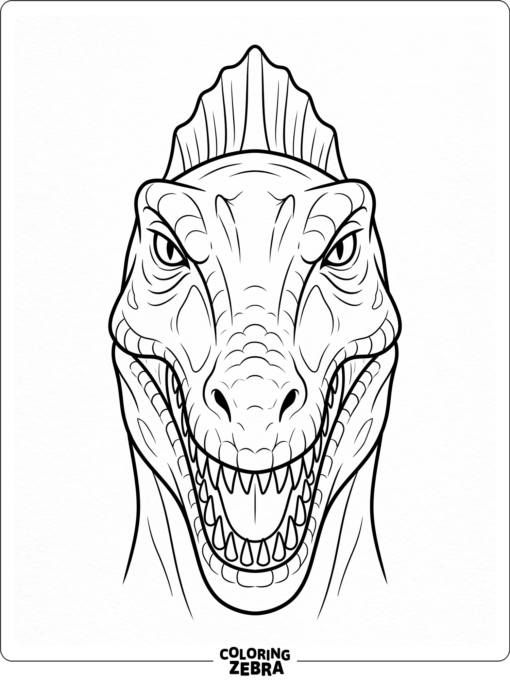

Spinosaurus Face Coloring Page
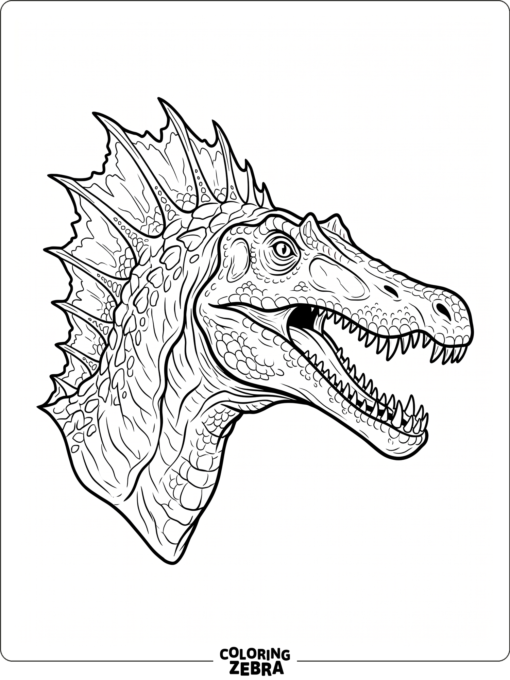

Spinosaurus Head Coloring Page
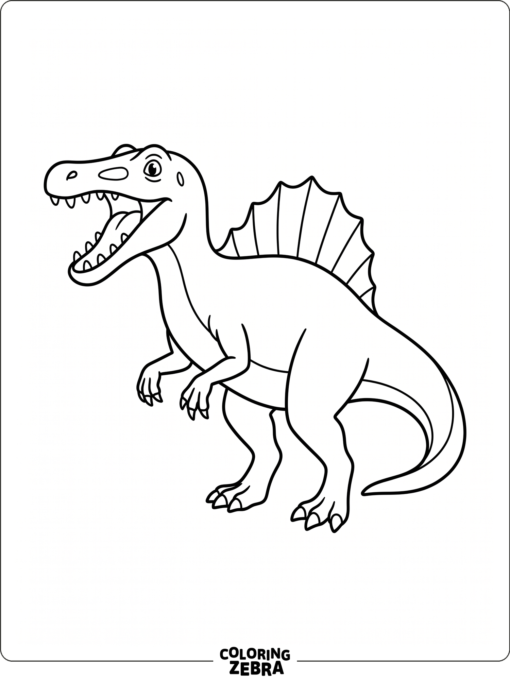

Spinosaurus Mouth Open Coloring Page
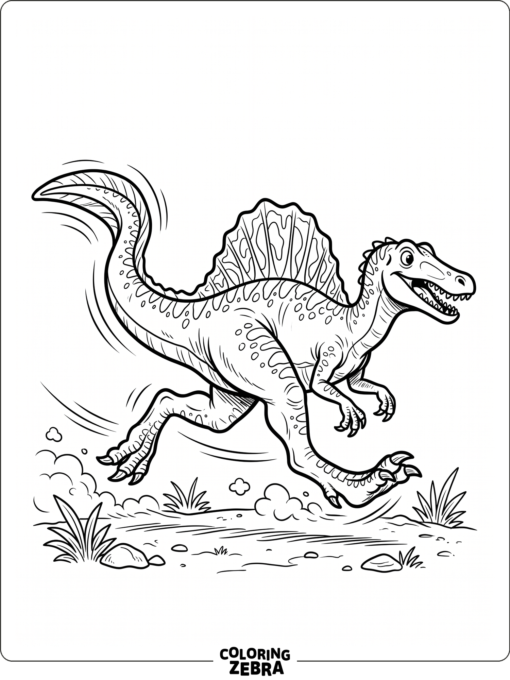

Running Spinosaurus Coloring Page
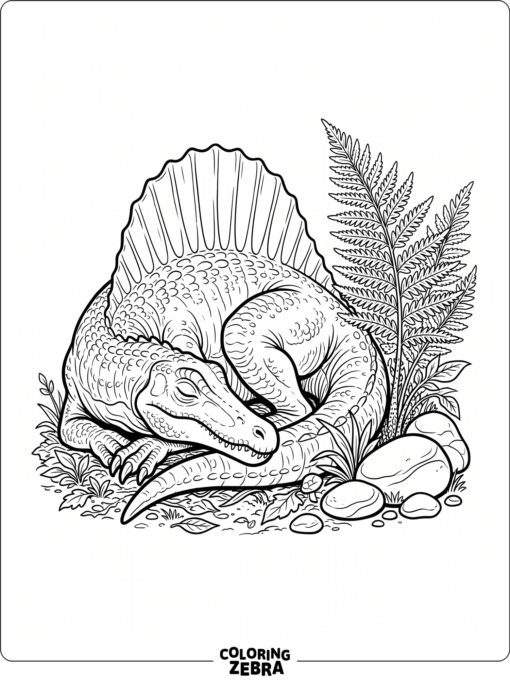

Sleeping Spinosaurus Coloring Page
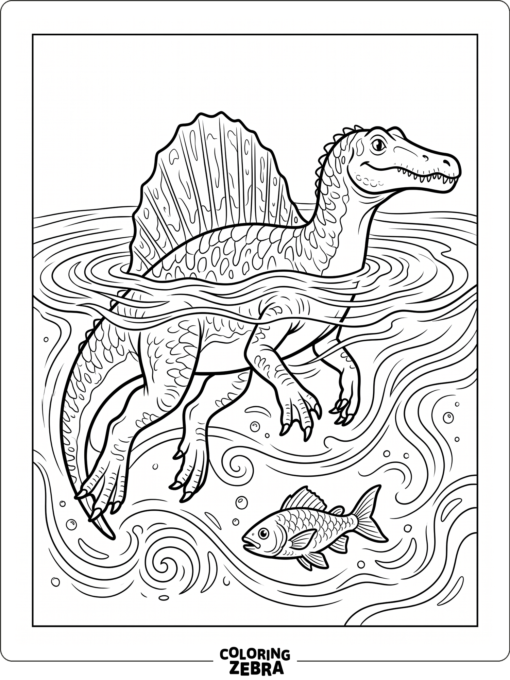

Swimming Spinosaurus Coloring Page
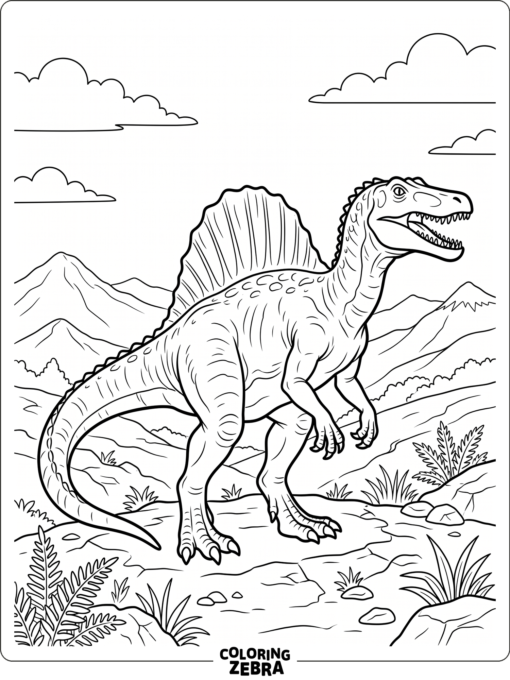

Spinosaurus With Mountains Coloring Page
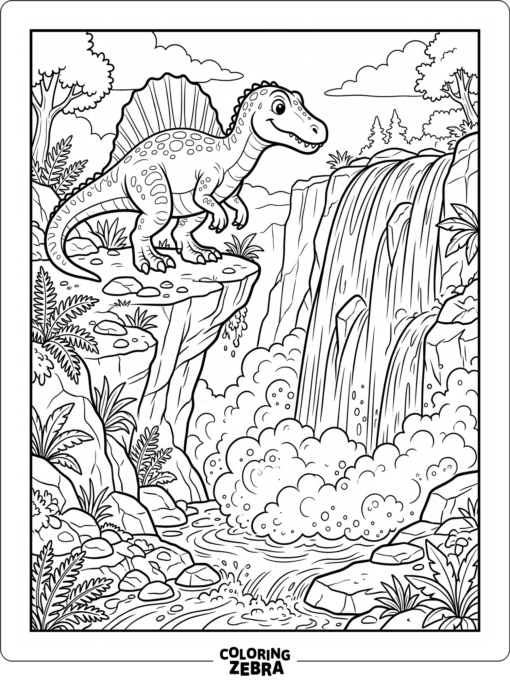

Spinosaurus With Waterfall Coloring Page
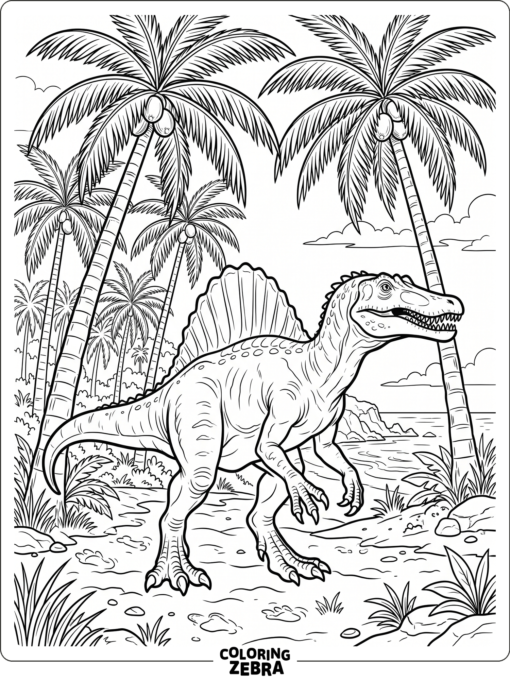

Spinosaurus With Palm Trees Coloring Page
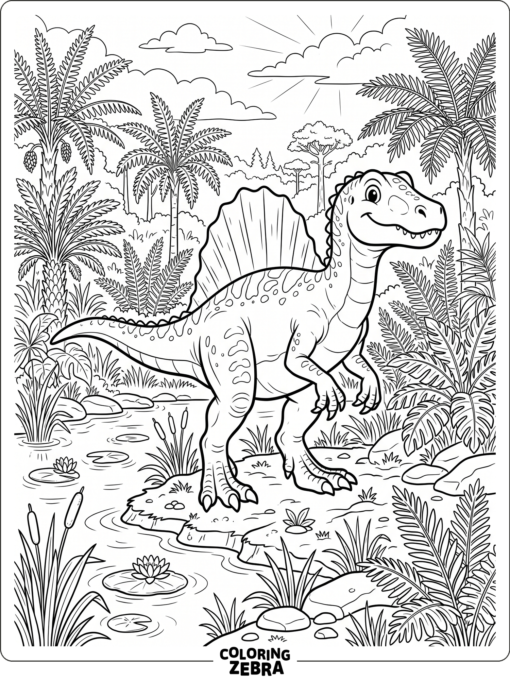

Spinosaurus With Ferns Printable
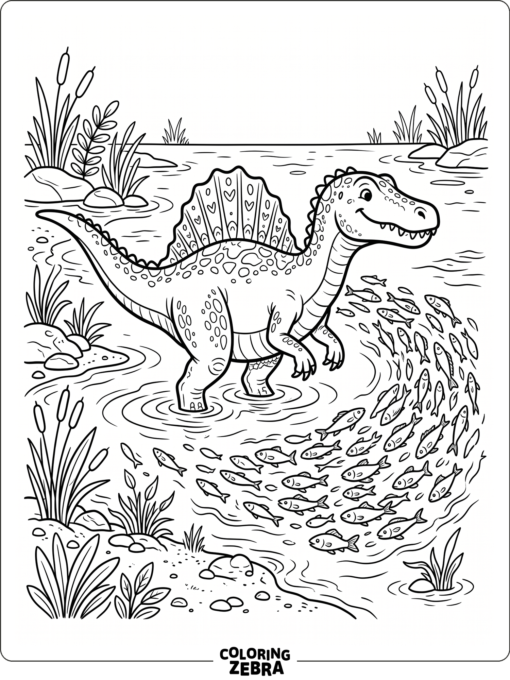

Spinosaurus With Fish Coloring Page
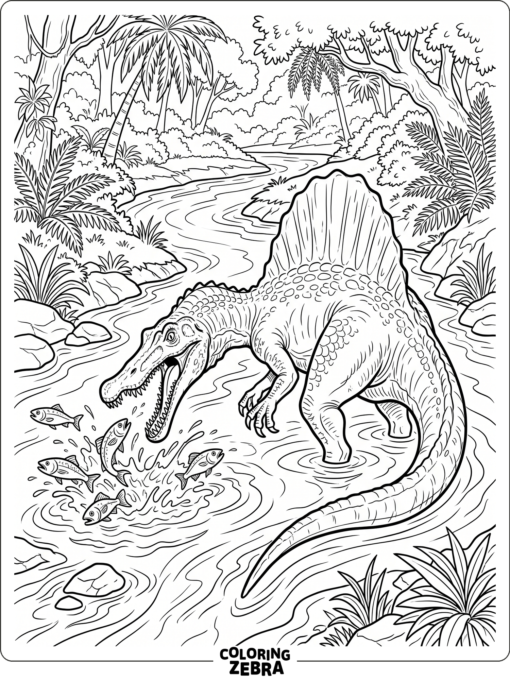

Spinosaurus Catching Fish Printable
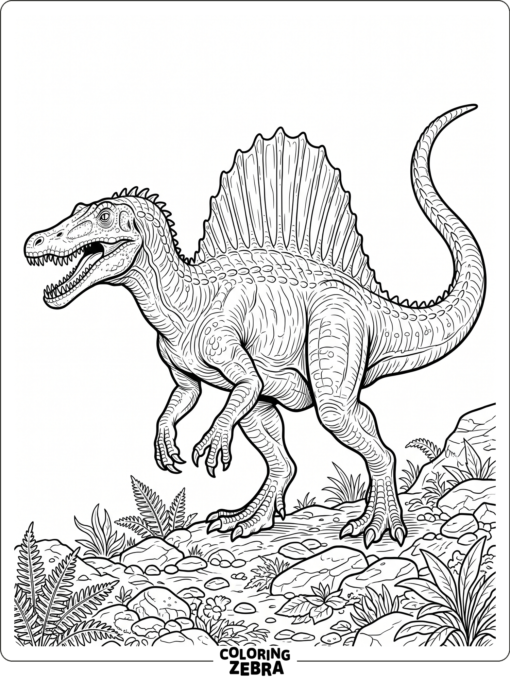

Spinosaurus Sail Outline
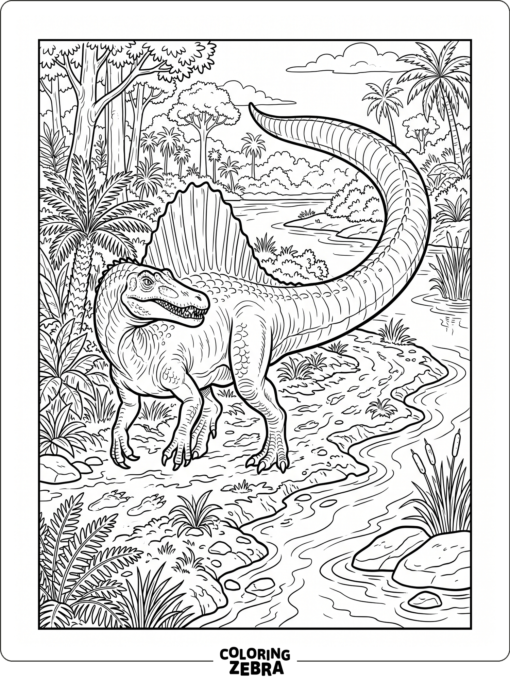

Spinosaurus Tail Coloring Page
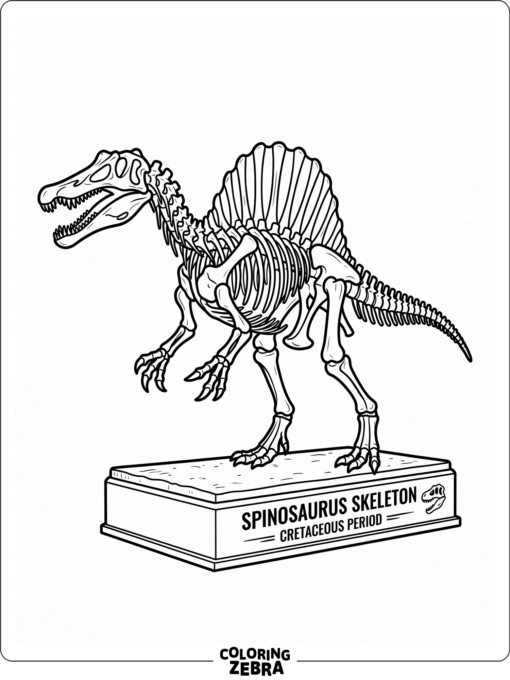

Spinosaurus Skeleton Coloring Sheet
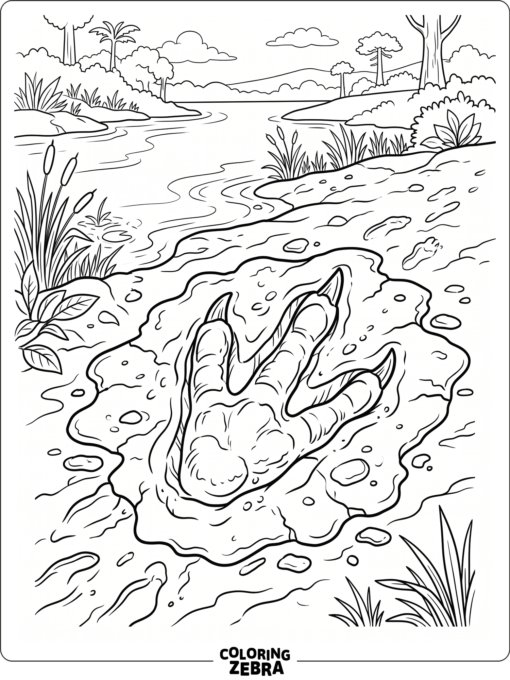

Spinosaurus Footprint Coloring Page
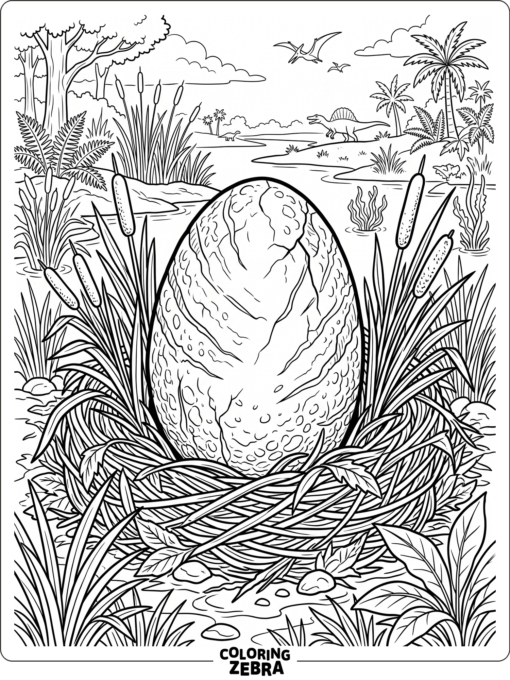

Spinosaurus Egg Coloring Sheet
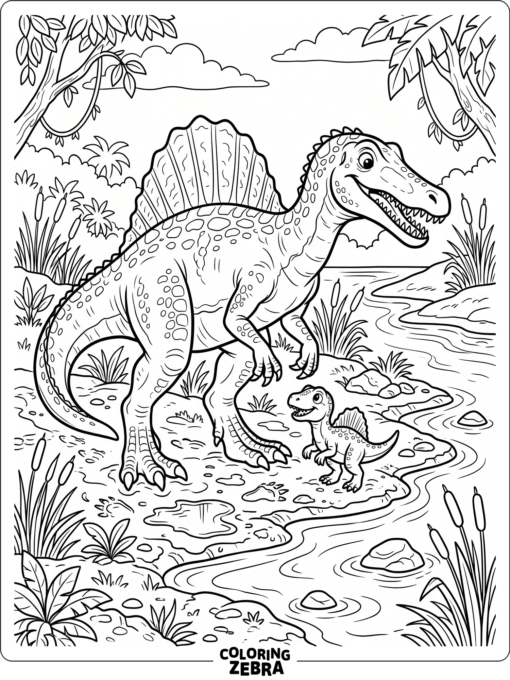

Spinosaurus Family Coloring Page
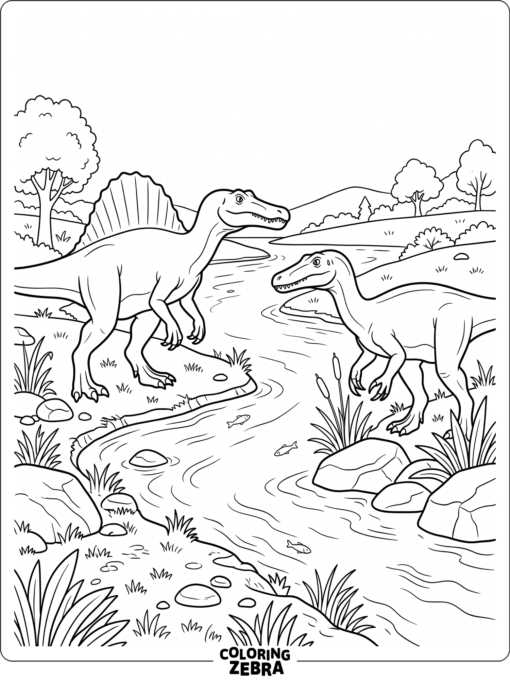

Spinosaurus And Baryonyx Printable
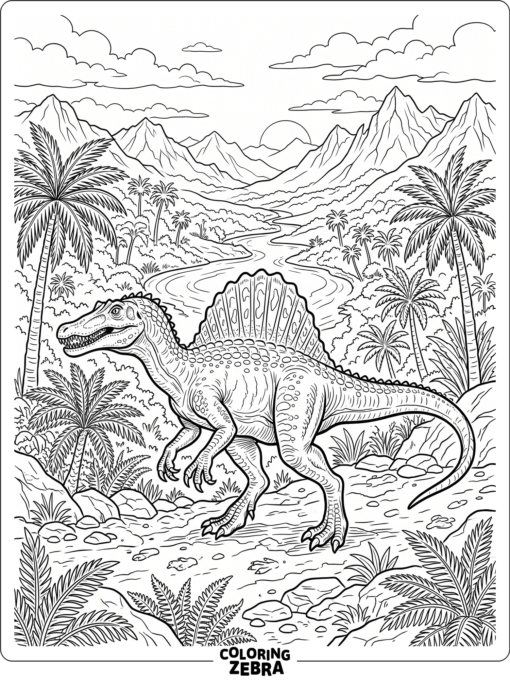

Prehistoric Spinosaurus Landscape
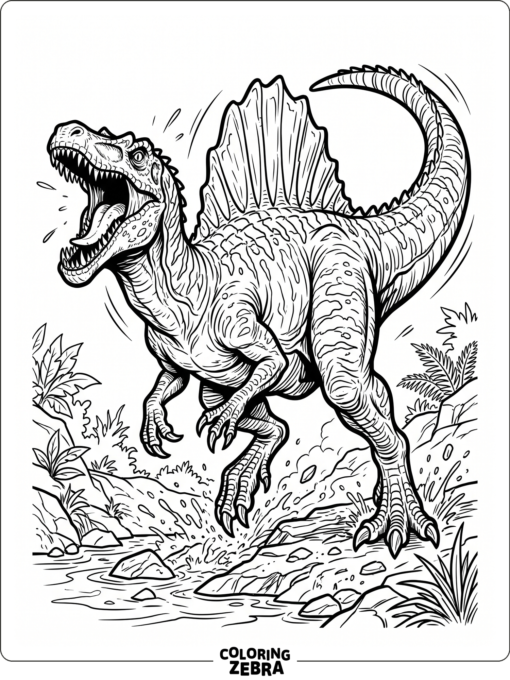

Jurassic World Spinosaurus Coloring Page
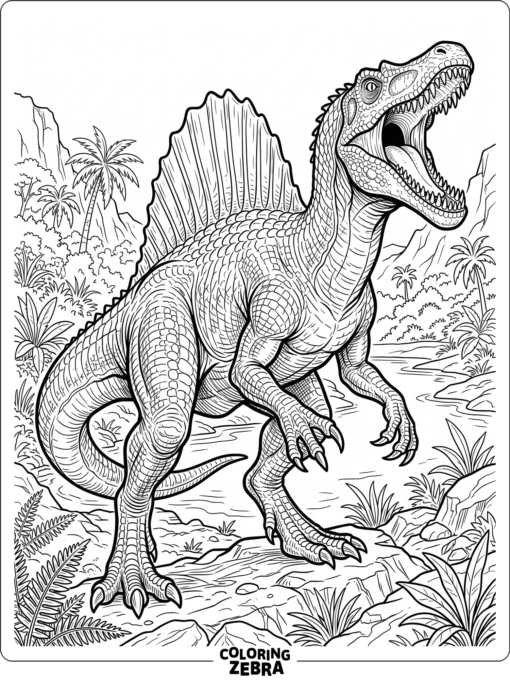

Detailed Spinosaurus Coloring Page
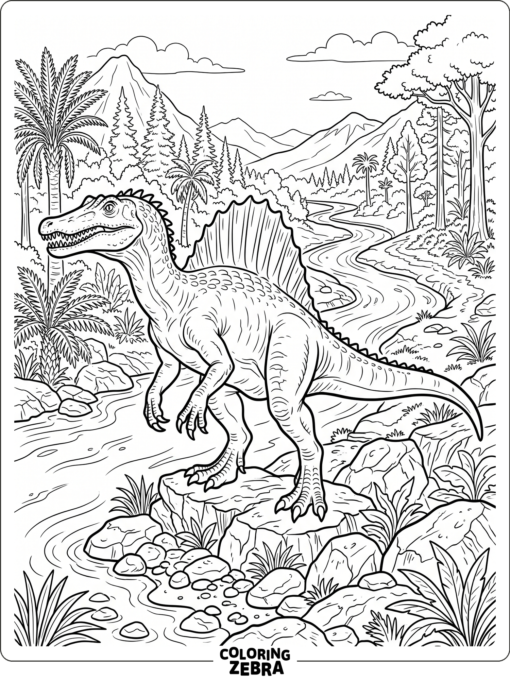

Spinosaurus Coloring Page For Adults
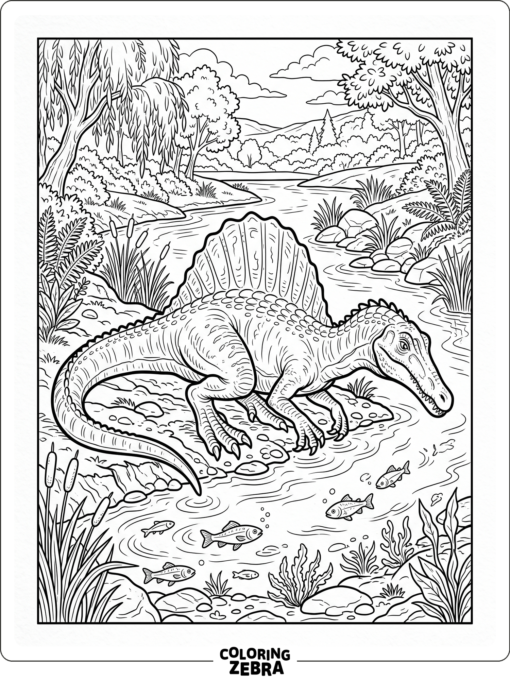

Marine Hunting Spinosaurus Coloring Page
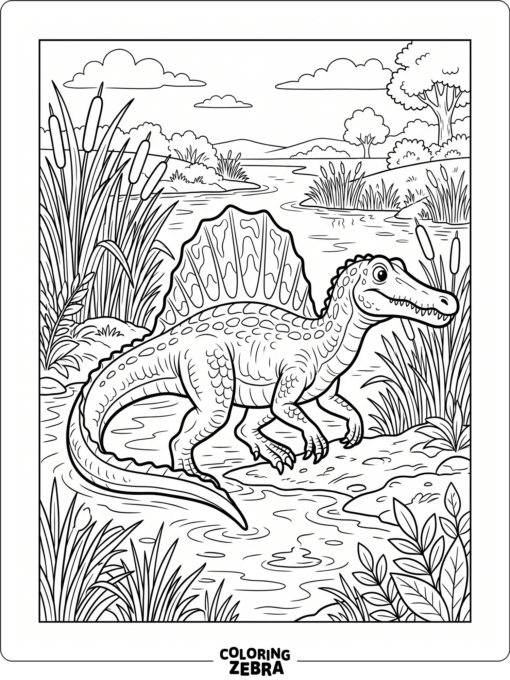

Prehistoric River Reptile Coloring Sheet
What appears in this printable set
Spinosaurus Coloring Pages in this collection focus on the dinosaur’s most recognizable shapes and settings. The pages include side views, front and profile head studies, open-mouth poses, running scenes, sleeping poses, and swimming images. Some illustrations are realistic and detailed, while others use bold outlines and a friendly cartoon style that works well for younger children. The set also includes a simple standing dinosaur, a bold textured version, and several scenes that place the animal near rivers or shallow water.
That variety is useful because it gives colorists more than one way to approach the same prehistoric subject. A child who likes simple shapes can start with a clean standing pose, while an older student or dinosaur fan may prefer a detailed outline with textured scales or a skeleton page. The collection also includes images that highlight the sail on the back, the long curved tail, and the long snout, which are the traits many people notice first.
Why these visual details stand out
The sail-backed silhouette is one of the strongest visual clues in any Spinosaurus coloring sheet, and it is a large part of what makes the dinosaur so easy to recognize. The long snout gives the animal a different look from many other theropods, and the open-mouth drawings make that profile even more dramatic. In a few pages, the head is shown close up, which is helpful for focusing on the face shape, jawline, and general anatomy without needing to fill in a full body scene.
Several pages also emphasize movement. A running pose, a fish-catching scene, and a face-off with another dinosaur all suggest action without becoming too crowded. Other pages slow things down with sleeping or standing poses, which are easier to color carefully and work well for younger kids or for a relaxing afternoon activity. This mix of action and calm makes the set more flexible than a single-style printable pack.
Prehistoric settings across the pages
Many of the images place the dinosaur near water, which is a major theme throughout the collection. You’ll see rivers, shallow water, swampy banks, and swimming scenes, along with fish in the background or in the dinosaur’s mouth. Some pages add prehistoric plants such as ferns and reeds, and others include palm trees, mountains, valleys, or a waterfall. A few illustrations keep the ground simple so the dinosaur stays the main focus, while others create a fuller landscape around it.
Those background choices matter because they shape the mood of each page. A simple base can feel clean and beginner-friendly, while a riverbank or waterfall scene gives older colorists more surfaces and textures to work with. The water themes also reinforce the common modern image of Spinosaurus as a semi-aquatic dinosaur, which is part of what makes these pages especially appealing to dinosaur fans who enjoy prehistoric habitats as much as the animals themselves.
Family scenes and life stages
This set is not only about big predator poses. It also includes a baby near a fern, an egg in a nest of reeds, and a parent with a hatchling. These quieter images add variety and make the printable set useful for younger children or classroom activities. They can also support simple conversations about dinosaur life cycles, nesting, and how young animals are often shown in paleontology art.
A parent-and-hatchling scene is especially helpful for comparing size, posture, and the way artists imagine juvenile dinosaurs. The egg page works well for discussing beginnings and growth, while the baby dinosaur near plants gives the set a softer tone. Together, these pages balance the more dramatic river and hunting images.
Action scenes and dinosaur comparisons
Some of the most dynamic pages feature a Spinosaurus facing another dinosaur, including a T. rex and Baryonyx. These comparison scenes are popular because they show different body shapes side by side. T. rex is often drawn with a thicker head and shorter arms, while Baryonyx and Spinosaurus are commonly shown with longer snouts and water-related settings. That makes these pages useful for simple comparison discussions, even without adding extra text to the art itself.
The fish-catching page and the swimming page also fit that behavior theme. In popular reconstructions, Spinosaurus is often associated with water and fish, so those illustrations match the way many people picture the dinosaur today. A marine hunting scene at the waterline pushes that idea even further, giving colorists a dramatic composition with motion, water, and a long, narrow skull to shade carefully.
How to color the set in different ways
For simple cartoon-style pages, bright colors and clean outlines usually work best. Crayons or colored pencils can keep the shapes neat, especially on friendly versions and beginner-friendly standing poses. For realistic line art, try layering browns, grays, olive greens, and muted blues to give the scales and sail a more natural look. You can also use darker colors in the river banks, reeds, and shadows to help the dinosaur stand out.
If the page includes textured scales, a skeleton, or a close-up head profile, slower shading works well. These designs invite careful coloring around the sail, tail, teeth, and facial contours. For water scenes, light blue, green-blue, or gray-blue tones can suggest depth without overpowering the dinosaur. For land scenes, sandy browns and soft greens keep the prehistoric setting believable and easy to read.
Light educational context for kids and families
Spinosaurus is a sail-backed theropod dinosaur that is often shown with a long snout and strong connections to watery habitats in modern reconstructions. It is commonly depicted as a fish-eater, which is why river and swimming scenes appear so often in coloring art. Because scientific ideas about Spinosaurus have changed over time, it is best to describe these features as commonly accepted depictions rather than fixed facts.
That makes the pages useful for more than coloring alone. Parents and teachers can point out the sail, tail, teeth, footprint, egg, and skeleton page as simple visual cues. Children can compare the dinosaur’s shape with other theropods, notice how artists suggest different habitats, and talk about how fossils help scientists build a picture of prehistoric life.
Ways to use the finished pages
Completed prints can be taped into a dinosaur notebook, used for a classroom display, or grouped into a home activity book. The action scenes work well on bulletin boards, while the baby, egg, and footprint pages are a natural fit for early learning lessons. A set with river scenes, head studies, and comparison pages can also become a simple dinosaur unit for homeschoolers.
If you want a themed wall collection, pair the more detailed pages with the friendlier cartoon versions so the display feels balanced. Finished Spinosaurus Coloring Pages can also be used for story prompts, science center folders, or quiet-time coloring stacks. With so many poses, backgrounds, and levels of detail, the collection gives you plenty of ways to keep the prehistoric theme fresh without repeating the same image style too often.
People Often Ask Us…
-
What made Spinosaurus different from other theropods?
-
Did Spinosaurus really live near water?
-
What was the sail on Spinosaurus for?
-
How did Spinosaurus eat?
-
Is Spinosaurus the same as Baryonyx?