Letter P Coloring Pages
Letter P Coloring Pages offer a lively mix of simple letters, ornate designs, and picture-based scenes that make alphabet practice feel varied. You will find bold capitals, tracing pages, and decorative versions with swirls, vines, and mandala-style details. Many pages pair P with familiar words like penguin, pizza, panda, and pineapple. The collection also includes playful extras such as balloons, banners, clouds, and rainbows.
For the cleanest results, print on heavier white paper if you plan to use markers or watercolor pencils. If you want a lighter ink finish, choose grayscale or draft mode and keep the page sizing set to fit the paper. A slightly thicker sheet can also help younger children color more comfortably without tearing.
Related coloring pages
Printable Letter P Coloring Pages

P Is for Coloring Page
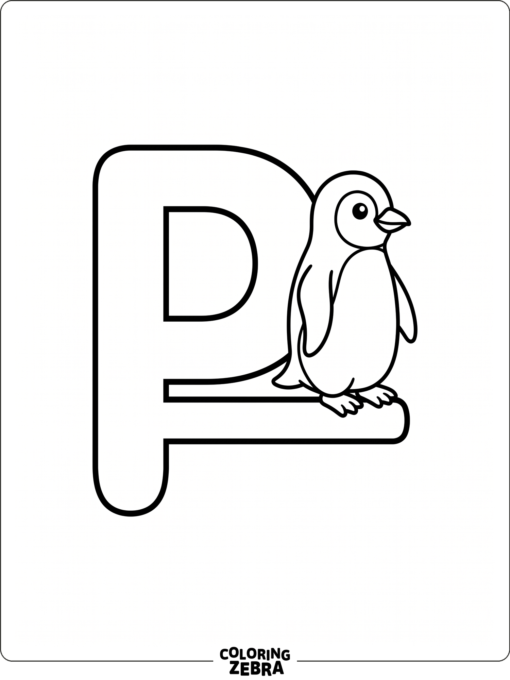

P Is for Penguin Coloring Page
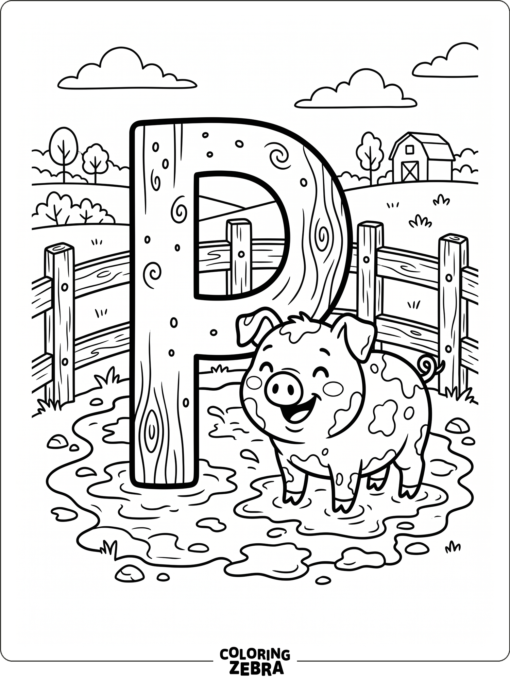

P Is for Pig Coloring Page


P Is for Pizza Coloring Page


Capital Letter P Coloring Pages


Letter P Color By Number Coloring Sheets
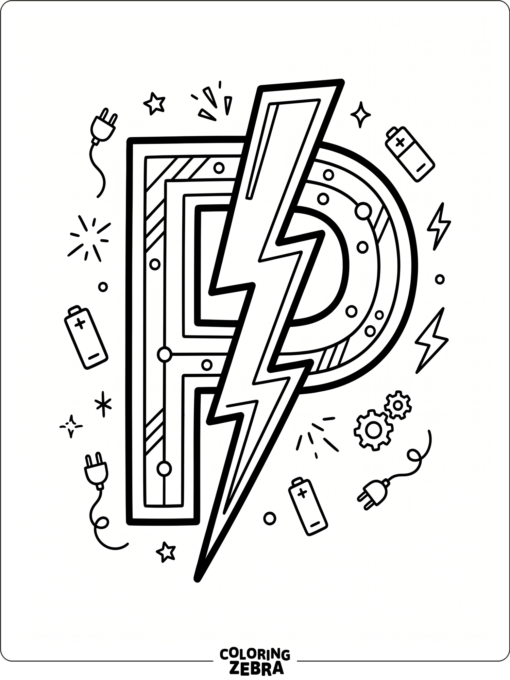

P Is for Power Coloring Page


Letter P Coloring Pages For Adults
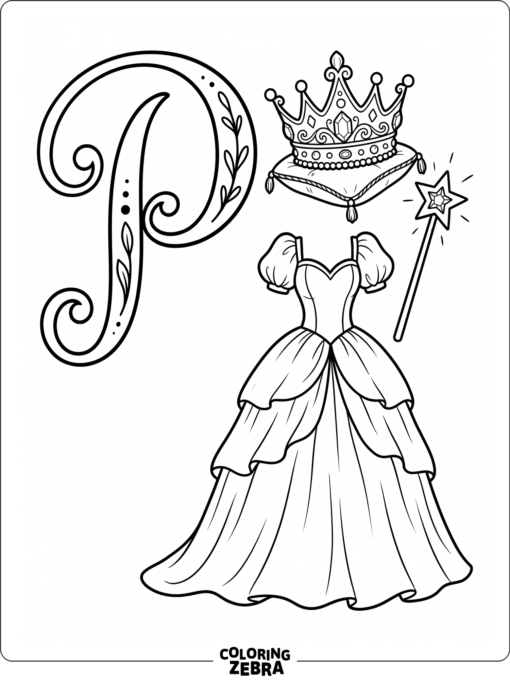

P Is for Princess Coloring Page
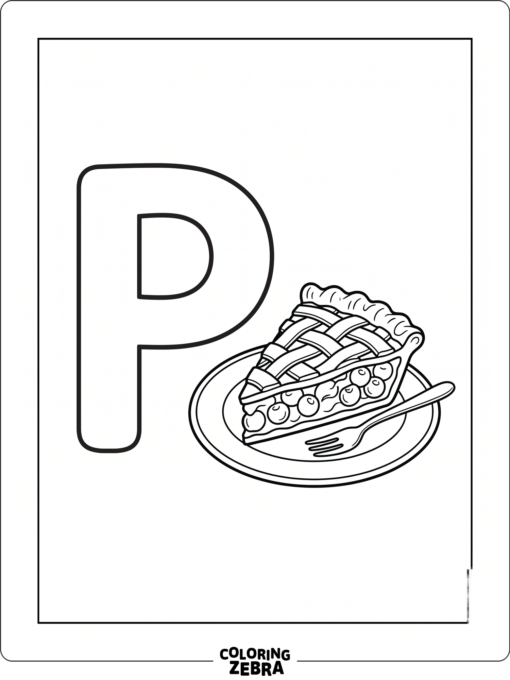

P Is for Pie Coloring Page


P Is for Plant Coloring Page
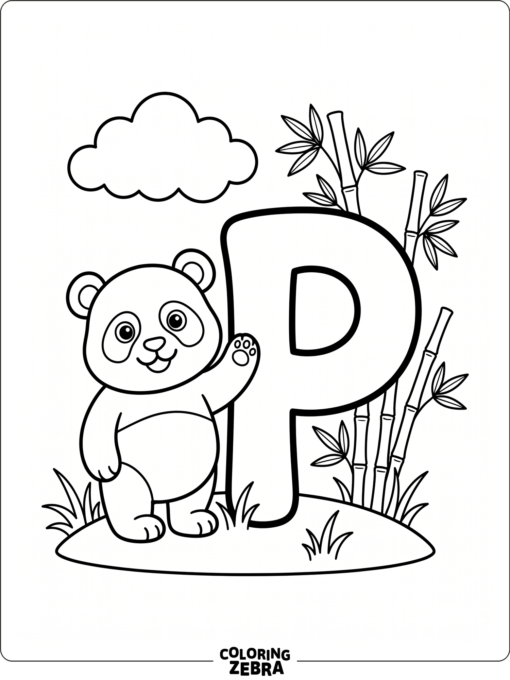

P Is for Panda Coloring Page


Letter P Coloring Pages For Toddlers


P Is for Pirate Coloring Page
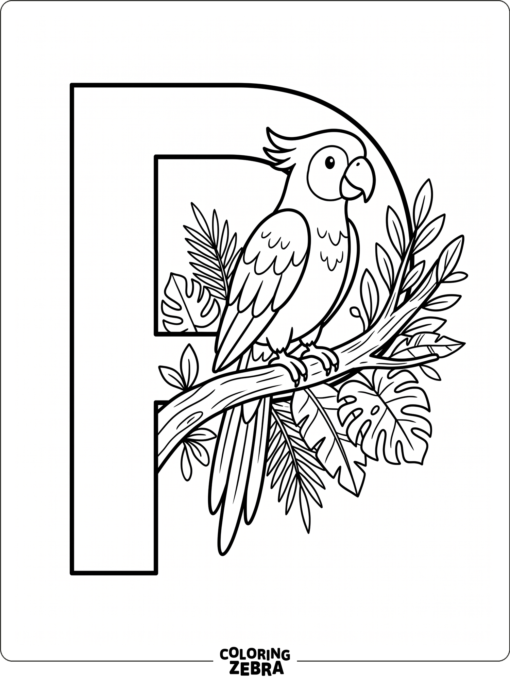

P Is for Parrot Coloring Page
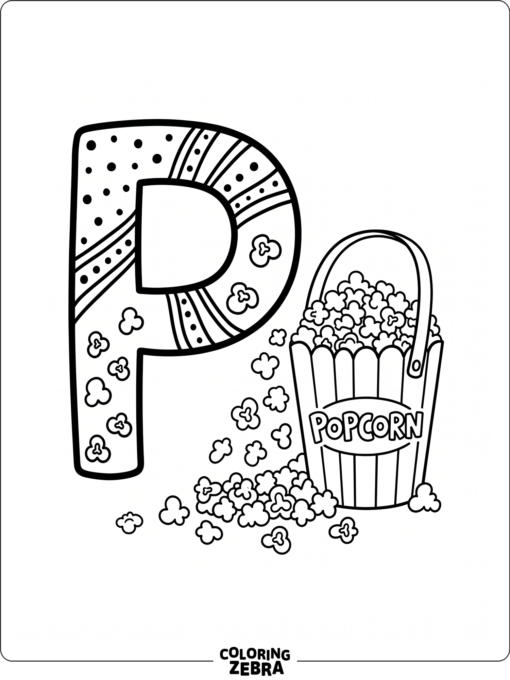

P Is for Popcorn Coloring Page


Alphabet Letter P Coloring Pages
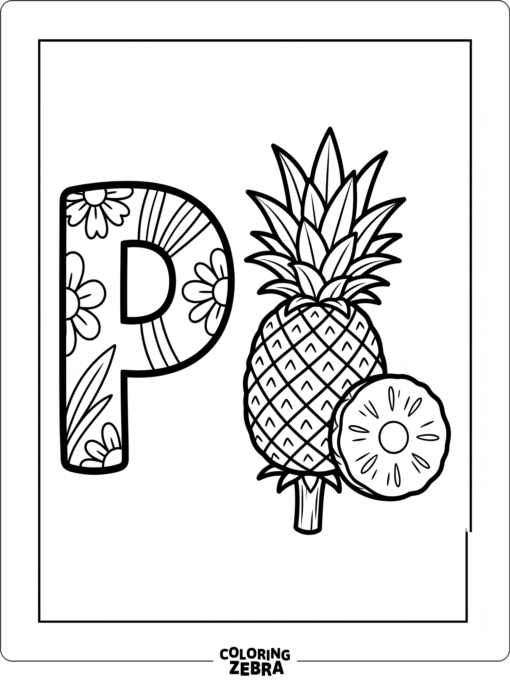

P Is for Pineapple Coloring Page


P Is for Polar Bear Coloring Page
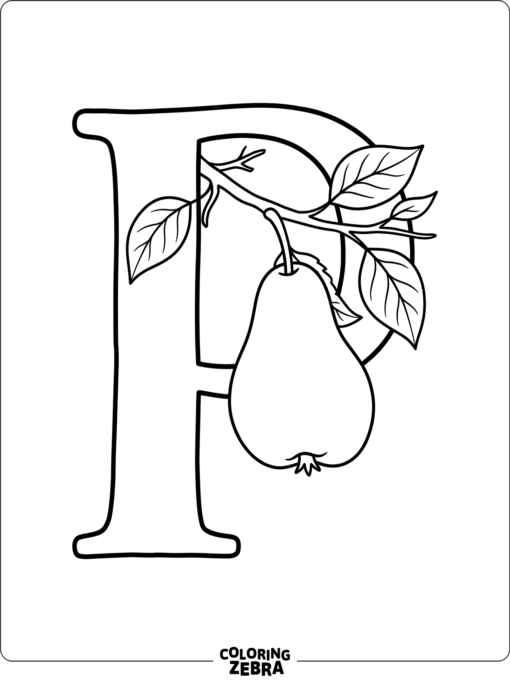

P For Pear Coloring Page


Coloring Page Letter P Mandala
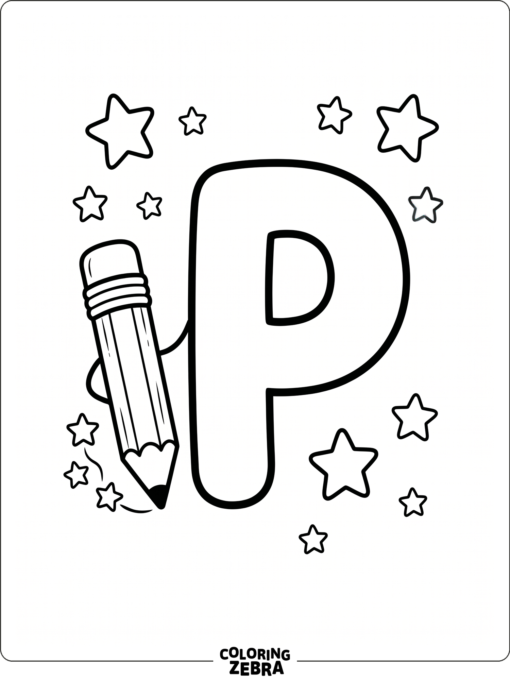

Letter P Coloring Pages Kindergarten
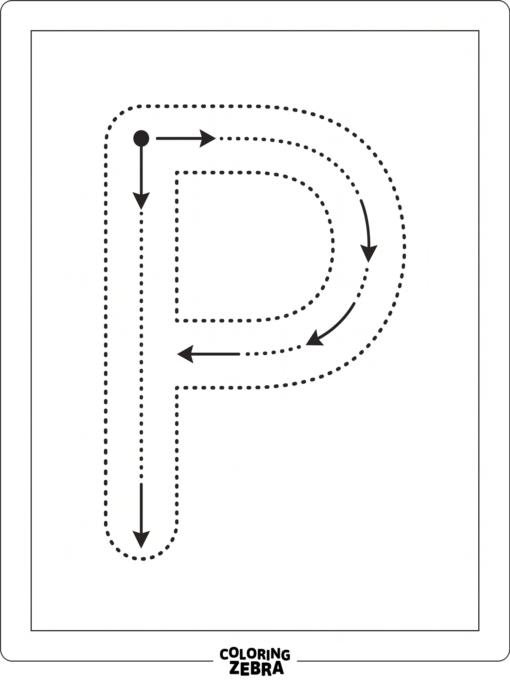

Letter P Pencil Path Coloring Page


Letter P Puzzle Coloring Page


Letter P Playground Coloring Page
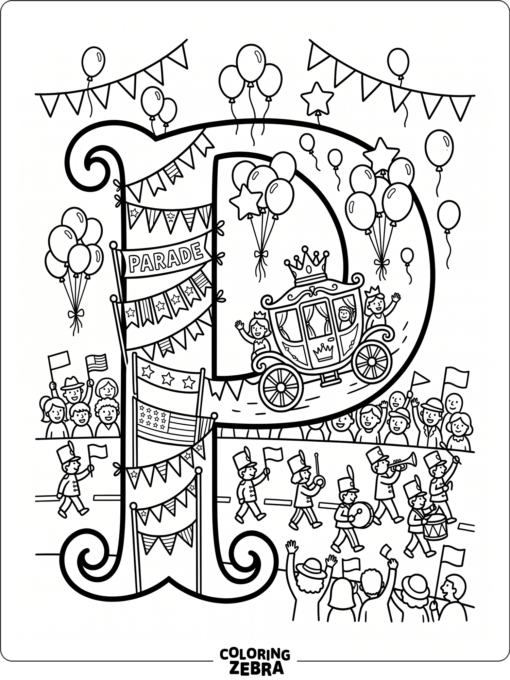

Letter P Parade Coloring Page


P Is for Puppy Coloring Page
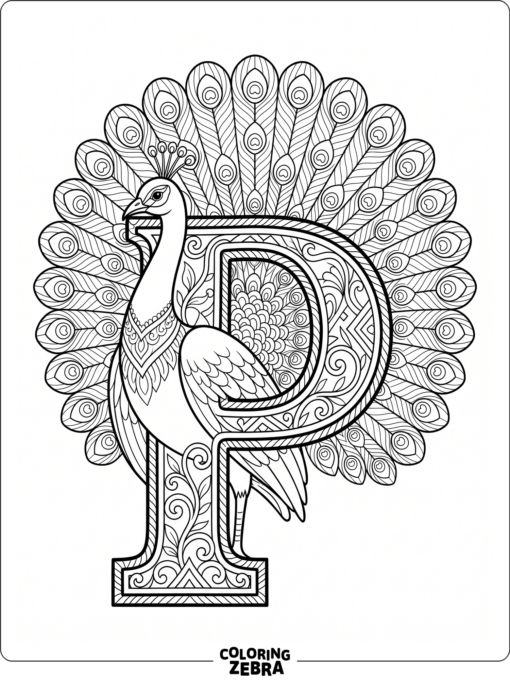

P Is for Peacock Coloring Page


P Is for Piano Coloring Page


P Is for Paintbrush Coloring Page


Letter P Pond Scene Coloring Page


P Is for Pony Coloring Page
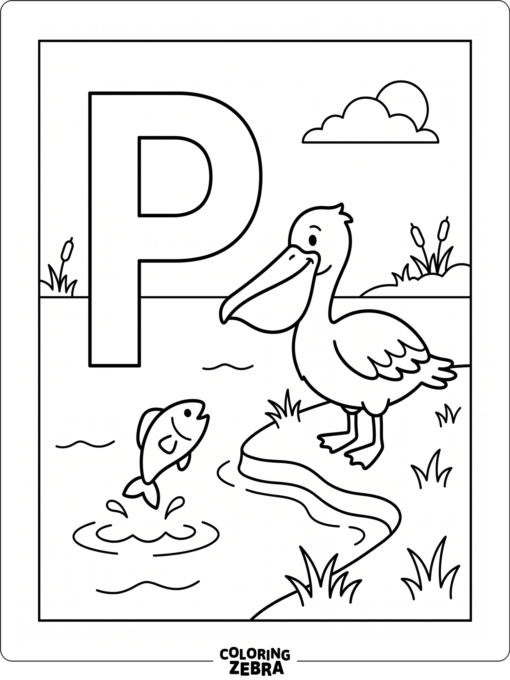

P Is for Pelican Coloring Page


P Is for Pencil Coloring Page


P Is for Pillow Coloring Page
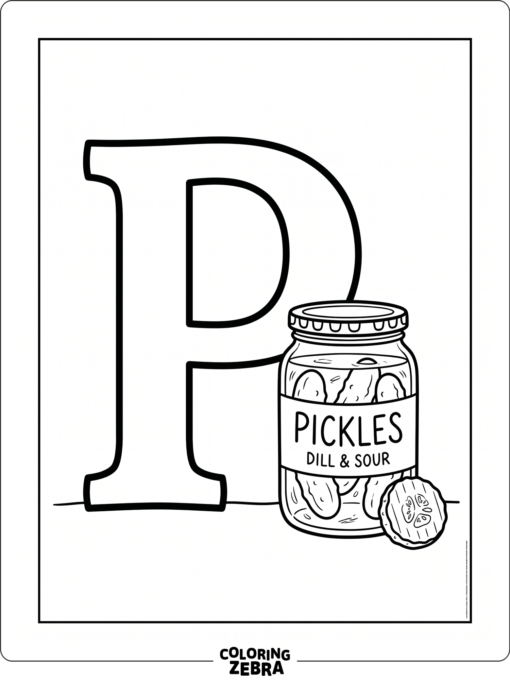

P Is for Pickle Coloring Page


P Is for Purse Coloring Page
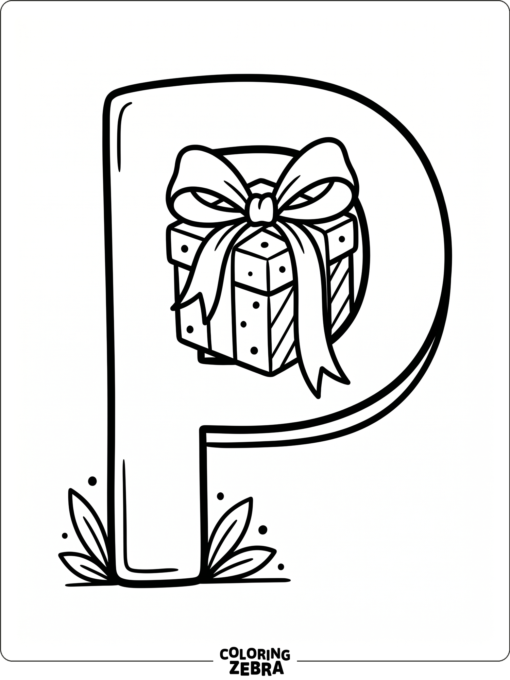

P Is for Present Coloring Page
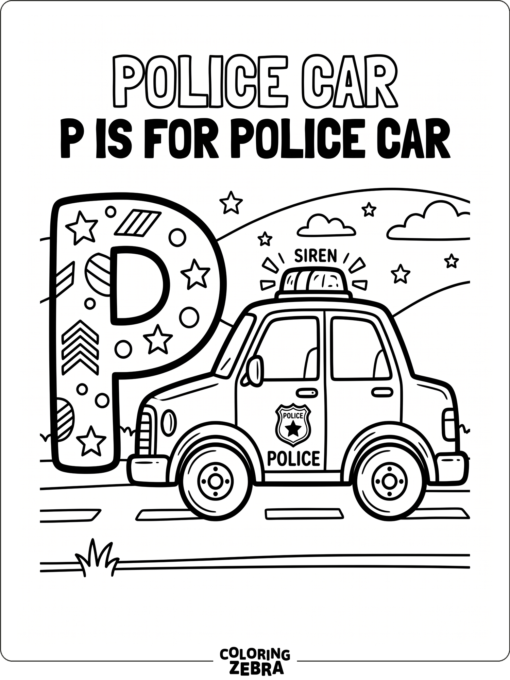

Letter P Police Car Coloring Page
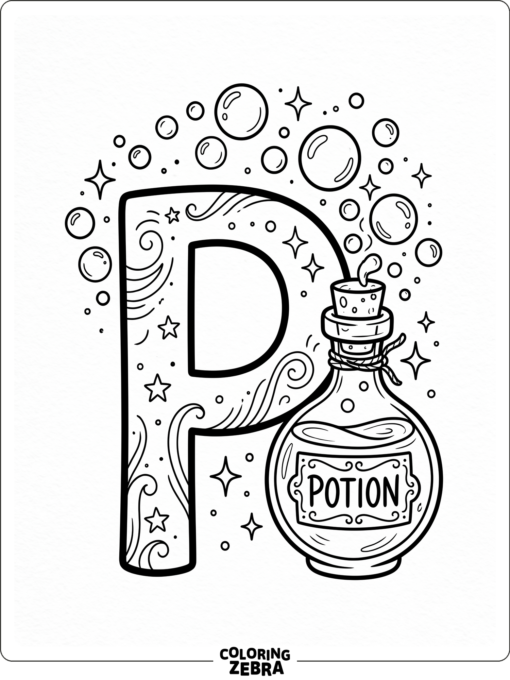

Letter P Potion Bottle Coloring Page
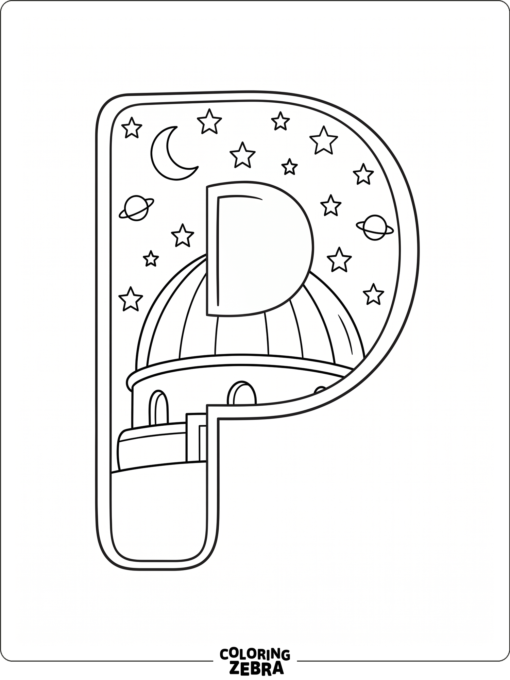

Letter P Planetarium Coloring Page
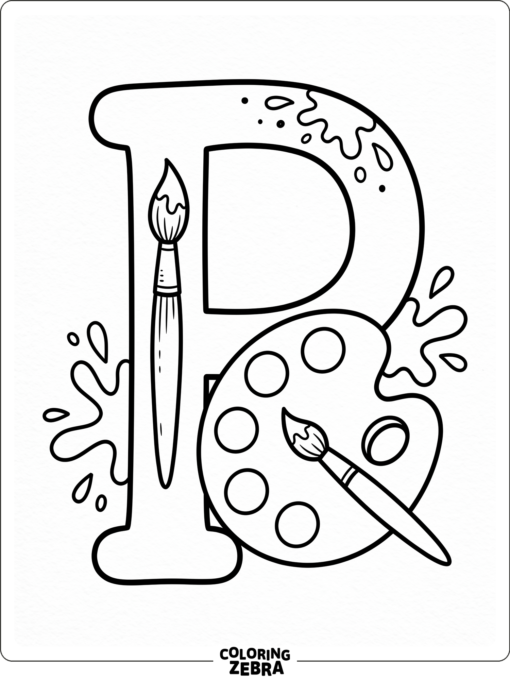

P Is for Painter Palette Coloring Page
What is included in this set
This collection of Letter P Coloring Pages focuses on uppercase P in many different styles, so children can see that one letter can look plain, ornate, traced, patterned, or highly decorative while still staying the same letter. Some pages are built around a single bold capital, while others combine the letter with clear picture cues that point to the /p/ sound. The result is a set that works well for early letter recognition and for children who like both simple outlines and more detailed designs.
The variety matters because it gives learners multiple ways to notice the shape of P. A child might first spot a clean, strong P, then recognize the same form inside a page with flowers, stars, vines, or mandala circles. That mix makes the set useful for beginners who need clarity and for older children who want more detail to color carefully.
P words and picture cues
Many pages connect the letter to familiar vocabulary, which strengthens beginning sound awareness and helps the page feel meaningful. The featured images include penguin, pig, pizza, pineapple, pear, panda, pirate, parrot, popcorn, puppy, peacock, piano, paintbrush, pond, pony, pelican, pillow, pickle, purse, police car, potion, and planetarium. These choices give the set a strong alphabet-learning focus without repeating the same kind of image over and over.
It can help to think of the pictures in small groups. Animals such as penguin, pig, panda, parrot, puppy, peacock, pelican, and pony support category sorting. Foods like pizza, pie, popcorn, pineapple, pear, and pickle support vocabulary building. Objects and places like piano, paintbrush, pillow, purse, police car, potion, and planetarium give children a wider range of P words to name and remember.
Different ways the letter appears
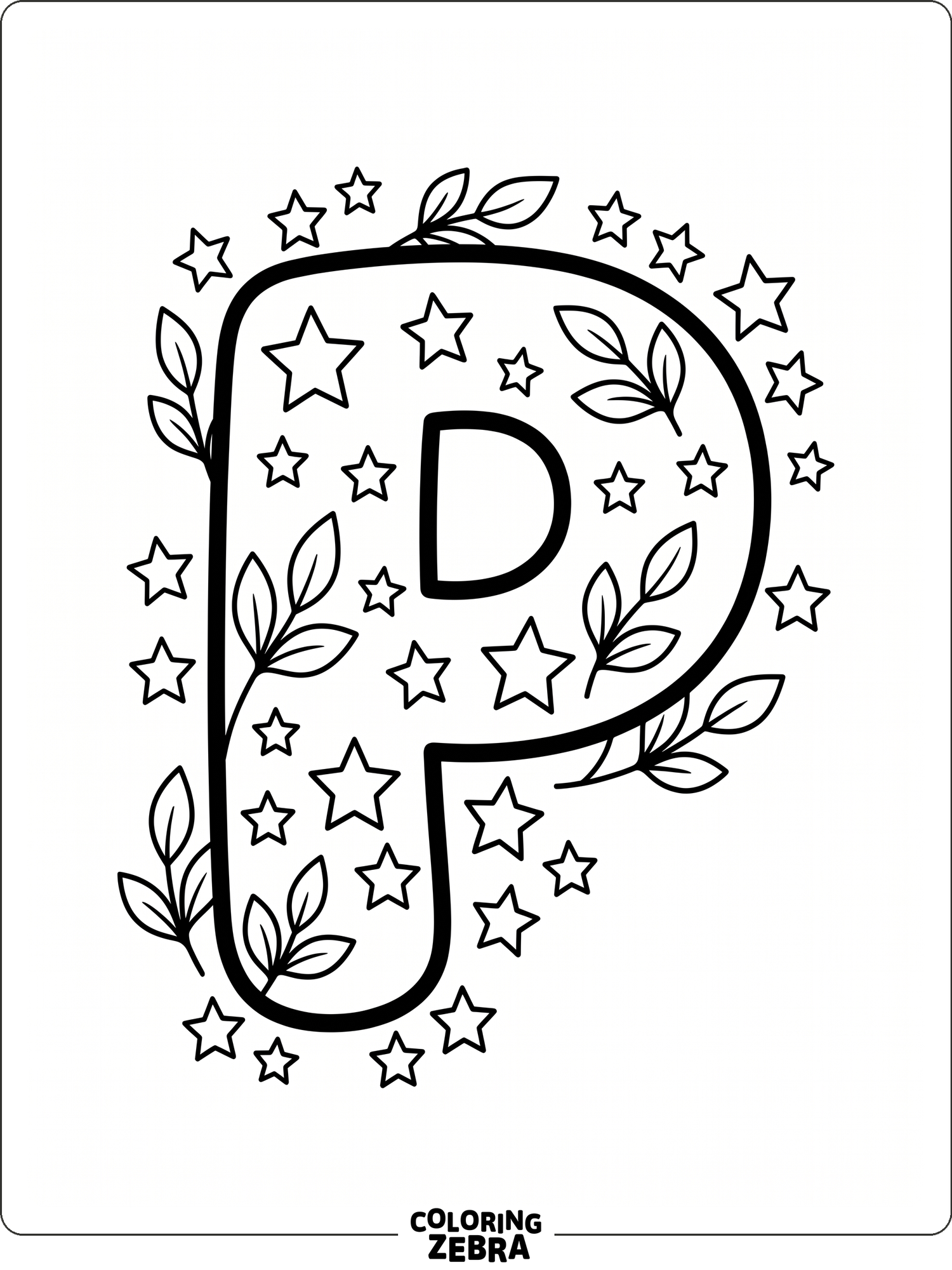
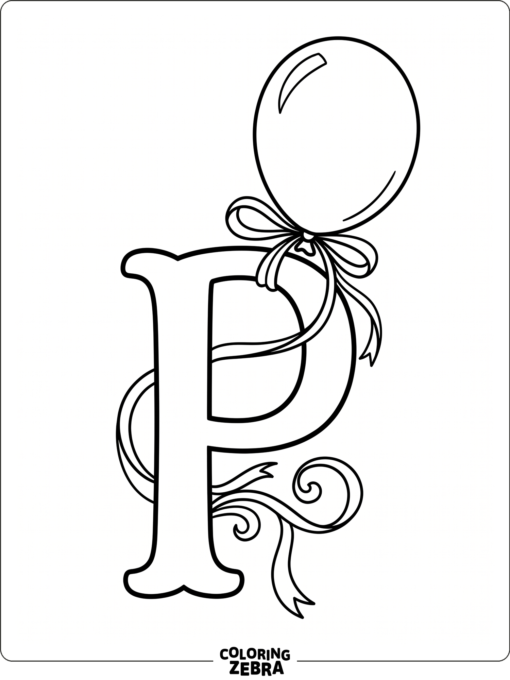
The pages show how a single uppercase letter can be styled in many ways. Some versions are plain and easy to recognize, while others include ribbons, crowns, clouds, rainbow elements, or parade-themed decorations. There is also an ornate capital P with swirls and flowers, a decorative P with vines and mandala circles, and a mandala-style P with petals and dots. Those pages are especially useful for children who enjoy coloring patterns and filling larger spaces with careful color choices.
Several designs add playful motion or texture through stars, leaves, symbols, balloons, and banners. One page uses a bold P with parade banners, a drum, and small balloons, while another places the letter beside a slide, swing, and ball. These scenes keep the alphabet theme lively while still making the letter the clear focal point.
Tracing and structured activities
Some pages add a stronger learning structure. The dotted P path with arrows is especially helpful for children practicing handwriting direction and fine-motor control. The page divided into numbered sections suggests a color-by-number style activity, which adds sequencing and pattern awareness to the coloring process. A simple puzzle-piece P also offers a different kind of visual organization that is easy for young learners to follow.
These structured pages are a nice contrast to the more decorative designs. Together, they allow adults to choose pages based on a child’s current skill level, attention span, or interest in tracing, counting, or free coloring.
How to color the pages in different ways
Beginner pages work well with broad, simple color choices. A child can use one color for the letter and another for the picture cue, such as blue for the penguin or red for the pizza slice. More detailed pages invite layered coloring, like shading the swirls on an ornate P, adding contrast to the flowers, or choosing coordinated colors for the mandala circles and vines.
For children who like visual order, the numbered sections page can be colored with a planned palette. For children who are still learning to stay inside lines, the plain capital forms and large picture pairings may feel more manageable. A family or teacher can also use the same page twice, once for loose coloring and once for careful tracing or outlining, to compare the effect of different approaches.
Why the theme supports early literacy
The strength of this collection is the way it connects letter recognition to familiar images. A child sees P, says the sound, and then links that sound to a known object or animal. That connection supports uppercase recognition, vocabulary growth, visual discrimination, and early phonics awareness all at once. Because the pages repeat the same letter in many forms, they also help children understand that decorative styling does not change the identity of the letter.
For preschool and kindergarten learners, that is an important idea. The letter may be surrounded by stars, shaped with vines, or paired with a piano, but it is still P. That repeated recognition is one of the clearest benefits of Letter P Coloring Pages for early literacy practice.
Ways to use finished pages
- Display a completed page on a wall or refrigerator to reinforce the letter of the week.
- Sort the pages by animals, foods, objects, and places after coloring.
- Ask children to say the picture name and first sound while they color.
- Use tracing pages first, then follow with a more decorative page for practice.
- Bind several completed sheets into a homemade alphabet book for review.
If you want a simple teaching rhythm, start with the bold capital forms, move to picture pairings, and finish with ornate or patterned pages. That sequence lets learners build confidence before they tackle more detailed artwork. It also keeps the collection flexible enough for mixed-age use, since the simpler designs support younger children while the detailed pages suit older students who want more careful coloring.
Seen as a whole, this set offers more than one way to meet the same letter. The pages cover bold letters, traced forms, themed illustrations, and decorative layouts, so children can return to the same alphabet target without feeling like every page is identical. That variety makes the collection practical for home learning, classroom centers, or quiet independent work with a strong alphabet focus.
People Often Ask Us…
-
What does the letter P look like?
-
Why are there so many P pictures?
-
Which P words are animals?
-
What makes some pages more detailed?
-
Why is tracing the letter P helpful?