Letter X Coloring Pages
Letter X Coloring Pages are a smart way to explore one of the least common letters in English. This set mixes plain letters, tracing sheets, and picture-based pages with X words. You’ll find bold styles, bubble outlines, and detailed scenes with animals, science, and classroom items. That variety makes the pages useful for both coloring and letter practice.
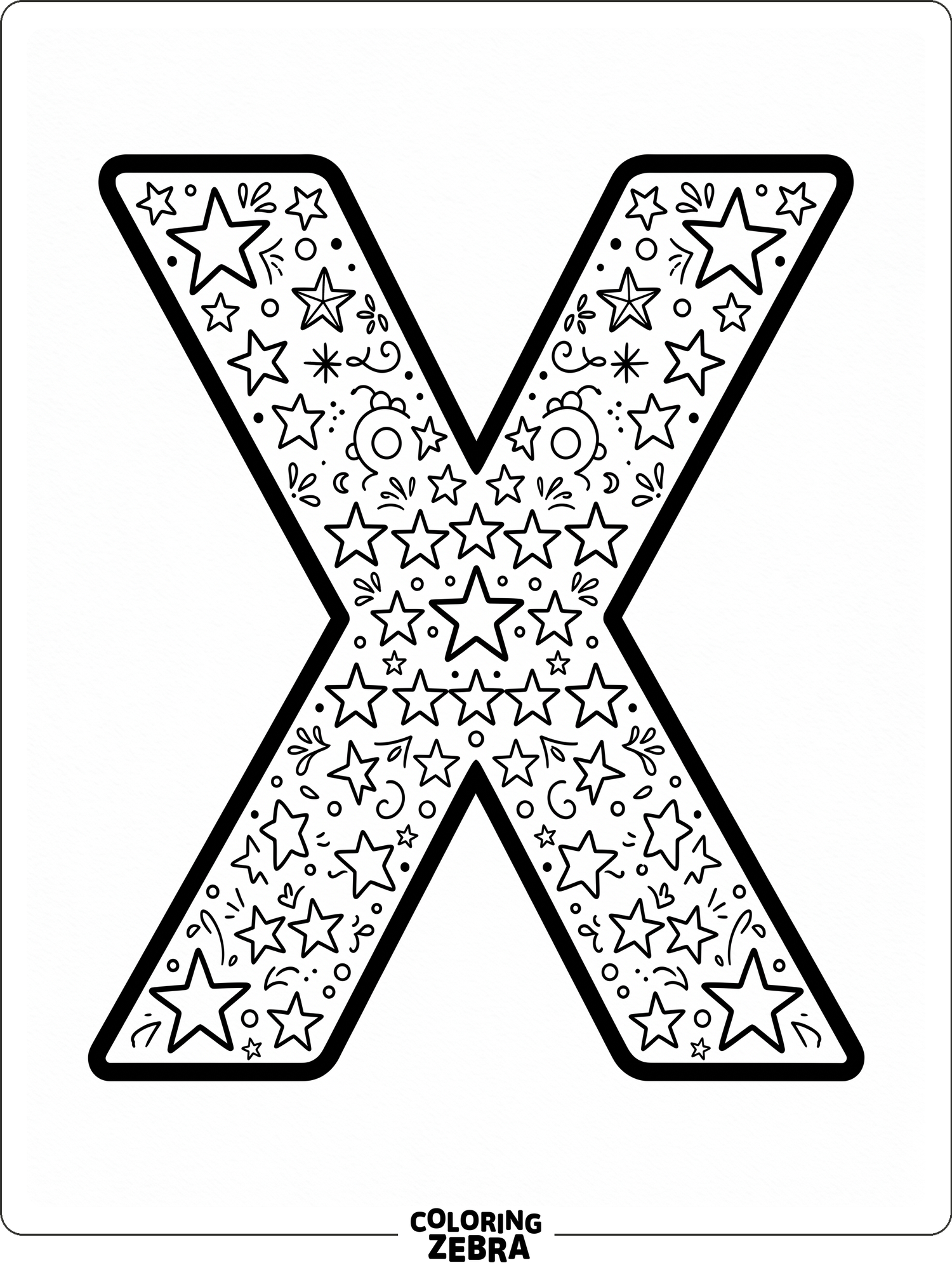
Print on standard letter-size paper for the easiest coloring experience. If you plan to trace, use a slightly heavier paper so marker lines do not bleed through. For ink-saving copies, choose draft mode and print the simpler outline pages first.
Related coloring pages
Printable Letter X Coloring Pages


Letter X for Preschool
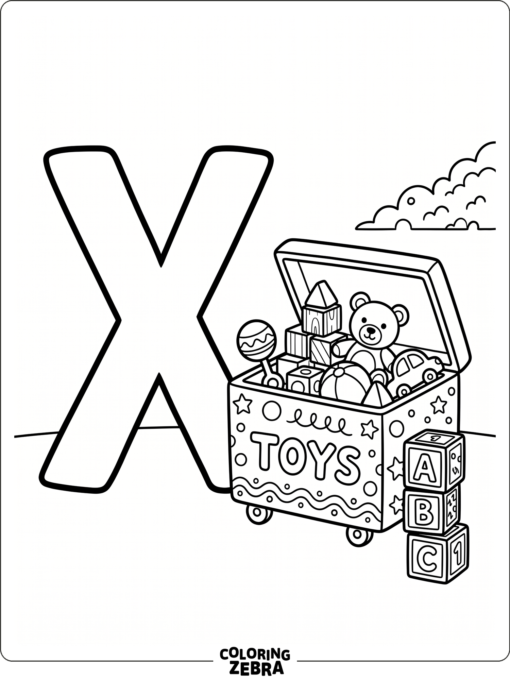

X Is for Coloring Page
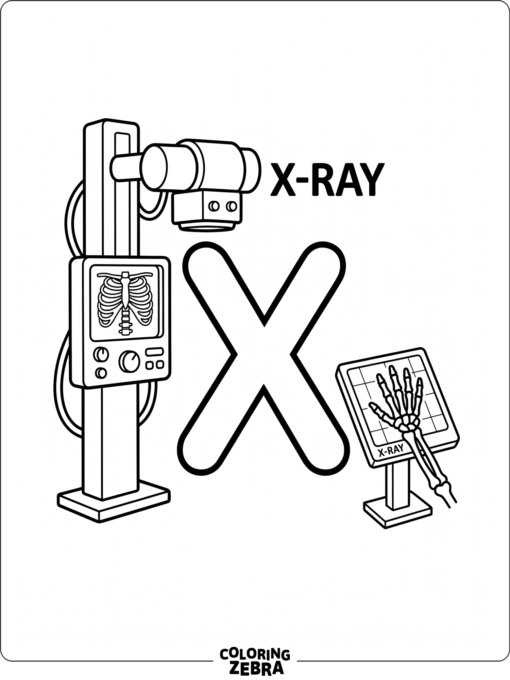

X Is for X Ray Coloring Page
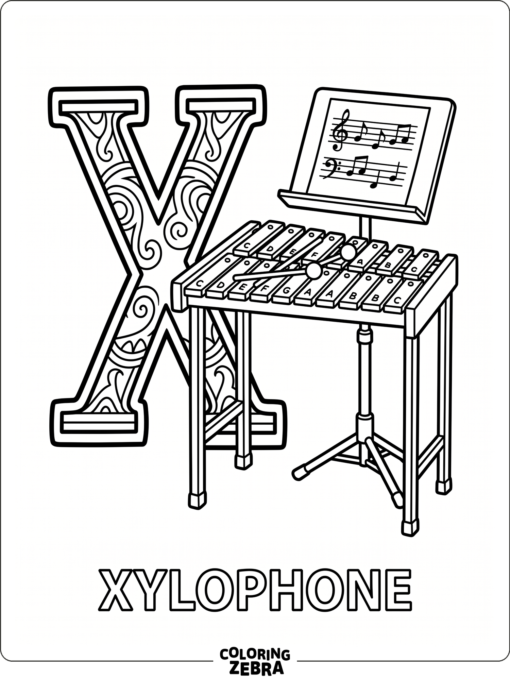

X Is for Xylophone Coloring Page


X Is for X Ray Fish Coloring Page


Letter X for Preschoolers


Letter X for Toddlers


Alphabet Letter X Coloring Page
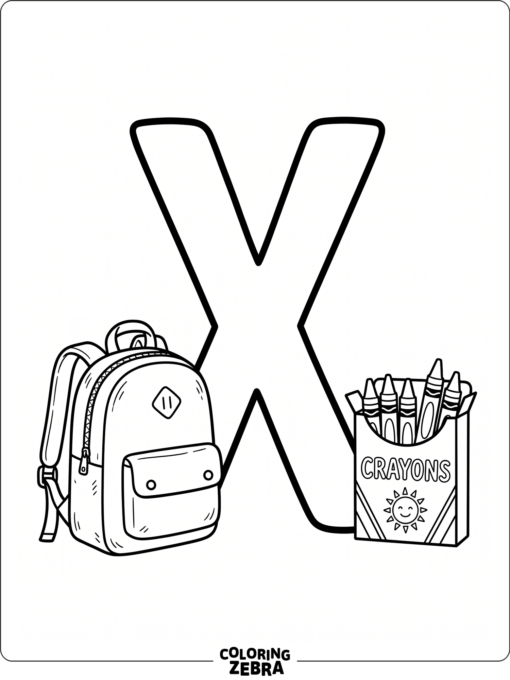

Kindergarten Letter X Coloring Page


Uppercase Letter X Coloring Page

Lowercase Letter X Coloring Page


Capital Letter X Coloring Page


Small Letter X Coloring Page
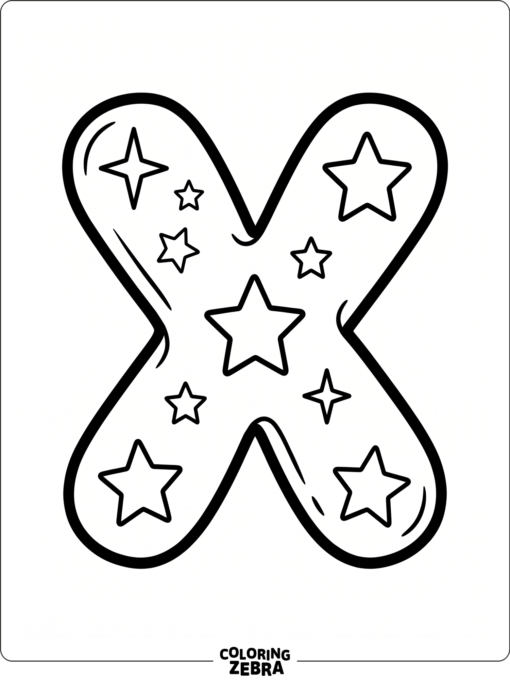

Bubble Letter X Coloring Page


Block Letter X Coloring Page


Letter X Outline Coloring Page
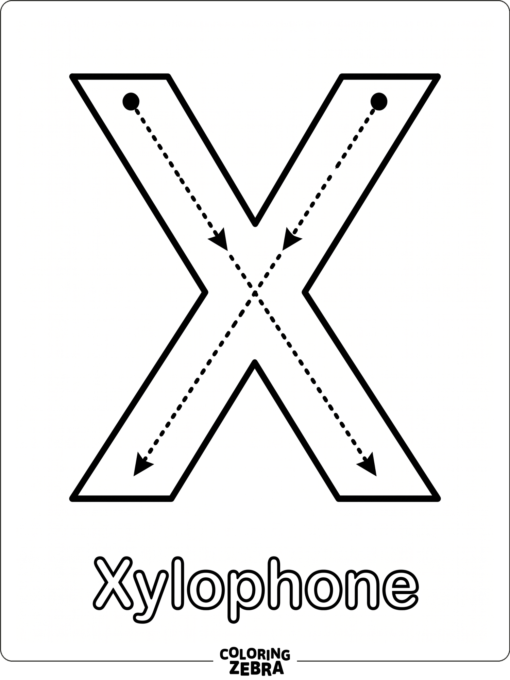

Letter X Tracing Coloring Page
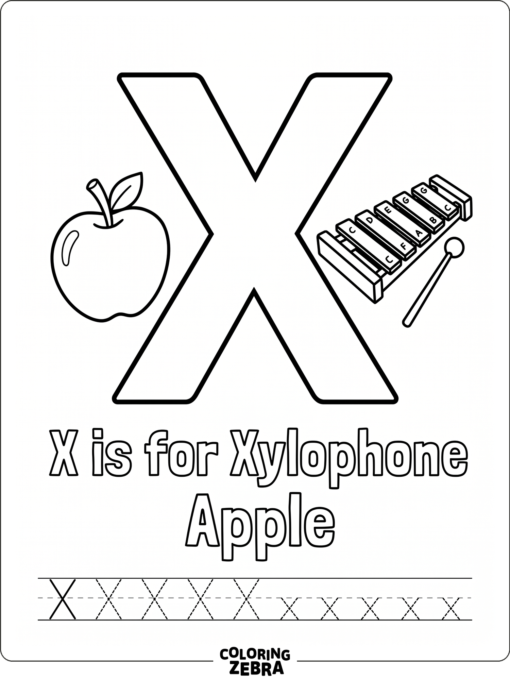

Letter X Phonics Coloring Page


Letter X Sound Coloring Page


Letter X Handwriting Coloring Page


Letter X Alphabet Practice Coloring Page
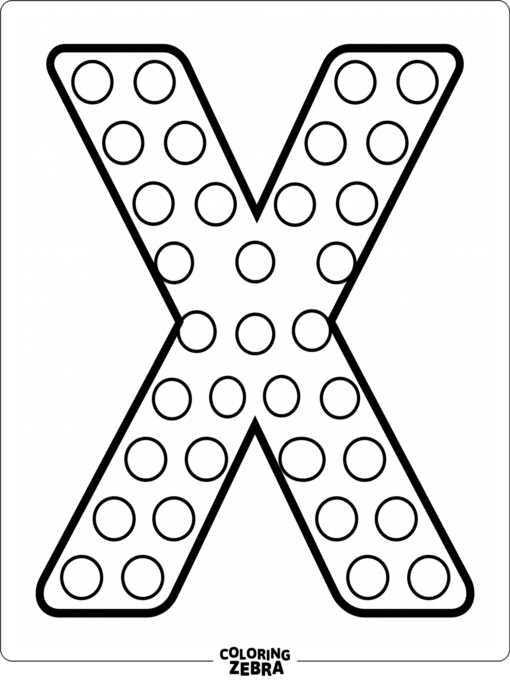

Letter X Dot Marker Coloring Page
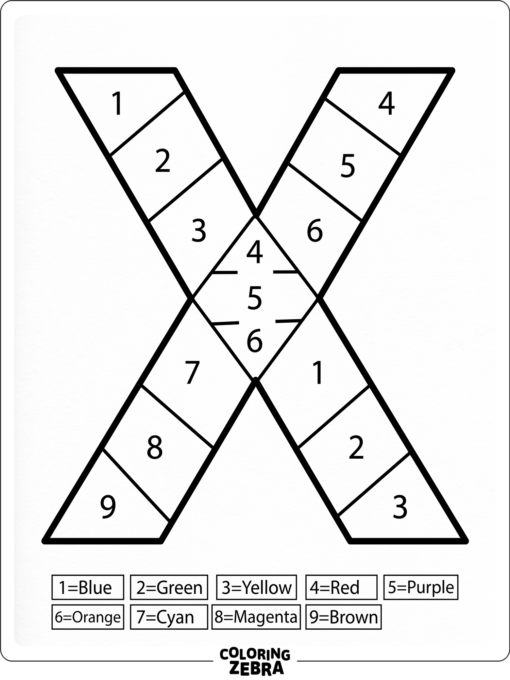

Letter X Color By Number


Letter X Pattern Coloring Page

Letter X Doodle Coloring Page


Letter X With Stars Coloring Page


Letter X With Hearts Coloring Page
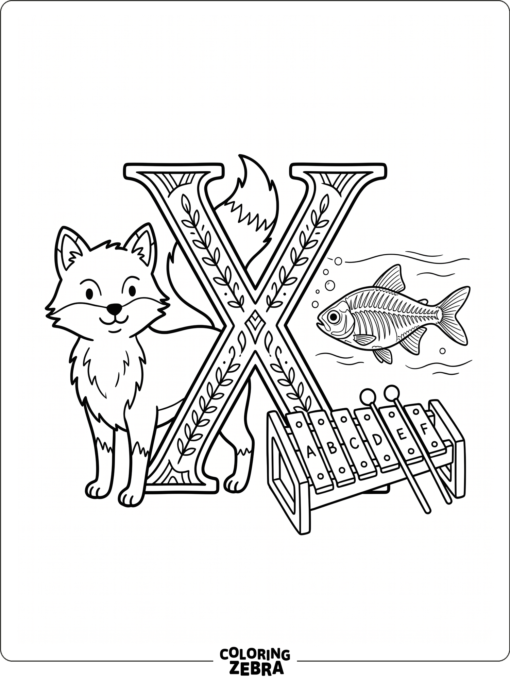

Letter X Animal Coloring Page
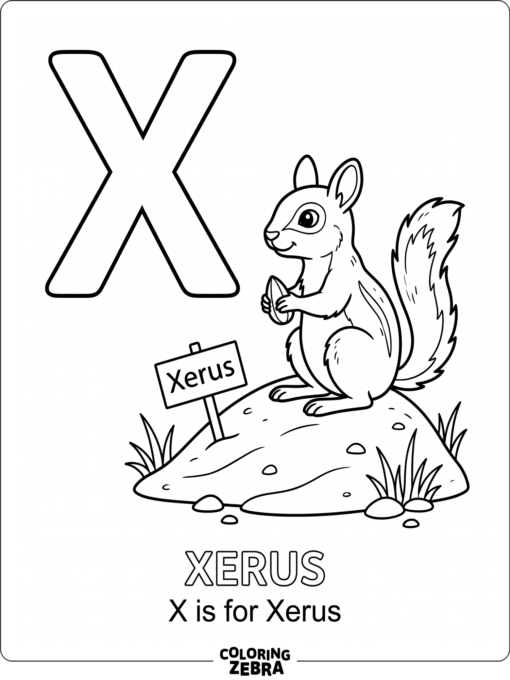

X Is For Xerus Coloring Page

X Is For Xenops Coloring Page
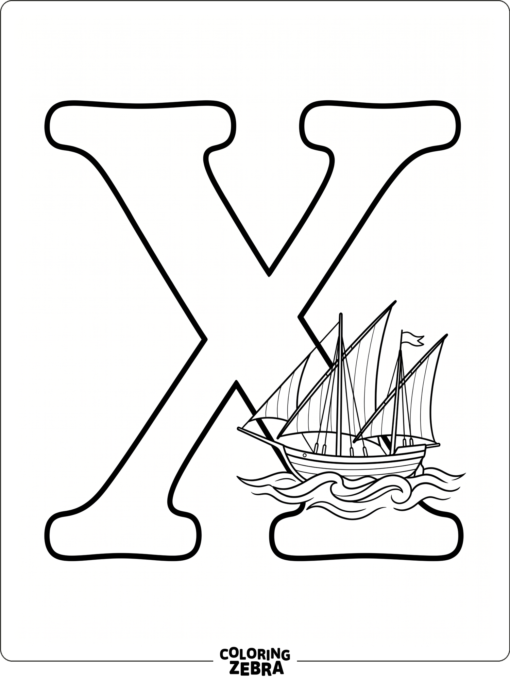

X Is For Xebec Coloring Page


X Is For Xenon Coloring Page
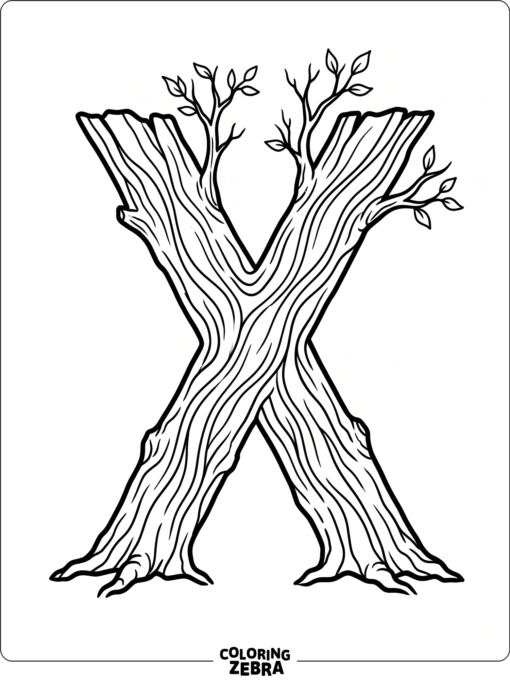

X Is For Xylem Coloring Page
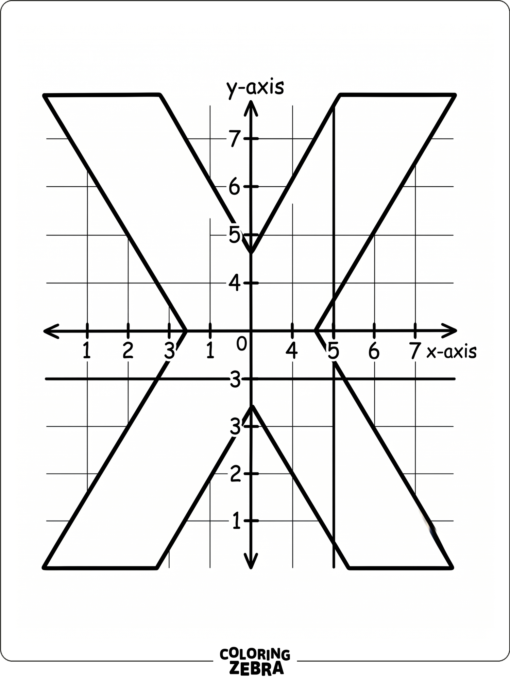

X Is For X Axis Coloring Page


X Is For Xmas Tree Coloring Page
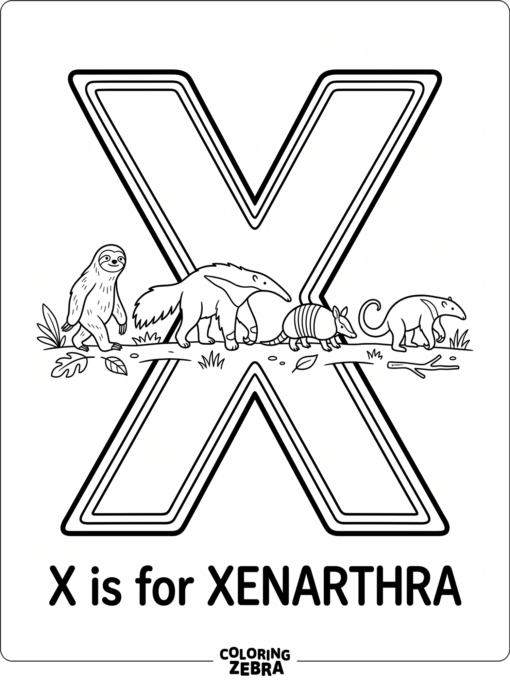

X Is For Xenarthra Coloring Page
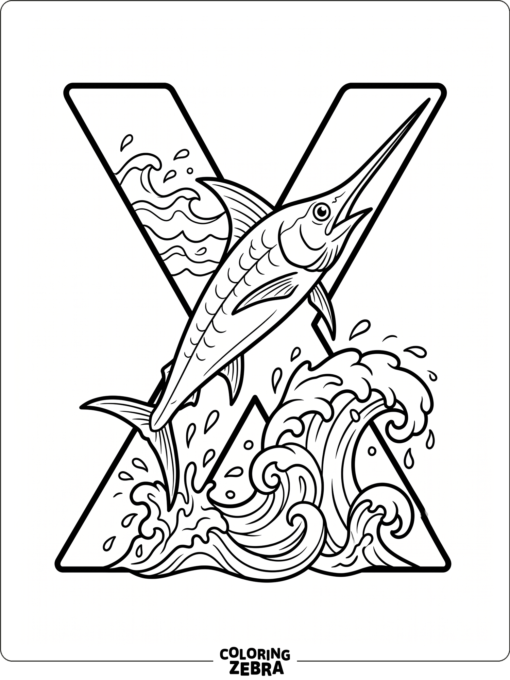

X Is For Xiphias Coloring Page


X Is For Xantus Hummingbird Coloring Page


X Is For Xylocopa Coloring Page
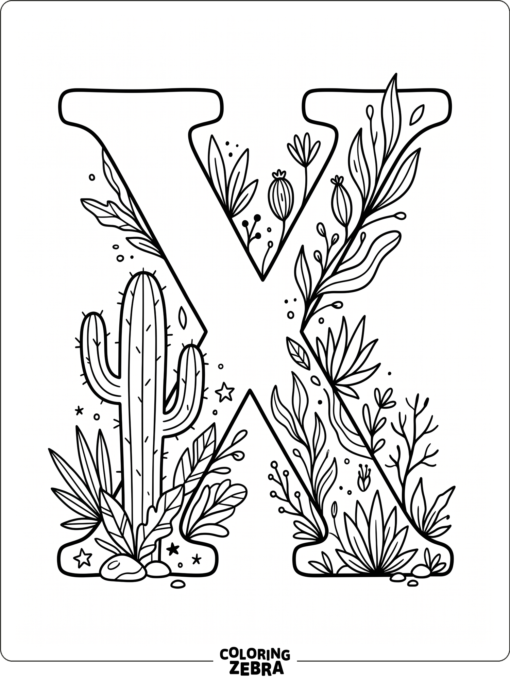

X Is For Xerophyte Coloring Page
What’s included in this set
Letter X Coloring Pages cover a wide range of styles, so the collection works for quick letter recognition as well as longer coloring sessions. Some pages focus on a single uppercase X or lowercase x with strong outlines and open space, while others add patterns, speech bubbles, tracing lines, or practice boxes. There are also object-based pages that connect the letter to familiar items such as a crayon, apple, pencil, school bag, toy box, and blocks.
The set also moves into richer vocabulary. You’ll see X pages paired with a xylophone, x ray machine, x ray fish, xerus, xenops, xebec, xenon tube, xylem, xantus hummingbird, xylocopa bee, xenarthra, and xerophyte cactus. That range gives children a mix of straightforward recognition pages and more advanced word associations.
How the pages support alphabet learning
These printable X pages are useful because they help children notice how one letter can appear in many forms. Uppercase X and lowercase x are shown in bold, rounded, block, and bubble styles, which makes shape comparison easier. A child can color one version while tracing another, then point out how the diagonal strokes stay the same even when the design changes.
Several sheets are especially helpful for handwriting practice. Dotted lines, arrows, and handwriting guides encourage careful pencil movement, and large open outlines give young learners space to stay inside the lines without feeling rushed. The simple format also makes it easier to repeat the letter and build recognition over time.
X sound and phonics connections
The letter X is a useful teaching letter because it often represents the /ks/ sound in English. This set reinforces that relationship with speech bubbles, phonics cues, and pictures that invite children to say the sound as they color. Pages like the apple and xylophone pairing or the x ray-themed designs can be used to talk about how letters connect to words and sounds.
It also helps to show that X words are not all alike. Some are familiar and easy to picture, such as x ray or xylophone, while others are more specialized and expand vocabulary in science and nature. That contrast makes the collection valuable for early learners who are ready for basic phonics and for older students who enjoy unusual words.
Scenes and objects that stand out
Many of the pages use simple scenes that keep the focus on the letter while still adding interest. A fox, fish, and xylophone scene gives children several things to spot in one image. Other pages place the letter beside a toy box and blocks, a school bag and crayons, or a ribbon banner and stars for a more decorative look.
Nature and outdoor details also appear throughout the set. There are flowers, ladybugs, leaves, clouds, kites, calm waves, a branch, water, and a sand scene. The science-themed pages are especially distinctive, with xylem shown in a plant stem cross section, a graph axis and grid lines, and a xenon tube with spark lines. These pages make the collection feel broader than a standard alphabet worksheet.
Different styles for different coloring goals
Not every page in the set needs the same coloring approach. A bold uppercase X with thick outlines is ideal for markers, while a simple X outline with wide open spaces works well for younger children or quick practice. Bubble-style and block-style letters offer more personality, and decorative versions with stars, swirls, hearts, stripes, dots, and triangles give older children more areas to fill.
For the more detailed sheets, encourage color planning. For example, a xebec on calm waves can use a limited palette for the water and sails, while a xantus hummingbird or xylocopa bee page can benefit from bright contrast around the flower. The rounded heart and star pages are also a good fit for crayons or colored pencils when someone wants a softer, layered look.
Ways to use the finished pages
Completed pages can be used as alphabet wall pieces, portfolio samples, or handwriting practice reminders. They also work well as a simple review activity after a lesson on letter sounds. If a child finishes several pages, group the uppercase X, lowercase x, and object pages together to make a small alphabet display.
For broader learning, ask children to name the objects before coloring, trace the letter out loud, or sort the pages into familiar X words and advanced vocabulary words. That approach turns the set into a flexible literacy resource instead of just a coloring stack. Letter X Coloring Pages are especially strong for this kind of work because they combine clear letter forms with recognizable pictures and less common vocabulary.
If you want to extend the activity, invite children to compare the simple display letters with the tracing pages and then choose their favorite design to color a second time. That repetition helps reinforce letter recognition, builds confidence with pencil control, and makes the unusual character of X easier to remember.
- Use simple outline pages for younger children.
- Save decorative and numbered designs for longer coloring time.
- Pair the phonics sheets with spoken /ks/ practice.
- Mix familiar objects with advanced vocabulary pages for a fuller lesson.
People Often Ask Us…
-
Why does X make the /ks/ sound?
-
What are easy X words for kids?
-
How are uppercase X and lowercase x different?
-
What is xylem?
-
What X words are science or animal terms?