
Car Coloring Pages
Car Coloring Pages reveal how much variety can fit on four wheels. Color broad preschool outlines, friendly cartoon vehicles, sleek sports designs, and carefully detailed classics. The set also explores engines, interiors, repair shops, charging stations, and busy road scenes. Mazes, dot-to-dot art, holiday pictures, and imaginative future vehicles add different ways to explore the theme.

Use standard printer paper for crayons and pencils, or heavier paper for markers and gel pens. Select “fit to page” in the print settings so every wheel, road, and border remains visible. Draft or grayscale mode can conserve ink while preserving the black outlines.
Related coloring pages
Printable Car Coloring Pages
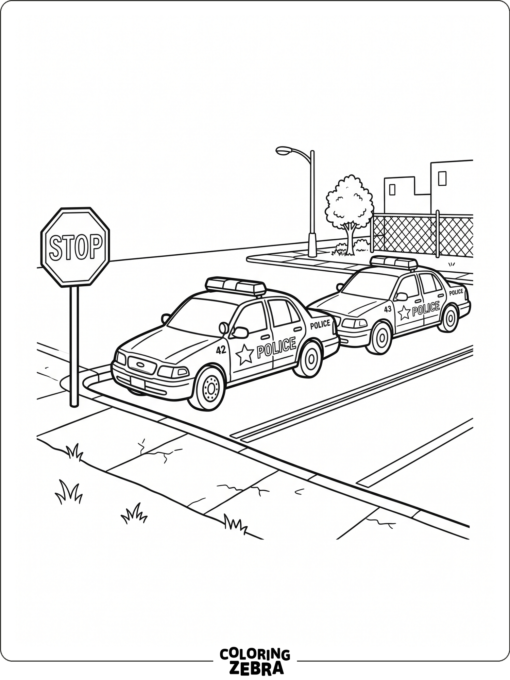

Car Coloring Pages for Kids
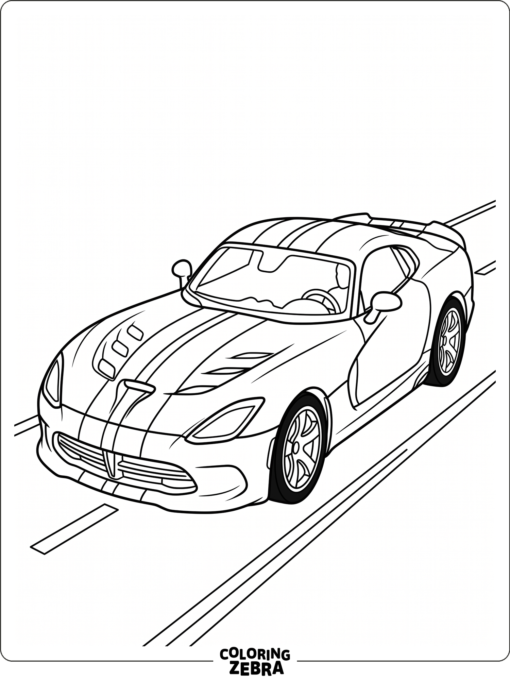

Sports Car Coloring Page


Cool Car Coloring Sheet
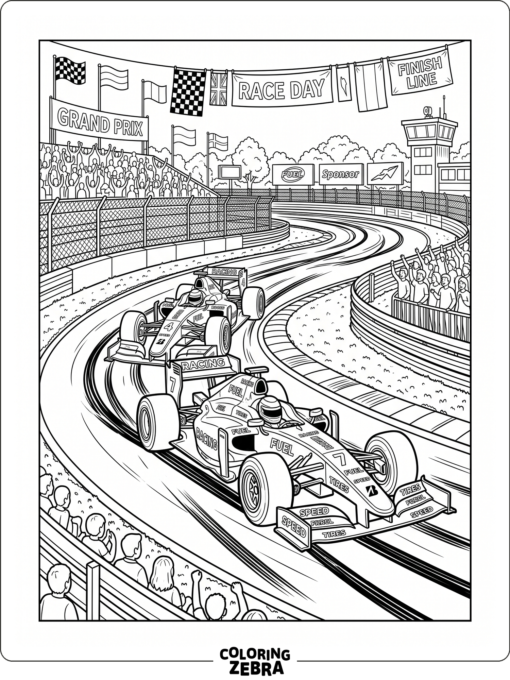

Car Coloring Pages for Adults
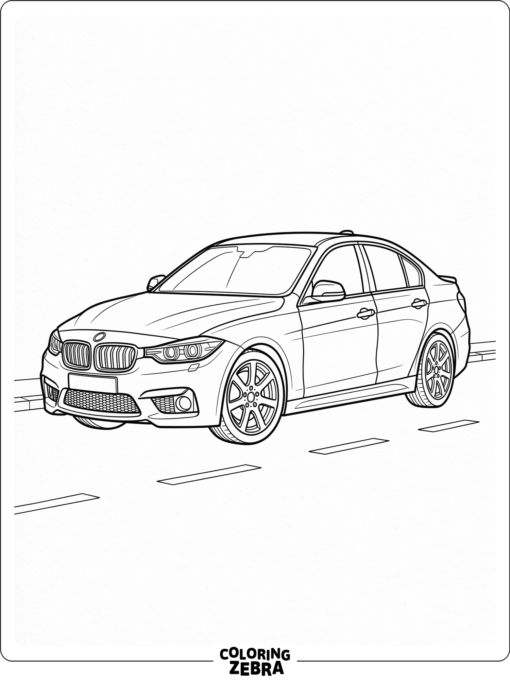

Realistic Car Coloring Sheet
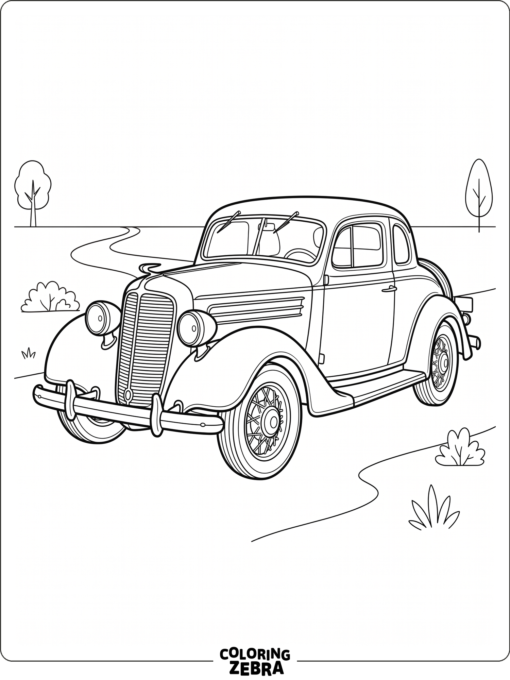

Classic Car Coloring Page


Muscle Car Coloring Sheet
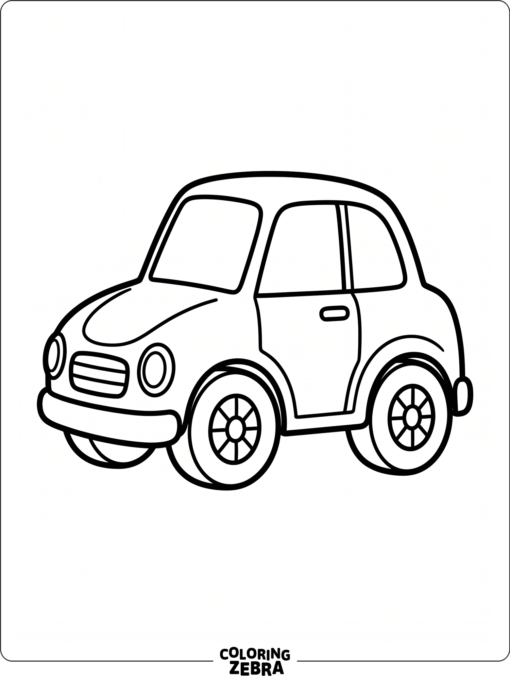

Easy Car Coloring Page


JDM Car Coloring Page


RC Car Coloring Page
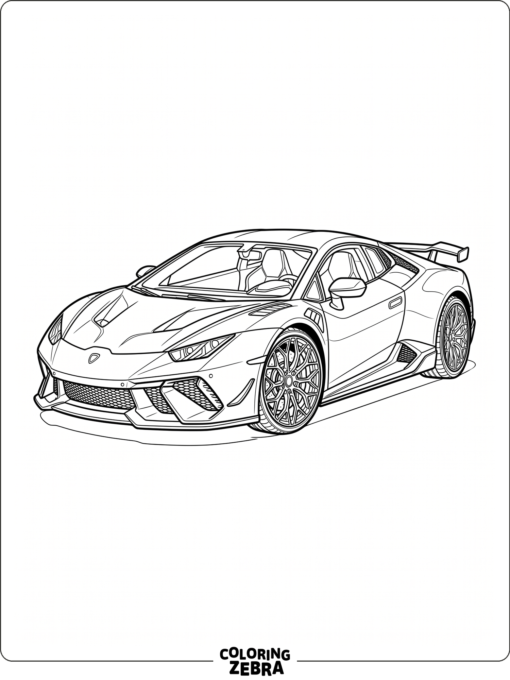

Detailed Car Coloring Pages for Adults
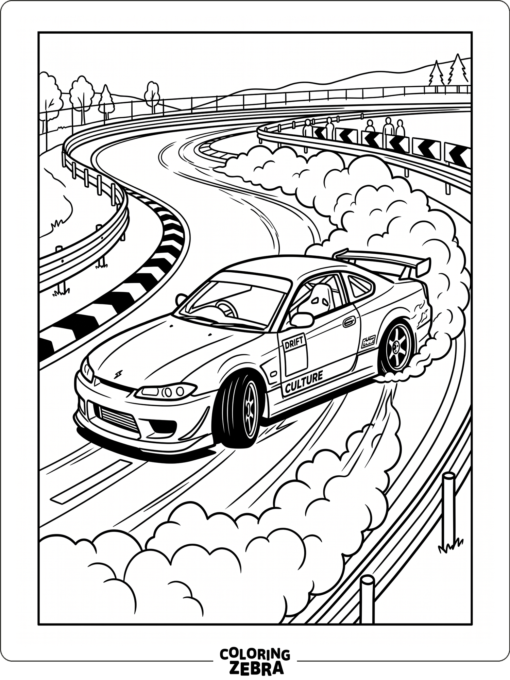

Drift Car Coloring Page
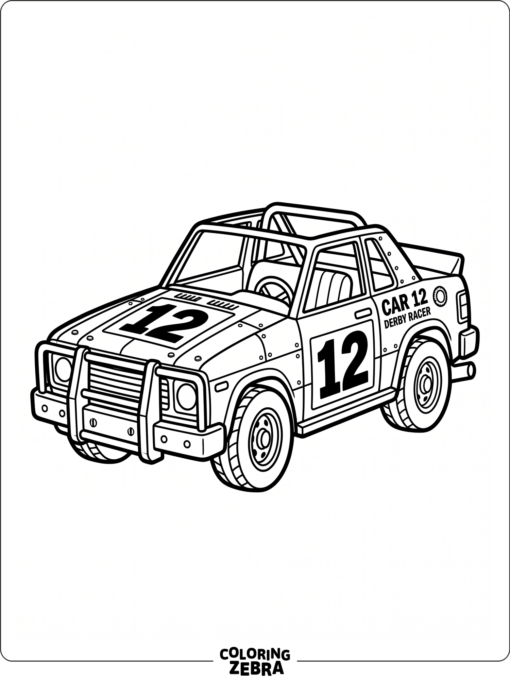

Derby Car Coloring Page
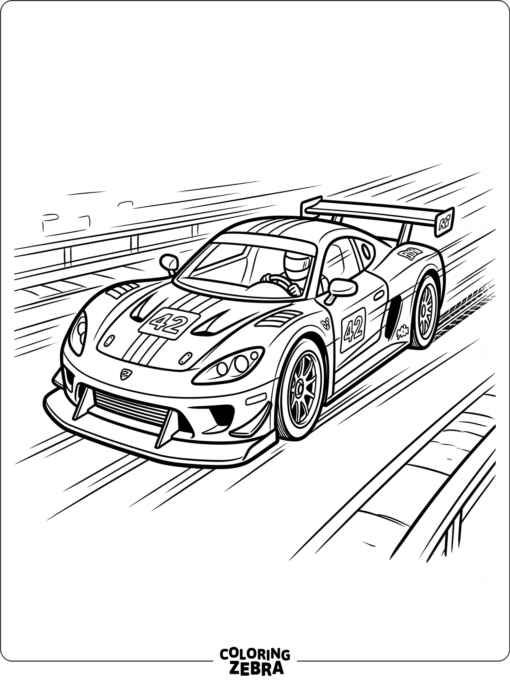

Fast Car Coloring Page


Car Logo Coloring Page
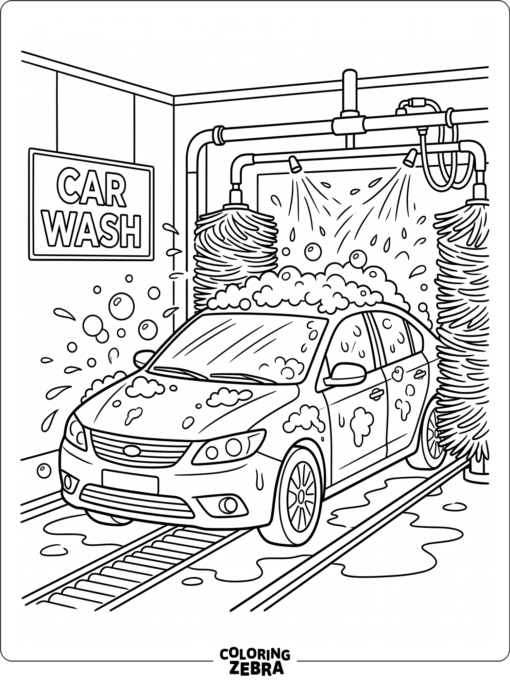

Car Wash Coloring Page
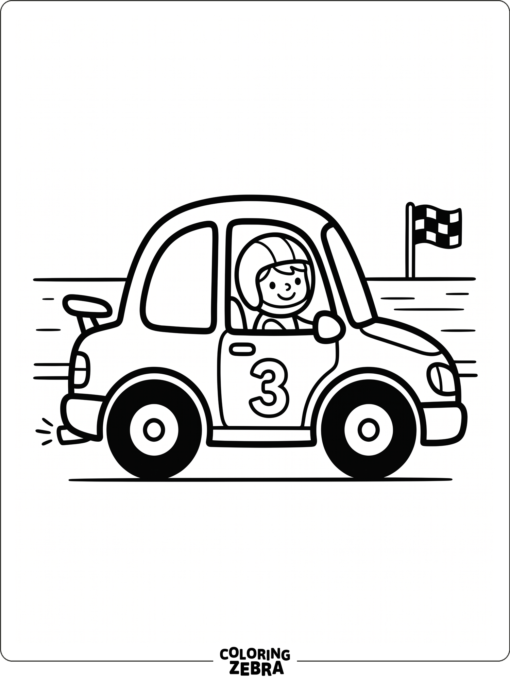

Car Coloring Pages for Toddlers
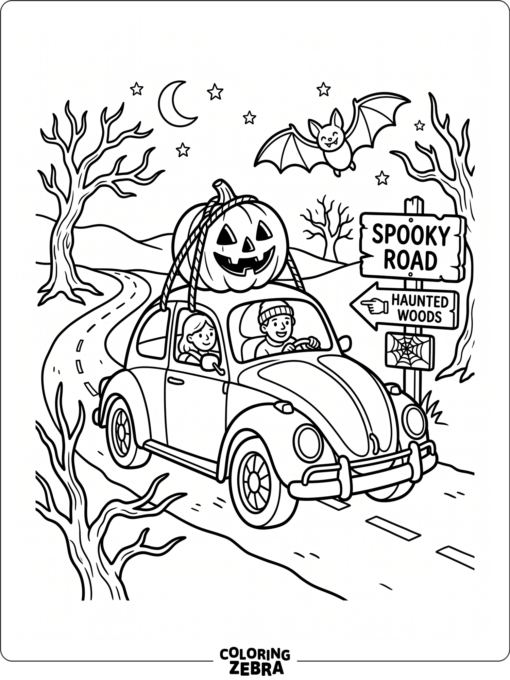

Halloween Car Coloring Page
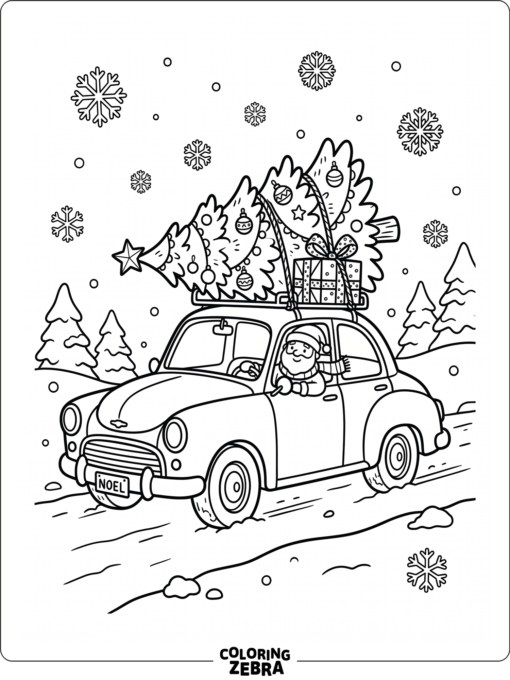

Christmas Car Coloring Page
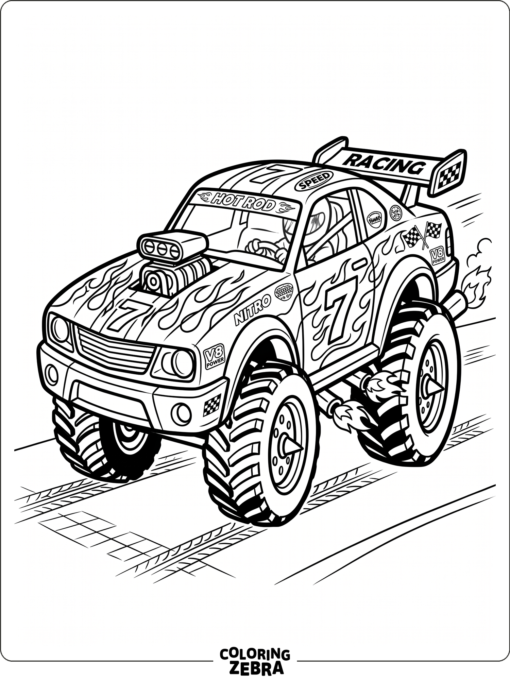

Coloring Pages for Boys Cars
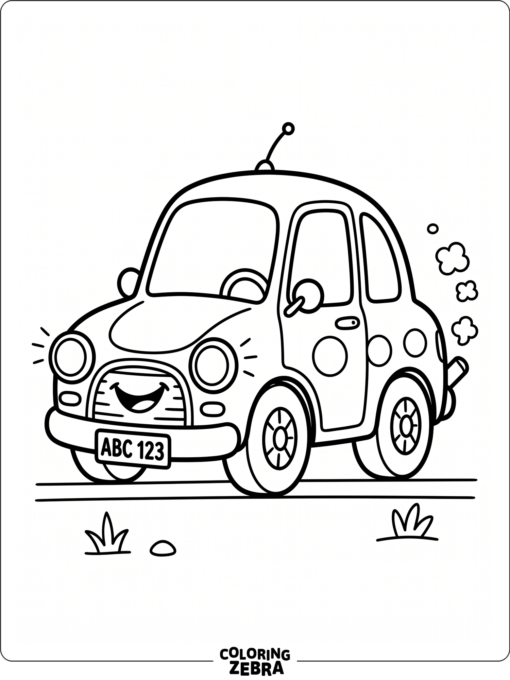

Preschool Car Coloring Page
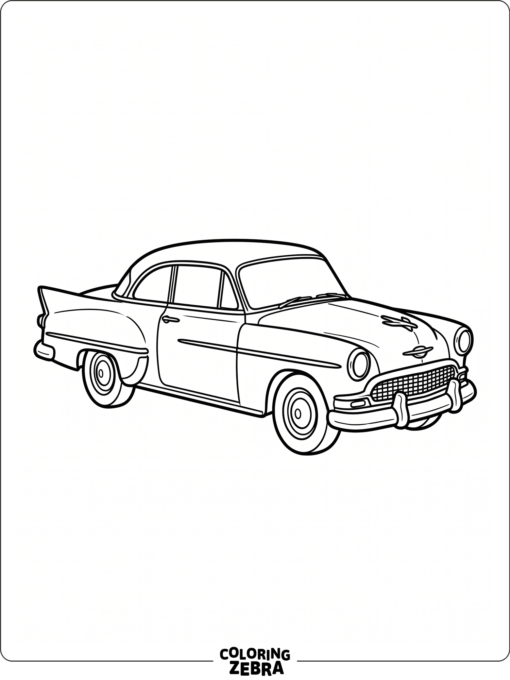

1950s Classic Car Coloring Page
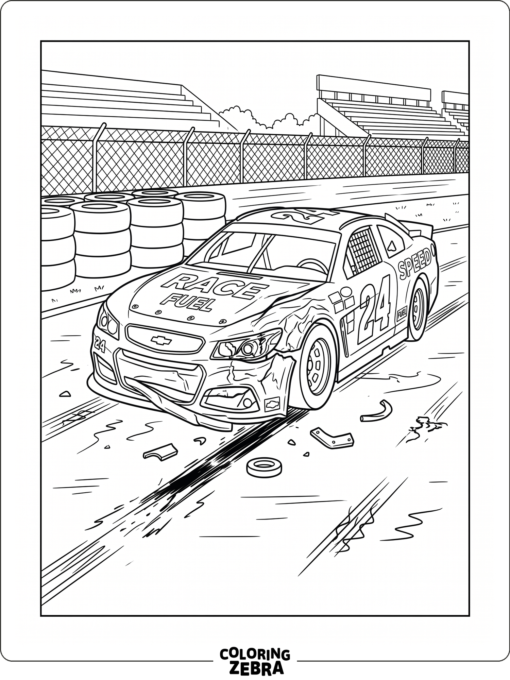

Car Crash Coloring Page
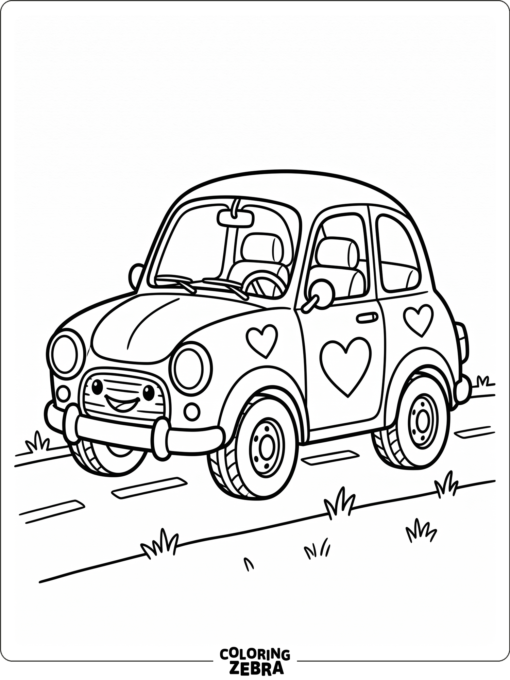

Cute Car Coloring Page
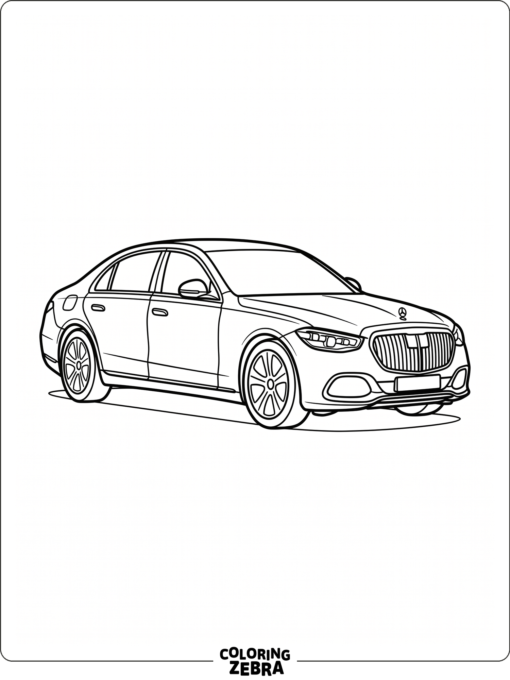

Luxury Car Coloring Page
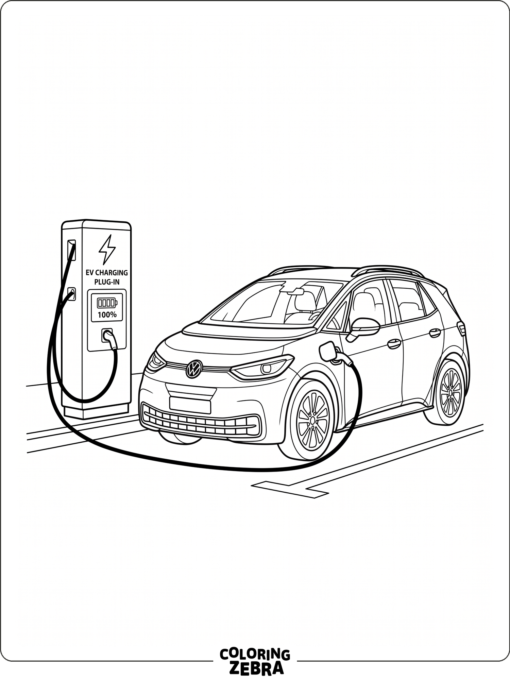

Electric Car Coloring Page
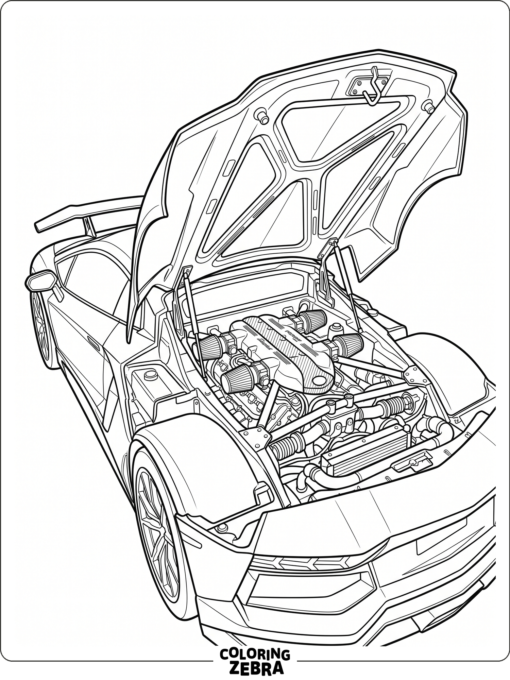

Car Engine Coloring Page
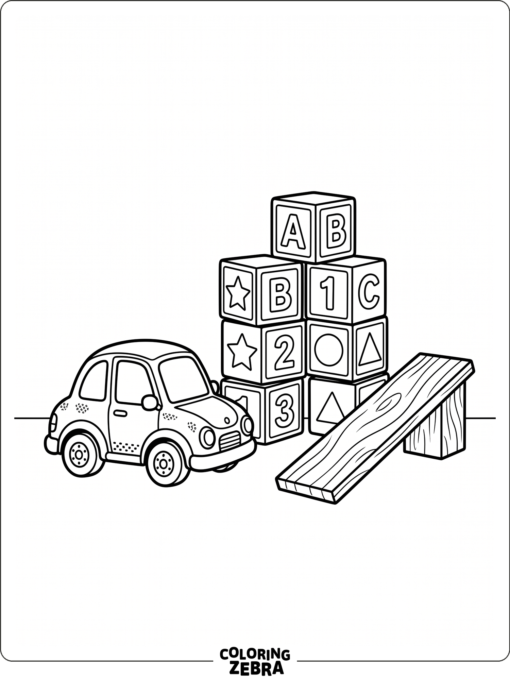

Toy Car Coloring Page


Flying Car Coloring Page


Cartoon Car Coloring Page
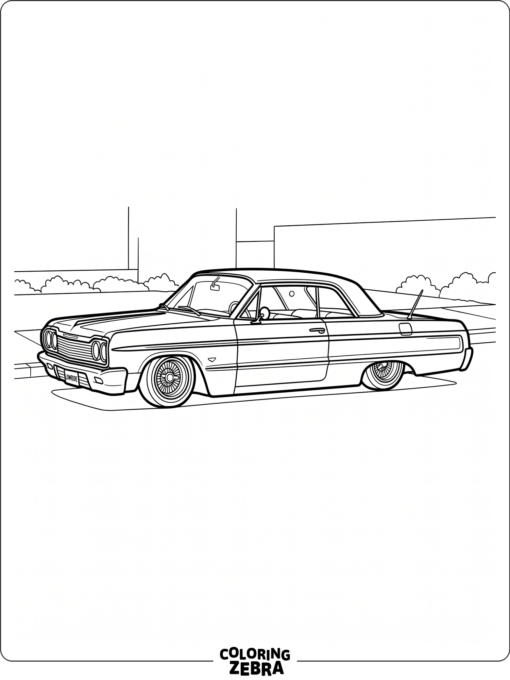

Modified Car Coloring Page

Car Brands Coloring Pages
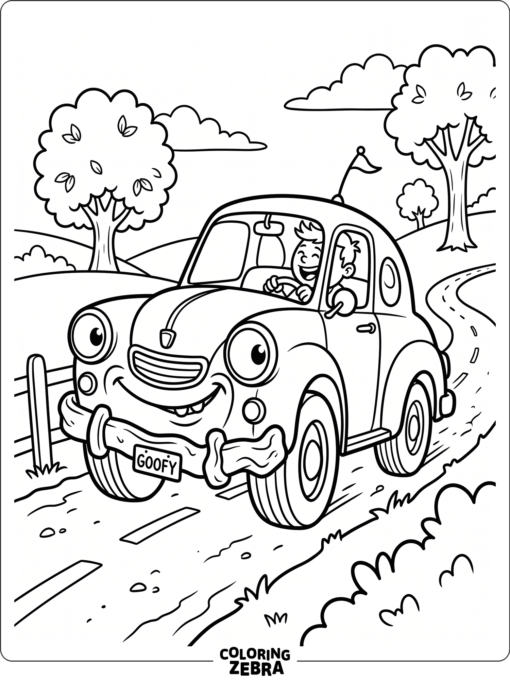

Funny Car Coloring Page
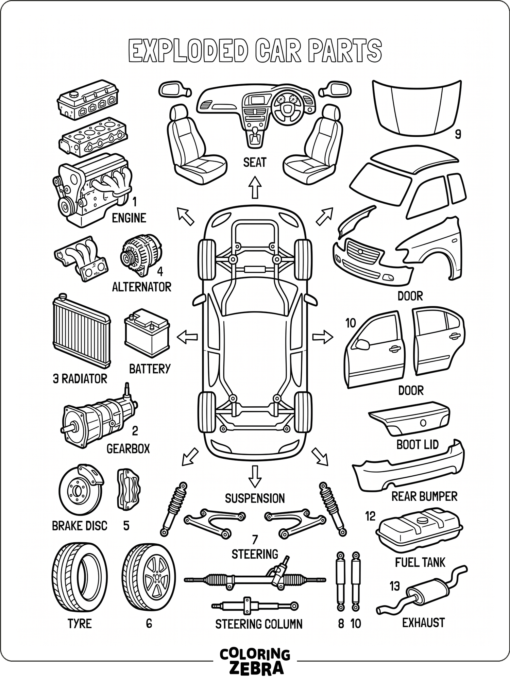

Car Parts Coloring Page
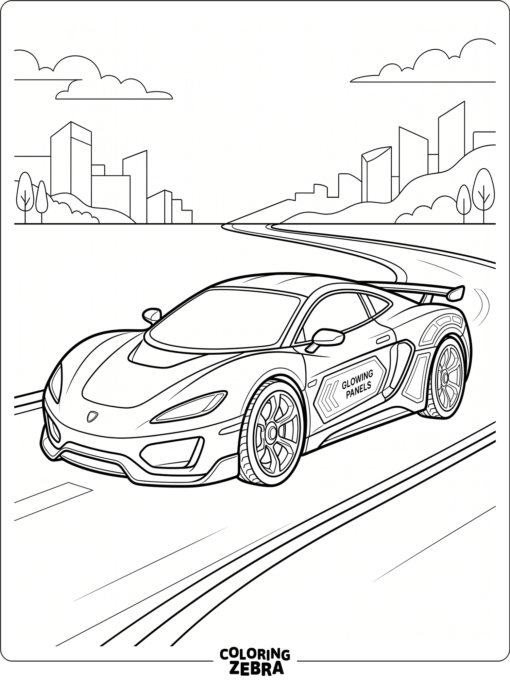

Futuristic Car Coloring Page
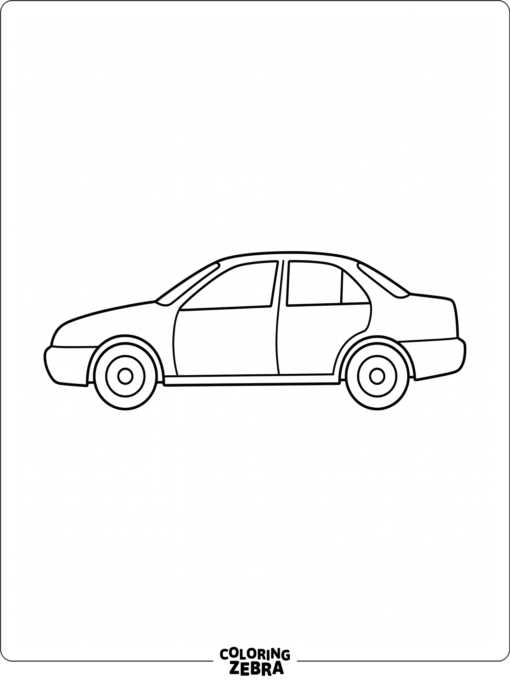

Blank Car Coloring Page
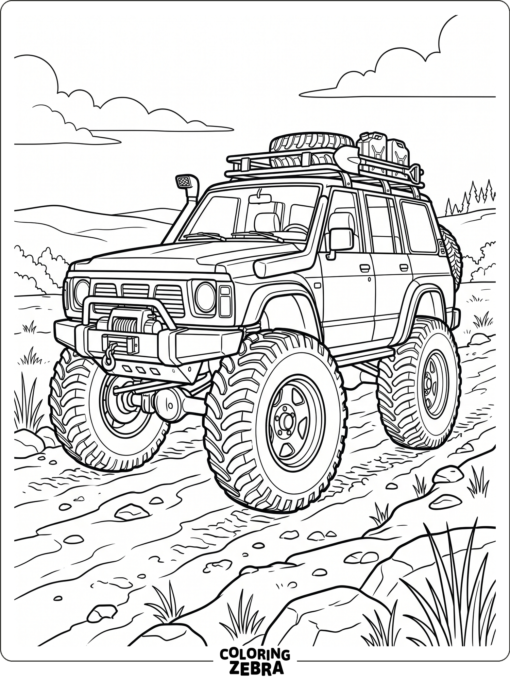

Big Car Coloring Page
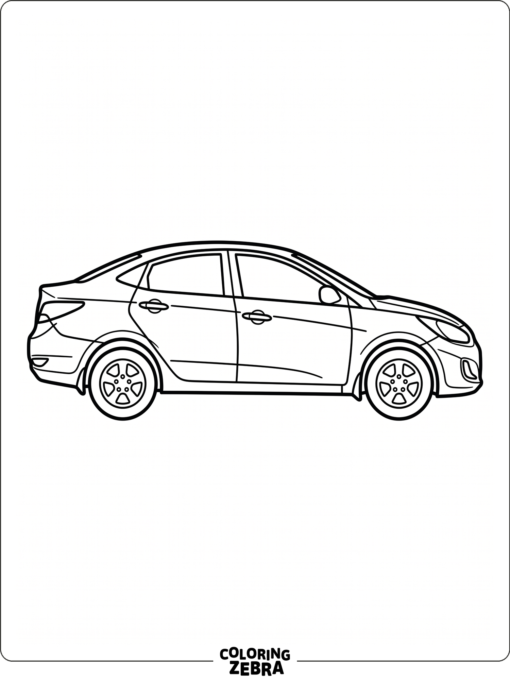

Car Outline Coloring Page
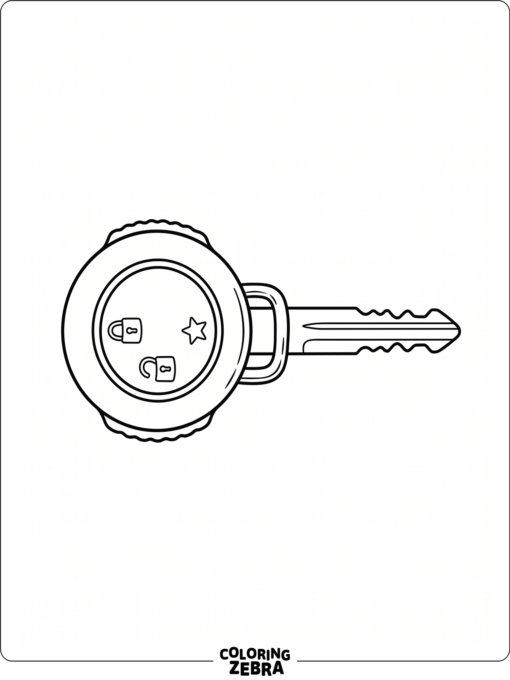

Car Key Coloring Page
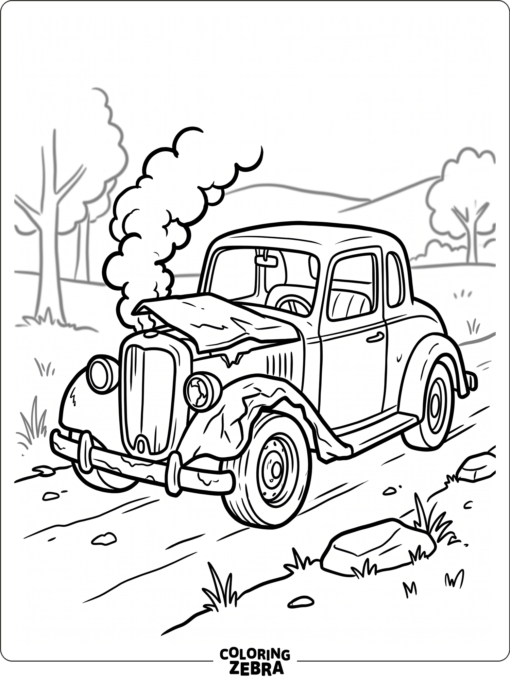

Broken Car Coloring Page


SUV Car Coloring Page
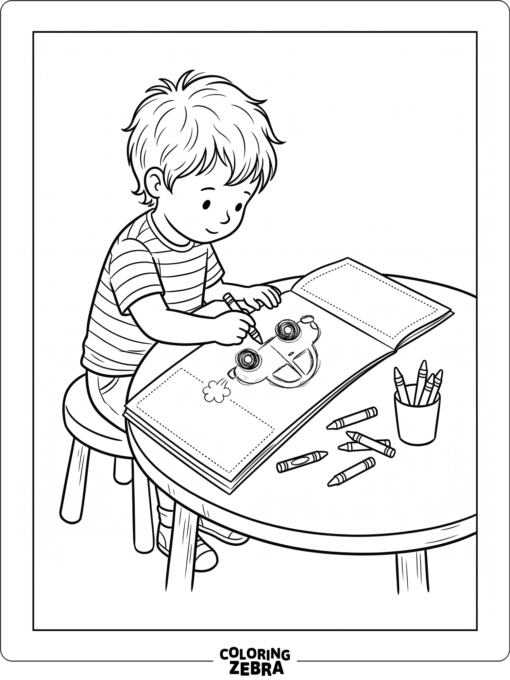

Design Your Own Car Coloring Page
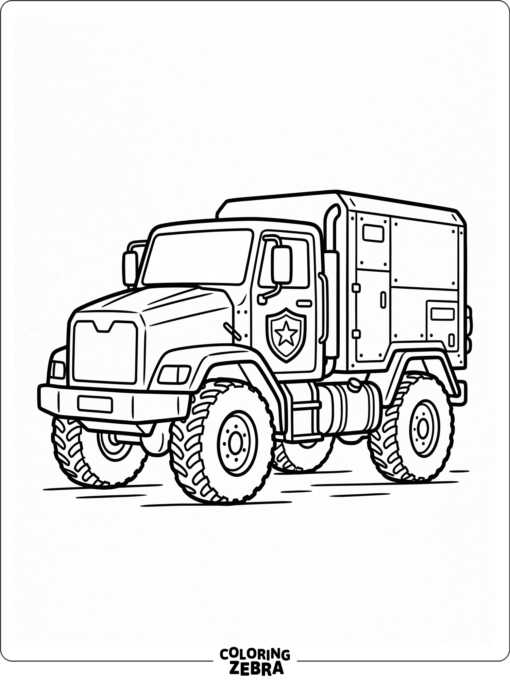

Army Car Coloring Page
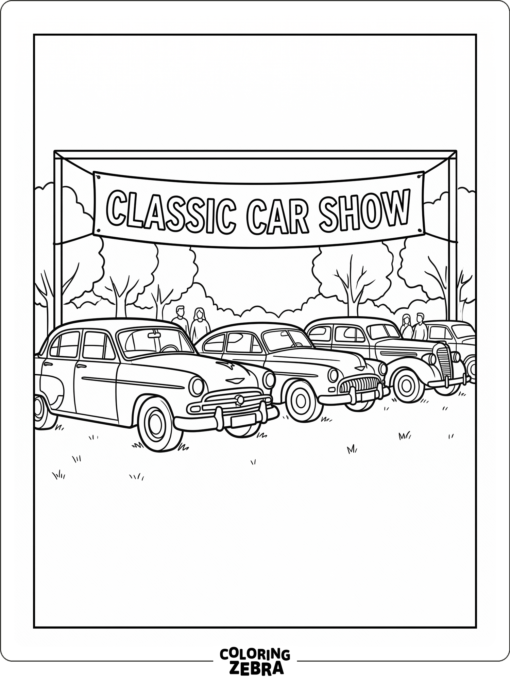

Car Show Coloring Page
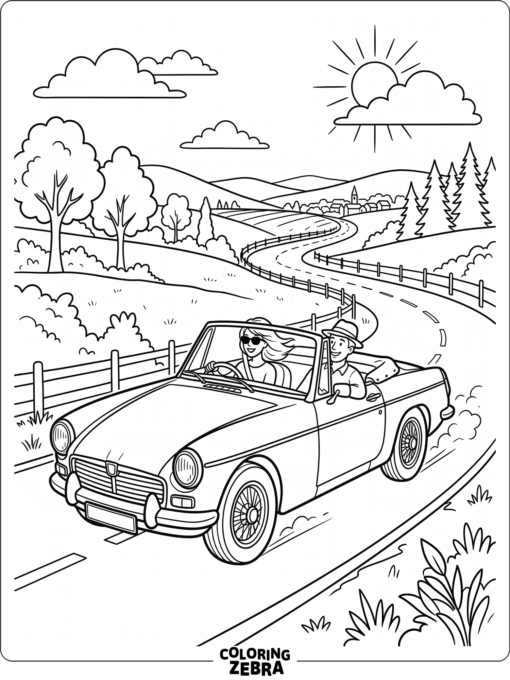

Convertible Car Coloring Page
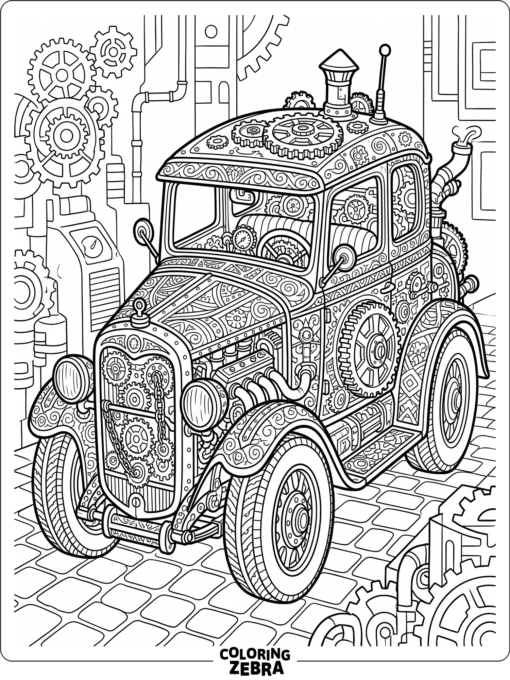

Hard Car Coloring Page
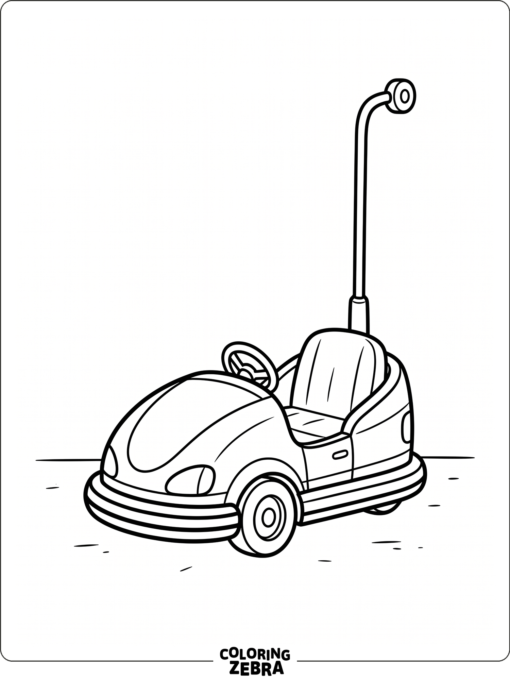

Bumper Car Coloring Page
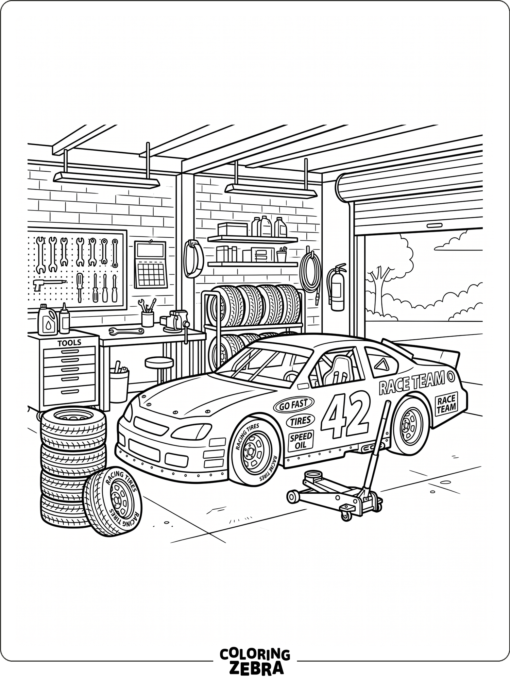

Car Garage Coloring Page
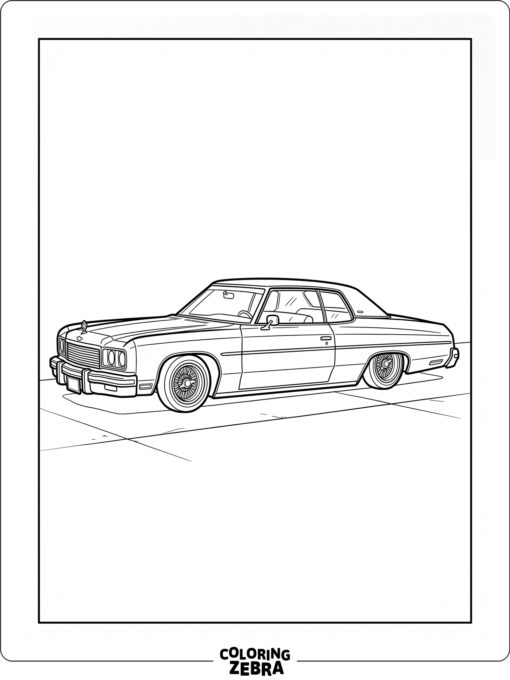

Sedan Coloring Page
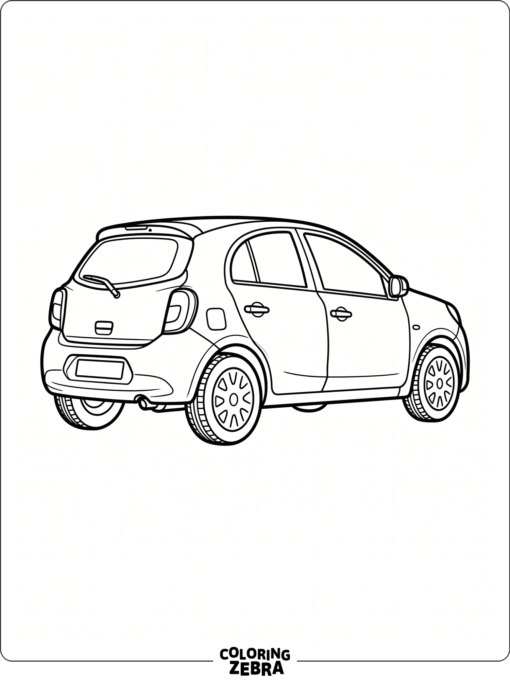

Hatchback Coloring Page
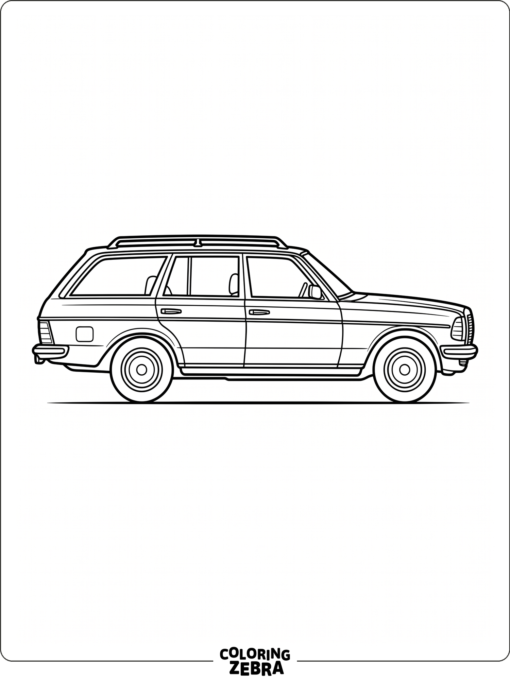

Station Wagon Coloring Page
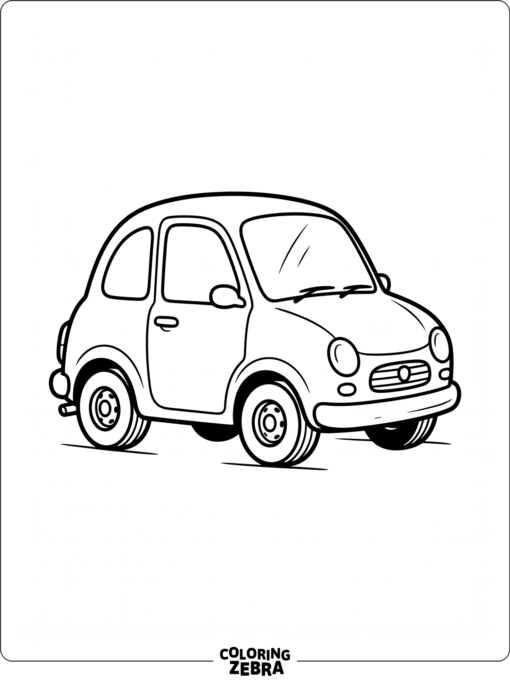

Compact Car Coloring Page
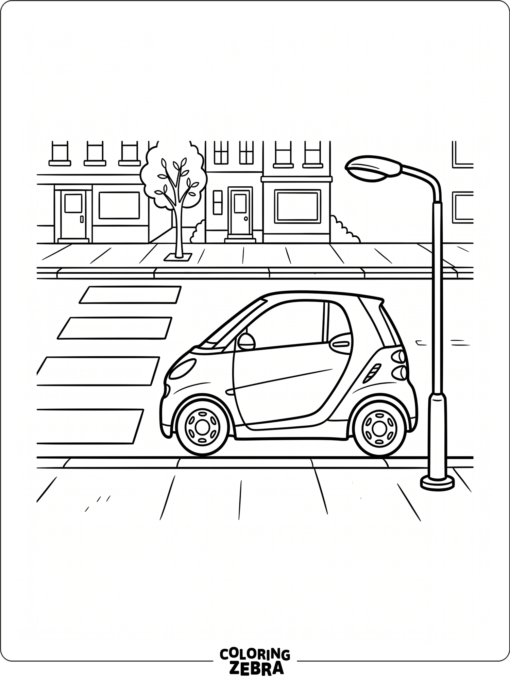

City Car Coloring Page
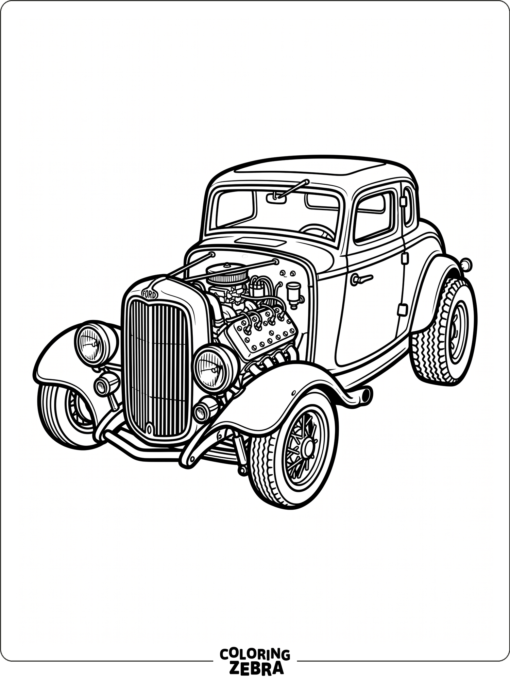

Coupe Coloring Page


Two Door Car Coloring Page
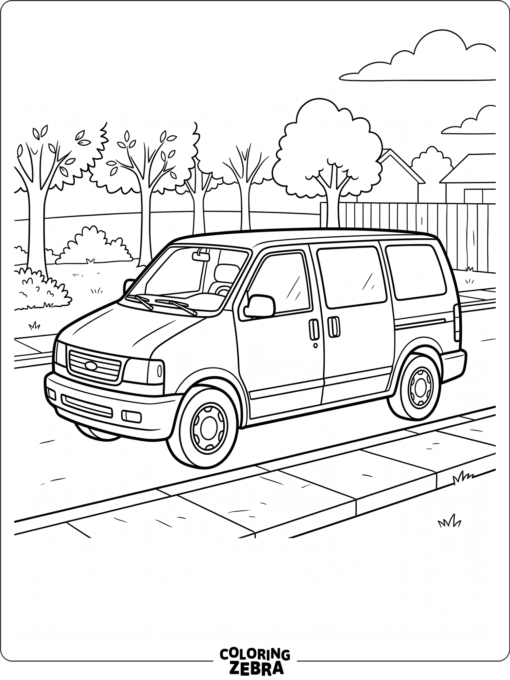

Minivan Coloring Sheet
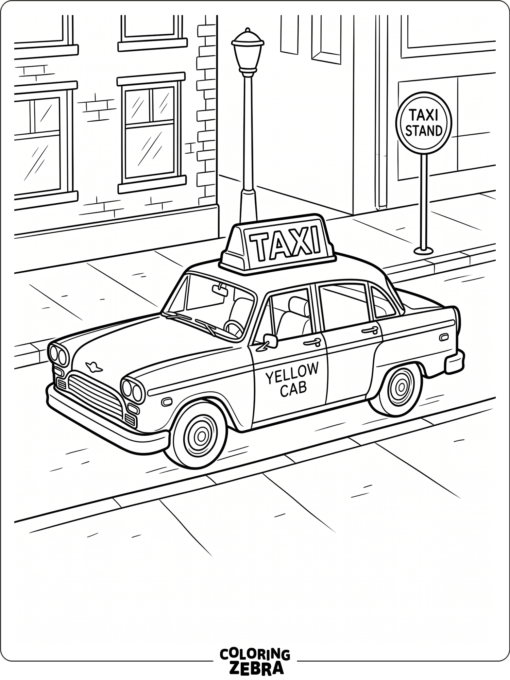

Taxi Car Printable
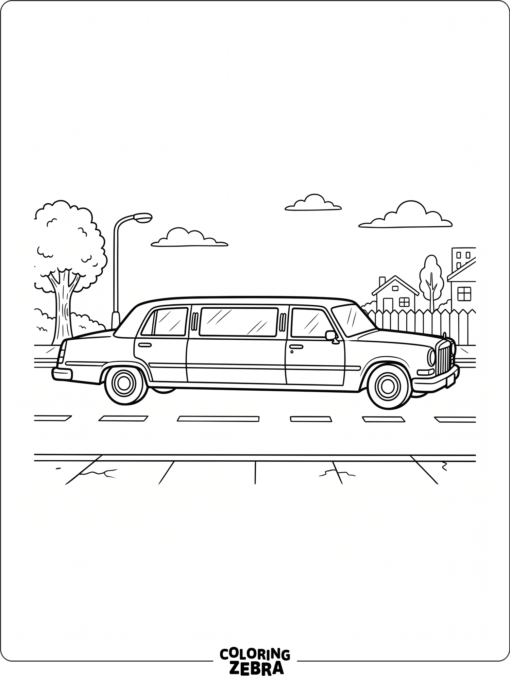

Limousine Coloring Page
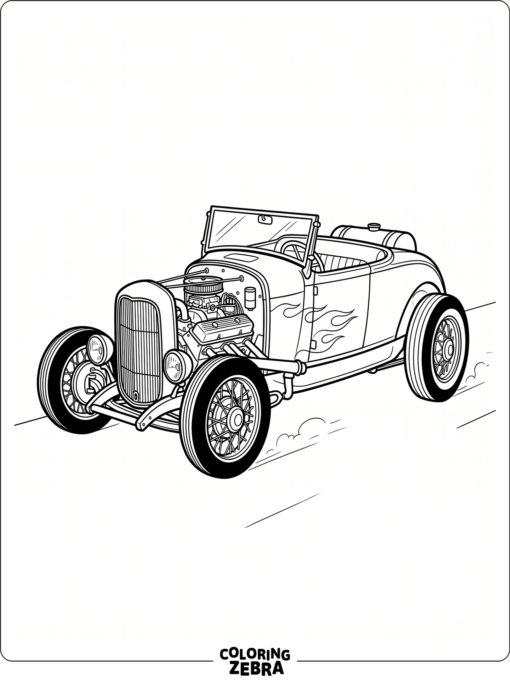

Roadster Coloring Sheet
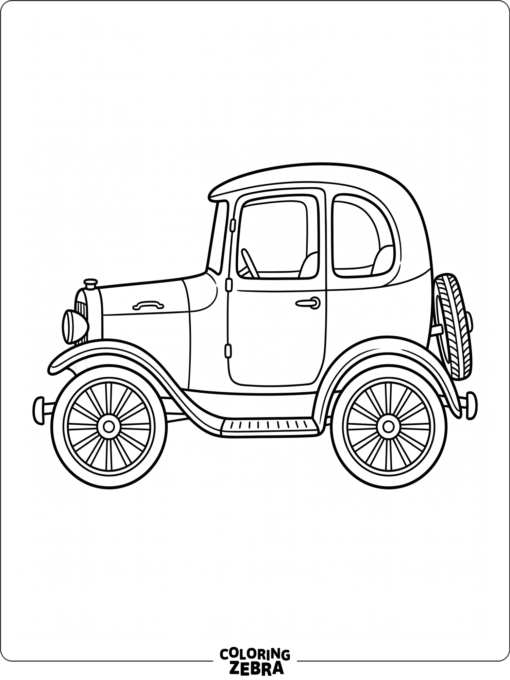

Antique Car Coloring Page
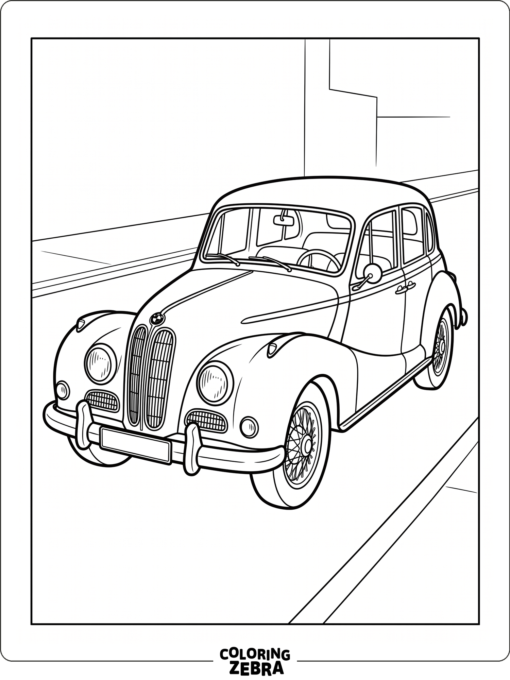

Vintage Car Printable
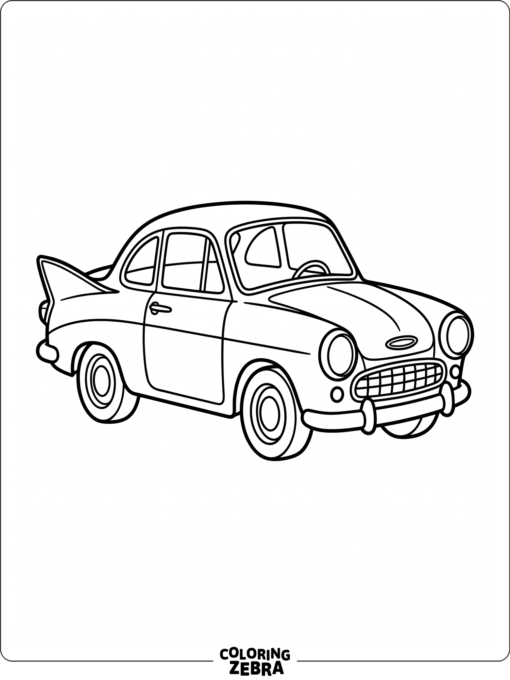

Retro Car Coloring Sheet
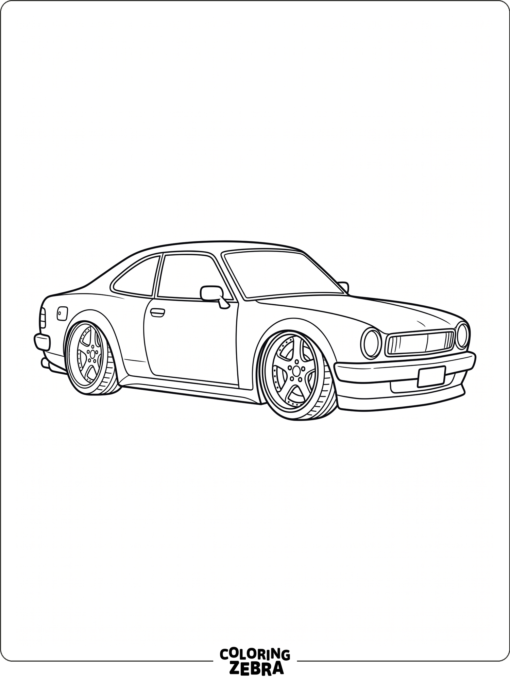

Custom Car Coloring Page
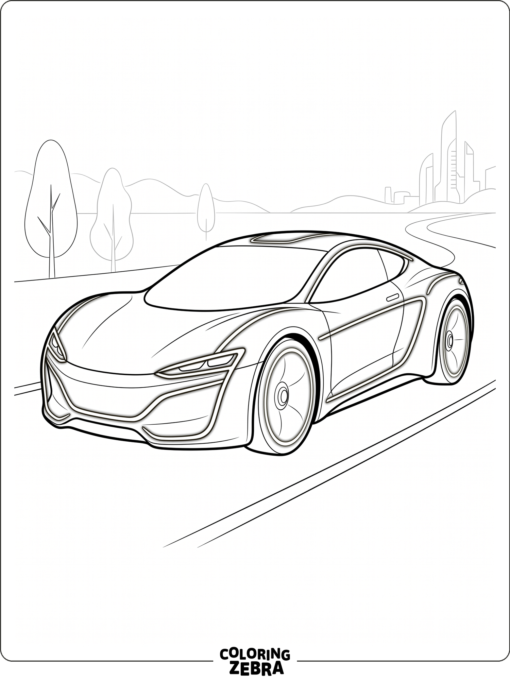

Concept Car Printable
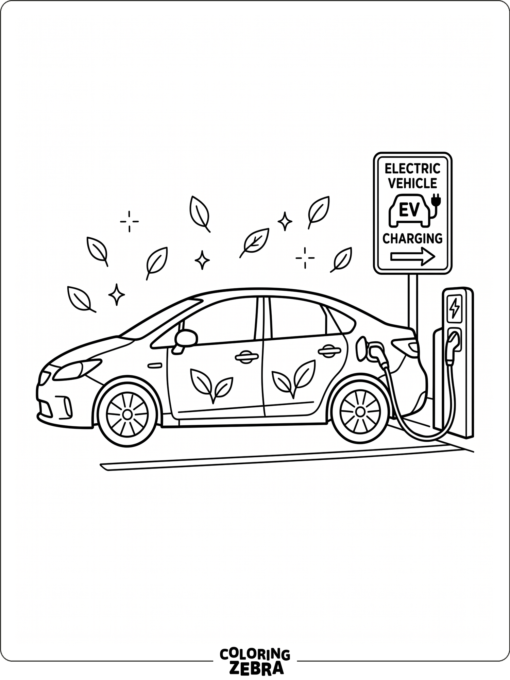

Hybrid Car Coloring Page


Self Driving Car Coloring Page
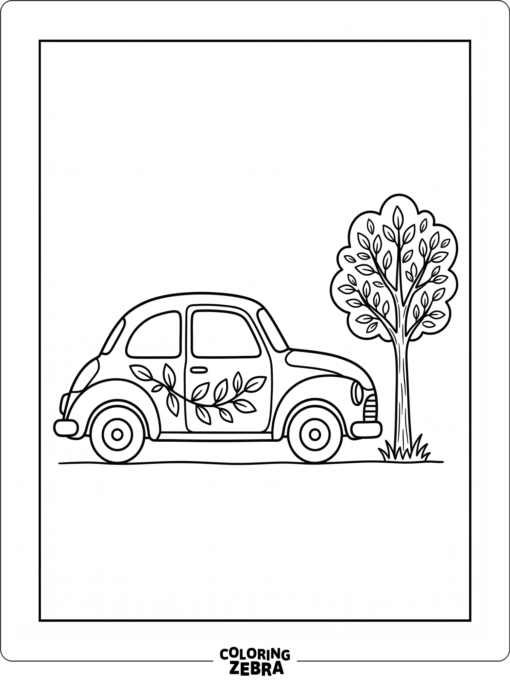

Eco Friendly Car Coloring Page


Car Interior Coloring Page
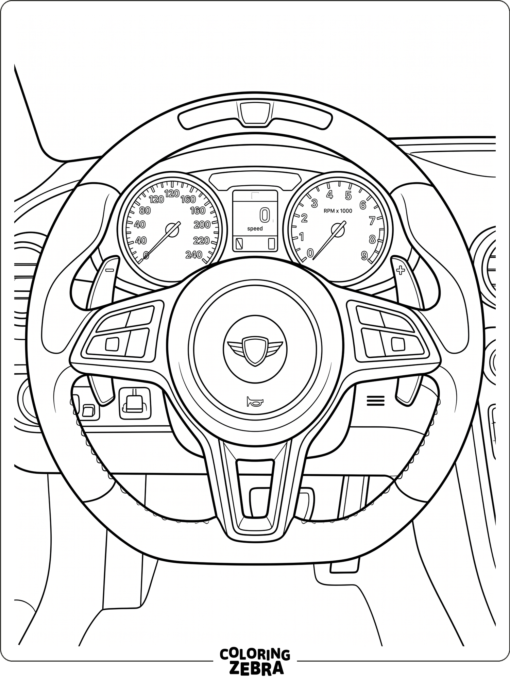

Car Steering Wheel Printable
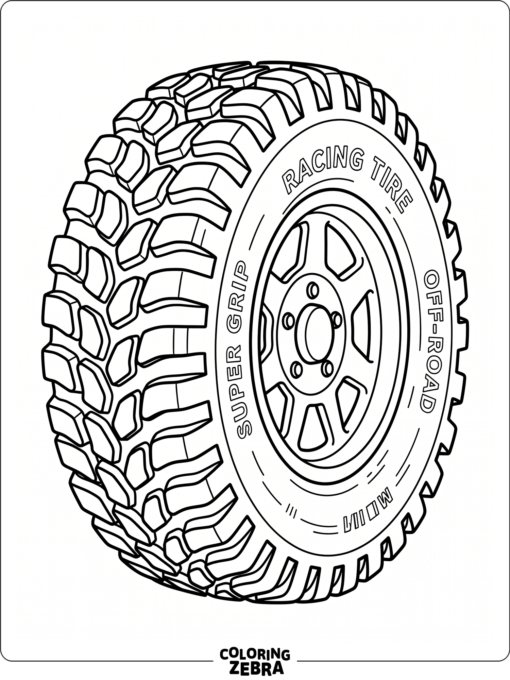

Car Tire Coloring Page
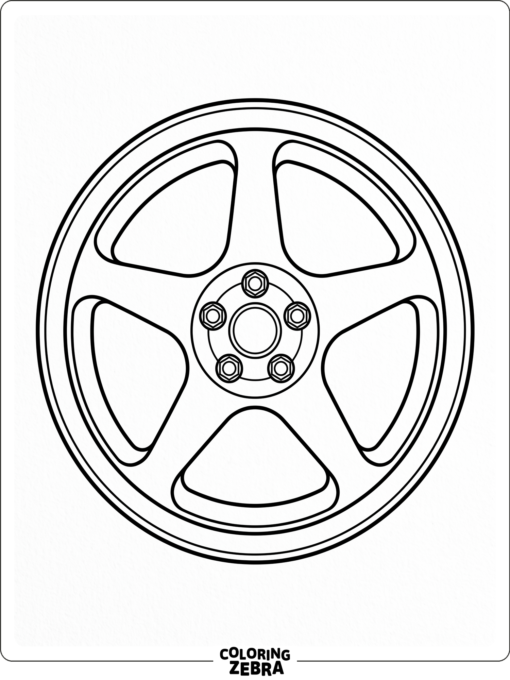

Car Wheel Coloring Sheet
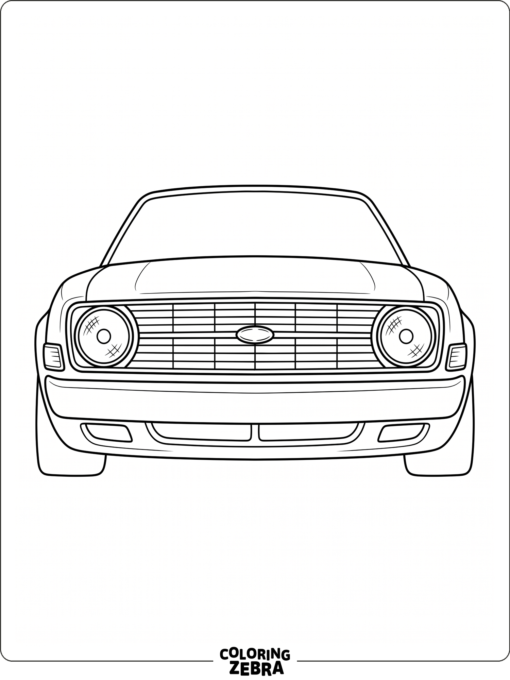

Car Headlights Coloring Page


Car Doors Coloring Page
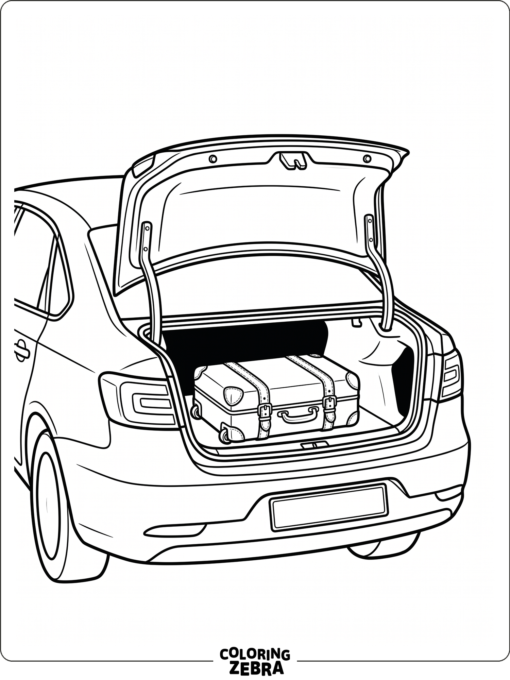

Car Trunk Coloring Page


Car Hood Coloring Page
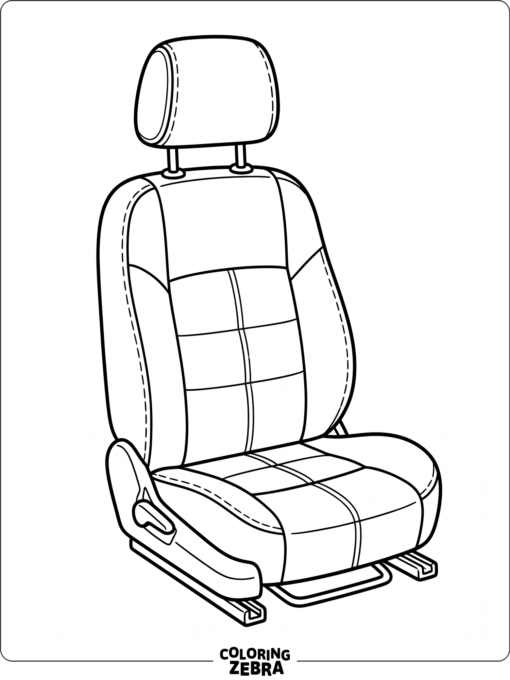

Car Seat Coloring Page
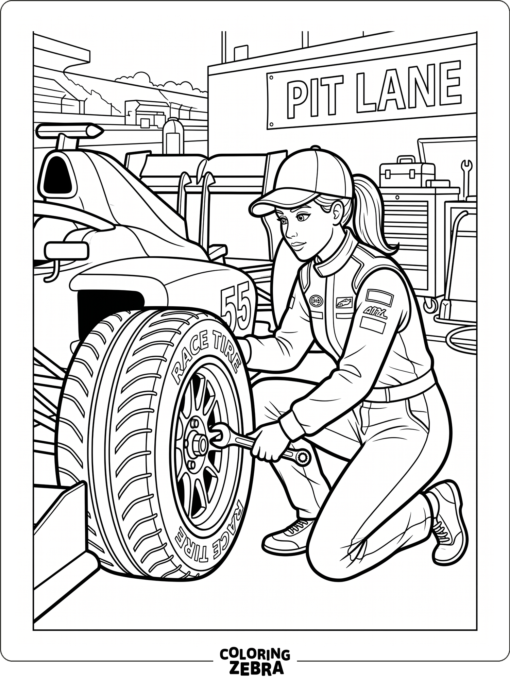

Car Mechanic Coloring Page
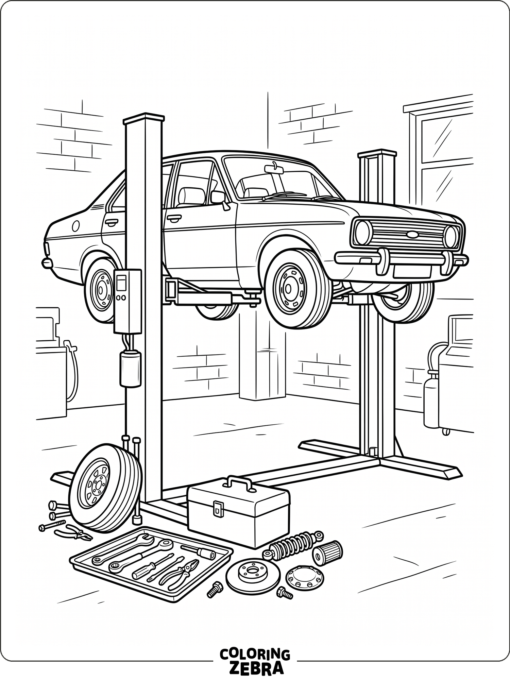

Car Repair Coloring Page
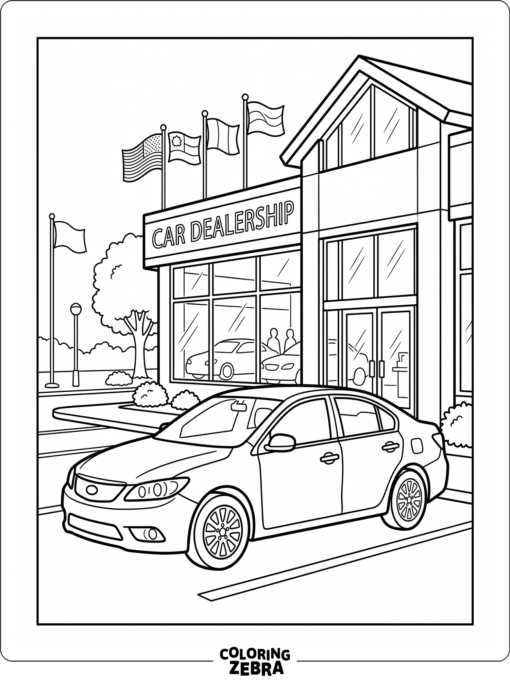

Car Dealership Coloring Page
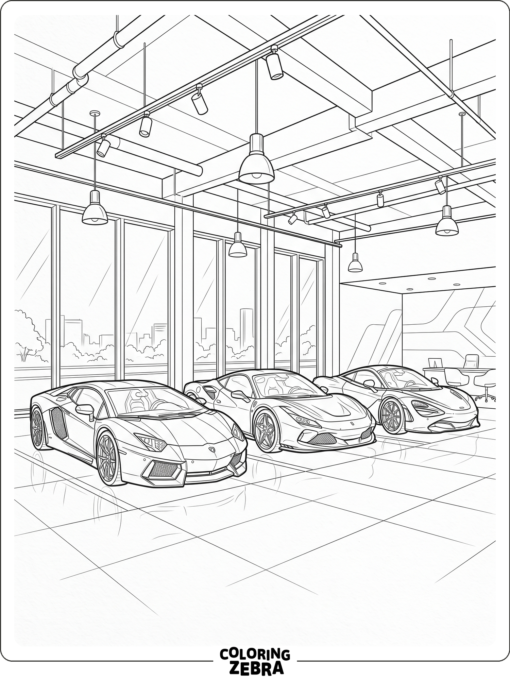

Car Showroom Coloring Page
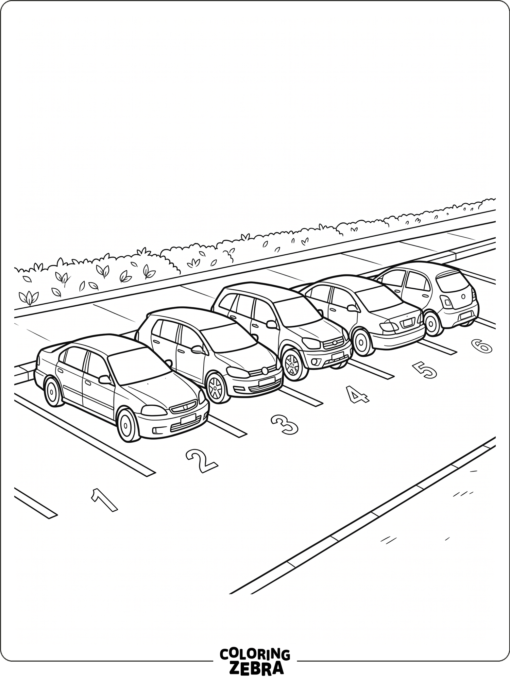

Car Parking Lot Coloring Page
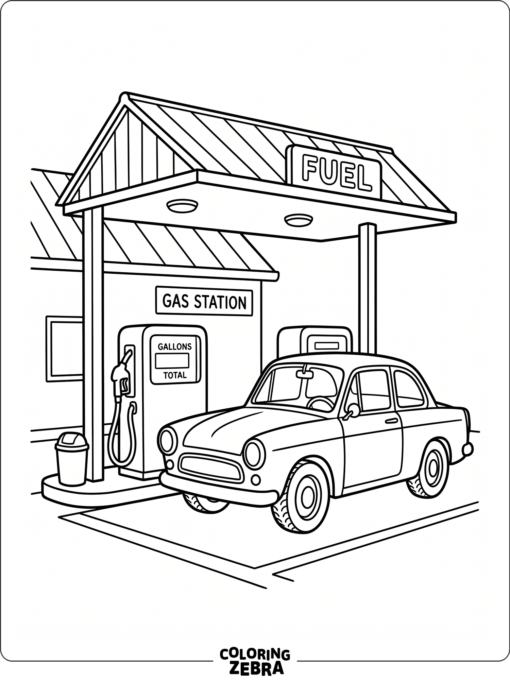

Car At Gas Station Coloring Page
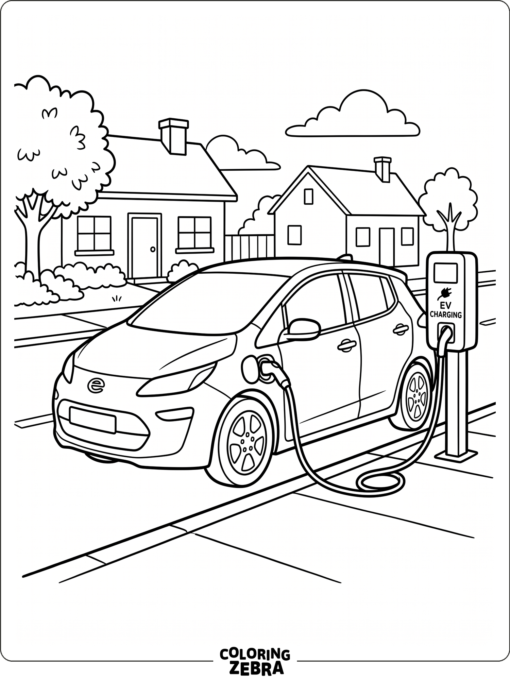

Car Charging Station Coloring Page
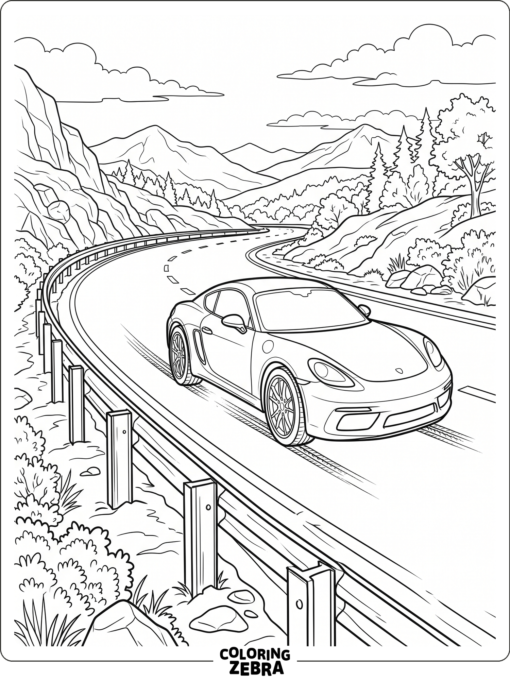

Highway Car Coloring Page
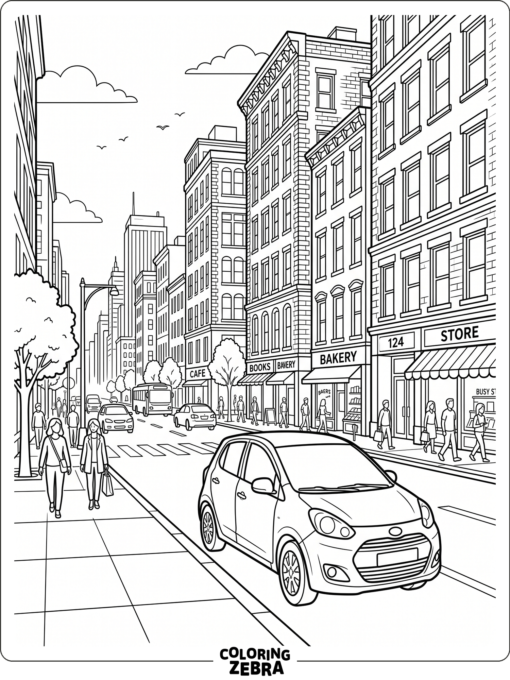

City Street Car Outline
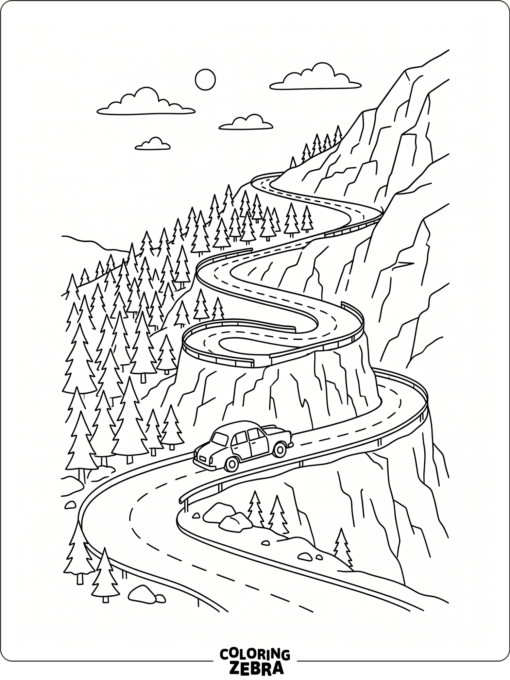

Mountain Road Car Page
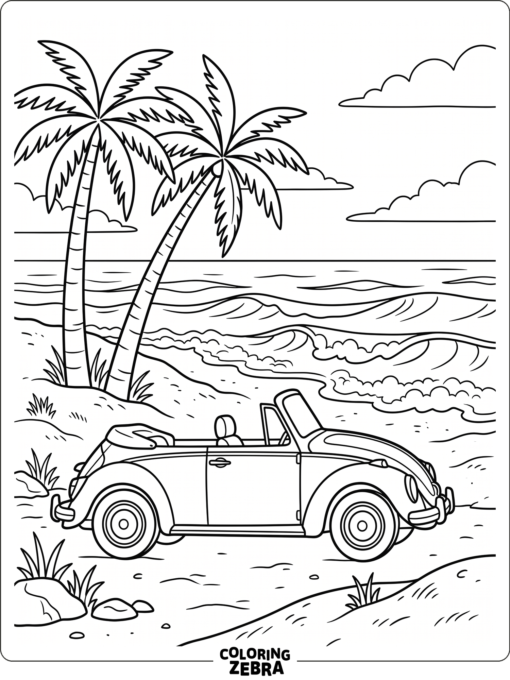

Beach Car Coloring Page
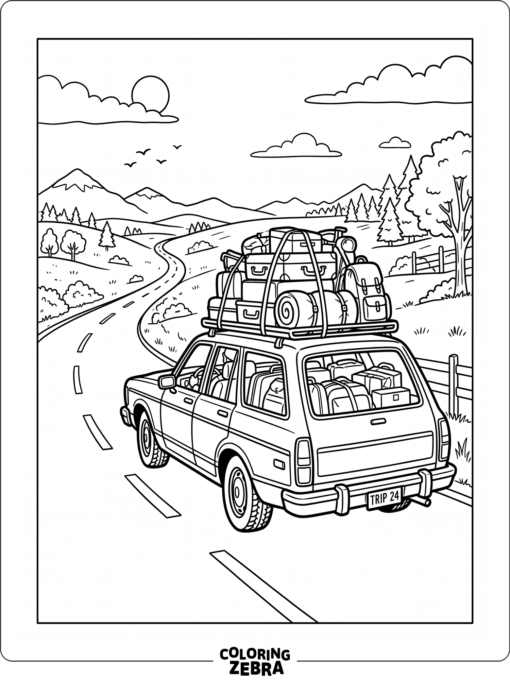

Road Trip Car Outline


Camping Car Coloring Page
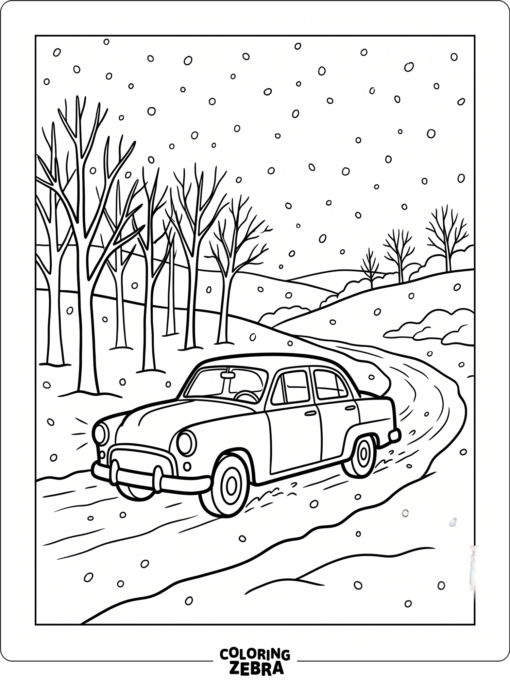

Snowy Car Coloring Page


Rainy Car Coloring Page


Sunset Car Coloring Sheet
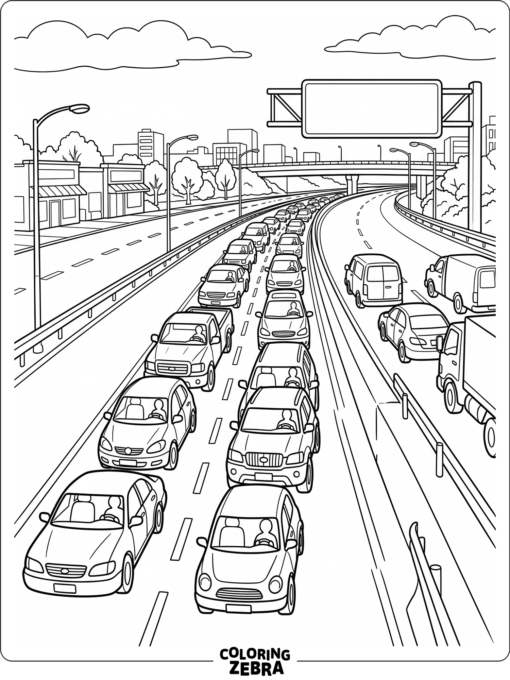

Traffic Car Coloring Page
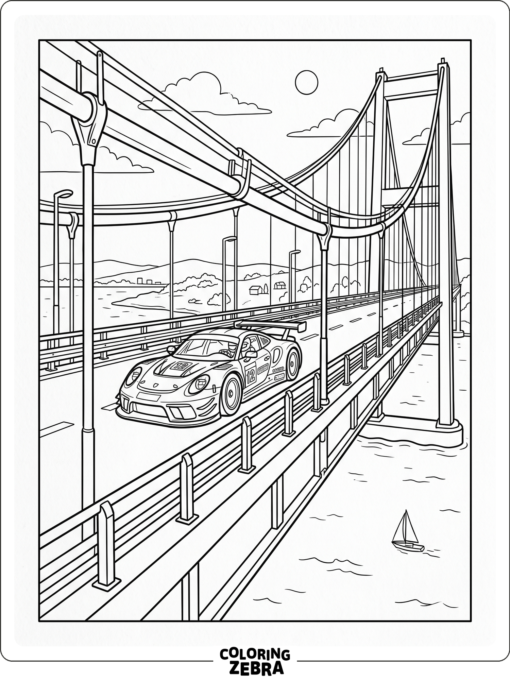

Bridge Car Coloring Page
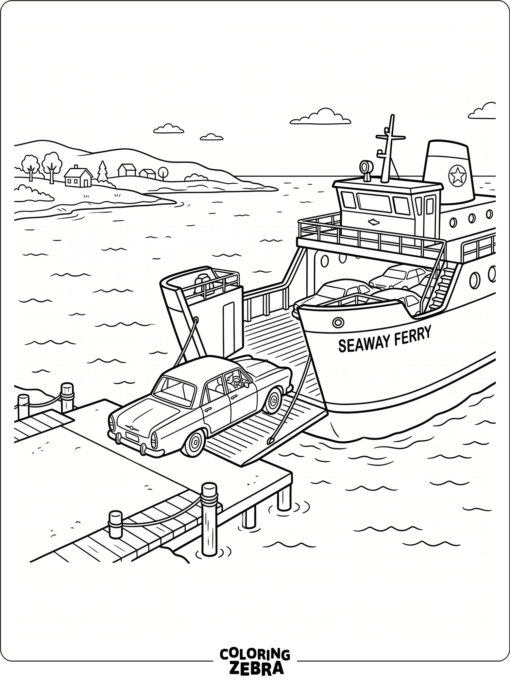

Ferry Car Coloring Page
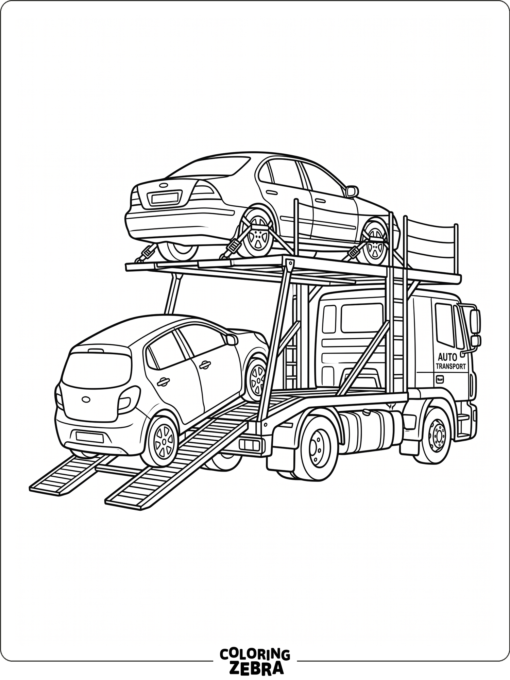

Car Transporter Coloring Page


Car Carrier Coloring Page
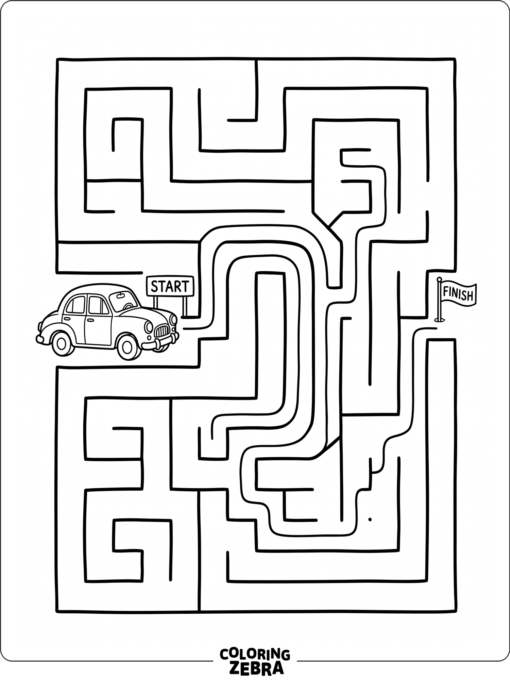

Car Maze Coloring Page
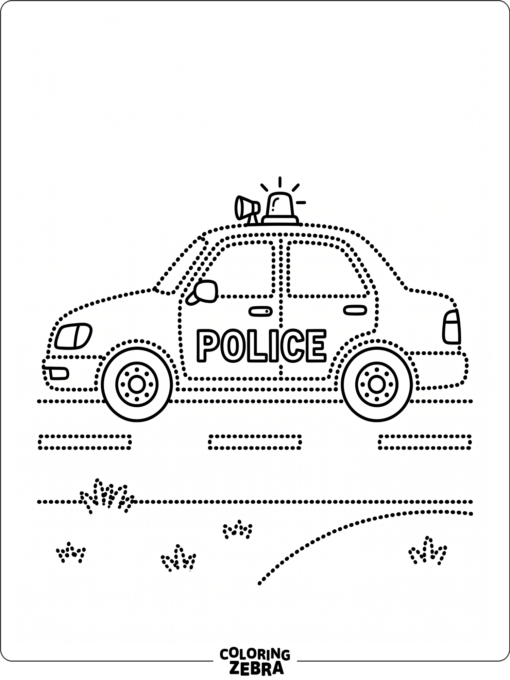

Car Dot to Dot Coloring Page
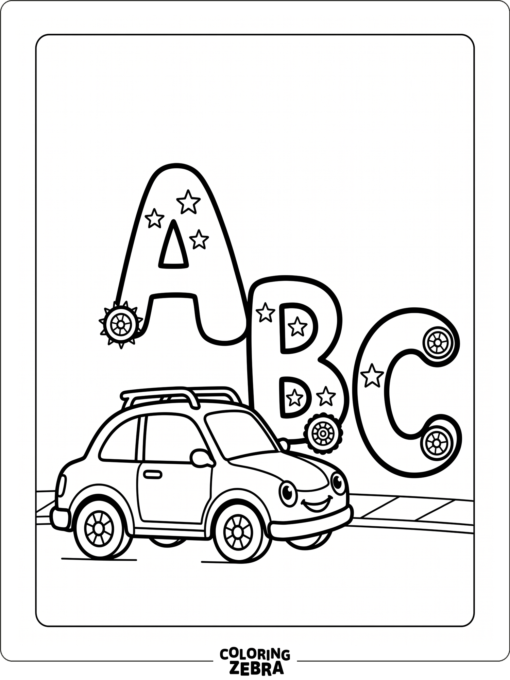

Car Alphabet Coloring Page
Explore the Automotive Collection
These Car Coloring Pages offer a visual tour of everyday transportation, performance styling, automotive history, mechanical parts, and future vehicle ideas. Beginners can start with clean outlines made from large windows, broad body panels, and big wheels. More experienced colorists can choose realistic sedans, patterned rims, engine components, city settings, or rows of classic vehicles at a show. Some pictures isolate a single automobile, while others place it beside tools, buildings, road markings, luggage, trees, water, or surrounding traffic.
Recognizing Common Body Styles
The passenger vehicles cover many useful shapes to compare. A sedan generally has a distinct passenger cabin and trunk, while a hatchback uses a rear door that lifts to reach the cargo space. The station wagon has an extended body, long cargo area, and roof rails. A compact vehicle is shorter and rounded, and a minivan emphasizes roomy windows and a side door.
Lower designs include a sporty coupe with a sloping hood, a two-door vehicle with wide windows, an open roadster, and a convertible with its roof folded back. The set also includes an SUV, taxi, limousine, city car, and a tall-tire vehicle with a boxy silhouette. Coloring these car outline printables side by side helps children notice how roof height, door arrangement, wheel size, and cargo space change the overall profile.
Performance and Custom Styling
Sports car coloring sheets introduce bold visual details such as racing stripes, spoilers, wide tires, hood scoops, patterned rims, flames, decals, and motion lines. A lowered custom vehicle sits close to the ground, while a muscle-style design uses a broad stance and prominent hood scoop. Colorists can emphasize these features with contrasting stripe colors, metallic pencil accents, or dark tire shading.
The tuner-style picture is described as JDM-style. JDM means Japanese Domestic Market, but the drawing remains a generic design rather than a particular maker or model. The drifting scene shows smoke curling behind a vehicle on a curved track. Drifting is a controlled motorsport technique in which the rear tires lose traction as the driver guides the vehicle through a turn, so it belongs in a suitable track setting rather than on public streets. A sturdy derby vehicle with a number panel provides another controlled competition theme.
Classic Shapes and Future Ideas
Historical designs make Car Coloring Pages especially useful for comparing changes in automotive styling. Antique and vintage pictures feature tall wheels, rear spare tires, rounded fenders, curved roofs, round headlights, and chrome trim. The 1950s-inspired coupe stands out through tail fins and smooth decorative details. Several classic automobiles also appear together in a car-show scene, inviting coordinated palettes or a different color scheme for each display vehicle.
The words antique, classic, vintage, and retro are broad labels, and their formal definitions can vary by organization or location. Here, the visible design details are more informative than a precise age category. Silver pencils can suggest chrome, while layered gray, cream, burgundy, or pastel colors suit the sweeping panels and rounded forms.
Modern and speculative designs include battery-electric charging scenes, a hybrid with a leaf badge, an eco-oriented leaf decal, a sensor-equipped self-driving concept, a glass-canopy vehicle, and a smooth futuristic automobile with glowing-panel styling. A battery-electric vehicle draws energy from a battery instead of burning gasoline in a conventional engine. A hybrid commonly combines an internal-combustion engine with an electric motor. The leaf symbols are visual shorthand for eco-oriented design, not evidence of specific performance or efficiency.
Cameras, radar, lidar, and other systems may help an automated vehicle detect lanes, objects, and nearby traffic, although the illustration does not identify particular sensors or a level of autonomy. The concept vehicle, glowing panels, and flying design are best treated as imaginative explorations of possible mobility rather than current production technology.
Parts Inside and Outside a Vehicle
Car parts coloring pages build vocabulary through focused drawings of a key and fob, tire tread, wheel rim, lug nuts, headlights, grille, seats, steering wheel, dashboard, engine, and frame. Tire tread helps maintain contact with the road and channels water away from part of the contact area. Lug nuts secure a wheel to the vehicle hub. The grille, bumper, hood, doors, trunk, and body panels define the exterior, while the seats, headrests, dashboard, and steering wheel belong to the passenger compartment and driver-control area.
An open engine picture shows pistons and belts in simplified form. Pistons move within an engine, and belts transfer motion to selected components, though not every vehicle uses the exact arrangement shown. Other drawings open the doors, hood, or trunk so colorists can distinguish passenger space, the engine area, and cargo storage. The suitcase in the open trunk also connects vehicle anatomy with practical travel.
Care, Repair, and Everyday Ownership
Several Car Coloring Pages show where vehicles are cleaned, maintained, powered, displayed, and parked. The wash bay includes soap and bubbles, while the garage and repair scenes feature tools, a lift, a wrench, spare parts, and a mechanic beside an open hood. Damaged vehicles have bent bodywork, smoke, or a broken fence, but the pictures do not indicate a cause or show anyone injured.
A gas-station scene can prompt a simple comparison with the electric charging station. One supplies conventional fuel through a pump, while the other connects a battery-electric vehicle to electrical power. Dealership and showroom pictures add flags, tiled floors, large windows, and parked rows. These architectural details are good places to practice reflections, repeating patterns, and perspective without changing the vehicle itself.
Roads, Journeys, and Transport
The travel scenes move from highway lane lines and city crosswalks to mountain roads, beaches, campsites, bridges, snow, rain, and sunset hills. Trees, rocks, palm trees, waves, puddles, clouds, buildings, and streetlights help establish each environment. Color choices can reinforce the setting: muted blues and grays suit a rainy street, pale shadows suggest snow, and warm oranges or violets create a sunset.
A road-trip vehicle carries luggage, and another has a suitcase in its trunk. Ferry and carrier-truck pictures demonstrate that automobiles do not always travel entirely under their own power. Ferries move them across water, while transporter trucks carry vehicles along roads. Traffic scenes also support discussion of lanes, spacing, crosswalks, bridges, and shared transportation infrastructure.
Playful Pictures and Activity Pages
Young colorists can choose smiling grilles, expressive faces, heart decals, tiny wheels, exaggerated tires, or a goofy wobbly bumper. A remote-control vehicle has an antenna, a toy vehicle sits beside blocks and a ramp, and a bumper car has a curved front and roof pole. These are distinct from road-legal passenger vehicles and can be colored with brighter, less realistic palettes.
The seasonal selection stays focused: one vehicle has Halloween decorations and a pumpkin, while another carries a Christmas tree and gift box. Activity-style sheets include a winding maze, a numbered connect-the-dots design, and a vehicle beside the letters A, B, and C. A child decorating a vehicle with crayons provides another art-centered scene. Shield, star, and emblem arrangements are generic decorative designs rather than identified automotive logos.
Coloring Approaches for Different Skill Levels
- For preschoolers: Choose broad windows, simple doors, smiling faces, and large tires. Use thick crayons and limit the palette to a few easily distinguished colors.
- For elementary-age colorists: Try taxis, convertibles, road-trip scenes, city streets, or the alphabet and maze activities. Add a different color to the body, windows, tires, road, and background.
- For older children and teens: Focus on custom rims, racing decals, drifting smoke, classic chrome, dashboards, gears, and detailed front grilles. Colored pencils make it easier to shade narrow mechanical areas.
- For adults: Select realistic car coloring pages with patterned wheels, showroom reflections, engine details, traffic, or intricate landscapes. Build smooth bodywork by layering light and dark shades of the same hue.
Ways to Use Finished Artwork
Finished Car Coloring Pages can become a body-style reference wall, a transportation vocabulary booklet, or a timeline-inspired display contrasting rounded vintage forms with sleek concept designs. Group the sedan, hatchback, wagon, coupe, and convertible together, then label their visible differences. Mechanical pictures can form a separate parts poster featuring the grille, hood, dashboard, tread, rim, and lug nuts.
Children can also arrange road scenes into an imagined journey from a city street to a bridge, mountain, beach, or campsite. Classic show vehicles work well as a coordinated gallery, while the maze and dot-to-dot sheets can be included in a quiet activity folder. Whatever the project, the broad range of shapes and settings supports careful observation as well as expressive color choices.
People Often Ask Us…
-
How is a roadster different from a convertible?
-
What do spoilers, lowered suspension, and wide wheels do?
-
What are the grille, bumper, trunk, and dashboard for?
-
How are cars secured on ferries and carrier trucks?
-
Why do classic, vintage, and antique labels vary?