
Dungeons and Dragons Coloring Pages
Dungeons and Dragons Coloring Pages turn tabletop fantasy into a gallery of heroes, monsters, dice, and mysterious locations. The set ranges from a cute chibi adventurer and an easy knight to detailed portraits, armored parties, and eerie creatures. Runes, spellbooks, weapons, eye stalks, scales, and stonework offer distinctly different details to explore with color. Scenes move through caves, forests, a tavern, a castle gate, an alley, and a ruined throne room.
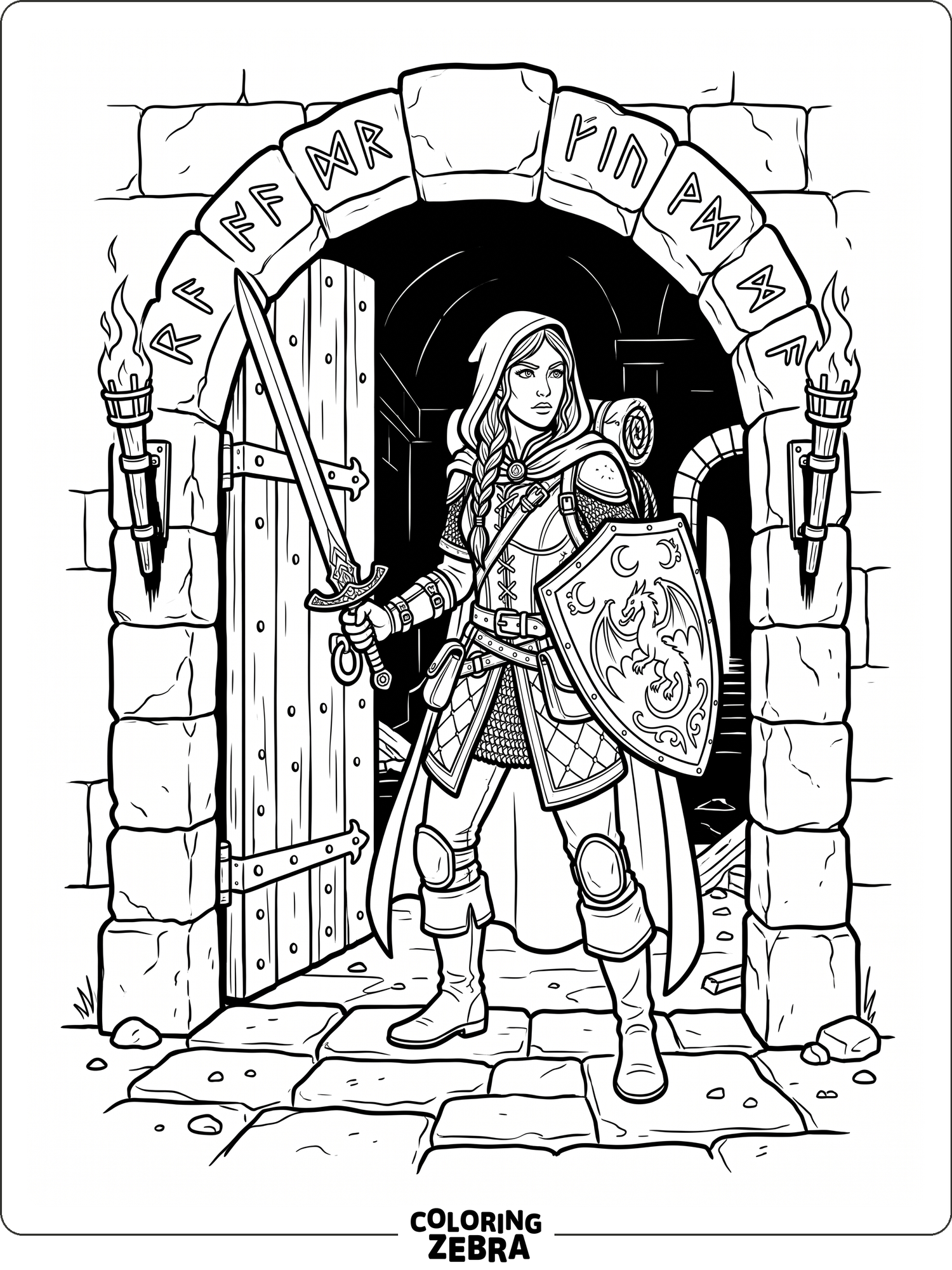
Print simpler character pages on standard printer paper and use heavier paper for markers or layered pencil work. Select “fit to page” to preserve the full border, or print at actual size when the preview shows adequate margins. Draft or grayscale mode can conserve ink when you want lighter outlines.
Related coloring pages
Dungeons and Dragons Coloring Pages
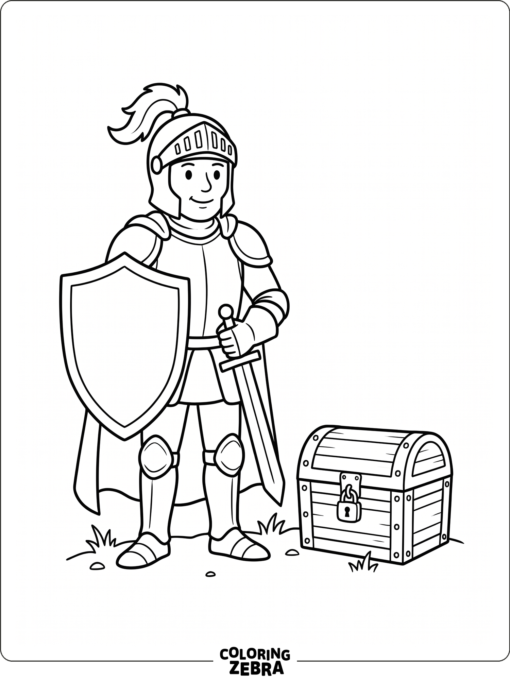

Simple Dungeons and Dragons Printable
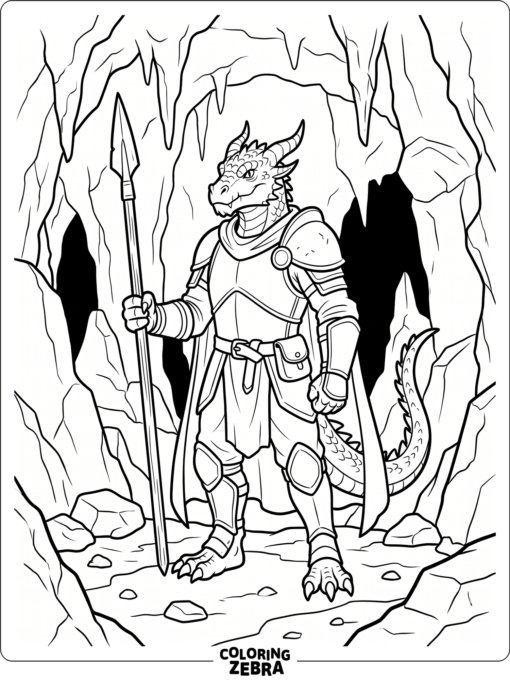

Dragonborn Coloring Sheet
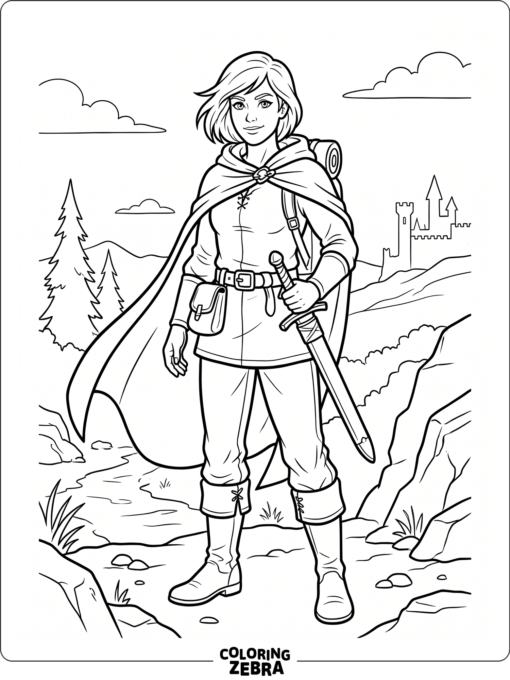

Female D&D Coloring Page
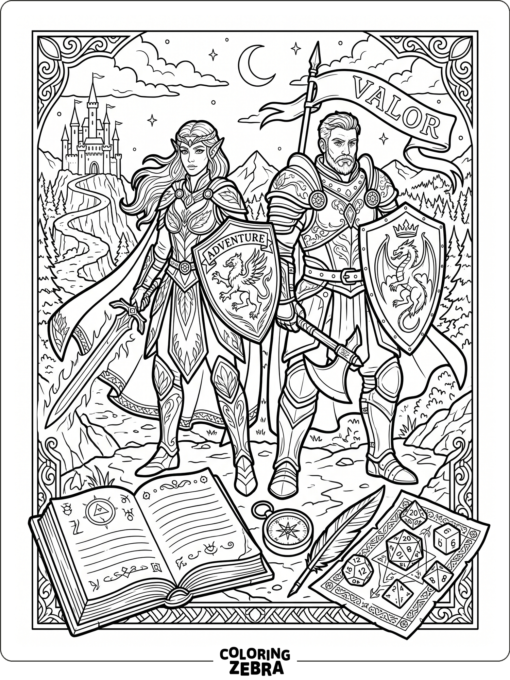

Dungeons and Dragons Coloring Pages for Adults
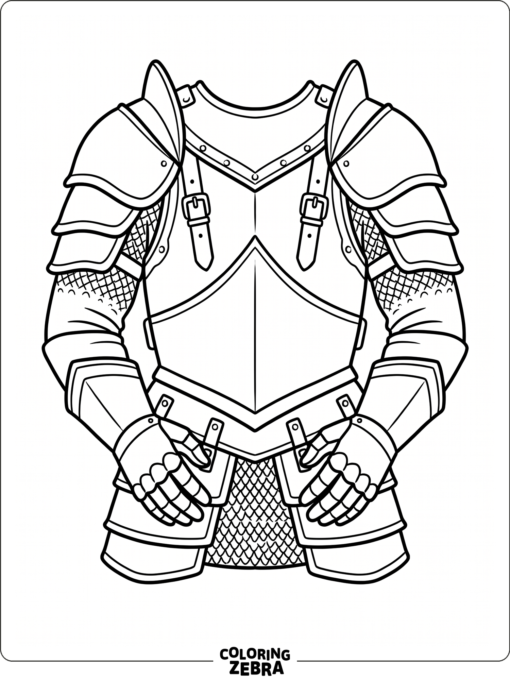

Armor Coloring Sheet
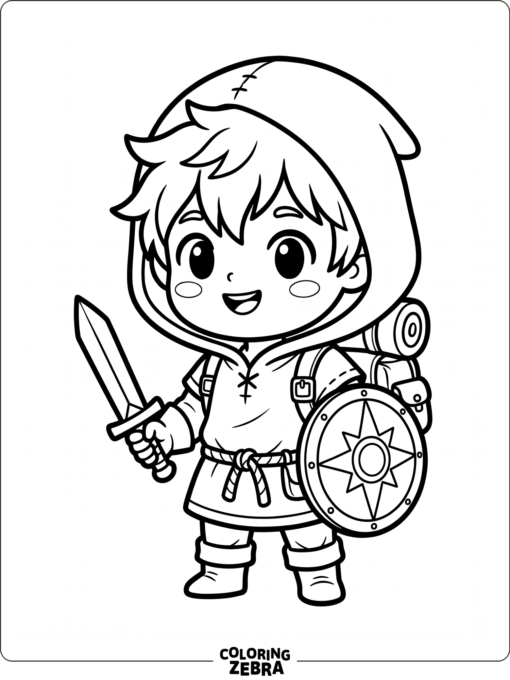

Cute D&D Coloring Page
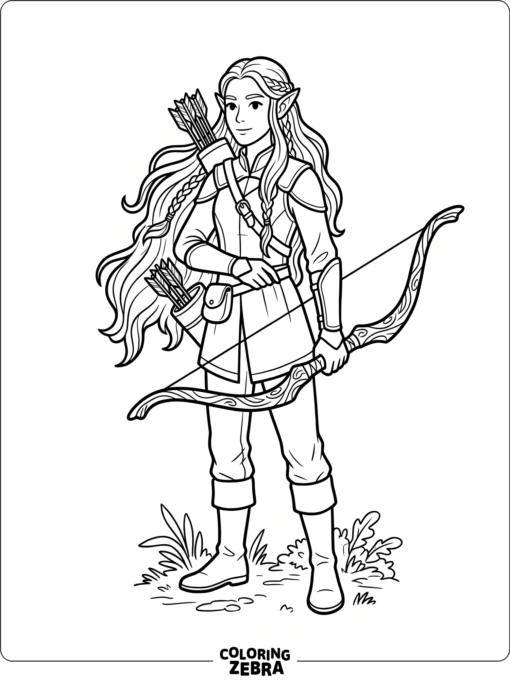

Elf Coloring Page
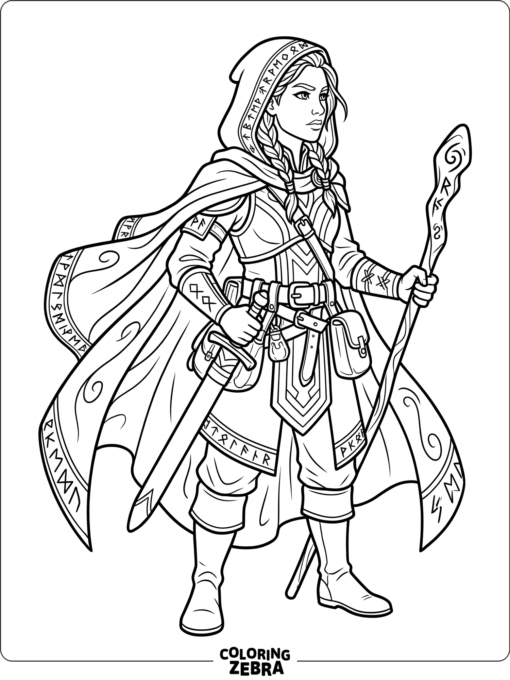

Advanced D&D Coloring Page
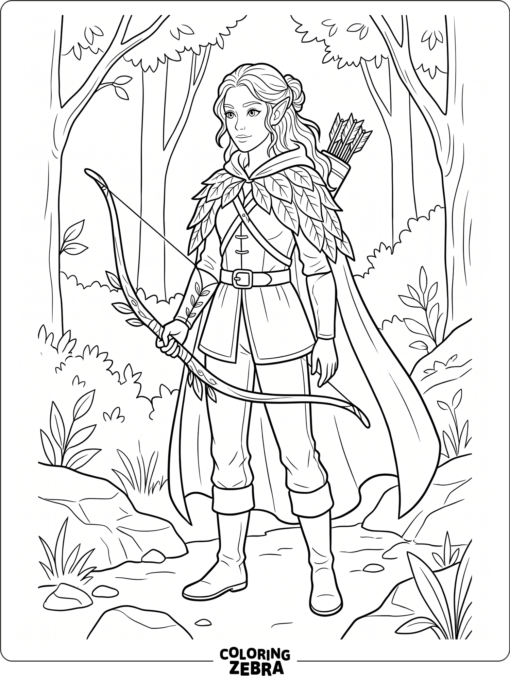

Female Elf Coloring Sheet
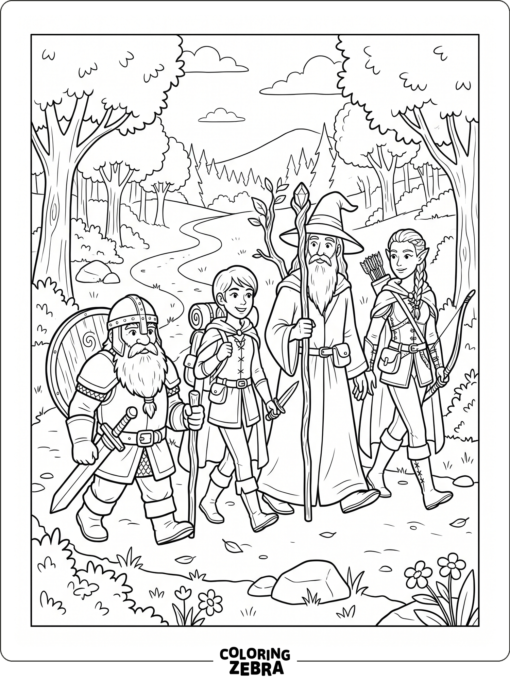

D&D Character Coloring Page
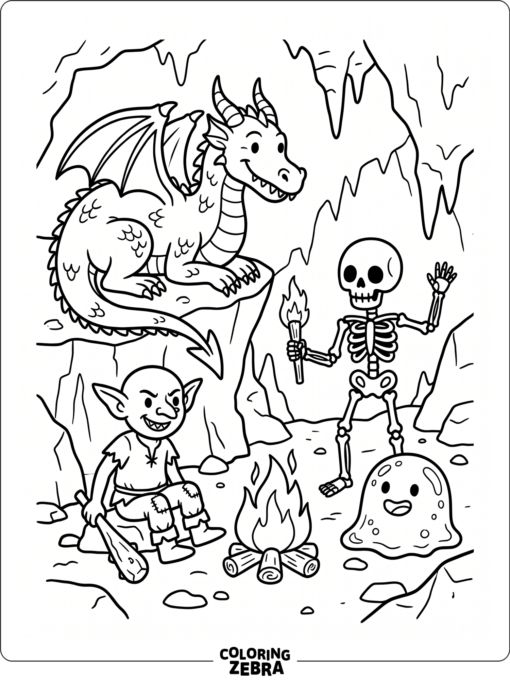

D&D Monsters Coloring Page
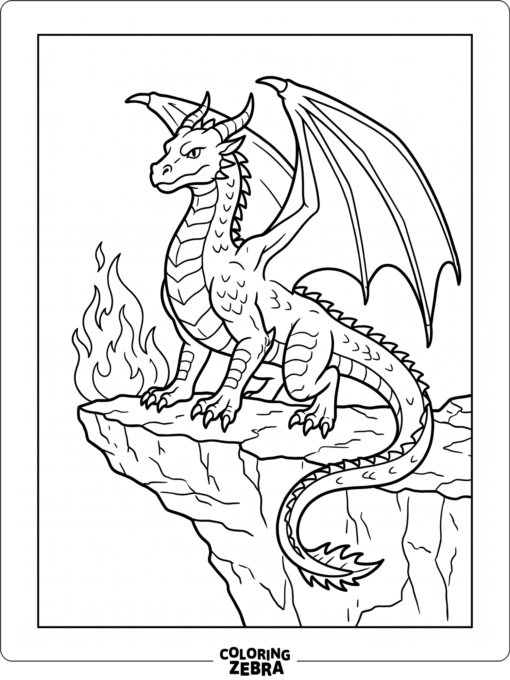

Dragon Coloring Page
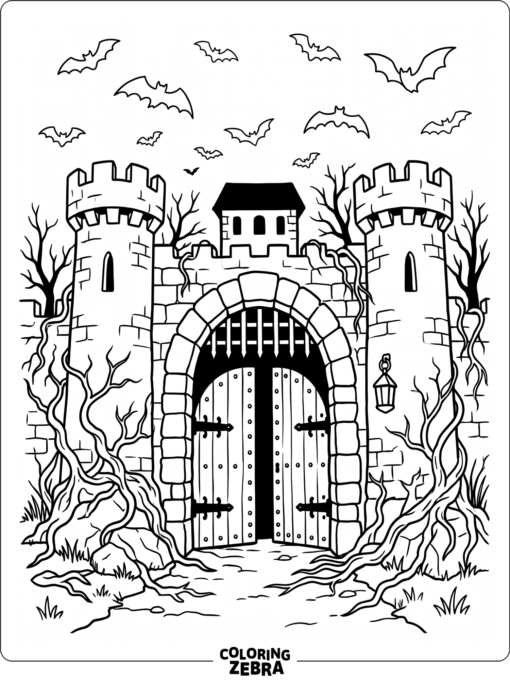

Creepy Dungeons and Dragons Coloring Page
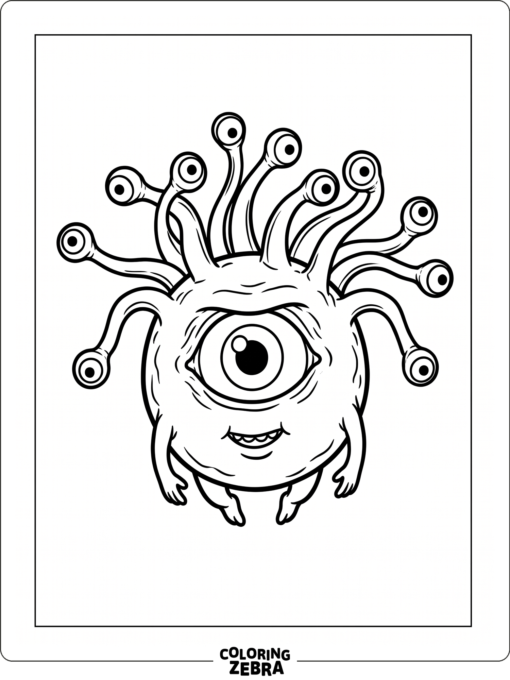

Beholder Coloring Page
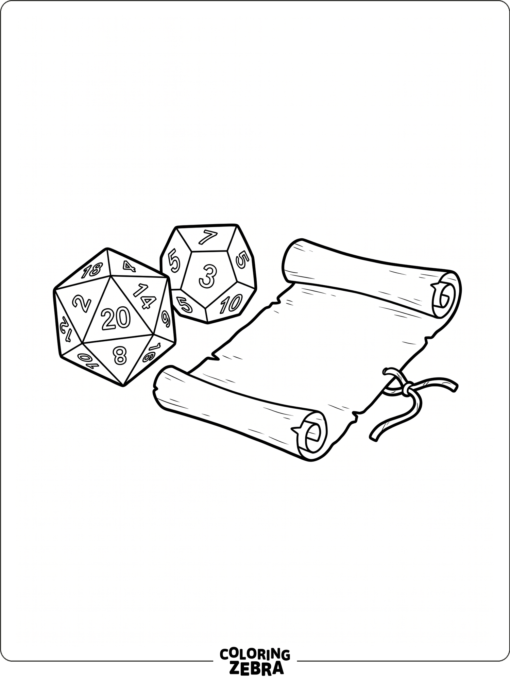

D20 Dice Coloring Sheet
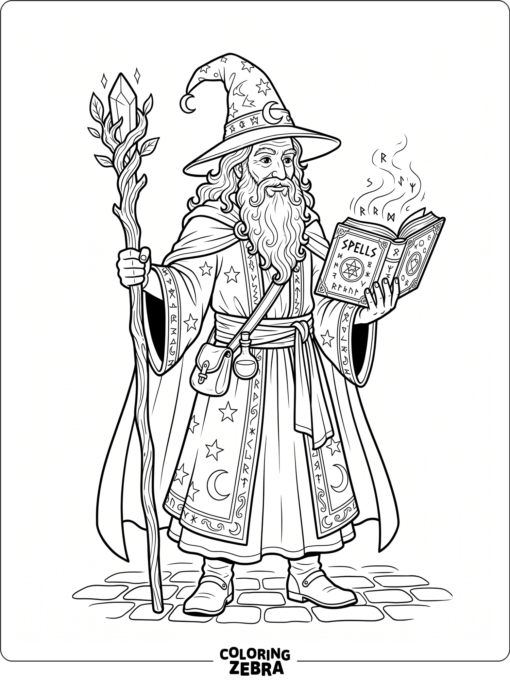

Wizard Coloring Page
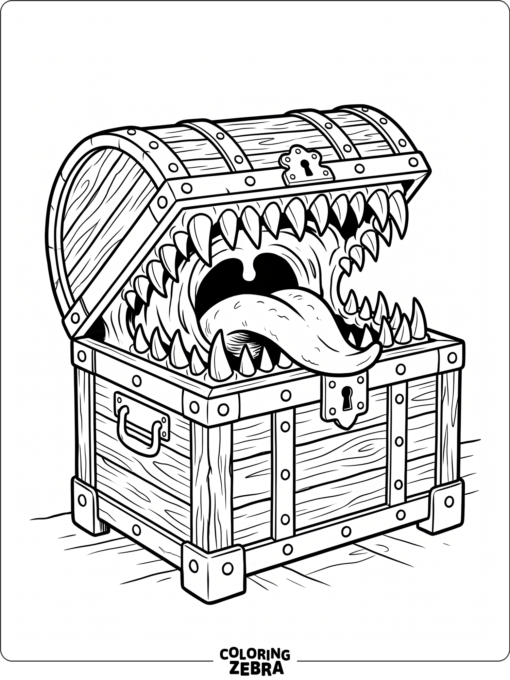

Mimic Coloring Page
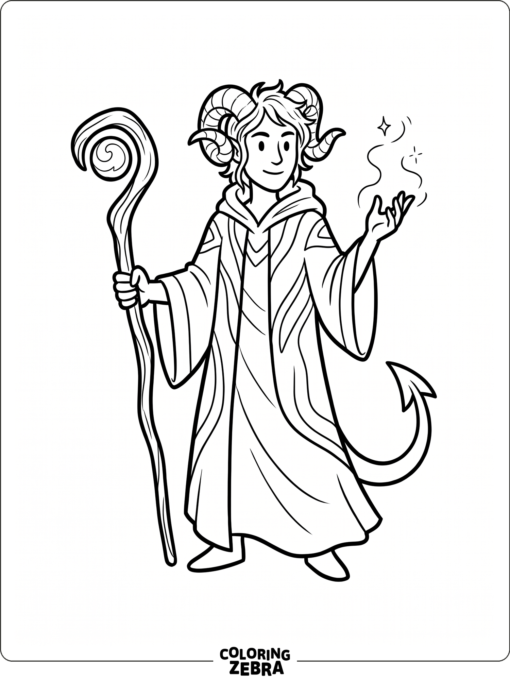

Tiefling Coloring Page
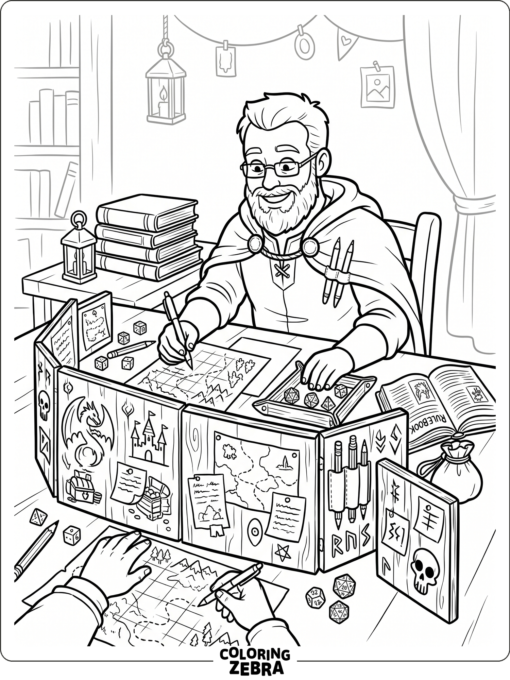

Dungeon Master Coloring Page
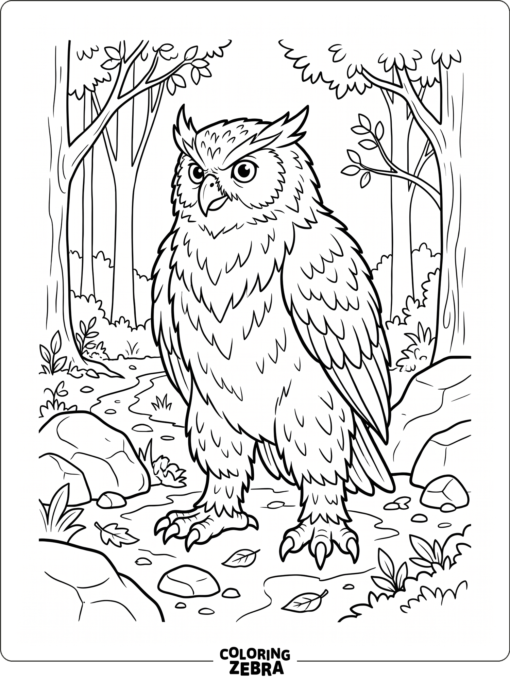

Owlbear Coloring Page
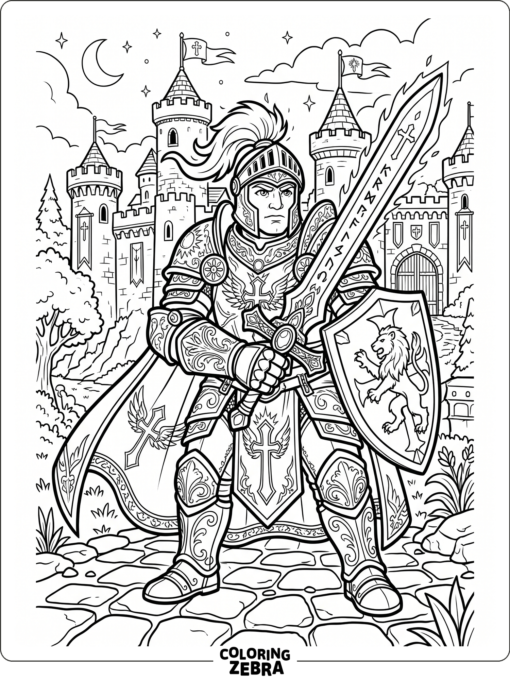

Paladin Coloring Page
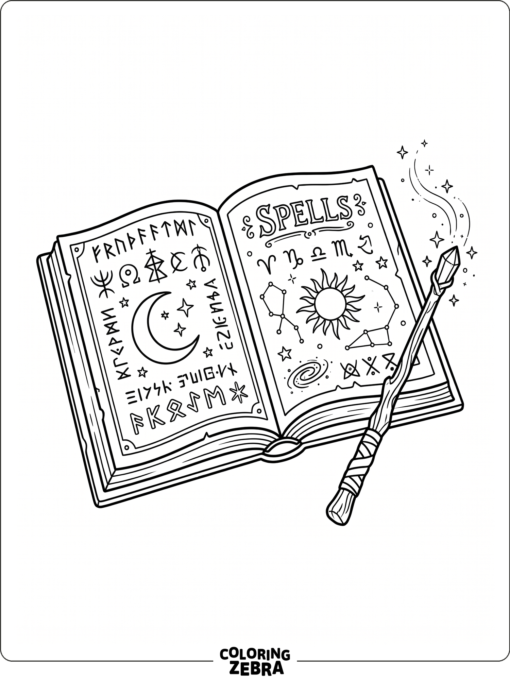

Spellbook Coloring Page
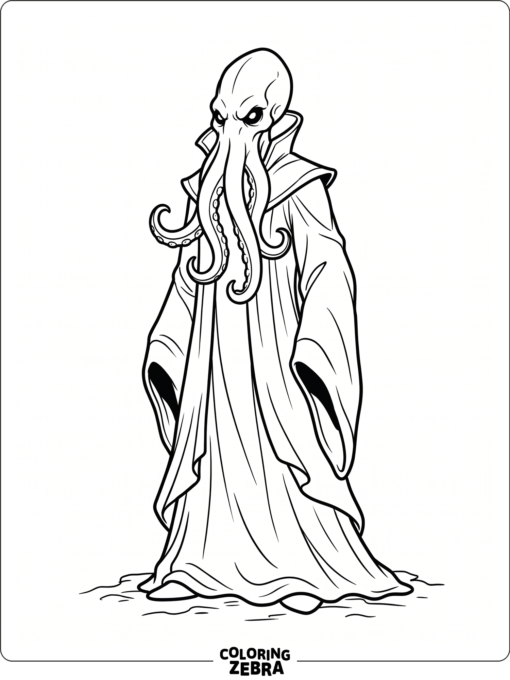

Mind Flayer Coloring Page
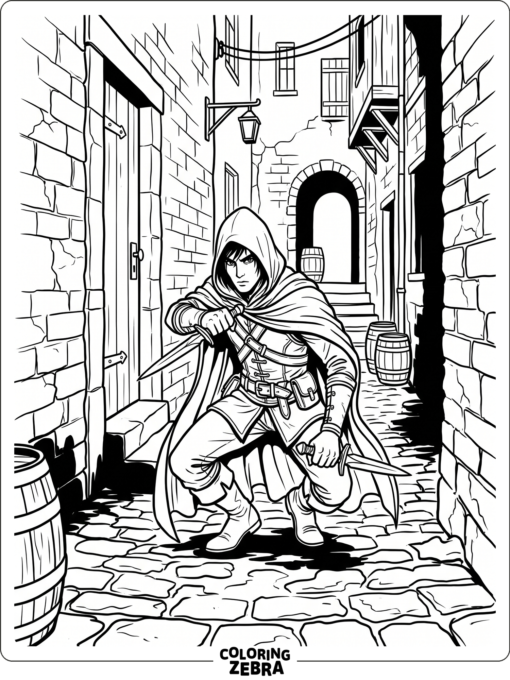

Rogue Coloring Page
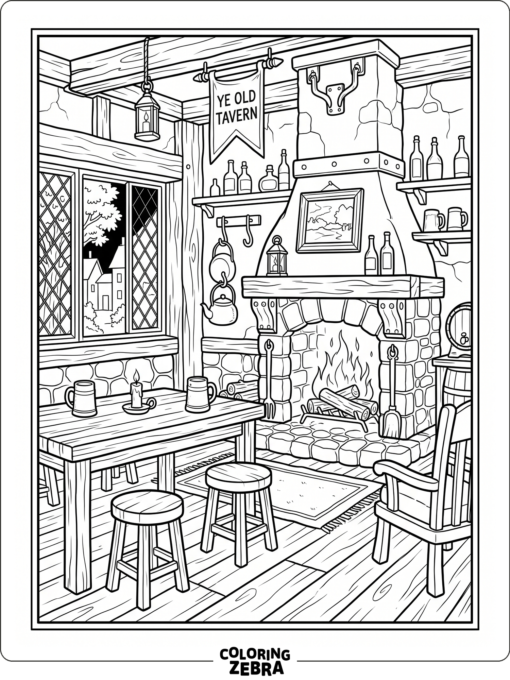

Tavern Coloring Page
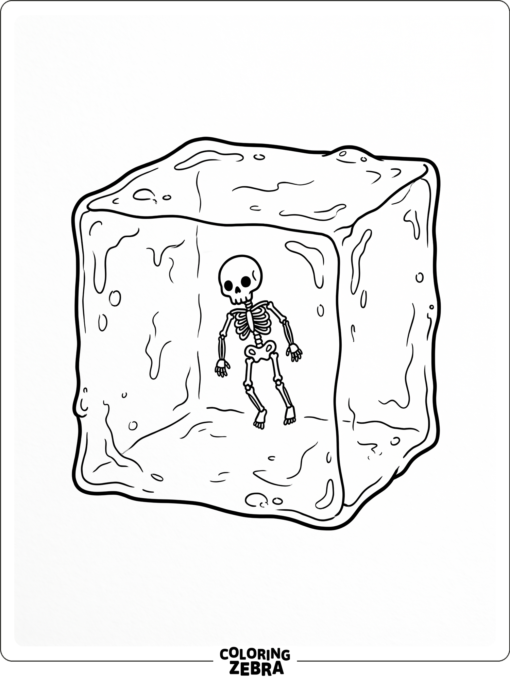

Gelatinous Cube Coloring Page
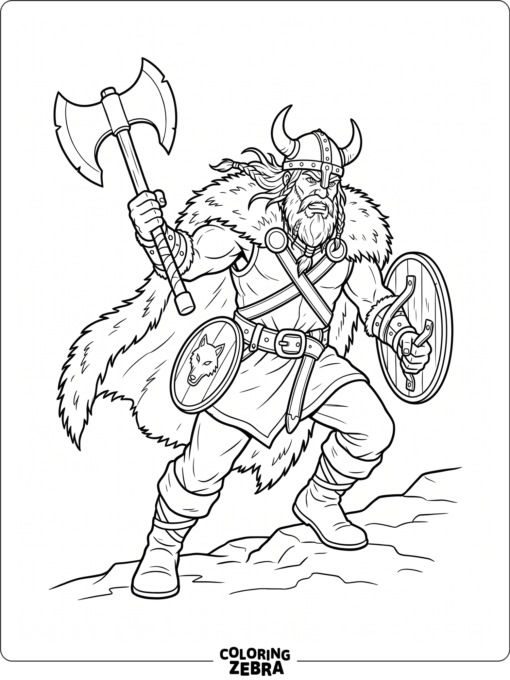

Barbarian Coloring Page
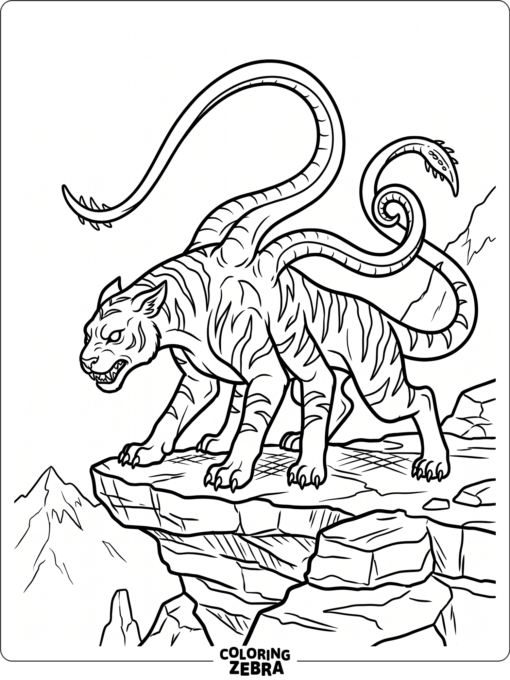

Displacer Beast Coloring Sheet
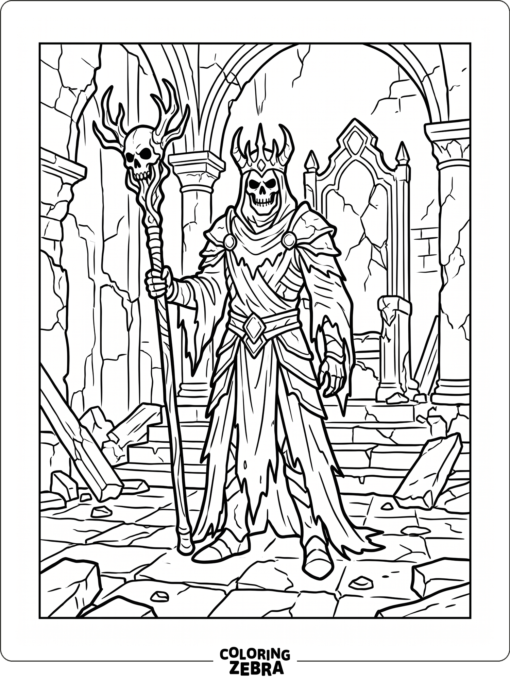

Lich Coloring Sheet
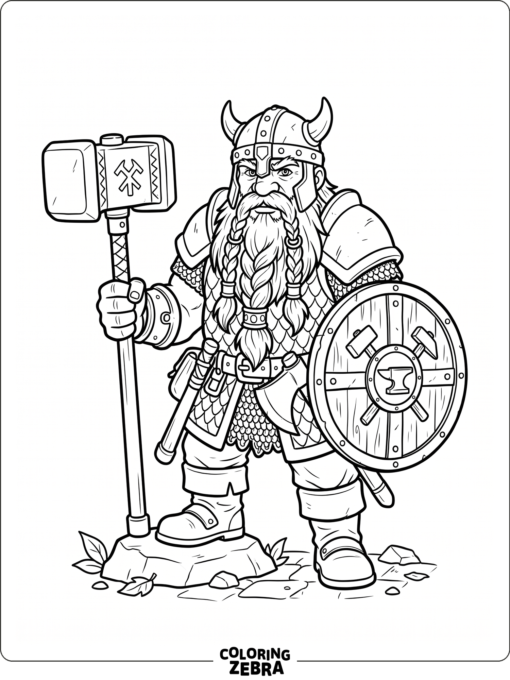

Dwarf Coloring Page
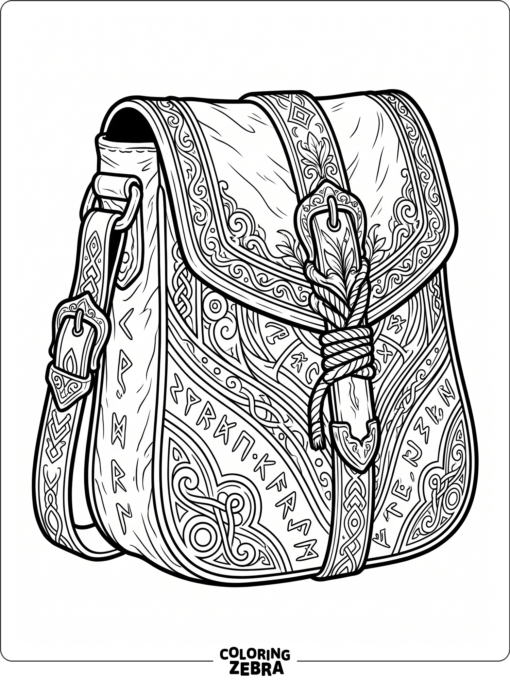

Bag of Holding Coloring Page
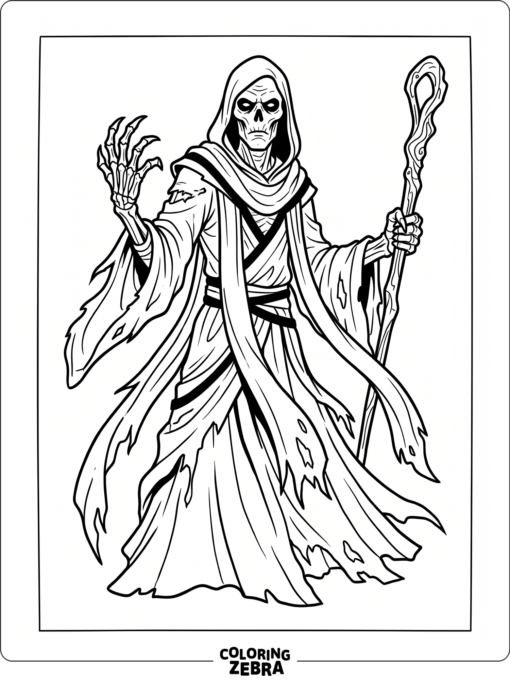

Vecna Coloring Sheet
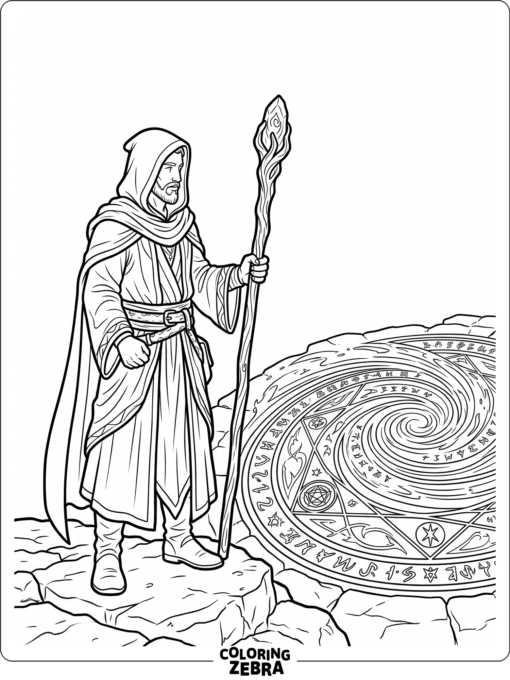

Warlock Coloring Page
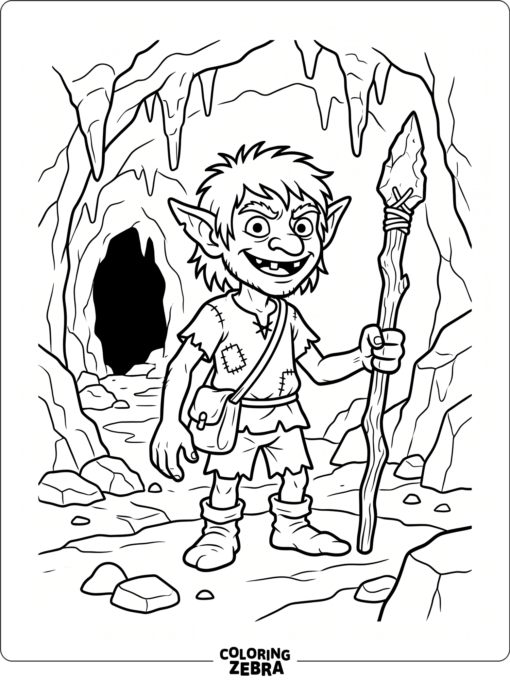

Goblin Coloring Sheet
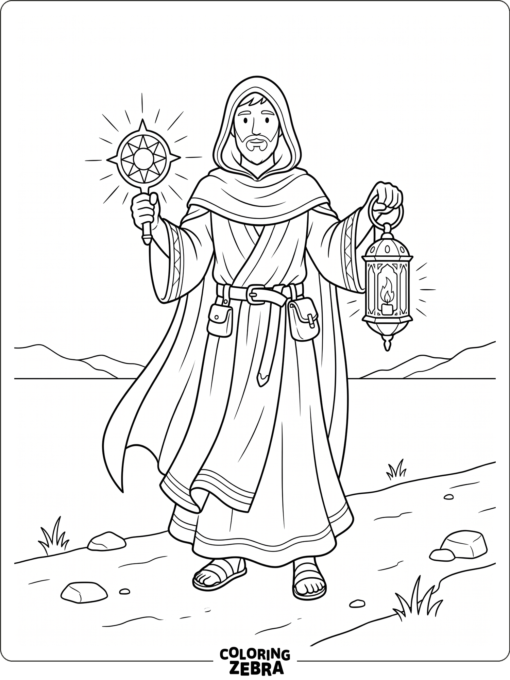

Cleric Coloring Page
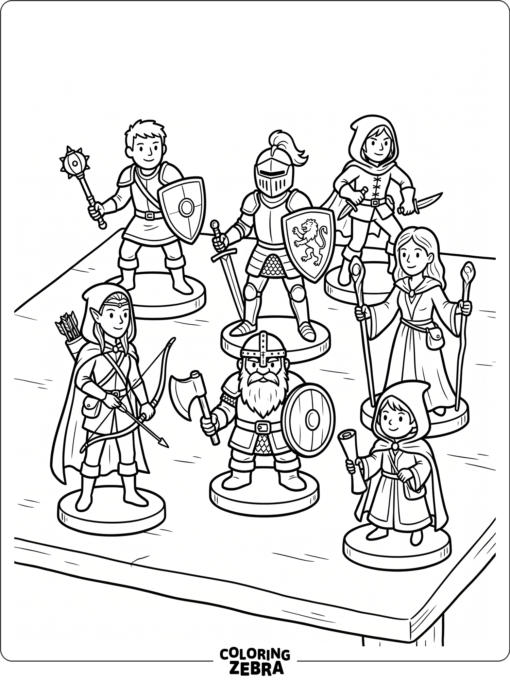

Fantasy Miniature Figures Coloring Page
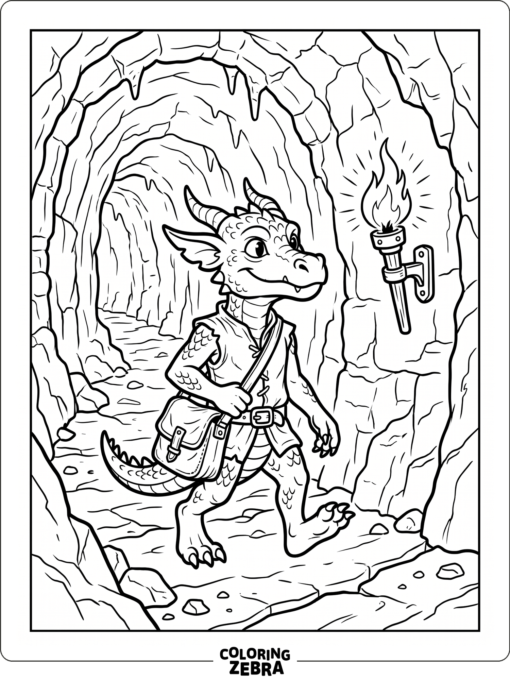

Kobold Coloring Sheet
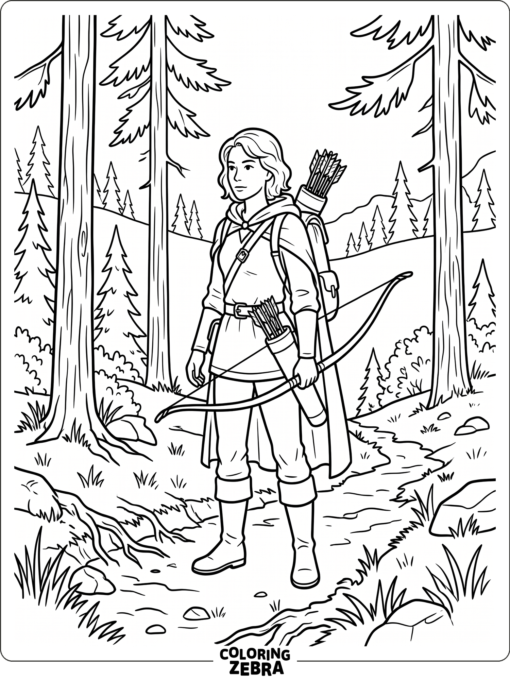

Ranger Coloring Sheet
A Tour Through Tabletop Fantasy
These Dungeons and Dragons Coloring Pages cover both sides of a tabletop adventure: the imagined world occupied by heroes and monsters, and the gaming table where maps, dice, notes, and miniatures help organize the story. Solo character designs include a knight, wizard, paladin, rogue, barbarian, cleric, warlock, ranger, dwarf warrior, dragonborn warrior, and tiefling sorcerer. Party scenes add groups carrying a sword, staff, and shield or standing among banners and dice. The result is a varied collection rather than a single illustrated quest.
The locations contribute just as much character as the figures. An adventurer waits near a dungeon door, a dragonborn warrior stands in a cave, and an elf ranger appears in leaf-themed clothing. Other pages lead to a tavern with mugs and a fireplace, an alley occupied by a dagger-carrying rogue, pine woods, a castle gate framed by bats and roots, and a ruined throne room. These environmental details suggest exploration, secrecy, comfort, or danger without requiring a named campaign setting.
Heroes Classes and Visual Clues
Fantasy adventurers are often identified through clothing, equipment, and posture. A ranger or elf archer carries a bow and quiver, while the crouching rogue has daggers suited to a stealth-focused image. The wizard is shown with robes, a staff, and a spellbook. A cleric holds a holy symbol and lantern, the barbarian wears a fur cloak and carries an axe, and the dwarf warrior pairs a hammer with a shield. Heavy armor and a holy sword give the paladin a markedly different silhouette from the robed magic users.
In tabletop role-playing terminology, a class broadly describes an adventuring role, such as wizard, rogue, cleric, ranger, paladin, barbarian, or warlock. Elf, dwarf, tiefling, and dragonborn instead describe kinds of fantasy characters or lineages. The artwork offers useful visual comparisons between these ideas without assigning the figures names, levels, personalities, or exact abilities.
Party illustrations also show why contrasting designs work well together. Swords and shields suggest martial strength, staffs and spellbooks signal arcane study, and bows indicate skill at a distance or in the wilderness. A group equipped with a sword, staff, and shield immediately reads as a team with different specialties. When coloring such a scene, repeating one accent color across belts, banners, cloak clasps, or shield decorations can visually unite the party while allowing every member to keep a distinct palette.
Monsters With Unmistakable Shapes
The creature selection includes a dragon, goblin, skeleton, slime, beholder, mimic, owlbear, mind flayer, gelatinous cube, displacer beast, lich, kobold, and Vecna. Several are especially recognizable from their outlines. The beholder floats with a central body and numerous eye stalks. The mimic resembles a treasure chest until its lid opens to expose a toothy mouth. The gelatinous cube is transparent and contains a visible skeleton, creating a layered dungeon-hazard design.
Other monster pages use their surroundings to establish mood. An owlbear stands in a forest clearing, a displacer beast crouches on a rocky ledge, and a spear-carrying goblin occupies a cave. The kobold carries a satchel beside a torch, while the lich stands in a ruined throne room. Vecna appears as a tattered, skeletal figure with a skeletal hand; the page does not depend on additional story details to create an ominous subject.
Weapons Armor and Magical Objects
The Dungeons and Dragons Coloring Pages include a broad visual vocabulary of fantasy equipment. Martial details range from swords, shields, bows, arrows, daggers, a spear, an axe, and a hammer to a breastplate and gauntlets. Magical imagery includes staffs, a wand, spellbooks, runes, a holy symbol, an arcane circle, and an ornate bag of holding. Lanterns and torches can become warm focal points against darker cave walls, stone doors, or nighttime scenery.
These objects offer natural opportunities for color contrast. Metallic equipment can be separated into bright edges, dark joints, leather straps, and decorative inlays. Runes may be colored with a limited luminous palette, but their meaning and magical source can remain mysterious. For the spellbook decorated with stars and runes, consider pairing a dark cover with pale page edges and a bright wand accent. The bag of holding can use repeated colors around its ornate patterns without suggesting anything about what it contains.
Coloring Simple and Detailed Designs
The collection has noticeably different complexity levels. The easy knight and chibi adventurer have clear shapes that suit broad areas of flat color. Pages featuring detailed heroes, banners, armor, flowing hair, leaf clothing, or rune-framed portraits invite smaller color changes and more deliberate shading. Choose an approach based on the linework rather than trying to treat every printable in the same way.
- For bold character pages: Begin with the largest areas, such as a cloak, shield, robe, or suit of armor, and reserve one contrasting color for small emblems and weapon details.
- For caves and dungeons: Use several related stone tones, then distinguish torches, lanterns, treasure chests, and figures with warmer or brighter accents.
- For forests: Vary the foliage rather than relying on one green. The owlbear clearing, pine trees, and leaf cloak can each use a different mixture of muted and vivid hues.
- For transparent creatures: Color the gelatinous cube lightly enough that the enclosed skeleton remains visible. A darker outline or softly shaded edge can suggest its cube form.
- For group scenes: Give each adventurer a separate main color, then repeat a smaller shared accent across banners, equipment, or clothing trim.
Dice Maps Miniatures and the Dungeon Master
Dungeons & Dragons is a tabletop role-playing game in which players describe what their characters attempt while a Dungeon Master presents situations, manages encounters, interprets rules, and responds to player choices. One page shows a Dungeon Master seated at a table with maps and dice. Another features miniature fantasy figures arranged on a tabletop. These scenes connect the imaginary caves and castles to the real tools a group may use during play.
Polyhedral dice have different numbers of sides. Their common notation combines the letter d with that number, as in d4, d6, d8, d10, d12, and d20. Maps can establish relative locations, while miniatures may represent adventurers, creatures, and their positions during an encounter. Groups use these materials in different ways, so the pages reflect familiar tabletop practices without pointing to a particular rules edition.
Ways to Use the Finished Artwork
Completed Dungeons and Dragons Coloring Pages can be displayed near a gaming table, placed in a campaign binder, or used as visual prompts before a fantasy role-playing session. A group could color separate party roles, compare interpretations of the same monster, or arrange tavern, forest, cave, and castle scenes into an original sequence. Character portraits can also inspire discussions about how armor, robes, weapons, and symbols communicate an adventurer’s broad role.
The finished images work well as themed decorations for a tabletop gathering. Dice and parchment art can accompany game notes, while the tavern, Dungeon Master, or miniature scenes can mark different sections of a binder. Monster pages may be grouped by silhouette, setting, or level of visual detail. However they are arranged, the collection offers heroic figures, strange creatures, magical objects, gaming tools, and atmospheric locations without forcing them into one fixed storyline.
People Often Ask Us…
-
What shapes are common RPG dice?
-
What makes an owlbear recognizable?
-
What do mind flayers and displacer beasts look like?
-
What is a bag of holding?
-
Why are taverns common in fantasy adventures?