Gorilla Coloring Pages
Gorilla Coloring Pages offer a wide mix of poses, moods, and habitats to explore. Some sheets show strong silverbacks and chest-beating displays, while others focus on baby gorillas, calm faces, or simple outlines. Jungle vines, palm trees, rocks, and leafy backgrounds add variety without distracting from the animal. There are also decorative, seasonal, and worksheet-style pages for different ages and interests.
Print on standard 8.5 x 11 inch paper for easy coloring, or use heavier paper if you want markers without bleed-through. If you plan to color several sheets, choose draft mode to save ink and keep the details crisp enough for pencils or crayons.
Related coloring pages
Printable Gorilla Coloring Pages
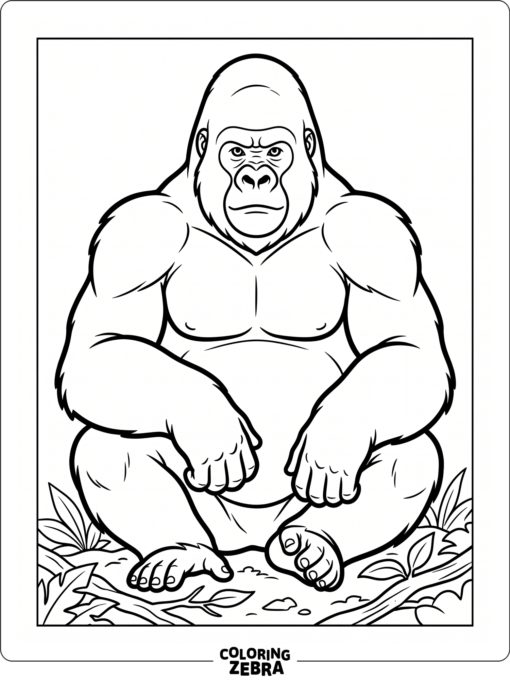

Silverback Gorilla Outline
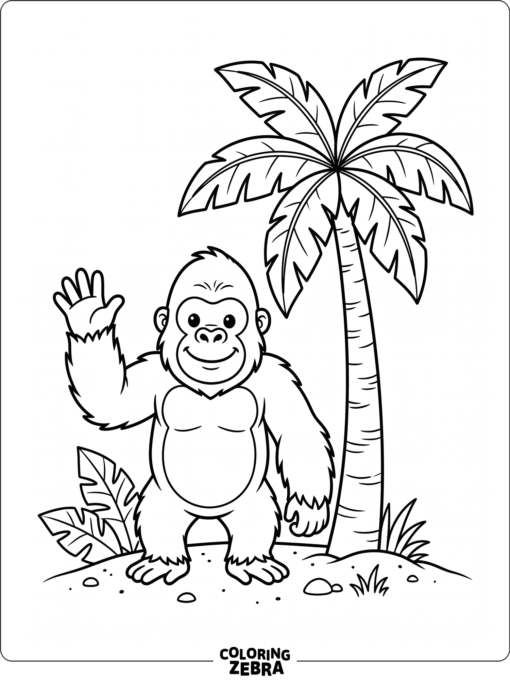

Gorilla Coloring Pages for Kids
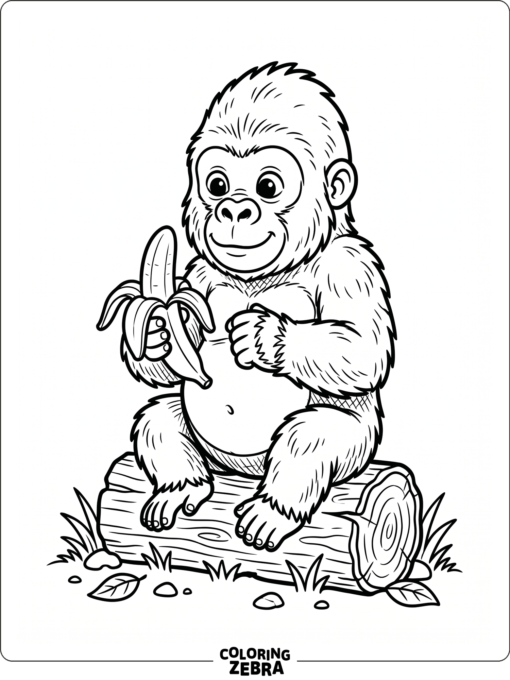

Baby Gorilla Coloring Sheet
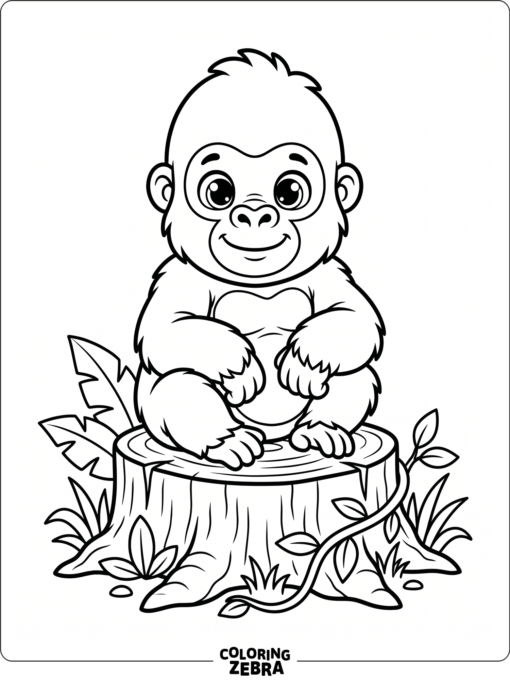

Cute Gorilla Coloring Page
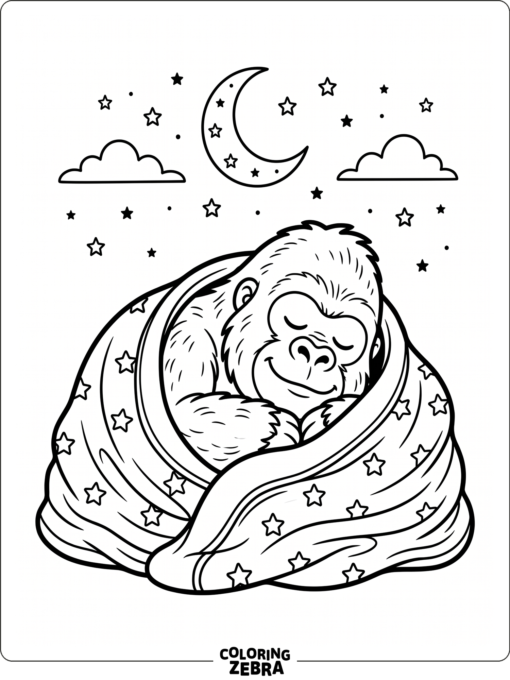

Goodnight Gorilla Coloring Page
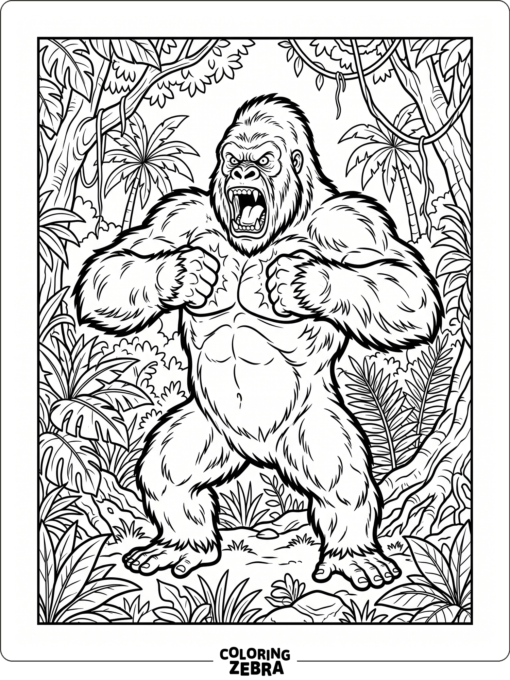

Angry Gorilla Coloring Page
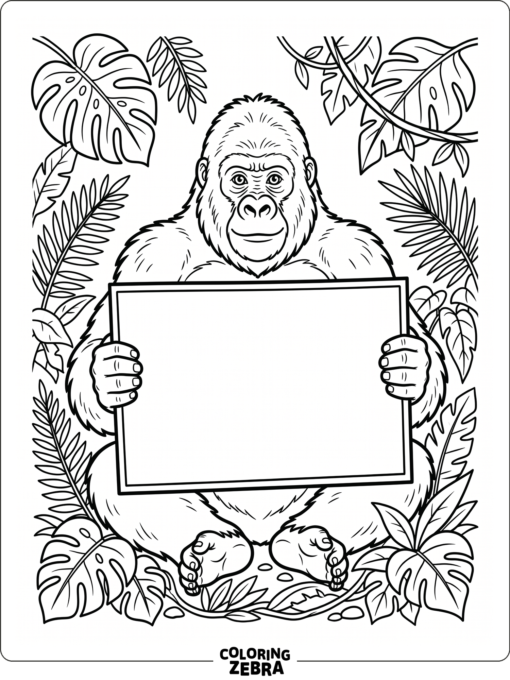

Printable Gorilla Coloring Sheet
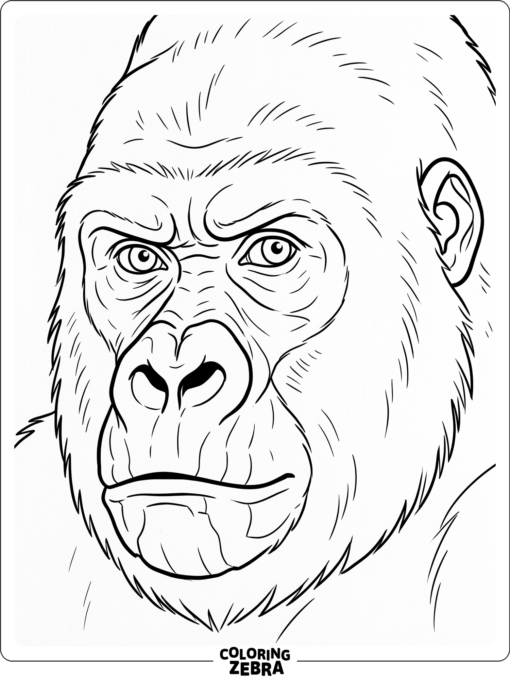

Gorilla Face Outline
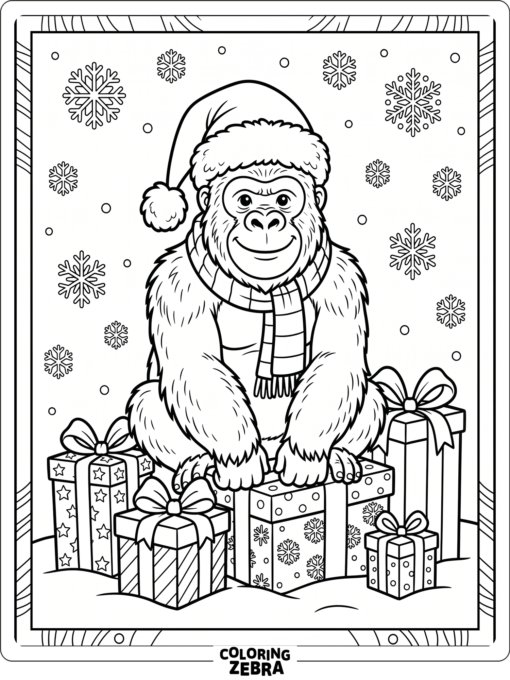

Christmas Gorilla Coloring Page
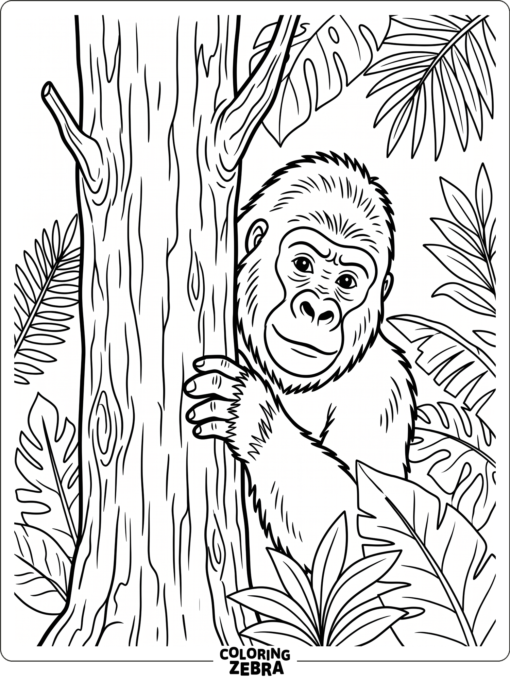

Coloring Page of a Gorilla
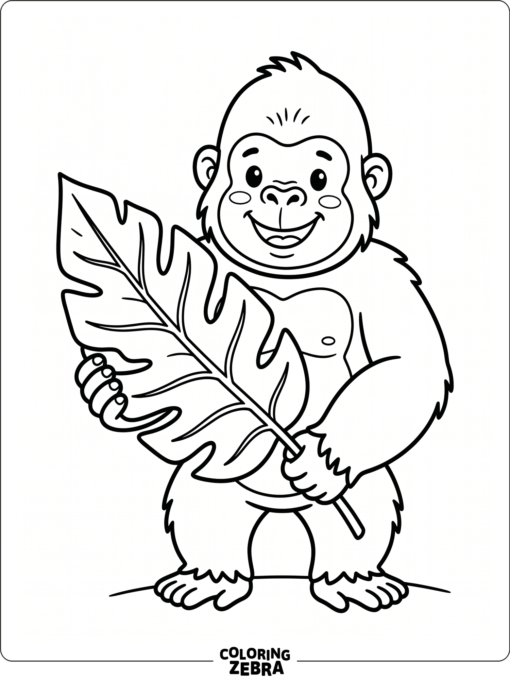

Preschool Gorilla Coloring Page
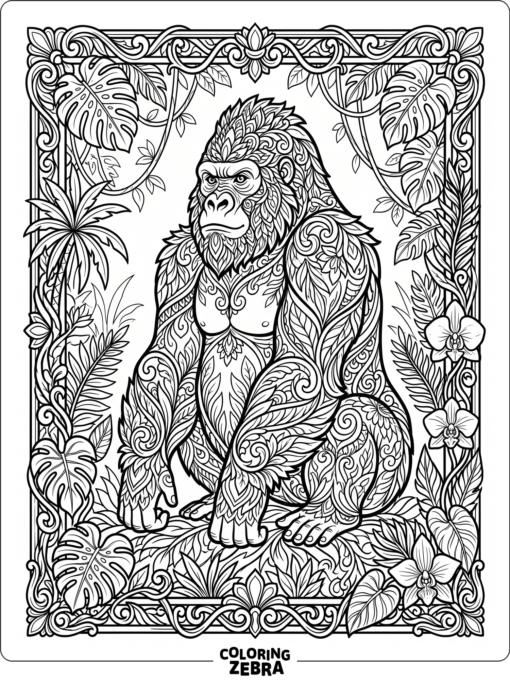

Gorilla Coloring Pages for Adults
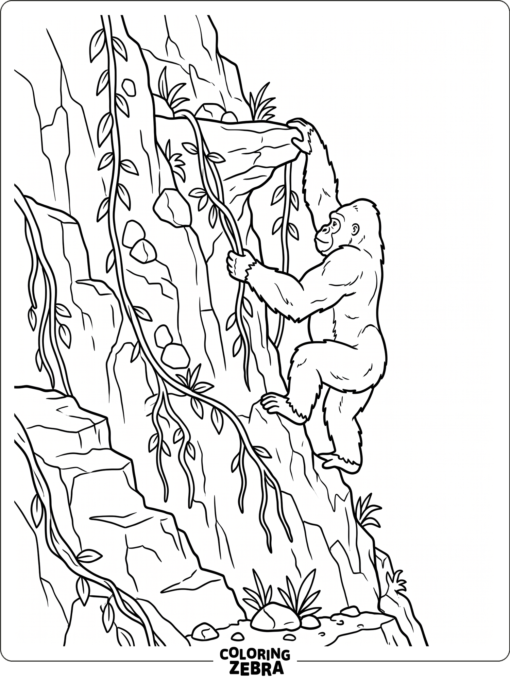

Gorilla Coloring Page to Print
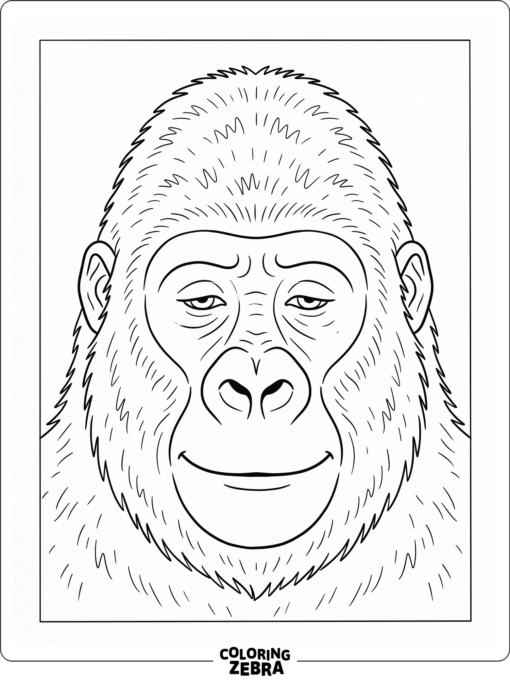

Gorilla Face Coloring Sheet
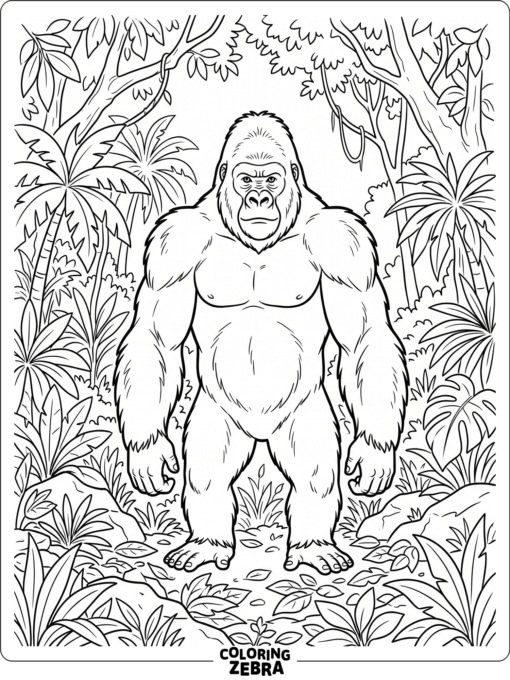

Printable Gorilla Outline
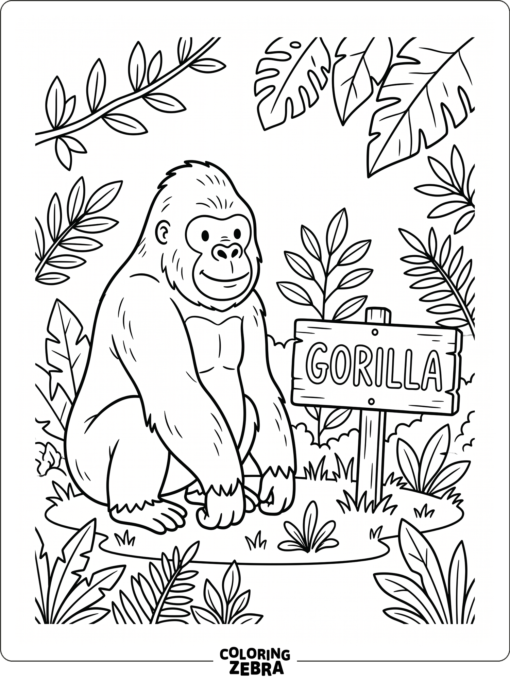

Koko The Gorilla Coloring Page
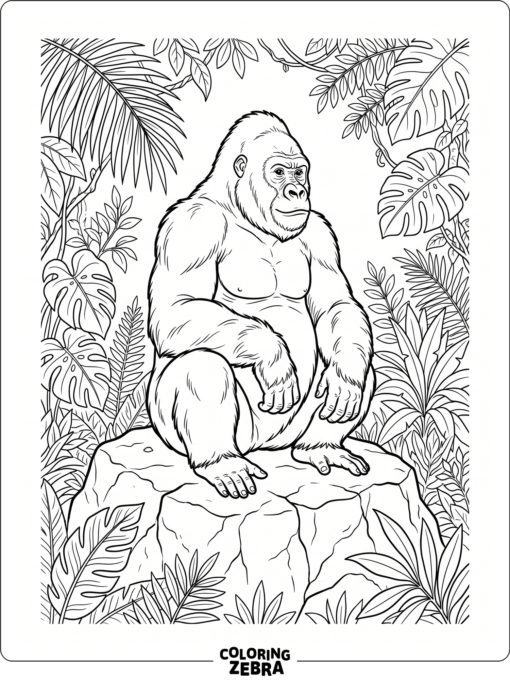

Printable Gorilla Outline
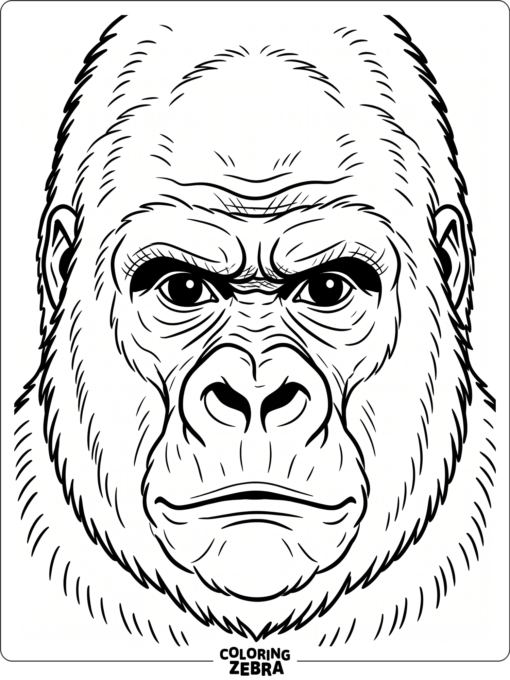

Gorilla Face Coloring Sheet
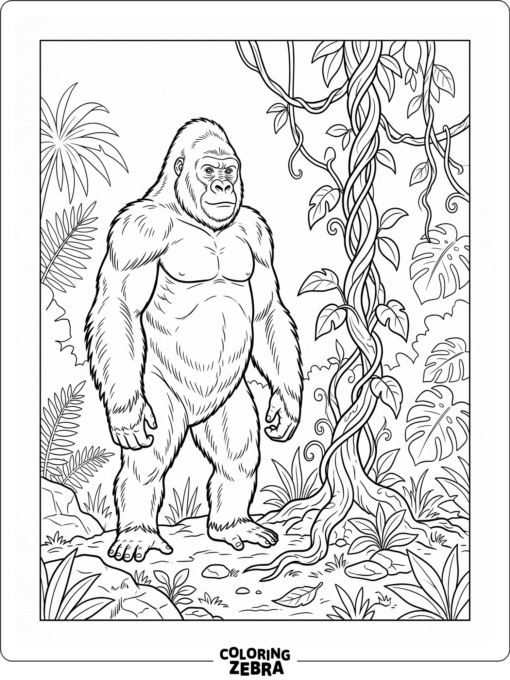

Gorilla Coloring Sheet
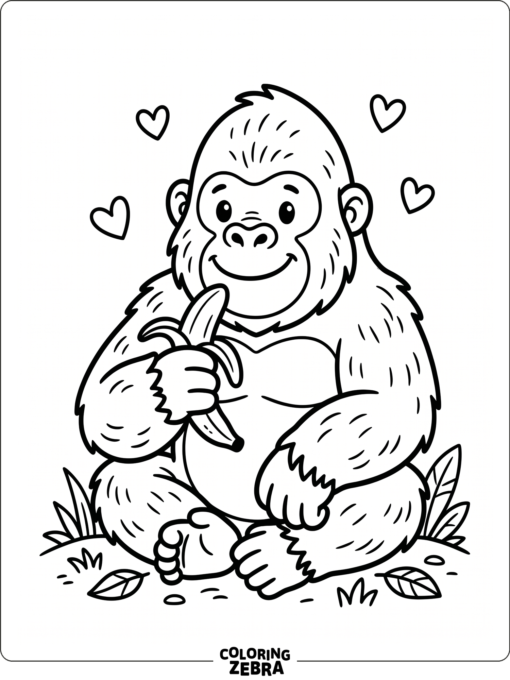

Koko The Gorilla Printable
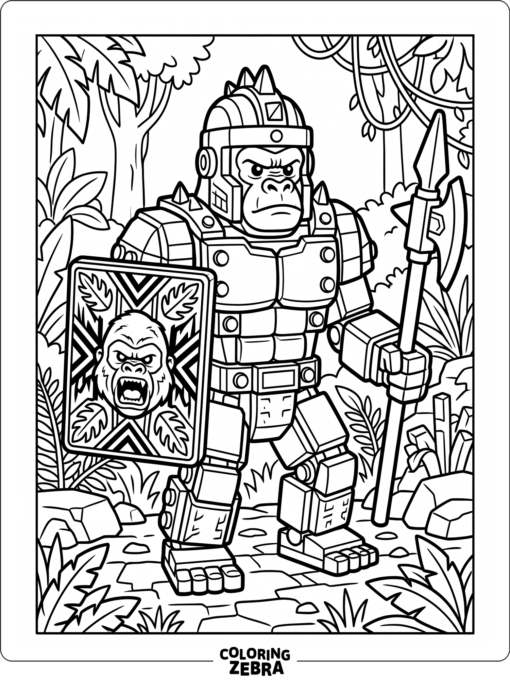

Fantasy Gorilla Coloring Page
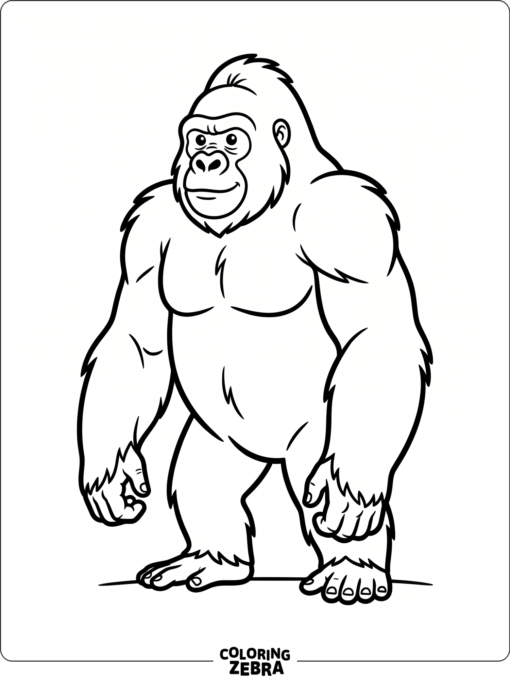

Gorilla Outline Drawing
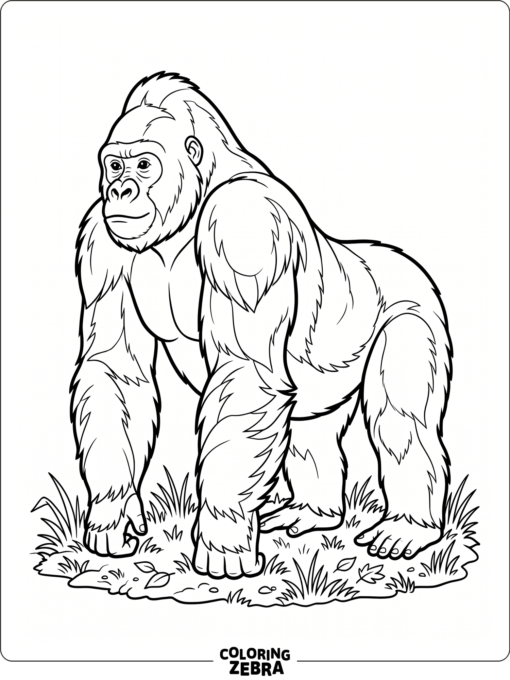

Lowland Gorilla Coloring Page
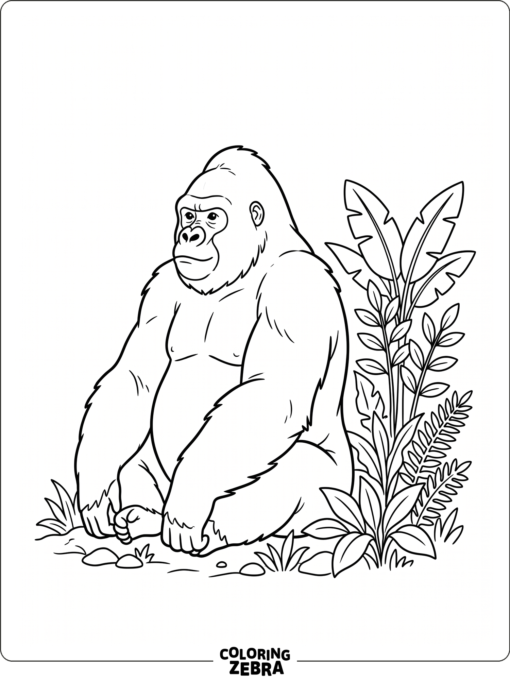

Western Gorilla Coloring Page
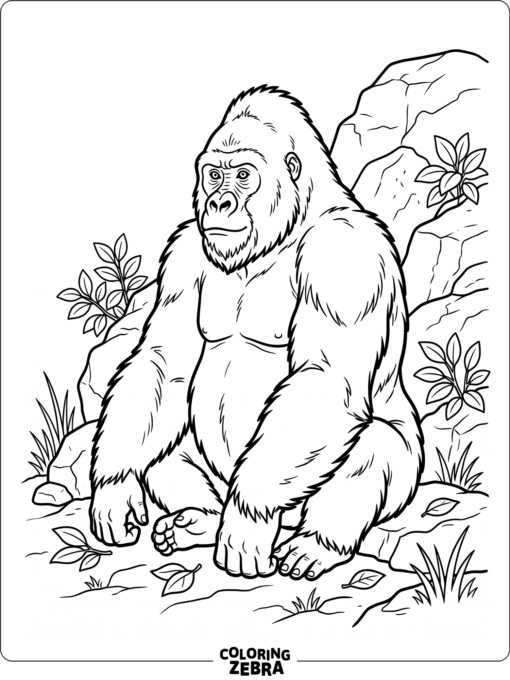

Eastern Gorilla Coloring Page
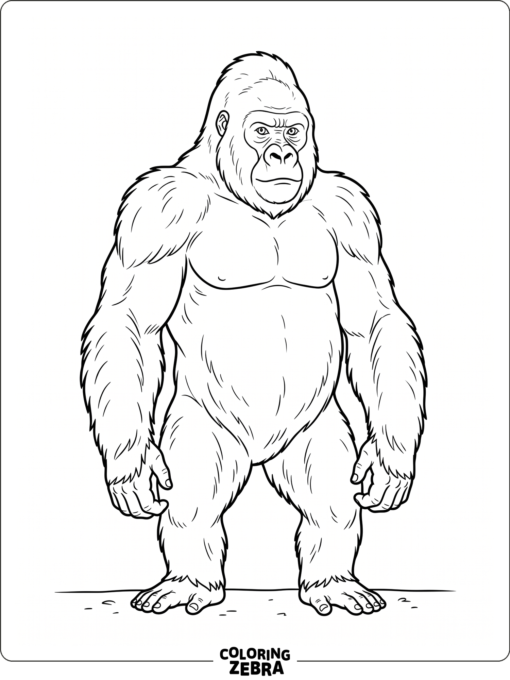

Gorilla Full Body Coloring Sheet
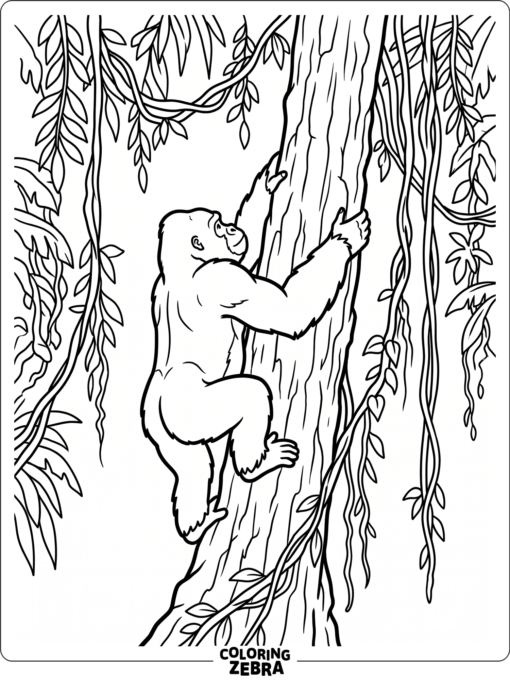

Gorilla Climbing Tree Coloring Page
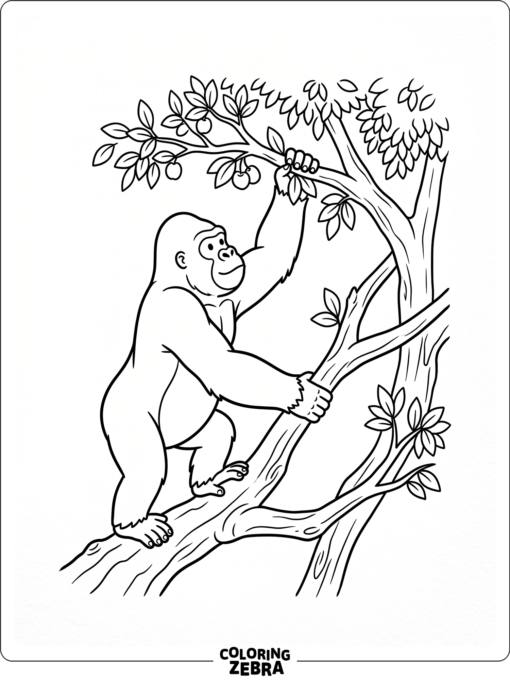

Gorilla Eating Leaves Coloring Page
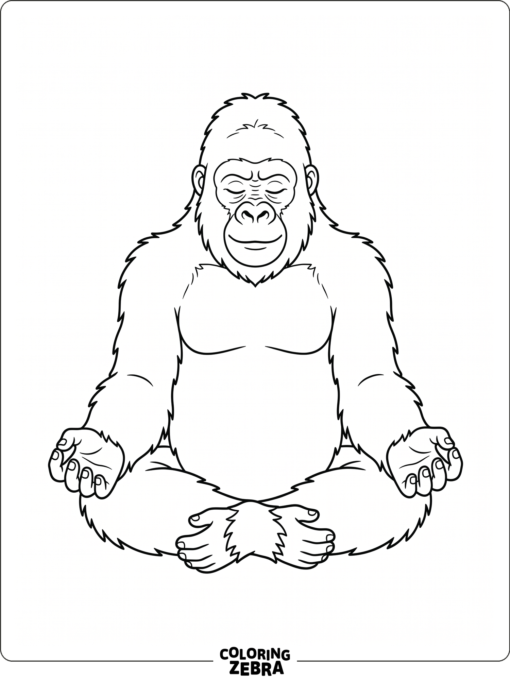

Gorilla Sitting Pose Coloring Page
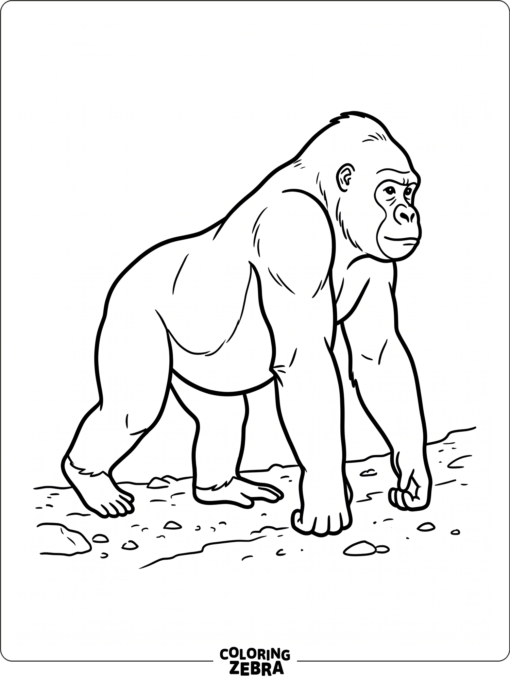

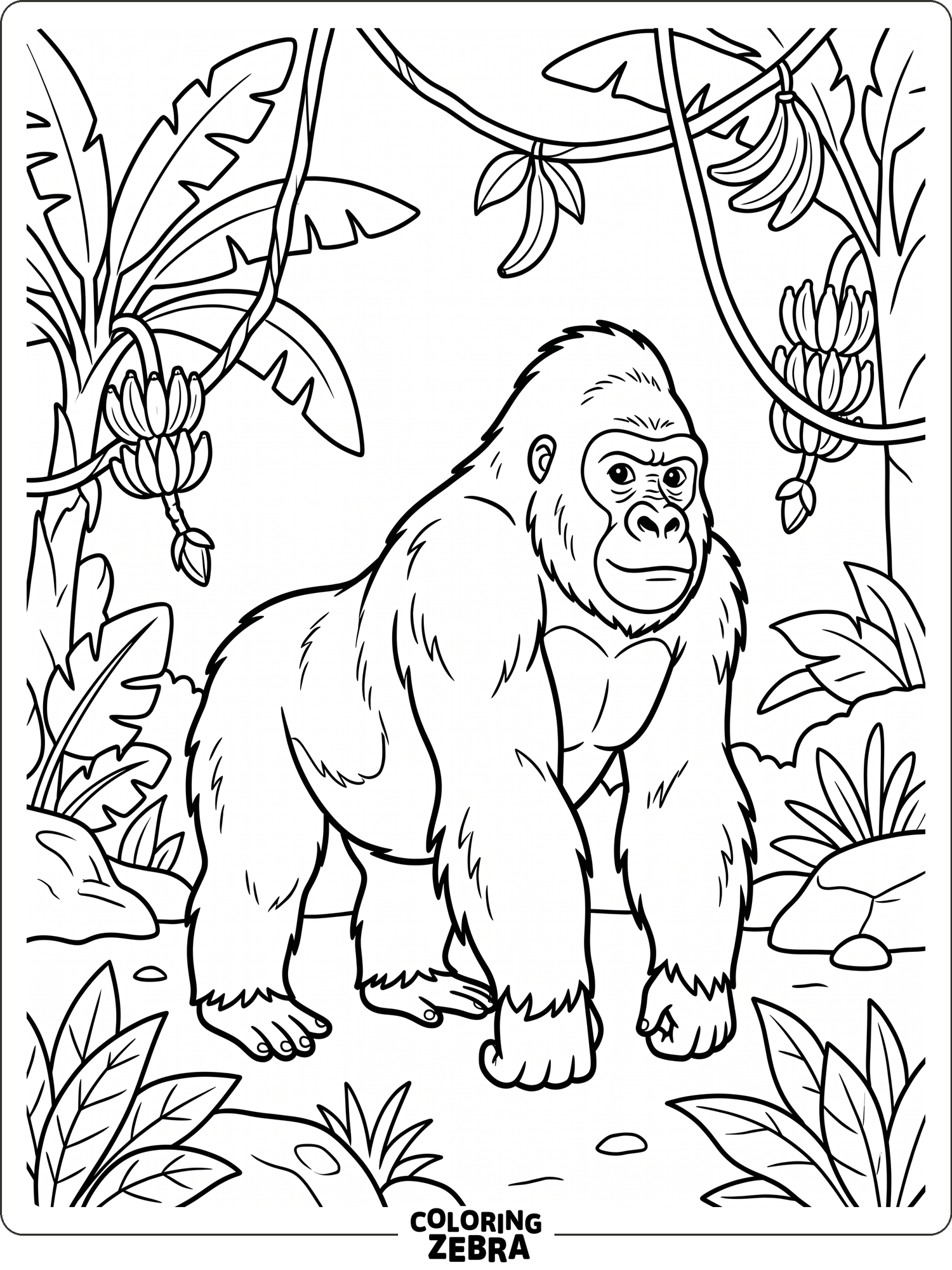
Gorilla Walking On Knuckles Coloring Page
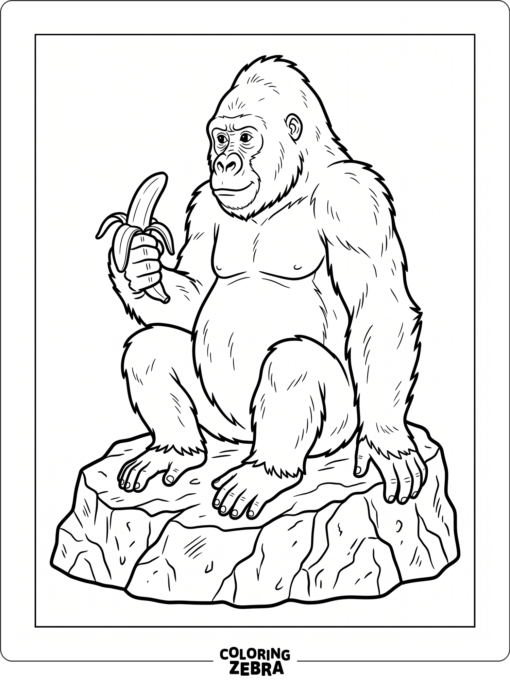

Gorilla Holding Banana Coloring Page
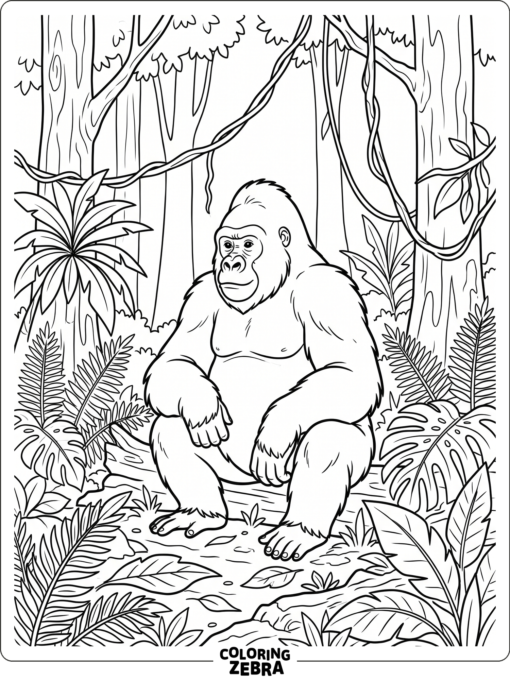

Gorilla In Jungle Habitat Coloring Page
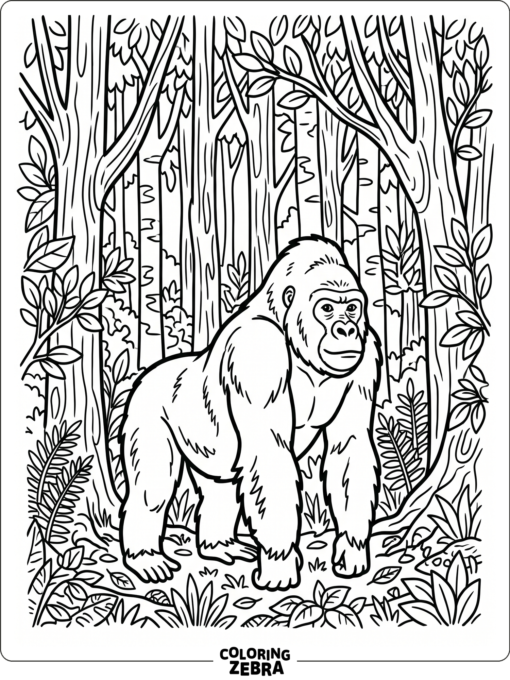

Gorilla In Dense Forest Coloring Page
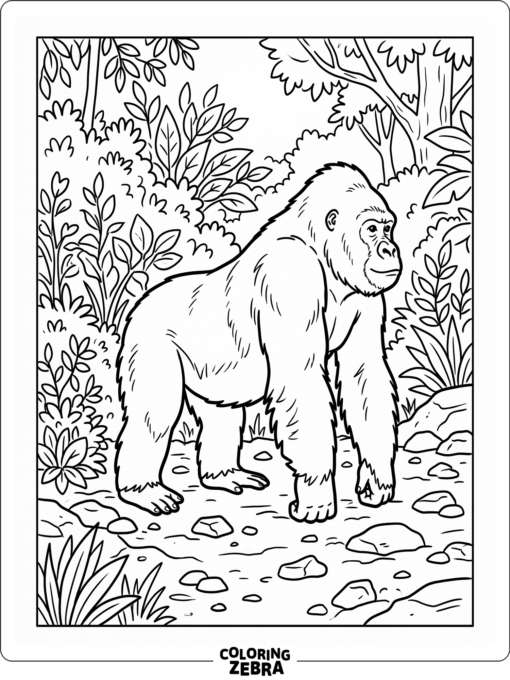

Wild Gorilla Environment Coloring Page
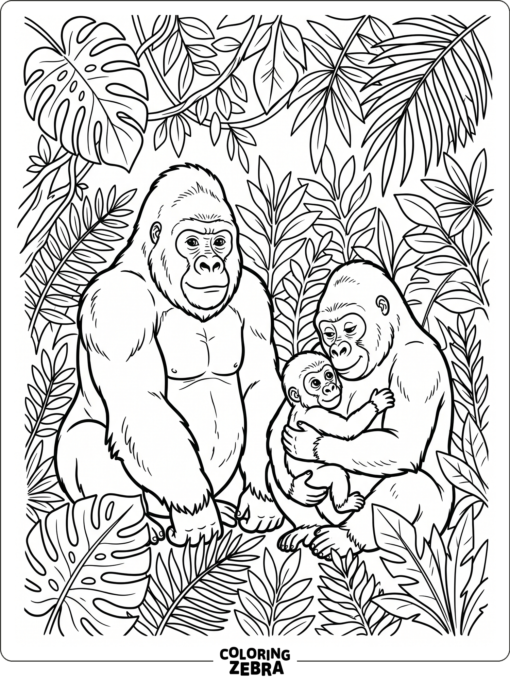

Gorilla Family In Jungle Coloring Page
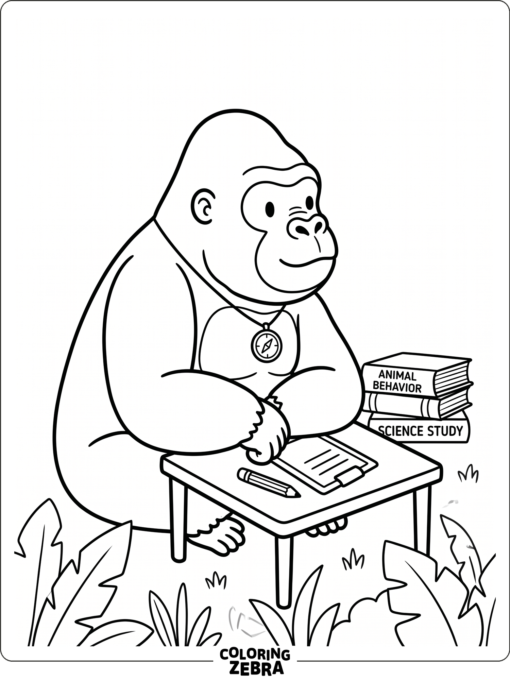

Primate Study Gorilla Worksheet
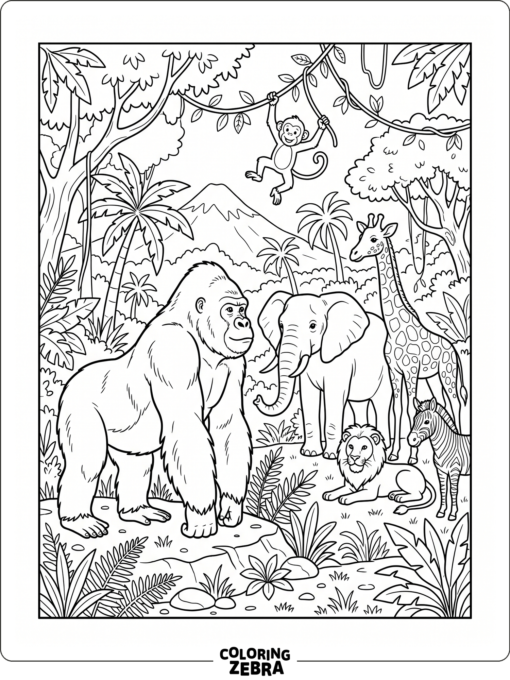

Wildlife Education Gorilla Coloring Sheet
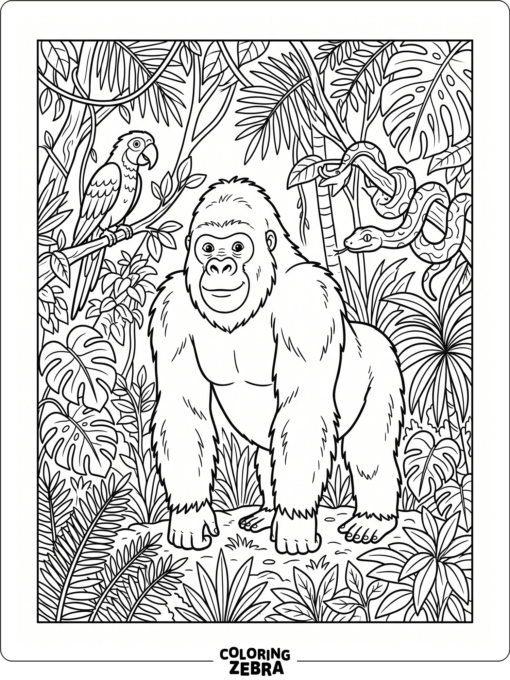

Jungle Animals Gorilla Coloring Page
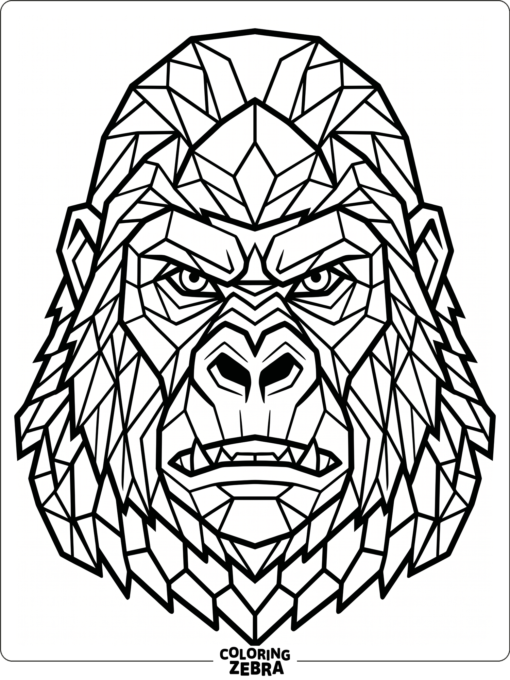

Geometric Gorilla Coloring Page
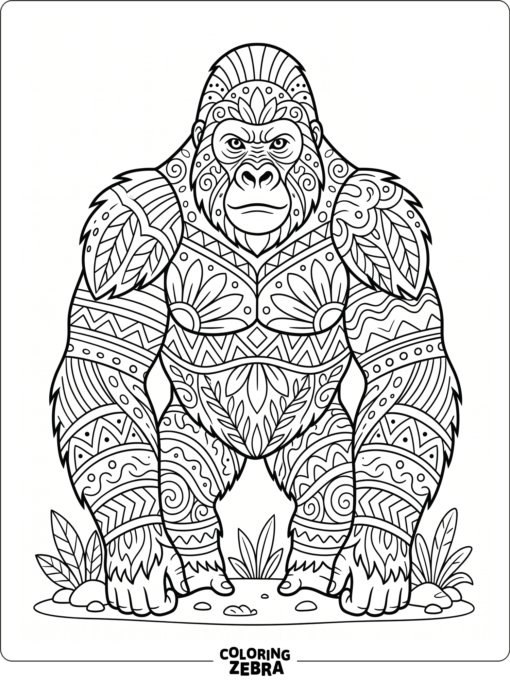

Patterned Gorilla Coloring Sheet
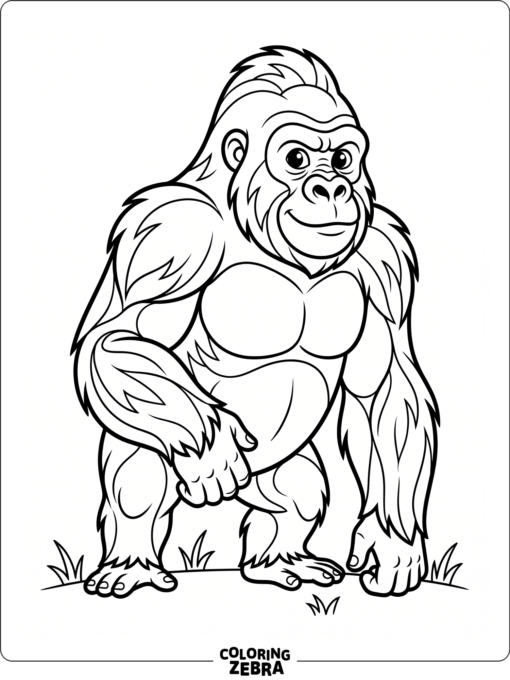

Stylized Gorilla Line Art Coloring Page
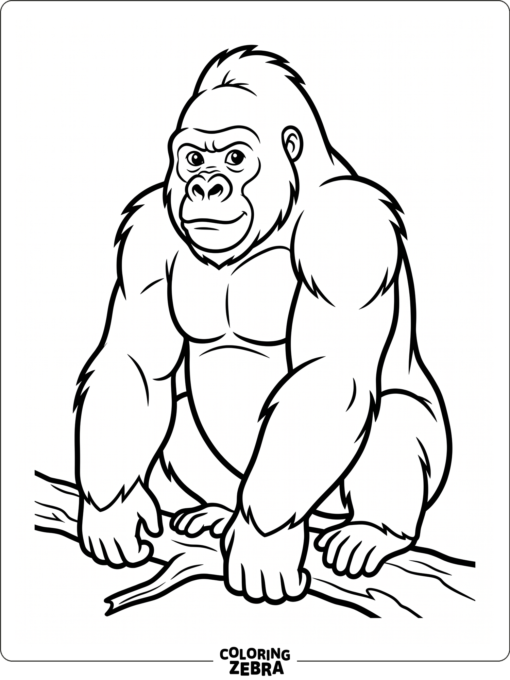

High Resolution Gorilla Printable
What appears in this gorilla coloring page set
This gorilla coloring pages collection includes a strong range of poses and styles, so the printable set works for younger children, older kids, and adults who prefer more detail. You will find standing gorillas, seated poses, walking and knuckle-walking scenes, climbers on vines and tree trunks, and close-up face pages with bold features. Some illustrations lean realistic, while others use simple outlines or decorative line work that leaves plenty of open space for easy coloring.
The variety is especially helpful if you want pages that feel different from one another without changing the main theme. A silverback with broad shoulders gives a powerful silhouette, while a baby gorilla holding a banana adds a softer and more playful look. Other pages include a gorilla waving beside a palm tree, a peaceful cross-legged pose, and a dramatic chest-beating scene in a clearing. The result is a set that shows both calm and expressive body language.
Gorilla types and label-based variety
Some pages in this set are labeled with terms such as lowland, western, or eastern gorilla, which gives the collection a more educational edge. That kind of label can help turn a simple wildlife page into a quick discussion about how the same great ape may appear in different educational contexts. When a title is specific, the coloring page can support vocabulary practice as well as careful observation.
It is also useful that the set balances labeled species-style pages with general ape coloring pages. That means you can choose a clearly identified worksheet for a lesson or a broader jungle animal page for casual coloring. The key is that the image set stays visually varied without overpromising details that are not shown in the artwork itself.
Key gorilla features to notice while coloring
One of the most interesting parts of these pages is how clearly they highlight gorilla anatomy. Thick arms, broad shoulders, strong hands, and a prominent brow are easy to spot in both simple and detailed line art. The knuckle-walking pose is especially useful for teaching children how gorillas move on the ground.
Colorists can also pay attention to the difference between an adult silverback and a baby gorilla. Adults usually have larger bodies and heavier shoulders, while the younger animal often has rounder proportions and a smaller frame. In face close-ups, fur texture, eye shape, and the curve of the muzzle become the main details to color carefully.
Behavior and body language shown in the illustrations
Many pages show recognizable behavior in a way that feels easy to read. Chest-beating suggests a dramatic display, while sitting upright, resting, or sitting cross-legged gives a calmer impression. Climbing and reaching scenes make the ape look active and alert, especially when vines or branches are part of the composition.
Several pages also use friendly, stylized expressions such as smiling, waving, or peeking from behind a tree trunk. Those images are less about strict realism and more about making the subject approachable. A gorilla family with an adult and baby adds another layer, since it naturally suggests social grouping and care within the scene.
Jungle and habitat details in the collection
Environment details help frame each page without overwhelming the main subject. Vines, palm trees, ferns, shrubs, stones, and dense forest trees appear often, giving the illustrations a clear jungle or wild habitat feeling. A gorilla standing in a clearing looks very different from one resting near plants or climbing among leaves, even when the animal itself stays central.
These background elements are useful for coloring because they let you vary greens, browns, and earth tones across the page. They also keep the artwork grounded in the animal’s natural setting, which makes the collection feel consistent even when the style shifts from simple to highly detailed. If you like wildlife coloring sheets, this mix of habitat and subject matter is a major part of the appeal.
Educational context that fits the theme
Gorillas are great apes, not monkeys, and that distinction is easy to share while coloring. It is also helpful to know that adult males are called silverbacks because of the silver-gray hair on their backs. Those facts fit naturally with an ape coloring page set and can support a quick science discussion at home or in a classroom.
Their plant-based diet is another simple teaching point that works well with banana, leaf, and jungle scenes. Since gorillas use knuckle-walking on the ground and can also climb, the poses in this set show more than just a single stance. Pages like the gorilla study worksheet are especially useful when you want a coloring activity that doubles as observation practice.
How to color different styles in the set
Simple bold-outline pages are easiest for younger children or anyone who wants a quick result. Large areas of fur, face, and background can be filled with crayons or markers, and the open shapes reduce frustration. On the other hand, ornate and patterned gorilla line art invites slower work with colored pencils, shading, or repeating color choices.
For realistic gorilla coloring pages, try muted browns, charcoal grays, and softer contrast around the face and shoulders. For stylized pages, you can use leafy patterns, geometric shapes, or even a seasonal palette for pages with a Santa hat, gifts, moon, stars, or snowflakes. If you are working on a high-detail outline, a sharp pencil tip helps keep the fur texture neat.
Ways to use finished pages
Completed sheets can be used in many simple ways after the coloring is done. Teachers can add them to animal units, homeschool folders, or science notebooks. Parents may use them as quiet-time art, wall displays, or themed binder pages. Since the set includes both decorative and worksheet-style pages, it can support casual coloring or more structured learning.
If you want a broader activity, pair two or three pages that show different poses and ask children to compare them. A standing ape, a climbing ape, and a family scene all tell different stories through posture alone. That makes gorilla coloring pages more than just a printable craft; they become a simple way to notice anatomy, behavior, and habitat in one place.
People Often Ask Us…
-
What is the difference between a gorilla and a monkey?
-
Why is an adult male gorilla called a silverback?
-
What do gorillas eat in the wild?
-
How do gorillas move on the ground?
-
How are gorilla family groups usually organized?