
Praying Mantis Coloring Pages
Praying Mantis Coloring Pages invite kids and adults to notice one of nature’s most distinctive insects up close. The collection mixes realistic poses, simple outlines, cute characters, and detailed habitat scenes. Folded front legs, long bodies, and leaflike camouflage make each sheet visually interesting. There is plenty here for both quick coloring and careful observation.
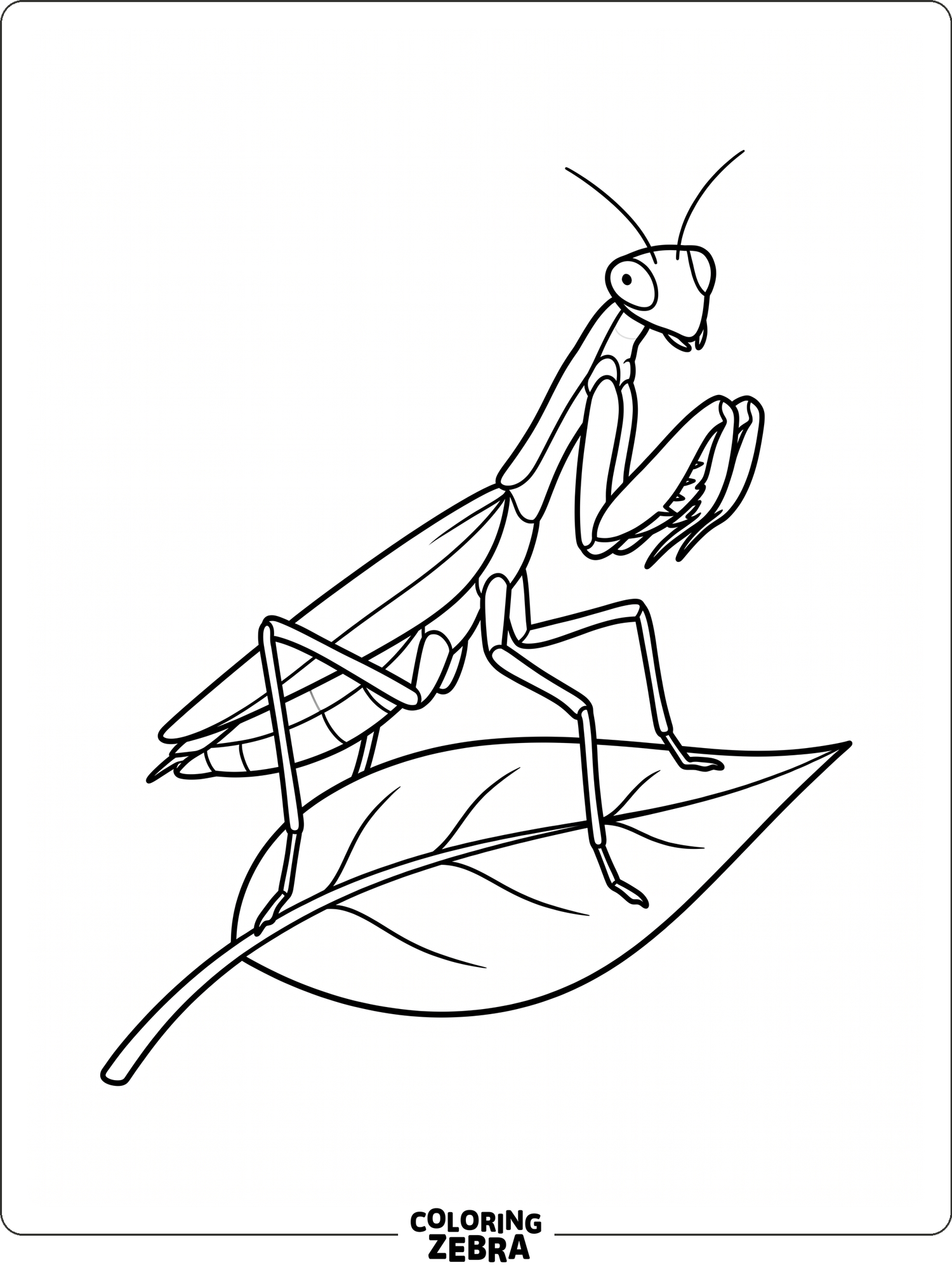
Print on standard letter paper for the cleanest fit, and choose “fit to page” if you want the full outline visible. Heavier white paper works well with markers, while regular printer paper is a good choice for crayons or colored pencils. If you want to save ink, print the simpler outline pages first and keep the detailed designs for special copies.
Related coloring pages
Printable Praying Mantis Coloring Pages
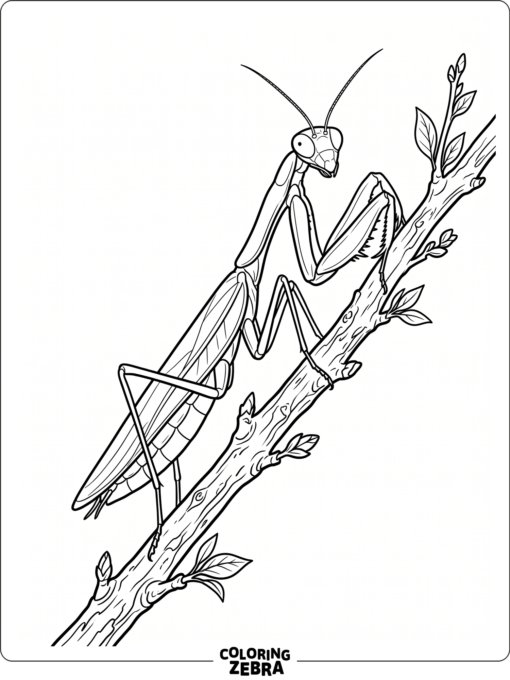

Realistic Praying Mantis Coloring Sheet


Orchid Mantis Coloring Page
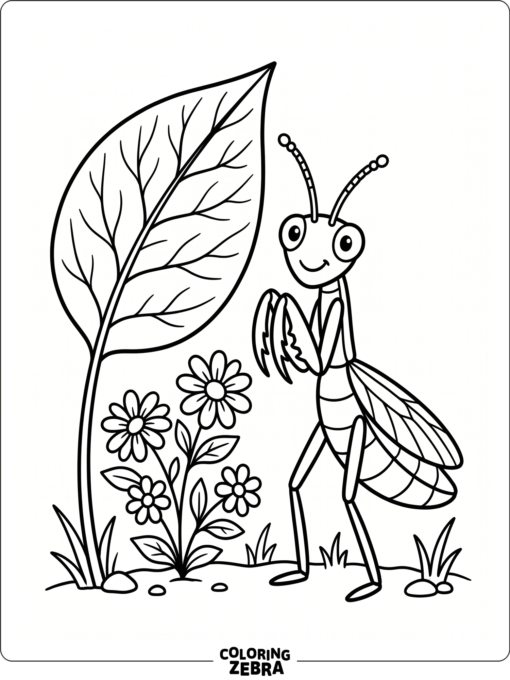

Praying Mantis Coloring Pages for Kids
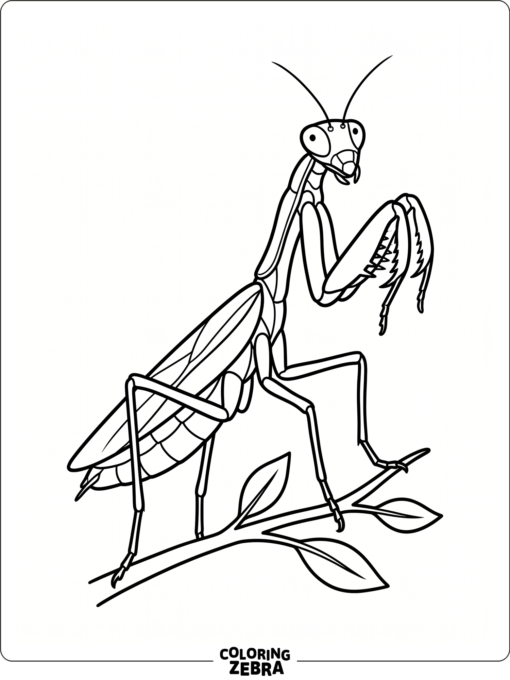

Easy Praying Mantis Coloring Page for Beginners
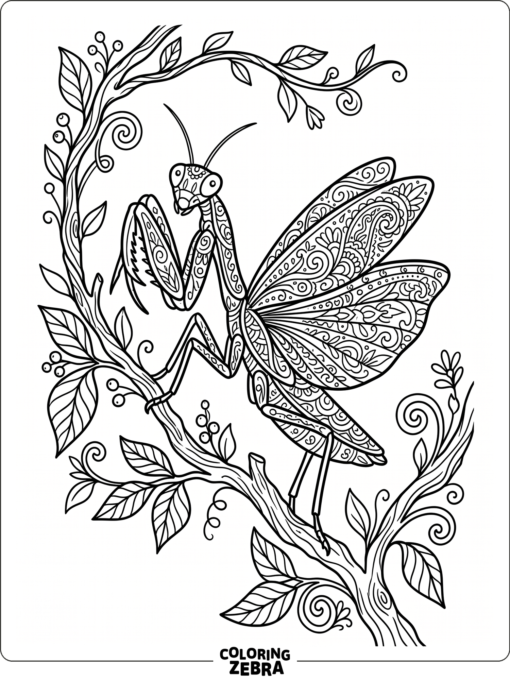

Detailed Praying Mantis Coloring Page for Adults
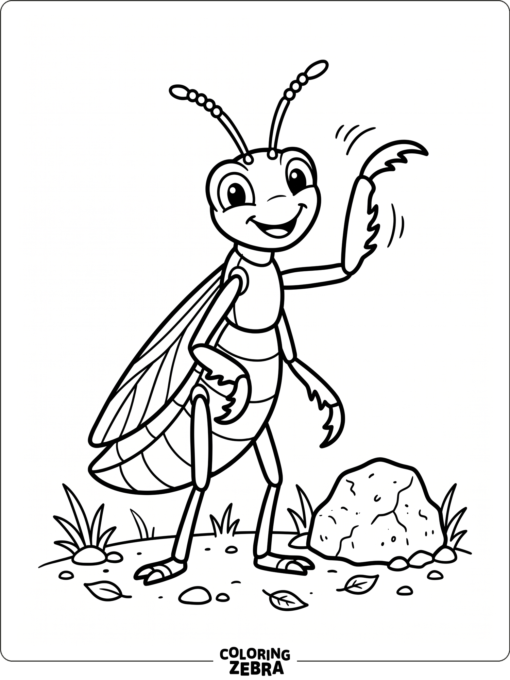

Cartoon Praying Mantis Coloring Sheet
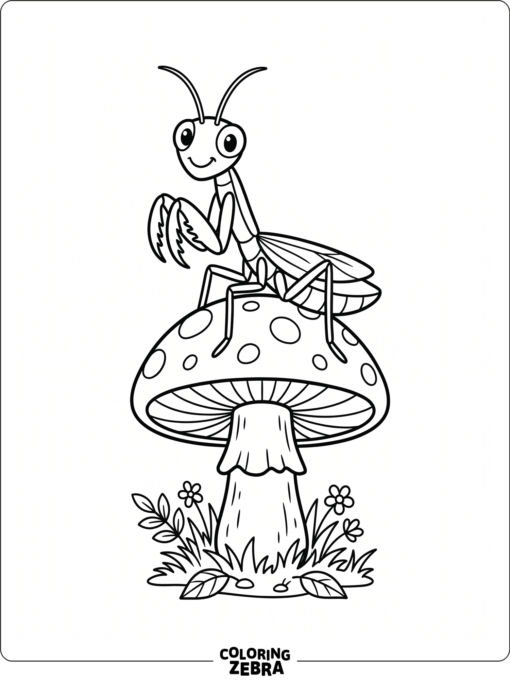

Cute Praying Mantis Coloring Page Printable


Baby Praying Mantis Coloring Page
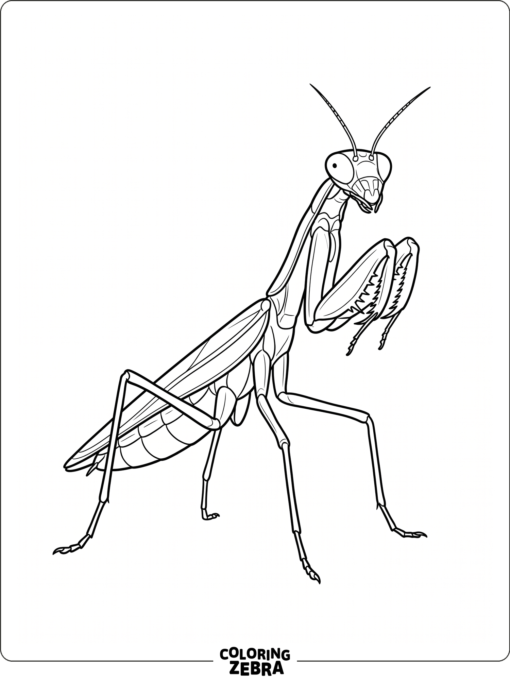

Praying Mantis Outline for Coloring
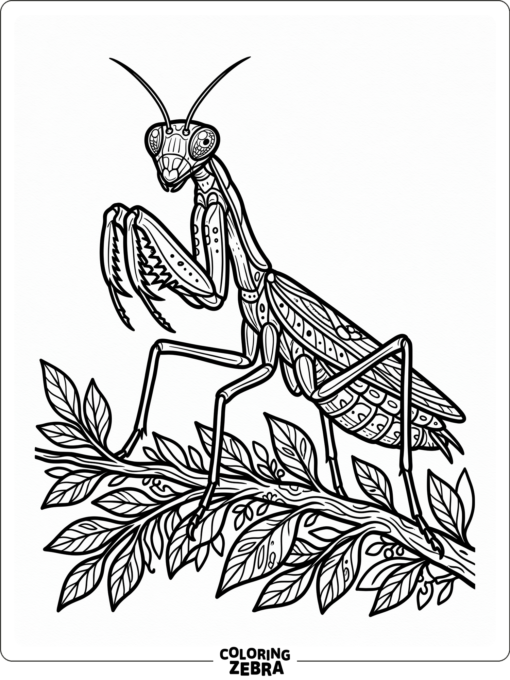

Black and White Praying Mantis Drawing to Color
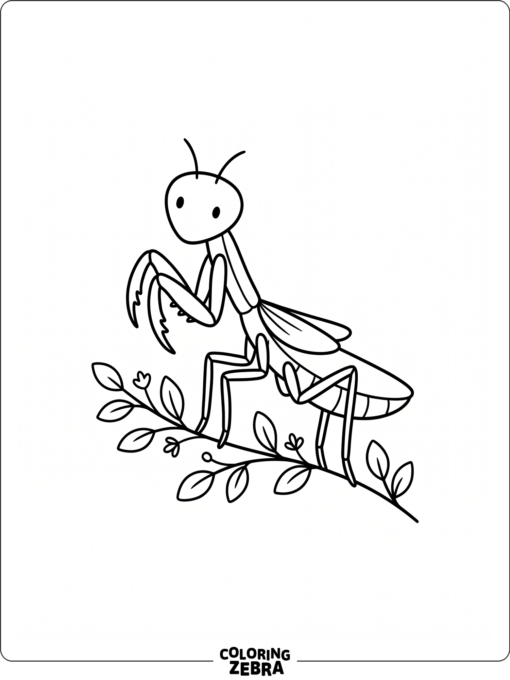

Simple Mantis Coloring Page for Preschool
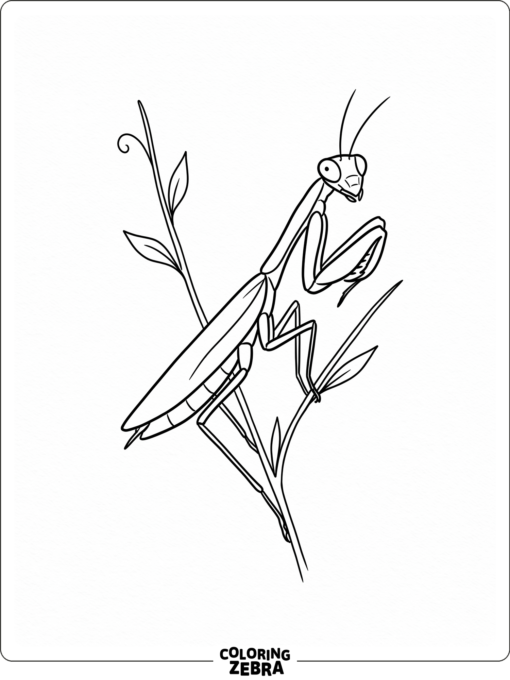

Praying Mantis Sketch Coloring Template
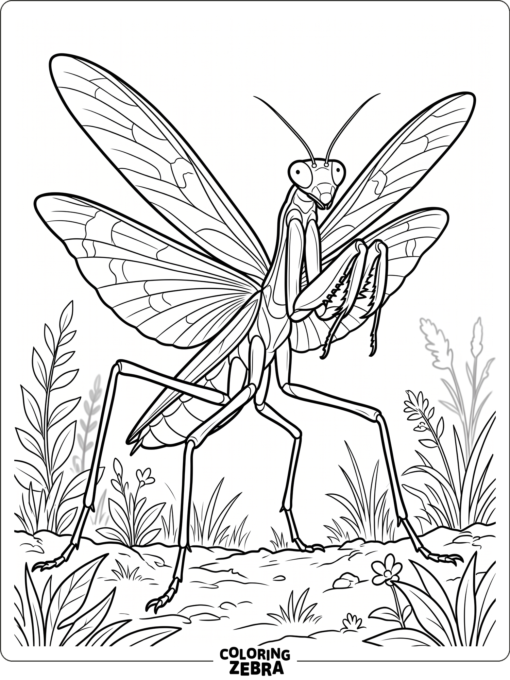

Large Praying Mantis Coloring Page
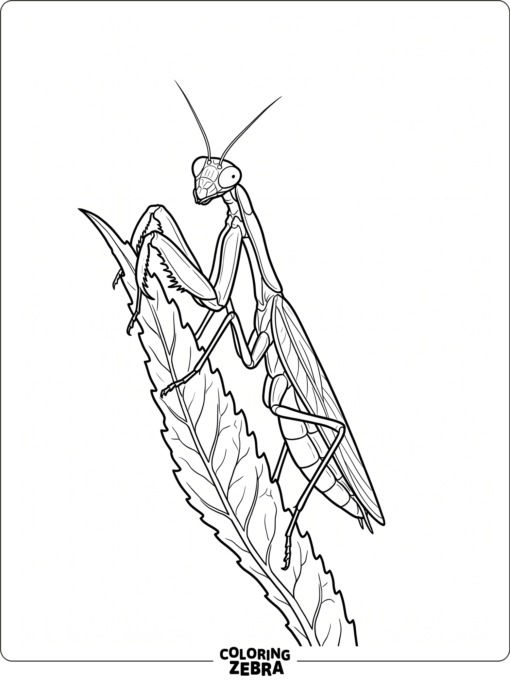

Praying Mantis on Leaf Coloring Page
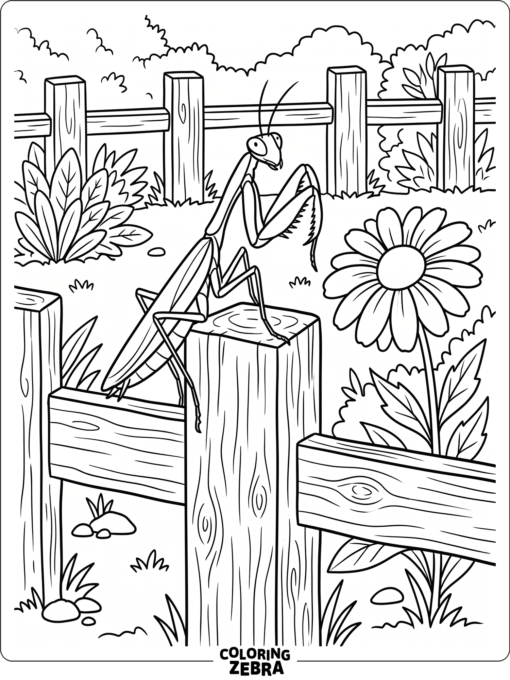

Praying Mantis in Garden Coloring Sheet
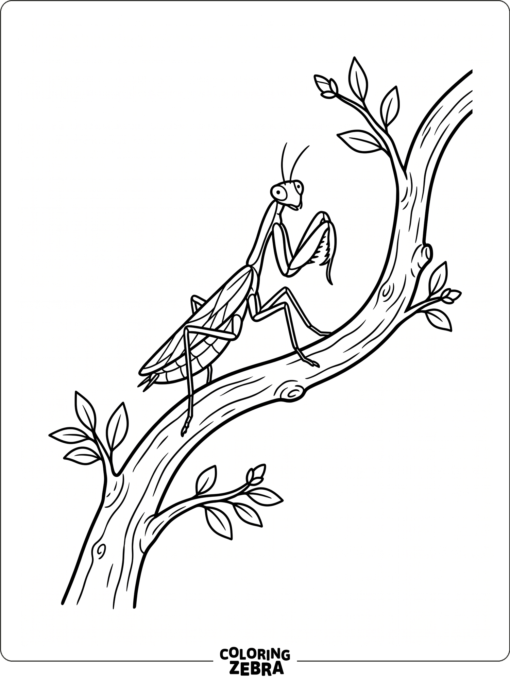

Praying Mantis on Branch Coloring Page
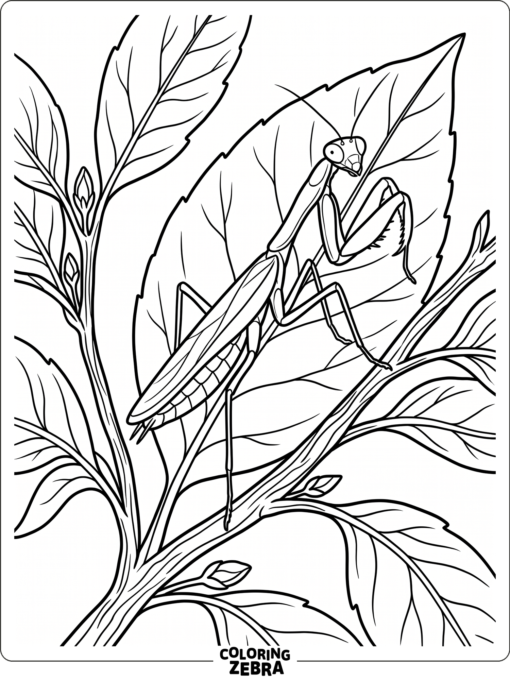

Praying Mantis Camouflage Coloring Page
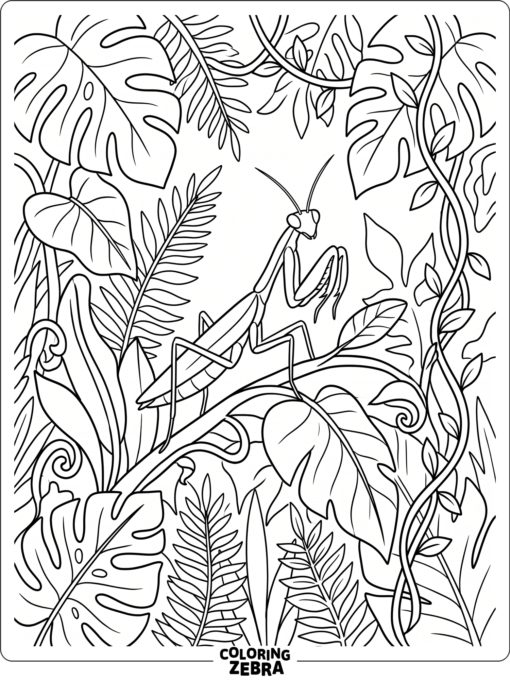

Praying Mantis in Jungle Coloring Page
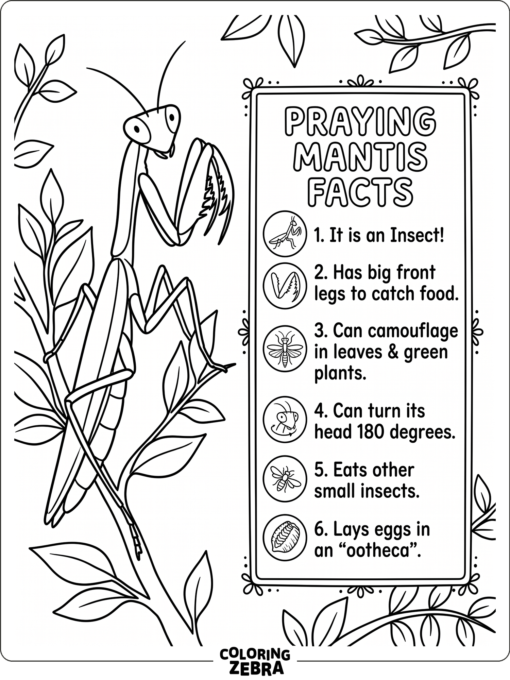

Educational Praying Mantis Coloring Worksheet
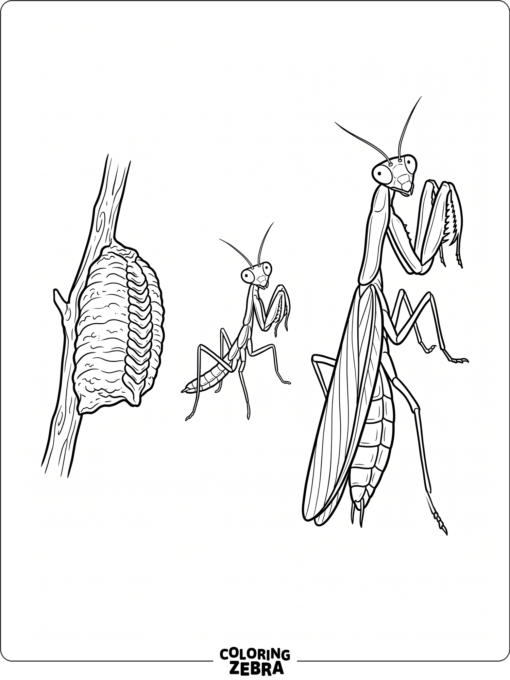

Praying Mantis Life Cycle Coloring Page
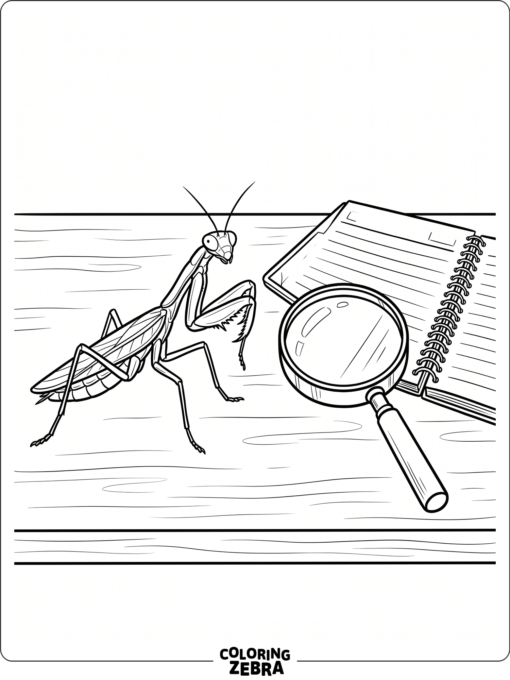

Insect Study Mantis Coloring Sheet
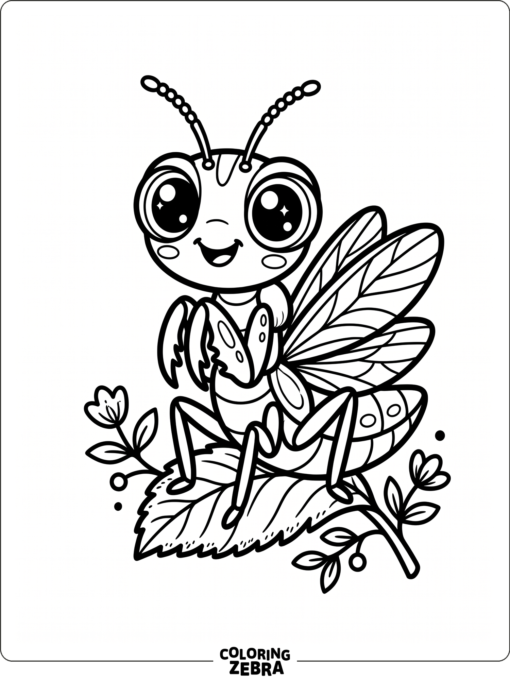

Kawaii Praying Mantis Coloring Page
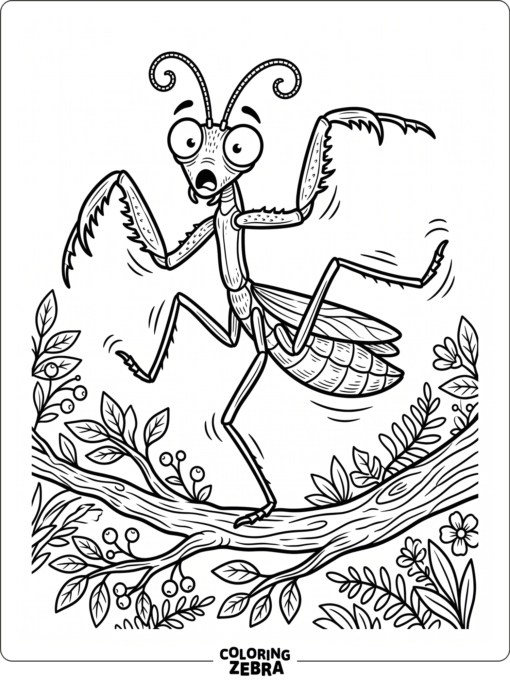

Funny Praying Mantis Coloring Page
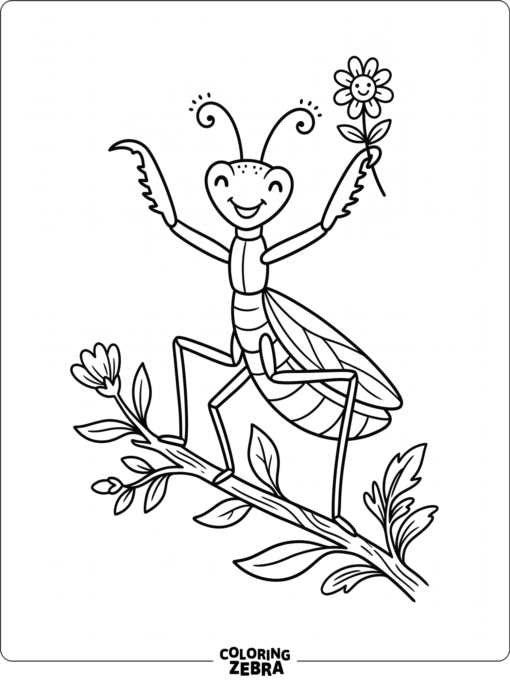

Smiling Mantis Coloring Sheet
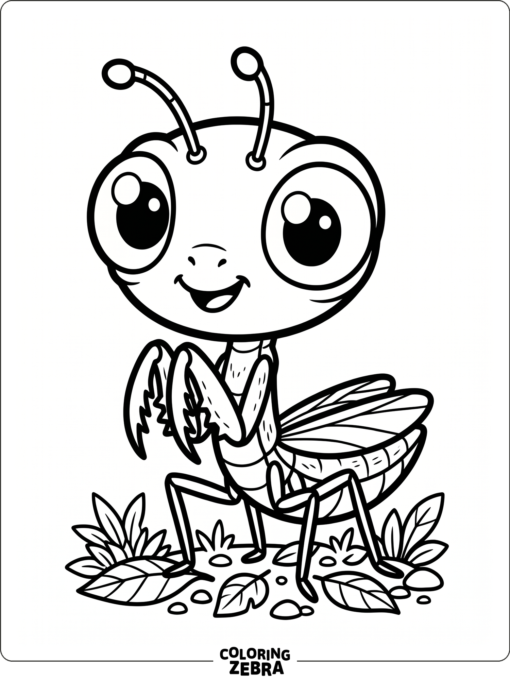

Chibi Praying Mantis Coloring Page
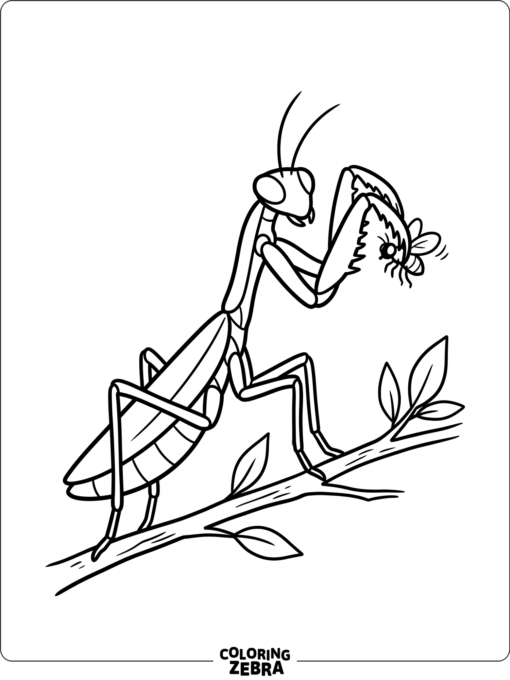

Praying Mantis Catching Prey Coloring Page
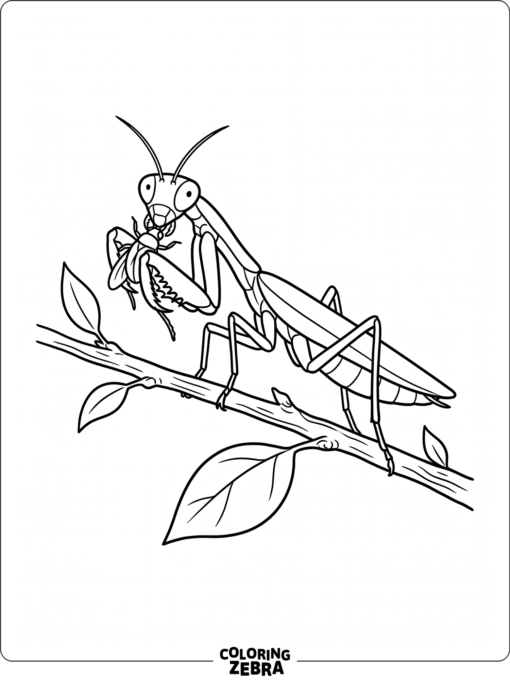

Praying Mantis Eating Insect Coloring Page
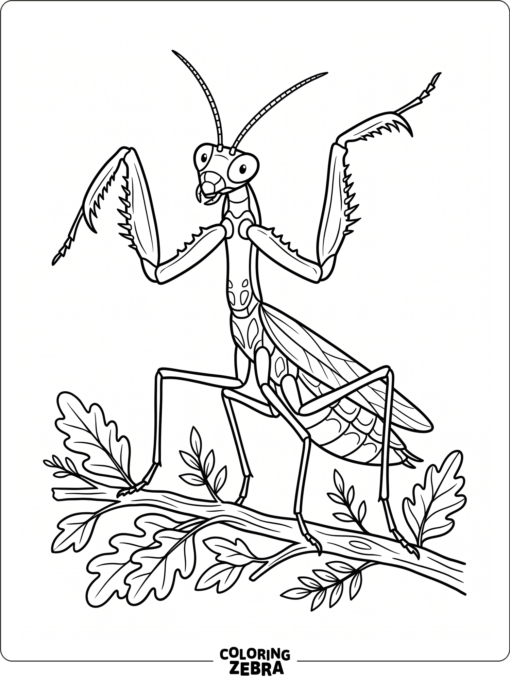

Praying Mantis Defensive Pose Coloring Page


Praying Mantis Mandala Coloring Page
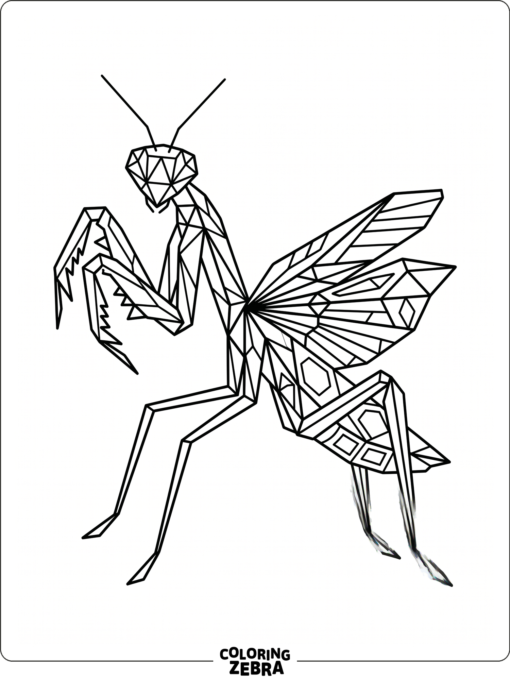

Abstract Mantis Coloring Design
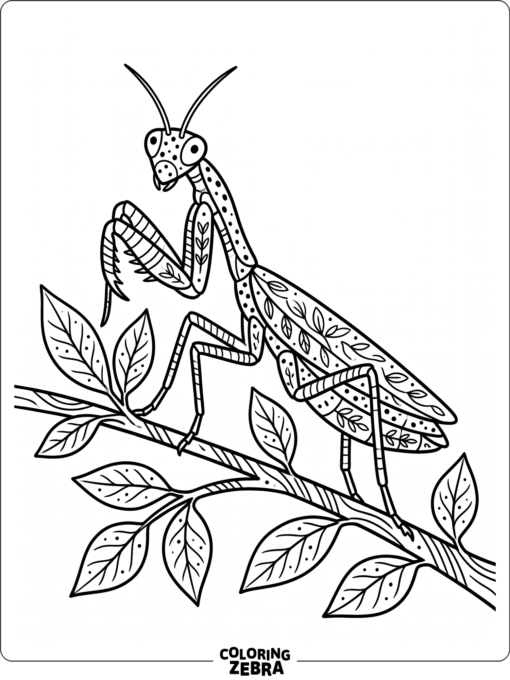

Patterned Praying Mantis Coloring Page
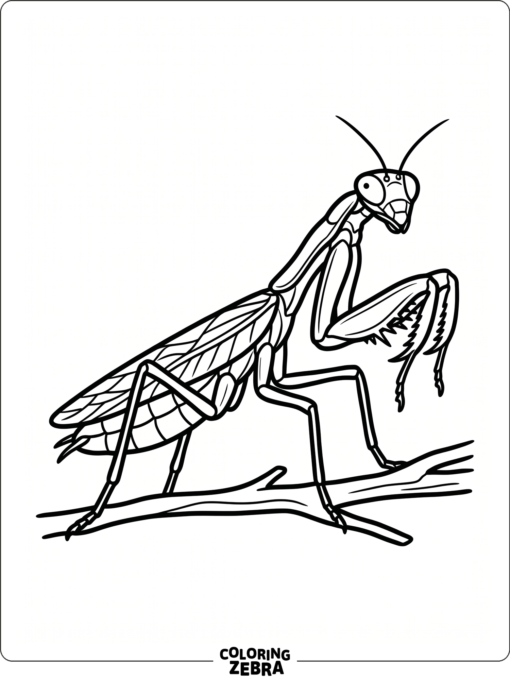

Free Praying Mantis Coloring Page PDF
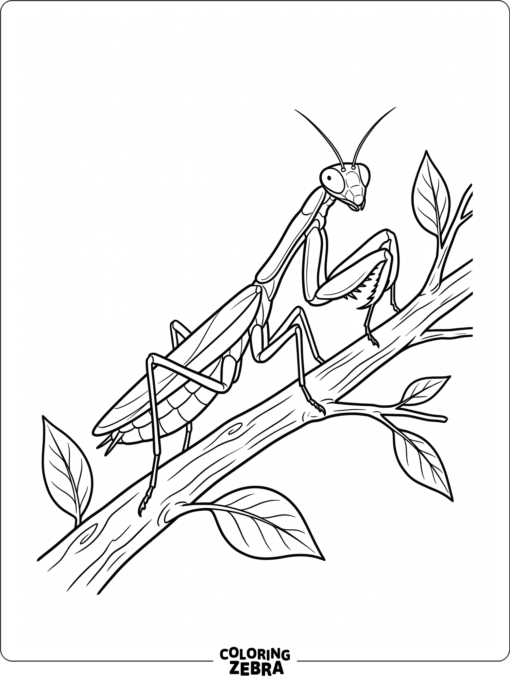

Downloadable Mantis Coloring Sheet
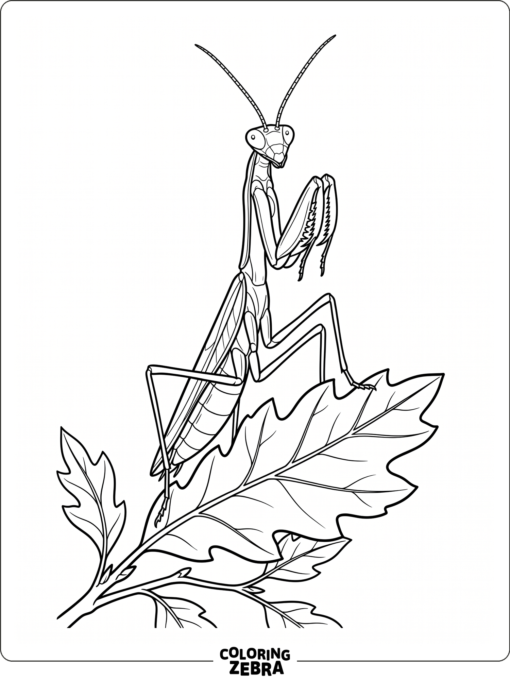

High Resolution Praying Mantis Coloring Page
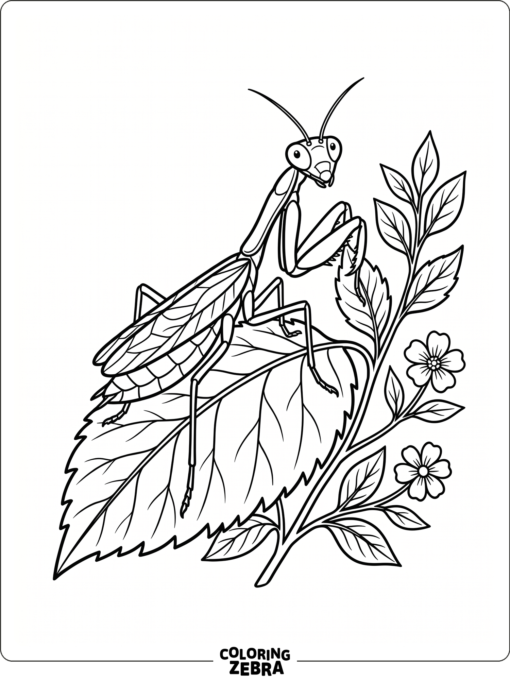

Printable Insect Coloring Book Mantis Page
Overview of the Collection
Praying Mantis Coloring Pages work well because the set covers a wide range of looks, from realistic insect studies to playful versions for younger colorers. Some pages focus on the mantis alone, while others place it in leaves, branches, flowers, mushrooms, rocks, and garden or jungle settings. That variety helps the same insect feel fresh from page to page.
The strongest visual theme across the set is the mantis silhouette itself: a narrow body, long legs, folded front limbs, and alert eyes. Those features make the insect easy to recognize even when the style changes. A few sheets lean toward clean, bold outlines, which are ideal for simple coloring. Others add patterned wings, decorative framing, or more detailed backgrounds for older kids and hobbyists who want more texture to fill in.
What Appears in the Designs
Many of the printable mantis pages show the insect perched on a leaf or clinging to a twig, which highlights its ability to blend into plants. Other drawings show the mantis resting on a stem, balancing on a branch, or standing in a garden scene. There are also pages that show defensive and feeding behavior, including a mantis with raised front legs and a mantis catching or eating a small insect. Those scenes are especially useful if you want a page set that goes beyond a simple bug outline.
Several illustrations are clearly designed with younger children in mind. They use rounded shapes, simplified anatomy, and friendlier expressions. Alongside those are cute and stylized versions such as kawaii, chibi, and cartoon mantises with big eyes or playful poses. A few sheets go in a more decorative direction with floral mandala framing, abstract geometric line work, and repeating spots or stripes. The orchid mantis is also represented, which adds a species-specific variation that stands out because it resembles a flower while resting on blossoms.
Why the Details Are Interesting
The praying mantis is a particularly good subject for coloring because its anatomy has so many clear parts to notice. It has six legs, a segmented body, antennae, and large compound eyes. The folded front legs are the most recognizable feature, and they often make the insect look as if it is praying. In reality, those legs are adapted for grabbing prey, which is why they appear so strong and bent in many drawings.
That shape gives colorers lots of choices. You can emphasize the long thorax and abdomen with light shading, use darker tones on the joints, or try subtle stripes and spots on the wings. The leaf, stem, and branch settings also provide a natural place to use greens, browns, yellows, and soft garden colors. If a page includes a fly or another small insect, it can be colored differently to make the predator-prey moment easy to read.
Coloring Approaches for Different Styles
Simple mantis outlines are ideal for broad crayon work, clear edge coloring, and younger children who want a low-pressure page. For realistic praying mantis outline pages, colored pencils can help create smooth transitions on the body and wings. The detailed versions with patterned wings or repeated markings are a good match for careful layering and small-area coloring.
Stylized pages invite a lighter, more playful approach. A kawaii praying mantis with big eyes can be colored in soft greens, pastel accents, or bright contrast colors. A chibi mantis with a large head and compact body can work well with bold outlines and simple shading. If you are coloring an orchid mantis page, it can be helpful to pay attention to the flower setting and use colors that make the insect and blossom feel connected.
Science and Observation Ideas
This set also works well for insect study pages and nature lessons. The life cycle sequence can support a simple discussion of egg case, nymph, and adult stages. The magnifying glass page and study-box layout suggest close observation, which is useful for asking kids what they notice about body parts, leg shape, and camouflage. A mantis on a leaf or branch can also lead into a conversation about how predators wait in ambush and how blending in helps them survive.
For a garden or ecology activity, it helps to talk about where mantises live and why they are often found near plants. They are predators that eat other insects, so they play a role in the balance of garden habitats. The defensive pose is also worth pointing out, since raised front legs can be a threat display rather than simple aggression. These details give the printable pages more depth without making the activity feel like a worksheet.
Ways to Use Finished Pages
Completed pages can be arranged into a homemade insect booklet, displayed on a classroom wall, or used as a springboard for a nature journal. If you are teaching at home, you can pair a finished mantis page with a short discussion about camouflage, prey capture, or the differences between nymphs and adults. The simpler pages are easy to finish quickly, while the more detailed printables suit longer quiet time or art center work.
For a mixed-age group, it can help to print several styles together: one realistic insect drawing, one cute cartoon version, and one habitat scene. That way, each child can choose a level of detail that feels comfortable. However they are used, Praying Mantis Coloring Pages offer a strong mix of observation, pattern work, and nature-themed imagery that keeps the focus on one of the most recognizable insects in the garden.
Quick Things to Notice
- The folded front legs and long, slender body shape
- Perching, clinging, resting, defensive, and feeding poses
- Leaves, stems, twigs, flowers, mushrooms, rocks, and jungle foliage
- Realistic, cartoon, cute, bold-outline, and geometric styles
- Educational pages with a life cycle sequence or magnifying glass theme
Simple Coloring Tips
- Start with the body and leg joints before filling the background.
- Use light green, brown, and yellow tones for natural-looking camouflage.
- Save dark accents for eye detail, leg joints, wing edges, and patterned markings.
- Choose softer colors for cute versions and more natural shades for realistic pages.
People Often Ask Us…
-
What makes a praying mantis different from other insects?
-
Why do mantises hold their front legs like that?
-
What do praying mantises eat?
-
What is an orchid mantis?
-
Are baby mantises different from adults?