
Ramadan Coloring Pages
Ramadan Coloring Pages offer a thoughtful mix of seasonal scenes, decorative art, and family traditions. Children can color lanterns, crescent moons, mosques, shared meals, prayer scenes, charity boxes, and Eid gifts. Simple preschool outlines sit alongside geometric patterns, calligraphy-based designs, and a detailed mandala-style composition. The variety makes it interesting to explore changes in light, repeating shapes, festive details, and the daily rhythm from suhoor to iftar.
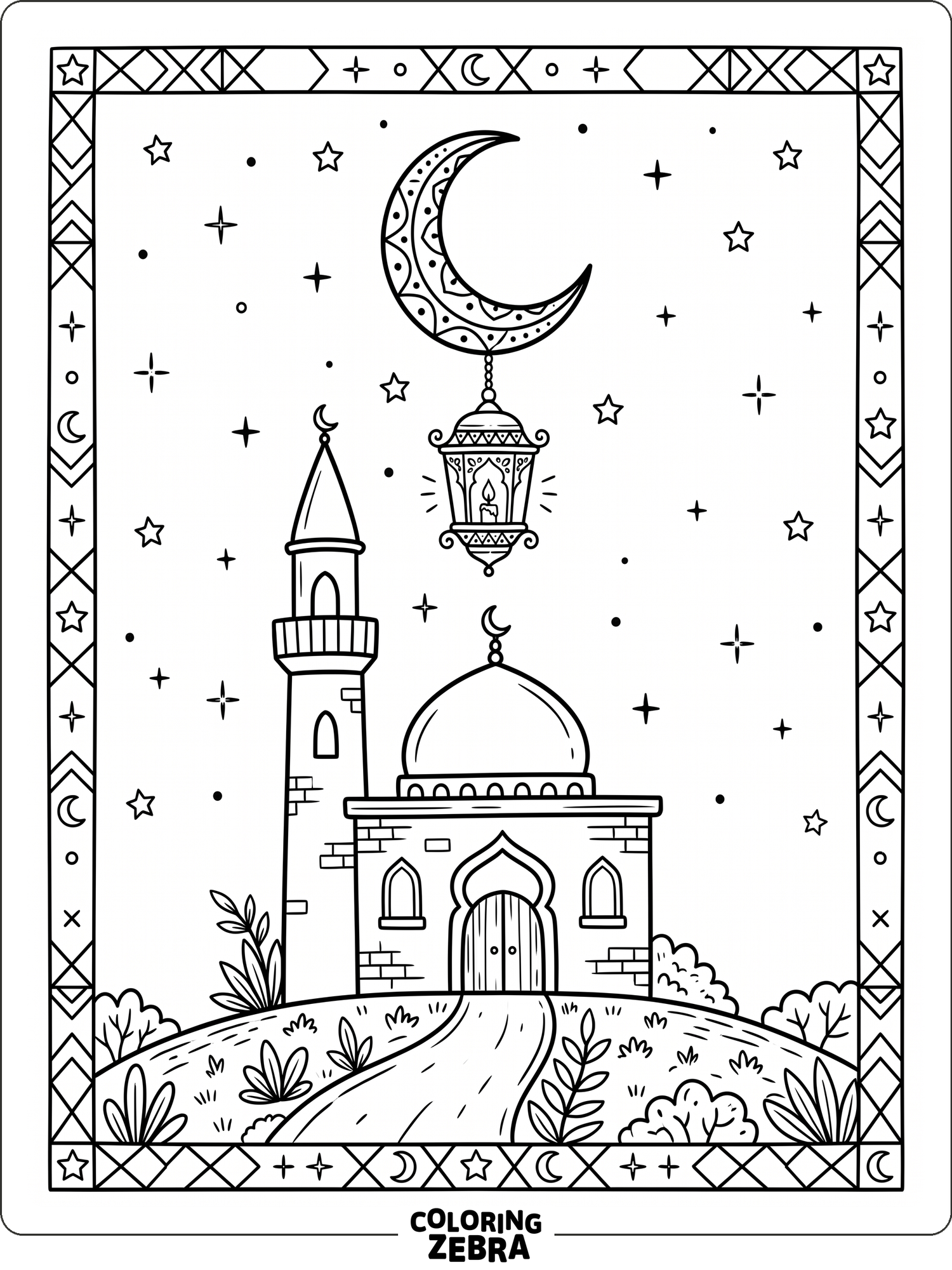
Print simple outlines on standard printer paper, or choose heavier paper when using markers or watercolor pencils. Select fit to page to preserve borders, and use draft or grayscale mode for ink-saving test prints. For detailed geometric designs, print at full-page size to leave comfortable room for careful coloring.
Related coloring pages
Printable Ramadan Coloring Pages
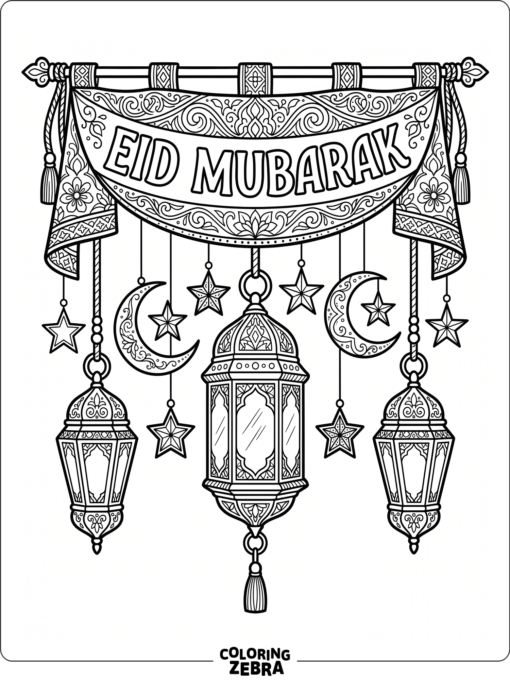

Eid Mubarak Coloring Page
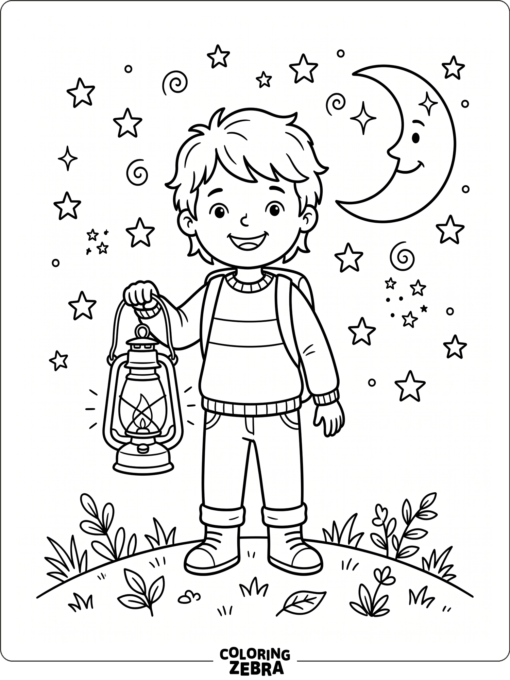

Ramadan Coloring Page for Kids
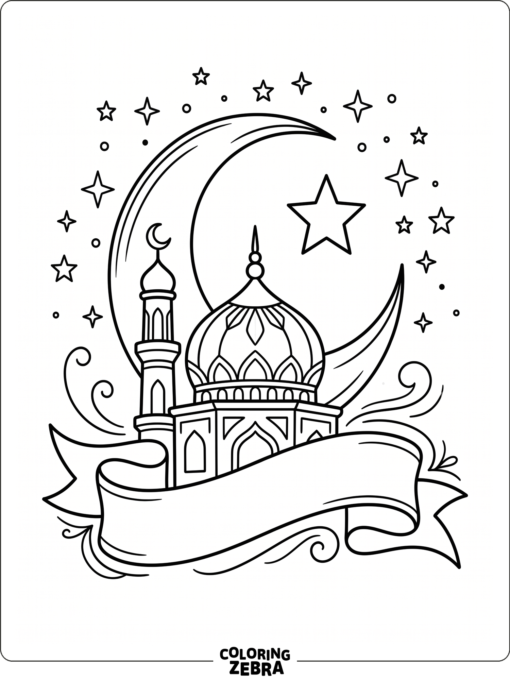

Ramadan Mubarak Coloring Page
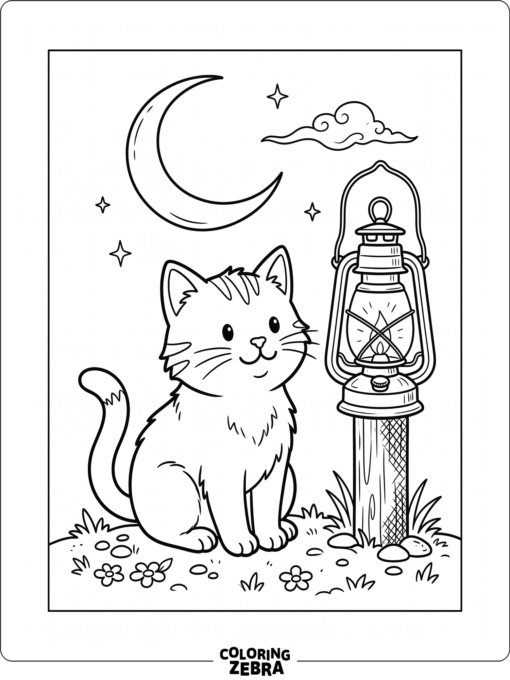

Cute Ramadan Coloring Page
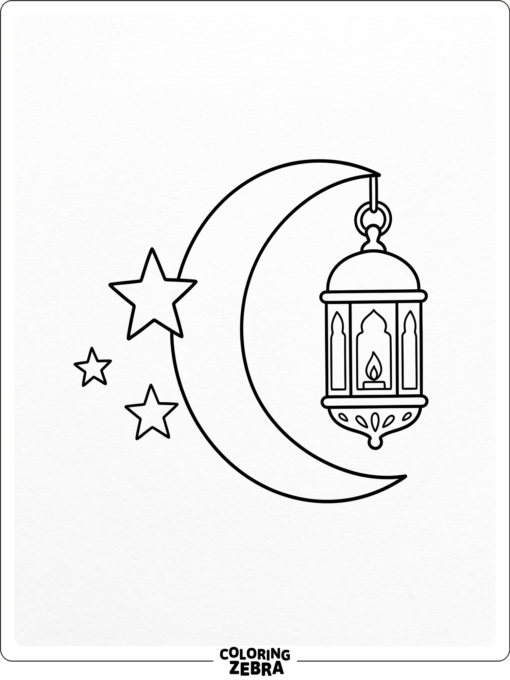

Easy Ramadan Coloring Page
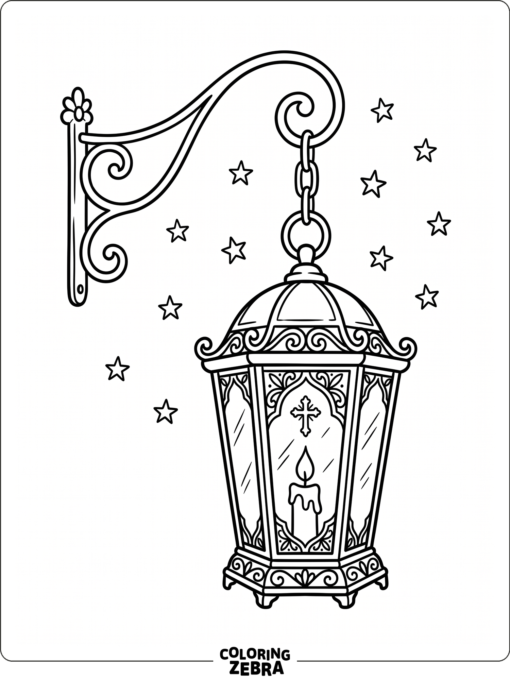

Ramadan Lantern Coloring Page
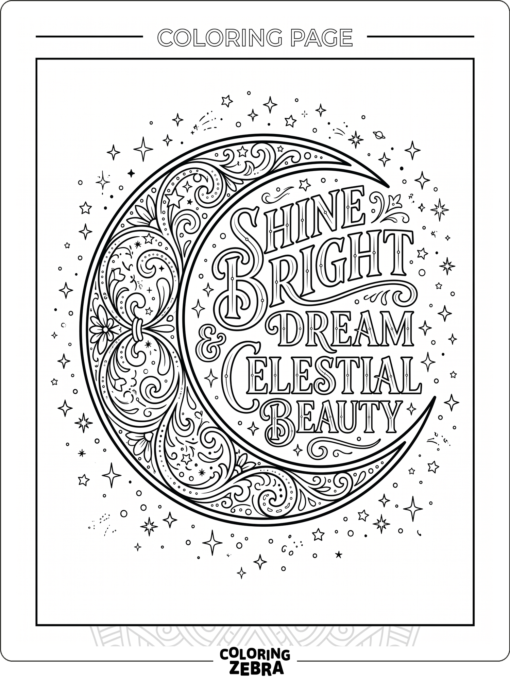

Ramadan Kareem Coloring Page
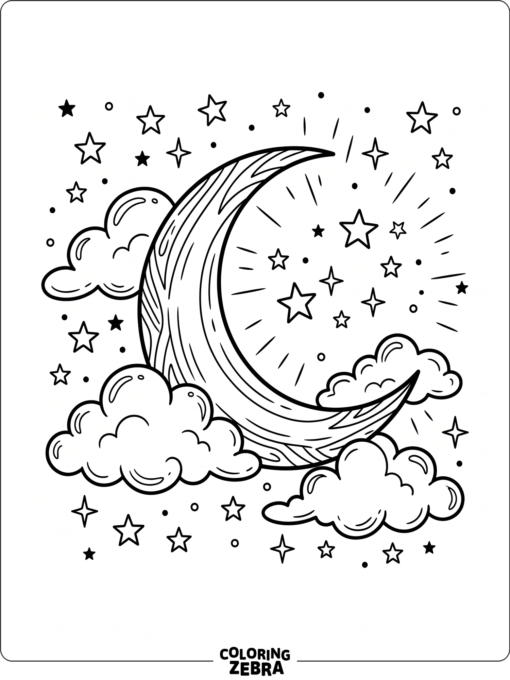

Ramadan Moon Coloring Page
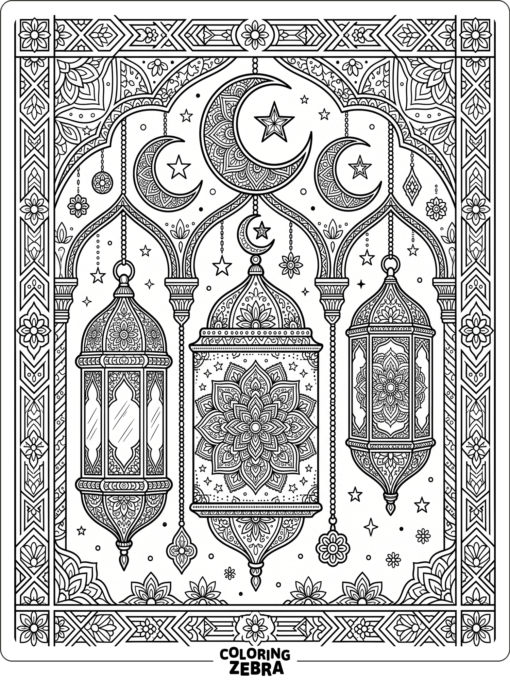

Ramadan Coloring Page for Adults
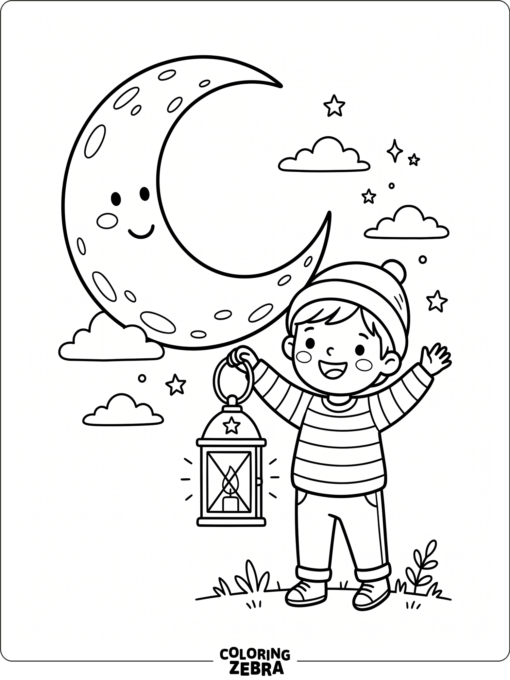

Ramadan Coloring Page for Preschoolers
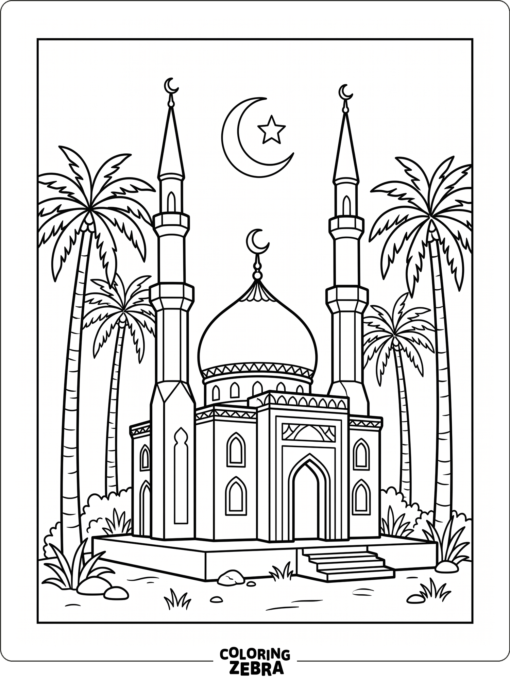

Ramadan Mosque Coloring Page
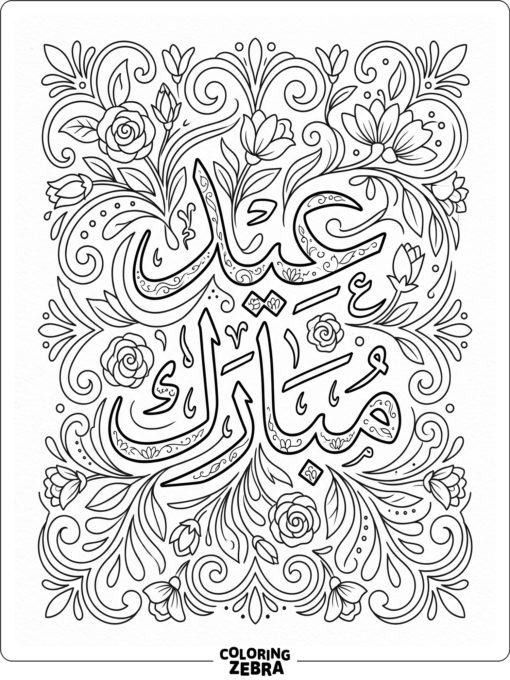

Arabic Calligraphy Eid Mubarak Coloring Page
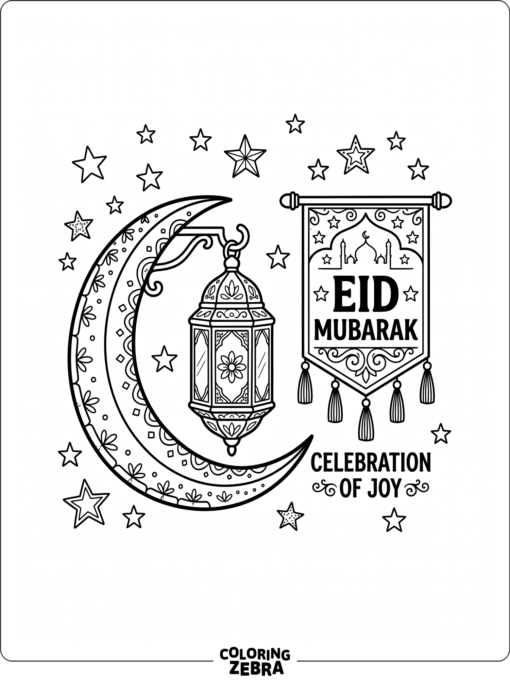

Ramadan and Eid Coloring Page
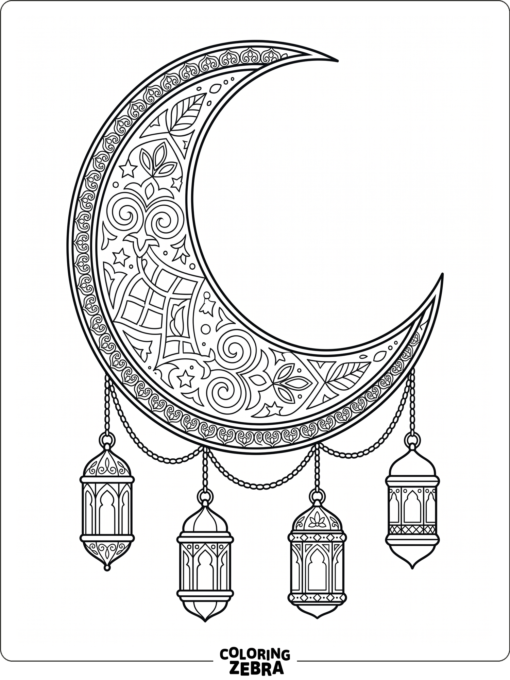

Arabic Ramadan Coloring Page
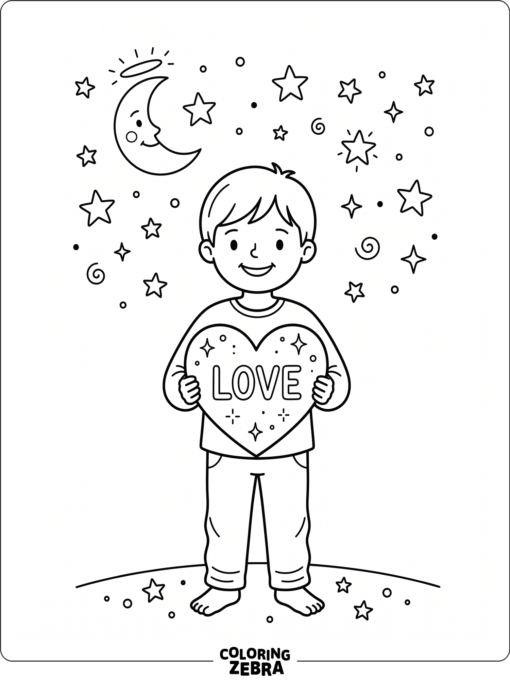

I Love Ramadan Coloring Page
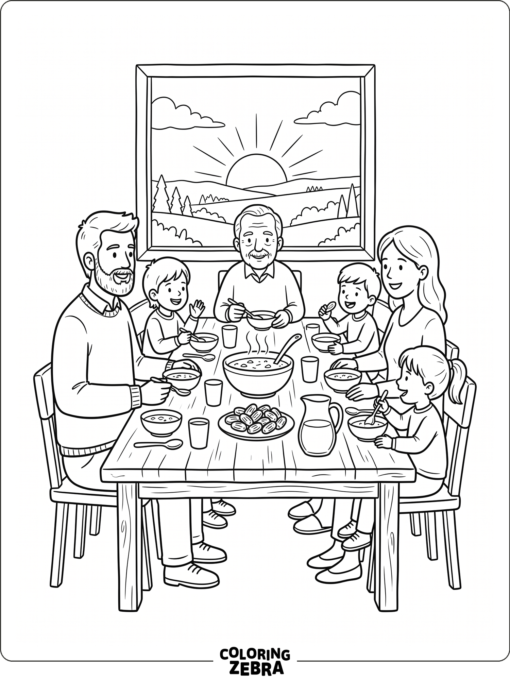

Ramadan Fasting Coloring Page
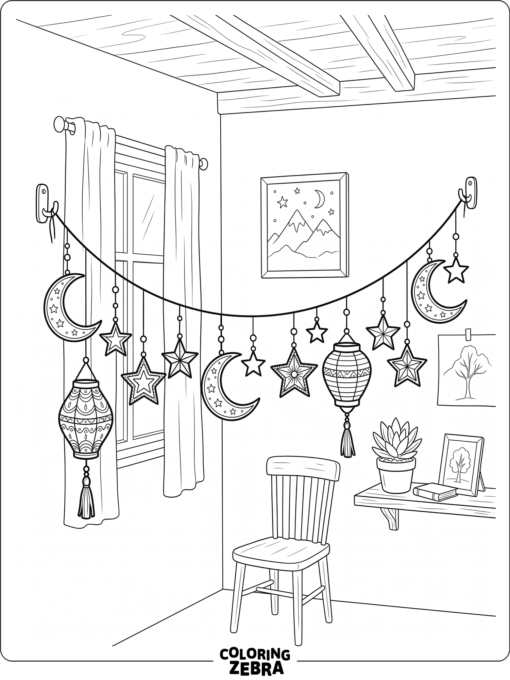

Ramadan Decorations Coloring Page
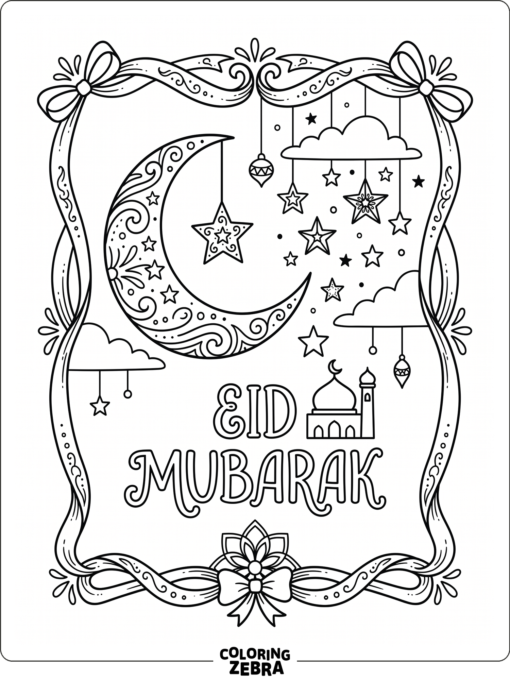

Eid Mubarak Card Coloring Page
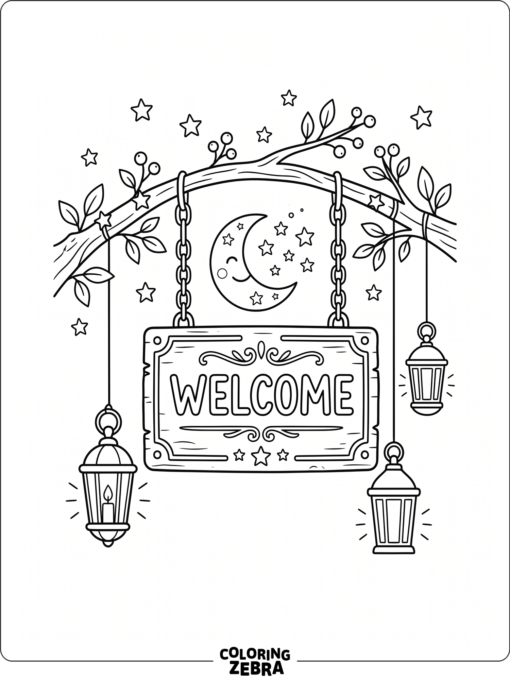

Welcome Ramadan Coloring Page
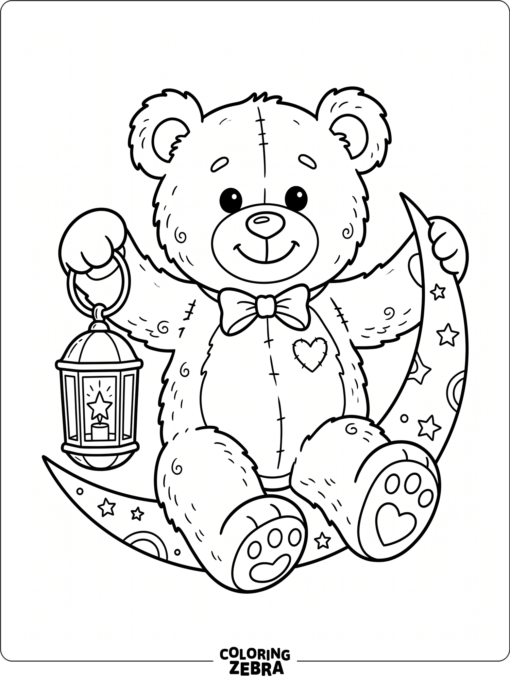

Ramadan Coloring Page for Toddlers
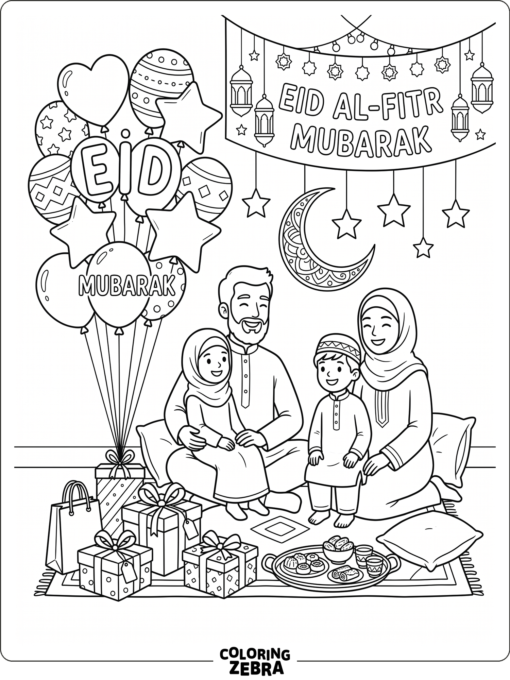

Eid Al Fitr Coloring Page
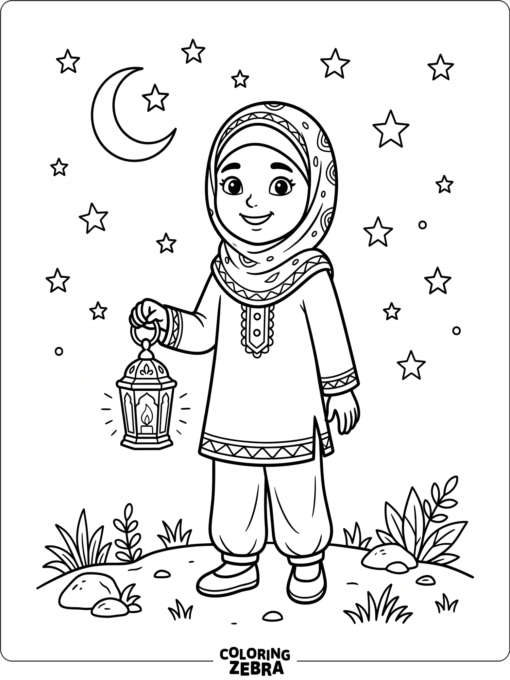

Ramadan Girl Coloring Page
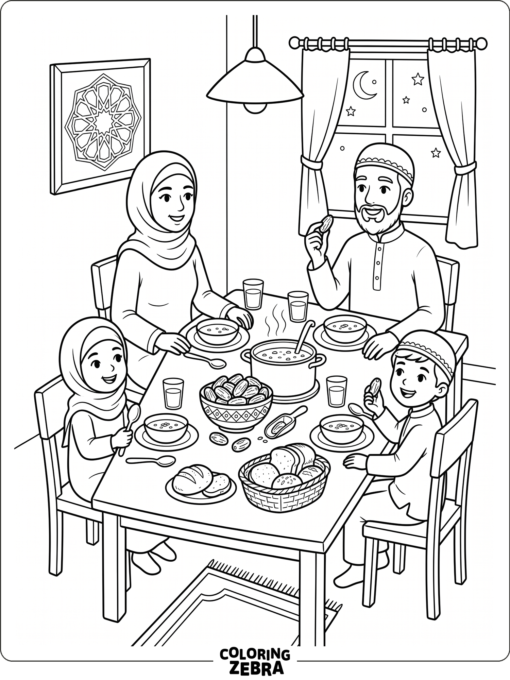

Ramadan Iftar Coloring Page
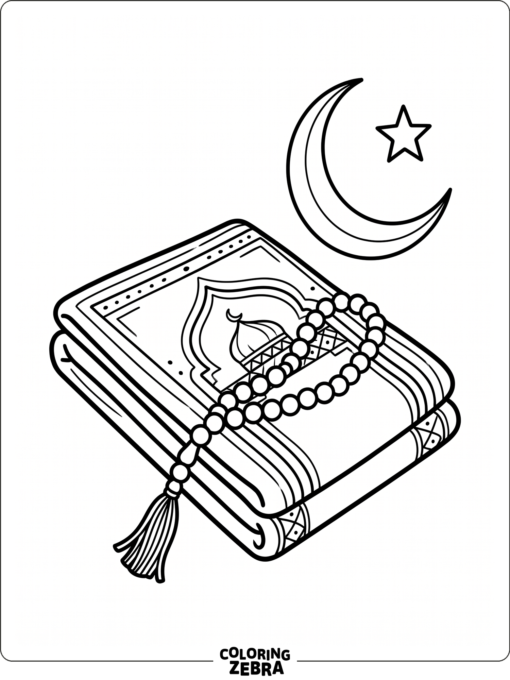

Ramadan Prayer Mat Coloring Page
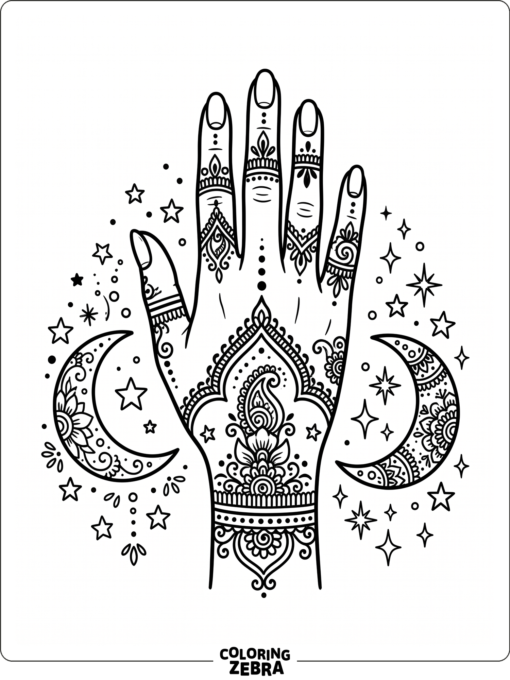

Eid Mubarak Henna Coloring Page
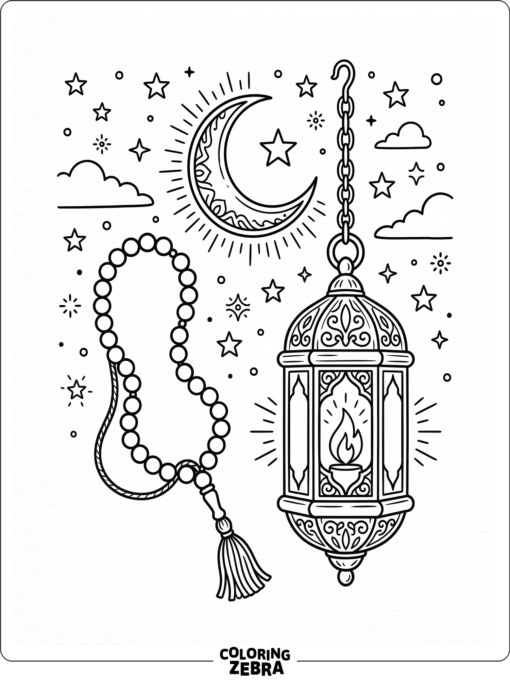

Laylat Al Qadr Coloring Page
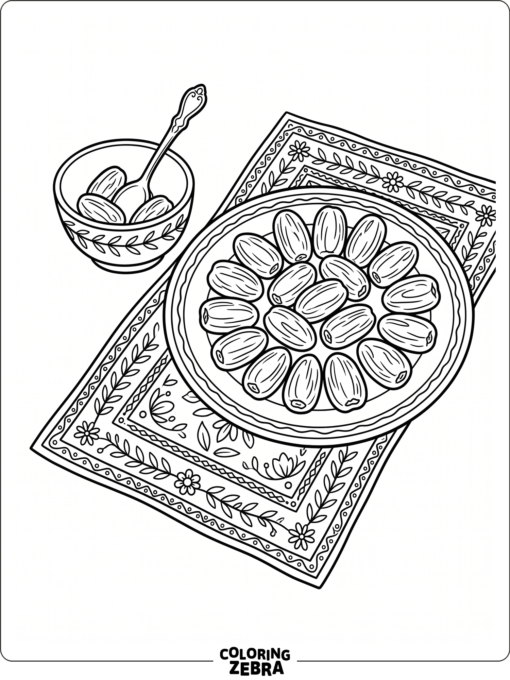

Ramadan Dates Coloring Page
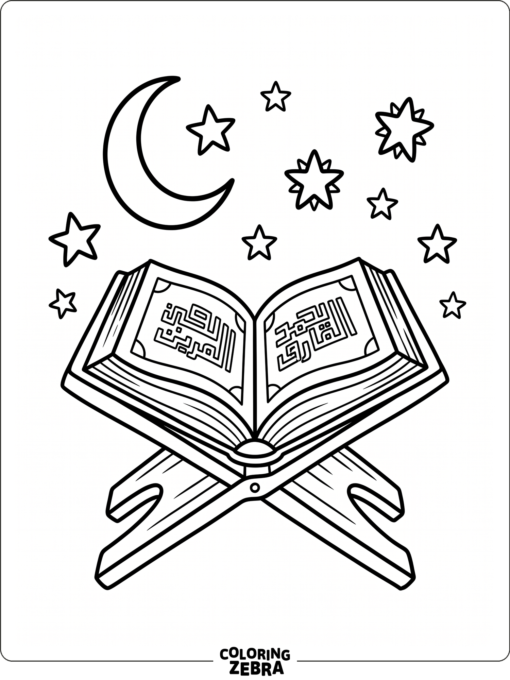

Ramadan Quran Coloring Page
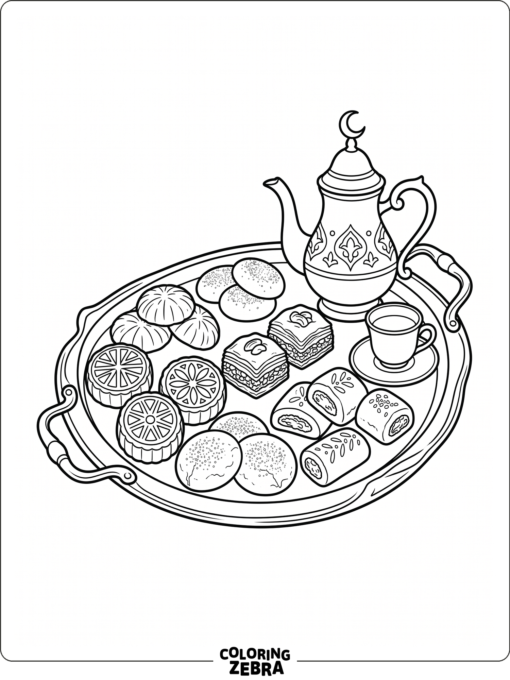

Eid Al Fitr Sweets Coloring Page
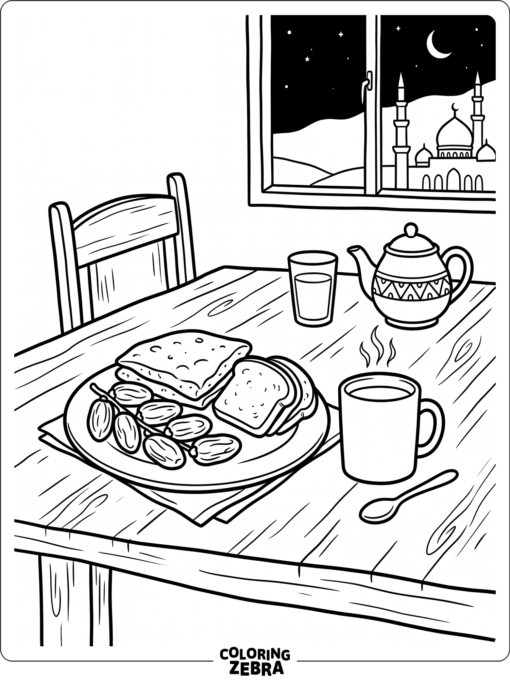

Ramadan Suhoor Coloring Page
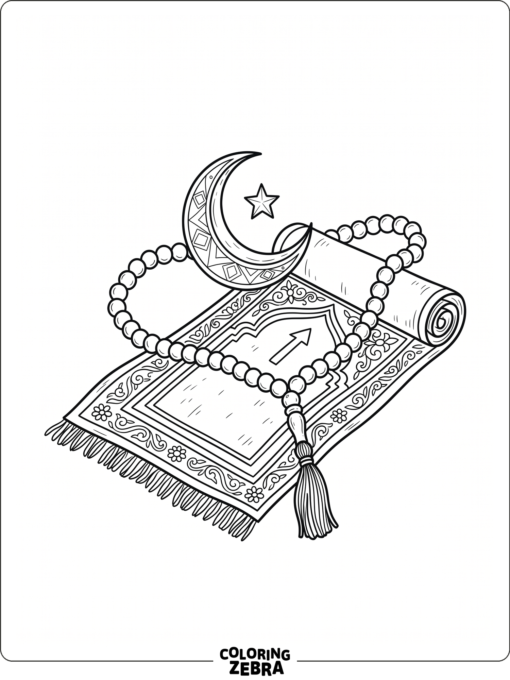

Ramadan Tasbih Beads Coloring Page
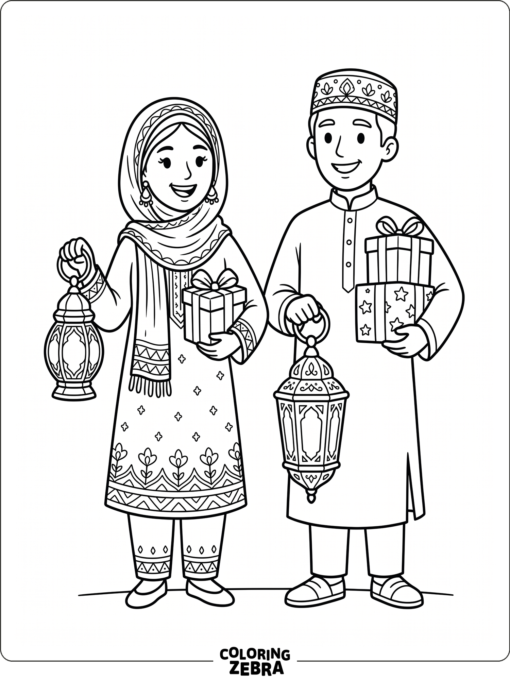

Eid Mubarak Traditional Clothes Coloring Page
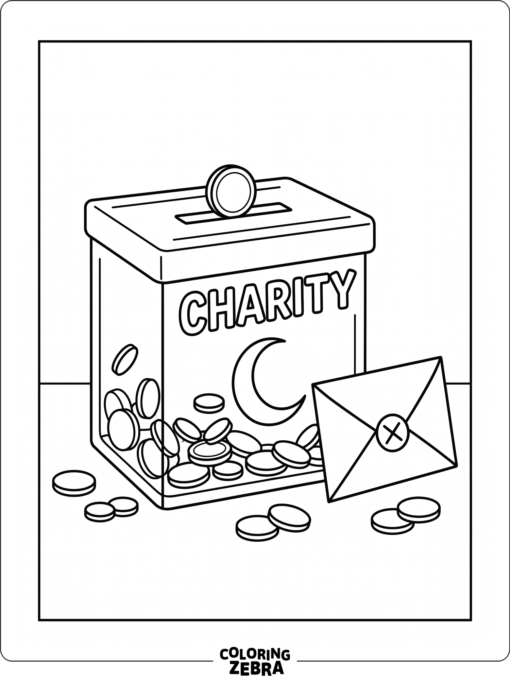

Ramadan Zakat Coloring Page

Ramadan Star Coloring Page
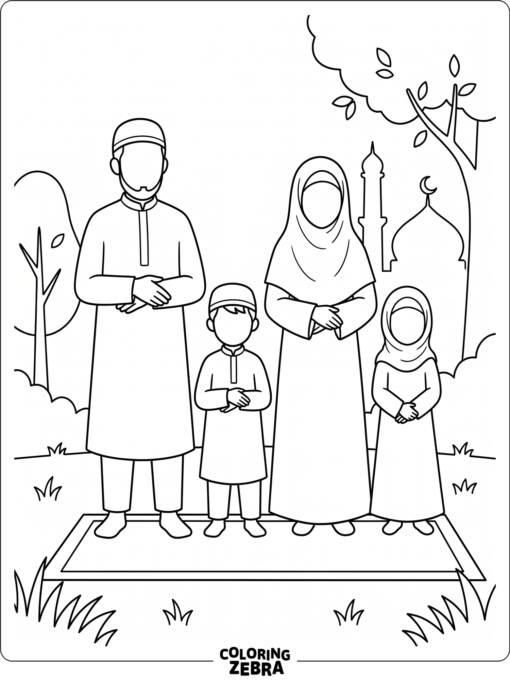

Eid Prayer Coloring Page
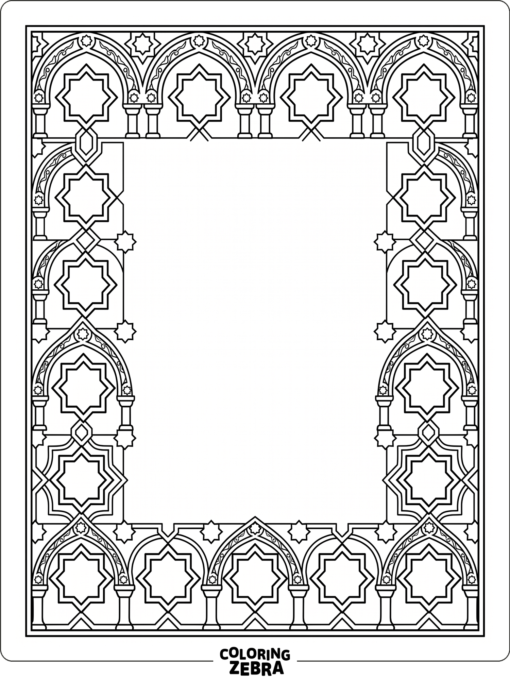

Ramadan Islamic Geometric Pattern Coloring Page
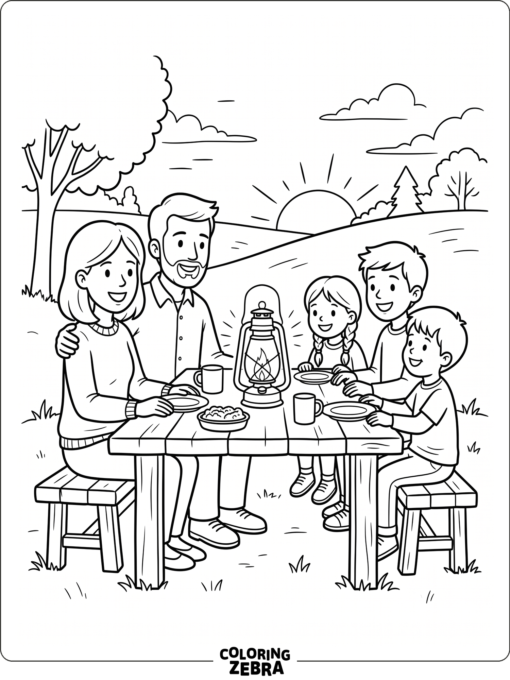

Ramadan Family Coloring Page
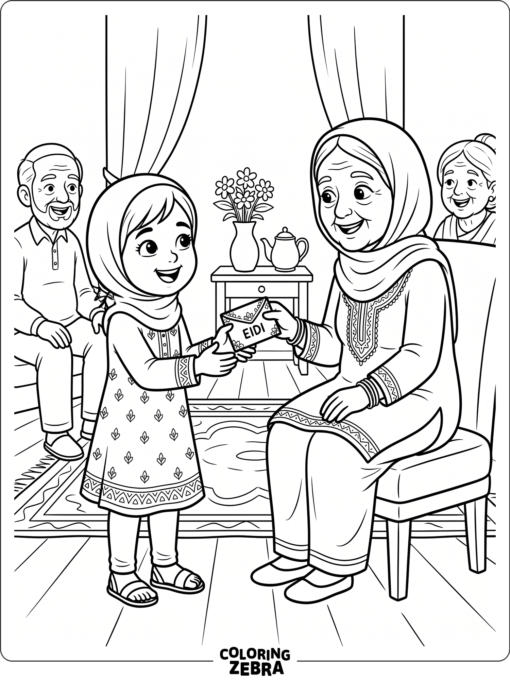

Eid Mubarak Eidi Money Coloring Page
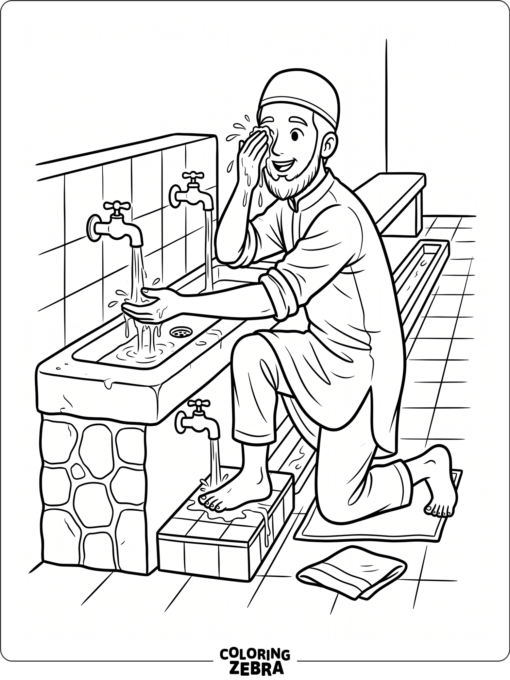

Ramadan Wudu Coloring Page
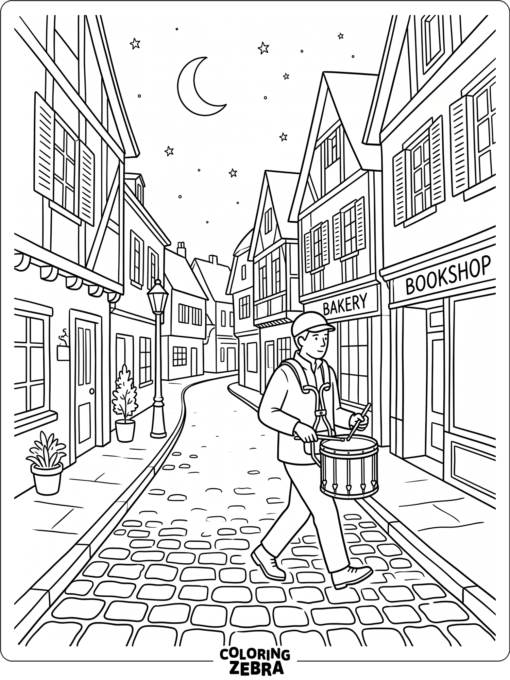

Ramadan Drummer Coloring Page
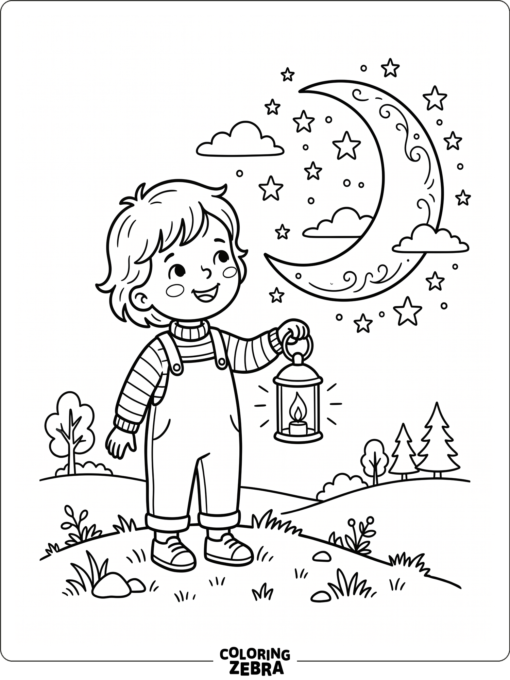

Ramadan Coloring Page for Kindergarten
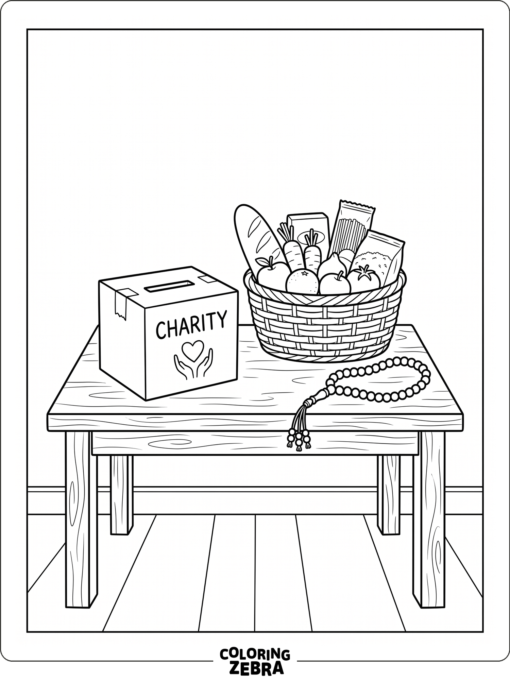

Ramadan Good Deeds Coloring Page
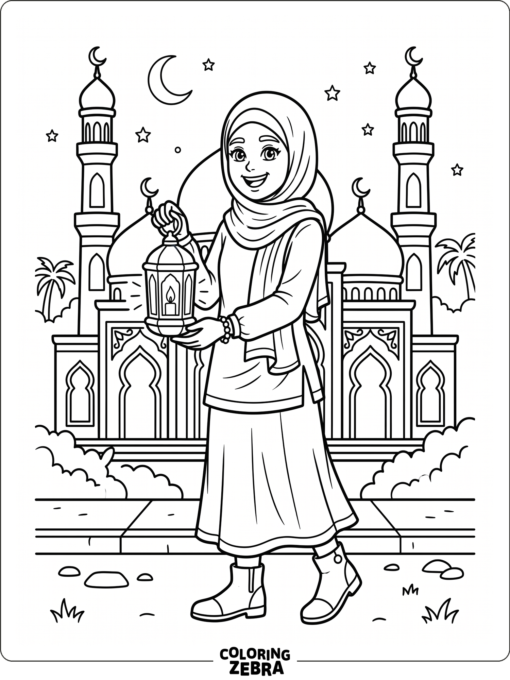

Ramadan Coloring Page for Teens
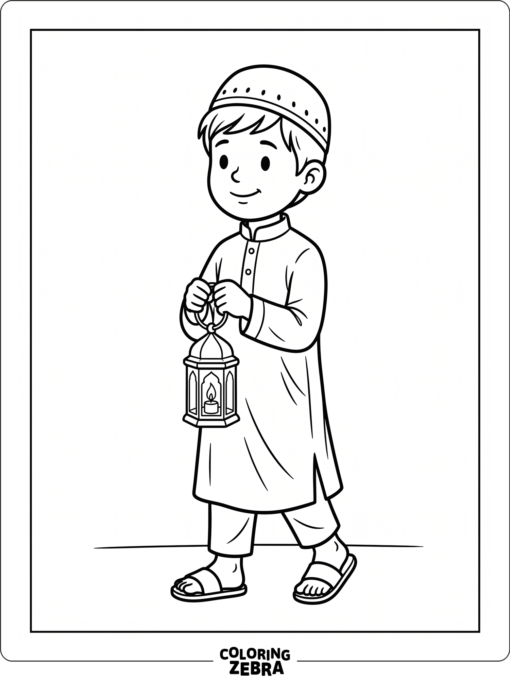

Ramadan Boy Coloring Page
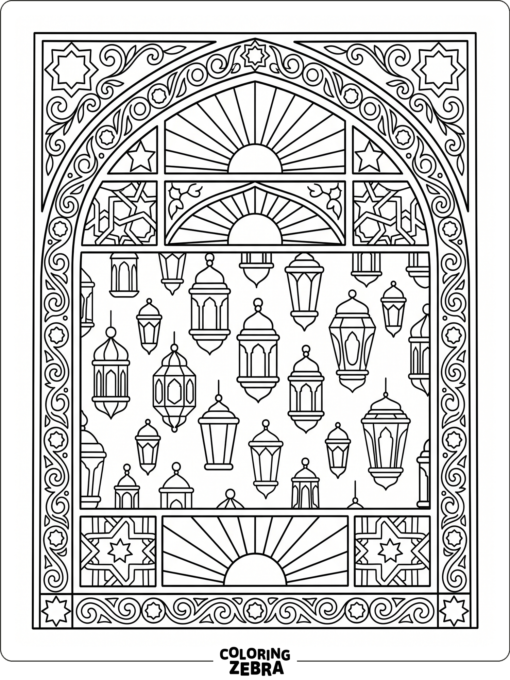

Ramadan Stained Glass Coloring Page
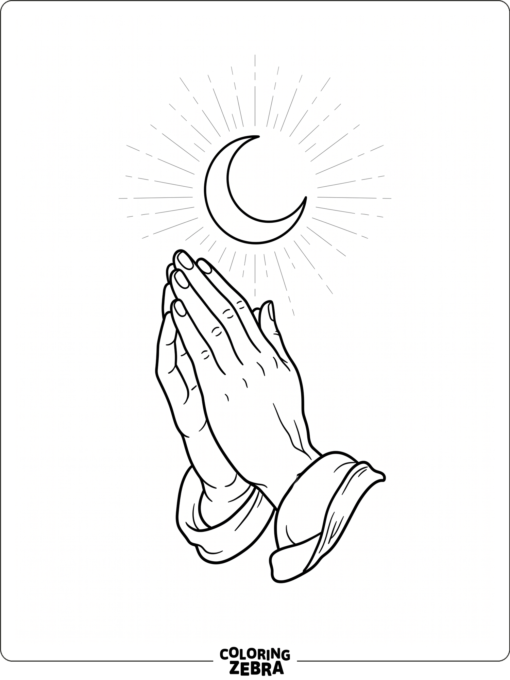

Ramadan Prayer Hands Coloring Page
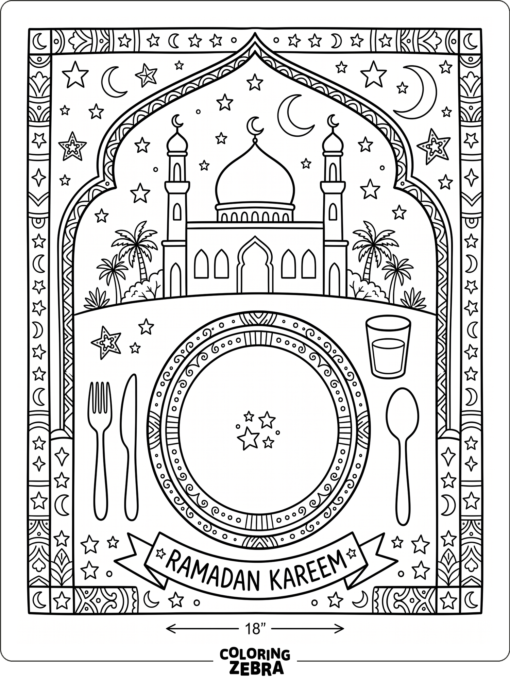

Ramadan Coloring Placemat
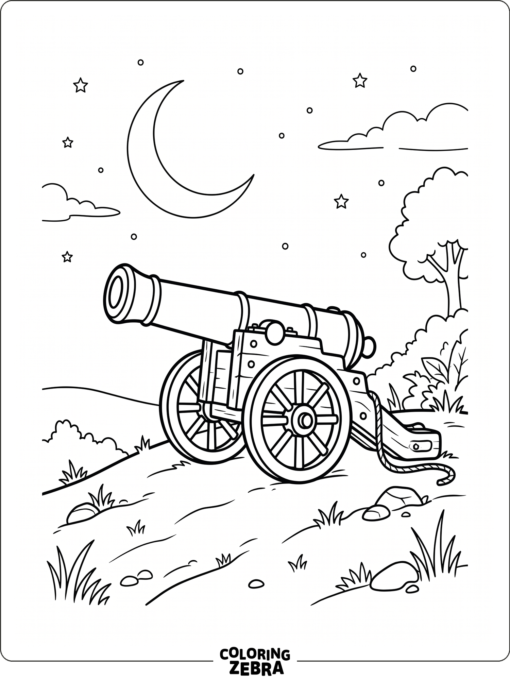

Ramadan Iftar Cannon Coloring Page
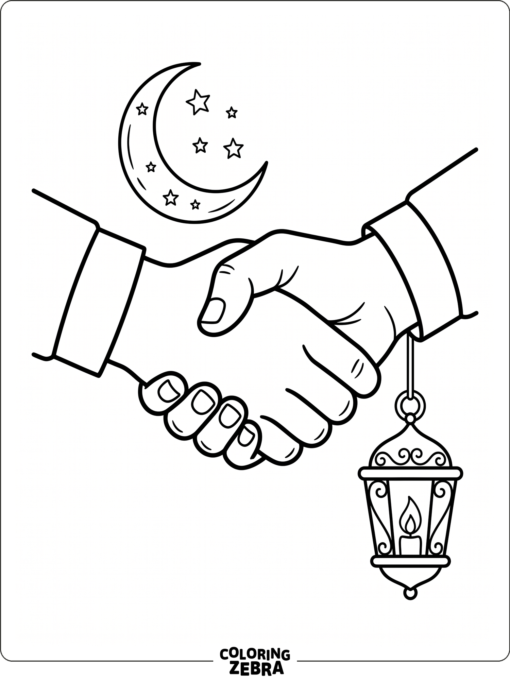

Eid Mubarak Handshake Coloring Page
What appears in these Ramadan Coloring Pages
The collection uses familiar seasonal imagery to introduce several dimensions of Ramadan. Crescent moons, stars, clouds, decorative lanterns, mosque domes, minarets, arches, garlands, ribbons, and banners appear throughout the set. Lanterns are paired with children, family gatherings, greeting designs, mosque windows, and nighttime scenes. The repeated crescent reflects the importance of the Islamic lunar calendar, but it should be understood as familiar visual imagery rather than the sole or official symbol of Ramadan.
The difficulty level varies considerably. Young children can begin with broad moon-and-lantern outlines, a smiling child, a teddy bear, or a cat beside simple Ramadan motifs. Older colorists can work on the mandala-style composition, Arabic-inspired ornament, mosque-window panels, or an Islamic geometric pattern built from stars, arches, repetition, and symmetry. The set also includes Ramadan Kareem lettering and Eid Mubarak designs, although decorative script should not be interpreted beyond wording that has been clearly identified.
Suhoor, fasting, and iftar
Several Ramadan coloring sheets illustrate the daily movement from a pre-dawn meal to the evening breaking of the fast. Suhoor is the meal eaten before dawn, represented here by a breakfast table with dates and tea. Iftar takes place after sunset and appears in scenes with dates, water, bread, lantern light, and a family gathered around a table. These foods are common in Ramadan imagery, especially dates and water, but meals differ among households and cultures.
Muslims fast from dawn until sunset during Ramadan, which is the ninth month of the Islamic lunar calendar. Because a lunar year is shorter than a solar year, Ramadan begins roughly 10 or 11 days earlier each solar year. Recognized exemptions can apply in circumstances such as illness, travel, pregnancy, nursing, childhood, and advanced age, with guidance and individual practice varying. The month also emphasizes self-discipline, prayer, reflection, Quran recitation, kindness, and care for others rather than fasting alone.
Prayer, reflection, and preparation
Worship-related pictures include a prayer mat, tasbih beads, praying hands, a family praying together, mosque scenes, and an open Quran resting on a stand. Tasbih beads may help some Muslims keep count during dhikr, or devotional remembrance. The Quran scene can support a respectful conversation about the special attention many Muslims give to reading and reflection during Ramadan without making claims about any text visible in the picture.
Another page shows a person performing wudu at a basin. Wudu is ritual washing carried out in preparation for prayer. This scene can be paired with the prayer mat and mosque pictures to help children understand a sequence of preparation, worship, and reflection. Mosque architecture differs widely around the world, so the domes and minarets in these printables are best treated as artistic motifs rather than a depiction of a named building or regional style.
Generosity and care for others
Charity is represented through boxes, coins, an envelope, a food basket, prayer beads, a child holding a heart, and hands shaking beneath moon and lantern accents. These details reflect Ramadan’s strong emphasis on generosity and concern for others. Zakat is an obligatory form of giving for eligible Muslims, while sadaqah is voluntary charity; a pictured donation should not automatically be labeled as one or the other.
Children can color the food basket with warm harvest shades, make the coins distinct from the surrounding outlines, or add a coordinated pattern to the charity box. A group activity might invite each child to choose one illustrated act of kindness and discuss realistic ways people can help relatives, neighbors, or community organizations. This keeps the focus on the meaning of generosity rather than on the monetary value of a gift.
Laylat al-Qadr and the final nights
A dedicated Laylat al-Qadr picture pairs a moon with lantern imagery. Laylat al-Qadr is often translated as the Night of Power or Night of Decree and is sought during the final ten nights of Ramadan. It holds particular significance in Islamic belief and is associated with worship and reflection. Deep blue, violet, silver, or warm lantern colors can suggest a nighttime atmosphere, but colorists are equally free to choose a brighter palette.
From Ramadan to Eid al-Fitr
Eid al-Fitr marks the completion of Ramadan, so the Eid pictures belong to the closing part of the collection rather than representing the fasting month itself. Designs include Eid Mubarak banners, greeting cards, calligraphy, balloons, gifts, festive clothing, family prayer, sweets, cookies, tea, and a child receiving money in an envelope. Eid Mubarak is a greeting that wishes someone a blessed Eid.
Communal prayer, festive meals, visits, gifts, sweets, and charitable giving are common Eid observances, but customs vary among families and communities. Eid money may be given to children in some households, and henna may be used for festive decoration in many Muslim cultures. Neither practice is universal or required. The illustrated henna hand, clothing, foods, and gifts should therefore be enjoyed without assigning them to a country or culture that the artwork does not identify.
Regional customs in the collection
Two unusual scenes offer a chance to discuss local Ramadan traditions. A drummer with a large drum recalls communities where drummers have historically helped wake people for suhoor. An iftar cannon on a hill refers to the use of a cannon in certain places to announce sunset. These are regional customs rather than practices followed by all Muslims, and they can help children see that shared religious observances may have varied cultural expressions.
Color choices for simple and detailed designs
When choosing among Ramadan Coloring Pages, match the design to the colorist’s comfort with small spaces. Preschoolers may prefer thick crayons for the large moon, lantern, cloud, teddy bear, and child outlines. Colored pencils or fine-tip markers work well for lantern cutouts, mosque panels, prayer beads, cookies, patterned borders, and the smaller shapes within geometric art.
- Lantern scenes: Use a bright center surrounded by darker shades to suggest a warm glow.
- Moon and sky pictures: Try smooth gradients, contrasting stars, or pale clouds against a deep background.
- Geometric designs: Choose three to five colors and repeat them in a predictable sequence to emphasize symmetry.
- Meal scenes: Give dates, water, bread, tea, cookies, and table linens distinct colors so each object remains easy to recognize.
- Greeting designs: Color the lettering first, then repeat those shades in the banner, balloons, stars, or border.
- Mandala-style art: Begin at the center and work outward one ring at a time to keep the palette balanced.
Ways to use the finished pictures
Finished Ramadan Coloring Pages can support family conversations, classroom displays, library programs, or community activities. Arrange the suhoor, daytime, sunset, and iftar pictures in sequence to explain the daily rhythm of fasting. Pair the wudu, prayer mat, mosque, tasbih, and Quran images as a visual vocabulary set, or compare the repeating shapes in geometric designs during a lesson about symmetry.
The Ramadan Kareem design can become a seasonal sign, while Eid Mubarak pages can be folded or mounted as greeting cards. Children might combine lanterns, stars, mosque silhouettes, and garlands into a collaborative display. Keeping Ramadan and Eid sections distinct helps viewers understand that Eid al-Fitr follows the month, while placing charity, meals, prayer, and family scenes together shows the broad range of themes represented throughout the season.
People Often Ask Us…
-
How is the start of Ramadan determined?
-
Why are dates and water common at iftar?
-
What does “Ramadan Kareem” mean?
-
Why are lanterns linked with Ramadan?
-
What happens at mosques during Ramadan?