Triceratops Coloring Pages
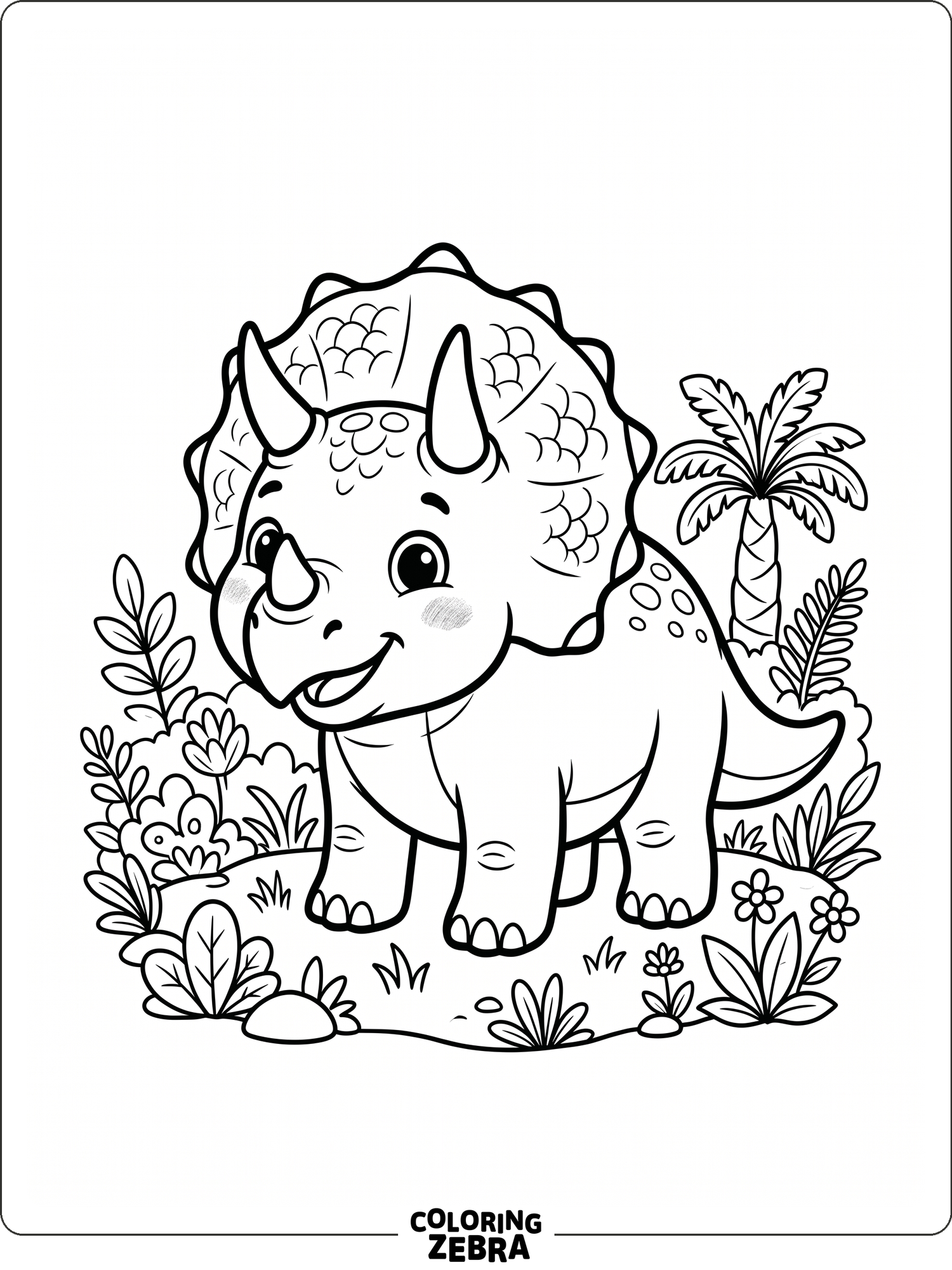
Triceratops Coloring Pages are a great pick for anyone who likes bold dinosaur shapes and plenty of visual variety. This set mixes cute faces, simple outlines, detailed textures, and dramatic scenes. You’ll find baby dinos, herd scenes, fossils, skeletons, and close-up horn-and-frill views. That range makes it easy to choose a page for quick coloring or a more detailed session.
Print on sturdy white paper if you want cleaner coloring and less bleed-through from markers. For younger kids or fast printing, use your printer’s fit-to-page setting and choose draft mode to save ink on the simpler sheets.
Related coloring pages
Printable Triceratops Coloring Pages
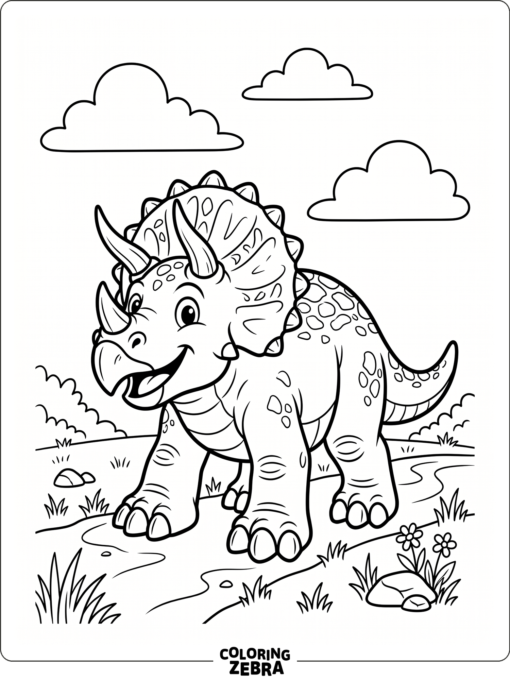

Triceratops Coloring Page For Kids
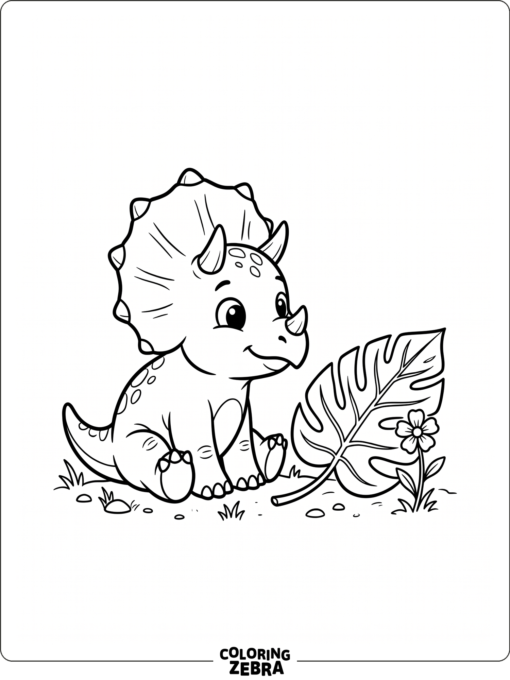

Cute Baby Triceratops Page
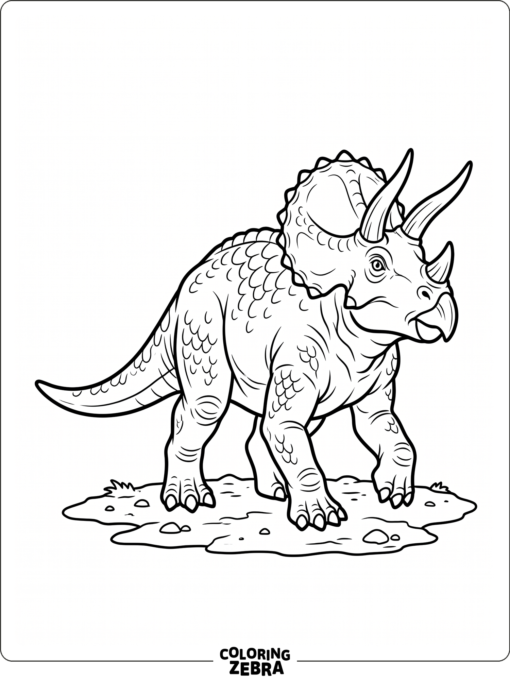

Simple Triceratops Outline
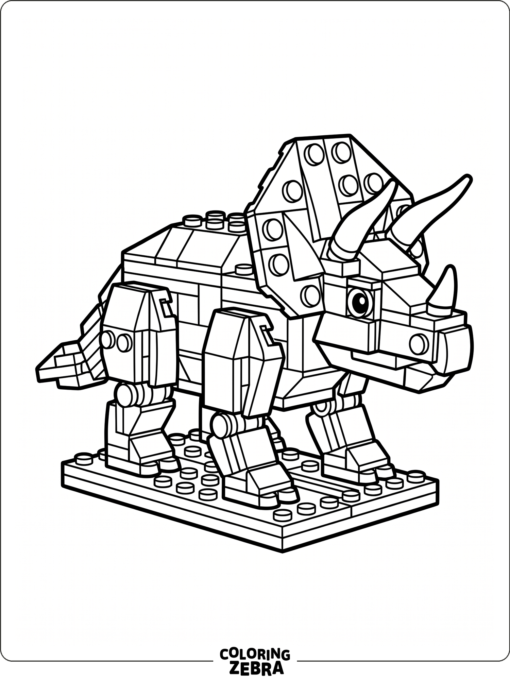

Lego Triceratops Coloring Sheet
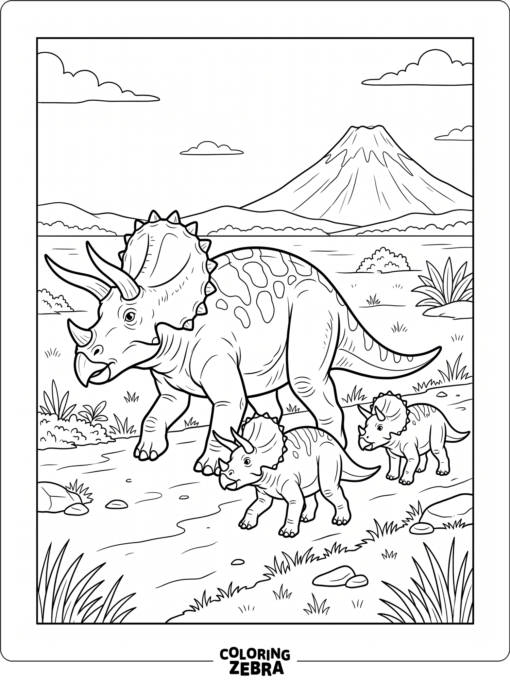

Triceratops Family Scene
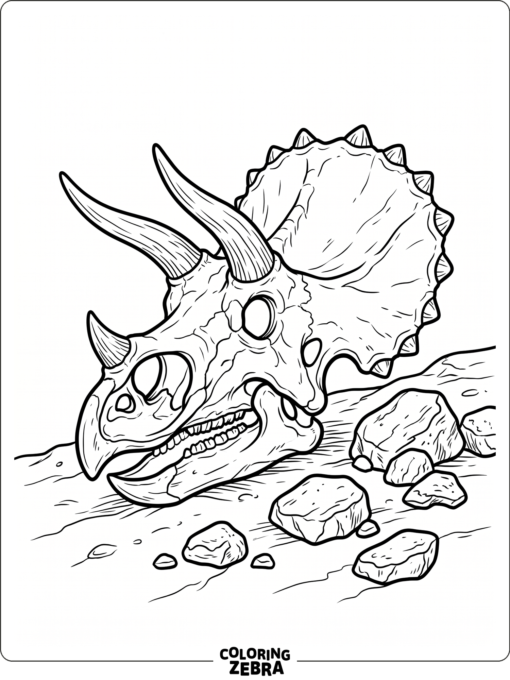

Triceratops Bone Outline
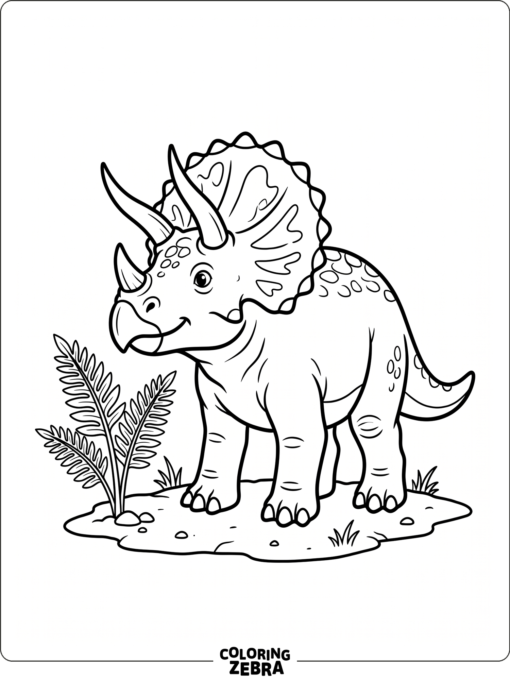

Easy Triceratops Coloring Page
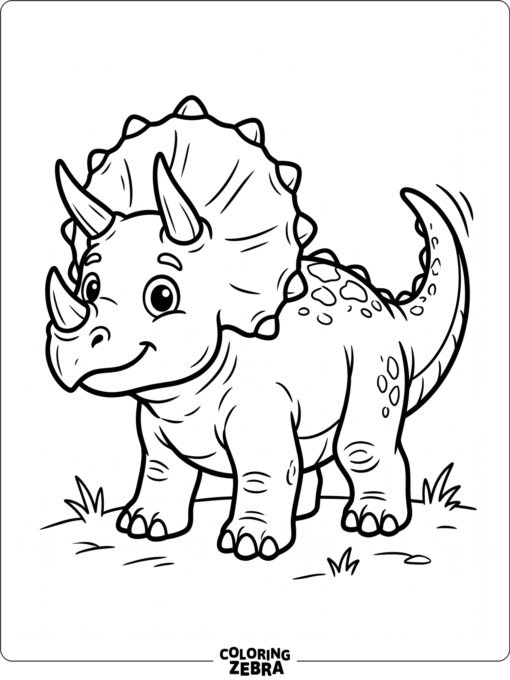

Cartoon Triceratops Picture
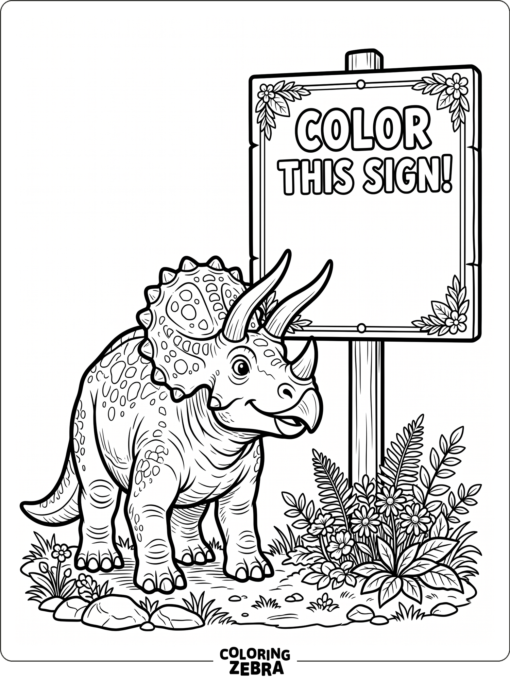

Triceratops Printable PDF
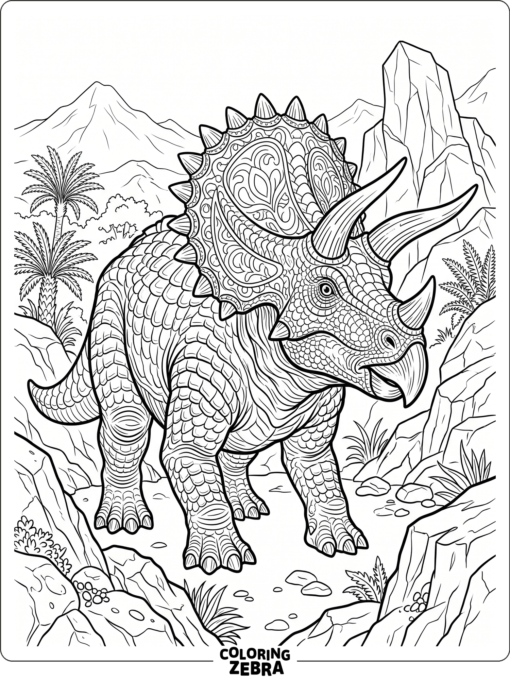

Detailed Triceratops Coloring Sheet
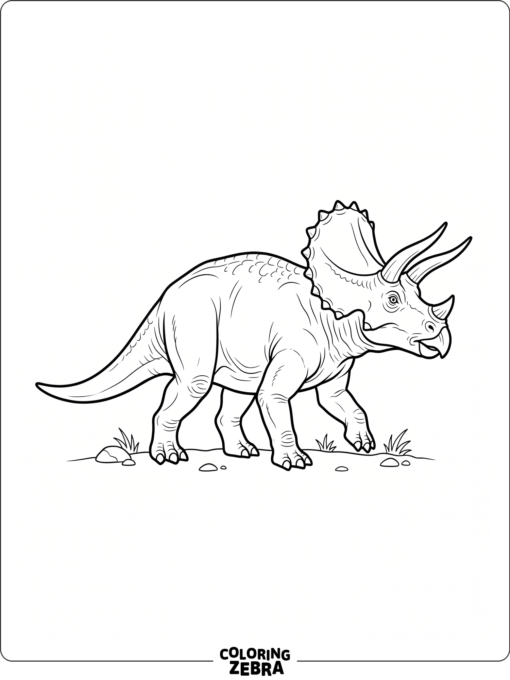

Triceratops Outline Coloring Page
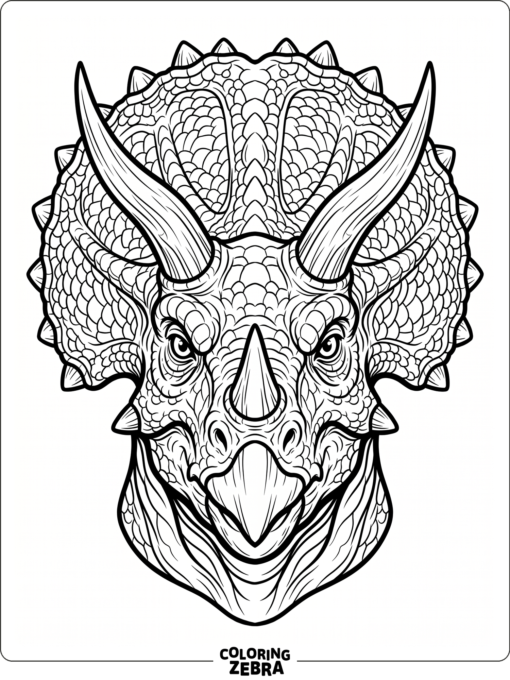

Triceratops Head Coloring Page
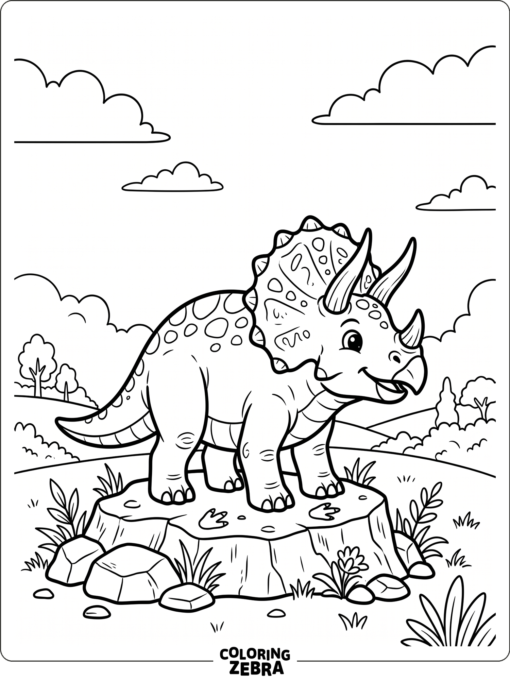

Three Horn Dinosaur Outline
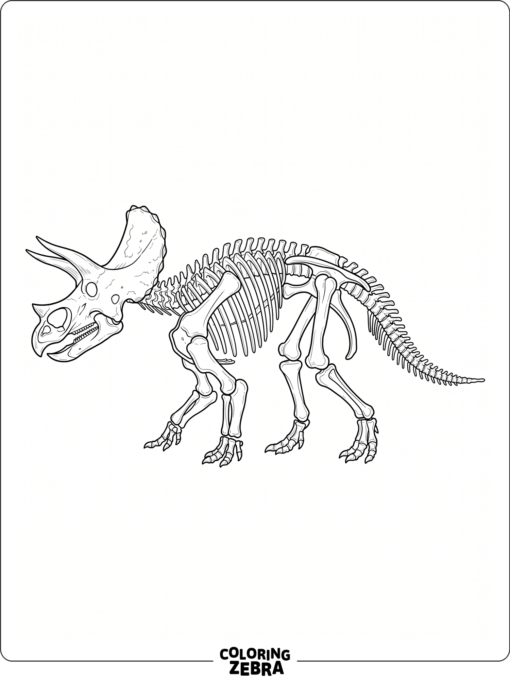

Triceratops Skeleton Coloring Page
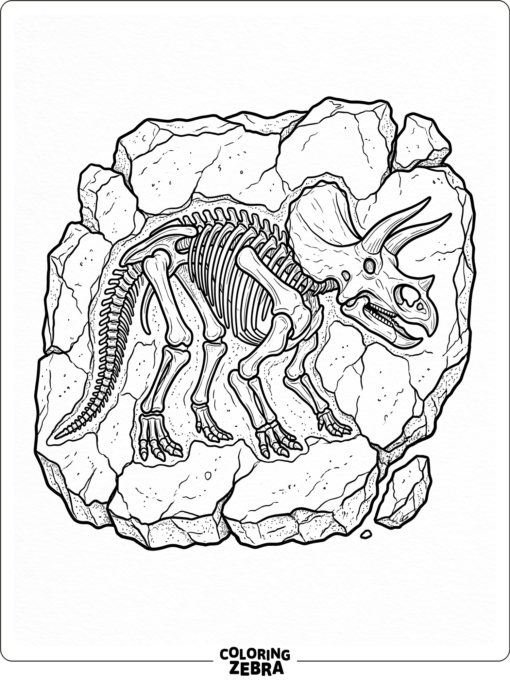

Triceratops Fossil Outline
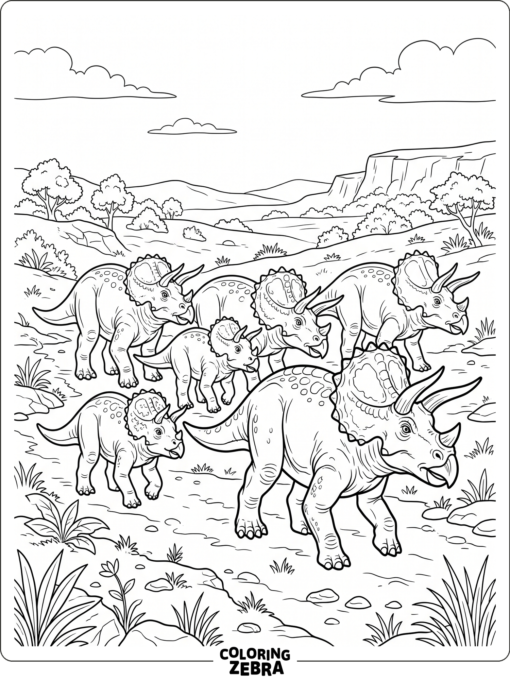

Triceratops Herd Coloring Page
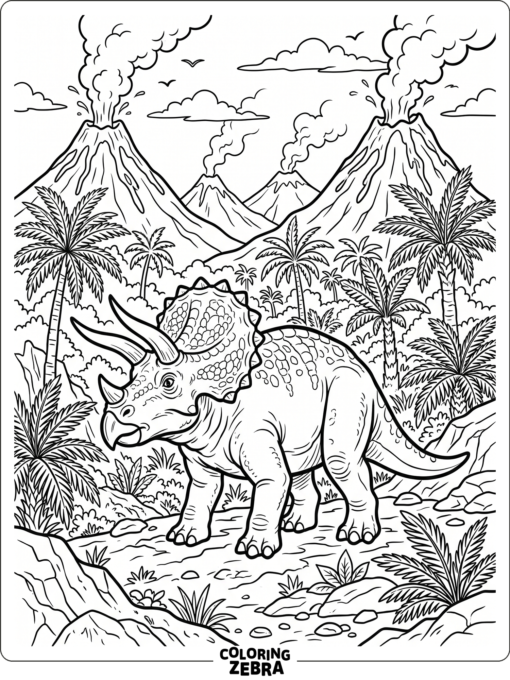

Prehistoric Triceratops Scene
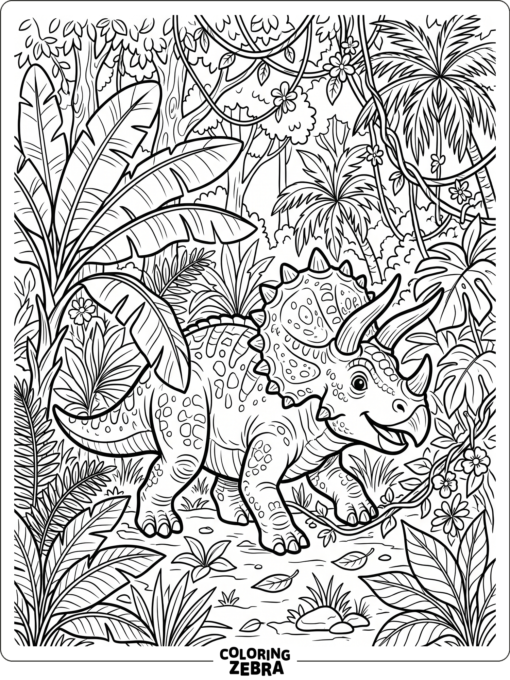

Triceratops In Jungle Coloring Page
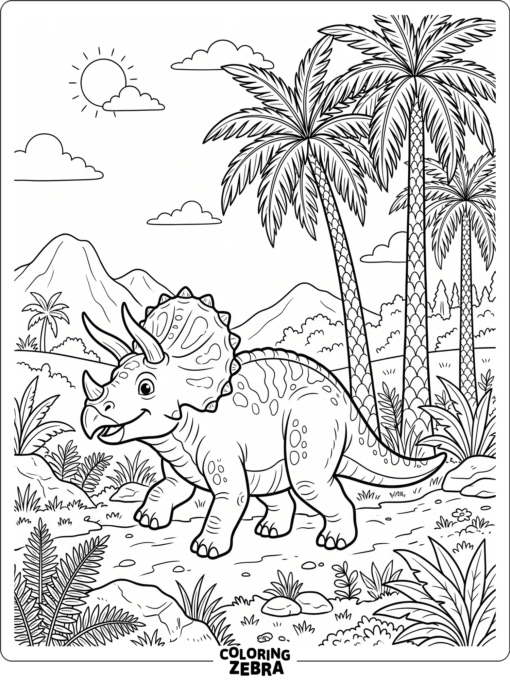

Triceratops Palm Tree Page
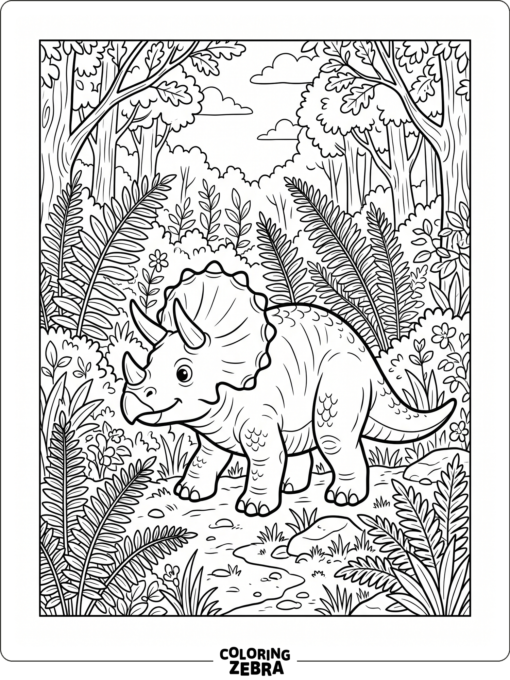

Triceratops Fern Scene
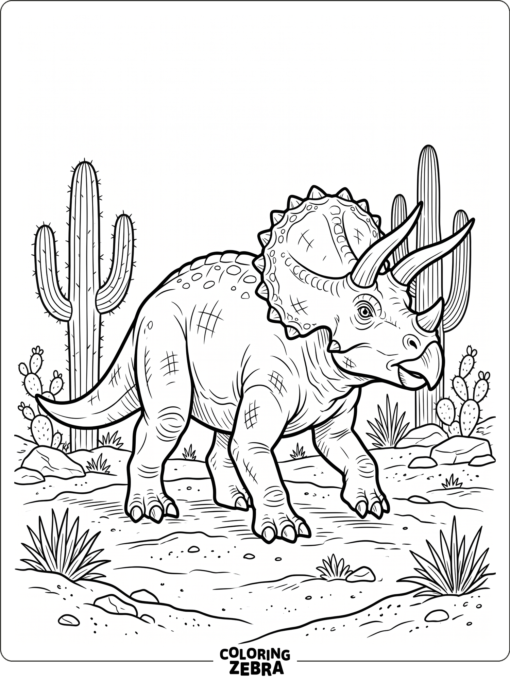

Triceratops Desert Coloring Page
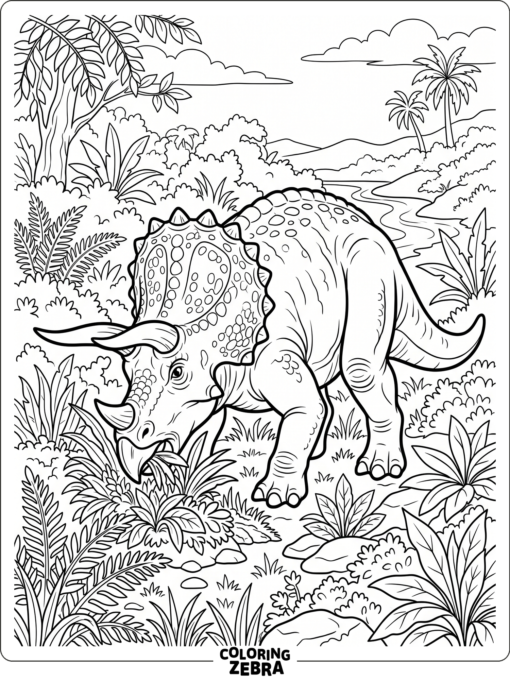

Triceratops Grazing Coloring Sheet
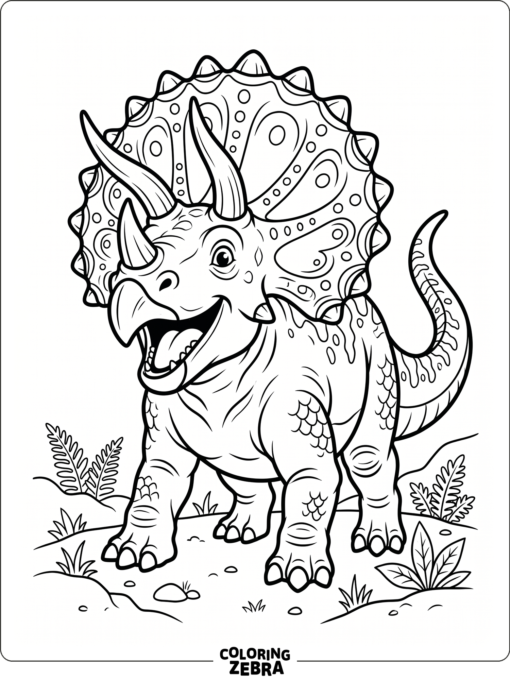

Roaring Triceratops Outline
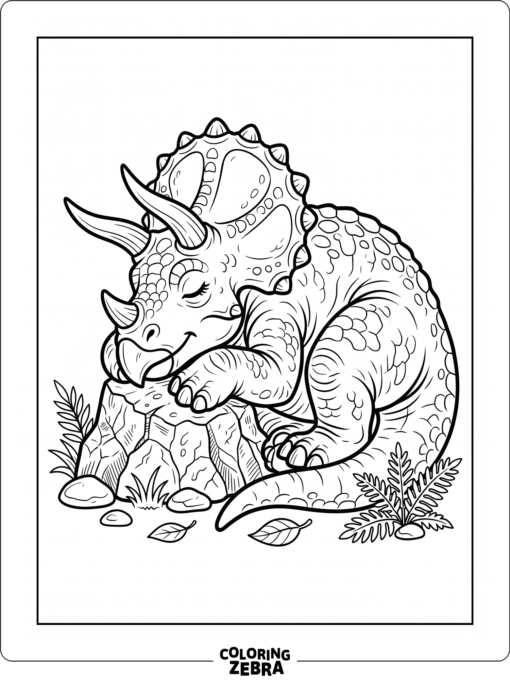

Sleeping Triceratops Page
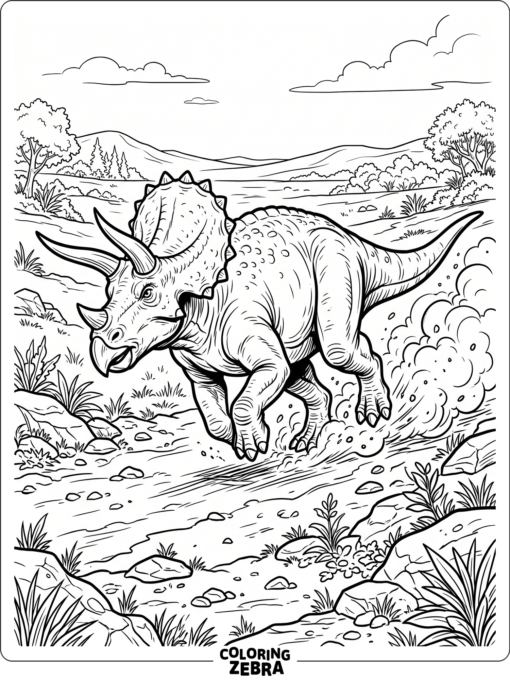

Running Triceratops Coloring Page
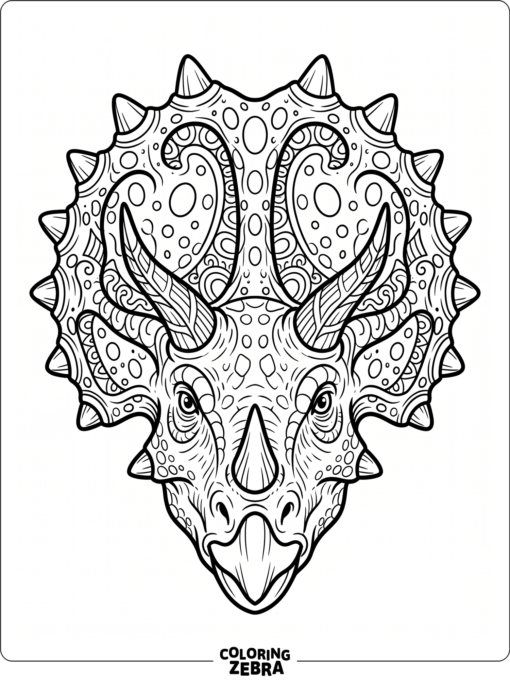

Triceratops Frill Pattern Page
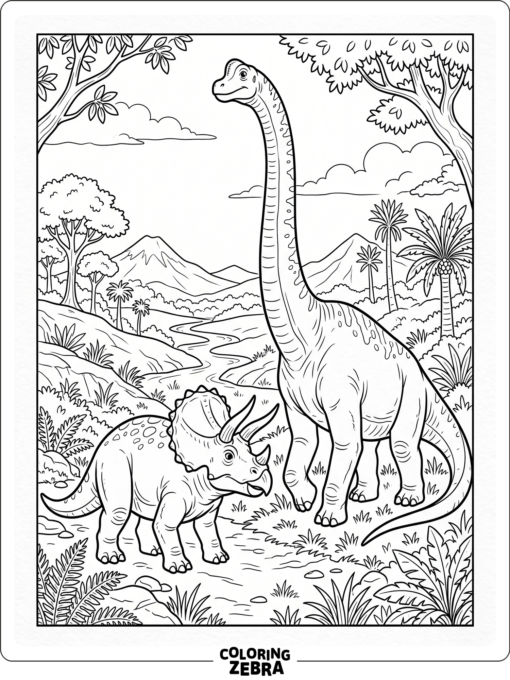

Triceratops and Brachiosaurus Scene
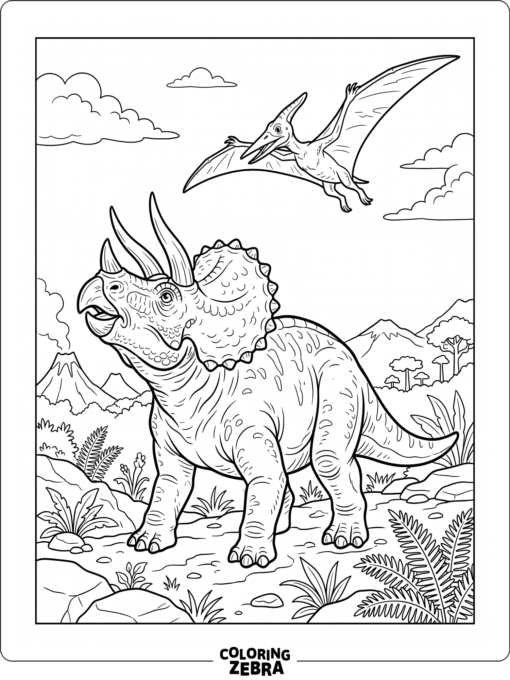

Triceratops With Pterodactyl Page
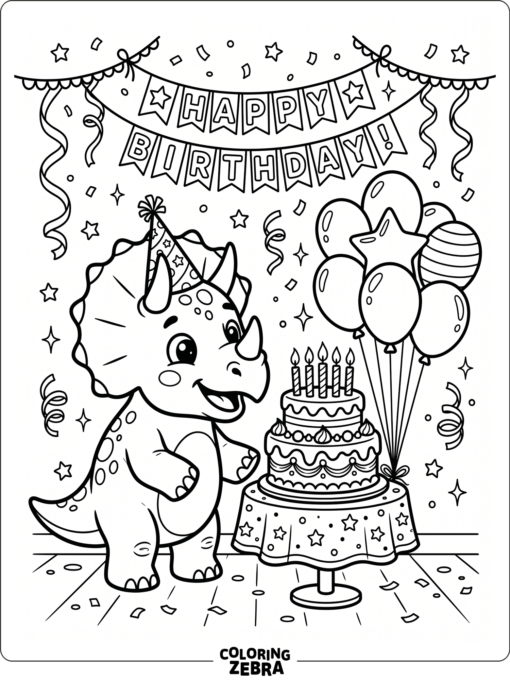

Triceratops Birthday Printable
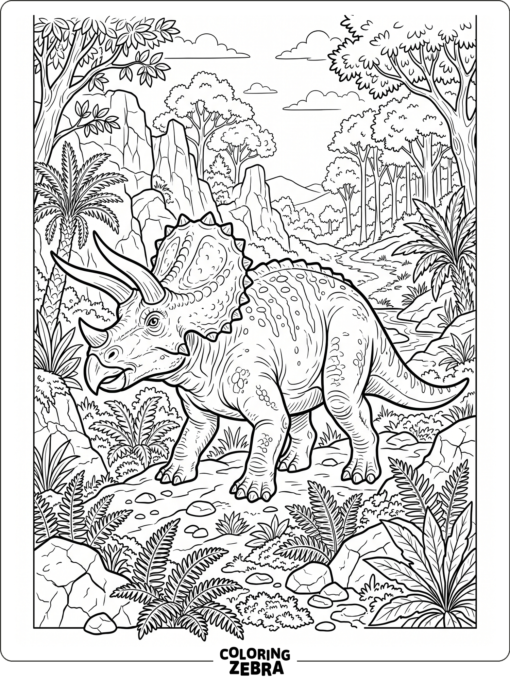

Triceratops Coloring Page For Adults
What makes Triceratops such a strong coloring subject?
Triceratops coloring pages work so well because the dinosaur has one of the most recognizable head shapes in prehistoric art. The three horns, broad frill, and sturdy body create a bold outline that looks clear even in simplified drawings. That makes the subject approachable for younger children while still leaving enough structure for older dinosaur fans who want more detail.
The set also gives you a nice mix of moods. Some pages show a friendly cartoon triceratops with round eyes or a smiling face, while others lean into a more realistic look with textured skin and sharper horn shapes. A few pages focus on the head and frill, which is a smart choice if you want to color the animal’s most distinctive features without filling a huge scene.
What is included in the printable set?
This collection covers a wide range of triceratops coloring sheet styles, so it does not feel repetitive. There are simple bold-outline pages for easy coloring, along with more detailed line art that adds skin texture, horn detail, and fuller scene elements. You can also choose from full-body side views, front-facing head studies, and close-up portraits that emphasize the frill and horns.
- Cute and cartoon triceratops pages with friendly expressions
- Baby triceratops and family or herd scenes
- Simple printable layouts and more detailed drawings
- Fossil, skull, and skeleton pages for a paleontology angle
- Scene-based pages with plants, rocks, open ground, and prehistoric backdrops
That variety makes the triceratops printables feel useful for different age groups and coloring styles. A child who wants a quick page can choose a clean outline, while a dinosaur enthusiast may prefer a textured scene with more shapes to fill in.
Simple pages and detailed pages each offer something different
The simpler sheets are ideal when you want clear shapes and large spaces to color. A blocky toy-style triceratops, a basic side outline, or a clean standing pose gives plenty of room for crayons, markers, or colored pencils. These pages are especially appealing for preschool and early elementary colorers because the forms are easy to recognize without needing careful shading.
The more detailed versions change the pace. A realistic dinosaur with textured skin, a stone fossil with cracked edges, or a full skeleton drawing invites slower coloring and more attention to line detail. Those pages work well if someone wants to experiment with layered greens, earthy browns, or even imaginative colors that make the horns and frill stand out.
Scenes, poses, and background details
The image set does a good job of showing the animal in motion and in context. You’ll see walking, running, grazing, sleeping, and roaring poses, plus a few pages that place the dinosaur in jungle leaves, palm trees, desert cacti, or a prehistoric landscape with volcanoes. One page pairs the animal with a tall brachiosaurus, and another shows a pterodactyl overhead, which adds variety without making the composition too crowded.
Those background details change the whole feel of the page. A triceratops standing among fern leaves feels calm and natural, while a running pose across open ground adds energy. A birthday scene with cake and balloons gives the collection a playful twist, and the herd pages add a sense of movement and companionship. If you want to color a page with a little storytelling, these environmental scenes are the best place to start.
Fossil, skull, and skeleton pages add a paleontology angle
Not every sheet shows a living dinosaur, and that makes the set more interesting. The fossil, skull, and skeleton images help explain the difference between a real prehistoric animal and the evidence scientists study today. A fossil page shows the remains preserved in stone, while a skeleton drawing shows the bones in a reconstructed form. A skull image focuses on the head structure, which is especially useful for understanding why this dinosaur is so famous.
Triceratops was a ceratopsian dinosaur from the Late Cretaceous period, and it is known for its three facial horns and large bony frill. It was a herbivore, so a page showing it grazing near low plants fits well with what paleontologists believe about its diet. Fossils of this dinosaur have been found in North America, and it remains one of the most recognizable dinosaurs in museums and popular culture.
Coloring ideas for different page styles
- Use bright, simple colors for cartoon pages so the friendly expression stays the focus.
- Try earthy greens, browns, and grays on realistic versions to highlight the skin texture and horn shapes.
- Give the frill a contrasting color or patterned border on close-up head views so the face stands out.
- Use muted stone shades on fossil and skeleton pages to separate bone, rock, and cracked-edge details.
- Fill jungle and prehistoric scenes with layered greens, sandy ground, and warm sky tones for extra depth.
If you are choosing pages for a younger child, start with the simpler outlines and bigger shapes. If you want a more detailed project, pick one of the textured scenes or a skeleton sheet and spend more time on the lines, shadows, and background plants. Either way, Triceratops Coloring Pages give you a flexible way to explore a famous dinosaur from several angles, from playful cartoon portraits to fossil-focused pages that connect coloring with prehistoric science.
Finished pages can be used as bedroom wall art, dinosaur-themed binder inserts, or a quiet stack of afternoon coloring options. Because the set includes both solo portraits and scene-based compositions, it is easy to match a page to the amount of time and detail you want.
People Often Ask Us…
-
What made Triceratops different from other horned dinosaurs?
-
What did Triceratops probably eat?
-
When did Triceratops live?
-
Why are the frill and horns important?
-
What is the difference between a fossil and a skeleton?