
4th of July Coloring Pages
4th of July Coloring Pages mix bold patriotic shapes with lively scenes, historic imagery, and familiar American symbols. Large stars, waving flags, balloons, and banners offer broad spaces that are satisfying to fill. More detailed choices feature fireworks over a skyline, a parade float, Mount Rushmore, the Liberty Bell, and a bald eagle. Playful animals, festive food, decorated vehicles, and family scenes add variety beyond traditional stars and stripes.
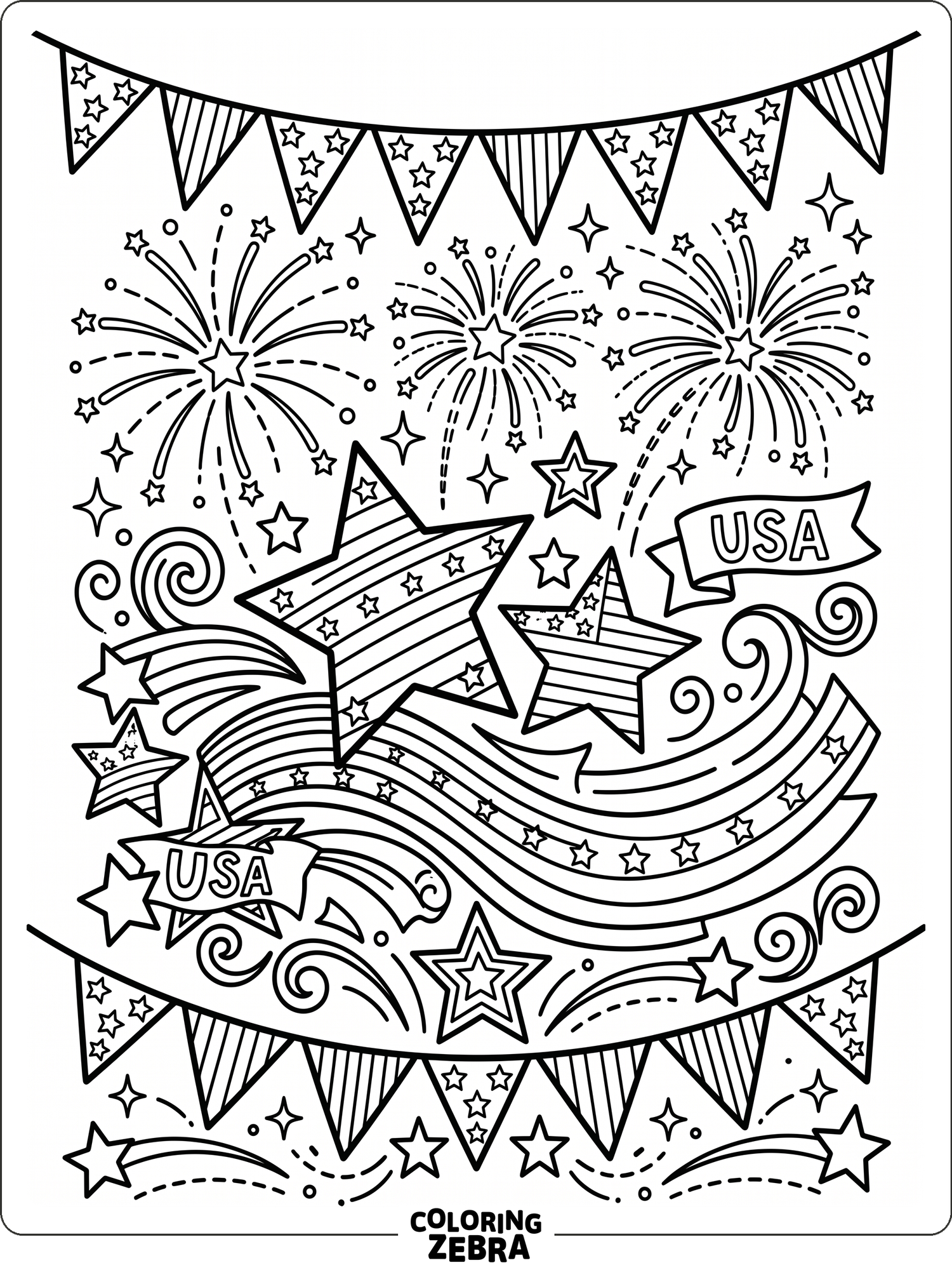
Print on standard white paper for crayons or colored pencils, or choose heavier paper when using markers. Select fit-to-page in the printer settings so borders and ribbon details remain visible. For an ink-saving option, print only the selected designs in black-and-white or draft mode.
Related coloring pages
4th of July Coloring Pages for All Ages
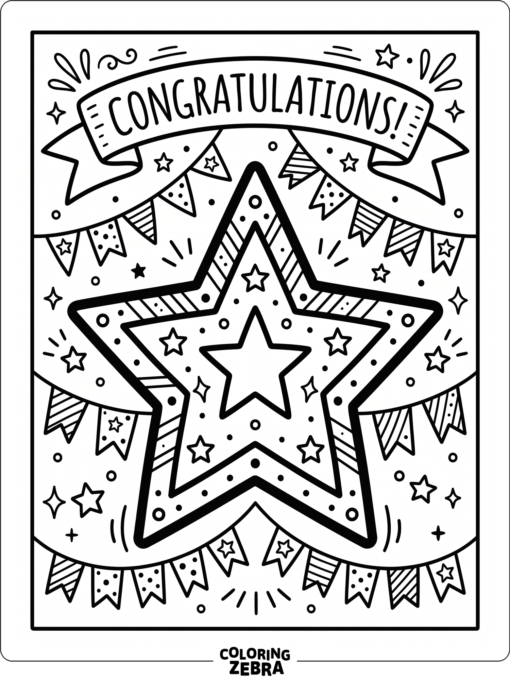

4th of July Coloring Page for Kids
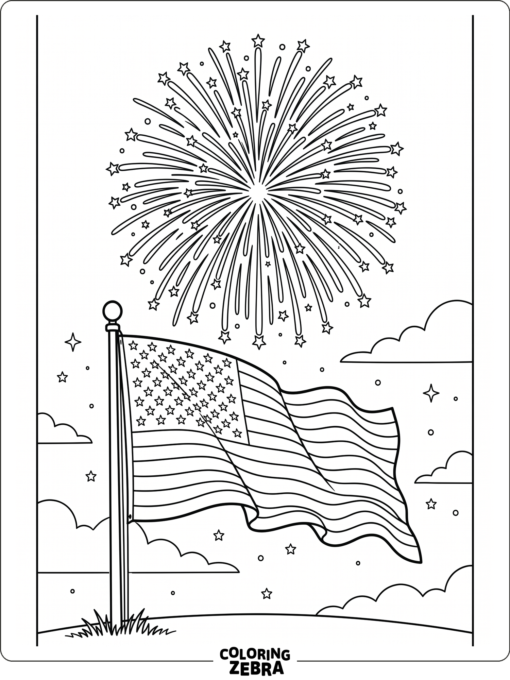

Easy 4th of July Coloring Page
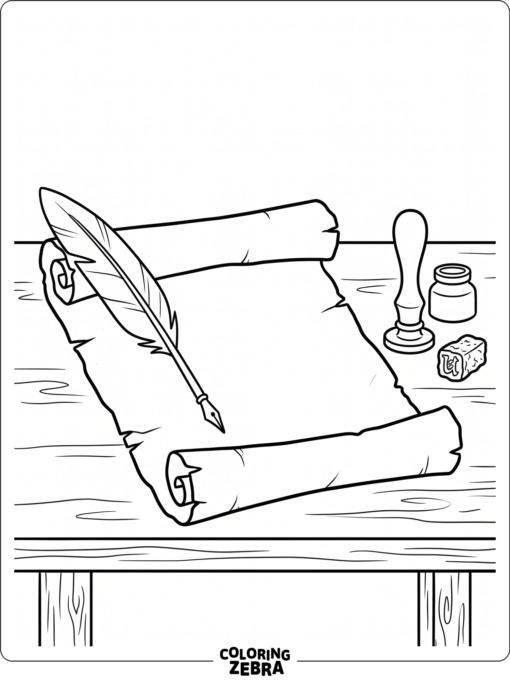

Declaration of Independence Coloring Page
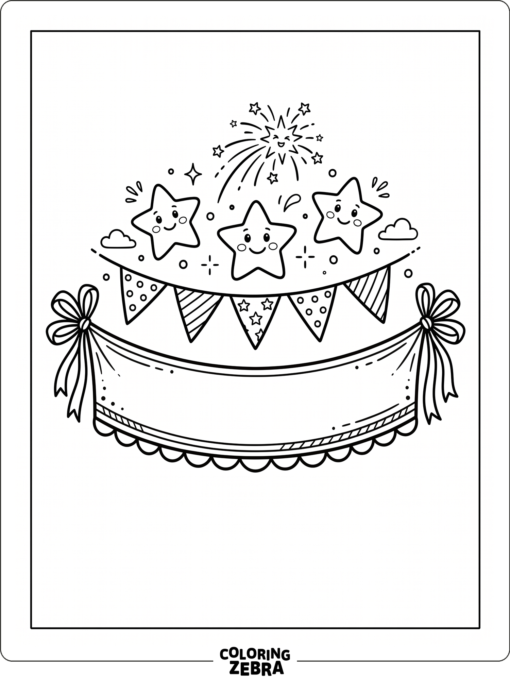

Cute 4th of July Coloring Page
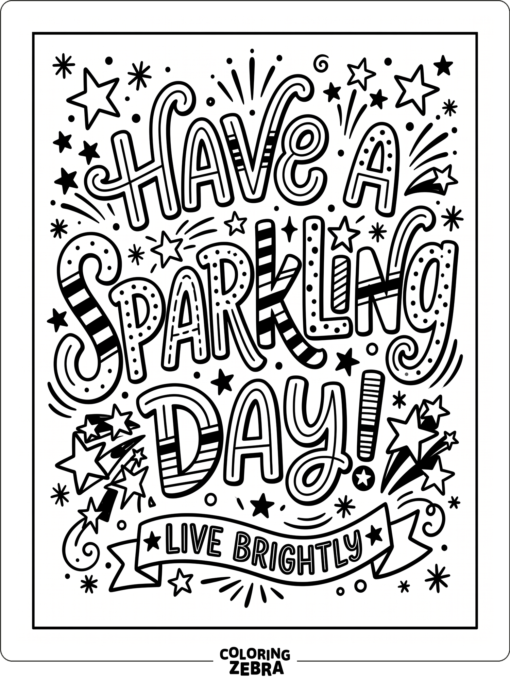

Happy 4th of July Coloring Page
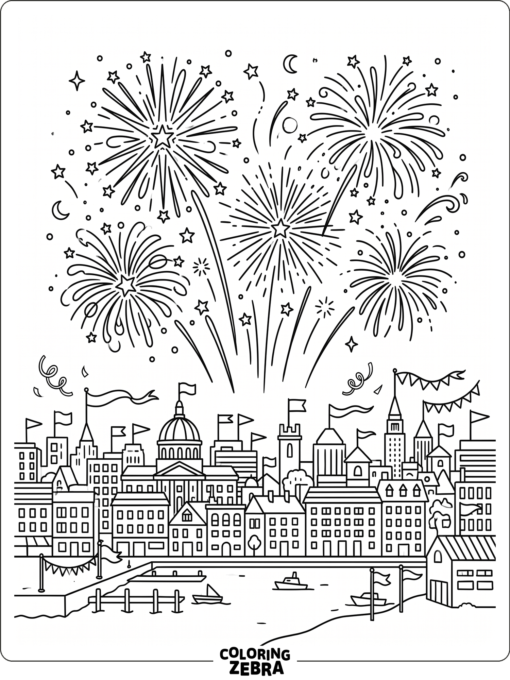

4th of July Coloring Page for Adults
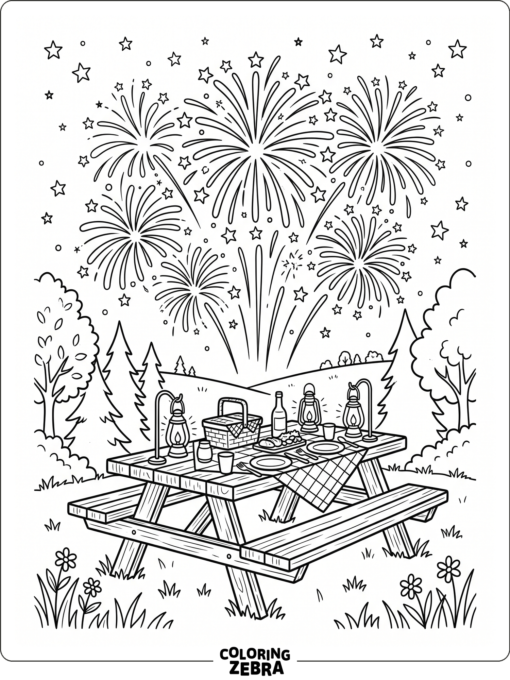

4th of July Fireworks Coloring Page
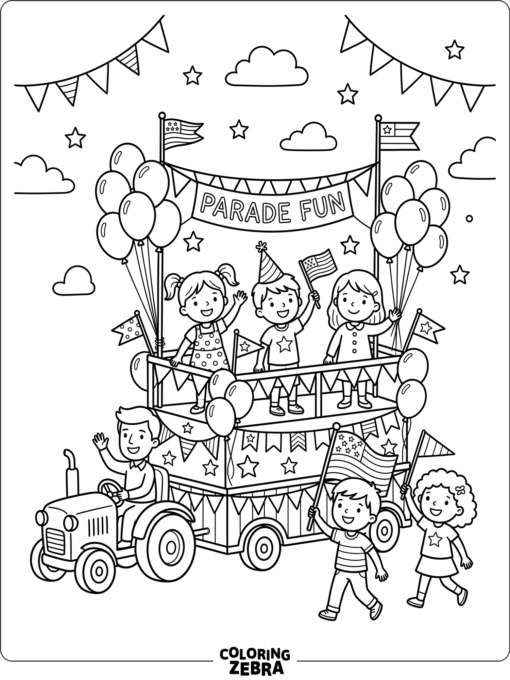

Preschool 4th of July Coloring Page
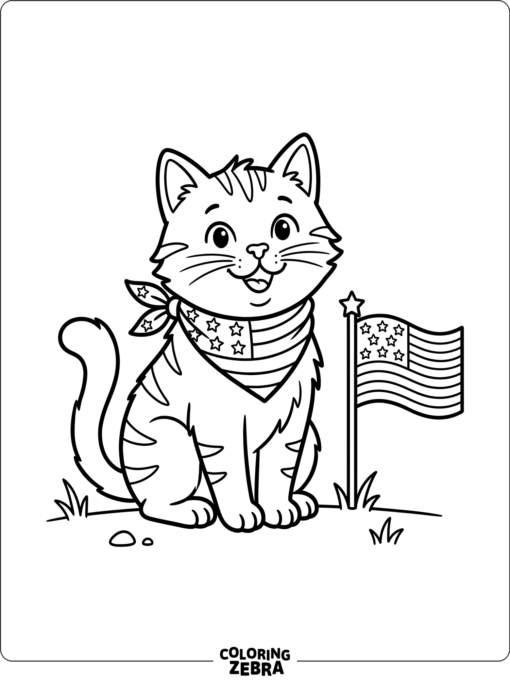

4th of July Cat Coloring Page
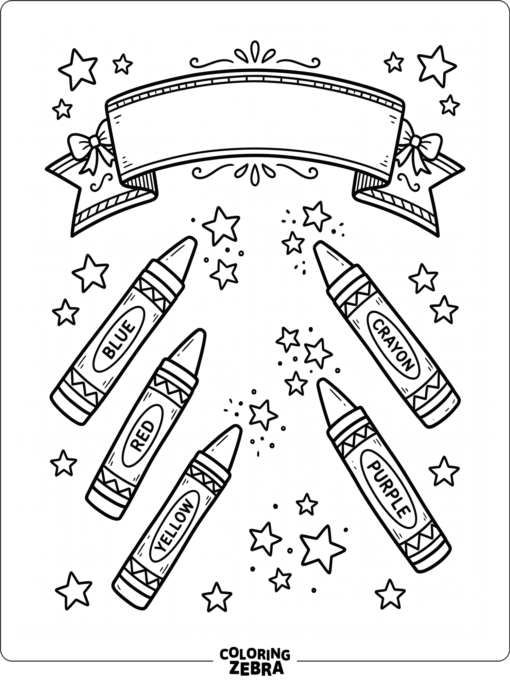

4th of July Coloring Activity
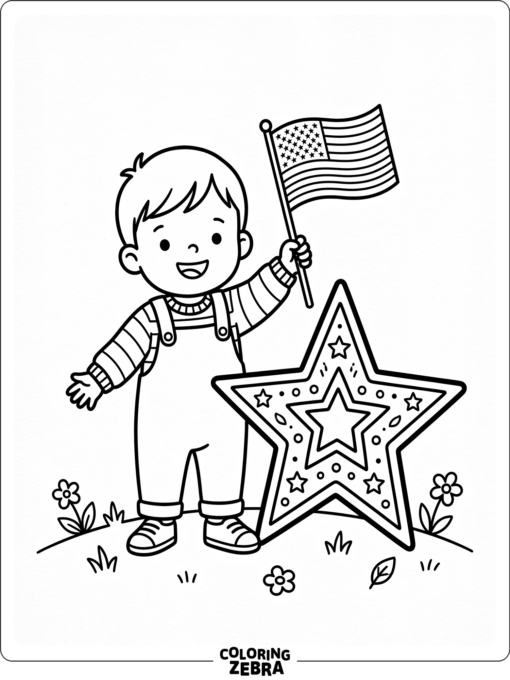

4th of July Coloring Page for Toddlers
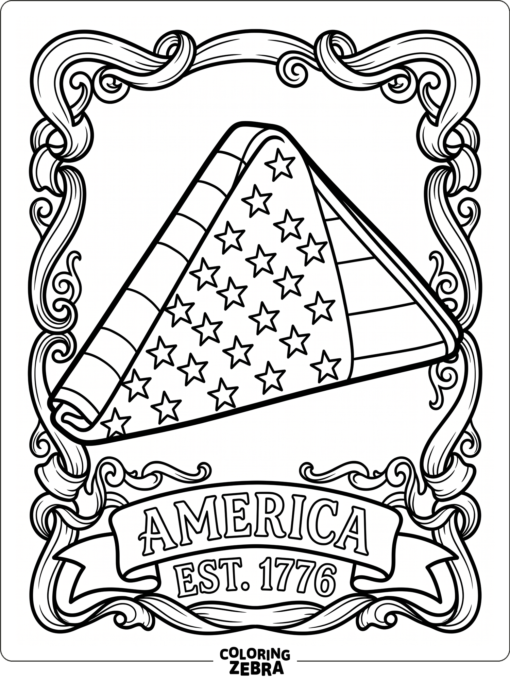

4th of July Flag Coloring Page
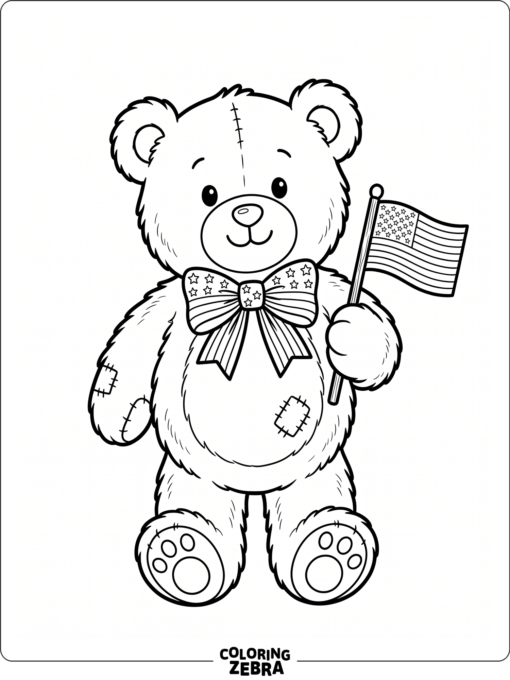

Teddy Bear 4th of July Coloring Page
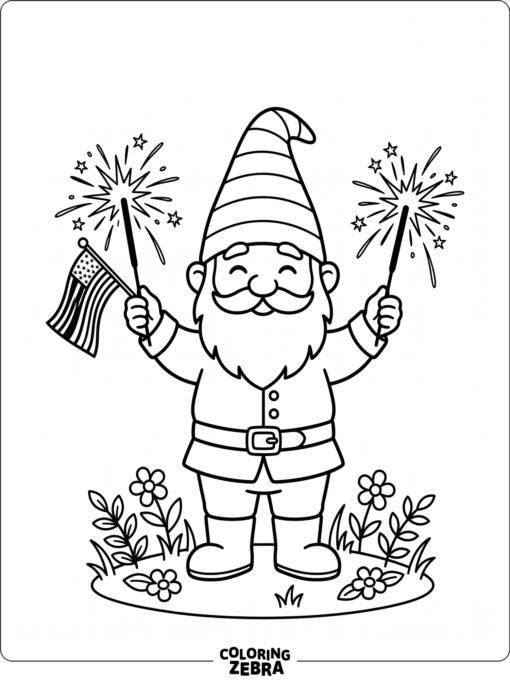

4th of July Gnome Coloring Page
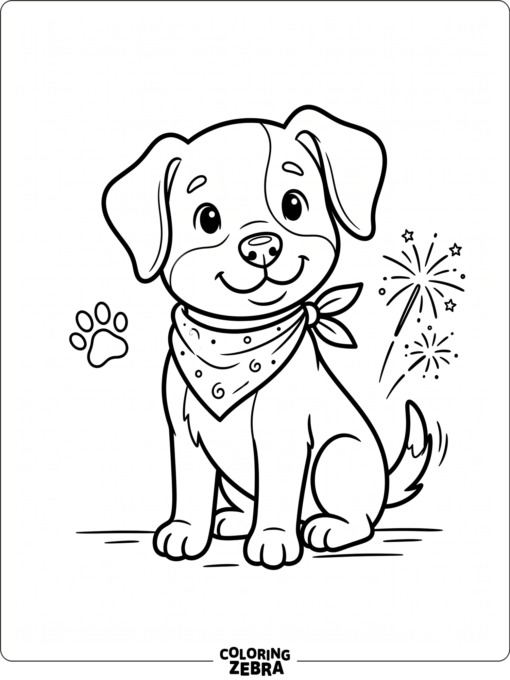

4th of July Puppy Coloring Page

4th of July Sunday School Coloring Page

4th of July Star Coloring Page

4th of July Unicorn Coloring Page

4th of July Hat Coloring Page
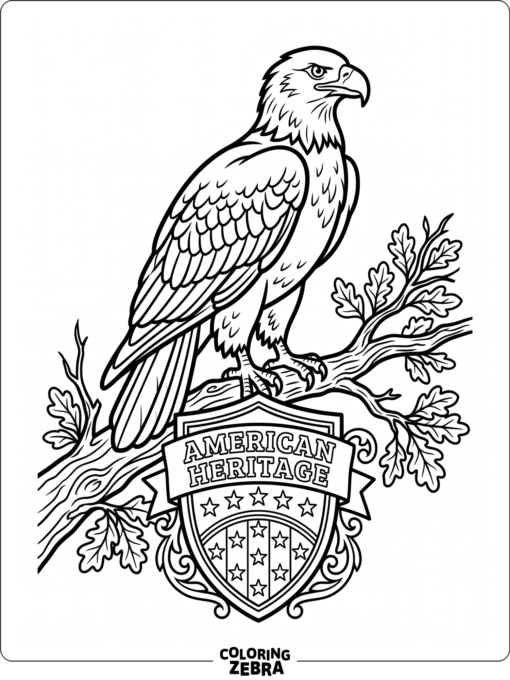

Bald Eagle Independence Day Coloring Page
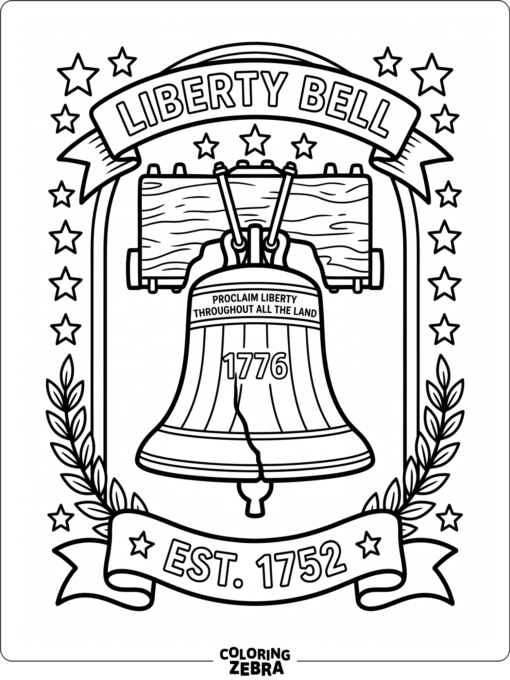

Liberty Bell 4th of July Coloring Page
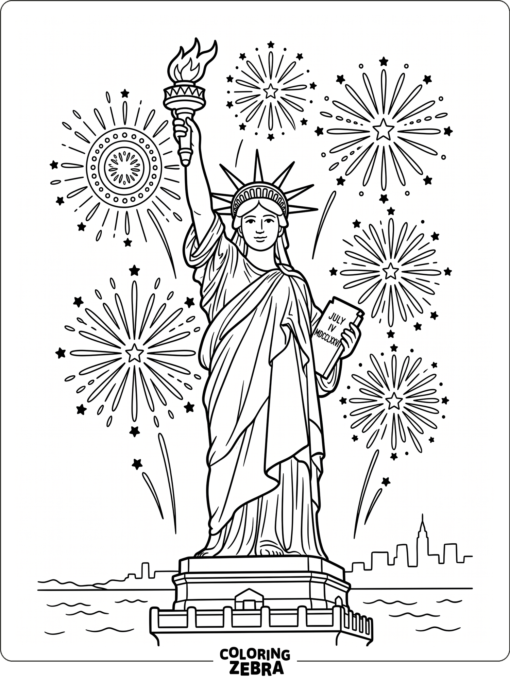

Statue of Liberty Independence Day Coloring Page
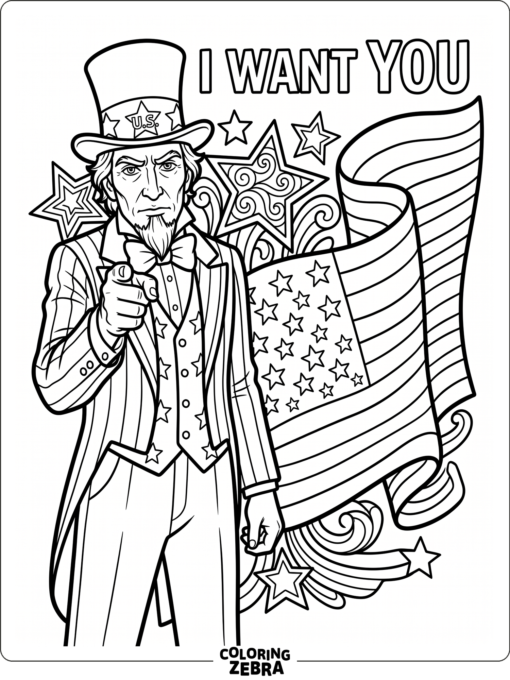

Uncle Sam 4th of July Coloring Page
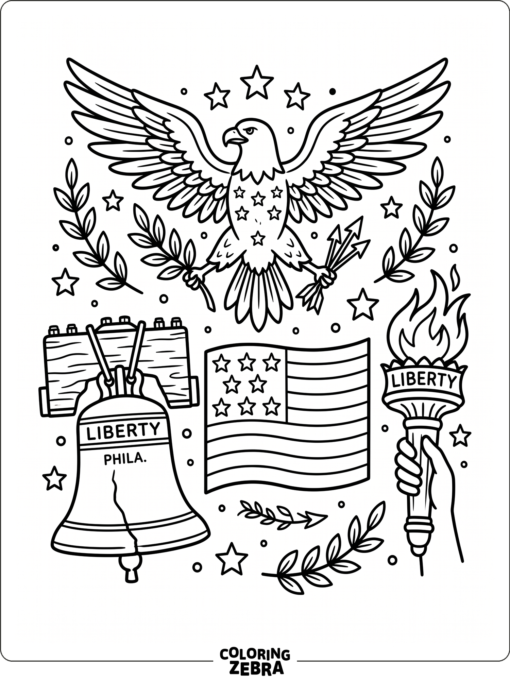

American Symbols Coloring Page
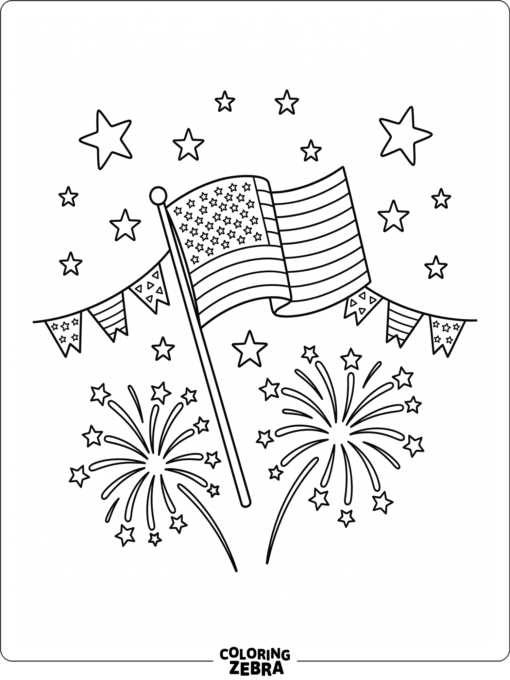

Patriotic Coloring Page for 4th of July


Red White and Blue Coloring Page


USA Map Independence Day Coloring Page
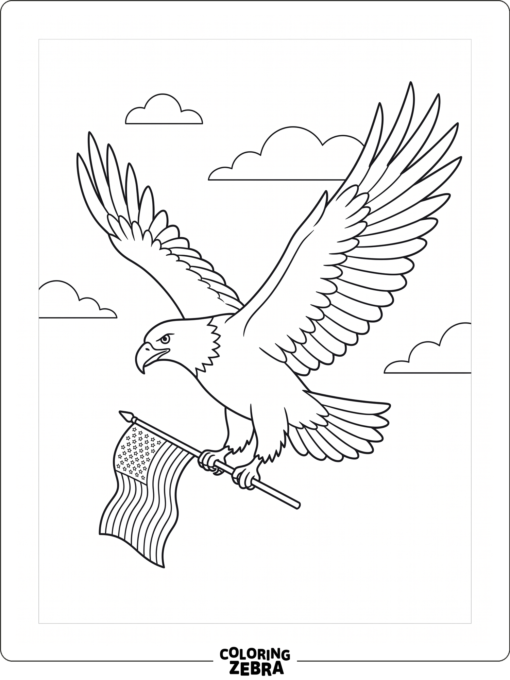

American Eagle 4th of July Coloring Page


Liberty Torch Coloring Page


Independence Day Balloon Coloring Page

4th of July Popsicle Coloring Page
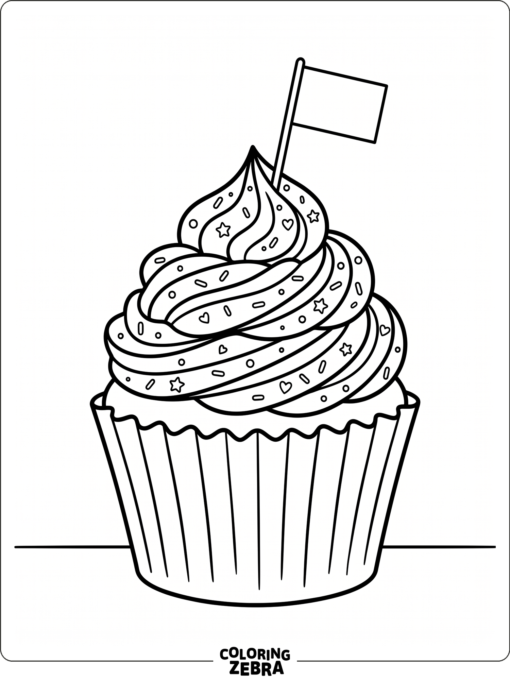

Patriotic Cupcake Coloring Page
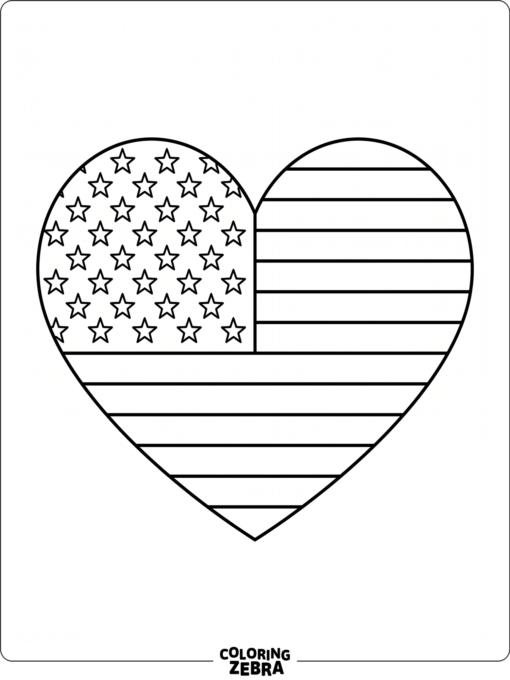

American Flag Heart Coloring Page
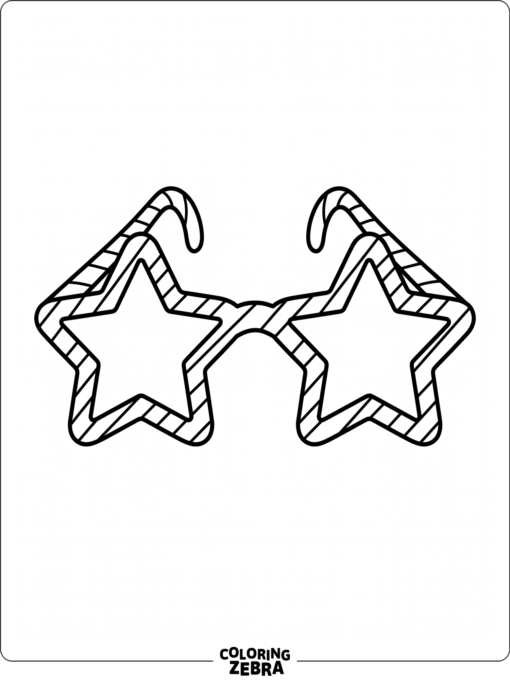

4th of July Sunglasses Coloring Page
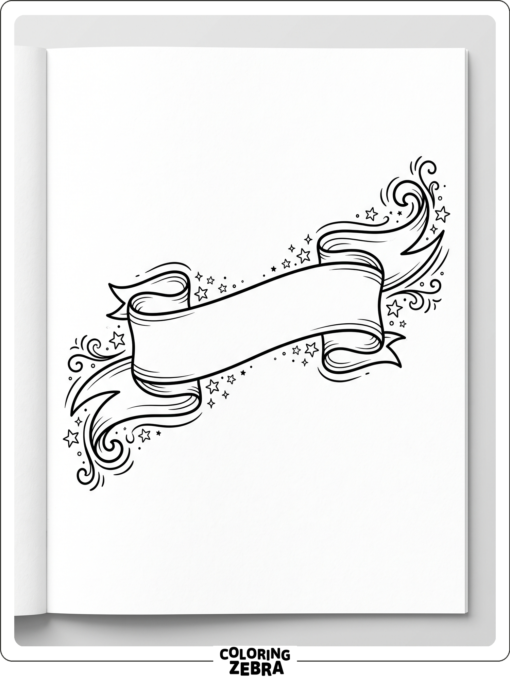

Independence Day Ribbon Coloring Page
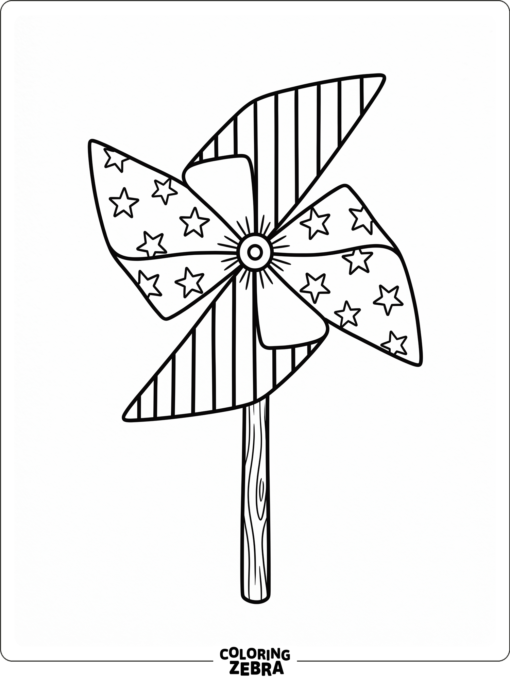

Patriotic Pinwheel Coloring Page
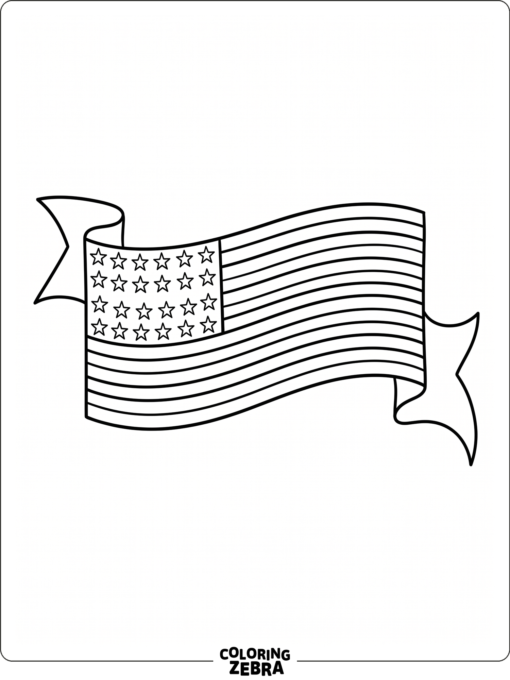

4th of July Banner Coloring Page
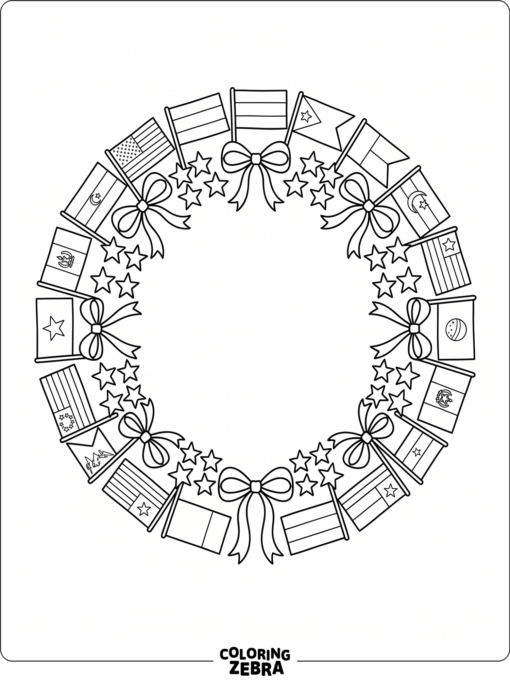

Independence Day Wreath Coloring Page
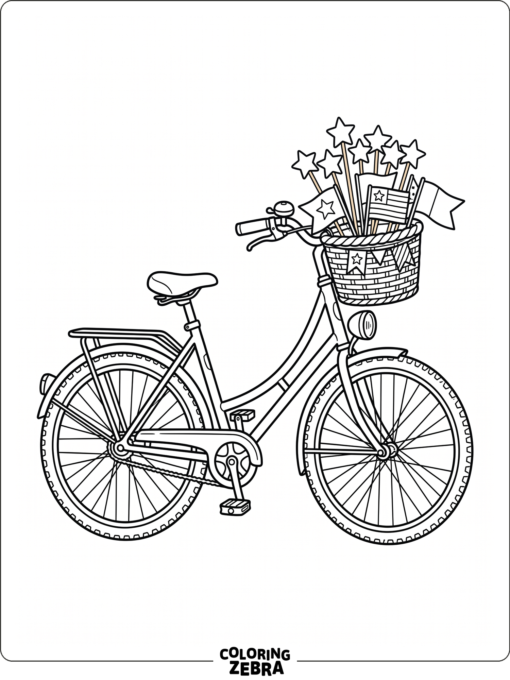

4th of July Bicycle Coloring Page
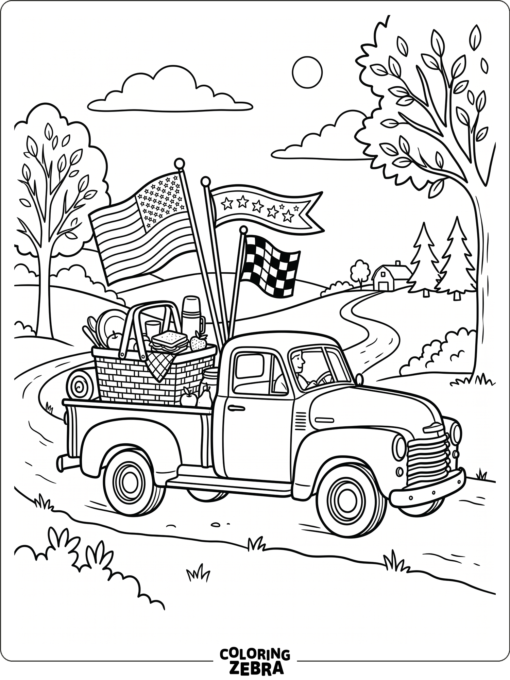

Patriotic Truck Coloring Page
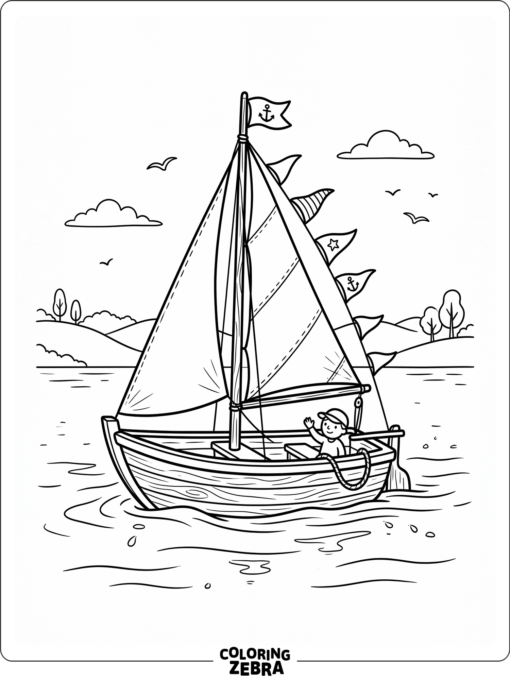

4th of July Boat Coloring Page
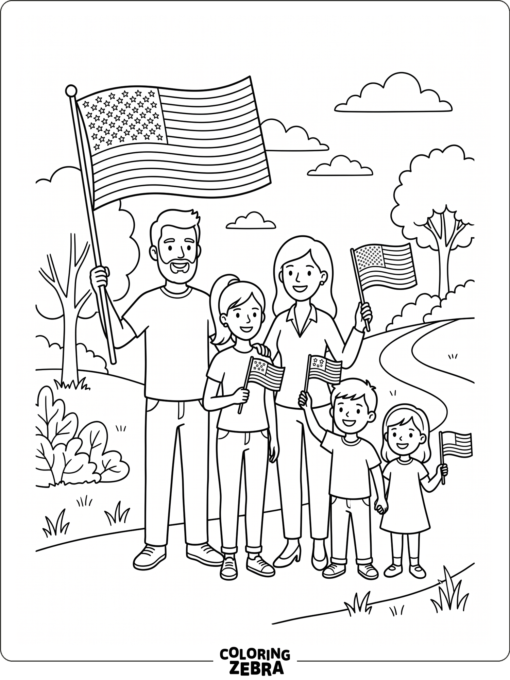

Patriotic Family Coloring Page
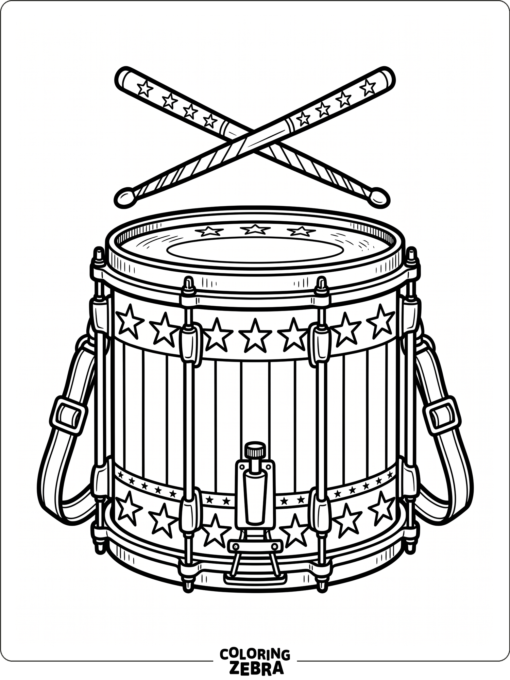

4th of July Drum Coloring Page
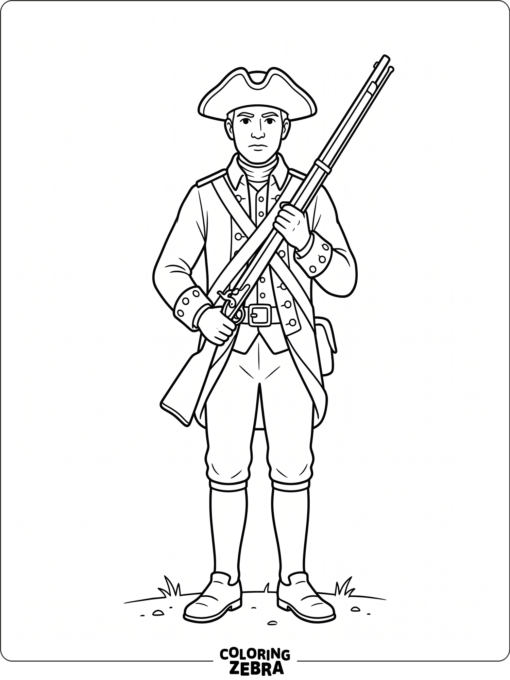

American Revolution Soldier Coloring Page
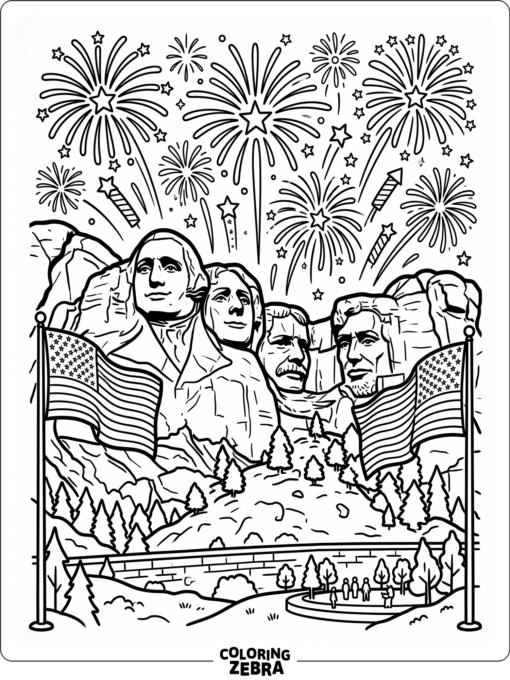

Mount Rushmore 4th of July Coloring Page
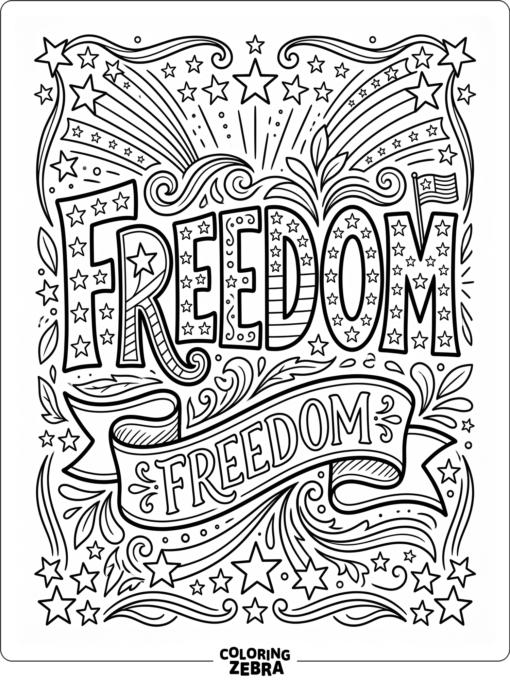

American Freedom Coloring Page
What appears in the collection
These 4th of July Coloring Pages cover a wide range of Independence Day imagery, from one large striped star or a single firework above a waving flag to layered scenes filled with landmarks, decorations, and people. Recurring motifs include stars, stripes, bunting, ribbons, wreaths, balloons, banners, and fireworks. Some designs center on one easy-to-recognize object, such as a torch, heart, pinwheel, hat, flag, or United States map, while others combine several patriotic elements in a collage or decorative frame.
The celebratory scenes provide plenty to notice. Fireworks burst over a generic city skyline and above a picnic table, while a parade float carries flags and balloons. A bicycle has a basket of flags and stars, a truck carries flags and picnic supplies, and a small flag-decorated boat rests on calm water. A drum with stars, stripes, and drumsticks connects naturally with parade traditions, as do the bunting, ribbons, banners, and handheld flags found throughout the set.
Lighthearted choices include a flag-holding teddy bear, a gnome with sparklers, a bandana-wearing cat and puppy, and a unicorn with a star mane and flag cape. There is also a toddler with a small flag and a family standing together with flags. A striped popsicle, a frosted cupcake topped with a tiny flag, star-lens sunglasses, and a patriotic hat extend the theme into treats and accessories.
Symbols from different periods of American history
Several Independence Day coloring sheets feature national symbols and landmarks, including a bald eagle, the Liberty Bell, the Statue of Liberty, Uncle Sam, the national flag, and an outline map of the United States. One collage groups an eagle, flag, bell, and torch, while another design combines a flag with fireworks, stars, and bunting. These subjects are strongly associated with the United States, but they did not all originate during the American Revolution.
The bald eagle has served as the national emblem since it appeared on the Great Seal adopted in 1782. The Liberty Bell is closely associated with American independence and is located in Philadelphia, although the familiar story that it rang to announce independence on July 4, 1776 is not firmly supported by historical evidence. The Statue of Liberty was a gift from France and was dedicated in 1886, more than a century after the Declaration of Independence. Its torch represents liberty and enlightenment.
Uncle Sam is a personification of the United States rather than a founding-era leader. His familiar pointing pose became especially famous through a World War I recruitment poster. Mount Rushmore, shown here beneath flags and fireworks, depicts George Washington, Thomas Jefferson, Theodore Roosevelt, and Abraham Lincoln. Washington and Jefferson belonged to the founding era, but Roosevelt and Lincoln were born later.
Flags stars and the meaning of July 4
Independence Day is observed on July 4 because the Continental Congress adopted the Declaration of Independence on July 4, 1776. The colonies had voted for independence on July 2, and most delegates did not sign the document on July 4. This distinction makes the holiday a useful starting point for discussing how major historical decisions can involve several important dates.
The current American flag has 13 stripes representing the original colonies and 50 stars representing the states. Its present 50-star design became official on July 4, 1960, after Hawaii entered the Union. The collection shows flags in several forms: waving, folded, handheld, carried by an eagle, attached to vehicles, and used in wreaths or decorative borders. The folded-flag picture can be colored as a geometric patriotic design without assigning it a funeral, military, or ceremonial meaning that is not established by the image.
An open parchment with a quill and seal evokes founding-era documents, but the drawing does not identify a specific text. Similarly, the soldier holding a musket suggests the American Revolutionary era without identifying a person, regiment, colony, or battle. These careful distinctions allow the pictures to support historical discussion without turning visual clues into unsupported claims.
Fireworks parades and shared celebrations
Fireworks have been connected with Independence Day since the early years of the United States. Philadelphia held a documented celebration with fireworks in 1777. In this set, they appear above a skyline, picnic table, flag, Statue of Liberty, puppy, and Mount Rushmore, ranging from one uncomplicated burst to crowded scenic compositions.
Parades, music, public readings, community gatherings, and shared meals have also become familiar ways to mark the holiday. The float, drum, balloons, bunting, bicycle, truck, boat, and picnic setting reflect modern public and neighborhood celebrations. They should not be treated as an exact record of how every community observed the occasion in 1776.
Coloring approaches for different designs
For the simplest 4th of July Coloring Pages, younger colorists can begin with the large star, heart, balloon, torch, flag, pinwheel, or ribbon banner. Broad areas work well with crayons or thicker pencils, and repeating stripes can be filled one section at a time. The smiling stars and blank banner surrounded by crayons also leave room for adding a short message, a name, or a date.
Detailed pictures reward a slower approach. Color the largest subject first in the eagle, Liberty Bell, Statue of Liberty, Uncle Sam, Mount Rushmore, and patriotic collage designs, then move to stars, ribbons, borders, and background fireworks. On the skyline or parade pages, contrasting light and dark tones can help the foreground stand apart from the sky. Repeating two or three chosen colors across bunting, balloons, and flags can give a busy composition a coordinated appearance.
Colorists are not limited to a traditional patriotic palette. Natural browns and golds can suit the eagle, parchment, teddy bear, or Revolution-era soldier, while bright mixed colors can emphasize the unicorn, cupcake, popsicle, pinwheel, or star-shaped sunglasses. Metallic pencils can add sparkle to firework trails, the Liberty Bell, small stars, and ribbon edges.
Freedom and different perspectives
The word freedom appears in a dedicated design with stars, stripes, and a flowing banner. It can open a balanced conversation about the ideals stated in the Declaration and the limits of those ideals in 1776. Enslaved people, Indigenous peoples, women, and many others did not share equally in the political rights and freedoms claimed at the time. A United States map can also help distinguish the original 13 colonies from the present nation of 50 states.
One page combines a cross, flag, stars, and a church window. It represents a faith-oriented interpretation within the larger collection, not an official national symbol or a definition of the holiday. Alongside family, civic, historical, decorative, and playful scenes, it shows that people may approach Independence Day from different personal and community perspectives.
Ways to use finished pages
Finished 4th of July Coloring Pages can become table decorations, parade-day signs, bulletin-board displays, or covers for short history projects. Cut out individual stars, flags, balloons, or pinwheels to create a paper garland, or arrange several completed sheets as a wall display showing the range from national symbols to modern community celebrations.
Teachers and caregivers can pair a flag picture with a discussion of the 13 stripes and 50 stars, use the parchment and soldier pages to introduce the Revolutionary era, or compare the dates connected with the eagle, Statue of Liberty, Uncle Sam, and Mount Rushmore. The blank banner offers space for a holiday greeting, while the freedom lettering can support a thoughtful written reflection on what liberty means and how its promises have changed over time.
People Often Ask Us…
-
Are the Fourth of July and Independence Day different holidays?
-
Why did early celebrations include fireworks?
-
Why is it called the Liberty Bell?
-
Where did the name Uncle Sam come from?
-
Why did the 50-star flag debut in 1960?