
Black History Month Coloring Pages
Black History Month Coloring Pages offer portraits, cultural patterns, civic symbols, and scenes of everyday community life to explore. Color Barack Obama at a podium, a portrait of Malcolm X, children reading, families celebrating heritage, and dancers in flowing clothes. Ballots, justice scales, raised fists, books, quilts, and invention imagery create thoughtful starting points for discussion. Simple signs suit younger colorists, while detailed murals, geometric borders, and symbol-filled designs invite closer attention.
Print simple banners and child-centered designs on standard copy paper, or use heavier paper for markers and display pieces. Select fit-to-page or 100% scale in the print settings, depending on whether you want a full-page image or its original proportions. Draft mode can conserve ink, while grayscale or black-only settings help keep outlines crisp.
Related coloring pages
Printable Black History Month Coloring Pages

Black History Month Coloring Page for Kids

Easy Black History Month Coloring Page

Preschool Black History Month Coloring Page
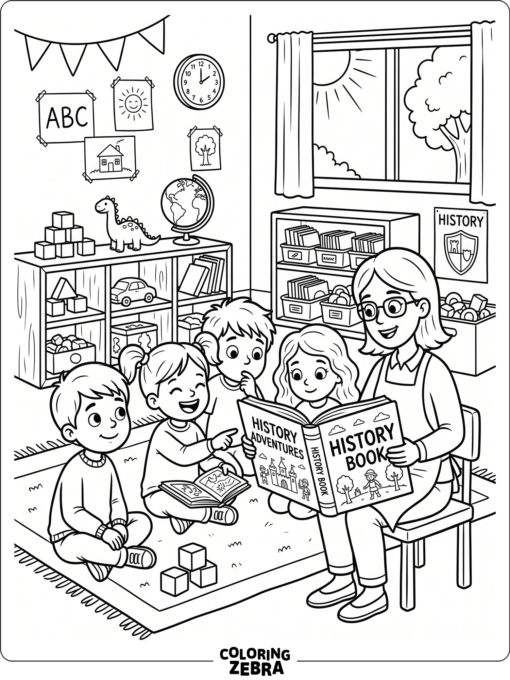

Kindergarten Black History Coloring Page
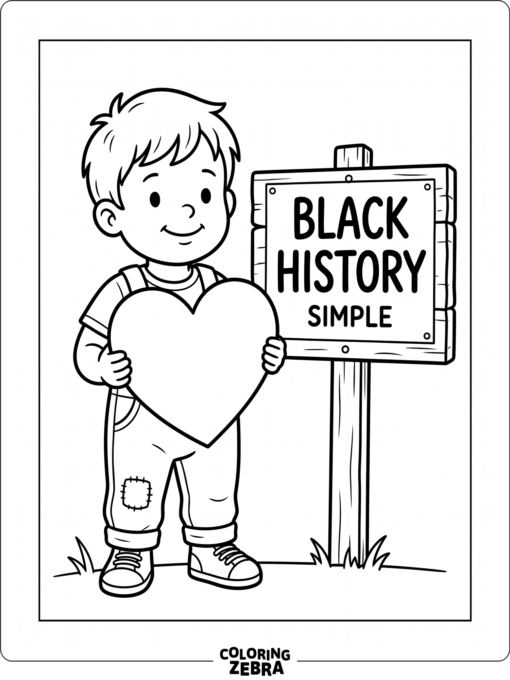

Black History Month Coloring Page for Toddlers
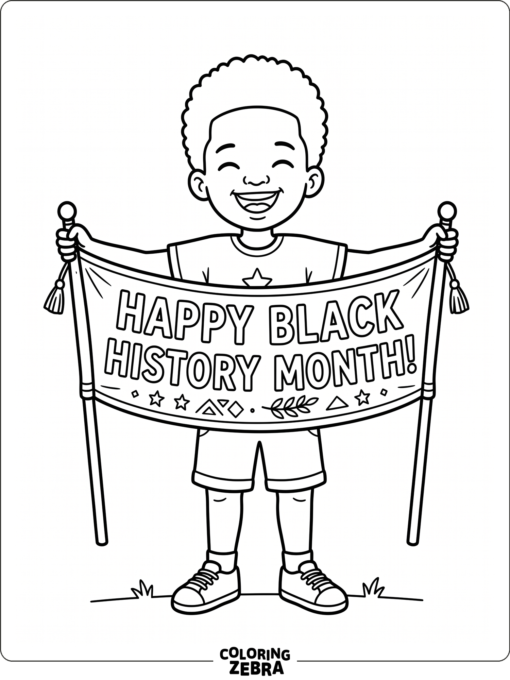

Happy Black History Month Coloring Page
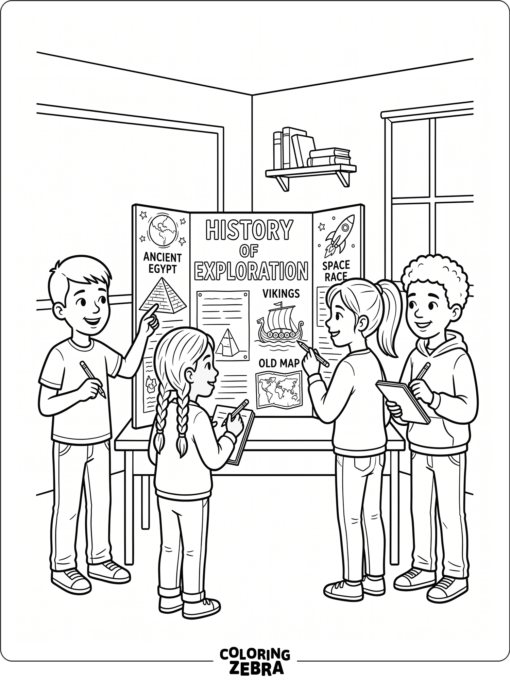

Black History Month Coloring Page for Elementary Students

Black History Month Quotes Coloring Page


Black History Month Inventors Coloring Page

Jesse Owens Coloring Page

Black History Month Flag Coloring Page

Black History Coloring Page With Facts
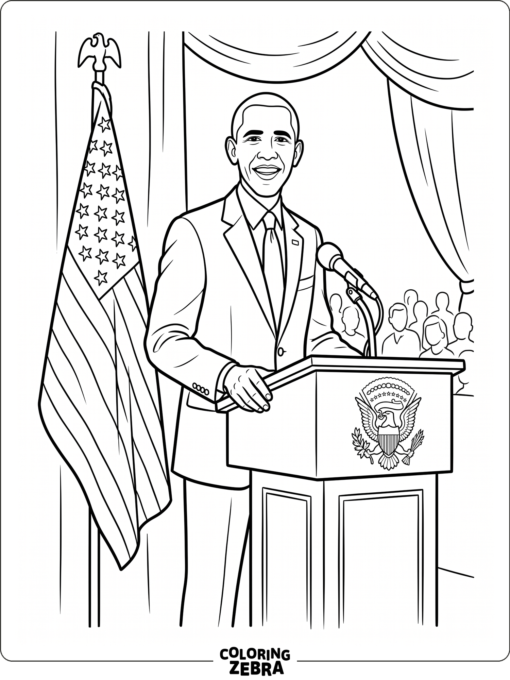

Barack Obama Coloring Page
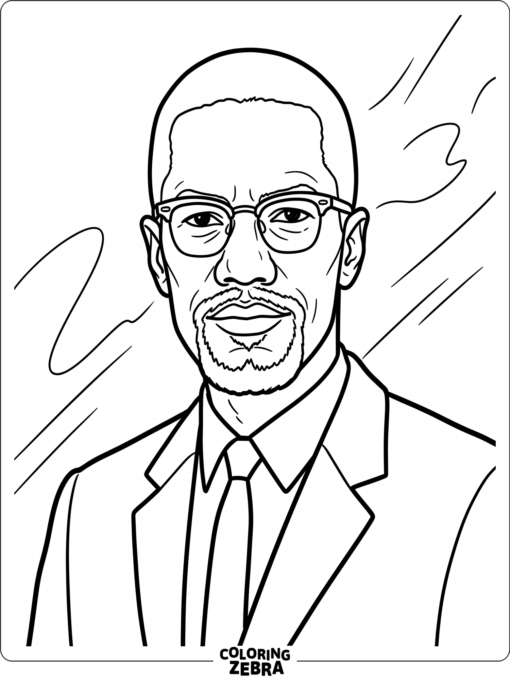

Malcolm X Coloring Page
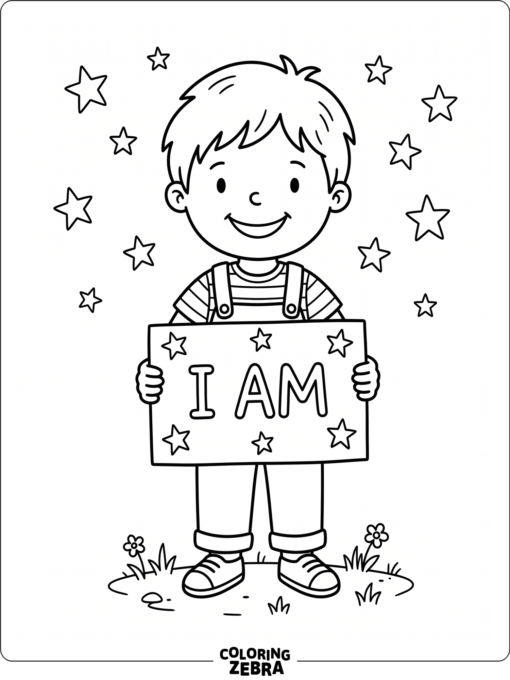

I Am Black History Coloring Page
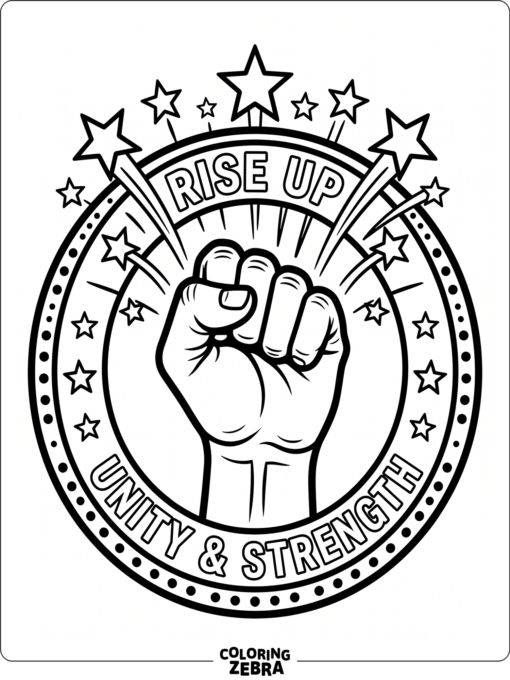

Black History Fist Coloring Page


Emancipation Proclamation Coloring Page
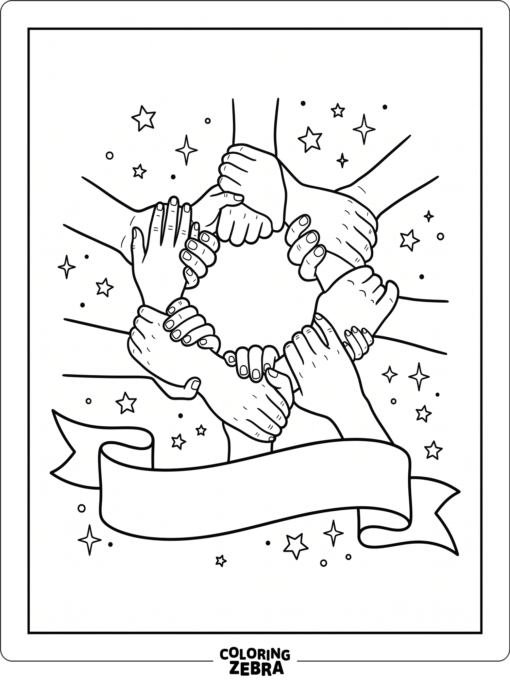

Black History Month Unity Coloring Page
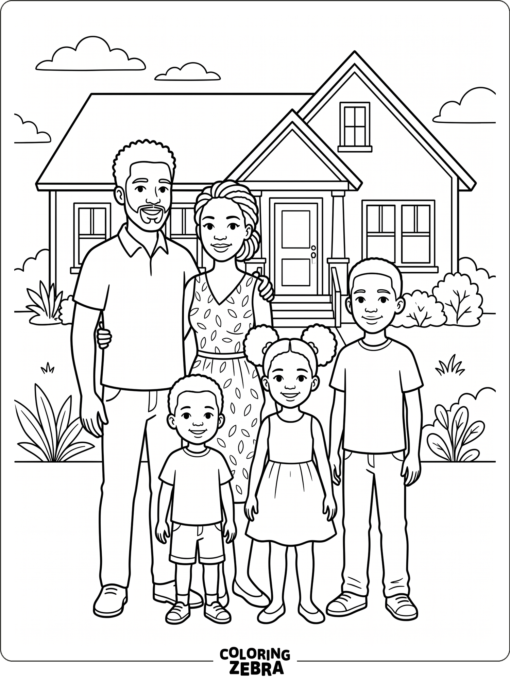

African American Family Coloring Page
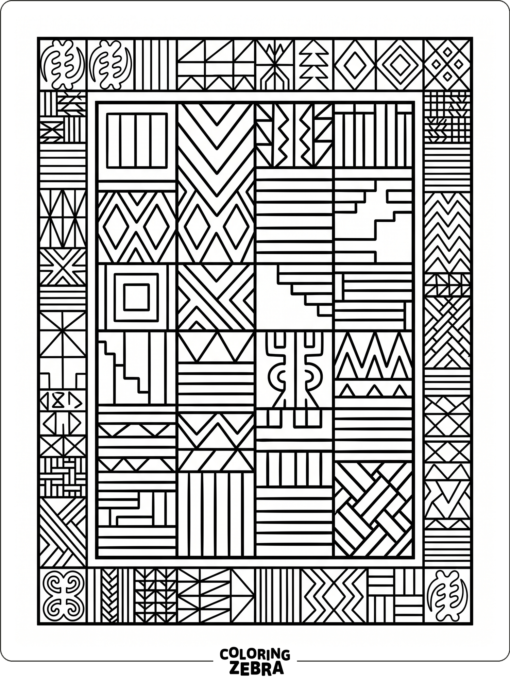

Black History Month Kente Cloth Coloring Page
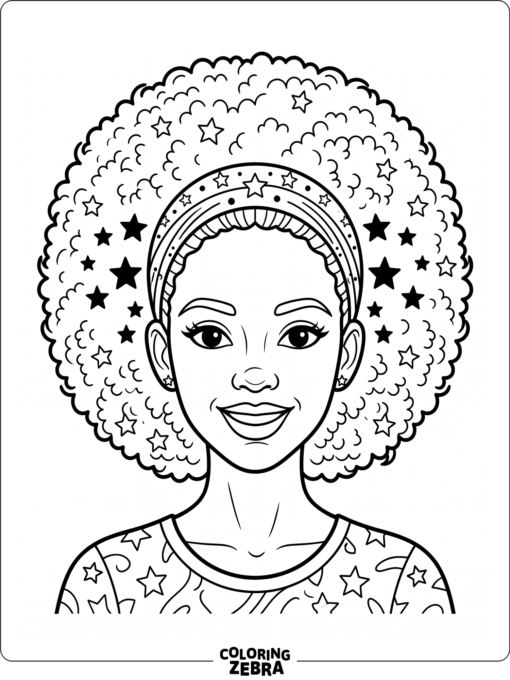

Black History Month Afro Hair Coloring Page
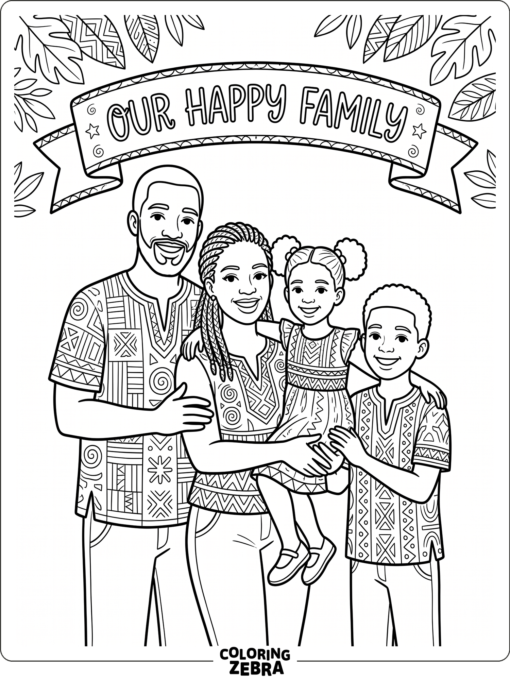

African American Heritage Coloring Page
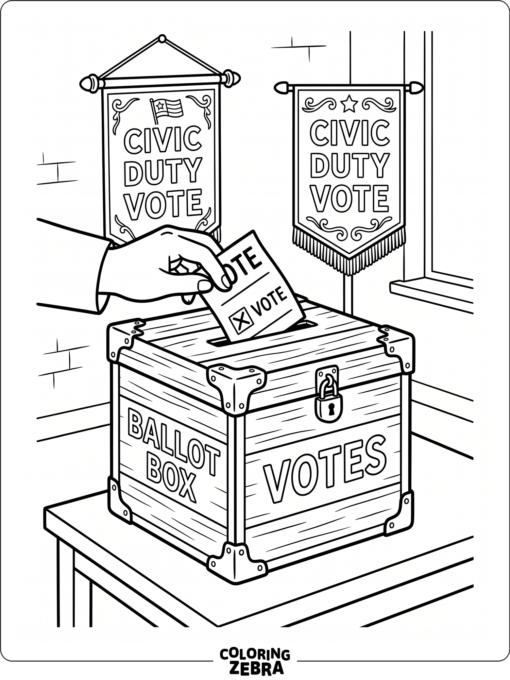

Black History Month Voting Rights Coloring Page
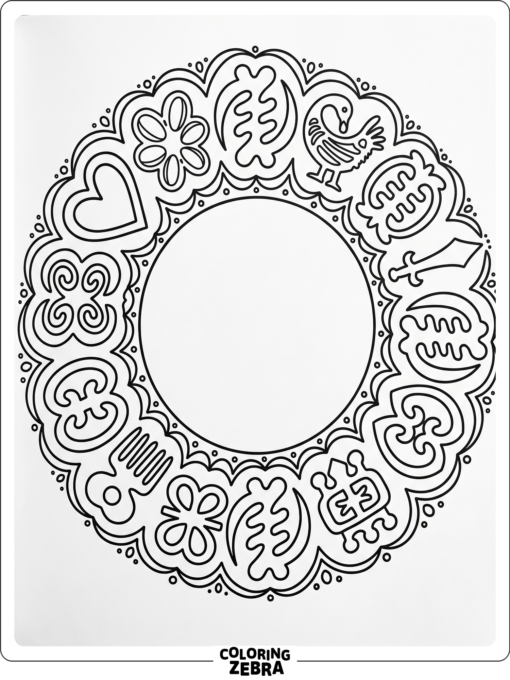

Black History Month Adinkra Symbols Coloring Page
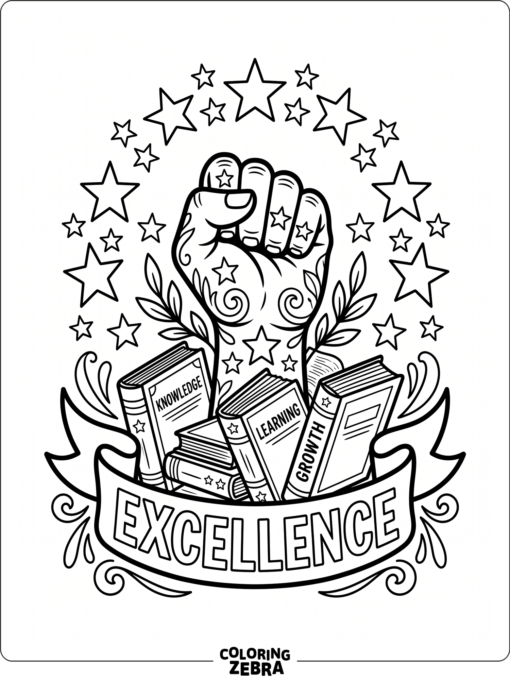

Black History Month Black Excellence Page
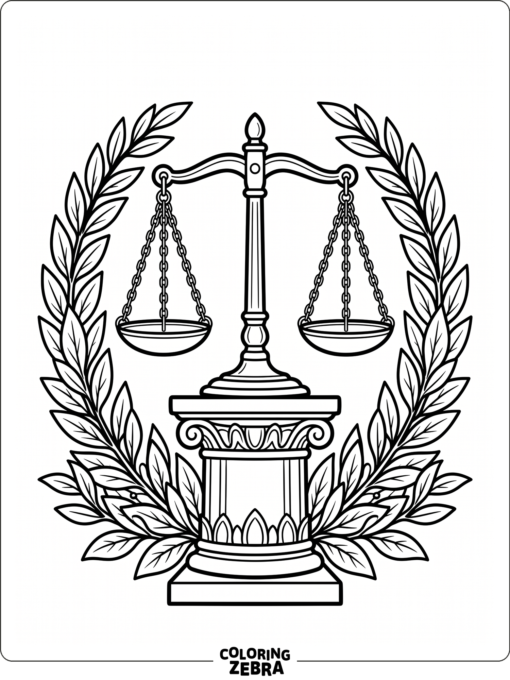

Black History Month Justice Scales Coloring Page
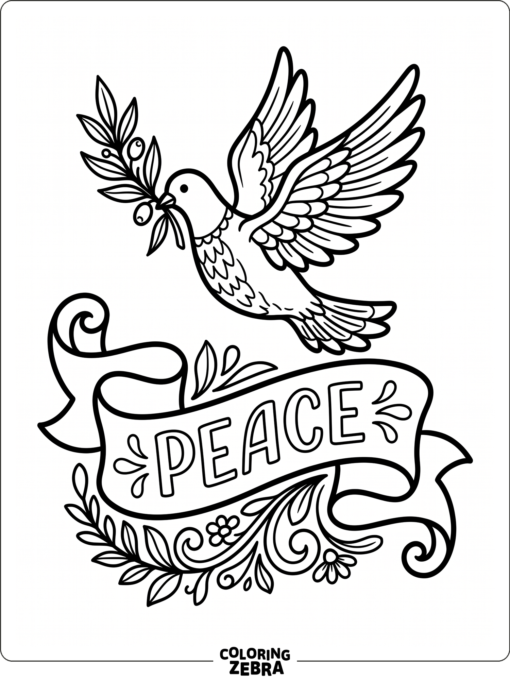

Black History Month Peace Dove Coloring Page


Black History Month Heritage Quilt Coloring Page
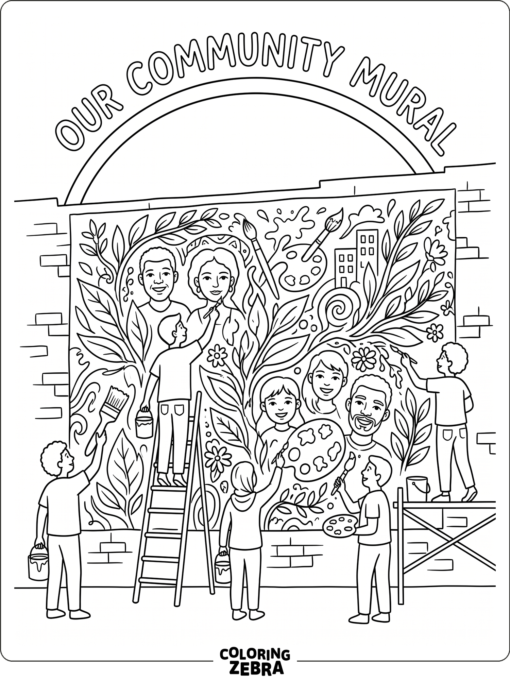

Black History Month Mural Coloring Page
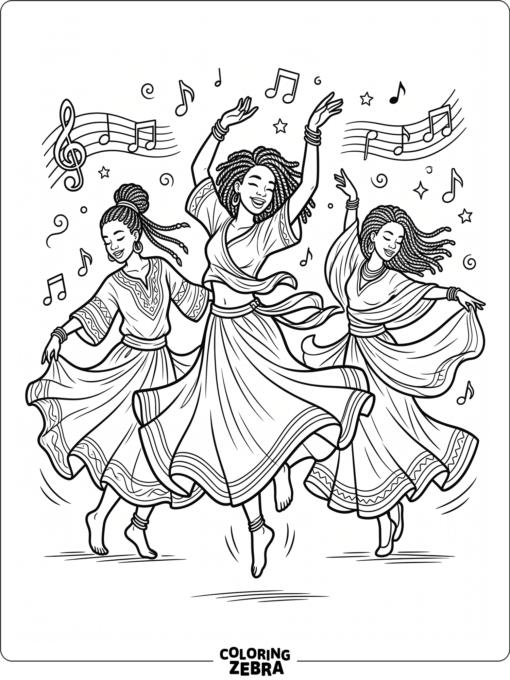

Black History Month African American Dance Coloring Page
What You Will Find in the Collection
These Black History Month Coloring Pages present history through leaders, learning, civic participation, culture, achievement, family, and community. The two named historical figures are Barack Obama, shown speaking at a podium, and Malcolm X, depicted in a portrait with glasses and a suit. Other people are intentionally presented as broader figures: inventors work among tools and gears, a sprinter crosses a finish line, dancers move in flowing clothes, and families gather at home or celebrate their heritage. This balance helps children consider both prominent leaders and the many unnamed people whose work, art, choices, and relationships are part of history.
Younger colorists can begin with large banners, stars, books, bold lettering, and children holding signs. More detailed printable Black History Month coloring sheets include a community mural, a patterned quilt, a kente cloth border, a circle of Adinkra symbols, joined hands, and a historic document with a seal and quill. Classroom scenes show children reading, students examining a history display, and a teacher standing with preschool children. A toddler with a heart and a child holding an I Am sign add gentle themes of belonging and affirmation.
From Negro History Week to a National Observance
Black History Month developed from Negro History Week, established in 1926 through the work of historian Carter G. Woodson and the organization now known as the Association for the Study of African American Life and History. Woodson wanted Black history to receive serious attention in schools and public life. February was selected in connection with established commemorations of the birthdays of Frederick Douglass and Abraham Lincoln. The observance expanded over time, and Black History Month received formal recognition in the United States in 1976. Although February provides a dedicated period of study, African American history belongs in learning throughout the year.
Leadership, Rights, and Civic Participation
The Barack Obama page can introduce his historical significance as the first African American president of the United States; he served from 2009 to 2017. The Malcolm X portrait offers an opening for age-appropriate study of an influential twentieth-century leader and human rights advocate whose ideas addressed racial dignity, justice, and self-determination. With older students, the portraits can become prompts for comparing leadership styles, historical settings, public speaking, and the ways ideas change over a lifetime.
Several Black History Month Coloring Pages focus on civic and civil rights themes without tying the artwork to one particular event. A hand places a ballot into a ballot box, while other designs feature raised fists, justice scales, joined hands, and a dove carrying an olive branch. These images can prompt conversations about voting, fairness, solidarity, empowerment, cooperation, and peace. The ballot page may support a lesson on the long struggle for African American voting rights, including the Fifteenth Amendment and the Voting Rights Act of 1965. It is also important to explain that constitutional guarantees did not immediately remove the many barriers Black voters faced.
The historic document in the collection is not identified, so it is best treated as a general symbol of laws, rights, and written records. Likewise, the decorative flag should not be assigned to a country, movement, or organization without identifying information. Asking children what visual evidence they notice is a useful way to separate observation from assumption.
Innovation, Learning, and Achievement
Tools, gears, and a light bulb surround the inventors in one scene, creating a broad picture of curiosity and problem-solving. Because the figures are not named, they should not be labeled as particular inventors. Instead, use the page as a starting point for separate research into documented African American innovators and their contributions to science, industry, agriculture, medicine, communications, and daily life.
The runner crossing a finish line similarly represents athletic effort and achievement rather than a specific athlete. Children might add track markings, a cheering crowd, or a personal goal in the background while discussing training, perseverance, and opportunity in sports. Books, fact cards, a globe, and classroom reading scenes reinforce the value of asking questions and checking reliable sources. Students can pair a finished image with a short fact they verified in a library book, museum resource, or trusted historical archive.
Cultural Heritage in Pattern and Art
The cultural designs reward careful coloring and thoughtful research. Kente is a woven textile tradition associated especially with Akan peoples of Ghana, and its geometric structure can inspire repeating color sequences. Because no particular pattern or palette is identified here, avoid assigning a fixed meaning to its shapes or colors. Adinkra symbols also come from Akan traditions in Ghana and Côte d’Ivoire. Individual symbols communicate distinct concepts or proverbs, but each one must be accurately identified before its meaning is explained.
The afro hairstyle can open a discussion about natural hair, identity, and Black pride, particularly in twentieth-century cultural movements. Dancers, mural portraits, and a patchwork quilt highlight additional forms of expression and memory. Murals can honor local people and preserve community stories in shared spaces, while quilts can reflect artistry, family memory, and resourcefulness. The quilt page should not be presented as a coded Underground Railroad map, since that claim is not reliably supported by historical evidence.
Coloring Ideas for Different Designs
- Lettering and banners: Alternate shades across the large letters, then repeat selected shades in stars, books, ribbons, or borders for a coordinated design.
- Portraits: Use colored pencils for facial features, glasses, clothing folds, and the microphone. Add stronger contrast around the subject to keep the face visually central.
- Geometric patterns: Plan a limited palette on scrap paper before coloring the kente-inspired border, quilt blocks, or circular symbol arrangement.
- Civic symbols: Emphasize the central ballot, fist, scales, hands, or dove, then use lighter values on supporting stars, leaves, books, and ribbons.
- Group scenes: Vary clothing patterns and textures while using one or two repeated shades to connect family members, students, dancers, or community figures.
- Murals and displays: Treat each portrait, leaf, card, book, or framed section as a small composition within the larger page.
Ways to Use Finished Pages
Completed African American history coloring pages can become a classroom timeline, library display, family-history wall, reading response, or discussion board. Place the Obama and Malcolm X pages beside short researched biographies. Pair the ballot box with a voting-rights lesson, or display the inventor and runner scenes with student reports about documented innovators and athletes. Family, home, dance, hair, quilt, and mural images can support a broader message: history includes creativity, identity, work, relationships, and everyday experience as well as laws and famous leaders.
For a collaborative project, assign each participant a different theme and arrange the results under headings such as leadership, learning, justice, culture, achievement, and community. Students can write one carefully sourced fact or reflective question beneath each picture. Used this way, Black History Month Coloring Pages provide visual entry points into a much larger history while leaving room to recognize the people, places, and perspectives not represented in this particular set.
People Often Ask Us…
-
Who was Carter G. Woodson?
-
Is Black History Month observed outside the United States?
-
How were Black voters restricted after the Fifteenth Amendment?
-
How are Adinkra symbols traditionally used?
-
Why did the afro become a symbol of Black pride?