
Mardi Gras Coloring Pages
Mardi Gras Coloring Pages turn masks, beads, feathers, crowns, and confetti into vivid choices for every colorist. Large toddler-friendly shapes sit alongside ornate mandalas and patterned masquerade masks. Parade floats, musicians, dancers, royal figures, animals, and New Orleans street scenes add narrative variety. The mix makes it interesting to explore both familiar Carnival symbols and distinctive regional traditions.
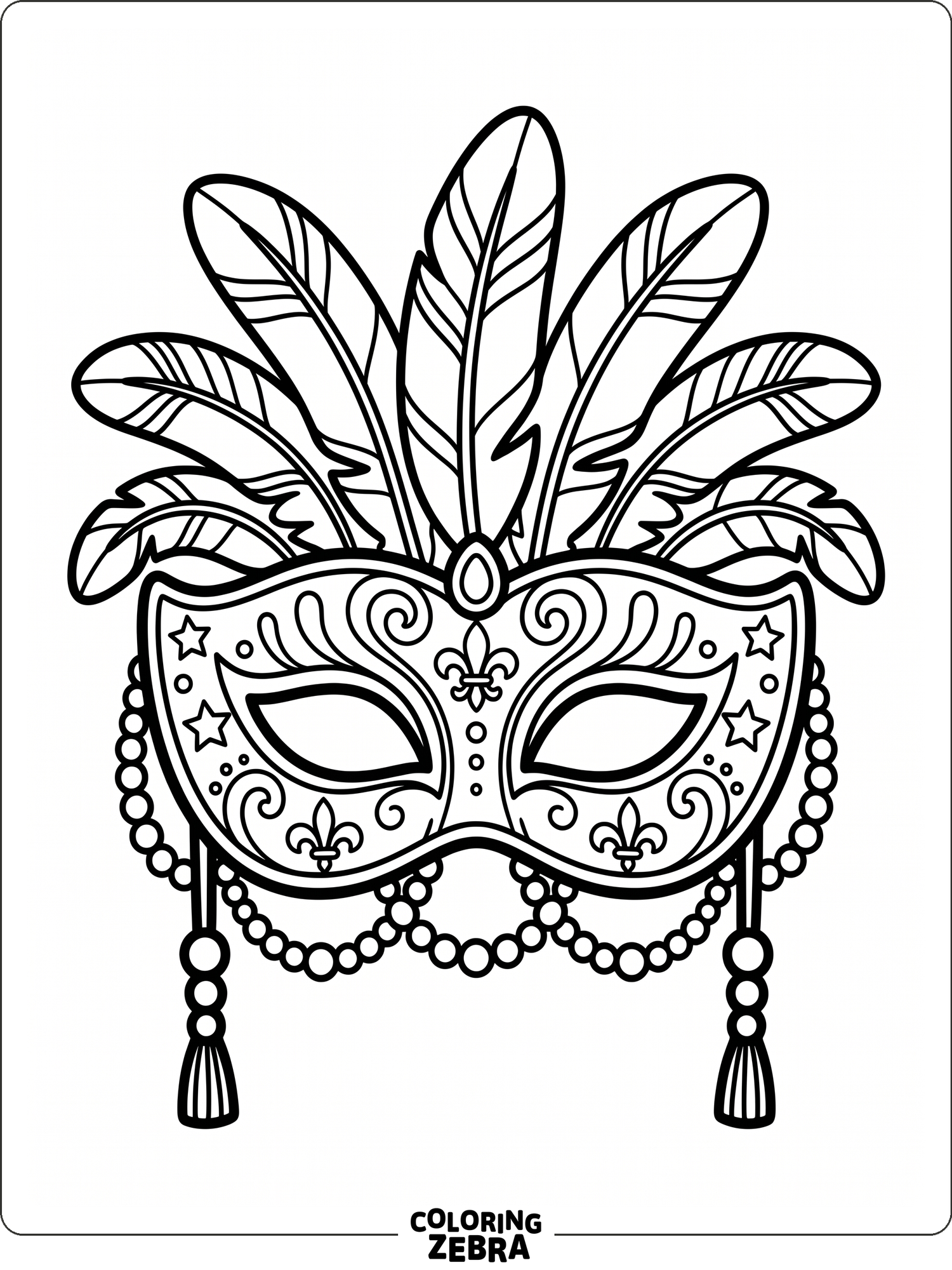
Use standard printer paper for crayons and colored pencils, or choose heavier paper for markers to reduce bleed-through. Select fit-to-page in the printer settings so the full outline remains inside the margins. For an ink-saving option, print in black and white at normal or draft quality.
Related coloring pages
Printable Mardi Gras Coloring Pages

Mardi Gras Mask Printable

Mardi Gras Coloring Page For Kids

Mardi Gras Float Coloring Sheet
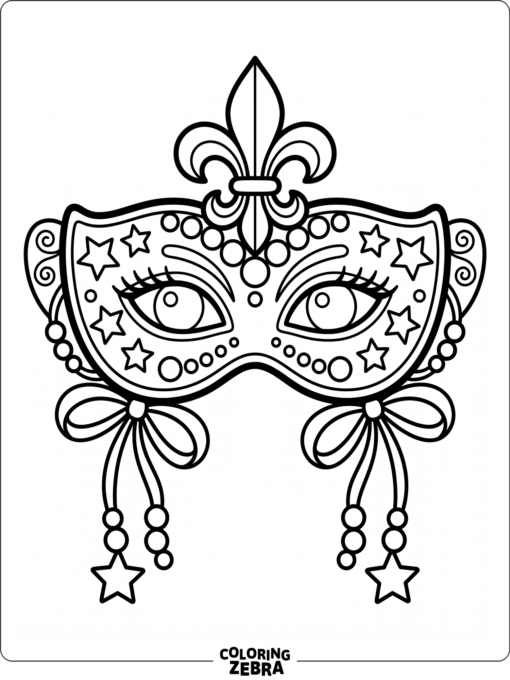

Simple Mardi Gras Coloring Page
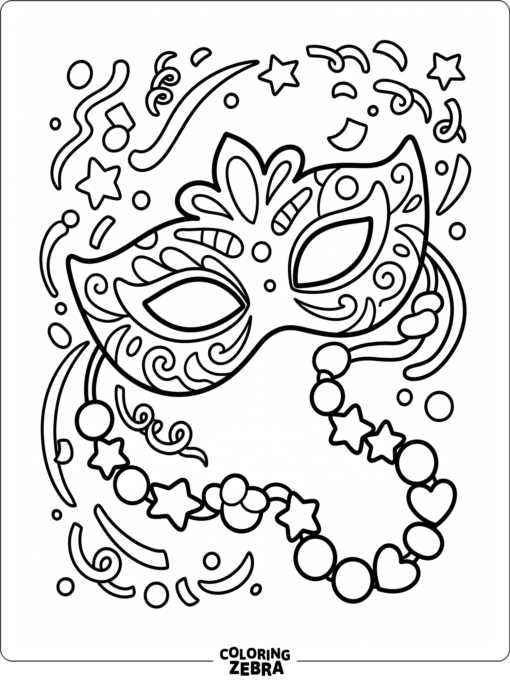

Mardi Gras Coloring Page For Adults
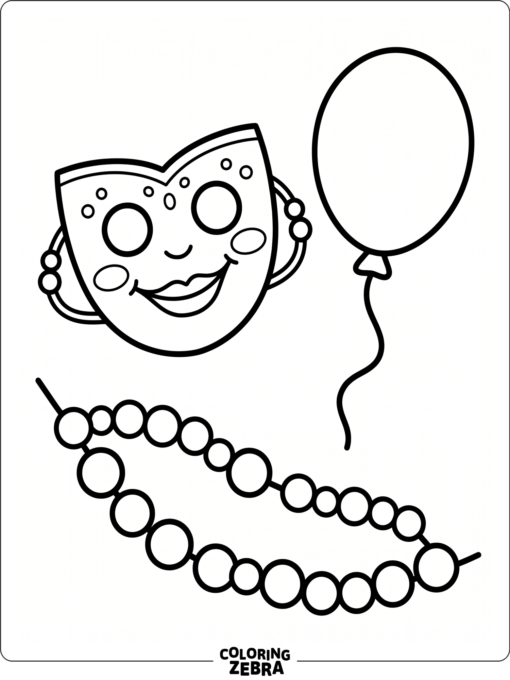

Preschool Mardi Gras Coloring Page
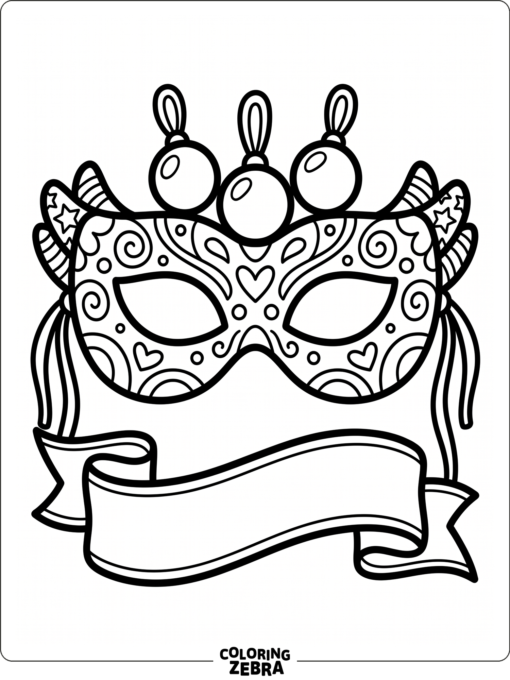

Easy Mardi Gras Coloring Page
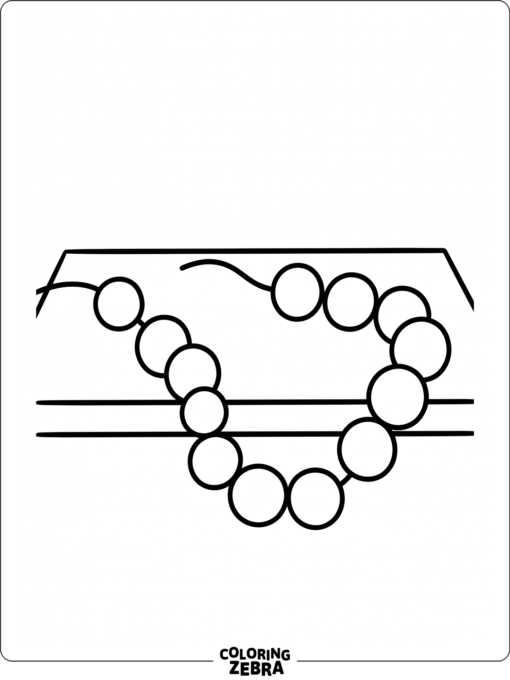

Mardi Gras Beads Coloring Page
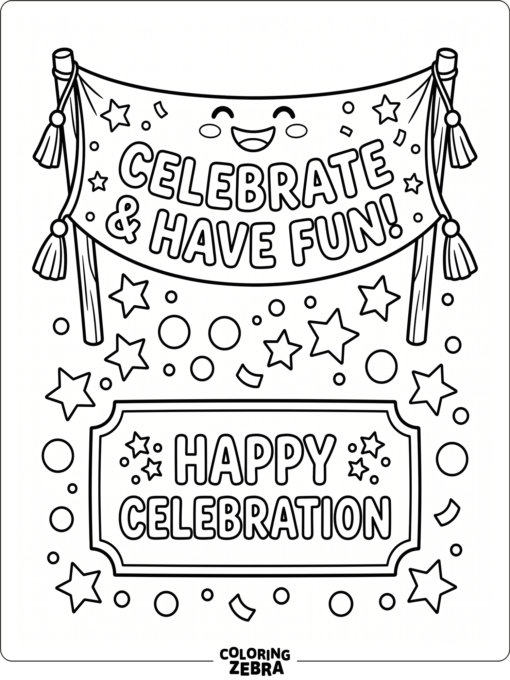

Happy Mardi Gras Coloring Page
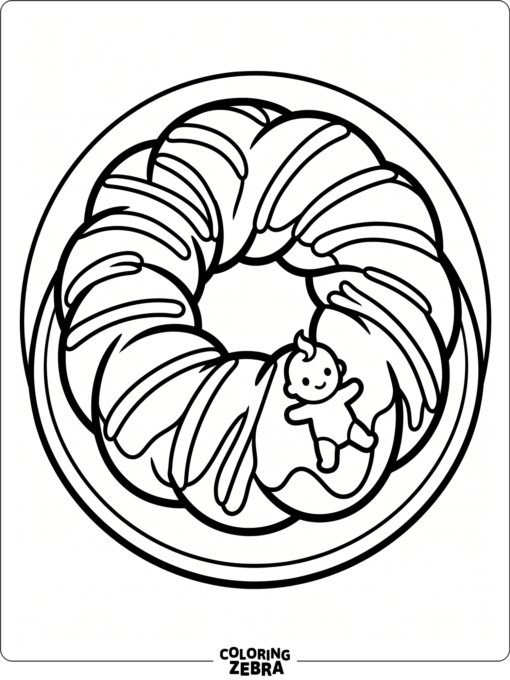

Mardi Gras King Cake Coloring Page
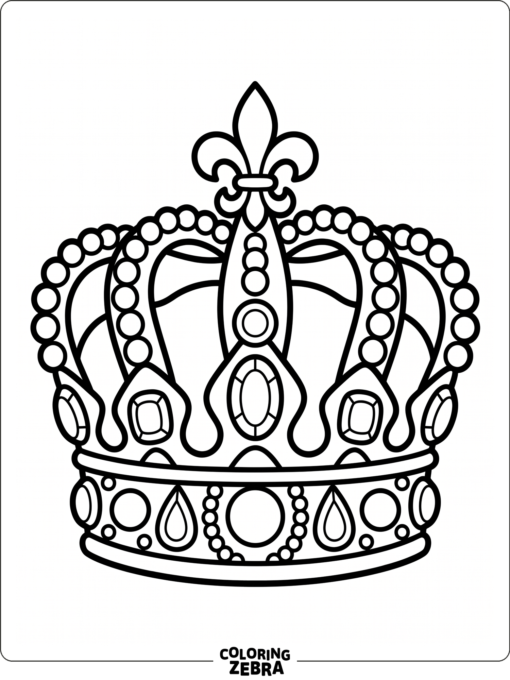

Mardi Gras Crown Coloring Page
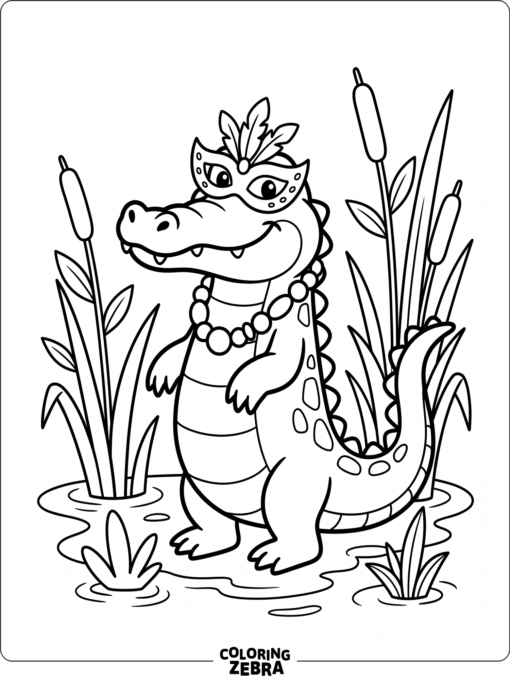

Mardi Gras Alligator Coloring Page
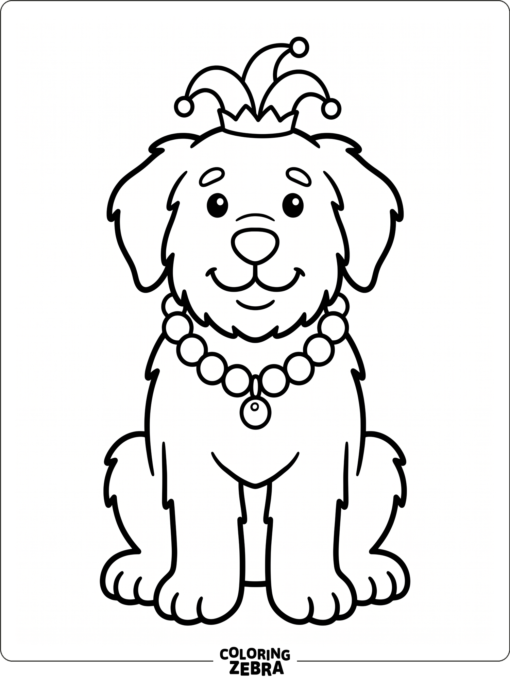

Mardi Gras Bead Dog Coloring Page
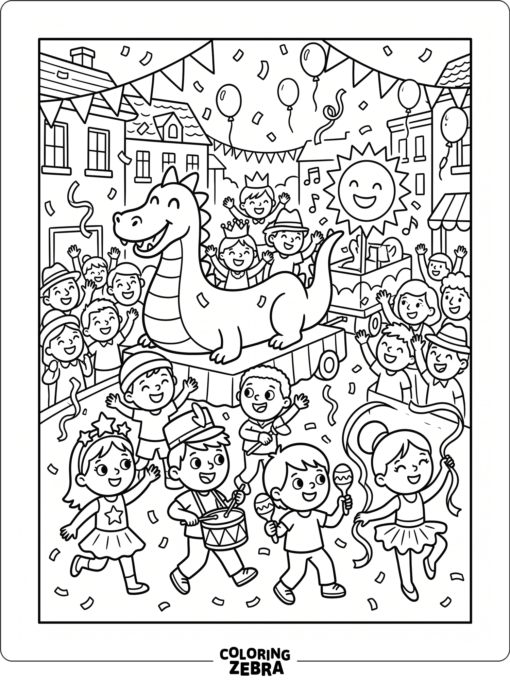

Mardi Gras Parade Coloring Page
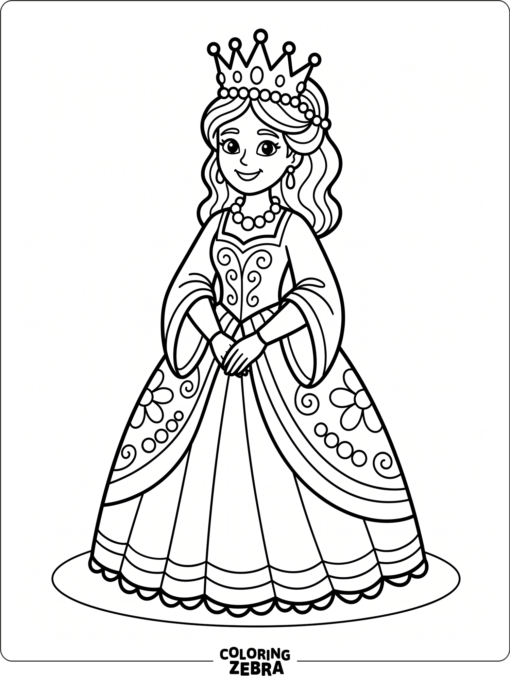

Mardi Gras Queen Coloring Page
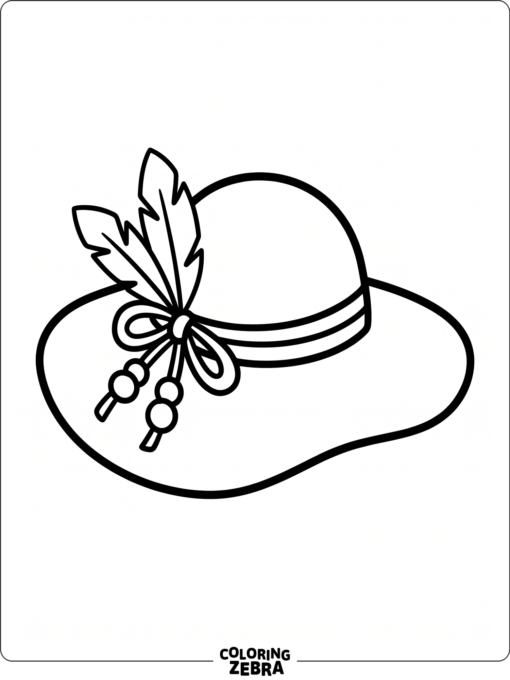

Mardi Gras Hat Coloring Page
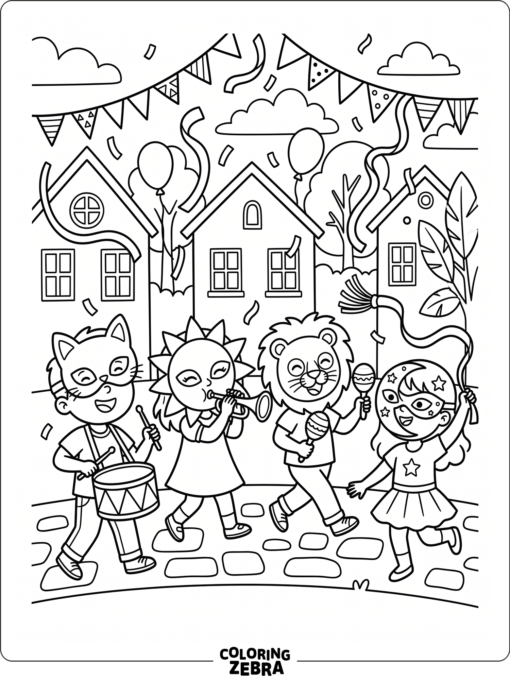

Mardi Gras Carnival Coloring Page
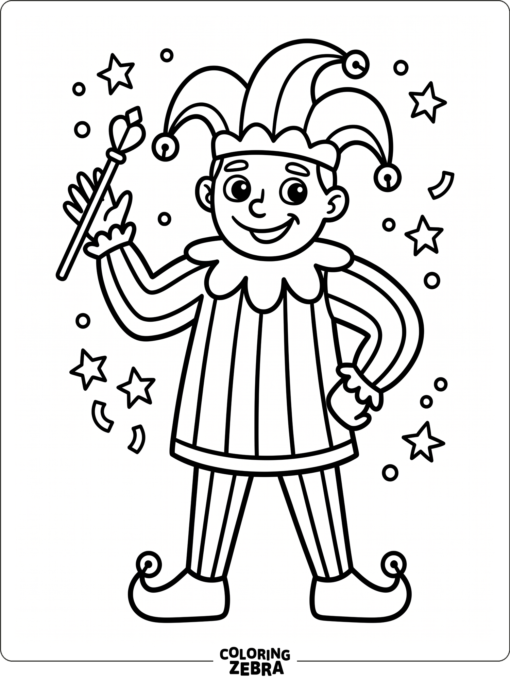

Mardi Gras Jester Coloring Page
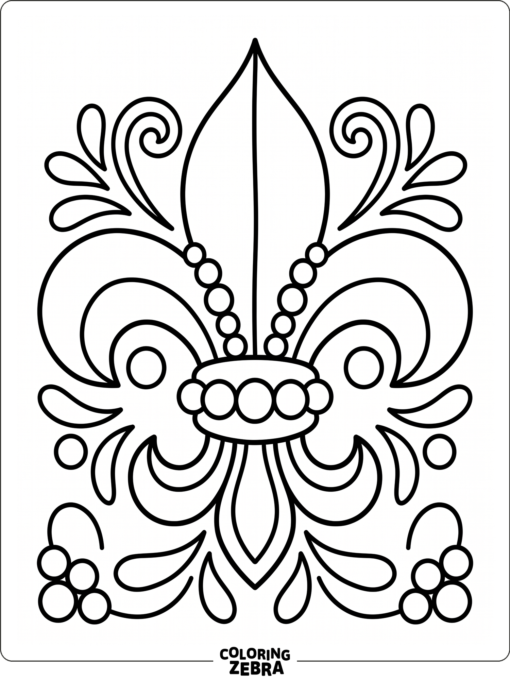

Mardi Gras Fleur De Lis Coloring Page
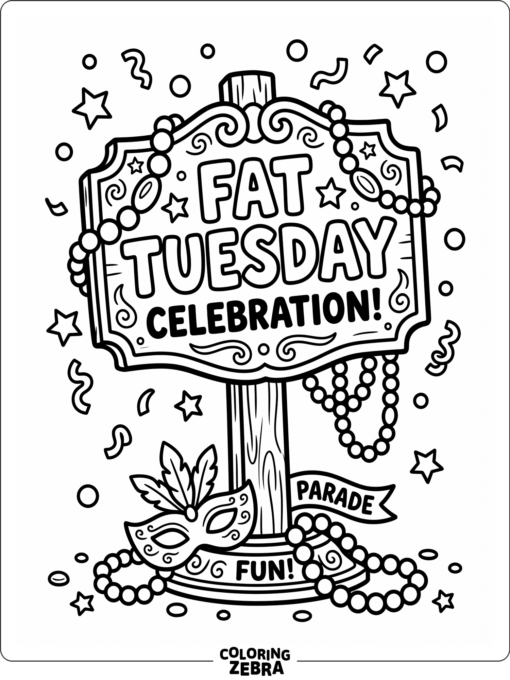

Fat Tuesday Coloring Page
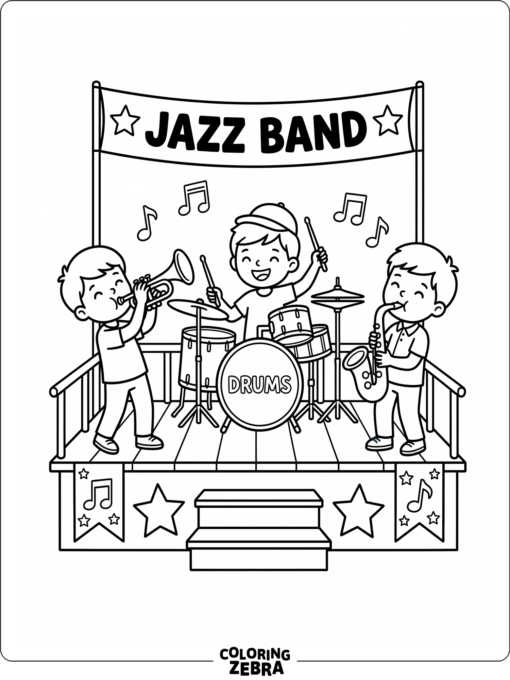

Mardi Gras Jazz Band Coloring Page
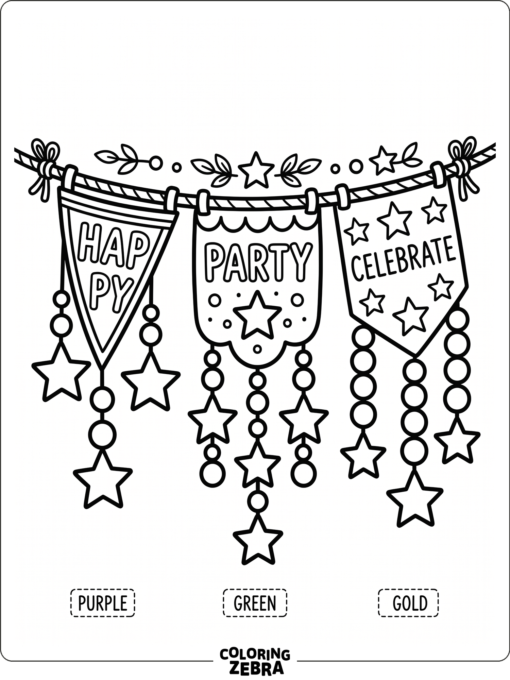

Mardi Gras Purple Green And Gold Coloring Page
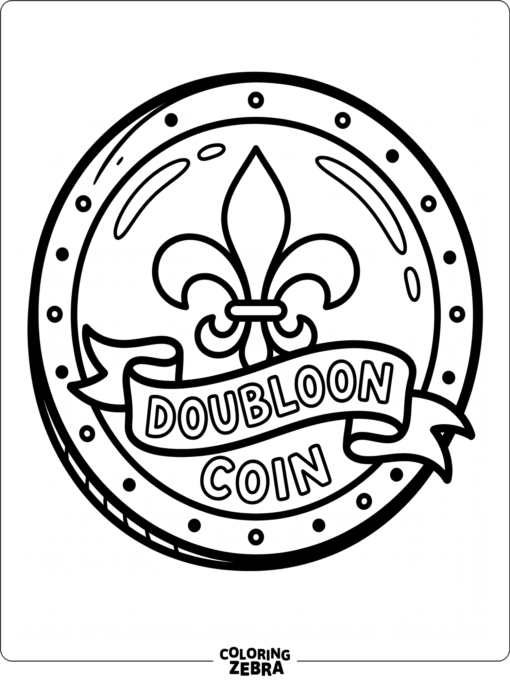

Mardi Gras Doubloon Coloring Page
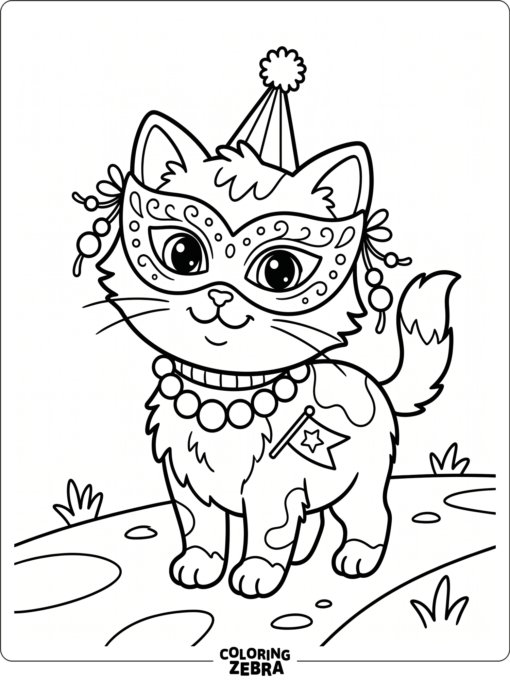

Cute Mardi Gras Coloring Page
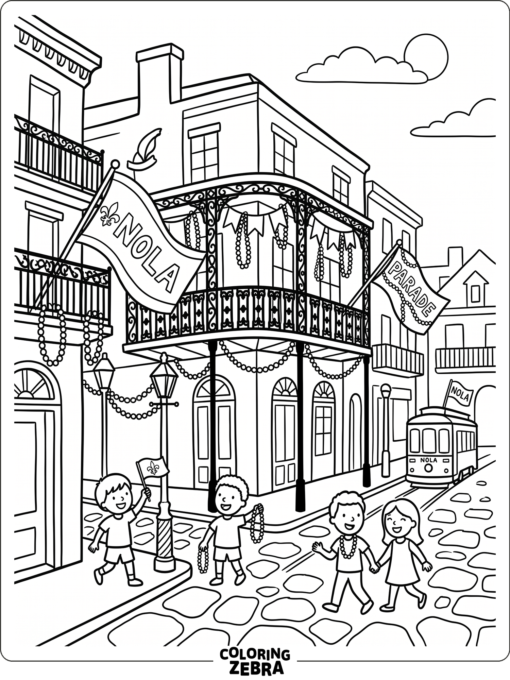

New Orleans Mardi Gras Coloring Page
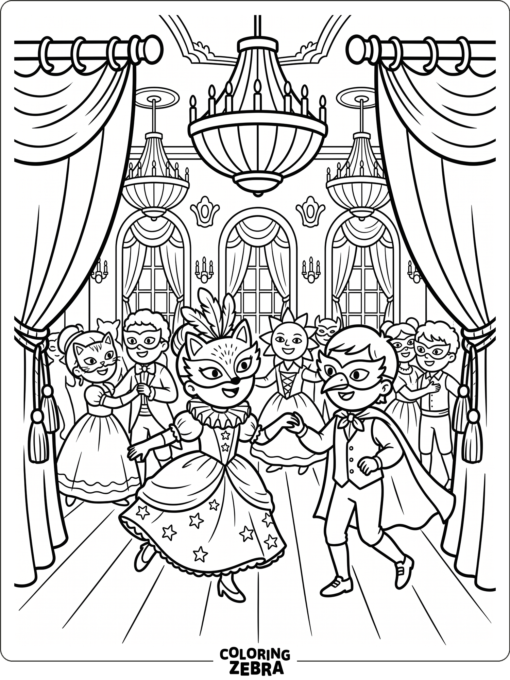

Mardi Gras Masquerade Ball Coloring Page
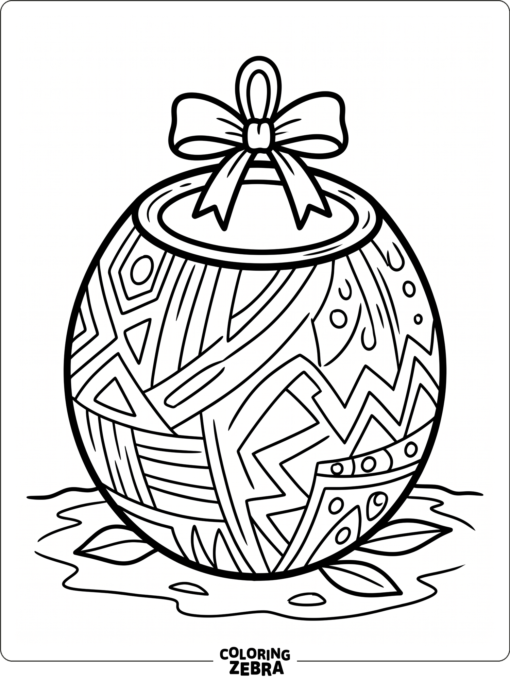

Mardi Gras Zulu Coconut Coloring Page
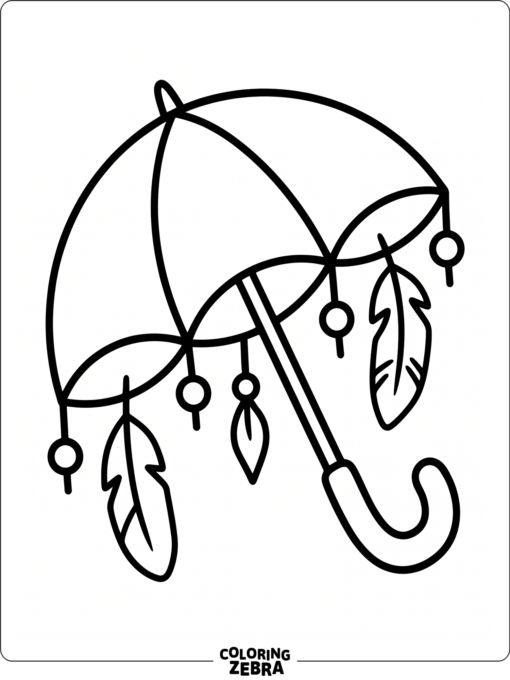

Mardi Gras Second Line Umbrella Coloring Page
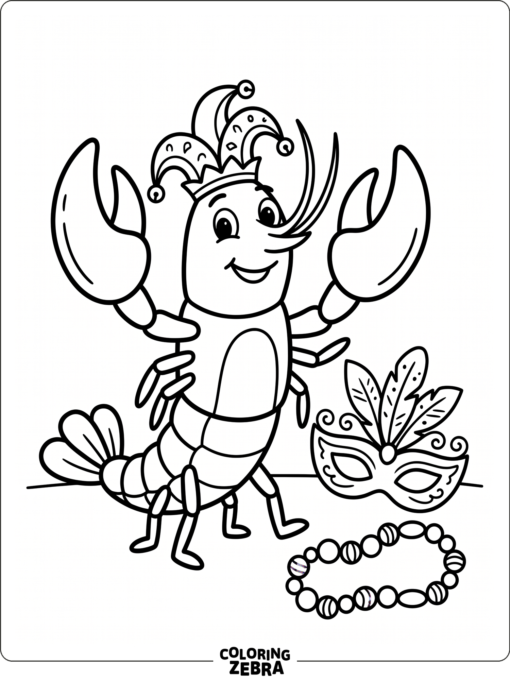

Mardi Gras Crawfish Printable
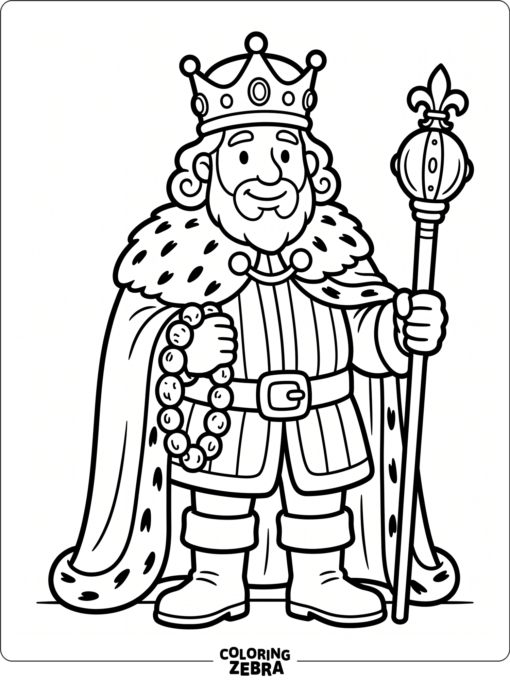

Mardi Gras King Coloring Page
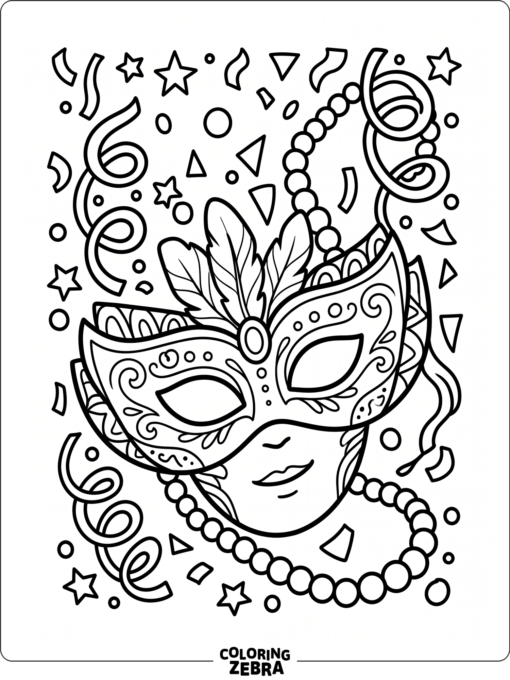

Mardi Gras Confetti Sheet
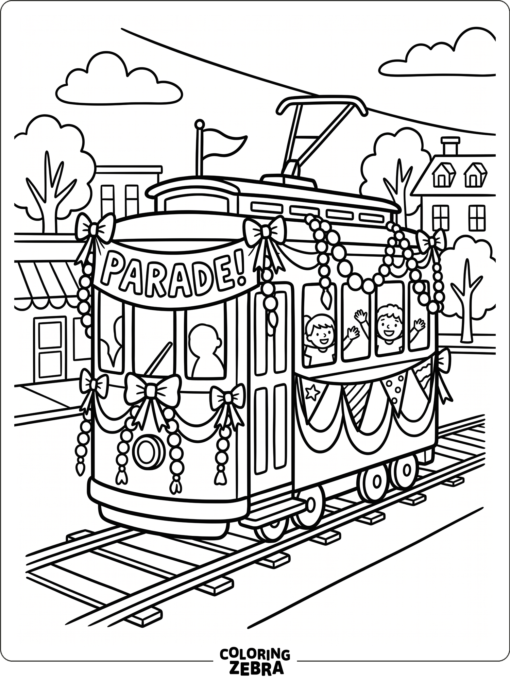

Mardi Gras Streetcar Coloring Sheet
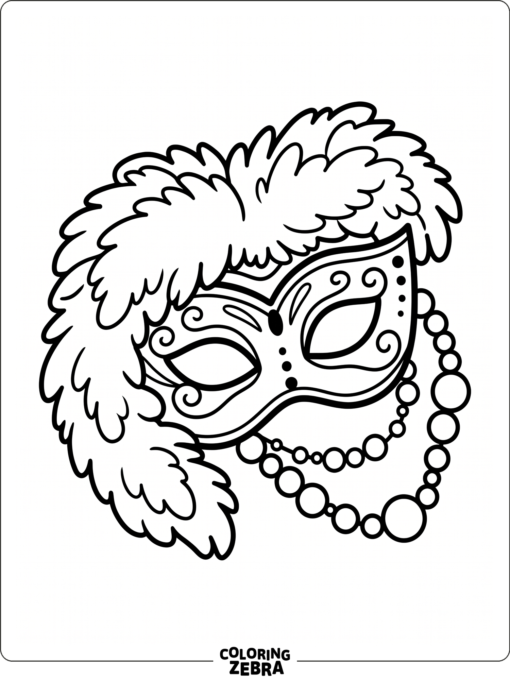

Mardi Gras Feather Boa Coloring Page
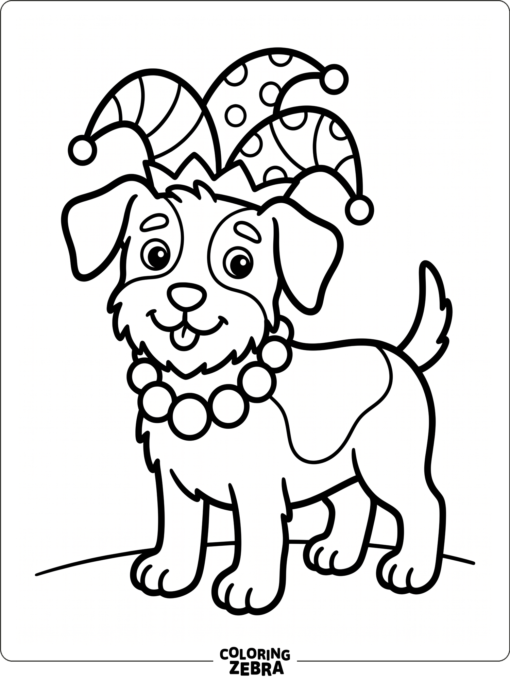

Mardi Gras Dog Coloring Page
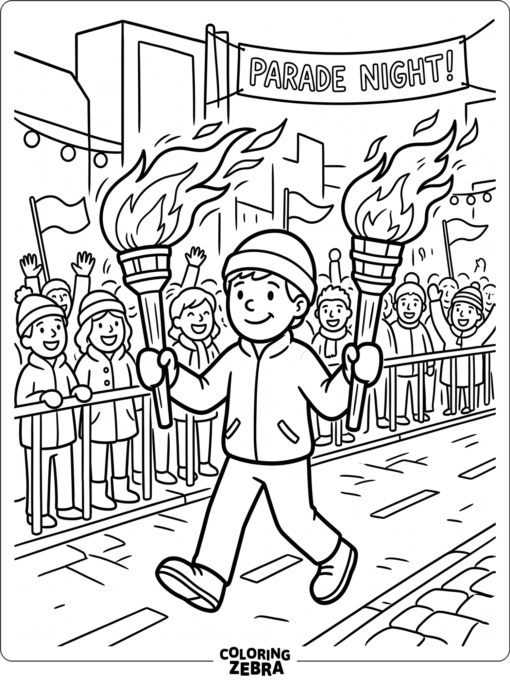

Mardi Gras Flambeaux Coloring Page
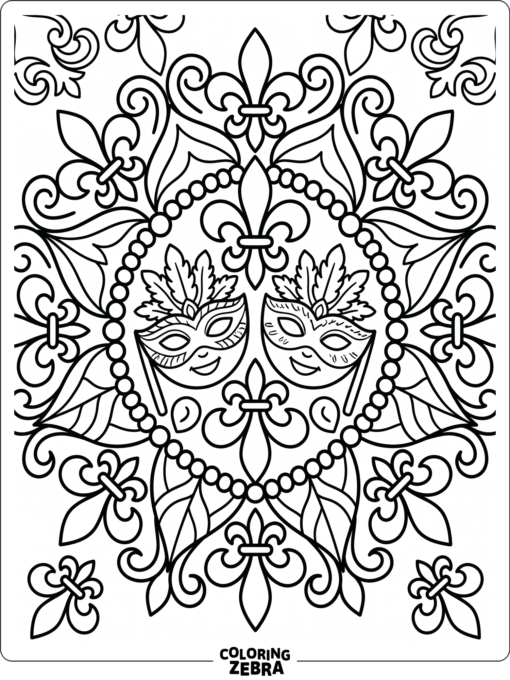

Mardi Gras Mandala Coloring Page
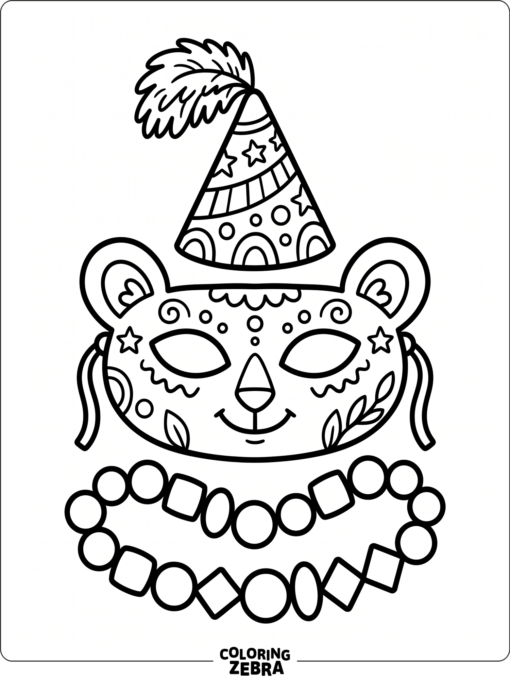

Mardi Gras Coloring Page for Kindergarten
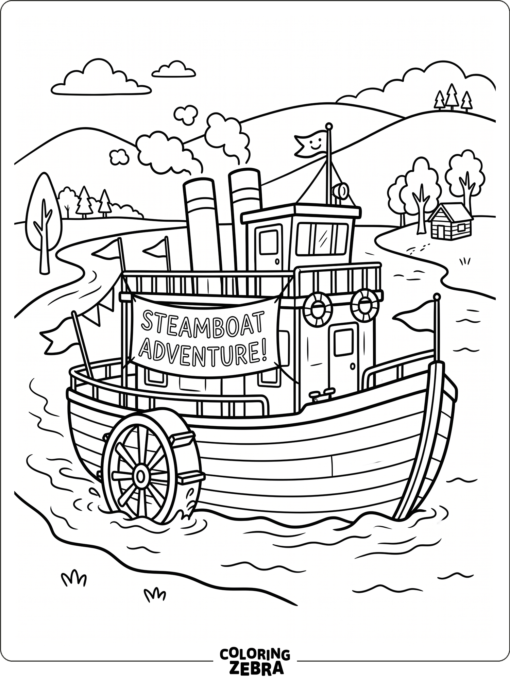

Mardi Gras Steamboat Coloring Page
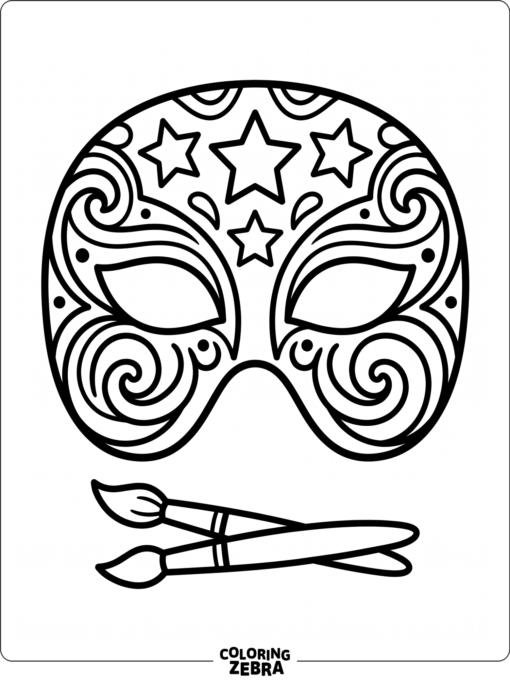

Mardi Gras Face Painting Coloring Page
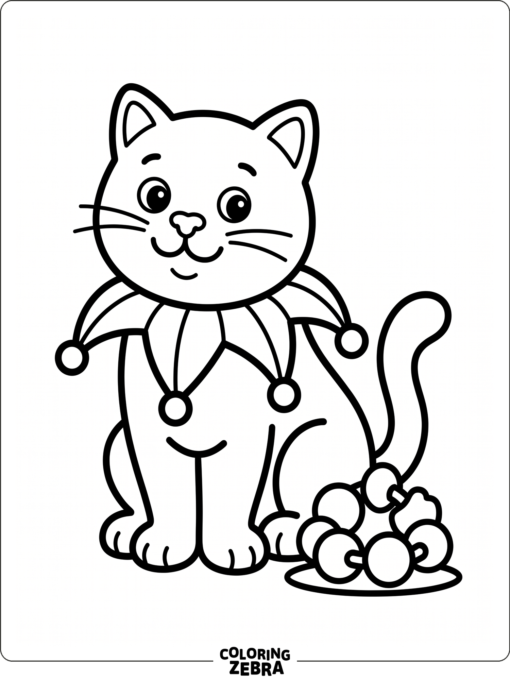

Mardi Gras Cat Coloring Page
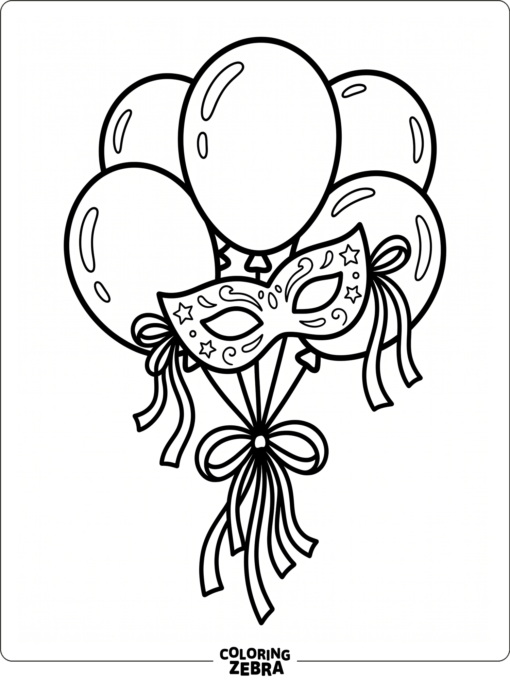

Mardi Gras Balloons Coloring Page
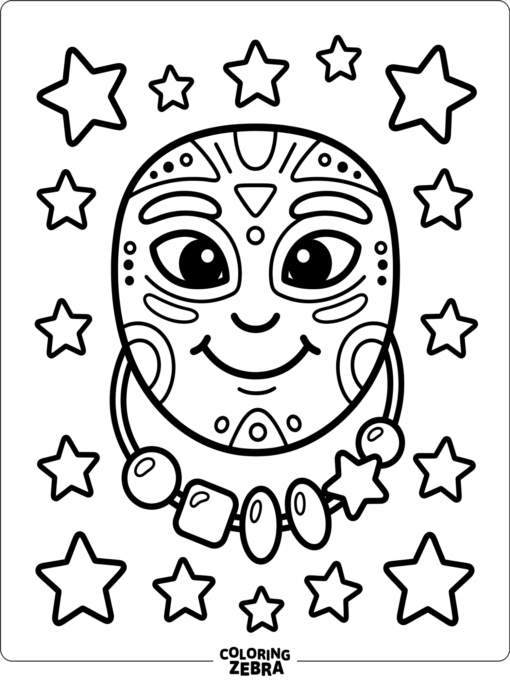

Mardi Gras Coloring Page for Toddlers
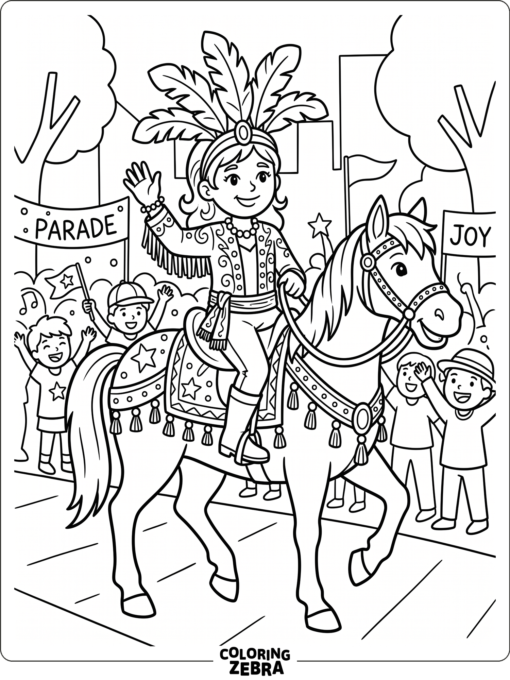

Mardi Gras Horseback Rider Coloring Page
What You Will Find in the Collection
These Mardi Gras Coloring Pages cover far more than a single style of masquerade mask. The simpler pictures feature large mask shapes, stars, a few strands of beads, balloons, and basic parade hats with broad spaces that younger children can fill comfortably. More decorative choices add feathers, jewels, face-paint brushes, swirls, ribbons, and falling confetti. At the detailed end of the set, colorists can work through an ornate mask-and-fleur-de-lis mandala, a masquerade ball, a busy parade, a Carnival music scene, and a New Orleans street lined with balconies and flags.
The characters and animals offer just as much variety. A child holds beads while wearing a feathered mask, and masked dancers share the page with a king, queen, jester, musicians, a horseback rider, and a flambeaux torch carrier. Playful animal designs include an alligator, crawfish, dogs, cats, and a kitten dressed in combinations of masks, beads, collars, and jester hats. These whimsical figures work well for children who prefer character-focused pictures over ornamental patterns.
Parades, Music, and New Orleans Details
Several Mardi Gras printable coloring pages follow the movement of a parade. Floats carry banners and streamers, dancers travel along the route, confetti falls through the scene, and a decorated streetcar displays beads and festive trim. A separate river scene shows a steamboat with banners. Together with the balconies, flags, and street decorations, these subjects create a strong New Orleans setting without tying the artwork to a particular street, route, or organization.
Music is represented by a band with trumpet, drum, and saxophone, as well as a broader Carnival scene filled with masks and musical imagery. These instruments connect naturally with the musical culture of New Orleans and its public processions. A second line umbrella decorated with feathers and beads introduces another local tradition. Second lines are processions associated with music, dancing, and community participation, and their cultural role extends beyond Mardi Gras itself.
The torch carrier provides an opportunity to discuss flambeaux, which historically illuminated nighttime parade routes. The set also includes a decorated Zulu coconut, a celebrated hand-decorated keepsake associated with the Zulu Social Aid and Pleasure Club. Because individual coconuts can have different patterns and ornamentation, colorists can treat the pictured ribbons and designs as a starting point rather than a fixed formula.
Symbols Behind the Celebration
Mardi Gras is French for Fat Tuesday, a connection reinforced by the dedicated Fat Tuesday sign in the collection. It falls immediately before Ash Wednesday and the beginning of Lent in the Christian calendar. Carnival refers to the longer festive season leading up to that day, so Mardi Gras day and Carnival are related but not interchangeable terms. The date changes each year because its timing is connected to Easter.
Masks and costumes have long been part of Carnival and masquerade traditions. In these Mardi Gras Coloring Pages, they range from bold, open outlines to feathered and jeweled designs dense with stars and scrollwork. Crowns, a scepter, royal gowns, capes, bells, stripes, and theatrical hats add the pageantry of kings, queens, and jesters without linking any figure to a named krewe. In New Orleans, krewes are organized groups that stage parades and related events.
Beads are not merely decorative necklaces in this context. They are among the best-known parade throws, the keepsakes distributed during processions. The pictured doubloon represents another type of throw: a commemorative metal or plastic coin commonly decorated with event or krewe imagery. Its fleur-de-lis design also points to a historic emblem strongly associated with Louisiana and New Orleans.
Coloring Purple, Green, and Gold
One banner design explicitly features purple, green, and gold, the customary colors most closely associated with Mardi Gras. Their commonly cited meanings are justice for purple, faith for green, and power for gold. Try repeating these three colors across beads, crowns, flags, and mask details to create a coordinated result. For contrast, use pale versions in the background and richer shades on feathers, jewels, or central symbols.
Colorists do not need to limit every picture to that palette. A masquerade mask can use cool blues and silvers, while a jester costume can alternate bright complementary colors. On the mandala, repeating the same three or four shades around the circular pattern helps reveal its symmetry. Metallic pencils or gel pens can emphasize doubloons, bells, crown details, and jewelry, while crayons are well suited to the broad shapes in easy Mardi Gras coloring pages.
King Cake and Louisiana-Inspired Subjects
The king cake coloring page shows icing and a small charm, offering a simple way to introduce a well-known Carnival-season pastry. Recipes, decorations, and customs vary by region and household, so the cake can be colored with traditional purple, green, and gold accents or an original icing scheme. The charm should remain described generally because the artwork does not identify its exact form.
Regional wildlife appears in a lighthearted way. The masked alligator wears beads, while the crawfish combines a mask with a jester hat. Alligators and crawfish are recognizable Louisiana associations, although they are not exclusive symbols of Mardi Gras. The costumed dogs, cats, and kitten are playful additions rather than traditional ceremonial figures.
Choosing a Page by Detail Level
- For toddlers: Choose the large mask with beads and stars or the simple combination of mask, beads, and parade hat. Thick outlines and open areas make these comfortable for early coloring practice.
- For younger children: Try the smiling mask, balloons, pets, crown, festive sign, or single strand of beads. Each has a clear central subject without a crowded background.
- For older children: Parade floats, musicians, royal characters, the streetcar, the steamboat, and the New Orleans street scene offer more objects and opportunities for coordinated palettes.
- For detail-focused colorists: The masquerade ball, feathered masks, Carnival scene, and mandala reward careful shading, repeated patterns, and small accents.
Ways to Use Finished Artwork
Completed Mardi Gras Coloring Pages can support a classroom lesson about Carnival vocabulary, regional traditions, music, or changing calendar dates. Students might label a fleur-de-lis, doubloon, king cake, second line umbrella, flambeaux torch, or parade throw after coloring it. A comparison activity can separate broad Carnival imagery, such as masks and jesters, from traditions with a particularly strong New Orleans connection, such as flambeaux and Zulu coconuts.
Finished pictures can also become a coordinated wall display. Arrange floats, musicians, dancers, the horseback rider, and confetti pages in sequence to form a paper parade, or group masks from simple to ornate to show changes in pattern and detail. Crowns and banner designs can frame the display, while the streetcar, balconies, and steamboat establish the regional setting.
Mardi Gras customs are not identical everywhere. New Orleans provides the strongest visual emphasis in this collection, but Mobile, communities in Louisiana’s Cajun country, and other Gulf Coast locations maintain their own practices. Using the pages to discuss those differences helps present the celebration as a varied cultural tradition rather than reducing it to beads, costumes, and parties.
People Often Ask Us…
-
Why does Mardi Gras fall on a different date each year?
-
Why are masks worn during Mardi Gras?
-
What happens when someone finds the king cake charm?
-
What does a Mardi Gras krewe do?
-
Why is a Zulu coconut special?