
Kwanzaa Coloring Pages
Kwanzaa Coloring Pages offer a thoughtful way to explore meaningful symbols, family traditions, and bold decorative patterns. The collection ranges from simple corn, candles, and toddler-friendly shapes to detailed quilts, masks, drums, and mandalas. Family meals, storytelling, school activities, music, dance, and community cooperation add lively scenes to color. Tracing sheets and color-by-number designs provide engaging alternatives to standard outlines.
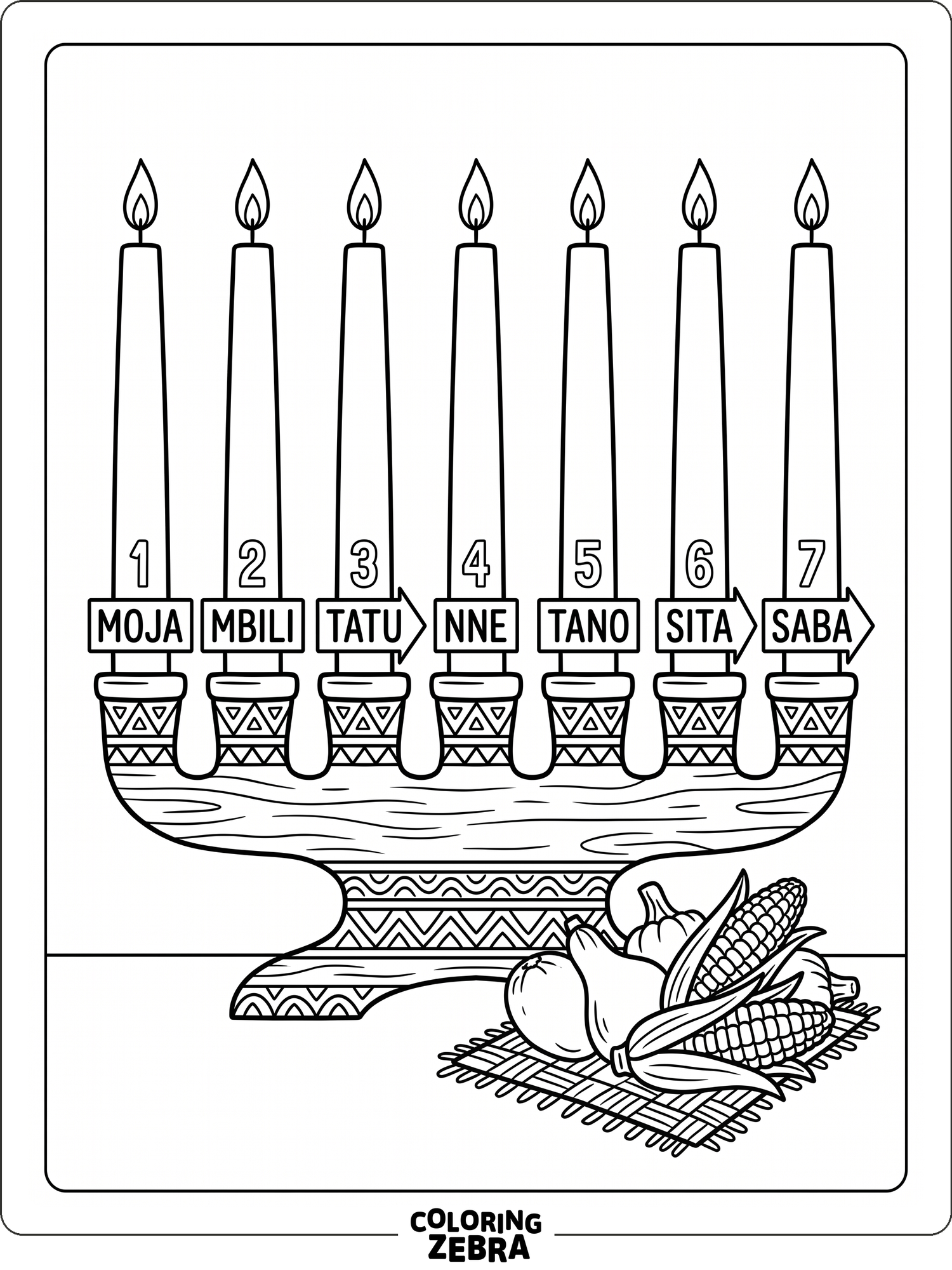
Print simple outlines on regular copy paper or use heavier paper for markers and display pieces. Choose “Fit to Page” to preserve borders, or print at 100% for the original proportions. Draft or grayscale mode can save ink because the pages are designed to be colored by hand.
Related coloring pages
Printable Kwanzaa Coloring Pages
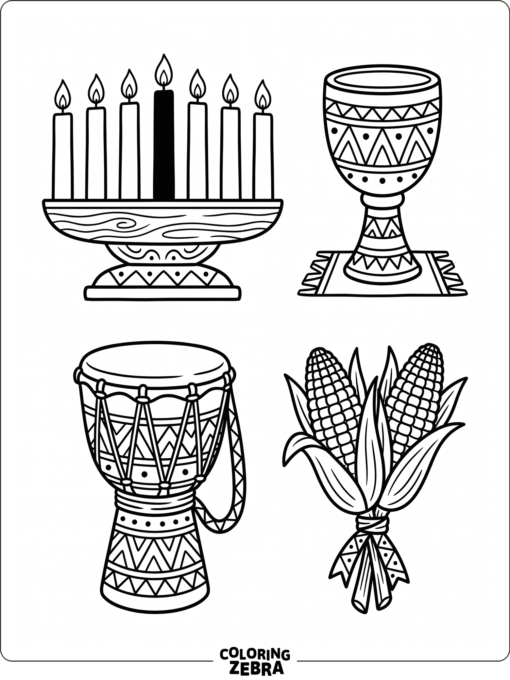

Kwanzaa Symbols Coloring Page
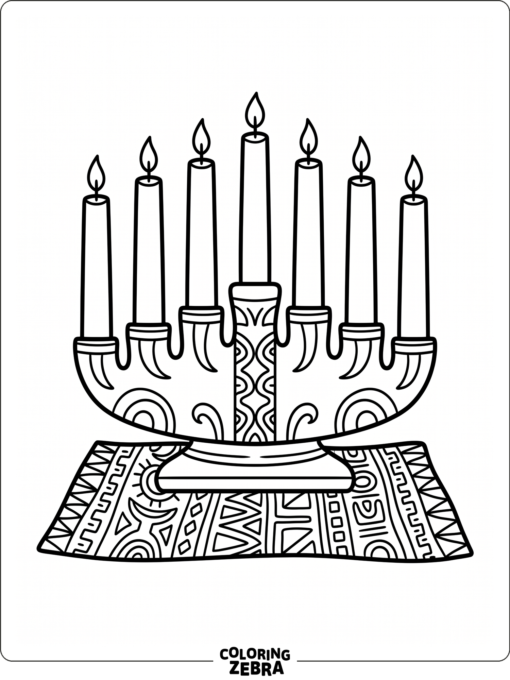

Kwanzaa Kinara Coloring Page
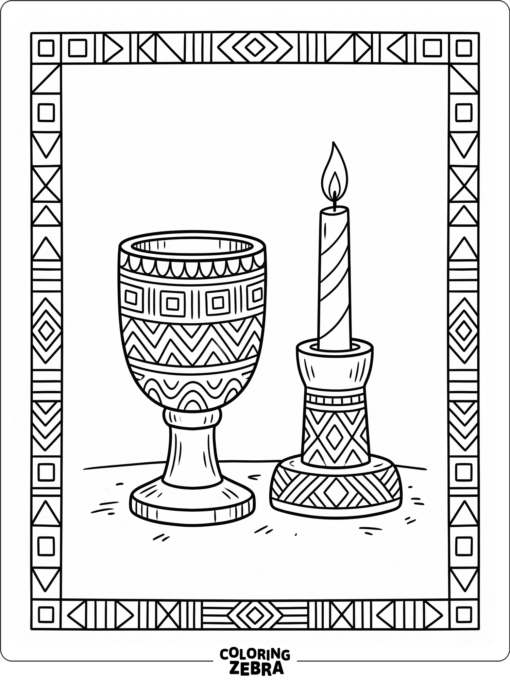

Kwanzaa Unity Cup Coloring Page
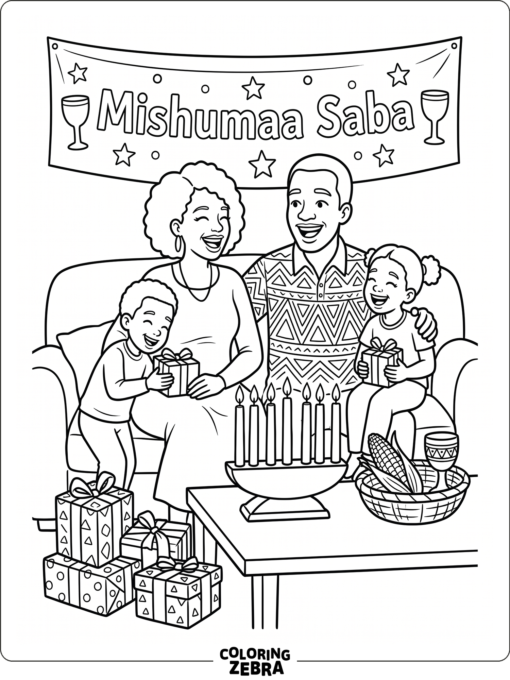

Happy Kwanzaa Coloring Page
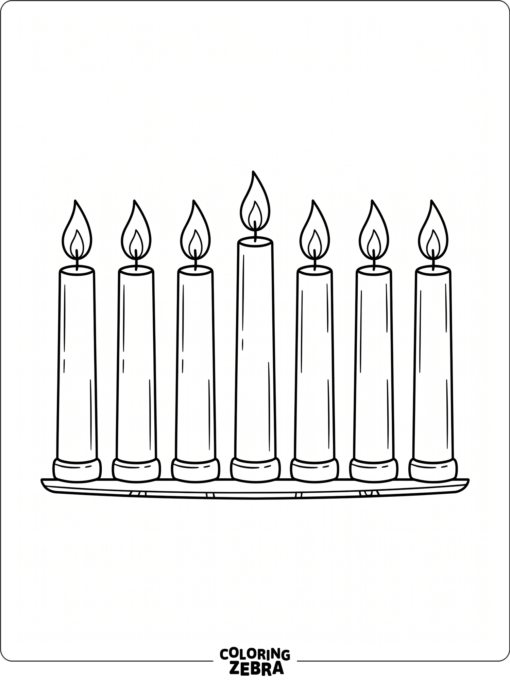

Kwanzaa Candles Coloring Page
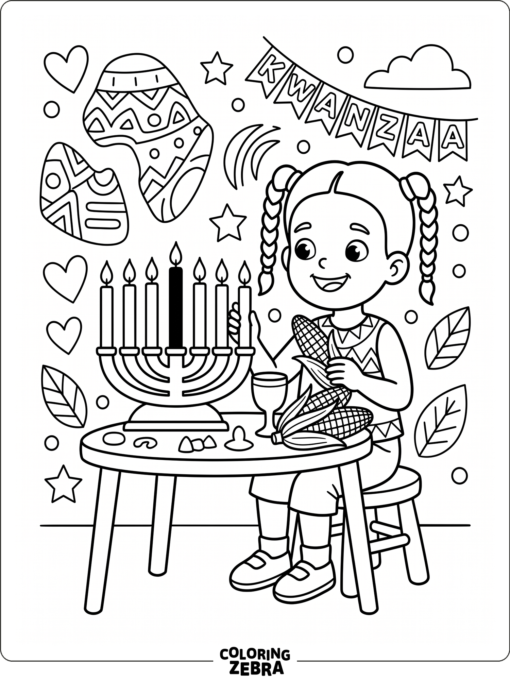

Kindergarten Kwanzaa Coloring Page
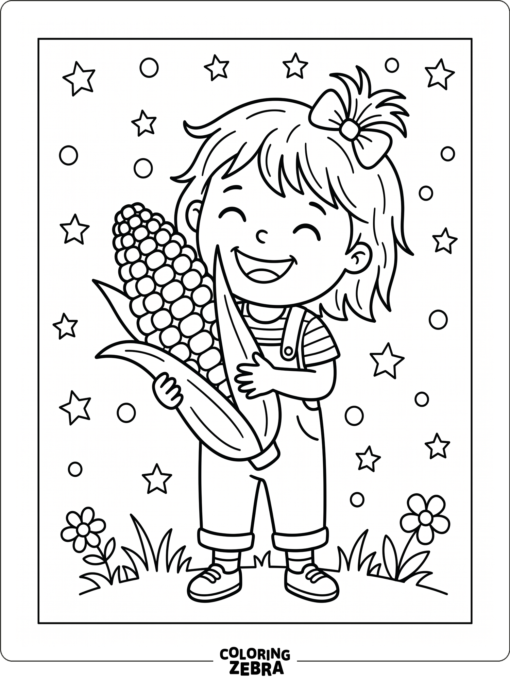

Preschool Kwanzaa Coloring Page
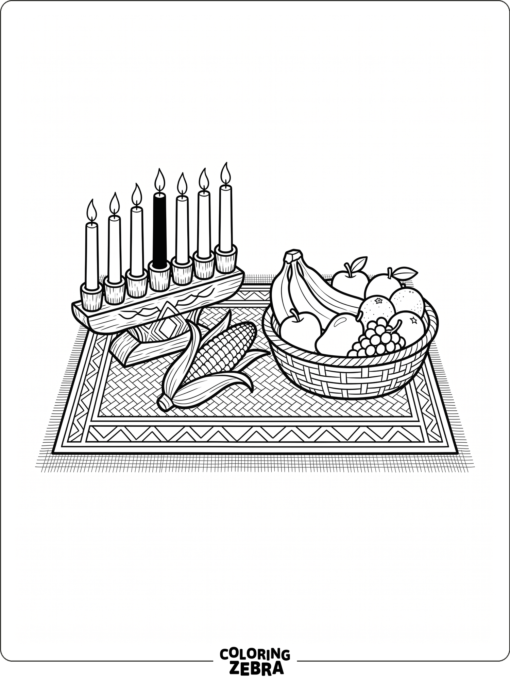

Kwanzaa Mkeka Mat Coloring Page
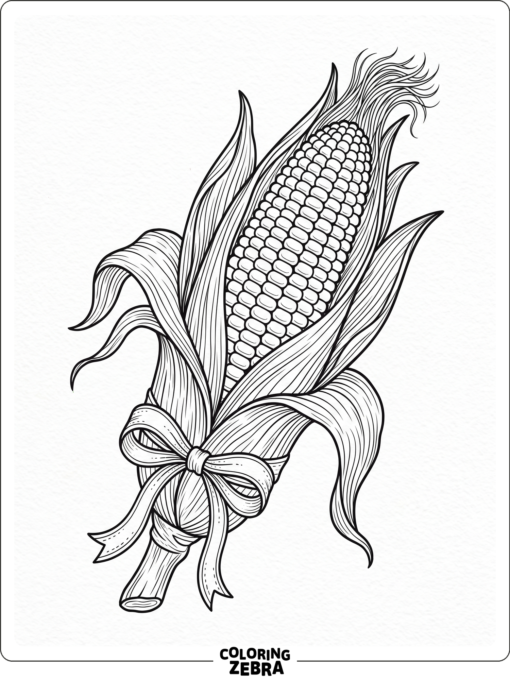

Kwanzaa Muhindi Corn Coloring Page
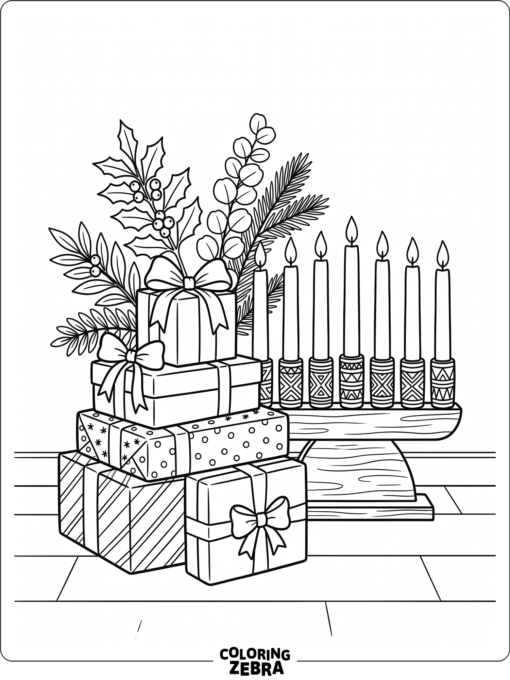

Kwanzaa Zawadi Gifts Coloring Page
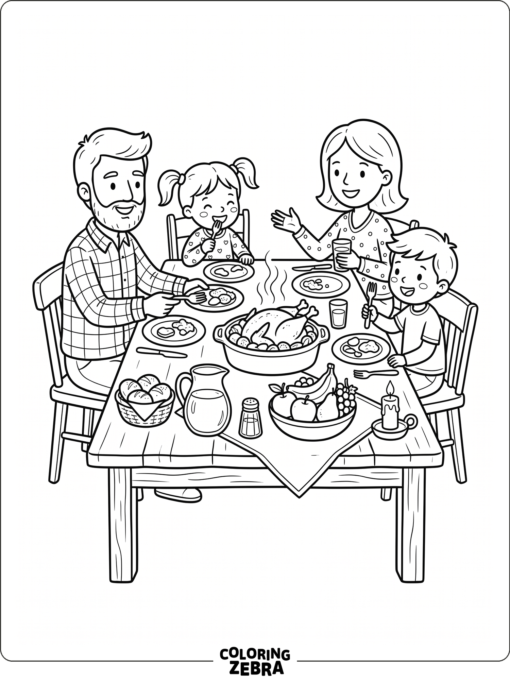

Kwanzaa Karamu Feast Coloring Page
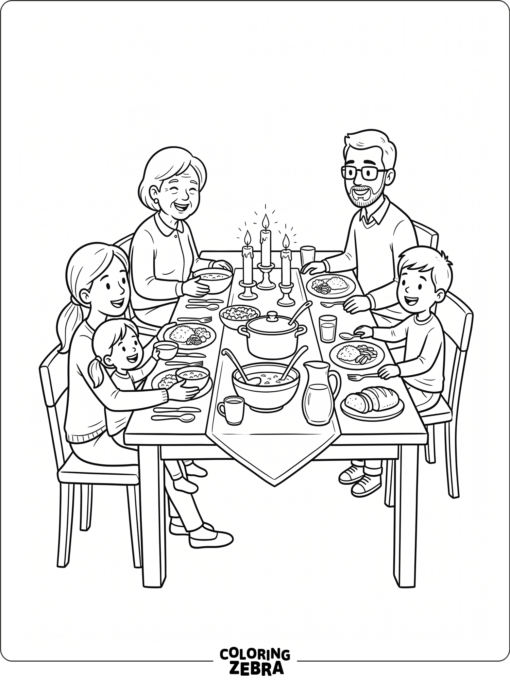

Kwanzaa Family Coloring Page
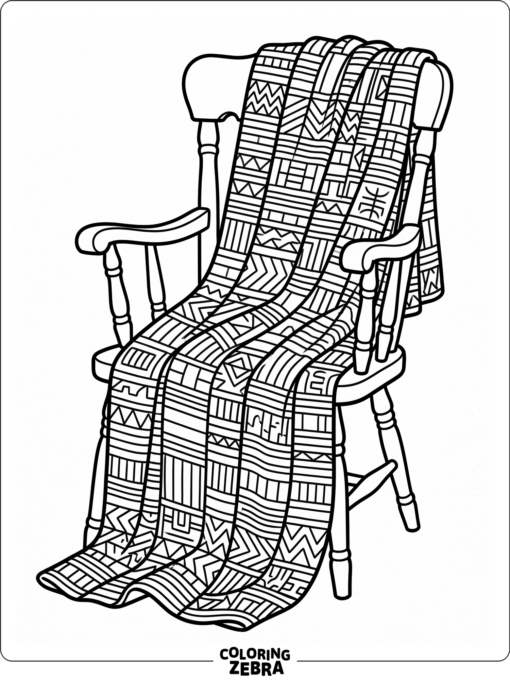

Kwanzaa Kente Cloth Coloring Page
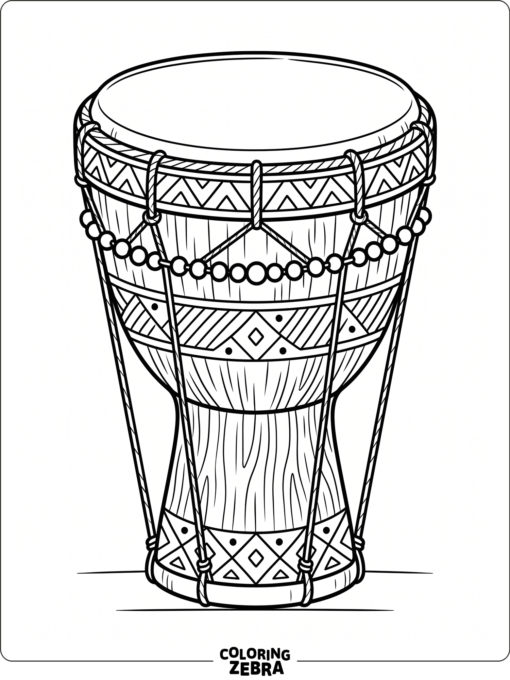

Kwanzaa African Drum Coloring Page
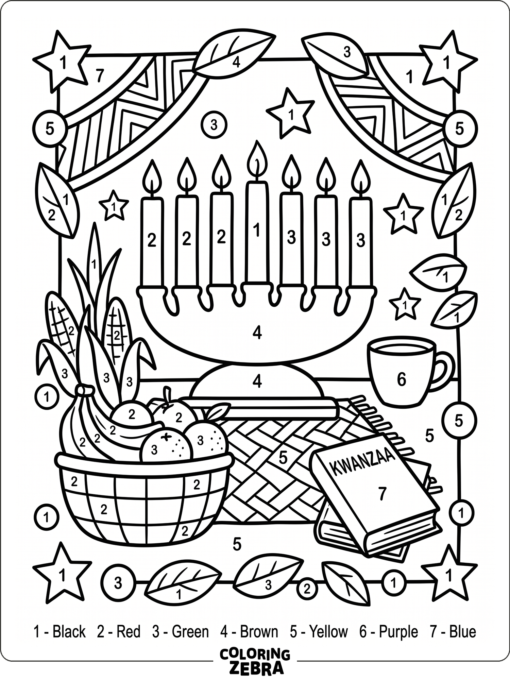

Kwanzaa Color By Number Page
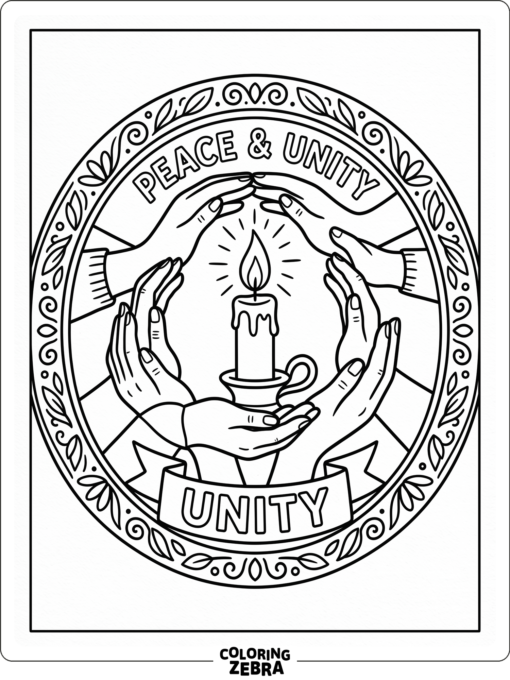

Kwanzaa Umoja Unity Coloring Page
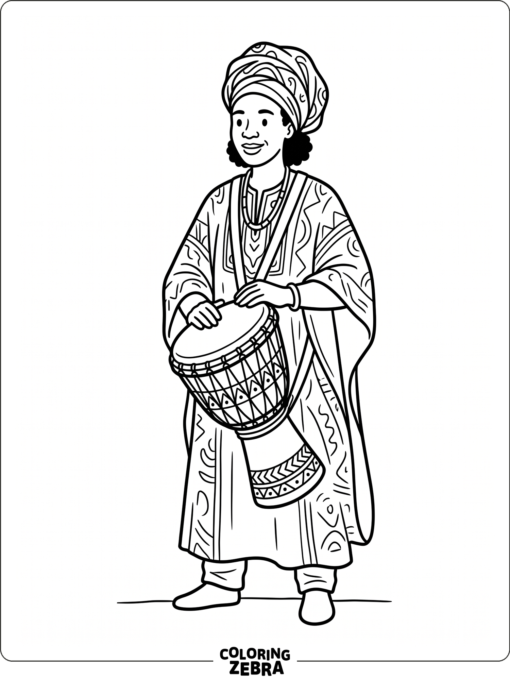

Kwanzaa Traditional African Clothing Coloring Page


Kwanzaa African Dance Coloring Page
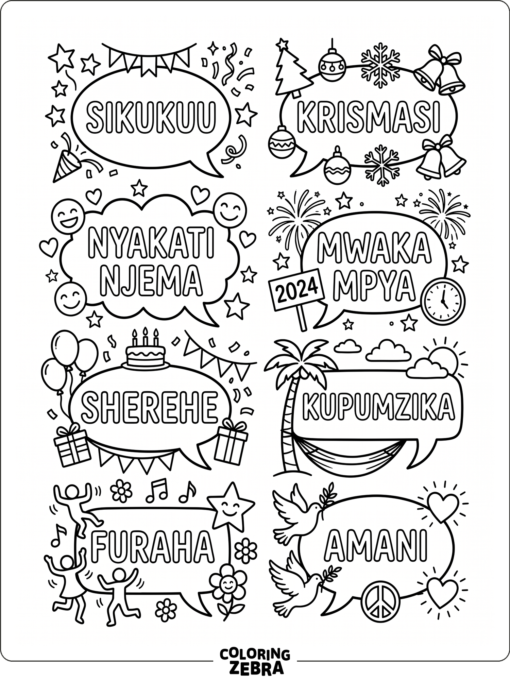

Kwanzaa Swahili Words Coloring Page
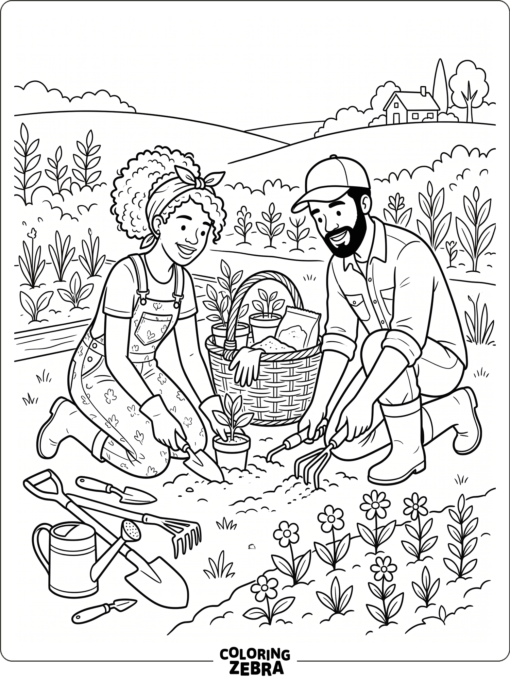

Kwanzaa Ujamaa Cooperative Economics Coloring Page
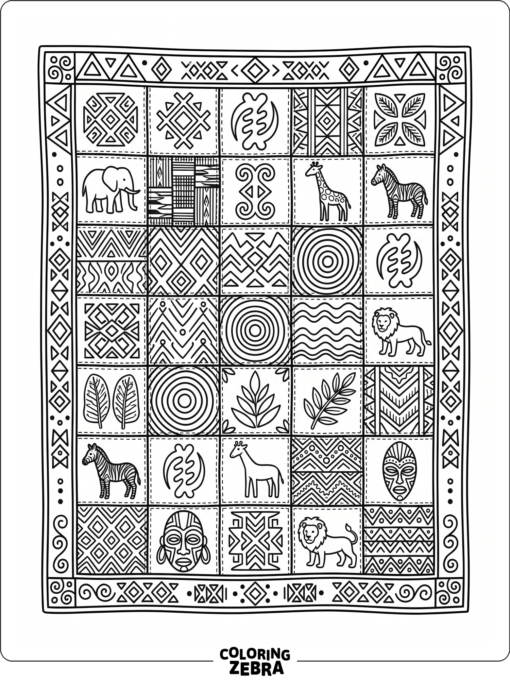

Kwanzaa Heritage Quilt Coloring Page
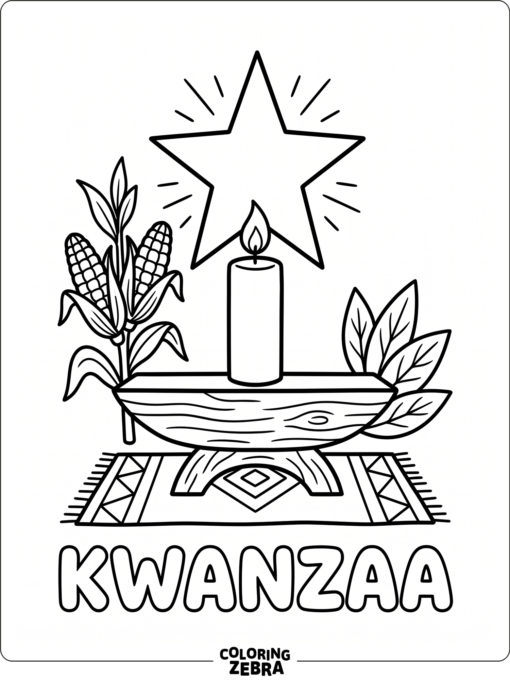

Kwanzaa Coloring Page for Toddlers
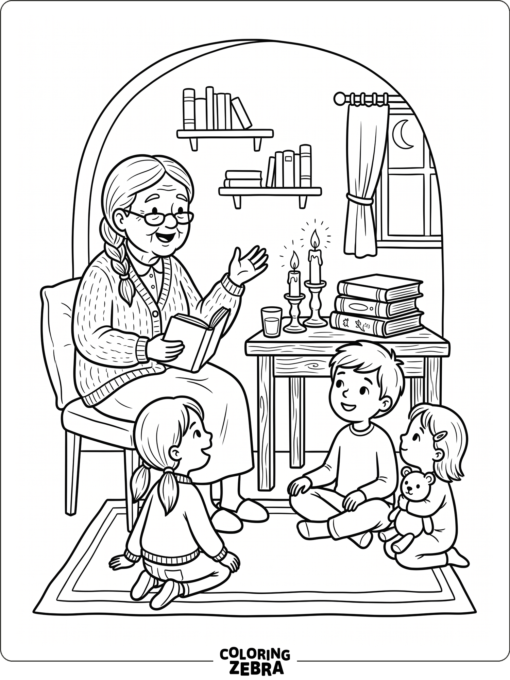

Kwanzaa Family Storytelling Coloring Page
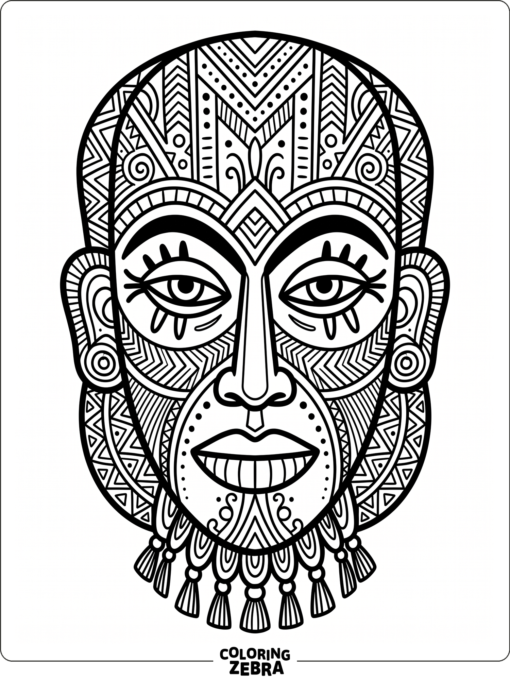

Kwanzaa African Mask Coloring Page
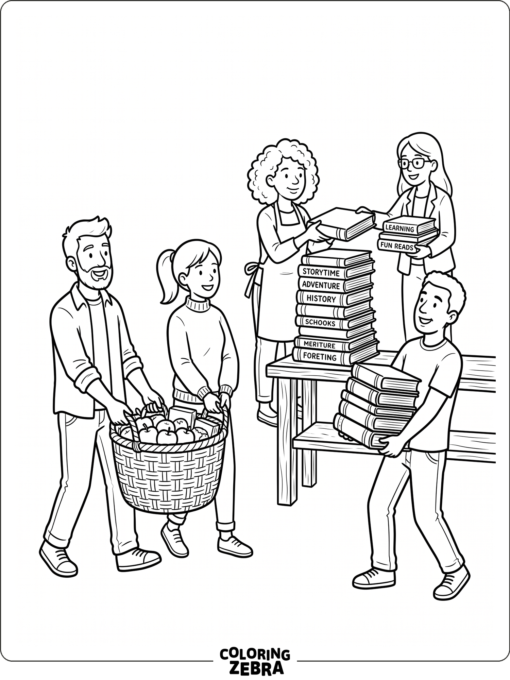

Kwanzaa Ujima Collective Work Coloring Page
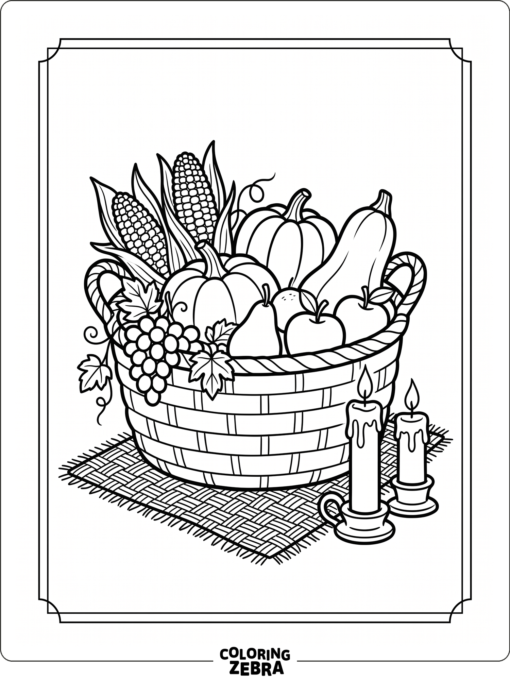

Kwanzaa Mazao Harvest Coloring Page
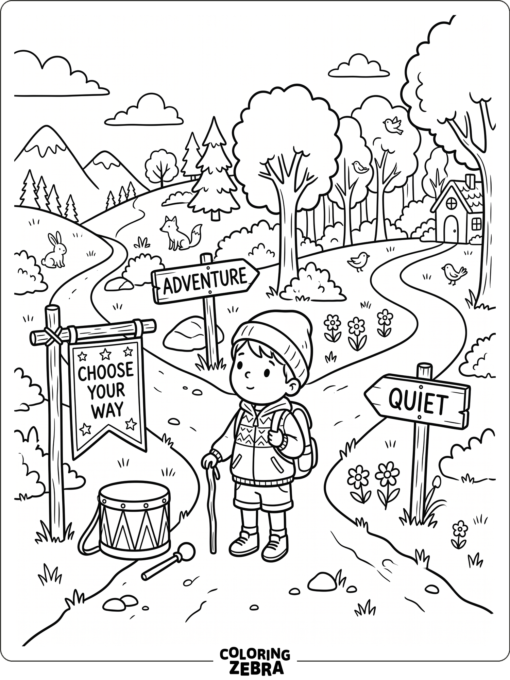

Kwanzaa Kujichagulia Coloring Page
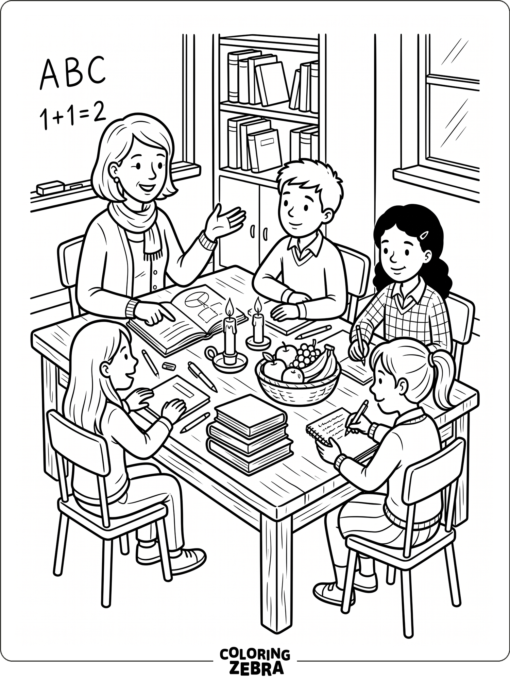

Kwanzaa School Celebration Coloring Page
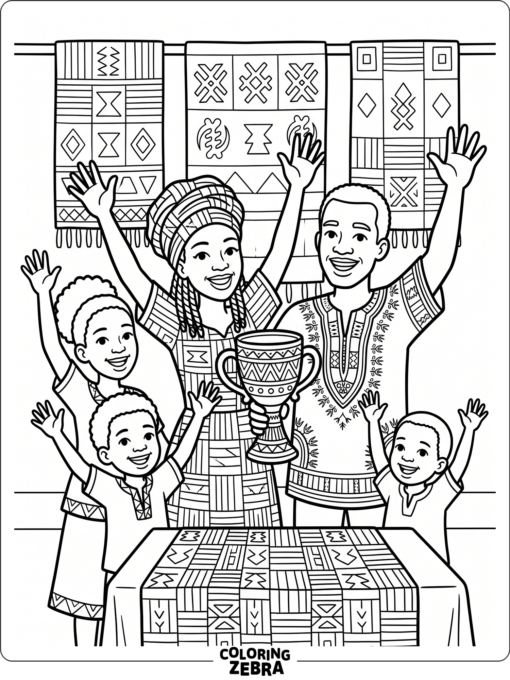

Kwanzaa African American Heritage Coloring Page
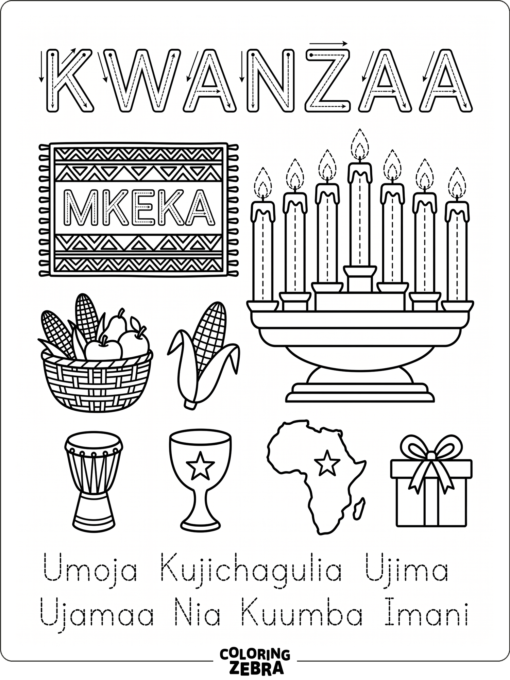

Kwanzaa Tracing Coloring Page
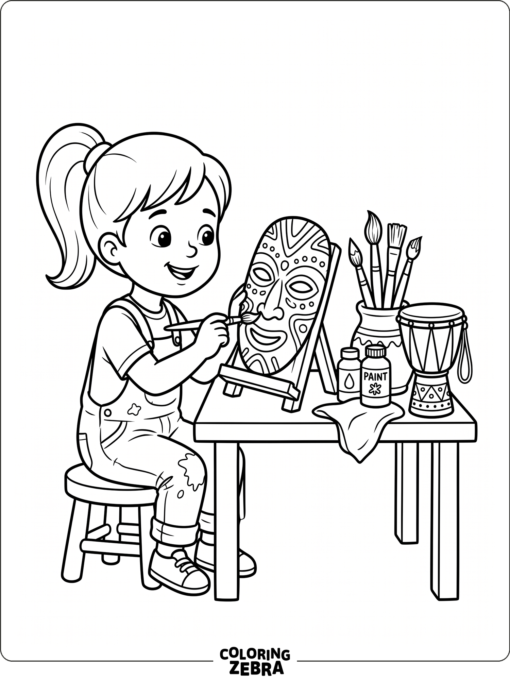

Kwanzaa Kuumba Coloring Page
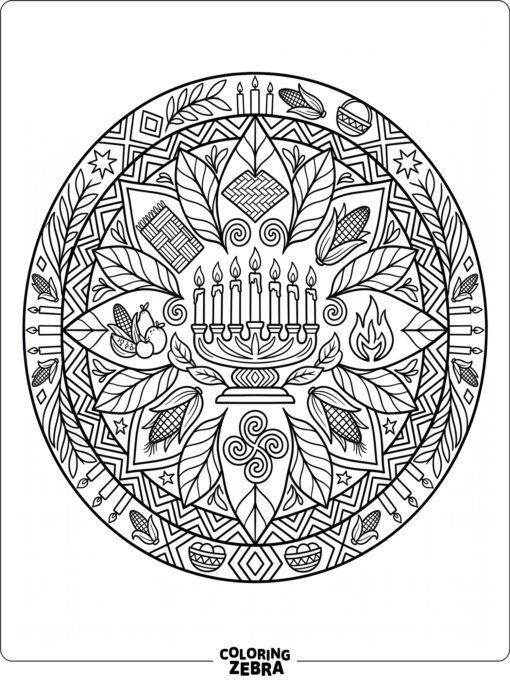

Kwanzaa Mandala Coloring Page
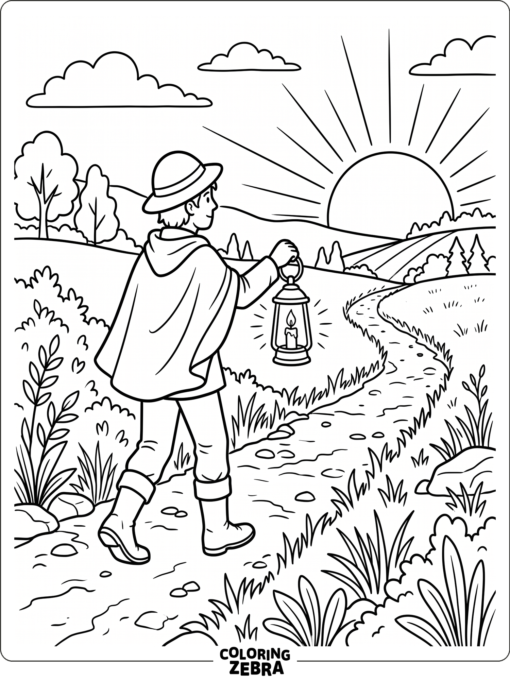

Kwanzaa Nia Coloring Page
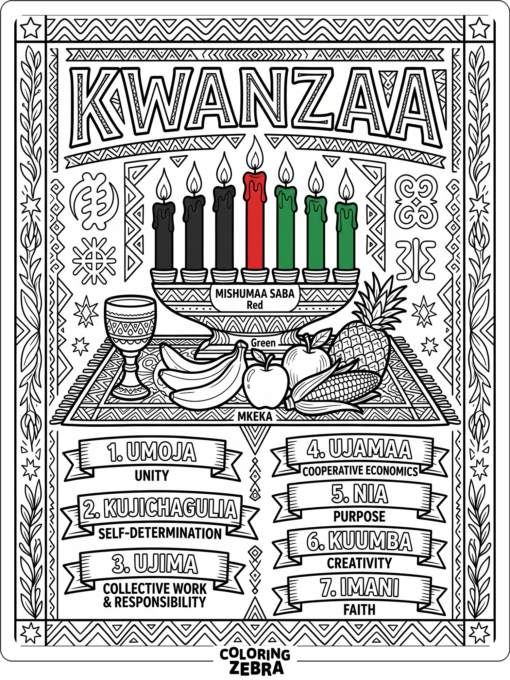

Kwanzaa Poster Coloring Page
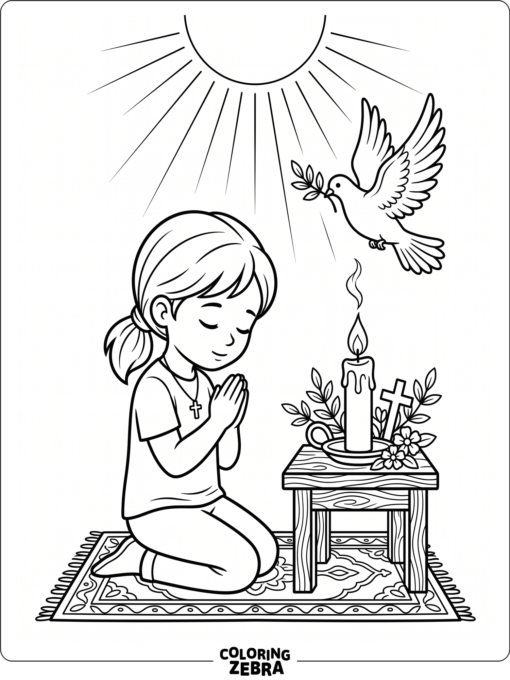

Kwanzaa Imani Coloring Page
What You Will Find in the Collection
These Kwanzaa Coloring Pages center on recognizable holiday objects while also showing family, learning, creativity, and cooperation. The kinara and its seven candles appear in several forms, including a labeled design, a row of steady flames, and a candleholder resting on a cloth base. Other pages feature a unity cup, corn, crops, a woven mat, gifts, a harvest basket, and a poster composition with candles and fruit.
The people-centered scenes broaden the collection beyond individual symbols. Children and adults gather for a meal, share stories near books and candles, celebrate at school, carry a basket, stack books, and work together with tools. Additional pictures show a dancer with musical notes, a detailed drum with beads, traditional clothing with decorative trim, and a child painting a mask. These heritage-related images support conversations about art, memory, music, movement, and community without treating every decorative object as an official Kwanzaa symbol.
Kwanzaa and Its Seven-Day Observance
Kwanzaa is an African American and Pan-African cultural observance held from December 26 through January 1. Maulana Karenga created it in the United States in 1966 during the Black Freedom Movement. Its name comes from the Swahili phrase matunda ya kwanza, meaning first fruits, with an additional “a” added to the holiday’s name. The harvest baskets, corn, squash, fruit, feast dishes, and woven mats in these printable Kwanzaa coloring pages connect visually with that first-fruits theme.
Kwanzaa is cultural rather than exclusive to a particular religion. Families may observe it alongside Christmas, another religious tradition, or no religious holiday. A page showing prayer hands can invite personal reflection, but it should not be used to define Kwanzaa as a religious celebration.
The Kinara Candles and Nguzo Saba
The kinara is the candleholder, while the seven candles placed in it are called the Mishumaa Saba. Their traditional colors are black, red, and green. The black candle represents people of African descent, red is associated with struggle, and green represents the future and the hope arising from that struggle. Although these colors can guide a traditional palette, the uncolored outlines also allow room for patterned backgrounds, borders, and personal accents.
The candles connect with the Nguzo Saba, or seven principles. They are Umoja for Unity, Kujichagulia for Self-Determination, Ujima for Collective Work and Responsibility, Ujamaa for Cooperative Economics, Nia for Purpose, Kuumba for Creativity, and Imani for Faith. One principle receives special attention on each day of the observance. A labeled candle sheet can support vocabulary practice, but readers should check the words printed on the finished page rather than assume which label accompanies a particular candle.
Recognized Symbols in the Pictures
- Mkeka: The mat serves as the foundation for the symbolic display and can prompt discussion about heritage, tradition, and the foundations communities build upon.
- Kinara: This candleholder supports the seven candles and is one of the most frequently pictured objects in the set.
- Mishumaa Saba: The seven candles represent the Nguzo Saba and the seven days of Kwanzaa.
- Mazao: Crops represent the harvest and the rewards of shared labor.
- Muhindi: Corn is associated with children and hopes for future generations. It appears alone, with a preschool child, and inside a harvest basket.
- Kikombe cha Umoja: The unity cup is used in a ritual honoring togetherness and shared community bonds.
- Zawadi: Gifts are associated with learning, heritage, values, and meaningful commitments rather than only commercial exchange.
The quilt, mandala, mask, drum, dancer, clothing, and kente-inspired stripes add broader artistic and heritage themes. They should not be presented as official symbols or assigned to a particular African nation or ethnic group without supporting information.
Family Meals Storytelling and Cooperation
Several Kwanzaa Coloring Pages focus on participation rather than objects alone. A feast table and a family meal provide context for Karamu, the communal feast commonly held on December 31. Harvest foods connect the gathering to first-fruits traditions, while the storytelling scene highlights books, candles, family memory, and cultural continuity. The pictured dishes can be colored imaginatively, but unnamed foods should not be identified as specific recipes.
Scenes of people carrying a basket, arranging books, and working with tools can open discussions about unity and shared responsibility. Those connections are useful interpretations, not confirmed principle labels unless the artwork says so. In the same way, a child choosing between two paths may suggest decision-making, while a lantern near a rising sun may suggest hope or purpose. These reflective meanings are best offered as questions rather than fixed explanations.
Coloring Approaches for Every Detail Level
Young children can begin with the large corn cob, simple holiday items, easy child scene, or toddler-friendly shapes. Broad crayons and washable markers suit these open spaces. Preschool learners can trace letters and symbols, count seven candles, identify repeated shapes, or complete the color-by-number activity with adult guidance.
Older colorists can work slowly through the drum carvings, beads, symmetrical mask, patchwork quilt, circular mandala, decorative borders, and bold woven stripes. Colored pencils are useful for narrow trim and repeating geometry, while markers can create strong contrast in larger textile sections. A limited black, red, and green palette suits traditional holiday context; adding gold, brown, orange, or other chosen shades can distinguish fruit, baskets, clothing, books, and art supplies.
Ways to Use the Finished Pages
- Arrange a kinara picture, unity cup, mat, corn, crops, and gifts into a classroom display of recognized Kwanzaa symbols.
- Pair the seven-candle sheet with a short daily discussion of one Nguzo Saba principle.
- Use tracing sheets or Swahili word activities for handwriting and vocabulary practice, checking every printed term before teaching it.
- Combine family meal, storytelling, music, dance, and cooperation pictures into a sequence about different ways communities preserve and share culture.
- Mount detailed designs as borders for a bulletin board, or assemble quilt squares into a collaborative paper display.
- Invite children to write a sentence beneath a completed page about unity, purpose, creativity, responsibility, heritage, or hope.
When presenting Kwanzaa Coloring Pages, precise language makes the activity more respectful and useful. Kwanzaa is a modern observance created in the United States and inspired by African harvest traditions; it is not an ancient holiday. Separating its recognized symbols from broader African-inspired and African American heritage imagery helps learners appreciate both the holiday’s specific traditions and the collection’s wider themes of family, art, cooperation, and reflection.
People Often Ask Us…
-
Why was Kwanzaa established?
-
Who celebrates Kwanzaa?
-
Why does Kwanzaa use Swahili terms?
-
What is the traditional Kwanzaa greeting?
-
Do all families observe Kwanzaa the same way?