
St. Patrick’s Day Coloring Pages
St. Patrick’s Day Coloring Pages range from bold shamrocks and wide rainbows to ornate Celtic knots and cultural emblems. The set pairs pots of gold and leprechauns with the Irish harp, Claddagh, flag, and map, while large hats, clovers, coins, and friendly animals offer approachable choices. Detailed mandalas, interlaced borders, Saint Patrick, an open Bible, Irish music, dance, cottages, and folklore add depth beyond lucky-green imagery.
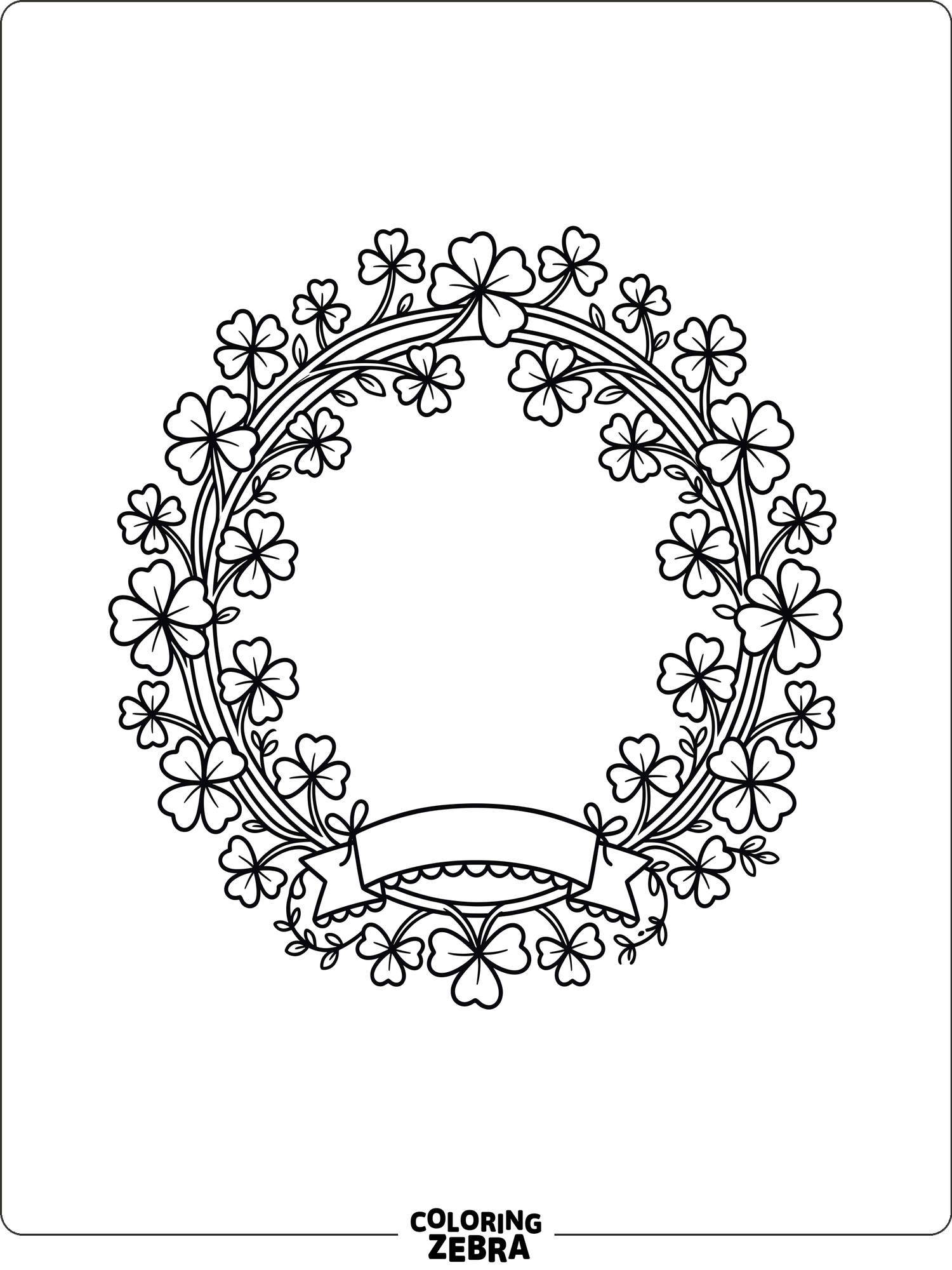
Print simple designs on standard printer paper or use heavier paper for markers and wetter coloring tools. Select fit-to-page in the printer settings to preserve borders, or reduce the scale slightly if your printer trims near the edges. For lower ink use, choose black-and-white or draft mode and print only the selected pictures.
Related coloring pages
Saint Patrick’s Day Coloring Pages

Easy St. Patrick’s Day Coloring Page

St. Patrick’s Day Coloring Page for Kids

Happy St. Patrick’s Day Coloring Page
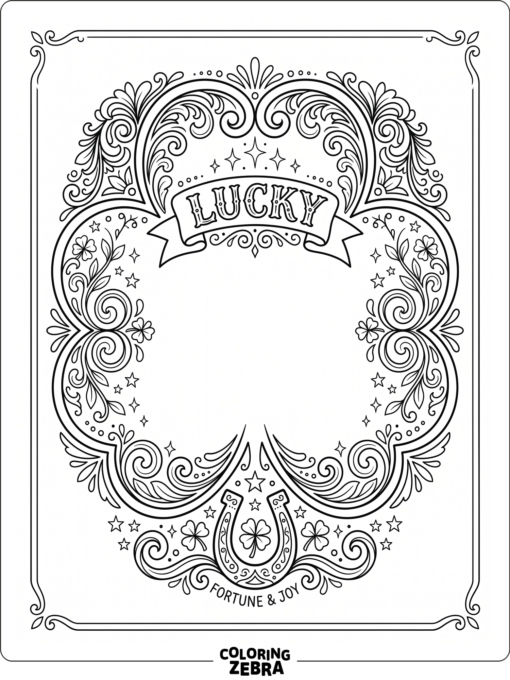

St. Patrick’s Day Coloring Page for Adults
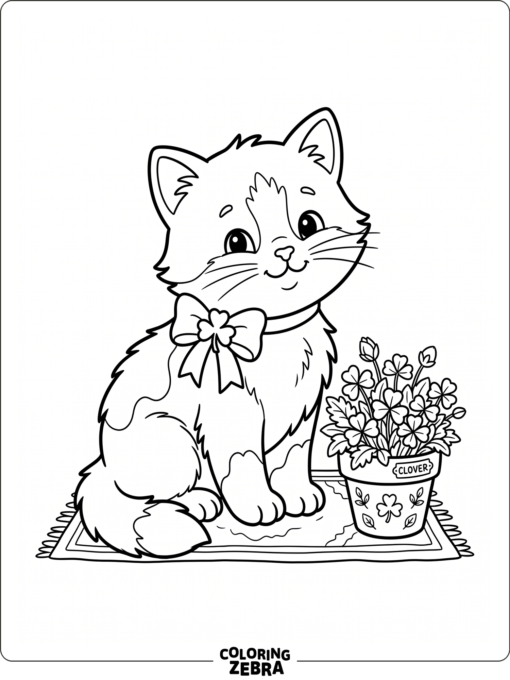

Cute St. Patrick’s Day Coloring Page
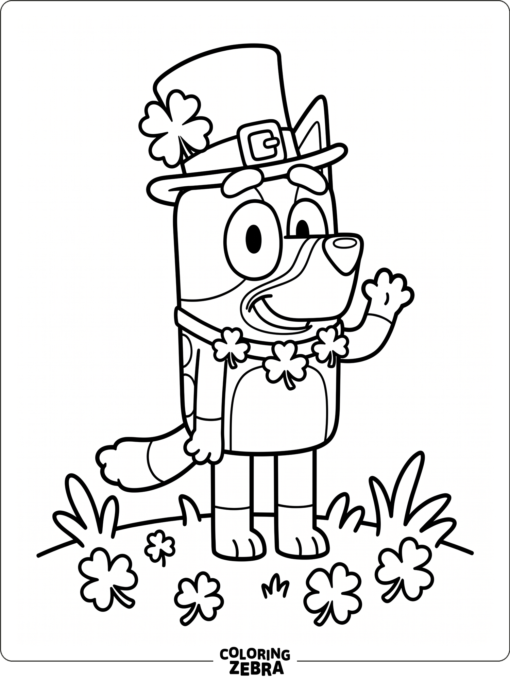

Bluey St. Patrick’s Day Coloring Page
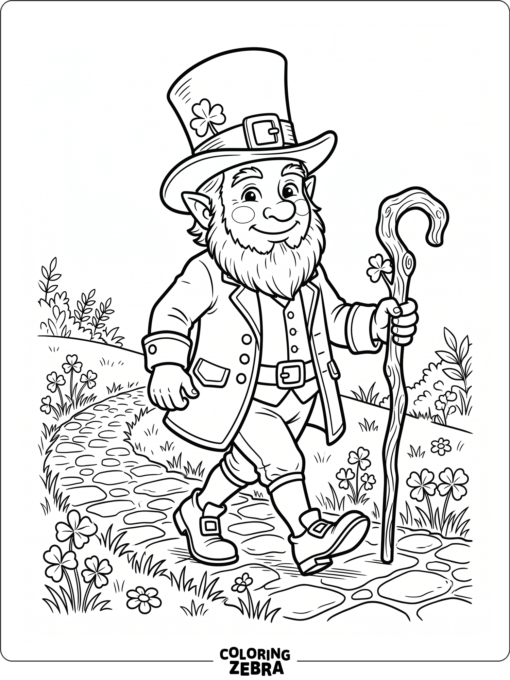

St. Patrick’s Day Leprechaun Coloring Page
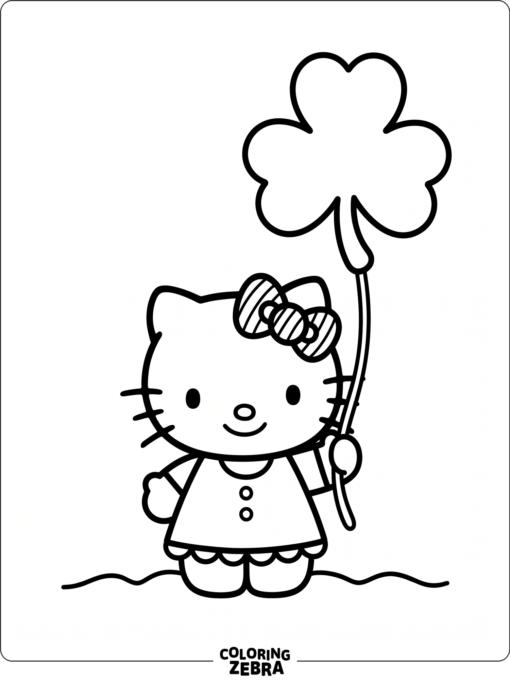

Hello Kitty St. Patrick’s Day Coloring Page
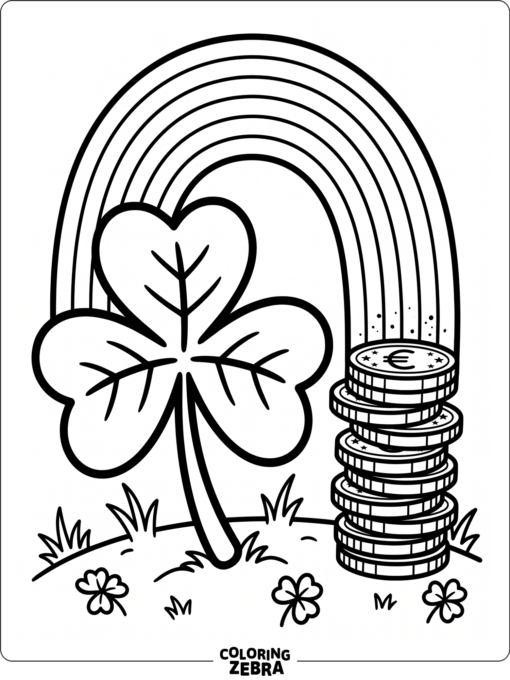

Preschool St. Patrick’s Day Coloring Page
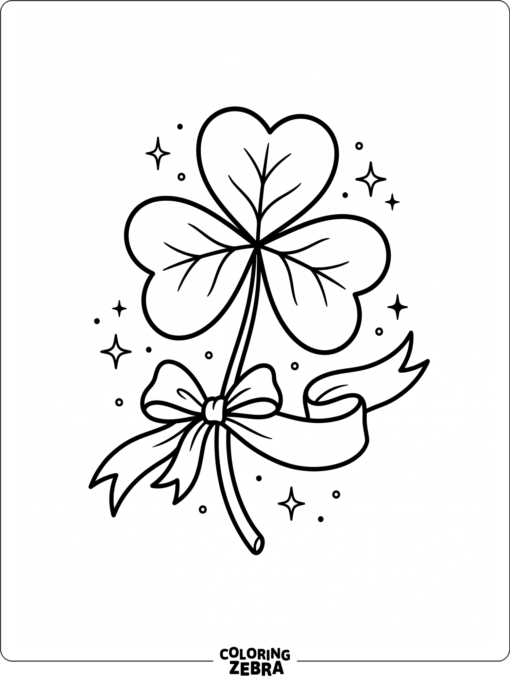

St. Patrick’s Day Shamrock Coloring Page
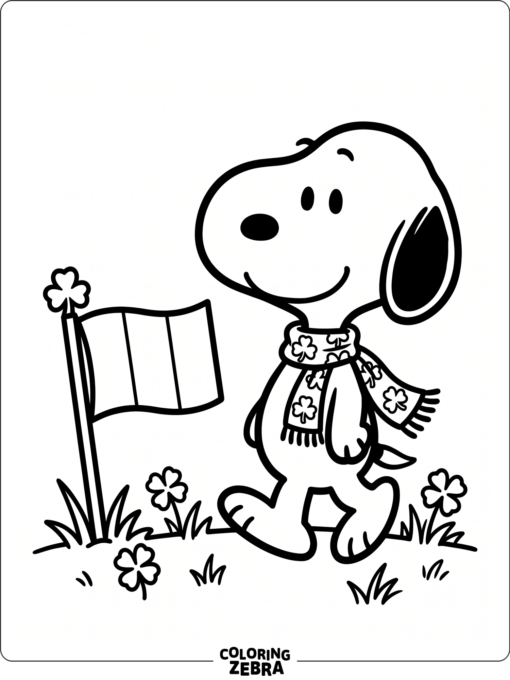

Snoopy St. Patrick’s Day Coloring Page
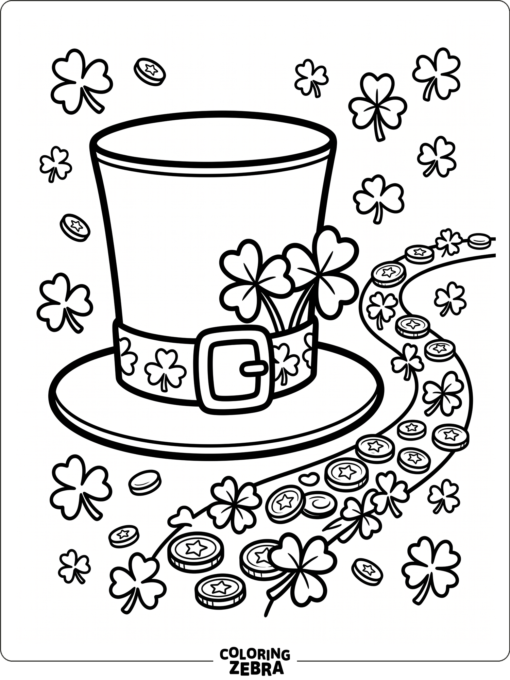

St. Patrick’s Day Coloring Page for Toddlers
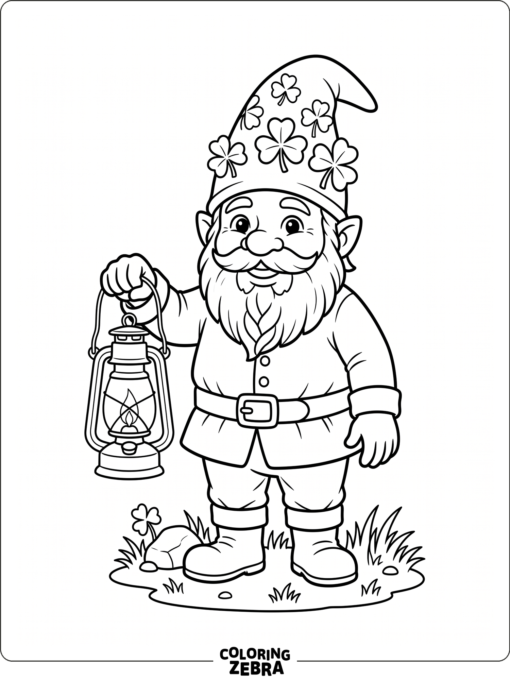

St. Patrick’s Day Gnome Coloring Page
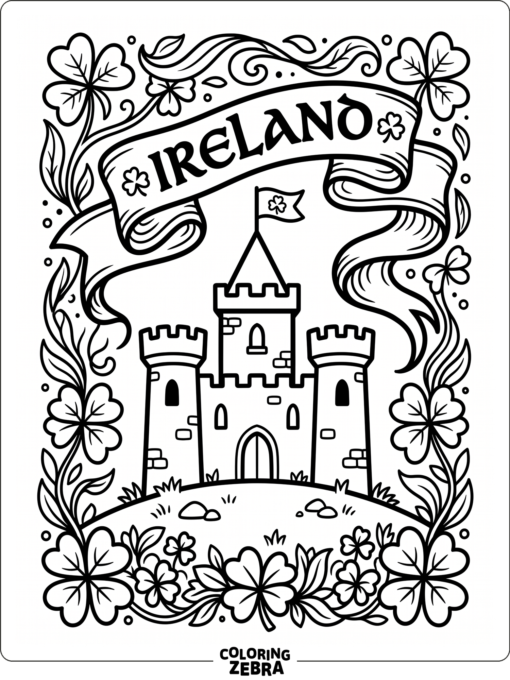

Disney St. Patrick’s Day Coloring Page
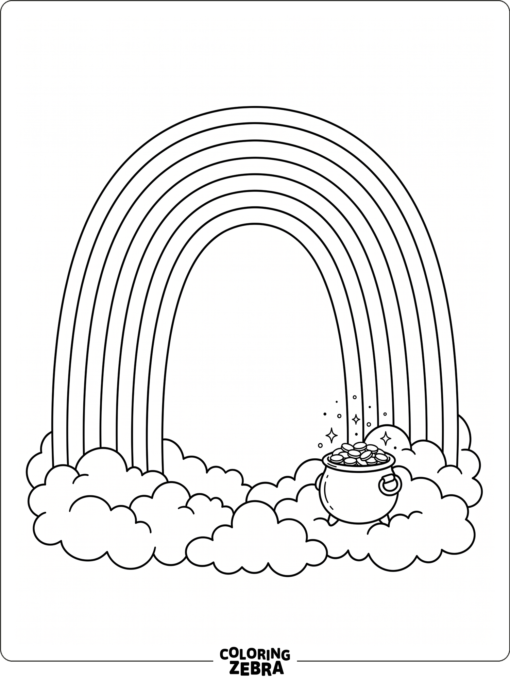

St. Patrick’s Day Rainbow Coloring Page
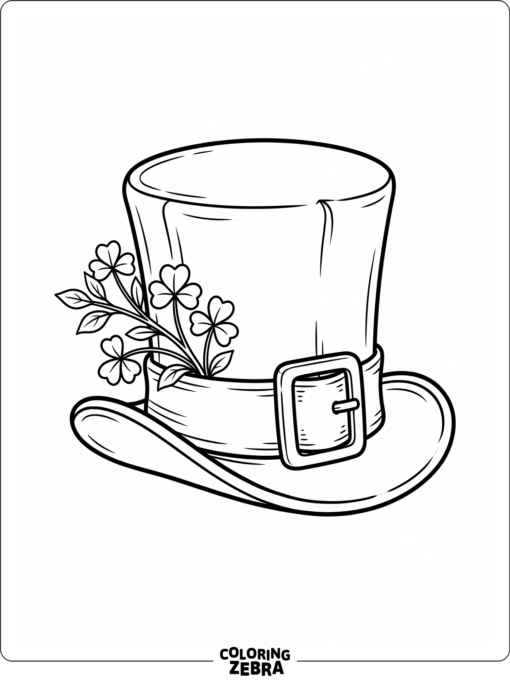

St. Patrick’s Day Hat Coloring Page
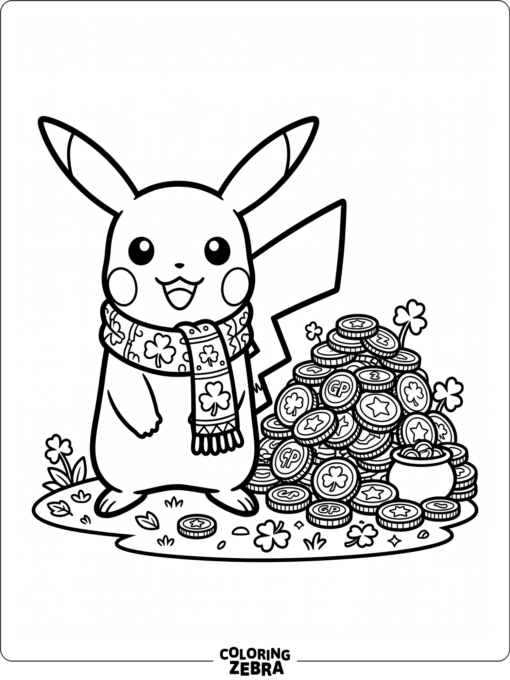

Pokemon St. Patrick’s Day Coloring Page
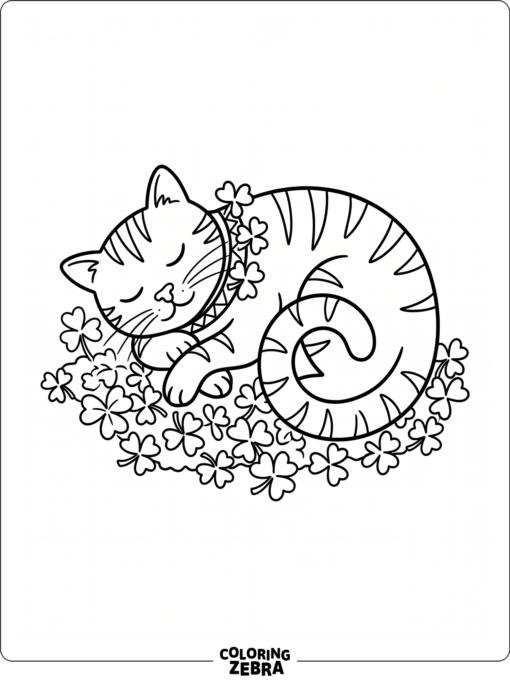

St. Patrick’s Day Cat Coloring Page
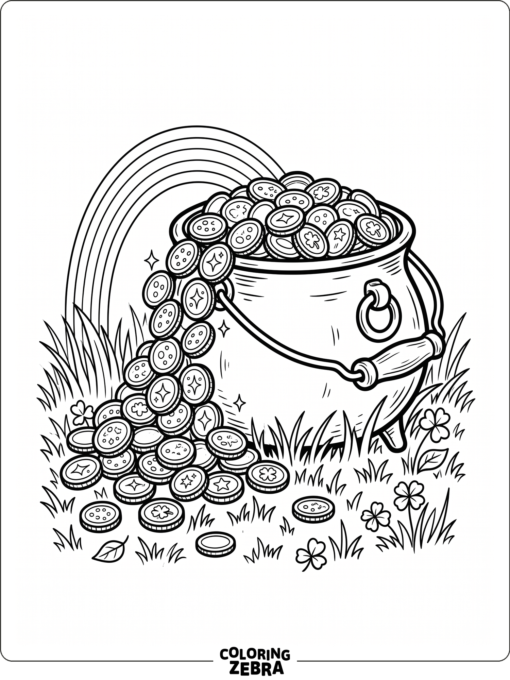

St. Patrick’s Day Pot of Gold Coloring Page
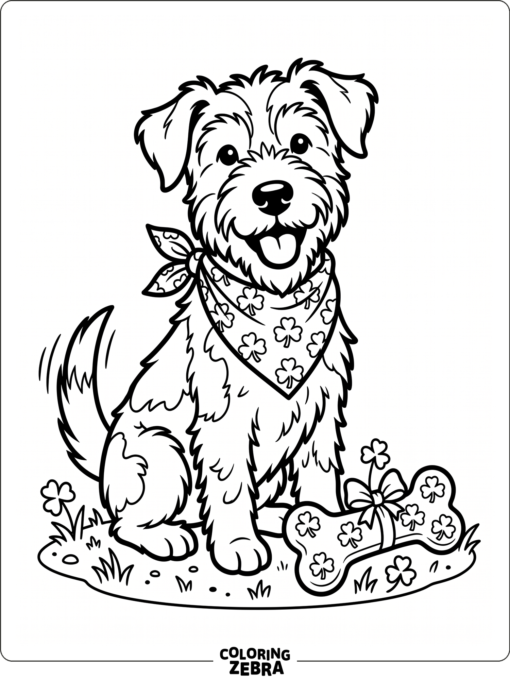

St. Patrick’s Day Dog Coloring Page
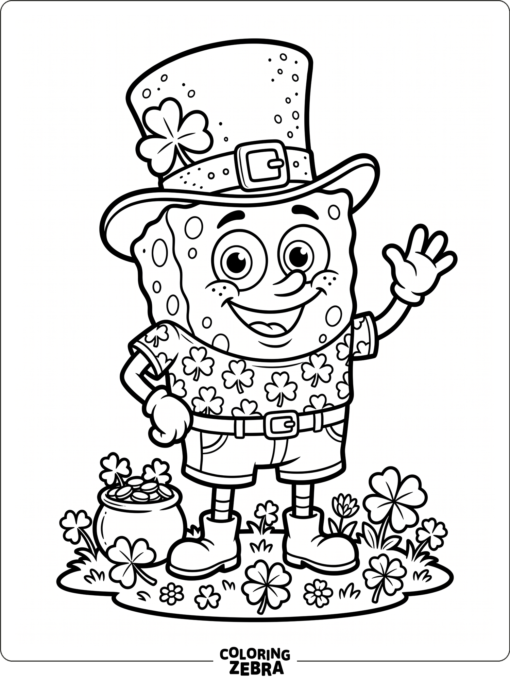

Spongebob St. Patrick’s Day Coloring Page
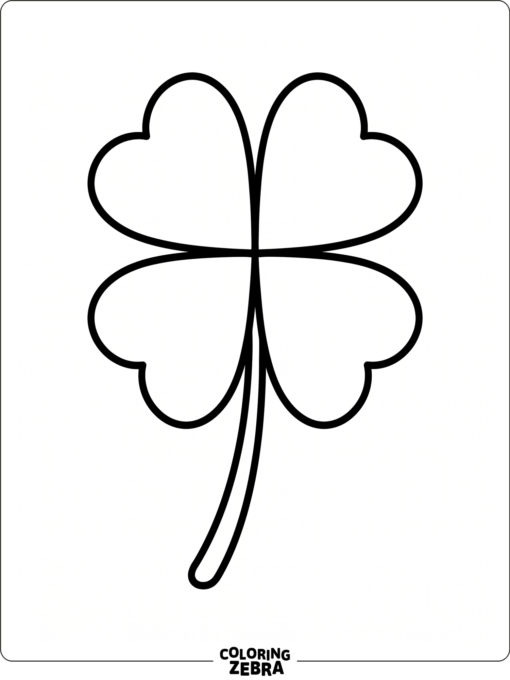

St. Patrick’s Day Four Leaf Clover Coloring Page
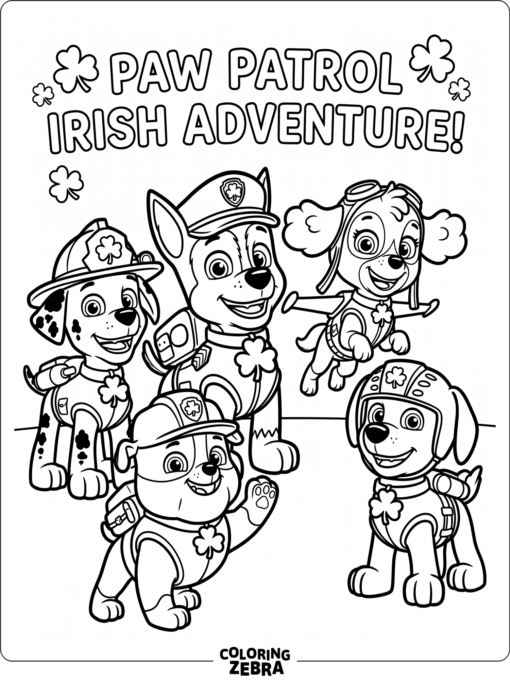

Paw Patrol St. Patrick’s Day Coloring Page
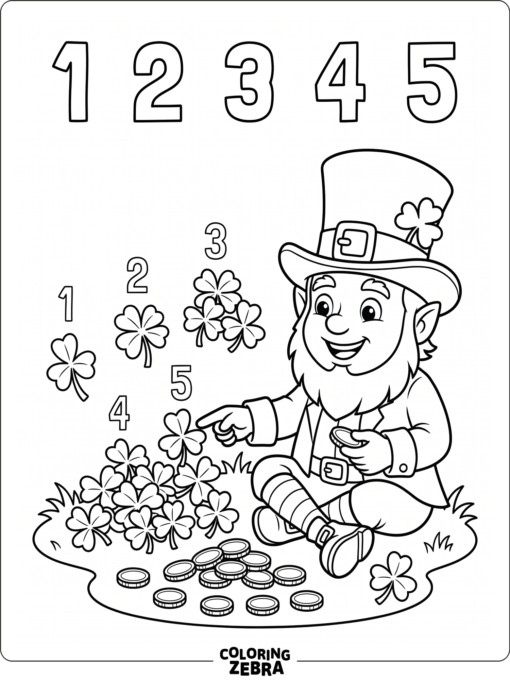

St. Patrick’s Day Math Coloring Sheet
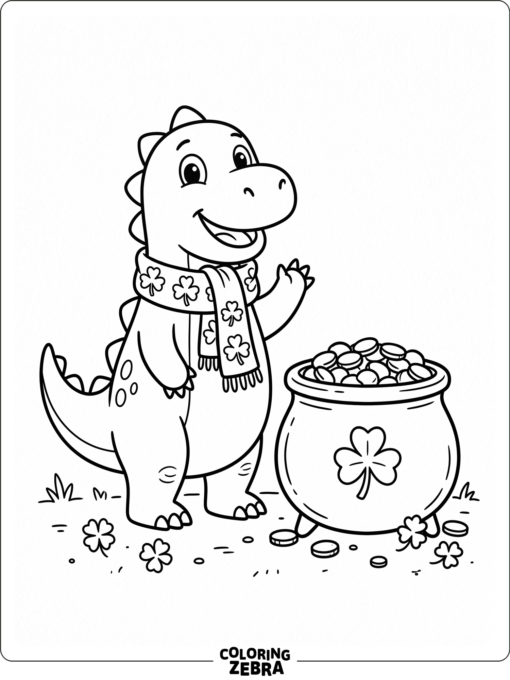

St. Patrick’s Day Dinosaur Coloring Page
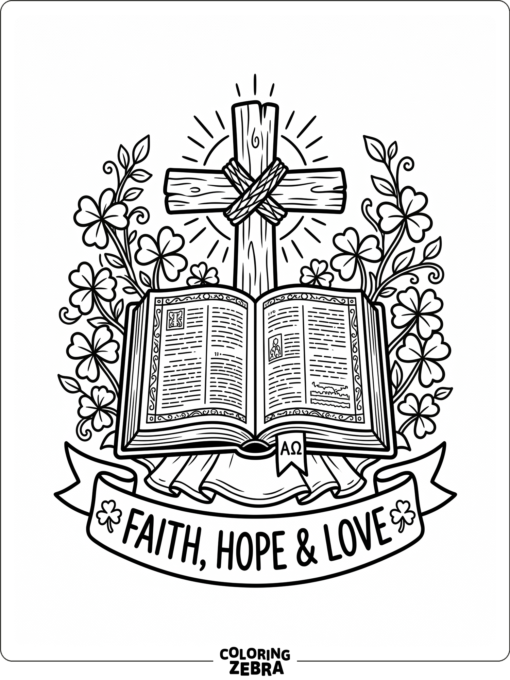

St. Patrick’s Day Christian Coloring Page
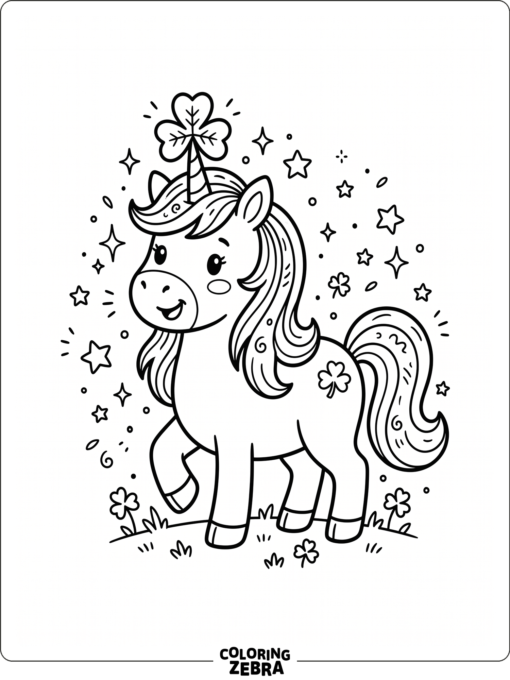

Unicorn St. Patrick’s Day Coloring Page
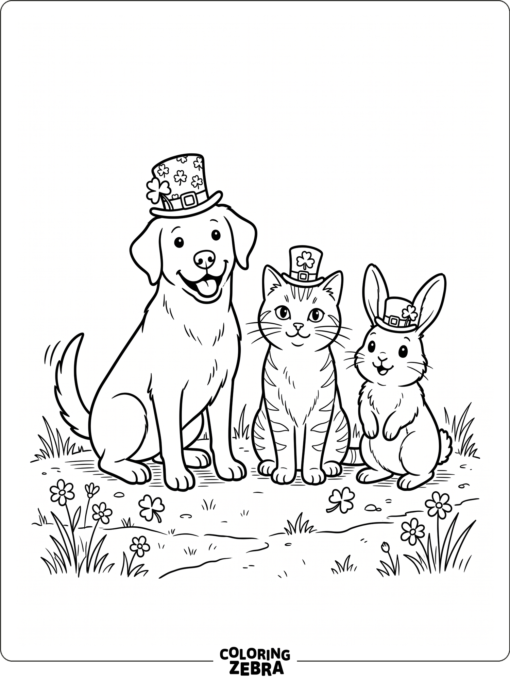

St. Patrick’s Day Animal Coloring Page
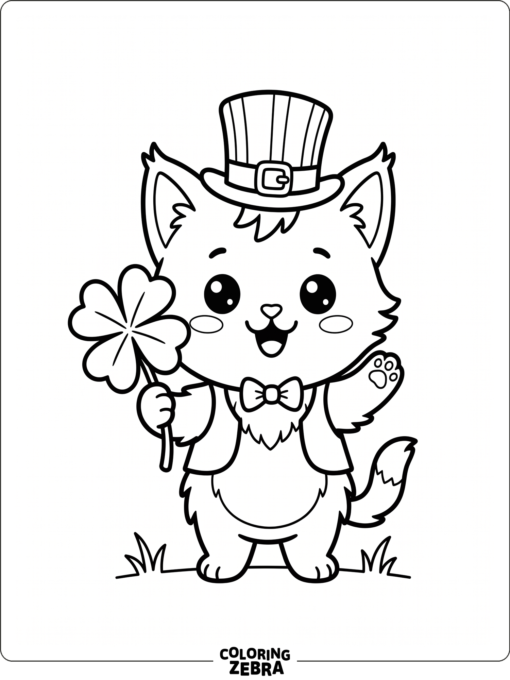

Kawaii St. Patrick’s Day Coloring Page
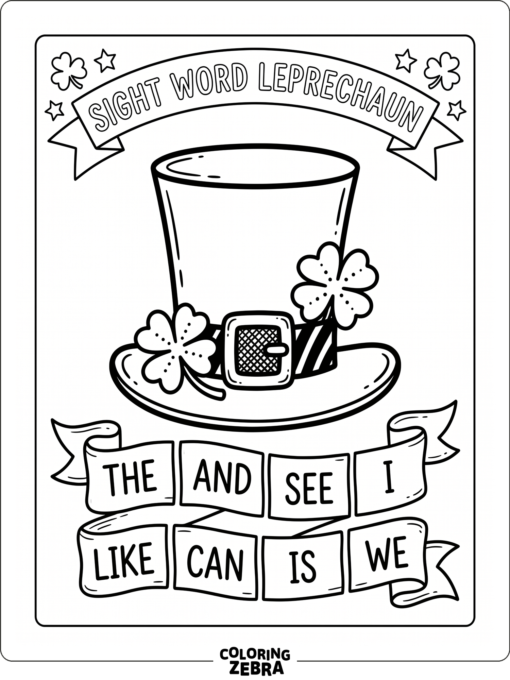

St. Patrick’s Day Sight Word Coloring
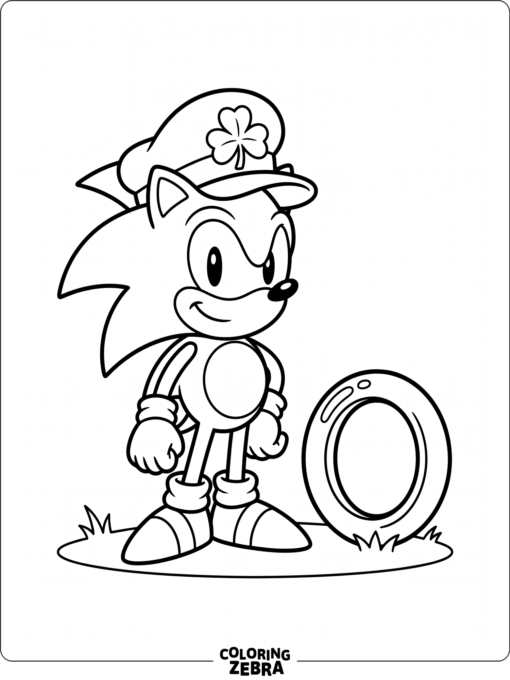

Sonic St. Patrick’s Day Coloring Page
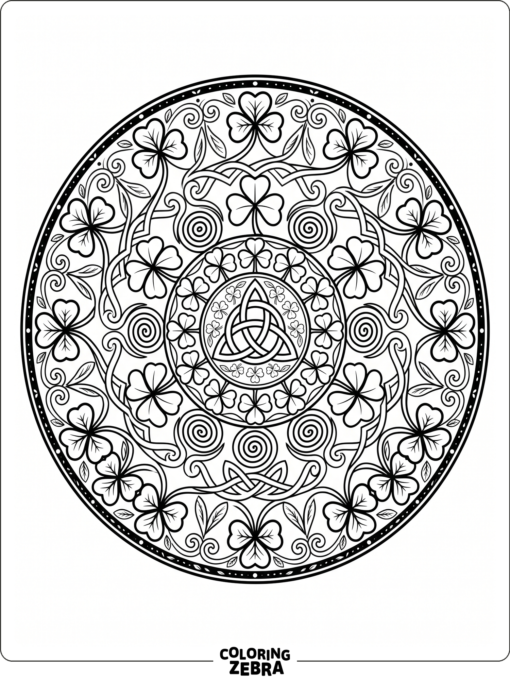

St. Patrick’s Day Mandala Coloring Page
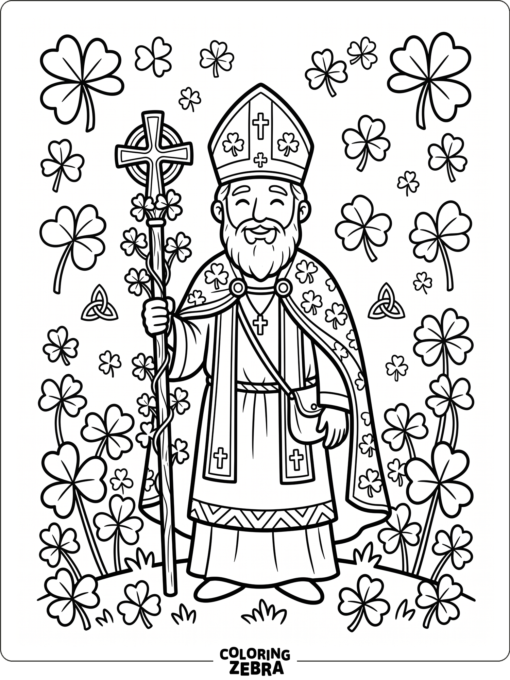

Saint Patrick Coloring Page
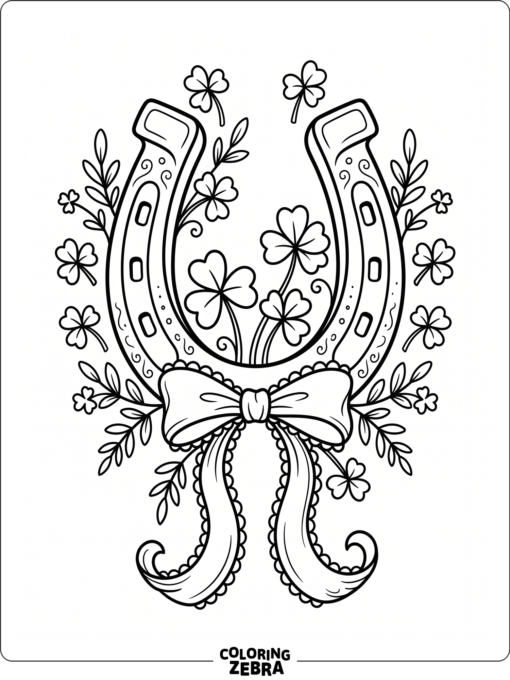

St. Patrick’s Day Horseshoe Coloring Page


St. Patrick’s Day Gold Coins Coloring Page
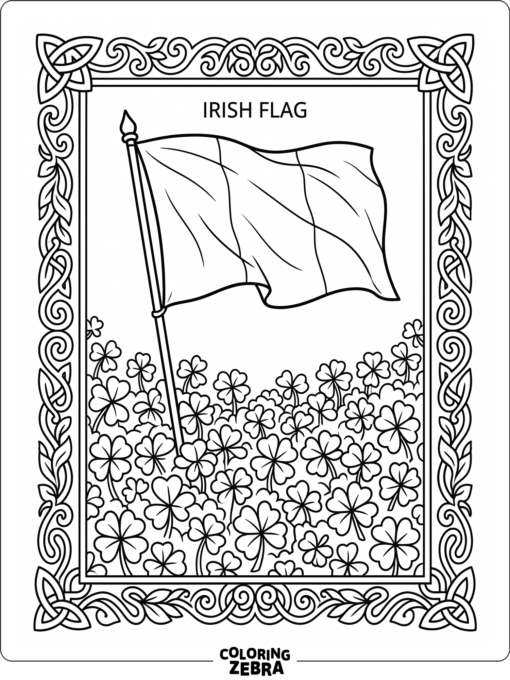

Irish Flag St. Patrick’s Day Coloring Page
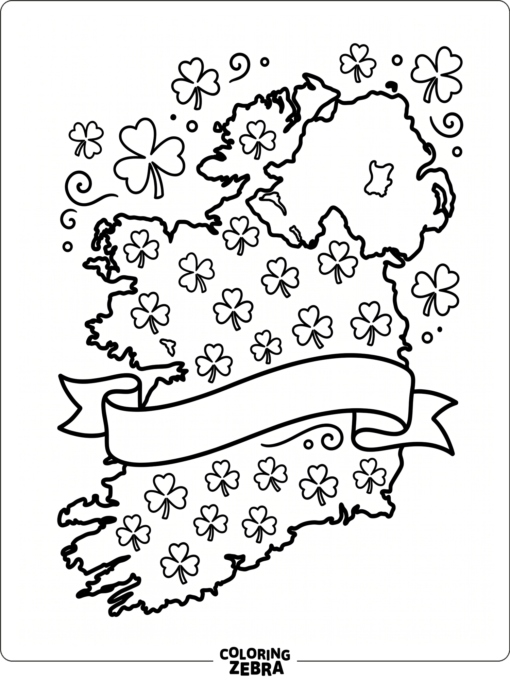

Ireland Map St. Patrick’s Day Coloring Page
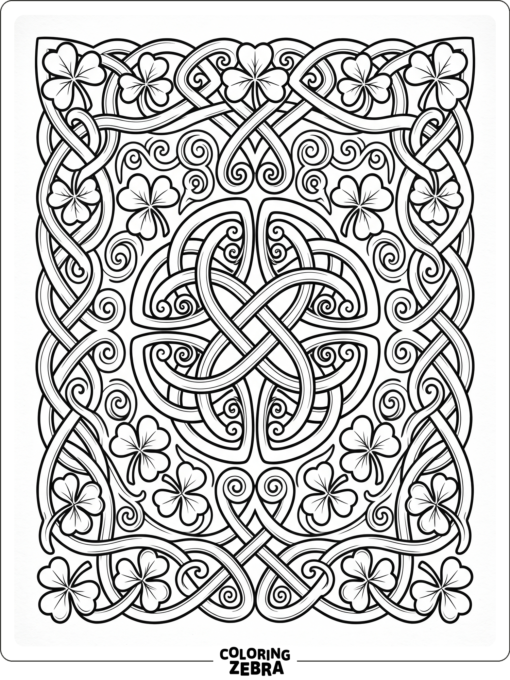

St. Patrick’s Day Celtic Knot Coloring Page
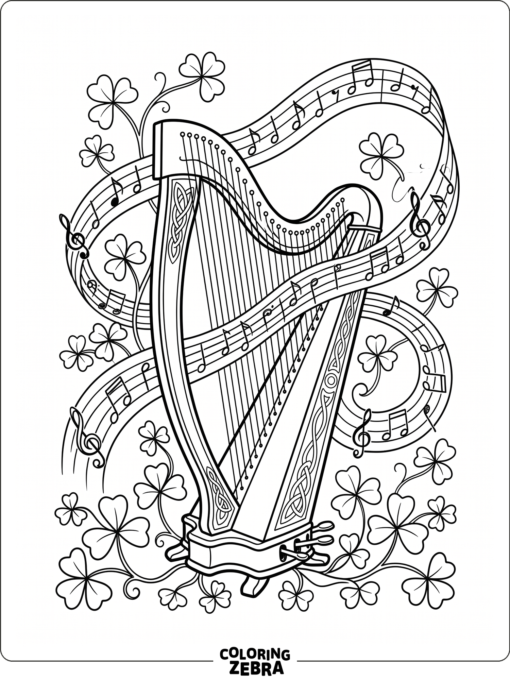

Irish Harp St. Patrick’s Day Coloring Page
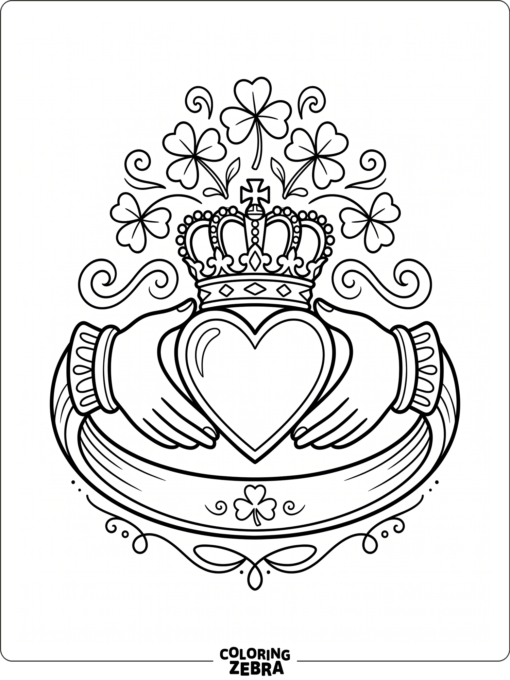

St. Patrick’s Day Claddagh Coloring Page
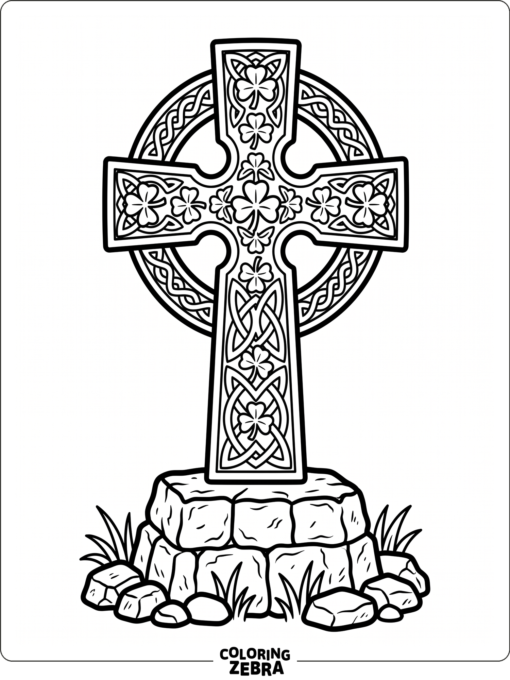

St. Patrick’s Day Celtic Cross Coloring Page
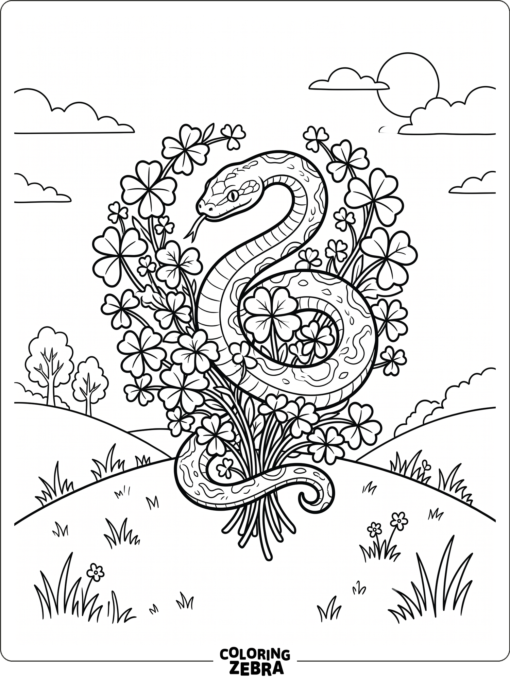

St. Patrick’s Day Snake Coloring Page
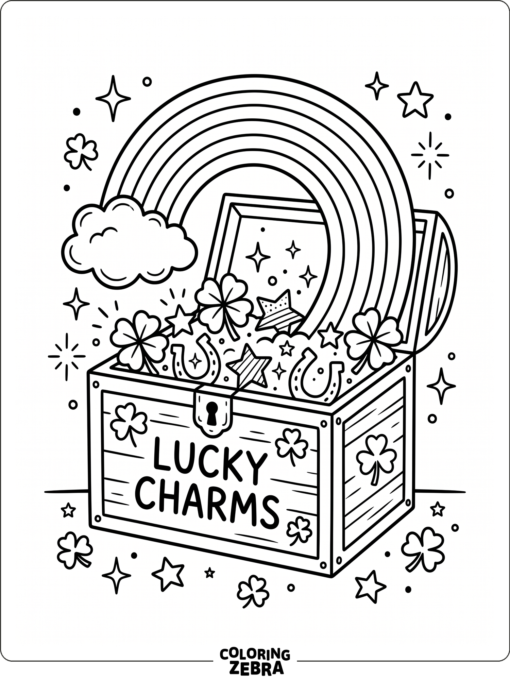

St. Patrick’s Day Lucky Charm Coloring Page
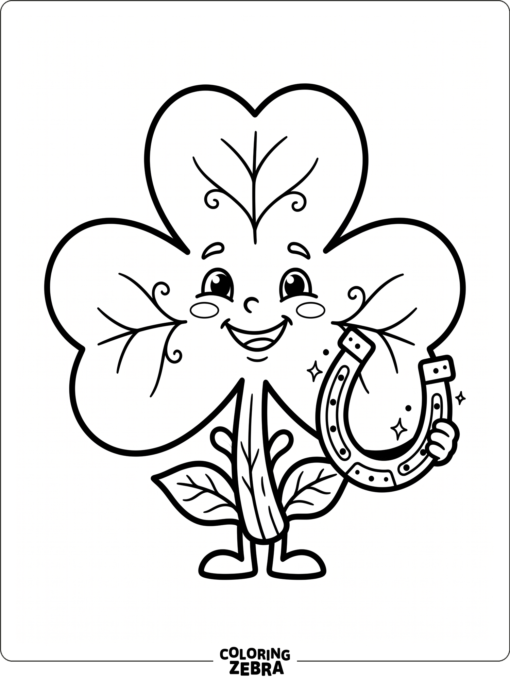

Lucky St. Patrick’s Day Coloring Page

Kiss Me I’m Irish Coloring Page

St. Patrick’s Day Irish Dancer Coloring Page

St. Patrick’s Day Irish Music Coloring Page

St. Patrick’s Day Bagpipes Printable
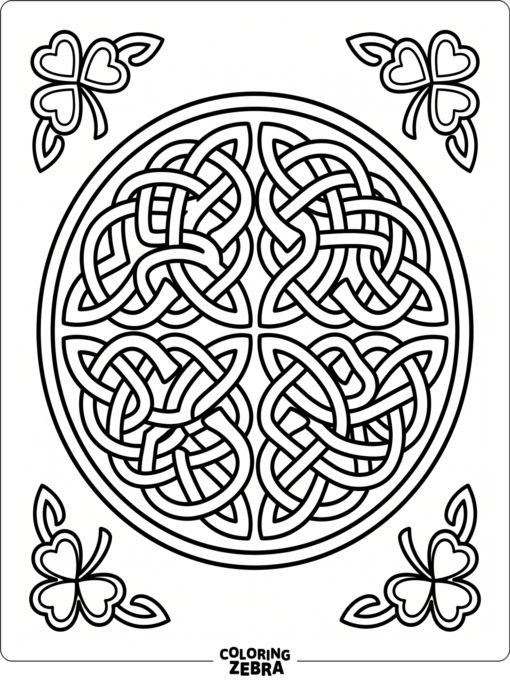

Celtic Holiday Pattern Page
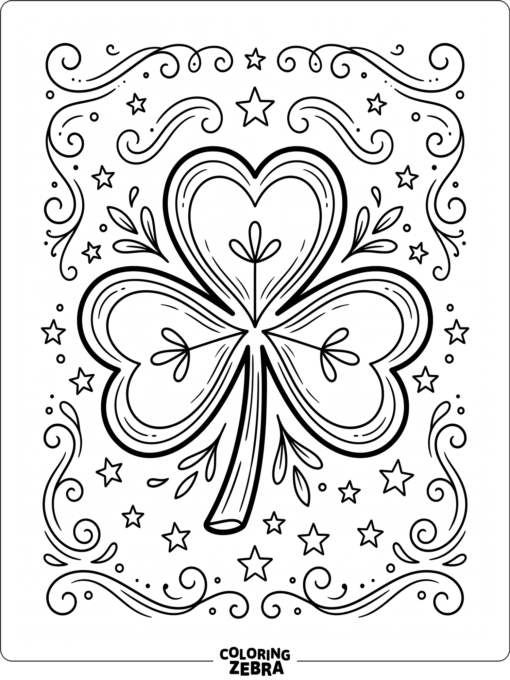

Green St. Patrick’s Day Coloring Page
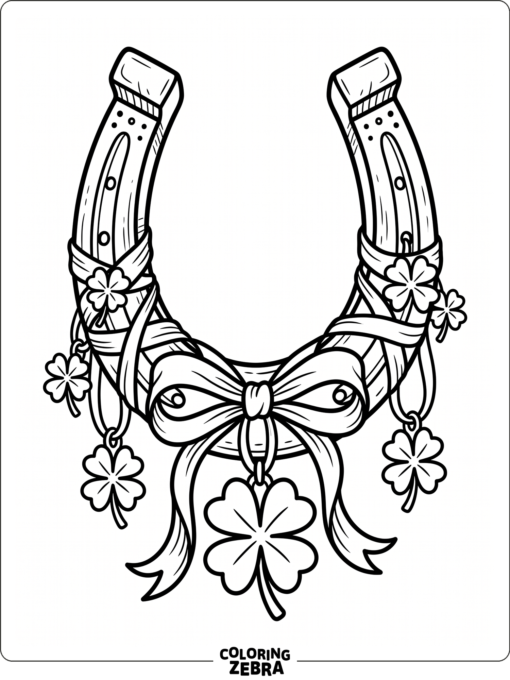

Lucky Shoe Coloring Sheet
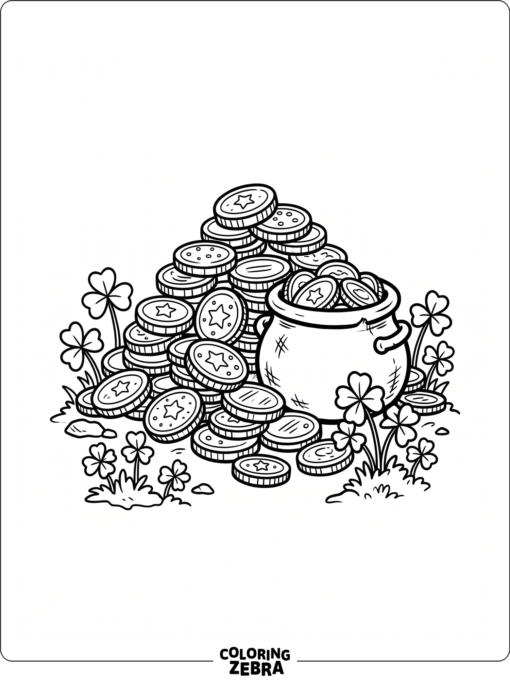

St. Patrick’s Day Gold Coins Page
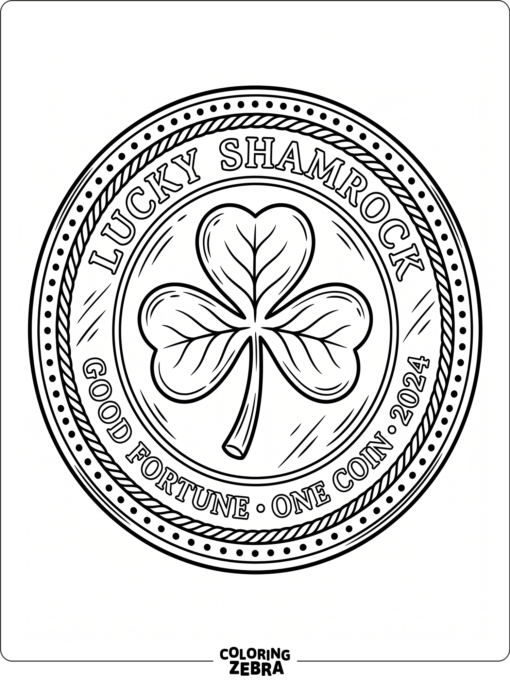

Lucky Coin Coloring Page
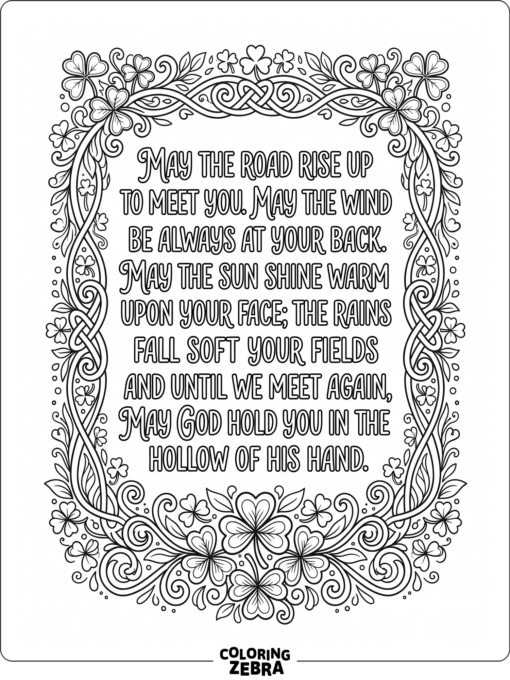

Irish Blessing Printable
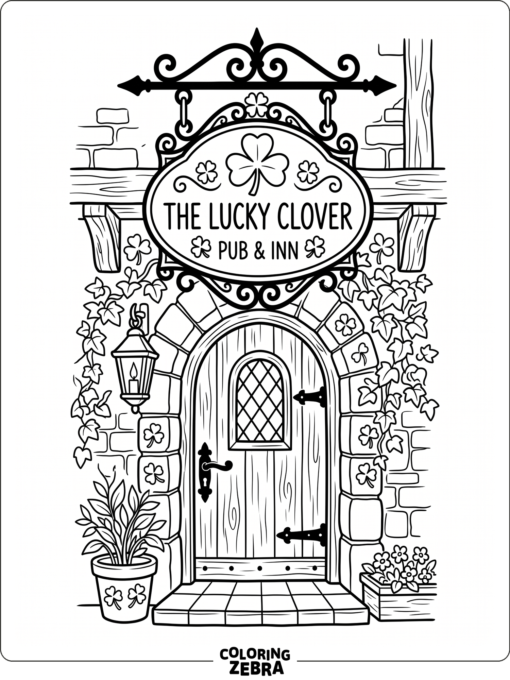

Irish Pub Sign Coloring Page
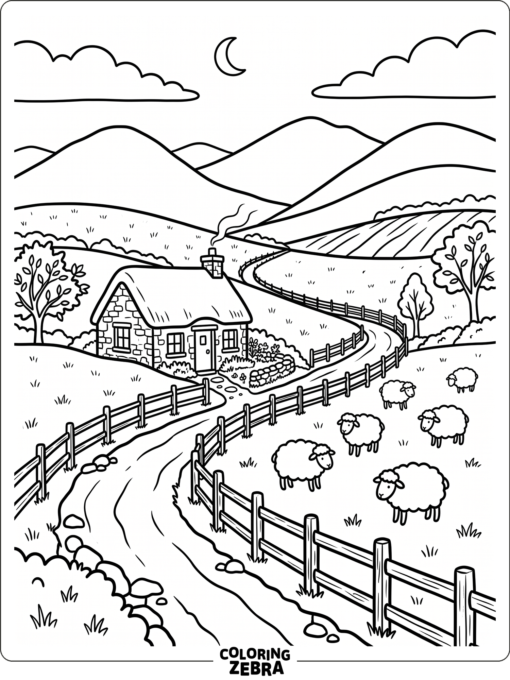

Irish Countryside Coloring Sheet
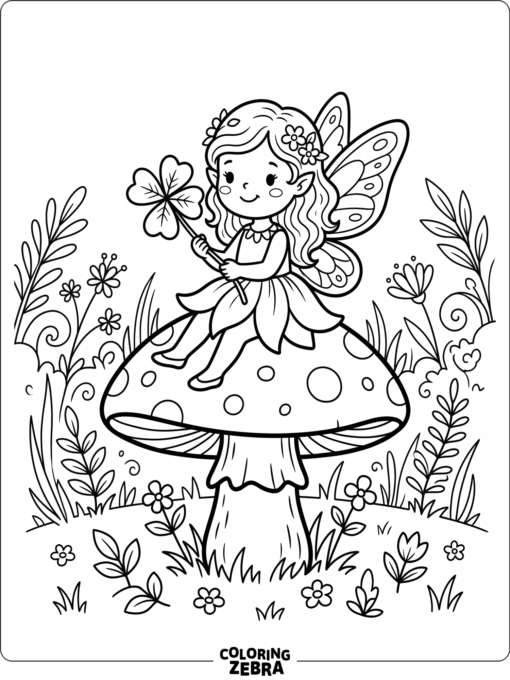

St. Patrick’s Day Fairy Printable
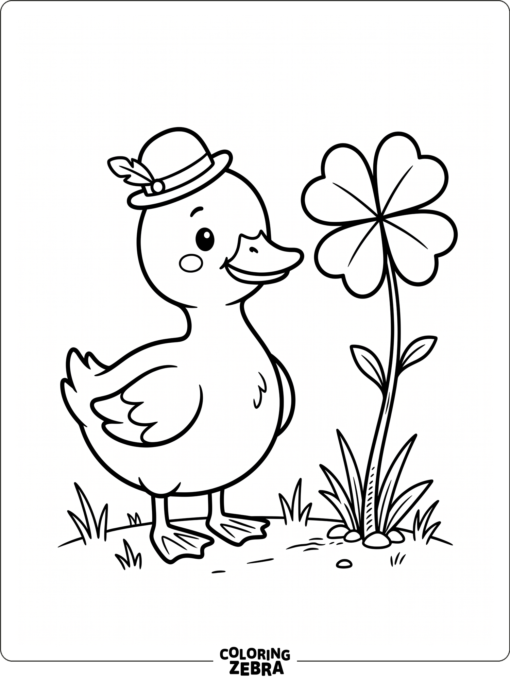

Lucky Duck Coloring Page
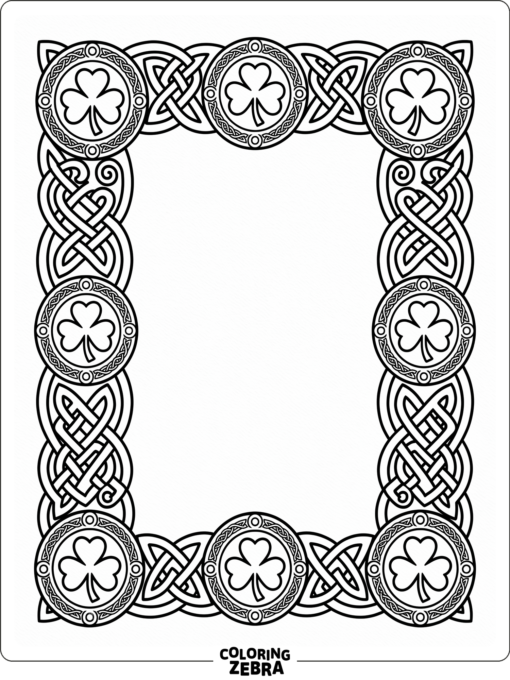

Celtic Pattern Coloring Sheet
Symbols, scenes, and characters in the collection
These St. Patrick’s Day Coloring Pages cover several sides of the March 17 celebration. Familiar holiday scenes feature waving leprechauns, buckled hats, rainbows, overflowing pots, loose coins, coin stacks, and trails leading toward treasure. Shamrocks appear as single bold plants, wreaths, ribbons, frames, medallions, and decorative accents. A separate four-leaf clover design makes it possible to compare two symbols that are often confused. The set also reaches beyond standard lucky motifs with an Irish flag, a map of Ireland, a harp, a Claddagh ring, a Celtic cross, a fiddle, bagpipes, and an Irish dancer.
The character selection is equally broad. Cats and kittens wear shamrock bows, collars, costumes, or carry balloons, while dogs appear in scarves, hats, bandanas, and other festive accessories. A dinosaur, unicorn, duck, sheep, fairy, gnome, and a group of three dressed-up animals add playful choices. A few recognizable character-inspired figures also appear in holiday clothing or beside coins; these can be treated simply as imaginative themed scenes without implying official affiliation.
Easy shapes and detailed patterns
The simplest pictures use broad outlines and uncluttered compositions. A large hat with a clover, a wide rainbow above clouds, a single shamrock, a bold four-leaf clover, and a centered coin are approachable choices for colorists who prefer generous open spaces. Young children may also enjoy the smiling shamrock mascot, the kitten with a small pot, or the duck beside a four-leaf clover. Crayons or broad colored pencils can fill these areas comfortably without requiring fine control.
More intricate St. Patrick’s Day Coloring Pages include a shamrock mandala, corner knotwork, Celtic swirls, carved cross details, and an ornate border with knot and shamrock medallions. Fine-tip markers or sharpened pencils can help separate overlapping lines and repeated shapes. One effective approach is to choose three or four colors for an entire knot pattern, repeating them in sequence. Another is to color the central shamrock first, use a lighter shade for surrounding curls, and reserve a contrasting tone for stars, ribbons, or medallions.
Green is a conventional choice for shamrocks, while yellow or metallic tones are often used for coins, but the line art does not require traditional colors. A rainbow can follow the familiar color order or become a personalized pattern. The Irish flag page can be colored as a vertical green, white, and orange tricolor; leaving the center section uncolored preserves the white band.
Shamrocks, clovers, and lucky objects
A shamrock is generally shown as a three-leaf plant. Tradition connects it with Saint Patrick, who is said to have used the three leaves to explain the Christian Trinity, although that account comes from later tradition. A four-leaf clover is a rarer variation associated with good luck rather than the same symbol under another name. Both forms appear in this collection, allowing children to compare their leaf counts directly.
Other lucky imagery includes horseshoes, a lucky shoe with clover charms, charm-themed boxes, ribbons, sparkling coins, and a coin stamped with a shamrock. Colorists could create a visual scavenger hunt by finding every horseshoe, coin, clover, ribbon, and rainbow in selected sheets. The easy math picture and sight-word hat also offer ways to practice counting, shape recognition, or reading without inventing equations or words that are not visible.
Saint Patrick and the March 17 tradition
Several St. Patrick’s Day Coloring Pages provide an opening for light historical discussion. Saint Patrick was a fifth-century Christian missionary associated with the spread of Christianity in Ireland, and March 17 is traditionally observed as his feast day. One design shows him holding a staff with shamrocks. Another combines an open Bible with Christian symbols, while a carved Celtic cross reflects the ringed crosses strongly associated with medieval Irish religious monuments.
The snake coiled among shamrocks refers to the legend that Saint Patrick drove snakes from Ireland. It should be presented as folklore rather than a verified historical event. Scientific evidence indicates that post-glacial Ireland did not have a native snake population. Children can still color the scene as a visual representation of a well-known story while learning the difference between legend and documented history.
Irish heritage beyond leprechauns
The harp is a longstanding national emblem of Ireland and appears on official state symbols and Irish coinage. The Claddagh design combines hands, a heart, and a crown, commonly interpreted as friendship, love, and loyalty. These elements make the harp and Claddagh sheets useful choices for discussing cultural symbols that are distinct from modern leprechaun decorations.
The Irish tricolor also carries historical symbolism. A common interpretation associates green and orange with different traditions and the white center with peace between them. The map, rolling hills, cottage, fence, and sheep can introduce Ireland’s geography and rural scenery without suggesting that the drawing depicts a particular town or landmark. The castle silhouette and clover-trimmed pub sign similarly suggest an Irish-inspired setting rather than a named place.
Music and movement appear through the Irish dancer, fiddle, harp, music notes, and bagpipes. The fiddle and harp have strong places in Irish musical traditions, while bagpipes occur in Ireland as well as other cultures. These pictures could accompany a short listening activity or a conversation about how music, dance, religious observance, folklore, and family heritage all became part of the holiday’s international identity.
Folklore, treasure, and decorative storytelling
Leprechauns come from Irish fairy folklore and were traditionally described as solitary figures associated with shoemaking and concealed treasure. Modern holiday art often places them beside rainbows, pots of gold, tall green hats, and piles of coins. The collection reflects that modern visual tradition through a waving leprechaun, a bearded figure with a walking stick, a character counting shamrocks, and several treasure scenes.
Fairies, a mushroom seat, a unicorn, and a lantern-carrying garden gnome extend the fantasy theme. These figures can inspire color choices based on setting: earthy browns and muted greens for a woodland mood, bright contrasting colors for a storybook scene, or a limited palette for a coordinated display. None of these folklore characters needs to be treated as historical; their value lies in storytelling, symbolism, and imaginative design.
Ways to use completed pictures
Finished St. Patrick’s Day Coloring Pages can become seasonal decorations, learning prompts, or keepsakes. Cut out a colored wreath for a door sign, display the Celtic border around a written message, or use individual coins and shamrocks as paper embellishments. A completed Irish blessing design can be shared without assuming or reproducing wording that is not clearly visible in the artwork.
- Create a symbol wall: Group the harp, flag, map, Claddagh, Celtic cross, and shamrock together, then label what each image represents.
- Compare artistic styles: Place a bold single-object sheet beside a detailed mandala to discuss line thickness, repetition, symmetry, and pattern.
- Build a folklore sequence: Arrange a leprechaun, rainbow, coin trail, and pot of gold into a visual story while identifying the elements as folklore.
- Make a family gallery: Let each person choose a different animal, cultural emblem, or decorative pattern so the display reflects varied interests.
- Practice kind messages: Add a personal note around the wreath, banner, or framed blessing instead of changing the original artwork.
Together, the printable pictures show why the holiday supports many coloring styles. Bold shapes suit quick sessions, animals and fantasy figures encourage playful palettes, and knotwork rewards patient attention to repeating lines. Historical and cultural emblems add context, while rainbows, treasure, and lucky charms preserve the lighthearted imagery associated with the modern celebration.
People Often Ask Us…
-
Why is St. Patrick’s Day on March 17?
-
Was Saint Patrick born in Ireland?
-
Why is green associated with the holiday?
-
Why is it called St. Paddy’s Day?
-
How did the feast become an international celebration?