
Juneteenth Coloring Pages
Juneteenth Coloring Pages connect the history of June 19 with images of freedom, heritage, and community celebration. Children can color flags, broken chains, picnics, parades, music, food, and fireworks. Historical scenes and classroom activities invite closer exploration of Texas, General Order Number 3, and key dates. Simple preschool pictures sit alongside detailed quilts, lettering, folk art, collages, and mandalas.
Print simple designs on standard printer paper, or use heavier paper for markers and finished displays. Select fit-to-page sizing to prevent borders and lettering from being cropped. Draft or grayscale mode can conserve ink because the line art will be covered with color.
Related coloring pages
Printable Juneteenth Coloring Pages

Juneteenth Flag Coloring Page

Juneteenth Coloring Page for Kids

Juneteenth Coloring Page for Adults
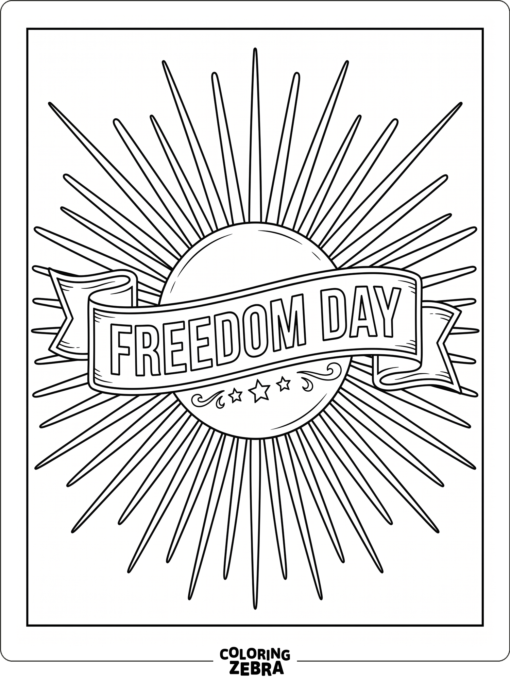

Freedom Day Juneteenth Coloring Page
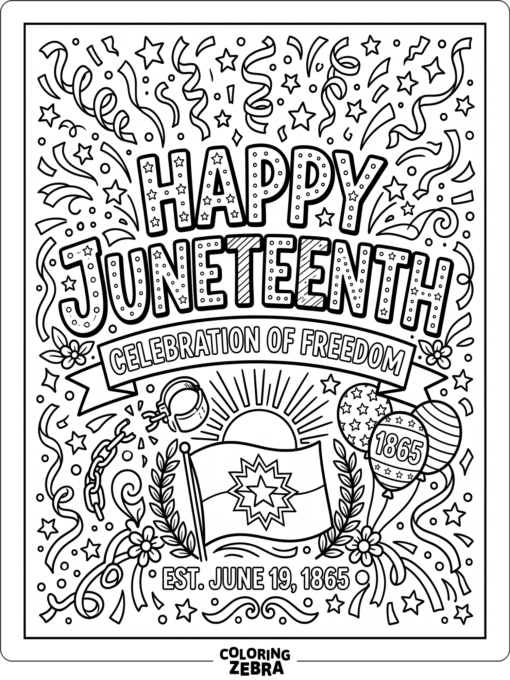

Happy Juneteenth Coloring Page
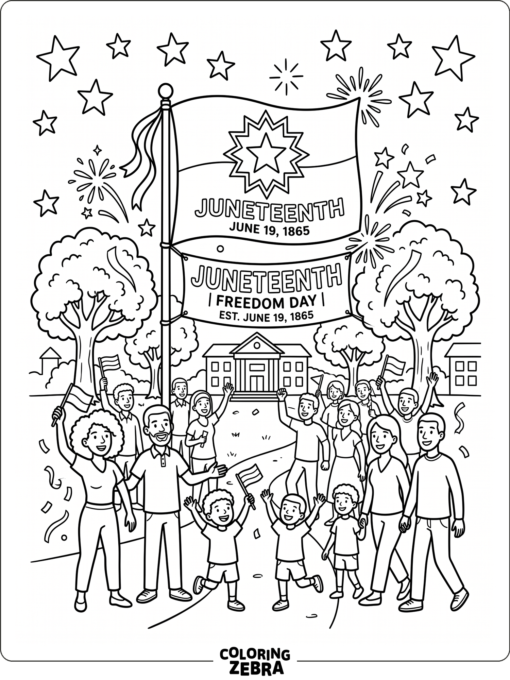

Easy Juneteenth Coloring Page
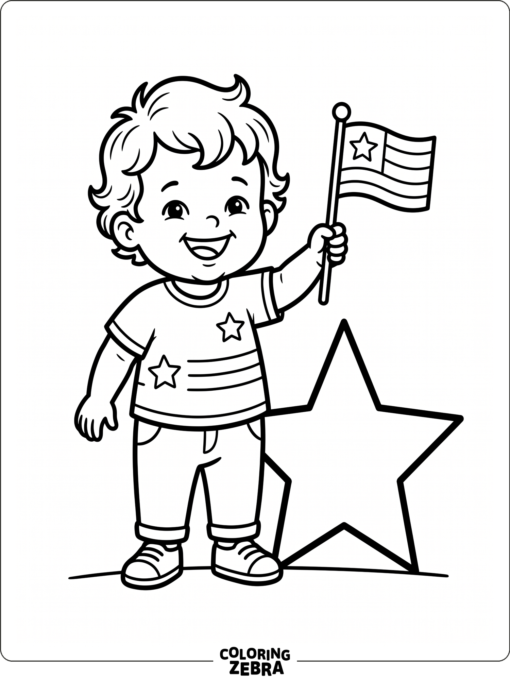

Juneteenth Coloring Page for Toddlers
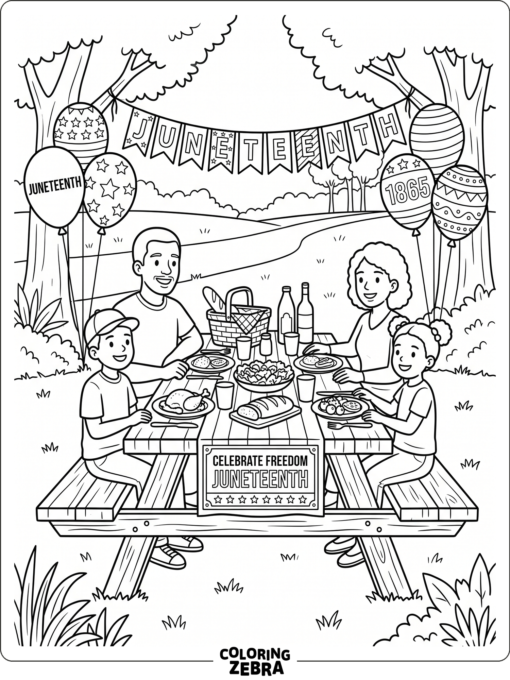

Juneteenth Celebration Coloring Page
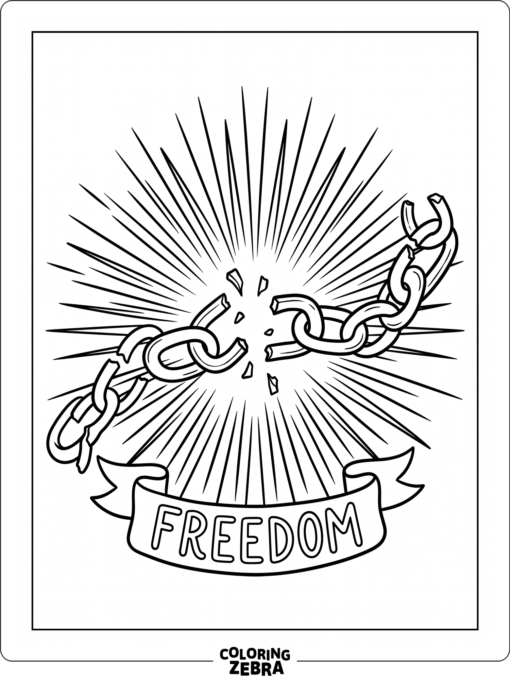

Juneteenth Broken Chains Coloring Page
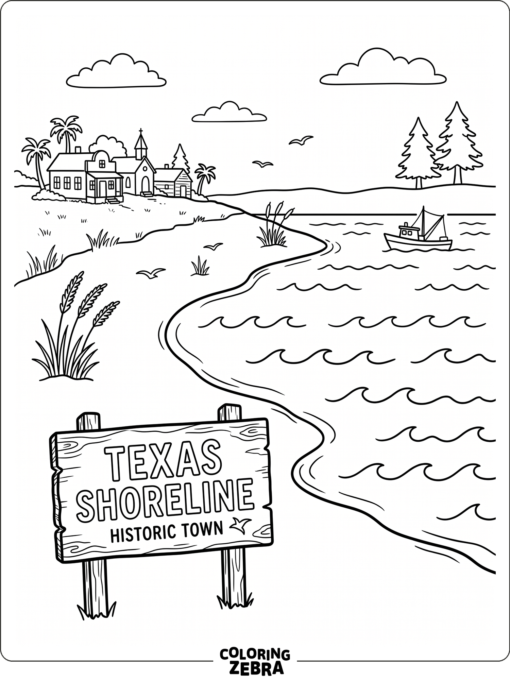

Juneteenth Galveston Texas Coloring Page
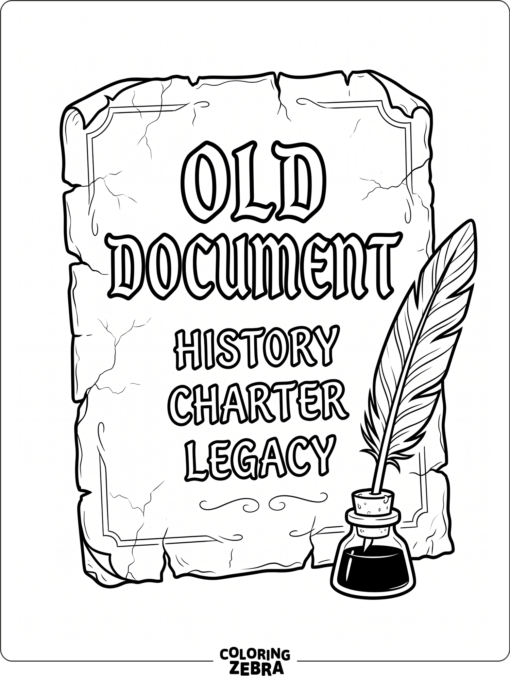

Juneteenth General Order No 3 Coloring Page
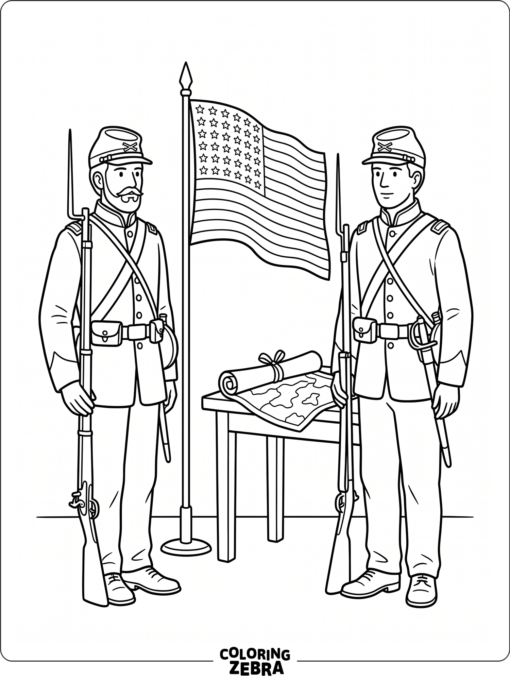

Juneteenth Union Soldiers Coloring Page
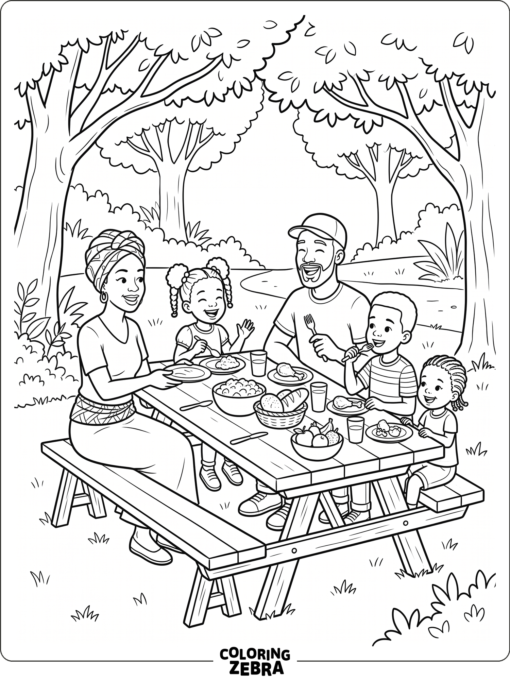

Juneteenth African American Family Coloring Page
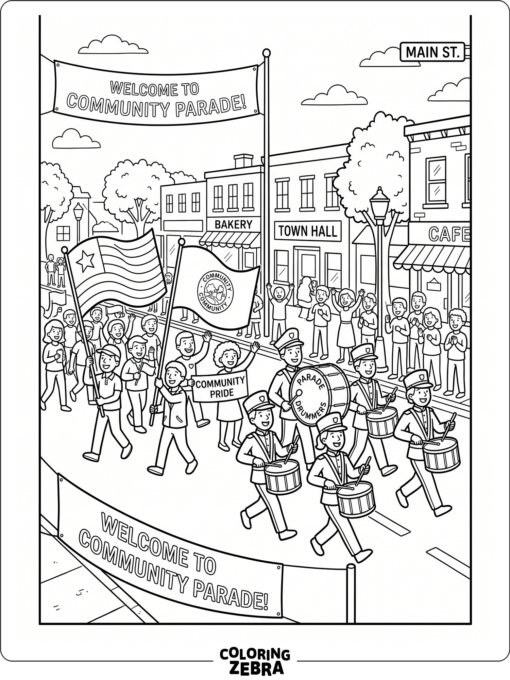

Juneteenth Parade Coloring Page
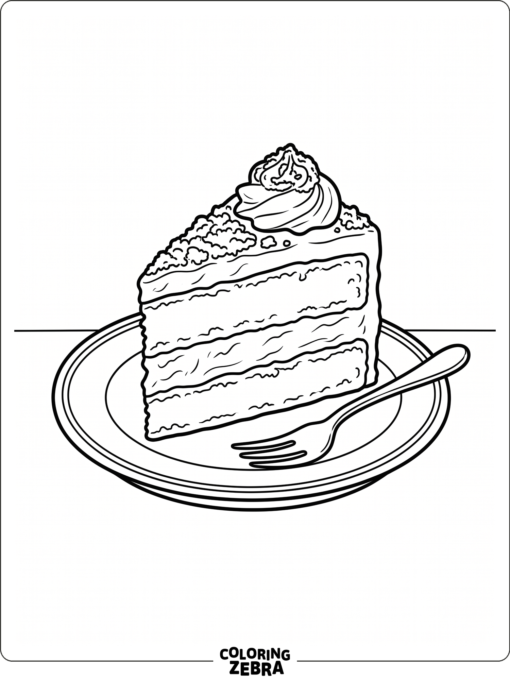

Juneteenth Red Velvet Cake Coloring Page
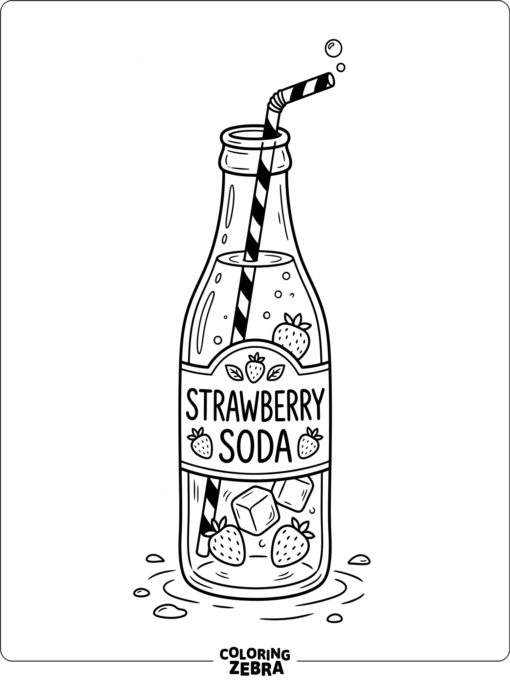

Juneteenth Strawberry Soda Coloring Page
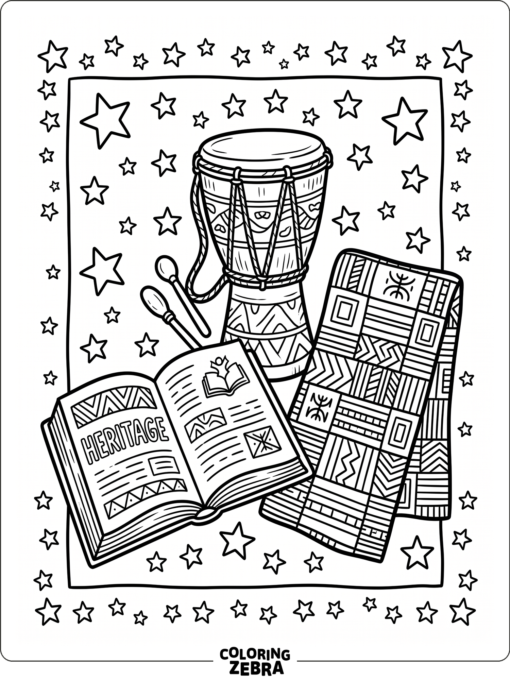

Juneteenth African American Heritage Coloring Page
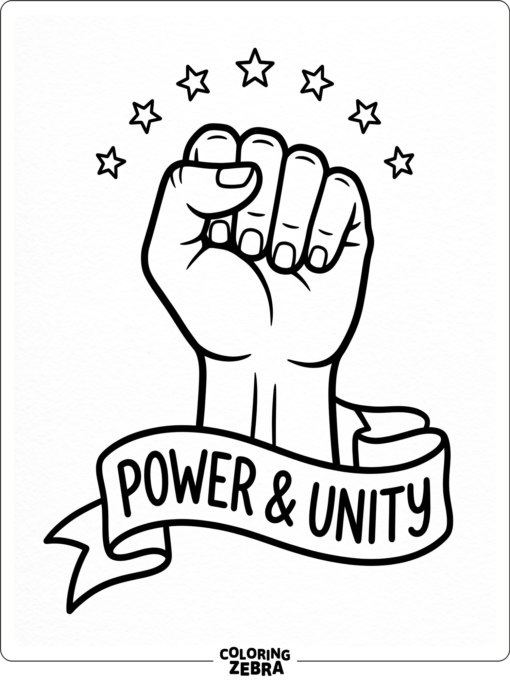

Juneteenth Raised Fist Coloring Page
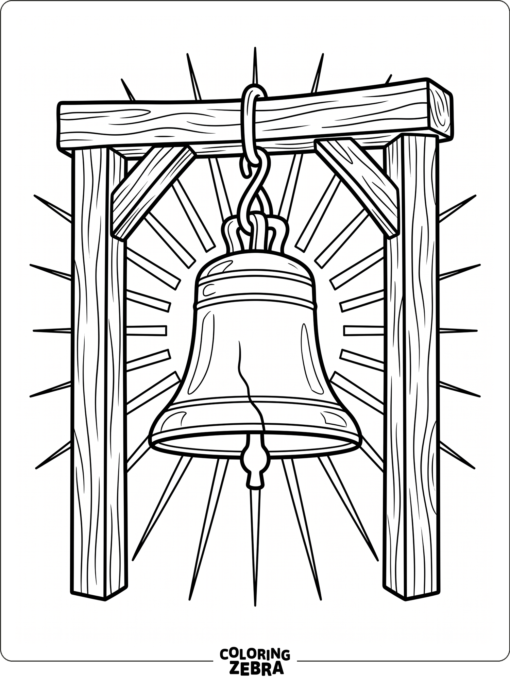

Juneteenth Freedom Bell Coloring Page
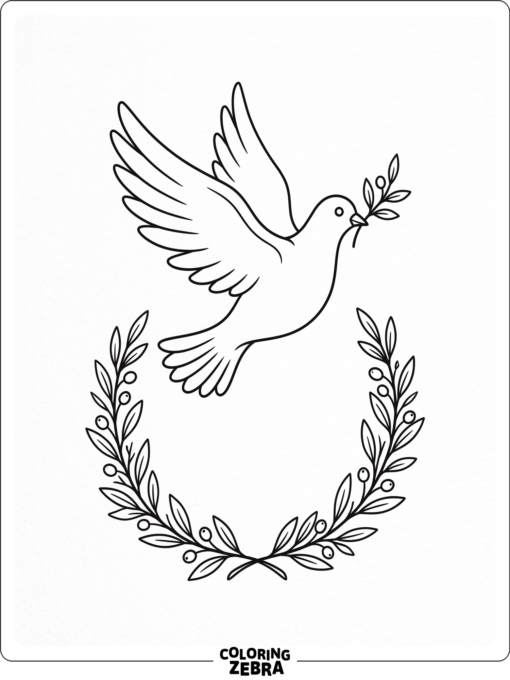

Juneteenth Peace Dove Coloring Page
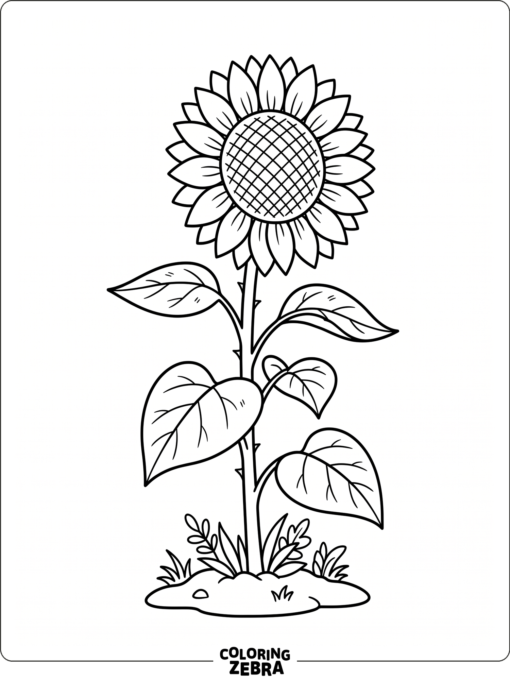

Juneteenth Sunflower Coloring Page
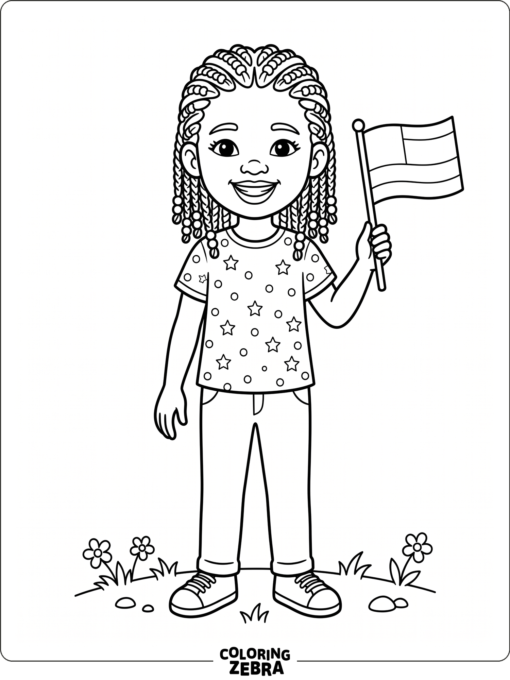

Juneteenth Black Girl Coloring Page
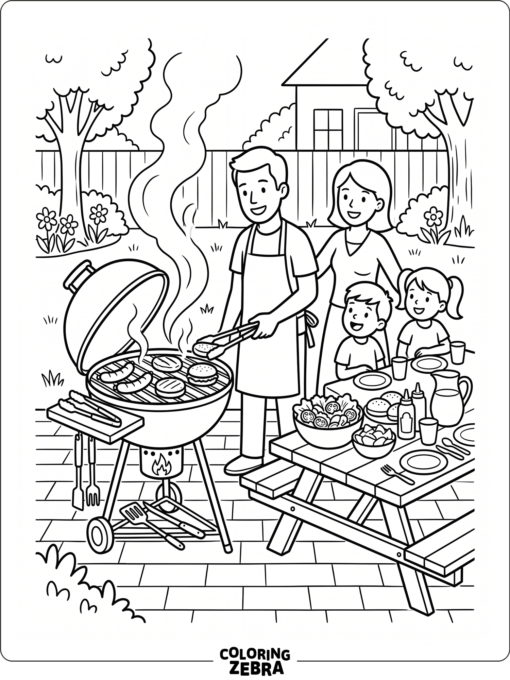

Juneteenth Barbecue Coloring Page
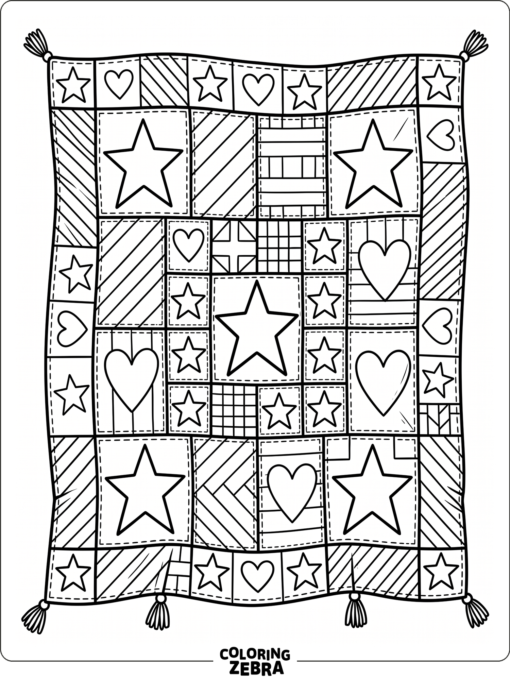

Juneteenth Freedom Quilt Coloring Page
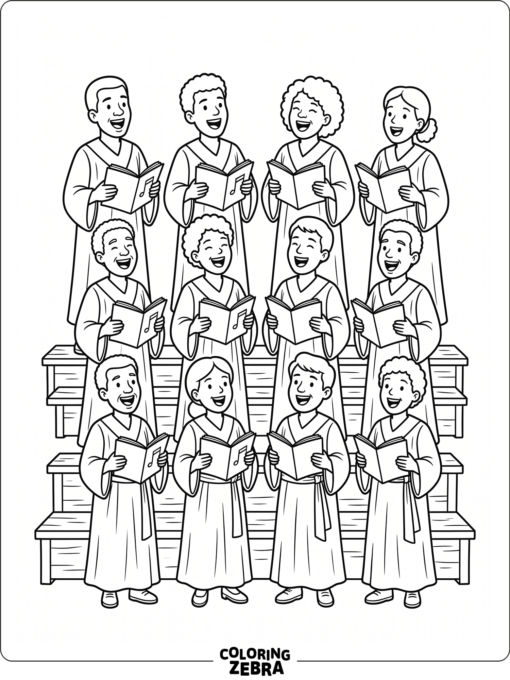

Juneteenth Gospel Choir Coloring Page
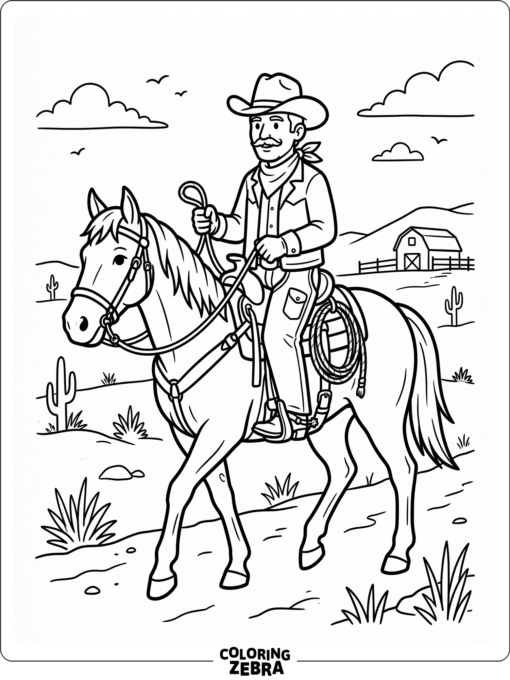

Juneteenth Texas Cowboys Coloring Page
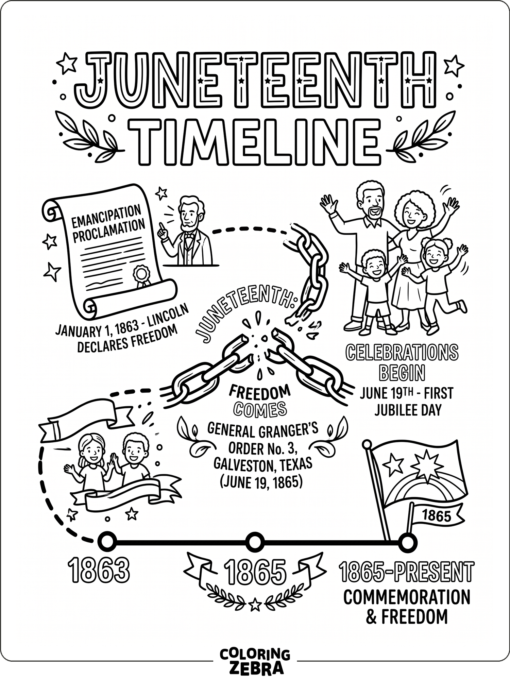

Juneteenth Historical Timeline Coloring Page
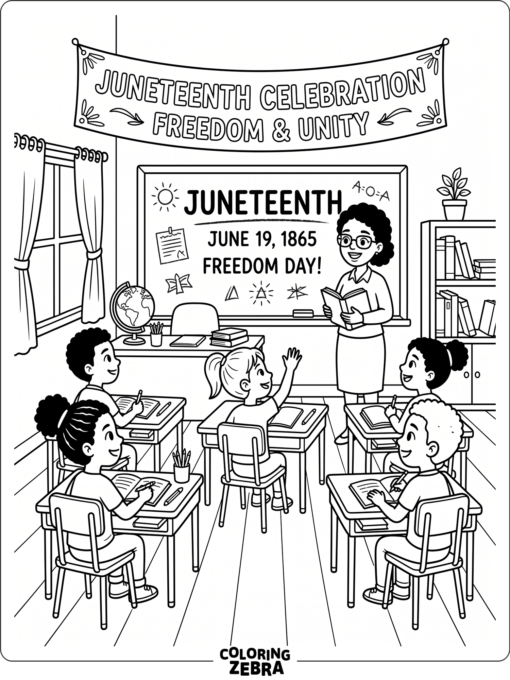

Juneteenth School Classroom Coloring Page
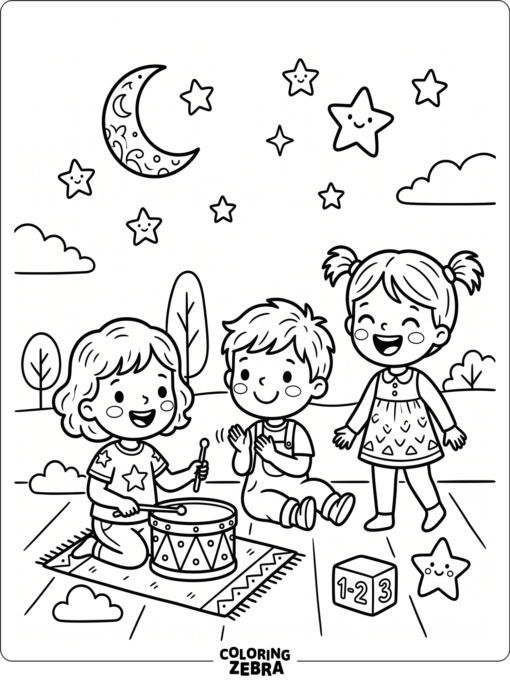

Juneteenth Coloring Page for Preschoolers
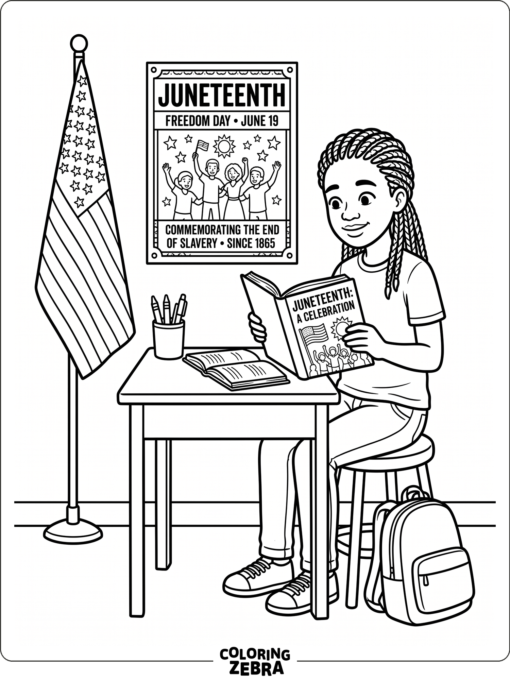

Juneteenth Coloring Page for Middle School

Juneteenth Tracing Coloring Page
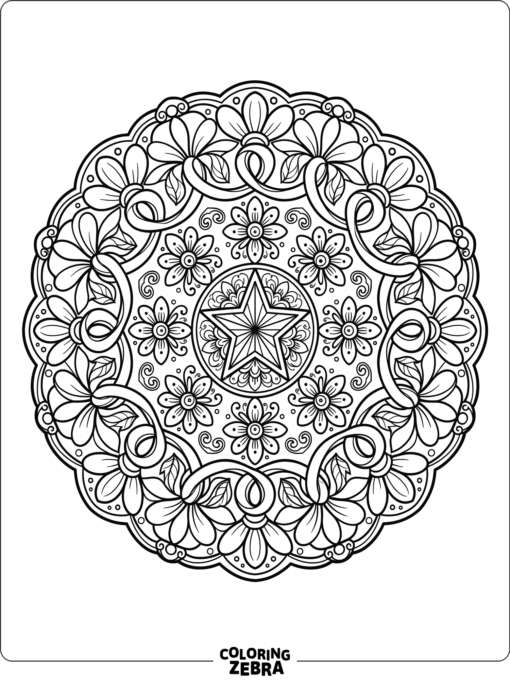

Juneteenth Mandala Coloring Page
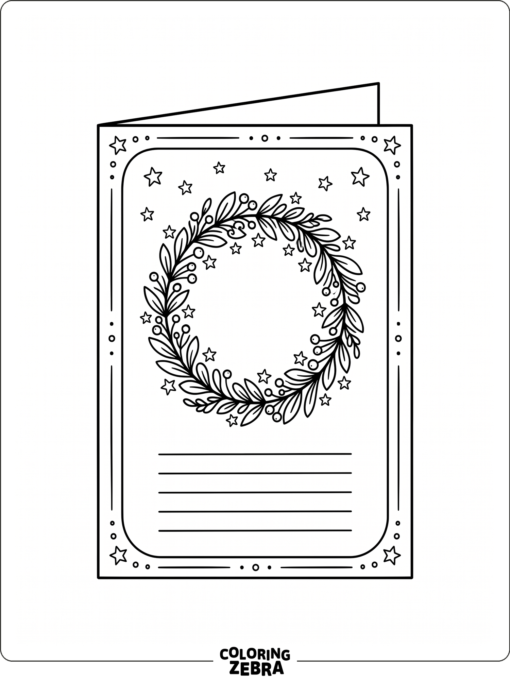

Juneteenth Greeting Card Coloring Page
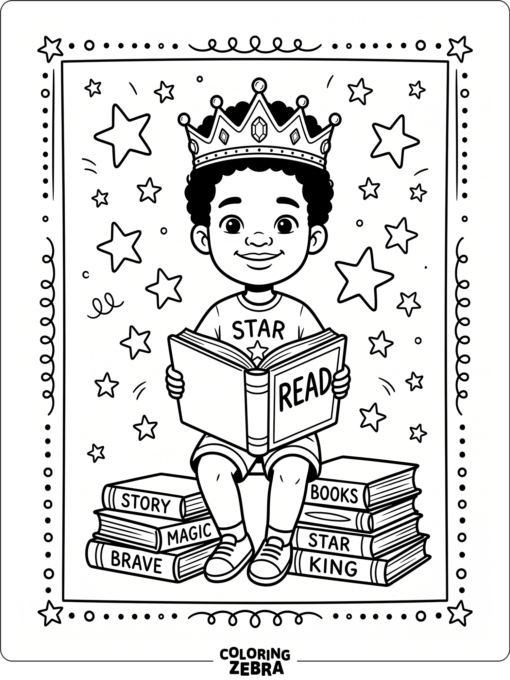

Juneteenth Black Excellence Coloring Page
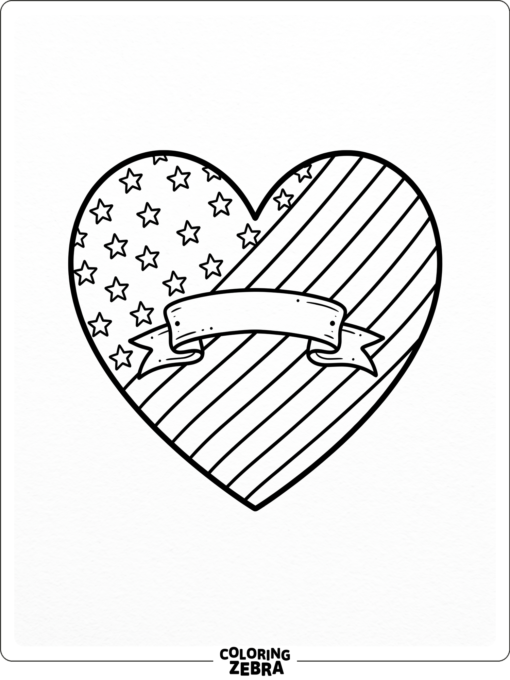

Juneteenth Heart Coloring Page
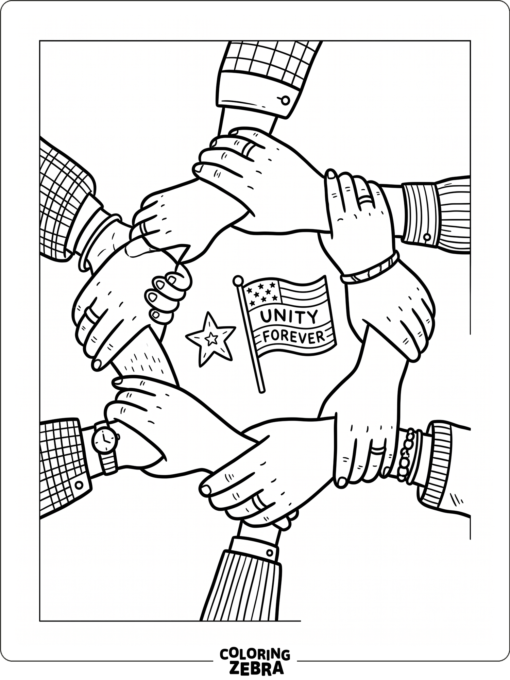

Juneteenth Unity Hands Coloring Page
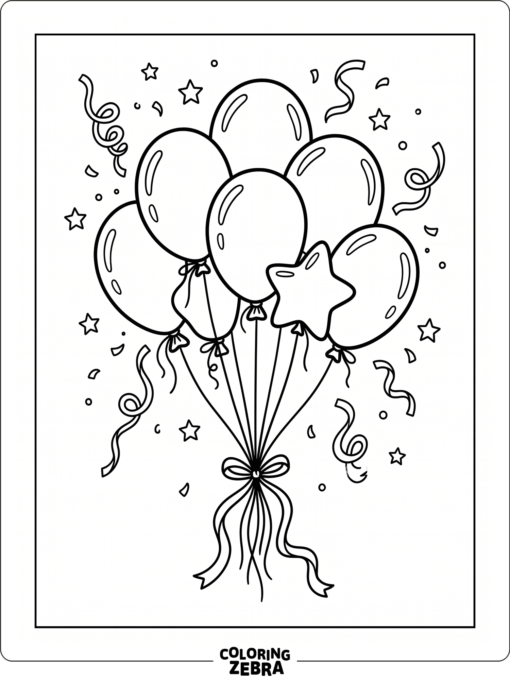

Juneteenth Balloons Coloring Page
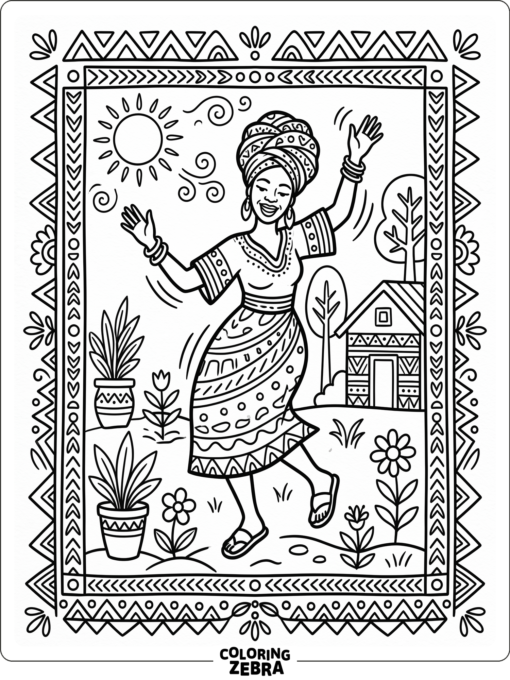

Juneteenth African American Folk Art Coloring Page
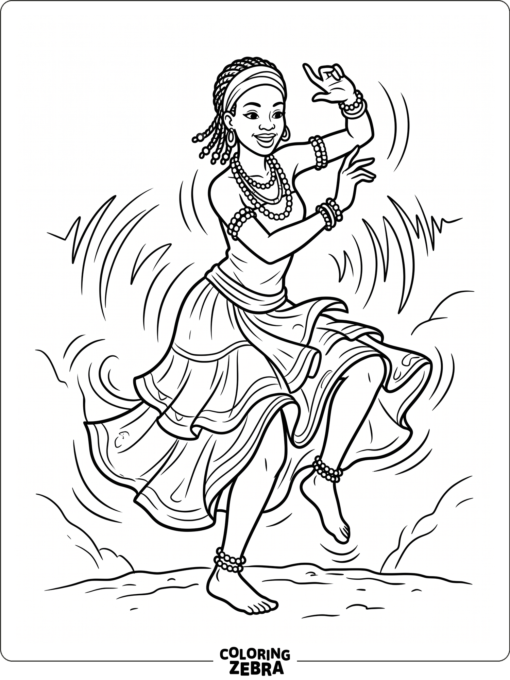

Juneteenth African Dance Coloring Page

Juneteenth African Drum Coloring Page

Juneteenth Poetry Coloring Page

Juneteenth Freedom Torch Coloring Page

Juneteenth Fireworks Coloring Page
Freedom, History, and Community
These Juneteenth Coloring Pages present the holiday through three closely connected themes: remembrance, freedom, and community. The collection includes children and families, historical documents, Texas scenes, celebratory lettering, symbolic artwork, and public gatherings. Its range extends from a toddler holding a small flag and preschool children gathered around a drum to intricate quilt, mandala, collage, floral, and folk-art compositions for older colorists.
What Juneteenth Commemorates
Juneteenth marks June 19, 1865, when Union Major General Gordon Granger issued General Order No. 3 in Galveston, Texas, announcing that enslaved people in Texas were free. The Emancipation Proclamation had taken effect on January 1, 1863, but it applied to enslaved people in states rebelling against the United States and could not be enforced everywhere immediately. June 19 was therefore a crucial moment in a longer emancipation history rather than the date slavery ended throughout the entire country.
The Thirteenth Amendment, ratified in December 1865, abolished slavery except as punishment for a crime. The earliest known Juneteenth observances began in Texas in 1866, while Texas recognized the date as an official state holiday in 1980. Juneteenth National Independence Day became a federal holiday in 2021. A date-based coloring activity can help learners place these events in sequence instead of treating emancipation as a single isolated event.
History Shown in the Pictures
The historical Juneteenth coloring sheets include General Order No. 3 depicted on parchment with a quill, Union soldiers beside a flag and map, and a timeline paired with a broken chain. A Texas shoreline and town sign establish a coastal historical setting without requiring readers to infer the sign’s wording or a more specific location. A Texas cowboy on horseback offers a different view of the state’s cultural setting.
Educational formats continue with a classroom scene, a student reading near a Juneteenth poster, a notebook page, tracing letters, and a confident Black child surrounded by books, a crown, and stars. These pictures can prompt age-appropriate conversations about primary documents, historical timelines, literacy, and whose experiences are centered in accounts of American history.
Symbols of Freedom and Hope
Broken chain links, light rays, a hanging freedom bell, a torch, a peace dove, joined hands, and a raised fist give colorists several ways to explore ideas such as liberation, hope, peace, solidarity, and empowerment. These are broad artistic metaphors rather than official Juneteenth emblems. Hearts, stars, ribbons, banners, sunbursts, and crowns add celebratory details without replacing the historical meaning of the observance.
Flags appear throughout the set, including handheld flags, parade flags, and flag-themed decorations. The commonly recognized Juneteenth flag uses a star associated with Texas, an outlined burst or nova suggesting new freedom, and a curved horizon connected with new possibilities. That background can support discussion, but the exact colors and designs of the flags pictured here are not established by their descriptions.
Families and Community Observances
Several printable Juneteenth pictures center Black children and African American families rather than relying only on abstract symbols. A young Black girl with braids holds a small flag, smiling children display a sign, and a family shares a picnic meal. Other scenes feature a barbecue, a community parade with marchers and drums, a gospel choir with songbooks, an expressive dance pose, and hands playing a large drum.
These scenes reflect some of the many ways communities observe Juneteenth, including reunions, shared meals, parades, worship services, music, dance, readings, and historical programs. Balloons, streamers, confetti, and fireworks above a skyline emphasize celebration, while books, quilts, music, and folk art can open conversations about memory, faith, storytelling, and African American cultural heritage. Traditions vary among families and regions, so no single scene should be treated as a required way to observe the day.
Food Traditions
A slice of red velvet cake and a strawberry soda bottle connect the collection with the red foods and drinks served at many Juneteenth gatherings. Interpretations of red include remembrance, resilience, sacrifice, and connections to African and African diasporic food traditions. Because the origins and meanings are described in different ways, it is more accurate to explore these interpretations than to present one explanation as universal. The picnic and barbecue pages place food in its communal setting of gathering and sharing.
Choosing a Design and Coloring Style
The easiest Juneteenth Coloring Pages use bold, open forms such as a flag with stars, a sunflower, balloons, a heart, or a toddler portrait. Crayons and broad washable markers suit these low-detail spaces. Tracing letters can be completed first with a pencil and then outlined, helping early learners practice controlled strokes before coloring the surrounding stars.
Older children and adults can work more slowly on floral lettering, a wreath-style greeting card, a patterned folk-art figure, a heritage collage, or a patchwork freedom quilt filled with stars, hearts, and stripes. Repeating a small palette across the quilt blocks creates unity, while changing colors from section to section makes the central-star mandala more rhythmic. Fine pencils are useful around flower petals, ribbon shapes, beads, patterned borders, and musical accents.
- For lettering: Use one color family for the words and contrasting shades for flowers, ribbons, confetti, or sunbursts.
- For historical scenes: Color the people and setting first, then use restrained shading on the parchment, map, shoreline, and timeline so important details remain legible.
- For group scenes: Vary clothing and decorations while repeating a few colors in flags, stars, and banners to connect the composition.
- For symbolic pages: Place the strongest contrast around the broken chain, bell, torch, dove, or joined hands to establish a clear focal point.
Ways to Use the Finished Artwork
Finished Juneteenth Coloring Pages can support a classroom history display, library exhibit, family reflection activity, or community celebration. Arrange the historical pictures in chronological order, then place present-day picnic, parade, choir, and fireworks scenes beside them to compare remembrance with current observances. Students can add brief researched captions about 1863, June 19, 1865, the Thirteenth Amendment, Texas recognition in 1980, and federal recognition in 2021.
The greeting-card design can hold a personal message, while decorative lettering and floral pages work well as display headings. Quilt blocks may be assembled into a collaborative paper mural, and the joined-hands image can accompany a discussion of community responsibility. Whether a page says Juneteenth, Happy Juneteenth, or Freedom Day, the finished work can reinforce an accurate central idea: the holiday honors freedom, African American history, remembrance, family, and the continuing work of building a more just society.
People Often Ask Us…
-
Why is it called Juneteenth?
-
Why was freedom delayed in Texas?
-
What happened after General Order No. 3?
-
Is Juneteenth the same as Emancipation Day?
-
How did Juneteenth spread beyond Texas?