
American Flag Coloring Pages
American Flag Coloring Pages trace the stars and stripes from an early 13-star design to today’s 50-star flag. Broad outlines and open spaces make several sheets approachable for young colorists. More detailed choices pair the flag with eagles, landmarks, maps, fireworks, classrooms, and parade scenes. Waving fabric, crisp stripes, tiny stars, and decorative patterns offer interesting contrasts to color and explore.
Use standard printer paper for crayons and colored pencils, or choose heavier paper for markers to reduce bleeding and wrinkling. Select “fit to printable area” for the full design, and use grayscale or draft mode when you want to conserve ink.
Related coloring pages
Printable American Flag Coloring Pages
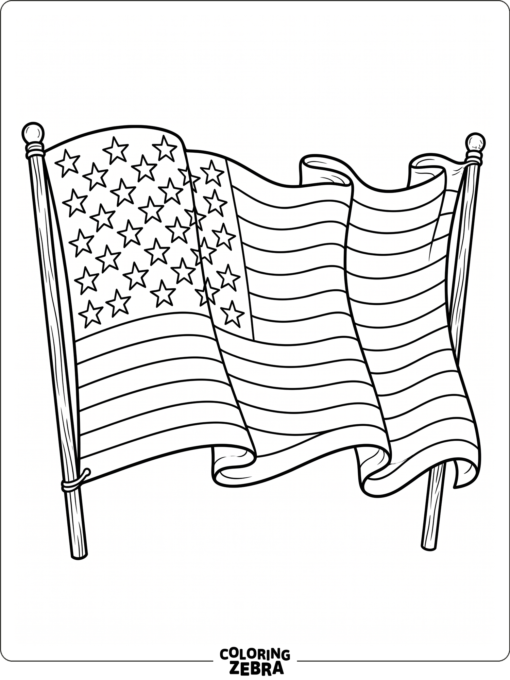

Easy American Flag Coloring Page
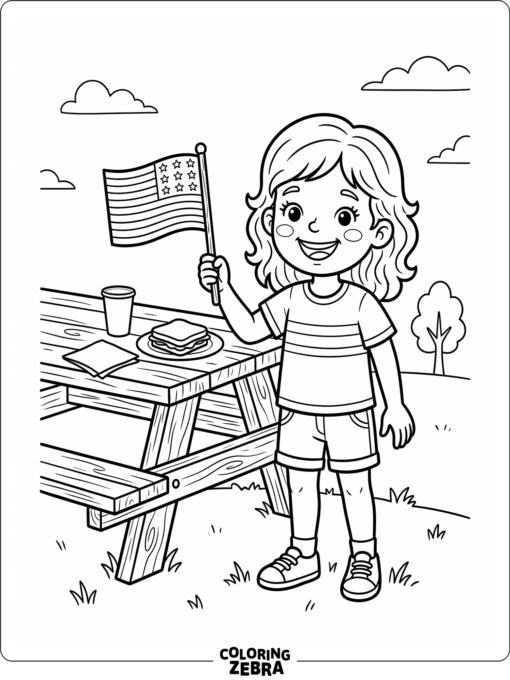

American Flag Coloring Page for Kids
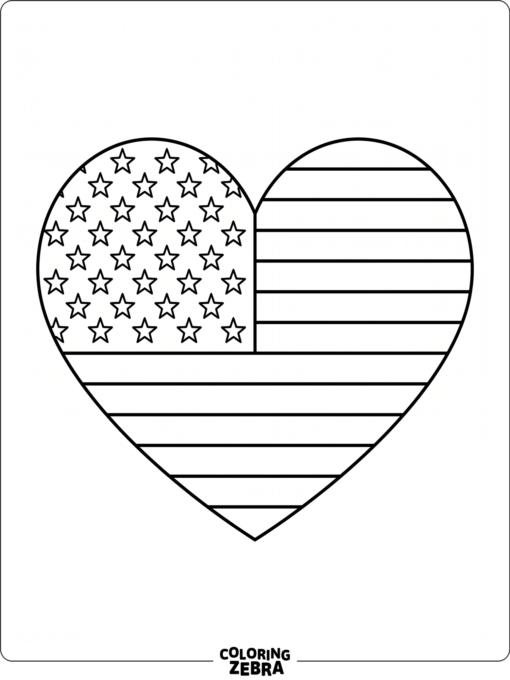

American Flag Heart Coloring Page
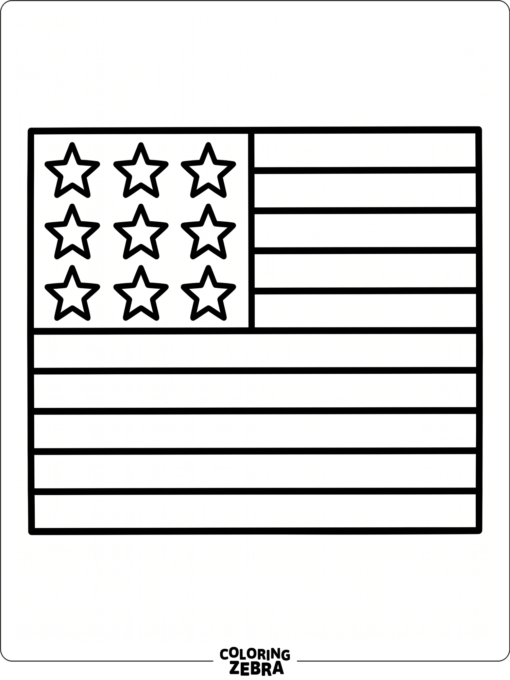

American Flag Coloring Page Kindergarten
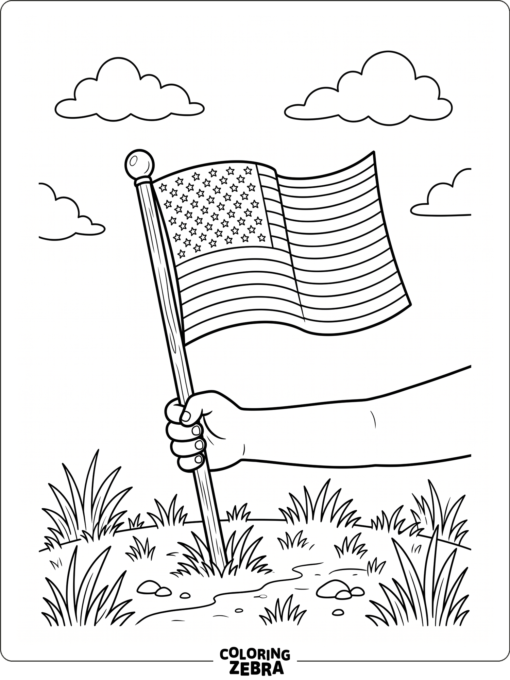

Preschool American Flag Coloring Page
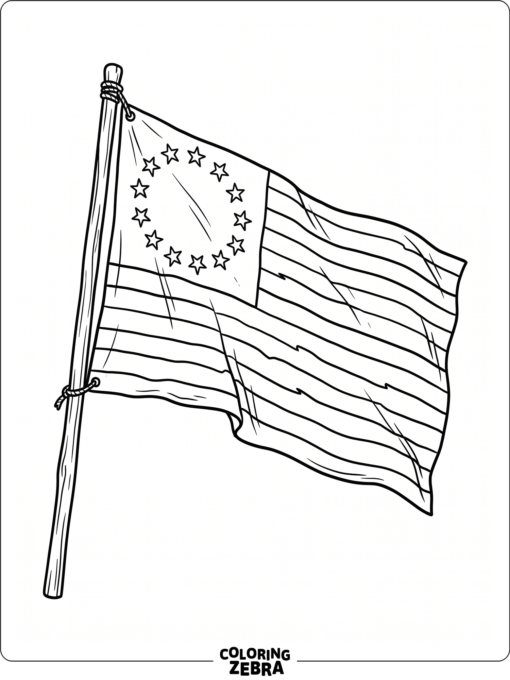

First American Flag Coloring Page
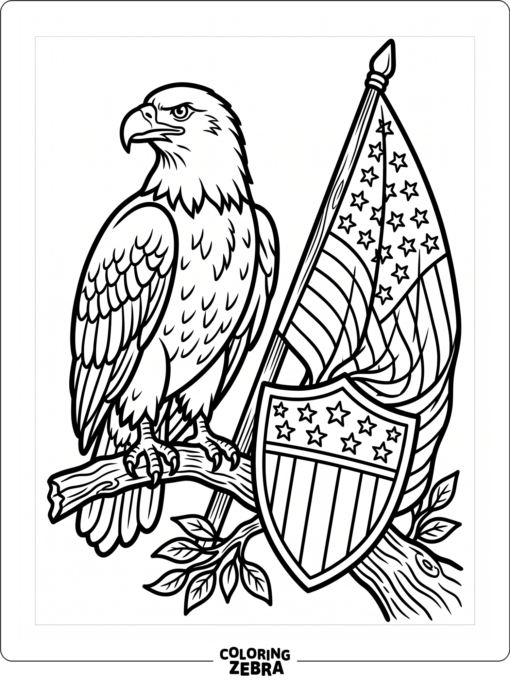

Bald Eagle With American Flag Coloring Page
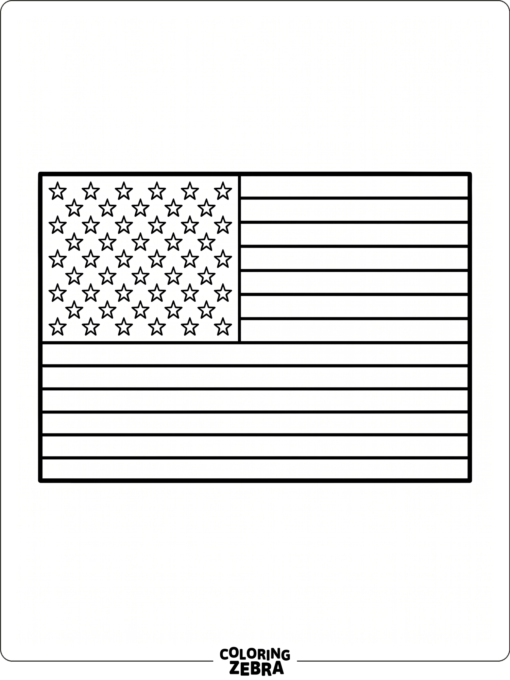

Blank American Flag Coloring Page
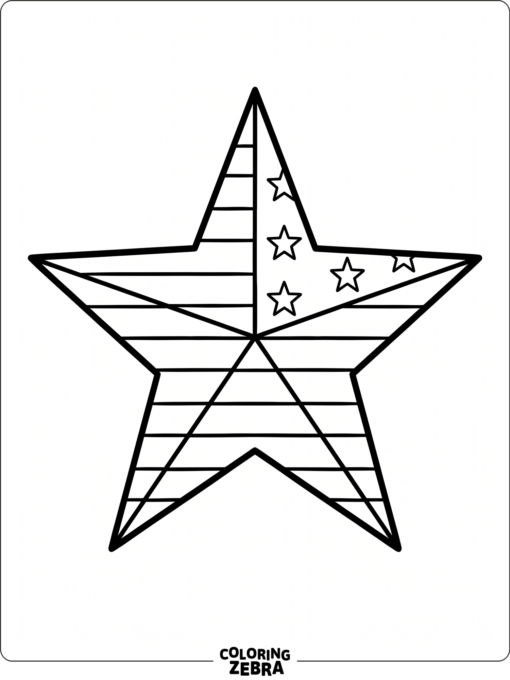

American Flag Star Coloring Page
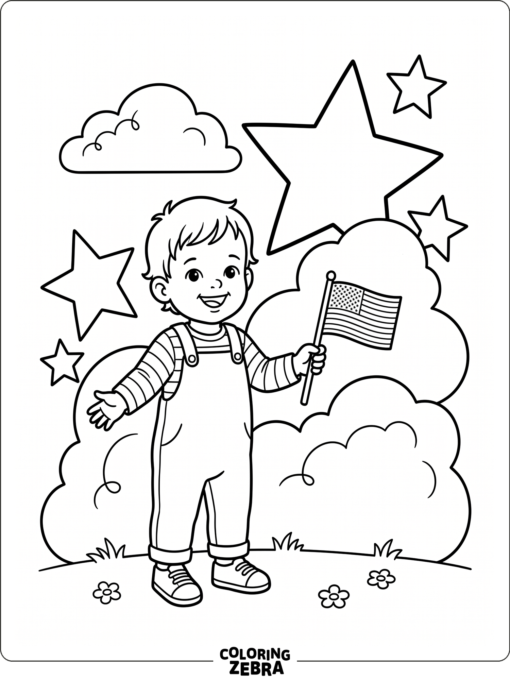

American Flag Coloring Page for Toddlers
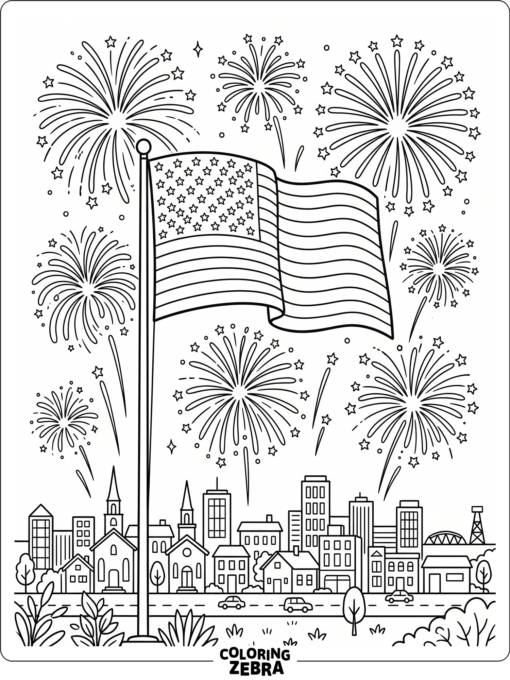

American Flag and Fireworks Coloring Page
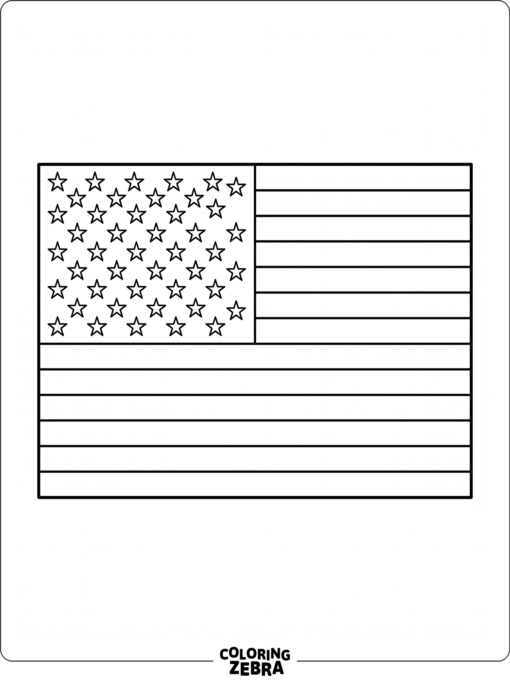

American Flag 50 Stars Coloring Page
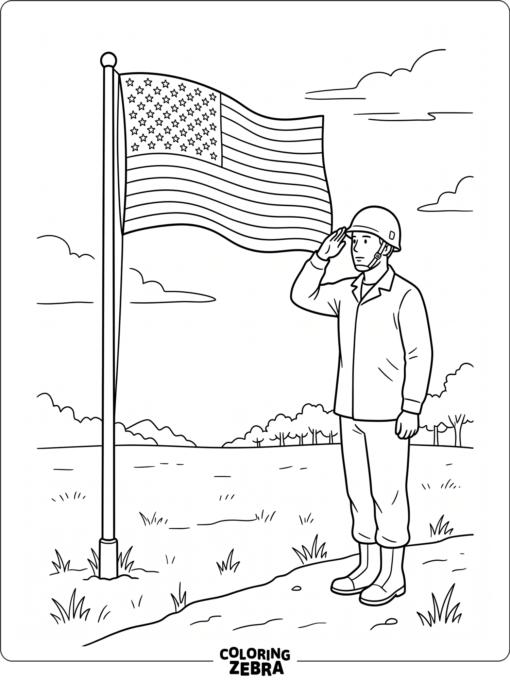

Military American Flag Coloring Page
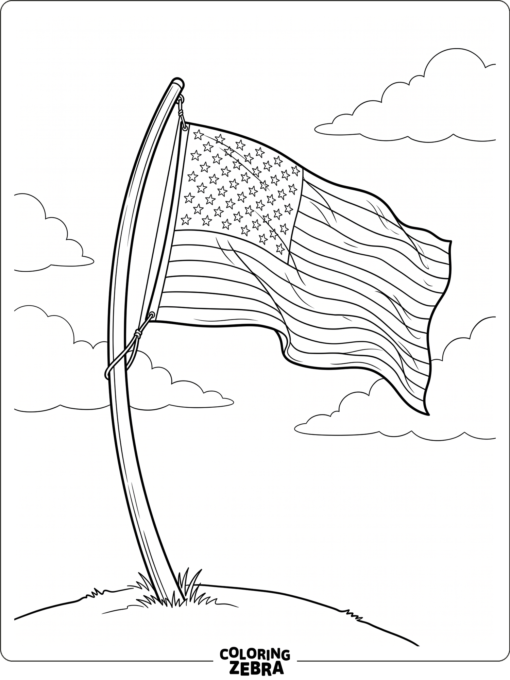

Waving American Flag Coloring Page
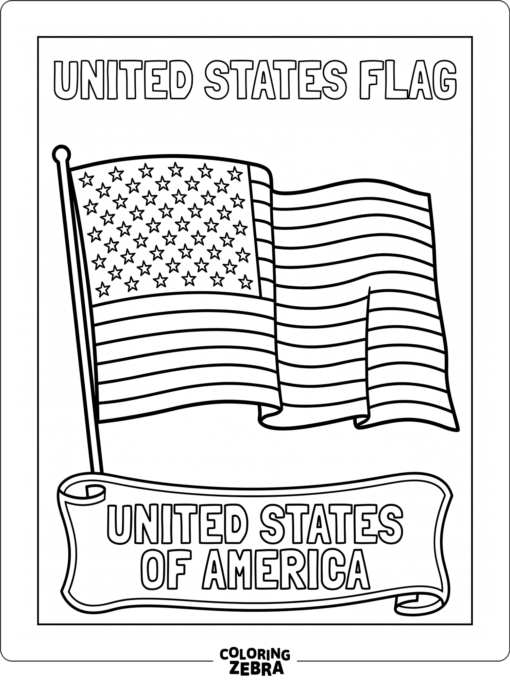

United States Flag Coloring Page
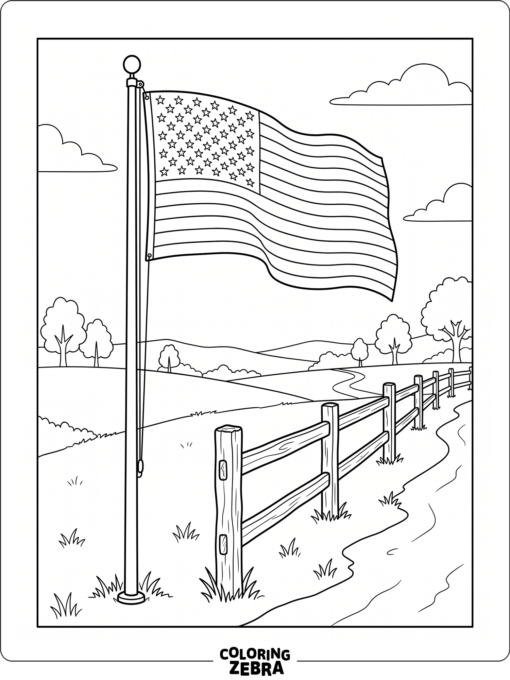

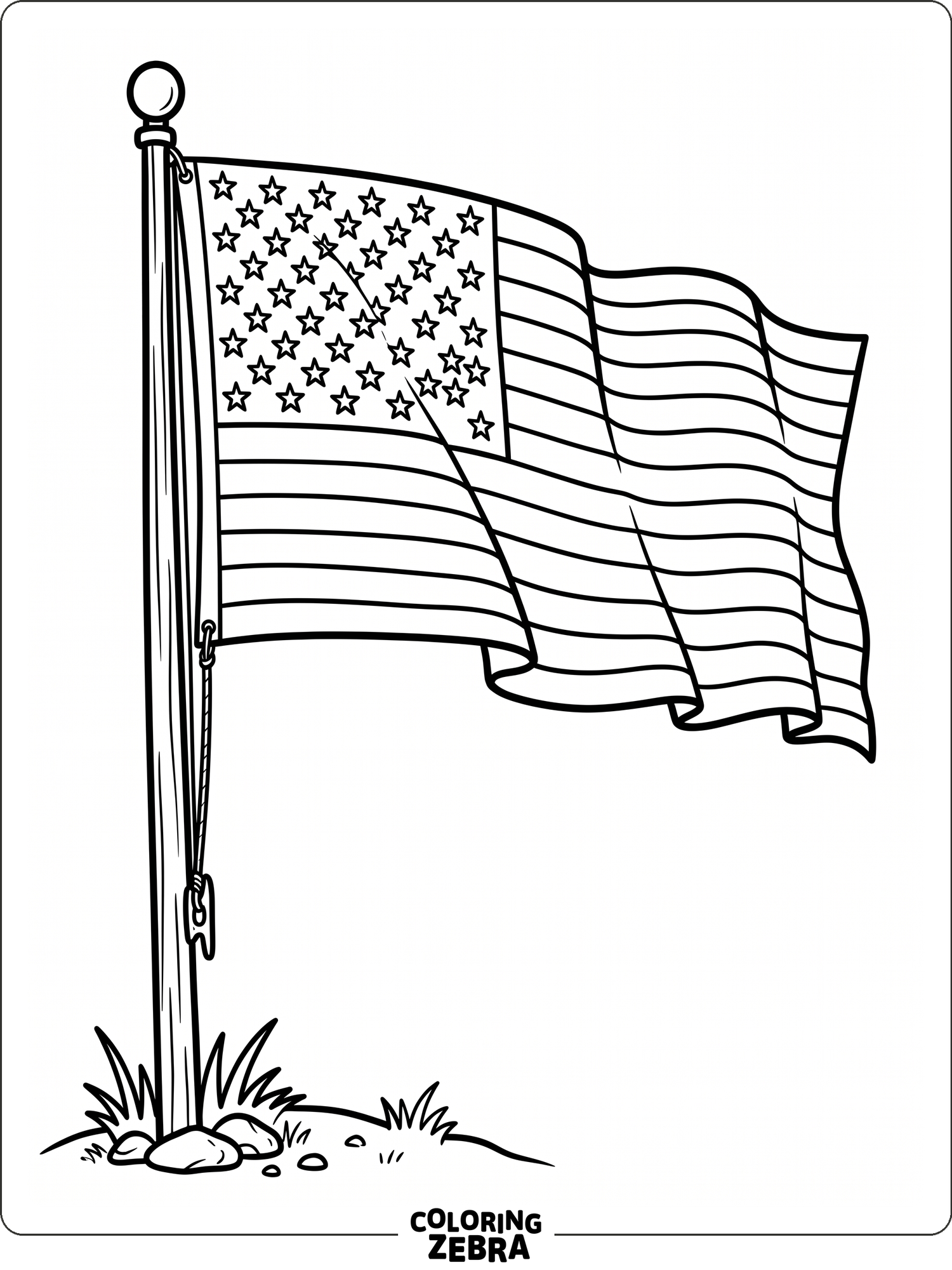
American Flag on Flagpole Coloring Page
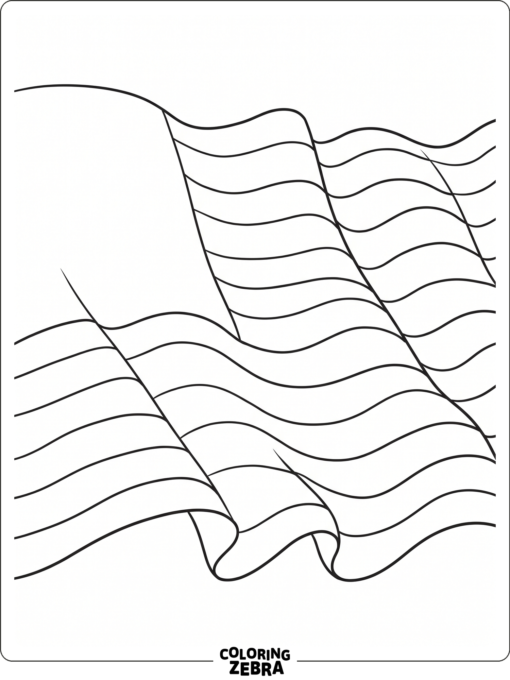

American Flag Stripes Coloring Page
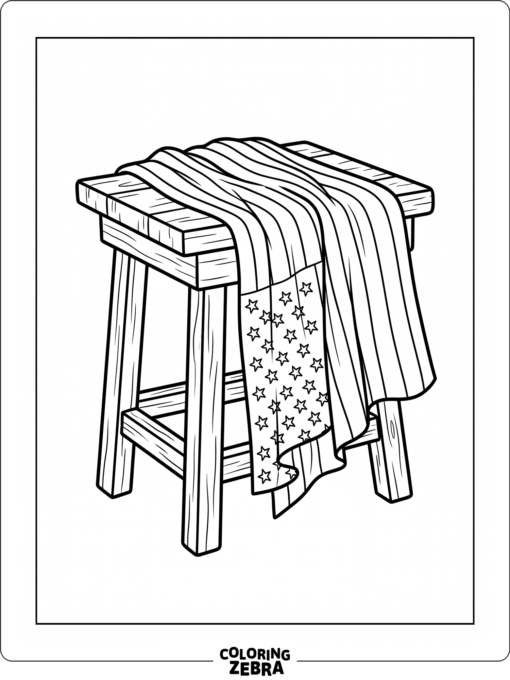

Red White and Blue Flag Coloring Page
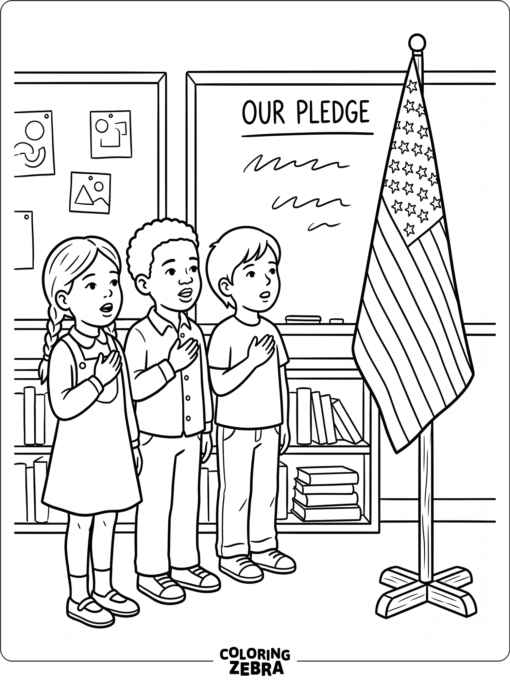

Pledge of Allegiance Coloring Page
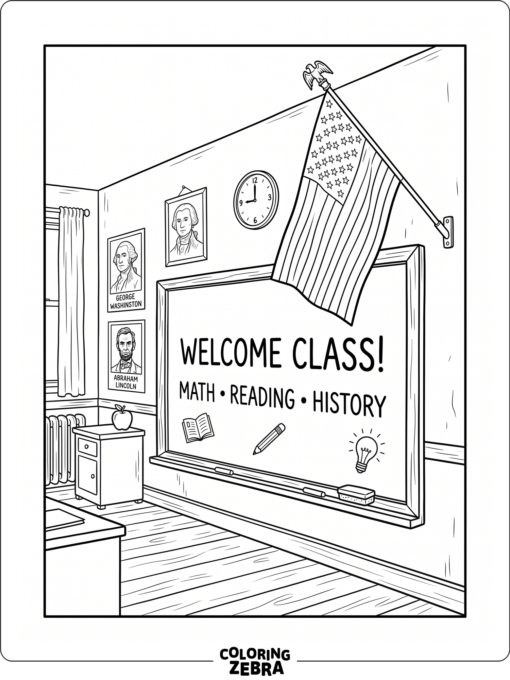

American Flag Classroom Coloring Page
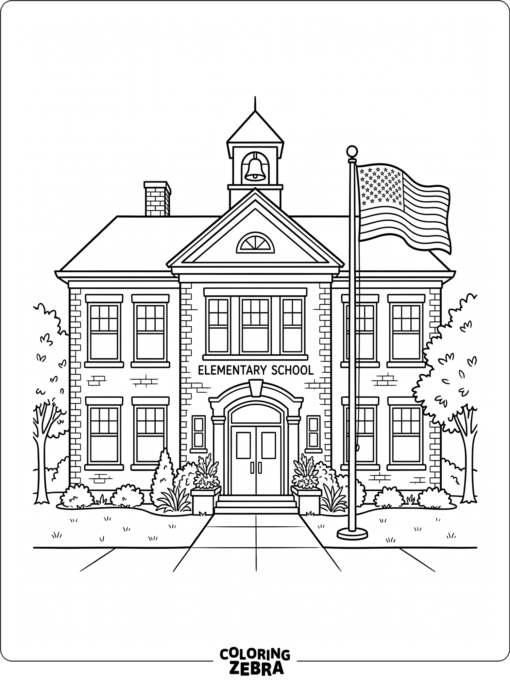

American Flag School Coloring Page
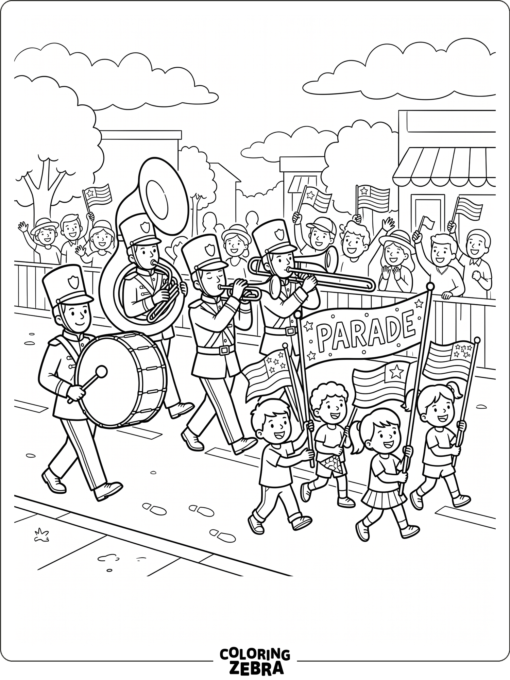

American Flag Parade Coloring Page
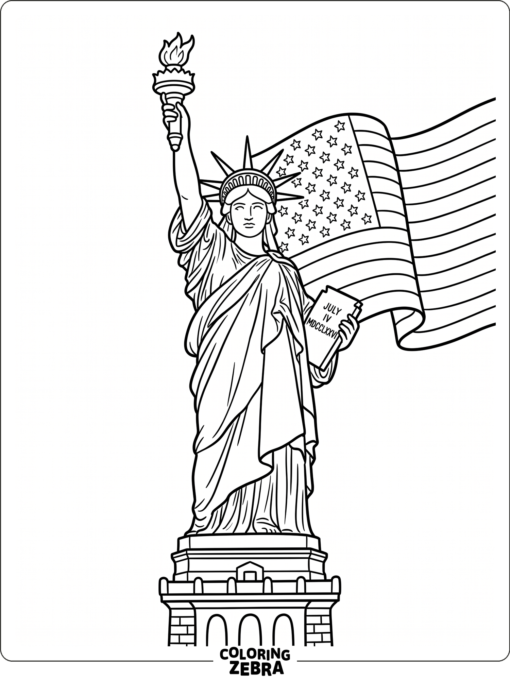

Statue of Liberty With American Flag Coloring Page
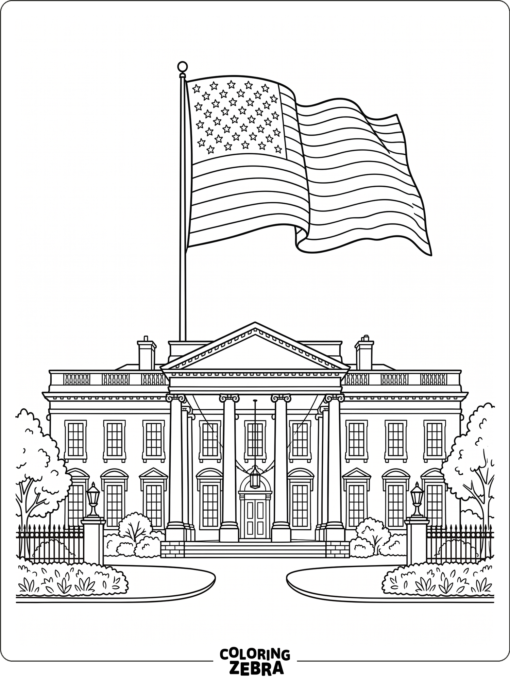

White House American Flag Coloring Page
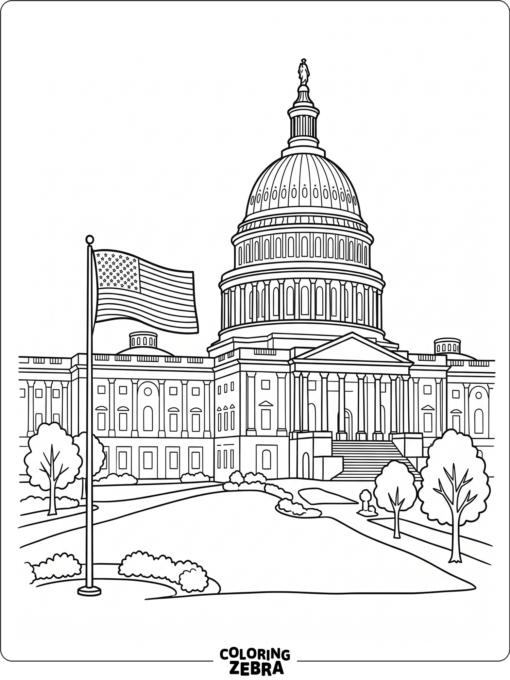

US Capitol American Flag Coloring Page
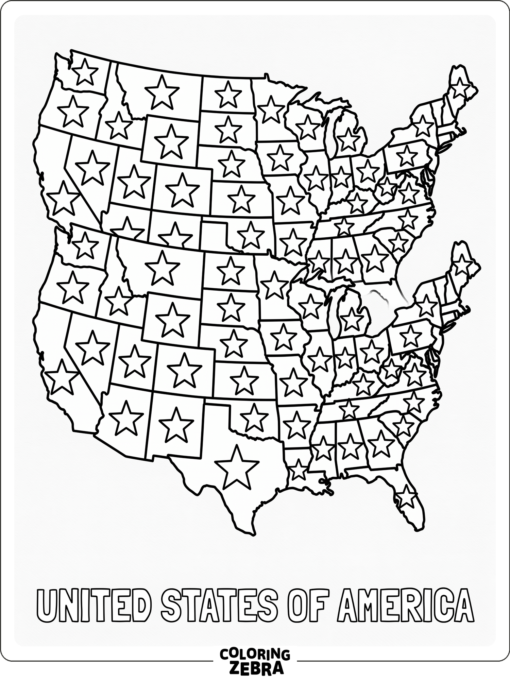

American Flag Map Coloring Page
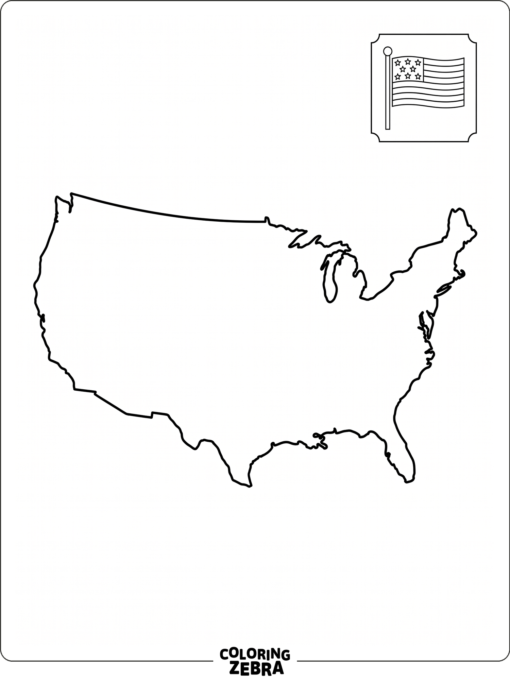

United States Map With Flag Coloring Page
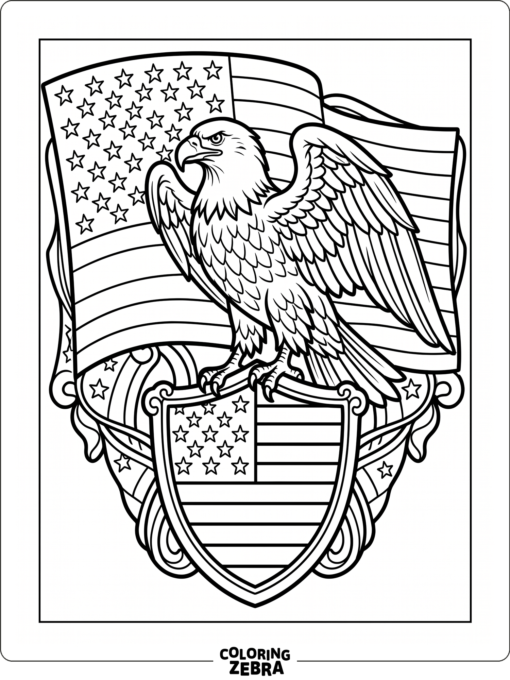

Patriotic Eagle Shield Coloring Page
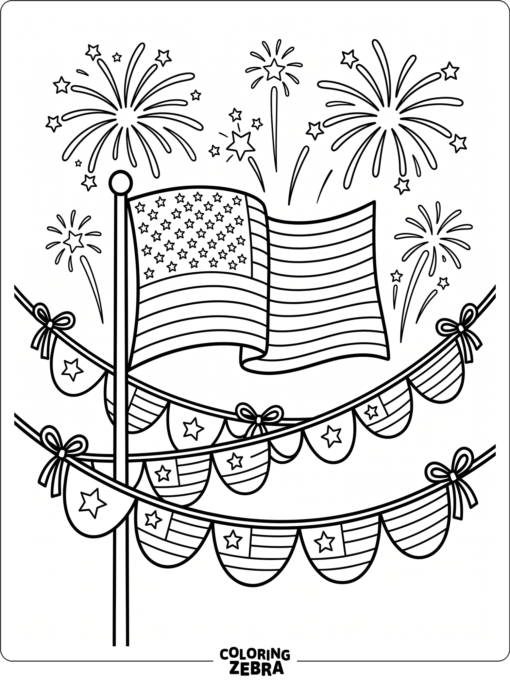

Patriotic Flag Celebration Coloring Page
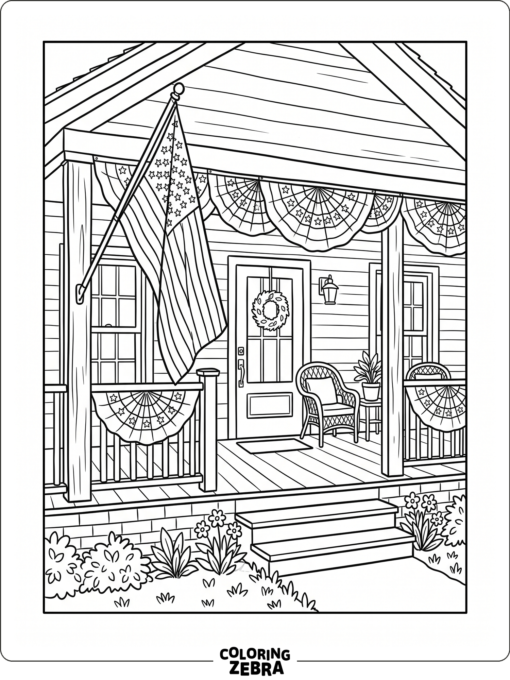

American Flag Porch Coloring Page
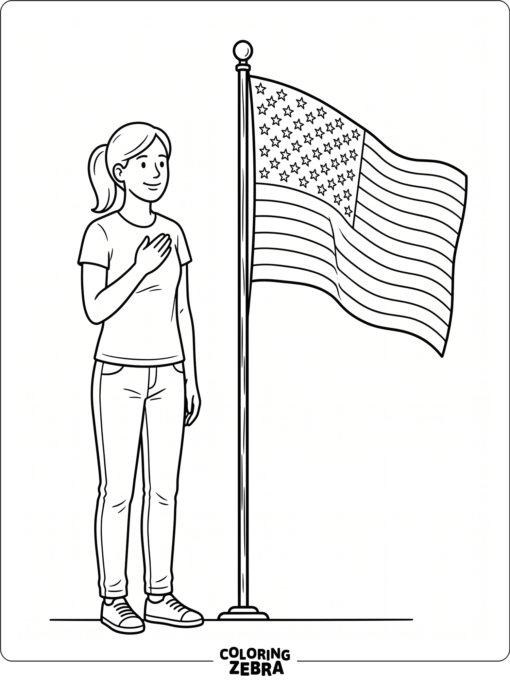

Flag Salute Coloring Page
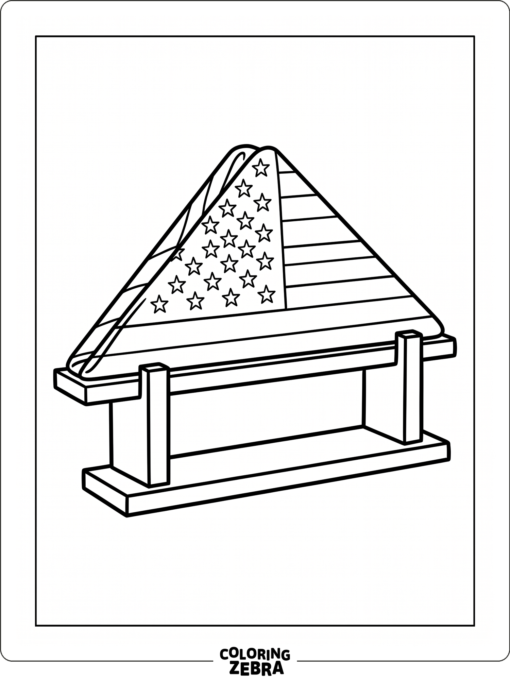

Folded Flag Coloring Page
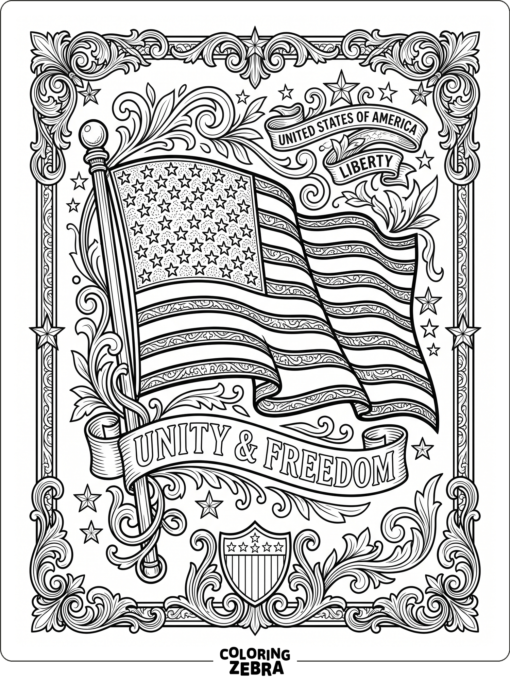

American Flag Coloring Page for Adults
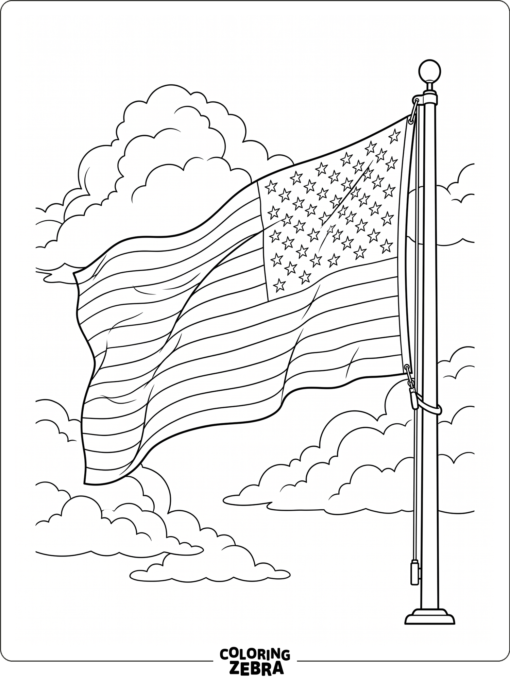

Realistic Flag Coloring Page
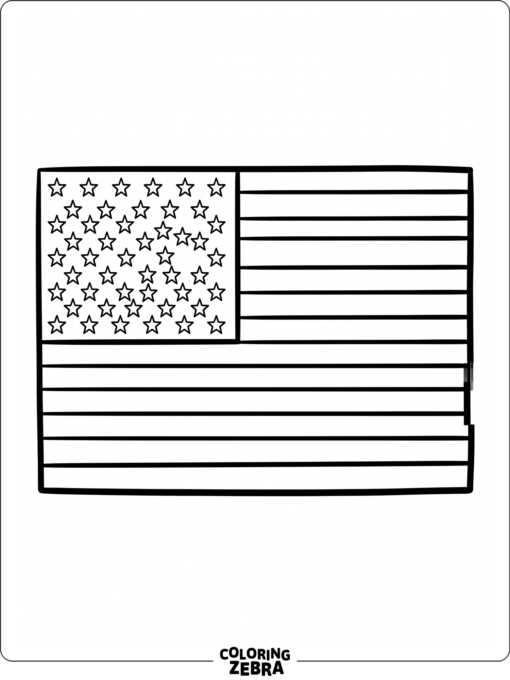

American Flag Outline Coloring Page
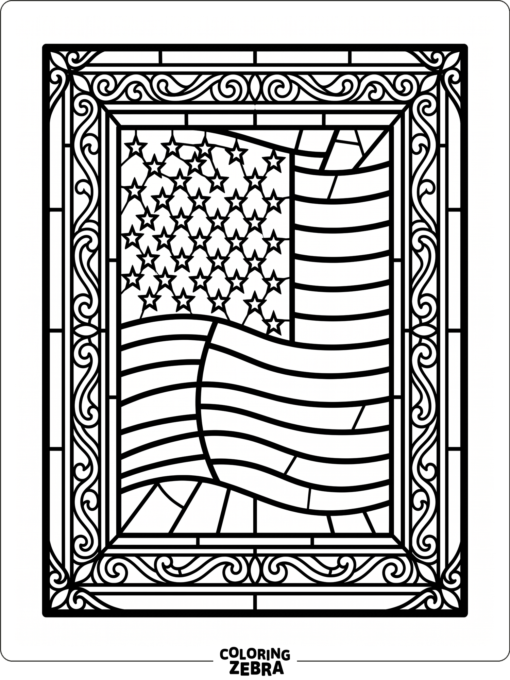

American Flag Stained Glass Coloring Page
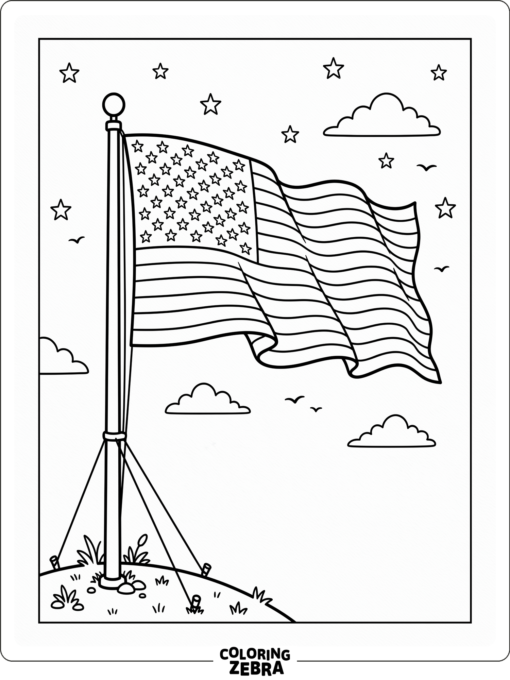

American Flag Poster Coloring Page
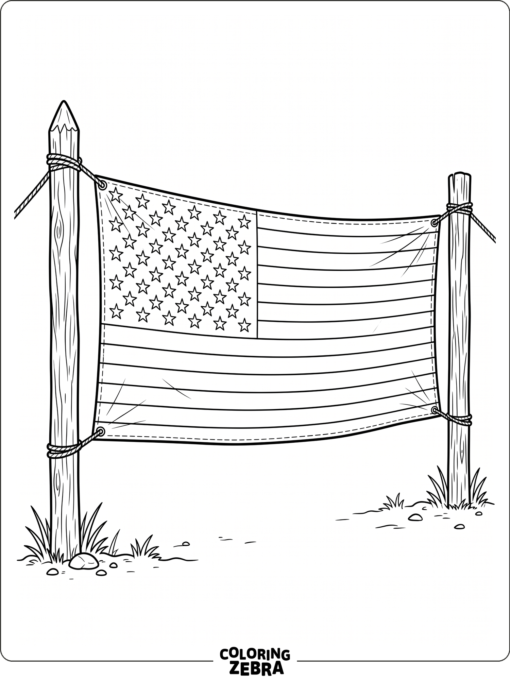

American Flag Banner Coloring Page
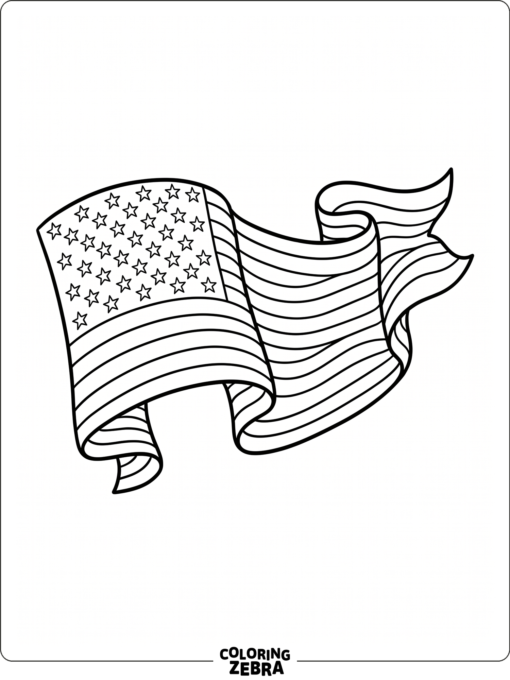

American Flag Ribbon Coloring Page
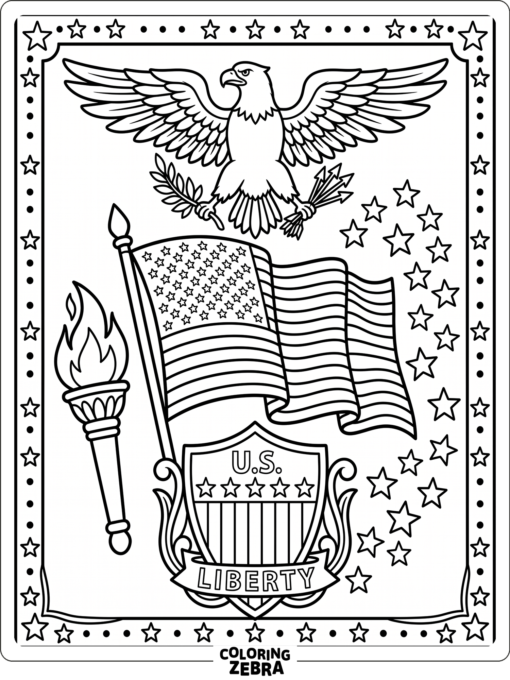

American Flag Patriotic Symbols Coloring Page
What Appears in the Collection
These American Flag Coloring Pages cover much more than a single rectangular flag. The simplest choices include a blank outline, a flag on a stick, a large design with thick borders, and a toddler holding a tiny flag. Other flag-focused sheets show the stars and stripes waving from curved or tall poles, hanging from a porch, draped beside an eagle, folded on a stand, flowing as a ribbon, or stretched as a long banner between posts.
The collection also uses flag patterns inside other recognizable shapes. A heart, a five-point star, and a United States map are filled with stars-and-stripes imagery. A stained-glass-style design divides the flag into bold sections, while close-up stripes emphasize sweeping bands rather than an entire flag. These variations let colorists practice the familiar national color scheme without following the same composition on every page.
Choosing a Design and Coloring Approach
Thick outlines, broad stripes, and uncomplicated backgrounds provide comfortable starting points for crayons or broad colored pencils. The easy flag outline, blank flag, and simple flag on a stick have larger spaces that may suit younger children or anyone who prefers less intricate line work. A child holding a small flag and the toddler scene introduce a figure while keeping the patriotic object easy to identify.
Older children and adult colorists can work with the small star shapes, eagle feathers, shield details, landmark architecture, parade participants, bunting, fireworks, and stained-glass borders. Fine-tip pencils are useful around the union, which is the blue field containing the stars. Markers can produce solid, vivid stripes, although placing scrap paper behind the sheet helps protect the surface underneath.
For a traditional modern color scheme, alternate red and white across the 13 horizontal stripes and color the union blue while leaving the stars white. The identified 50-star outline offers the clearest opportunity to study the current design. Decorative hearts, maps, ribbons, and stained-glass sections can follow the same palette or use lighter and darker shades to separate adjacent areas.
From 13 Stars to the Modern Flag
The early 13-star page and the modern 50-star outline create a natural comparison. The 13 stripes represent the original 13 colonies, and early national flags used 13 stars. The exact arrangement of those stars varied, so the early design should not automatically be labeled with a particular arrangement or credited to a single designer.
As additional states entered the Union, the national flag changed. Stars were added to represent the states, while the number of stripes eventually remained at 13 in recognition of the original colonies. The current 50-star design became official on July 4, 1960, after Hawaii’s admission as the 50th state.
The often-repeated story that Betsy Ross designed the first national flag remains historically debated. It is more accurate to describe the related coloring sheet simply as an early American flag. The documented milestone is the Continental Congress resolution of June 14, 1777, which called for 13 alternating red and white stripes and 13 white stars on a blue field. It did not specify the familiar modern arrangement of stars.
Stars, Stripes, and Color Symbolism
The blue star field is known as the union or canton. On the current flag, its 50 stars represent the 50 states, while the 13 alternating stripes retain the link to the original colonies. The bold close-up, blank outline, and simple stars-and-stripes sheets are useful for identifying these structural parts before moving to more elaborate scenes.
The 1777 resolution did not assign official meanings to red, white, and blue. Later official symbolism associates red with valor and hardiness, white with purity and innocence, and blue with vigilance, perseverance, and justice. Presenting that distinction helps separate documented early flag history from meanings adopted or repeated later.
Flags in Civic Settings
Several scenes place the flag where it is commonly seen in public life. The set includes a classroom wall, a classroom pledge scene, a school entrance, a parade, the White House, and the Capitol grounds. Flags also appear on a porch, beside a skyline, against clouds, and on a lawn or tall pole. These backgrounds invite discussion about how national symbols appear in schools, neighborhoods, and civic spaces.
The parade, bunting, and fireworks establish a broad patriotic setting without naming a particular observance. They could support lessons or displays for Flag Day or another civic theme, but the images themselves do not establish Independence Day, Memorial Day, Veterans Day, or any other specific occasion. Flag Day is observed on June 14 in recognition of the national flag resolution adopted on that date in 1777.
Other American Symbols in the Set
A bald eagle appears beside a draped flag, and another composition combines an eagle, shield, and waving flag. The bald eagle is the national bird of the United States and is frequently paired with patriotic imagery. The Statue of Liberty scene adds a symbol associated with liberty, while the White House and Capitol pages connect the flag with the executive and legislative branches of the federal government.
Two map designs approach national geography differently: one fills the shape of the United States with flag stripes, and another pairs the map with a small flag. These pages can help children distinguish the country’s geographic outline from its national flag. They also make useful companion sheets for a basic lesson about American symbols and landmarks.
Respect and Ceremonial Handling
The soldier, saluting person, and classroom pledge scene can introduce ways people formally show respect for the flag. Depending on the setting, this may involve standing, saluting, or placing a hand over the heart. The pictures should not be treated as evidence of a specific ceremony beyond what is visibly shown.
The U.S. Flag Code provides federal guidance on respectful display and handling. It is primarily a code of etiquette rather than a general criminal penalty for ordinary mistakes. The folded-flag sheet can introduce the practice of folding a flag into a compact triangular form for ceremonial handling, but the image alone does not establish a funeral, memorial, or military presentation.
Ways to Use Finished Pages
Completed sheets can form a visual timeline by placing the early 13-star design beside the current 50-star outline. A classroom display might group the flag with the eagle, Statue of Liberty, White House, Capitol, and national map, allowing students to label each symbol separately. Another arrangement could compare the ways flags are displayed on walls, porches, poles, lawns, and handheld sticks.
American Flag Coloring Pages can also support observation activities. Children can count stripes, locate the canton, compare plain outlines with decorative patterns, or identify which scenes show people, landmarks, and public settings. Finished hearts, stars, ribbons, maps, and stained-glass designs work well as individual decorations, while the parade, skyline, school, and civic-building scenes can become parts of a larger patriotic bulletin-board display.
People Often Ask Us…
-
Why is the flag sometimes flown at half-staff?
-
Why is the American flag folded into a triangle?
-
How is the flag connected to the Pledge of Allegiance?
-
Did the American flag ever have 15 stripes?
-
What does an upside-down American flag mean?