
Presidents Day Coloring Pages
Presidents Day Coloring Pages turn presidential portraits, national landmarks, and civic symbols into a varied collection to explore. Recognizable details such as Lincoln’s top hat, Washington’s colonial clothing, and Theodore Roosevelt’s glasses make each figure distinctive to color. The set moves from simple early-learning pictures to detailed scenes of Mount Rushmore, the Oval Office, public speeches, and a presidential parade. Eagles, flags, stars, bunting, coins, and laurel leaves add bold patriotic patterns throughout the collection.
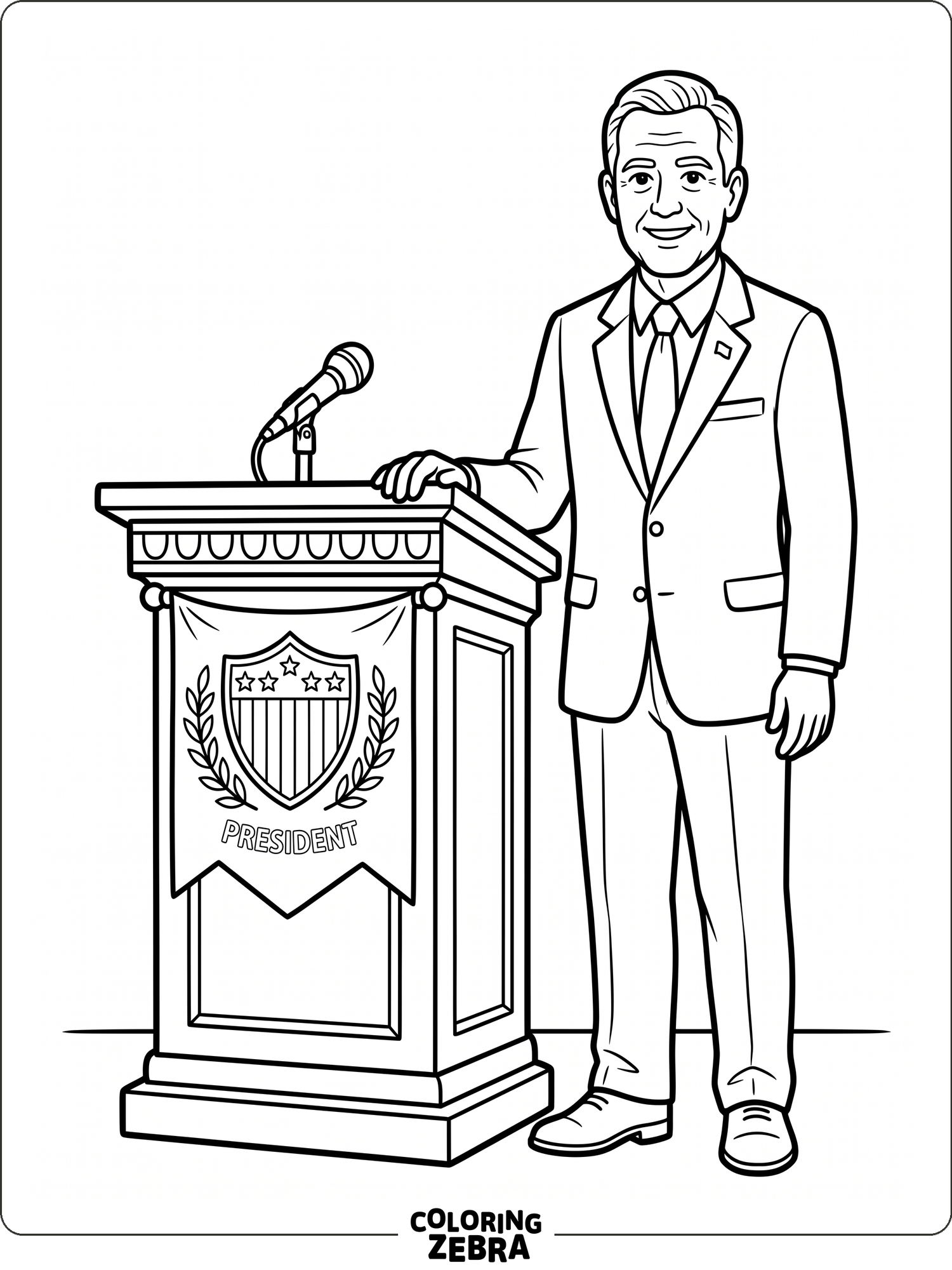
Print simple designs on standard copy paper, or use heavier paper for markers and watercolor pencils. Select fit to printable area so frames, banners, and monument edges are not cropped. Draft or grayscale mode can conserve ink because the pages use black-and-white line art.
Related coloring pages
Printable Presidents Day Coloring Pages
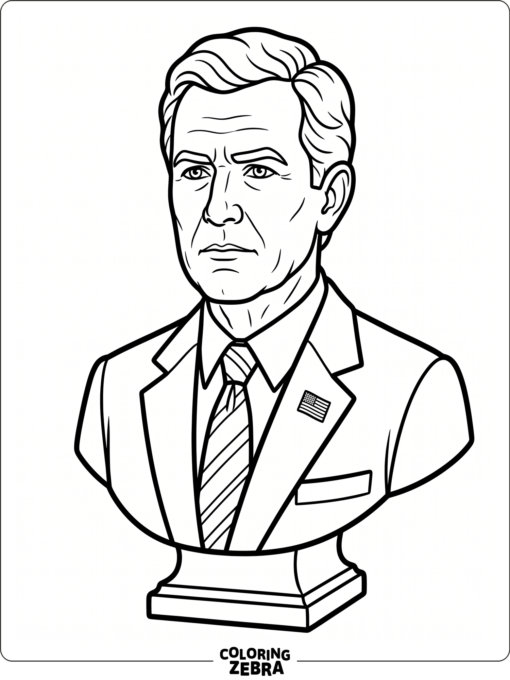

President Coloring Page
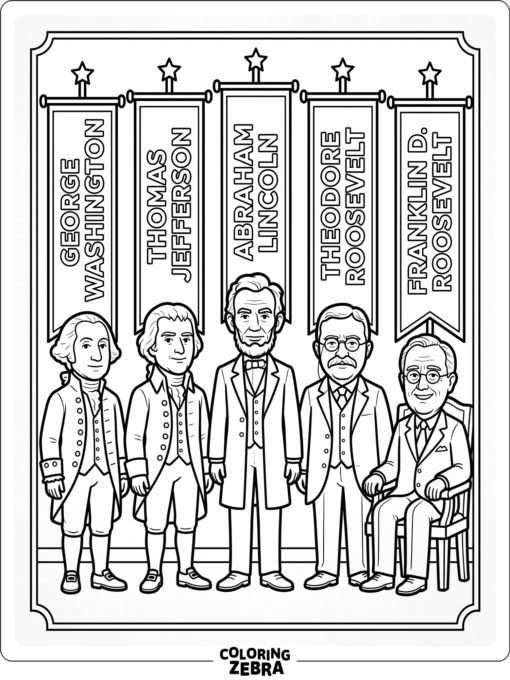

Presidents Coloring Sheet
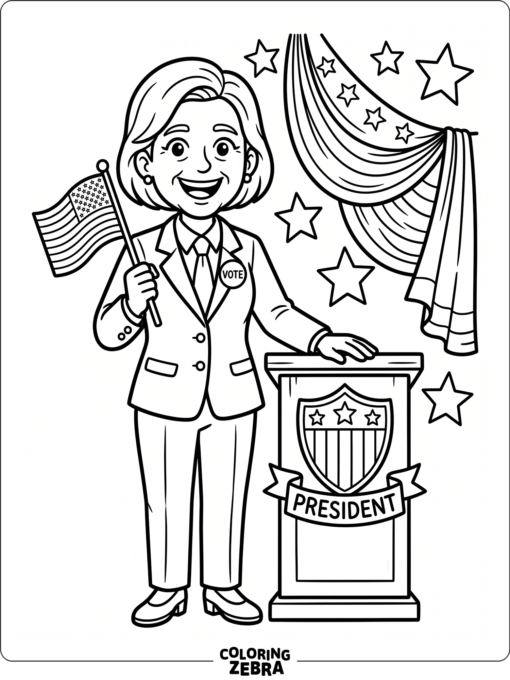

Presidents Day Coloring Page for Kids
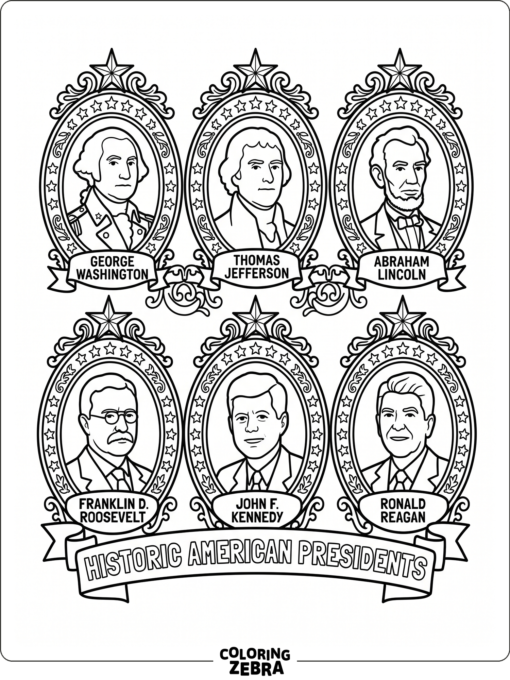

All Presidents Coloring Page
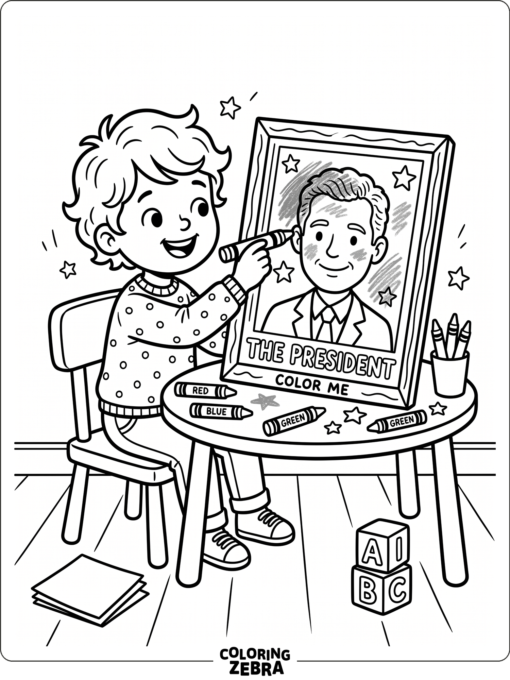

Presidents Day Coloring Page for Kindergarten
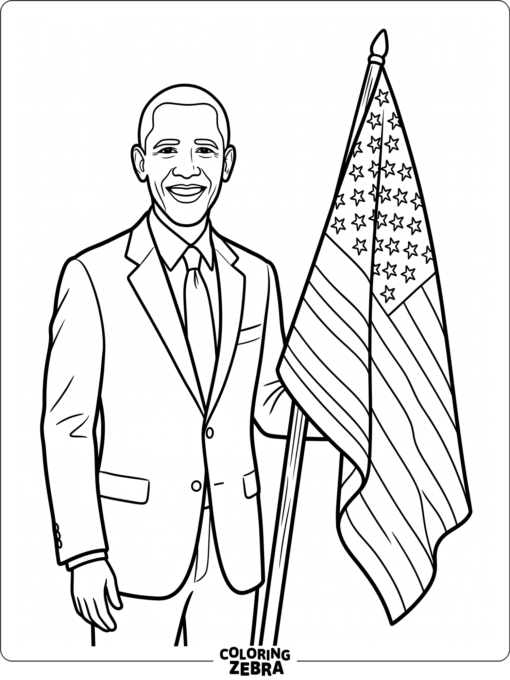

President Obama Coloring Page
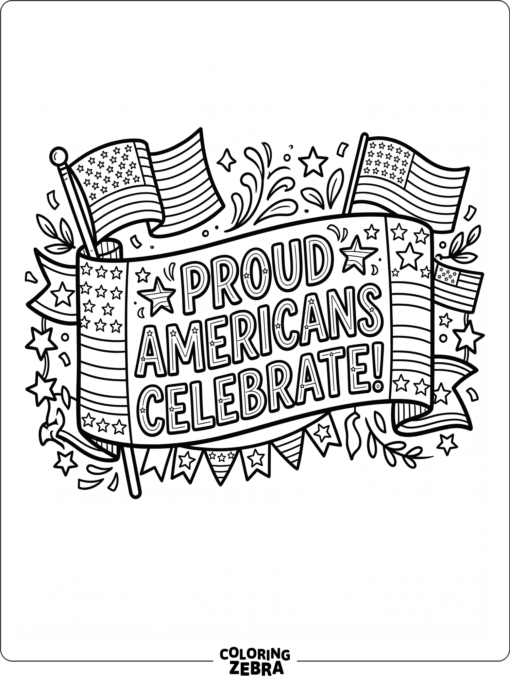

Happy Presidents Day Coloring Page
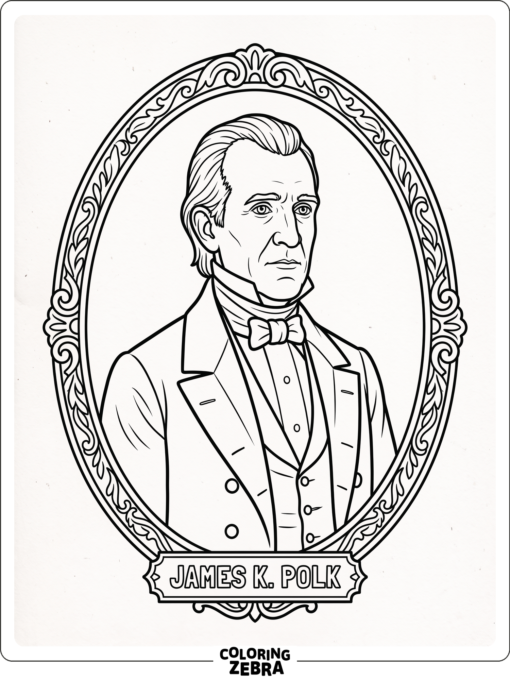

President Polk Coloring Page
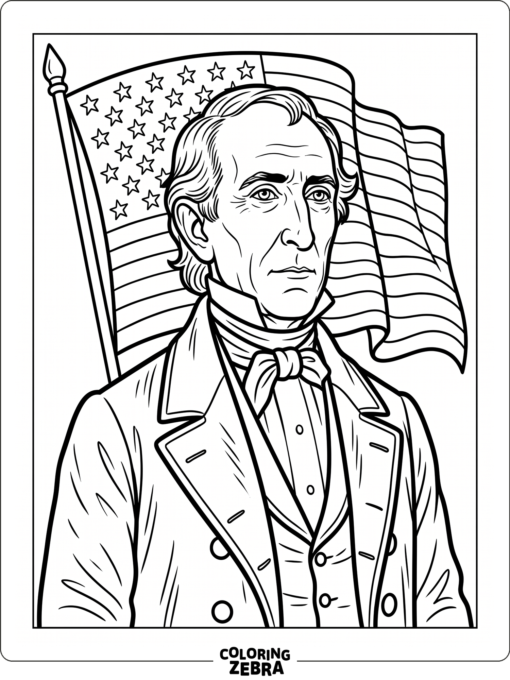

President John Tyler Coloring Page
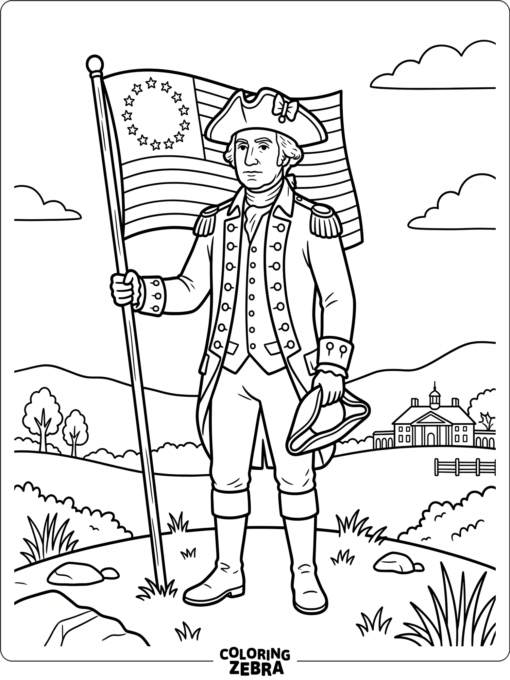

President Washington Coloring Page
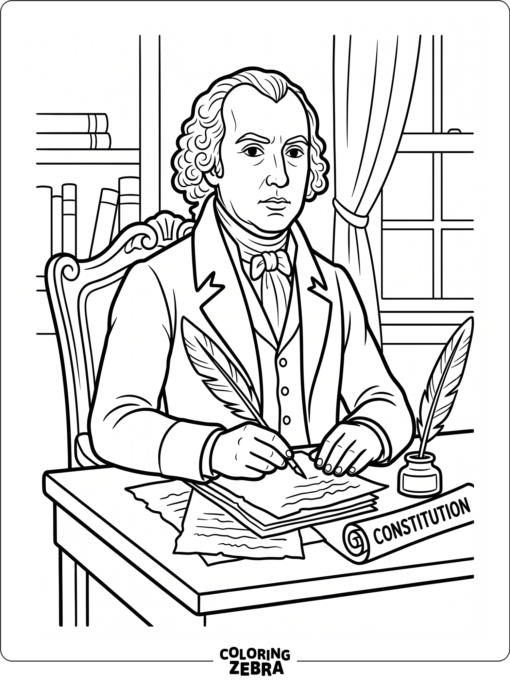

President James Madison Coloring Page
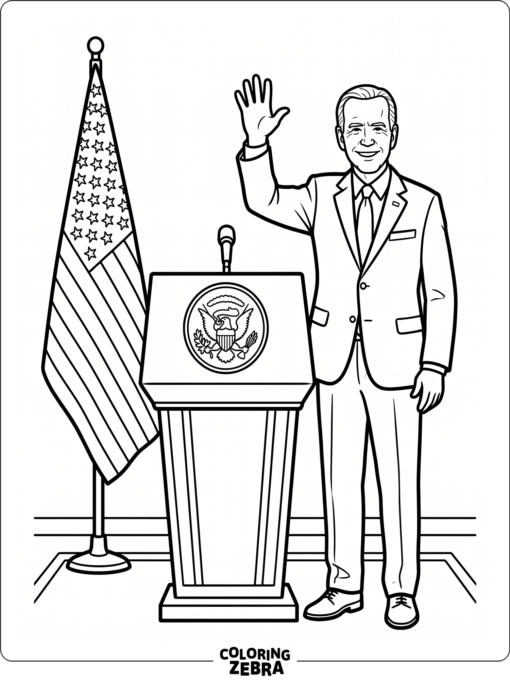

President Biden Coloring Page
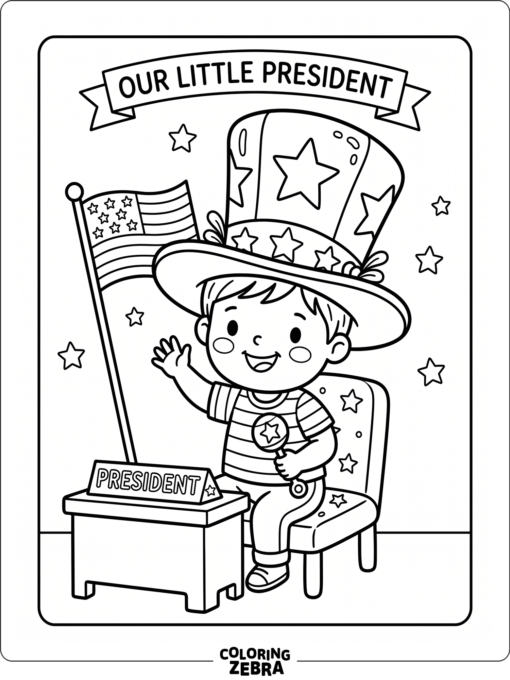

Presidents Day Coloring Page for Toddlers
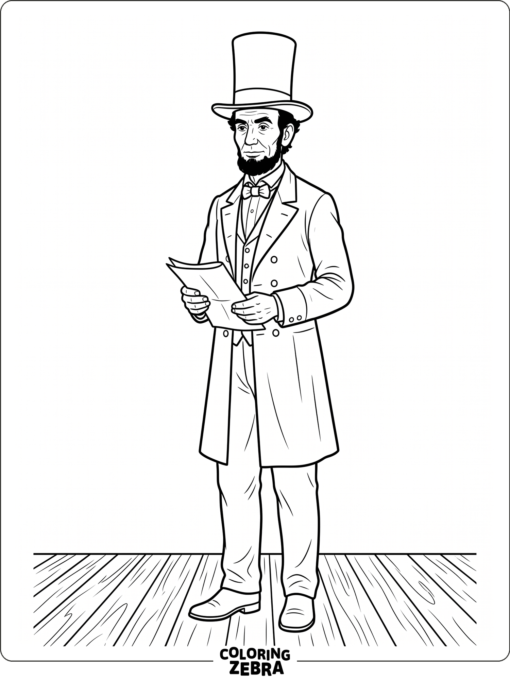

President Lincoln Coloring Page
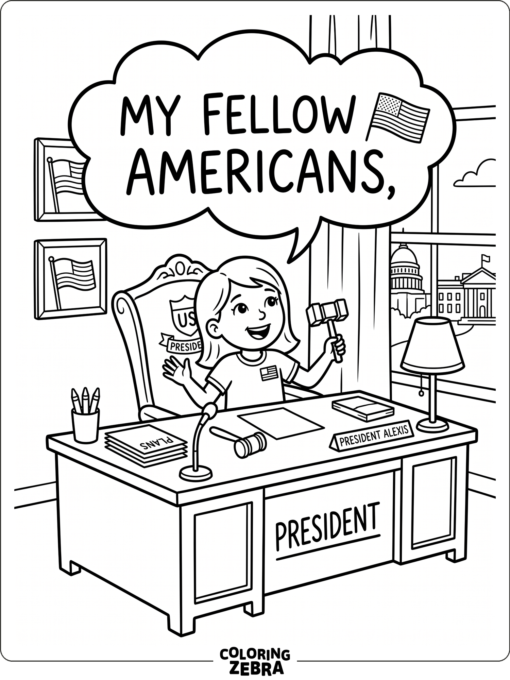

If I Were President Coloring Page
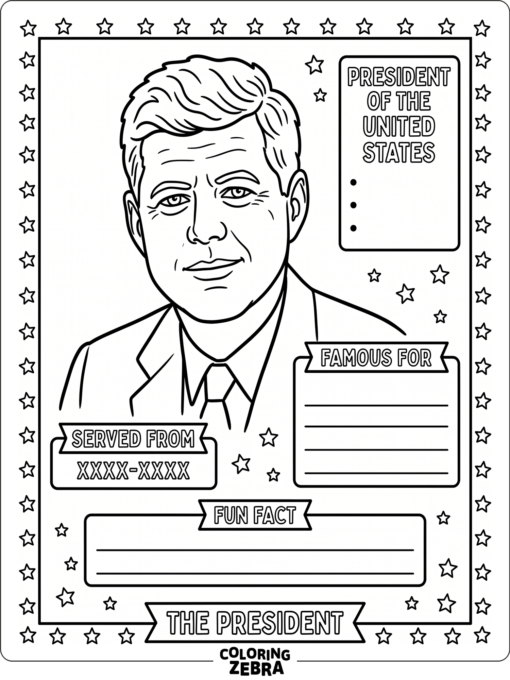

President Coloring Page With Facts
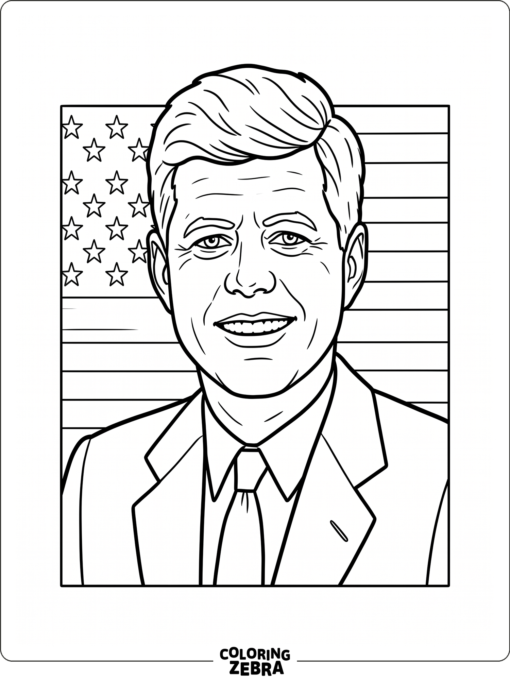

President Kennedy Coloring Page
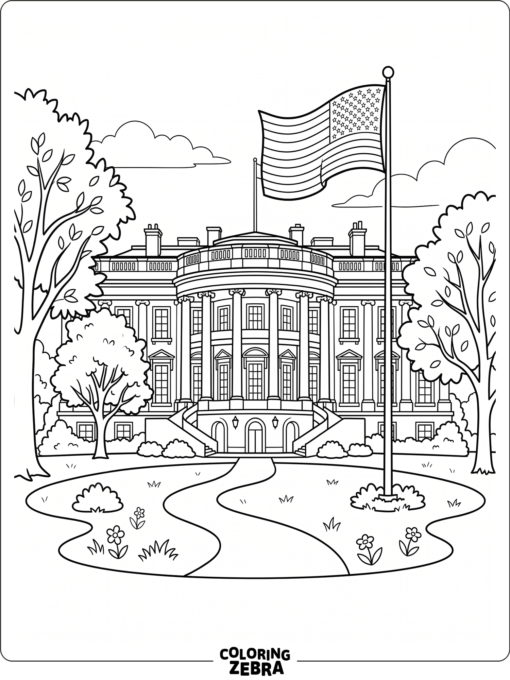

Presidents Day White House Coloring Page
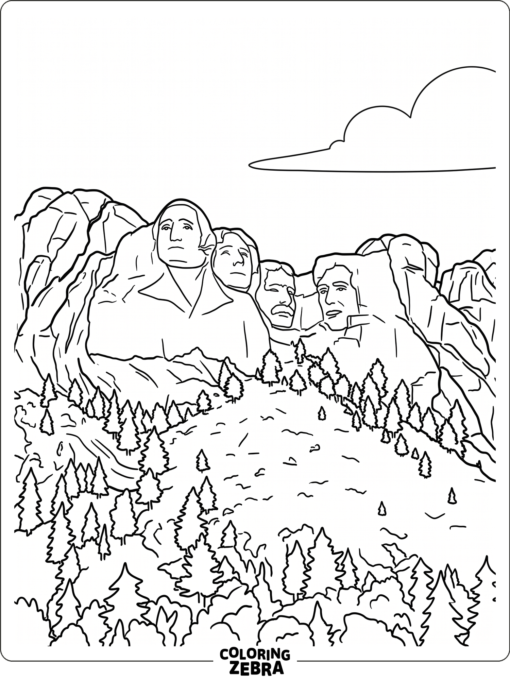

Mount Rushmore Coloring Page
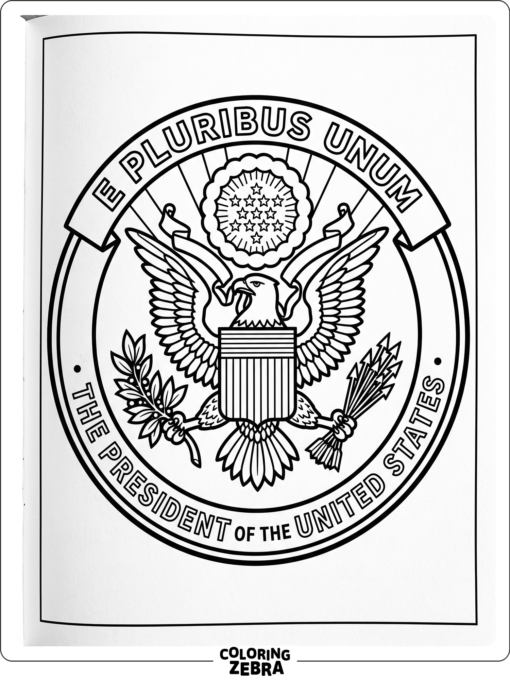

Presidential Seal Coloring Page
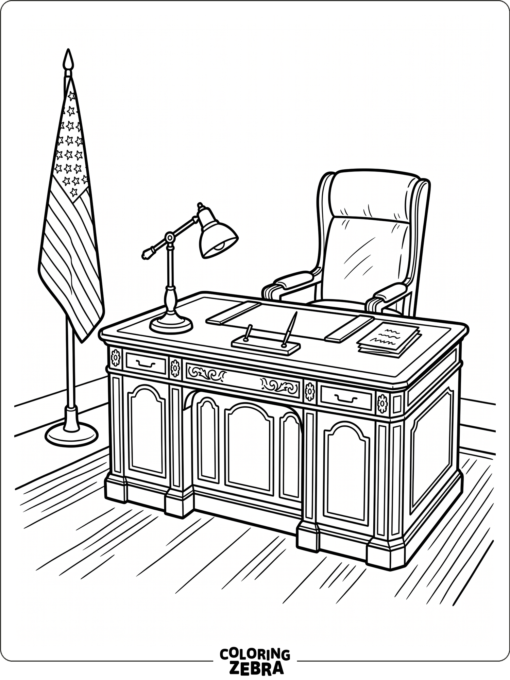

Presidents Day Oval Office Coloring Page
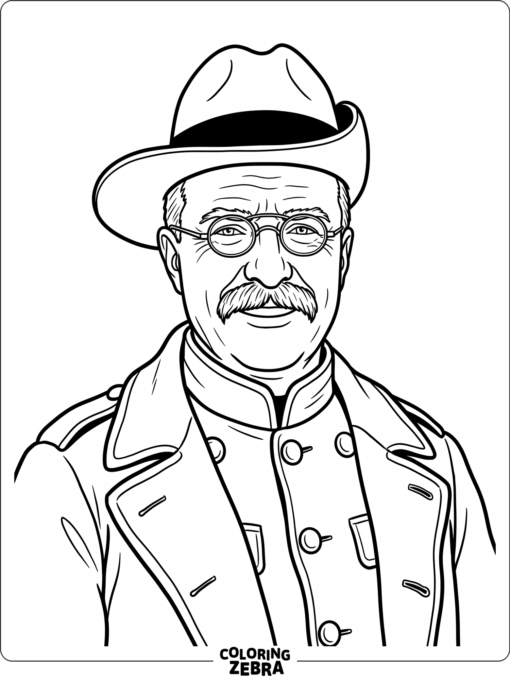

Theodore Roosevelt Coloring Page

Presidents Day American Flag Coloring Page
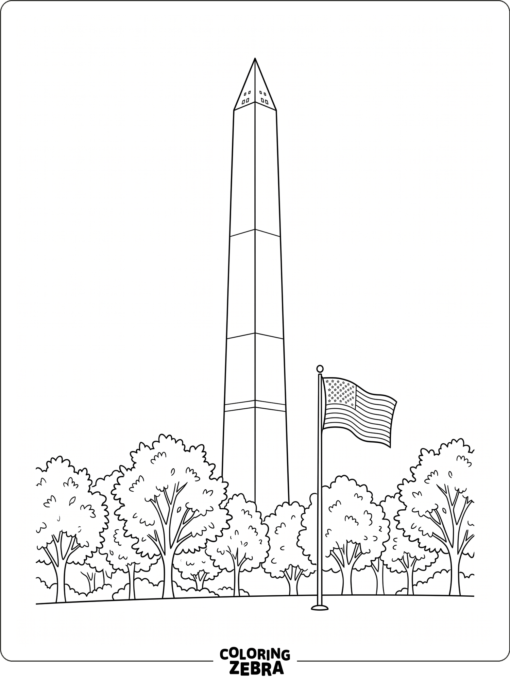

Washington Monument Coloring Page
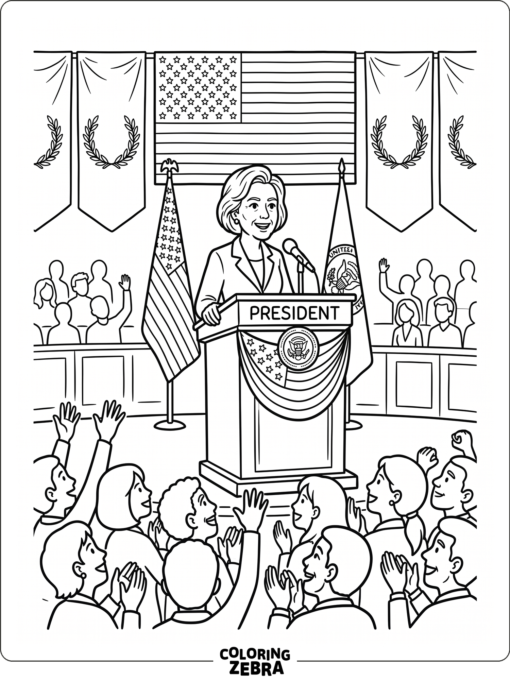

Presidential Inauguration Printable
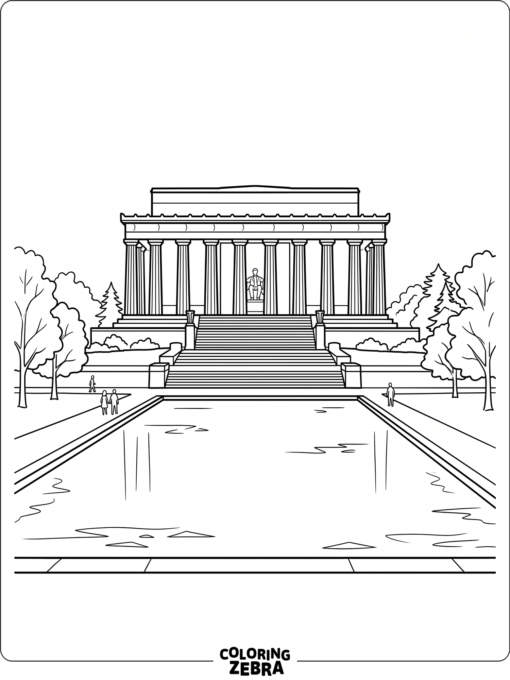

Lincoln Memorial Coloring Sheet
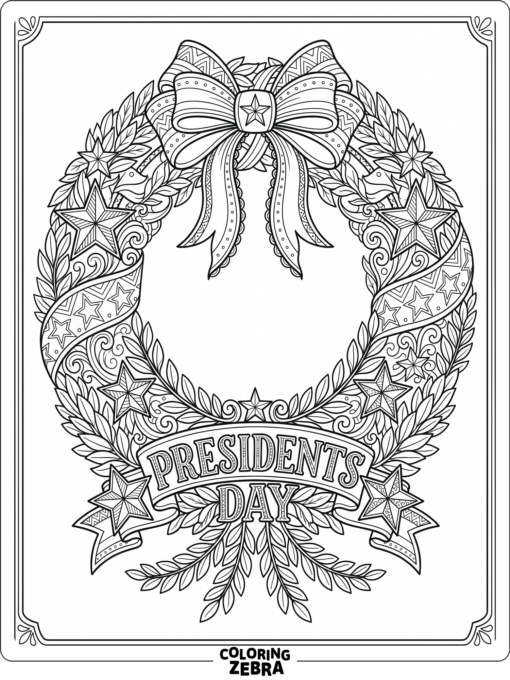

Presidents Day Coloring Page for Adults
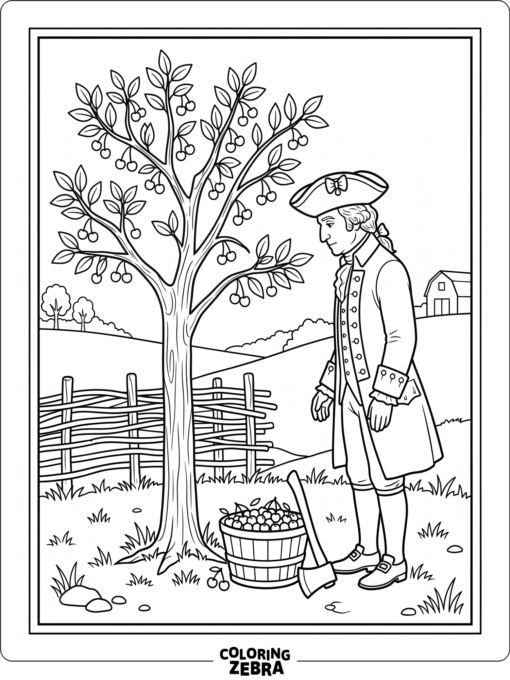

George Washington Cherry Tree Printable
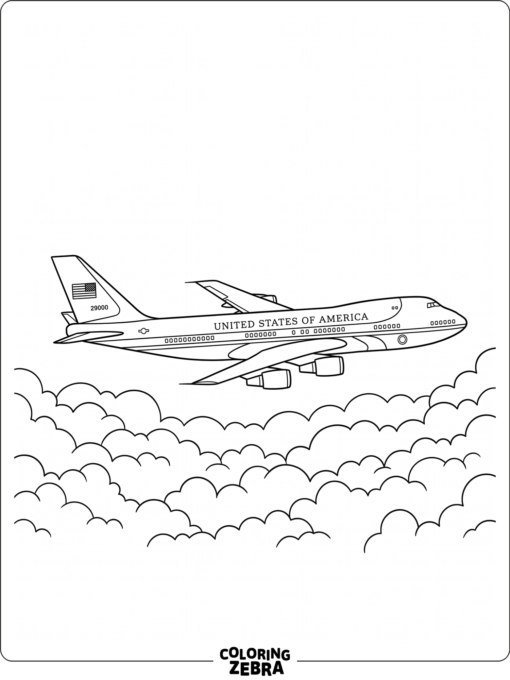

Air Force One Coloring Page
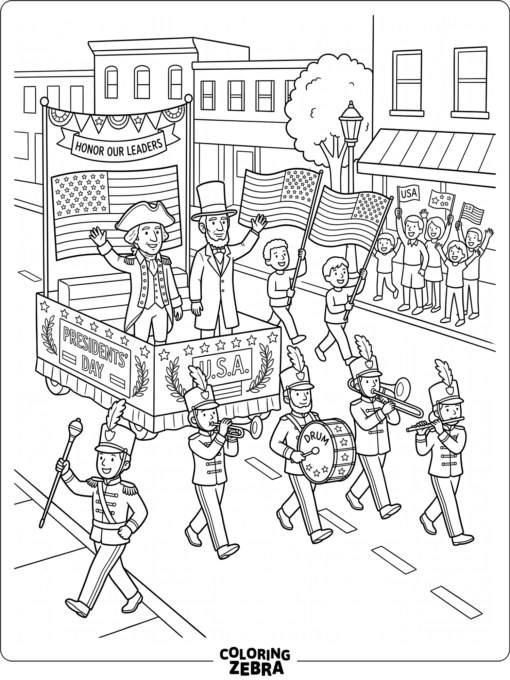

Presidents Day Parade Coloring Page
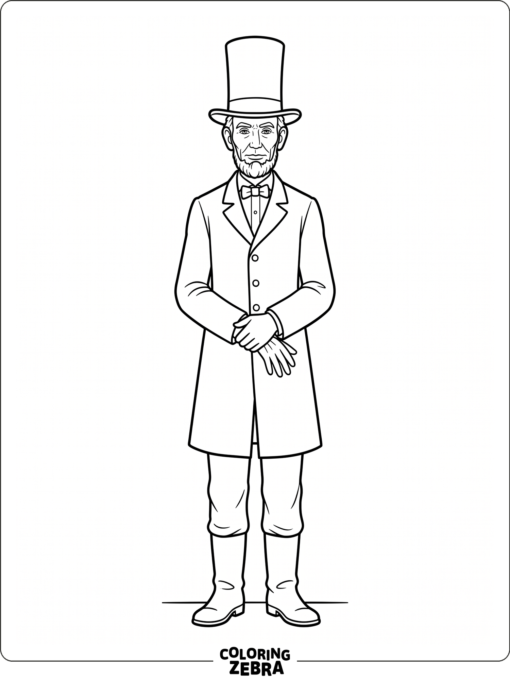

Abraham Lincoln Top Hat Coloring Page
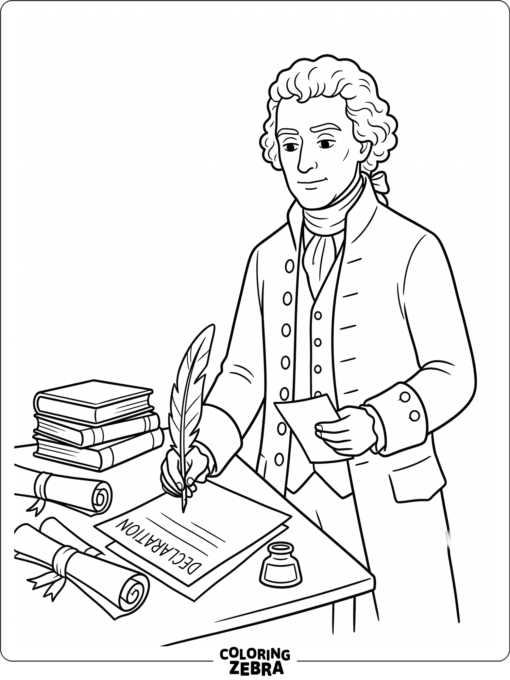

Thomas Jefferson Coloring Page

Presidents Day Greeting Card Coloring Page
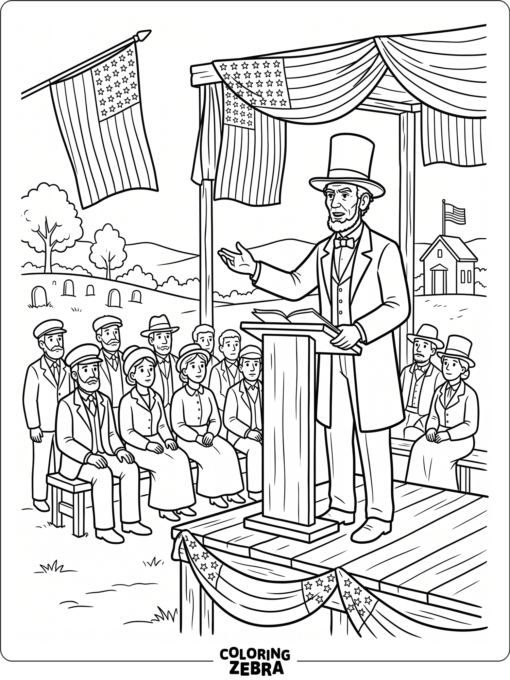

Gettysburg Address Coloring Page
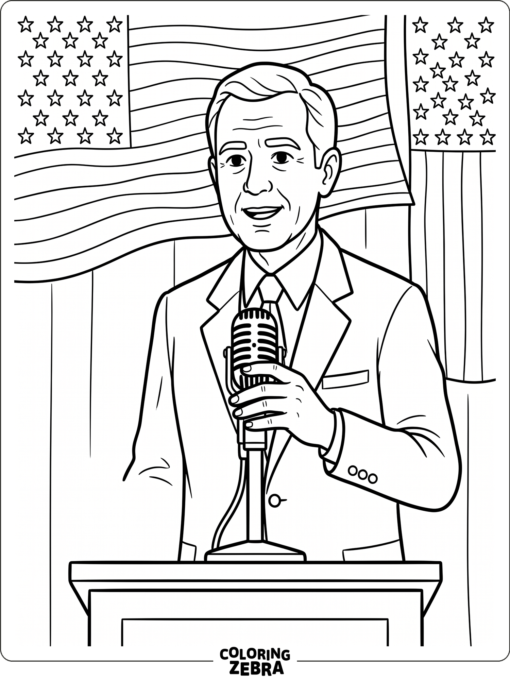

President Giving a Speech Coloring Page
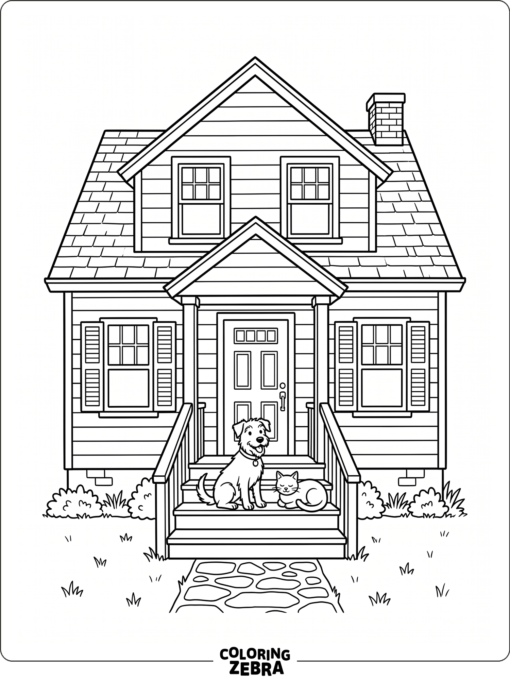

White House Pets Coloring Page
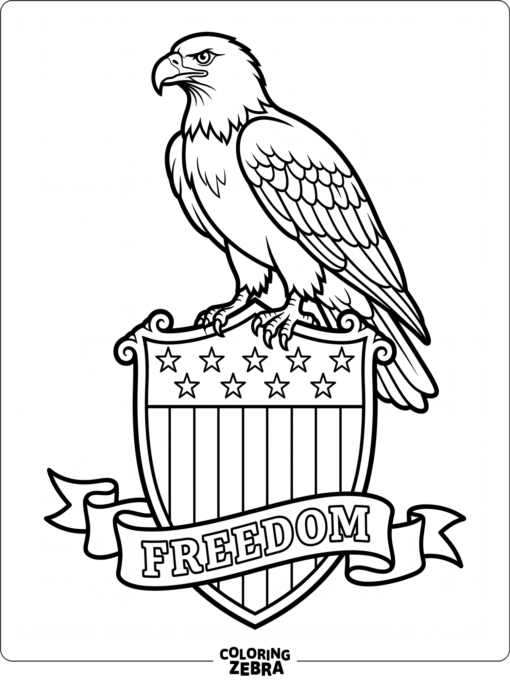

Presidents Day Bald Eagle Coloring Page
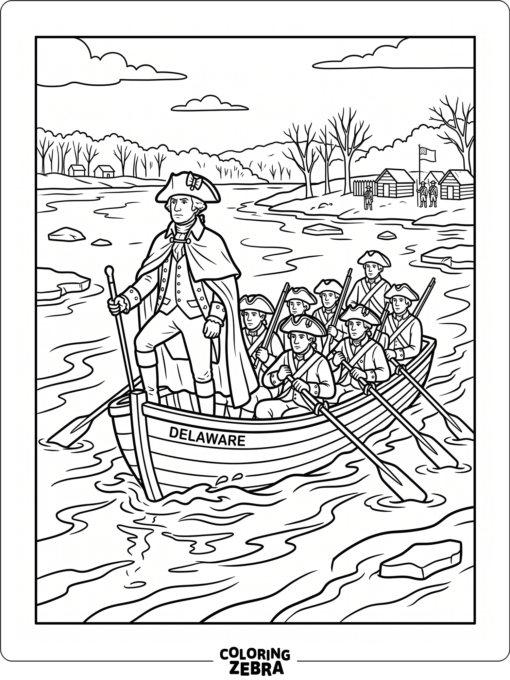

Washington Crossing the Delaware Coloring Page
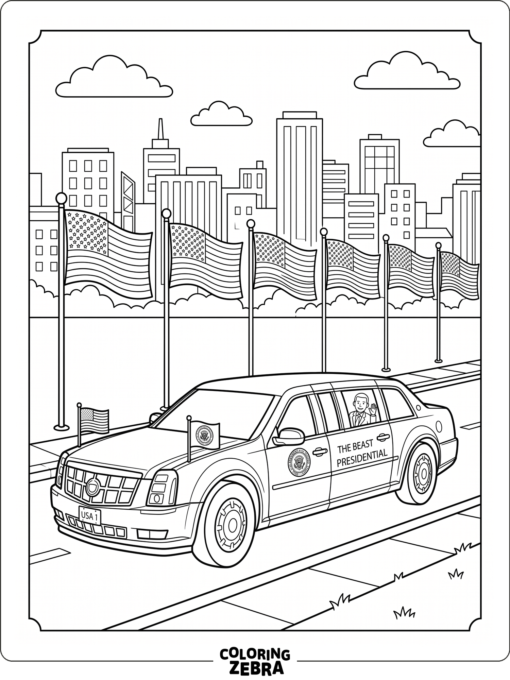

Presidential Limousine Coloring Page
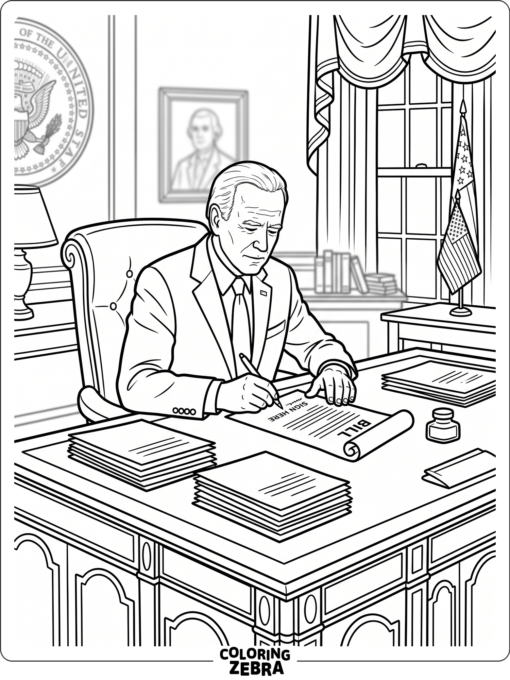

President Signing a Bill Coloring Page
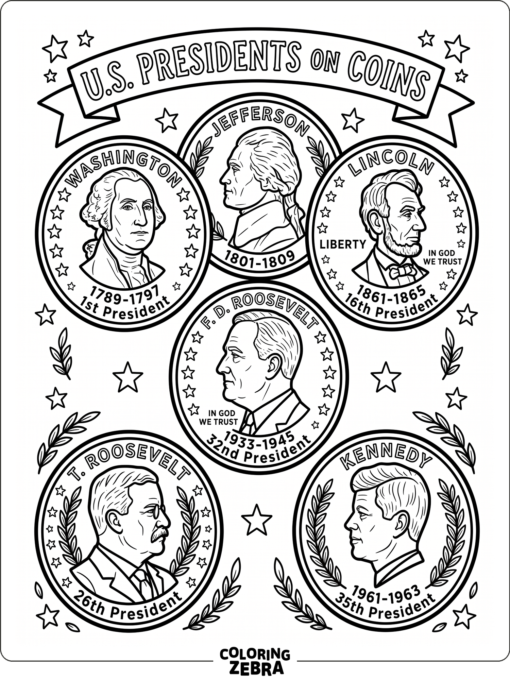

US Presidents on Coins Coloring Page
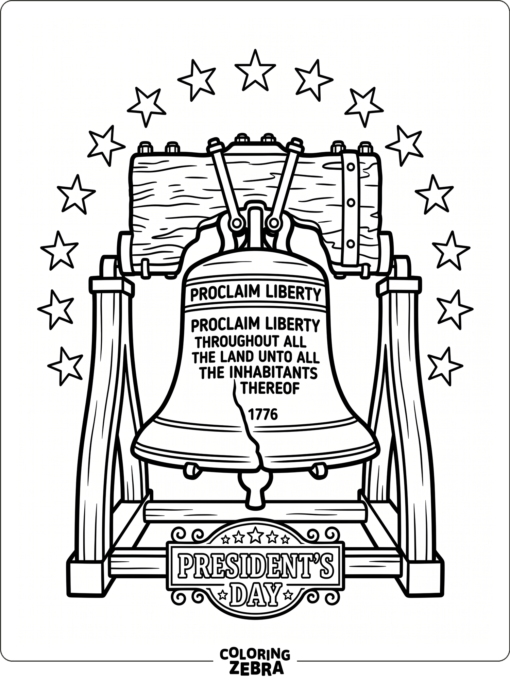

Presidents Day Liberty Bell Coloring Page
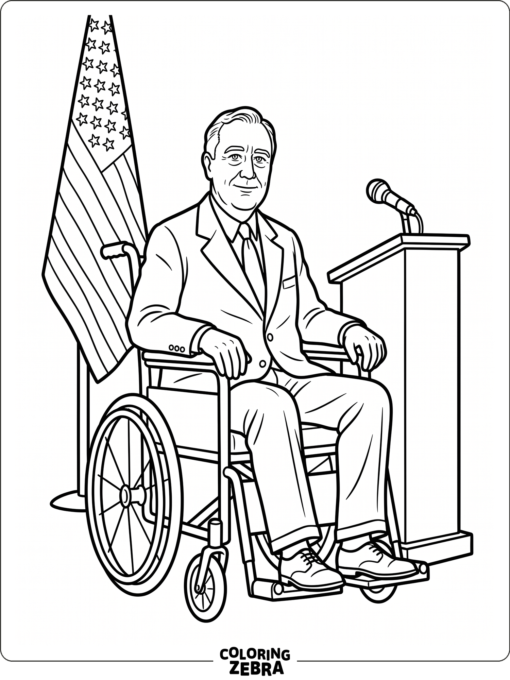

Franklin D Roosevelt Coloring Page
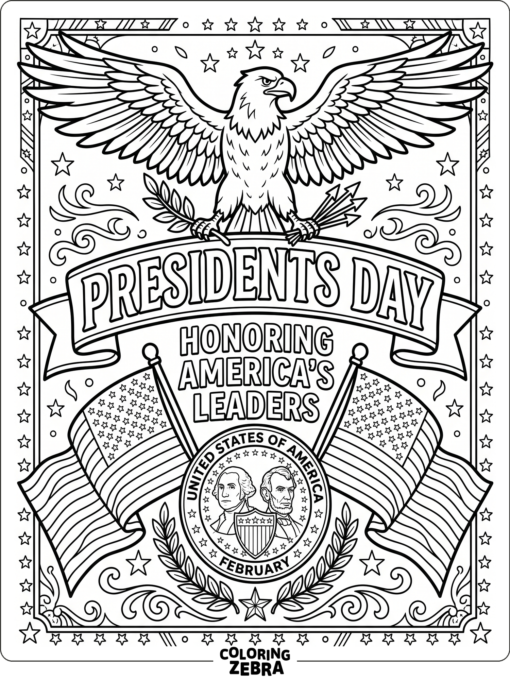

Presidents Day Poster Coloring Page
A Visual Tour of Presidents and American History
These Presidents Day Coloring Pages cover far more than formal portraits. The collection includes individual leaders, groups of historic presidents, national monuments, presidential workplaces, official transportation, and scenes of public ceremony. Younger children can start with large stars, a toddler-friendly portrait, a holiday banner, or the kindergarten scene with crayons. Older colorists can work through architectural columns, detailed flags, laurel leaves, framed portraits, and narrative scenes such as Washington crossing the Delaware River or Lincoln speaking at Gettysburg.
The named presidents include George Washington, Thomas Jefferson, James Madison, John Tyler, James K. Polk, Abraham Lincoln, Theodore Roosevelt, Franklin D. Roosevelt, John F. Kennedy, Barack Obama, and Joe Biden. Other pictures show unnamed presidents at podiums, microphones, or a bill-signing desk without assigning them a particular identity. That combination allows the set to represent both specific historical figures and the broader responsibilities of the presidency.
Washington, Lincoln, and the February Holiday
The federal holiday is officially called Washington’s Birthday. Under federal law, it is observed on the third Monday in February. Presidents Day is its widely used popular name, although naming conventions and the scope of local observances vary among states and communities. Because George Washington and Abraham Lincoln were both born in February, the occasion is often associated with both men and, in some settings, with presidents more generally.
Washington, the first president of the United States, appears with a colonial hat and flag, beside a cherry tree, and rowing across the Delaware River. The cherry-tree account should be understood as a famous legend popularized after his death rather than verified history. His Delaware crossing refers to an event during the American Revolutionary War in 1776, though the coloring scene should not be treated as an exact reproduction of a particular painting.
Lincoln, the 16th president, can be recognized by his tall top hat and also appears near the Lincoln Memorial. Another composition shows him speaking at Gettysburg. The Gettysburg Address was a brief speech delivered in 1863 during the Civil War, and it became one of the best-known presidential speeches in American history.
Portrait Details Worth Noticing
Small visual clues help distinguish several leaders in these American presidents coloring sheets. Madison appears with papers and a quill pen, while Jefferson is accompanied by books and a quill. John Tyler wears a tall collar, and Theodore Roosevelt has glasses and a rugged coat. Lincoln’s folded paper and top hat create recognizable shapes, while Washington’s colonial clothing separates his portrait from those of later presidents.
The set also includes both Theodore Roosevelt and Franklin D. Roosevelt, who should not be confused. Theodore Roosevelt was the 26th president, and Franklin D. Roosevelt was the 32nd. Their inclusion alongside Kennedy, Obama, Biden, and earlier presidents gives children a sample of different historical periods without suggesting that every president is represented.
The White House and Presidential Work
Several Presidents Day Coloring Pages focus on places and activities connected with the executive branch. The White House is the president’s official residence and workplace. One exterior view includes trees and a waving flag, while another has a dog and cat outside; the animals are simply part of the scene and are not identified as particular presidential pets.
The Oval Office is the president’s formal office within the White House complex. Its desk, chair, lamp, and flag offer a detailed interior for colorists who enjoy furniture and room settings. Podiums and microphones represent public addresses, while the picture of a president signing a bill introduces one part of the legislative process. Congress passes bills, and the president may sign a bill into law or veto it, subject to the constitutional process. The president also heads the executive branch, which carries out federal laws.
A child sitting at a desk and imagining life as president provides a useful prompt for discussing leadership, public service, decision-making, and civic responsibility. It can also inspire children to write a short description of an issue they would address or a quality they think a leader should have.
Symbols, Transportation, and Public Ceremony
The presidential seal design features an eagle, stars, a shield, and a surrounding ribbon ring. The official seal also incorporates an olive branch and arrows, although simplified coloring art may not reproduce every heraldic detail. A separate bald eagle perched on a shield reinforces the eagle’s familiar role as a national symbol.
Air Force One appears flying above clouds. The term is not the permanent name of a single airplane; it is the call sign used for a U.S. Air Force aircraft when the president is aboard. A presidential limousine passing rows of flags presents another form of official travel. Parade floats, a marching band, bunting, wreaths, and holiday banners show how civic ceremonies often use repeated stars, stripes, shields, and flags to create strong visual patterns.
Monuments and Historic Places
The landmark pages connect presidential history with public memory. Mount Rushmore depicts George Washington, Thomas Jefferson, Theodore Roosevelt, and Abraham Lincoln. The Lincoln Memorial honors Lincoln, while the Washington Monument commemorates Washington. Columns, stone surfaces, trees, open sky, and the reflecting pool offer different textures from the clothing and facial features found in portrait pages.
The Liberty Bell adds a broader symbol of American history. Presidential portraits on coins with laurel leaves show another way public figures are represented and remembered. Together with the White House and monuments, these objects can open a discussion about why societies place leaders on currency, construct memorials, and preserve recognizable national symbols.
Coloring Approaches for Different Designs
For the simplest Presidents Day Coloring Pages, children can use crayons to fill large stars, broad flag stripes, jackets, hats, and uncluttered backgrounds. Leaving a narrow uncolored edge around a figure can help young colorists keep nearby sections visually separate. Colored pencils work well for faces, hair, quills, papers, glasses, and the smaller details inside oval portrait frames.
Architectural pictures benefit from a limited palette with varied pressure. Light and dark grays, warm stone shades, or muted browns can define the Lincoln Memorial, Washington Monument, White House, and Mount Rushmore without filling every surface with one flat tone. Blue can distinguish sky and water in the Delaware and reflecting-pool scenes, while greens and browns separate trees, wreaths, and laurel leaves.
Red, white, and blue are natural choices for American flags, bunting, and patriotic borders, but children can also experiment with a restricted two-color poster style or design their own holiday palette. Metallic pencils can add subtle accents to coins, the Liberty Bell, the limousine, or the presidential seal. For the large eagle-and-flags poster, repeating one shade across stars and another across banners can make the busy composition feel unified.
Ways to Use the Finished Pictures
- Create a portrait timeline: Arrange the named presidents in chronological order, while keeping the unnamed presidential scenes in a separate civic-leadership display.
- Build a landmark wall: Group the White House, Mount Rushmore, Lincoln Memorial, Washington Monument, and Liberty Bell, then add a short label explaining each place or symbol.
- Compare presidential settings: Place the Oval Office, podium, microphone, bill-signing desk, limousine, and Air Force One pages together to discuss different parts of presidential work and public life.
- Make a class gallery: Combine portraits, coins, monuments, and seals to examine the different ways presidents appear in national memory.
- Design a greeting card: Use the star-and-stripe frame, ornate wreath, or holiday banner as a cover, with a short historical fact written inside.
- Support a read-aloud: Pair Washington and Lincoln coloring sheets with age-appropriate books about the Revolutionary War, the Civil War, or the history of the presidency.
Whether used for a February lesson, a home activity, or a classroom display, the collection supports careful observation of people, places, and symbols associated with the American presidency. Its mix of simple outlines and more involved historical compositions gives children several ways to engage with the subject at an appropriate level of detail.
People Often Ask Us…
-
Why is Presidents Day written with different apostrophes?
-
How are Theodore Roosevelt and Franklin D. Roosevelt related?
-
What do the olive branch and arrows on the presidential seal mean?
-
What happened after Washington crossed the Delaware?
-
Why did Lincoln deliver the Gettysburg Address?