
Groundhog Day Coloring Pages
Groundhog Day Coloring Pages turn February 2 folklore into scenes filled with burrows, shadows, sunshine, and snow. Young colorists can choose simple animals, dot-marker shapes, and cheerful classroom pictures. More detailed options include a realistic groundhog, an adult winter scene, and decorative zentangle patterns. Crown, placemat, card, calendar, and weather-themed designs add variety beyond standard sheets.
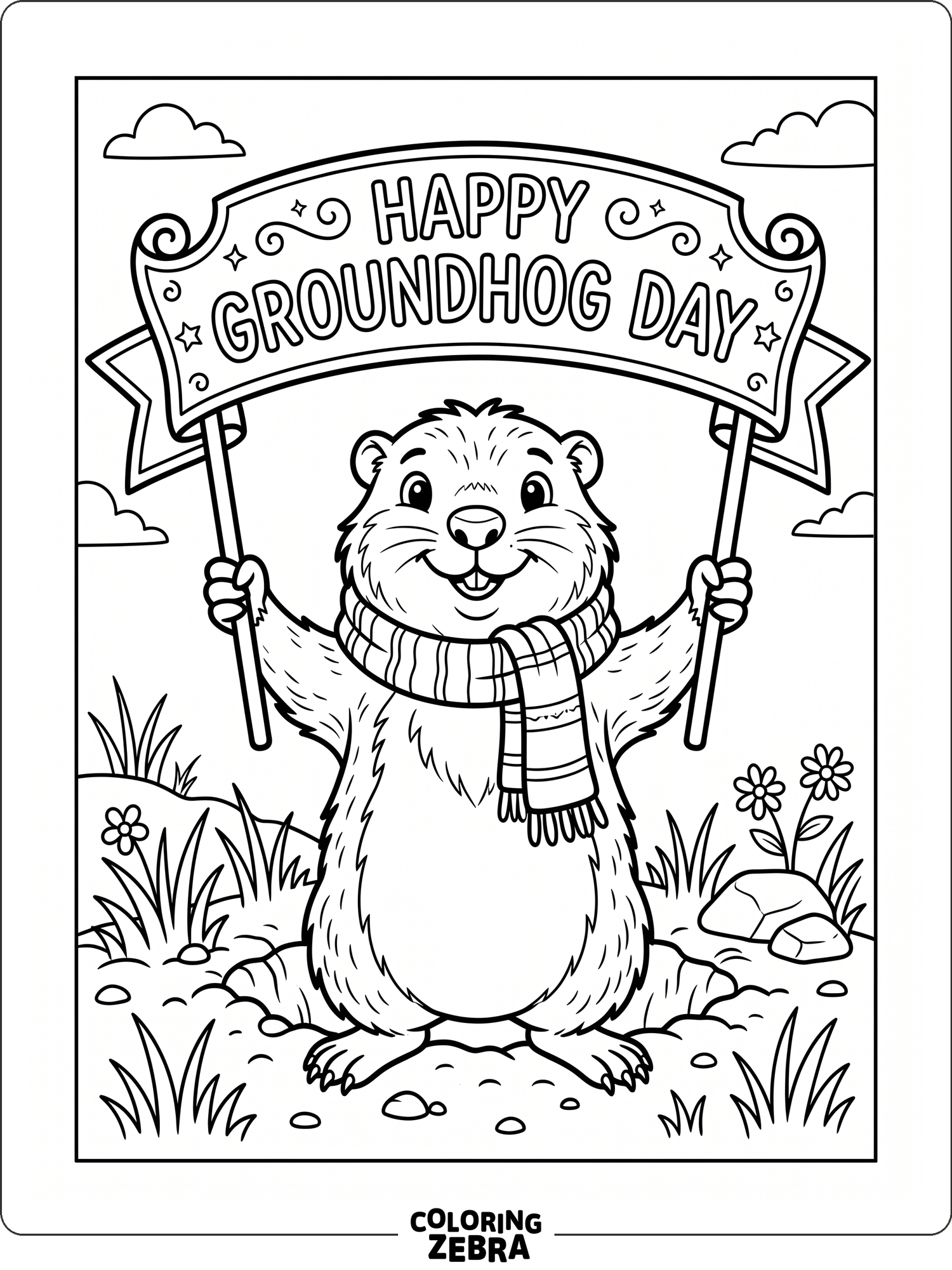
Use regular printer paper for crayons and colored pencils, or choose heavier paper for markers and finished displays. Select “fit to page” in the printer settings so borders, signs, and crown outlines remain visible. Draft or grayscale mode can conserve ink on pages intended for quick classroom activities.
Related coloring pages
Printable Groundhog Day Coloring Pages
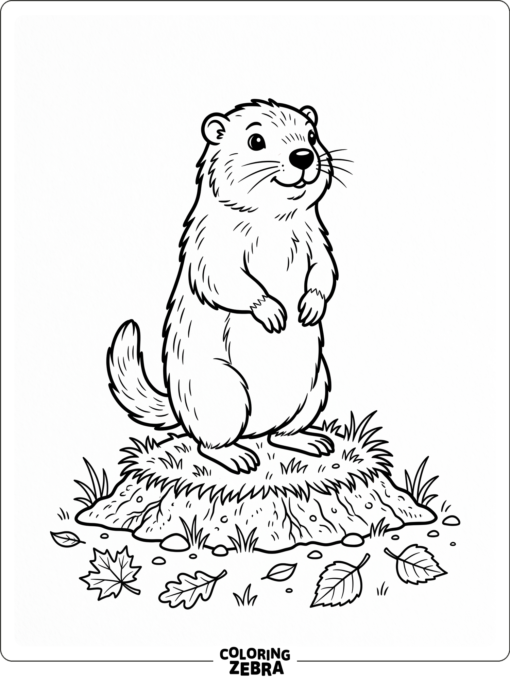

Groundhog Coloring Sheet
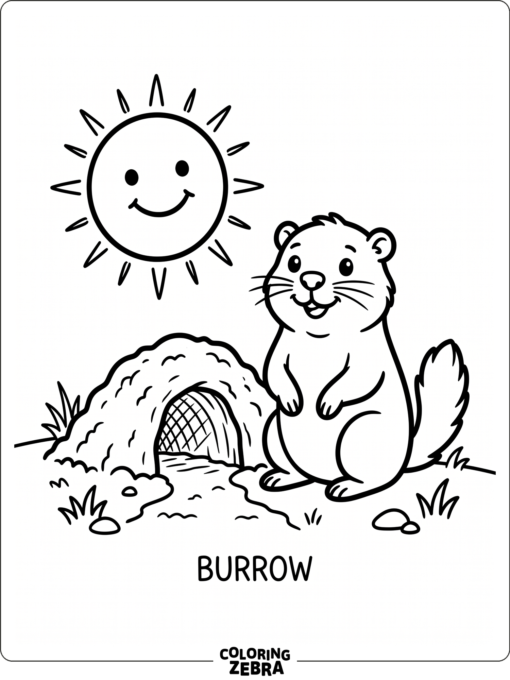

Preschool Groundhog Day Page
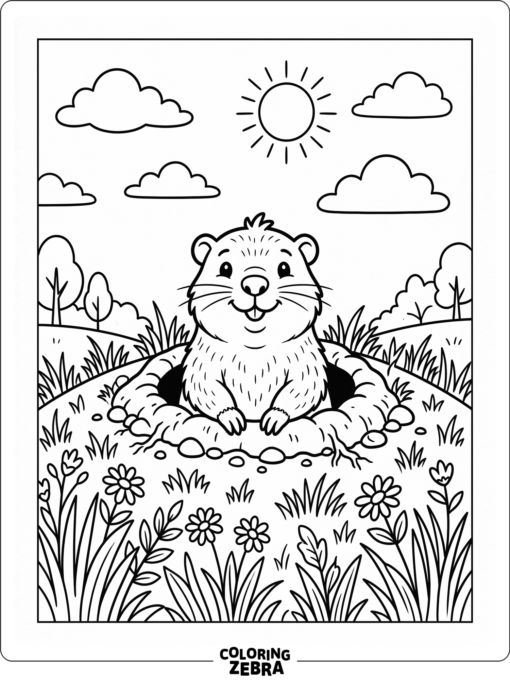

Kids Groundhog Day Printable
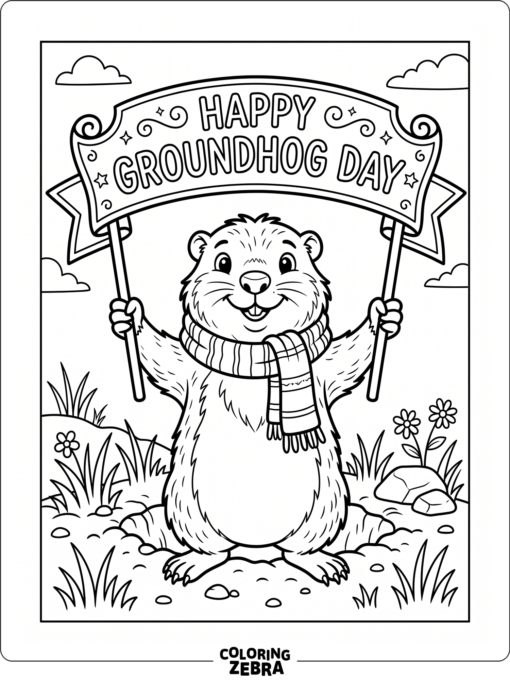

Groundhog Day Burrow Page
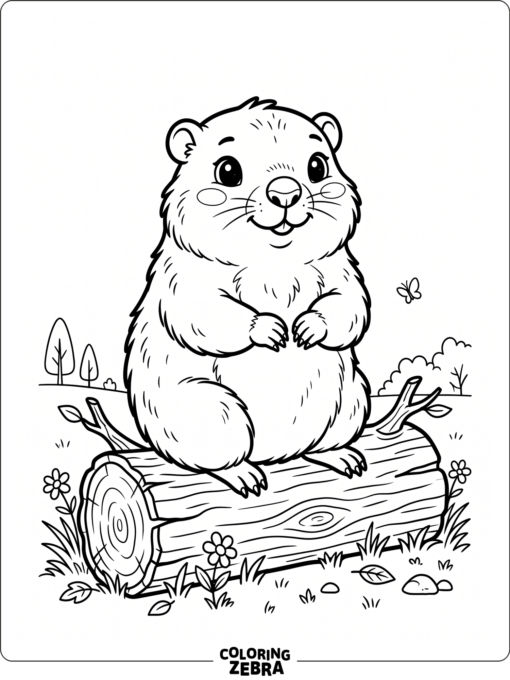

Cute Groundhog Coloring Page
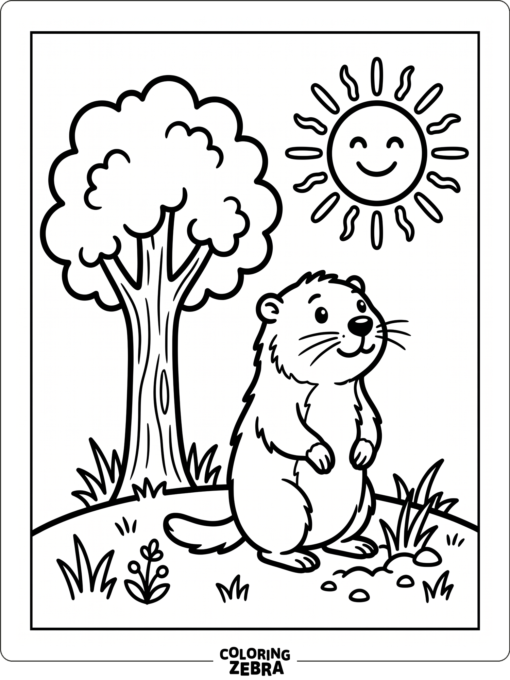

Kindergarten Groundhog Day Page
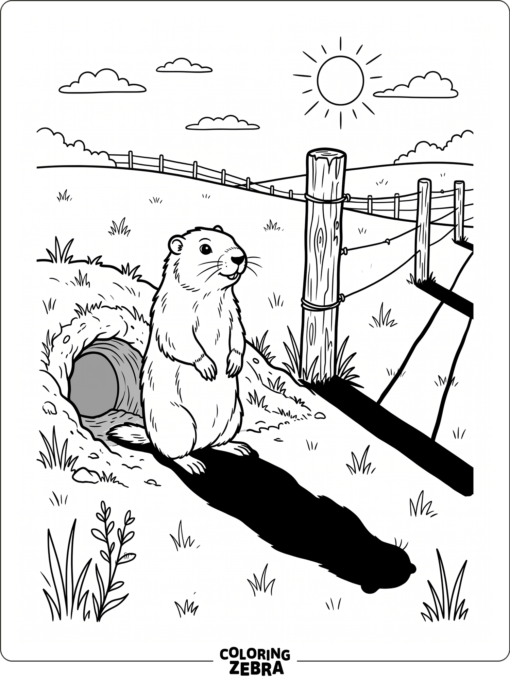

Groundhog Shadow Coloring Page
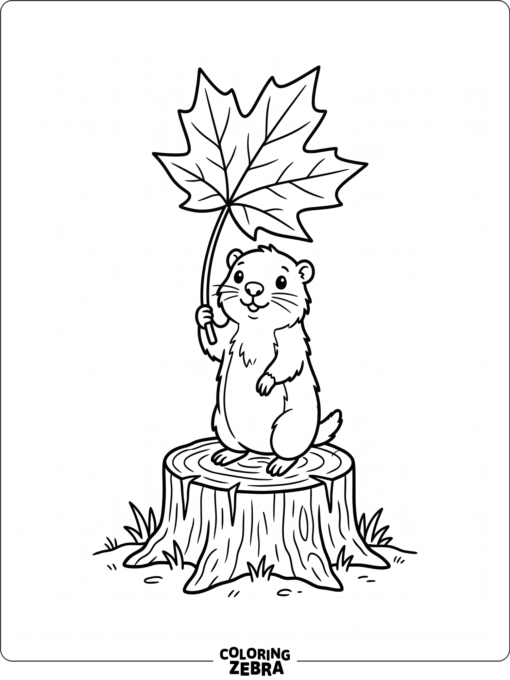

Small Groundhog Coloring Page
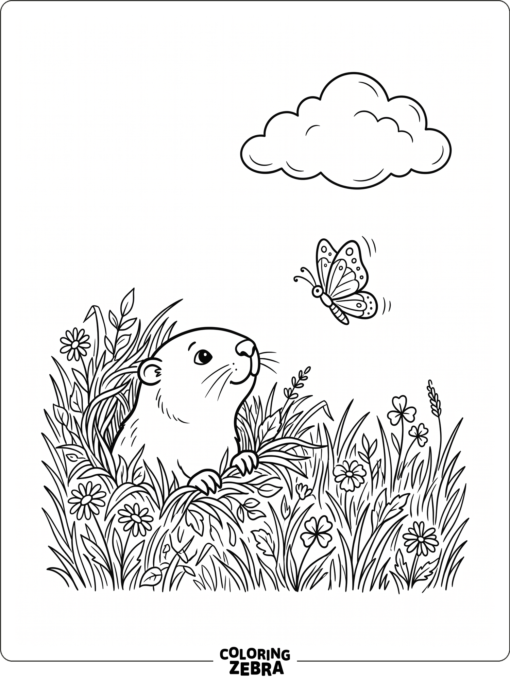

Groundhog Coloring Page for Kids
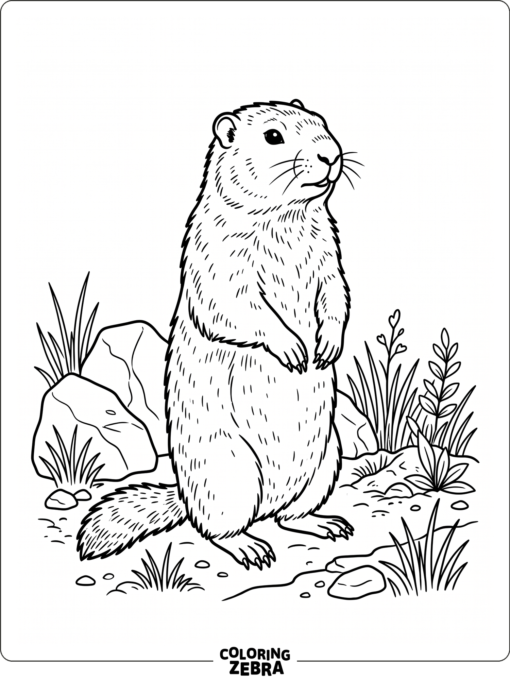

Realistic Groundhog Coloring Page
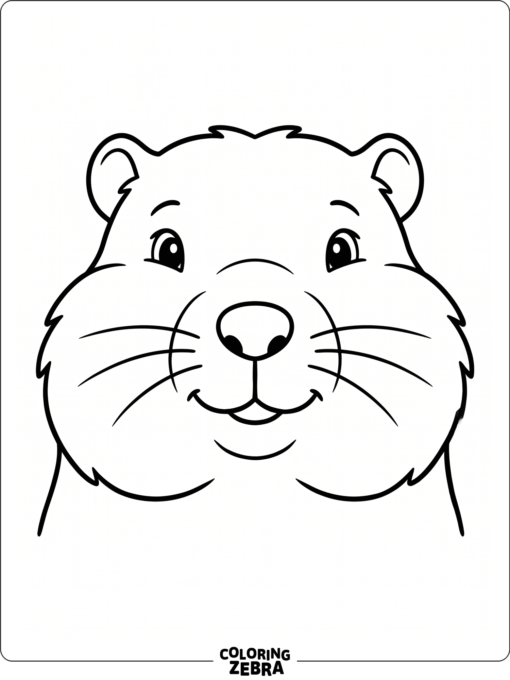

Groundhog Face Coloring Page
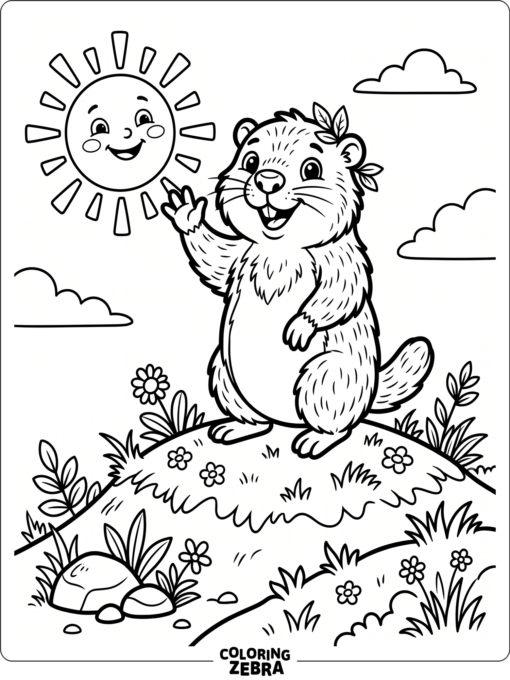

Cartoon Groundhog Coloring Page
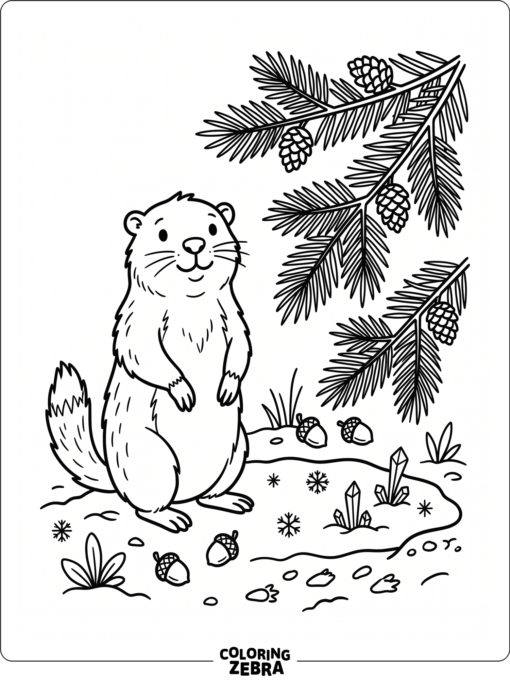

Groundhog Day Coloring Pages for Adults
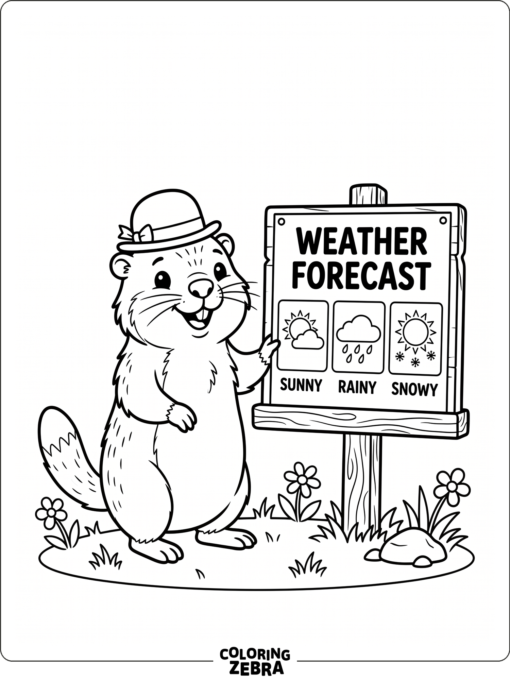

Punxsutawney Phil Coloring Page
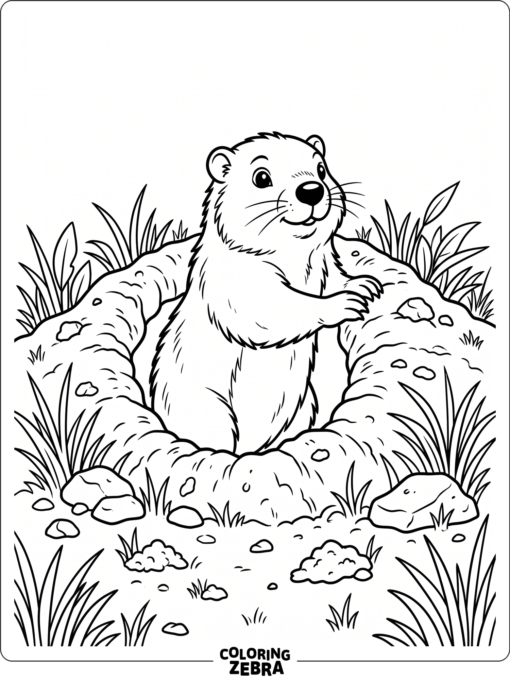

Groundhog Coming Out Of Burrow Coloring Page
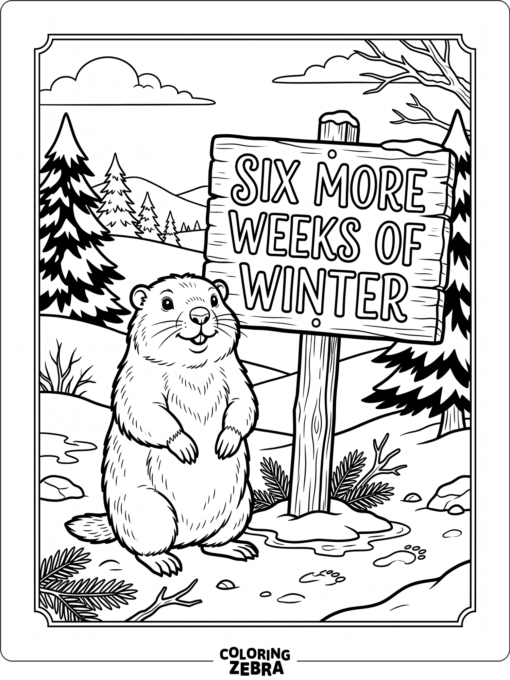

Six More Weeks of Winter Coloring Page
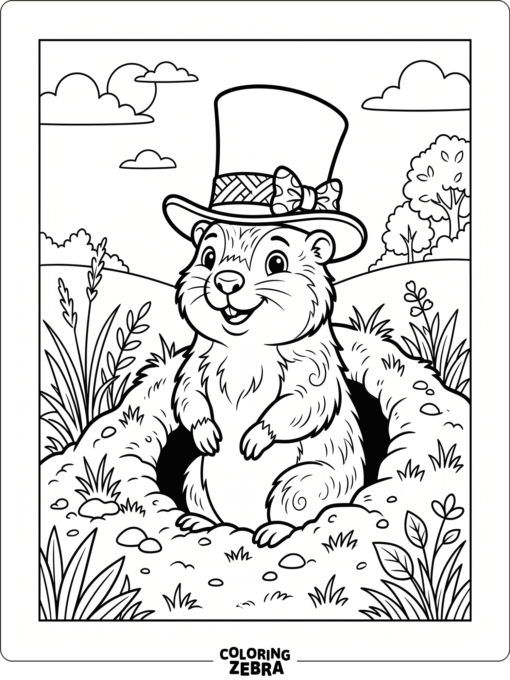

Groundhog Day Top Hat Coloring Page
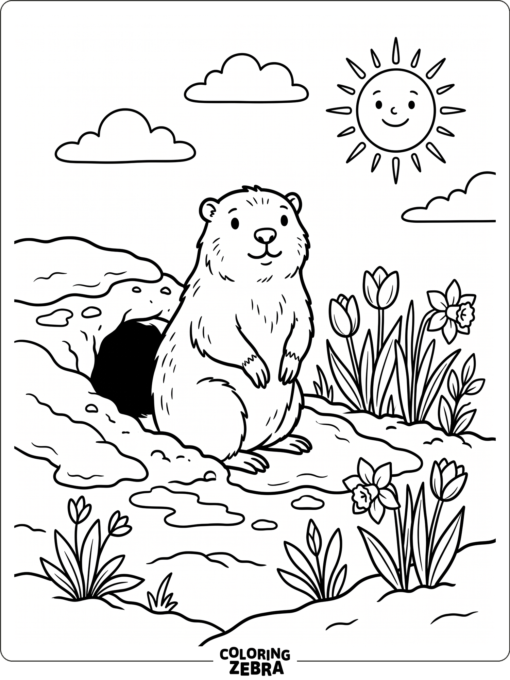

Early Spring Groundhog Day Coloring Page
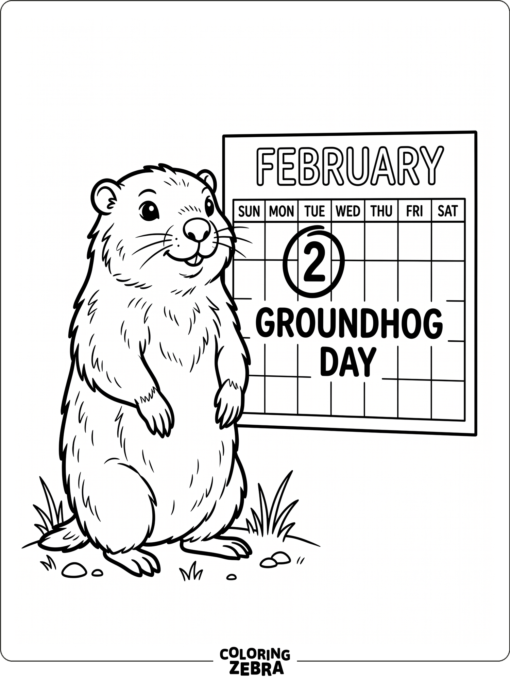

Groundhog Day February 2 Coloring Page
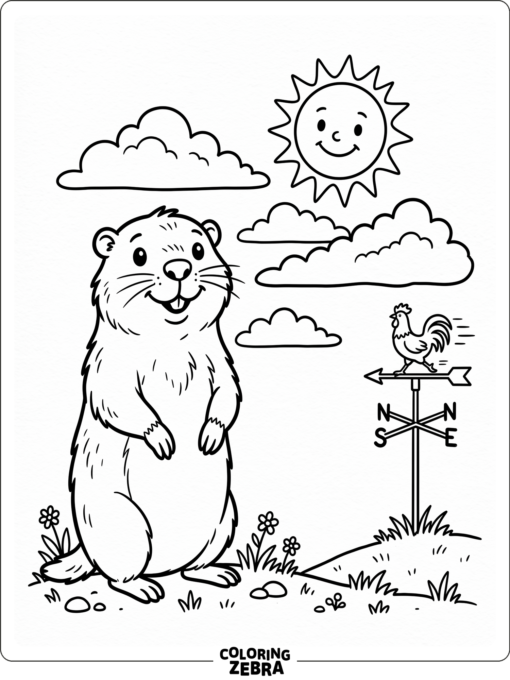

Groundhog Day Weather Prediction Coloring Page
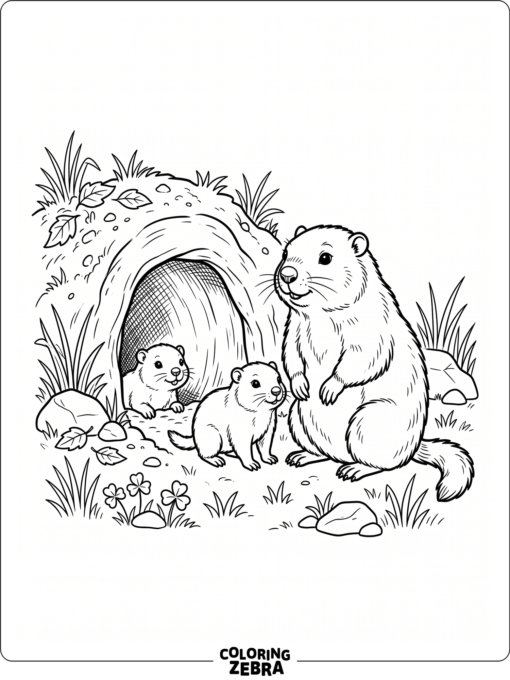

Groundhog Family Coloring Page
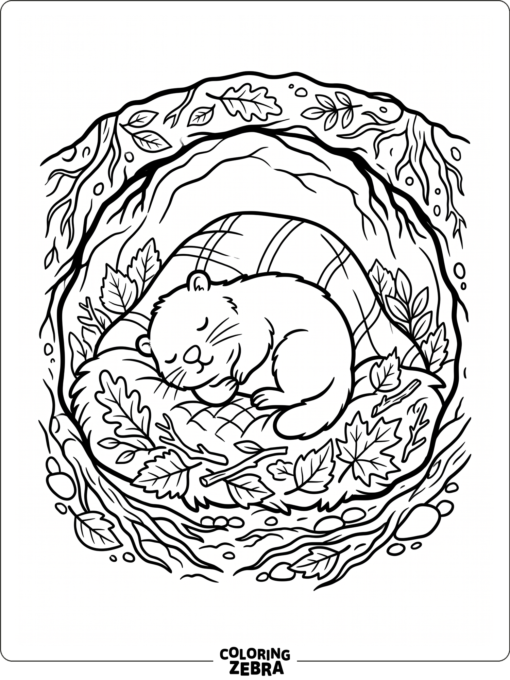

Groundhog Hibernation Coloring Page
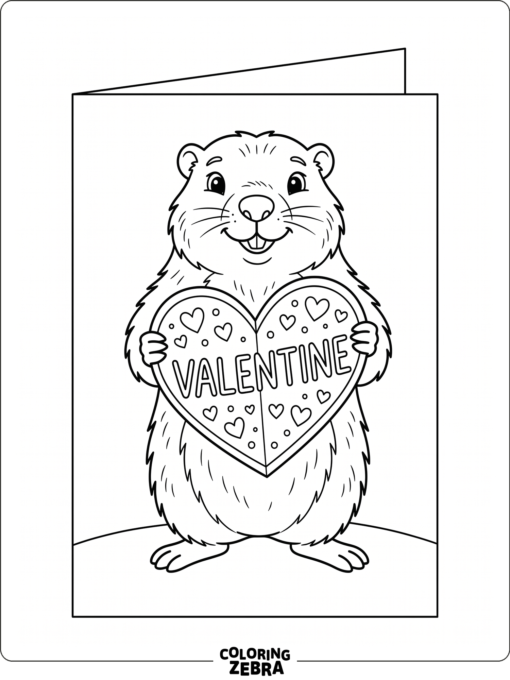

Groundhog Day Greeting Card Coloring Page
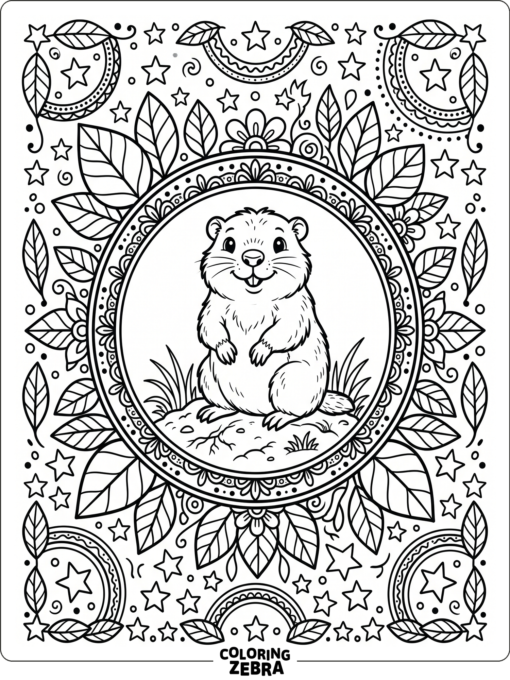

Groundhog Day Mandala Coloring Page
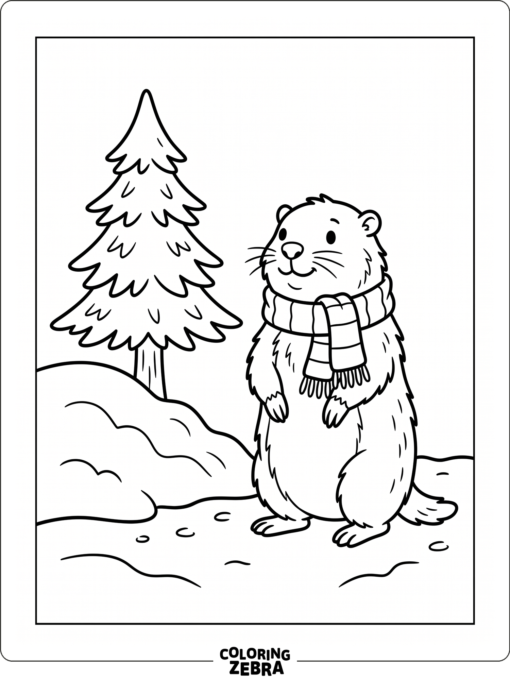

Groundhog Wearing Scarf Coloring Page
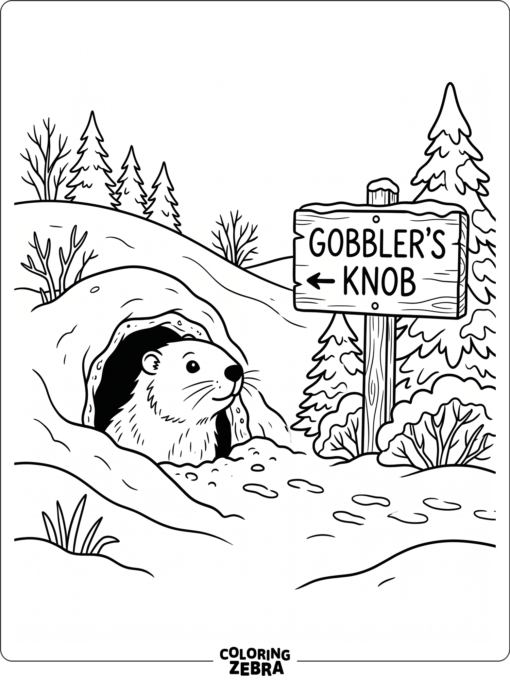

Gobblers Knob Printable Scene
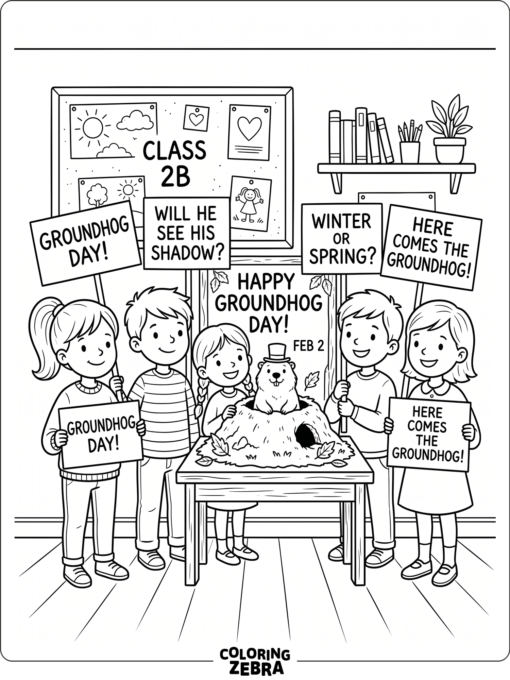

School Groundhog Day Coloring Page
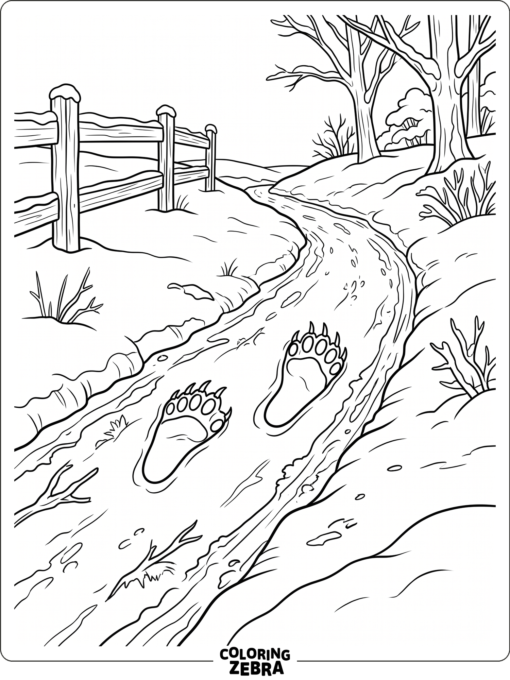

Groundhog Footprints Coloring Sheet
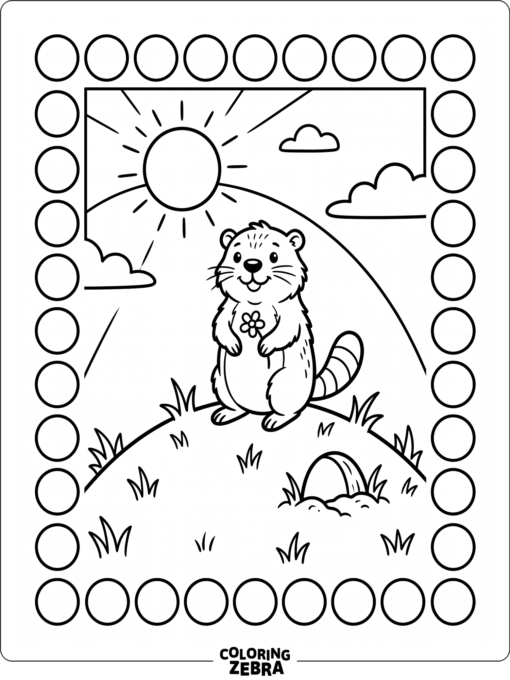

Dot Marker Groundhog Day Page
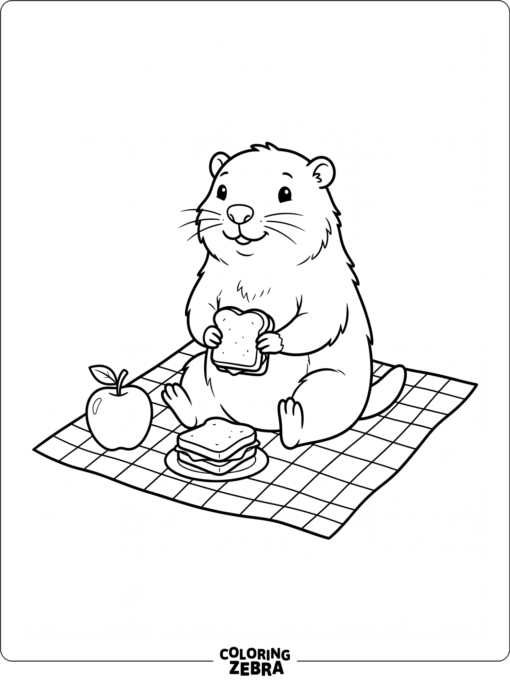

Groundhog Day Coloring Placemat
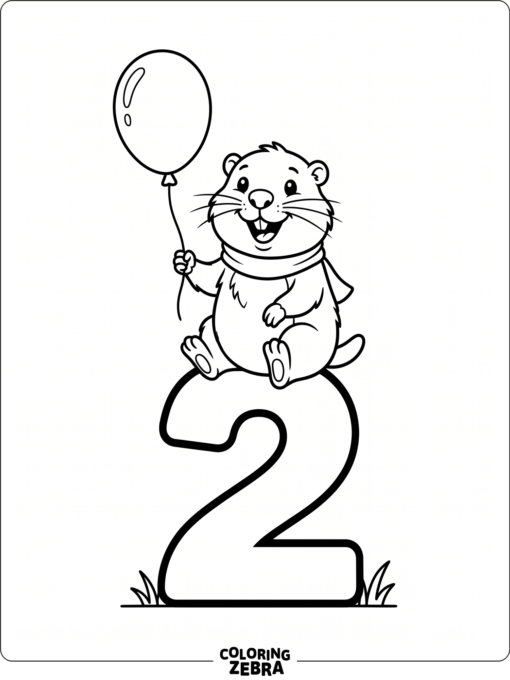

Toddler Groundhog Day Coloring Page
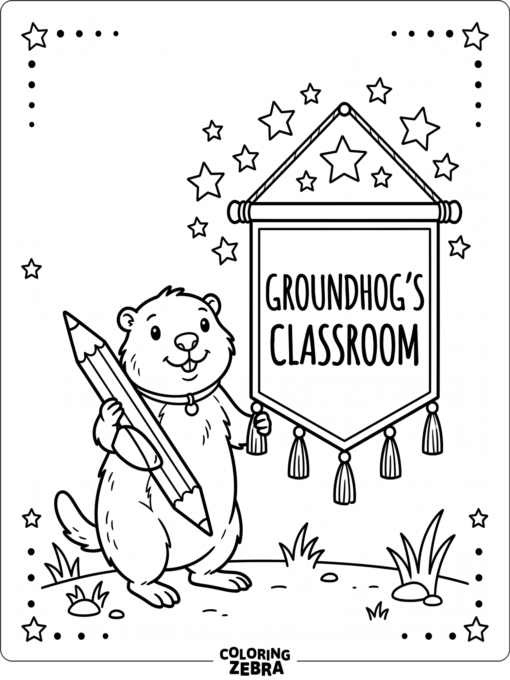

First Grade Groundhog Day Coloring Page
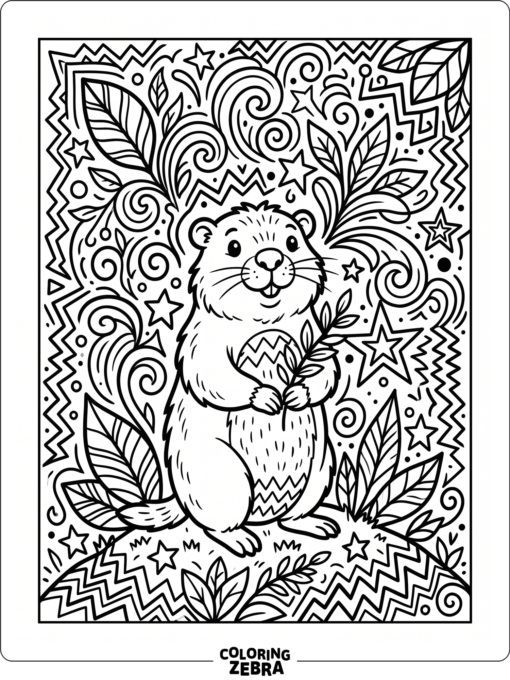

Groundhog Day Zentangle Outline
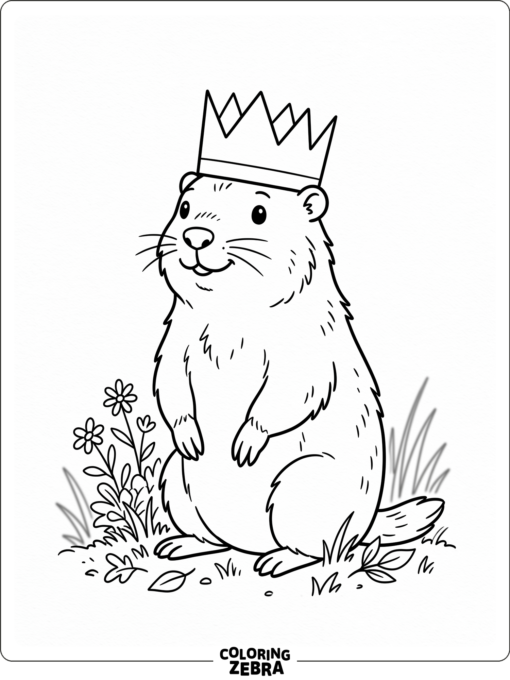

Groundhog Day Crown Printable
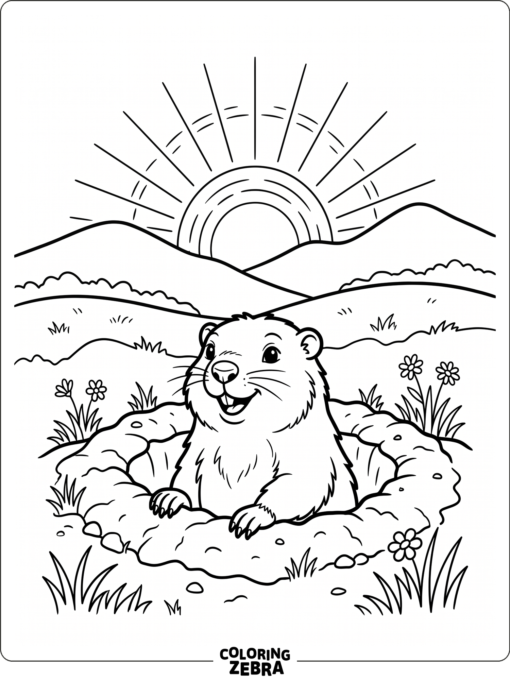

Groundhog Day Sunrise Coloring Page
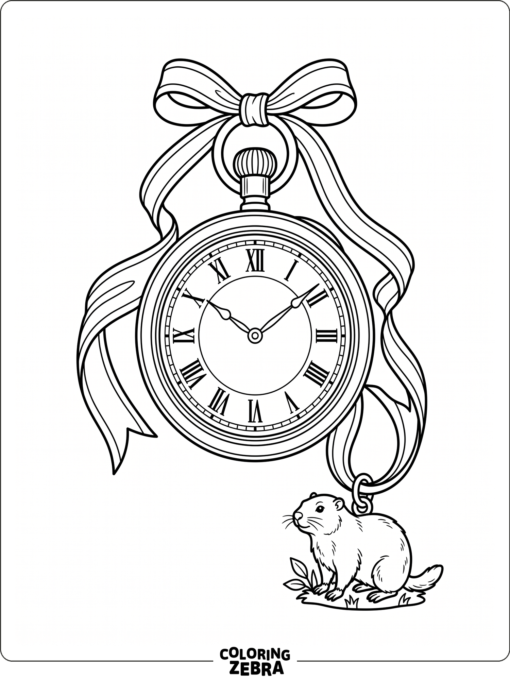

Groundhog Day Pocket Watch Page
What appears in this Groundhog Day collection
These Groundhog Day Coloring Pages explore the familiar February 2 tradition through animal portraits, seasonal landscapes, weather symbols, and activity formats. Several pictures show a groundhog peeking from or climbing out of a burrow, while others place the animal on a mound, hill, stump, log, or beside rocks. The settings shift between snowy winter hills and hints of early spring, including grass, leaves, sunshine, trees, and a sunrise over rolling hills.
The characters are just as varied as the scenery. Cartoon groundhogs smile, wave, wear scarves, or pose in a small hat or tall top hat. A close-up face emphasizes round cheeks and whiskers, while a more realistic groundhog stands near rocks. Other scenes feature a family beside a den entrance, a sleeping groundhog inside its burrow, tracks crossing the snow, and children celebrating the holiday in class.
The shadow tradition and seasonal weather
According to Groundhog Day folklore, a groundhog that emerges and sees its shadow predicts six more weeks of winter. If it does not see a shadow, tradition associates the result with an earlier spring. This prediction is a seasonal custom rather than a scientifically reliable weather forecast, so the pictures can open a useful conversation about the difference between folklore and evidence-based forecasting.
A groundhog and its shadow appear together beside a burrow in one design, while another animal stands near a “six more weeks” sign. Sunshine, clouds, a weather chart, and a weather vane provide additional clues to examine. Children can look for the position of the sun, compare cloudy and clear conditions, or decide which colors suggest winter and which suggest the approach of spring.
Groundhog Day is observed on February 2, and one sheet makes that date especially clear with calendar imagery. The holiday falls near the midpoint between the winter solstice and spring equinox, which helps explain its focus on changing seasons. A pocket watch outline offers another time-related motif without suggesting that the groundhog can measure or forecast actual seasonal timing.
Why burrows and winter scenes fit the theme
Groundhogs are burrowing rodents that hibernate during winter. They are also commonly called woodchucks, and their scientific name is Marmota monax. Burrows, den entrances, mounds, and emergence scenes therefore connect the holiday imagery to genuine animal behavior, even though the shadow prediction itself belongs to folklore.
The Groundhog Day Coloring Pages show these animals in grass, on rocks and logs, near stumps, and beside snowy banks. That range gives colorists a chance to compare habitats and seasons. Browns, grays, tans, and muted greens can create a natural look, while bright scarves, hats, signs, and banners can make cartoon designs more festive.
Choosing a design and coloring approach
Simple pages for younger children
The toddler design, simple sun-and-burrow scene, dot-marker activity, and large cartoon figures offer broad spaces with clear outlines. Chunky crayons or washable dot markers are comfortable choices for these areas. Young children might use one warm color for the animal, blue for the sky, and yellow for the sun before adding darker soil around the burrow.
Kid-focused scenes and first-grade options
A page identified for first-grade students joins approachable scenes such as a waving groundhog, a smiling character beneath a Happy Groundhog Day banner, and a groundhog peeking through grass. Children who enjoy adding details can draw extra clouds, snowflakes, grass, or a shadow, but those elements need not appear on every finished picture. The classroom celebration, calendar, and weather chart also work well for holiday lessons and seasonal vocabulary practice.
Detailed pages for older colorists
The realistic animal by rocks invites layered fur colors and careful shading around the paws, face, and stone textures. The adult winter scene can use cool blue-gray shadows against warmer browns, while the zentangle-style picture offers small decorative patterns for fine-tip markers or sharpened pencils. A design with leaves, stars, and circular borders can be colored as a coordinated palette, such as rust, gold, evergreen, and deep blue.
- For fur: Layer tan, brown, gray, or black strokes in the direction the coat grows.
- For snow: Leave some areas white and add pale blue or lavender along edges and footprints.
- For shadows: Use a cool gray, blue, or soft purple rather than solid black so interior details remain visible.
- For early spring: Combine fresh greens with damp brown soil, a pale sunrise, and soft cloud colors.
- For decorative patterns: Repeat a limited palette across neighboring zentangle sections for a balanced result.
Activity formats beyond standard coloring sheets
Not every selection is a conventional scene. The collection includes a dot-marker page, a picnic placemat, a greeting-card front, a paper crown template, and a pocket watch outline. These options support different uses: the placemat can mark a seasonal snack area, the card can carry a February 2 message, and the crown can become wearable classroom decor when assembled with appropriate adult help.
The Groundhog Day Coloring Pages can also contribute to a weather observation display. Place the calendar design beside the weather chart, then add the sun, clouds, weather vane, and shadow picture. Students can describe what each symbol means, record the actual conditions on February 2, and compare observation with the “six more weeks” saying.
Ways to use completed pictures
- Arrange the burrow, snowbank, sunrise, and early-spring scenes in order to create a visual transition from winter toward spring.
- Pair the sleeping groundhog with the emerging animal to discuss hibernation and seasonal behavior.
- Display the realistic page beside cartoon versions and identify differences in proportions, expressions, clothing, and habitat details.
- Use the February 2 calendar, banner, and classroom scene to make a holiday bulletin-board grouping.
- Turn the greeting-card design into a note for a classmate or family member, or use the picnic placemat during a themed meal.
Because the set ranges from broad toddler-friendly shapes to intricate patterns and realistic scenery, the best choice depends on the colorist’s comfort with detail rather than a single age label. Selecting a page by line density, area size, and subject matter makes it easier to find an inviting project while preserving the distinctive burrows, shadows, weather signs, and seasonal contrasts of the holiday.
People Often Ask Us…
-
Does February 2 mark the start of spring?
-
Why is a shadow linked to sunny weather?
-
How are groundhogs built for digging?
-
What happens when a groundhog hibernates?
-
Do groundhogs normally live in families?