
Cinco de Mayo Coloring Pages
Cinco de Mayo Coloring Pages combine festive objects, community scenes, and detailed Mexican folk-art motifs. Simple sombreros, maracas, tacos, and balloons offer broad shapes that are inviting to color. Community pictures feature musicians, dancers, families, students, and children celebrating beneath banners. Detailed papel picado, pottery, floral borders, an alebrije, and a pepper-and-flower mandala reward careful color choices.
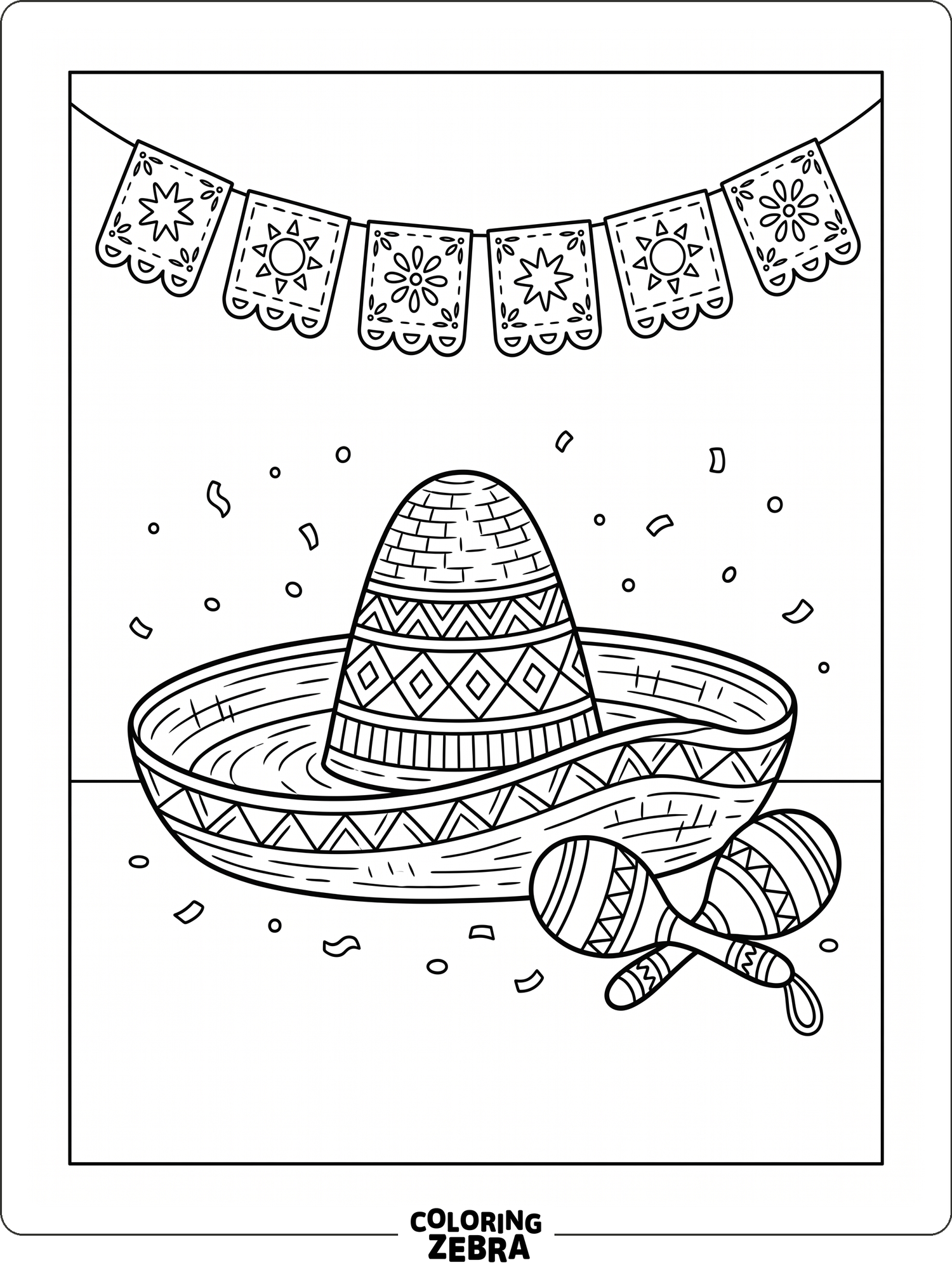
Choose standard printer paper for crayons or colored pencils, or use heavier paper if coloring with markers. Select fit-to-page in the printer settings so borders and lettering remain visible. Draft or grayscale mode can conserve ink while keeping the outlines clear.
Related coloring pages
Printable Cinco de Mayo Coloring Pages
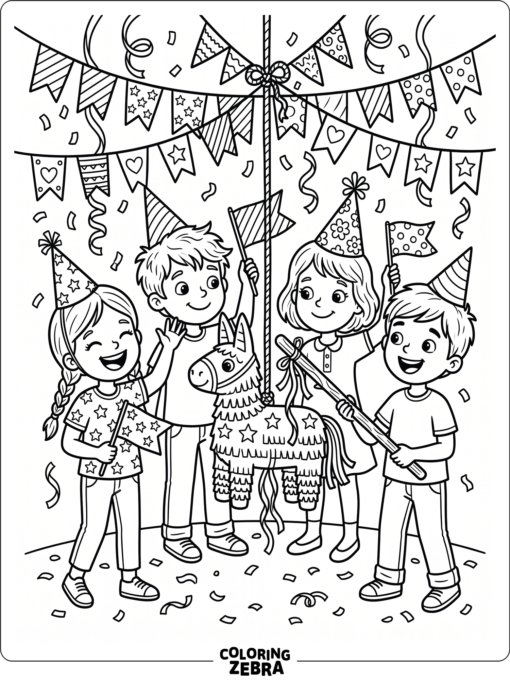

Cinco De Mayo Coloring Page For Kids
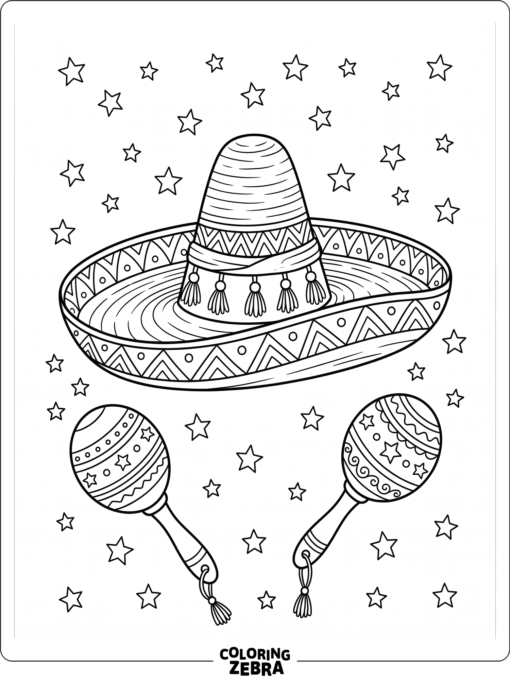

Easy Cinco De Mayo Coloring Page
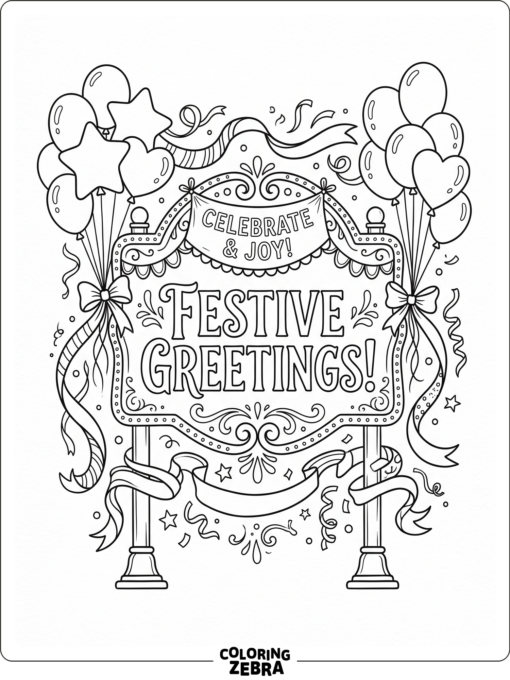

Happy Cinco De Mayo Coloring Page
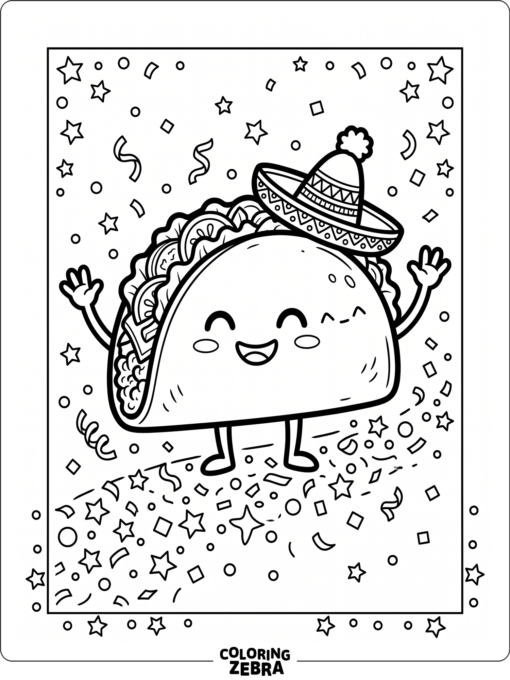

Cute Cinco De Mayo Coloring Page
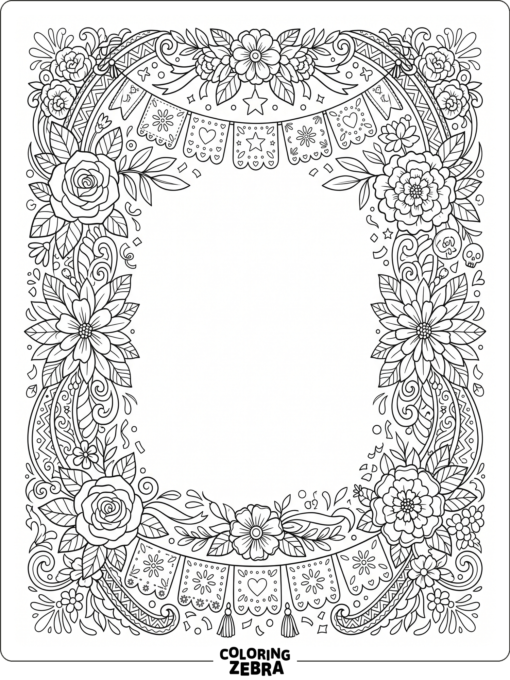

Cinco De Mayo Coloring Page For Adults
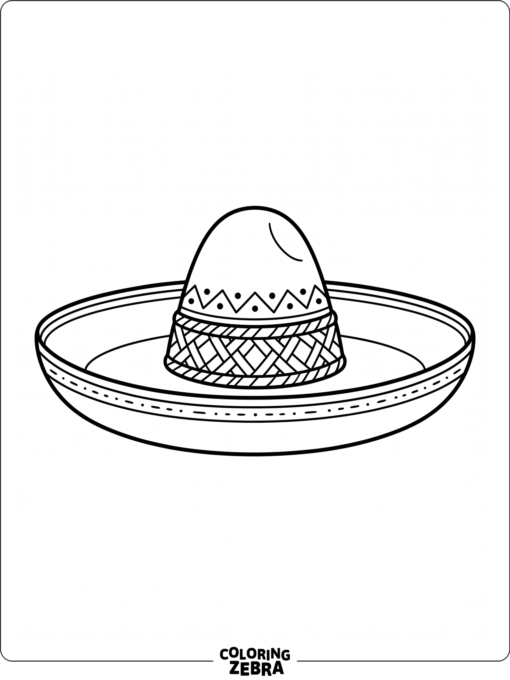

Cinco De Mayo Sombrero Coloring Page
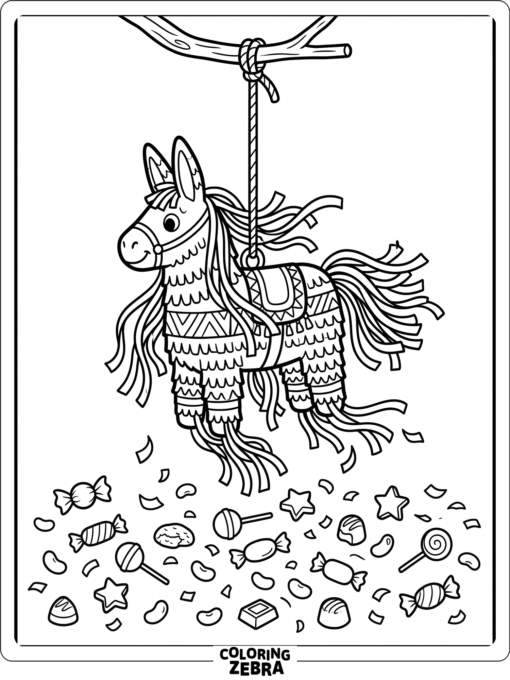

Cinco De Mayo Piñata Coloring Page

Cinco De Mayo Coloring Page For Toddlers

Hello Kitty Cinco De Mayo Coloring Page

Preschool Cinco De Mayo Coloring Page

Spanish Cinco De Mayo Coloring Page

Feliz Cinco De Mayo Coloring Page

Cinco De Mayo Coloring Page For Kindergarten

Cinco De Mayo Taco Coloring Page

Cinco De Mayo Mexican Flag Coloring Page
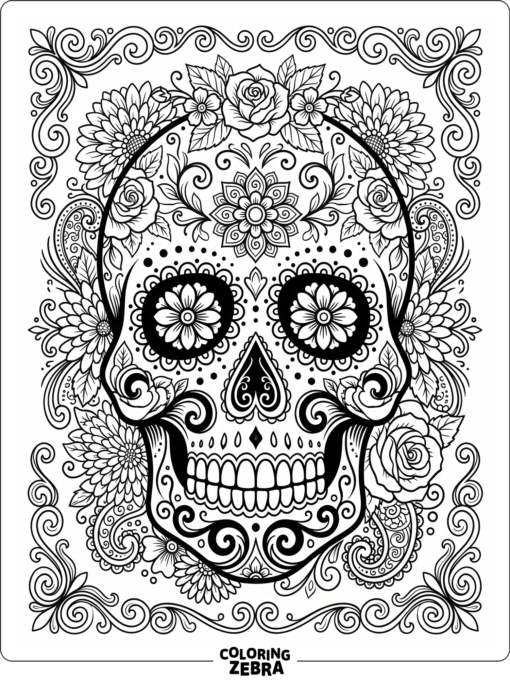

Cinco De Mayo Skull Coloring Page
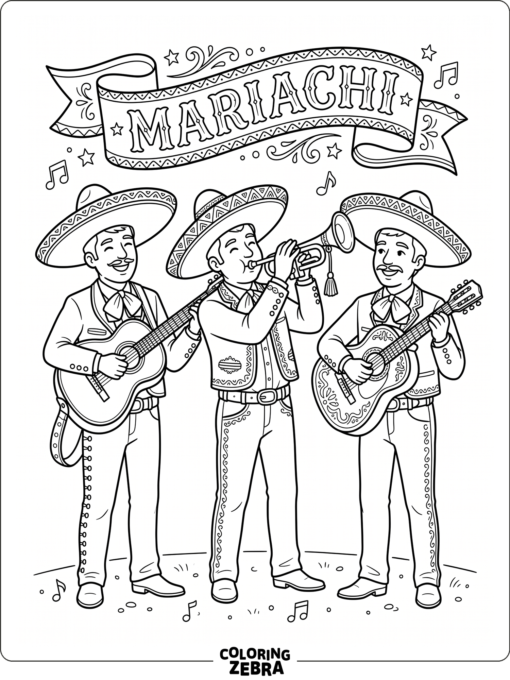

Cinco De Mayo Mariachi Band Coloring Page
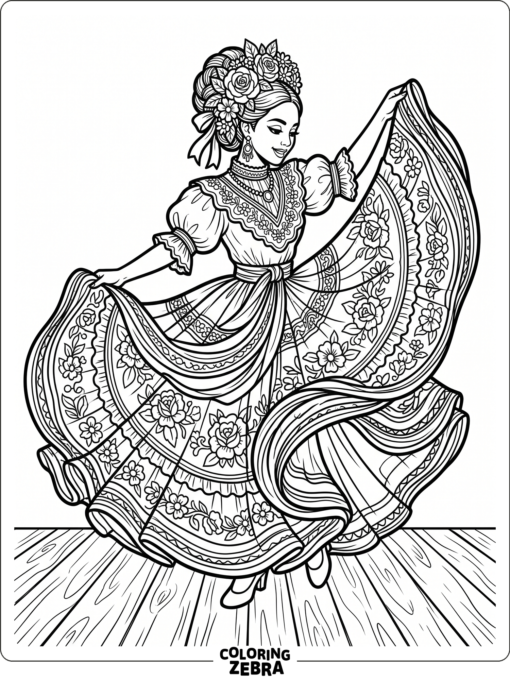

Mexican Folklorico Dancer Coloring Page
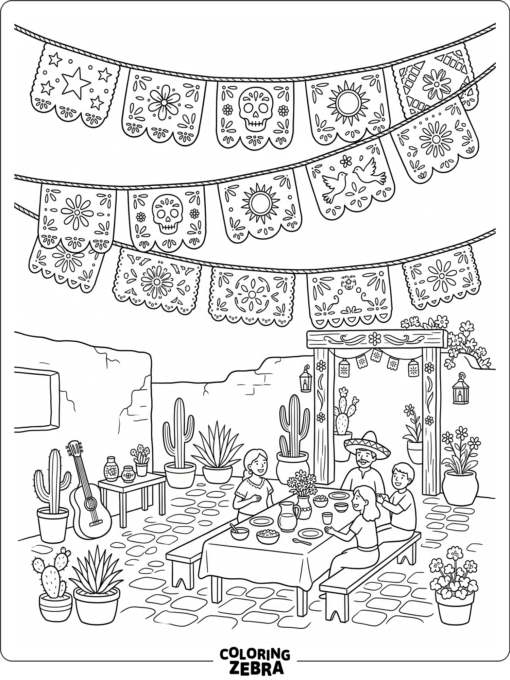

Papel Picado Cinco De Mayo Coloring Page
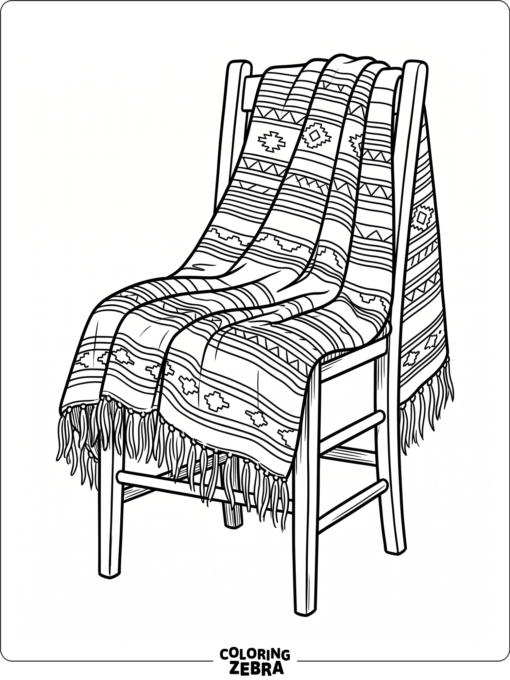

Cinco De Mayo Serape Coloring Page
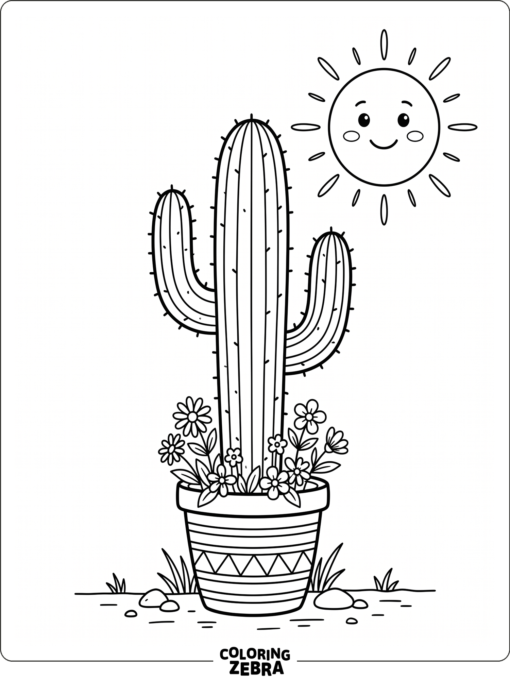

Cinco De Mayo Cactus Coloring Page


Cinco De Mayo Mexican Pottery Coloring Page
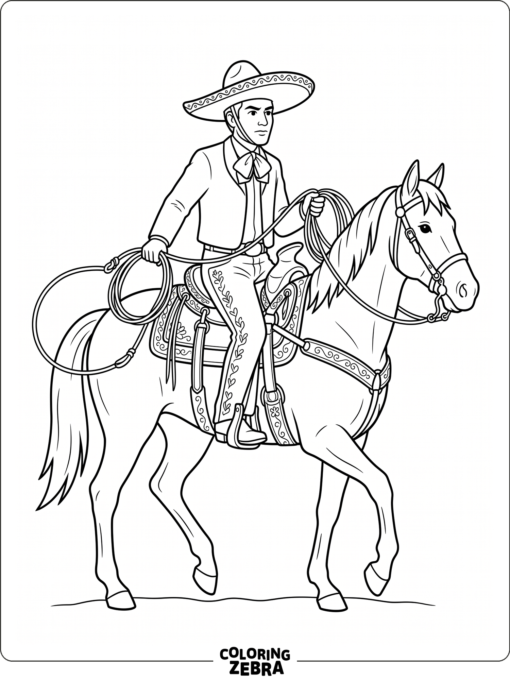

Cinco De Mayo Charro Coloring Page
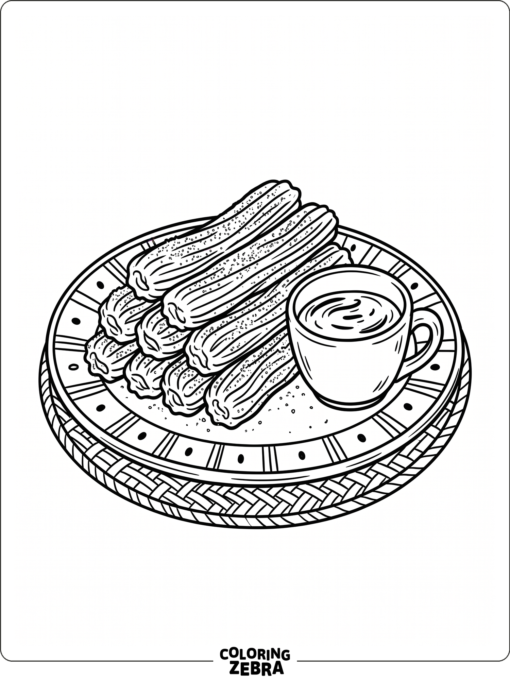

Cinco De Mayo Churros Coloring Page
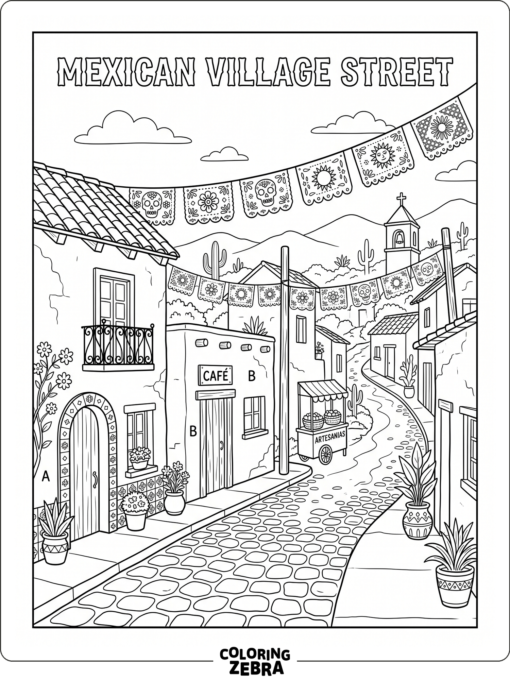

Cinco De Mayo Village Scene
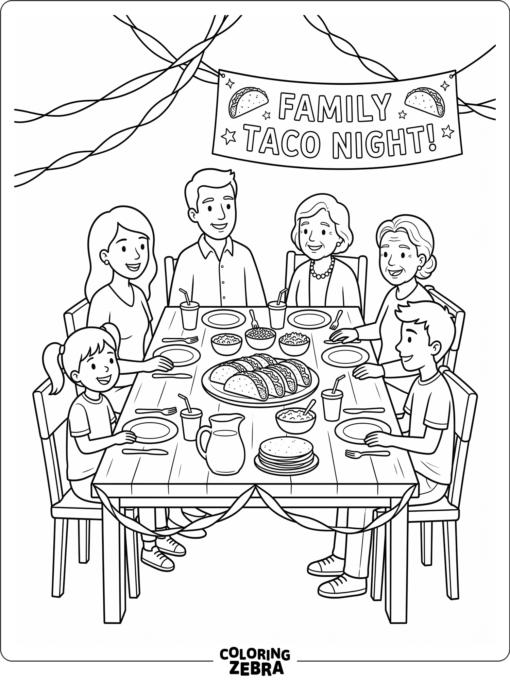

Cinco De Mayo Family Celebration
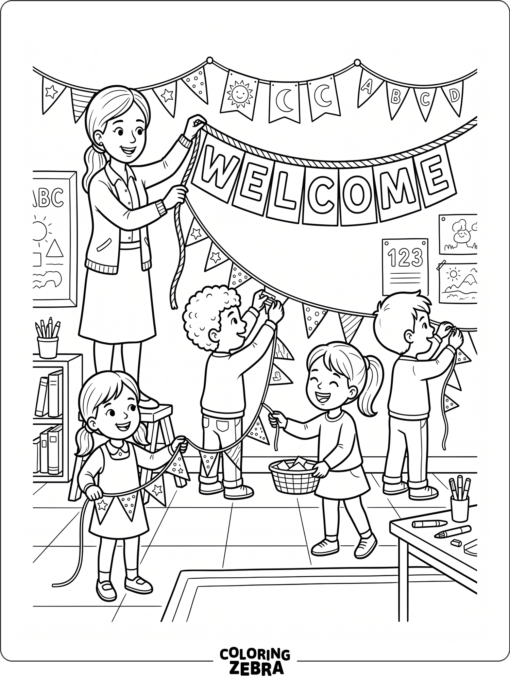

Cinco De Mayo School Party Page
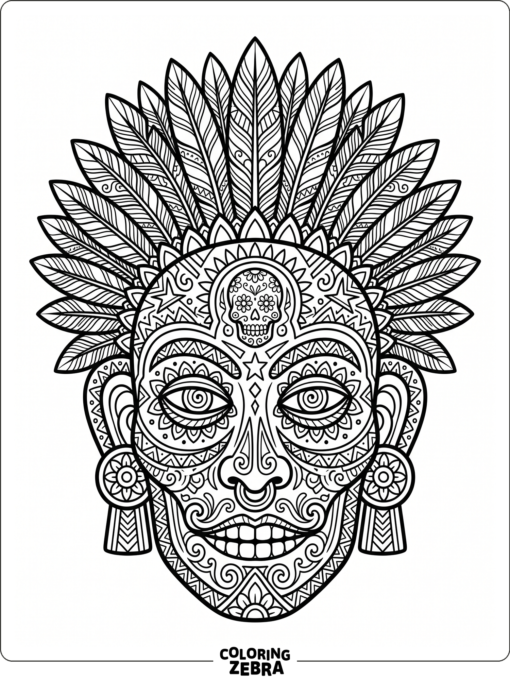

Cinco De Mayo Mask Outline

Mexico Map Cinco De Mayo Page

Cinco De Mayo Chili Pepper Page

Cinco De Mayo Balloons Page

Cinco De Mayo Paper Fan Page
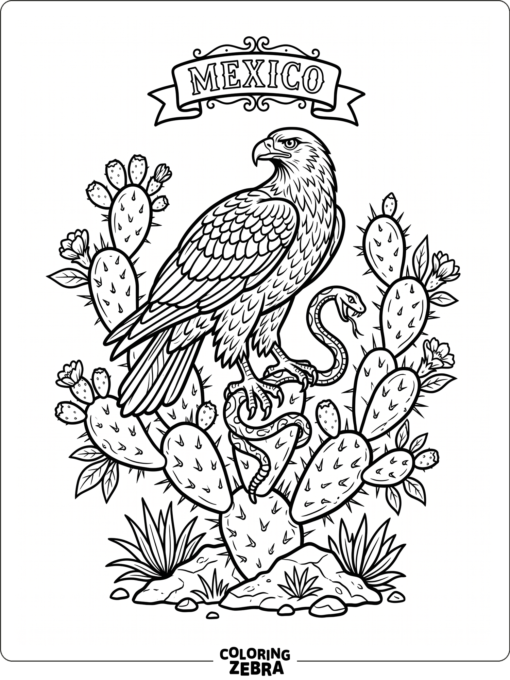

Cinco De Mayo Eagle Outline

Cinco De Mayo Confetti Page
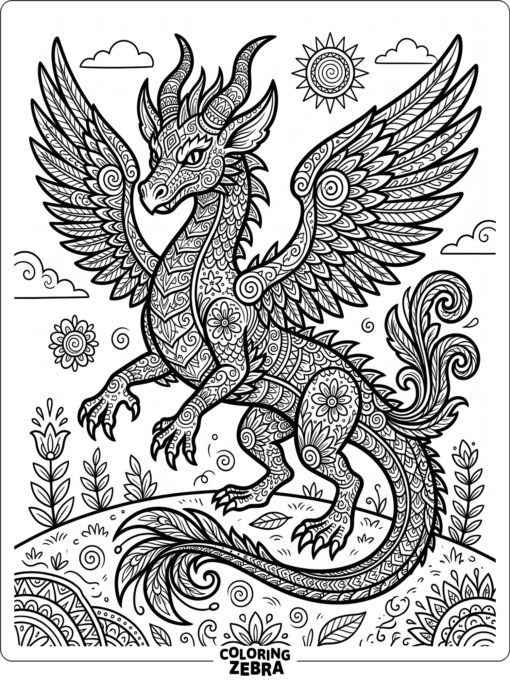

Cinco De Mayo Alebrije Design
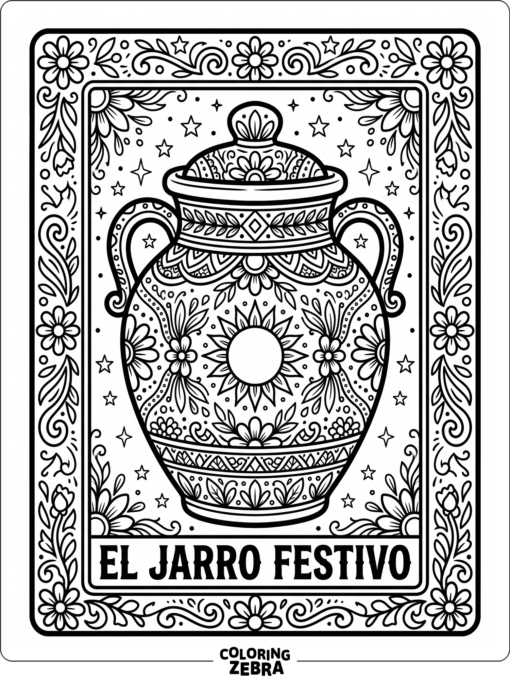

Cinco De Mayo Loteria Page

Cinco De Mayo Lantern Outline

Cinco De Mayo Flower Crown Page

Cinco De Mayo Mandala Page

Cinco De Mayo Coloring Page for Teens
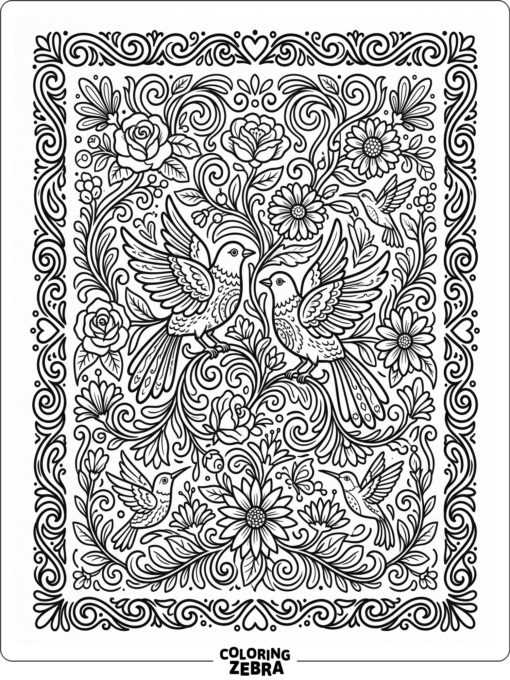

Cinco De Mayo Folk Art Page
What appears in the collection
These Cinco de Mayo Coloring Pages range from open preschool pictures to intricate decorative compositions. The easiest choices feature a sombrero with maracas, a balloon beside a taco, a hat surrounded by confetti, or a cheerful celebration sign. Other pages build fuller scenes around children at a party, a family gathered at a festive table, students decorating a classroom, and a teen carrying a guitar while wearing sneakers.
Party details run throughout the set. Look for flags, papel picado, balloons, ribbons, fireworks, streamers, candy pieces, a hanging lantern, and a festive piñata. Readable lettering includes a Spanish greeting and Feliz Cinco de Mayo, which means Happy Fifth of May. Some compositions leave generous empty space around the main subject, while the floral borders, cut-paper patterns, geometric pottery, folk-art birds, and mandala offer many small areas to fill.
Music, dance, food, and celebration scenes
Music appears in several forms, from pairs of maracas to a mariachi ensemble playing guitars and trumpet. A folklórico dancer with a full, swirling skirt adds movement, making the folds and repeated skirt shapes especially appealing for layered color. These musical and dance traditions are part of Mexican culture more broadly rather than customs unique to May 5.
The food-themed coloring sheets include tacos with toppings, a taco wearing a sombrero, churros beside a dipping cup, and a chili pepper near a small bowl. A decorated sombrero, a fringed serape, a flower crown, and a charro rider on horseback introduce clothing and equestrian imagery. Charro culture is a Mexican tradition associated with specialized dress, horsemanship, and skills such as using a lasso.
Decorative and folk-art details
The more elaborate Cinco de Mayo Coloring Pages are suited to colorists who enjoy patterns. Papel picado uses cutout designs in decorative paper and appears at many kinds of Mexican celebrations, not only Cinco de Mayo. Repeating colors across its small openings can create a coordinated banner, while contrasting shades make individual panels easier to distinguish.
Geometric bands wrap around the pottery, floral cutouts decorate a paper fan, and roses and leaves form a flower crown. The alebrije combines wings and horns in a fantasy creature inspired by Mexican folk art, so there is no need to follow a realistic animal palette. A lotería-style card features a jar and ornamental border; lotería is a traditional Mexican game of chance played with illustrated cards and a distinctive calling format.
Other detailed choices include an eagle perched on a cactus, a traditional-style feathered mask, a serape draped over a chair, and birds arranged with flowers in a Mexican folk-art style. A sugar skull surrounded by flowers and swirls also appears in the collection. Sugar skulls are more closely associated with Día de los Muertos traditions, so this picture is best understood as broader Mexican cultural imagery rather than a historical symbol of Cinco de Mayo.
The history behind May 5
Cinco de Mayo means Fifth of May in Spanish. The date commemorates the Mexican victory over French forces at the Battle of Puebla on May 5, 1862. Mexican troops were led by General Ignacio Zaragoza and defeated a larger, well-equipped French army. The result held great symbolic importance, although the wider French intervention continued after the battle.
Cinco de Mayo is not Mexico’s Independence Day. Mexican Independence Day is observed on September 16. May 5 has particular historical importance in Puebla, while many celebrations in the United States focus more broadly on Mexican and Mexican American heritage. Customs and the prominence of the observance vary among communities.
The map of Mexico, Mexican flag with fireworks, and quiet village street can support this historical and geographic context. The village contains banners and adobe houses, but it is not identified as a particular place. Likewise, the eagle-on-cactus design should be discussed only through the details visible on the page rather than treated as a complete national emblem.
Coloring approaches for each style
- For broad, easy shapes: Use crayons or wide colored-pencil strokes on the sombreros, balloons, tacos, cactus, maracas, and celebration lettering. A limited palette can help young colorists finish a page without making it feel visually crowded.
- For people and movement: Repeat selected colors across the folklórico dancer’s skirt, the mariachi clothing, or the party decorations. Gradually shifting from light to dark along the swirling skirt can emphasize its motion.
- For patterns: Assign a short color sequence to the pottery bands, serape stripes, papel picado panels, or decorative border. Repeating that sequence gives complicated designs a clear rhythm.
- For imaginative subjects: Try unexpected combinations on the winged alebrije, cute fiesta cat, floral mask, or folk-art birds. These designs allow more freedom than the map and flag pages.
- For intricate pages: Colored pencils or fine-tip markers can help separate the mandala’s peppers and flowers, the sugar skull’s swirls, and the lotería card’s border. Coloring the largest forms first makes it easier to plan accents for the smallest details.
Ways to use the finished pictures
Finished Cinco de Mayo Coloring Pages can form a classroom display that separates historical facts from modern celebration imagery. Pair the Mexico map or flag page with a short note about the Battle of Puebla, then group the music, dance, food, and decorative-art pictures under clearly labeled cultural themes. This approach acknowledges that tacos, alebrijes, lotería, serapes, sugar skulls, and papel picado have histories beyond the 1862 battle.
The lettering pages can become greeting signs, while individual balloons, flowers, or banner designs can inspire a coordinated bulletin board. Families might arrange the table scene, village street, and party pictures as a small gallery about community celebrations. Older students can add captions explaining mariachi, folklórico dance, charro horsemanship, or the meaning of Feliz Cinco de Mayo, turning the colored collection into an accurate visual introduction to May 5.
People Often Ask Us…
-
Why was France fighting Mexico in 1862?
-
Who was General Ignacio Zaragoza?
-
Is Cinco de Mayo a national holiday across Mexico?
-
Why is Cinco de Mayo popular in the United States?
-
How is lotería played?