
Earth Day Coloring Pages
Earth Day Coloring Pages pair cheerful planet symbols with practical ways to care for the environment. Children can color smiling globes, hearts, leaves, butterflies, flowers, and decorative borders. Action-filled scenes feature planting, recycling, composting, saving water, cycling, and collecting litter. Detailed habitats, clean-energy technology, wildlife, and climate imagery offer older colorists more to explore.
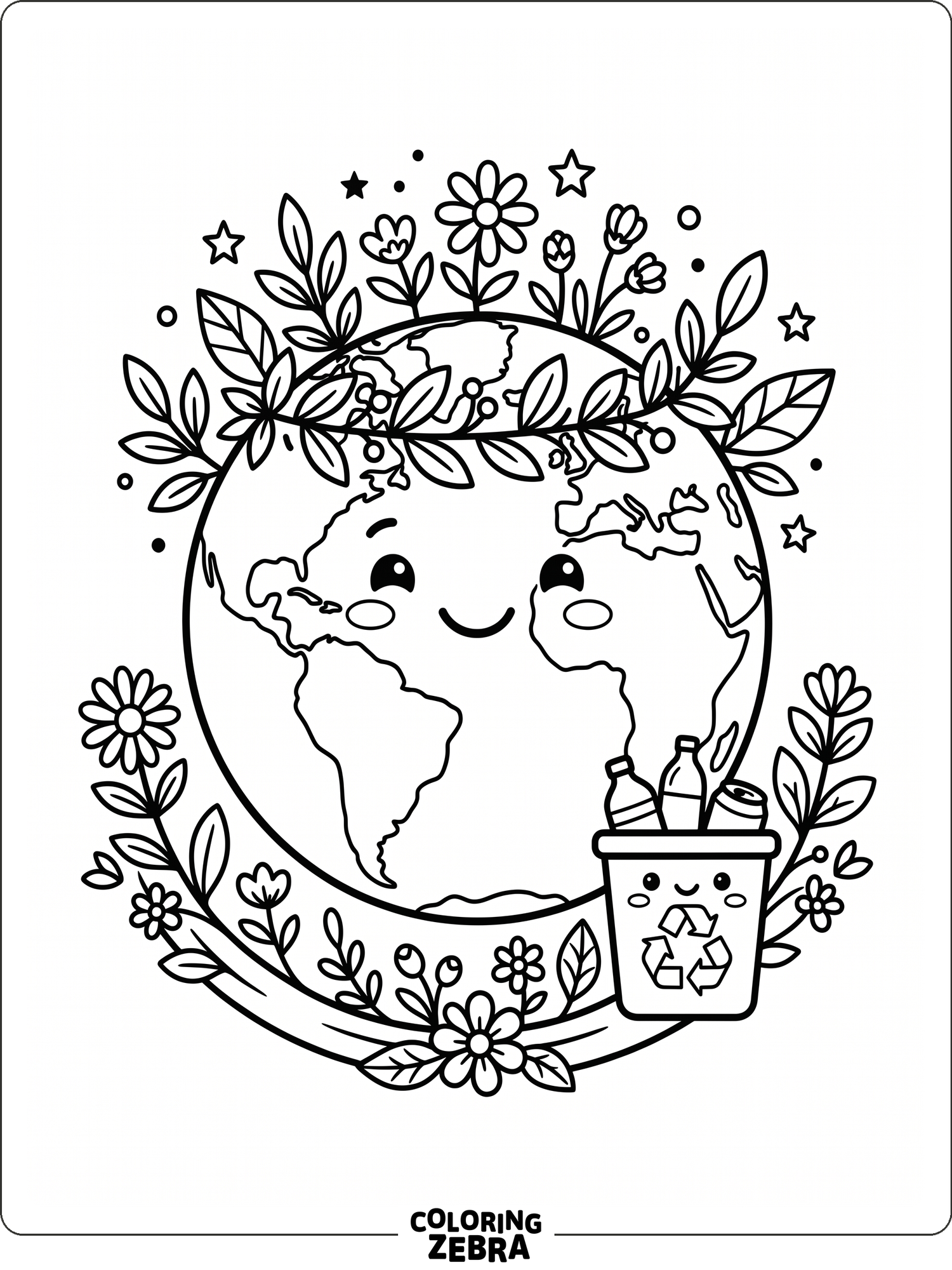
Choose standard printer paper for crayons and colored pencils, or use heavier paper for markers. Select “fit to page” in the printer settings so the complete outline stays within the margins. For an ink-saving option, print in black and white using draft or economy mode.
Related coloring pages
Printable Earth Day Coloring Pages


Cute Earth Day Coloring Page
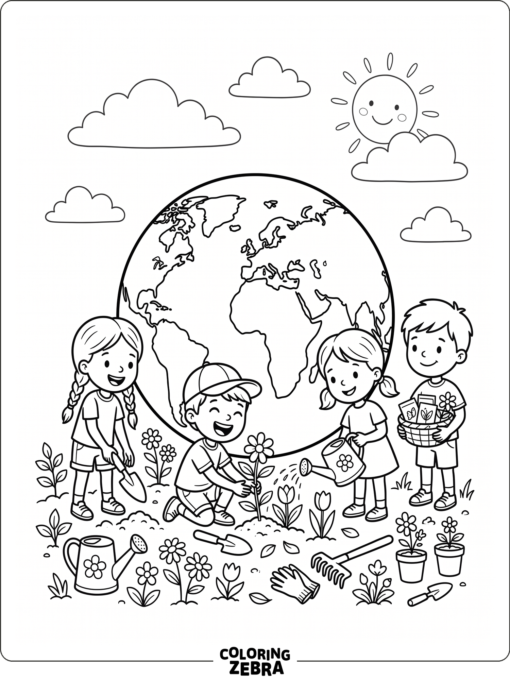

Earth Day Coloring Page for Kids
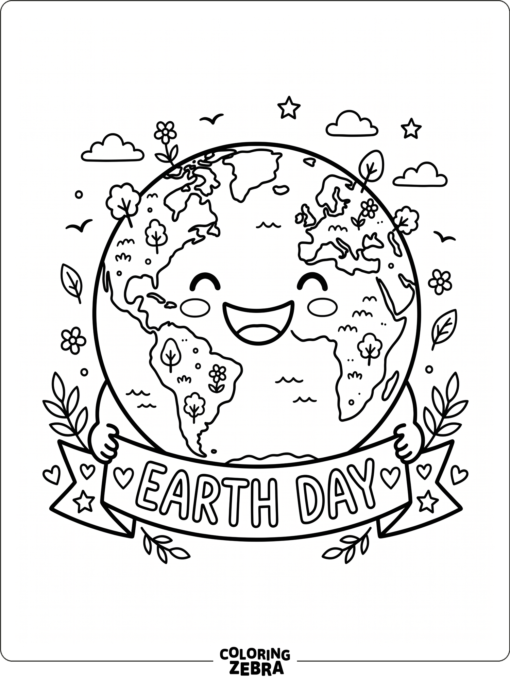

Happy Earth Day Coloring Page
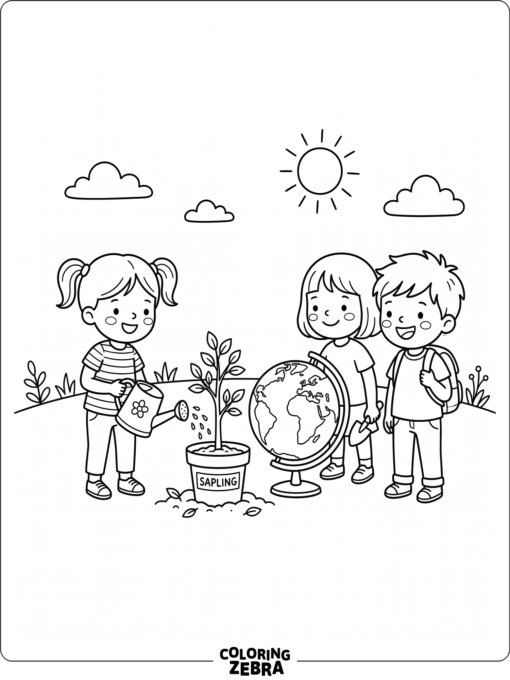

Preschool Earth Day Coloring Page
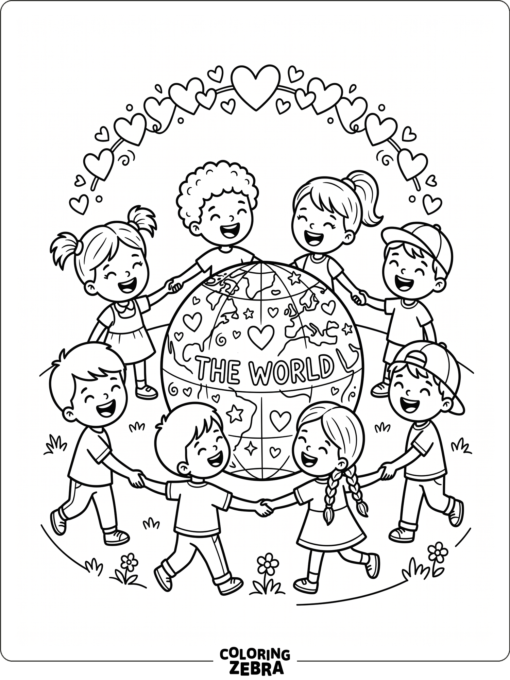

Kindergarten Earth Day Coloring Page
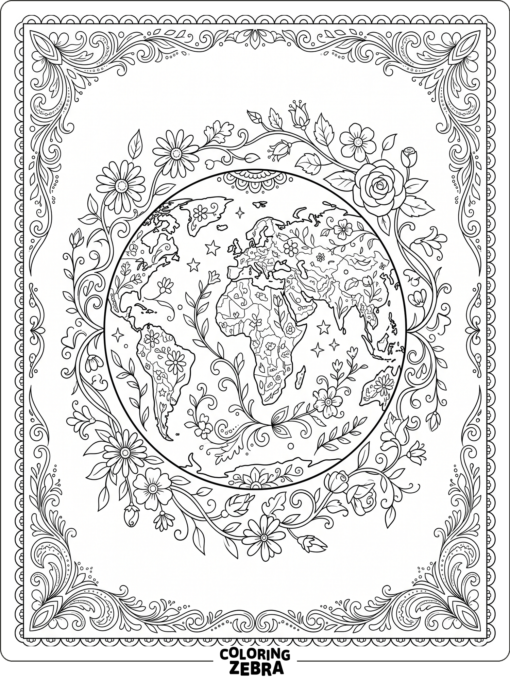

Earth Day Coloring Page for Adults
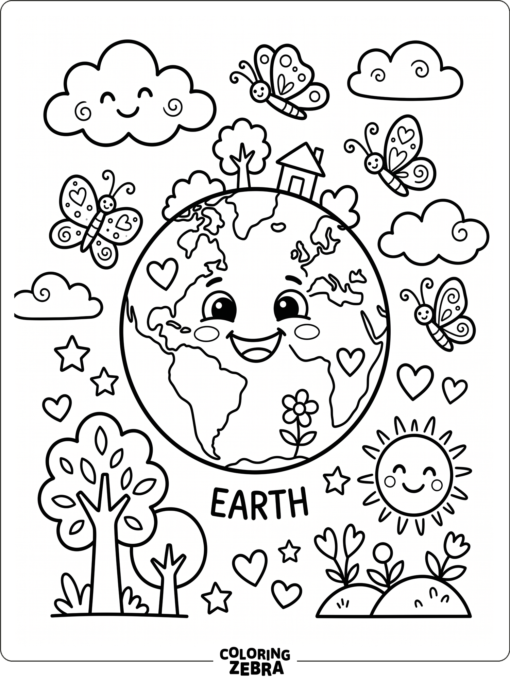

Earth Day Coloring Page for Toddlers
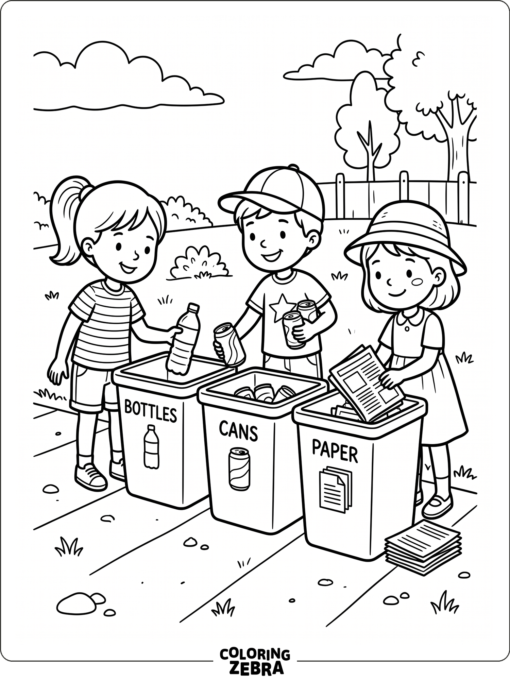

Earth Day Coloring Activity
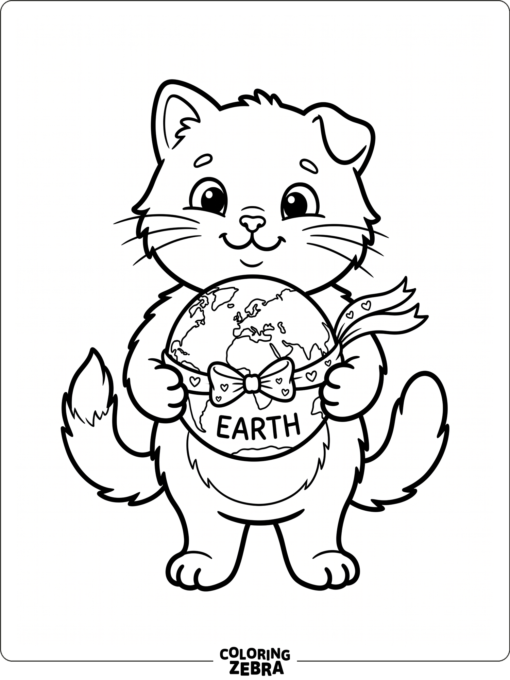

Hello Kitty Earth Day Coloring Page


Easy Earth Day Coloring Page
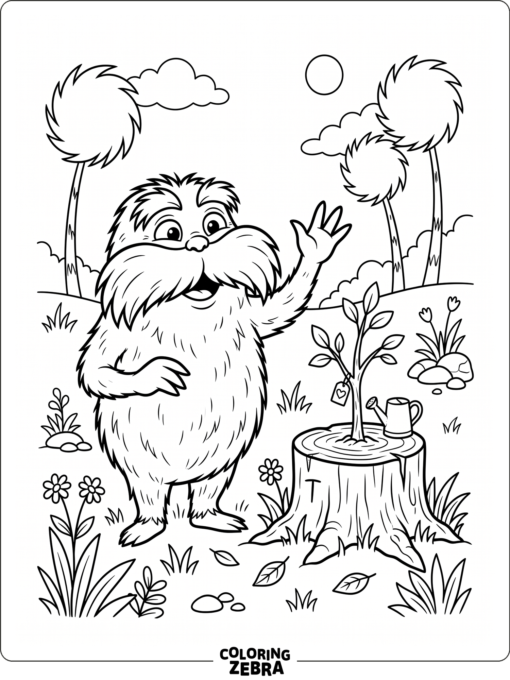

Lorax Earth Day Coloring Page
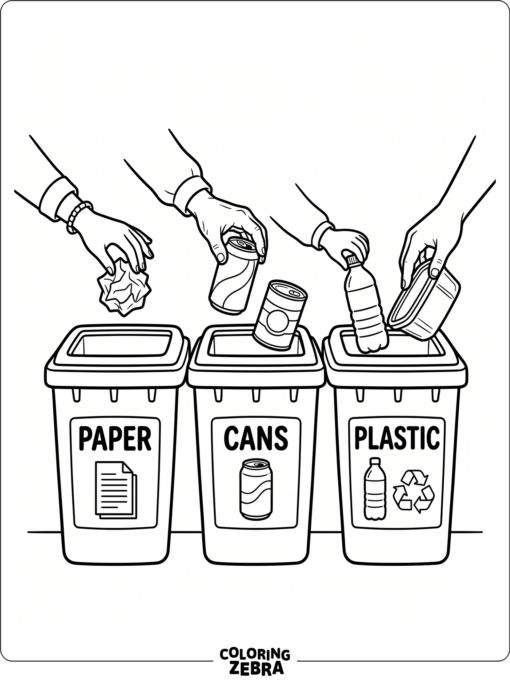

Recycling Earth Day Coloring Page
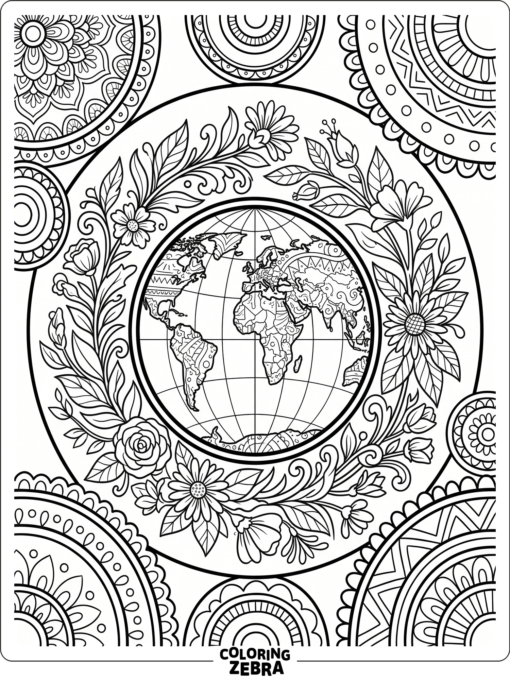

Earth Day Mandala Coloring Page
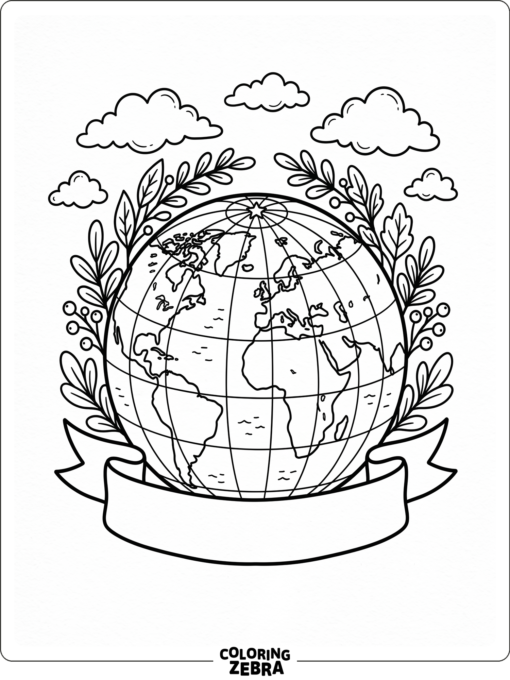

Earth Day Globe Coloring Page
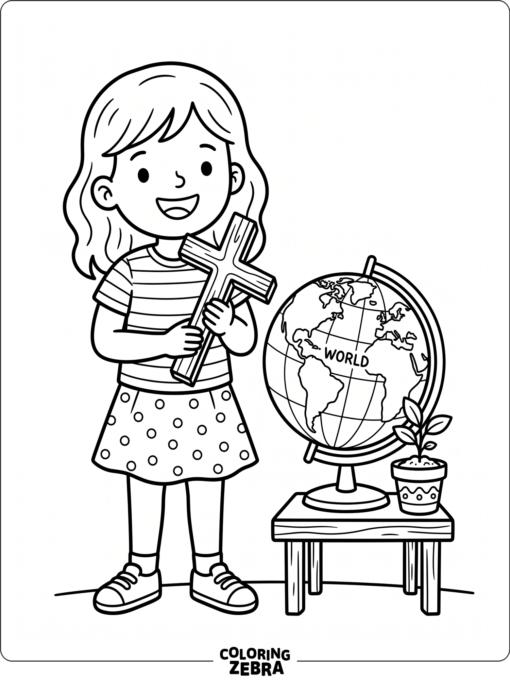

Christian Earth Day Coloring Page


Earth Day Flower Coloring Page
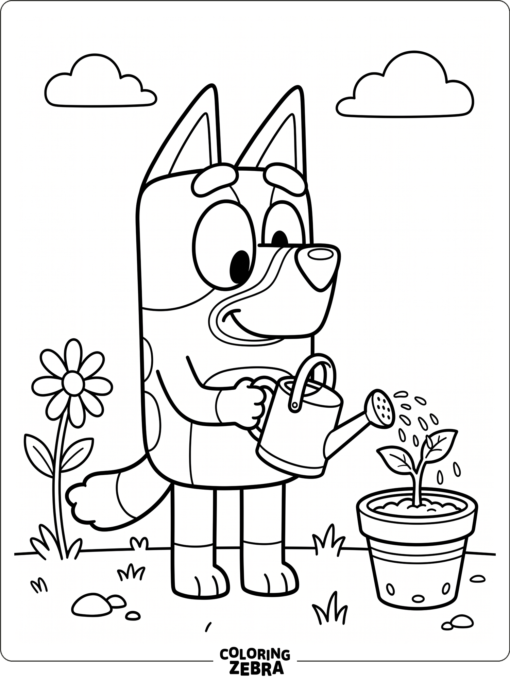

Bluey Earth Day Coloring Page
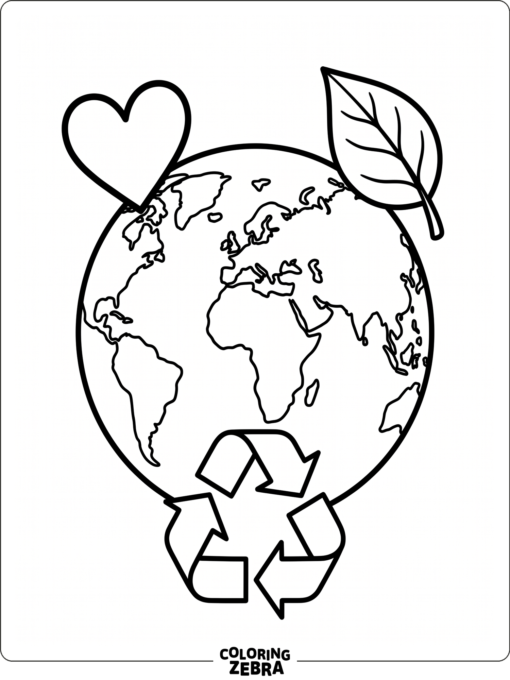

Simple Earth Day Coloring Page
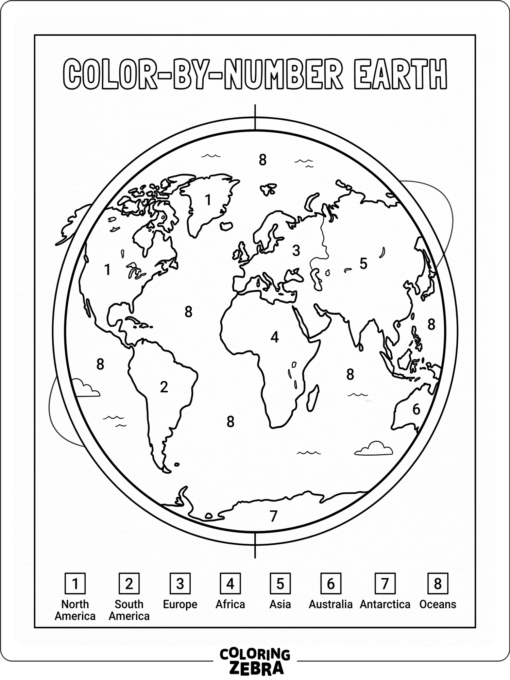

Earth Day Coloring Page by Number


Earth Day Tree Coloring Page
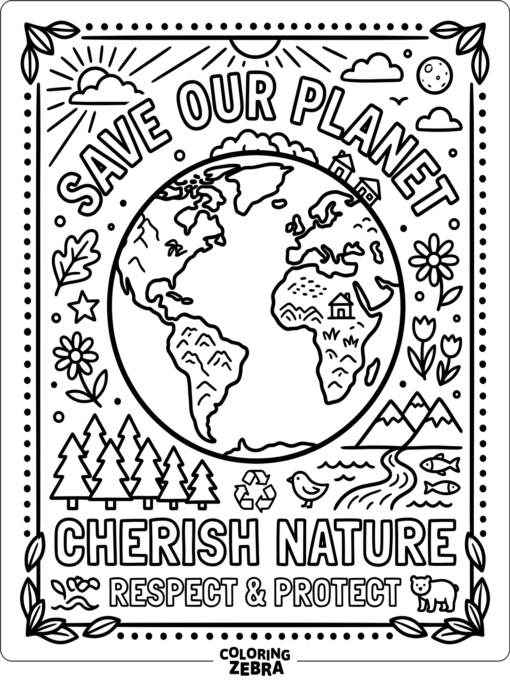

Earth Day Poster Coloring Page


Earth Day Art Coloring Page

World Earth Day Coloring Page
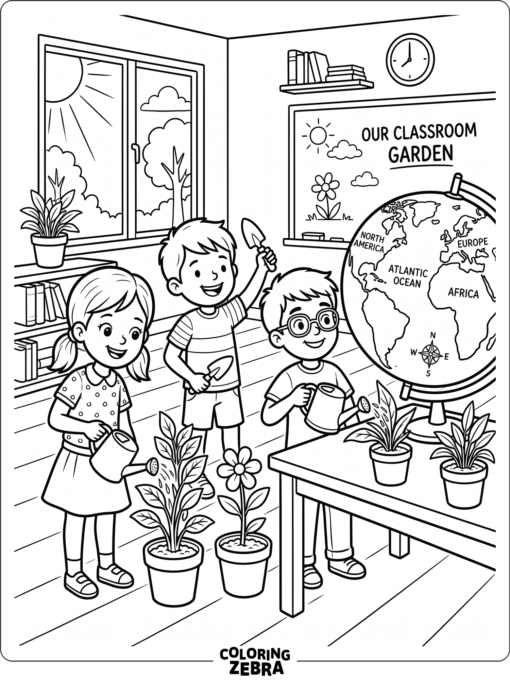

Earth Day Coloring Page for 3rd Grade
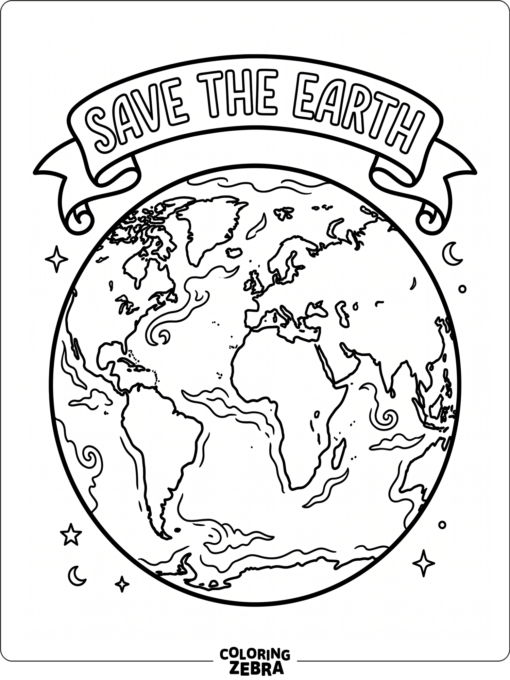

Save the Earth Coloring Page
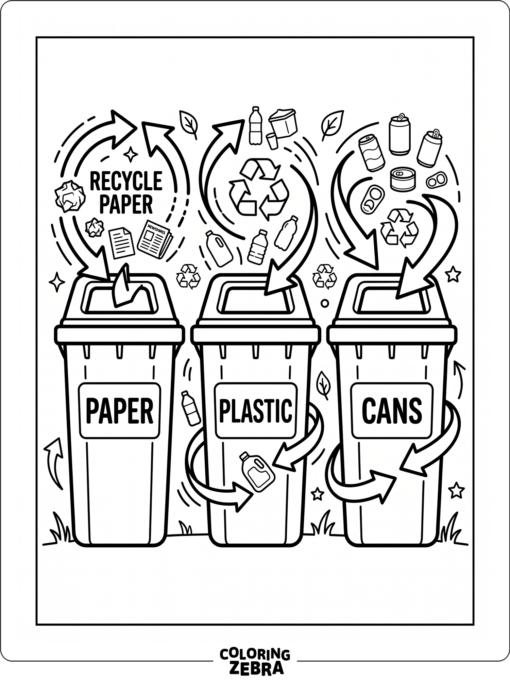

Reduce Reuse Recycle Coloring Page
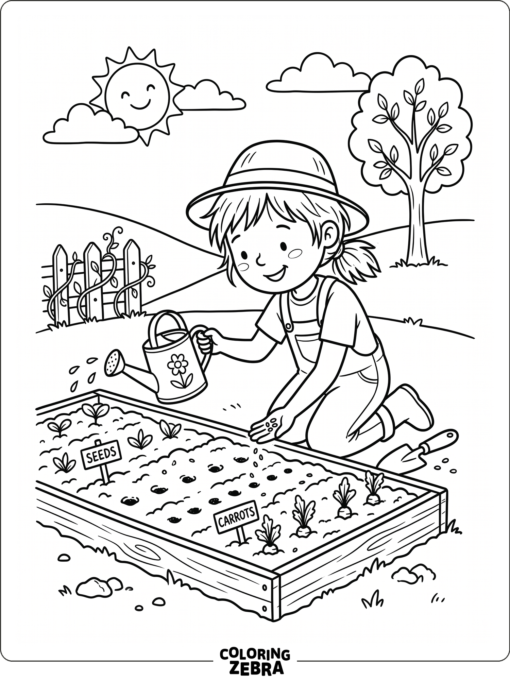

Earth Day Planting Seeds Coloring Page
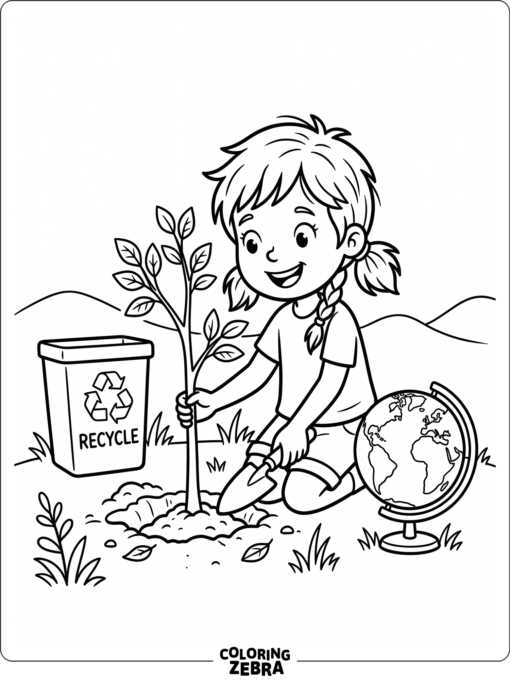

Protect Our Planet Coloring Page
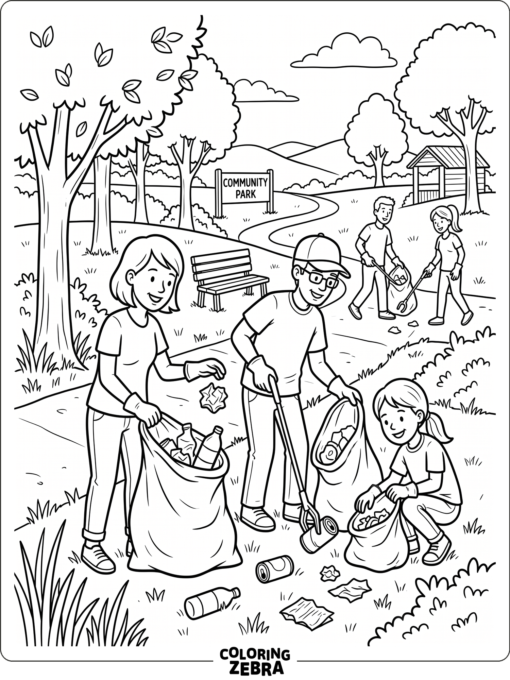

Earth Day Clean Up Coloring Page
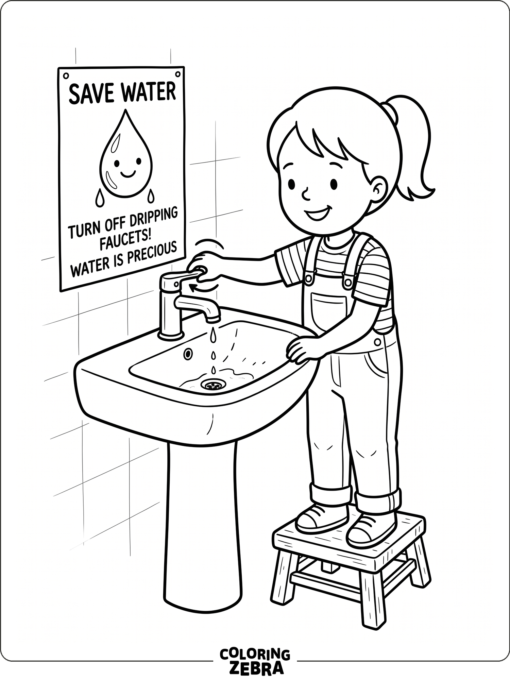

Earth Day Water Conservation Coloring Page
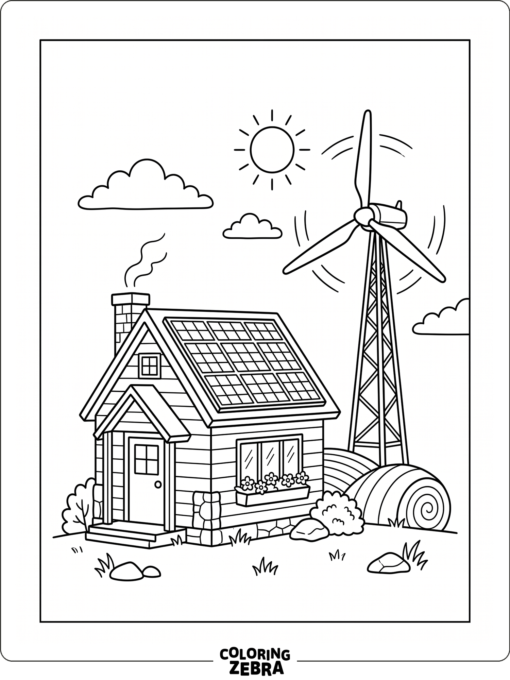

Earth Day Renewable Energy Coloring Page
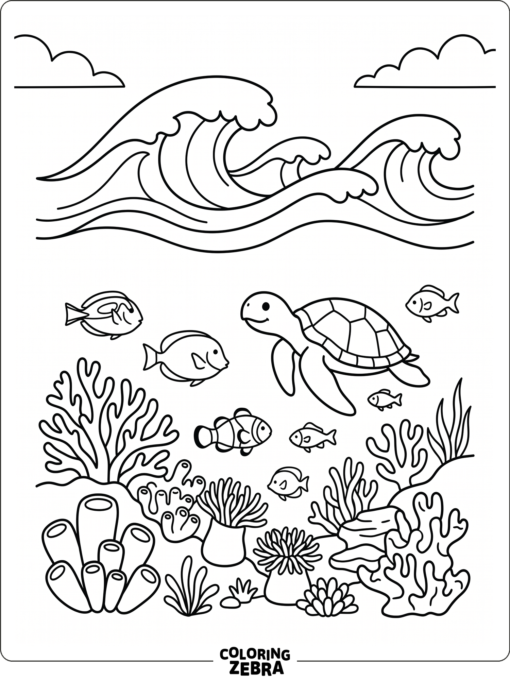

Earth Day Ocean Conservation Coloring Page
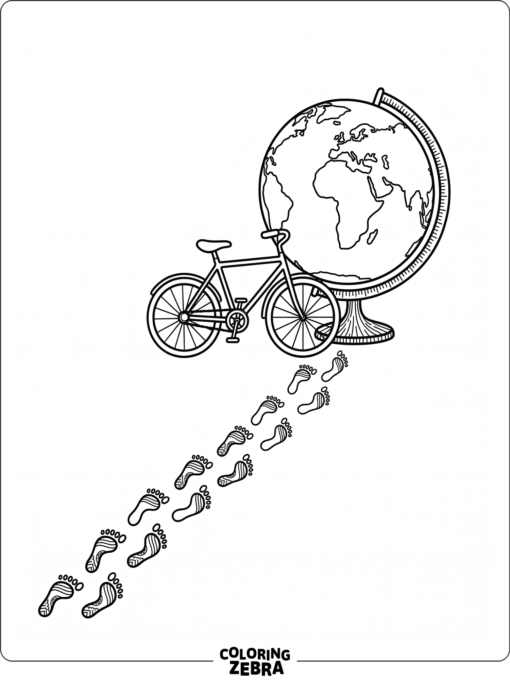

Earth Day Carbon Footprint Coloring Page
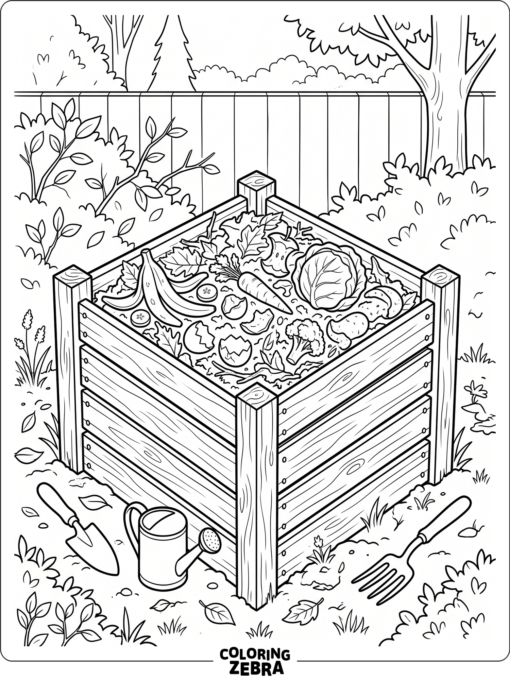

Earth Day Composting Coloring Page
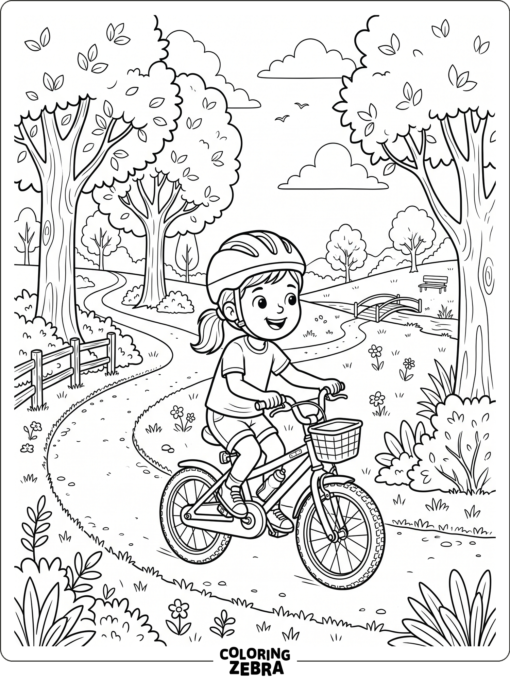

Earth Day Bicycle Coloring Page
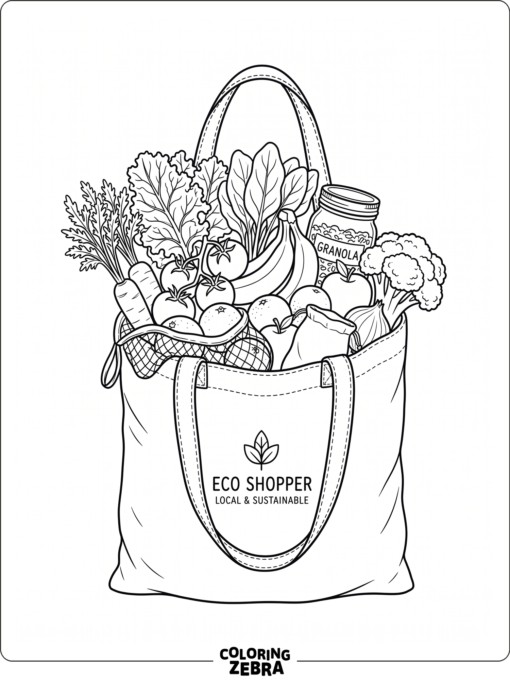

Earth Day Reusable Shopping Bag Coloring Page
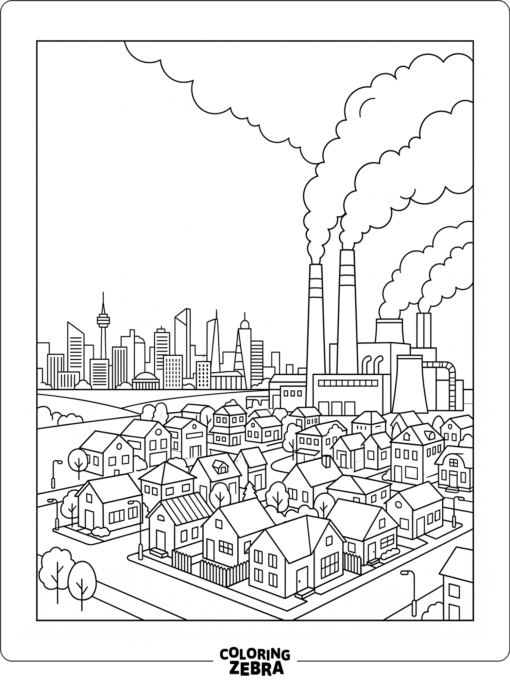

Earth Day Pollution Coloring Page
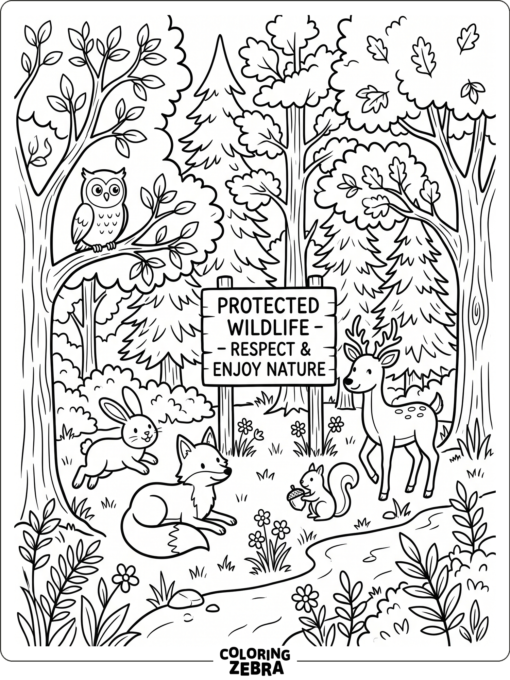

Earth Day Nature Conservation Coloring Page
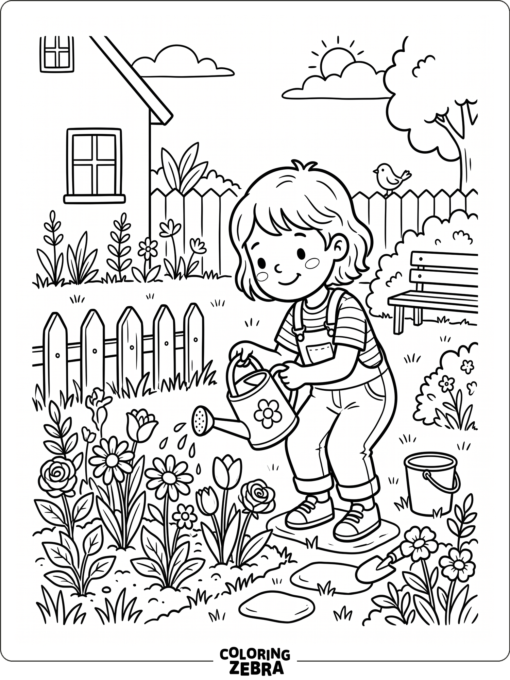

Earth Day Garden Coloring Page
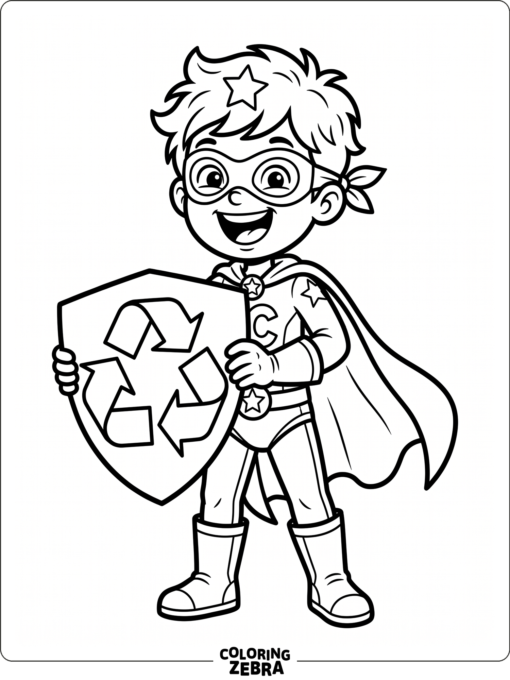

Earth Day Environmental Superhero Coloring Page


Earth Day Hands Holding Earth Coloring Page
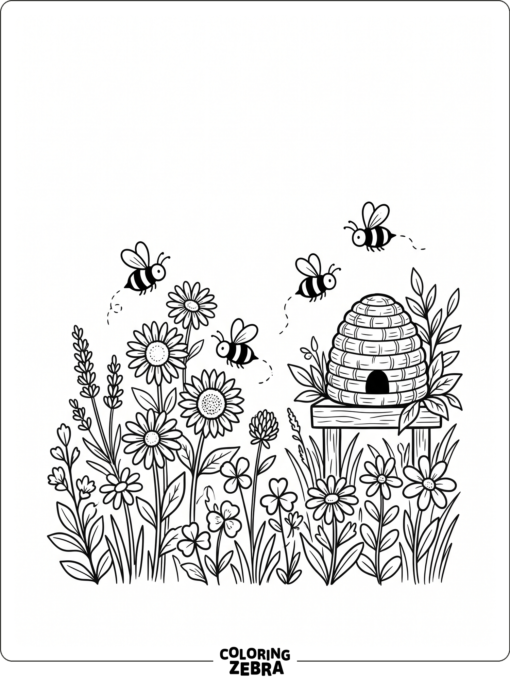

Earth Day Save the Bees Coloring Page
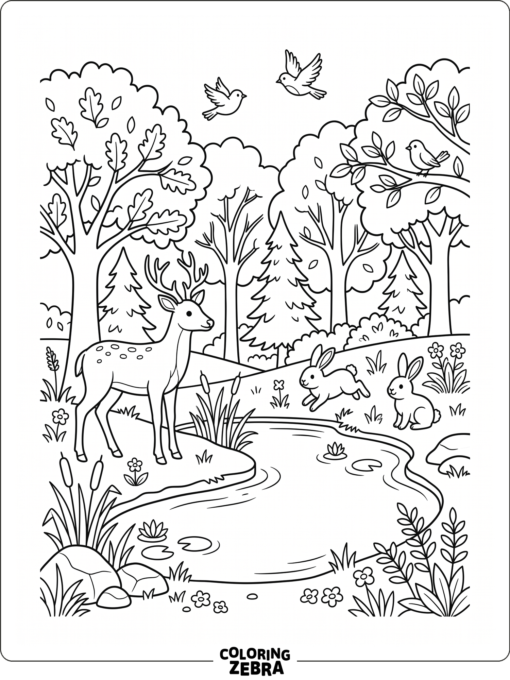

Earth Day Wildlife Habitat Coloring Page
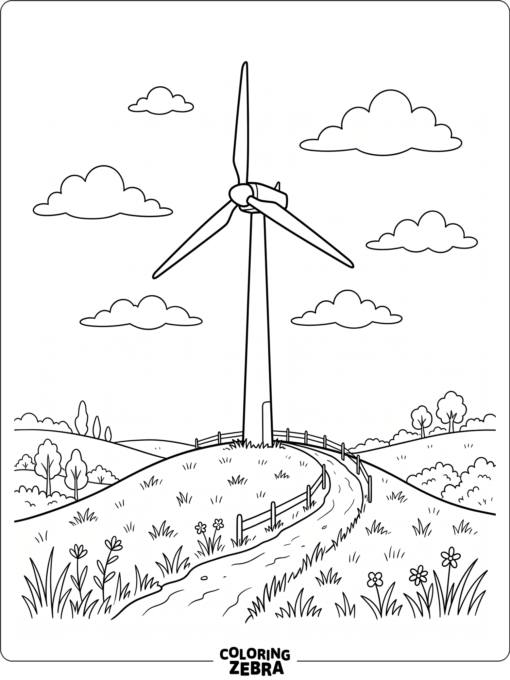

Earth Day Wind Turbine Coloring Page


Earth Day Plastic Free Coloring Page
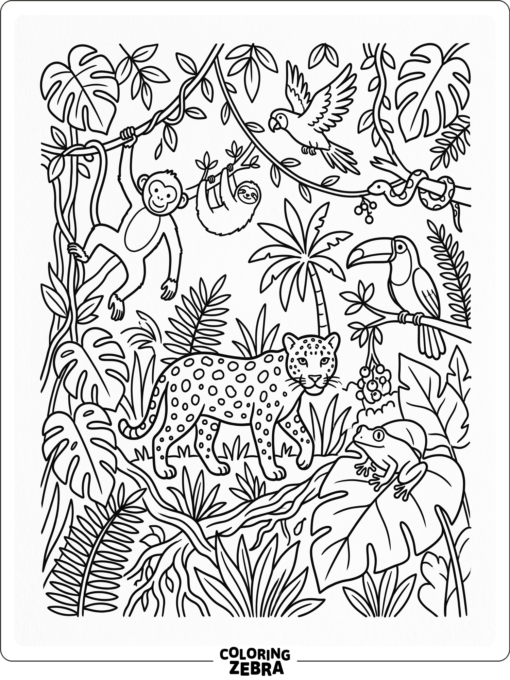

Earth Day Rainforest Coloring Page
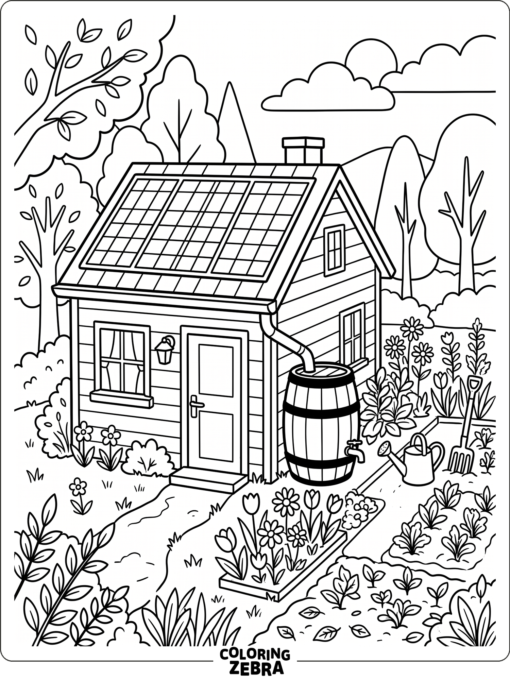

Earth Day Eco Friendly Home Coloring Page
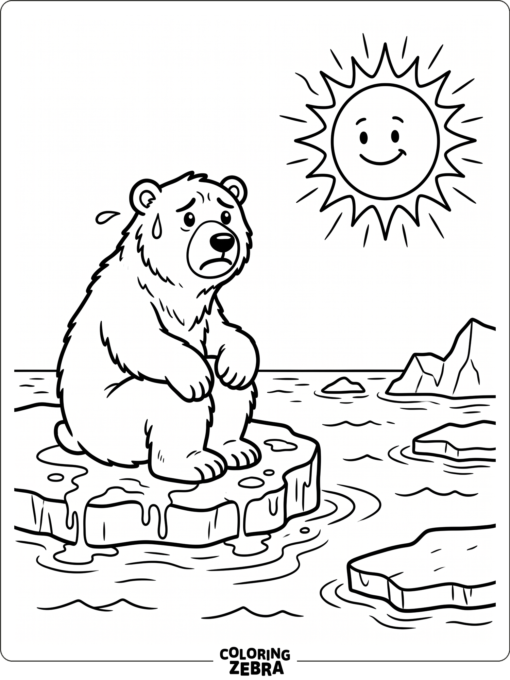

Earth Day Climate Change Coloring Page
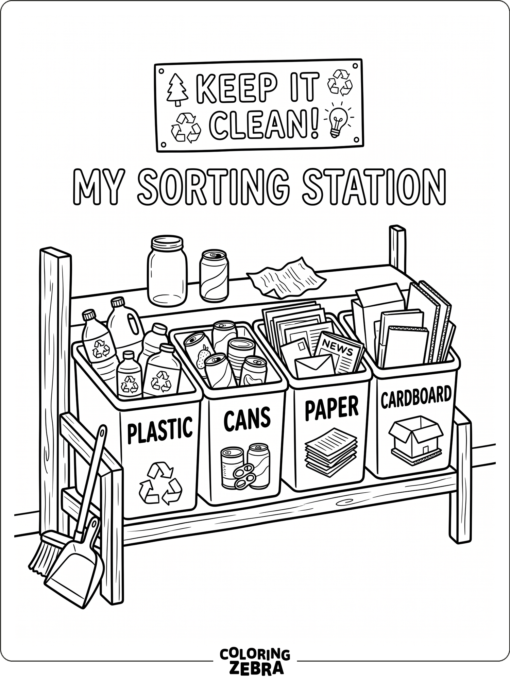

Earth Day Zero Waste Coloring Page
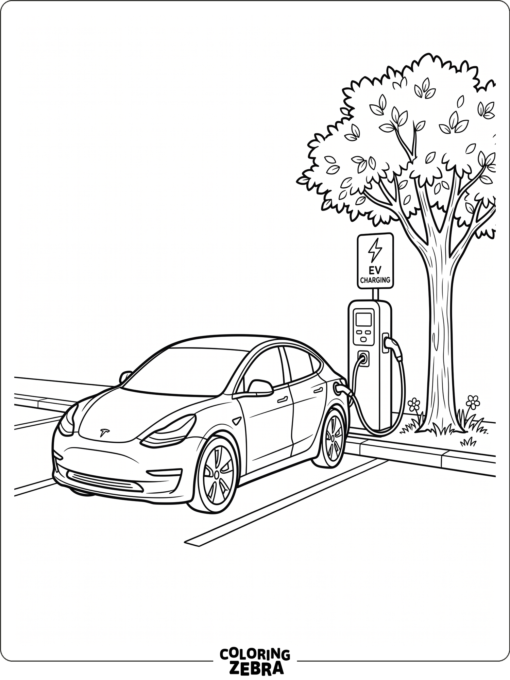

Earth Day Electric Car Coloring Page
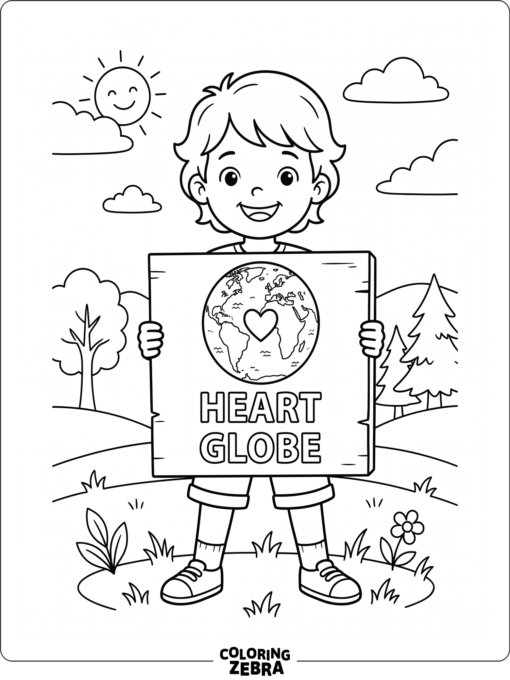

Earth Day Environmental Awareness Coloring Page
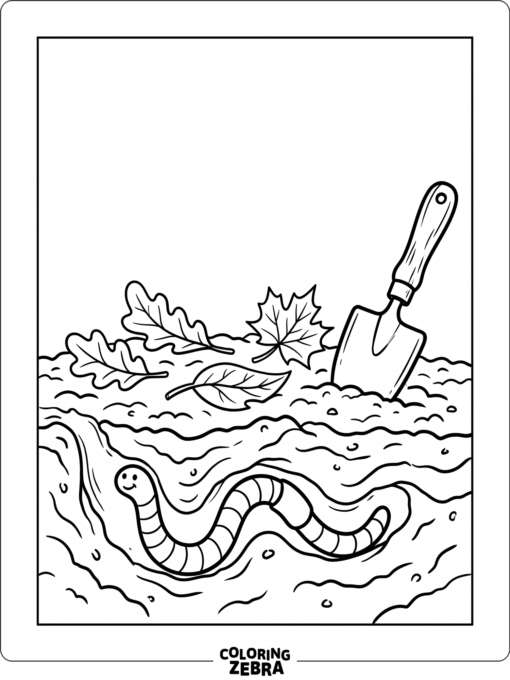

Earth Day Earthworm Coloring Page
What appears in this printable collection
These Earth Day Coloring Pages move from simple symbols to fuller environmental scenes. The easiest outlines include a globe with a leaf and heart, a smiling Earth surrounded by flowers, and planet designs accented with clouds, butterflies, leaves, or hearts. More intricate choices include floral and mandala-like borders, a rainforest filled with large leaves, a coral reef habitat, a poster with environmental icons, and a tree with visible roots, birds, and a nest.
Children appear throughout the set as active participants rather than observers. They plant seeds, water tiny trees and flowers, gather around a globe, sort recyclable materials, conserve water near a faucet, ride a bicycle, and collect litter in a park. Preschool, kindergarten, and third-grade scenes help indicate the broad age range represented, although individual children may prefer simpler or more detailed pictures regardless of grade level.
The set also includes several distinctive character-based designs. A cute cat holds the planet, a pup waters a small plant, and a friendly personified Earth holds a sprout. A superhero child carries an Earth symbol, while the Lorax appears beside a sapling on one specific page. Another image combines a child, a cross, and a globe, which can support a general conversation about faith-connected stewardship without assigning a particular doctrine to the collection.
From familiar symbols to everyday choices
The repeated hands, hearts, leaves, and globes connect affection for the planet with responsible action. Planting and watering scenes can introduce the roles that trees and other plants play in providing habitat, protecting soil, and absorbing carbon dioxide as they grow. The volunteer cleanup scene shifts the focus to shared spaces and shows how community action can complement personal habits.
Waste is explored in several different ways. Children and hands sort recyclable items, while other pictures show labeled containers and separate cans and paper. Recycling requirements vary by community, so the pictures are a useful prompt to check local rules rather than assume that every material belongs in every bin. Reducing unnecessary purchases and reusing durable items can prevent waste before recycling is needed.
A reusable grocery bag and a shopping cart filled with reusable items illustrate waste prevention through repeated use. The compost scene shows kitchen scraps and leaves decomposing into soil-enriching material. Nearby themes such as roots, an earthworm, fallen leaves, and a shovel can open a discussion about how decomposers break down organic matter and support healthy soil processes.
Water, energy, and transportation
The faucet and water-drop image provides a clear starting point for discussing freshwater conservation. Turning off a running tap and addressing leaks are practical examples of reducing avoidable water use. The eco-friendly house adds solar panels and a rain barrel, while another scene places solar panels and a wind turbine near a home. Solar panels convert sunlight into electricity, and wind turbines use moving air to generate electricity.
Transportation choices appear through a bicycle on a park path, footprints leading toward a globe and bike symbol, and an electric car charging near a tree. The footprints can support an age-appropriate explanation of an environmental footprint: the resources used and pollution associated with everyday activities. Walking, cycling, and electric transportation may reduce direct fossil-fuel use in suitable circumstances, but their total effects also depend on travel needs, infrastructure, and electricity sources.
Habitats, biodiversity, and environmental change
Several environmental coloring pages focus on the relationships among plants, animals, and habitats. Forest scenes include deer, birds, and rabbits near a protected wildlife sign. Flowers, bees, and a hive introduce pollination and the importance of flower-rich spaces. A rainforest scene offers a plant-dense habitat to examine without requiring children to identify species that are not specified in the artwork.
The ocean picture contains a sea turtle, fish, and coral reef. It can support a simple explanation that coral reefs provide habitat for many marine organisms and may be harmed by warming water, pollution, and other pressures. Habitat protection more broadly helps wildlife find food, water, shelter, and space to raise young.
Two pages introduce more serious concerns. Factory smoke and cloudy air over a city can begin a conversation about air pollution, while a polar bear, melting ice, and a hot sun can introduce climate change and changing ice conditions. These subjects are related but not identical: visible air pollution concerns substances in the air, while climate change describes long-term shifts in temperature and weather patterns. Both individual choices and wider community or institutional efforts have roles to play; no single action resolves these large issues by itself.
Coloring approaches for Earth Day Coloring Pages
Young colorists can begin with the large spaces in a simple globe, heart, leaf, or sprout design. A limited palette of blues, greens, and one bright accent color keeps these pages approachable, but realistic colors are not required. Children might also create an imaginary planet with patterned oceans, rainbow land areas, or contrasting leaves.
Detailed designs reward a slower approach. Colored pencils work well around roots, feathers, flower petals, coral shapes, recycling items, and the small elements in decorative borders. Light pressure can create pale sky or water layers, while firmer pressure can emphasize the main subject. For the city pollution scene, children can compare muted sky tones with brighter colors in the foreground. In the clean-energy scenes, repeating a small group of colors across the house, panels, turbine, and plants can make a busy composition feel connected.
The color-by-number Earth is the one explicitly identified activity variation beyond standard coloring. The floral mandala-style frame offers another structured option, with repeated sections that can follow a planned pattern. Poster and banner pages leave room for strong color contrast so the central planet and surrounding icons remain easy to recognize.
A short Earth Day background
Earth Day is observed annually on April 22. The first Earth Day took place in the United States in 1970, and the observance has since become a prompt for environmental awareness and action in many places. Its topics extend well beyond one date, including waste reduction, clean water, energy, transportation, biodiversity, air quality, and climate.
Teachers and families can use the Earth Day Coloring Pages as conversation starters rather than treating every picture as a complete lesson. A recycling sheet can lead to a check of local sorting guidance. A bee picture can introduce pollination, while the earthworm and compost images can support a discussion of decomposition. The solar, wind, bicycle, and electric-car scenes can be compared as different parts of a broader conversation about energy and emissions.
Ways to use completed pictures
- Create a class display: Group pictures under themes such as water, waste, energy, soil, transportation, and wildlife.
- Make a comparison wall: Place simple planet symbols beside action scenes to show how caring for Earth can move from an idea to a habit.
- Build a discussion sequence: Arrange the pages from soil and gardens to forests, coral reefs, cities, and the global climate.
- Design a personal action poster: Pair a completed picture with one realistic habit the child or household can practice throughout the year.
- Support a community event: Display litter-collection, habitat, recycling, and clean-energy pictures as separate examples of shared environmental stewardship.
Finished artwork can celebrate April 22, but its strongest message is year-round care. The variety of smiling planets, active children, animals, habitats, and environmental technologies allows each colorist to connect a familiar image with a specific way people understand and care for the world.
People Often Ask Us…
-
Why do recycling rules vary by location?
-
Why conserve water where it seems plentiful?
-
How are melting land ice and sea ice different?
-
Who organizes Earth Day around the world?
-
Does Earth Day have a different theme each year?