Moose Coloring Pages
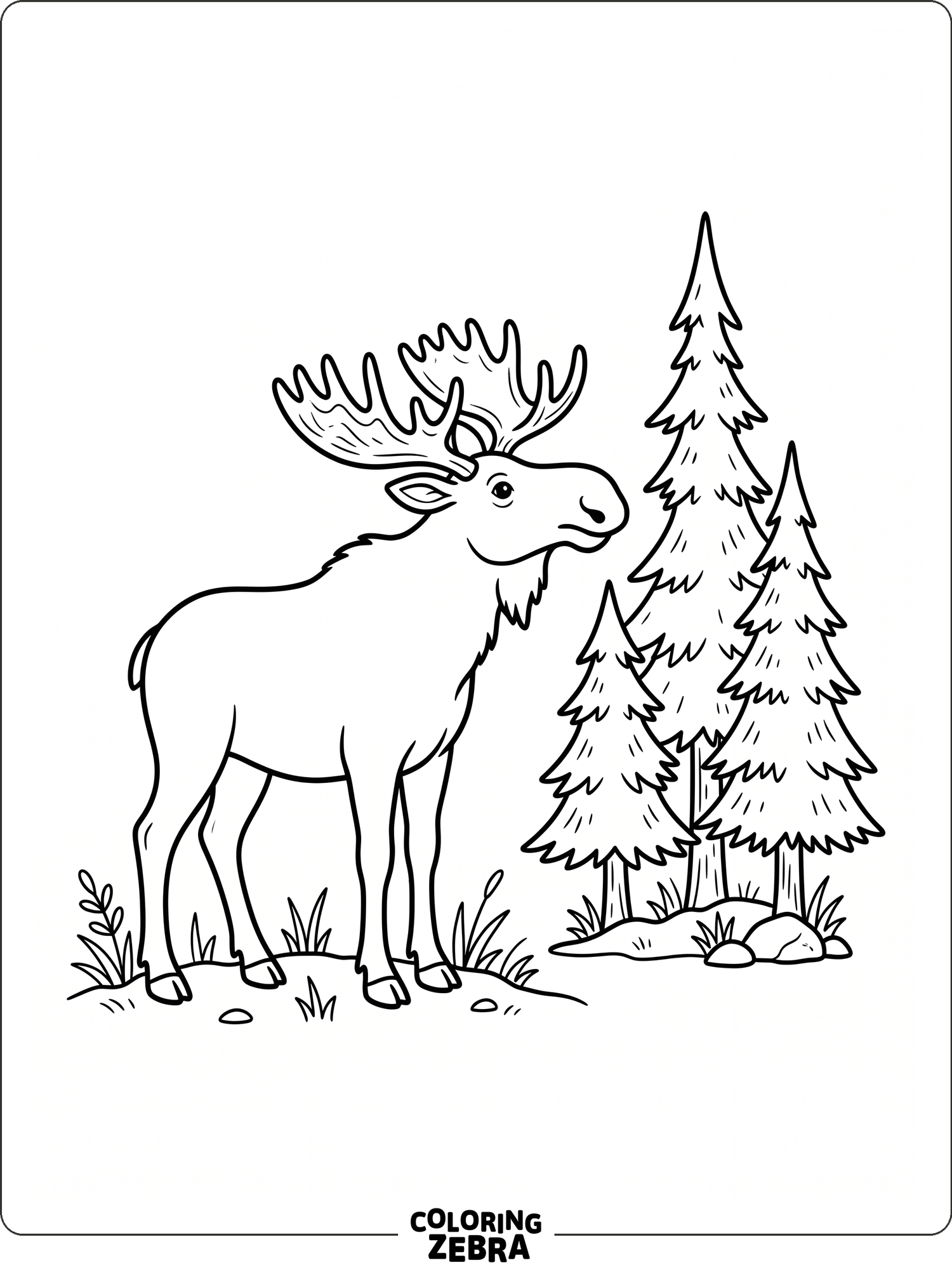
Moose Coloring Pages highlight one of the most recognizable northern wildlife animals in a mix of realistic, cute, and decorative scenes. The set includes standing moose, swimming moose, calves, family groups, and close-up antler views. You will also find woodland clearings, lakeside settings, snowy pines, and mountain backdrops. That variety makes each page feel different to color and explore.
Print on thicker paper if you plan to use markers, gel pens, or heavy shading. For simpler cleanup and sharper lines, choose a standard grayscale setting and fit the page to full size. If you want to save ink, print the detailed scenic pages in draft mode and keep the bold-outline pages for younger colorers.
Related coloring pages
Printable Moose Coloring Pages
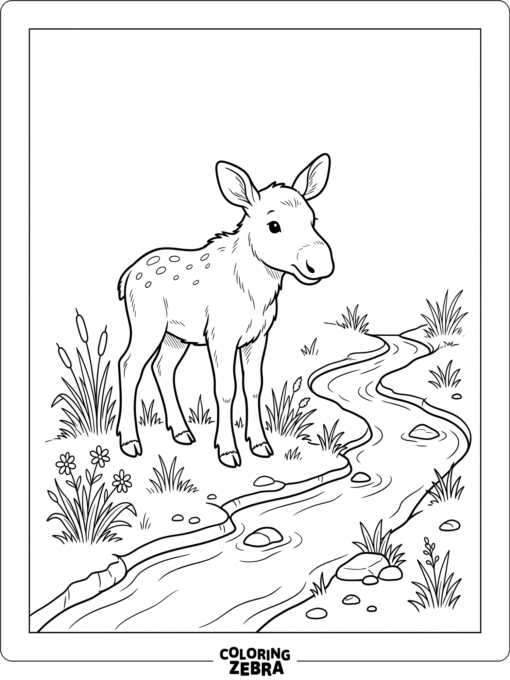

Baby Moose Coloring Page
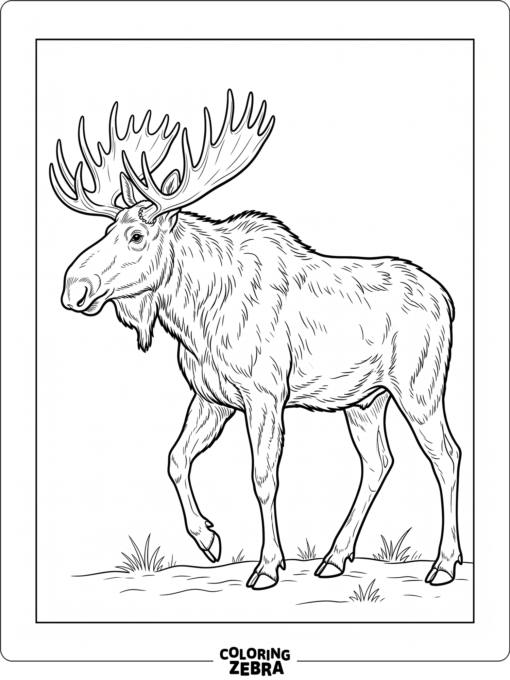

Realistic Moose Coloring Page
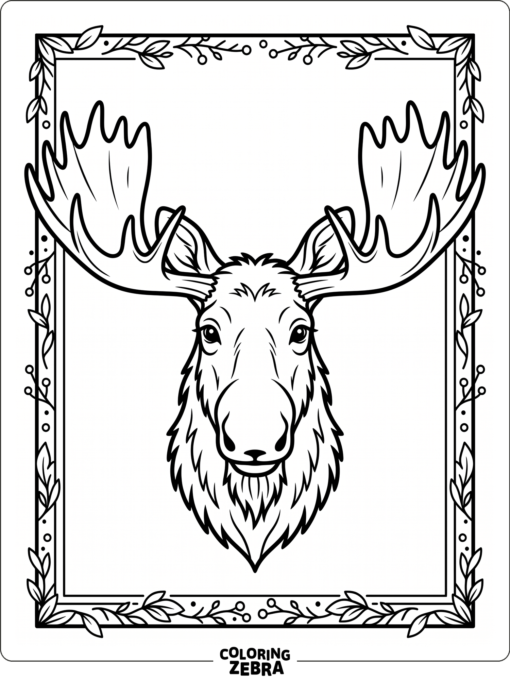

Moose Head Coloring Page
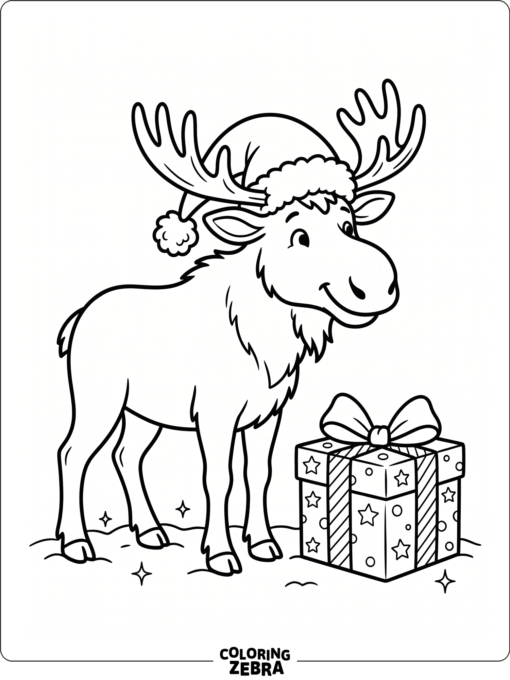

Christmas Moose Coloring Page
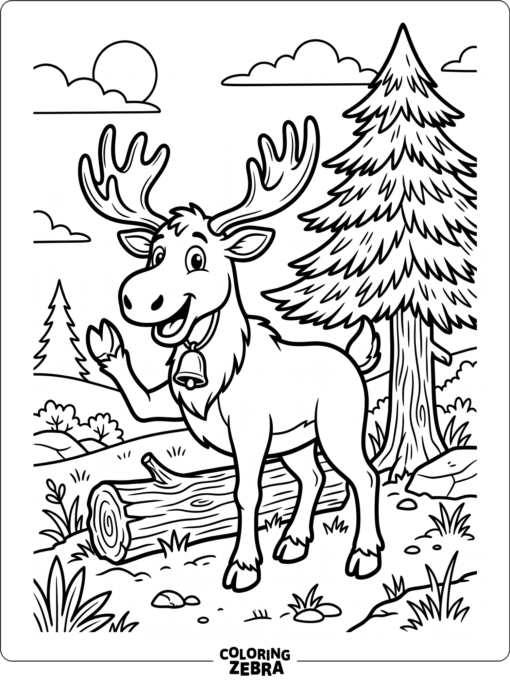

Cartoon Moose Coloring Page
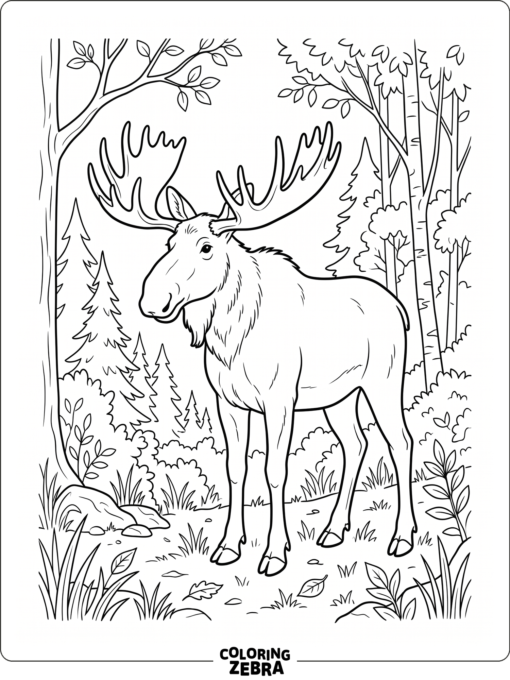

Adult Coloring Page Moose
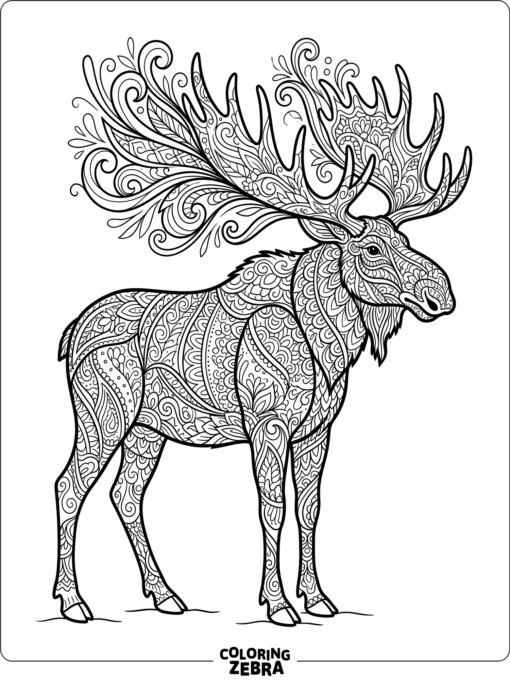

Zentangle Moose Coloring Page
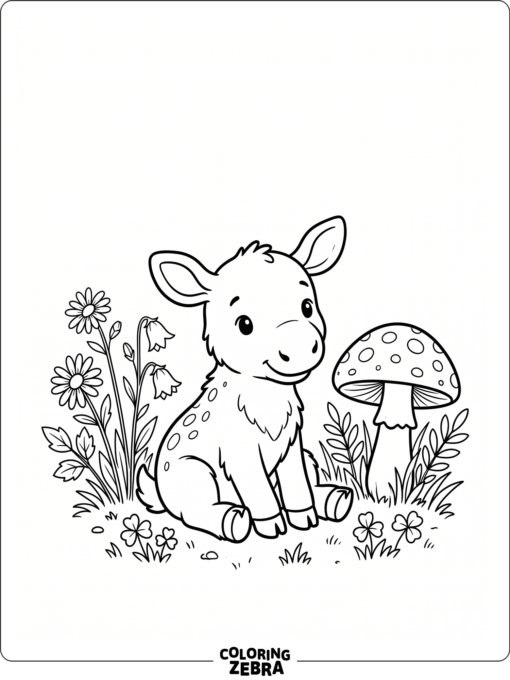

Baby Cute Moose Coloring Page
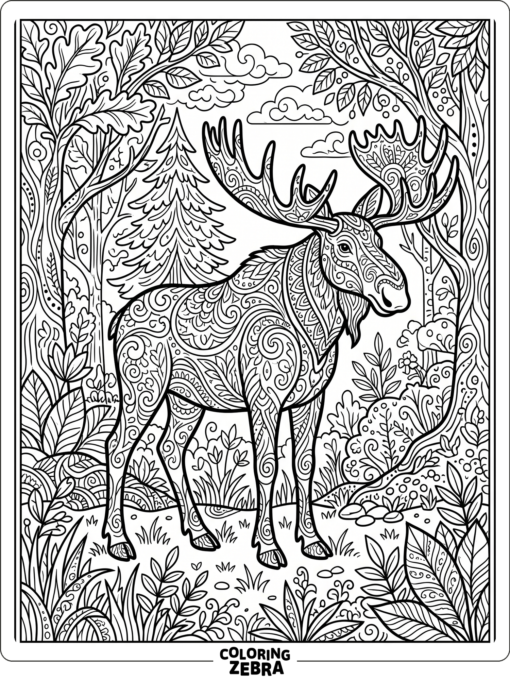

Moose Coloring Page For Adults
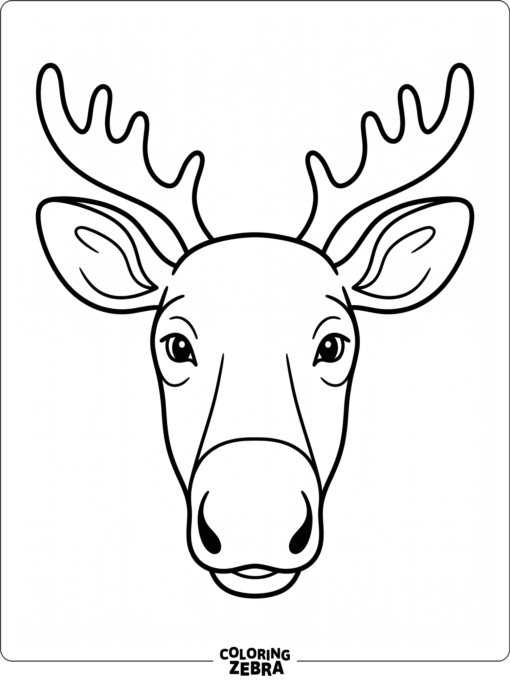

Moose Face Coloring Page
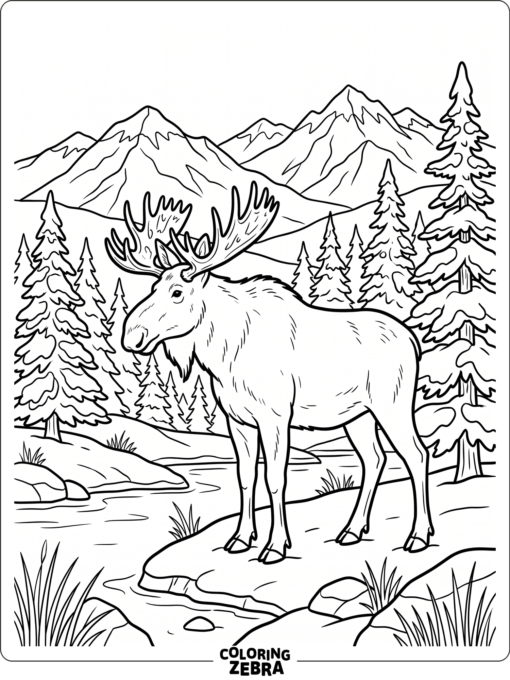

Alaska Moose Coloring Page
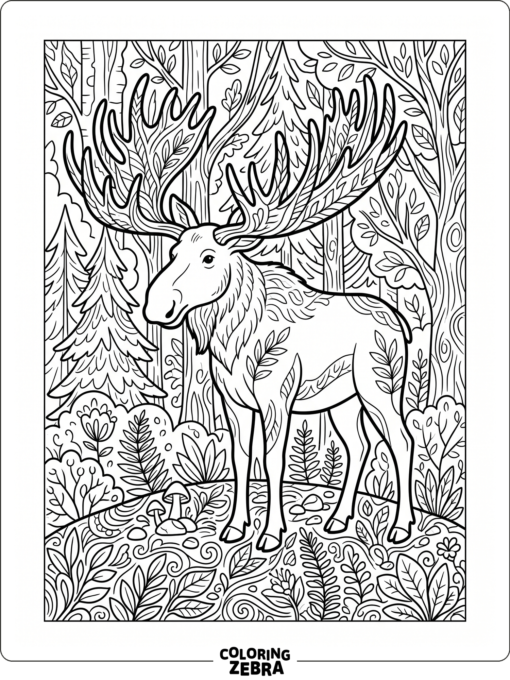

Moose Coloring Page Hard
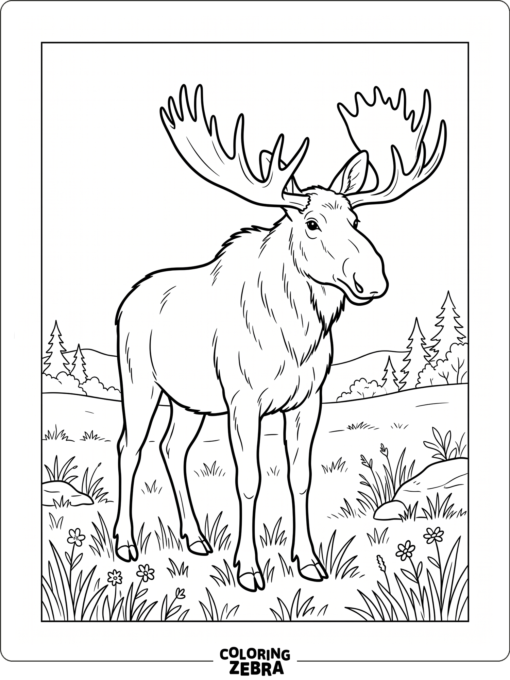

Bull Moose Coloring Page
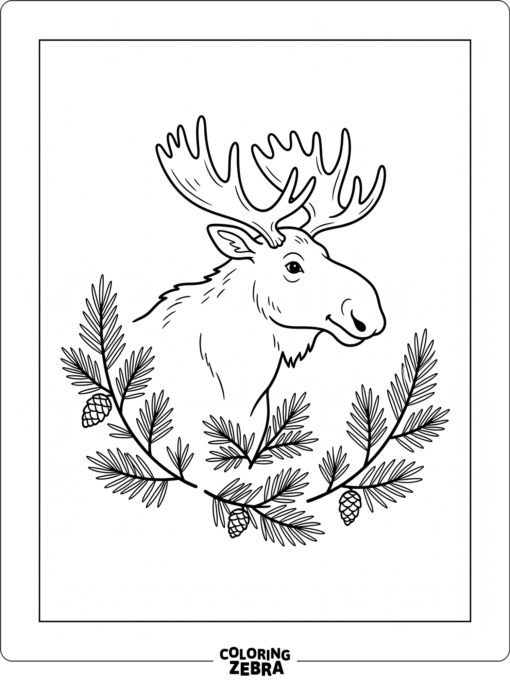

Printable Moose Outline Coloring Sheet
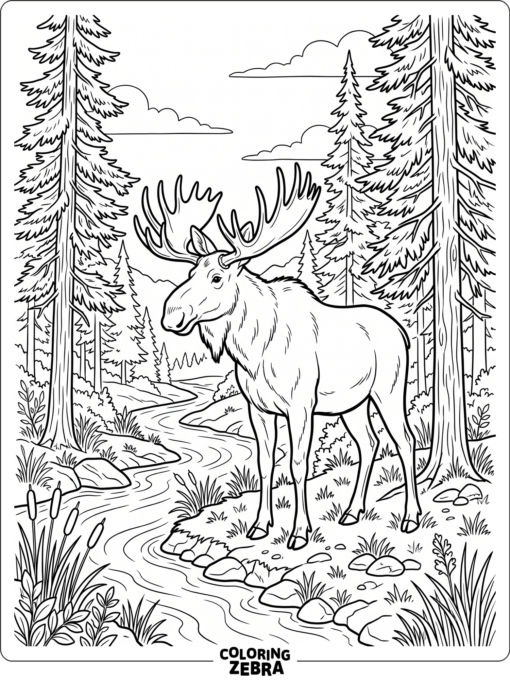

Moose In Forest Coloring Page
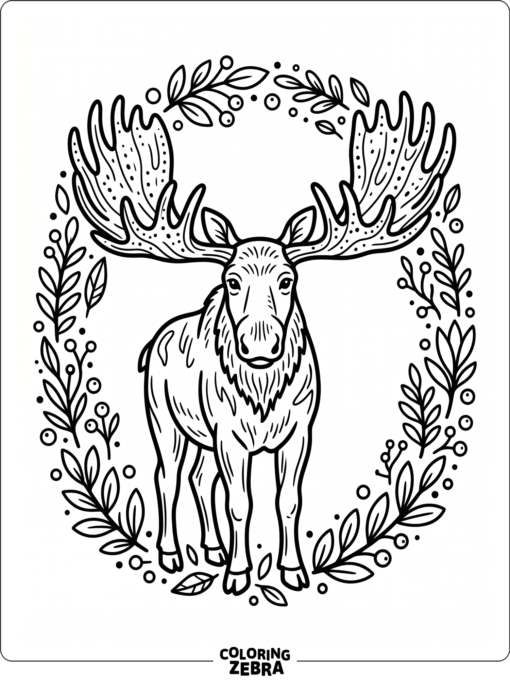

Moose Antlers Coloring Page
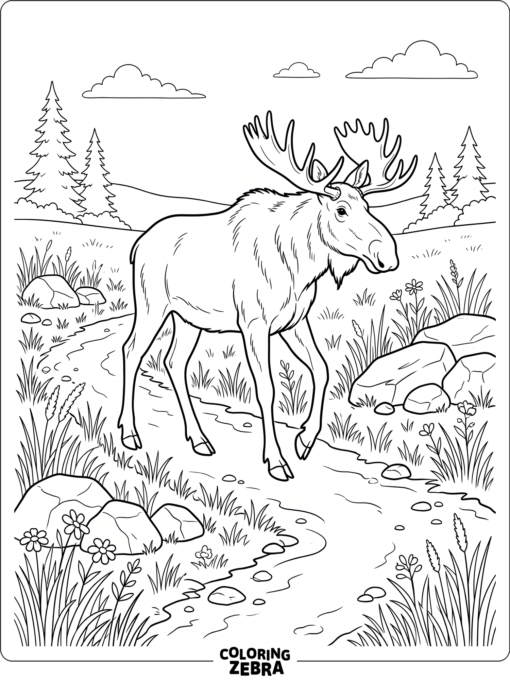

Walking Moose Coloring Sheet
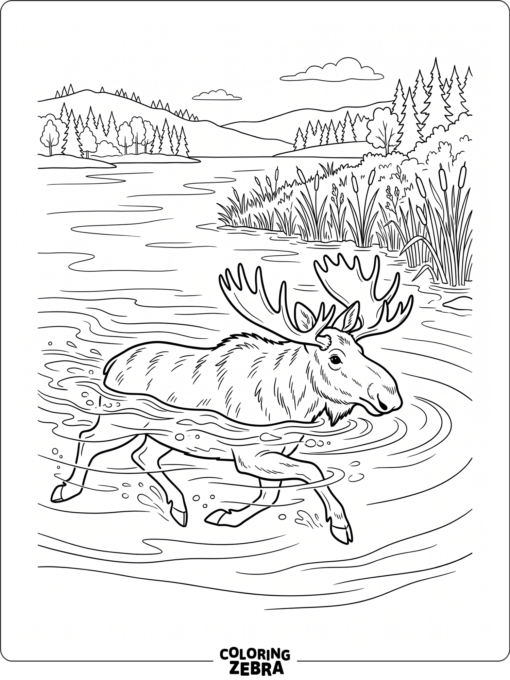

Swimming Moose Coloring Page
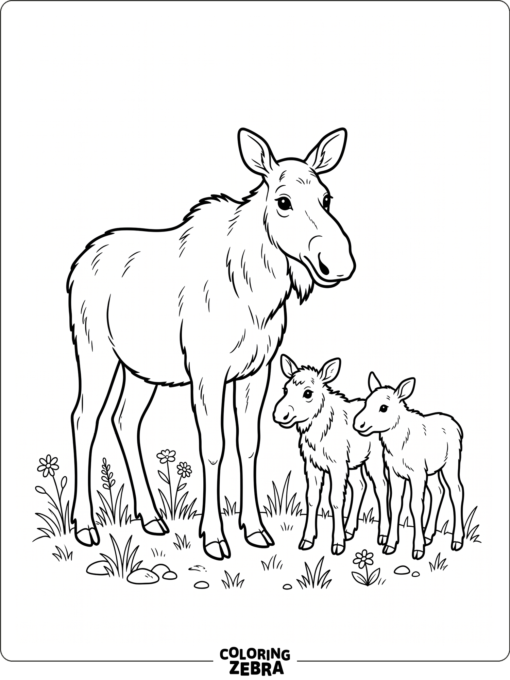

Moose Family Coloring Page
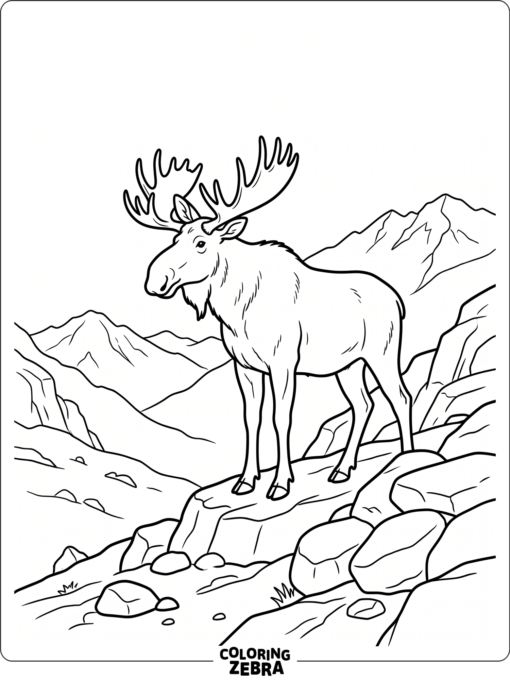

Mountain Moose Coloring Sheet
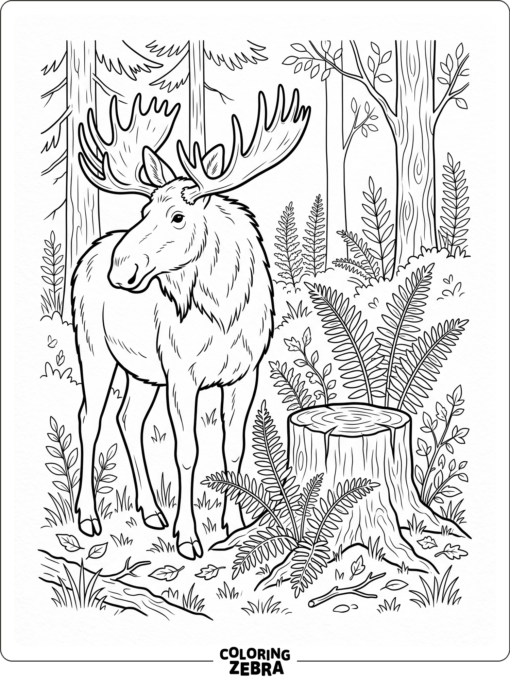

Woodland Moose Coloring Page
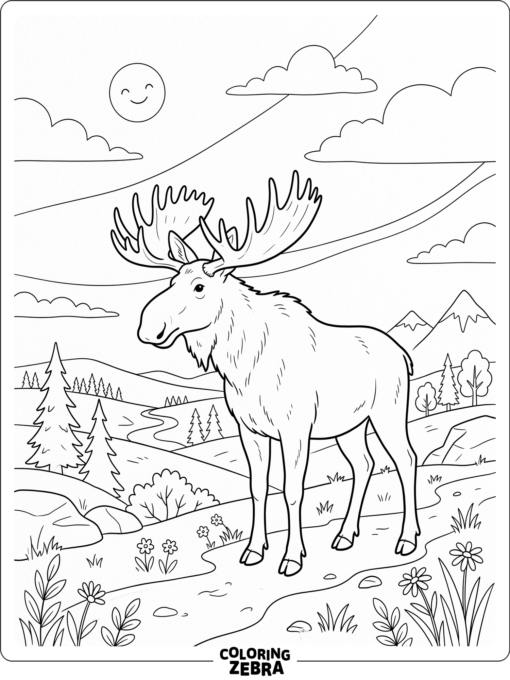

Majestic Moose Coloring Page
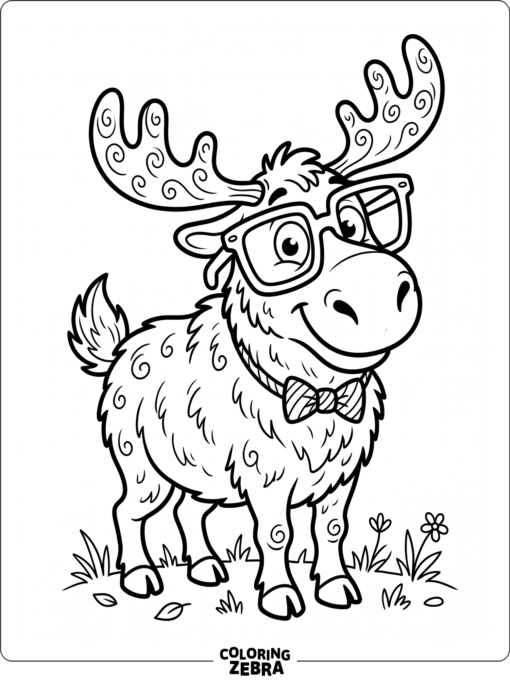

Funny Moose Coloring Sheet
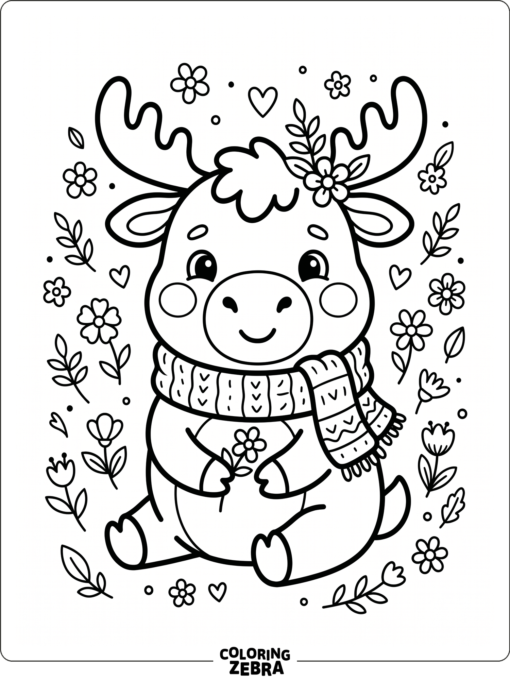

Kawaii Moose Coloring Page
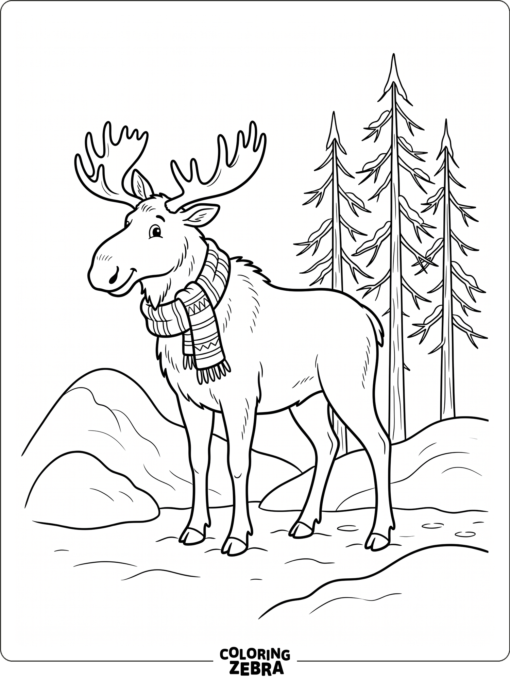

Winter Moose Coloring Sheet
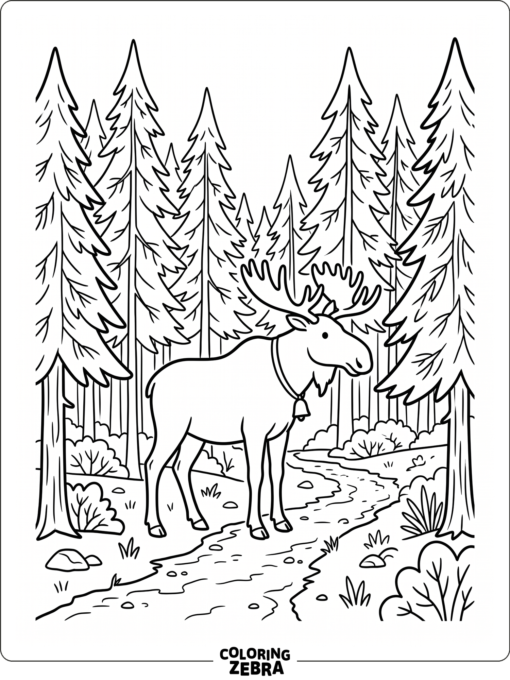

Moose and Pine Trees Coloring Page
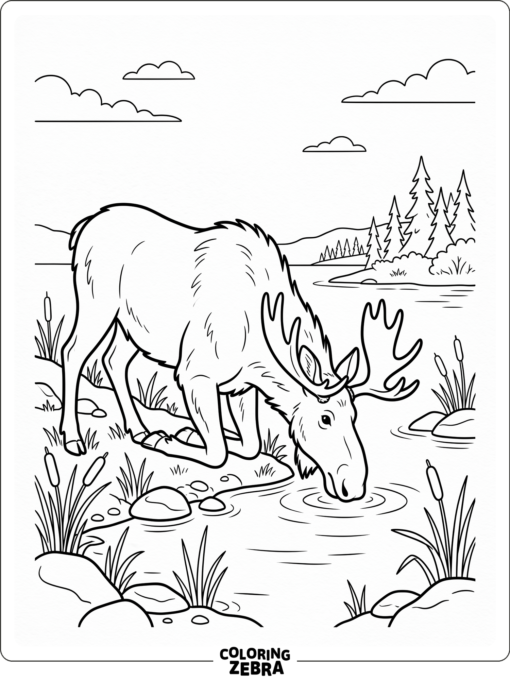

Moose by Lake Coloring Page
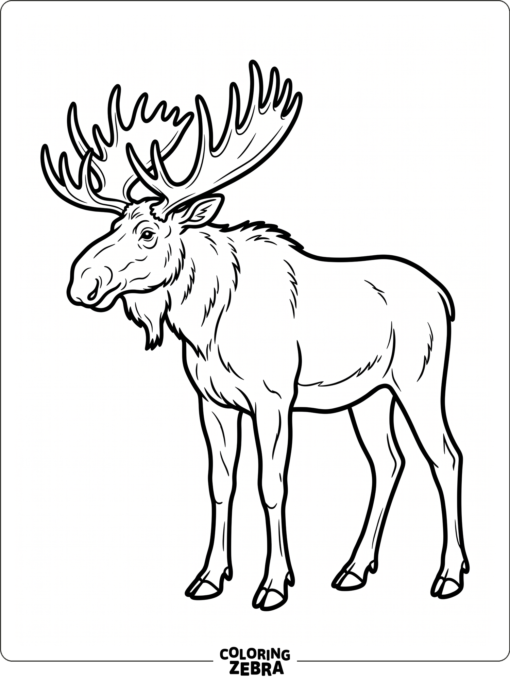

Simple Moose Outline Coloring Page
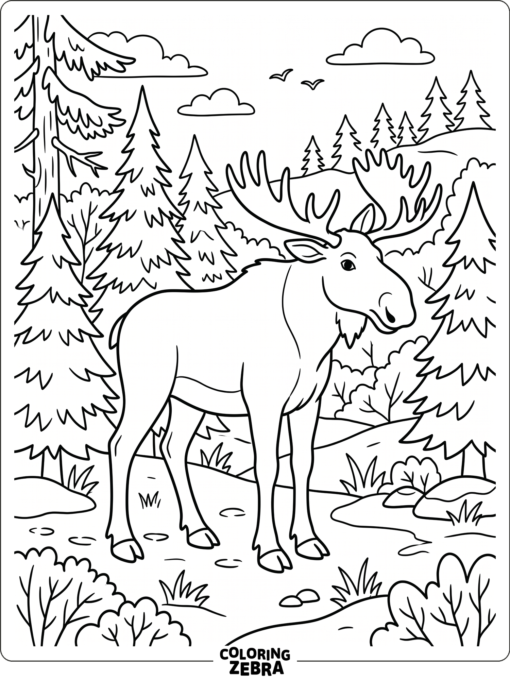

Northern Wildlife Moose Coloring Sheet
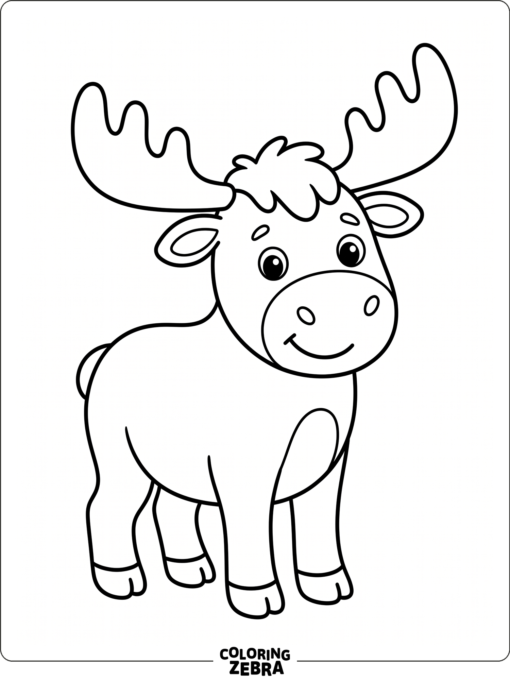

Preschool Moose Coloring Page
Overview of the Collection
This set of Moose Coloring Pages focuses on a single wildlife subject, but it offers a wide range of looks and settings. Some pages feel realistic and detailed, while others use simple outlines or cartoon styling that is easier for younger children or anyone who prefers cleaner shapes. The collection also moves through different northern habitats, so the scenes do not all feel alike.
You will see moose standing in profile, walking along forest paths, waving, swimming, and resting in open clearings. A few pages zoom in on the face or antlers, while others show the whole animal with pine trees, rocks, logs, reeds, or snowy mountains in the background. That mix gives the printable set a good balance of simple pages and more intricate wildlife scenes.
What Appears in the Artwork
The illustrations include adult moose, baby moose calves, and family group scenes. Several images focus on the antlers, including wide antlers, tall antlers, and close-up head views that make the animal’s shape easy to recognize. Other pages feature playful details such as a Santa hat, scarf, glasses, a bow tie, flowers, mushrooms, and leafy borders.
- Moose in pine forests and woodland clearings
- Moose near lakes, reeds, and water edges
- Moose in snowy northern scenes with trees and mountains
- Moose with decorative line art and zentangle patterns
- Simple outline drawings for a cleaner coloring experience
That variety matters because it lets colorers choose between a calm scene with open background space and a more detailed page with textured ground or patterned surfaces. A child may enjoy a bold, simple cartoon moose, while an older colorer may prefer a detailed bull moose with antlers and a layered forest setting.
Moose as a Wildlife Subject
Moose are the largest members of the deer family, which makes them an especially striking subject for wildlife coloring. Males, called bulls, grow antlers that are shed and regrown each year, and those antlers can look very different from one illustration to another. Females are cow moose, and a baby is called a calf.
These animals are closely associated with cold forests and wetlands, especially boreal forests, also called taiga. That is why so many moose outline drawings show pines, spruces, marshy edges, and lake scenes. Moose are also strong swimmers, so the pages with water, reeds, and shoreline plants fit the animal naturally. Their long legs, large muzzle, and hanging throat flap are some of the easiest field marks to notice in realistic drawings.
Style Range in the Printable Set
The set works well because it offers different art styles without losing the moose theme. Realistic pages are ideal if you want to focus on antler shape, leg structure, and natural habitat details. Cute and cartoon versions soften the animal’s look and use rounder shapes, which can be easier for younger colorers or for anyone who wants a lighter style.
Decorative pages add more challenge through zentangle patterns, leafy frames, and textured backgrounds. Those designs work well with colored pencils, fine markers, or layered shading. The simple line art pages, on the other hand, are useful when you want fast coloring, larger open spaces, or a cleaner finished look.
Coloring Ideas by Scene
- Use deep browns, taupes, and charcoal tones for realistic moose coats.
- Add cool blues and gray-greens for lakes, snow, and northern sky scenes.
- Choose lighter, brighter colors for cartoon, kawaii, and seasonal pages.
- Leave some background areas open if you want the animal to remain the focal point.
- Try textured pencil strokes on antlers, fur, grass, and tree bark for extra depth.
Habitat and Scene Details
Across the printable pages, the scenery shifts from forest paths to meadow grass, from rocky lake edges to mountain slopes. Many scenes use pine trees, spruce branches, ferns, stumps, logs, and reeds to create a strong northwoods feel. Snowy pines and open mountain views add a colder mood, while flowers and mushrooms soften the woodland pages.
These details are interesting because they show how moose fit into different environments. A moose near water suggests the animal’s connection to wetlands and lakes. A moose standing in tall meadow grass feels more open and spacious. A moose in a northern forest with spruce trees makes the habitat feel especially authentic.
Helpful Facts About Moose
Moose are well adapted to cold climates, which is why they are often connected with northern forests. Their long legs help them move through deep snow, wet ground, and brushy terrain. Their broad snouts and strong browsing habits make them well suited to eating leaves, twigs, bark, aquatic plants, and other seasonal vegetation.
Antlers are one of the most important traits in many moose illustrations. In nature, antlers are seasonal and are most closely associated with bulls. Because antler shape can vary by age and season, close-up head pages and antler-focused drawings are especially useful for noticing those differences. If you are sharing the pages with children, you can use the artwork to point out the difference between a bull, a cow, and a calf while they color.
Ways to Use the Finished Pages
Completed wildlife coloring sheets can be taped into a nature notebook, used as seasonal decorations, or collected into a simple animal portfolio. The more detailed scenic pages work well as display pieces, while the cleaner outline pages are nice for younger artists who want a faster finish. You can also pair the pages with a short animal lesson, a forest theme, or a winter activity table.
For searchers browsing moose printable pages, this collection offers a strong mix of simple and detailed artwork, realistic and cute styles, and habitat scenes that feel true to the animal. It is a flexible set for anyone who enjoys forest animals, northwoods imagery, or wildlife line art with antlers, lakes, and snowy pines.
Keyword Variations You May Also Use
- moose coloring sheets
- moose printable pages
- moose outline drawings
- free moose coloring pages
- cute moose coloring pages
- realistic moose coloring pages
- woodland moose coloring pages
People Often Ask Us…
-
What makes a moose different from other deer?
-
Why do male moose have antlers?
-
Where do moose live?
-
What do moose eat?
-
What is a baby moose called?