
Friday Night Funkin Coloring Pages
Friday Night Funkin Coloring Pages mix musical attitude with a remarkably varied cast. Color Boyfriend by the speakers, Girlfriend in her familiar speaker-seat pose, or Hex with a basketball. Mod favorites such as Whitty, Tricky, Sarvente, and Zardy add distinctive props and expressions. Spooky EXE designs, crossover figures, stage scenes, and the music-note logo offer even more styles to explore.
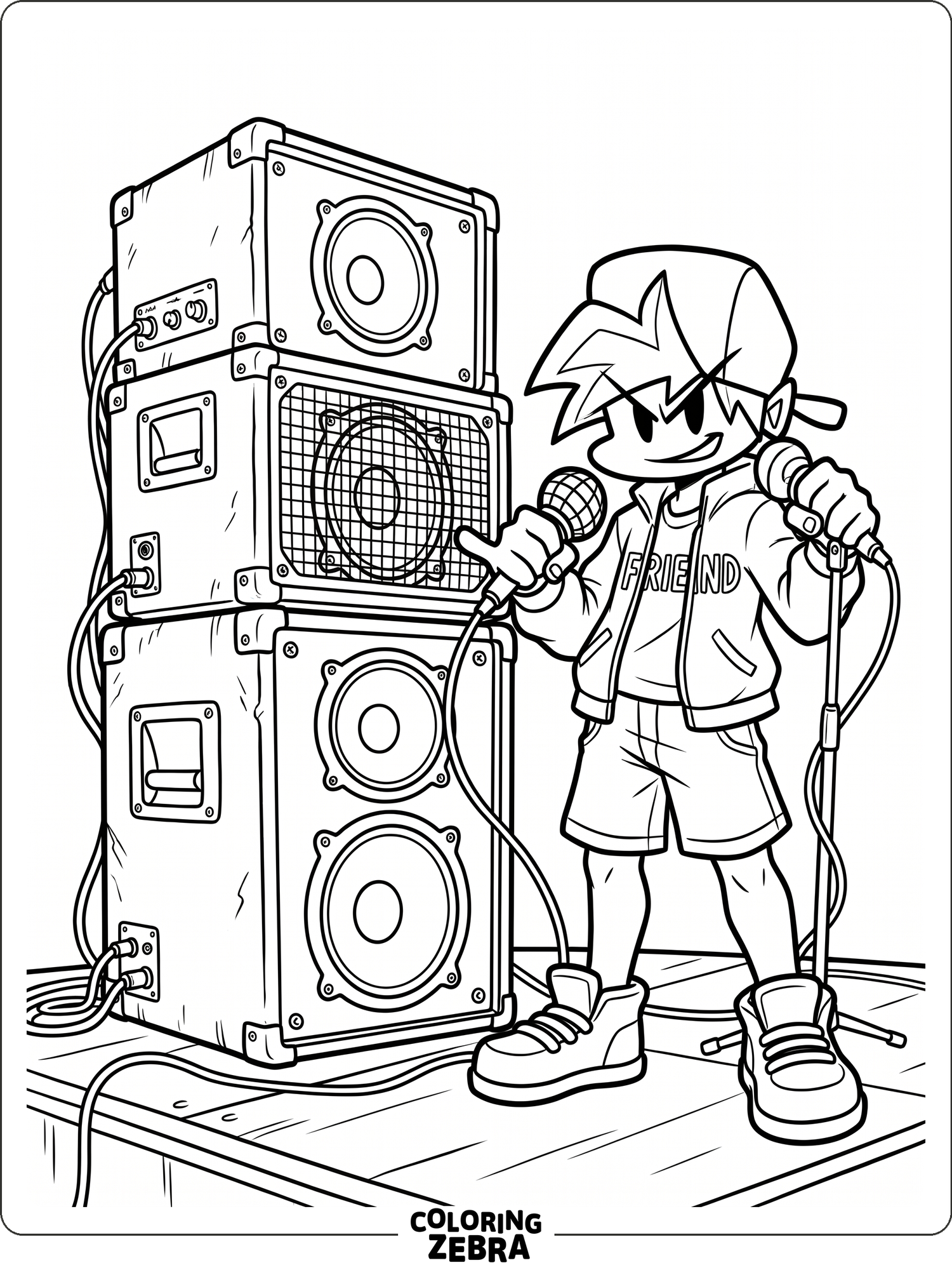
Print on standard paper for crayons or pencils, or choose heavier paper when using markers to reduce bleed-through. Select “fit to page” for complete artwork, and use grayscale or draft mode to conserve ink while keeping the outlines clear.
Related coloring pages
Printable Friday Night Funkin Coloring Pages

Sonic FNF Coloring Page

Sarvente FNF Coloring Page

Tails EXE Coloring Page
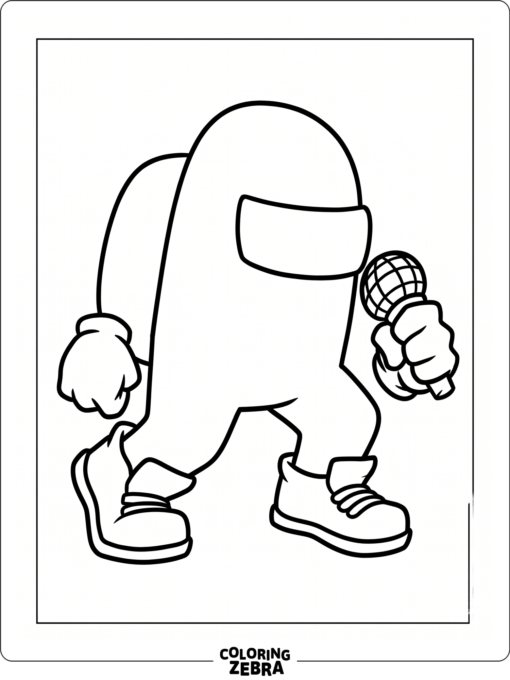

Green Impostor Coloring Sheet
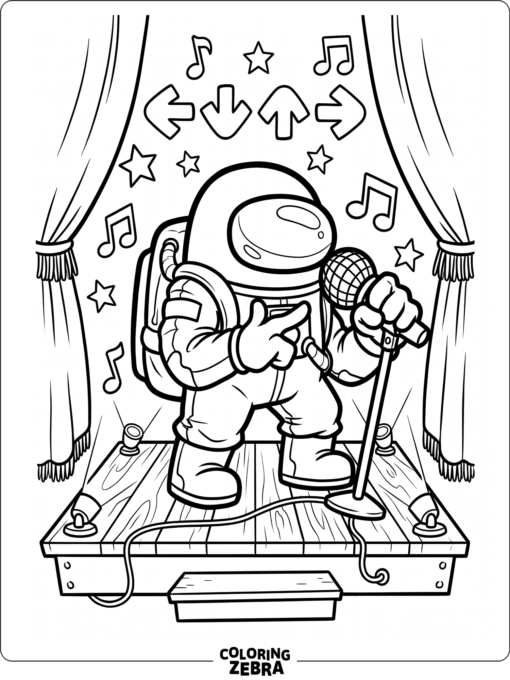

Among Us FNF Coloring Page
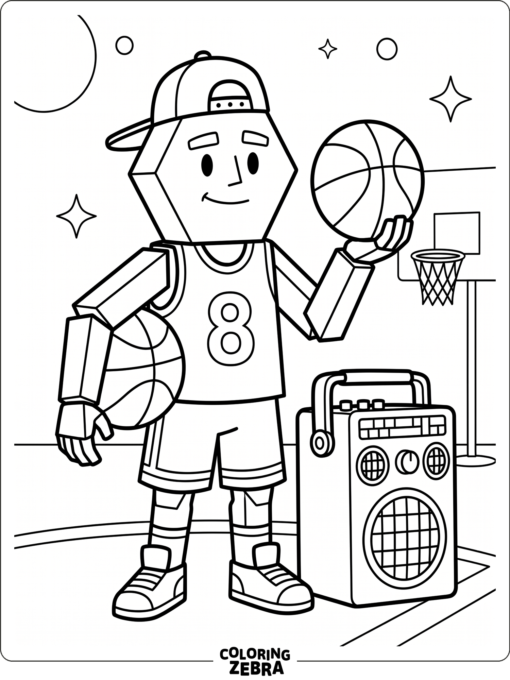

Hex Coloring Page
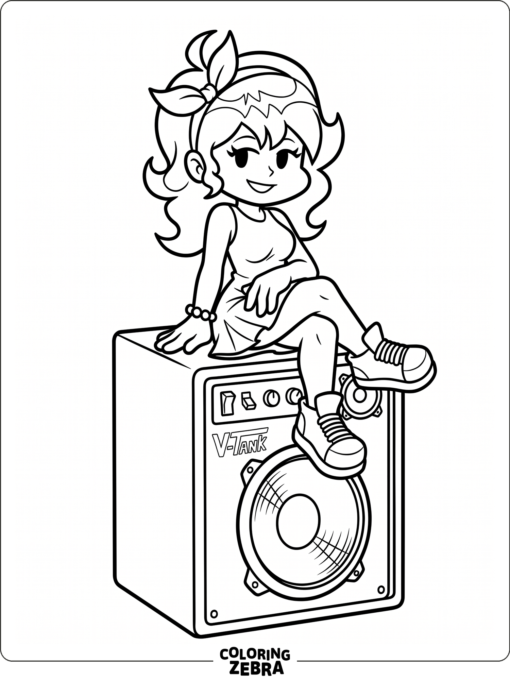

Girlfriend FNF Printable
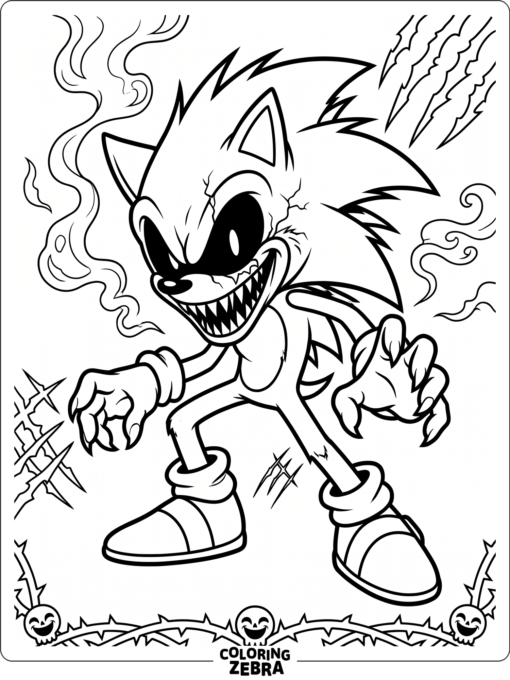

Sonic EXE Coloring Page
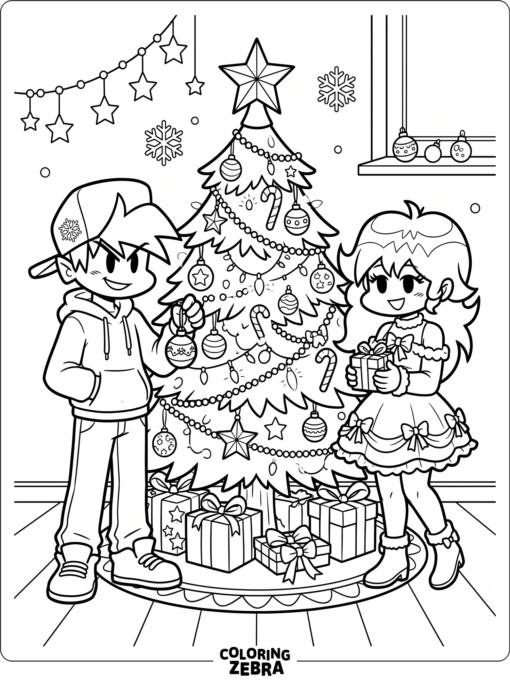

Christmas FNF Coloring Page
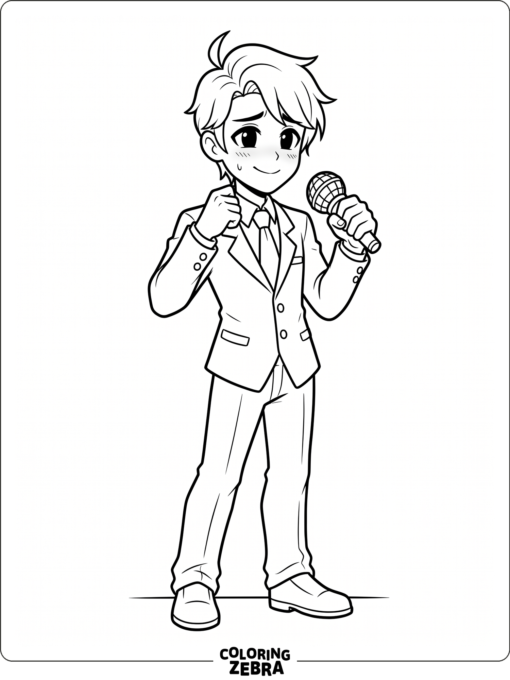

Senpai Coloring Sheet
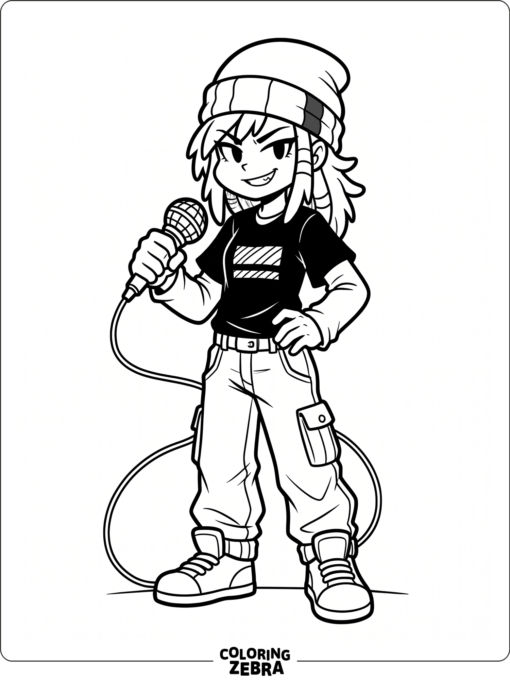

Annie Coloring Page
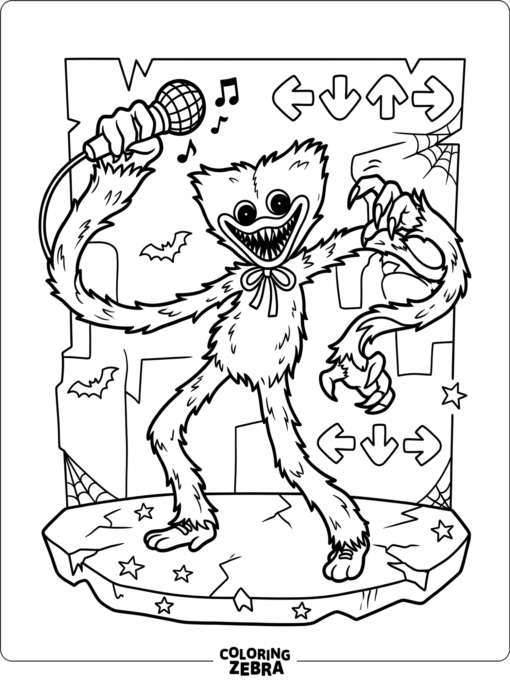

Huggy Wuggy Coloring Sheet
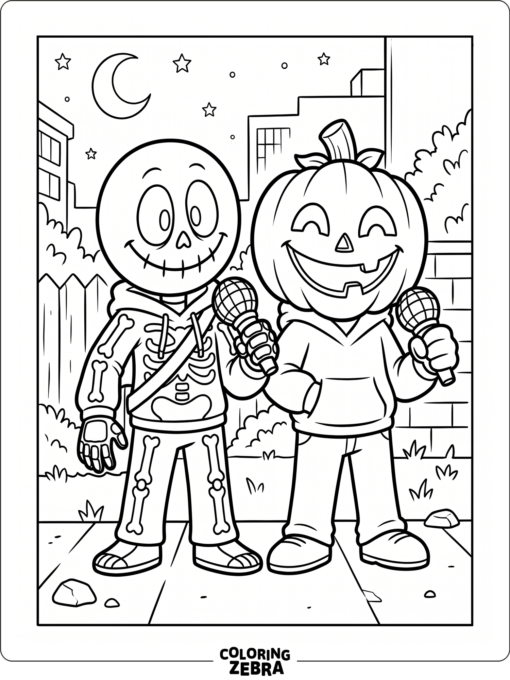

Skid and Pump Coloring Page
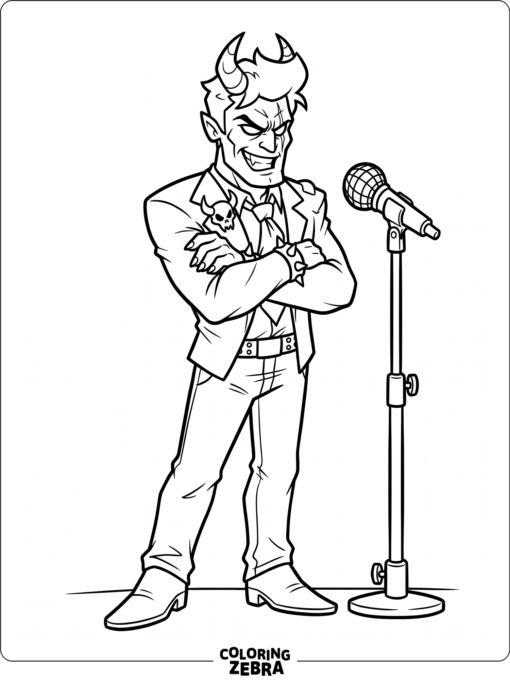

Daddy Dearest Coloring Page
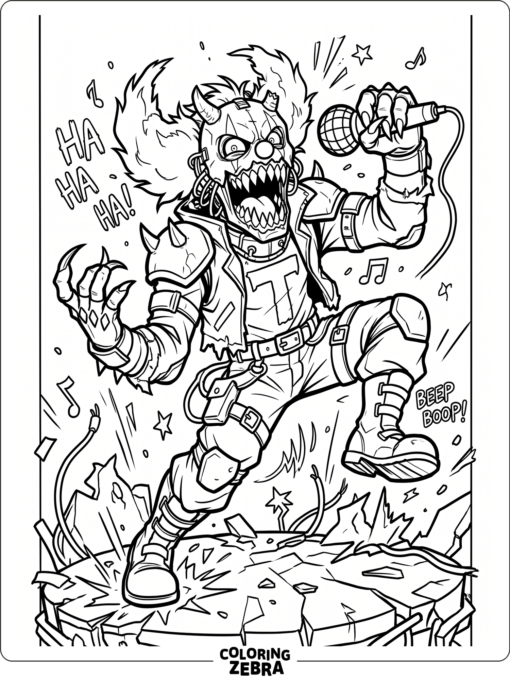

Tricky Coloring Sheet
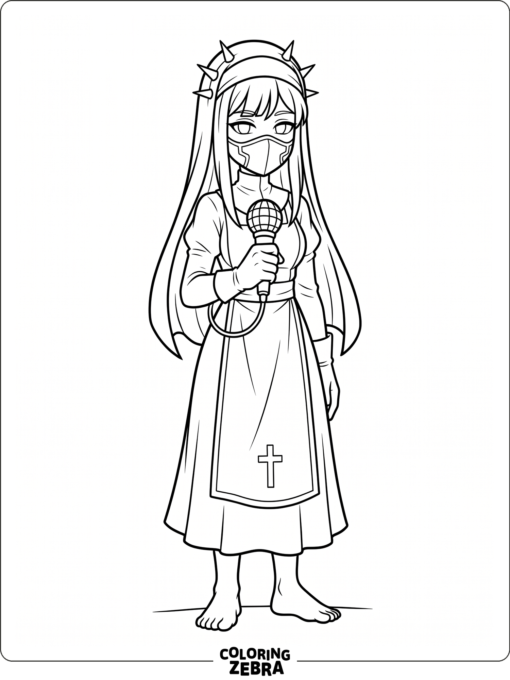

Taki Funkin Coloring Sheet
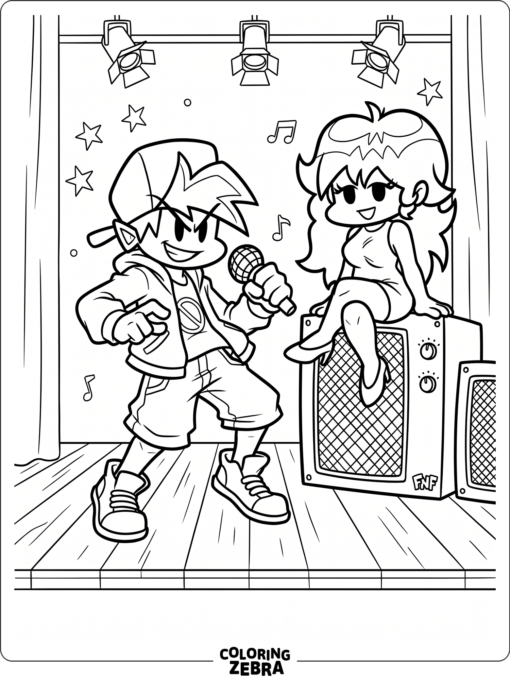

Friday Night Funkin Kids Coloring Page
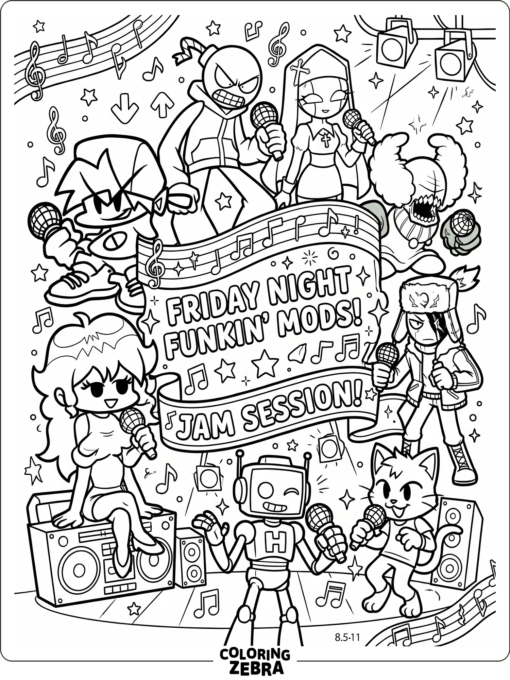

FNF Mods Coloring Page
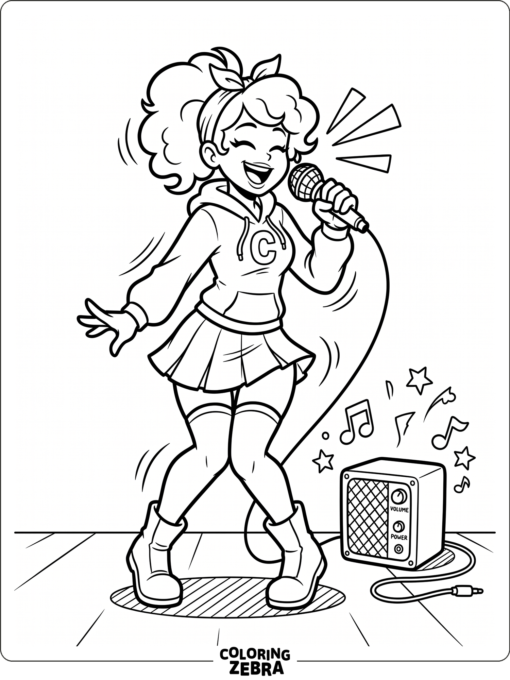

Carol Funkin Coloring Sheet
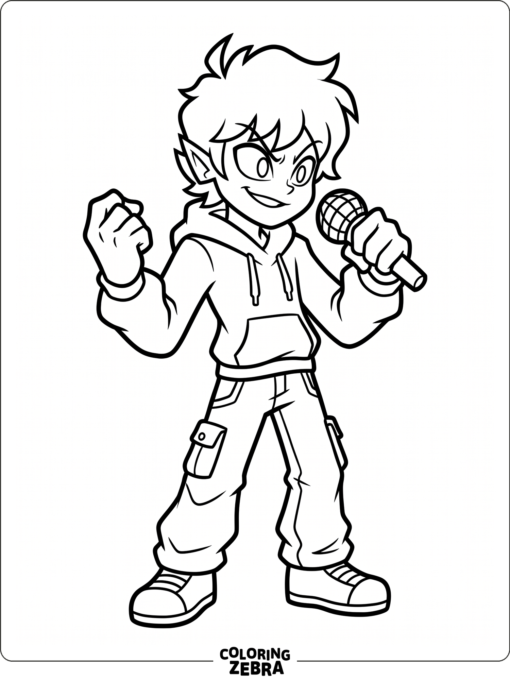

Agoti Coloring Page
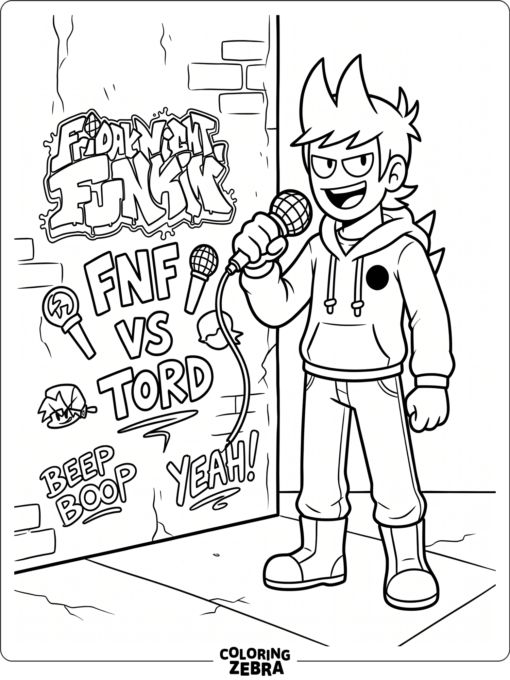

Tord Coloring Sheet
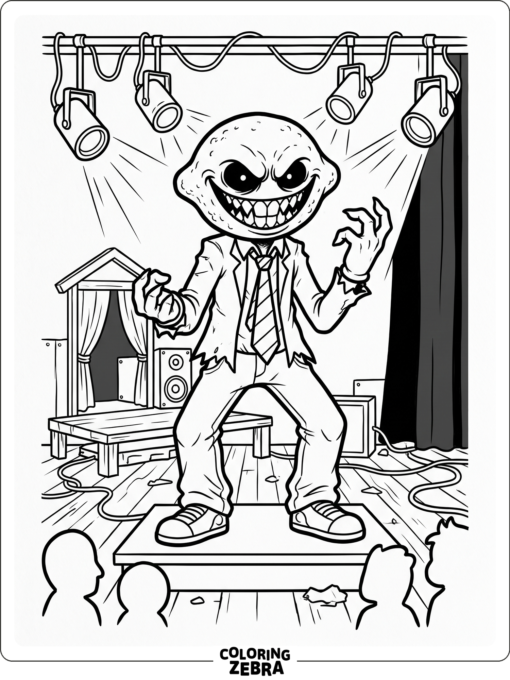

Lemon Demon Coloring Page
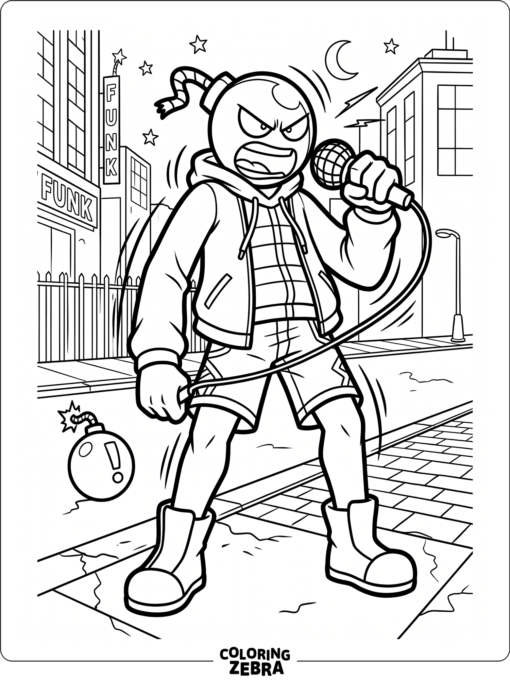

Whitty Character Coloring Page
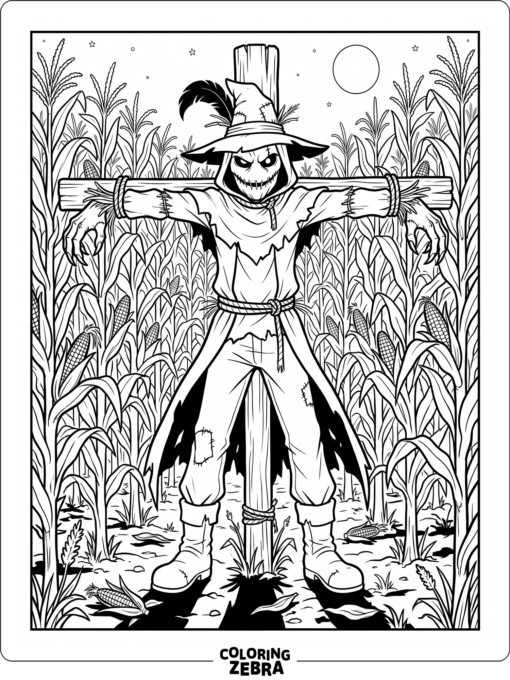

Zardy Coloring Sheet
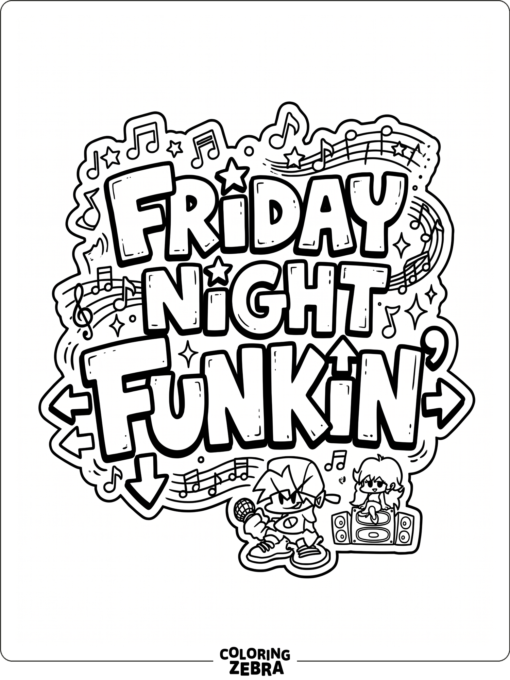

Friday Night Funkin Logo Coloring Page
A cast built around music
These Friday Night Funkin Coloring Pages reflect the visual language of a rhythm game: raised microphones, stacked speakers, performance stages, music notes, dance poses, and confident musical-battle stances. Boyfriend poses beside speakers, while Girlfriend sits on one in the pose closely associated with her appearances during rhythm battles. Other base-game figures include Daddy Dearest, Senpai, and the wide-grinning Lemon Demon, who is also commonly known as Monster. A character-free logo design gives anyone who prefers lettering and symbols a page centered on the game title and musical notes.
The collection also includes Skid and Pump together onstage, an unnamed group performing on a small stage, and another group gathered beneath a music banner. A seasonal scene places characters beside a Christmas tree. These group pictures provide opportunities to coordinate several palettes within one composition without assuming that every figure belongs to the same part of the game’s wider universe.
Mod characters with distinctive themes
Fan-made mods expanded Friday Night Funkin with new opponents, settings, visual ideas, and musical matchups. This selection reflects that community-driven side of the game through Sarvente, Hex, Annie, Tricky, Taki, Carol, Agoti, Whitty, and Zardy. They should be understood as figures associated with mod culture rather than treated as members of the original base-game roster.
- Hex combines sports and music imagery by holding a basketball near speakers. The round ball, mechanical character design, and rectangular audio equipment create a useful mix of shapes to color.
- Whitty appears with his recognizable bomb-headed design and a microphone. Strong contrast between the character, prop, and surrounding open areas can make the silhouette especially clear.
- Zardy stands in a cornfield with a scarecrow-like pose. Repeating stalks can be shaded with several related tones rather than one flat color.
- Tricky has a wild grin and microphone, while Carol is shown dancing and Agoti takes a battle stance. These different poses communicate personality even before color is added.
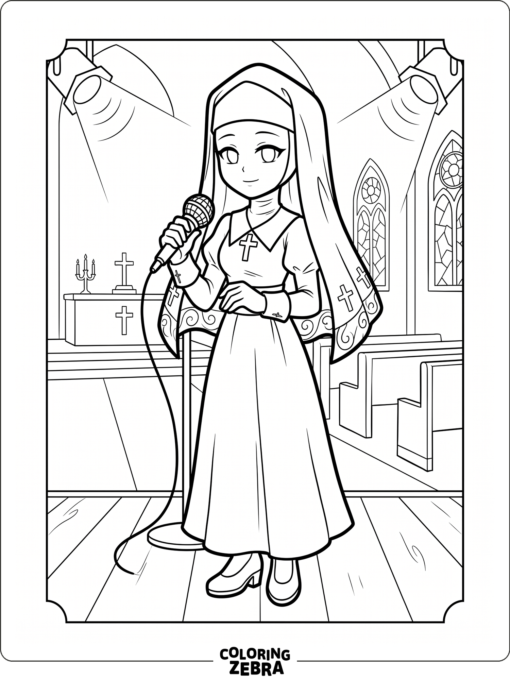
- Sarvente holds a microphone calmly, and Annie adopts a more confident performance pose. Comparing their body language is a simple way to see how rhythm-game art distinguishes one opponent from another.
Crossover and spooky designs
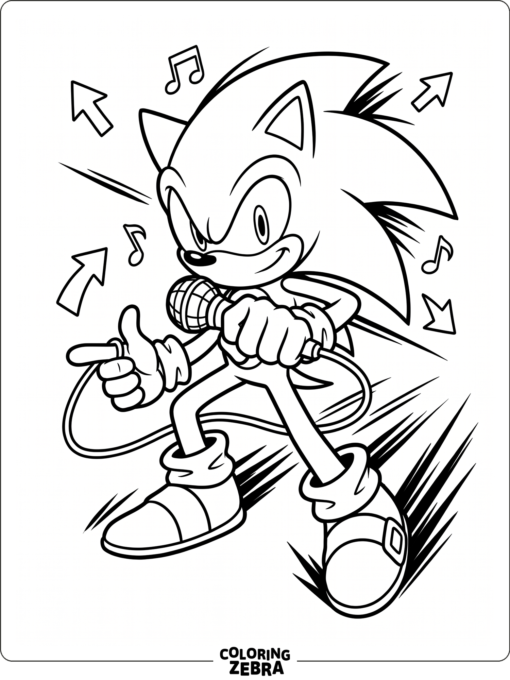
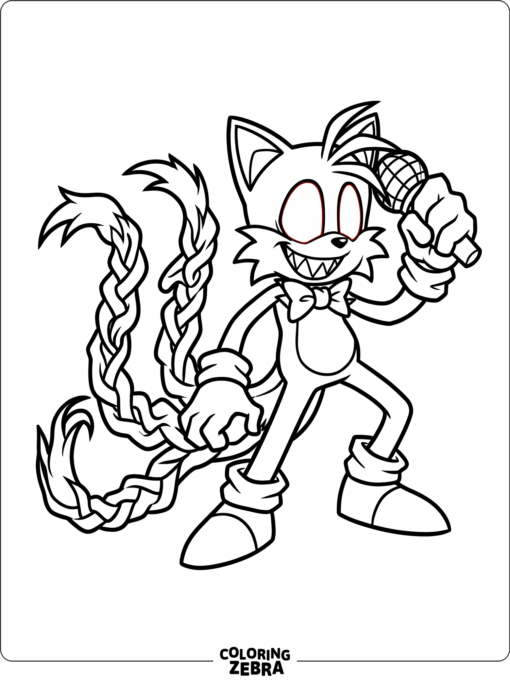
Not every recognizable face in the set originated in Friday Night Funkin. Sonic appears in a microphone rap pose, while Sonic EXE is presented separately with a darker, spooky expression. Tails EXE also has a horror-oriented microphone pose. The EXE figures are eerie fan interpretations and should not be confused with the ordinary versions of Sonic or Tails.
Among Us-inspired choices include a microphone-holding crewmate and a sneaky Green Impostor. Huggy Wuggy also carries a microphone, and Tord stands against a graffiti wall rather than a conventional stage. These crossover-style appearances illustrate a major feature of FNF fan culture: characters from games and animation are frequently reimagined as participants in musical confrontations. Their presence does not make them original base-game characters.
Coloring the different scenes
Begin by deciding which part of each design should command attention. On microphone portraits, a darker or more saturated value around the performer can help the face and microphone remain prominent. In speaker scenes, alternating light and dark values across the circular cones can suggest depth without requiring complicated shading. The Friday Night Funkin Coloring Pages featuring stages can use a limited palette for the setting and a broader palette for the performers, keeping the cast visually distinct.
Expression is another useful guide. Calm poses suit smooth, even fills, while Tricky’s grin, the EXE faces, and Lemon Demon’s stage expression can support sharper contrasts. Zardy’s cornfield offers repeating background details, and Tord’s graffiti wall invites varied lettering or pattern colors. For the Christmas scene, a coordinated seasonal palette can tie the tree and surrounding characters together without assigning unsupported identities to the figures.
The logo page works well for experimenting with gradients, outlined letters, or alternating colors across the title. Music notes can repeat the same palette or provide small contrasting accents. Colored pencils are helpful around facial features and microphones, while broad crayons or markers can cover speakers, banners, and open backgrounds efficiently.
How rhythm battles shape the imagery
Friday Night Funkin is an indie rhythm game organized around musical confrontations. Players respond to timed directional note patterns, so microphones function as symbols of competition, while speakers and stages establish the performance setting. A “battle stance” in this context signals readiness for a musical matchup rather than physical action.
Boyfriend serves as the central performer, and Girlfriend is his companion, often shown seated on speakers during matchups. Daddy Dearest is a prominent opponent connected to Girlfriend. Senpai is associated with the retro game-themed setting of Week 6, although that background does not mean every printable depiction of him must use pixel art. Skid and Pump form a recognizable duo, which is why their shared stage picture fits their usual paired presentation.
Ideas for completed artwork
Finished FNF character coloring sheets can be arranged by category: base-game figures, mod opponents, spooky EXE interpretations, crossover visitors, or music-focused scenes. A small display can pair Boyfriend and Girlfriend, place Hex beside other performance pages, or contrast Zardy’s rural setting with Tord’s urban graffiti backdrop. The logo design also makes a natural title page for a homemade collection.
Another option is to use the Friday Night Funkin Coloring Pages as visual prompts for discussing character design. Compare how a basketball identifies Hex, how a cornfield reinforces Zardy’s scarecrow theme, or how microphones connect otherwise unrelated crossover figures to the rhythm-game format. These observations help explain how props, expressions, and settings communicate identity across the game’s unusually broad fan culture.
People Often Ask Us…
-
How do Friday Night Funkin rhythm battles work?
-
Why do FNF characters sing in beeps?
-
Where did Skid and Pump come from?
-
Is Lemon Demon the same as Monster?
-
Why did FNF fan mods become so popular?