
Plants vs Zombies Coloring Pages
Plants vs Zombies Coloring Pages turn a comic garden standoff into a varied collection of printable scenes. Familiar silhouettes such as Peashooter, Sunflower, Wall-nut, and Chomper make each design easy to recognize. Armored zombies, hero poses, projectiles, and expressive faces offer plenty of interesting details to explore with color. The settings range from simple lawns and ponds to snowy ground, Ancient Egypt, and a pirate ship deck.
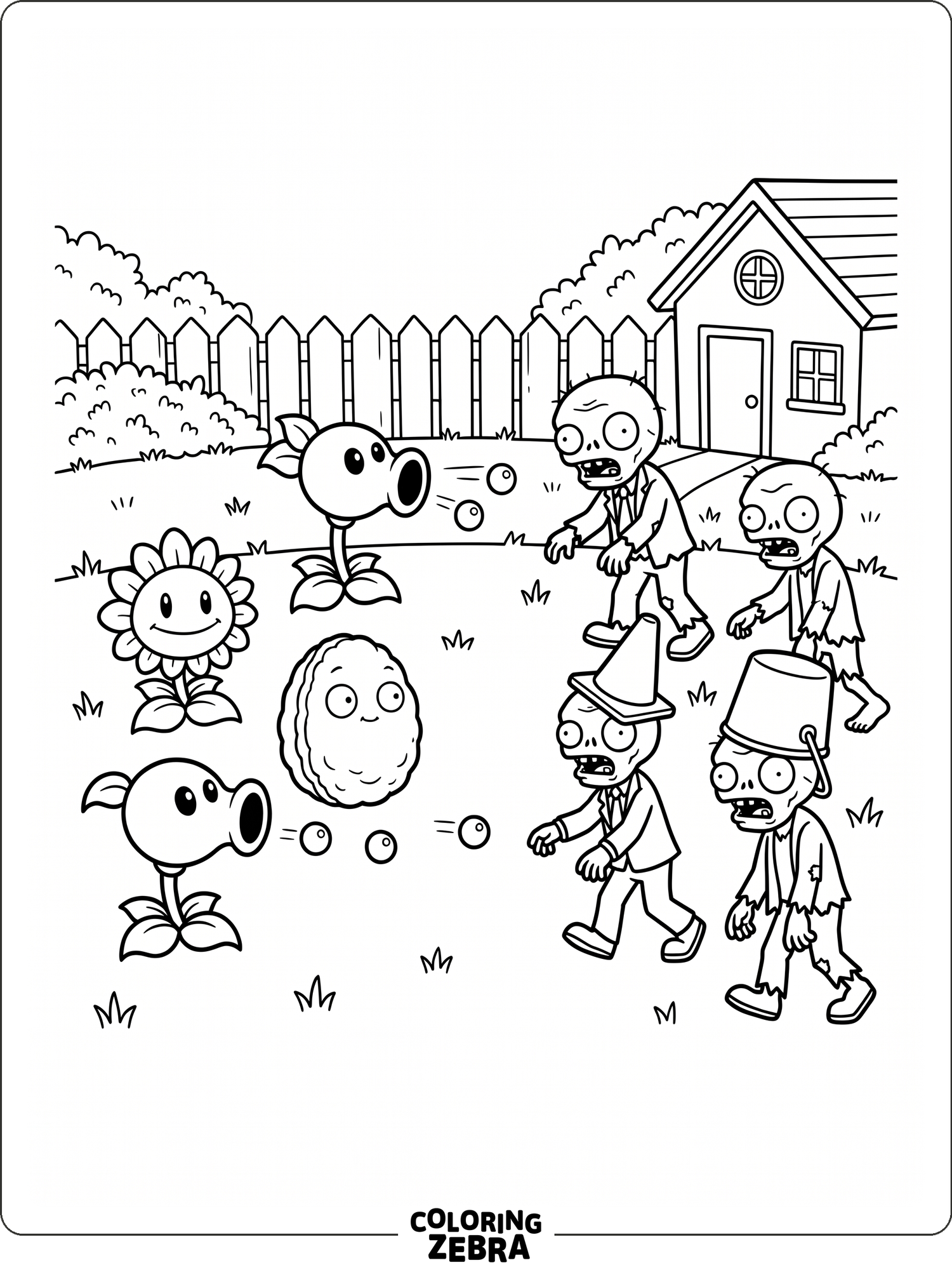
Print isolated characters on standard printer paper, or use heavier paper for markers and layered pencil work. Select “fit to printable area” to preserve the full outline, and use grayscale or draft mode when testing page size. For comfortable coloring, print detailed group scenes at full-page scale.
Related coloring pages
Plants vs Zombies Coloring Pages
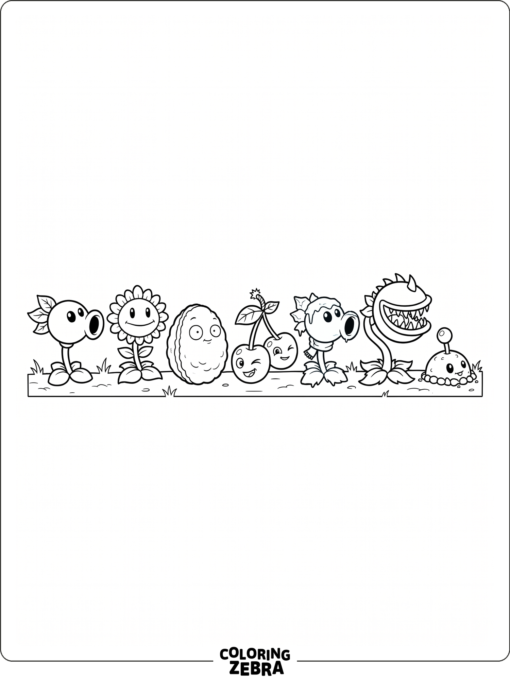

All Plants Coloring Sheet
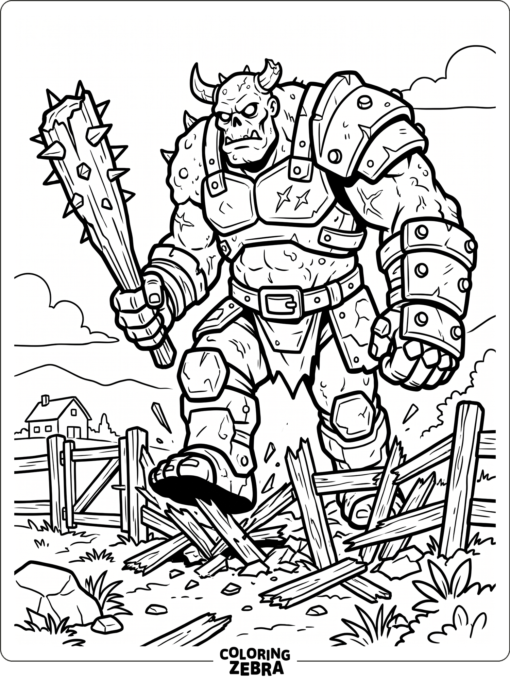

Gargantuar Coloring Page
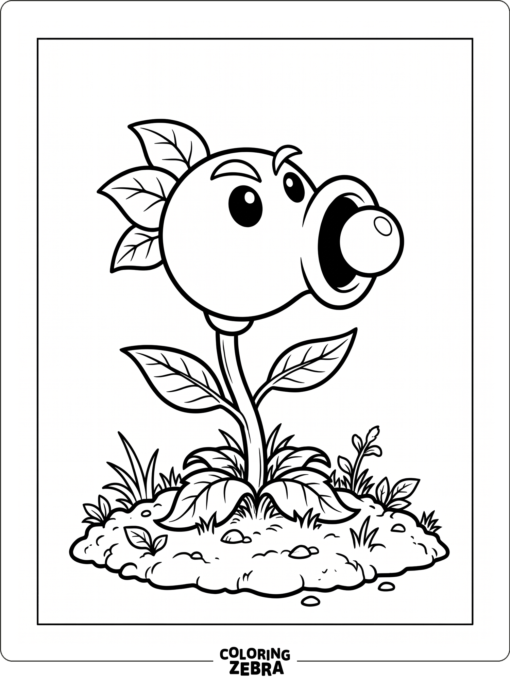

Peashooter Coloring Page
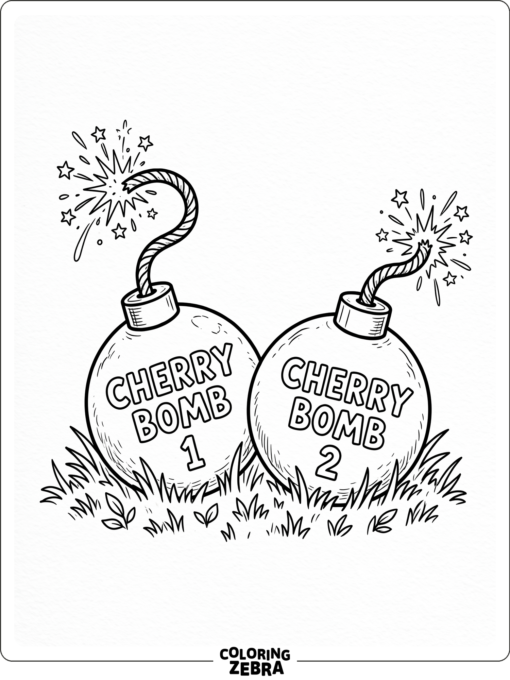

Cherry Bomb Coloring Page
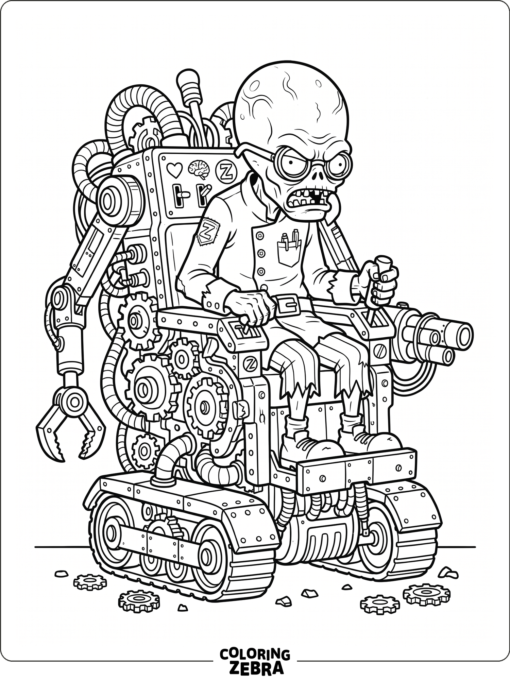

Zomboss Coloring Page
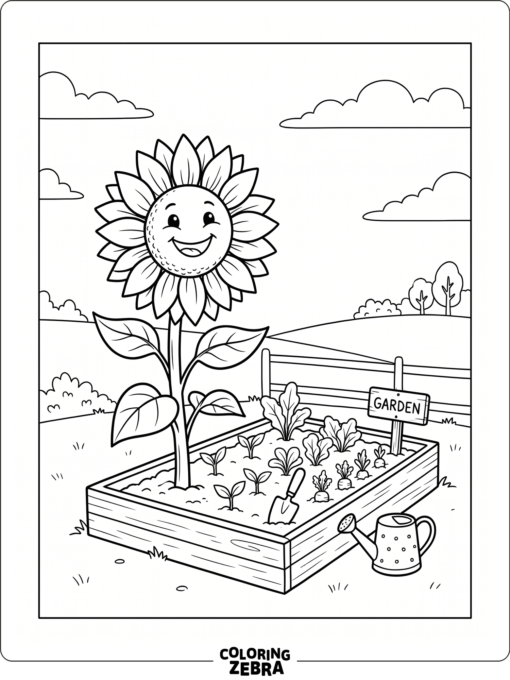

Sunflower Coloring Page
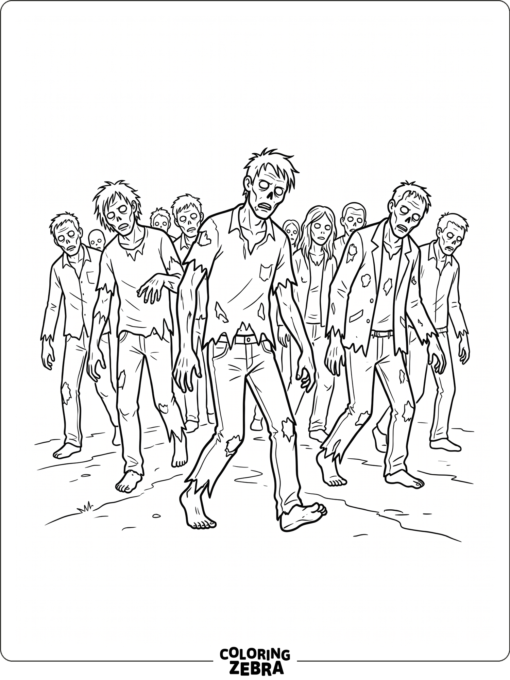

Zombies Coloring Page
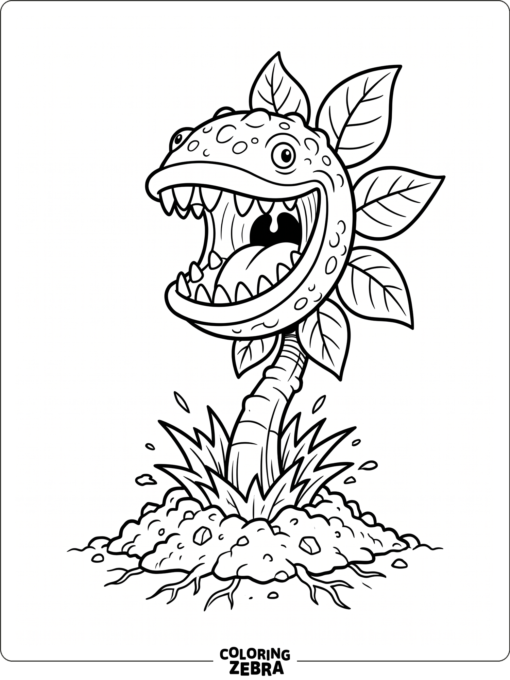

Chomper Coloring Page
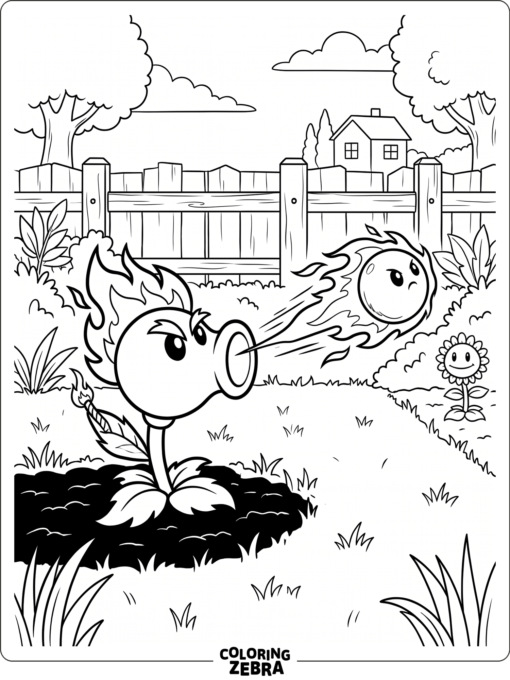

Fire Peashooter Coloring Page
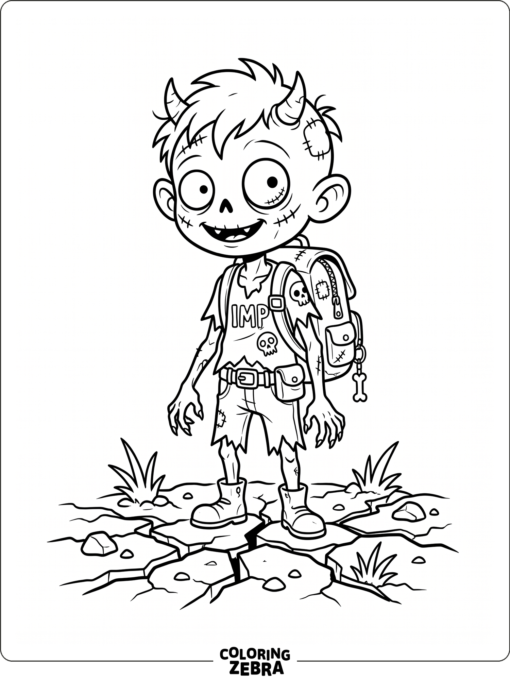

Imp Coloring Page
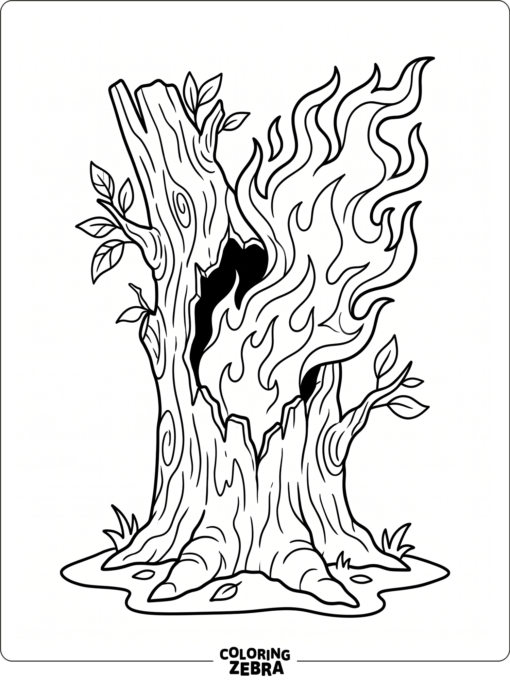

Torchwood Coloring Page
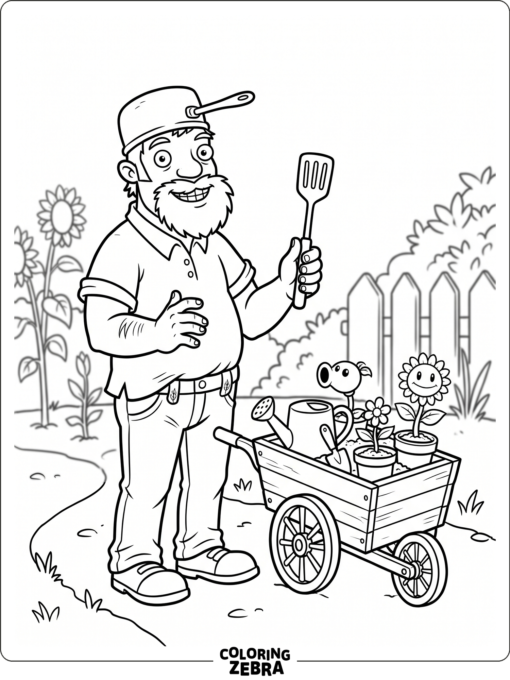

Crazy Dave Coloring Page
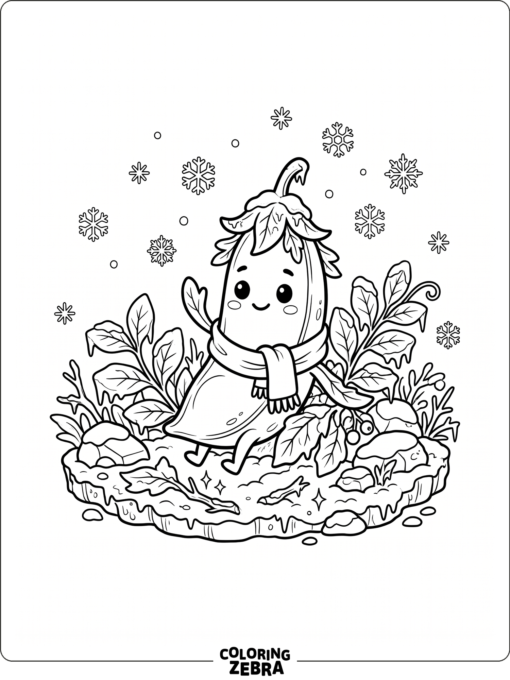

Snow Pea Coloring Page
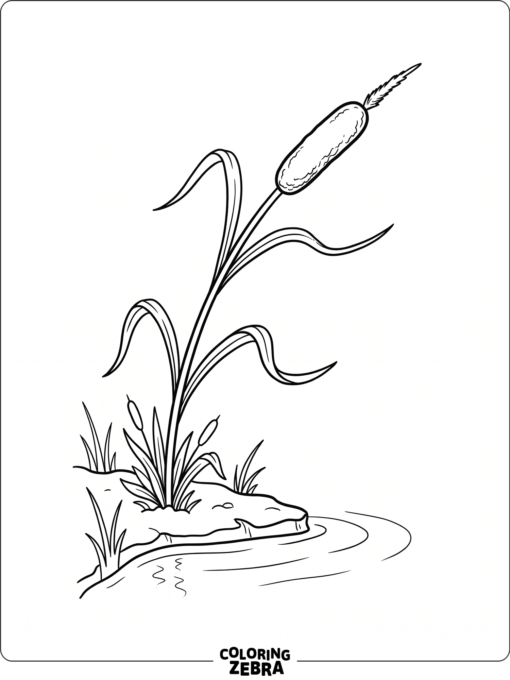

Cattail Coloring Page
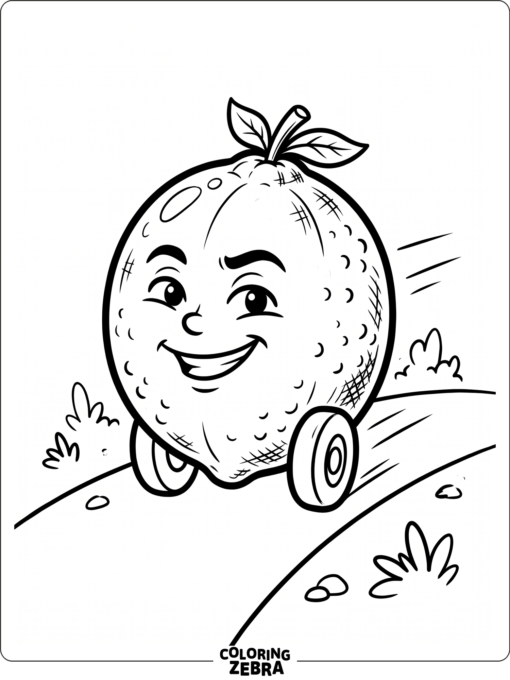

Citron Coloring Page
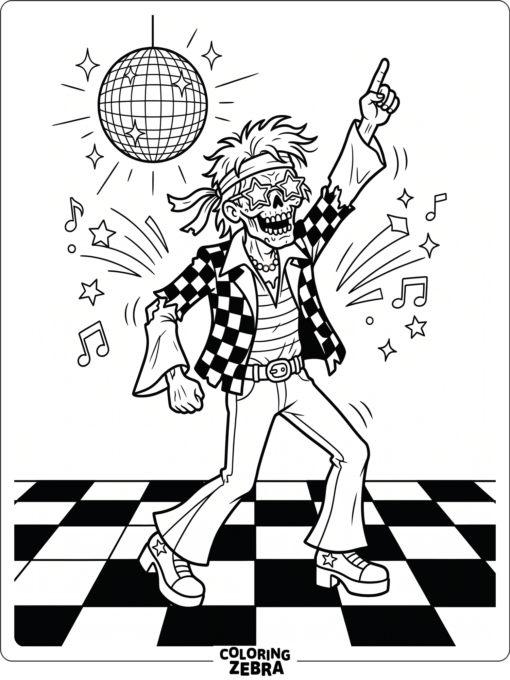

Disco Zombie Coloring Page
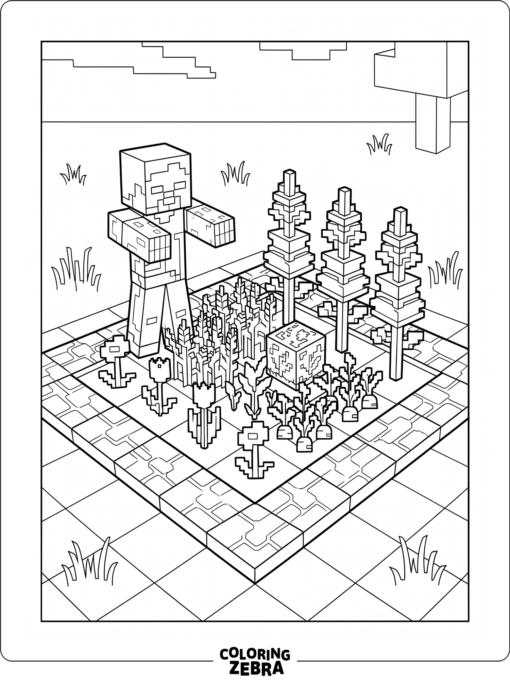

Minecraft Plants Vs Zombies Coloring Page
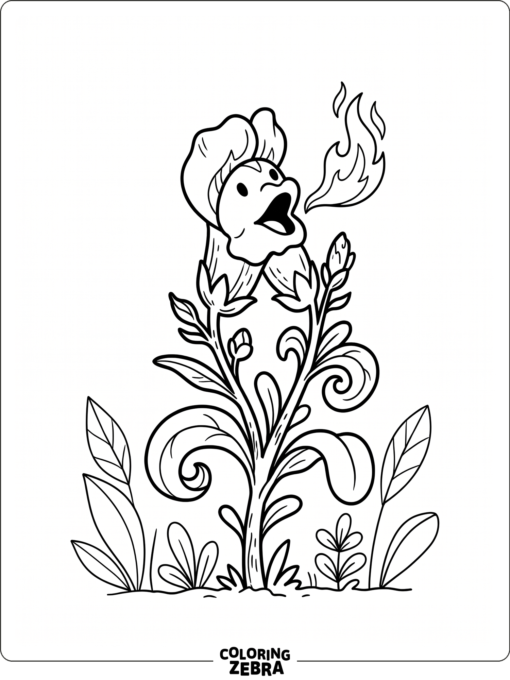

Snapdragon Coloring Page
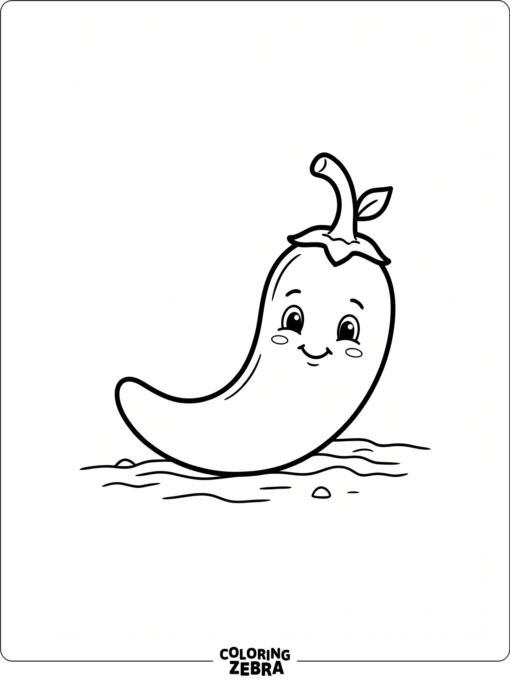

Chili Coloring Page
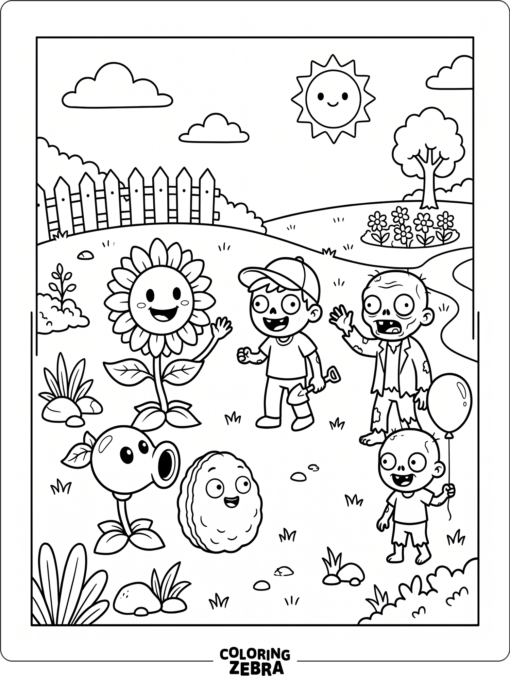

Plants Vs Zombies Coloring Page For Kids
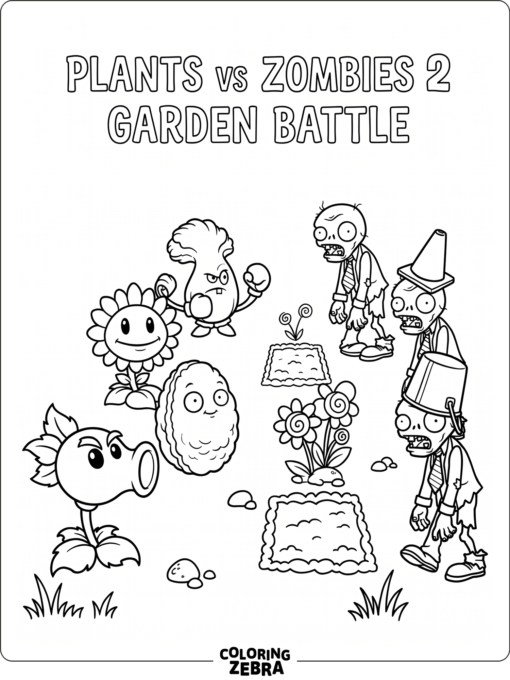

Plants Vs Zombies 2 Coloring Page
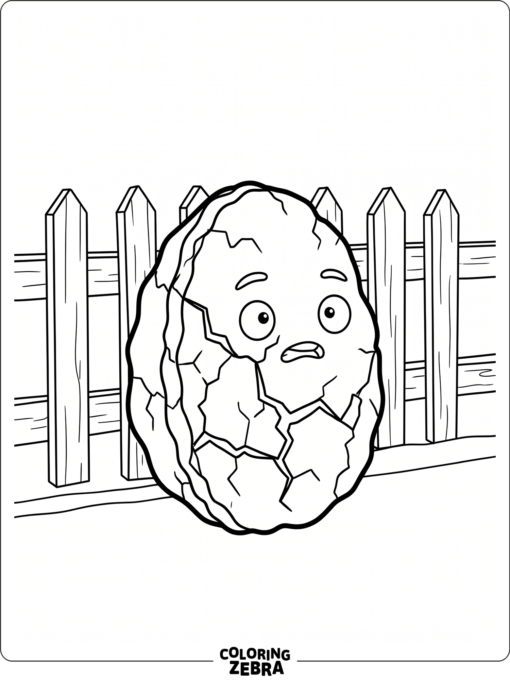

Wall-nut Coloring Page
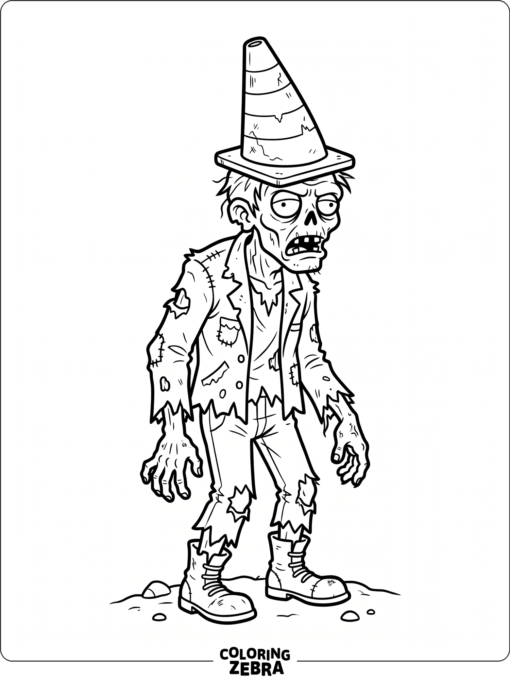

Conehead Zombie Coloring Page

Potato Mine Coloring Page

Garden Warfare Coloring Page

Bonk Choy Coloring Page

Buckethead Zombie Coloring Page

Plants Vs Zombies Logo Coloring Page
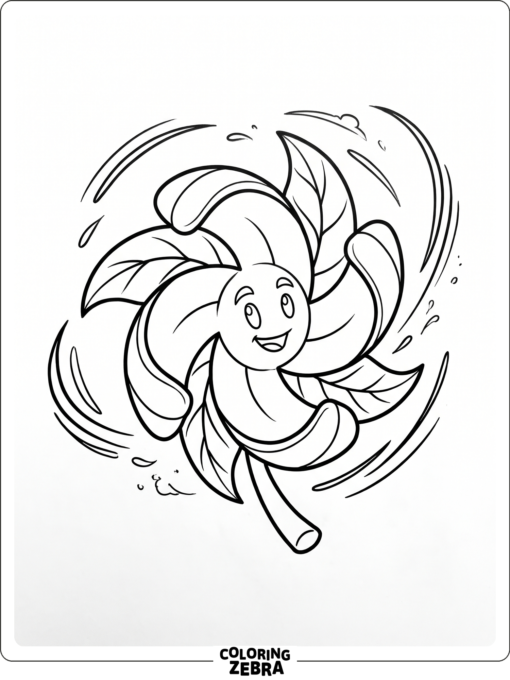

Bloomerang Coloring Page
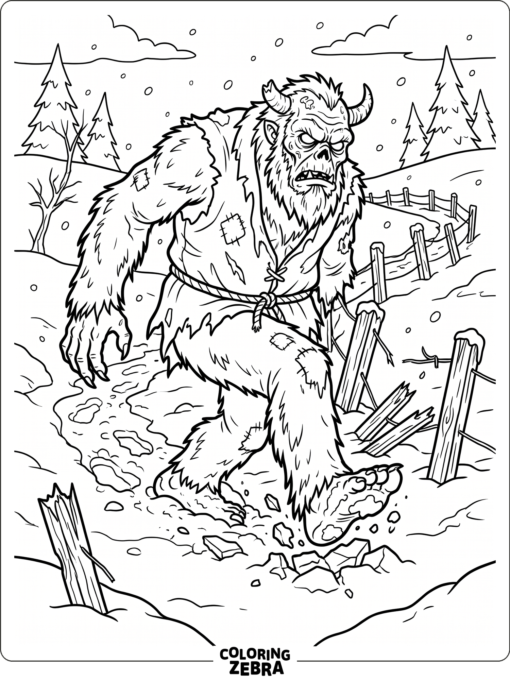

Zombie Yeti Coloring Page
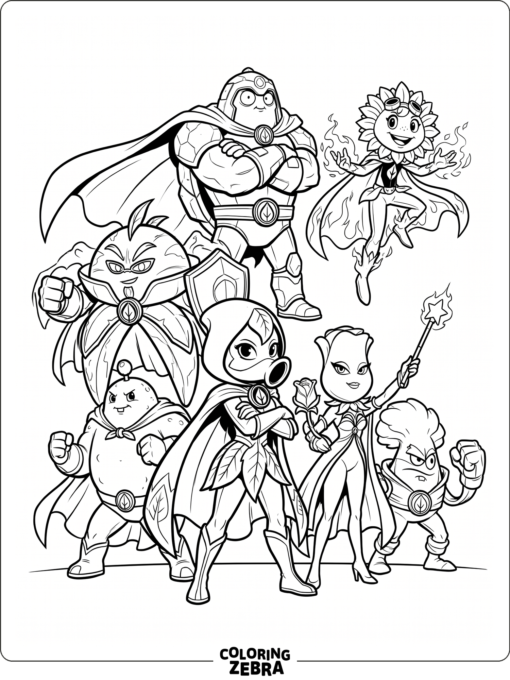

Heroes Coloring Page
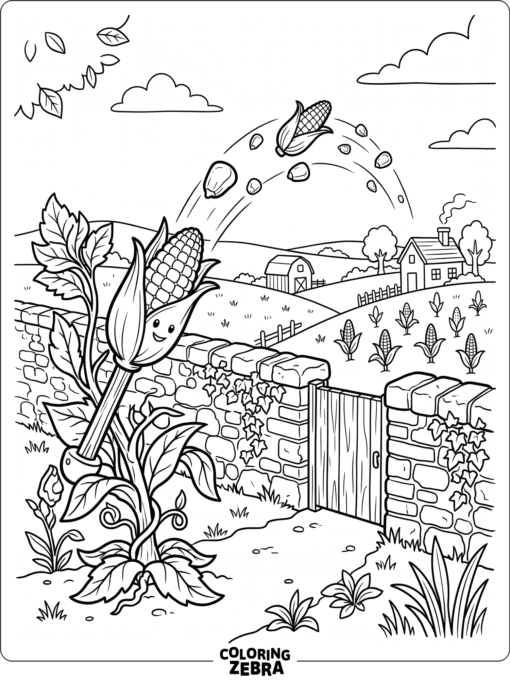

Kernel-Pult Coloring Sheet
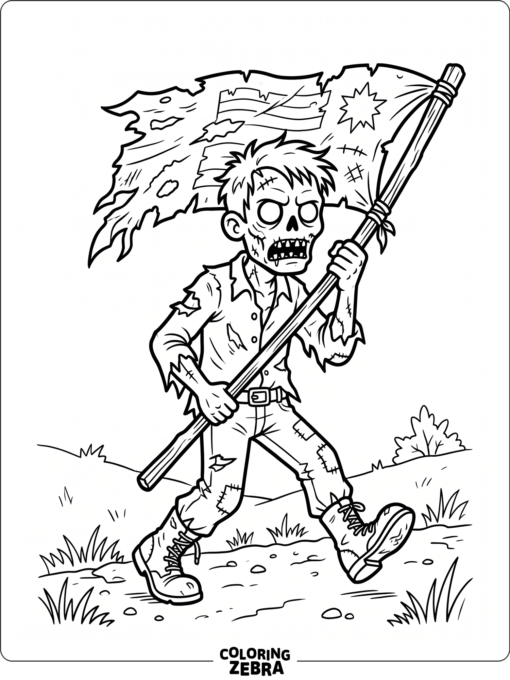

Flag Zombie Coloring Page
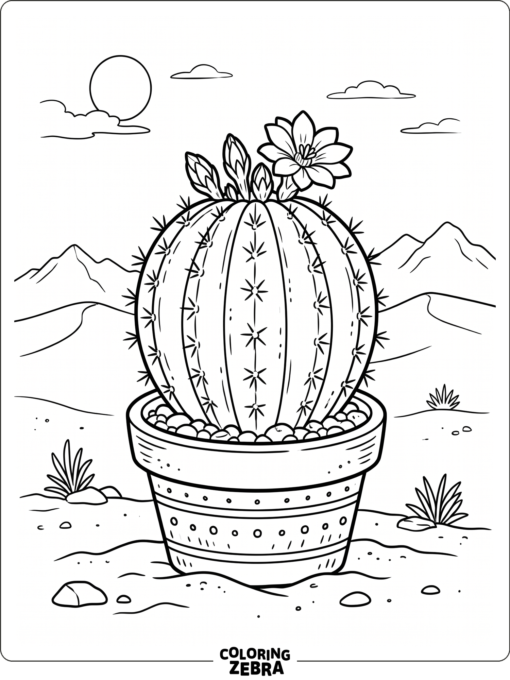

Cactus Coloring Page
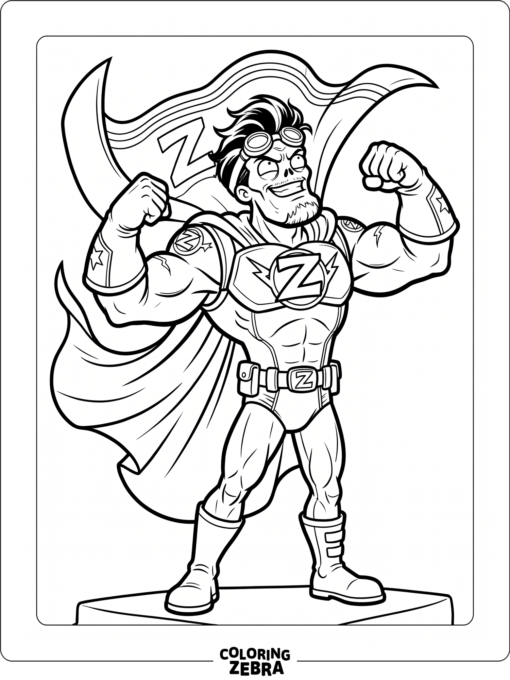

Super Brainz Coloring Page
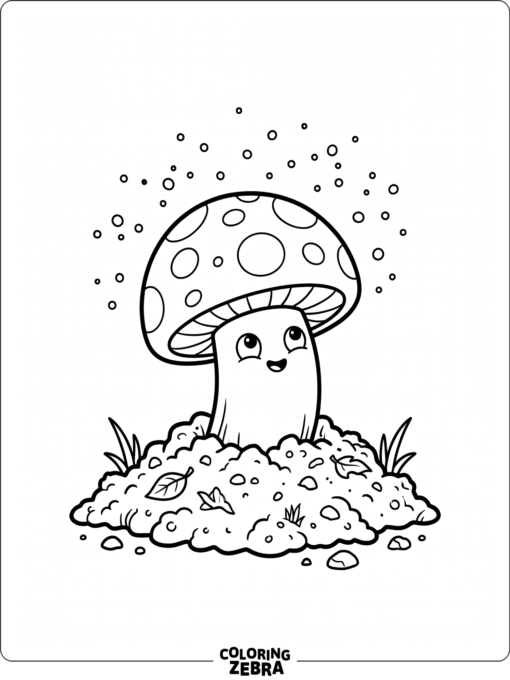

Puff-Shroom Coloring Page
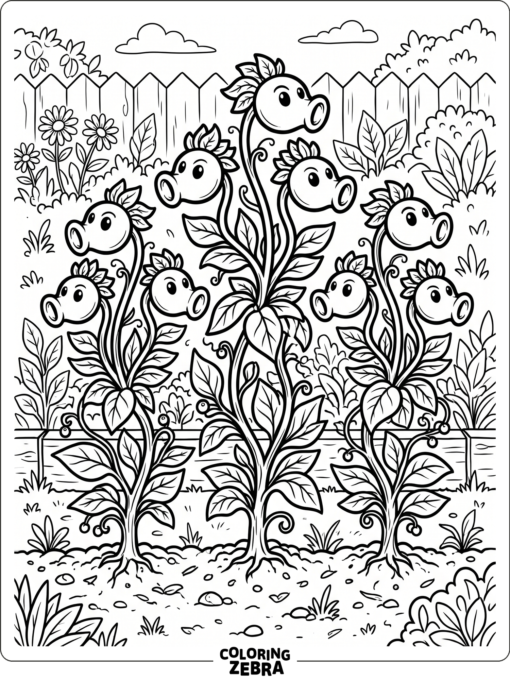

Threepeater Coloring Page
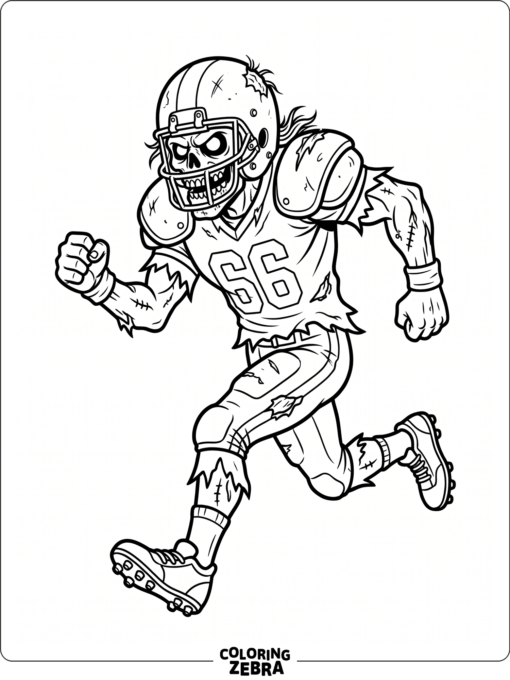

Football Zombie Coloring Page
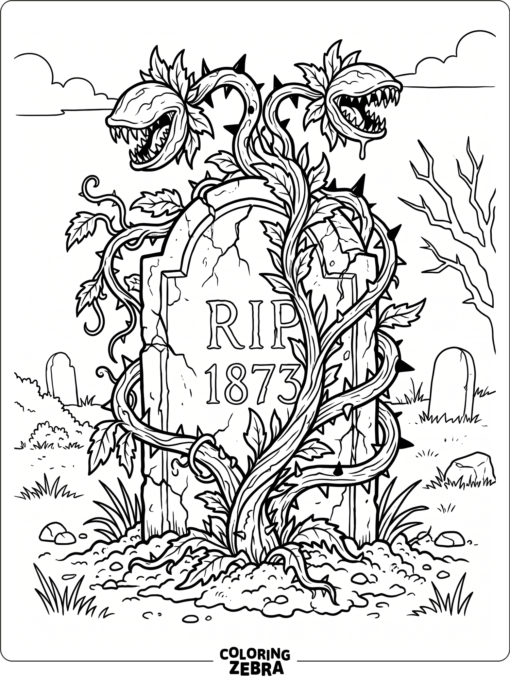

Grave Buster Coloring Page
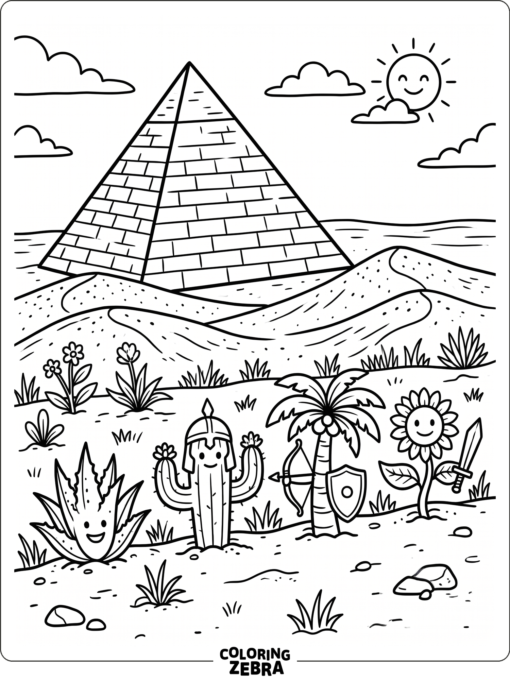

Ancient Egypt Coloring Page
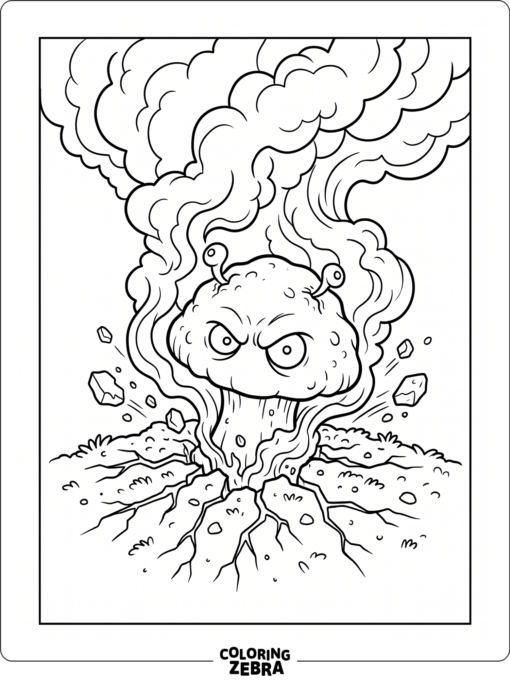

Doom-Shroom Coloring Page
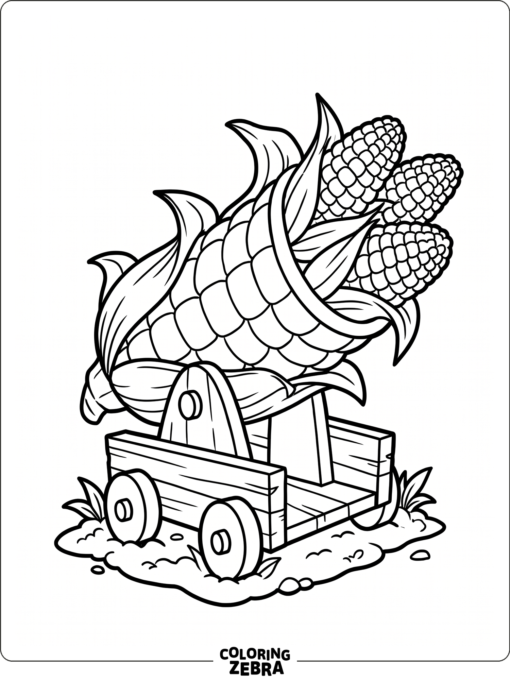

Cob Cannon Coloring Page
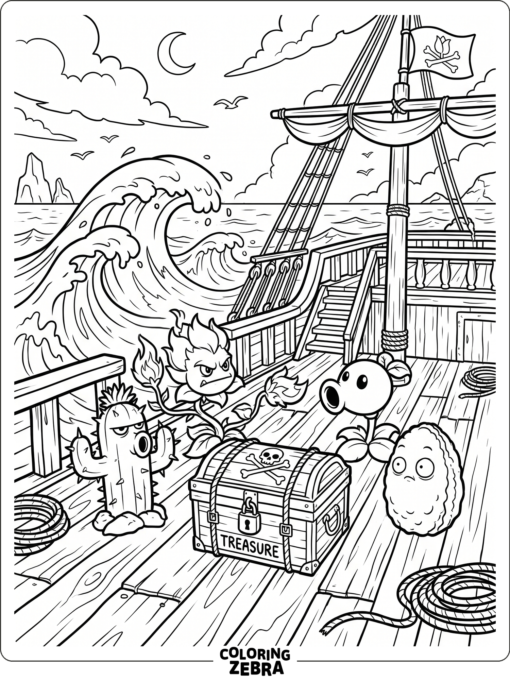

Pirate Seas Coloring Page
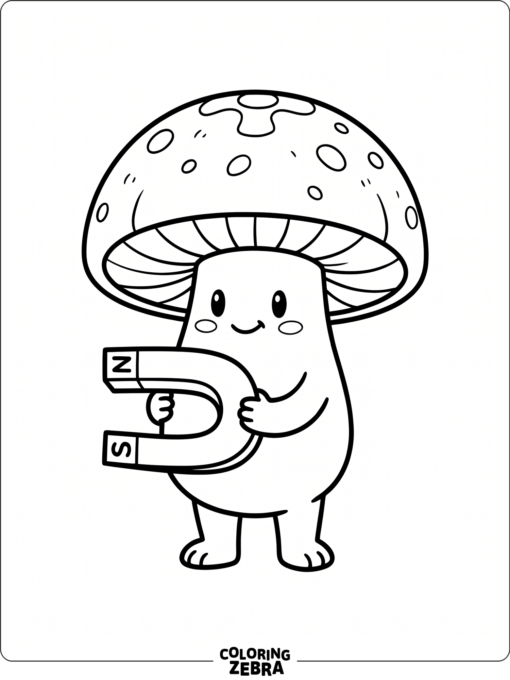

Magnet-Shroom Coloring Page
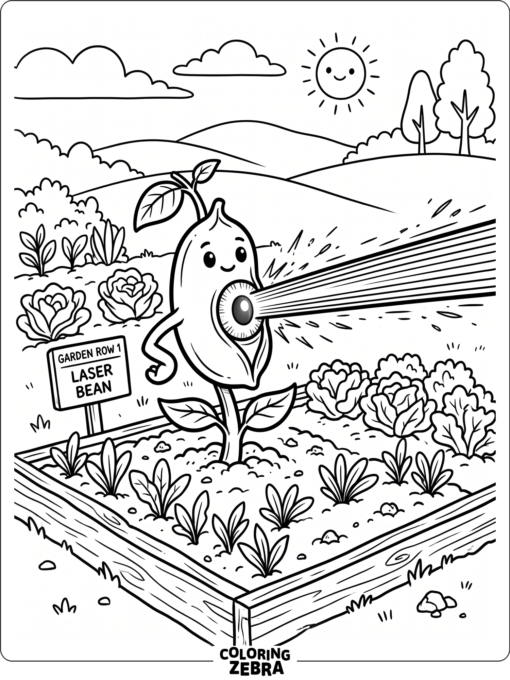

Laser Bean Coloring Page
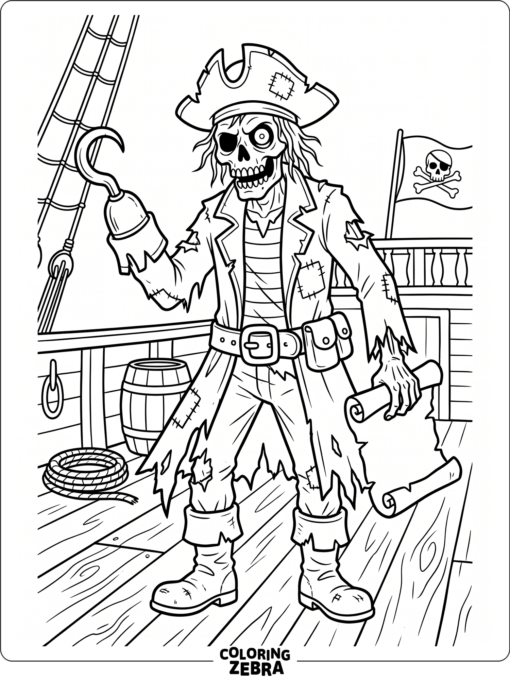

Pirate Zombie Coloring Page
A Garden Roster Filled With Recognizable Characters
These Plants vs Zombies Coloring Pages cover both sides of the franchise’s humorous conflict. The plant roster includes familiar defenders such as Peashooter, Sunflower, Wall-nut, Chomper, Snow Pea, and Torchwood, along with distinctive figures such as Cattail, Citron, Snapdragon, Bonk Choy, Bloomerang, Cactus, and Laser Bean. Some sheets focus on a single bold silhouette, while others arrange several characters in clean lineups or compact battle scenes.
The collection also includes Puff-shroom, Magnet-shroom, Doom-shroom, and Grave Buster. Kernel-pult and Cob Cannon introduce oversized corn projectiles, while Cherry Bomb, Potato Mine, and Chili Pepper represent explosive or trap-oriented designs. This range gives colorists a choice between uncomplicated character portraits and scenes filled with moving peas, flames, frost, beams, smoke, or flying corn.
How the Plants Show Their Fictional Roles
The artwork communicates broad game roles through shape, placement, and motion. Peashooter aims from a garden patch, Fire Peashooter launches a flaming pea, and Snow Pea sits among frost and snowflakes. Threepeater is immediately recognizable by its three forward-facing heads, while Laser Bean projects a beam across a garden row. These visual cues help explain how the franchise turns ordinary plant forms into imaginative projectile attackers.
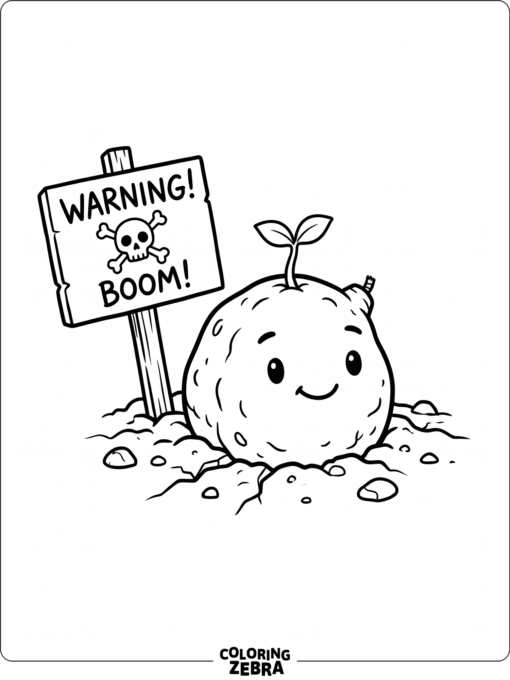
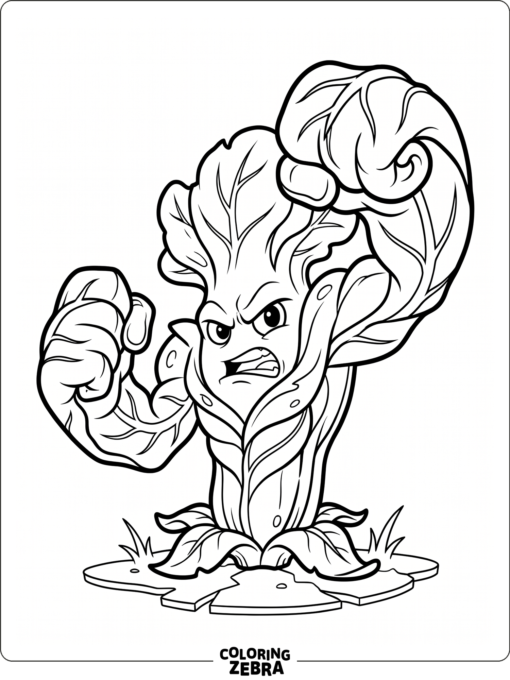
Other characters work at closer range or emphasize defense. Wall-nut stands in front of a fence, making its blocking role clear before any gameplay explanation is needed. Bonk Choy raises leafy fists, Chomper emerges with open jaws, and Snapdragon releases a small flame. Potato Mine’s sprout and warning sign suggest a hidden trap, while Bloomerang’s curved petals and spinning pose convey movement.
These abilities are entirely fictional. Real peas, walnuts, mushrooms, corn, cacti, and sunflowers do not attack, block lanes, or launch projectiles. That contrast is part of the visual joke and provides a simple example of anthropomorphism: familiar plants receive faces, expressions, poses, and game-specific abilities.
From Shuffling Zombies to Larger Opponents
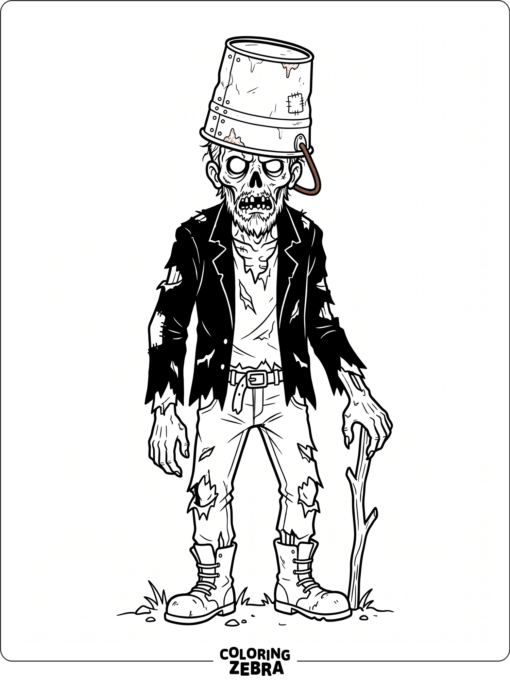
The zombie sheets use clothing, accessories, and body size to establish different roles. Regular zombies shuffle together, while Flag Zombie carries a torn flag. Conehead and Buckethead zombies wear improvised protection that makes their silhouettes easy to compare. Football Zombie runs in full gear, Disco Zombie dances with one arm raised, and Imp appears on cracked soil with a backpack.
Several designs have a stronger sense of scale or setting. Gargantuar stands beside a broken fence, and the fuzzy Zombie Yeti occupies a snowy scene with bold outlines. Pirate Zombie appears on a ship deck with a hook hand. Dr. Zomboss is especially detailed because his mechanical chair includes visible gears, giving colorists more small sections to fill than a simple character portrait.
Crazy Dave Heroes and Spin Off Imagery
Crazy Dave appears with his characteristic spatula beside a garden cart, adding a personality-driven scene to the plant and zombie lineups. Super Brainz supplies a clear superhero motif through a strong, upright pose. Other hero characters stand together in a simple lineup, but the artwork does not require every unnamed figure to be identified before it can be enjoyed.
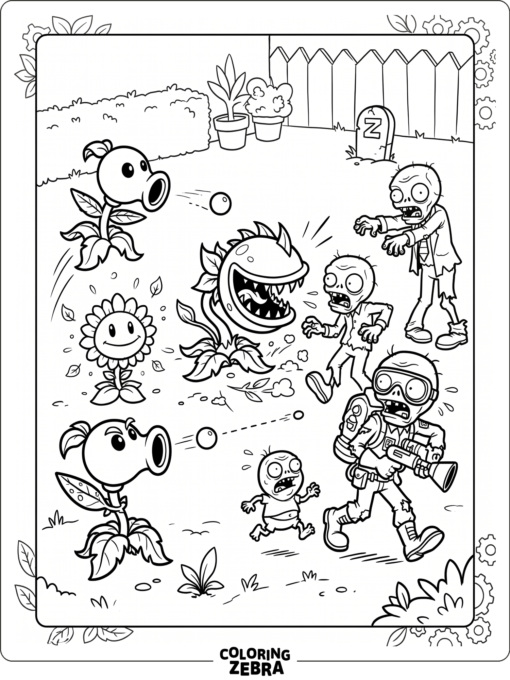
The collection reaches beyond the original lane-based lawn setup. Plants vs. Zombies began as a PopCap strategy game in which players position plants to stop waves of advancing zombies. Plants vs. Zombies 2 expanded that idea through themed environments, represented here by hero imagery, an Ancient Egypt scene, and pirate surroundings. Garden Warfare shifted toward action-focused play, reflected in a group pose with characters arranged for movement rather than a fixed row of defenders.
Environmental Storytelling Across the Set
Background details make these Plants vs Zombies Coloring Pages more varied than a collection of isolated portraits. Familiar garden elements include soil patches, grass, fences, low walls, carts, and neat rows. Cattail curves beside a pond, Cactus stands in a pot against a small desert background, and Grave Buster covers a tombstone in a simple graveyard patch.
Other settings establish a theme with only a few recognizable shapes. A pyramid and desert plants identify the Ancient Egypt scene. Waves, deck boards, and a hook-handed zombie define the pirate design. Snowflakes surround Snow Pea, while a separate snowy landscape frames Zombie Yeti. There is also a blocky zombie-and-plants composition in a square garden; it is best understood as a block-inspired visual style rather than evidence of an official crossover.
Coloring Approaches for Different Designs
Begin simple character sheets with the largest enclosed areas, then add facial features, cracks, leaves, flames, or clothing details. Peashooter, Sunflower, Puff-shroom, and Chili Pepper are approachable choices for broad strokes. Colored pencils can help preserve the smaller gear shapes around Dr. Zomboss, the loaded corn cobs on Cob Cannon, or the deck details in the pirate scene.
- For elemental effects: Build a gradual value change around Torchwood’s flames, Snow Pea’s frosty patch, Snapdragon’s breath, and Doom-shroom’s smoky burst.
- For visible motion: Use repeated marks or contrasting values around flying peas, arcing corn, Bloomerang’s spinning petals, and Laser Bean’s beam.
- For defensive characters: Emphasize Wall-nut’s cracked shell, the fence behind it, and the heavier shapes of Conehead and Buckethead headgear.
- For environments: Separate foreground characters from pyramids, waves, ponds, tombstones, or snowy ground by changing value, texture, or color intensity.
- For personal palettes: Choose original colors freely or consult game references when a franchise-inspired appearance is preferred.
Ways to Use the Finished Pages
Completed sheets can be grouped by role to create a visual roster of projectile plants, barriers, traps, close-range fighters, armored zombies, and larger opponents. A second display can organize scenes by environment, placing the lawn, pond, desert, snow, graveyard, Ancient Egypt, and pirate deck in separate sections. This makes differences in character design and environmental storytelling easier to notice.
Individual figures can also become folder covers, game-night decorations, bookmarks, or labeled character displays when personal-use printing and cutting are appropriate. A sequence featuring Peashooter, Wall-nut, Potato Mine, and an approaching zombie can illustrate the basic strategy concept of attacking, blocking, and trapping across a yard. Whether the favorite design is a clean Sunflower portrait or a busy mechanical scene, Plants vs Zombies Coloring Pages offer a clear mix of expressive characters, fictional abilities, and playful garden conflict.
People Often Ask Us…
-
What is the basic Plants vs. Zombies story?
-
Are the mushroom characters actually plants?
-
Why does Plants vs. Zombies 2 use historical settings?
-
What makes Gargantuar different from a regular zombie?
-
Why are the zombie battles more funny than scary?