
Diwali Coloring Pages
Diwali Coloring Pages offer everything from broad diya outlines to intricate mandalas and devotional scenes. Lamps, rangoli, lotus petals, lanterns, sweets, and ornamental borders make the designs especially interesting to color. Family prayer, rangoli-making, a Bhai Dooj gift exchange, and community gatherings add story-filled scenes. Lakshmi, Ganesha, Ram and Sita, a puja thali, and a temple entrance provide meaningful cultural details to explore respectfully.
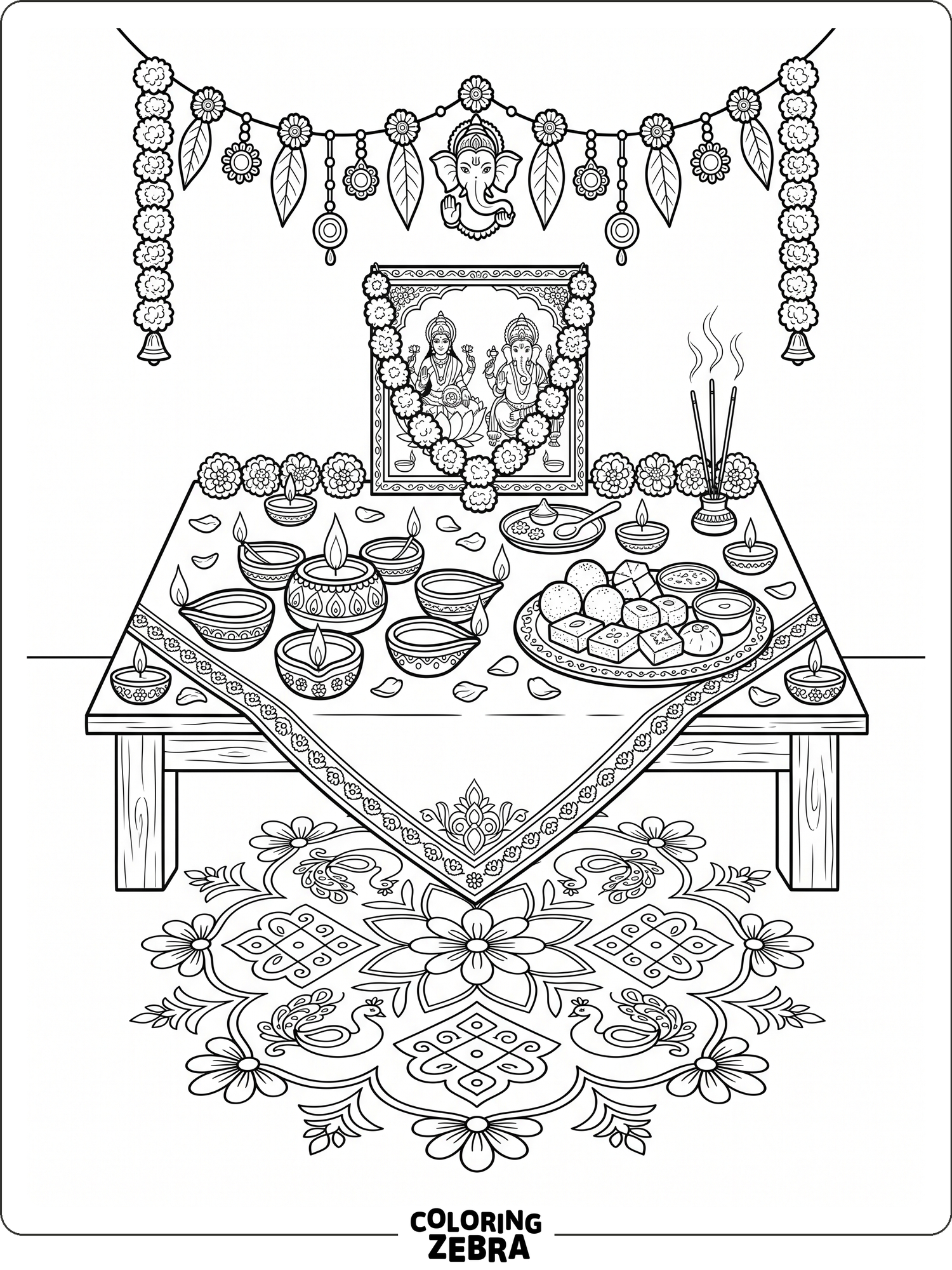
Print simpler designs on standard printer paper, or choose heavier paper if you plan to use markers. Select “fit to page” to preserve the full outline, and use draft or grayscale settings when you want to conserve ink. Place an extra sheet beneath the page when coloring with markers to help protect the surface below.
Related coloring pages
Printable Diwali Coloring Pages

Diwali Coloring Page for Kids

Happy Diwali Coloring Page

Diwali Diya Coloring Page
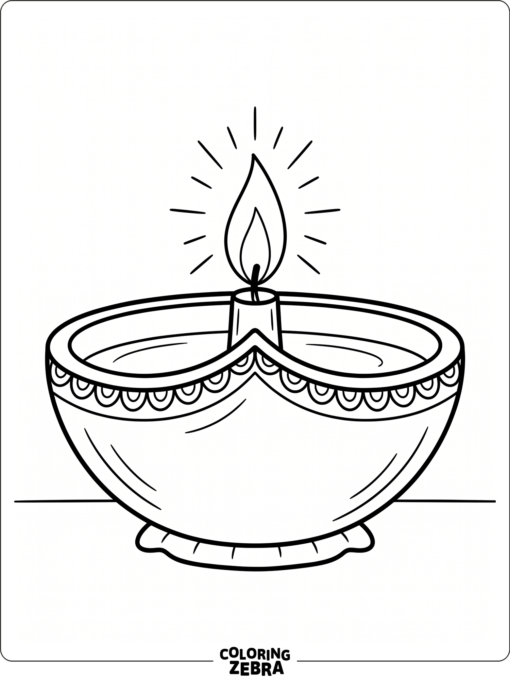

Simple Diwali Coloring Page
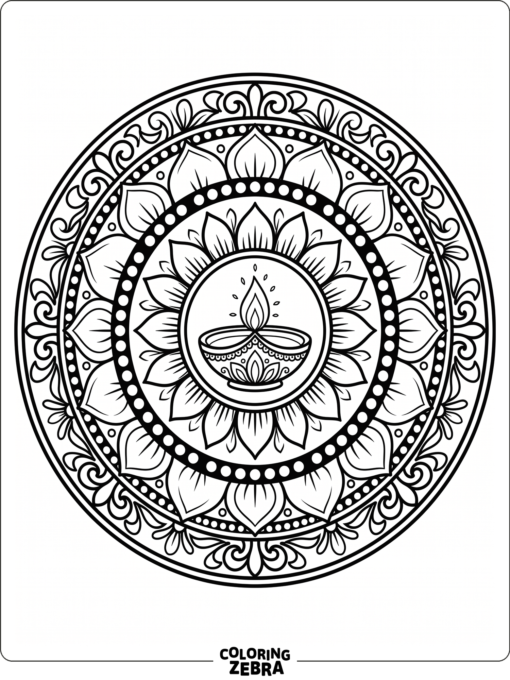

Diwali Rangoli Coloring Page
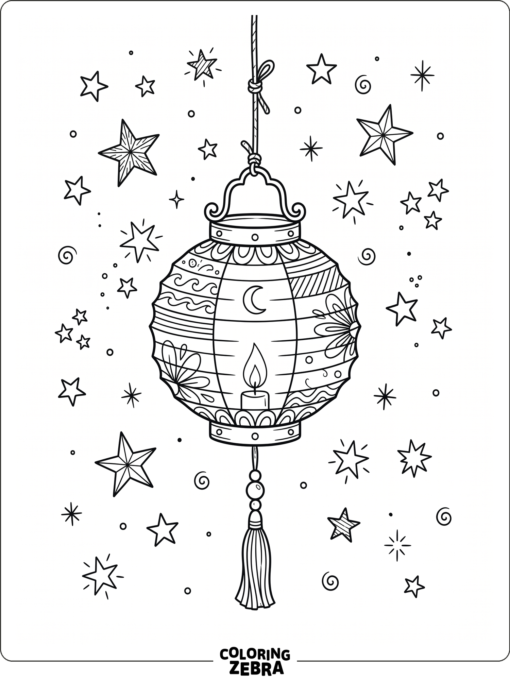

Diwali Lantern Coloring Page
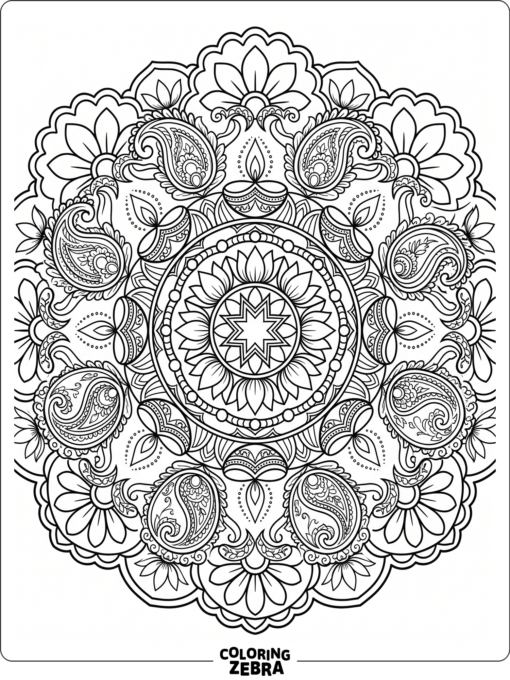

Diwali Mandala Coloring Page
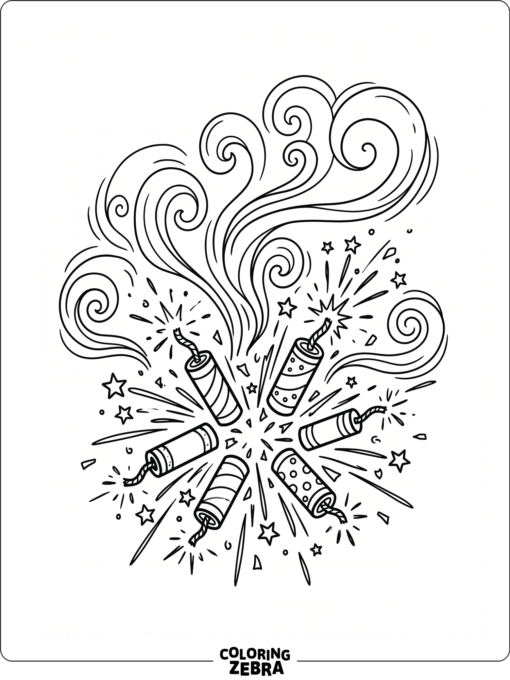

Diwali Firecrackers Coloring Page
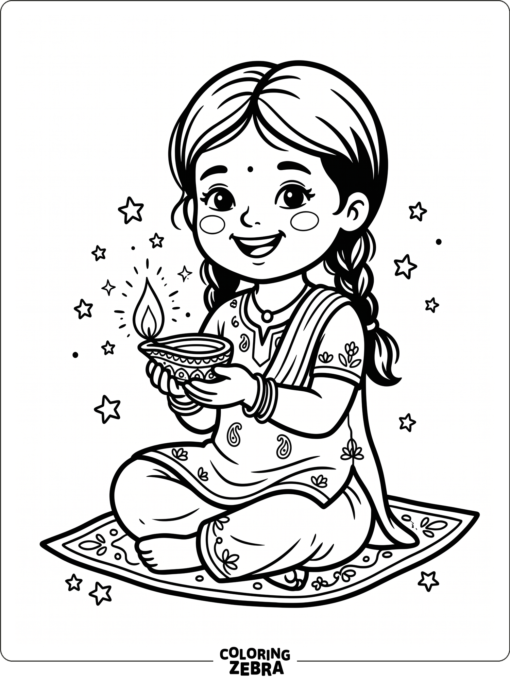

Cute Diwali Coloring Page
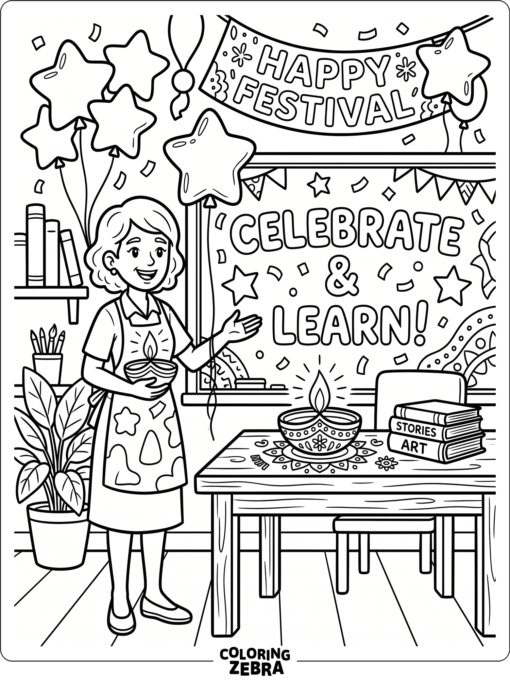

Diwali Coloring Page for Kindergarten
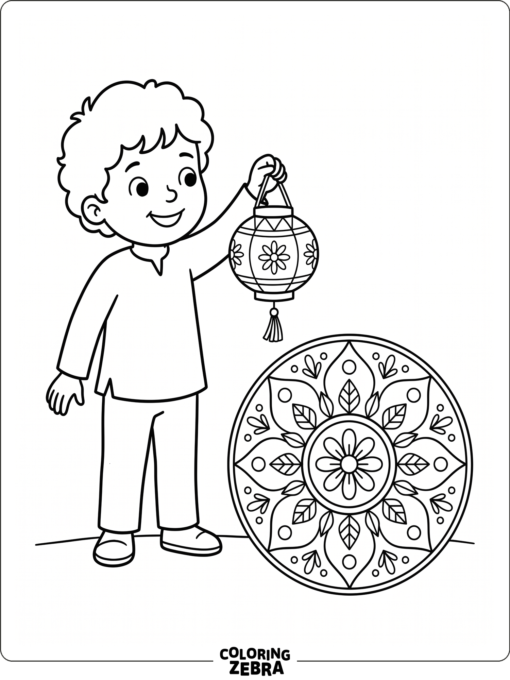

Diwali Coloring Page for Preschoolers
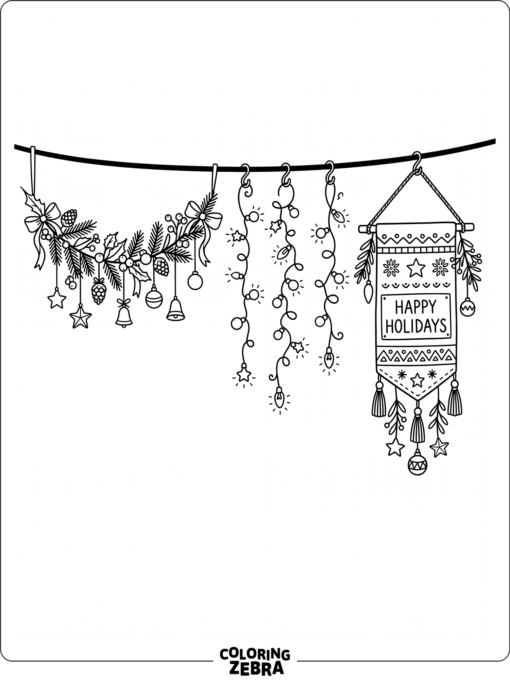

Diwali Decorations Coloring Page
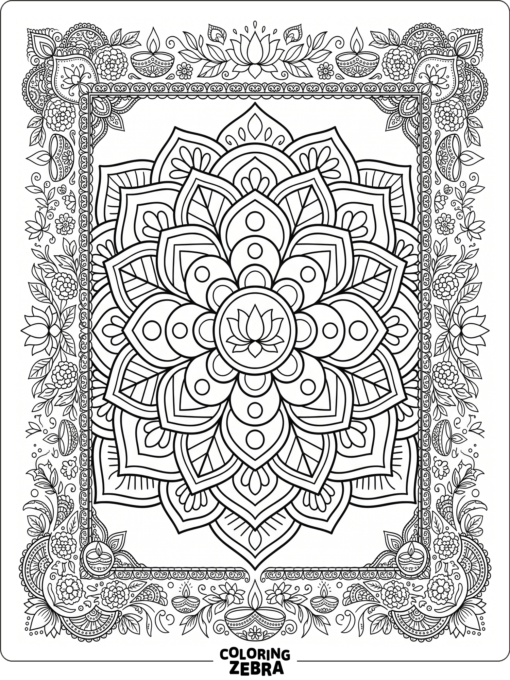

Diwali Coloring Page for Adults
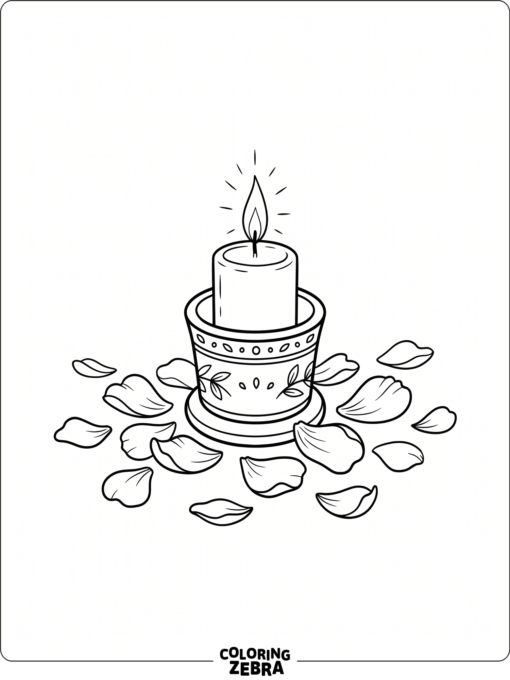

Diwali Candle Coloring Page
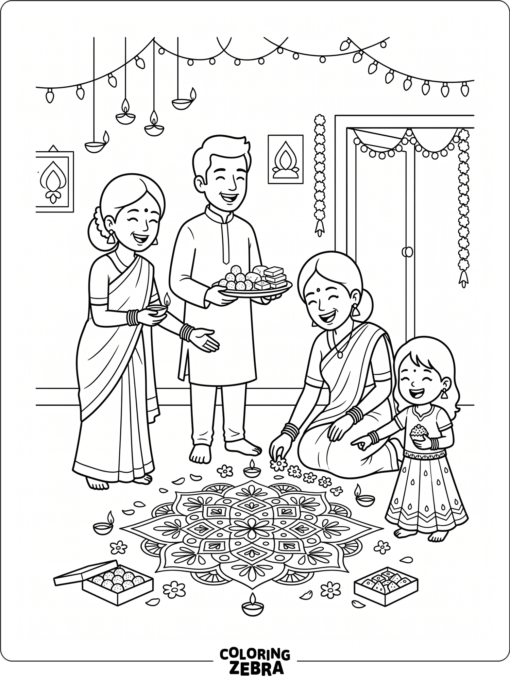

Diwali Celebration Coloring Page
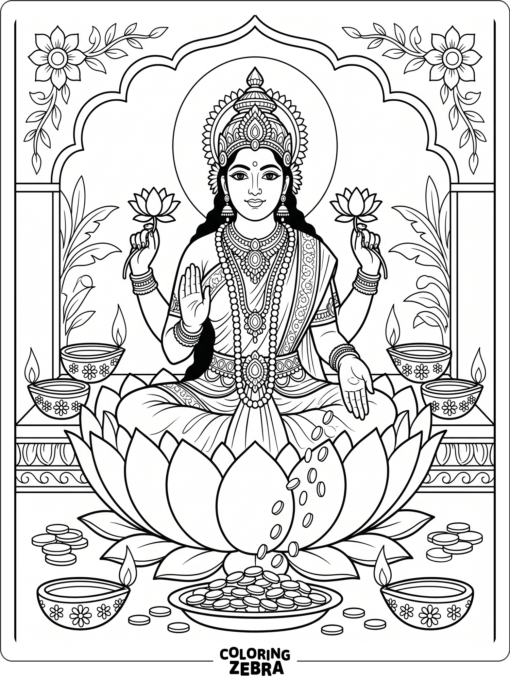

Diwali Goddess Lakshmi Coloring Page
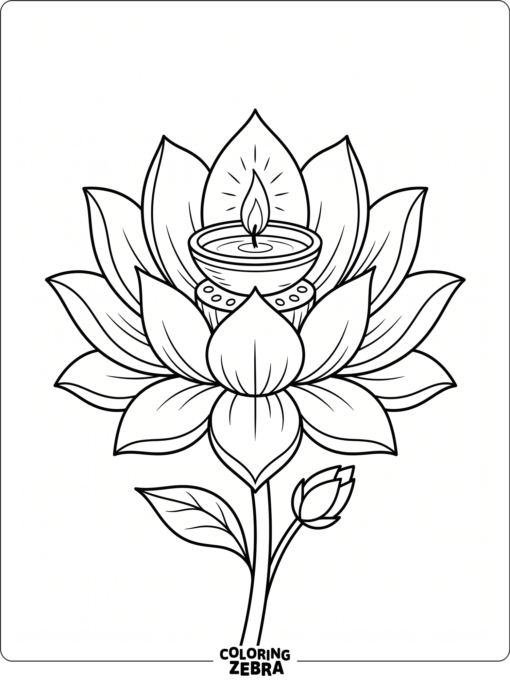

Diwali Lotus Flower Coloring Page
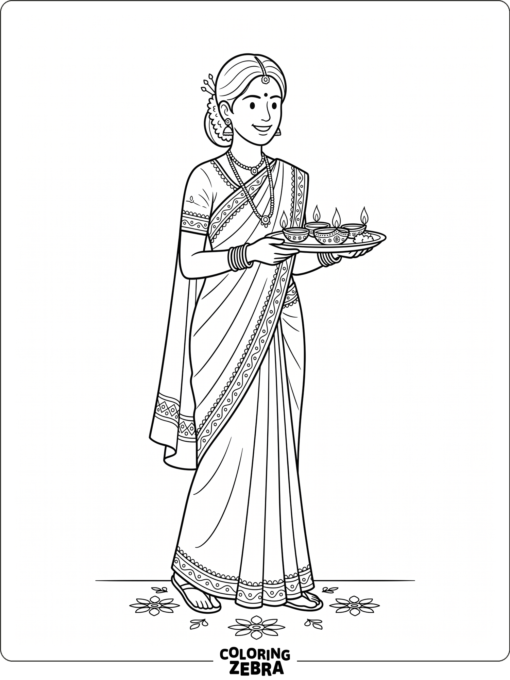

Diwali Traditional Indian Dress Coloring Page
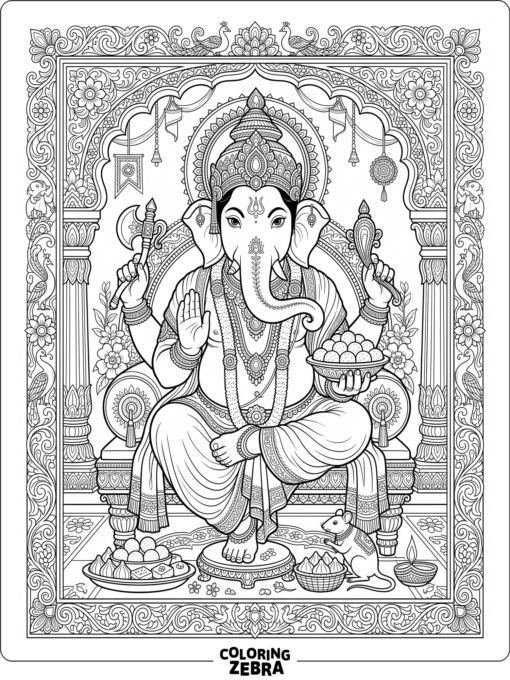

Diwali Lord Ganesha Coloring Page
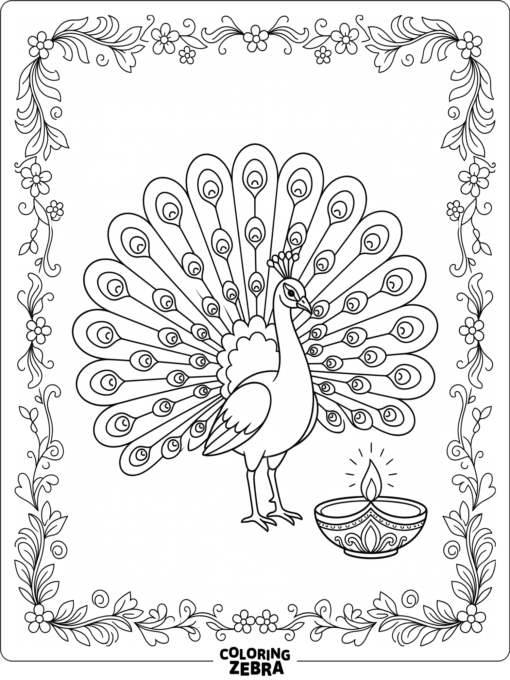

Diwali Peacock Coloring Page
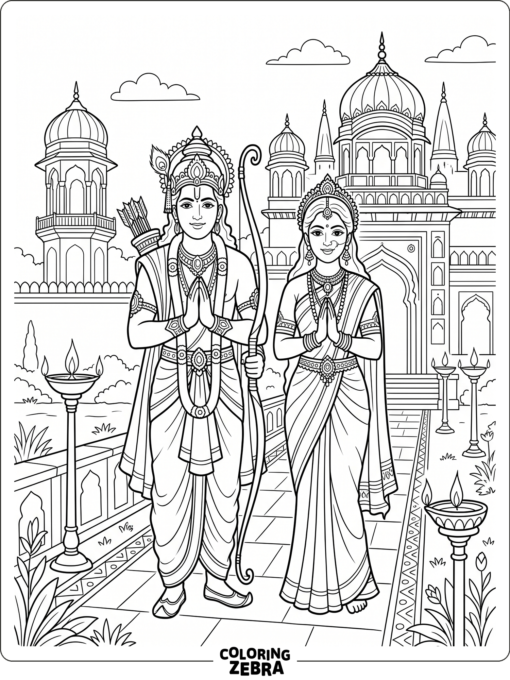

Ram and Sita Diwali Coloring Page
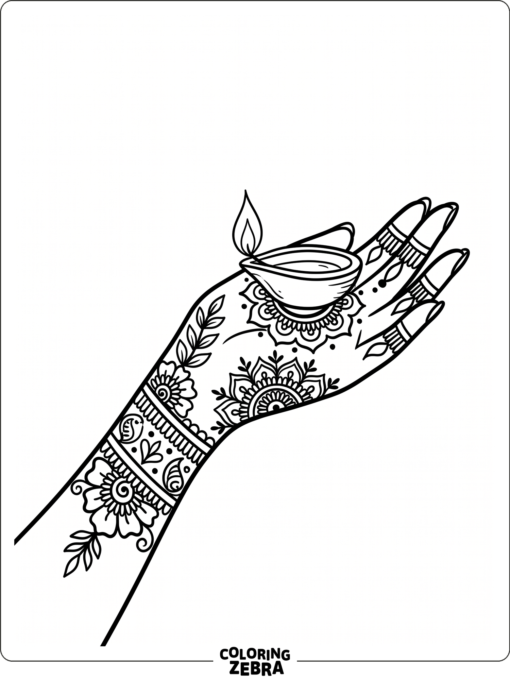

Diwali Mehndi Hand Coloring Page
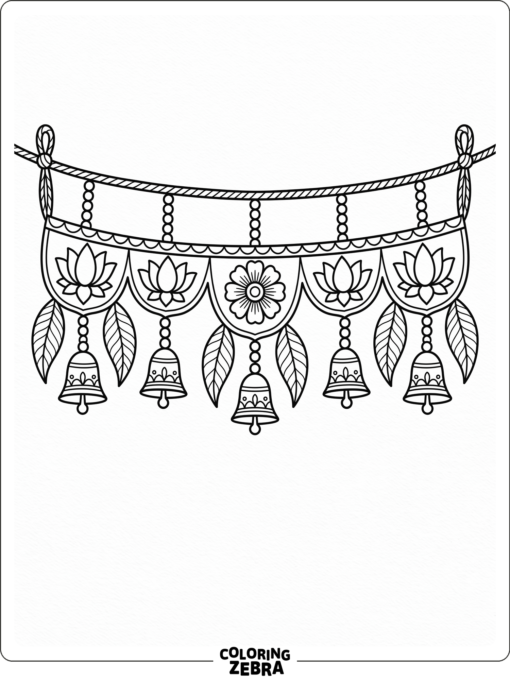

Diwali Toran Coloring Page
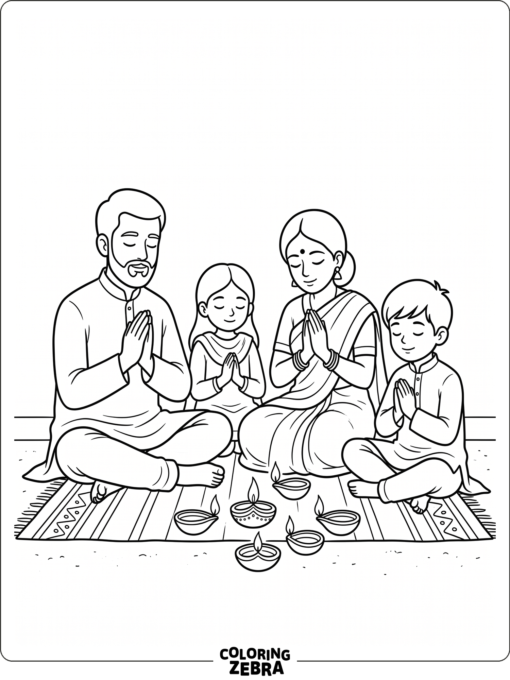

Diwali Family Prayer Coloring Page
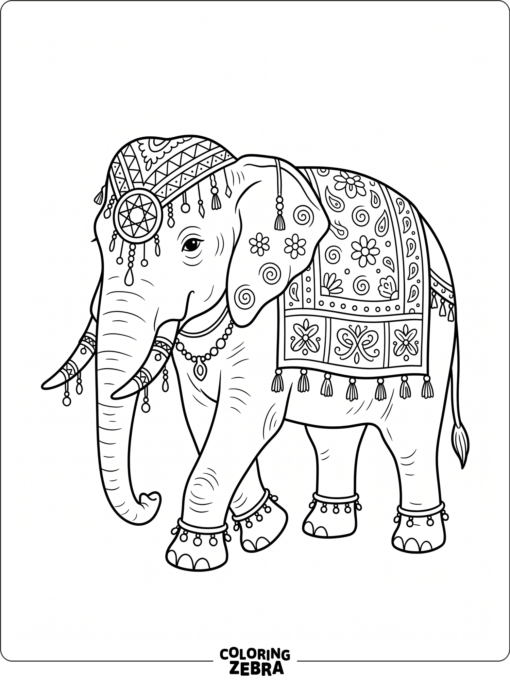

Diwali Decorated Elephant Coloring Page
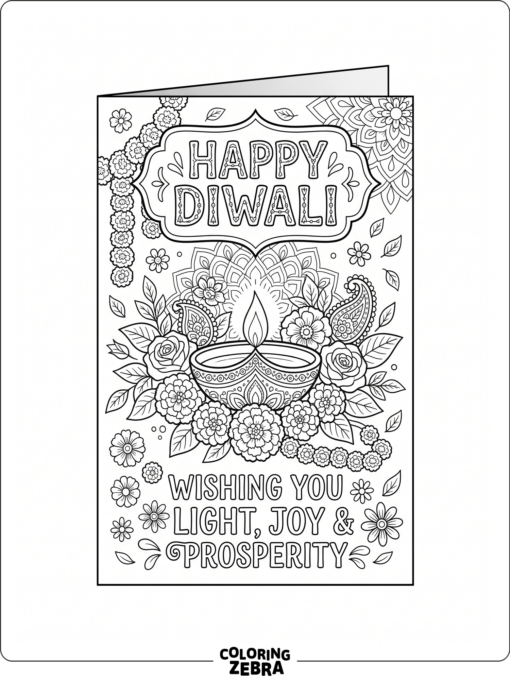

Diwali Greeting Card Coloring Page
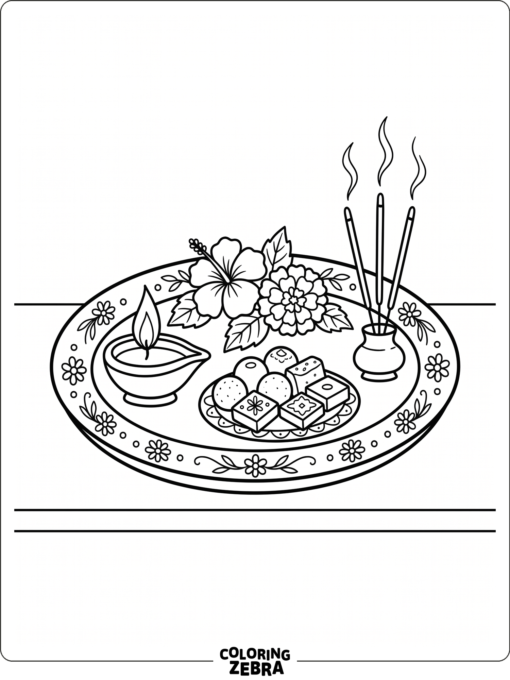

Diwali Puja Thali Printable
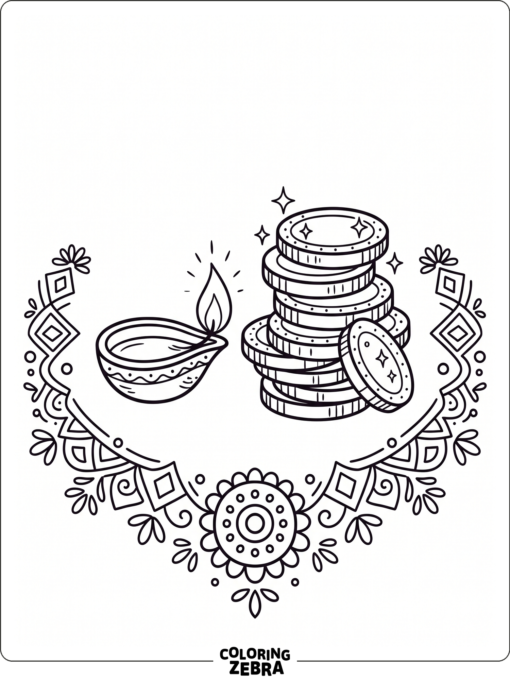

Diwali Gold Coins Coloring Page
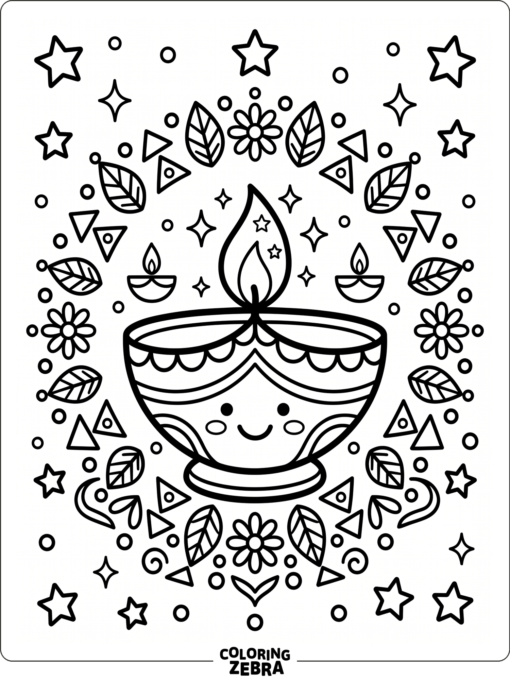

Diwali Coloring Page for Toddlers
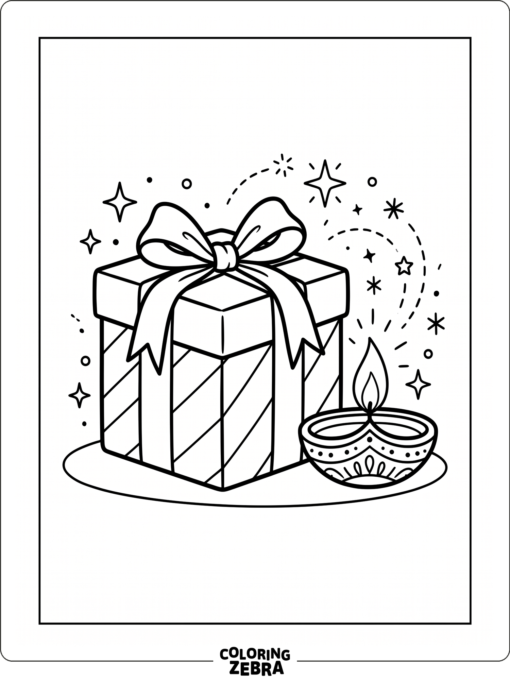

Diwali Gift Box Coloring Page
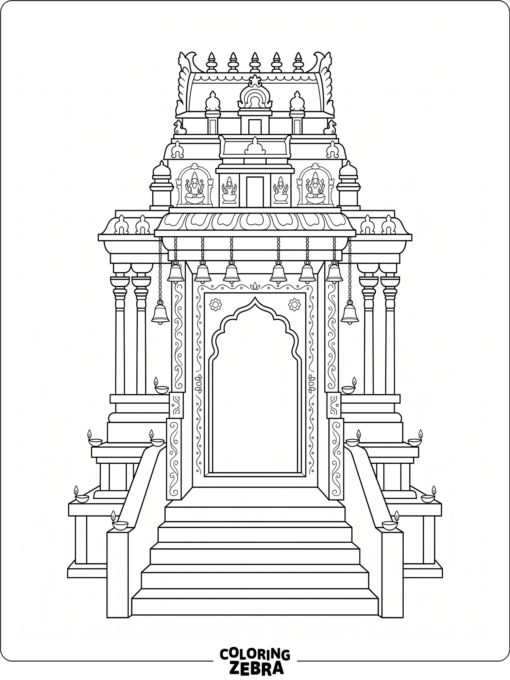

Diwali Hindu Temple Coloring Page
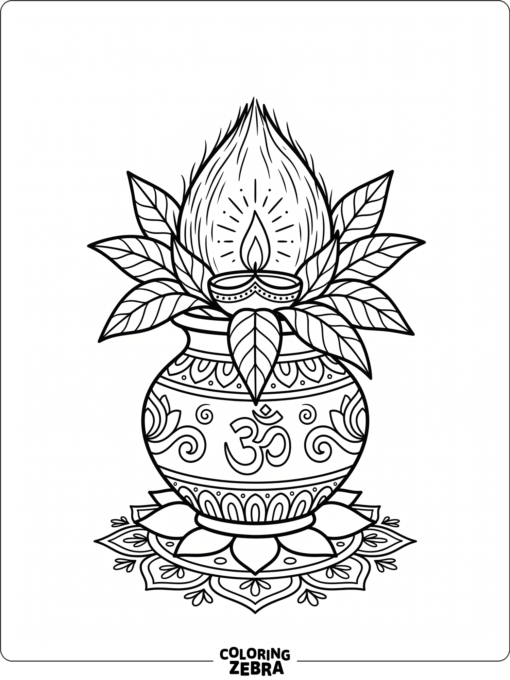

Diwali Kalash Coloring Page
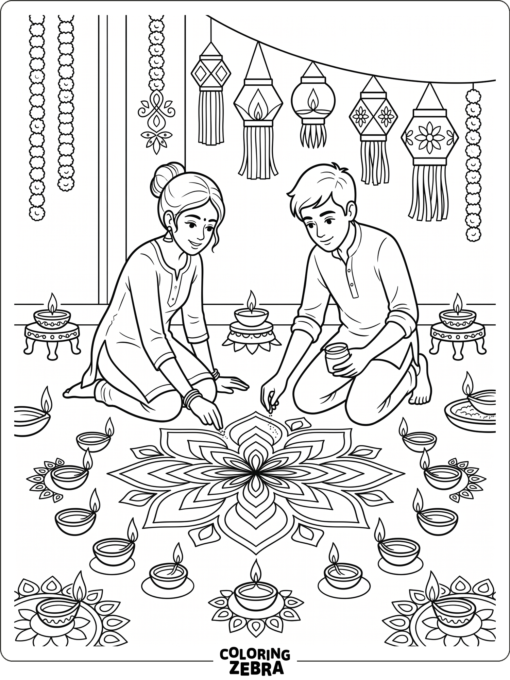

Diwali Coloring Page for Teens
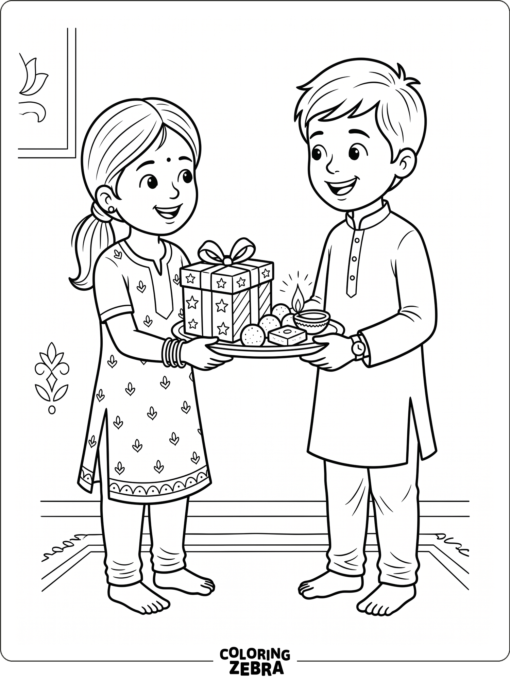

Bhai Dooj Coloring Page
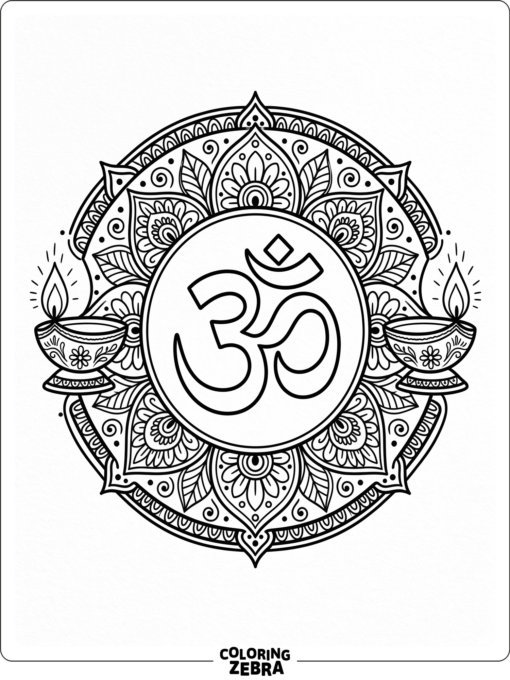

Diwali Om Symbol Coloring Page
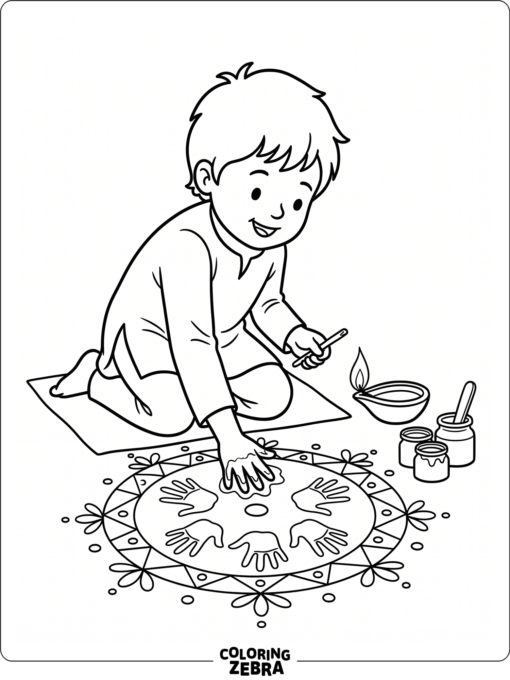

Diwali Handprint Coloring Page
What appears in this collection
These Diwali Coloring Pages present the festival through light, worship, welcome, family connection, and decorative art. The selection ranges from a large diya inside a plain border and broad festival shapes for less intricate coloring to ornate mandalas, paisley details, framed devotional images, and scenes with several people. Repeated motifs include lamps, stars, lotus petals, flowers, sweets, garlands, hanging lanterns, torans, rangoli patterns, and ornamental borders.
Many designs place a diya within a larger composition rather than showing the lamp by itself. A lamp rests on a flower base, appears at the center of a lotus or circular rangoli, and repeats around a mandala. Other pages show a candle in a holder, a lantern surrounded by stars, hanging lights, and a lamp-lined temple entrance. These objects all contribute to the theme of illumination, although a traditional diya, candle, lantern, and electric light are distinct forms of lighting.
The people-centered scenes include children lighting or carrying diyas, teenagers arranging rangoli, families seated in prayer, and a wider gathering with lights and sweets. A woman in traditional clothing carries a tray of lamps, while a decorated hand with mehndi holds a single diya. A peacock, a decorated elephant, gift boxes, flower petals, and a brother-and-sister Bhai Dooj exchange broaden the collection beyond its lamp and rangoli designs.
Why light matters during Diwali
Diwali, also called Deepavali, is widely known as the festival of lights. The Sanskrit-derived name is often explained as referring to a row or series of lamps. A diya is a small lamp traditionally made from clay and fueled with oil or ghee, although contemporary celebrations may also feature candles, lanterns, and electric lights.
Across different traditions, light may express hope, knowledge, welcome, or the overcoming of darkness. Meanings and rituals vary among regions, religions, families, and communities, so no single explanation represents every observance. The repeated lamps in these printable Diwali pictures—from the altar and puja tray to the palace and temple steps—offer several visual ways to discuss this central theme.
Rangoli and entrance decorations
Rangoli designs are decorative patterns commonly made near entrances and gathering spaces. Depending on local and family traditions, artists may use colored powder, rice, sand, flower petals, or other materials, and regional names and techniques differ. The set includes a circular rangoli with a central diya, a handprint design beside paint pots, broad rangoli shapes, and teenagers working together with lamps and lanterns nearby.
Torans are decorative hangings placed over doors or entrances and may be made with leaves, flowers, beads, or other materials. One page features a toran with leaves, bells, and flowers, while others include garlands, strings of lights, petals, paisley forms, and hanging lanterns. These details make the entrance-themed scenes especially suitable for exploring symmetry, repeated shapes, and coordinated color palettes.
Devotional scenes and auspicious symbols
The religious subjects should be approached as devotional imagery rather than treated only as ornamental designs. Lakshmi is shown seated on a lotus and is widely associated with prosperity and good fortune; Lakshmi Puja is important in many Hindu Diwali observances. Ganesha appears separately with sweets and a decorative frame. He is associated with wisdom, auspicious beginnings, and the removal of obstacles, and some families honor him alongside Lakshmi.
Another page depicts Ram and Sita near a palace decorated with lamps. For many Hindus in parts of northern India, Diwali is associated with Rama and Sita’s return after exile, though this is one of several narratives connected with the festival. The picture can introduce that tradition without assuming that every community tells the same Diwali story or identifying the illustrated palace with certainty.
Additional symbols include an Om within a round rangoli border, a lotus, stacked coins beside a diya, and a kalash topped with leaves and a coconut. A kalash is a ceremonial vessel used as an auspicious symbol in Hindu rituals. The puja thali page shows a worship tray holding the pictured items: a diya, flowers, sweets, and incense sticks. An altar, a family prayer scene, and a temple entrance with bells and lamps add further contexts for discussing worship respectfully.
Coloring approaches for different designs
The simplest Diwali Coloring Pages feature a single large lamp, stars, or broad festival shapes. Colorists can focus on smooth fills, bold contrasts, or a limited palette without having to navigate many tiny sections. The flower-based diya, lotus composition, candle, greeting card, and gift box offer a middle level of visual detail.
- For symmetrical patterns: Choose a small group of colors and repeat them around the rangoli or mandala. Matching opposite sections can emphasize balance.
- For lamps and stars: Use lighter tones near the flame and gradually deepen surrounding colors to suggest a glow without altering the outline.
- For floral and paisley borders: Repeat selected colors at regular intervals, or vary each small element for a more elaborate result.
- For narrative scenes: Color the main action first, such as lighting a lamp, praying, exchanging a gift, or making rangoli. Complete the banners, petals, sweets, and hanging decorations afterward.
- For devotional pictures: Take time with the symbolic elements and recognize that representations of deities, Om, puja, and prayer hold religious meaning.
Family customs and the wider festival period
Sweets, gifts, visiting, shared meals, prayer, and home decoration are common features of many celebrations, although household practices differ. The family prayer pictures, community gathering, tray of diyas, sweets, and wrapped gift designs reflect both social and devotional aspects of the season. Older children are represented through the teenagers making rangoli, while younger figures carry lanterns or lamps.
Bhai Dooj is a sibling-centered observance associated with the broader Diwali period in many communities. The brother-and-sister gift scene provides a visual starting point for discussing that relationship-focused occasion. Diwali is often described as a multi-day festival, but the sequence, names, and number of emphasized days vary by region and tradition.
Different calendars and communities
The festival does not fall on one fixed Gregorian date because its observances are linked to lunisolar calendars. Hindu traditions also differ by region and family. Jain, Sikh, and some Buddhist communities mark occasions around the same season for distinct historical or religious reasons, so their observances should not be folded into a single origin story.
One design shows firecrackers bursting with sparks and smoke. Fireworks are part of some public and family celebrations, but they are neither universal nor required. Some households and communities reduce or avoid them because of air pollution, noise, injury risks, or effects on animals. The many lamps, rangoli designs, prayers, sweets, gifts, and gatherings in the collection demonstrate other prominent ways the festival is observed.
Ways to use the finished artwork
Completed Diwali Coloring Pages can support a home, classroom, library, or community discussion about festival symbols. A group might compare the different forms of light, identify items on the puja thali, study the symmetry of rangoli, or discuss how the Bhai Dooj scene represents a family relationship. Finished lamp, toran, flower, and lantern pictures can also be arranged as a seasonal display when the setting and intended use are respectful.
Consider pairing related sheets: Lakshmi with the lotus and coins, the kalash with the puja thali, or the handprint rangoli with the teenagers’ rangoli scene. This helps connect individual symbols with preparation, worship, hospitality, and gathering. Taken together, the Diwali Coloring Pages show several recognizable traditions rather than claiming to represent every community or every meaning associated with the festival.
People Often Ask Us…
-
Are Diwali and Deepavali different festivals?
-
How many days does Diwali last?
-
Why is rangoli placed near entrances?
-
What lunar phase is Diwali associated with?
-
What does the season mean in Jain and Sikh traditions?