
Labor Day Coloring Pages
Labor Day Coloring Pages offer a thoughtful way to explore why the United States recognizes workers each September. The topic invites conversations about work, fairness, safety, and community contributions. Because no image alt text was supplied, specific scenes, occupations, objects, and artistic variations in the set cannot be verified. These printables are best approached as a broad introduction to the holiday rather than a portrayal of any one profession.
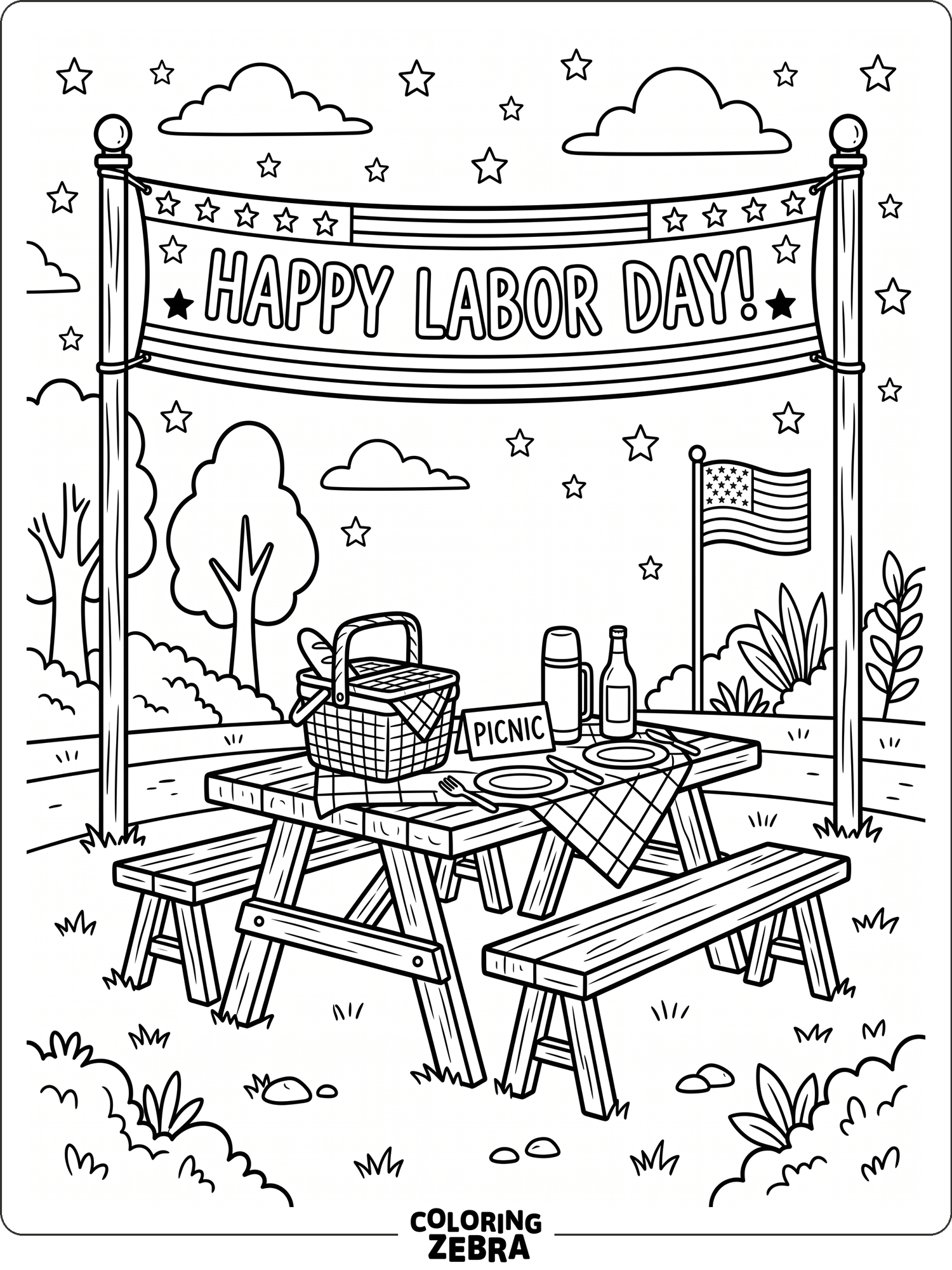
Print on standard letter-size paper using “fit to printable area” so no part of the design is cropped. Choose regular copy paper for crayons or colored pencils and heavier paper for markers, placing a spare sheet underneath to limit bleed-through. Use grayscale or draft mode when you want to conserve ink.
Related coloring pages
Printable Labor Day Coloring Pages

Easy Labor Day Coloring Page

Labor Day Coloring Page for Kids

Happy Labor Day Printable
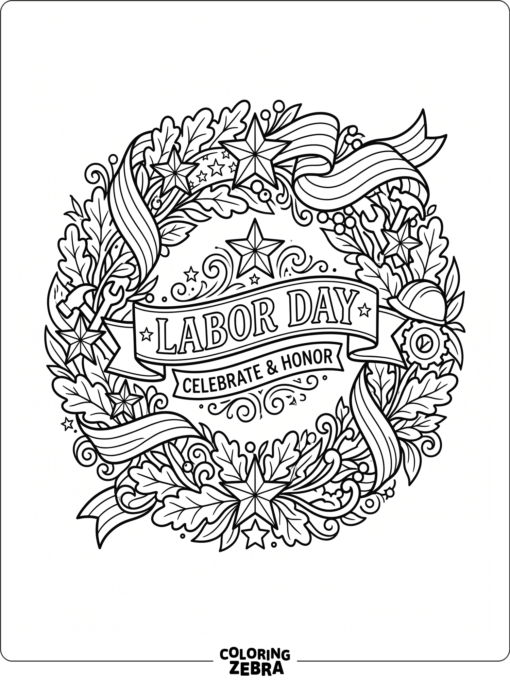

Labor Day Coloring Page for Adults
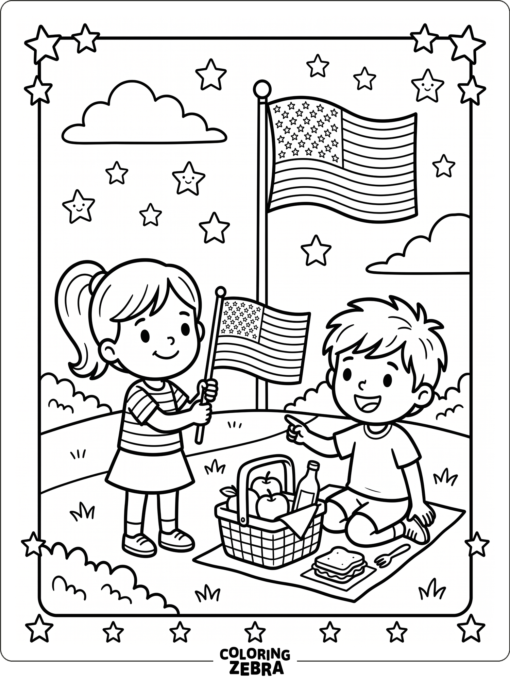

Preschool Labor Day Coloring Sheet
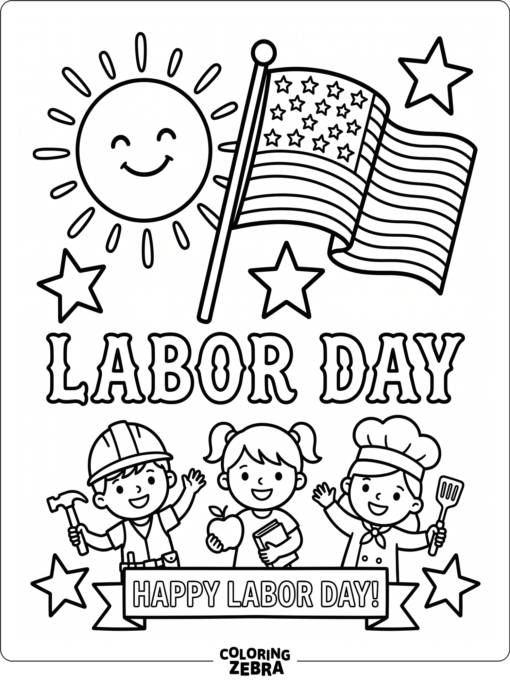

Labor Day Coloring Page for Toddlers
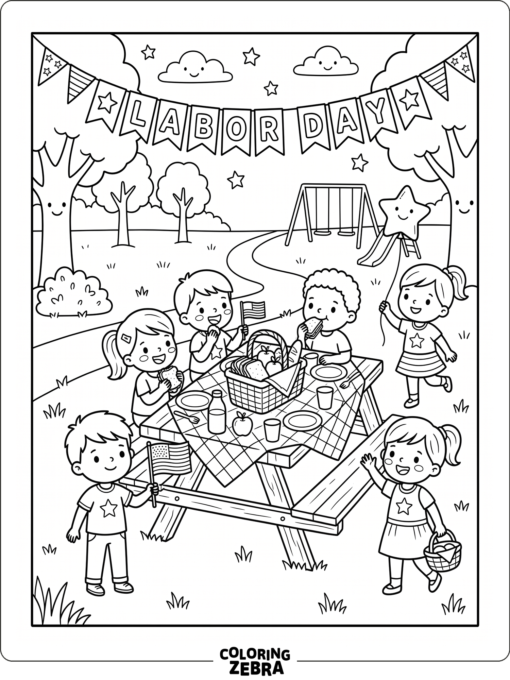

Kindergarten Labor Day Coloring Page
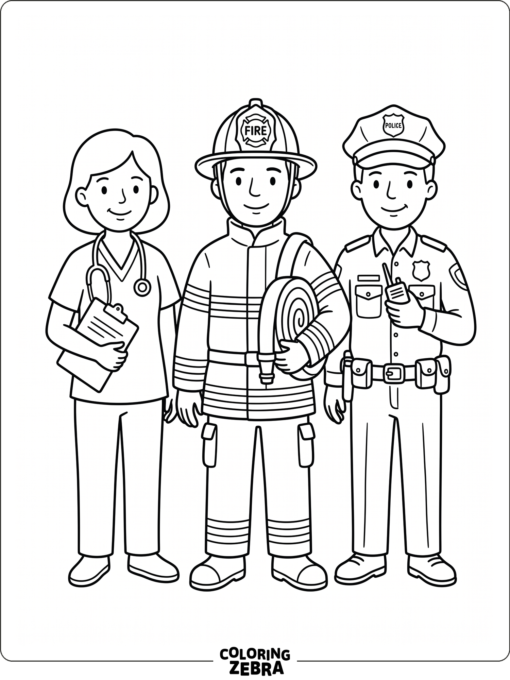

Labor Day Community Helpers Page
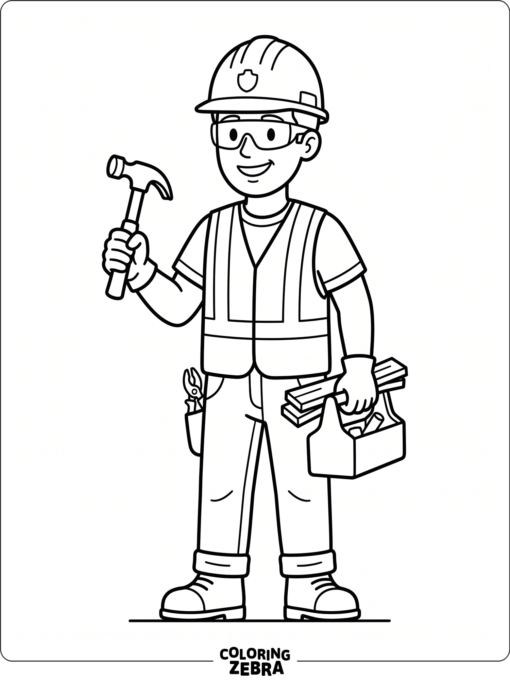

Labor Day Construction Worker Coloring Page
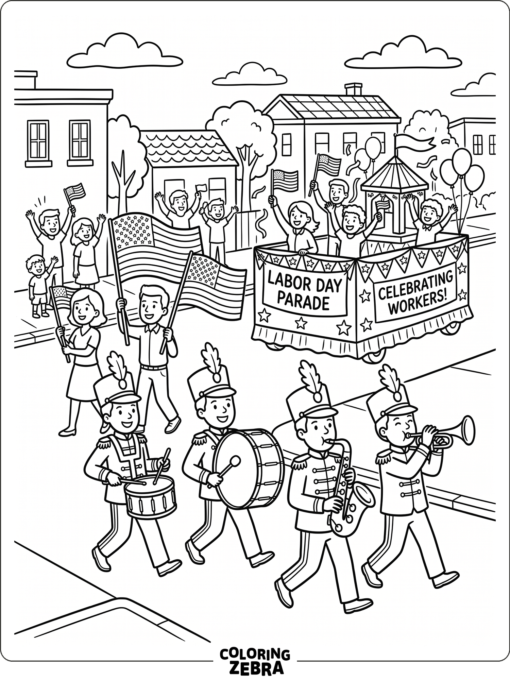

Labor Day Parade Coloring Page
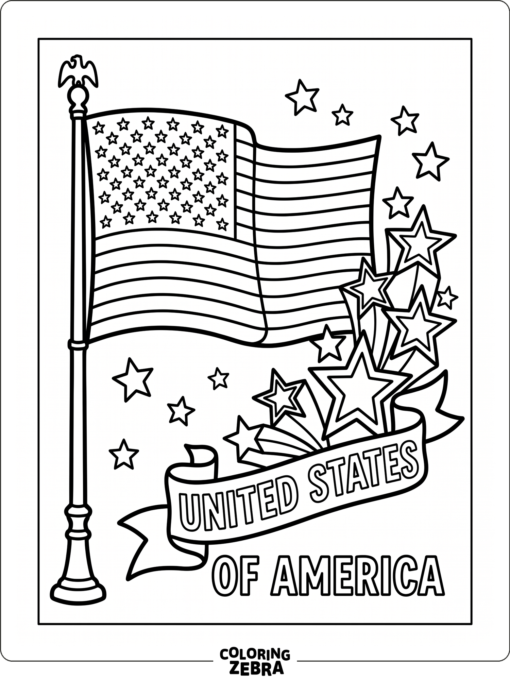

Labor Day American Flag Coloring Page

Labor Day Hard Hat Coloring Page

Labor Day Thank You Workers Page

Labor Day Firefighter Coloring Page

Labor Day Tools Coloring Page
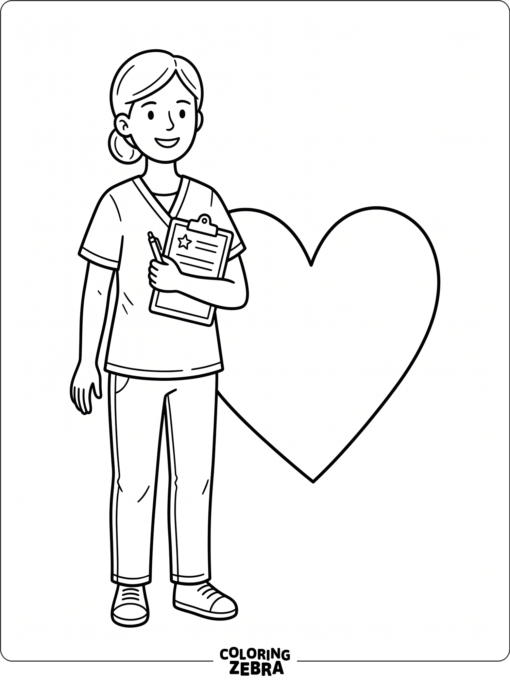

Labor Day Nurse Coloring Page
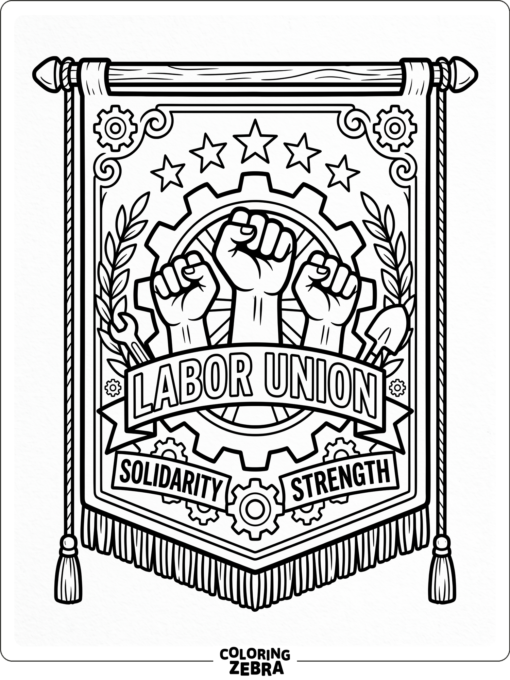

Labor Day Labor Union Coloring Page
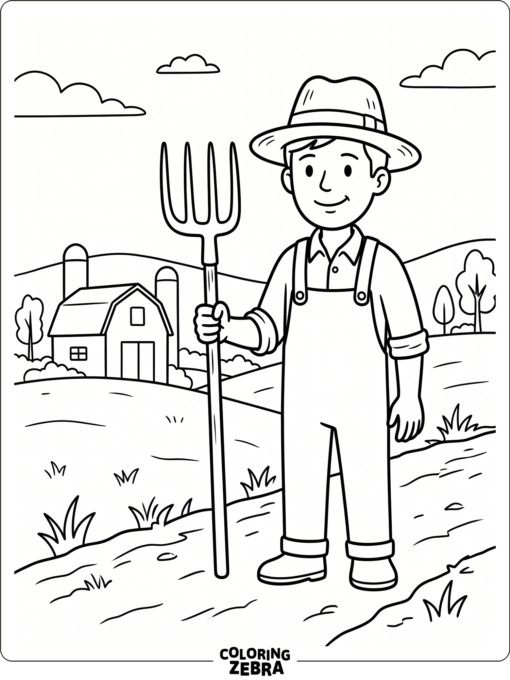

Labor Day Farmer Coloring Page
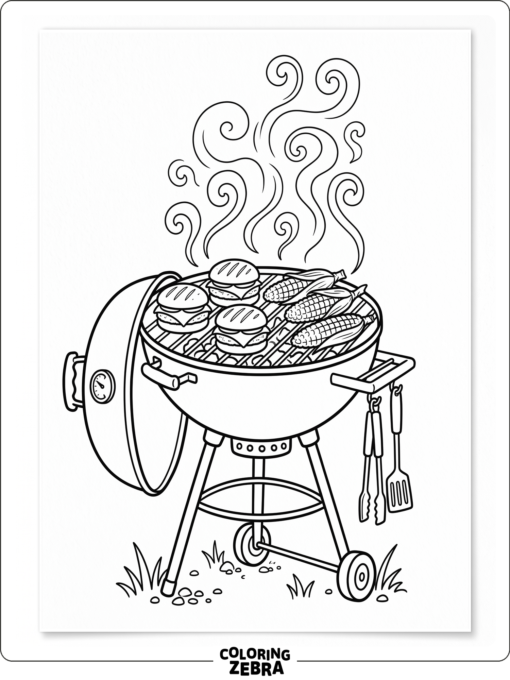

Labor Day Barbecue Coloring Page
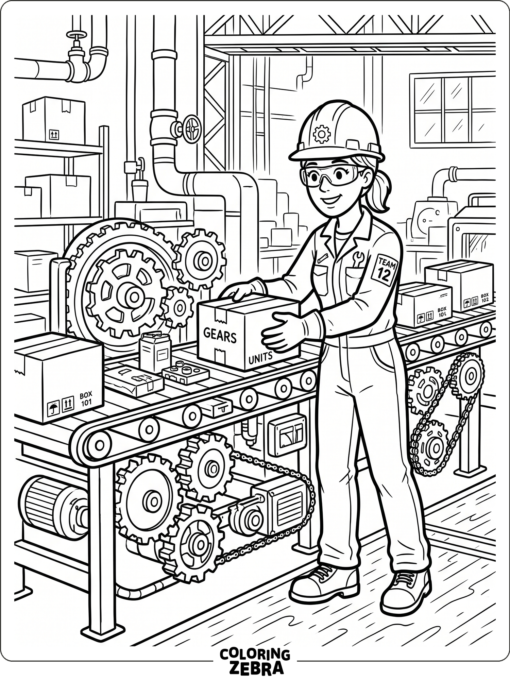

Labor Day Factory Worker Coloring Page
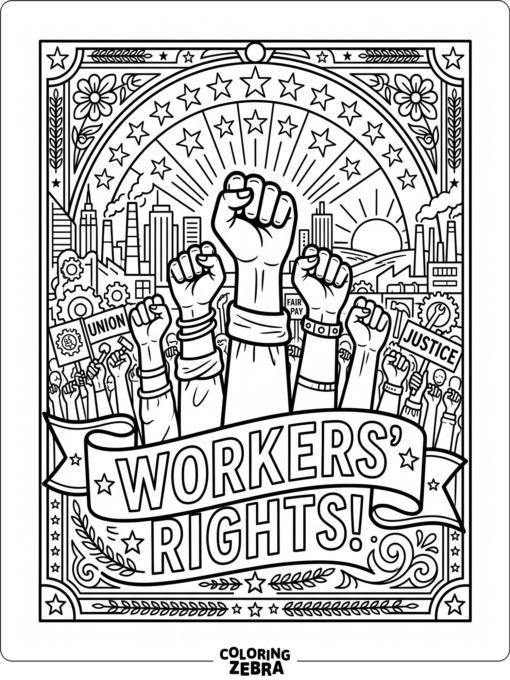

Labor Day Workers Rights Coloring Page
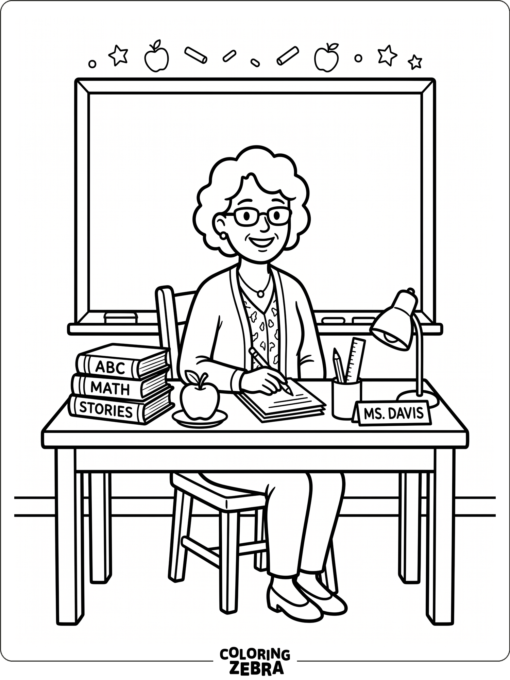

Labor Day Teacher Coloring Page

Labor Day Gears Coloring Page
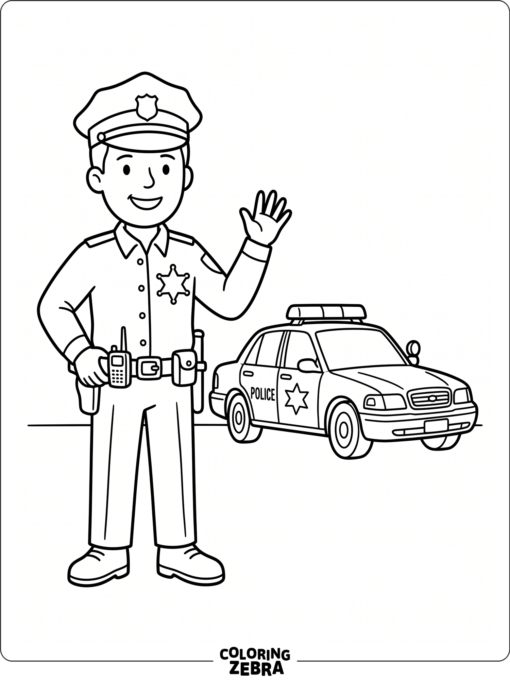

Labor Day Police Officer Coloring Page
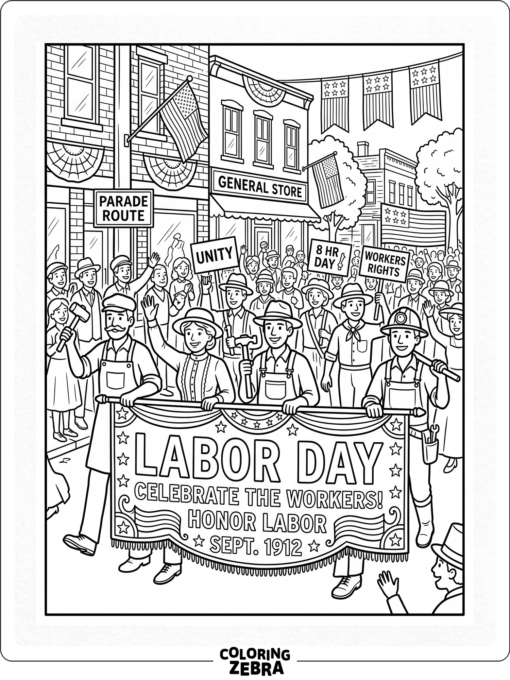

Labor Day History Coloring Page
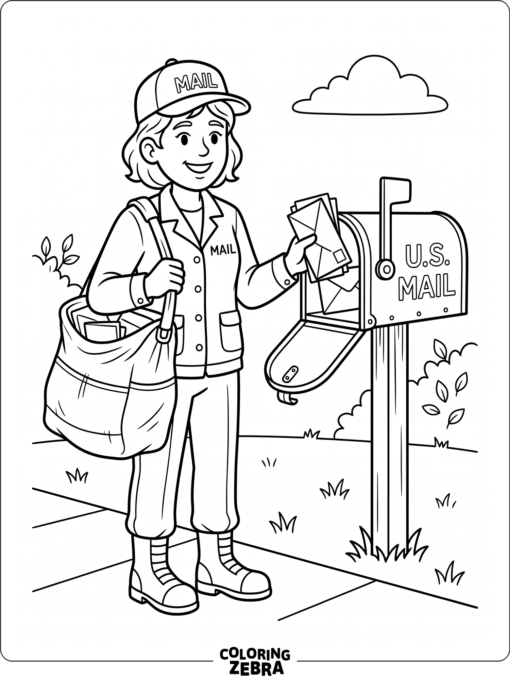

Labor Day Postal Worker Coloring Page
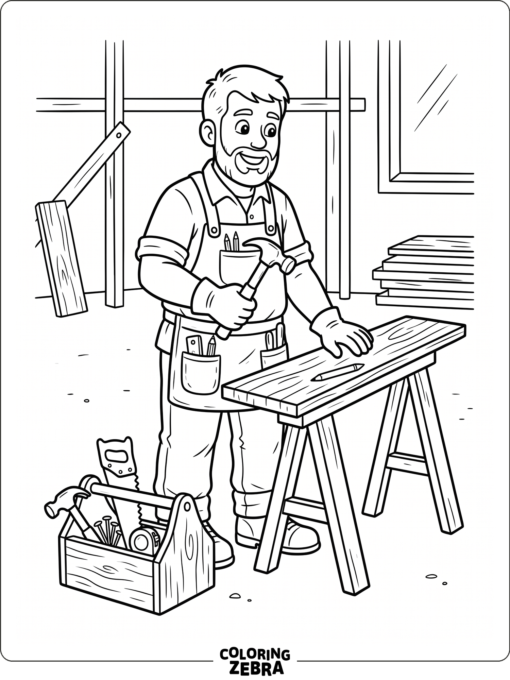

Carpenter Labor Day Coloring Page
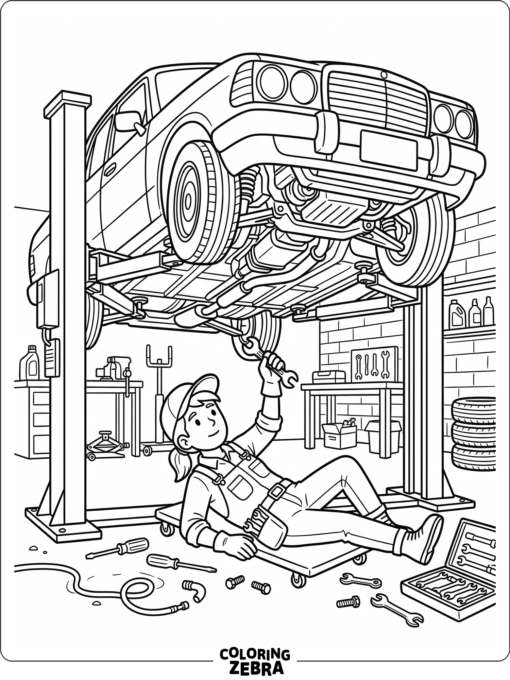

Mechanic Labor Day Coloring Page
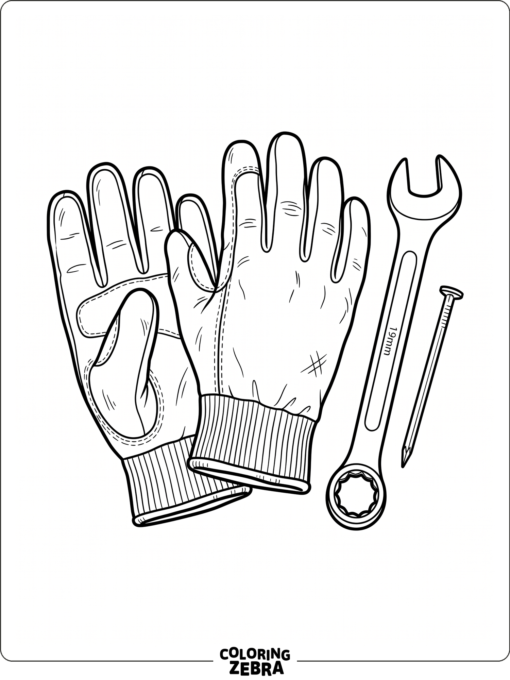

Labor Day Work Gloves Coloring Page
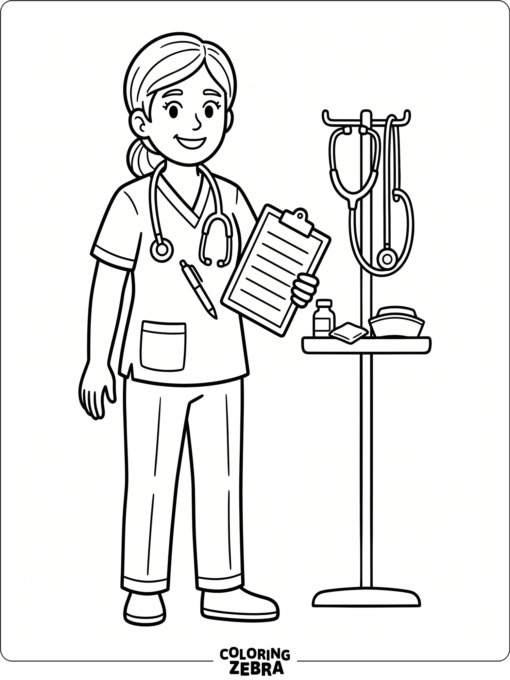

Labor Day Doctor Coloring Page


Labor Day Electrician Coloring Page
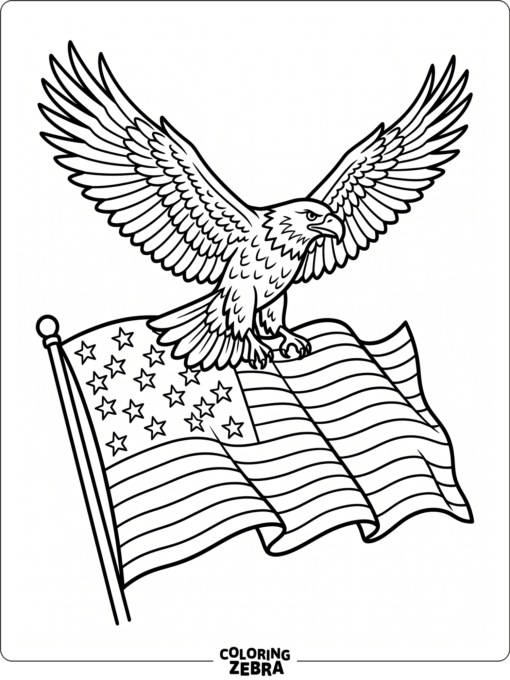

American Eagle Labor Day Coloring Page


Labor Day Chef Coloring Page
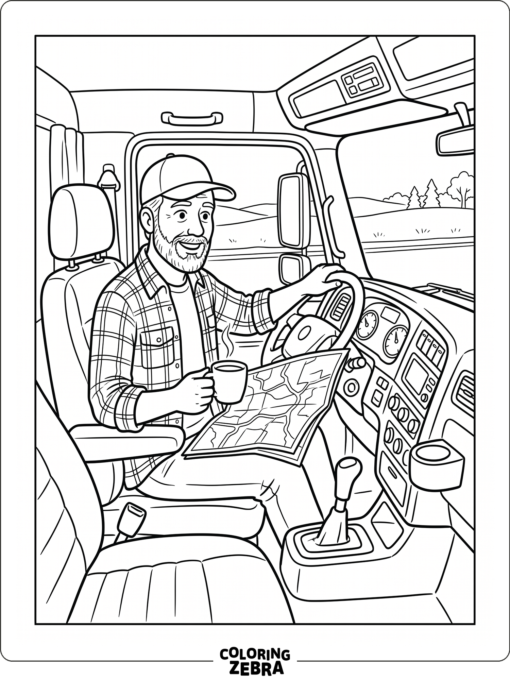

Labor Day Truck Driver Coloring Page
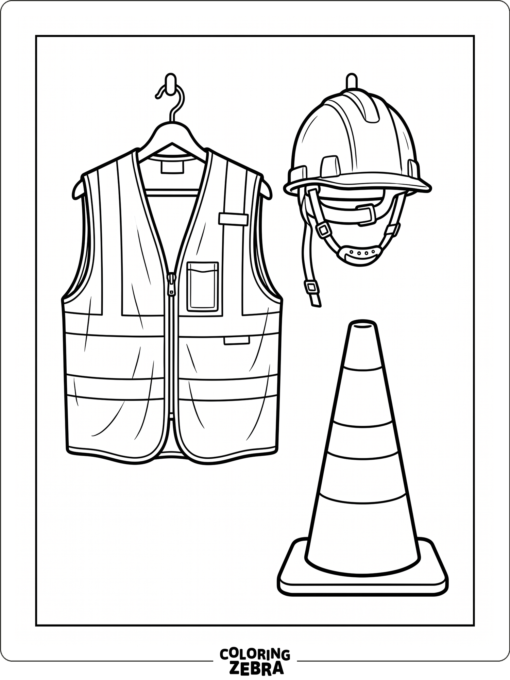

Labor Day Safety Vest Coloring Page
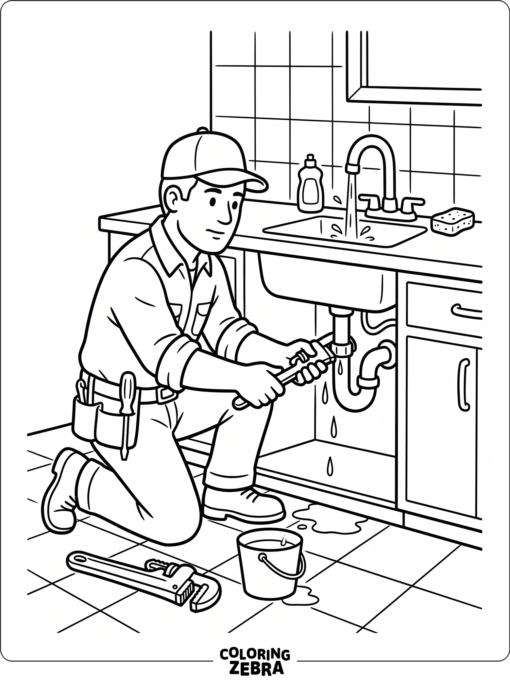

Labor Day Plumber Coloring Page
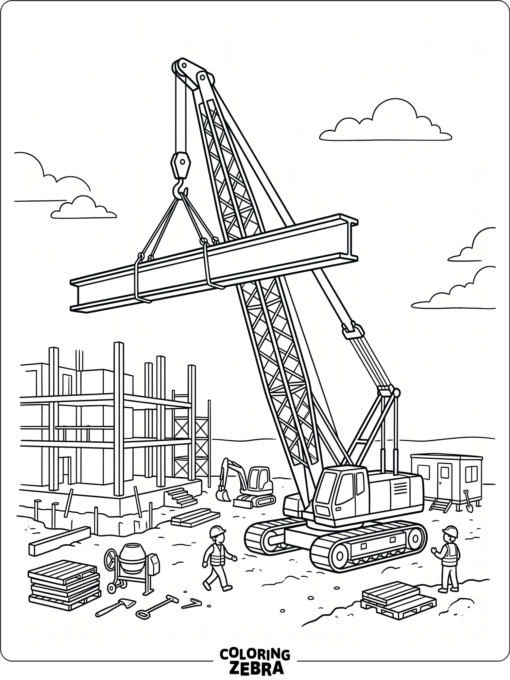

Labor Day Construction Crane Coloring Page
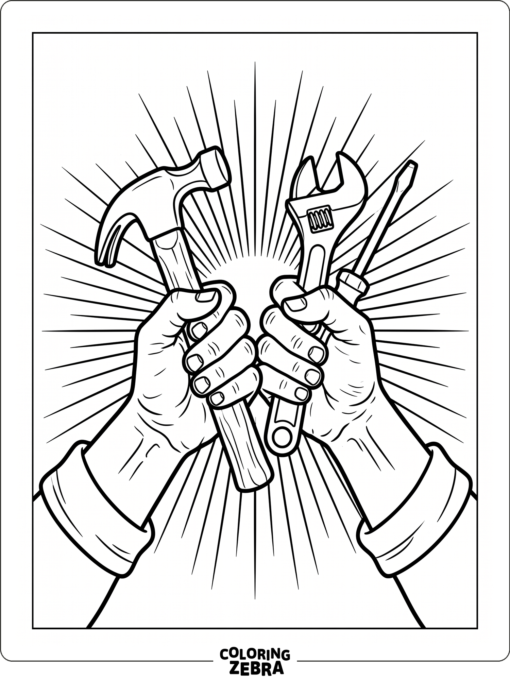

Labor Day Working Hands Coloring Page
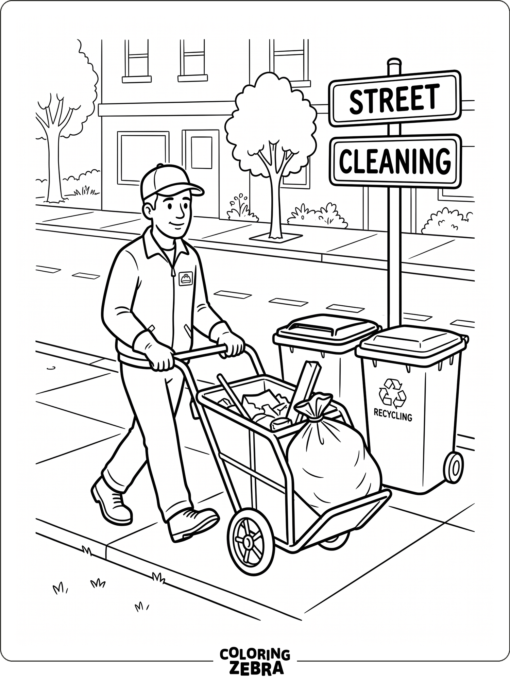

Labor Day Sanitation Worker Coloring Page
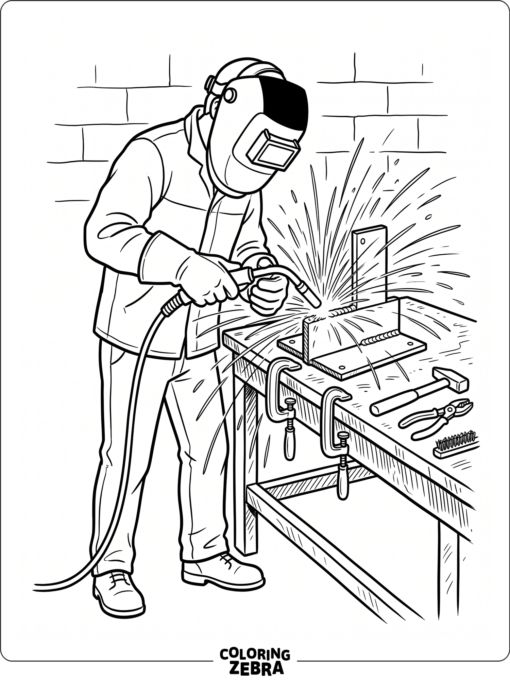

Labor Day Welding Coloring Page
What This Printable Set Explores
Labor Day Coloring Pages can open an age-appropriate discussion about the purpose of this national holiday. No image alt text was provided for the collection, so particular workers, occupations, tools, uniforms, workplaces, symbols, or activities cannot be identified as part of the artwork. That limitation matters: the pages should be viewed individually rather than assumed to show a particular industry or familiar holiday scene. The confirmed theme is broad enough to help children consider how work supports families, neighborhoods, and the country.
As children look through the Labor Day coloring sheets, ask them to describe only what they can actually see. They might notice people, objects, words, patterns, or settings, but those observations should come from the printed page rather than a prediction about what a Labor Day design ought to contain. This simple practice strengthens visual attention while preventing stereotypes about what a worker looks like or which kinds of work deserve recognition.
What Labor Day Recognizes
In the United States, Labor Day is observed on the first Monday in September. It honors the contributions and achievements of American workers. Although many people now associate the long weekend with recreation and the unofficial end of summer, that seasonal connection is a modern cultural tradition rather than the holiday’s original purpose.
Labor Day is not an appreciation day for only one occupation. It grew from a much wider movement concerned with the experiences and rights of workers. This makes the holiday a useful starting point for discussing how physical effort, specialized knowledge, care, planning, service, and creativity can all contribute to society. It can also encourage respectful conversations about paid work, unpaid responsibilities, and the different ways people help homes and communities function.
How the Holiday Began
Labor Day developed during the labor movement of the late 19th century. Industrial expansion created jobs, but many laborers faced long hours, low pay, and dangerous conditions. Workers formed organizations and unions to seek fairer wages, safer workplaces, and more reasonable schedules. These ideas can be explained to children through familiar concepts such as taking turns, making fair rules, speaking up about hazards, and solving shared problems together.
The first widely recognized Labor Day celebration took place in New York City on September 5, 1882. Historical accounts describe a workers’ parade and public gathering. Those details belong to the history of the holiday and should not be taken as descriptions of the printable artwork. As observances spread, individual states began recognizing the occasion. Congress made Labor Day a federal holiday in 1894, and President Grover Cleveland signed the legislation.
Who Proposed Labor Day?
There is no universally accepted answer to who first proposed the holiday. Historical discussions commonly name both Peter J. McGuire and Matthew Maguire. Because the evidence is disputed, lessons and activity notes should not present either person as the certain founder. This uncertainty offers older children a useful example of how historians compare records and sometimes reach different conclusions.
Coloring Approaches for Different Designs
Before choosing colors, encourage each child to inspect the actual line work on the selected page. Designs with large open areas are usually comfortable for crayons, broad colored pencils, or washable markers. Pages with small sections or fine details may be easier to complete with sharpened pencils or fine-tip markers. Since the available information does not identify the collection’s artistic styles or complexity levels, select materials according to the visible design and the child’s comfort.
- For younger colorists: Offer a limited group of bold, easy-to-distinguish colors and allow unfinished white space.
- For careful detail work: Color larger areas first, then add smaller sections after the page is easier to handle.
- For shading practice: Use light pencil pressure for the first layer and gradually deepen selected areas.
- For a group activity: Let participants make independent color choices, then compare how the same outline can produce different results.
There is no required Labor Day palette. Children can choose realistic colors when the subject calls for them or experiment with personal color schemes. The most useful guidance is to study the page itself instead of assigning colors based on assumptions about a job, workplace, or historical period.
Learning with Labor Day Coloring Pages
Coloring time can support a short vocabulary lesson. A worker is someone who performs work, while a union is an organization through which workers act together on shared concerns. The labor movement refers broadly to organized efforts to improve workers’ conditions and rights. Workplace safety means practices and protections intended to reduce injuries and hazards. A federal holiday is recognized by the national government, although it does not mean every workplace closes.
Some essential services, public facilities, and private businesses continue operating on Labor Day. As a result, not every worker receives the day off. Children can discuss why hospitals, transportation systems, emergency services, utilities, stores, or other services may still need staff without assuming that any of these workplaces appears in the coloring collection.
Labor Day and May Day
U.S. Labor Day is distinct from International Workers’ Day, often called May Day, which is observed on May 1 in many countries. Both have connections to workers and labor history, but they follow different calendar traditions and have distinct national histories. Canada also observes Labour Day on the first Monday in September, using the spelling “Labour.” This collection’s keyword and context refer to the United States holiday.
Ways to Use Finished Pages
Completed Labor Day Coloring Pages can become prompts for speaking, writing, or reflection. Ask children to add a separate caption explaining what work means, why safety matters, or how cooperation improves a community. A class can arrange finished pictures beside a simple three-point timeline marking the 1882 New York City observance, growing state recognition, and federal recognition in 1894.
- Invite each child to identify one visible detail in the chosen printable without guessing beyond the artwork.
- Ask what the page suggests about work, contribution, fairness, or cooperation.
- Pair the finished picture with one verified fact about Labor Day.
- Display the work as part of a September holiday lesson or send it home to begin a family conversation.
For a broader discussion, ask what makes a workplace fair and safe, why workers sometimes organize around shared concerns, and why a country might establish a holiday honoring labor. These questions keep the activity connected to the holiday’s civic purpose while leaving room for children to interpret the actual designs in front of them.
People Often Ask Us…
-
Why is Labor Day always on a Monday?
-
Which state first recognized Labor Day?
-
What does “labor” mean in Labor Day?
-
Is Labor Day a paid day off for everyone?
-
Why is it called the unofficial end of summer?