
Day of The Dead Coloring Pages
Day of The Dead Coloring Pages pair expressive calaveras with flowers, candles, music, and family remembrance scenes. The collection ranges from clean preschool outlines to intricate lace, portrait, and mandala designs. La Catrina, skeleton musicians, festive animals, ofrendas, papel picado, and traditional foods provide varied subjects to explore. Open decorative spaces also make the blank skull and quote artwork especially interesting to personalize.
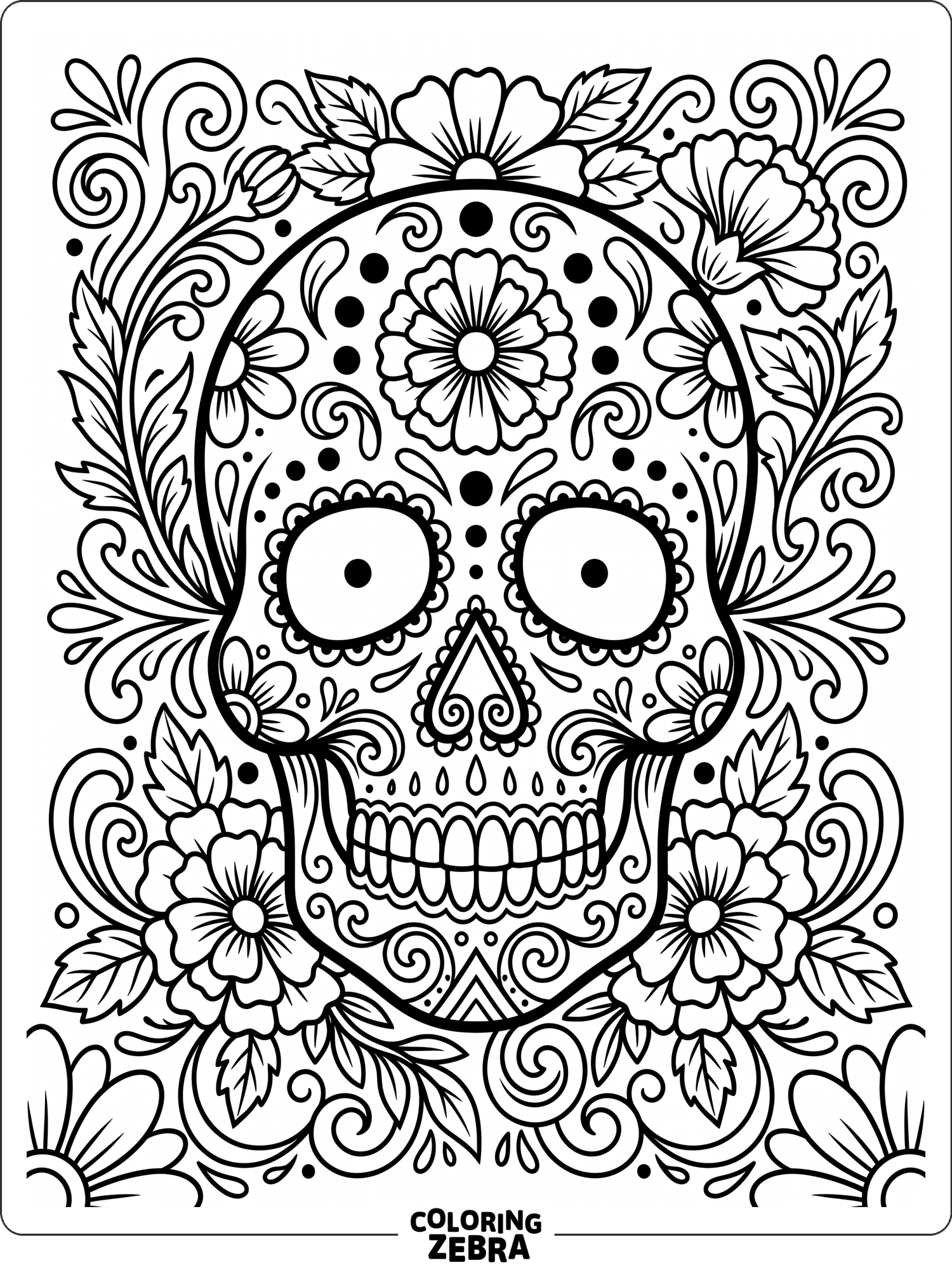
Use standard printer paper for crayons and colored pencils, or heavier paper for markers and gel pens. Select “fit to printable area” to preserve borders and choose grayscale or draft mode to save ink. Print detailed portraits and mandalas at full-page size for a more comfortable coloring area.
Related coloring pages
Printable Day of The Dead Coloring Pages
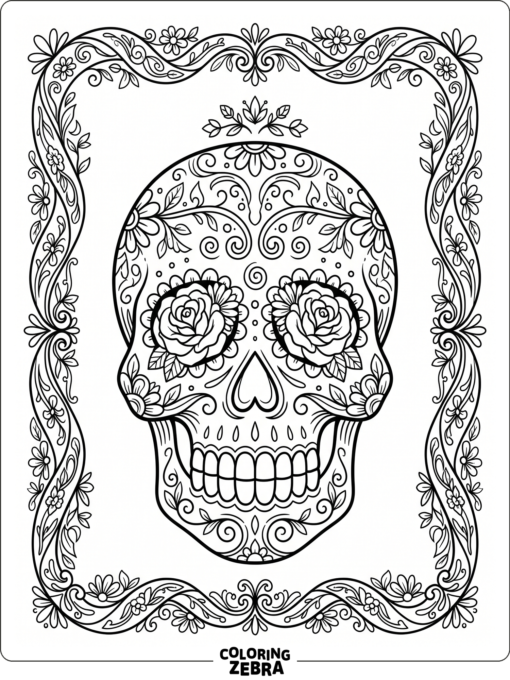

Day Of The Dead Skull Coloring Page
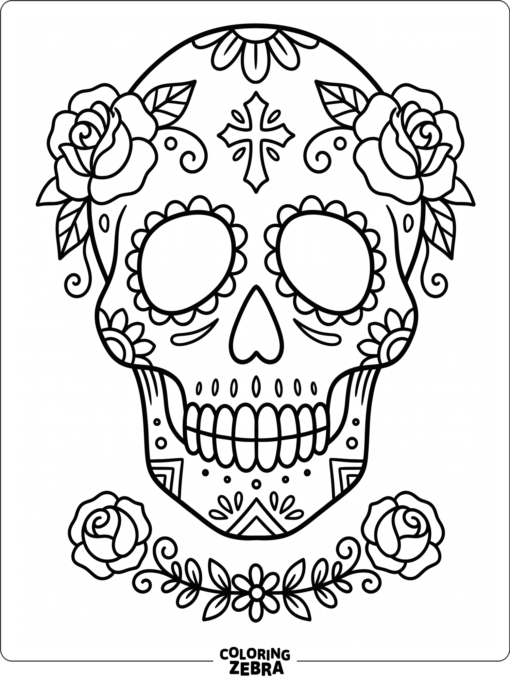

Easy Day Of The Dead Coloring Page
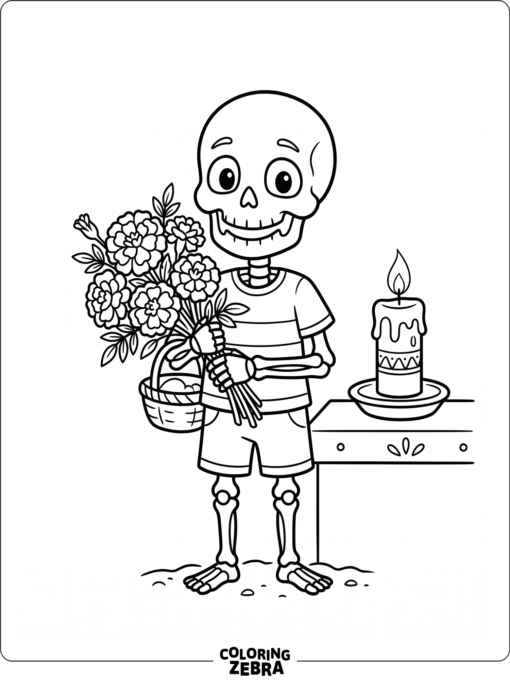

Day Of The Dead Coloring Page For Kids
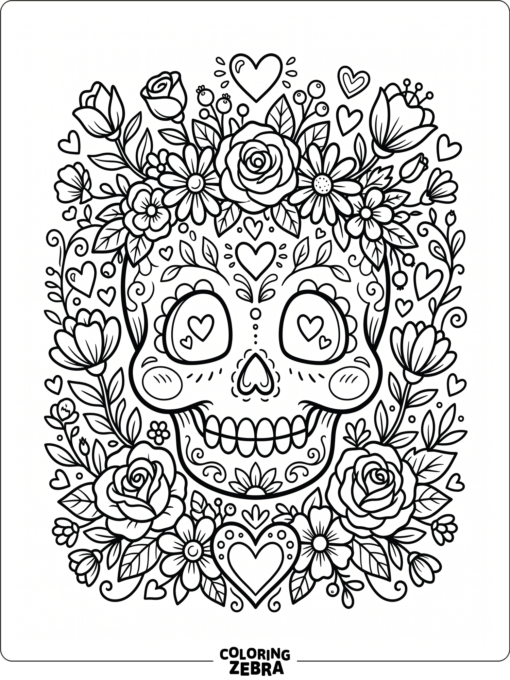

Cute Day Of The Dead Coloring Page
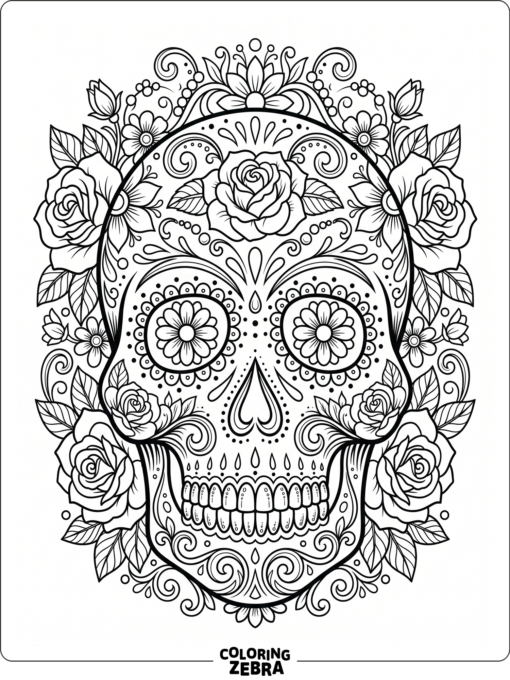

Day Of The Dead Sugar Skull Coloring Page
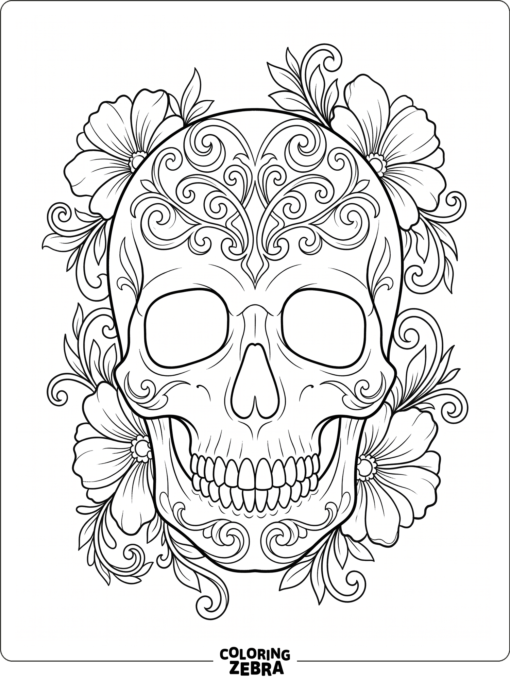

Day Of The Dead Coloring Page For Adults
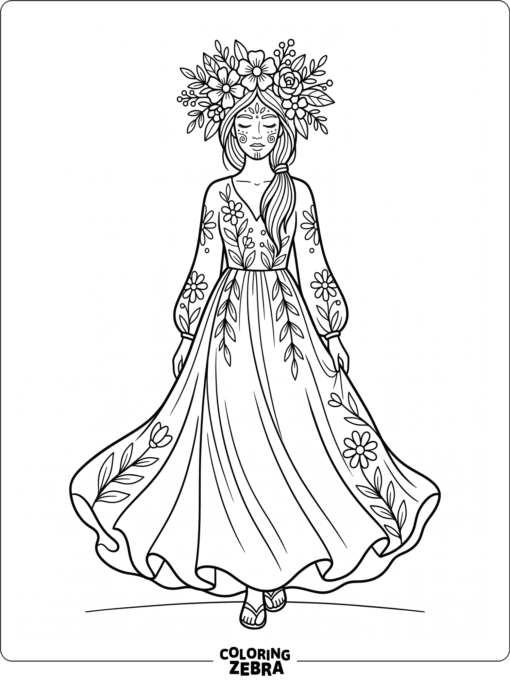

Female Day Of The Dead Coloring Page
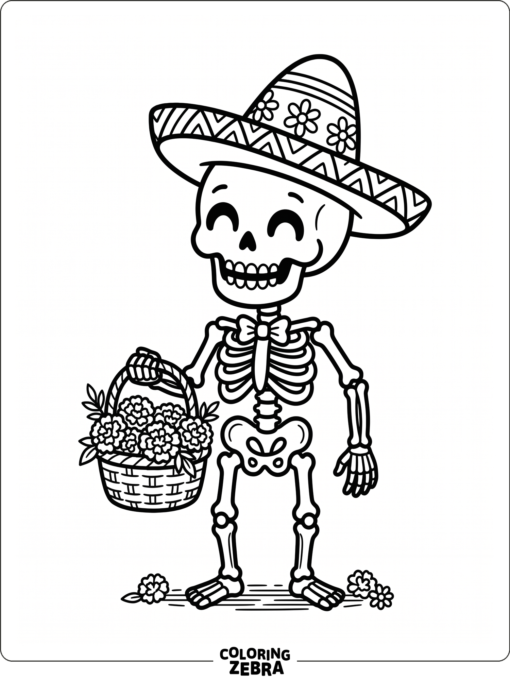

Day Of The Dead Coloring Page For Kindergarten
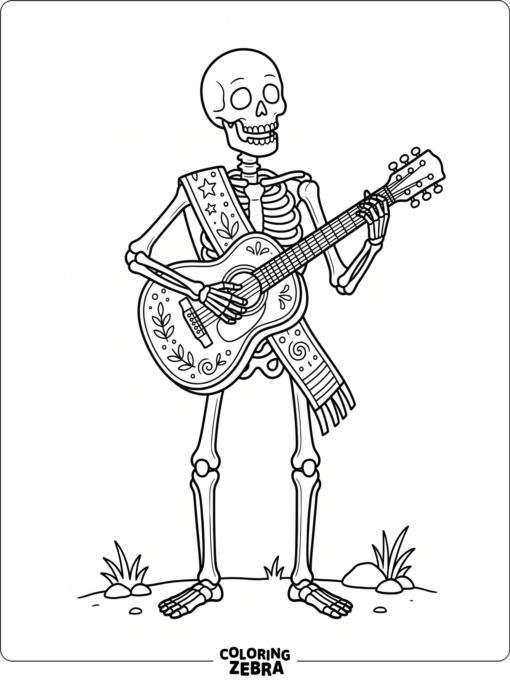

Day Of The Dead Skeleton Coloring Page
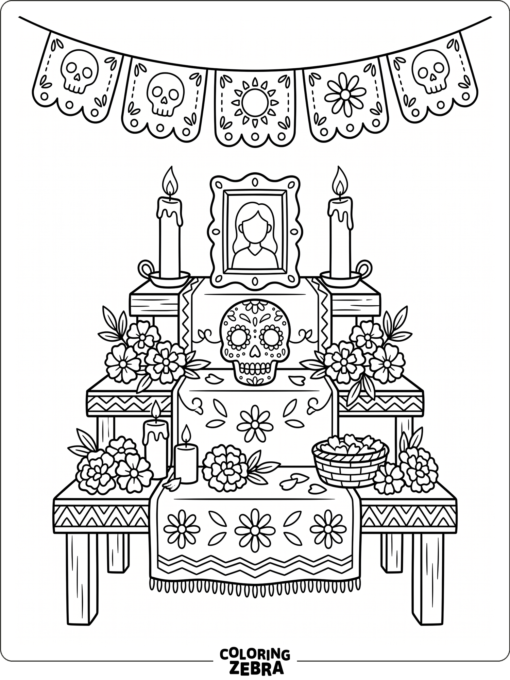

Day Of The Dead Altar Coloring Page
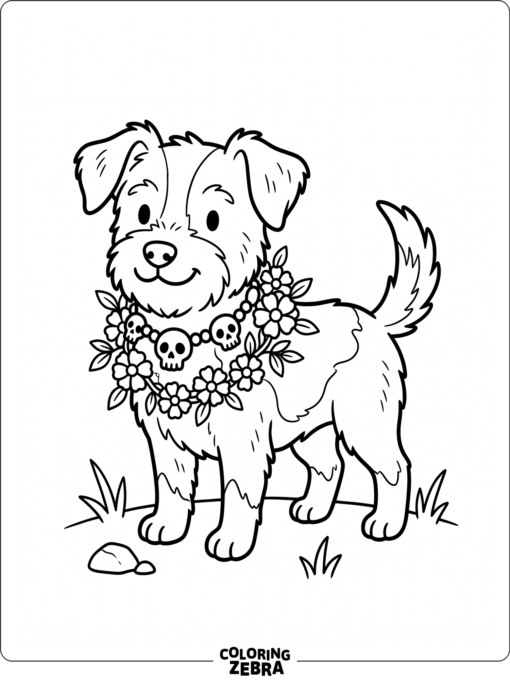

Day Of The Dead Dog Coloring Page
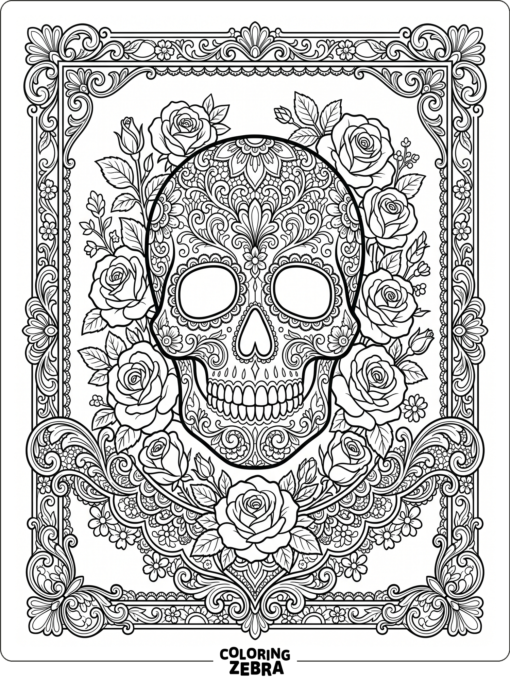

Detailed Day Of The Dead Coloring Page
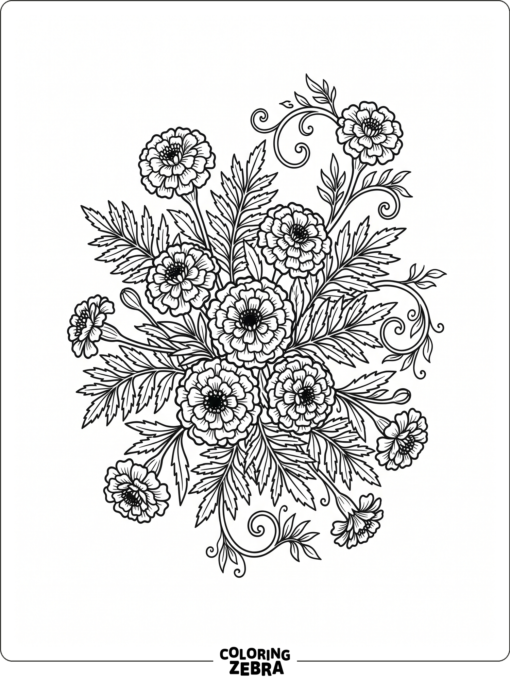

Day Of The Dead Flowers Coloring Page
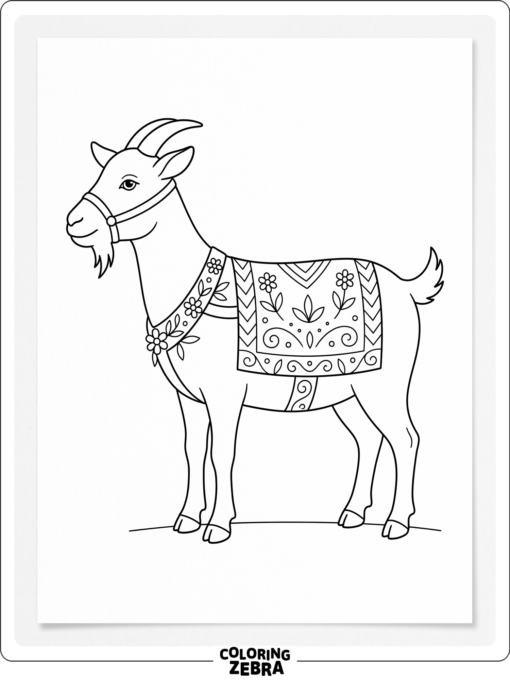

Day Of The Dead Animal Coloring Page
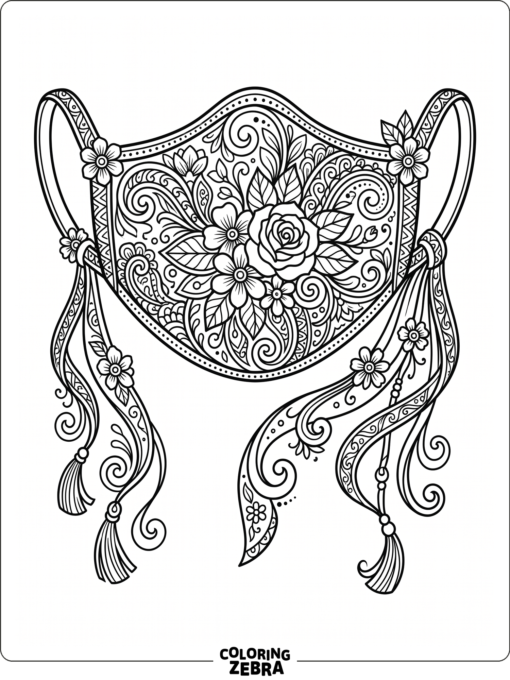

Day Of The Dead Mask Coloring Page
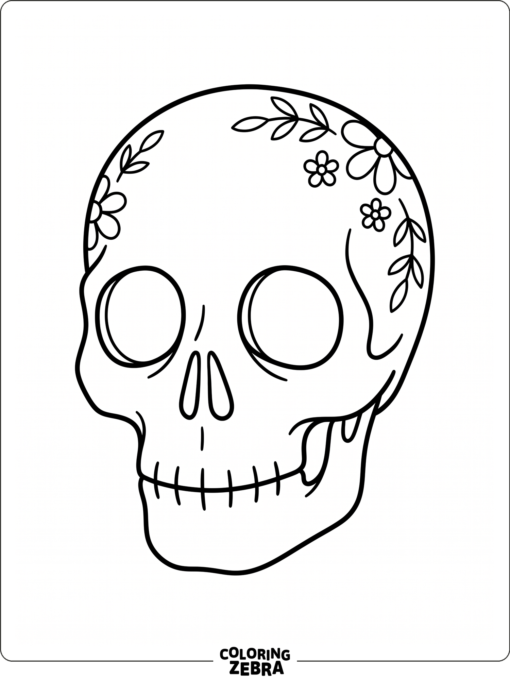

Simple Day Of The Dead Coloring Page
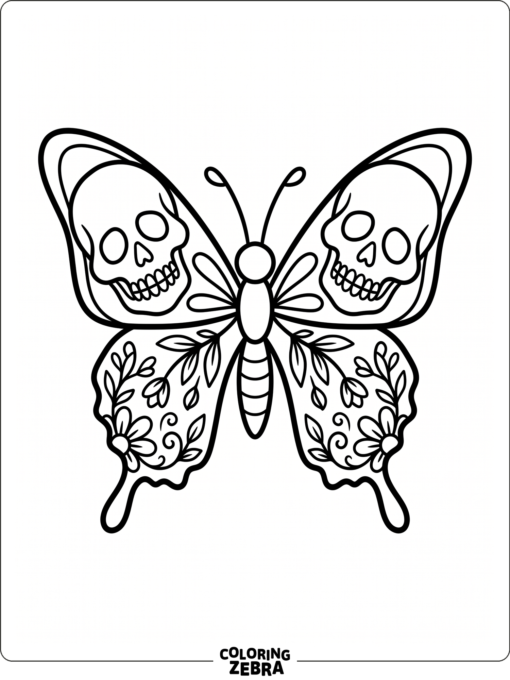

Day Of The Dead Butterfly Coloring Page
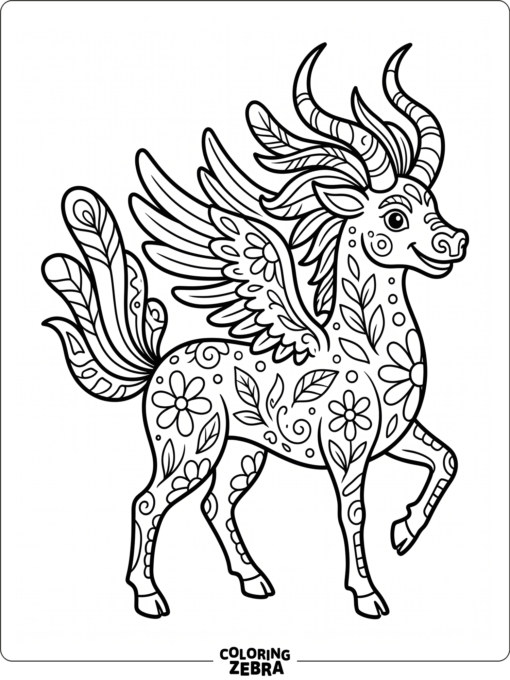

Day Of The Dead Alebrijes Coloring Page
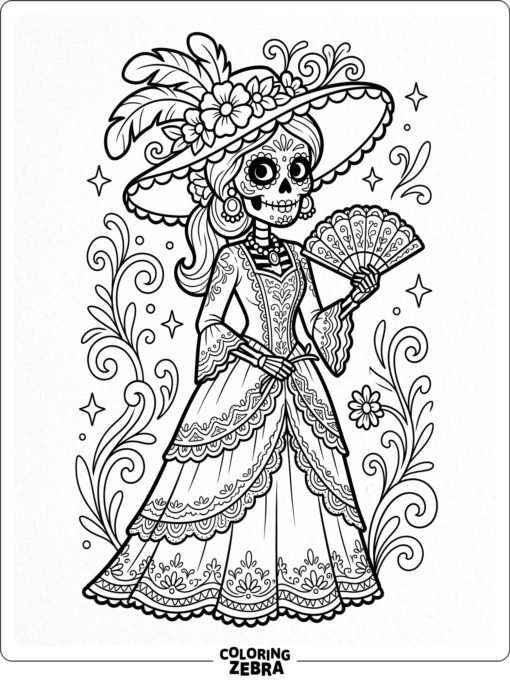

Day Of The Dead Catrina Coloring Page
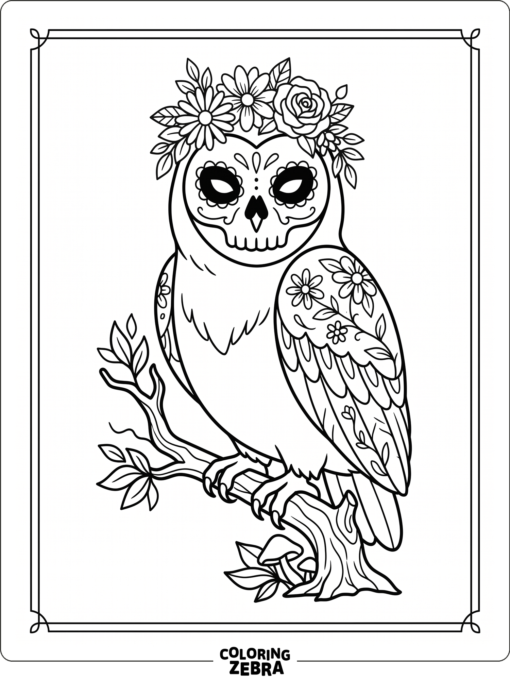

Day Of The Dead Owl Coloring Page
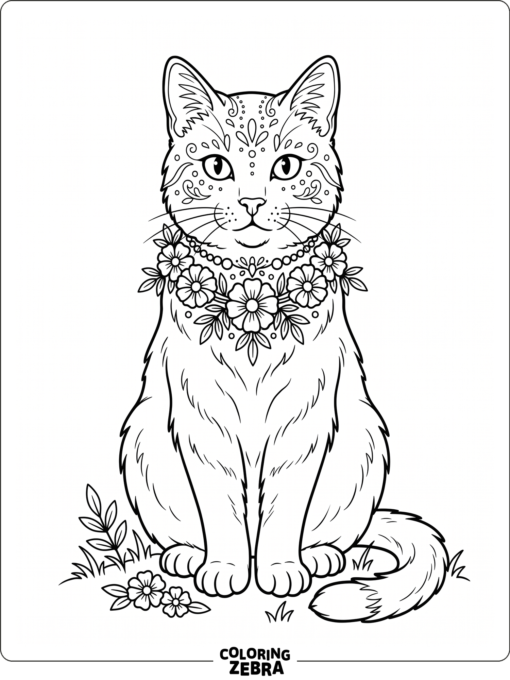

Day Of The Dead Cat Coloring Page
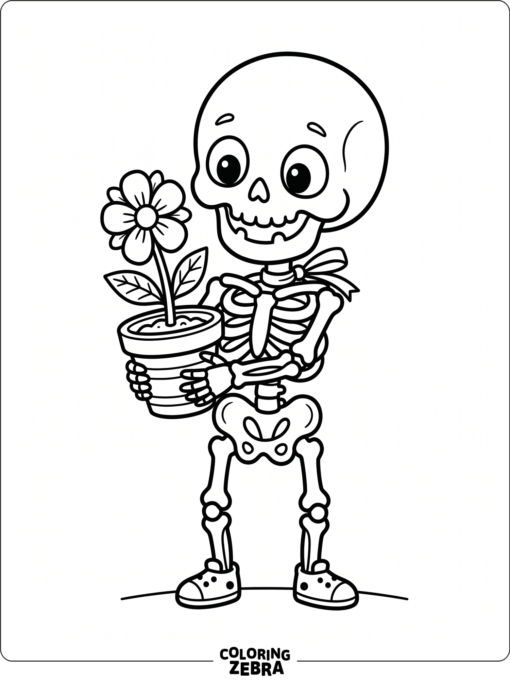

Day Of The Dead Coloring Page For Preschool
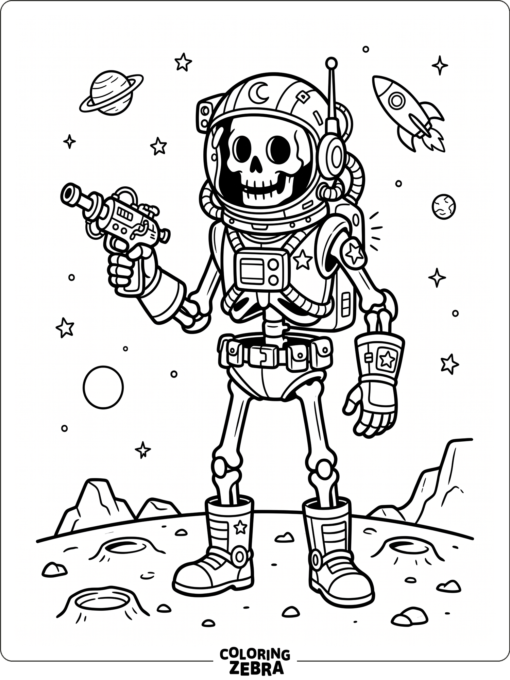

Star Wars Day Of The Dead Coloring Page
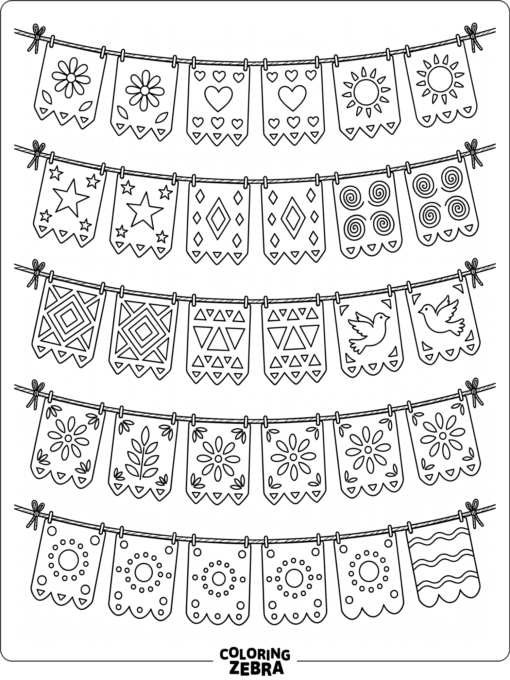

Day Of The Dead Papel Picado Coloring Page
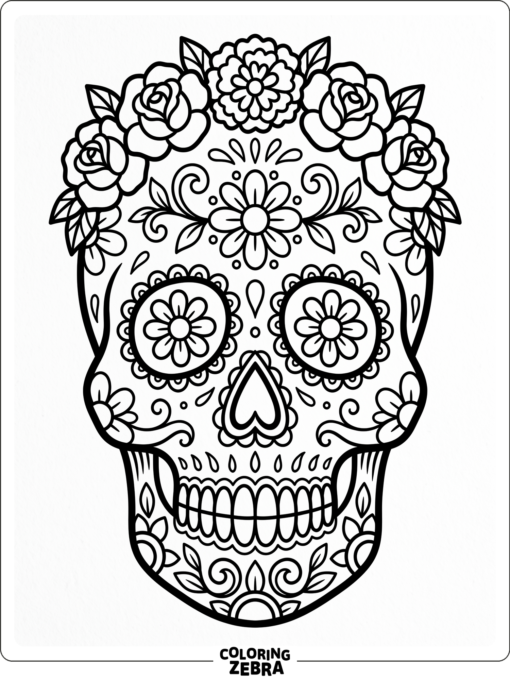

Blank Sugar Skull Coloring Page
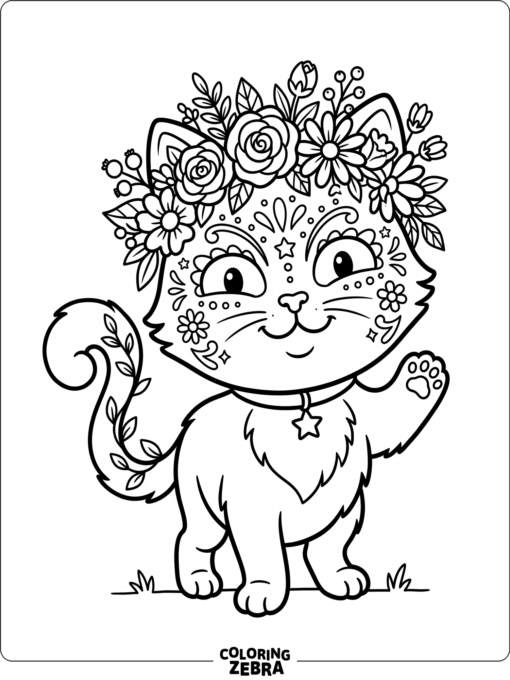

Hello Kitty Day Of The Dead Coloring Page
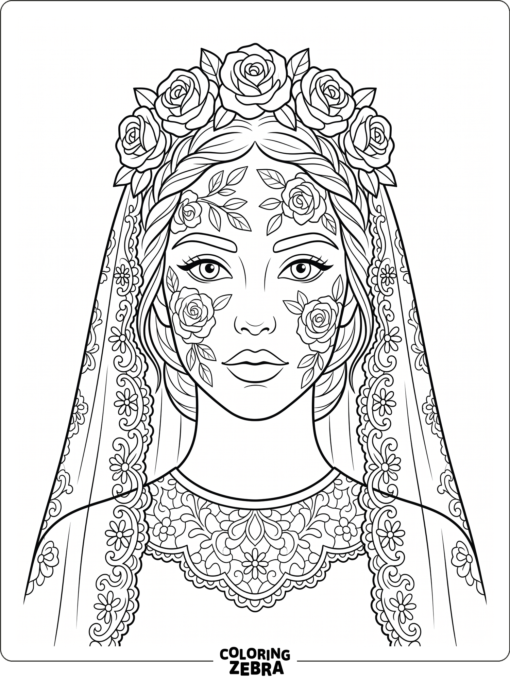

Realistic Day Of The Dead Girl Coloring Page
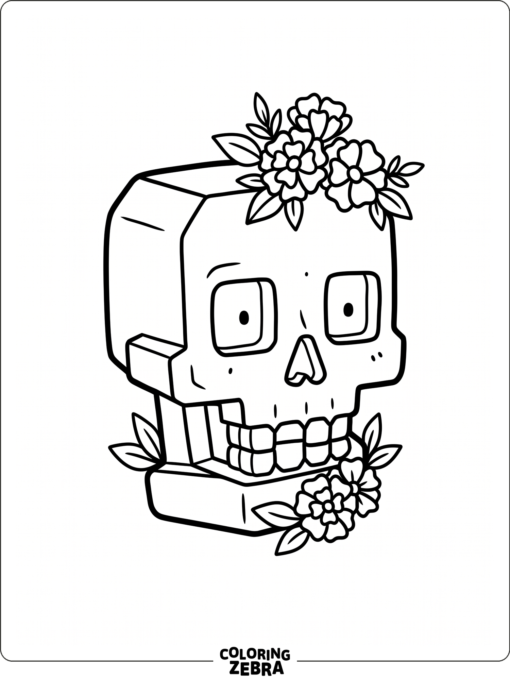

Lego Day Of The Dead Coloring Page
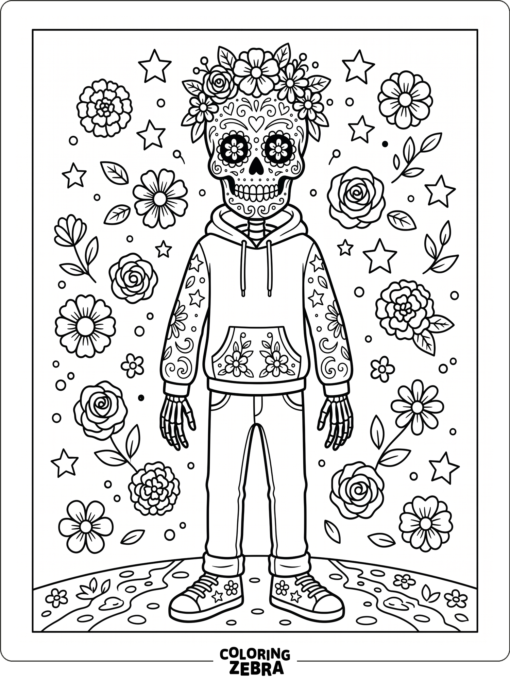

Teen Day of the Dead Coloring Page
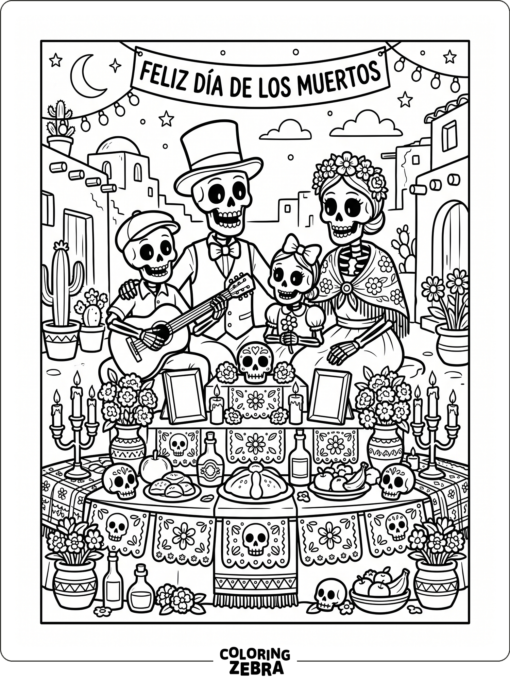

Disney Style Day of the Dead Coloring Page
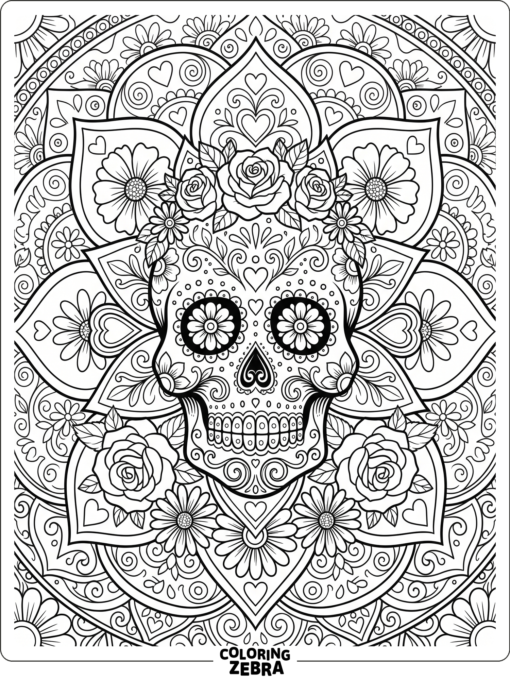

Day of the Dead Mandala Coloring Page
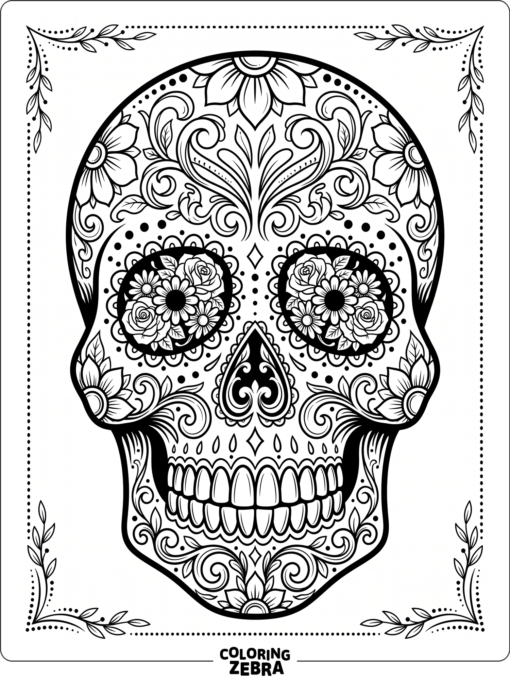

Day of the Dead Face Coloring Page
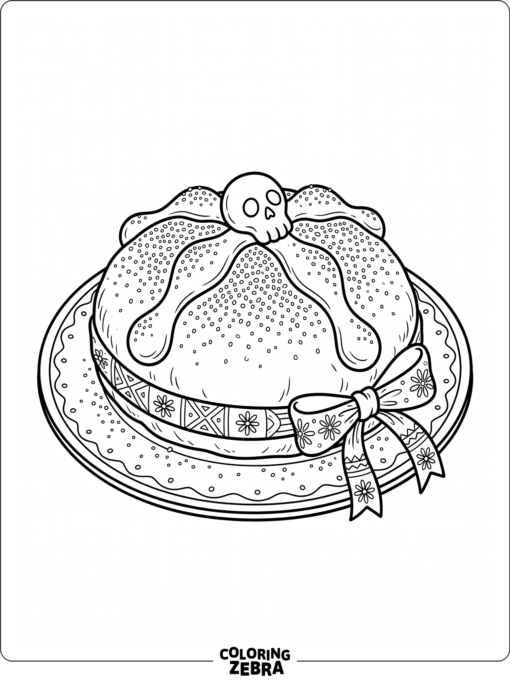

Pan de Muerto Coloring Page
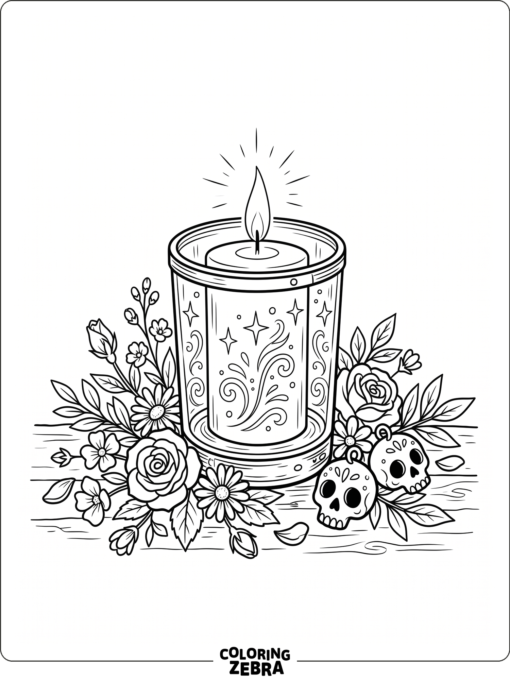

Dia de los Muertos Candle Coloring Page
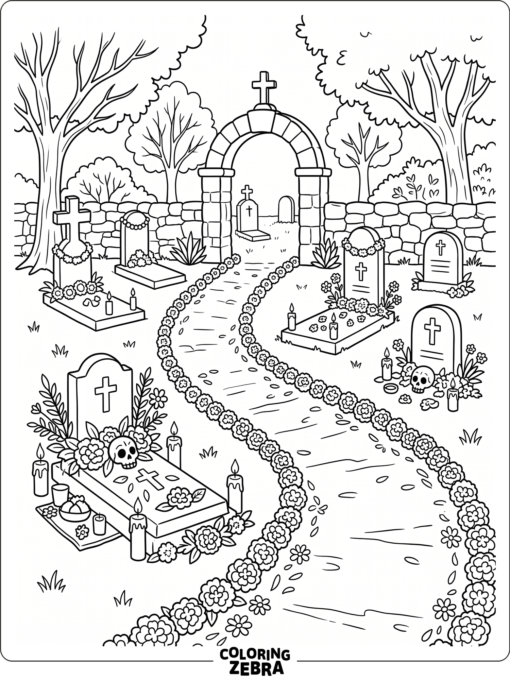

Day of the Dead Cemetery Coloring Page
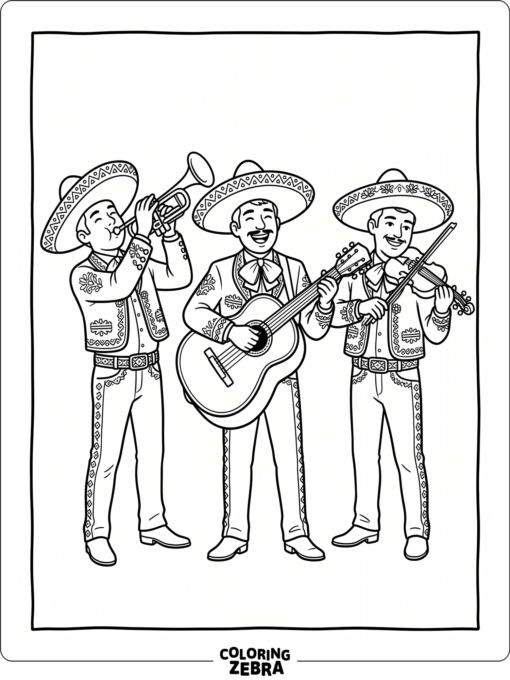

Dia de los Muertos Mariachi Band Coloring Page
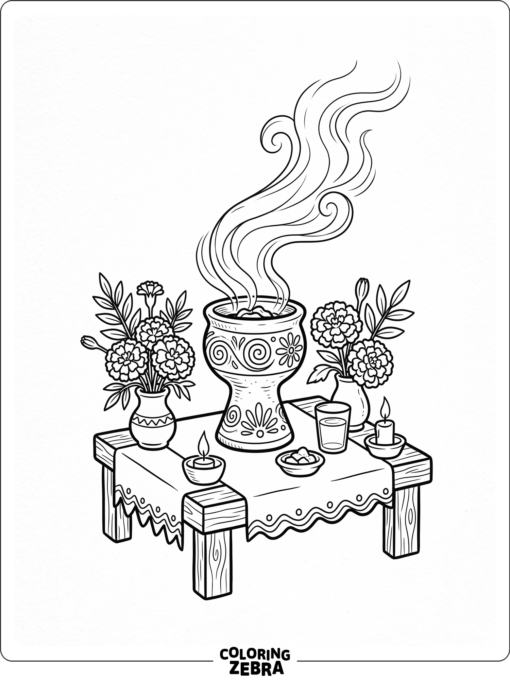

Day of the Dead Copal Incense Coloring Page
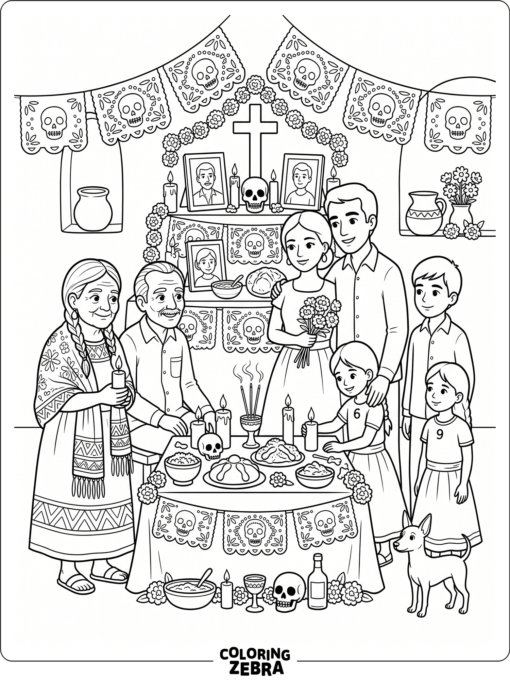

Day of the Dead Family Celebration Coloring Page
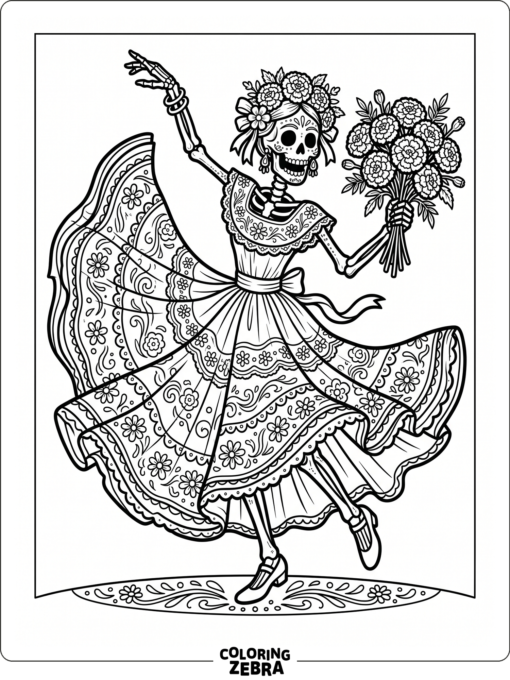

Day of the Dead Dancing Skeleton Coloring Page
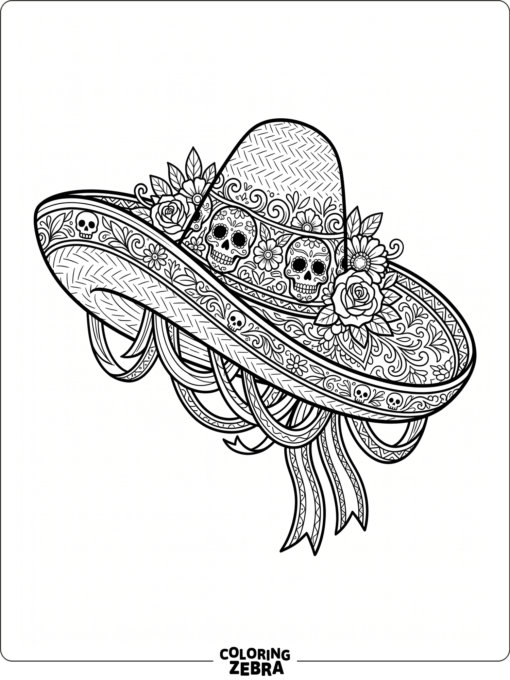

Day of the Dead Sombrero Coloring Page
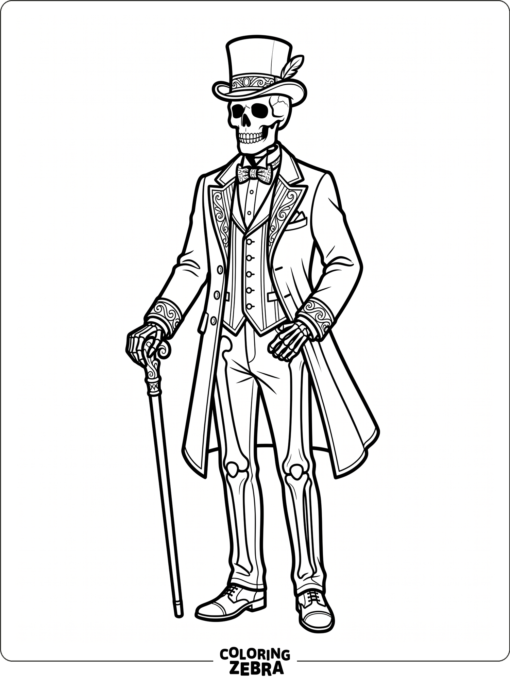

El Catrin Coloring Page
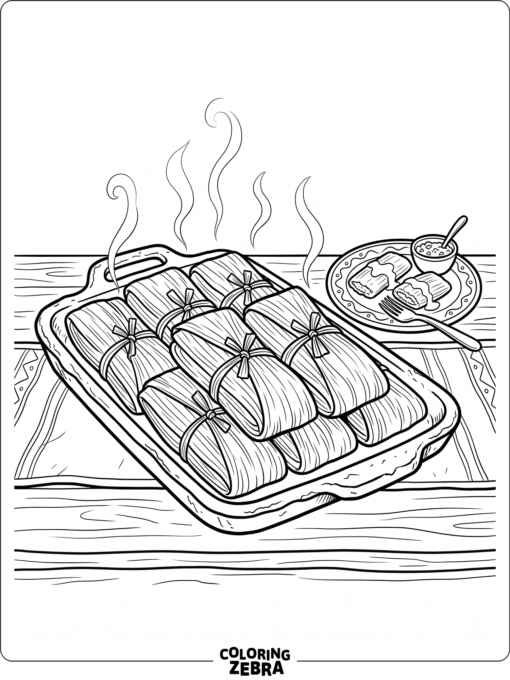

Day of the Dead Tamales Coloring Page
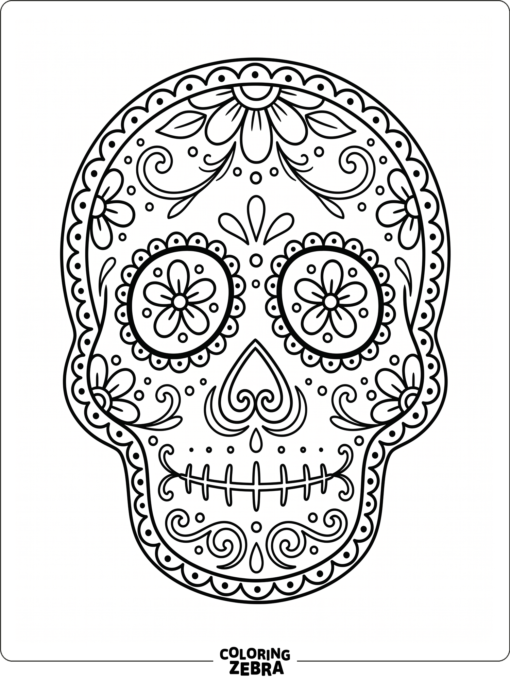

Day of the Dead Sugar Skull Cookie Coloring Page
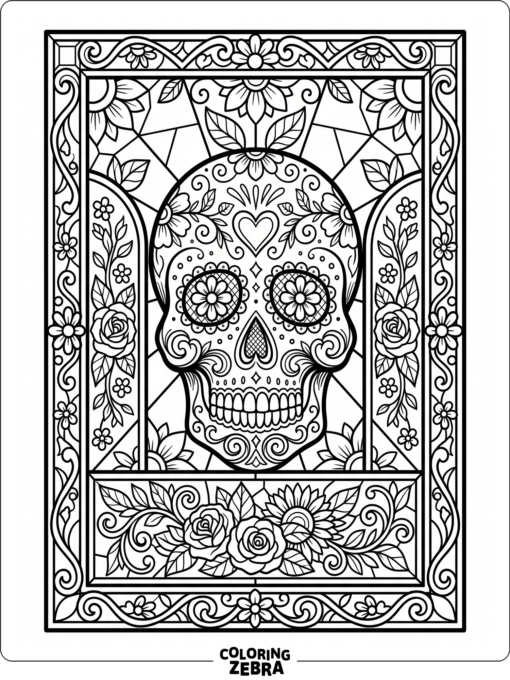

Day of the Dead Stained Glass Coloring Page
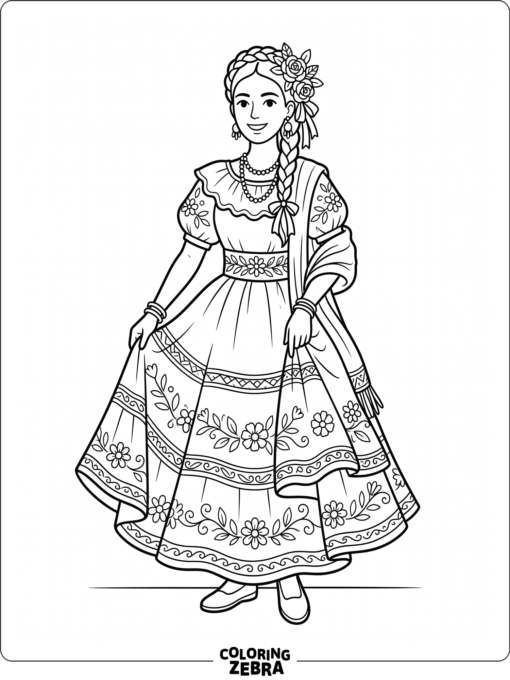

Day of the Dead Traditional Mexican Dress Coloring Page
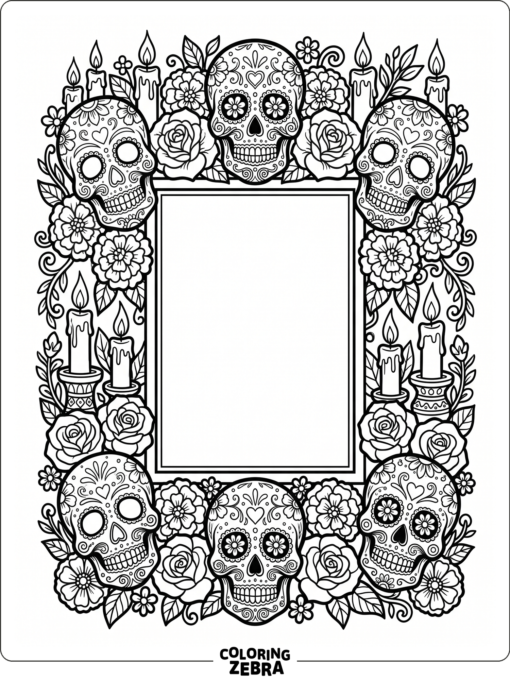

Day of the Dead Greeting Card Coloring Page
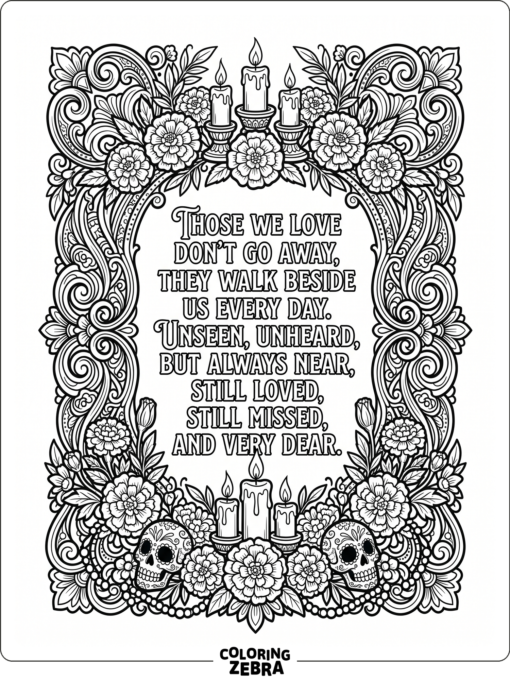

Day of the Dead Remembrance Quote Page
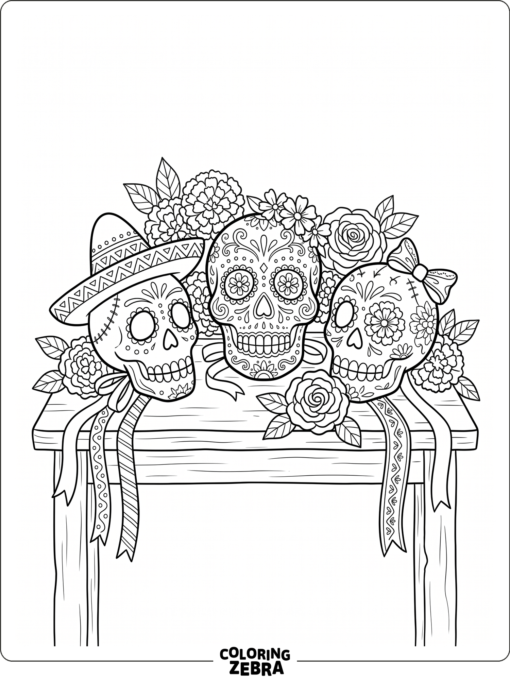

Papier Mache Figures Coloring Sheet
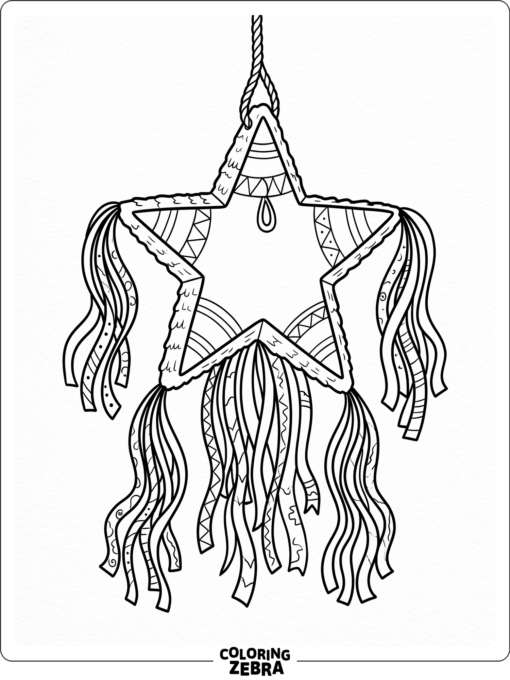

Day of the Dead Piñata Printable
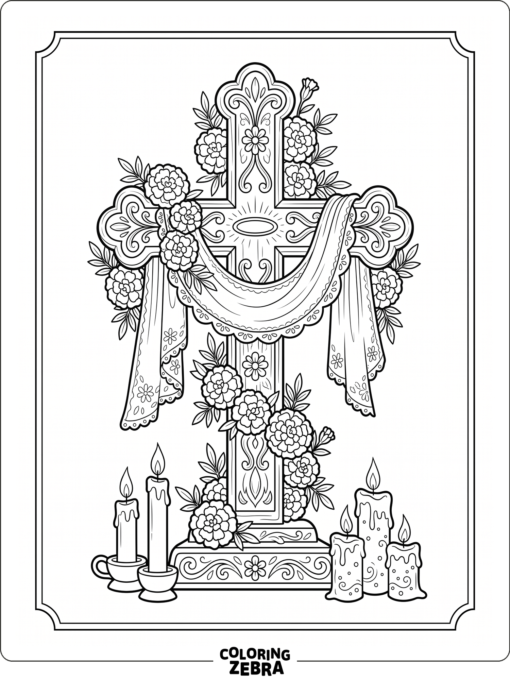

Decorated Cross Coloring Page
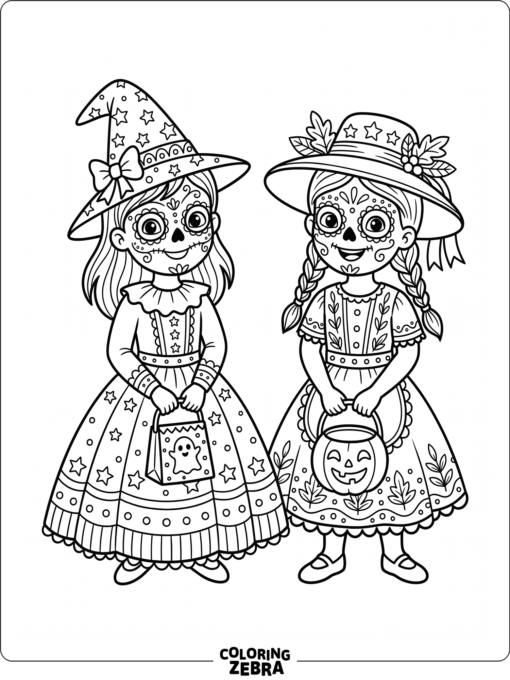

Children in Costume Coloring Page
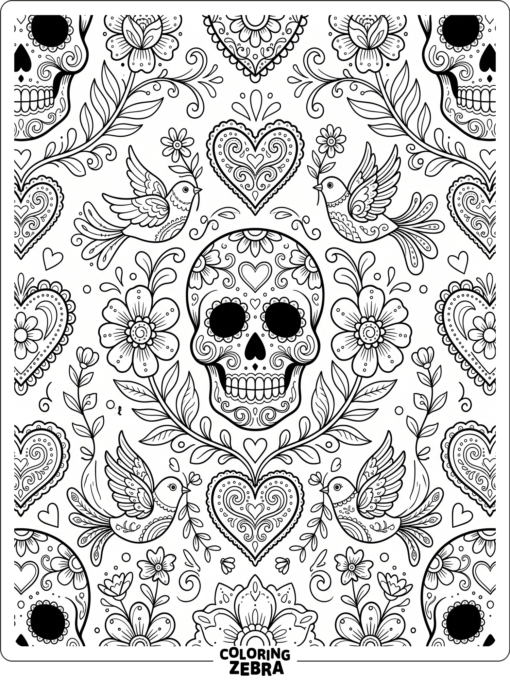

Mexican Folk Art Coloring Page
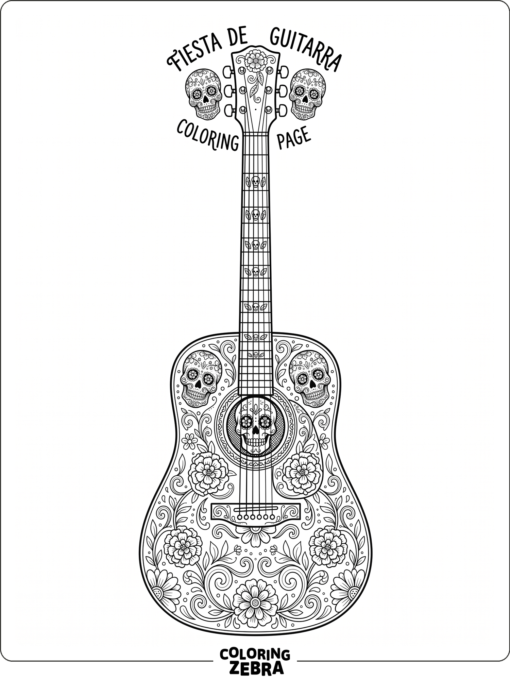

Day of the Dead Guitar Coloring Page
What You Will Find in the Collection
These Day of The Dead Coloring Pages present Día de los Muertos through calaveras, family remembrance, flowers, food, music, and Mexican folk-art-inspired ornament. The simplest choices include a skull with small flowers, an easy sugar skull with clean outlines, and a smiling preschool skeleton holding a flower pot. More elaborate designs feature floral lace, roses, dots, hearts, swirls, stained-glass-style sections, and densely arranged mandala patterns. This range gives younger children spacious shapes while offering teens and adults the fine detail found in elegant portraits and symmetrical compositions.
Calaveras appear in many distinct forms rather than as one repeated skull design. The set includes a blank sugar skull with open floral sections, a decorated cookie, a floral mandala, a butterfly with skull-patterned wings, and a bold stained-glass interpretation. Other sheets frame skulls with marigolds, roses, ribbons, birds, hearts, or curling stems. Because calaveras can be playful, ornate, humorous, or elegant, these varied expressions fit the holiday more accurately than treating every skull as frightening.
People, Skeletons, and Remembrance Scenes
Human and skeletal figures provide both quiet and lively scenes. La Catrina wears a wide hat and lace dress, while another formal skeleton appears in a suit and top hat. A woman in a flower crown, a realistically drawn girl with roses, a teen portrait, and two children show calavera-inspired face paint. Elsewhere, a dancing skeleton sweeps through a swirling pose, a skeleton plays guitar, mariachi musicians perform in traditional dress, and a whimsical skeleton family gathers at a holiday altar.
The remembrance pages include an ofrenda with candles and flowers, family members standing beside a decorated altar, a cemetery scene with candles and scattered petals, and a cross bordered by marigolds, lace, and candlelight. A copal incense bowl with rising smoke introduces another detail found in some observances. These scenes invite thoughtful color choices because light, smoke, petals, fabric, and decorative objects each call for different textures.
Coloring Different Levels of Detail
For easy sugar skull coloring pages, begin with the largest shapes and choose a limited palette before filling the smaller hearts, flowers, and dots. Repeating the same colors on opposite sides can emphasize symmetry. The blank skull offers another approach: invent patterns inside its open sections, add a name or meaningful motif, or leave selected areas white so the decoration remains clear.
The detailed Day of The Dead Coloring Pages benefit from working from the center outward. Fine colored pencils suit lace, tiny petals, facial details, embroidery, and mandala lines. Markers can create bold contrast in the stained-glass skull, papel picado banners, greeting-card frame, and folk-art pattern. On portrait pages, light pencil layers can produce soft shading, while sharply defined roses and face-paint patterns create a deliberate contrast with realistic features.
- For young colorists: Choose the preschool skeleton, simple skull, sweet bread, tamales, candle, or sugar skull cookie.
- For pattern practice: Try the symmetrical skull, butterfly wings, embroidered dress, papel picado, or decorated guitar.
- For intricate coloring: Select the lace skull, La Catrina portrait, skull mandala, decorated cross, or realistic face-painted girl.
- For personal designs: Use the blank calavera or the quote artwork with open space around its lettering.
Día de los Muertos and Family Memory
Día de los Muertos is a Mexican remembrance tradition honoring deceased family members and loved ones. Observances commonly center on November 1 and November 2, although customs and timing vary by family, community, and region. The holiday is distinct from Halloween, even though the dates are close and both may feature skull imagery. Its joyful skeletons, music, favorite foods, flowers, and personal objects can express affection, memory, and an ongoing connection with those who have died.
An ofrenda is a remembrance altar that may include photographs, candles, flowers, food, water, and objects associated with the people being honored. No single arrangement is required for every family. In this collection, the confirmed altar scenes focus on people, candles, and flowers rather than presenting one display as a universal model.
Marigolds, Candles, and Copal
Marigolds recur throughout the artwork as garlands, collars, frames, altar flowers, cemetery petals, and decorations around skulls. In the context of Día de los Muertos, marigolds are often called cempasúchil. Their bright appearance and scent are traditionally understood as helping guide returning spirits. Candles contribute light and a reflective atmosphere, while copal is an aromatic tree resin burned as incense in some remembrance practices.
These elements also offer useful coloring contrasts. A candle can be shaded from a light center into deeper surrounding tones, and curling incense smoke can remain pale against a darker bowl or background. Marigold petals can be colored individually, arranged into repeating garland palettes, or contrasted with green leaves and patterned skull details.
Calaveras and La Catrina
A calavera is a skull image or skeletal figure that may be decorative, humorous, satirical, or refined. Sugar skulls are decorative calaveras associated with the holiday and may carry names or colorful patterns. The collection explores this idea through floral, symmetrical, blank, cookie, mandala, portrait, and stained-glass-style interpretations.
La Catrina has a particular history. The familiar figure developed from José Guadalupe Posada’s satirical skeletal image and was later elaborated by Diego Rivera. Her broad hat and elegant clothing became widely recognized, but not every formally dressed skeleton should automatically be identified as La Catrina. The separate top-hatted skeleton in this set is best treated as another stylish calavera figure.
Food, Music, and Festive Decoration
Food-themed sheets show steamed tamales, a decorated sugar skull cookie, and a round sweet bread that likely represents pan de muerto. Pan de muerto is associated with the holiday, although its recipes, shapes, and decoration vary by region. These pages can open a discussion about how favorite foods and shared meals help families remember people and stories.
Music appears through mariachi performers, a guitar-playing skeleton, and a guitar decorated with skull and marigold motifs. Papel picado banners, paper flowers, ribbons, a star piñata, an embroidered dress, and a decorated sombrero add broader Mexican celebration and folk-art imagery. Mariachi, piñatas, sombreros, and tamales are not universal requirements of Día de los Muertos, so they are best understood as festive cultural motifs within this varied collection.
Animals and Modern Folk-Art Variations
The animal pages include a dog with a skull collar and flower garland, a cat with a marigold collar, an owl with face markings, a decorated goat, and a patterned butterfly. A horned and feathered alebrije adds an imaginative folk-art subject. Alebrijes are colorful Mexican folk-art creatures, but they are not an essential historical symbol in every Day of the Dead observance.
The image list also contains Star Wars, Hello Kitty, and LEGO-style skeleton interpretations. These are modern, character-inspired variations rather than traditional holiday figures, and their inclusion does not imply official licensing or endorsement. They can be discussed alongside the collection’s whimsical imagery while keeping the cultural focus on remembrance, calaveras, ofrendas, candles, and marigolds.
Ways to Use the Finished Artwork
Completed Day of The Dead Coloring Pages can become a classroom display about holiday symbols, a family discussion prompt, or a seasonal art wall arranged by subject. Combine the papel picado sheets into a paper banner, place several calaveras together as a pattern study, or group the food, music, flower, and altar scenes into a visual explanation of remembrance traditions. The greeting-card frame can hold a personal message, while the open quote design can be displayed without inventing or replacing its printed wording.
When sharing the pages, include brief labels explaining that customs differ across Mexico and among Mexican diaspora communities. A respectful display should emphasize memory, family, and cultural context rather than presenting skull makeup or skeletons as generic spooky decoration. That approach preserves the warmth, humor, elegance, and reflective meaning visible across the set.
People Often Ask Us…
-
How did Día de los Muertos develop?
-
Why are November 1 and 2 important?
-
What is papel picado?
-
Is calavera face paint required?
-
Why do the skeletons look lively?